The right preparation can turn an interview into an opportunity to showcase your expertise. This guide to Research and Development Methods interview questions is your ultimate resource, providing key insights and tips to help you ace your responses and stand out as a top candidate.
Questions Asked in Research and Development Methods Interview
Q 1. Describe the different phases of the scientific method.
The scientific method is a systematic approach to understanding the world. It’s not a rigid set of rules, but rather a flexible framework adaptable to various research questions. It generally involves these phases:
- Observation: This begins with noticing a phenomenon or problem. For instance, observing that a particular plant species thrives better in shaded areas compared to sunny ones.
- Question: Formulating a specific question based on the observation. In our example, the question could be: ‘Does shade significantly affect the growth rate of this plant species?’
- Hypothesis: Proposing a testable explanation (hypothesis) for the observation. This is often an ‘if-then’ statement. Example: ‘If the plant species is grown in shade, then its growth rate will be higher than if it is grown in sunlight.’
- Prediction: Making a specific, measurable prediction based on the hypothesis. Example: ‘Plants grown in shade will show a 20% higher growth rate after four weeks compared to those grown in full sunlight.’
- Experiment: Designing and conducting an experiment to test the hypothesis. This involves careful control of variables to isolate the effect of the variable being studied (shade in this case). This stage demands meticulous planning and execution.
- Analysis: Analyzing the data collected from the experiment using statistical methods to determine if the results support or refute the hypothesis.
- Conclusion: Drawing a conclusion based on the analysis. This might involve accepting, rejecting, or modifying the hypothesis. The conclusion should be supported by evidence and clearly state the implications of the findings.
- Communication: Sharing the findings with the scientific community through publications, presentations, or reports. This allows for peer review and further investigation.
It’s crucial to understand that the scientific method is iterative. Results might lead to modifications of the hypothesis or the design of new experiments, leading to a cyclical process of refinement and knowledge generation.
Q 2. Explain the importance of hypothesis testing in R&D.
Hypothesis testing is the cornerstone of R&D because it provides a structured way to evaluate the validity of claims and assumptions. It allows us to move beyond anecdotal evidence and make data-driven decisions. In essence, we’re using statistical methods to determine the likelihood that an observed effect is real or simply due to chance.
For example, imagine a pharmaceutical company developing a new drug. Before launching it, they need strong evidence that the drug is effective and safe. They’ll conduct clinical trials – carefully designed experiments – to test their hypothesis that the drug improves a specific condition. Statistical analysis of the trial data helps determine whether the observed improvement is significantly better than what could be expected by chance (e.g., placebo effect).
Hypothesis testing also helps in:
- Identifying promising research avenues: By rejecting certain hypotheses, we can avoid wasting resources on unfruitful lines of inquiry.
- Minimizing risk: Before investing significant resources in a new product or process, hypothesis testing can help assess its potential viability.
- Supporting decision-making: Providing a robust evidence base for decisions relating to resource allocation and project continuation.
Q 3. What are the key characteristics of a well-designed experiment?
A well-designed experiment is crucial for generating reliable and valid results. Key characteristics include:
- Clearly defined objectives: The experiment’s purpose and hypotheses should be explicitly stated.
- Control group: A control group is essential for comparison, allowing researchers to isolate the effect of the independent variable.
- Randomization: Random assignment of subjects to different groups minimizes bias and ensures that groups are comparable.
- Replication: The experiment should be repeatable to ensure the results are consistent and reliable. Multiple trials or repetitions are important.
- Blinding: In some cases, blinding (where participants or researchers are unaware of the treatment assignment) helps reduce bias.
- Appropriate sample size: A sufficiently large sample size is critical for obtaining statistically significant results.
- Valid and reliable measurements: The methods used to collect data should be accurate and consistent.
- Control of confounding variables: Factors other than the independent variable that could influence the results should be minimized or controlled.
For example, in a study investigating the effectiveness of a new fertilizer, a control group would receive no fertilizer, while the experimental group would receive the new fertilizer. Random assignment of plants to these groups ensures that any observed differences in plant growth are likely due to the fertilizer and not other factors.
Q 4. How do you manage risk and uncertainty in R&D projects?
Managing risk and uncertainty is inherent in R&D, as it deals with the unknown. Several strategies help mitigate these challenges:
- Risk assessment: A systematic process of identifying potential risks, analyzing their likelihood and impact, and prioritizing them. This might involve tools like Failure Mode and Effects Analysis (FMEA).
- Contingency planning: Developing backup plans to address potential setbacks. For instance, if a key supplier faces delays, having alternative suppliers lined up can minimize disruption.
- Phased approach: Breaking down the R&D project into smaller, manageable phases, allowing for risk assessment and mitigation at each stage. This allows for earlier detection of problems and reduces overall project risk.
- Iterative development: Instead of pursuing a single, large-scale approach, an iterative approach allows for continuous evaluation, feedback, and course correction.
- Collaboration and knowledge sharing: Working with experts in various fields and sharing knowledge can help identify potential issues early on. Peer review is crucial in mitigating risks.
- Robust design: Designing experiments and processes that are less susceptible to variability and unforeseen circumstances.
- Data-driven decision-making: Using data to inform decisions throughout the project lifecycle, minimizing reliance on assumptions and hunches.
For instance, in developing a new software application, a phased approach might involve developing a minimum viable product (MVP) first, then iteratively incorporating feedback and adding features based on user testing and data analysis.
Q 5. Compare and contrast qualitative and quantitative research methods.
Qualitative and quantitative research methods are complementary approaches used in R&D. They differ significantly in their goals, data collection techniques, and analysis methods.
Qualitative research focuses on in-depth understanding of experiences, perspectives, and meanings. It’s often exploratory and seeks to answer ‘why’ questions. Data is typically collected through interviews, focus groups, observations, and document analysis. Analysis involves interpreting themes, patterns, and narratives.
Quantitative research emphasizes numerical data and statistical analysis to identify relationships and test hypotheses. It focuses on measuring and quantifying phenomena. Data is often collected through surveys, experiments, and existing databases. Analysis involves statistical tests and calculations to determine significance and relationships.
Comparison:
| Feature | Qualitative | Quantitative |
|---|---|---|
| Goal | Understanding meaning and context | Measuring and testing relationships |
| Data Type | Text, images, audio | Numbers, statistics |
| Sample Size | Smaller, in-depth | Larger, representative |
| Analysis | Thematic analysis, interpretation | Statistical analysis |
Example: A company developing a new product might conduct qualitative research through customer interviews to understand customer needs and preferences, and then conduct quantitative research through surveys to test market acceptance of the product after its development.
Q 6. Explain the concept of experimental design and its importance.
Experimental design is the process of planning and conducting experiments to effectively test hypotheses and draw valid conclusions. It’s critical because a poorly designed experiment can lead to misleading or inconclusive results, wasting resources and time. Effective experimental design involves:
- Defining the research question and hypothesis: The experiment should address a clear, specific research question.
- Identifying independent and dependent variables: The independent variable is manipulated (e.g., dosage of a drug), while the dependent variable is measured (e.g., patient recovery time).
- Choosing the experimental design: Several designs exist, including completely randomized designs, randomized block designs, and factorial designs, each suited to different situations.
- Controlling extraneous variables: Factors that could confound the results should be controlled or accounted for.
- Determining sample size: A large enough sample size is necessary to ensure statistical power.
- Data collection and analysis: The data should be collected systematically and analyzed using appropriate statistical methods.
For example, a researcher studying the effect of different types of fertilizer on plant growth might use a randomized block design, where blocks represent different soil conditions, and fertilizer types are randomly assigned within each block. This design accounts for the variation in soil conditions, leading to more accurate conclusions about fertilizer effectiveness.
Q 7. Describe your experience with statistical analysis techniques.
Throughout my career, I’ve extensively utilized various statistical analysis techniques, tailored to the specific needs of different R&D projects. My expertise encompasses both descriptive and inferential statistics. I am proficient in using software such as R, SPSS, and SAS.
Descriptive statistics: I routinely use measures of central tendency (mean, median, mode), dispersion (standard deviation, variance), and frequency distributions to summarize and describe data sets. For example, in analyzing survey data on customer satisfaction, I’d calculate average satisfaction scores and standard deviations to understand the overall level of satisfaction and its variability.
Inferential statistics: This is crucial for hypothesis testing and drawing conclusions about populations based on sample data. I’m experienced in:
- t-tests: Comparing means of two groups (e.g., comparing the effectiveness of two different drugs).
- ANOVA (Analysis of Variance): Comparing means of three or more groups (e.g., comparing the yield of different crop varieties).
- Regression analysis: Modeling the relationship between variables (e.g., predicting product sales based on advertising expenditure).
- Correlation analysis: Assessing the strength and direction of the linear relationship between variables (e.g., assessing the relationship between temperature and reaction rate).
- Chi-square tests: Analyzing categorical data to determine if there is an association between variables (e.g., determining if there’s a relationship between gender and product preference).
My experience also includes more advanced techniques like survival analysis (used in studying the time until an event occurs, such as equipment failure or patient death) and multivariate analysis (used to analyze data with multiple variables simultaneously).
I always ensure that the statistical methods used are appropriate for the data and research question, and I am meticulous in interpreting the results and their implications.
Q 8. How do you ensure the reproducibility of your research findings?
Reproducibility is paramount in research. It ensures that others can independently verify our findings, increasing the credibility and reliability of the work. This is achieved through meticulous documentation and transparency across every stage of the research process.
Detailed Methodology: I ensure my research protocols are meticulously documented, including every step, parameter, and tool used. This includes version numbers for software, specific equipment models, and detailed descriptions of experimental setups. Think of it like a recipe – so precise that anyone can follow it and get the same result.
Data Management: Data is organized and stored systematically, often using version control systems like Git for code and dedicated data repositories. Metadata, describing the origin and context of data, is crucial. This prevents ambiguity and allows for easy tracing of any potential issues.
Openness and Sharing: Open-source tools and data sharing (where appropriate and ethically sound) contribute to reproducibility. Making your data and code publicly available allows others to scrutinize your work and build upon it.
Blind Analysis: Where possible, I utilize blind or double-blind analysis to minimize bias. This means that the researchers analyzing the data are unaware of the treatment groups or experimental conditions.
For instance, in a recent project involving machine learning, I meticulously documented the version of the libraries, hyperparameters, and the data pre-processing steps. This allowed my colleagues to easily replicate the model and validate the results independently.
Q 9. What are some common challenges in translating research findings into practical applications?
Bridging the gap between research findings and practical applications often presents significant hurdles. These challenges can be broadly categorized into technical, economic, and societal factors.
Scalability: A laboratory-scale process might not be easily scaled up for mass production. For example, a drug synthesized effectively in small quantities in a lab might face significant challenges in industrial-scale manufacturing.
Cost-effectiveness: Research solutions can be expensive to implement. A highly effective but prohibitively expensive treatment might not be feasible for widespread use.
Regulatory hurdles: Obtaining necessary approvals and certifications (e.g., FDA approval for pharmaceuticals) can be a lengthy and complex process.
Market acceptance: Even if a technology is technically feasible and cost-effective, its success depends on market demand and consumer acceptance. Behavioral factors often play a significant role.
Ethical considerations: Ethical implications and societal acceptance must be carefully considered before implementing any new technology or solution.
For example, a promising new renewable energy technology might be highly efficient in the lab but struggle to compete economically with established energy sources until further R&D reduces its cost.
Q 10. Explain the difference between basic and applied research.
Basic research and applied research differ fundamentally in their goals and outcomes. Basic research aims to expand our fundamental understanding of the world, while applied research focuses on solving specific practical problems.
Basic Research: This research explores fundamental principles and theories. It often doesn’t have immediate commercial applications but lays the foundation for future advancements. Think of Einstein’s theory of relativity – fundamental research that later found applications in GPS technology.
Applied Research: This research focuses on solving a specific problem or developing a new technology. It directly translates research findings into practical solutions. An example would be developing a new drug to treat a specific disease or creating a more efficient solar panel.
The boundary between these two types of research is not always clear-cut, and often there’s synergy between them. Basic research can inspire applied research, and findings from applied research can sometimes lead to new basic research questions.
Q 11. Describe your experience with intellectual property protection in R&D.
Intellectual property (IP) protection is crucial in R&D. It safeguards the inventions and discoveries made during the research process, allowing researchers and organizations to benefit from their work. My experience spans several aspects of IP protection.
Patent applications: I have participated in drafting and filing patent applications for novel inventions, ensuring that the claims accurately reflect the scope of the innovation.
Trade secret protection: I understand the importance of maintaining confidentiality for certain research data and processes that might not be suitable for patent protection.
Copyright and licensing: I’m familiar with copyright laws concerning research publications and software developed as part of the research process and their licensing implications.
In a previous project, we secured a patent for a novel material with enhanced properties. This patent protects our investment and allows us to commercialize the material, potentially generating revenue and promoting further research.
Q 12. How do you prioritize competing research priorities?
Prioritizing competing research priorities is a constant challenge in R&D. A systematic approach is needed to make informed decisions.
Impact Assessment: I evaluate the potential impact of each research project. This includes scientific impact (advancing knowledge), technological impact (developing new technologies), and societal impact (solving real-world problems).
Feasibility Analysis: The technical feasibility, resource requirements, and timeline of each project are assessed. Projects with higher feasibility and reasonable timelines are given preference.
Risk Management: Potential risks and uncertainties associated with each project are identified and evaluated. Projects with lower risks are prioritized.
Resource Allocation: Resources (funding, personnel, equipment) are allocated strategically based on the priorities determined through the assessment process. This involves trade-offs and prioritization decisions.
Strategic Alignment: Research priorities are aligned with the overall strategic goals of the organization or the funding agency.
Imagine a scenario where we have limited funding and must choose between two promising projects: one with high scientific impact but long-term payoff and another with immediate practical applications. The impact assessment and feasibility analysis help us make a data-driven decision that aligns with our overall research strategy.
Q 13. Describe your experience with project management methodologies in R&D.
My experience with project management methodologies in R&D is extensive. I’ve successfully employed several approaches, adapting them to the specific needs of each project.
Agile methodologies: Agile methods, such as Scrum, are particularly effective for iterative R&D projects where flexibility and adaptation are essential. The iterative nature allows for incorporating feedback and adjusting the direction as needed.
Waterfall methodology: For projects with clearly defined goals and relatively stable requirements, the waterfall methodology can be appropriate. Its structured approach ensures a systematic progression through each phase.
Gantt charts and project planning software: I utilize these tools to visualize project timelines, track progress, and manage resources effectively. They are vital for maintaining project visibility and ensuring timely completion.
Risk management: A crucial aspect of project management is proactive risk identification and mitigation. This involves developing contingency plans to address potential challenges and delays.
In a recent project developing a new diagnostic tool, we employed an Agile approach, using Scrum sprints to develop and test prototypes iteratively. This allowed us to refine the design based on user feedback and ensure that the final product met the needs of our target users.
Q 14. How do you handle conflicts within a research team?
Conflicts within a research team are inevitable. Effective conflict resolution is crucial for maintaining a productive and collaborative environment.
Open communication: Encouraging open and honest communication is vital. Team members should feel comfortable expressing their concerns and perspectives without fear of retribution.
Active listening: I strive to listen actively to all sides of a conflict, seeking to understand the underlying issues and perspectives.
Mediation: If necessary, I facilitate mediation to help team members find common ground and reach a mutually acceptable solution. This may involve identifying areas of agreement and finding creative compromises.
Focus on shared goals: I emphasize the shared goals of the research project and encourage team members to focus on collaboration rather than individual differences.
Fairness and transparency: I ensure that all decisions are made fairly and transparently, avoiding any perception of favoritism or bias.
For example, in one instance, a disagreement arose between team members regarding the best experimental design. Through open discussion and compromise, we arrived at a hybrid approach that incorporated the strengths of both proposals, leading to a stronger research design.
Q 15. How do you identify and address ethical considerations in R&D?
Ethical considerations are paramount in R&D. We must proactively identify potential conflicts and mitigate risks to ensure responsible innovation. My approach involves a multi-stage process:
- Proactive Identification: From the initial project proposal, we identify potential ethical concerns using ethical frameworks like the Belmont Report (respect for persons, beneficence, justice) or similar guidelines relevant to the field. This includes considering the potential impact on human participants, animals, the environment, and society as a whole. For example, in developing a new medical device, we’d assess potential risks to patient safety and data privacy.
- Risk Assessment: We systematically evaluate the likelihood and severity of each identified ethical risk. This might involve consultations with ethicists or relevant regulatory bodies.
- Mitigation Strategies: Based on the risk assessment, we develop and implement appropriate mitigation strategies. This could involve obtaining informed consent, ensuring data anonymity, conducting environmental impact studies, or establishing independent review boards.
- Ongoing Monitoring and Evaluation: Ethical considerations aren’t a one-time task. We continuously monitor the project’s progress and evaluate the effectiveness of our mitigation strategies. We are prepared to adapt our approach as needed.
For example, in a previous project developing AI-powered diagnostic tools, we addressed bias in algorithms by rigorously testing the system on diverse datasets and implementing methods to detect and correct for potential discriminatory outcomes.
Career Expert Tips:
- Ace those interviews! Prepare effectively by reviewing the Top 50 Most Common Interview Questions on ResumeGemini.
- Navigate your job search with confidence! Explore a wide range of Career Tips on ResumeGemini. Learn about common challenges and recommendations to overcome them.
- Craft the perfect resume! Master the Art of Resume Writing with ResumeGemini’s guide. Showcase your unique qualifications and achievements effectively.
- Don’t miss out on holiday savings! Build your dream resume with ResumeGemini’s ATS optimized templates.
Q 16. Explain your understanding of different research paradigms (e.g., positivist, interpretivist).
Research paradigms are fundamental perspectives shaping how we approach research. They influence our research questions, methods, and interpretations. Two prominent paradigms are:
- Positivism: This paradigm emphasizes objectivity and quantifiable data. Researchers aim to discover universal laws and principles through empirical observation and experimentation. They typically use quantitative methods like surveys, experiments, and statistical analysis. The goal is to establish cause-and-effect relationships and test hypotheses. Think of a clinical trial testing the efficacy of a new drug – a classic positivist approach.
- Interpretivism: This paradigm emphasizes subjective understanding and the interpretation of meaning. Researchers seek to understand the perspectives and experiences of individuals within a specific context. They often use qualitative methods like interviews, focus groups, and ethnographic studies to explore complex social phenomena. For example, studying the lived experiences of patients with a chronic illness would typically use an interpretivist approach.
It’s important to note that these paradigms aren’t mutually exclusive. Many studies employ mixed methods, combining quantitative and qualitative approaches to gain a more comprehensive understanding.
Q 17. What experience do you have with data visualization and reporting?
Data visualization and reporting are crucial for effectively communicating research findings. My experience includes creating various types of visualizations, such as:
- Charts and graphs: Bar charts, line graphs, scatter plots, histograms, to illustrate trends, comparisons, and correlations.
- Interactive dashboards: To enable users to explore data dynamically and gain deeper insights.
- Data maps: To visualize geographical patterns and distributions.
- Infographics: To communicate complex information in a clear and concise manner.
I am proficient in using software like Tableau, Power BI, and also have experience creating custom visualizations using programming languages like Python (with libraries like Matplotlib and Seaborn).
In my previous role, I developed an interactive dashboard to track the progress of multiple R&D projects simultaneously. This allowed management to monitor key metrics, identify potential delays, and allocate resources effectively.
Q 18. How familiar are you with different software tools for data analysis (e.g., R, SPSS, Python)?
I am highly proficient in several data analysis software tools. My experience encompasses:
- R: A powerful open-source language for statistical computing and graphics. I’m familiar with packages like
ggplot2for visualization,dplyrfor data manipulation, andcaretfor machine learning. - SPSS: A widely used statistical software package, particularly in social sciences. I have experience performing various statistical tests, creating descriptive statistics, and managing large datasets.
- Python: A versatile language with extensive libraries for data analysis, including
pandasfor data manipulation,scikit-learnfor machine learning, andnumpyfor numerical computing.
I can adapt my approach to utilize the most appropriate tool depending on the project’s specific needs and the nature of the data.
Q 19. How do you evaluate the success of an R&D project?
Evaluating the success of an R&D project requires a multifaceted approach. It’s not solely about achieving a specific technological breakthrough. We need to consider:
- Technical Success: Did the project meet its technical objectives? Were the intended functionalities developed and validated?
- Commercial Viability: Does the outcome have market potential? Is there a feasible path to commercialization?
- Scientific Impact: Did the project generate novel knowledge or insights that advance the field? Were the findings published in reputable journals or presented at conferences?
- Economic Return: What is the project’s return on investment (ROI)? Did it generate cost savings or increased revenue?
- Social Impact: What is the positive or negative impact of the innovation on society?
We use Key Performance Indicators (KPIs) specific to each project to measure progress and success against these criteria. For instance, in a pharmaceutical R&D project, KPIs might include clinical trial success rates, regulatory approvals, and market share projections.
Q 20. Describe your experience with literature reviews and systematic reviews.
Literature reviews and systematic reviews are critical components of the R&D process. They provide a foundation for understanding the current state of knowledge and informing research design.
- Literature Reviews: These broadly survey existing research on a topic. They can be narrative, exploring a theme qualitatively, or scoping, aiming to map the range of studies available. They are valuable for identifying gaps in research and establishing a theoretical framework.
- Systematic Reviews: These are more rigorous and methodical. They involve a pre-defined search strategy, strict inclusion/exclusion criteria, and a systematic approach to data extraction and analysis. They aim to provide a comprehensive and unbiased summary of evidence on a specific question, often using meta-analysis to synthesize quantitative findings. They are particularly important in evidence-based practice.
In my work, I’ve conducted both types of reviews. For instance, I conducted a systematic review to assess the effectiveness of different interventions for a specific medical condition, which informed the design of a clinical trial.
Q 21. Explain your understanding of various sampling techniques.
Sampling techniques are essential for selecting representative subsets from larger populations in research. The choice of technique depends on the research question, available resources, and the nature of the population.
- Probability Sampling: Every member of the population has a known, non-zero chance of being selected. Examples include:
- Simple Random Sampling: Each member has an equal chance of selection.
- Stratified Random Sampling: The population is divided into strata (e.g., age groups), and random samples are drawn from each stratum.
- Cluster Sampling: The population is divided into clusters (e.g., geographical areas), and random clusters are selected for sampling.
- Non-probability Sampling: The probability of selection is unknown. Examples include:
- Convenience Sampling: Selecting readily available participants.
- Purposive Sampling: Selecting participants based on specific characteristics.
- Snowball Sampling: Participants refer other potential participants.
The selection of an appropriate sampling technique is critical to ensuring the generalizability of research findings. For example, in a study assessing customer satisfaction, stratified sampling based on demographics would provide a more representative sample than convenience sampling.
Q 22. How do you ensure the validity and reliability of your research data?
Ensuring the validity and reliability of research data is paramount in R&D. Validity refers to whether the research actually measures what it intends to measure, while reliability refers to the consistency and repeatability of the measurements. We achieve this through a multi-pronged approach.
- Rigorous Study Design: This begins with a well-defined research question and hypothesis, followed by choosing appropriate methodologies and data collection techniques. For example, if studying the effectiveness of a new drug, a randomized controlled trial is crucial to minimize bias.
- Data Validation and Cleaning: Before analysis, data undergoes thorough validation to identify and correct errors or outliers. This might involve checking for inconsistencies, removing duplicates, and handling missing values using appropriate statistical methods. For instance, we might use imputation techniques to replace missing data points based on the patterns in the existing data, ensuring data integrity.
- Appropriate Statistical Analysis: Selecting the right statistical tests is crucial for drawing valid conclusions. The choice depends on the data type (e.g., continuous, categorical) and the research question. We use techniques like regression analysis, ANOVA, or t-tests to identify significant relationships and effects, always considering the assumptions of these tests.
- Triangulation: Employing multiple data sources or methods to confirm findings enhances validity and reliability. For example, we might combine survey data with experimental results to support a conclusion.
- Peer Review: Sharing our findings with colleagues for critical evaluation helps identify potential biases or flaws in our methodology or interpretation of data. It’s an essential step to ensuring robust and trustworthy results.
By combining these steps, we strive for research data that is not only accurate but also convincingly supports our conclusions.
Q 23. Describe your experience working with cross-functional teams.
I thrive in cross-functional team environments. In my previous role, I collaborated with engineers, marketing specialists, and regulatory affairs experts on the development of a new medical device. My contribution focused on the pre-clinical testing and data analysis.
Effective collaboration relies on clear communication, active listening, and a willingness to compromise. I find that using project management tools like Jira or Asana, coupled with regular team meetings and clearly defined roles and responsibilities, facilitates efficient teamwork. Furthermore, I believe in fostering a culture of mutual respect and trust, ensuring everyone feels valued and heard. This not only streamlines the project but also fosters innovation through diverse perspectives.
A specific example includes a disagreement regarding the design of a crucial component. By actively listening to the engineers’ concerns about manufacturability and the marketing team’s emphasis on aesthetics, we found a compromise that satisfied all stakeholders – a solution that was both functional and visually appealing.
Q 24. What strategies do you use to stay up-to-date with advances in your field?
Staying current in the dynamic field of R&D requires a proactive approach. My strategies include:
- Regularly reading peer-reviewed journals and attending conferences: This allows me to stay abreast of the latest research findings and methodologies. I also actively participate in conference discussions and networking to gain different perspectives.
- Following influential researchers and organizations on social media and through online platforms: Platforms like ResearchGate and LinkedIn provide excellent opportunities to access the latest publications and engage with experts in the field.
- Taking online courses and attending workshops: Continuous professional development is essential. I actively seek out opportunities to enhance my skills in specialized areas, such as advanced statistical modeling or specific research techniques.
- Engaging in professional networks: Participating in professional societies and attending their meetings provides invaluable opportunities for knowledge exchange and networking. This includes attending webinars or online seminars provided by institutions like the NIH or NSF.
By consistently implementing these methods, I ensure my knowledge base remains relevant and robust, enabling me to make informed decisions and contribute meaningfully to R&D projects.
Q 25. How do you approach problem-solving in complex R&D projects?
Problem-solving in complex R&D projects often requires a structured approach. I typically use a combination of techniques:
- Define the Problem Clearly: Before attempting solutions, I make sure the problem is clearly understood and defined, often using tools like root cause analysis to identify the core issue.
- Brainstorming and Idea Generation: I encourage collaborative brainstorming sessions to explore a wide range of potential solutions. This often involves using techniques like mind mapping or SWOT analysis.
- Risk Assessment: Each potential solution is evaluated for its potential risks and benefits. This step is crucial in mitigating unexpected challenges during implementation.
- Prioritization and Resource Allocation: Solutions are prioritized based on feasibility, impact, and resource availability. This ensures efficient allocation of time, budget, and personnel.
- Implementation and Monitoring: Once a solution is chosen, it’s implemented, monitored, and evaluated closely. Regular progress reviews and adjustments ensure the project stays on track.
- Iterative Approach: R&D is often iterative. Failures or setbacks are viewed as learning opportunities, leading to adjustments and refinements in the approach.
This structured approach ensures that problems are addressed systematically, leading to effective and timely solutions.
Q 26. Describe a time you had to overcome a significant obstacle in a research project.
During a project involving the development of a new diagnostic tool, we encountered a significant obstacle: unexpected variability in our test results. Initial analysis pointed towards flaws in our methodology. We spent weeks troubleshooting, meticulously reviewing each step of the procedure, and even re-designing parts of the instrument. After numerous failed attempts, we decided to adopt a different approach: we divided the problem into smaller, more manageable components. We systematically tested each component, which led us to identify a previously overlooked source of error – a subtle variation in the temperature of a crucial reagent.
This experience underscored the importance of systematic troubleshooting and a willingness to adapt our approach when faced with unexpected challenges. By breaking down the complex problem into smaller, more manageable parts, we were able to identify the root cause and develop a solution. The project was ultimately successful, and the learning from this setback helped improve our future research projects and quality control protocols.
Q 27. What is your preferred approach to data management and organization?
Effective data management is crucial for the success of any R&D project. My preferred approach involves a combination of strategies.
- Version Control: Utilizing platforms like Git for code and data allows for easy tracking of changes, collaboration, and rollback capabilities. It’s crucial for maintaining the integrity and reproducibility of the research.
- Cloud-Based Storage: Storing data on secure cloud platforms ensures accessibility from anywhere and facilitates collaborative data sharing. This also provides robust backup and disaster recovery options.
- Organized File Structure: I use a hierarchical file system with descriptive folder names and file naming conventions to ensure easy navigation and retrieval of data. This system should be consistently followed throughout the project.
- Metadata Management: Detailed metadata documenting the origin, processing, and context of each dataset is meticulously maintained. This is essential for ensuring the long-term usability and interpretability of the data.
- Data Dictionaries: Comprehensive data dictionaries defining all variables and codes are developed and maintained, reducing ambiguity and facilitating easy data interpretation.
This multi-faceted approach ensures data is easily accessible, well-organized, and readily available for analysis, enabling efficient and reliable R&D.
Q 28. How do you communicate complex research findings to non-technical audiences?
Communicating complex research findings to non-technical audiences requires a clear and concise approach that avoids jargon and technical details. I use the following strategies:
- Storytelling: Framing the research findings as a compelling narrative, with a clear beginning, middle, and end, helps engage the audience and makes the information more memorable. Starting with a relatable problem and highlighting the significance of the findings helps maintain interest.
- Visual Aids: Using visuals like charts, graphs, and images to illustrate key findings makes complex data easier to understand. A picture is worth a thousand words, especially for non-technical audiences.
- Analogies and Metaphors: Employing simple analogies and metaphors can make abstract concepts more relatable and easier to grasp. For example, explaining a complex statistical model using a simple everyday analogy can significantly improve comprehension.
- Plain Language: Avoiding technical jargon and using clear, concise language is crucial. Defining any unavoidable technical terms is essential to ensure understanding.
- Focus on Key Findings and Implications: Highlighting the most important findings and their implications for the audience is crucial. Avoid overwhelming the audience with excessive detail.
By prioritizing clarity, simplicity, and engagement, I ensure that even non-technical audiences can understand the significance and implications of my research.
Key Topics to Learn for Research and Development Methods Interview
- Research Design & Methodology: Understanding various research methodologies (qualitative, quantitative, mixed methods), their strengths, weaknesses, and appropriate applications in R&D contexts. Consider experimental designs, surveys, case studies, and ethnographic research.
- Data Analysis & Interpretation: Mastering statistical analysis techniques relevant to R&D, including descriptive statistics, hypothesis testing, regression analysis, and data visualization. Practice interpreting results and drawing meaningful conclusions.
- Intellectual Property & Patents: Familiarize yourself with the processes involved in protecting intellectual property, understanding patent applications, and the implications for R&D projects.
- Project Management in R&D: Learn about Agile methodologies, project planning, risk management, and resource allocation within a research and development setting. Showcase your understanding of efficient project execution.
- Innovation & Creativity Techniques: Explore methods for fostering innovation and creative problem-solving within R&D teams, such as brainstorming, design thinking, and TRIZ.
- Technical Report Writing & Presentation Skills: Practice effectively communicating research findings through clear, concise, and well-structured reports and presentations. This includes data visualization and impactful storytelling.
- Ethical Considerations in Research: Understand and apply ethical principles and guidelines relevant to research integrity, data privacy, and responsible innovation.
Next Steps
Mastering Research and Development Methods is crucial for career advancement in this dynamic field. A strong understanding of these principles demonstrates your ability to contribute effectively to innovative projects and drive impactful results. To maximize your job prospects, creating a compelling and ATS-friendly resume is essential. ResumeGemini is a trusted resource to help you build a professional resume that highlights your skills and experience effectively. We offer examples of resumes tailored specifically to Research and Development Methods positions to help you get started. Invest time in crafting a strong resume—it’s your first impression on potential employers.
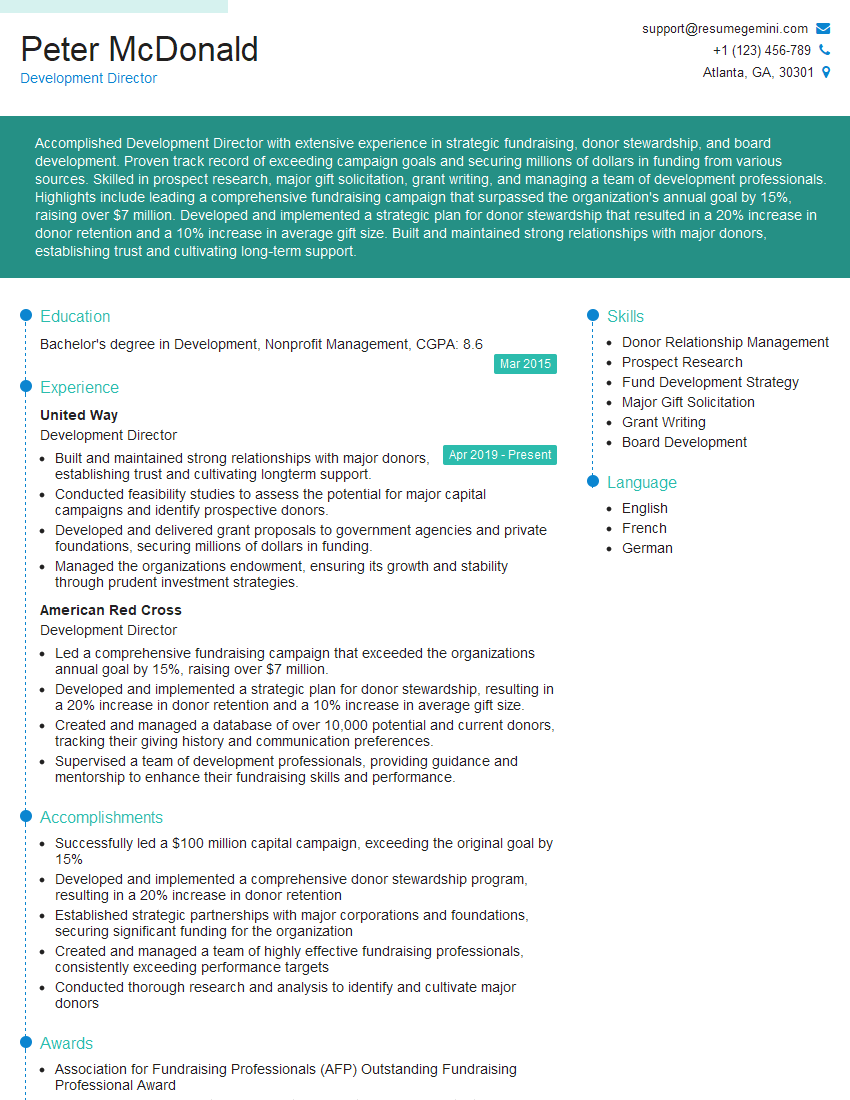
Development Director Resume Sample
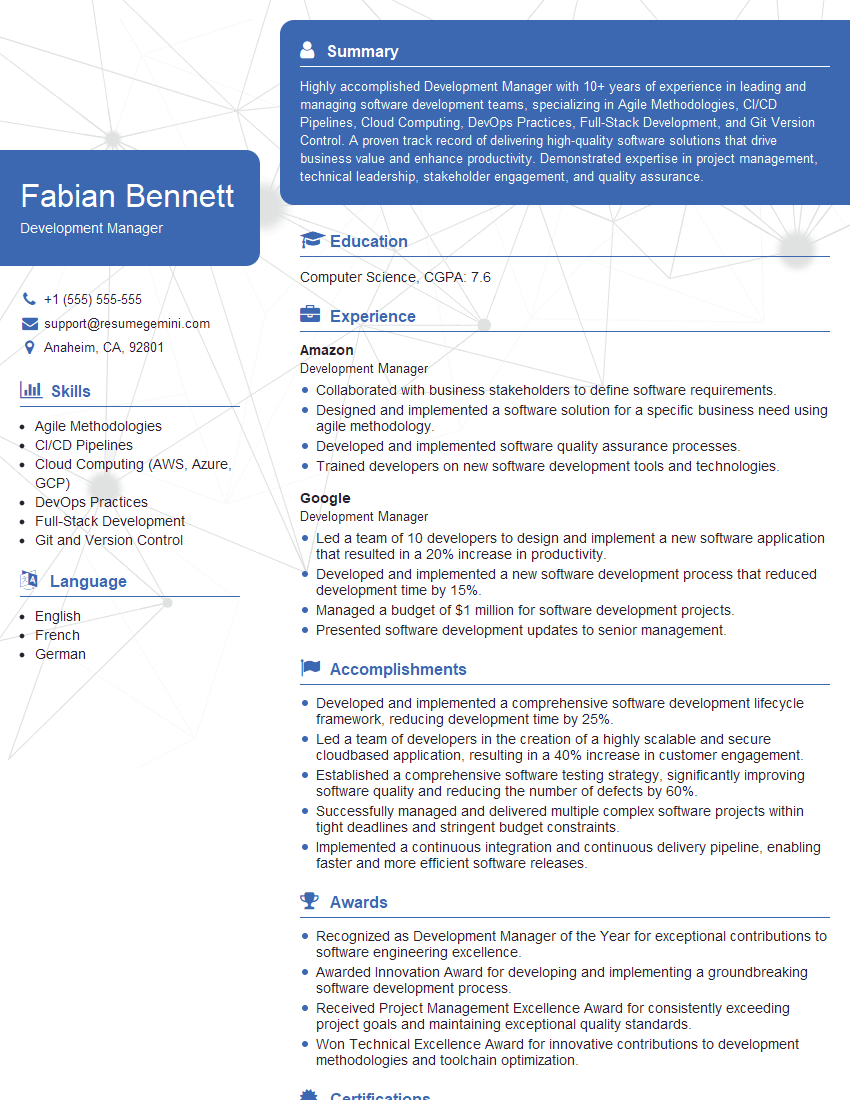
Development Manager Resume Sample
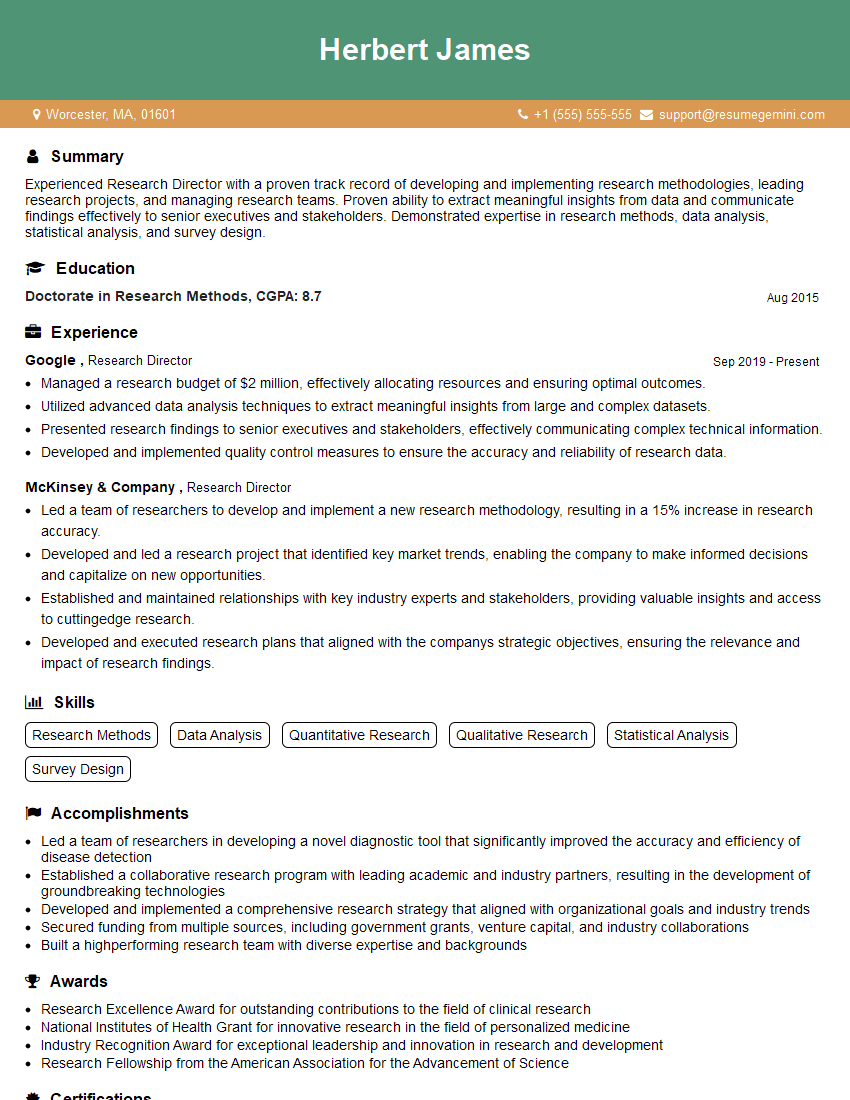
Research Director Resume Sample
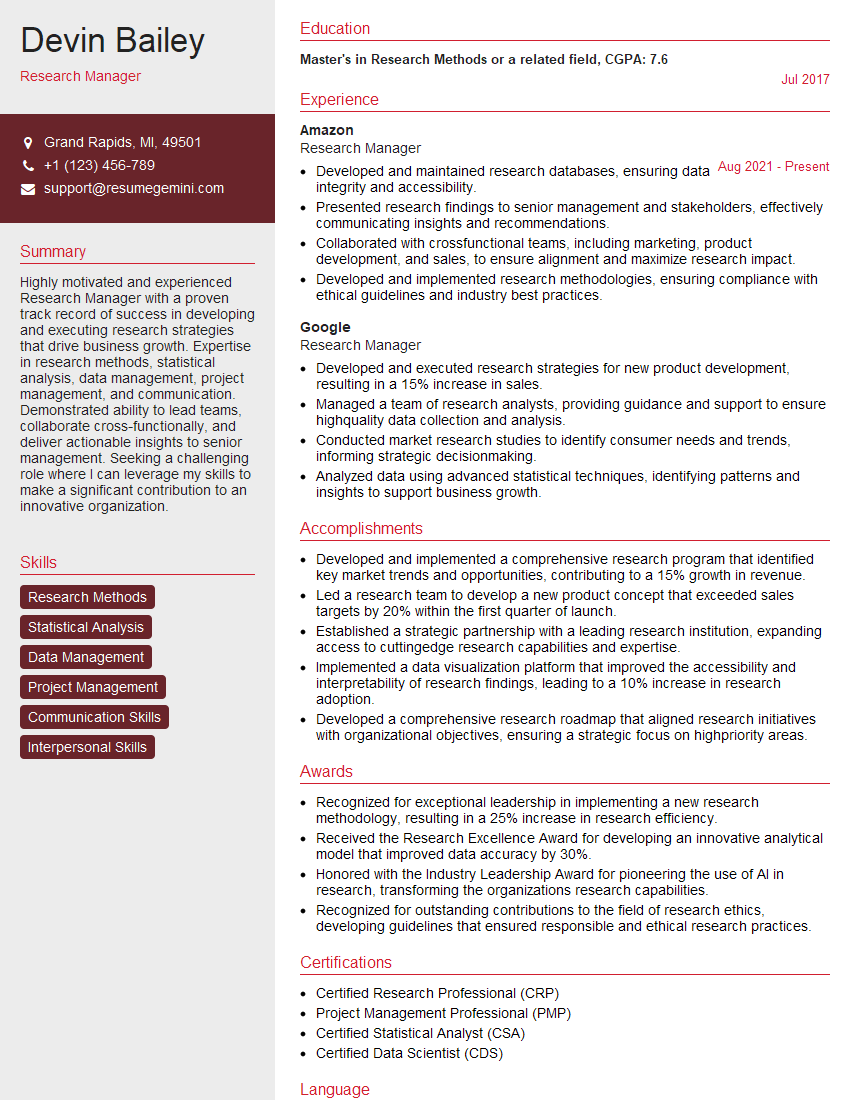
Research Manager Resume Sample
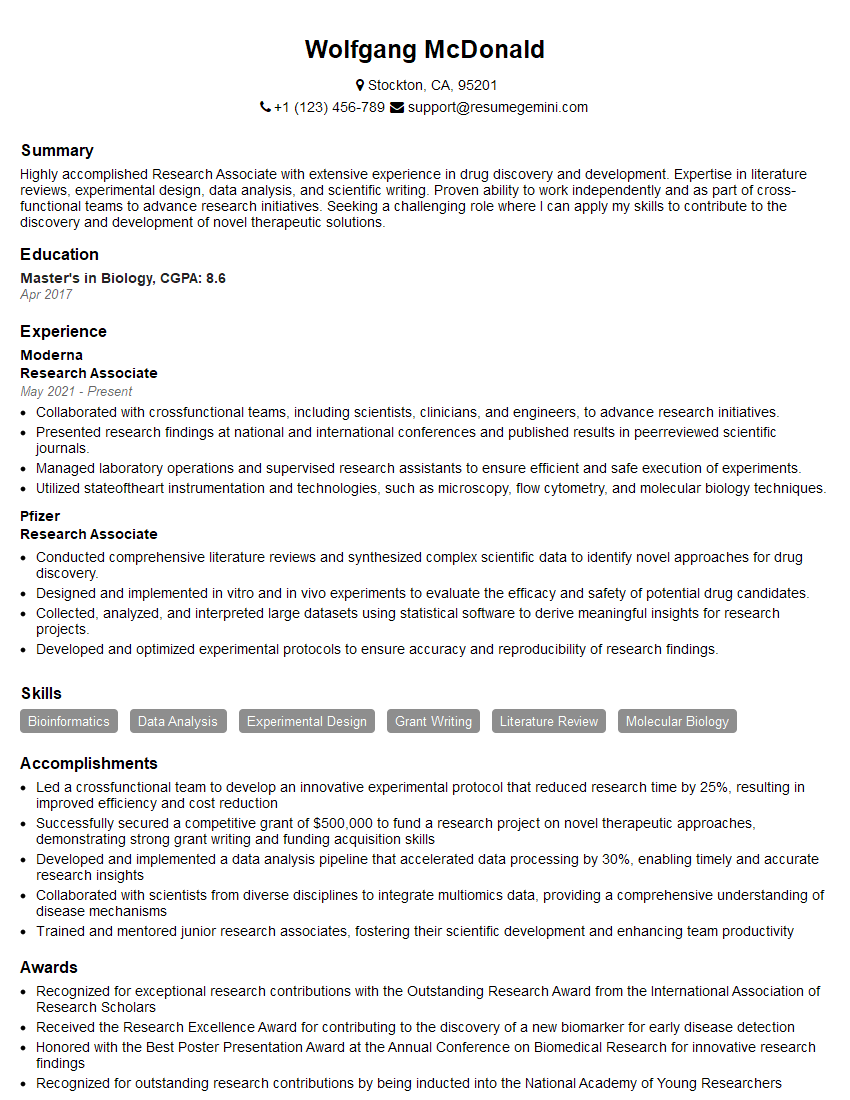
Research Associate Resume Sample
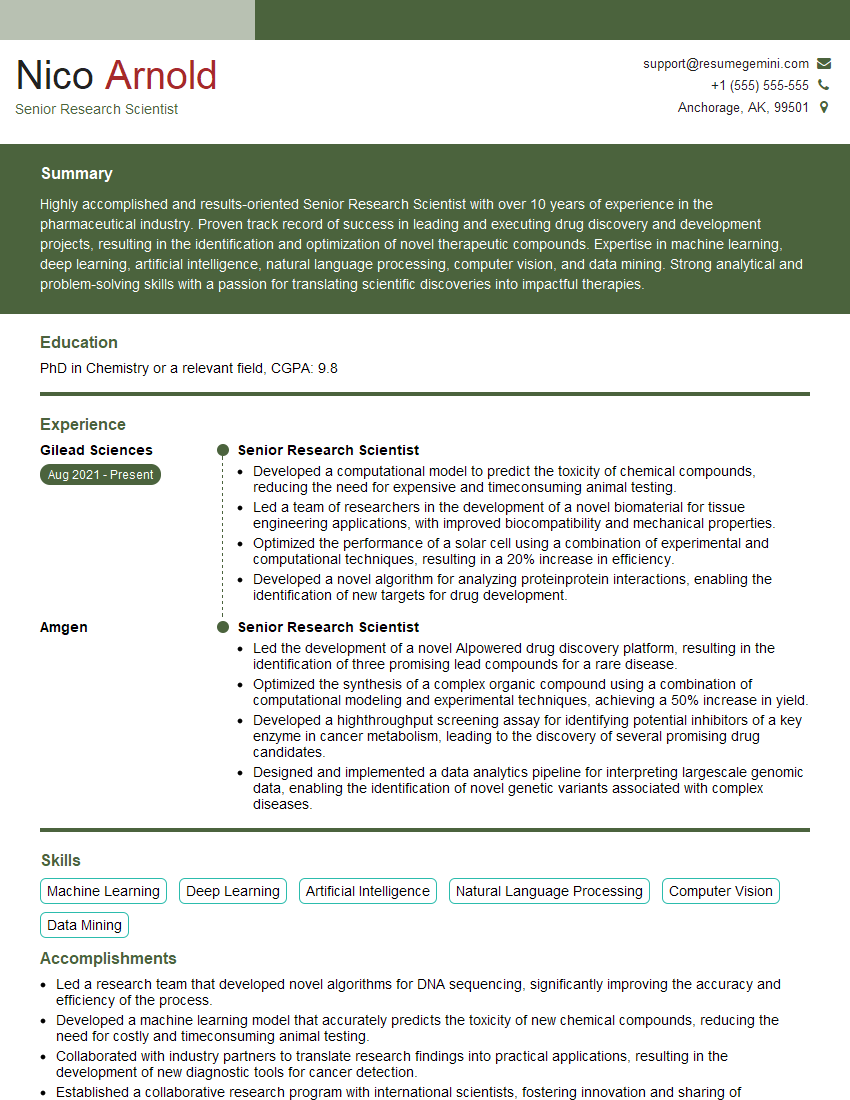
Senior Research Scientist Resume Sample
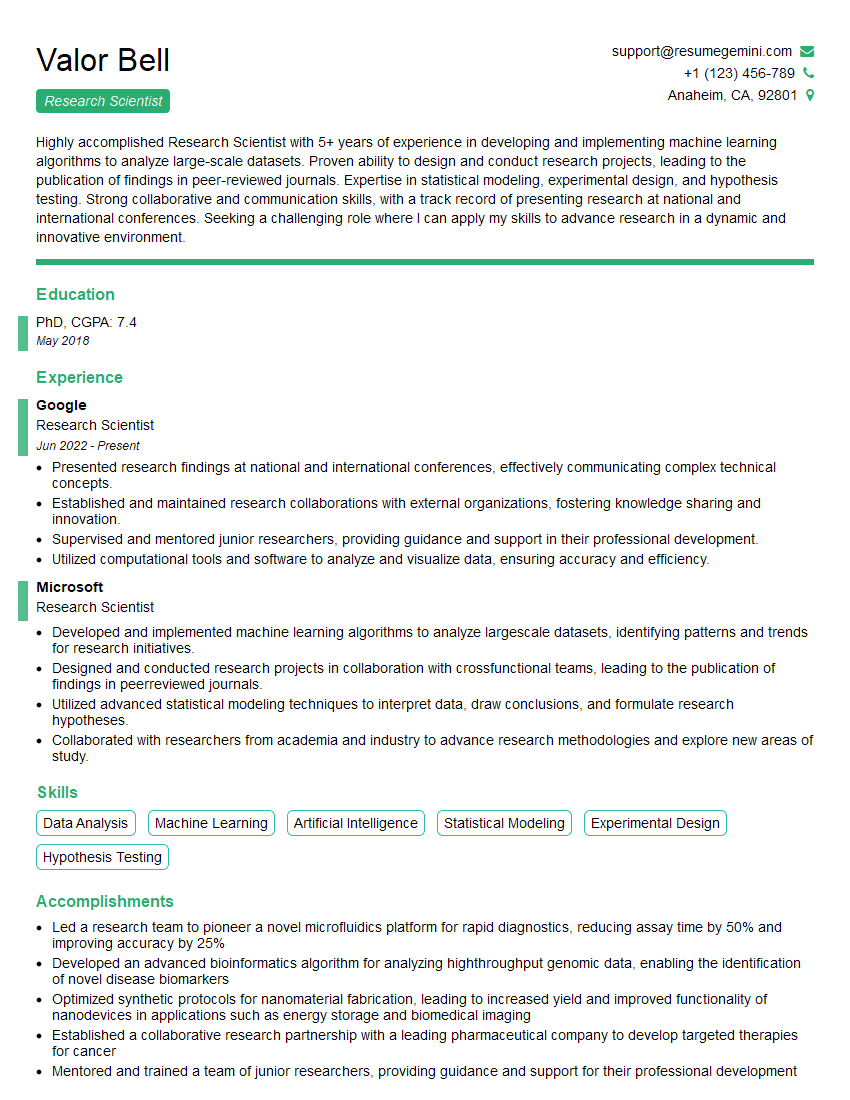
Research Scientist Resume Sample
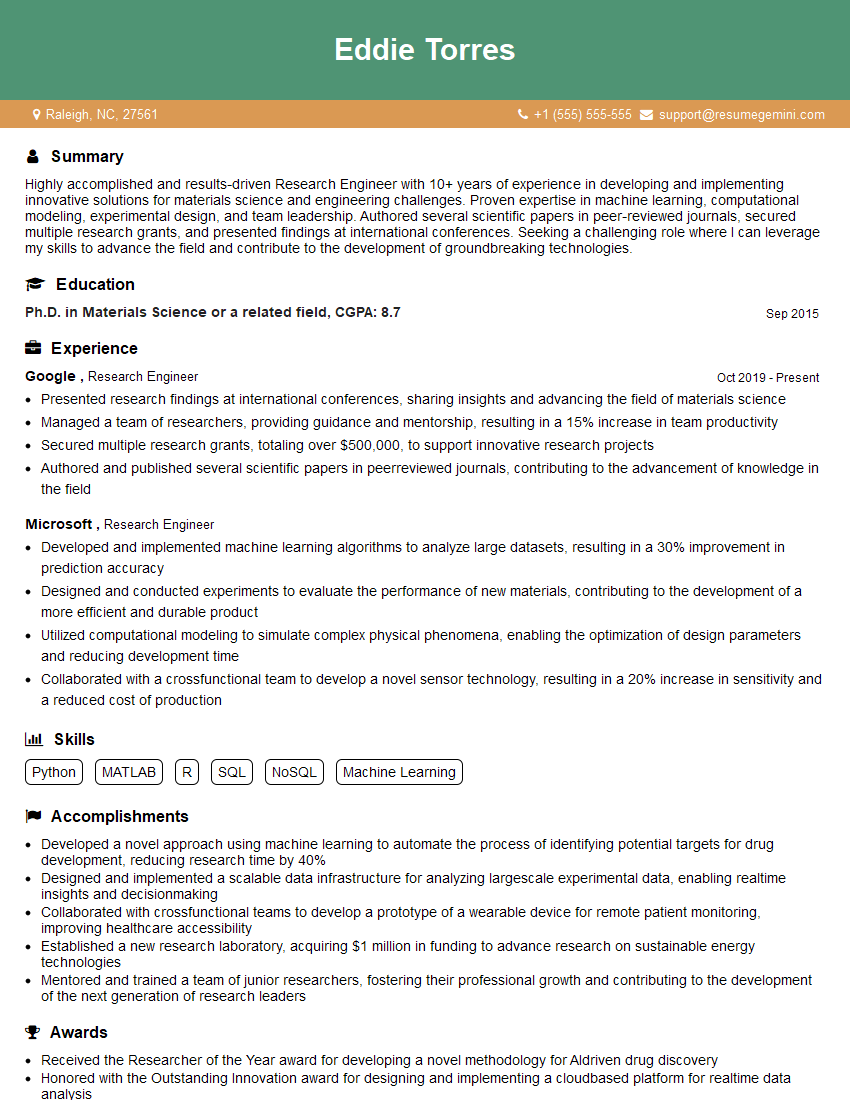
Research Engineer Resume Sample
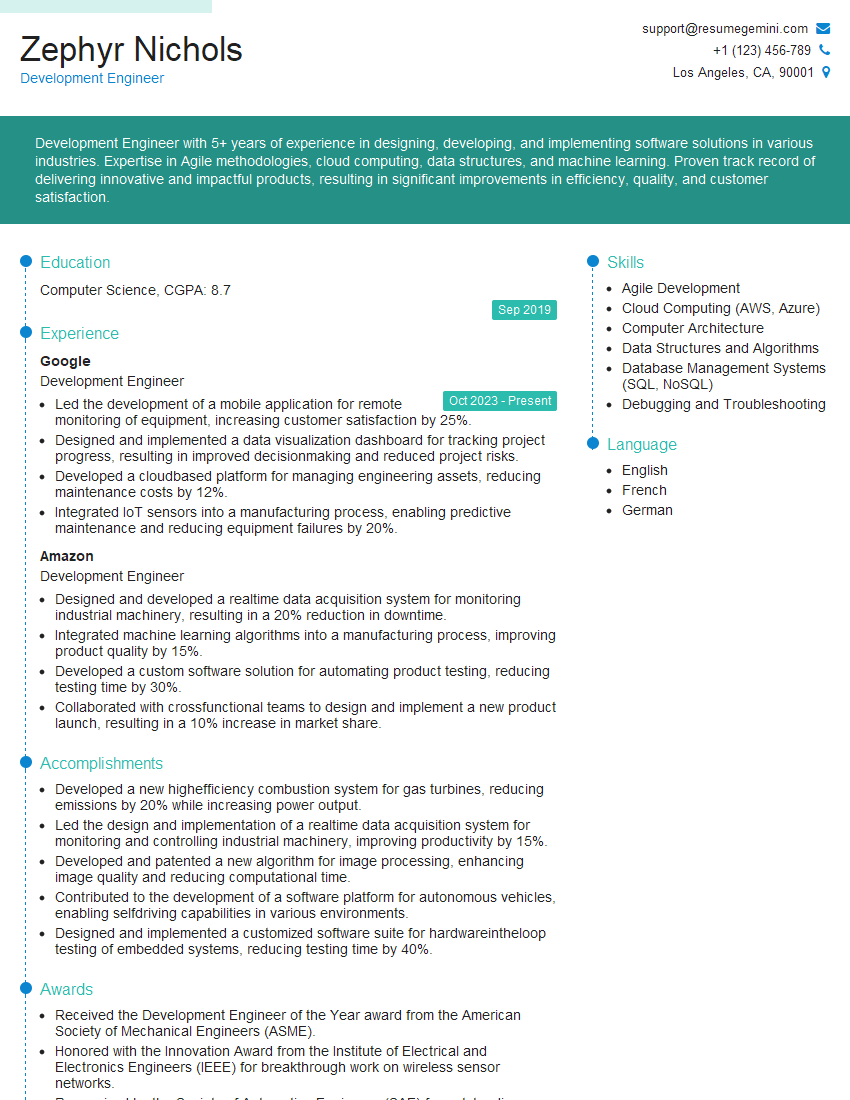
Development Engineer Resume Sample
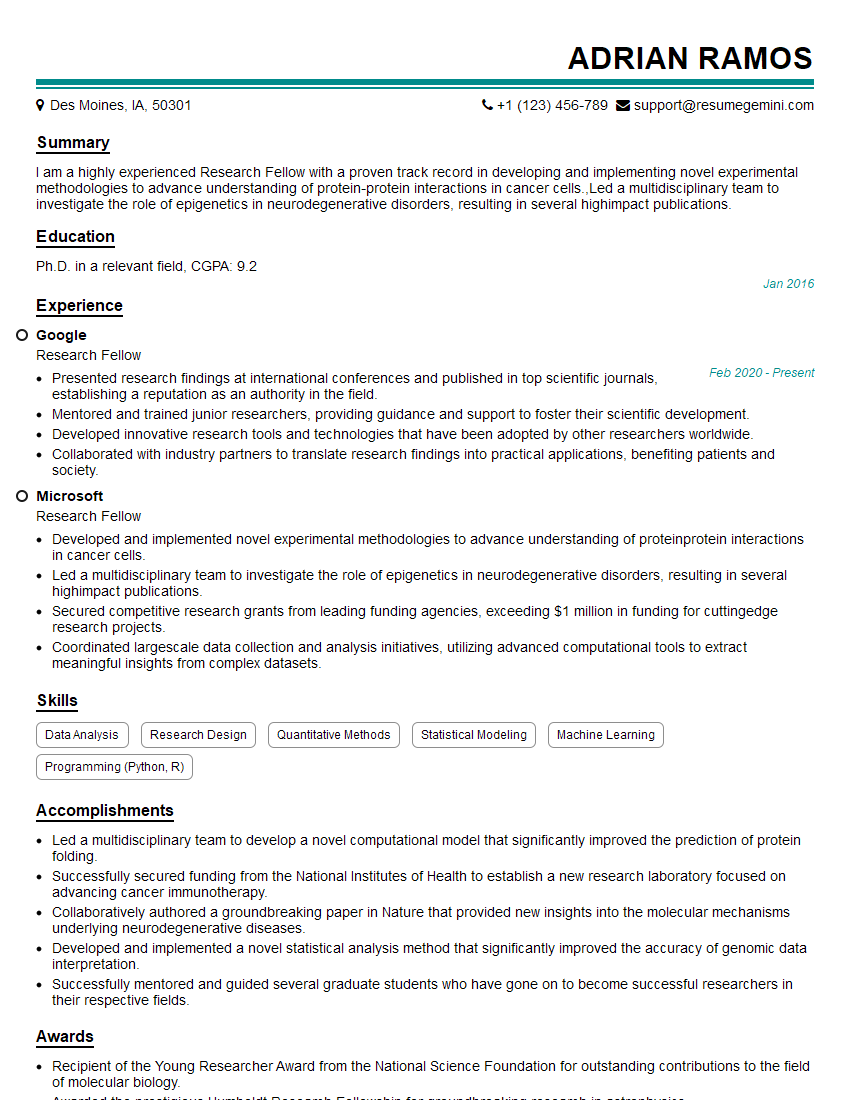
Research Fellow Resume Sample

Product Development Manager Resume Sample
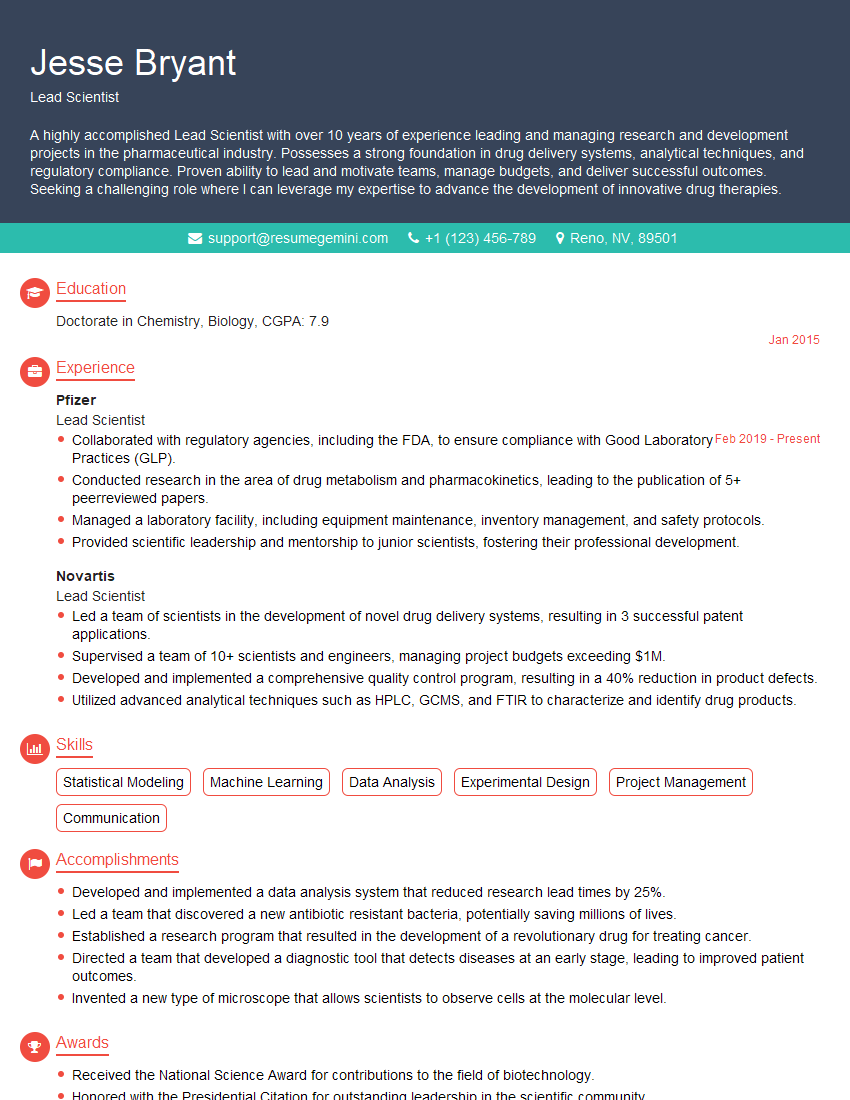
Lead Scientist Resume Sample
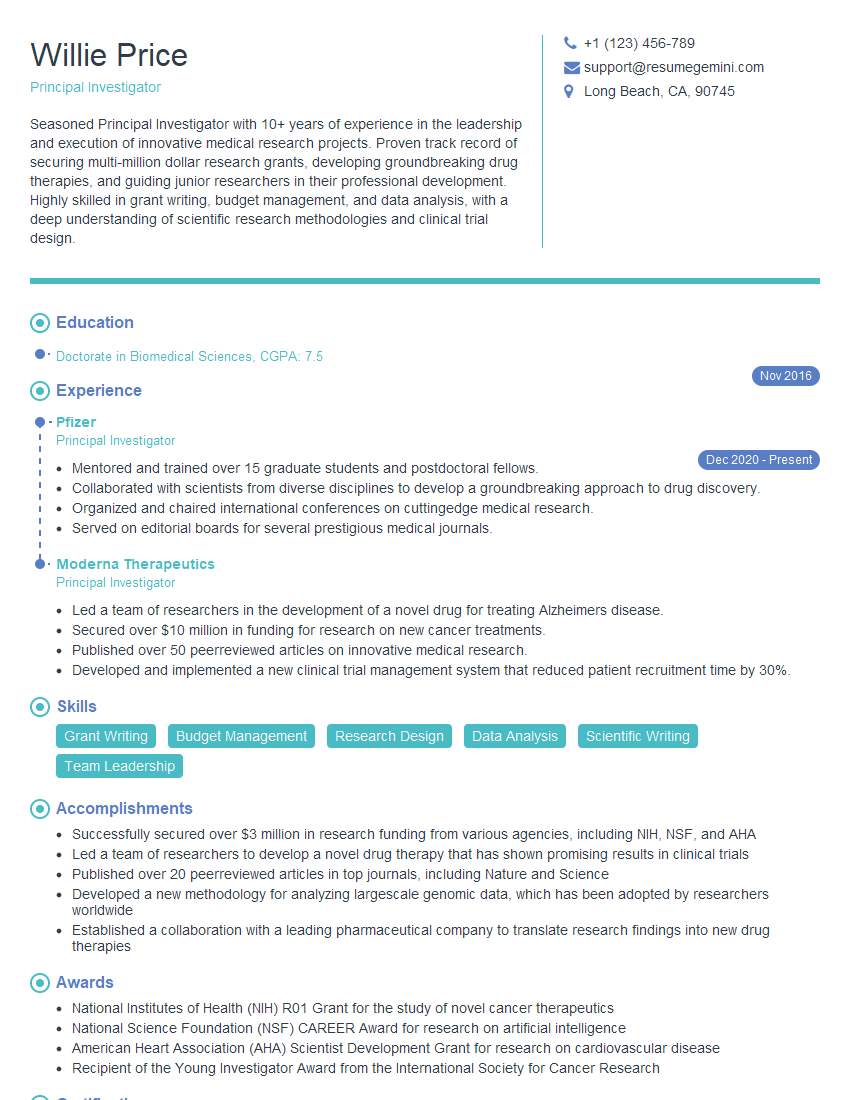
Principal Investigator Resume Sample
Explore more articles
Users Rating of Our Blogs
Share Your Experience
We value your feedback! Please rate our content and share your thoughts (optional).
What Readers Say About Our Blog
To the interviewgemini.com Webmaster.
Very helpful and content specific questions to help prepare me for my interview!
Thank you
To the interviewgemini.com Webmaster.
This was kind of a unique content I found around the specialized skills. Very helpful questions and good detailed answers.
Very Helpful blog, thank you Interviewgemini team.