Every successful interview starts with knowing what to expect. In this blog, we’ll take you through the top Resident Assistant interview questions, breaking them down with expert tips to help you deliver impactful answers. Step into your next interview fully prepared and ready to succeed.
Questions Asked in Resident Assistant Interview
Q 1. Describe your experience mediating conflicts between residents.
Mediating resident conflicts requires a calm, neutral approach focused on active listening and finding mutually agreeable solutions. My experience involves fostering open communication, identifying the root cause of the conflict, and guiding residents towards a resolution that respects everyone’s needs and rights. I don’t take sides but rather facilitate a discussion where residents can express their perspectives without interruption. For instance, I once mediated a dispute between two residents over noise levels. Instead of imposing a solution, I helped them find a compromise involving designated quiet hours and the use of noise-canceling headphones. The key is to empower residents to resolve their own issues, promoting self-sufficiency and a stronger community bond.
My approach follows these steps: 1. Active Listening: I ensure each resident feels heard and understood. 2. Identifying the Issue: Clarify the core problem, avoiding generalizations. 3. Collaborative Problem-Solving: Brainstorm solutions together, focusing on win-win outcomes. 4. Agreement & Follow-up: Document the agreement and check in to ensure the solution is effective.
Q 2. How would you handle a resident violating community rules?
Addressing a resident’s violation of community rules requires a fair and consistent approach. It’s crucial to first understand the context of the violation, ensuring a thorough understanding of both the rule and the situation leading to its breach. I believe in a graduated response system, starting with a verbal warning for minor infractions and progressing to written warnings and, if necessary, more serious consequences such as temporary suspension of privileges or, in extreme cases, termination of the residency. Transparency and clear communication are key. I always explain the community rules, the reason for the consequence, and the opportunity for improvement.
For example, if a resident consistently leaves their trash outside the designated area, I’d first have a friendly conversation, reminding them of the rules and their importance. A second offense would result in a written warning, and a third might lead to a temporary suspension of recreational facility access. My aim is not to punish, but to promote responsible behavior and maintain a safe and respectful living environment for everyone.
Q 3. What strategies do you employ to build rapport with residents?
Building rapport with residents is fundamental to a successful Resident Assistant role. I achieve this by actively engaging with them, showing genuine interest in their well-being and creating a welcoming atmosphere. This includes regularly attending community events, participating in resident discussions, and being approachable and responsive to their needs. Small gestures like remembering names, initiating conversations, and showing empathy go a long way in fostering trust and positive relationships. I believe in open-door communication; residents should feel comfortable coming to me with any concerns or questions, no matter how small.
One successful strategy I’ve used is organizing informal social gatherings, like movie nights or game nights, providing a relaxed setting for residents to interact and bond with one another and with me. These create opportunities for casual conversations, fostering connection and a sense of community. I also make a point of remembering individual details about residents’ lives and interests, showing I value them as individuals.
Q 4. How would you address a resident’s mental health concern?
Addressing a resident’s mental health concern requires sensitivity, discretion, and a clear understanding of my limitations. As a Resident Assistant, my primary role is to provide support and connect residents with appropriate professional resources. I would listen empathetically, without judgment, and offer reassurance while avoiding giving unsolicited advice or professional diagnoses. I would gently encourage the resident to seek help from campus counseling services or other mental health professionals. Maintaining confidentiality is paramount. I would only share information with appropriate authorities, such as campus security or mental health professionals, if there is an imminent risk of harm to the resident or others.
For instance, if a resident expressed feelings of overwhelming sadness or anxiety, I would listen attentively, validate their feelings, and offer to help them find resources such as the campus counseling center or a crisis hotline. I’d emphasize that seeking professional help is a sign of strength and not weakness.
Q 5. Explain your approach to fostering a positive and inclusive community.
Fostering a positive and inclusive community is a top priority. My approach involves creating a welcoming environment where all residents feel respected, valued, and safe. This includes actively promoting diversity and inclusion initiatives, addressing any instances of discrimination or harassment promptly and effectively, and organizing events that celebrate the different backgrounds and cultures represented in the community. Regularly soliciting resident feedback through surveys, suggestion boxes, or open forums helps to ensure that the community reflects the needs and interests of its members.
I’ve organized events that celebrate cultural diversity, such as international food festivals or cultural awareness workshops, to promote understanding and build bridges between residents from different backgrounds. I also work to create opportunities for residents to engage in shared activities, fostering a sense of belonging and community spirit.
Q 6. Describe your experience with emergency response procedures.
My experience with emergency response procedures includes thorough training on the procedures for various types of emergencies, such as fire, medical emergencies, and security threats. I am proficient in using emergency communication systems, evacuation procedures, and first aid techniques. I understand the importance of remaining calm and acting decisively in stressful situations, following established protocols to ensure the safety and well-being of residents. I’ve participated in multiple emergency drills, further reinforcing my knowledge and skills.
In a fire, for instance, I’m trained to immediately initiate the fire alarm, assist residents in evacuating safely, and guide them to the designated assembly point. If a resident is experiencing a medical emergency, I’m prepared to provide first aid while simultaneously contacting emergency medical services.
Q 7. How do you prioritize tasks and manage your time effectively?
Effective time management and task prioritization are crucial for a Resident Assistant. I use a combination of tools and strategies, including daily planning, task lists, and prioritization matrices (like the Eisenhower Matrix – urgent/important). I prioritize tasks based on urgency and importance, focusing on time-sensitive issues and those with the greatest impact on the community. I delegate tasks when appropriate and regularly review my progress to ensure I’m staying on track. Flexibility is also key; I’m prepared to adjust my schedule based on unexpected events or changing priorities. Proactive planning and consistent monitoring are essential for managing my time effectively and ensuring all my responsibilities are addressed efficiently.
For example, I might prioritize addressing a resident’s urgent request for maintenance over a less pressing administrative task, ensuring timely response to critical needs. Regularly reviewing my task list helps to avoid neglecting smaller tasks while ensuring focus on the most important ones.
Q 8. What are your strengths and weaknesses as a Resident Assistant?
My greatest strengths as a Resident Assistant lie in my exceptional communication and conflict-resolution skills. I’m adept at building rapport with residents from diverse backgrounds, fostering a sense of community, and mediating disagreements fairly and effectively. For instance, I successfully mediated a dispute between two residents over noise levels by facilitating open communication and helping them find a mutually agreeable solution. My weakness is sometimes overcommitting myself, taking on too many tasks simultaneously. To mitigate this, I’ve implemented a prioritization system using a planner and to-do list to ensure I manage my time efficiently and effectively meet deadlines. This proactive approach helps prevent burnout and allows me to dedicate adequate attention to each responsibility.
Q 9. How would you handle a situation involving alcohol or drug use?
If I encounter a situation involving alcohol or drug use, my first priority is resident safety. I would assess the situation to determine the immediate risk. If there’s an immediate threat to life or health, I’d call emergency services (911) immediately. If the situation is less critical but still concerning, I’d follow university protocol, which typically involves reporting the incident to the Resident Director or appropriate authority. My approach emphasizes a supportive but firm stance – I would explain the risks associated with substance abuse and offer resources like counseling services or peer support groups. Confidentiality is crucial, unless the situation requires reporting to ensure the safety of the resident or others. For example, I once discovered a resident struggling with alcohol abuse. After ensuring their safety, I connected them with the university’s counseling services, maintaining confidentiality while supporting their well-being.
Q 10. How do you ensure resident safety and security?
Ensuring resident safety and security is paramount. This involves several strategies: regular building checks to identify and rectify potential hazards; promoting awareness of safety protocols, like fire safety procedures and emergency contact information; establishing clear communication channels with residents to encourage reporting of suspicious activity or concerns; and fostering a strong sense of community where residents feel comfortable looking out for each other. For instance, I organized a building-wide safety awareness event that included a fire drill and a session on personal safety tips, significantly improving residents’ knowledge of safety procedures. I also implemented a system of regular hallway checks during late nights to ensure everyone is safe and any issues are promptly addressed.
Q 11. Describe your experience with event planning and programming.
I have extensive experience in event planning and programming. I’ve successfully organized various events ranging from icebreaker socials to educational workshops and themed parties, always ensuring inclusivity and catering to the diverse interests of the resident population. For instance, I planned a ‘Cultural Cuisine Night’ that showcased the diverse culinary traditions of our residents, fostering cross-cultural understanding and community building. My planning involves meticulous budgeting, securing necessary permissions, promoting events effectively, and ensuring smooth logistics on the day. I always gather feedback to refine future events and ensure maximum resident engagement.
Q 12. How do you maintain confidentiality while fulfilling your responsibilities?
Maintaining confidentiality is a cornerstone of my role. I strictly adhere to FERPA (Family Educational Rights and Privacy Act) guidelines and university policies on protecting resident information. I only share information on a need-to-know basis with authorized personnel, such as the Resident Director, or when legally required to do so (e.g., reporting a threat to safety). I understand that sharing personal details without consent is a breach of trust and could have serious consequences. For example, I’ve never discussed a resident’s personal challenges with anyone outside of the necessary channels, even with close friends or fellow RAs.
Q 13. How familiar are you with university policies and procedures?
I am thoroughly familiar with university policies and procedures concerning Resident Assistants, including those related to conduct, safety, emergency response, and conflict resolution. I have reviewed the student handbook extensively and have attended mandatory training sessions covering these topics. I understand the importance of adhering to these policies to maintain a safe and respectful living environment for everyone. I frequently refer to the university’s online portal for updates and clarifications on any procedural changes.
Q 14. What is your experience working with diverse populations?
I have extensive experience working with diverse populations, including students from various cultural backgrounds, socioeconomic levels, and academic disciplines. My approach is built on empathy, respect, and inclusivity. I actively seek to understand individual perspectives and needs, ensuring that all residents feel valued and respected. For instance, during my previous role, I facilitated discussions on cultural sensitivity and organized events that celebrated diversity within our community. This fostered a positive and welcoming atmosphere where all residents felt comfortable being themselves and sharing their experiences. I believe in creating a truly inclusive environment where every voice is heard and respected.
Q 15. How would you deal with a roommate conflict?
Roommate conflicts are inevitable in a shared living environment. My approach focuses on mediation and conflict resolution, emphasizing a collaborative, solution-oriented process. I would first schedule a meeting with both roommates in a neutral space, ensuring a calm and respectful environment. My role isn’t to take sides, but to facilitate open communication and help them identify the root cause of the disagreement. This might involve active listening, asking clarifying questions, and helping them reframe their perspectives.
For example, if the conflict is over noise levels, I’d work with them to establish reasonable noise guidelines, perhaps suggesting specific quiet hours or using noise-canceling headphones. If the issue stems from differing cleanliness standards, I’d help them create a shared cleaning schedule or designate specific areas of responsibility. Ultimately, the goal is to empower the roommates to develop their own solutions and build a more positive co-living experience. If the conflict persists despite mediation, I would refer them to the resident life office for further assistance and potentially more formal conflict resolution processes.
Career Expert Tips:
- Ace those interviews! Prepare effectively by reviewing the Top 50 Most Common Interview Questions on ResumeGemini.
- Navigate your job search with confidence! Explore a wide range of Career Tips on ResumeGemini. Learn about common challenges and recommendations to overcome them.
- Craft the perfect resume! Master the Art of Resume Writing with ResumeGemini’s guide. Showcase your unique qualifications and achievements effectively.
- Don’t miss out on holiday savings! Build your dream resume with ResumeGemini’s ATS optimized templates.
Q 16. How would you handle a situation involving a resident’s personal belongings?
Handling a resident’s personal belongings requires a delicate balance between respecting their privacy and ensuring the safety and well-being of the entire community. I would never enter a resident’s room without their explicit permission, except in emergency situations (e.g., fire, suspected medical emergency). Even then, I would only access items necessary to address the immediate danger and would document everything thoroughly.
If a resident reports lost or stolen items, I would assist them in reporting the incident to campus security and provide support throughout the process. If I find unattended belongings in a common area, I would follow established procedures, usually involving storing them securely in a designated lost-and-found area for a predetermined period. I would also make reasonable efforts to contact the owner if possible. Maintaining confidentiality and following established policies regarding personal belongings are paramount in building trust and respecting resident privacy.
Q 17. Describe a time you had to make a difficult decision as a Resident Assistant.
One challenging decision involved a resident who consistently violated the quiet hours policy, impacting their roommate’s ability to study and sleep. While I had initially addressed the issue through informal warnings and discussions, the behavior persisted. The difficult decision was whether to escalate the situation to the resident life office, potentially leading to disciplinary action. This decision required careful consideration of the resident’s well-being and potential impact on their academic performance, balanced against the rights of their roommate and the need to uphold community standards.
I chose to first attempt one final mediation session, emphasizing the impact of their actions and offering support to find solutions, including connecting them with campus resources. When that proved ineffective, I escalated the issue, documenting all previous interactions. The outcome involved a formal warning and a mandatory meeting with the resident life coordinator. While difficult, this approach prioritized fairness and the overall community well-being.
Q 18. How do you promote academic success amongst your residents?
Promoting academic success involves creating a supportive and conducive learning environment. This starts by fostering a sense of community and belonging, encouraging residents to connect with each other and utilize peer support. I achieve this by organizing study sessions, academic workshops, and peer mentoring programs. I would also regularly connect with residents to monitor their academic progress, offering encouragement and providing guidance on available resources.
Furthermore, I would actively promote the use of campus resources, such as tutoring services, writing centers, and academic advising, emphasizing their importance in supporting their academic journeys. Regular communication, both individually and through community events, ensures that residents are aware of these resources and feel comfortable utilizing them.
Q 19. What strategies do you use to address resident concerns effectively?
Effective communication is key to addressing resident concerns. I prioritize active listening, ensuring I fully understand their perspectives before offering solutions. I create a safe space where residents feel comfortable expressing their concerns without fear of judgment.
My approach involves asking clarifying questions, summarizing their concerns to ensure mutual understanding, and collaboratively exploring potential solutions. If the issue falls outside my purview, I ensure a prompt referral to the appropriate campus resources, keeping the resident informed throughout the process. Regular community meetings and open-door policies also proactively address concerns and build a stronger sense of trust and open communication.
Q 20. How familiar are you with campus resources and support services?
I am extensively familiar with campus resources and support services, including academic advising, tutoring services, counseling services, health services, disability services, and campus security. I have actively utilized these resources in the past and am confident in connecting residents with the appropriate support based on their individual needs. My knowledge extends to understanding eligibility criteria, application processes, and the specific services offered by each department.
I maintain updated contact information for key personnel in these departments and can readily provide residents with guidance and support in navigating the campus support system. This includes understanding the complexities of navigating the different support systems and offering effective strategies to ensure residents can promptly access the help they need.
Q 21. What are your experience with resident selection processes?
My experience with resident selection processes involves understanding the criteria used to select residents, such as academic standing, community involvement, and adherence to community guidelines. I understand the importance of fair and equitable selection processes, ensuring equal opportunity for all applicants.
While I may not be directly involved in the selection process itself, my understanding of the criteria helps me in understanding the diversity and backgrounds of residents within my community. This knowledge enables me to create a more inclusive and welcoming environment for everyone. My familiarity with these processes assists me in effectively managing and supporting the residents in my community.
Q 22. How would you handle a situation involving vandalism or property damage?
Responding to vandalism or property damage requires a calm and methodical approach. My first step would be to ensure the safety of all residents and myself. This might involve securing the area to prevent further damage or injury. Then, I’d assess the situation, documenting the damage with photographs and detailed notes – including the location, extent of damage, and any potential witnesses. This thorough documentation is crucial for insurance claims and internal incident reports.
Next, I’d report the incident to my supervisor immediately, following established protocol. Depending on the severity (e.g., graffiti versus a broken window), the response might involve contacting campus security, maintenance personnel, or even local law enforcement. Finally, I’d cooperate fully with any investigations and assist in any restorative actions, such as helping to clean up or secure the area until repairs can be made. I’ve dealt with similar situations in the past, such as a broken window in the common room, which I handled by immediately securing the area, photographing the damage, reporting it, and helping to board up the window until maintenance arrived. This prompt and organized response minimized disruption and ensured resident safety.
Q 23. Describe your communication skills and how they help in this role.
Effective communication is the cornerstone of a successful Resident Assistant. I’m proficient in both verbal and written communication, adapting my style to the individual and situation. For instance, I can communicate complex information clearly to residents, offering support with empathy and understanding. With colleagues, I foster open dialogue and collaborative problem-solving. My written communication skills are equally strong, exemplified by my ability to maintain accurate and detailed records, write informative newsletters, and compose clear and professional incident reports. In my previous role, I successfully mediated a conflict between two residents using active listening and clear, empathetic communication. This resulted in a mutually agreeable resolution and strengthened the community atmosphere.
Q 24. What is your experience with technology and its use in this role?
Technology plays a significant role in modern resident life and RA responsibilities. I’m comfortable using various technologies, including email, resident management software (e.g., for tracking maintenance requests, scheduling events), communication platforms (e.g., group messaging apps for announcements), and online resources for information dissemination. Furthermore, I’m proficient in using word processing software for documentation and spreadsheets for data analysis (e.g., tracking resident feedback). I’m also adept at learning new software and technologies. In my previous role, I successfully implemented a new online system for resident feedback, resulting in increased participation and more efficient tracking of community concerns.
Q 25. How comfortable are you working independently and as part of a team?
I thrive in both independent and collaborative work environments. My ability to work independently is evident in my capacity to manage multiple tasks simultaneously, prioritize effectively, and meet deadlines. However, I also understand the importance of teamwork. I’m a strong team player, able to contribute constructively to group projects, share ideas openly, and support my colleagues. For instance, during a campus-wide event, I independently managed registration, while collaborating with other RAs on logistics and event execution. This balanced approach ensures efficiency and fosters a strong sense of community.
Q 26. How would you respond to a resident crisis?
Responding to a resident crisis requires quick thinking, clear judgment, and a calm demeanor. My first priority is to assess the situation and ensure the resident’s safety and well-being. This might involve providing immediate support, contacting emergency services (if necessary), and documenting the events accurately. Next, I’d follow established crisis protocols, which might include notifying my supervisor and other relevant personnel, such as campus security or counseling services. Depending on the nature of the crisis, my response might involve offering emotional support, providing basic first aid, or referring the resident to appropriate resources. I’ve previously helped a resident experiencing a severe anxiety attack. I remained calm, offered comfort, and contacted our on-campus counseling center, ensuring they received immediate professional help.
Q 27. Explain your experience with documentation and record-keeping.
Thorough documentation and record-keeping are critical for accountability and effective resident management. I’m experienced in maintaining accurate records of all relevant interactions, incidents, and maintenance requests. This includes using various methods such as detailed written reports, digital logs, and resident communication records. My documentation is precise, organized, and adheres to all privacy regulations (e.g., FERPA). I understand the importance of keeping records confidential and secure. In my previous role, I meticulously documented all resident interactions, ensuring accuracy and providing valuable data for program evaluation and improvements. This systematic approach enhanced accountability and facilitated effective communication across departments.
Q 28. What are your salary expectations for this position?
My salary expectations for this position are competitive and align with my experience and qualifications in the field. I am flexible and open to discussing a specific salary range based on the details of the position and the compensation package offered. I am confident that my skills and experience make me a valuable asset to your team, and I am eager to discuss compensation further.
Key Topics to Learn for Resident Assistant Interview
- Community Building and Engagement: Understanding strategies for fostering a positive and inclusive living environment. Practical application: Describe your experience creating a welcoming atmosphere in a shared space.
- Conflict Resolution and Mediation: Developing skills in addressing disagreements and mediating conflicts fairly and effectively. Practical application: Explain a situation where you successfully resolved a conflict and the approach you took.
- Resident Support and Advocacy: Providing support and resources to residents while upholding their rights and privacy. Practical application: Detail how you would help a resident facing a challenging situation (academic, personal, etc.).
- Communication and Interpersonal Skills: Mastering effective written and verbal communication to connect with diverse individuals. Practical application: Give an example of how you successfully communicated important information to a large group.
- Program Planning and Implementation: Designing and executing engaging events and programs that align with resident needs and interests. Practical application: Outline an idea for a resident program and explain how you would implement it.
- Crisis Management and Emergency Response: Understanding emergency procedures and responding appropriately to unexpected situations. Practical application: Describe your approach to handling a crisis situation calmly and efficiently.
- Policy and Procedure Adherence: Demonstrating a clear understanding of and commitment to following established rules and regulations. Practical application: Explain how you would ensure compliance with building policies and safety procedures.
Next Steps
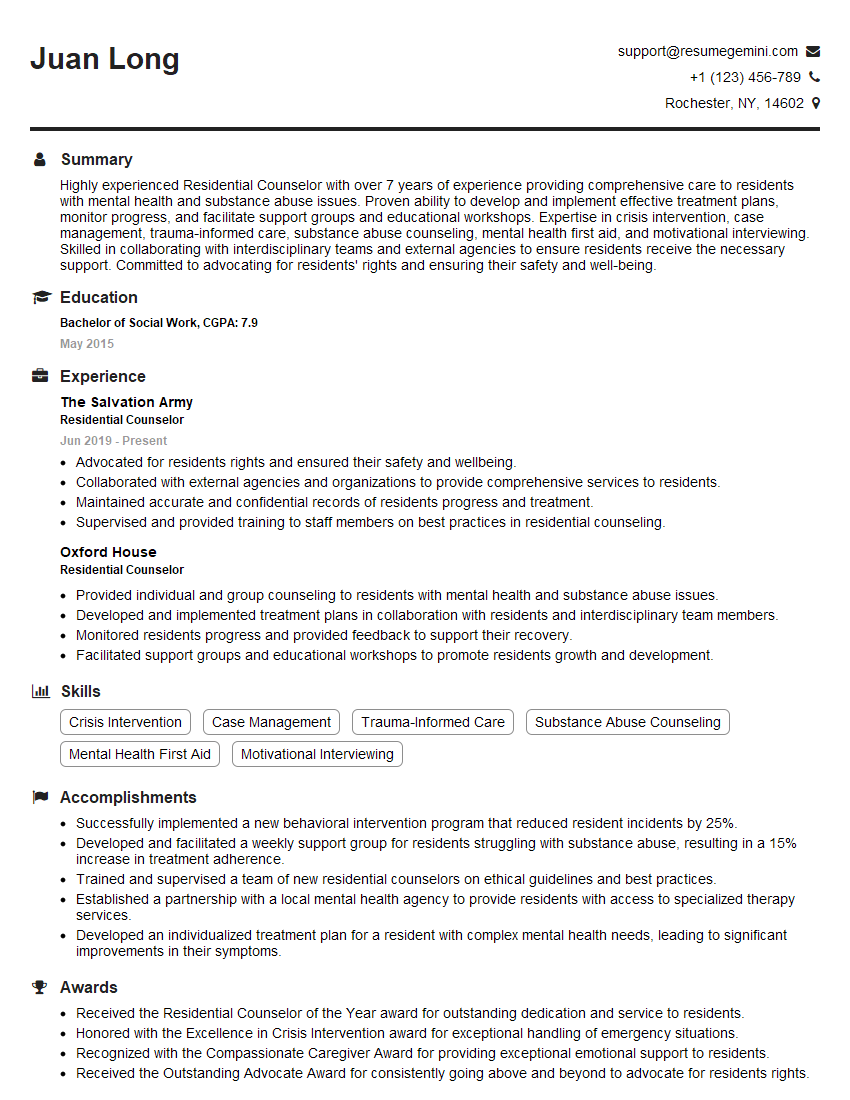
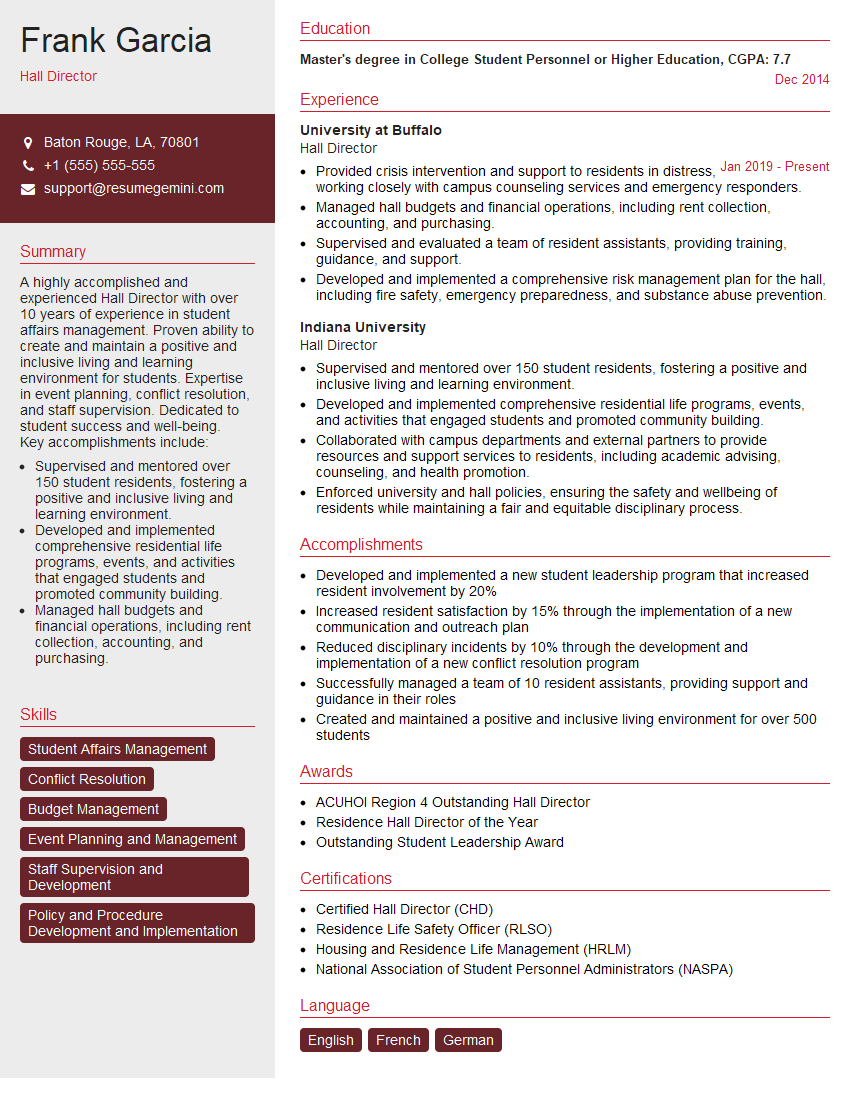
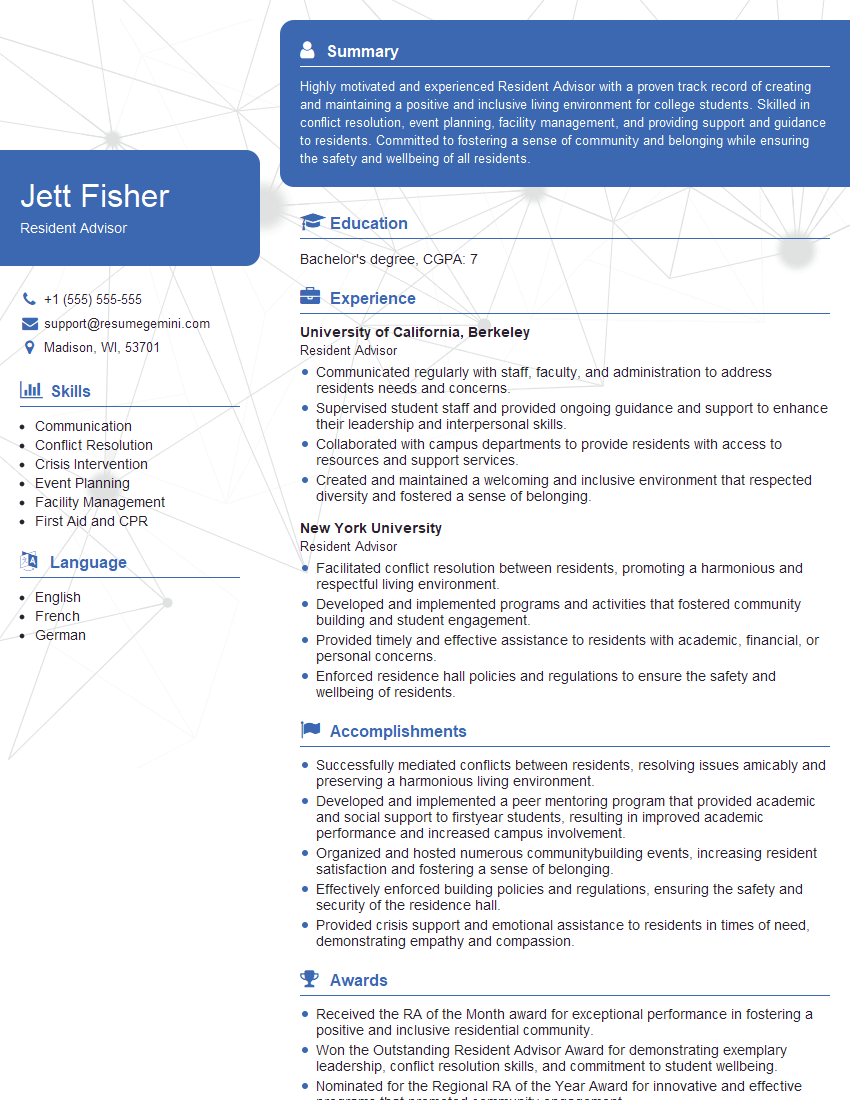
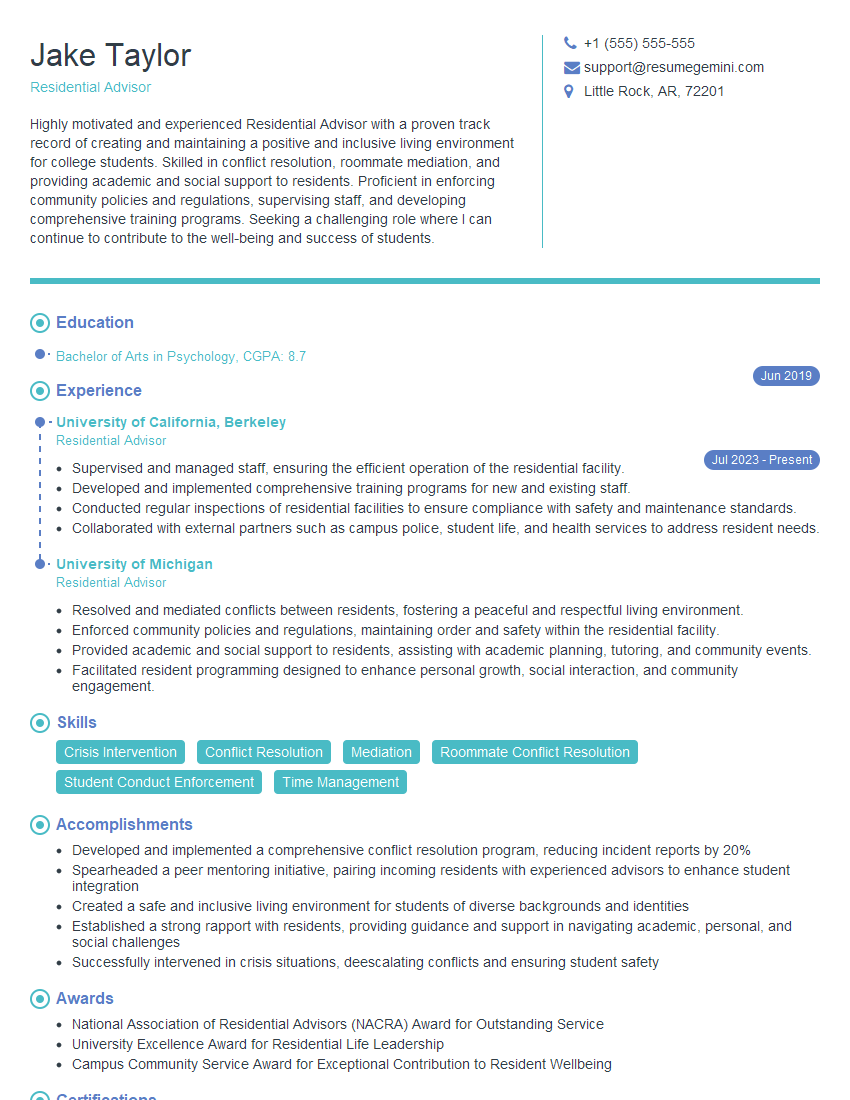
Mastering the skills and knowledge required for a Resident Assistant position can significantly boost your leadership and interpersonal skills, opening doors to numerous career opportunities in student affairs, community management, and beyond. A strong resume is crucial for showcasing these skills to potential employers. Creating an ATS-friendly resume is essential to get your application noticed. To build a professional and impactful resume tailored to the Resident Assistant role, we highly recommend using ResumeGemini. ResumeGemini provides a user-friendly platform and offers examples of resumes specifically designed for Resident Assistant positions to guide you in the process. This will ensure your resume effectively highlights your qualifications and increases your chances of securing an interview.

Explore more articles
Users Rating of Our Blogs
Share Your Experience
We value your feedback! Please rate our content and share your thoughts (optional).
What Readers Say About Our Blog
To the interviewgemini.com Webmaster.
Very helpful and content specific questions to help prepare me for my interview!
Thank you
To the interviewgemini.com Webmaster.
This was kind of a unique content I found around the specialized skills. Very helpful questions and good detailed answers.
Very Helpful blog, thank you Interviewgemini team.