Interviews are opportunities to demonstrate your expertise, and this guide is here to help you shine. Explore the essential Zoning Plan and Map Amendments interview questions that employers frequently ask, paired with strategies for crafting responses that set you apart from the competition.
Questions Asked in Zoning Plan and Map Amendments Interview
Q 1. Explain the process of submitting a zoning plan amendment application.
Submitting a zoning plan amendment application is a multi-step process that typically begins with a formal application submitted to the relevant planning authority. This application must include detailed information about the proposed changes, including maps, supporting documentation, and a clear explanation of the rationale behind the amendment. It’s like submitting a detailed business proposal – you need to make a compelling case for the change.
The process usually involves:
- Pre-application consultation: An initial meeting with planning staff to discuss the proposal and ensure it aligns with the overall zoning plan and any relevant regulations. This helps avoid costly revisions later on.
- Formal application submission: Submitting all required documents, including detailed site plans, environmental impact assessments (if needed), and a comprehensive description of the proposed changes.
- Review by planning staff: The planning authority reviews the application for completeness, adherence to regulations, and potential impacts.
- Public notification and hearings: Public notice is given, allowing residents and stakeholders to review the proposal and provide feedback at public hearings. This is a crucial step to ensure transparency and address community concerns.
- Planning commission review and recommendation: The planning commission reviews the application, considers public input, and makes a recommendation to the governing body (e.g., city council).
- Governing body approval or denial: The governing body makes the final decision on whether to approve or deny the amendment.
Failure to provide complete and accurate information can delay the process significantly. Think of it like filling out a tax return – any omissions can lead to complications.
Q 2. Describe the different types of zoning map amendments.
Zoning map amendments come in various forms, each designed to address specific land use modifications. Think of them as different tools in a toolbox, each suited for a particular job.
- Text Amendments: These modify the zoning regulations themselves, changing definitions, allowable uses, or development standards. For example, a text amendment might increase the allowed height of buildings in a particular zone.
- Map Amendments: These directly alter the boundaries of zoning districts on the map. Imagine redrawing the lines on a map to change how an area is zoned. This could involve expanding an existing zone, creating a new zone, or rezoning a parcel of land from one zone to another. This is commonly used to accommodate specific development projects or address changing community needs.
- Spot Zoning: This is a special type of map amendment that rezones a small, isolated parcel of land differently from surrounding properties. It’s often used for unique circumstances, but can be controversial if seen as favoring a particular developer.
- Conditional Use Permits: These allow for uses that are not strictly allowed within a given zone, but are deemed compatible under specific conditions. For instance, a church might be allowed in a residential area with certain conditions on parking and noise levels.
The specific types and terminology might vary slightly depending on local jurisdictions, so always check with your local planning authority for their specific classification system.
Q 3. How do you determine the impact of a zoning change on surrounding properties?
Determining the impact of a zoning change on surrounding properties is critical. It requires a careful and comprehensive analysis considering several factors.
- Property Values: How might the zoning change affect the market value of nearby properties? A change that increases density could lead to increased traffic and potentially lower values for some, while others might see their value increase due to proximity to new amenities.
- Traffic and Infrastructure: Will the change increase traffic congestion? Will existing infrastructure (sewer, water, roads) be sufficient to support the new development? This often involves traffic studies and infrastructure capacity analyses.
- Environmental Impacts: What are the potential environmental consequences, such as increased runoff, habitat loss, or air pollution? Environmental impact assessments are often required to address these concerns.
- Community Character: How might the change affect the overall character of the neighborhood? This is often a subjective assessment involving community feedback and review of design features.
- Neighborhood Services: Will the change affect access to schools, parks, or other essential services? An increase in population density might strain local resources.
Tools like Geographic Information Systems (GIS) and impact assessment models are crucial for analyzing these impacts quantitatively and qualitatively. For example, a GIS analysis can visualize potential traffic flow changes and identify areas of potential conflict.
Q 4. What are the key considerations when evaluating a proposed zoning amendment?
Evaluating a proposed zoning amendment requires a multifaceted approach, going beyond the immediate proposal to consider wider implications. It’s like assessing a complex puzzle, ensuring all pieces fit together harmoniously.
- Consistency with the Comprehensive Plan: Does the amendment align with the long-term vision outlined in the community’s comprehensive plan? This ensures the change contributes to the overall goals of the community, not detracts from them.
- Compliance with Applicable Laws and Regulations: Does the amendment adhere to all relevant federal, state, and local laws and regulations, including environmental protection laws and accessibility standards?
- Fiscal Impact: What are the potential financial implications for the municipality? This includes evaluating potential revenue gains (e.g., increased property taxes) and potential costs (e.g., infrastructure upgrades).
- Social and Economic Impacts: How will the amendment affect the social and economic fabric of the community? This includes considering its impact on employment opportunities, affordable housing, and overall community well-being.
- Public Input and Support: What is the level of community support or opposition? Addressing community concerns demonstrates responsiveness and can lead to a smoother implementation.
A thorough evaluation process often involves detailed reports, analyses, and public hearings to ensure a comprehensive understanding of the potential ramifications.
Q 5. Explain the role of public hearings in the zoning amendment process.
Public hearings are a cornerstone of the zoning amendment process, representing a vital opportunity for transparency and community engagement. Think of them as a town hall meeting specifically for the proposed change.
These hearings allow:
- Public Input: Residents, property owners, and other stakeholders can voice their opinions, concerns, and support for the proposed amendment. This provides valuable feedback that helps inform the decision-making process.
- Transparency and Accountability: The process ensures that decisions are not made behind closed doors. Open discussions and public record keeping contribute to trust and accountability.
- Due Process: Public hearings provide a formal platform for all parties to be heard, ensuring fairness and adherence to due process principles.
- Conflict Resolution: By facilitating open dialogue, public hearings can help identify and address potential conflicts early in the process.
Effective public hearings are usually well-advertised, include clear presentation of the proposal, and provide ample time for public comment. The success of the hearing hinges on creating an environment where everyone feels heard and respected.
Q 6. How do you handle objections or appeals related to zoning amendments?
Handling objections and appeals related to zoning amendments requires a systematic and transparent approach, emphasizing fairness and due process. It’s like managing a formal dispute resolution process.
This typically involves:
- Formal Objection Process: Establishing a clear process for submitting objections, with specific deadlines and requirements for submitting documentation.
- Review and Response: Thorough review of all objections by the relevant authority, with written responses addressing each concern.
- Mediation or Negotiation: In some cases, mediation or negotiation may be used to find mutually acceptable solutions and potentially avoid formal appeals.
- Appeal Process: If objections are not resolved, there is usually a formal appeals process, often involving administrative hearings or legal challenges. This often involves presenting evidence and legal arguments to support or refute the objections.
- Documentation and Record Keeping: Meticulous documentation of the entire process is essential for transparency and accountability.
Effective management of objections and appeals requires clear communication, impartial review processes, and a commitment to upholding due process.
Q 7. What are the legal requirements for approving a zoning map amendment?
The legal requirements for approving a zoning map amendment vary by jurisdiction but generally involve adherence to established legal frameworks, ensuring the process is both fair and legally sound.
Key legal considerations often include:
- Compliance with Enabling Legislation: The amendment must comply with the state’s enabling legislation that grants the local government the authority to enact zoning regulations. This ensures the local government is acting within its lawful powers.
- Consistency with Comprehensive Plan: The amendment should generally be consistent with the overall goals and objectives of the community’s comprehensive plan. Inconsistencies can lead to legal challenges.
- Due Process Requirements: Adequate notice and opportunity for public participation must be provided. This ensures fairness and avoids accusations of arbitrary or capricious decision-making.
- Equal Protection Clause: The amendment must not discriminate against any protected class of people, adhering to the equal protection clause of the Constitution. Decisions cannot be discriminatory or favor particular individuals or groups.
- Environmental Regulations: The amendment must comply with all relevant environmental laws and regulations, ensuring environmental protection.
Legal counsel is frequently involved throughout the process to ensure compliance and to mitigate legal risks. Ignoring these legal requirements can lead to lengthy legal battles and potential invalidation of the amendment.
Q 8. Describe your experience with zoning ordinances and regulations.
My experience with zoning ordinances and regulations spans over 10 years, encompassing various roles from junior planner to senior project manager. I’ve worked extensively with zoning codes in both urban and rural settings, handling projects ranging from residential developments to large-scale commercial constructions. This includes a deep understanding of use classifications (residential, commercial, industrial), density regulations (e.g., dwelling units per acre), building height restrictions, setbacks, parking requirements, and sign regulations. I’m proficient in interpreting and applying these regulations to ensure projects comply with local, regional, and sometimes state-level ordinances.
For example, I successfully navigated the complexities of a downtown revitalization project, securing approvals for a mixed-use development despite challenging existing zoning limitations on building height and density. This involved detailed analysis of the zoning code, negotiation with stakeholders, and preparation of comprehensive variance applications.
Q 9. How do you interpret zoning maps and regulations?
Interpreting zoning maps and regulations requires a systematic approach. I begin by identifying the subject property’s location on the zoning map to determine its zoning district. This district designation dictates the permitted uses and development standards. Then, I meticulously review the corresponding text of the zoning ordinance, paying close attention to specific regulations related to lot size, building height, setbacks, parking, and density. I always cross-reference the map and the text to ensure consistency and account for any potential overlays or special districts that might modify base zoning rules.
Imagine trying to assemble furniture – the zoning map provides the overall layout, showing different zones like rooms in a house, while the zoning ordinance acts as the instruction manual, detailing the specific rules for each zone or ‘room’. Ignoring either would lead to a poorly-designed outcome.
Q 10. How do you ensure compliance with zoning regulations during a project?
Ensuring compliance with zoning regulations is a continuous process throughout a project. It starts with a thorough pre-design review, where we analyze the zoning requirements for the proposed development. This involves verifying setbacks, building heights, parking, and other relevant parameters. Throughout the design phase, we meticulously adhere to these regulations and regularly consult the zoning ordinance to prevent any deviation. Prior to construction, we submit detailed plans for review and approval by the relevant authority. During construction, regular site inspections are vital to confirm ongoing compliance. Any modifications or unexpected issues are promptly addressed through formal amendment applications or variance requests, as needed. Post-construction inspections confirm final compliance with the approved plans and zoning regulations.
For instance, on a recent project, we proactively identified a potential conflict between the proposed building’s height and a neighboring property’s sunlight access regulation. By engaging early with the planning department, we were able to implement design adjustments to mitigate the issue and avoid delays.
Q 11. What are the common challenges in the zoning amendment process?
The zoning amendment process frequently faces challenges. These include:
- Public opposition: Proposed changes can generate significant community pushback due to concerns about property values, increased density, traffic, or environmental impacts.
- Lengthy review periods: The bureaucratic process, involving multiple reviews and public hearings, can be time-consuming and costly.
- Conflicting interests: Balancing the needs of developers, property owners, and the broader community often presents difficult negotiations.
- Technical complexities: Understanding and correctly interpreting zoning codes and regulations, especially for complex projects, can be challenging.
- Legal challenges: Amendments are sometimes contested through legal action, leading to further delays and uncertainty.
Successfully navigating these challenges requires strong communication, stakeholder engagement, and a meticulous approach to documentation and compliance.
Q 12. How do you identify and resolve conflicts between different zoning regulations?
Resolving conflicts between different zoning regulations requires careful analysis and a hierarchical understanding of the code. Generally, more specific regulations take precedence over more general ones. For instance, if a specific overlay district establishes stricter height restrictions than the base zoning district, the overlay district rules prevail. In cases of ambiguity, I consult with legal counsel and planning department staff to obtain an official interpretation. Prioritizing stakeholder engagement helps identify areas of conflict early, enabling solutions through compromise or negotiation. Sometimes, this might even involve seeking a formal variance or amendment to resolve the inconsistencies.
Think of it as a legal puzzle; understanding the hierarchy of regulations is crucial to finding the right fit.
Q 13. Describe your experience working with GIS software for zoning analysis.
I’m highly proficient in using GIS (Geographic Information Systems) software for zoning analysis. I utilize GIS to visualize zoning maps, overlay various data layers (e.g., parcel data, topographic information, utility lines), and perform spatial analysis to assess the impact of proposed zoning changes. This includes identifying areas affected by amendments, calculating distances to relevant features (e.g., schools, parks), and assessing development potential based on zoning parameters. Software such as ArcGIS and QGIS are vital tools in this process, enabling efficient data management and analysis which supports informed decision-making.
For example, I recently used GIS to model the potential impact of a rezoning proposal on traffic flow. The analysis helped identify potential bottlenecks and informed mitigation strategies, strengthening the rezoning application.
Q 14. How do you assess the environmental impact of a proposed zoning change?
Assessing the environmental impact of a proposed zoning change requires a multi-faceted approach. This often involves consulting environmental impact assessments (EIAs), conducting site surveys, and utilizing GIS to analyze potential effects on sensitive habitats, water bodies, and air quality. Factors such as increased impervious surfaces (leading to stormwater runoff), habitat fragmentation, and potential pollution need thorough evaluation. The analysis should consider relevant environmental regulations and guidelines, and might require collaboration with environmental consultants to ensure a comprehensive assessment. This information is crucial for informing decision-making and often forms part of the application for a zoning amendment, helping demonstrate the project’s sustainability and compliance.
In a recent project involving a proposed development near a wetland, a thorough environmental impact assessment was vital in securing approval for the zoning amendment by demonstrating mitigation strategies to minimize disruption to the sensitive ecosystem.
Q 15. How do you communicate complex zoning information to stakeholders?
Communicating complex zoning information effectively requires a multi-faceted approach. Think of it like translating a technical manual into everyday language. My strategy involves tailoring the communication to the specific audience and their level of understanding.
- Visual Aids: I utilize maps, charts, and infographics to visually represent zoning districts, permitted uses, and setbacks. A picture truly is worth a thousand words, especially when dealing with spatial information.
- Simplified Language: I avoid jargon and technical terms whenever possible, opting instead for clear and concise language that everyone can grasp. For instance, instead of saying ‘non-conforming use,’ I might explain it as ‘a building or activity that doesn’t currently meet the zoning rules but was allowed before the rules changed.’
- Interactive Sessions: I often conduct workshops or Q&A sessions to engage stakeholders directly. This allows for immediate clarification and addresses any concerns or misunderstandings. For example, a public meeting focusing on a proposed zoning change in a residential area allows for direct interaction with residents.
- Written Materials: For a more permanent record, I prepare summaries of zoning information in easily digestible formats, such as brochures or FAQs. This ensures stakeholders have access to the key information even after the initial communication.
For example, when explaining a proposed change to density regulations in a neighborhood, I would use maps to show the impact on lot sizes and building heights, alongside simple explanations of what the change would mean for residents.
Career Expert Tips:
- Ace those interviews! Prepare effectively by reviewing the Top 50 Most Common Interview Questions on ResumeGemini.
- Navigate your job search with confidence! Explore a wide range of Career Tips on ResumeGemini. Learn about common challenges and recommendations to overcome them.
- Craft the perfect resume! Master the Art of Resume Writing with ResumeGemini’s guide. Showcase your unique qualifications and achievements effectively.
- Don’t miss out on holiday savings! Build your dream resume with ResumeGemini’s ATS optimized templates.
Q 16. Describe your experience with zoning variance requests.
I have extensive experience handling zoning variance requests. These are essentially requests for exceptions to the zoning code. Each request requires a thorough review of the applicant’s justification, an assessment of its impact on the surrounding area, and a consideration of applicable legal precedents.
My process typically includes:
- Review of the Application: A detailed examination of the application materials, including site plans, surveys, and the applicant’s statement of need.
- Site Visit: An on-site inspection to assess the property’s physical characteristics and its relationship to the surrounding neighborhood.
- Neighborhood Notification: Ensuring that neighboring property owners are notified of the request and have an opportunity to comment.
- Analysis of the Impact: A comprehensive assessment of the potential impacts of the variance, both positive and negative.
- Recommendation: Formulating a clear recommendation to the decision-making body, outlining the rationale behind the recommendation.
For instance, I recently worked on a variance request for a homeowner who wanted to build a slightly larger addition than permitted by the zoning code. After careful review and consideration of the minimal impact on the neighborhood, I recommended approval, with conditions to ensure the addition was aesthetically compatible with surrounding properties.
Q 17. Explain the difference between a zoning amendment and a zoning variance.
While both zoning amendments and variances modify the application of zoning regulations, they differ significantly in their scope and process. Think of a zoning amendment as a major overhaul, changing the rules themselves, while a variance is a minor adjustment to the rules in a specific case.
- Zoning Amendment: A formal change to the zoning code, often affecting a larger area. It requires a comprehensive review process involving public hearings and potentially multiple levels of approval. The amendment permanently alters the zoning regulations.
- Zoning Variance: An exception to the zoning code granted for a specific property, due to unique circumstances that make strict adherence to the code impractical or unduly burdensome. Variances are typically granted on a case-by-case basis and do not permanently change the zoning code.
For example, changing the zoning designation of a large area from residential to commercial would be a zoning amendment. Allowing a slightly smaller side yard setback than what the code requires on a specific property would be a zoning variance.
Q 18. How do you manage multiple concurrent zoning amendment projects?
Managing multiple concurrent zoning amendment projects requires meticulous organization and efficient time management. I utilize a project management system to track progress, deadlines, and stakeholder communication.
- Project Prioritization: Projects are prioritized based on factors such as urgency, community impact, and legal deadlines. A weighted scoring system can be useful in this process.
- Dedicated Teams: Assigning dedicated teams to each project ensures clear responsibility and focused efforts.
- Regular Meetings: Holding regular meetings with stakeholders and project teams facilitates communication, identifies potential roadblocks, and ensures everyone is on the same page.
- Centralized Documentation: Maintaining a centralized repository for all project-related documents (applications, plans, correspondence, etc.) provides easy access to information for all involved parties.
- Risk Management: Proactively identifying and addressing potential risks (e.g., legal challenges, public opposition) minimizes delays and disruptions.
For instance, I might use a Kanban board to visually track the progress of each amendment project, moving cards through various stages from ‘Application Received’ to ‘Public Hearing’ to ‘Approval/Denial’.
Q 19. What are the ethical considerations when evaluating a zoning amendment?
Ethical considerations in evaluating zoning amendments are paramount. The goal is to ensure fairness, transparency, and adherence to the public interest.
- Impartiality: Decisions must be based on objective criteria, free from personal bias or undue influence from stakeholders.
- Transparency: The entire process must be open and accessible to the public, allowing for full participation and informed decision-making. This includes clear public notice, opportunities for comment, and readily available documentation.
- Conflict of Interest: It’s crucial to identify and address any potential conflicts of interest, ensuring that personal interests do not cloud professional judgment.
- Due Process: Ensuring that all stakeholders have the opportunity to be heard and that their concerns are carefully considered.
- Equity: Decisions should consider the potential impact on all members of the community, ensuring equitable distribution of benefits and burdens.
For example, it would be unethical to approve a zoning amendment that primarily benefits a single developer at the expense of the broader community’s needs.
Q 20. How familiar are you with zoning appeals and judicial review processes?
I’m very familiar with zoning appeals and judicial review processes. These processes provide avenues for challenging zoning decisions.
My understanding encompasses:
- Appeal Process: The procedures for appealing zoning decisions to higher authorities (e.g., zoning board of appeals, planning commission, courts).
- Grounds for Appeal: Understanding the legal grounds upon which a zoning decision can be challenged (e.g., procedural errors, arbitrary or capricious decisions, violation of due process).
- Evidence Gathering and Presentation: The process of gathering and presenting evidence in support of or against an appeal.
- Legal Precedents: Knowledge of relevant case law and legal precedents that govern zoning decisions.
I’ve been involved in several cases where zoning decisions were appealed, and I understand the importance of thorough documentation and a robust defense to ensure the integrity of the original decision. Successfully navigating these processes necessitates a deep understanding of both the legal and procedural aspects of land use law.
Q 21. How do you prioritize competing interests in zoning decision-making?
Prioritizing competing interests in zoning decision-making requires a balanced approach that considers multiple perspectives and seeks common ground. It’s like being an orchestra conductor, harmonizing different instruments to create a beautiful symphony.
My approach includes:
- Stakeholder Analysis: Identifying all stakeholders and understanding their interests, concerns, and priorities.
- Impact Assessment: Evaluating the potential impact of different options on all stakeholders.
- Negotiation and Mediation: Facilitating discussions between stakeholders to find mutually acceptable solutions. Sometimes, compromise is essential.
- Data-Driven Decision-Making: Relying on data and evidence rather than solely on opinions or speculation.
- Transparency and Public Engagement: Ensuring open communication and opportunities for input from all stakeholders.
For instance, in a project involving a proposed residential development, I might need to balance the needs of the developer (profitability, density), the residents (preserving neighborhood character, minimizing traffic), and the municipality (infrastructure capacity, tax revenue). This requires careful consideration of all concerns and the development of a plan that addresses as many of them as possible.
Q 22. How do you ensure transparency and fairness in the zoning amendment process?
Transparency and fairness in zoning amendment processes are paramount for public trust and equitable development. This involves several key steps. First, public notice and participation are critical. This means widely disseminating information about proposed amendments through multiple channels—newspapers, community websites, public meetings—ensuring accessibility for all stakeholders, regardless of language or technological proficiency. Second, open and accessible data is key. Making all relevant documents, maps, and analyses readily available online allows for informed public input. Third, a structured public comment period is necessary, with clear guidelines on submission and a transparent process for reviewing and responding to comments. Fourth, impartial evaluation of all comments based on established criteria is essential. Finally, documented decision-making, including the rationale behind the final decision, ensures accountability and transparency.
For example, in a recent project, we utilized an online mapping tool allowing the public to easily view proposed changes and submit comments directly. We also translated all materials into Spanish to accommodate a significant portion of the community.
Q 23. Describe your experience with zoning code updates and revisions.
I’ve been involved in numerous zoning code updates and revisions throughout my career. This has involved everything from minor technical corrections to complete overhauls, reflecting changing community needs and best practices. In one instance, I led the revision of a city’s zoning code to reflect updated accessibility standards and promote more sustainable development. This entailed a comprehensive review of existing regulations, alignment with state and federal requirements, stakeholder engagement (including accessibility advocates and developers), and the development of new regulations that were clear, concise, and enforceable. We utilized a phased approach to reduce disruption and allow for iterative feedback. We also developed a user-friendly online version of the code with interactive maps, greatly improving accessibility.
Another project involved updating a city’s zoning code to incorporate form-based codes. This required significant community outreach to explain the benefits of form-based codes—creating predictable and aesthetically pleasing built environments—and addressing concerns about potential impacts on property values.
Q 24. How do you stay up-to-date on changes in zoning regulations and best practices?
Staying current in the dynamic field of zoning regulations requires a multi-pronged approach. I actively participate in professional organizations like the American Planning Association (APA), attending conferences and webinars to learn about emerging trends and best practices. I subscribe to relevant journals and publications, and I regularly review updates from state and federal agencies related to zoning and land use. Networking with other professionals is crucial; attending local planning events and engaging with colleagues from different jurisdictions helps share knowledge and stay abreast of different approaches to common challenges. Furthermore, I maintain a close watch on court cases dealing with zoning, as legal precedents can significantly impact interpretations and applications of zoning codes.
Q 25. What are the key performance indicators for successful zoning plan amendments?
Key performance indicators (KPIs) for successful zoning plan amendments are multifaceted and depend on the specific goals of the amendment. However, some common KPIs include:
- Increased community satisfaction: Measured through surveys and public feedback.
- Achieved land use objectives: For example, increased density in targeted areas, protection of natural resources, or promotion of economic development. This can be tracked using quantitative data like building permits or employment figures.
- Improved environmental outcomes: Reduced carbon emissions, improved water quality, preservation of green spaces; monitored through environmental assessments and impact studies.
- Efficient and timely implementation: Measured by the time taken to process applications and the number of appeals.
- Reduced legal challenges: Indicates clear, well-defined, and legally sound regulations.
Ultimately, a successful amendment is one that meets the community’s needs, improves the quality of life, and is legally sound and easily implemented.
Q 26. Describe a situation where you had to resolve a complex zoning issue.
I once faced a complex zoning issue involving a proposed large-scale development in a historically significant neighborhood. The proposal conflicted with several existing zoning regulations and raised concerns about preserving the neighborhood’s character. To resolve this, I facilitated a series of workshops bringing together the developer, residents, preservationists, and city officials. We used a collaborative approach, mapping out the concerns of different parties and brainstorming solutions. This resulted in a modified proposal that met many of the residents’ concerns while still allowing the development to move forward. It involved zoning variances, design review modifications and the creation of a community benefits agreement that included investments in local infrastructure and historic preservation efforts. The key to success was open communication, active listening, and finding a balance between competing interests.
Q 27. How would you handle a situation where a proposed amendment conflicts with the comprehensive plan?
When a proposed amendment conflicts with the comprehensive plan, it requires careful consideration and a potential revision of either the amendment or the plan. The comprehensive plan serves as a long-term vision for the community’s development. Therefore, a conflict suggests a potential inconsistency in the city’s overall planning goals. The first step involves a thorough analysis of the conflict, understanding the rationale behind both the proposed amendment and the relevant parts of the comprehensive plan. This might require engaging with stakeholders to understand the underlying reasons for the discrepancy. Then, various options need to be explored: the amendment could be revised to align with the comprehensive plan, the comprehensive plan could be amended to accommodate the proposed change (requiring potentially broader public participation and review), or the amendment could be rejected if the conflict is irreconcilable. The decision-making process must be transparent and justified, explaining the rationale behind the chosen path.
Q 28. What is your understanding of the relationship between zoning and land values?
Zoning regulations have a significant impact on land values. By dictating what can be built on a particular piece of land—density, building height, allowed uses—zoning directly affects the potential profitability of that land. For example, changing zoning from residential to commercial can dramatically increase land values due to the potential for higher-profit businesses. Conversely, restrictive zoning regulations, such as limiting density or building height, can decrease land values. However, this is not always negative. Zoning that protects environmental features or preserves historic districts can indirectly increase the overall value of a community by enhancing its desirability and attracting residents and businesses willing to pay a premium for those qualities. The relationship is complex and requires considering both the direct impacts of allowed uses and the broader effects on community appeal and desirability.
Key Topics to Learn for Zoning Plan and Map Amendments Interview
- Zoning Regulations and Ordinances: Understanding the legal framework governing land use, including permitted uses, setbacks, density requirements, and height restrictions.
- Amendment Process: Familiarize yourself with the steps involved in proposing, reviewing, and approving zoning amendments, including public hearings and appeals processes.
- Map Interpretation and Analysis: Develop your skills in reading and interpreting zoning maps, identifying boundaries, and understanding the implications of different zoning designations.
- Environmental Impact Assessment: Learn how environmental considerations influence zoning decisions and the role of environmental impact studies in the amendment process.
- Community Engagement and Stakeholder Consultation: Understand the importance of engaging with community members, businesses, and other stakeholders throughout the amendment process.
- Impact on Property Values and Development Potential: Analyze how zoning changes affect property values and the potential for future development.
- Legal Challenges and Litigation: Be aware of potential legal challenges to zoning amendments and the processes for addressing them.
- Case Studies and Best Practices: Review successful and unsuccessful examples of zoning plan and map amendments to learn from past experiences.
- Data Analysis and GIS Applications: Understand how Geographic Information Systems (GIS) and data analysis tools support decision-making in zoning amendments.
- Ethical Considerations: Grasp the ethical implications of zoning decisions and the importance of fair and transparent processes.
Next Steps
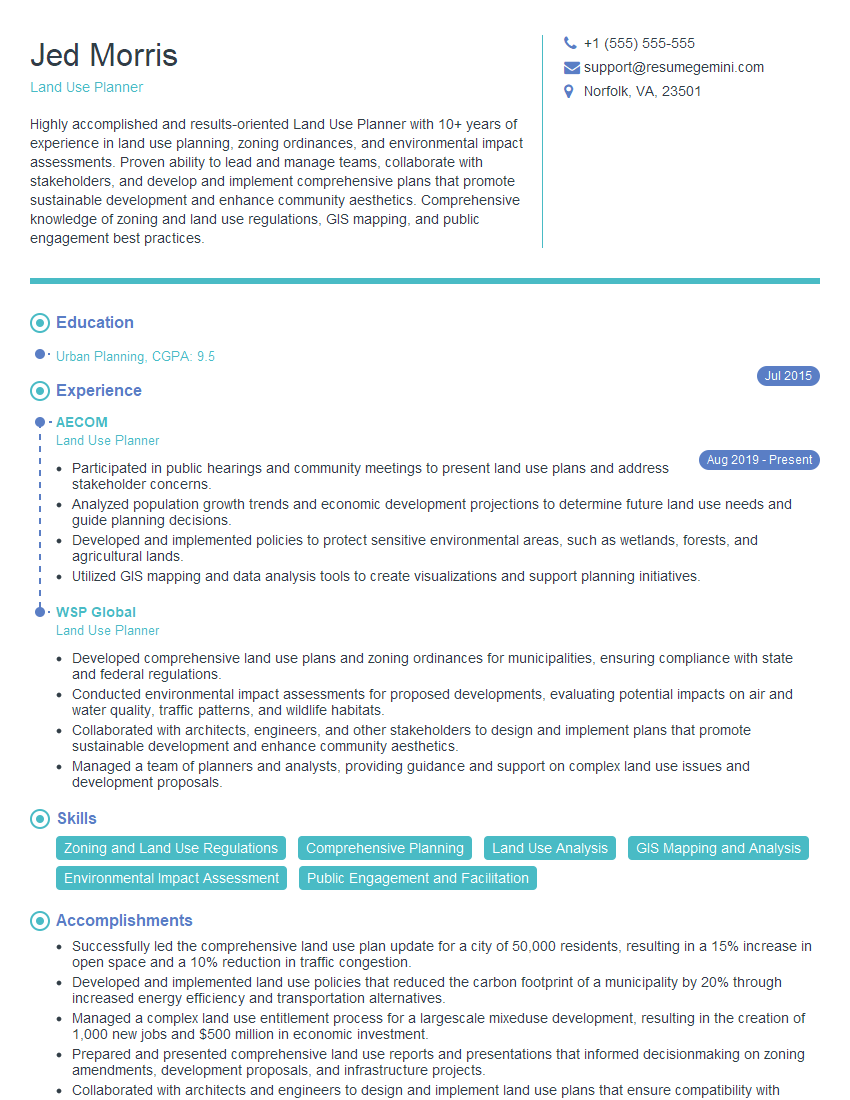
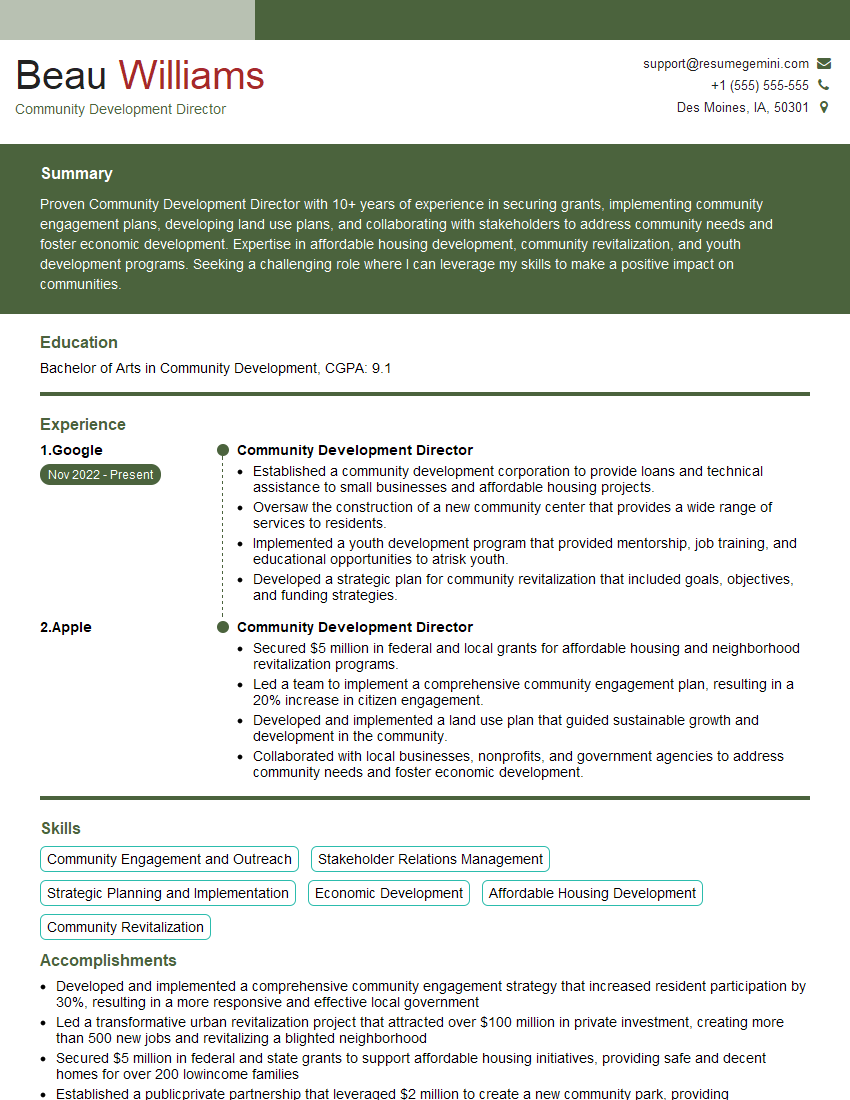
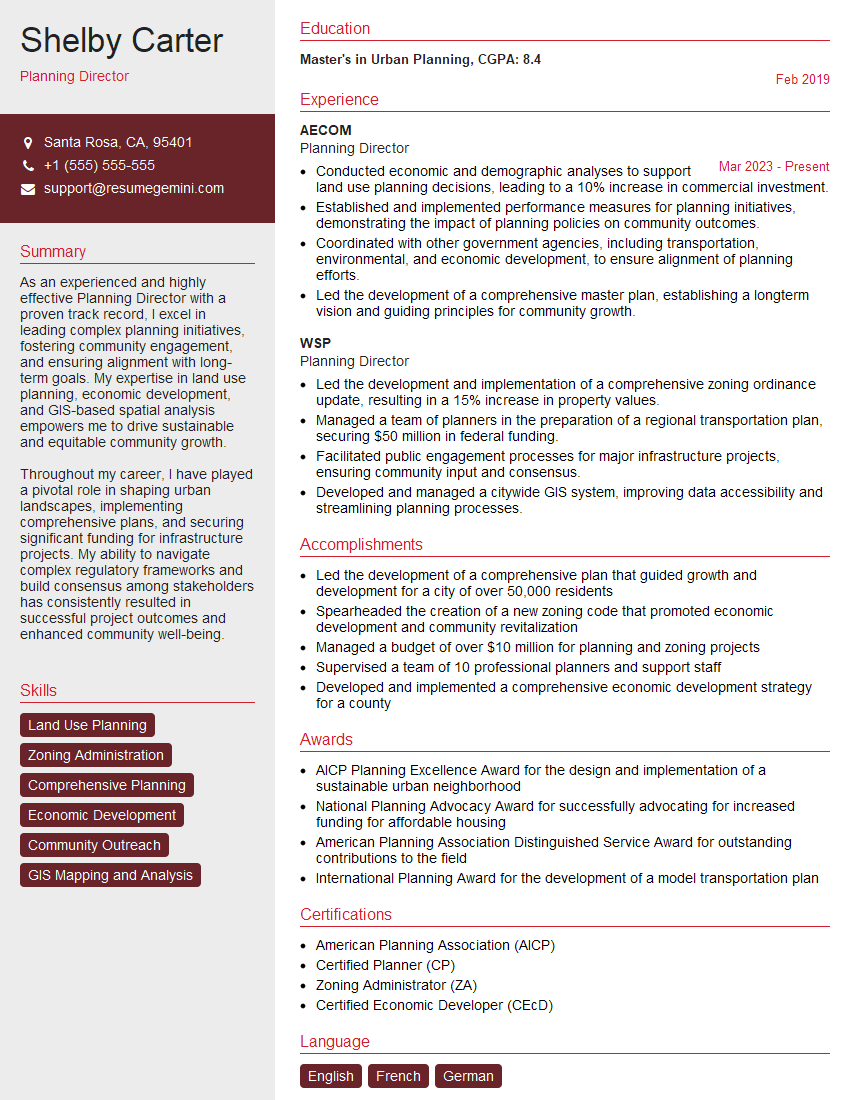
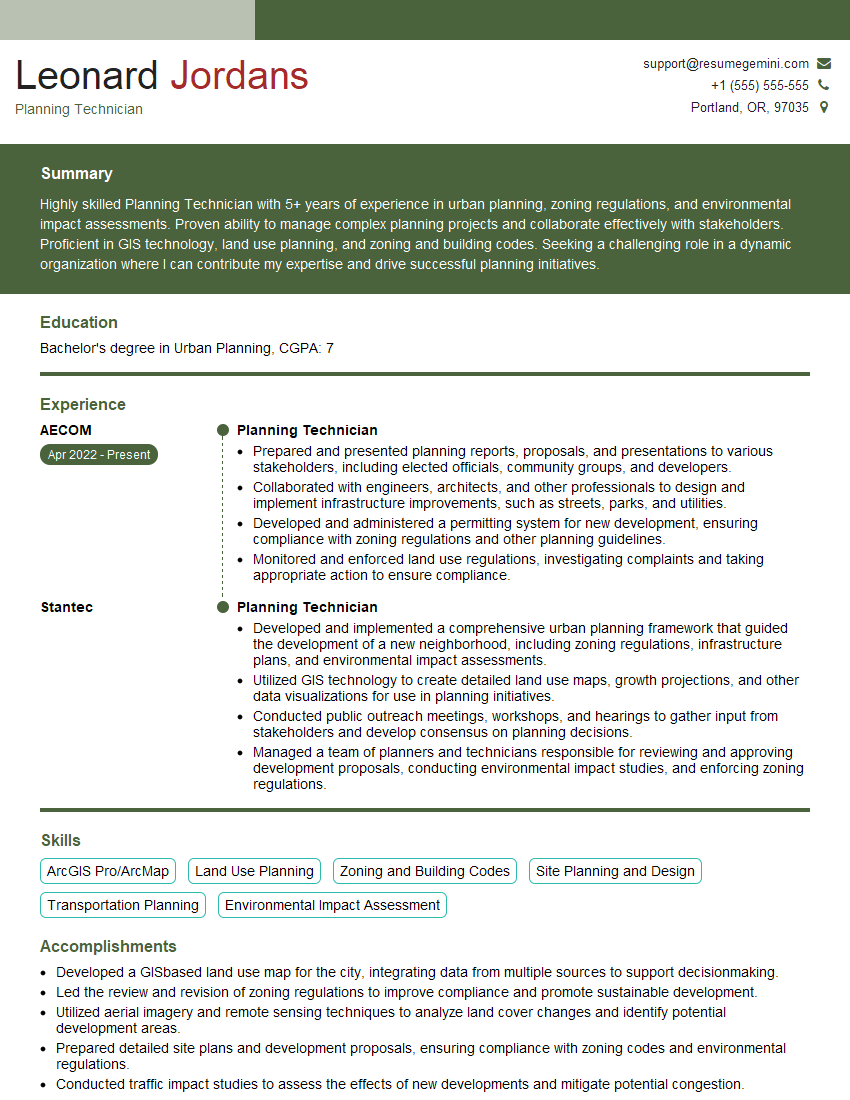
Mastering Zoning Plan and Map Amendments is crucial for career advancement in urban planning, land development, and related fields. A strong understanding of these concepts demonstrates your expertise and problem-solving capabilities to potential employers. To significantly boost your job prospects, it’s vital to create an Applicant Tracking System (ATS)-friendly resume that highlights your relevant skills and experience effectively. We strongly encourage you to use ResumeGemini, a trusted resource for building professional resumes, to craft a compelling document that showcases your qualifications. Examples of resumes tailored to Zoning Plan and Map Amendments are available to help guide you.

Explore more articles
Users Rating of Our Blogs
Share Your Experience
We value your feedback! Please rate our content and share your thoughts (optional).
What Readers Say About Our Blog
To the interviewgemini.com Webmaster.
Very helpful and content specific questions to help prepare me for my interview!
Thank you
To the interviewgemini.com Webmaster.
This was kind of a unique content I found around the specialized skills. Very helpful questions and good detailed answers.
Very Helpful blog, thank you Interviewgemini team.