The right preparation can turn an interview into an opportunity to showcase your expertise. This guide to Responding to Medical Emergencies interview questions is your ultimate resource, providing key insights and tips to help you ace your responses and stand out as a top candidate.
Questions Asked in Responding to Medical Emergencies Interview
Q 1. Describe your experience with advanced cardiac life support (ACLS).
My ACLS experience is extensive, encompassing both theoretical knowledge and hands-on practice in diverse settings. I’ve participated in numerous ACLS courses, maintaining current certification through regular recertification programs. My experience includes managing patients with various cardiac arrests, including ventricular fibrillation, pulseless ventricular tachycardia, asystole, and pulseless electrical activity. I’m proficient in the use of defibrillators, advanced airway management techniques (intubation and advanced airway devices), and the administration of ACLS medications such as epinephrine, amiodarone, and adenosine. I’ve worked within hospital settings, ambulance services, and even volunteer organizations, applying ACLS protocols to critically ill patients. One memorable case involved a patient experiencing sudden cardiac arrest in a public setting. Prompt and effective ACLS intervention, along with team collaboration, resulted in successful resuscitation and the patient’s eventual recovery. This experience underscored the importance of timely, coordinated efforts and meticulous attention to detail in life-threatening situations.
Q 2. Explain the process of assessing a patient’s airway, breathing, and circulation (ABCs).
Assessing a patient’s ABCs – Airway, Breathing, and Circulation – is the cornerstone of any emergency response. It’s a systematic approach, ensuring that life-threatening issues are addressed first.
Airway: We begin by checking if the airway is open and patent. Is the patient conscious? Are there any obstructions, like vomit or foreign bodies? We might need to use a head-tilt-chin-lift or jaw-thrust maneuver to open the airway, depending on the patient’s condition and suspected injuries. In severe cases, advanced airway techniques like endotracheal intubation might be necessary.
Breathing: Once the airway is secure, we assess breathing. Is the patient breathing adequately? Are their breaths regular, shallow, or absent? We look for the rise and fall of the chest, listen for breath sounds, and check for cyanosis (bluish discoloration of the skin). Supplemental oxygen is administered as needed, and ventilation may be required via bag-valve mask or other devices if breathing is insufficient.
Circulation: Finally, we check circulation. Is there a palpable pulse? What is the heart rate and rhythm? We assess skin color, temperature, and capillary refill time. If there’s no pulse, CPR is initiated immediately. IV access is established to administer fluids and medications as necessary. Monitoring vital signs throughout the process is crucial.
Think of it as a triage system for life support: address the most immediate threats first, ensuring a patent airway, then adequate breathing, and finally, maintaining circulation. The order might be adjusted based on the specific situation. For example, in a patient with severe bleeding, controlling the hemorrhage might temporarily supersede airway management.
Q 3. What are the key differences between stable and unstable patients?
The distinction between stable and unstable patients is crucial in determining the urgency and nature of care.
Stable Patients: These patients are conscious, alert, and their vital signs are within normal or near-normal ranges. They may be experiencing pain or discomfort but do not show signs of immediate life threat. Their condition is relatively controlled and unlikely to deteriorate rapidly. Example: a patient with a minor laceration or a simple fracture.
Unstable Patients: These patients are in a critical condition, exhibiting signs of impending collapse or organ failure. Their vital signs are significantly abnormal, and their condition is rapidly worsening. Examples include patients experiencing cardiac arrest, severe respiratory distress, uncontrolled bleeding, or shock. They require immediate intervention and intensive care.
The difference boils down to the immediacy of the threat to life. While both require appropriate medical attention, unstable patients necessitate immediate, life-saving interventions, often in a critical care setting.
Q 4. How do you prioritize patients in a mass casualty incident (MCI)?
In a Mass Casualty Incident (MCI), efficient patient prioritization is paramount. We utilize the START (Simple Triage and Rapid Treatment) method or a similar system to quickly assess and categorize patients based on their immediate needs. This system uses a simple assessment of respiration, perfusion (circulation), and mental status to rapidly categorize patients into four groups:
Immediate (Red): Patients with life-threatening injuries requiring immediate attention (e.g., respiratory arrest, severe bleeding).
Delayed (Yellow): Patients with serious injuries requiring treatment but not immediately life-threatening (e.g., open fractures, burns).
Minor (Green): Patients with minor injuries who can wait for treatment (e.g., sprains, minor cuts).
Expectant (Black): Patients with unsurvivable injuries who are unlikely to survive despite medical intervention.
The START method prioritizes patients based on their likelihood of survival and the potential benefit of immediate intervention. This ensures that resources are allocated effectively to those most likely to benefit, maximizing the number of lives saved. Ethical considerations are also crucial in such scenarios.
Q 5. Describe your experience with administering medications in emergency situations.
My experience with administering medications in emergency situations is broad, covering a range of drugs and routes of administration. I’m proficient in intravenous (IV), intramuscular (IM), and subcutaneous (SC) injections, as well as the administration of medications via nebulizer and endotracheal tube. The medications I’ve administered include analgesics (pain relievers), antiemetics (anti-nausea medication), bronchodilators, sedatives, and various life-saving medications used in cardiac arrest and anaphylaxis. Before administering any medication, I meticulously check the patient’s medical history, allergies, and current medications to ensure safe and appropriate administration. Medication administration always includes the 5 Rights: Right patient, right drug, right dose, right route, and right time. Documentation is meticulous and includes details of the medication, dosage, route, time, and the patient’s response. A critical aspect is maintaining a calm and organized approach even under pressure to ensure accurate and safe medication administration. I’ve encountered many situations where the rapid and correct administration of medication was crucial in stabilizing a patient’s condition. A prime example was administering epinephrine to a patient experiencing anaphylactic shock, which immediately reversed the life-threatening reaction.
Q 6. What are the signs and symptoms of a stroke?
Stroke, a cerebrovascular accident, occurs when blood supply to a part of the brain is interrupted. This leads to damage to brain tissue and neurological dysfunction. Recognizing the signs and symptoms is crucial for prompt treatment, as early intervention can significantly improve outcomes.
Common signs and symptoms include:
Sudden numbness or weakness in the face, arm, or leg, especially on one side of the body. This is often described as a drooping face or inability to raise an arm.
Sudden confusion, trouble speaking or understanding speech (aphasia). The individual may struggle to articulate words or understand what others are saying.
Sudden trouble seeing in one or both eyes. Blurred vision, double vision, or loss of vision in one eye can be indicative.
Sudden trouble walking, dizziness, loss of balance or coordination. Difficulty with gait or maintaining balance is a concerning symptom.
Sudden severe headache with no known cause. A sudden, intense headache, often described as the ‘worst headache of their life,’ warrants immediate medical attention.
The acronym FAST is commonly used to remember the key signs: Facial drooping, Arm weakness, Speech difficulty, Time to call emergency services.
Q 7. How do you manage a patient experiencing anaphylaxis?
Anaphylaxis is a severe, life-threatening allergic reaction that requires immediate treatment. It’s characterized by a rapid onset of symptoms and can involve multiple organ systems. Management focuses on securing the airway, supporting breathing, and administering medication.
Assess the patient’s airway, breathing, and circulation (ABCs). If the airway is compromised, immediately establish a patent airway. If breathing is inadequate, provide oxygen and ventilation as needed.
Administer epinephrine intramuscularly (IM) immediately. This is the cornerstone of anaphylaxis treatment. The dose and repeat administration will be based on the patient’s weight, response, and clinical presentation. Always ensure proper documentation and adherence to the current guidelines.
Call for advanced medical assistance. Transport the patient to a hospital for ongoing monitoring and treatment.
Monitor the patient closely for ongoing symptoms. Observe vital signs, including blood pressure, heart rate, and oxygen saturation. Some patients will require continuous monitoring. They will also need support with airway maintenance and breathing until their symptoms subside.
Provide supportive care. This may include intravenous fluids, antihistamines, corticosteroids, and respiratory support as needed. Oxygen administration must be continued as needed until transport to a hospital occurs.
Anaphylaxis is a time-sensitive emergency. Prompt recognition and administration of epinephrine are critical to prevent potentially fatal consequences. The process is dictated by current protocols and must be followed diligently, with constant monitoring and communication among medical professionals.
Q 8. Explain the steps involved in performing CPR.
Performing CPR (Cardiopulmonary Resuscitation) is a life-saving technique used when someone’s breathing or heartbeat has stopped. It involves chest compressions and rescue breaths to circulate blood and oxygen to the brain and vital organs until professional medical help arrives. The steps are crucial and must be performed correctly.
- Check for responsiveness: Gently shake the person and shout, ‘Are you okay?’
- Call for help: Immediately dial emergency services (911 in the US, or your local equivalent).
- Check for breathing: Look, listen, and feel for normal breathing for no more than 10 seconds.
- Start chest compressions: Place the heel of one hand in the center of the chest, between the nipples. Place your other hand on top, interlacing your fingers. Keep your arms straight and push hard and fast, compressing the chest at a rate of 100-120 compressions per minute, to a depth of at least 2 inches for adults.
- Give rescue breaths (if trained): After 30 compressions, open the airway using the head-tilt-chin-lift maneuver. Pinch the nose shut and give two rescue breaths, each lasting about one second, ensuring the chest rises. If you are not trained in rescue breaths, focus solely on chest compressions.
- Continue CPR: Repeat cycles of 30 compressions and 2 breaths until emergency medical services arrive or the person shows signs of life (e.g., breathing, movement).
Remember, continuous chest compressions are vital, even without rescue breaths if you aren’t trained. Proper hand placement and depth are critical to effective CPR.
Q 9. Describe your experience with using an AED.
I have extensive experience using Automated External Defibrillators (AEDs). AEDs are designed to be user-friendly, guiding users through the process with clear audio and visual prompts. My training includes regular proficiency checks to ensure my skills remain sharp. In a real-world scenario, after ensuring the scene is safe, I would:
- Turn on the AED: The device will provide instructions.
- Attach the pads: Place the pads on the person’s bare chest, as per the device’s instructions.
- Analyze the heart rhythm: The AED will analyze the heart rhythm and advise whether a shock is needed.
- Administer a shock (if advised): Ensure no one is touching the patient before delivering the shock. The AED will deliver the shock automatically.
- Resume CPR: Immediately begin CPR after the shock, following the same steps as mentioned previously. The AED will continue to guide you through further analyses and shocks as necessary.
I’ve utilized AEDs in various settings, from simulated training scenarios to real medical emergencies. Knowing when and how to use an AED effectively can mean the difference between life and death.
Q 10. How do you handle a patient with a suspected spinal injury?
Suspected spinal injuries require immediate attention and careful handling to prevent further damage. The primary goal is to stabilize the spine and minimize movement. My approach involves:
- Assess the scene for safety: Ensure the area is safe before approaching the patient.
- Perform a primary assessment: Check for responsiveness, breathing, and circulation.
- Minimize movement: Avoid unnecessary movement of the patient’s head, neck, or spine. If the patient is conscious, gently reassure them and ask them to remain still.
- Manual stabilization: If possible, manually stabilize the head and neck, keeping the head and neck in alignment. This is best done by two people.
- Call for advanced medical assistance: Immediately summon paramedics or emergency medical services.
- Monitor vital signs: Continuously monitor the patient’s breathing, pulse, and level of consciousness.
- Maintain spinal immobilization: Once EMS arrives, assist in placing the patient on a backboard to provide full spinal immobilization. This includes using a cervical collar to support the neck.
Remember, improper handling of a suspected spinal injury can lead to permanent neurological damage. Therefore, prioritizing stabilization and minimizing movement are paramount.
Q 11. What are your protocols for managing a patient with severe bleeding?
Managing severe bleeding is a time-sensitive emergency. The primary focus is to control the bleeding as quickly as possible to prevent shock and death. My protocol includes:
- Assess the situation: Ensure scene safety and call for emergency medical assistance immediately.
- Direct pressure: Apply direct pressure to the wound using a clean cloth or dressing. Apply firm, continuous pressure directly over the bleeding site.
- Elevation: If possible, elevate the injured limb above the heart to reduce blood flow to the area.
- Pressure points: If direct pressure is insufficient, consider applying pressure to nearby pressure points (e.g., brachial artery for arm injuries, femoral artery for leg injuries). This should only be done if trained and necessary.
- Tourniquet (as a last resort): Only use a tourniquet if the bleeding is uncontrolled and life-threatening. A tourniquet should be applied only by trained personnel and in accordance with established protocols. Proper placement and documentation are crucial.
- Monitor vital signs: Continue to monitor the patient’s breathing, pulse, and level of consciousness.
Severe bleeding can lead to rapid blood loss and shock, so acting quickly and decisively is critical. Training in advanced bleeding control techniques, such as the use of tourniquets and hemostatic dressings, enhances the ability to manage severe hemorrhage effectively.
Q 12. Describe your experience with trauma assessment.
Trauma assessment is a systematic approach to evaluating patients who have suffered traumatic injuries. It follows a structured process to identify and manage life-threatening conditions. My experience encompasses various trauma scenarios, from motor vehicle accidents to falls and assaults. The assessment typically involves:
- Primary Survey (ABCDE): This focuses on immediate life threats. A – Airway, B – Breathing, C – Circulation, D – Disability (neurological status), E – Exposure (removing clothing to assess injuries).
- Secondary Survey: A more detailed head-to-toe assessment performed once the life-threatening injuries have been addressed. This includes a full neurological examination, a systematic evaluation of all body systems, and pain assessment.
- Resuscitation and stabilization: Providing immediate treatment for life-threatening injuries identified during the primary survey.
- Ongoing monitoring and reassessment: Continuously monitoring the patient’s vital signs and reassessing for any changes.
Effective trauma assessment requires a thorough understanding of anatomy, physiology, and various injury mechanisms. It also demands a calm and methodical approach to prioritize treatment based on the patient’s condition.
Q 13. How do you communicate effectively with patients and their families during an emergency?
Effective communication during medical emergencies is critical for patient care and overall success. My approach involves:
- Active listening: Pay close attention to what the patient or family members are saying, both verbally and non-verbally.
- Clear and concise language: Explain the situation and the treatment plan in a simple and understandable way, avoiding medical jargon.
- Empathy and reassurance: Offer support and reassurance to both the patient and their family, acknowledging their fear and anxiety.
- Honest and transparent communication: Provide honest updates about the patient’s condition, even if the news is difficult.
- Involving family members: Allow family members to participate in decision-making, where appropriate, and provide them with regular updates.
- Nonverbal communication: Maintain appropriate eye contact, use a calming tone of voice, and demonstrate respect through my actions.
Building trust and rapport is essential in stressful situations. Effective communication not only ensures better patient care but also fosters a sense of calm and control for those involved.
Q 14. Explain your understanding of different types of shock.
Shock is a life-threatening condition characterized by inadequate blood flow to the body’s tissues and organs. Different types of shock exist, each with its own underlying cause:
- Hypovolemic shock: This is caused by significant blood or fluid loss, such as from severe bleeding, dehydration, or burns.
- Cardiogenic shock: This results from the heart’s inability to pump enough blood to meet the body’s needs. This can be caused by heart attacks, heart failure, or other cardiac conditions.
- Distributive shock: This occurs when blood vessels dilate excessively, leading to a decrease in blood pressure. Septic shock (due to infection), anaphylactic shock (due to allergic reaction), and neurogenic shock (due to spinal cord injury) are examples.
- Obstructive shock: This type of shock occurs when something physically obstructs blood flow, such as a pulmonary embolism (blood clot in the lungs) or pericardial effusion (fluid buildup around the heart).
Recognizing the type of shock is crucial because treatment strategies differ. For example, hypovolemic shock requires fluid resuscitation, while cardiogenic shock may require medications to support heart function. Early identification and prompt treatment are vital for improving the chances of survival.
Q 15. How do you handle a patient who is exhibiting aggressive behavior?
Handling an aggressive patient requires a calm and measured approach, prioritizing both the patient’s and the team’s safety. The first step is to assess the situation and identify the underlying cause of the aggression – is it pain, fear, delirium, or a pre-existing mental health condition? This assessment guides our response.
We establish a safe distance, ensuring there’s enough space to react if the situation escalates. Clear and concise communication is crucial. We speak calmly and slowly, using simple language, avoiding direct confrontation. We aim to de-escalate the situation by actively listening and validating their feelings, even if we don’t agree with their behavior. If verbal de-escalation fails, we may need to employ physical restraints, but only as a last resort and with the appropriate training and assistance from colleagues. Proper documentation of the entire incident, including the patient’s behavior, our interventions, and the outcome, is crucial.
For example, I once encountered a patient experiencing acute alcohol withdrawal who became aggressive and disoriented. By speaking calmly, assuring him of our care, and administering appropriate medication as prescribed, we successfully de-escalated the situation without physical restraints. Documentation of this episode detailed his symptoms, the steps we took, and the medication administered.
Career Expert Tips:
- Ace those interviews! Prepare effectively by reviewing the Top 50 Most Common Interview Questions on ResumeGemini.
- Navigate your job search with confidence! Explore a wide range of Career Tips on ResumeGemini. Learn about common challenges and recommendations to overcome them.
- Craft the perfect resume! Master the Art of Resume Writing with ResumeGemini’s guide. Showcase your unique qualifications and achievements effectively.
- Don’t miss out on holiday savings! Build your dream resume with ResumeGemini’s ATS optimized templates.
Q 16. Describe your experience with intubation and ventilation.
Intubation and ventilation are critical skills in managing airway compromise. My experience includes numerous successful intubations in various emergency situations, ranging from traumatic injuries to respiratory failure due to pneumonia or allergic reactions. I’m proficient in both rapid sequence intubation (RSI) techniques and using various airway management devices, including laryngeal masks and endotracheal tubes.
The process involves meticulous preparation, including pre-oxygenation, proper medication administration (where applicable for RSI), and careful selection of the appropriate sized endotracheal tube. Post-intubation, verification of tube placement using capnography and auscultation is crucial to ensure the patient is receiving adequate ventilation. Regular monitoring of vital signs, blood gases, and the patient’s respiratory status are essential to assess the efficacy of ventilation and make necessary adjustments.
For instance, during a motor vehicle accident, I successfully intubated a patient with a suspected cervical spine injury, utilizing in-line stabilization techniques to ensure patient safety during the procedure. Post-intubation, we monitored the patient’s vital signs and oxygen saturation closely, adjusting ventilatory parameters as needed. Regular checks for complications such as pneumothorax or esophageal intubation were also performed.
Q 17. What are your protocols for dealing with a patient who is unresponsive?
Our protocols for an unresponsive patient follow a structured approach, beginning with immediate assessment of the airway, breathing, and circulation (ABCs). We check for responsiveness, breathing, and pulse. If the patient is unresponsive and not breathing or only gasping, we immediately initiate cardiopulmonary resuscitation (CPR), including chest compressions and rescue breaths.
Simultaneously, we call for advanced life support (ALS) and begin the process of establishing an IV line to administer medications as needed. We also check for any obvious signs of trauma or medical emergencies. Once ALS arrives, we provide a detailed handover of the patient’s condition and ongoing interventions. A thorough post-resuscitation care plan is critical, often involving transfer to a hospital for further evaluation and management.
For example, I responded to a case where a patient was found unresponsive after a cardiac arrest. Following the ABCs, we initiated CPR and advanced life support, including defibrillation and medication administration. We successfully regained a pulse and transferred the patient to the hospital for ongoing care. The comprehensive documentation of this event included every step of the intervention and the patient’s response.
Q 18. How do you maintain accurate patient documentation?
Maintaining accurate patient documentation is paramount for legal, ethical, and clinical reasons. We utilize electronic health records (EHRs) to record all aspects of patient care, ensuring the information is complete, accurate, and timely. This includes the patient’s initial presentation, vital signs, interventions performed, medications administered, and the patient’s response to treatment. All entries are made concisely and objectively, avoiding subjective opinions or jargon.
We adhere to specific protocols for documentation, such as using standardized abbreviations and ensuring the accuracy of data entries. Any errors are corrected appropriately with an explanation of the correction. A clear record allows for continuity of care, informing other healthcare providers about the patient’s history and treatment. It also protects us legally by creating an auditable trail of events.
For example, for each medication administration, I record the time, route, dose, and any patient reactions. This detail allows for careful tracking of treatment effectiveness and the identification of any adverse drug reactions.
Q 19. Explain the importance of infection control in emergency situations.
Infection control is paramount in emergency situations to protect both patients and healthcare providers from the spread of infectious diseases. The risk is heightened in emergency settings due to the often compromised immune systems of patients and the potential for exposure to bodily fluids. Our protocols include rigorous adherence to hand hygiene, using appropriate personal protective equipment (PPE), including gloves, masks, gowns, and eye protection, as per the situation and potential exposure risks.
Proper disposal of sharps and contaminated materials is strictly enforced. Environmental cleaning and disinfection of equipment and surfaces are regularly performed, with a focus on high-touch areas. We also employ isolation precautions for patients suspected or confirmed to have infectious diseases, limiting exposure to others. Understanding and following these protocols minimize the risk of infection transmission and protect the safety and health of all involved.
For instance, when managing a patient with suspected tuberculosis, I implemented strict airborne precautions, using an N95 respirator mask, and ensuring adequate ventilation in the treatment area. This helped prevent the spread of infection to other patients and healthcare workers.
Q 20. Describe your experience working as part of a team in a high-pressure environment.
Working effectively as part of a team in high-pressure emergency situations is critical to providing optimal patient care. My experience highlights the importance of clear communication, collaboration, and mutual respect among team members. I’m proficient in leading and participating in collaborative efforts, contributing my expertise while valuing the input of others. Effective teamwork involves clearly defining roles and responsibilities, anticipating each other’s needs, and addressing conflicts constructively.
In high-pressure scenarios, efficient communication is paramount. Using concise language and structured reporting reduces misunderstandings. A team leader guides the process, ensuring tasks are assigned effectively and that everyone understands their responsibilities. Regular briefings and debriefings enhance collaboration and team cohesion.
For example, during a mass casualty incident, I collaborated effectively with paramedics, nurses, and doctors, each playing a critical role in assessing and triaging patients, ensuring timely interventions, and managing resources efficiently. The effectiveness of our teamwork was crucial to the successful outcome of that event.
Q 21. How do you handle stress and pressure in an emergency setting?
Managing stress and pressure in emergency settings requires a multifaceted approach that focuses on both resilience and self-care. Maintaining a healthy lifestyle, including sufficient sleep, regular exercise, and a balanced diet, is fundamental to building resilience. Stress-management techniques such as mindfulness and deep breathing exercises can help in the moment to reduce anxiety and improve focus.
Regular debriefings with colleagues provide an opportunity to process emotionally challenging events and share experiences. Maintaining open communication with supervisors about workload and stress levels is crucial for creating a supportive work environment. Accessing mental health resources and seeking professional help when needed are vital for long-term well-being. Understanding my personal stress triggers and developing coping mechanisms are central to my approach.
For example, after particularly traumatic events, I often engage in post-incident debriefings to process my experiences and discuss with my team how to improve our responses in similar situations. This process is essential for maintaining both professional efficacy and emotional well-being.
Q 22. Describe a time you had to make a quick decision under pressure.
One time, responding to a multiple-vehicle accident on a busy highway, I had to quickly assess the scene and prioritize patients. With multiple injured individuals, some exhibiting severe bleeding and others with less obvious trauma, I had to rapidly determine who needed immediate life-saving interventions. My decision was to focus first on a young woman who was unconscious and had a significant head wound, while simultaneously directing my team to control the bleeding of a man with a severed limb. This required rapid prioritization based on the severity of their injuries, using the ABCDE approach (Airway, Breathing, Circulation, Disability, Exposure) to quickly identify and address the most life-threatening issues. Later, once the immediate threats were mitigated, we systematically treated the other patients according to their needs. The pressure of multiple casualties and the limited resources available forced quick, decisive actions based on my clinical judgment and triage experience.
Q 23. Explain your understanding of the chain of command in emergency medical services.
The chain of command in emergency medical services (EMS) is crucial for efficient and effective responses. It ensures clear communication, appropriate delegation of tasks, and ultimately, improved patient care. Typically, the chain begins with the Emergency Medical Dispatcher (EMD) who receives the initial call and prioritizes the response. Next is the first responder (e.g., EMT, paramedic) who assesses the scene and patient. Depending on the situation, this responder may be in charge. If more advanced resources are needed, communication moves up the chain to a supervisor, perhaps a field lieutenant or a medical director. In a hospital setting, that chain might continue to the emergency room physician and hospital administration. Clear communication and adherence to established protocols throughout this chain is vital for optimal patient care and safety.
For instance, if a paramedic encounters a situation beyond their scope of practice, they would consult with the medical director via radio or phone, potentially following their instructions for treatment or transport to a specialized facility. This structured system of communication and authority ensures that patients receive the most appropriate and timely care.
Q 24. How do you stay current with the latest medical advances and guidelines?
Staying current in emergency medical services requires a multifaceted approach. I regularly participate in continuing medical education (CME) courses focusing on the latest treatment guidelines, such as those published by the American Heart Association (AHA) and the American College of Emergency Physicians (ACEP). These courses often cover new techniques in resuscitation, trauma management, and pharmacological interventions. I also actively read peer-reviewed journals like the Annals of Emergency Medicine and Prehospital Emergency Care to stay abreast of research findings and clinical trial results. Further, I subscribe to professional organizations’ newsletters and participate in online forums and professional development workshops to ensure I’m aware of emerging trends and best practices. Maintaining these certifications also ensures continued professional development, pushing me to stay current with knowledge.
Q 25. Describe your experience with transporting patients.
My experience with patient transport is extensive, covering a broad range of scenarios. From routine inter-facility transfers of stable patients to urgent transports of critically ill or injured individuals, I’ve maintained a focus on patient safety and comfort throughout. This includes securing patients appropriately using various immobilization techniques, monitoring vital signs continuously during transport, and communicating effectively with the receiving hospital staff to ensure a smooth handover. I am proficient in using various emergency vehicles and equipment, including ambulances and specialized transport units. I’ve also managed patients with complex medical conditions during transport, requiring careful monitoring and the administration of medications as ordered by medical control. Safe and efficient transport is a crucial component of patient care, and I prioritize this in every situation.
Q 26. What are the legal and ethical considerations involved in emergency medical care?
Legal and ethical considerations are paramount in emergency medical care. Legally, we must adhere to all relevant state and federal regulations, including those concerning patient consent, documentation, and the proper handling of evidence at the scene of an accident. For example, obtaining informed consent before providing treatment is crucial, except in situations where the patient is incapacitated or the situation is life-threatening (implied consent). Thorough documentation of all assessments, treatments, and patient interactions is also essential for legal protection. Ethically, we are bound by a code of conduct that emphasizes patient autonomy, beneficence (acting in the patient’s best interest), non-maleficence (avoiding harm), and justice (fair and equitable treatment). These principles guide our decisions, even in high-pressure situations. Ethical dilemmas can arise frequently in prehospital care, requiring careful consideration of competing values. For example, resource allocation in a mass casualty incident requires careful ethical decision-making to ensure fair and equitable distribution of limited resources.
Q 27. How do you ensure patient confidentiality?
Patient confidentiality is a cornerstone of ethical and legal practice in EMS. I adhere strictly to HIPAA regulations and agency policies regarding the protection of patient health information (PHI). This includes avoiding any discussion of a patient’s condition with unauthorized individuals, using secure communication channels for transmitting sensitive information, and ensuring that all patient records are stored securely and accessed only by authorized personnel. I am trained in proper methods of data handling and understand the potential consequences of violating patient privacy. Furthermore, I am mindful that even seemingly insignificant details can, when combined, compromise patient confidentiality.
Q 28. Describe a challenging situation you encountered and how you resolved it.
One of the most challenging situations I encountered involved a patient experiencing a severe anaphylactic reaction after an unknown insect sting. The patient was rapidly deteriorating, exhibiting signs of respiratory distress and circulatory collapse. The initial difficulty was identifying the allergen, as the patient was unconscious and unable to communicate. This meant we had to act quickly based on symptoms. We immediately initiated advanced airway management and administered epinephrine, while simultaneously initiating fluid resuscitation. The challenge was managing multiple, simultaneous threats to the patient’s life. We utilized the available resources (oxygen, intravenous fluids, medications) and followed established protocols, adapting our approach based on the patient’s constantly evolving condition. The team worked together seamlessly, each member performing their role effectively. Thankfully, with a combination of rapid treatment and effective teamwork, we were able to stabilize the patient and transport them to the hospital for definitive care. This experience emphasized the critical importance of rapid assessment, coordinated teamwork, and a thorough understanding of emergency pharmacology in managing life-threatening conditions.
Key Topics to Learn for Responding to Medical Emergencies Interview
- Initial Assessment & Scene Safety: Understanding the importance of prioritizing safety for both the patient and yourself. This includes recognizing potential hazards and taking appropriate precautions.
- Primary Survey & Life-Threatening Conditions: Mastering the ABCDE approach (Airway, Breathing, Circulation, Disability, Exposure) and identifying immediately life-threatening conditions like cardiac arrest, severe bleeding, and respiratory distress. Practical application includes describing your actions in a simulated emergency scenario.
- Secondary Survey & Patient History: Gathering a detailed patient history, including medical history, allergies, medications, and current symptoms. Practical application includes demonstrating effective communication and patient interaction techniques.
- Emergency Procedures & Interventions: Gaining proficiency in basic life support (BLS), including CPR and the use of an AED. Understanding the application of other essential interventions based on the specific emergency situation.
- Documentation & Reporting: Accurately documenting all assessments, interventions, and patient responses. Understanding the importance of clear and concise reporting to ensure continuity of care.
- Legal and Ethical Considerations: Understanding the legal and ethical implications of providing emergency medical care, including informed consent and patient confidentiality.
- Teamwork and Communication: Demonstrating the ability to effectively communicate and collaborate with other members of the emergency medical team.
- Trauma Management: Understanding basic principles of trauma assessment and management, including hemorrhage control and spinal immobilization.
- Medical Equipment & Technology: Familiarity with common medical equipment used in emergency situations, such as oxygen delivery systems, suction devices, and monitoring equipment.
Next Steps
Mastering Responding to Medical Emergencies significantly enhances your career prospects in healthcare, demonstrating crucial skills highly valued by employers. A strong resume is essential to showcase your expertise and secure interviews. To maximize your chances, create an ATS-friendly resume that highlights your qualifications effectively. ResumeGemini is a trusted resource to help you build a professional and impactful resume. They provide examples of resumes tailored to Responding to Medical Emergencies to give you a head start. Invest the time to craft a compelling resume that accurately reflects your skills and experience – it’s your key to unlocking exciting career opportunities.
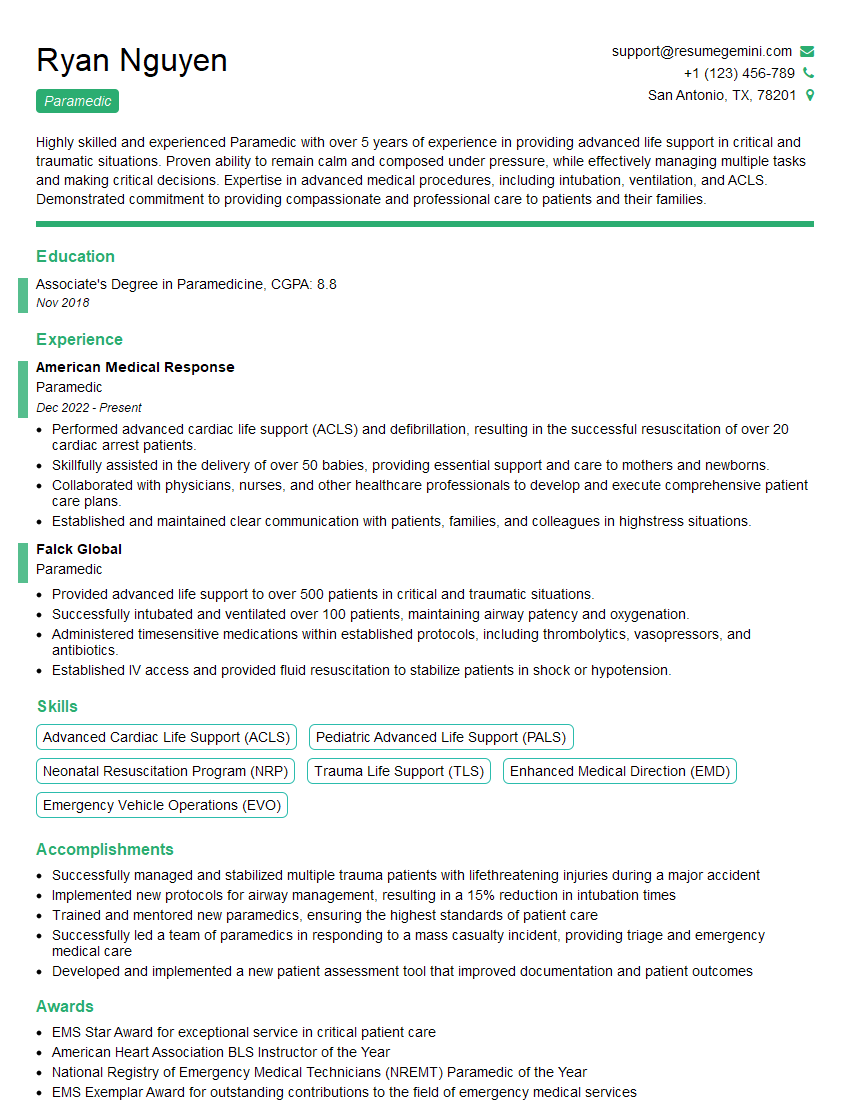
Paramedic Resume Sample
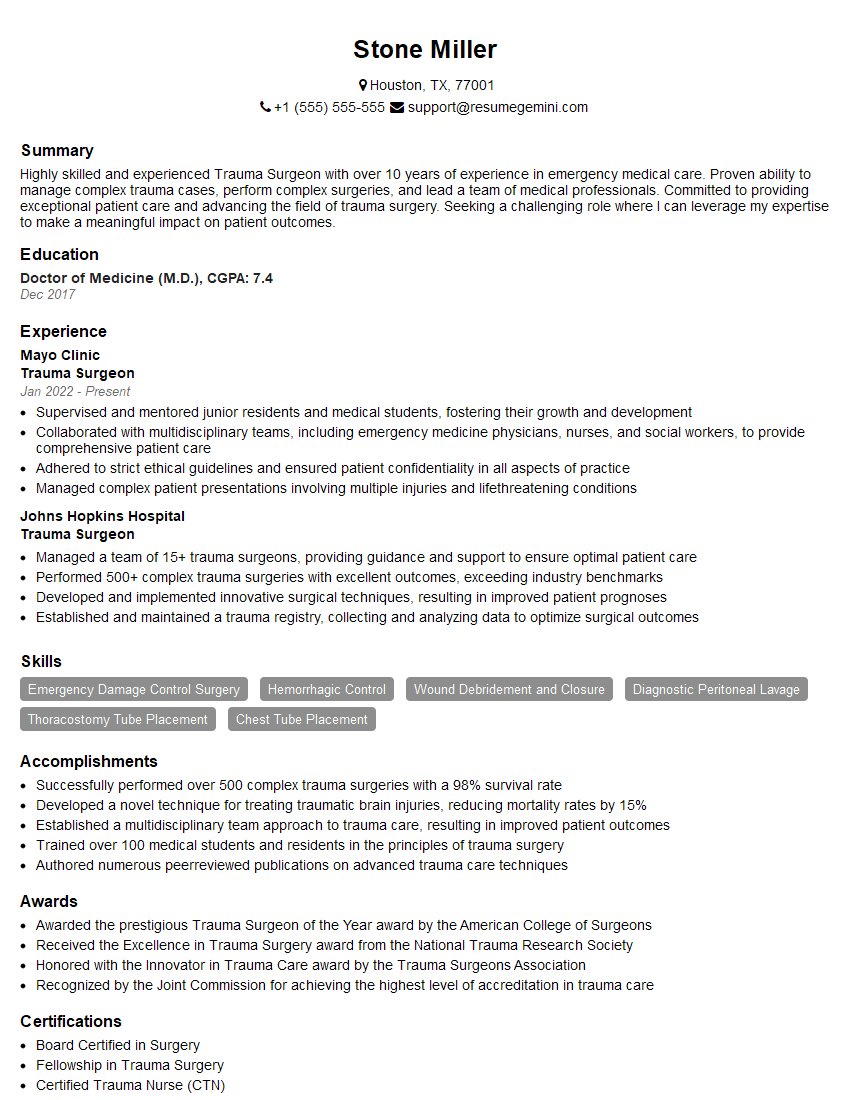
Trauma Surgeon Resume Sample
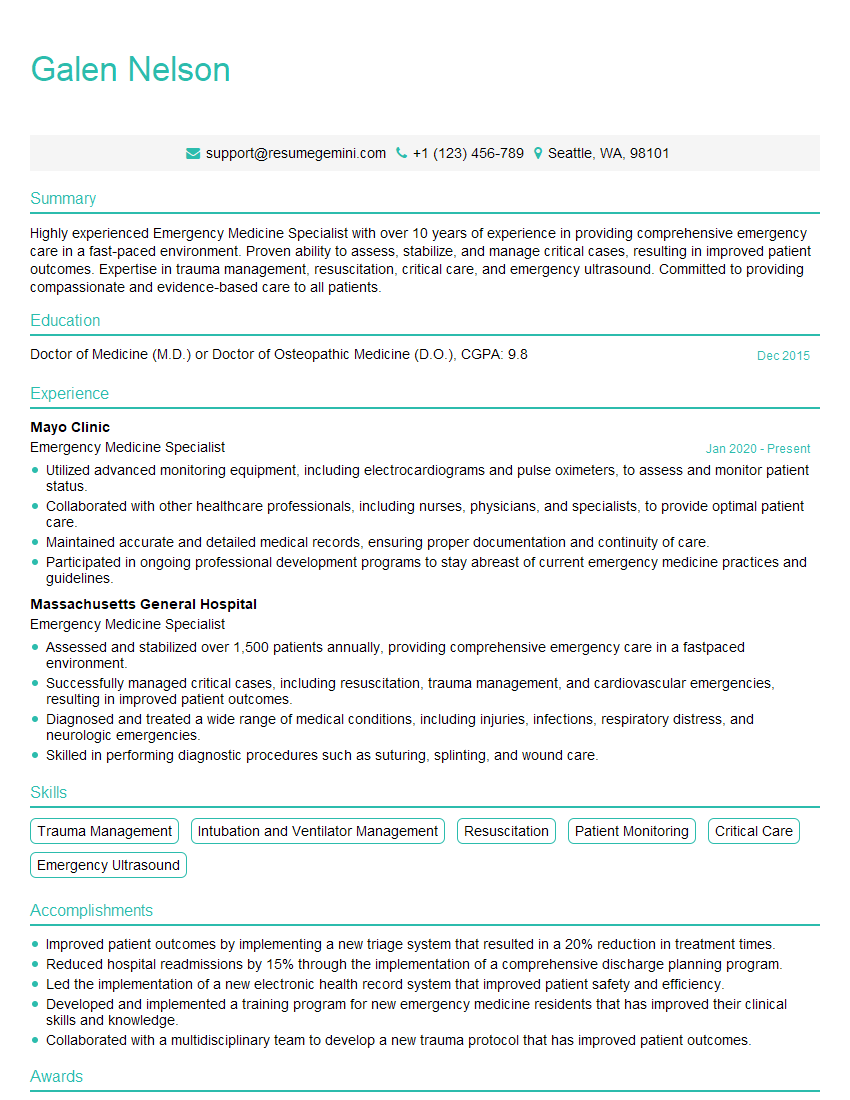
Emergency Medicine Specialist Resume Sample
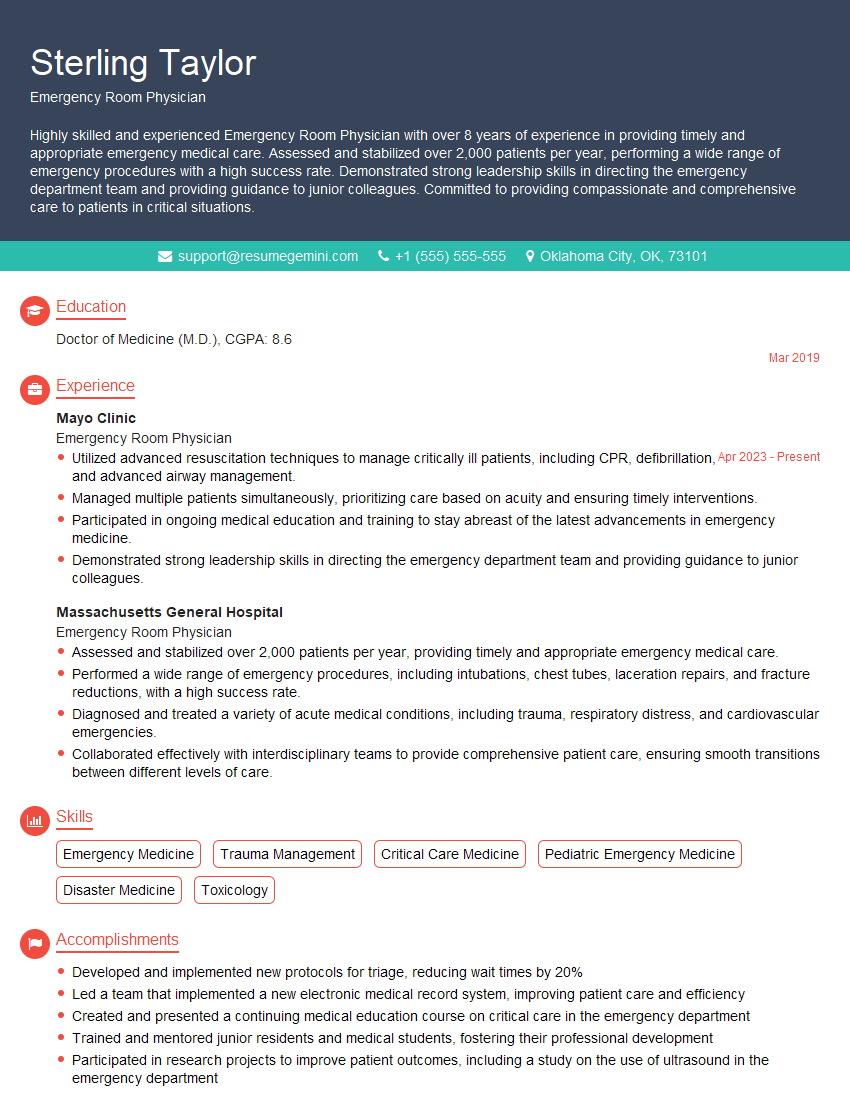
Emergency Room Physician Resume Sample
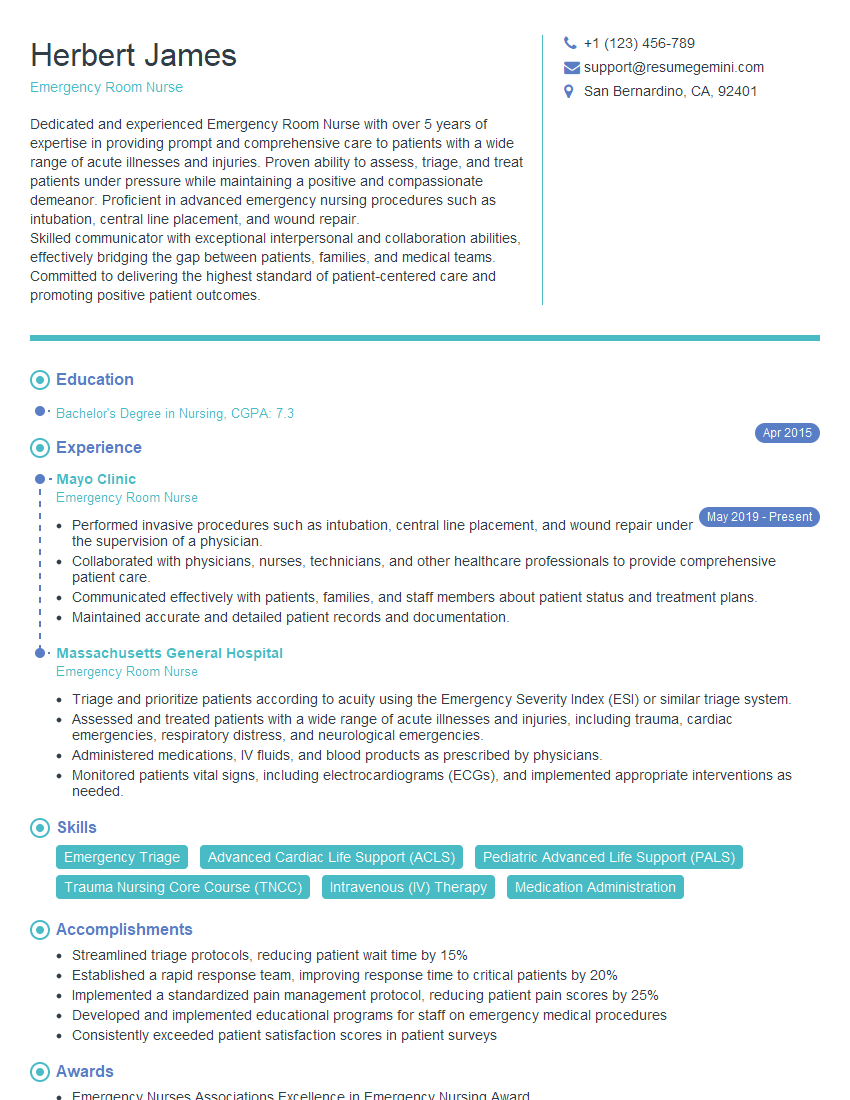
Emergency Room Nurse Resume Sample
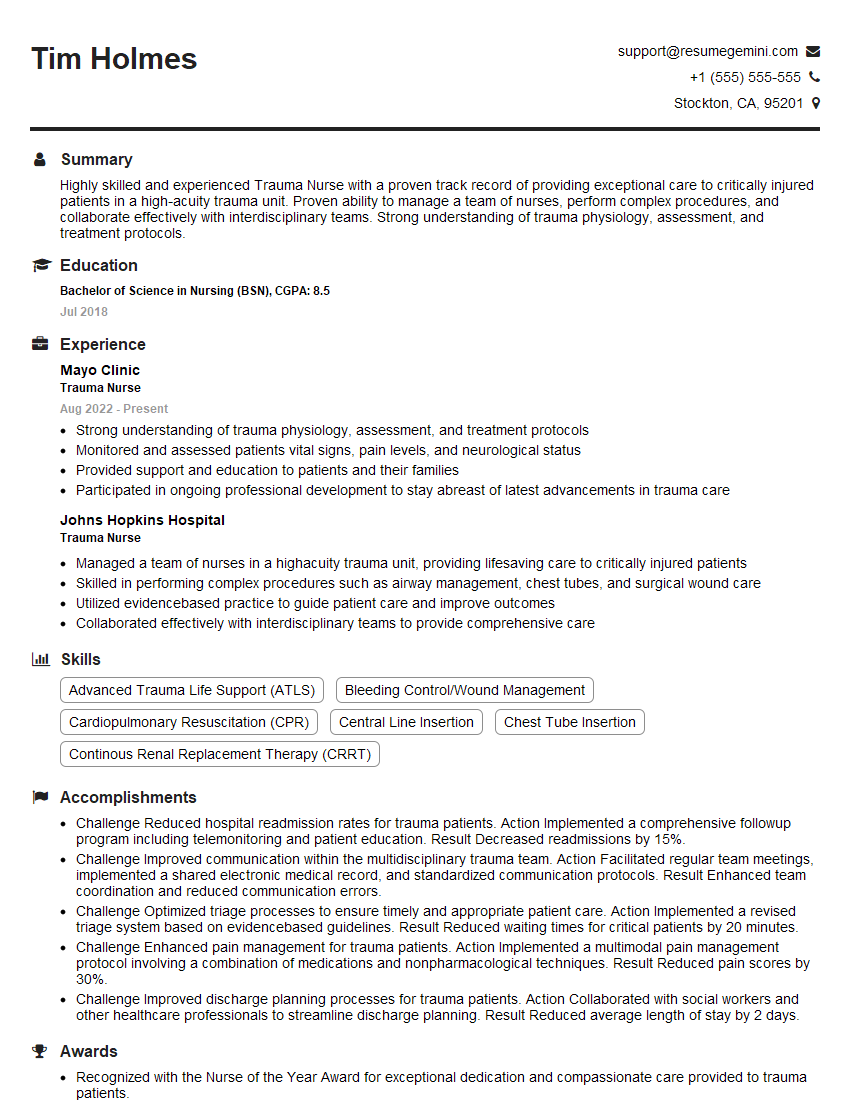
Trauma Nurse Resume Sample
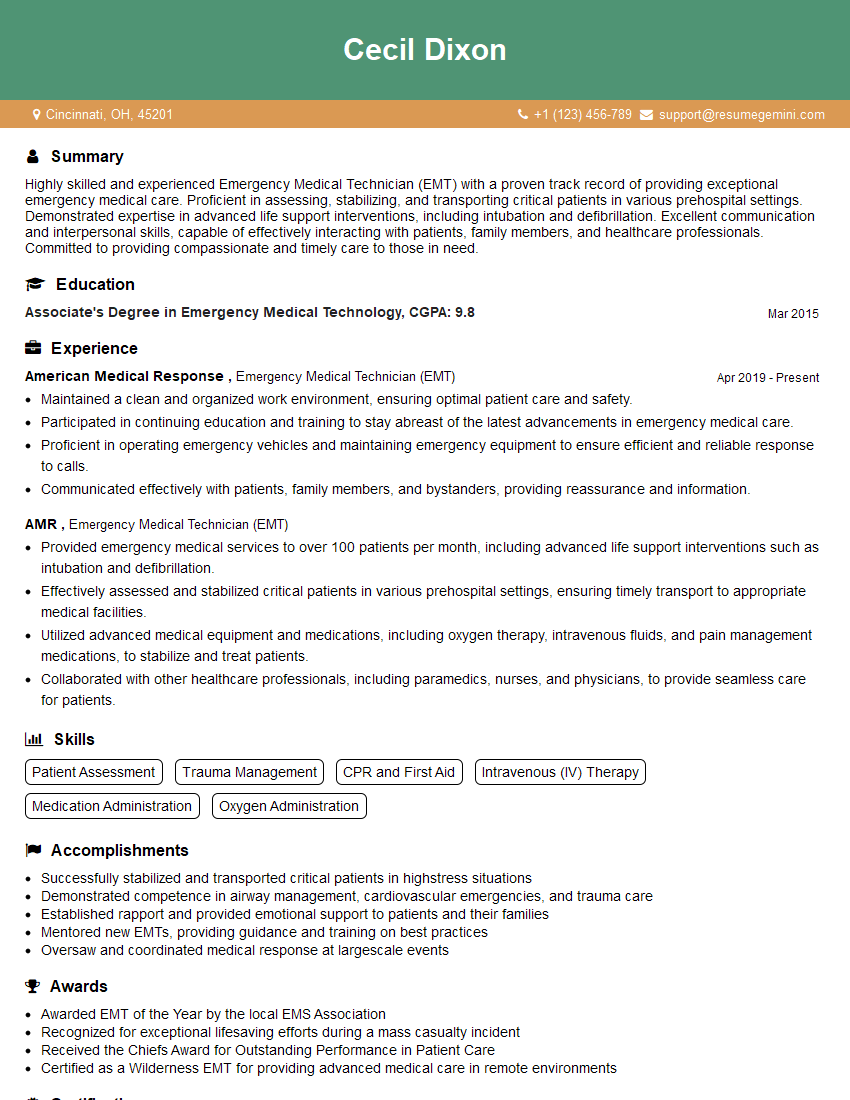
Emergency Medical Technician (EMT) Resume Sample
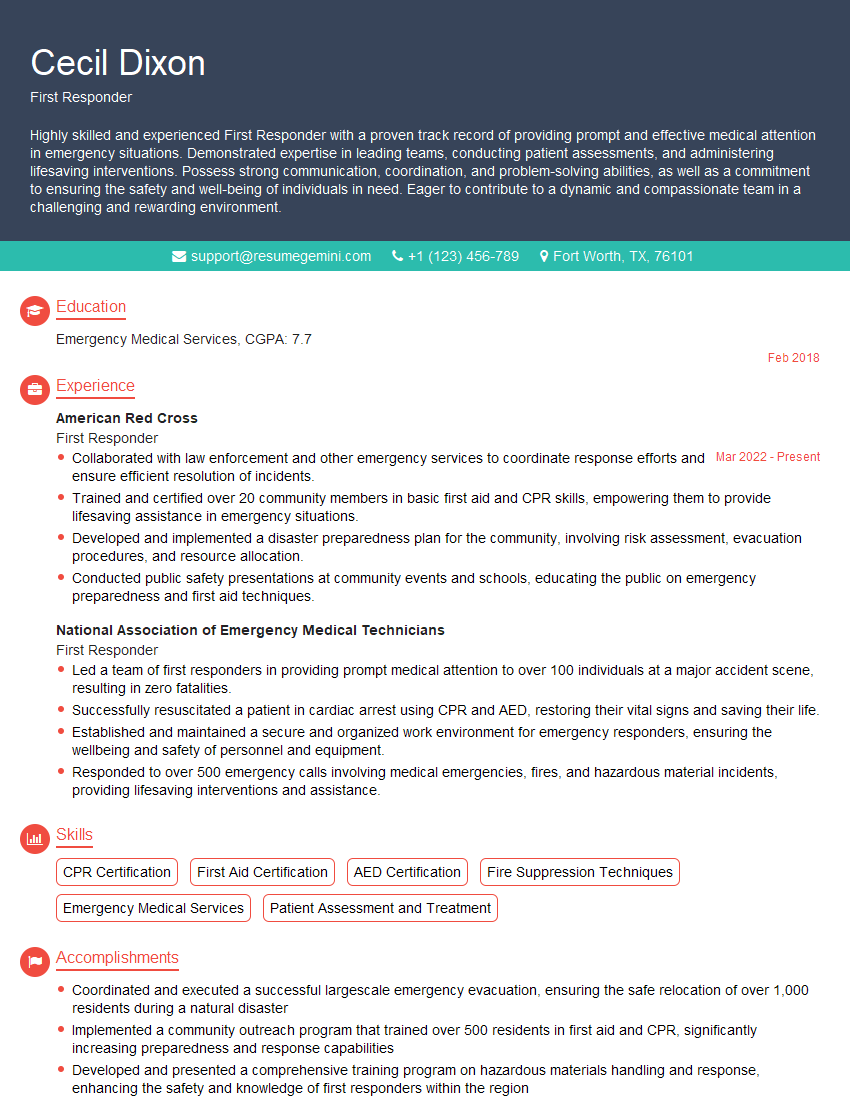
First Responder Resume Sample
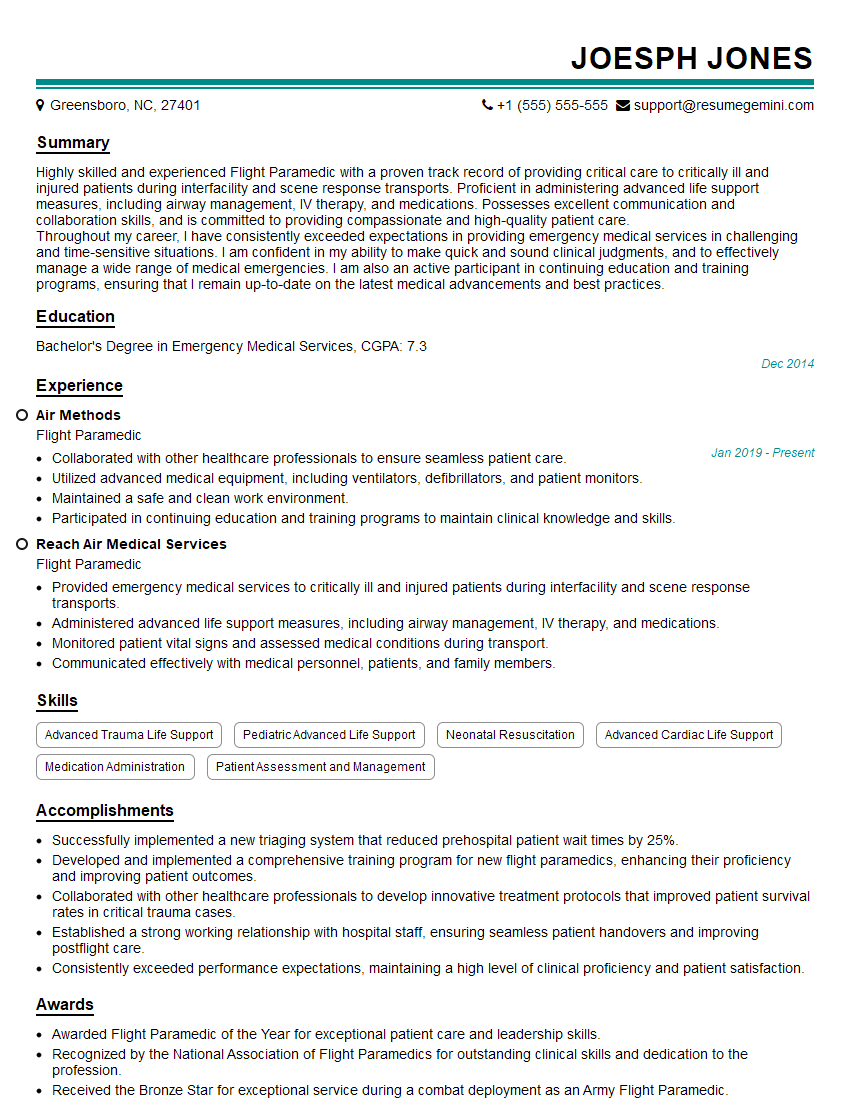
Flight Paramedic Resume Sample
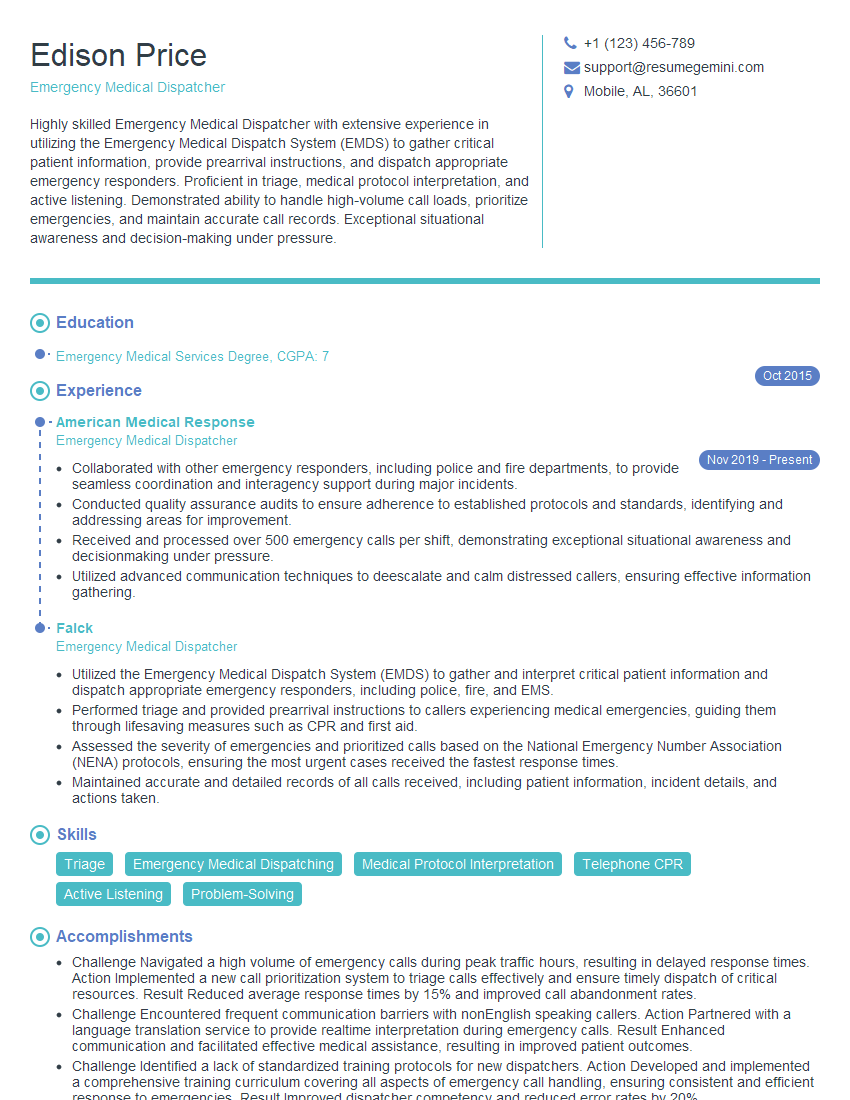
Emergency Medical Dispatcher Resume Sample
Explore more articles
Users Rating of Our Blogs
Share Your Experience
We value your feedback! Please rate our content and share your thoughts (optional).
What Readers Say About Our Blog
To the interviewgemini.com Webmaster.
Very helpful and content specific questions to help prepare me for my interview!
Thank you
To the interviewgemini.com Webmaster.
This was kind of a unique content I found around the specialized skills. Very helpful questions and good detailed answers.
Very Helpful blog, thank you Interviewgemini team.