Preparation is the key to success in any interview. In this post, we’ll explore crucial Rooftop and Ground-Mount System Design interview questions and equip you with strategies to craft impactful answers. Whether you’re a beginner or a pro, these tips will elevate your preparation.
Questions Asked in Rooftop and Ground-Mount System Design Interview
Q 1. Explain the differences between rooftop and ground-mount solar PV systems.
Rooftop and ground-mount solar PV systems differ primarily in their installation location and associated structural considerations. Rooftop systems, as the name suggests, are installed directly on the roof of a building, utilizing existing roof structure for support. Ground-mount systems, on the other hand, are installed on the ground, requiring separate foundations and structures to support the solar array. This fundamental difference leads to several other distinctions.
- Installation Complexity: Rooftop systems often present challenges related to roof access, structural integrity, and potential compatibility issues with existing roofing materials. Ground-mount systems generally offer simpler installation, provided the land is suitable.
- Cost: Rooftop installations can be more expensive due to potential labor costs associated with roof access and integration with existing structures. Ground-mount systems might have higher upfront costs related to foundation construction and land preparation, but overall cost can be comparable depending on site specifics.
- Aesthetics: The visual impact of rooftop systems is often more integrated with the building, while ground-mount systems can be more prominent depending on their size and location.
- Maintenance: Access for maintenance can be more challenging for rooftop systems, potentially requiring specialized equipment and procedures. Ground-mount systems typically offer easier access for cleaning and repairs.
- Shading: Rooftop systems are more susceptible to shading from trees, buildings, or even chimneys. Ground-mount systems can be strategically positioned to minimize shading, although this needs careful site planning.
For example, a homeowner with a south-facing roof might opt for a rooftop system for convenience and cost-effectiveness, while a large-scale solar farm would necessitate a ground-mount system due to the sheer size of the installation.
Q 2. Describe the process of site assessment for a rooftop solar installation.
Site assessment for a rooftop solar installation is a crucial first step, ensuring a safe and efficient system. It involves a thorough evaluation of various factors:
- Roof Inspection: This involves assessing the roof’s structural integrity, material compatibility (e.g., tile, metal, shingle), and load-bearing capacity to ensure it can safely support the weight of the solar array. We look for any damage, leaks, or weak points that might compromise the system’s stability.
- Shading Analysis: A detailed analysis of potential shading from trees, buildings, or other obstructions is critical. This often involves using specialized software and on-site observations to determine the impact of shading on energy production throughout the day and year.
- Orientation and Tilt: Determining the optimal orientation (azimuth) and tilt angle of the array is essential for maximizing energy production. This usually involves analyzing the sun’s path and considering geographical location.
- Electrical Assessment: This involves evaluating the existing electrical system to determine its capacity to handle the additional power generated by the solar array. Upgrades to the electrical panel or service may be required.
- Permitting Requirements: Reviewing local building codes and obtaining necessary permits for the installation is critical for compliance and legal operation.
- Accessibility: Assessing the ease of access to the roof for installation and future maintenance tasks is important for safety and efficiency.
Imagine a site assessment revealing a roof with insufficient load-bearing capacity. This would require reinforcement or alternative installation solutions, potentially impacting project costs and timeline. A thorough assessment avoids costly surprises.
Q 3. How do you determine the optimal tilt and azimuth angles for a solar array?
Determining the optimal tilt and azimuth angles for a solar array is vital for maximizing energy production. The ideal angles depend on several factors:
- Geographic Location: Latitude plays a significant role. At higher latitudes, steeper tilt angles are generally more efficient. Lower latitudes benefit from shallower angles.
- Climate: Areas with significant snow accumulation may benefit from steeper angles to allow for better snow shedding. Areas with intense heat may benefit from slightly less steep angles to reduce overheating.
- Seasonal Variations: The sun’s path changes throughout the year, impacting the optimal angle. A compromise angle is often chosen to balance performance across seasons.
- Shading Analysis: Any shading from surrounding objects will significantly impact the optimal tilt and azimuth angles. The goal is to minimize shading throughout the day.
We utilize specialized software incorporating solar irradiance data, shading analysis, and the specific geographic coordinates to model different tilt and azimuth angles and simulate energy production. The angle maximizing energy yield across the year is selected. For instance, a system in Florida may have a lower tilt angle than one in Alaska. Software simulations help us make this crucial decision.
Q 4. What are the key considerations for ground-mount system foundation design?
Ground-mount system foundation design is crucial for stability and longevity. Several key considerations must be addressed:
- Soil Conditions: The type of soil (clay, sandy, rocky) significantly impacts foundation design. Soil testing is essential to determine bearing capacity and potential issues like frost heave or settlement.
- Wind Loads: The system must withstand high winds, especially in exposed locations. Foundation design must account for anticipated wind loads, using appropriate engineering calculations and design standards.
- Snow Loads: In areas with significant snowfall, the foundation must be designed to support the weight of accumulated snow on the array.
- Seismic Activity: In seismically active regions, the foundation must be designed to withstand earthquakes, using appropriate seismic design codes and techniques.
- Foundation Type: Several foundation types exist, including concrete piles, helical piles, ground screws, and concrete footings. The choice depends on soil conditions, wind and snow loads, and cost considerations. For example, helical piles are often chosen in challenging soil conditions.
- Corrosion Protection: Metal components of the foundation should be properly protected against corrosion, especially in aggressive soil environments. This might involve galvanization or other protective coatings.
A poorly designed foundation could lead to system instability, damage, or even failure. Therefore, professional engineering design is critical for ground-mount systems.
Q 5. Explain the importance of shading analysis in solar system design.
Shading analysis is paramount in solar system design because even minimal shading can significantly reduce energy production. Shading from trees, buildings, or other structures casts shadows on the solar panels, preventing them from generating electricity during those shaded periods. The impact is non-linear; a small amount of shading can cause a disproportionately large reduction in power.
- Energy Loss: Shaded cells within a panel can create hotspots, leading to reduced efficiency and even potential damage to the panel.
- System Performance: Shading can dramatically reduce the overall power output of the system, leading to lower energy yield and return on investment.
- Bypass Diodes: While bypass diodes help mitigate the impact of shading by allowing current to bypass shaded cells, they don’t completely eliminate the losses.
We use sophisticated software to model shading patterns throughout the year, taking into account the sun’s path, the positions of any obstructions, and the characteristics of the solar array. This helps optimize system placement and minimize shading impacts. For example, a seemingly minor tree branch overhanging a portion of the array can significantly reduce yearly energy production. A comprehensive shading analysis helps us avoid such losses.
Q 6. How do you calculate the energy production of a solar PV system?
Calculating the energy production of a solar PV system involves several factors:
- System Size: The total rated power of the solar panels (in kilowatts, kW).
- Solar Irradiance: The amount of sunlight reaching the panels, measured in kilowatt-hours per square meter per year (kWh/m²/year). This data is location-specific.
- Derating Factors: These account for losses due to various factors such as temperature effects, soiling (dirt accumulation), shading, and inverter efficiency. Typically these range from 75-85% efficiency.
- Panel Efficiency: The efficiency of the solar panels themselves in converting sunlight into electricity.
- System Losses: Losses in wiring, connections, and other components.
A simplified calculation would be: Annual Energy Production (kWh) ≈ System Size (kW) * Solar Irradiance (kWh/m²/year) * Panel Area (m²) * Derating Factor. More accurate calculations involve using specialized software that incorporates detailed system characteristics, weather data, and shading analysis. For example, a 5kW system in a location with high solar irradiance and minimal shading will generate significantly more energy than a similar system in a less sunny location with considerable shading.
Q 7. What are the common types of inverters used in solar PV systems, and what are their characteristics?
Several types of inverters are commonly used in solar PV systems, each with its own characteristics:
- String Inverters: These are the most common and cost-effective type. They connect multiple solar panels in series (a string) and convert the DC power from the string to AC power for use in the home or grid. They are relatively simple to install but have limitations in optimizing energy production from partially shaded arrays.
- Microinverters: These are small inverters connected to individual solar panels. Each panel converts its DC output to AC independently. This allows for optimized energy production, even with partial shading of the array. However, they are more expensive than string inverters.
- Power Optimizers: These devices are placed between the solar panels and the string inverter. They monitor the performance of individual panels and optimize their power output, similar to microinverters, but with lower cost and simpler installation than microinverters.
The choice of inverter type depends on several factors, including budget, system size, shading conditions, and desired performance. A system with significant shading might benefit from microinverters, while a smaller system with minimal shading might use a cost-effective string inverter. Each type offers a trade-off between cost, performance, and complexity.
Q 8. Describe the process of sizing a solar PV system to meet a specific energy demand.
Sizing a solar PV system involves determining the optimal system capacity to meet a specific energy demand. This process begins with carefully analyzing your energy consumption history, typically obtained from utility bills. This data reveals your average daily, monthly, and annual energy usage in kilowatt-hours (kWh).
Next, we determine the system size needed to offset this consumption. We consider several factors:
- Energy Consumption: The total kWh consumed annually.
- System Efficiency: The efficiency of the solar panels, inverter, and other system components, typically ranging from 75% to 85%. This accounts for energy losses.
- Solar Irradiance: The amount of sunlight received at your location, which varies geographically and seasonally. This data is usually obtained from solar resource maps.
- Shading and Obstructions: The presence of trees, buildings, or other obstacles that can reduce sunlight reaching the panels.
- Future Energy Needs: Potential increases in energy consumption due to household changes or technological advancements should be anticipated.
Using specialized software or online calculators, we input these parameters. The software calculates the necessary peak power (kWp) rating of the solar array to generate sufficient energy. For example, if you consume 10,000 kWh annually in a location with average solar irradiance and taking into account an 80% system efficiency, the software will calculate the required kWp of the solar panel array. This kWp figure translates into the number of solar panels and their specific wattage needed to complete the system.
Finally, we always add a safety margin (e.g., 10-15%) to account for unforeseen circumstances or variations in energy production.
Q 9. What are the different types of racking systems used for rooftop and ground-mount installations?
Racking systems are crucial for supporting solar panels safely and efficiently. Rooftop and ground-mount systems utilize different types:
- Rooftop:
- Rail and Clamp Systems: These are the most common, using rails attached to the roof and clamps securing the panels to the rails. They are adaptable to various roof types but require proper roof assessment.
- Ballasted Systems: These systems use weight (ballast) to secure the panels, avoiding penetration of the roof. They’re suitable for flat roofs but can be cumbersome due to weight and potential for wind displacement.
- Integrated Roof Systems: These systems incorporate the solar panels into the roof structure during construction or a major roof renovation, offering a sleek aesthetic but demanding careful planning and are more expensive.
- Ground-Mount:
- Ground-Mounted Racking: This employs a variety of structures including fixed-tilt, single-axis tracking, and dual-axis tracking systems. Fixed-tilt systems are cost-effective and suitable for most applications. Tracking systems optimize energy production by following the sun but are more expensive.
- Pole-Mounted Systems: These systems mount panels on poles, offering flexibility in placement and ideal for larger-scale ground installations.
The choice of racking system depends on factors such as roof type, ground conditions, budget, and desired aesthetic.
Q 10. Explain the importance of grounding and bonding in solar PV systems.
Grounding and bonding are paramount for safety and performance in solar PV systems. They prevent electrical shocks and protect the system from lightning strikes and other electrical surges.
Grounding connects the system’s metallic parts (like the racking system and the inverter) to the earth, providing a path for fault currents to safely dissipate. This prevents voltage buildup and reduces the risk of electric shock. A proper grounding system will have low resistance to earth.
Bonding connects all the metallic components within the PV system together, ensuring that they’re at the same electrical potential. This prevents voltage differences between components and minimizes the chance of arcing or other electrical hazards. It’s essential to have good bonding within and between system components.
Imagine grounding as a safety valve releasing excess pressure and bonding as ensuring even pressure throughout the system. Both are crucial to maintaining the stability and safety of the system.
Q 11. How do you address potential issues related to microinverters versus string inverters?
Microinverters and string inverters offer distinct advantages and disadvantages:
- Microinverters: These are small inverters attached to each solar panel. Advantages include superior performance in partially shaded conditions (as only the affected panel is impacted), better MPPT (Maximum Power Point Tracking) for each panel maximizing energy harvesting, and module-level monitoring for easy troubleshooting. However, they’re generally more expensive per watt than string inverters.
- String Inverters: These invert the power from a series of panels (a string). They are less expensive, but performance can be significantly affected by shading on even a single panel in the string due to the serial connection of panels. String inverters also offer less granular monitoring capabilities than microinverters.
The choice depends on budget, site conditions, and desired monitoring granularity. For example, in situations with significant shading, microinverters are a better investment despite the higher initial cost due to minimized performance losses. While for unshaded locations with a limited budget, string inverters are a viable choice. A thorough site assessment will help determine the best choice.
Q 12. Describe your experience with different PV module technologies (monocrystalline, polycrystalline, thin-film).
I have extensive experience with various PV module technologies:
- Monocrystalline Silicon: These modules are made from a single silicon crystal, resulting in higher efficiency (typically 18-22%) and a sleek black appearance. They are preferred for high-performance systems and are more expensive.
- Polycrystalline Silicon: These modules are made from multiple silicon crystals, resulting in slightly lower efficiency (typically 15-17%) and a characteristic blue appearance. They offer a good balance of performance and cost-effectiveness.
- Thin-Film: These modules use thin layers of photovoltaic material deposited on a substrate, such as cadmium telluride (CdTe) or copper indium gallium selenide (CIS). They are lightweight and flexible, making them suitable for specific applications, but generally have lower efficiencies compared to crystalline silicon modules (typically 8-13%).
The choice of technology depends on various factors, including budget, available roof space, aesthetic preferences, and desired energy output. For example, monocrystalline panels are the top-performing but priciest. Polycrystalline panels are a cost-effective option for larger systems. Thin-film panels are often suitable for specific architectural designs, despite lower efficiency.
Q 13. How do you handle challenges related to shading from trees or buildings?
Shading is a major concern in solar PV system design as it significantly reduces energy production. There are several ways to handle it:
- Site Analysis: Thoroughly analyze the site for potential shading sources (trees, buildings, chimneys) throughout the year, using software or tools to model shading patterns. This analysis helps determine optimal panel placement to minimize shading impact.
- Panel Placement: Carefully position panels to minimize shading. This might involve adjusting panel orientation and spacing. In some cases, we may choose specific panel arrangement to accommodate limited sun exposure.
- Bypass Diodes: Employing bypass diodes in PV modules allows current to flow around shaded cells. This helps limit the impact of shading on the entire string or panel.
- Microinverters: As mentioned earlier, microinverters are superior in partially shaded conditions because they operate independently, minimizing the impact of shading on the overall system output.
- Pruning or Removal: In some situations, carefully planned pruning of trees or the removal of minor obstructions may significantly improve solar energy production.
A combination of these strategies is usually employed to mitigate the effect of shading, balancing cost and performance optimization.
Q 14. Explain the permitting process for solar PV systems in your area.
The permitting process for solar PV systems varies significantly depending on location, but generally involves these steps:
- Application Submission: Submitting a detailed application including system design plans, electrical schematics, site assessment reports, and other required documentation to the relevant authorities (e.g., building department, energy commission).
- Plan Review: Authorities review the plans to ensure compliance with building codes, safety regulations, and local ordinances. This may involve inspections and meetings to address any questions or concerns.
- Permit Issuance: Upon satisfactory review, a permit is issued, authorizing the installation of the system.
- Inspections: Several inspections may be required during and after installation to verify compliance with the approved plans and regulations. These typically cover electrical connections, grounding, and overall system safety.
- Final Approval: Once all inspections are passed, final approval is granted, and the system is allowed to operate.
The specific requirements and timelines of the permitting process are best obtained from the local permitting authorities. Engaging with a qualified solar installer is crucial to navigate this process effectively. They’re knowledgeable about local regulations and can handle the necessary paperwork, expediting the process.
Q 15. What software or tools do you use for solar system design?
Selecting the right software is crucial for efficient and accurate solar system design. My workflow typically involves a combination of tools. For system modeling and design, I primarily use PVsyst. It’s powerful for simulating energy production based on location, panel specifications, and system configuration. I also utilize Helioscope, known for its user-friendly interface and excellent visualization capabilities, particularly helpful for client presentations. For detailed CAD drawings and system layouts, I employ AutoCAD, ensuring precision and compatibility with other project documentation. Finally, I use spreadsheets (like Excel or Google Sheets) for detailed financial modeling, performance calculations, and tracking project milestones. This multi-software approach allows me to tackle all aspects of the project with the best possible tools.
Career Expert Tips:
- Ace those interviews! Prepare effectively by reviewing the Top 50 Most Common Interview Questions on ResumeGemini.
- Navigate your job search with confidence! Explore a wide range of Career Tips on ResumeGemini. Learn about common challenges and recommendations to overcome them.
- Craft the perfect resume! Master the Art of Resume Writing with ResumeGemini’s guide. Showcase your unique qualifications and achievements effectively.
- Don’t miss out on holiday savings! Build your dream resume with ResumeGemini’s ATS optimized templates.
Q 16. How do you ensure compliance with relevant safety standards and codes?
Safety is paramount. Compliance with relevant codes and standards is non-negotiable. I meticulously follow the National Electrical Code (NEC), specifically articles related to photovoltaic systems. This includes proper grounding, overcurrent protection, arc flash mitigation, and safe working practices. Depending on the location, I also adhere to local building codes and permitting requirements. I regularly attend training and workshops to stay updated on the latest safety regulations and best practices. For example, when designing a ground-mount system, I meticulously calculate wind and snow loads to ensure structural integrity and compliance with relevant building codes, using industry-standard calculations and software features. Documentation is key; I maintain comprehensive records of all design calculations, inspections, and compliance certifications.
Q 17. Describe your experience with energy storage systems (batteries) integration into solar PV systems.
Integrating energy storage systems (ESS) significantly enhances the value proposition of solar PV systems. My experience includes designing systems with various battery chemistries, including lithium-ion and lead-acid. I consider factors like battery capacity, charge/discharge rates, depth of discharge, and system integration methods. For example, recently I designed a commercial system incorporating a Tesla Powerwall. The design included careful consideration of the inverter’s compatibility with the battery system, proper sizing to meet peak demand, and the implementation of a battery management system (BMS) for optimal performance and safety. Understanding the battery’s lifecycle and degradation characteristics is critical for accurate energy production forecasting and long-term system performance estimations. The selection of a suitable ESS often involves a detailed cost-benefit analysis, weighing energy independence against initial capital expenditure.
Q 18. What are the key factors to consider when designing a solar PV system for a commercial building?
Commercial solar PV system design requires a multifaceted approach. Key considerations include:
- Energy Consumption Profile: A thorough analysis of the building’s energy usage patterns is crucial to determine the optimal system size and configuration.
- Rooftop or Ground-Mount: Assessing the available roof space, structural capabilities, shading, and potential ground-mount locations is essential.
- Shading Analysis: Detailed shading analysis using tools like Helioscope is critical to accurately predict energy production and system performance. Even minor shading can significantly impact overall output.
- Grid Connection: Navigating utility interconnection requirements and obtaining necessary approvals is a key step. This often involves submitting detailed technical specifications and coordinating with utility engineers.
- Economic Analysis: Developing a comprehensive financial model considering initial investment, operational costs, potential rebates and incentives, and return on investment (ROI) is critical for justifying the project.
- Permitting and Regulations: Ensuring full compliance with all building codes, safety standards, and local regulations is non-negotiable.
I always prioritize a collaborative approach, working closely with building owners, architects, and contractors to optimize the design and ensure a successful project.
Q 19. How do you account for different roof orientations and slopes in rooftop solar design?
Roof orientation and slope significantly influence solar panel performance. South-facing roofs (in the northern hemisphere) generally offer the best solar irradiance. However, I account for variations using advanced modeling software like PVsyst. This software allows me to input precise roof geometry (orientation, tilt, and slope) and accurately simulate energy production for various panel arrangements. For roofs with complex shapes or shading from trees or other buildings, I conduct detailed shading analysis to determine optimal panel placement and minimize energy losses. For example, I might use a combination of fixed-tilt and adjustable-tilt mounting systems to optimize energy capture on roofs with unusual slopes. In cases of less-than-ideal orientation, I may suggest optimized panel layouts to maximize the utilization of available sunlight.
Q 20. Describe your experience working with utility companies for grid connection approvals.
Interfacing with utility companies is a crucial aspect of solar PV project development. My experience involves preparing and submitting detailed interconnection applications, including system specifications, one-line diagrams, protection coordination studies, and other technical documentation. I’m proficient in understanding and meeting utility requirements, which can vary significantly between different providers. The process often involves multiple rounds of review and revisions to ensure compliance with their standards. Maintaining clear communication with the utility engineers throughout the process is vital to a smooth and timely approval. Sometimes, this requires negotiating specific technical requirements or addressing concerns related to grid stability or protection. I always prioritize a proactive and collaborative relationship to expedite approvals.
Q 21. How do you manage risks associated with weather conditions during the installation process?
Weather conditions can pose significant risks during solar PV installation. My risk management strategy includes:
- Detailed Weather Forecasting: I closely monitor weather forecasts before and during installation to anticipate potential delays or hazards.
- Safety Protocols: Implementing strict safety protocols for all personnel, including appropriate personal protective equipment (PPE) and emergency response plans. This includes procedures for handling high winds, lightning strikes, and extreme temperatures.
- Site-Specific Risk Assessment: A thorough risk assessment is performed prior to the start of installation to identify potential hazards and develop mitigation strategies. This might involve adjusting the work schedule or implementing additional safety measures.
- Contingency Planning: Developing detailed contingency plans to address potential weather-related delays or disruptions. This could include alternative work schedules, securing temporary storage for materials, and coordinating with subcontractors.
Prioritizing safety ensures a successful project without compromising the quality and integrity of the installation.
Q 22. Explain your understanding of balance-of-system (BOS) components.
Balance-of-System (BOS) components encompass all elements of a solar PV system except the solar panels themselves. Think of it as everything that makes the system work – the infrastructure supporting energy generation and distribution. These components are crucial for system efficiency, safety, and longevity.
- Inverters: Convert DC power from the panels into AC power usable by the grid or building.
- Mounting Structures: Support the panels, whether on rooftops or the ground, ensuring optimal sun exposure and structural integrity. This includes racking systems, ground screws, and foundations.
- Wiring and Cabling: Connect panels to inverters and the grid, ensuring efficient power flow with proper safety measures.
- Disconnects and Protection Devices: Safety mechanisms like circuit breakers, fuses, and surge protectors protect the system from overloads and electrical hazards.
- Monitoring Systems: Track performance data, allowing for real-time system health assessment and optimization.
- Transformers (for larger systems): Step up or down voltage for optimal transmission and grid compatibility.
- Meters: Measure energy generation and consumption.
For example, in a rooftop system, the BOS would include the roof mounts, the wiring running through the attic, the inverter located in a utility room, and the monitoring system accessing data remotely. A well-designed BOS ensures seamless integration and optimal performance of the entire solar PV system.
Q 23. Describe your process for cost estimation and budget management in solar projects.
Accurate cost estimation is vital for successful solar projects. My process involves a detailed breakdown of all costs, including a contingency buffer for unforeseen expenses. I utilize sophisticated software tools that integrate databases of material and labor costs, enabling precise calculations.
- Detailed Site Assessment: This includes analyzing shading, roof condition (for rooftop systems), and land characteristics (for ground-mount systems) to determine system size and optimal layout.
- Component Costing: Each BOS component is carefully priced based on current market rates and quantities needed. This also considers potential discounts for bulk purchases.
- Labor Cost Estimation: Detailed labor hours are calculated for each phase, including design, installation, and commissioning. This varies based on system complexity and accessibility.
- Permitting and Inspection Fees: These costs are included based on local regulations and jurisdictions.
- Contingency Planning (5-10%): A buffer is allocated to address potential unexpected expenses, ensuring the project remains within budget.
- Financial Modeling: I use specialized software for financial projections to analyze return on investment (ROI) and help clients understand the project’s financial implications.
For instance, when working with a client on a large-scale ground-mount system, I would provide a detailed spreadsheet outlining every cost element, justifying each expense, and offering transparency. This allows for informed decision-making throughout the project life cycle.
Q 24. How do you handle changes in project requirements during the design phase?
Changes are common in projects, and my approach focuses on proactive communication and iterative design. A change management process is vital.
- Formal Change Request Process: Any modifications are documented through a formal request, outlining the proposed changes, the rationale, and potential impact on cost and schedule.
- Impact Assessment: A thorough analysis evaluates the consequences of the changes on the existing design, including technical feasibility, financial implications, and timeline adjustments.
- Redesign and Approval: If the changes are approved, the design is updated to incorporate the modifications. This often involves revisions to drawings, specifications, and potentially, a re-evaluation of the bill of materials.
- Client Communication: I maintain open communication throughout the entire process, keeping clients informed of any changes, their impact, and any required approvals.
For example, if a client decided to increase the system size midway through the design phase, I would initiate a formal change request, analyze the impact on the overall design (e.g., needing more inverters, additional cabling, and adjustments to the mounting structure), and then update the design and the cost estimate accordingly. Clear communication with the client throughout the whole process is paramount.
Q 25. How do you ensure the longevity and maintainability of a designed solar PV system?
Ensuring system longevity and maintainability is paramount. My design approach integrates features that enhance both factors.
- High-Quality Components: Specifying components with robust warranties and proven reliability is crucial. Using reputable manufacturers ensures long-term performance.
- Redundancy and Fail-safes: Incorporating backup components, like redundant inverters, prevents system failure if one part malfunctions. Proper grounding and overcurrent protection minimize the risks of damage.
- Accessible Design: Systems should be designed for easy access to critical components for maintenance and repair. This includes clear labeling and sufficient space around equipment.
- Corrosion Protection: Protecting metallic components from corrosion through appropriate coatings and materials ensures longevity, particularly in harsh environments.
- Modular Design: Modular designs allow for easy component replacement and upgrades without disrupting the entire system.
- Comprehensive Documentation: Detailed as-built drawings, component specifications, and maintenance logs facilitate easy troubleshooting and repairs throughout the system’s lifespan.
For instance, I would specify stainless steel mounting hardware for a coastal installation to resist corrosion, ensuring the system’s long-term durability in that challenging environment. Detailed documentation would also allow a maintenance technician to quickly identify the model of the inverter if a repair is needed many years later.
Q 26. Explain your approach to troubleshooting and resolving issues in solar PV systems.
Troubleshooting in solar PV systems requires a systematic approach. My process combines diagnostics, analysis, and effective problem resolution.
- Data Analysis: I start by analyzing data from the system’s monitoring system to identify performance anomalies, such as reduced energy output or unusual voltage readings.
- Visual Inspection: A thorough visual inspection of all components checks for any physical damage, loose connections, or signs of overheating.
- Electrical Testing: Using multimeters and other specialized tools, I perform electrical tests to identify faults in wiring, inverters, or other electrical components.
- Component-level diagnostics: Modern inverters often have built-in diagnostic tools that pinpoint specific issues.
- Systematic Elimination: I systematically test components to isolate the source of the problem, ruling out potential causes one by one.
- Repair or Replacement: Once the faulty component is identified, I either repair it if possible, or replace it with a new one.
For example, if a system shows reduced energy output, I would first check the monitoring data for signs of shading, then visually inspect the panels for debris or damage. If these are ruled out, I would then perform electrical tests to assess the performance of the inverter and wiring. This systematic approach helps pinpoint and resolve the issue quickly and efficiently.
Q 27. What are the environmental considerations in solar system design and installation?
Environmental considerations are paramount in solar system design and installation. My approach prioritizes minimizing environmental impact and maximizing sustainability.
- Minimizing Land Use: Optimal system design minimizes land footprint, particularly crucial for ground-mount systems. This may involve optimized array layouts and careful site selection.
- Habitat Protection: During site surveys, I carefully assess potential impacts on wildlife and ecosystems. I would avoid disrupting sensitive habitats and incorporate measures to protect them.
- Waste Management: Proper disposal of construction waste and recycling of materials are integral parts of my design process. Minimizing waste generation is a key priority.
- Water Usage: In arid regions, minimizing water usage during construction and operation is crucial. I select appropriate materials and construction methods that reduce water consumption.
- Wildlife Safety: Designing systems to minimize bird collisions is important. This could involve using bird-deterrent measures or strategic panel placement.
- Compliance with Regulations: Adhering to local environmental regulations and obtaining necessary permits is essential.
For instance, during a ground-mount system design, I would carefully evaluate the impact on local flora and fauna, possibly choosing a location that minimizes disruption to natural habitats. Furthermore, I would specify recyclable materials for construction to reduce landfill waste and enhance the project’s overall environmental footprint.
Q 28. Describe your experience with different types of trackers for ground mount systems (single-axis, dual-axis).
Trackers significantly enhance energy yield in ground-mount systems by optimizing solar panel orientation throughout the day. I have extensive experience with both single-axis and dual-axis trackers.
- Single-Axis Trackers: These rotate around a single axis, typically east-west, following the sun’s movement across the sky. They offer a good balance between increased energy yield and cost-effectiveness.
- Dual-Axis Trackers: These rotate around two axes, allowing for continuous sun tracking throughout the day. While offering higher energy yield compared to single-axis trackers, they are more complex and expensive.
The choice between single-axis and dual-axis trackers depends on several factors, including site conditions, energy yield requirements, and budget. For example, in areas with high solar irradiance, a dual-axis tracker may justify its higher cost through significantly increased energy production. However, in areas with less intense sunlight or a tighter budget, a single-axis tracker might be a more appropriate and cost-effective solution. I consider these factors carefully and advise my clients based on a thorough cost-benefit analysis.
My experience also extends to selecting appropriate tracker manufacturers and evaluating their reliability and warranty provisions. I ensure the selected tracker is suited for the specific site conditions, including wind load considerations and soil conditions.
Key Topics to Learn for Rooftop and Ground-Mount System Design Interview
- Site Assessment and Suitability: Understanding factors like roof structure, shading analysis, soil conditions, and local regulations influencing system design.
- System Sizing and Energy Production: Calculating energy requirements, selecting appropriate solar panels and inverters, and estimating annual energy generation.
- Array Design and Layout: Optimizing panel arrangement for maximum energy output considering factors like azimuth, tilt angle, and spacing.
- Structural Design and Engineering: Understanding the principles of structural integrity for both rooftop and ground-mount systems, including wind and snow load calculations.
- Electrical Design and Wiring: Familiarity with NEC codes and best practices for safe and efficient wiring diagrams, including grounding and bonding.
- Balance of System (BOS) Components: Knowledge of key components like racking systems, mounting hardware, combiner boxes, and disconnects, and their selection criteria.
- Permitting and Compliance: Navigating the permitting process, understanding relevant codes and standards, and ensuring compliance with local regulations.
- Cost Estimation and Project Budgeting: Developing accurate cost estimates, including material costs, labor, permitting fees, and contingency planning.
- Software and Design Tools: Proficiency in using relevant software for system design, modeling, and simulation (mentioning general categories without specific software names).
- Troubleshooting and Problem-Solving: Applying critical thinking to identify and resolve potential issues during the design and implementation phases.
Next Steps
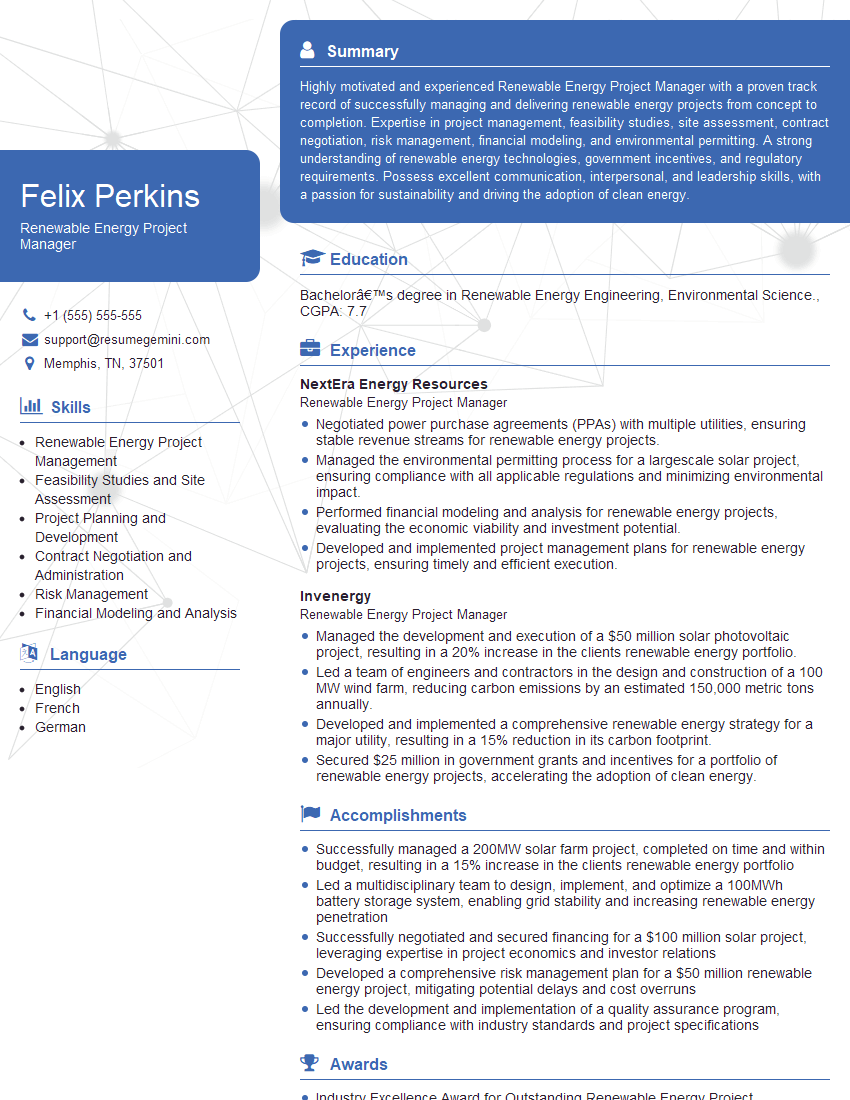
Mastering Rooftop and Ground-Mount System Design is crucial for career advancement in the rapidly growing renewable energy sector. A strong understanding of these concepts will significantly enhance your job prospects and open doors to exciting opportunities. To maximize your chances of success, creating an ATS-friendly resume is essential. This ensures your application gets noticed by recruiters and hiring managers. We recommend using ResumeGemini, a trusted resource, to craft a professional and impactful resume. ResumeGemini provides examples of resumes tailored specifically to Rooftop and Ground-Mount System Design roles, offering a significant advantage in your job search. Invest time in building a compelling resume that highlights your skills and experience – it’s a key step towards securing your dream job.
Explore more articles
Users Rating of Our Blogs
Share Your Experience
We value your feedback! Please rate our content and share your thoughts (optional).
What Readers Say About Our Blog
To the interviewgemini.com Webmaster.
Very helpful and content specific questions to help prepare me for my interview!
Thank you
To the interviewgemini.com Webmaster.
This was kind of a unique content I found around the specialized skills. Very helpful questions and good detailed answers.
Very Helpful blog, thank you Interviewgemini team.