Interviews are opportunities to demonstrate your expertise, and this guide is here to help you shine. Explore the essential Safety Protocols and Hazardous Materials Management interview questions that employers frequently ask, paired with strategies for crafting responses that set you apart from the competition.
Questions Asked in Safety Protocols and Hazardous Materials Management Interview
Q 1. Explain the hierarchy of hazard controls.
The hierarchy of hazard controls prioritizes eliminating hazards completely, then substituting them with safer alternatives, followed by engineering controls, administrative controls, and lastly, personal protective equipment (PPE).
- Elimination: This is the most effective control. For example, removing a dangerous machine entirely from the workplace instead of just guarding it.
- Substitution: Replacing a hazardous material with a less hazardous one. Instead of using a highly flammable solvent, using a water-based alternative.
- Engineering Controls: These are physical changes to the work environment. Examples include machine guarding, ventilation systems to remove fumes, or enclosed processes to contain hazards.
- Administrative Controls: These are changes to work practices, such as job rotation to limit exposure, implementing safety procedures, or providing thorough training.
- Personal Protective Equipment (PPE): This is the last line of defense, protecting the worker directly from hazards. Examples are safety glasses, gloves, respirators, and hearing protection. It’s crucial to remember that PPE should never be relied upon as the sole method of hazard control.
Think of it like a ladder – you always try to climb down to the safest rung. Elimination is at the bottom and PPE is at the top. Ideally, you aim to eliminate hazards altogether.
Q 2. Describe your experience with OSHA regulations.
I have extensive experience with OSHA regulations, having worked for over ten years in environments strictly adhering to OSHA guidelines. My experience includes ensuring compliance with OSHA’s Hazard Communication Standard (HazCom), the Process Safety Management (PSM) standard, and the Personal Protective Equipment (PPE) standard. This involved implementing and maintaining comprehensive safety programs, conducting regular safety inspections, training employees on hazard recognition and control, and developing and maintaining detailed safety data sheets (SDS).
In a previous role, I was instrumental in leading a company-wide initiative to improve our OSHA recordable incident rate. This involved identifying high-risk areas, implementing improved safety procedures, and investing in engineering controls, reducing our incident rate by 30% within two years. I’m familiar with OSHA 300 logs and have experience in conducting thorough investigations and reporting incidents as per OSHA regulations.
Q 3. How do you conduct a risk assessment?
A risk assessment is a systematic process to identify hazards and evaluate the risk associated with them. It involves a four-step process:
- Hazard Identification: This involves systematically identifying potential hazards in the workplace. This can involve observation, interviews, checklists, and near-miss reports.
- Risk Evaluation: This step assesses the likelihood and severity of the identified hazards. Likelihood refers to the probability of the hazard occurring, while severity relates to the potential harm resulting from the event.
- Risk Control Measures: Based on the risk evaluation, appropriate control measures are selected based on the hierarchy of controls mentioned earlier. This requires choosing the most effective and feasible control.
- Monitoring and Review: The effectiveness of the controls implemented should be monitored over time. Regularly reviewing and updating the risk assessment is essential to accommodate changing conditions or improved practices.
For example, in a chemical laboratory, a risk assessment might identify the hazard of chemical spills. The risk evaluation would consider the likelihood of spills (frequency of handling chemicals) and the severity (toxicity and flammability of the chemicals). Control measures might include spill kits, proper chemical storage, and employee training on spill response procedures.
Q 4. What are the different classes of hazardous materials?
Hazardous materials are classified into different categories based on their physical and health hazards. Common classes include:
- Class 1: Explosives – Materials that can explode under certain conditions.
- Class 2: Gases – Compressed, liquefied, or dissolved gases that can be flammable, toxic, or oxidizing.
- Class 3: Flammable Liquids – Liquids that easily ignite and burn.
- Class 4: Flammable Solids – Solids that easily ignite and burn, including spontaneously combustible materials and materials that emit flammable gases when in contact with water.
- Class 5: Oxidizers and Organic Peroxides – Materials that can cause or enhance combustion.
- Class 6: Toxic and Infectious Substances – Materials that are poisonous or cause disease.
- Class 7: Radioactive Materials – Materials that emit ionizing radiation.
- Class 8: Corrosive Materials – Materials that can cause visible destruction or irreversible alterations to living tissue.
- Class 9: Miscellaneous Hazardous Materials – Materials that do not fit into other classes, such as environmentally hazardous substances.
These classifications are critical for proper handling, storage, transportation, and emergency response procedures.
Q 5. Explain the process for handling a hazardous material spill.
Handling a hazardous material spill requires a swift, systematic approach prioritizing safety. The process generally follows these steps:
- Isolate the Area: Immediately evacuate personnel from the immediate area of the spill to prevent exposure. Establish a safety perimeter to restrict access.
- Assess the Spill: Identify the hazardous material involved using the provided labels or Safety Data Sheets (SDS). Determine the size and extent of the spill.
- Notify Emergency Services: Contact your emergency response team or local emergency services. Provide detailed information regarding the spilled material, location, and potential hazards.
- Contain the Spill: Use appropriate containment materials, such as absorbent pads or spill booms, to prevent further spread. Follow the instructions on the SDS for the specific material.
- Clean Up the Spill: Once the spill is contained, follow the cleanup procedures specified in the SDS. This might involve using specialized equipment and personal protective equipment.
- Dispose of Waste Properly: Properly dispose of all contaminated materials and cleanup supplies in accordance with local, state, and federal regulations.
- Document the Incident: Thoroughly document the incident, including the type and quantity of material spilled, the cleanup procedures employed, and any injuries or damages.
It’s crucial to refer to the SDS for specific handling procedures for the material involved.
Q 6. Describe your experience with emergency response plans.
I’ve been actively involved in developing, implementing, and regularly reviewing emergency response plans for various hazardous materials and workplace scenarios. My experience includes creating detailed procedures for handling spills, fires, and other emergencies, ensuring all personnel understand their roles and responsibilities. I’ve also conducted numerous training sessions, drills, and tabletop exercises to test the effectiveness of these plans.
In a previous role, I was responsible for overseeing the development of a comprehensive emergency response plan for a chemical manufacturing facility. This involved close coordination with local emergency response agencies, including fire departments and HAZMAT teams. We conducted regular drills and simulations, and the plan proved incredibly effective during an actual chemical spill incident, minimizing environmental damage and preventing injuries.
Q 7. What are the key elements of a safety data sheet (SDS)?
A Safety Data Sheet (SDS) is a document providing comprehensive information on the hazards of a chemical and how to work safely with it. Key elements include:
- Identification: Product name, manufacturer information, emergency contact information.
- Hazard Identification: Details about the physical, health, and environmental hazards of the chemical.
- Composition/Information on Ingredients: Chemical identity and concentration of hazardous components.
- First-Aid Measures: Immediate first-aid steps in case of exposure.
- Fire-Fighting Measures: Appropriate extinguishing media and special fire-fighting procedures.
- Accidental Release Measures: Steps to take in case of a spill or leak.
- Handling and Storage: Safe handling procedures and storage conditions.
- Exposure Controls/Personal Protection: Recommended personal protective equipment (PPE) and engineering controls.
- Physical and Chemical Properties: Physical characteristics like boiling point, melting point, and flammability.
- Stability and Reactivity: Chemical stability, conditions to avoid, and hazardous decomposition products.
- Toxicological Information: Health effects of exposure, including acute and chronic effects.
- Ecological Information: Environmental hazards and effects on aquatic life.
- Disposal Considerations: Proper methods for waste disposal.
- Transport Information: Regulations for transportation of the hazardous material.
- Regulatory Information: Relevant regulations and compliance information.
The SDS is a crucial document for any workplace handling hazardous materials, providing essential information for safe handling, emergency response, and regulatory compliance.
Q 8. How do you ensure compliance with environmental regulations?
Ensuring compliance with environmental regulations requires a multi-faceted approach. It starts with a thorough understanding of all applicable laws and regulations, which vary by location and industry. This includes permits, reporting requirements, and specific limits on emissions and waste disposal.
My process involves:
- Regular Audits: Conducting internal audits to identify areas of non-compliance and implementing corrective actions. This includes checking waste manifests, emissions records, and reviewing operational procedures against regulatory requirements.
- Training: Providing comprehensive training to employees on environmental regulations and their responsibilities in maintaining compliance. This ensures everyone understands their role in preventing pollution and protecting the environment.
- Record Keeping: Maintaining meticulous records of all environmental activities, including waste generation, disposal, and emissions monitoring data. This is crucial for demonstrating compliance during inspections.
- Emergency Response Planning: Developing and regularly practicing emergency response plans for environmental incidents, such as spills or releases. This ensures prompt and effective containment and cleanup, minimizing environmental impact.
- Continuous Improvement: Implementing a system for continuous improvement, regularly reviewing environmental performance and identifying opportunities for reducing environmental impact. For example, we might explore switching to less hazardous materials or implementing more efficient waste management practices.
For example, in a previous role, we successfully implemented a new waste management system that reduced our hazardous waste generation by 25% and improved compliance with local regulations. This involved employee training, process optimization, and a shift toward more sustainable practices.
Q 9. What is your experience with personal protective equipment (PPE)?
My experience with Personal Protective Equipment (PPE) spans over ten years, encompassing selection, training, and enforcement. I’ve worked with a wide variety of PPE, including respirators, safety glasses, gloves, hearing protection, and specialized suits for handling hazardous materials.
My approach focuses on:
- Hazard Assessment: A thorough hazard assessment is the foundation. Identifying the specific hazards (chemical, biological, physical) dictates the appropriate PPE. For example, working with corrosive chemicals requires chemical-resistant gloves, while working with loud machinery mandates hearing protection.
- Proper Selection: Selecting PPE that meets or exceeds relevant standards and fits properly is critical. Ill-fitting PPE is ineffective and can even increase risk. We conduct regular fit testing for respirators, ensuring a proper seal.
- Training and Education: Employees receive comprehensive training on the correct use, limitations, and maintenance of their PPE. This includes proper donning and doffing procedures, inspection for damage, and understanding the limitations of the equipment.
- Inspection and Maintenance: Regular inspection and maintenance programs are essential to ensure PPE remains effective. This includes checking for damage, expiration dates, and appropriate storage.
- Enforcement: Consistent enforcement of PPE usage policies is vital. This includes regular observations, disciplinary actions for non-compliance, and a culture of safety emphasizing the importance of PPE use.
In a past incident, improper use of gloves led to a minor chemical burn. This highlighted the importance of rigorous training and ongoing monitoring of PPE use. We subsequently revised our training program to include more hands-on practice and a stronger emphasis on the consequences of non-compliance.
Q 10. Explain the importance of lockout/tagout procedures.
Lockout/Tagout (LOTO) procedures are critical safety protocols designed to prevent the unexpected energization or startup of machinery and equipment during maintenance or repair. They ensure that workers are protected from hazardous energy sources, such as electrical, mechanical, hydraulic, pneumatic, and thermal energy.
The process typically involves:
- Preparation: Identifying all energy sources connected to the equipment and planning the lockout/tagout procedure.
- Lockout: Isolating the energy source using a lockout device (a lock that prevents the activation of the energy source).
- Tagout: Attaching a tag clearly indicating that the equipment is locked out and why, along with the name of the person who performed the lockout.
- Verification: Verifying that the energy source is completely de-energized and will not restart unexpectedly. This often involves trying to start the equipment to ensure it won’t power up.
- Release: Only the person who performed the lockout should remove the lock and tag. This process is thoroughly documented and reviewed to ensure consistency and accountability.
Failure to follow LOTO procedures can lead to serious injury or death. For example, if a worker is working on a machine that unexpectedly restarts, the consequences could be devastating. A well-defined and strictly enforced LOTO program is paramount for any workplace handling machinery.
Q 11. How do you conduct a workplace inspection?
Workplace inspections are a systematic way to identify hazards and potential risks before incidents occur. They involve a thorough examination of the workplace, equipment, and processes to ensure they comply with safety regulations and best practices.
My approach to conducting a workplace inspection includes:
- Planning: Defining the scope of the inspection, including areas to be covered, specific hazards to be looked for, and the resources required.
- Observation: Systematically observing the workplace, including equipment, work areas, and employee activities. This involves using all senses – sight, smell, and sound – to identify potential hazards.
- Documentation: Recording all observations and findings, including photographs or videos when appropriate. The documentation should be detailed and include specific locations and potential hazards.
- Analysis: Analyzing the findings to identify patterns or trends that may indicate systemic issues. This involves prioritizing the identified hazards based on their severity and likelihood of causing an incident.
- Corrective Actions: Developing and implementing corrective actions to address the identified hazards. This includes setting deadlines, assigning responsibilities, and verifying that the corrective actions have been completed.
- Follow-up: Following up to ensure that the corrective actions have been effective and to identify any recurring hazards.
Using checklists ensures consistency and thoroughness. For instance, a checklist for a construction site might include items such as checking scaffolding stability, proper use of PPE, and the presence of fall protection.
Q 12. Describe your experience with incident investigation and reporting.
Incident investigation and reporting are crucial for preventing future incidents. It’s a systematic process aimed at identifying the root causes of an incident, implementing corrective actions, and learning from mistakes.
My approach involves:
- Immediate Response: Securing the scene and providing first aid if necessary. The priority is always the safety of individuals.
- Data Gathering: Collecting all relevant information, including witness statements, photographs, videos, and equipment records. Detailed documentation is essential.
- Root Cause Analysis: Using appropriate techniques, such as the “5 Whys” method or fault tree analysis, to identify the root cause(s) of the incident. The goal is to go beyond the immediate cause to understand the underlying systemic issues.
- Corrective Actions: Developing and implementing corrective actions to prevent similar incidents from happening in the future. This may involve changes to procedures, equipment modifications, or additional training.
- Reporting: Preparing a comprehensive report detailing the incident, its causes, and the corrective actions taken. This report is used to improve safety performance and to comply with regulatory requirements.
- Follow-up: Following up to ensure that the corrective actions are effective and to identify any residual risks.
For example, in one investigation, a near-miss incident involving a forklift highlighted a lack of proper training on safe operating procedures. This led to a comprehensive retraining program for all forklift operators, significantly reducing the risk of future incidents.
Q 13. How do you develop and implement safety training programs?
Developing and implementing effective safety training programs is crucial for creating a safe work environment. It requires careful planning and consideration of the specific hazards and needs of the workforce.
My approach involves:
- Needs Assessment: Identifying the specific safety training needs of the workforce through hazard assessments, job safety analyses, and consultations with employees.
- Program Design: Designing a training program that addresses identified needs, using a variety of methods, such as classroom instruction, hands-on training, simulations, and online modules. The program should be tailored to different learning styles and language capabilities.
- Content Development: Developing training materials that are clear, concise, engaging, and easy to understand. This includes using visuals, real-life examples, and interactive exercises.
- Delivery: Delivering the training using appropriate methods, ensuring that employees are actively participating and engaging with the material. Regular feedback and assessments are crucial to check for understanding.
- Evaluation: Evaluating the effectiveness of the training program by measuring employee knowledge, skills, and behavior changes. This includes post-training tests, observations, and feedback from employees.
- Documentation: Maintaining accurate records of all training activities, including employee participation, training materials, and evaluation results. This is vital for audits and demonstrating compliance.
For example, I developed a tailored training program for handling hazardous chemicals that included hands-on training with the specific chemicals used in the facility. This program significantly improved employees’ understanding and confidence in handling these materials safely.
Q 14. Explain the concept of confined space entry.
Confined space entry involves entering an enclosed or partially enclosed space that has limited or restricted means of entry or exit, and is not designed for continuous occupancy. These spaces often present serious hazards, such as oxygen deficiency, toxic gases, flammable vapors, and engulfment.
The key aspects of confined space entry include:
- Permit-Required Confined Space Program: Developing and implementing a comprehensive program that outlines procedures for evaluating, controlling, and managing the hazards associated with confined space entry. This includes pre-entry assessments, atmospheric monitoring, and rescue plans.
- Atmospheric Monitoring: Testing the atmosphere within the confined space before entry to ensure it is safe to breathe. This involves measuring oxygen levels, toxic gases, and flammable vapors.
- Ventilation: Using appropriate ventilation methods to ensure adequate oxygen levels and to remove any hazardous gases or vapors.
- Personal Protective Equipment (PPE): Providing and ensuring the proper use of PPE, such as respirators, harnesses, and safety lines.
- Entry Procedures: Establishing clear entry and exit procedures, including using a buddy system, communication systems, and emergency rescue plans.
- Rescue Plan: Developing a comprehensive rescue plan that outlines the procedures for rescuing workers who may become incapacitated inside the confined space. This usually involves the training and use of appropriate equipment for a swift rescue.
Ignoring proper confined space entry procedures can be fatal. Oxygen deficiency alone is a significant danger; many fatalities occur when workers enter spaces without proper testing and safety precautions. It’s a high-risk activity requiring rigorous planning and adherence to established procedures.
Q 15. What is your experience with respiratory protection programs?
Respiratory protection programs are crucial for safeguarding workers from airborne hazards. My experience encompasses developing, implementing, and managing comprehensive programs, ensuring compliance with OSHA and other relevant regulations. This involves a multi-faceted approach:
- Hazard Identification and Risk Assessment: Thoroughly identifying potential respiratory hazards through job hazard analyses (JHAs) and environmental monitoring, then assessing the risks to determine the appropriate level of respiratory protection.
- Selection of Respirators: Choosing the right respirator based on the specific hazard, considering factors like the type of contaminant, its concentration, and the duration of exposure. This often involves selecting from different respirator classes, such as N95s, half-mask respirators, or full-face respirators.
- Fit Testing and Training: Ensuring proper fit testing of respirators to guarantee a seal that protects the wearer. Providing comprehensive training on respirator use, maintenance, and limitations, including recognizing the signs of respirator malfunction.
- Program Maintenance and Monitoring: Regularly reviewing the program’s effectiveness through audits and inspections, ensuring that respirators are properly maintained and replaced as needed. This includes tracking usage, conducting medical evaluations for respirator wearers, and staying abreast of updated regulations and best practices.
For example, in a previous role at a chemical manufacturing plant, I implemented a new respiratory protection program that reduced respiratory incidents by 40% within the first year. This involved a comprehensive training program that emphasized proper respirator selection and fit testing, alongside improved hazard communication and ongoing monitoring of respirator usage.
Career Expert Tips:
- Ace those interviews! Prepare effectively by reviewing the Top 50 Most Common Interview Questions on ResumeGemini.
- Navigate your job search with confidence! Explore a wide range of Career Tips on ResumeGemini. Learn about common challenges and recommendations to overcome them.
- Craft the perfect resume! Master the Art of Resume Writing with ResumeGemini’s guide. Showcase your unique qualifications and achievements effectively.
- Don’t miss out on holiday savings! Build your dream resume with ResumeGemini’s ATS optimized templates.
Q 16. Describe your experience with hazardous waste management.
Hazardous waste management requires a meticulous and legally compliant approach. My experience spans the entire lifecycle, from waste generation to final disposal, emphasizing minimizing waste, proper segregation, and regulatory compliance. This involves:
- Waste Characterization and Segregation: Accurately identifying the hazardous properties of waste materials (flammable, corrosive, reactive, toxic) to ensure proper segregation and handling according to their respective hazard classes. This often requires utilizing safety data sheets (SDS) and conducting laboratory testing.
- Containerization and Labeling: Properly labeling and packaging hazardous waste to prevent leaks, spills, and exposure. This includes understanding and complying with specific labeling requirements based on the type of waste and regulations.
- Transportation and Disposal: Managing the transport of hazardous waste to licensed treatment, storage, and disposal facilities (TSDFs), ensuring compliance with all relevant transportation regulations (DOT regulations in the US). This includes maintaining accurate waste manifests and records.
- Emergency Response Planning: Developing and implementing emergency response plans to address potential spills, leaks, or other incidents involving hazardous waste. This involves outlining procedures for containment, cleanup, and reporting.
For instance, I spearheaded a project at a previous company to improve our hazardous waste management program, resulting in a 25% reduction in disposal costs and a significant improvement in compliance ratings. This involved optimizing waste reduction strategies, streamlining the waste stream, and negotiating more favorable contracts with TSDFs.
Q 17. How do you communicate safety information effectively?
Effective communication of safety information is paramount. My approach centers around clarity, accessibility, and engagement. I utilize a multi-pronged strategy:
- Tailored Communication: I adapt my communication style to the audience, using simple language for non-technical personnel and more detailed information for specialists. I ensure that safety information is communicated in multiple formats to reach all workers effectively (e.g., visual aids, written materials, training sessions).
- Interactive Training: I believe in hands-on, interactive training sessions that actively engage participants, rather than passive lectures. This encourages questions, promotes understanding, and builds a culture of safety.
- Regular Communication Channels: Maintaining consistent communication through toolbox talks, safety newsletters, and regular safety meetings to reinforce safety messages and address emerging concerns.
- Feedback Mechanisms: Establishing clear feedback mechanisms to allow workers to report safety concerns or hazards without fear of reprisal. This helps foster a safety culture where everyone feels empowered to contribute.
For example, in a previous project, I developed a series of short, engaging videos that explained complex safety procedures in a simple, easy-to-understand manner. This resulted in a significant improvement in worker compliance and a reduction in safety incidents.
Q 18. Explain your understanding of emergency evacuation procedures.
Emergency evacuation procedures are crucial for minimizing injuries and fatalities in the event of an emergency. My understanding encompasses the planning, implementation, and regular review of evacuation plans to ensure they are effective and up-to-date. Key elements include:
- Risk Assessment and Plan Development: Identifying potential hazards and developing detailed evacuation plans that address various emergency scenarios (fire, chemical spills, natural disasters). This involves mapping escape routes, designating assembly points, and identifying safe havens.
- Training and Drills: Conducting regular evacuation drills to ensure that employees are familiar with the procedures and can react appropriately in an emergency. This involves practicing different scenarios and providing feedback on performance.
- Communication Systems: Establishing clear communication systems to alert employees of an emergency and provide updates throughout the evacuation process. This might involve alarms, public address systems, or other communication tools.
- Post-Incident Review: Conducting thorough post-incident reviews to identify areas for improvement and ensure the effectiveness of the evacuation plan. This involves analyzing the drill performance and making necessary adjustments to the plan.
In my experience, a well-defined and regularly practiced evacuation plan is the difference between a smooth and efficient response to an emergency and a chaotic and dangerous situation. A clear understanding of responsibilities and communication procedures, practiced repeatedly, builds confidence and ensures everyone knows what to do.
Q 19. Describe your experience with fire safety protocols.
Fire safety protocols are critical for preventing and mitigating fire-related incidents. My experience encompasses implementing and maintaining comprehensive fire safety programs, including:
- Fire Prevention Measures: Implementing measures to prevent fires, such as proper storage of flammable materials, regular maintenance of electrical systems, and providing fire safety training to employees.
- Fire Detection and Suppression Systems: Ensuring the proper installation, maintenance, and testing of fire detection systems (smoke detectors, heat detectors) and suppression systems (sprinklers, fire extinguishers). Regular inspections and maintenance are vital.
- Emergency Response Procedures: Developing and regularly practicing emergency response plans, including procedures for evacuation, fire suppression, and emergency contact procedures. This includes assigning roles and responsibilities for different personnel.
- Fire Safety Training: Providing comprehensive fire safety training to all employees, covering topics such as fire prevention, fire extinguisher use, and evacuation procedures. Hands-on training is crucial.
For example, I once worked on a project to improve the fire safety system of a large warehouse. By upgrading the sprinkler system, implementing a new fire alarm system, and providing enhanced fire safety training, we reduced the risk of fire significantly and improved our overall safety performance.
Q 20. What is your experience with safety audits and inspections?
Safety audits and inspections are essential for identifying hazards, assessing risks, and ensuring compliance with safety regulations. My experience involves conducting both internal and external audits and inspections, utilizing a systematic and thorough approach:
- Planning and Preparation: Planning the audit scope, selecting appropriate checklists and standards, and gathering necessary documentation before commencing the inspection. This includes reviewing relevant regulations and company policies.
- On-Site Inspection: Conducting a thorough on-site inspection, observing work practices, and inspecting equipment and facilities to identify hazards and potential risks. This often involves using checklists, taking photographs, and documenting findings.
- Reporting and Follow-up: Preparing a comprehensive report that summarizes the findings, identifies areas for improvement, and recommends corrective actions. Following up on the implementation of corrective actions to ensure that identified hazards are addressed.
- Compliance Monitoring: Regularly monitoring compliance with safety regulations and company policies through ongoing inspections and audits. This ensures that corrective actions are effective and that safety improvements are sustained.
For example, I led a safety audit at a construction site that identified several significant hazards, including inadequate fall protection and unsafe storage of materials. The resulting corrective actions led to a significant reduction in workplace accidents.
Q 21. How do you manage safety performance indicators (KPIs)?
Managing safety performance indicators (KPIs) is crucial for tracking progress, identifying areas for improvement, and demonstrating the effectiveness of safety programs. My approach involves selecting relevant KPIs, monitoring performance, and using data to drive improvements:
- KPI Selection: Selecting KPIs that are relevant to the organization’s goals and reflect the key aspects of safety performance. Common KPIs include incident rates, near-miss reports, training completion rates, and audit scores. The KPIs must be measurable, achievable, and relevant.
- Data Collection and Analysis: Implementing systems for collecting and analyzing safety data, ensuring data accuracy and reliability. This might involve using software to track incidents, near misses, and other relevant data.
- Performance Monitoring and Reporting: Regularly monitoring safety KPIs and reporting on performance to management and other stakeholders. This involves identifying trends, highlighting areas of concern, and tracking progress toward safety goals.
- Action Planning and Improvement: Using data to identify areas for improvement and develop action plans to address identified issues. This could involve implementing new safety programs, revising existing policies, or providing additional training.
For instance, by tracking incident rates and near-misses, and correlating them to training completion rates, I was able to demonstrate a direct link between training effectiveness and safety performance, leading to improved investment in worker training programs.
Q 22. Explain your understanding of chemical compatibility.
Chemical compatibility refers to the ability of two or more chemicals to coexist without undergoing a hazardous reaction. Understanding chemical compatibility is crucial for preventing accidents, explosions, and the release of toxic fumes. Incompatible chemicals can react violently when mixed, creating heat, pressure, or toxic byproducts. Think of it like trying to mix oil and water – they don’t blend well and can create problems.
For instance, strong acids and strong bases are generally incompatible. Mixing them can lead to a highly exothermic reaction, generating significant heat and potentially causing burns or fires. Similarly, oxidizing agents (like bleach) and reducing agents (like ammonia) can react explosively. Proper assessment of chemical compatibility involves reviewing Safety Data Sheets (SDS) for each chemical and consulting compatibility charts. These charts often use color-coding to visually represent compatibility. A red ‘X’ indicates incompatibility, whereas a green checkmark often indicates compatibility.
In my work, we frequently use compatibility charts and software to ensure the safe storage and handling of chemicals. We’ve even developed a system that uses barcodes on containers, cross-referenced with a database, to prevent incompatible chemicals from being stored together in the same area.
Q 23. Describe your experience with developing safety procedures.
Throughout my career, I’ve been extensively involved in developing and implementing safety procedures across various industrial settings. My approach is always risk-based, focusing on identifying potential hazards and engineering controls to mitigate them. This includes developing Standard Operating Procedures (SOPs), conducting Job Safety Analyses (JSAs), and creating emergency response plans.
For example, I was involved in developing a comprehensive safety procedure for handling a newly introduced solvent in a manufacturing plant. This involved a thorough hazard assessment, selecting appropriate Personal Protective Equipment (PPE), designing a dedicated work area with adequate ventilation, and developing detailed step-by-step instructions for its handling, transfer, and disposal. We then conducted rigorous training with all personnel involved. To ensure effectiveness, we conducted regular audits, documenting compliance and identifying areas for improvement. We also incorporated lessons learned from near misses and incidents into our ongoing review process, iteratively refining the safety procedure.
Q 24. What are the different types of respiratory hazards?
Respiratory hazards encompass any airborne substance that can cause harm to the respiratory system when inhaled. These hazards can be broadly classified into several categories:
- Dusts: Solid particles suspended in the air, such as wood dust, silica dust, and metal dust. These can cause irritation, lung disease (silicosis, etc.), and even cancer.
- Fumes: Finely divided solid particles produced by the condensation of vapors, often from welding or metal processing. They can irritate the respiratory tract and contribute to metal fume fever.
- Mists: Liquids suspended in the air as fine droplets, like pesticide sprays or acid mists. These can cause chemical burns, irritation, or long-term lung damage.
- Gases: Substances in a gaseous state at room temperature, like carbon monoxide, chlorine, and methane. They can displace oxygen, cause asphyxiation, or be directly toxic.
- Vapors: Gaseous forms of substances that are typically liquid or solid at room temperature, such as solvents, paints, or glues. They can cause a range of effects from irritation to severe toxicity.
- Biological Agents: Microorganisms such as bacteria, viruses, fungi, and mold spores. These can cause various infectious diseases.
The severity of respiratory hazards depends on factors like concentration, exposure duration, and the individual’s health status. Appropriate respiratory protection, such as respirators, is crucial to minimize the risks.
Q 25. How do you handle conflicts related to safety procedures?
Conflicts regarding safety procedures are inevitable, given that different individuals might have varying perspectives and priorities. My approach to resolving these conflicts emphasizes open communication, collaboration, and a focus on the overall safety goal.
I typically start by actively listening to all parties involved, understanding their concerns, and identifying the root cause of the disagreement. This often involves carefully reviewing relevant data, including safety regulations, risk assessments, and incident reports. I then facilitate a constructive dialogue, encouraging a collaborative solution that addresses everyone’s concerns while ensuring the highest level of safety. If necessary, I escalate the issue to a higher management level for mediation or decision-making, always prioritizing the safety of the workforce.
For example, I once had a conflict between production managers who wanted to maximize output and safety personnel concerned about a perceived increase in risk with a new process. Through discussion and data analysis, we collaboratively developed a revised process that improved efficiency while incorporating more robust safety controls, satisfying all parties. This resulted in higher output with no increase in accidents.
Q 26. Describe your experience with transportation of hazardous materials.
My experience with hazardous materials transportation includes extensive involvement in ensuring compliance with all applicable regulations, like the Department of Transportation (DOT) regulations in the United States or equivalent international standards. This includes proper classification of hazardous materials according to their hazard classes, selecting appropriate packaging and containment systems, preparing and completing shipping papers (bills of lading), and ensuring proper vehicle placarding.
I’ve managed the transportation of various hazardous materials, including corrosive chemicals, flammable liquids, and toxic substances. This involved coordinating with transportation companies, verifying driver training and qualifications, tracking shipments using GPS technology, and addressing any incidents or delays promptly and efficiently. I’ve also conducted regular training for employees on safe loading, unloading, and handling practices during transportation. For example, I was responsible for the safe transportation of a large quantity of corrosive chemicals across state lines, requiring the use of specialized tank trucks, extensive documentation, and communication with all parties involved to ensure timely and safe delivery.
Q 27. How do you ensure the proper storage of hazardous materials?
Proper storage of hazardous materials is paramount to preventing accidents and protecting human health and the environment. My approach to ensuring proper storage involves several key steps:
- Segregation: Incompatible materials are never stored together. This is based on their chemical properties and potential for reaction. We utilize compatibility charts and utilize dedicated storage areas for specific chemical types.
- Containment: Chemicals are stored in appropriate containers that are leak-proof and properly labeled. Secondary containment is used to catch any spills.
- Ventilation: Storage areas are adequately ventilated to prevent the build-up of hazardous vapors or gases.
- Temperature Control: Temperature-sensitive materials are stored at the manufacturer’s recommended temperatures.
- Security: Access to hazardous material storage areas is restricted to authorized personnel. We also implement security measures to prevent theft or vandalism.
- Emergency Preparedness: Spill kits and other emergency response equipment are readily available. Employees undergo training for emergency response procedures.
Regular inspections of storage areas are essential. This involves checking container integrity, labeling accuracy, and the overall condition of the storage area. We maintain detailed inventory records to track chemical usage and ensure proper stock rotation.
Q 28. Explain your understanding of the Globally Harmonized System of Classification and Labelling of Chemicals (GHS).
The Globally Harmonized System of Classification and Labelling of Chemicals (GHS) is an internationally agreed-upon system for classifying and communicating the hazards of chemicals. It aims to standardize the classification of chemicals based on their inherent hazards and provide clear and consistent hazard communication through labels and Safety Data Sheets (SDS).
The GHS uses hazard classes (such as flammability, toxicity, corrosivity, etc.) to categorize chemicals based on their potential dangers. Each hazard class is assigned specific hazard statements and precautionary statements that describe the nature of the hazard and the recommended precautions. These statements are then used to create labels and SDSs that provide clear and consistent hazard information to workers and consumers worldwide. This standardized approach greatly improves workplace safety by allowing for clear understanding of risks across different countries and languages. The information provided on SDSs, for example, is harmonized across countries enabling better international communication and safety.
In practice, implementing GHS means ensuring that all chemicals in our facility are correctly classified, labeled, and their SDSs are readily available and accessible to all personnel. This includes regularly updating our chemical inventories and training our workforce on how to interpret GHS labels and SDSs.
Key Topics to Learn for Safety Protocols and Hazardous Materials Management Interview
- Hazard Identification and Risk Assessment: Understanding methods for identifying potential hazards (chemical, biological, physical) and conducting thorough risk assessments to determine the likelihood and severity of incidents.
- Emergency Response Planning: Developing and implementing comprehensive emergency response plans, including procedures for spills, leaks, fires, and evacuations. Practical application includes understanding the role of various emergency response teams and the use of relevant safety equipment.
- Hazardous Materials Handling and Storage: Safe handling, storage, and transportation of hazardous materials, adhering to relevant regulations (OSHA, DOT, etc.). This includes understanding Material Safety Data Sheets (MSDS) and proper labeling procedures.
- Personal Protective Equipment (PPE): Selecting and utilizing appropriate PPE based on identified hazards. Practical application involves understanding the limitations of different PPE types and their proper maintenance.
- Regulatory Compliance: Familiarity with relevant safety regulations and standards, ensuring compliance with all applicable laws and industry best practices. This involves understanding the consequences of non-compliance.
- Incident Investigation and Reporting: Conducting thorough investigations of safety incidents, identifying root causes, and implementing corrective actions to prevent recurrence. This includes documenting findings and reporting to relevant authorities.
- Communication and Training: Effectively communicating safety procedures to employees and contractors, conducting regular safety training programs, and fostering a strong safety culture within the workplace.
- Waste Management: Understanding proper procedures for handling and disposal of hazardous waste, complying with environmental regulations and minimizing environmental impact.
Next Steps
Mastering Safety Protocols and Hazardous Materials Management is crucial for career advancement in many industries. A strong understanding of these concepts demonstrates your commitment to safety and your ability to mitigate risk, making you a highly valuable asset to any organization. To enhance your job prospects, focus on building an ATS-friendly resume that clearly highlights your skills and experience. ResumeGemini is a trusted resource that can help you create a professional and impactful resume tailored to your specific career goals. Examples of resumes tailored to Safety Protocols and Hazardous Materials Management are available to help guide you.
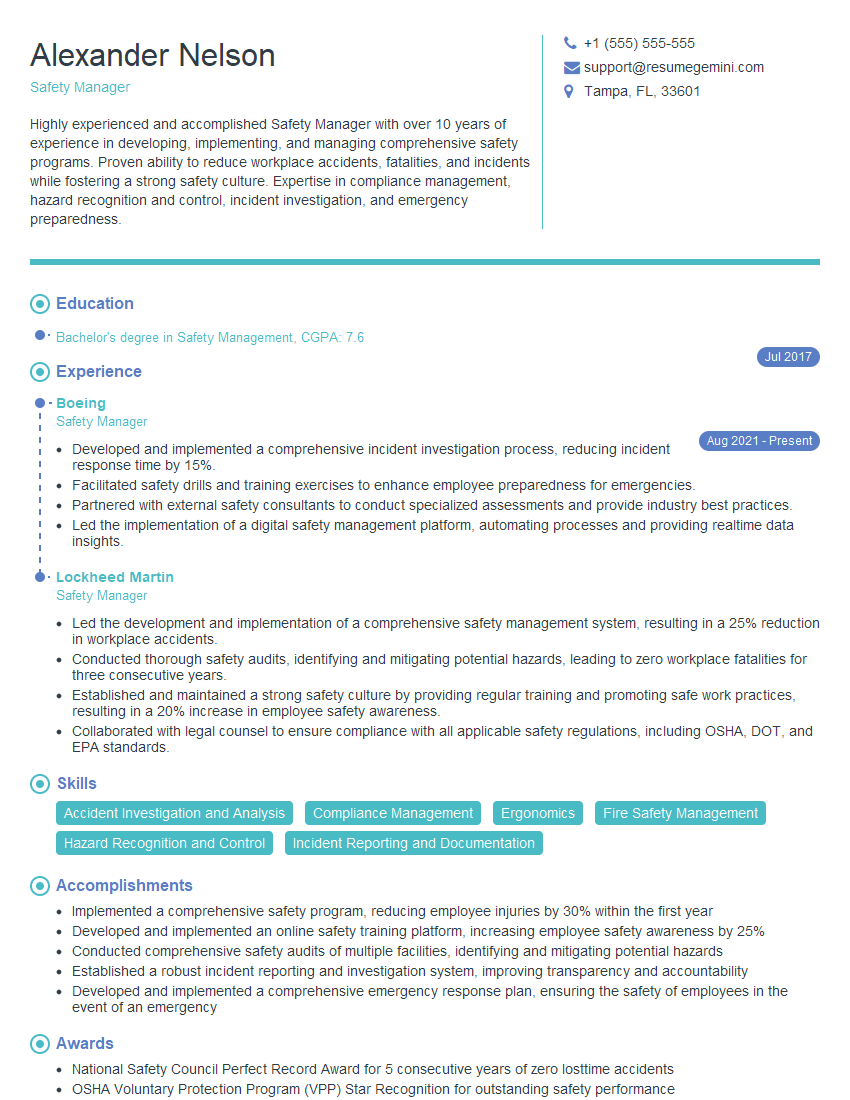
Safety Manager Resume Sample
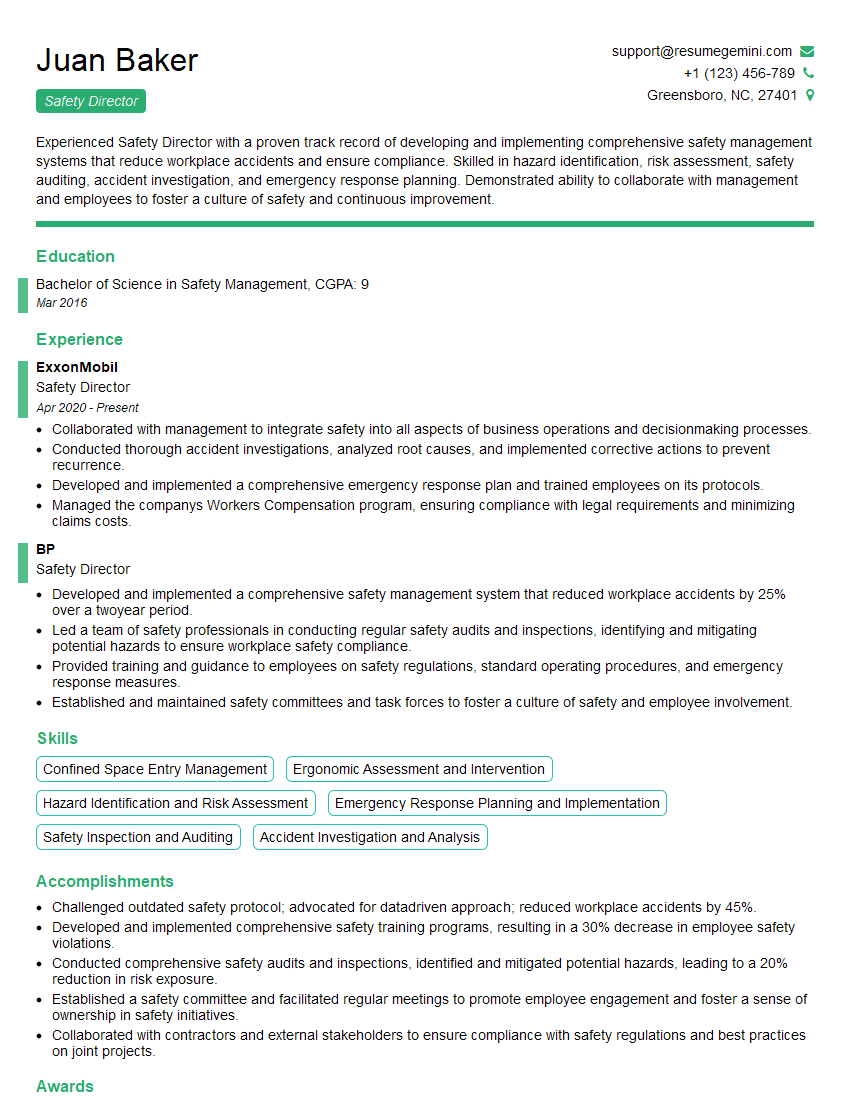
Safety Director Resume Sample

Compliance Officer Resume Sample
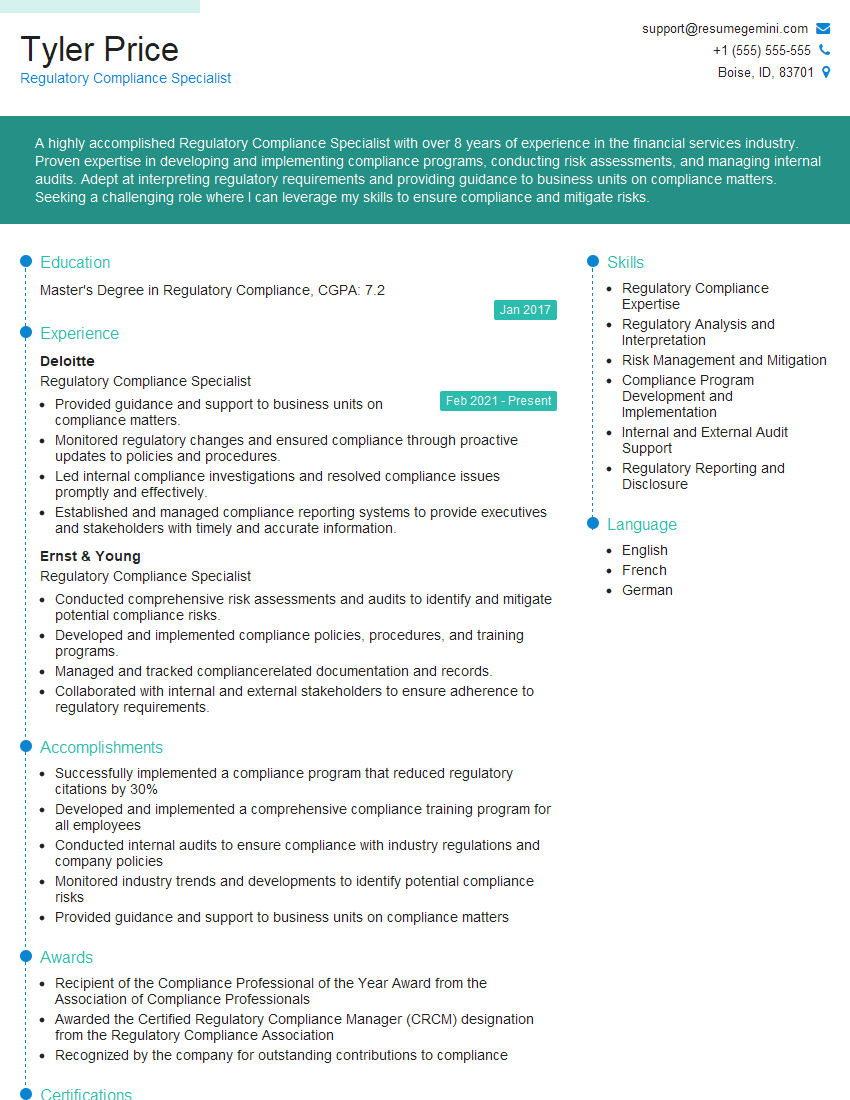
Regulatory Compliance Specialist Resume Sample
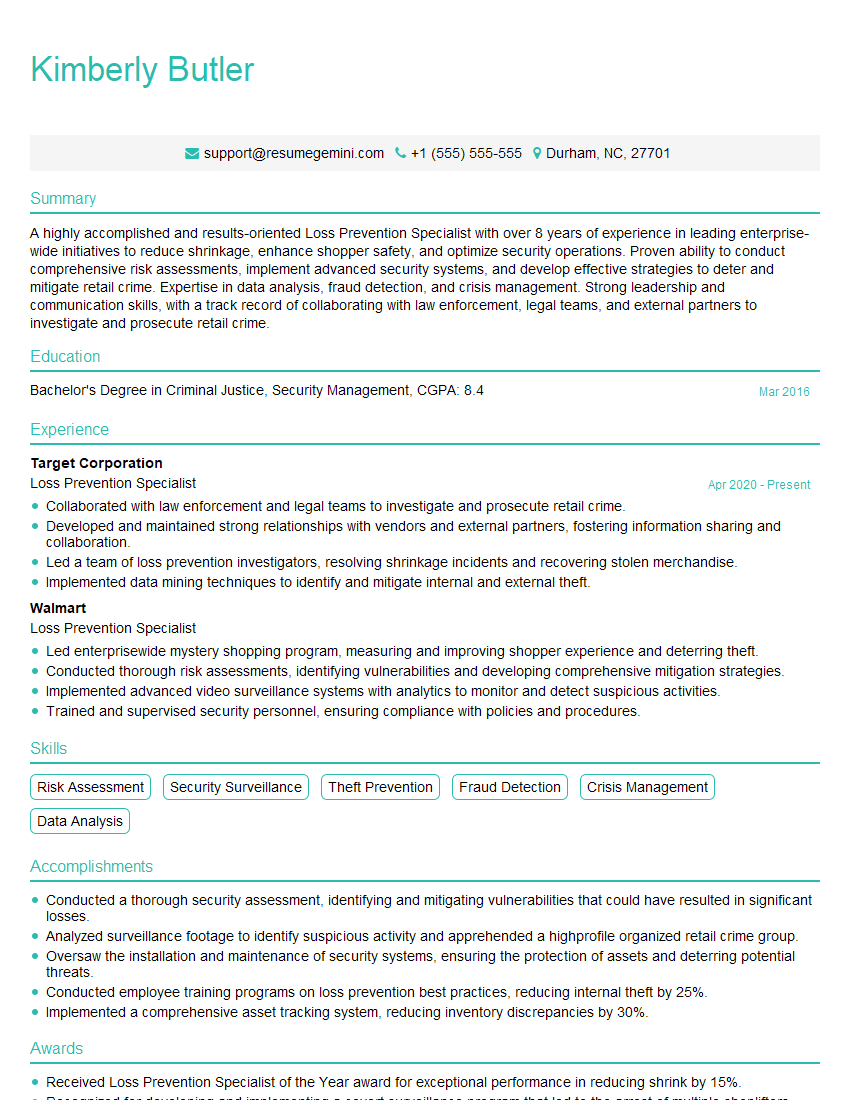
Loss Prevention Specialist Resume Sample
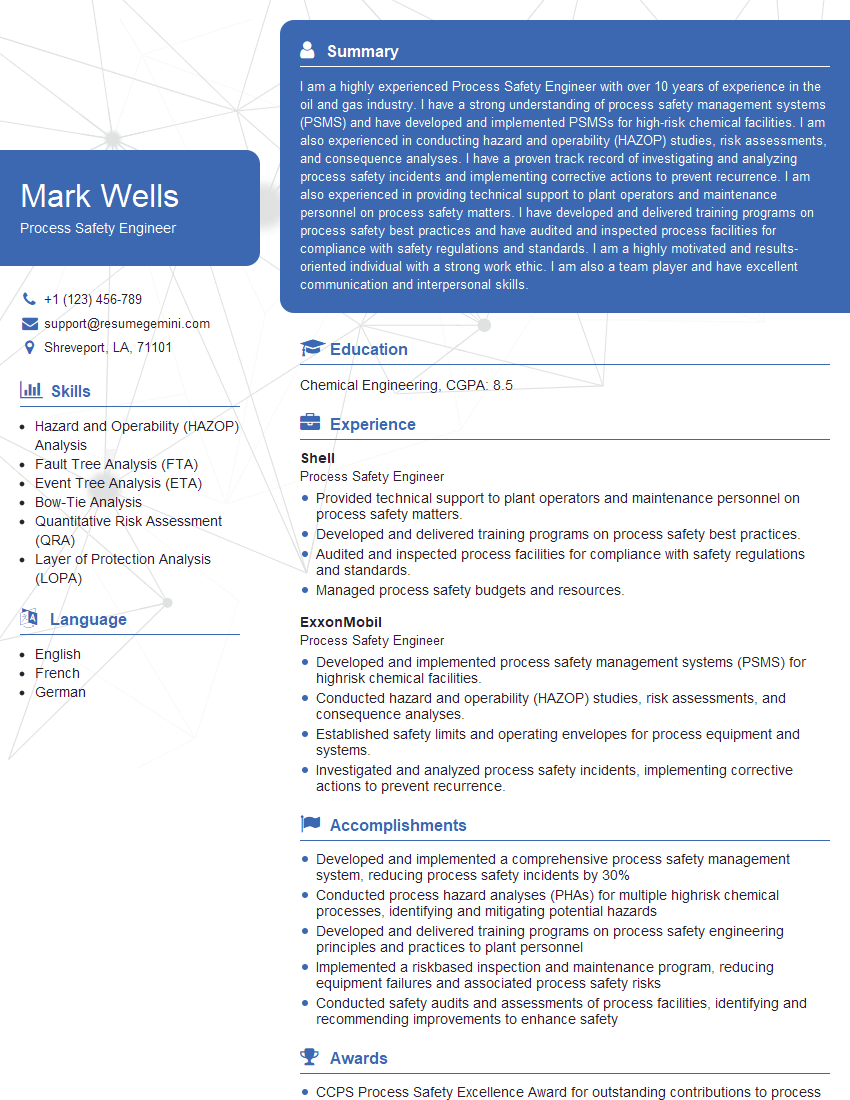
Process Safety Engineer Resume Sample
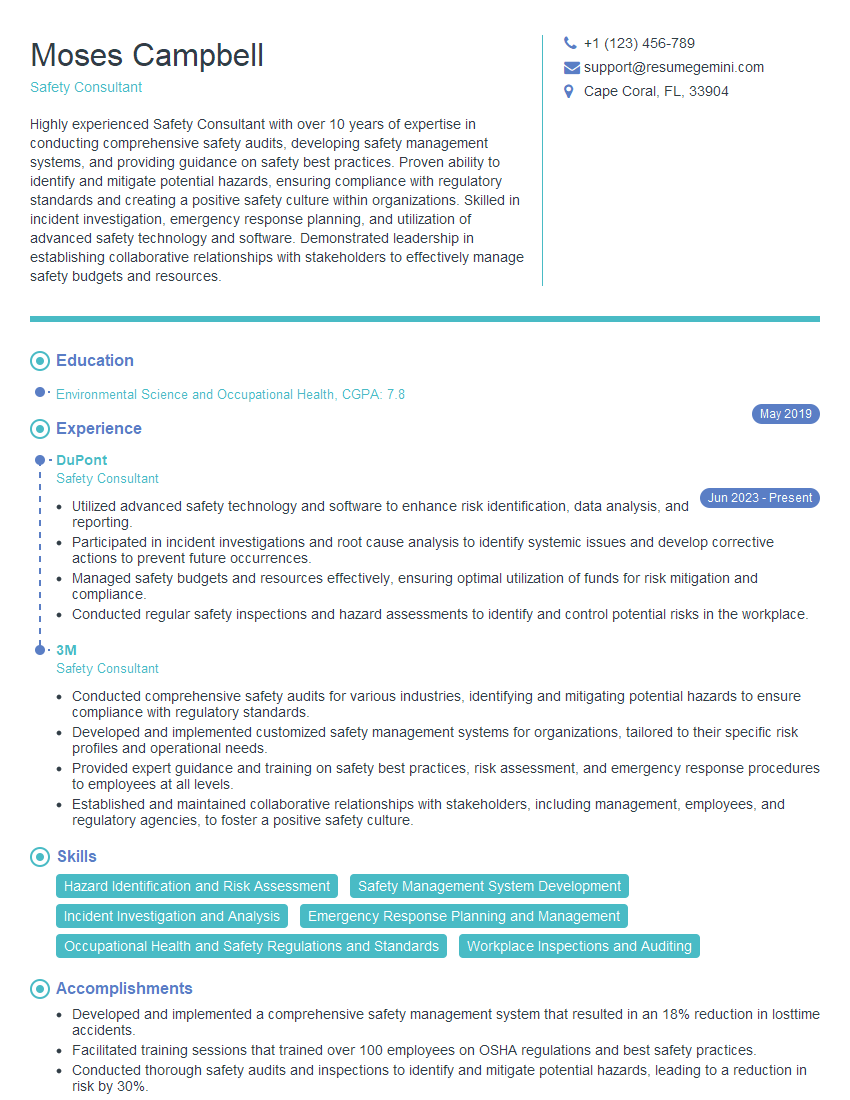
Safety Consultant Resume Sample

Safety Engineer Resume Sample
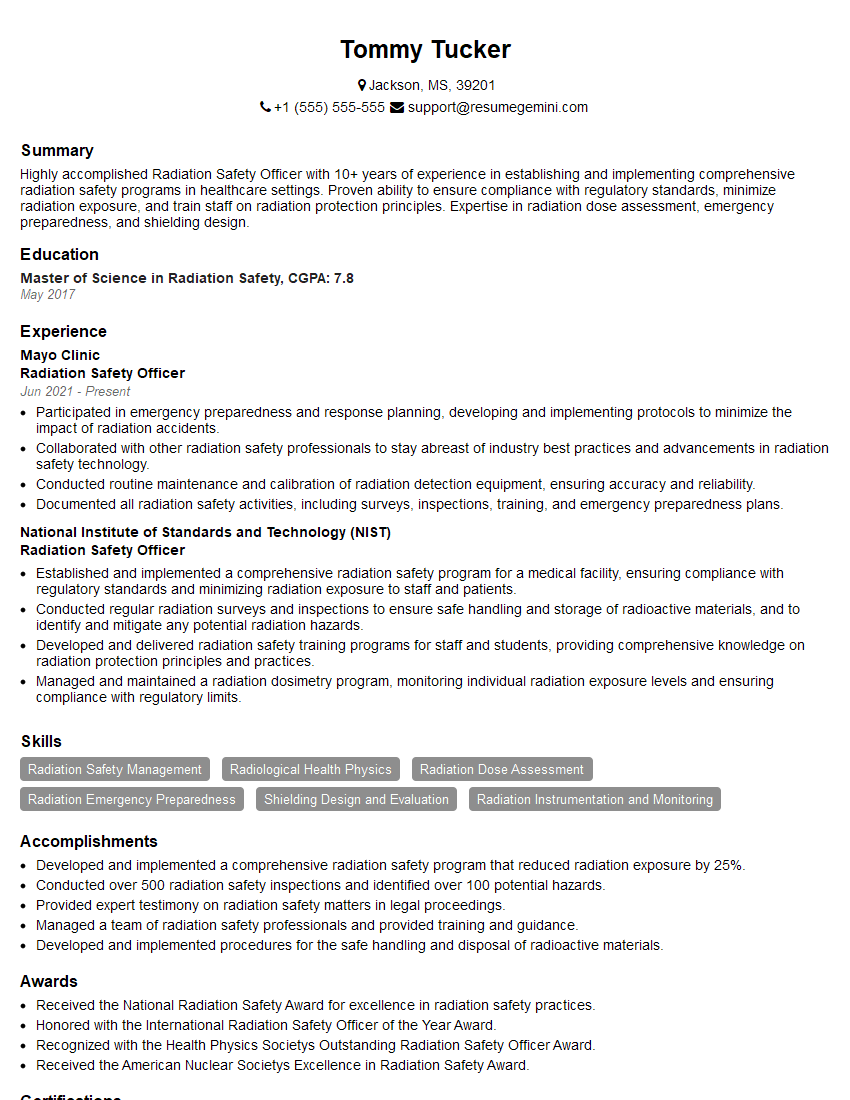
Radiation Safety Officer Resume Sample
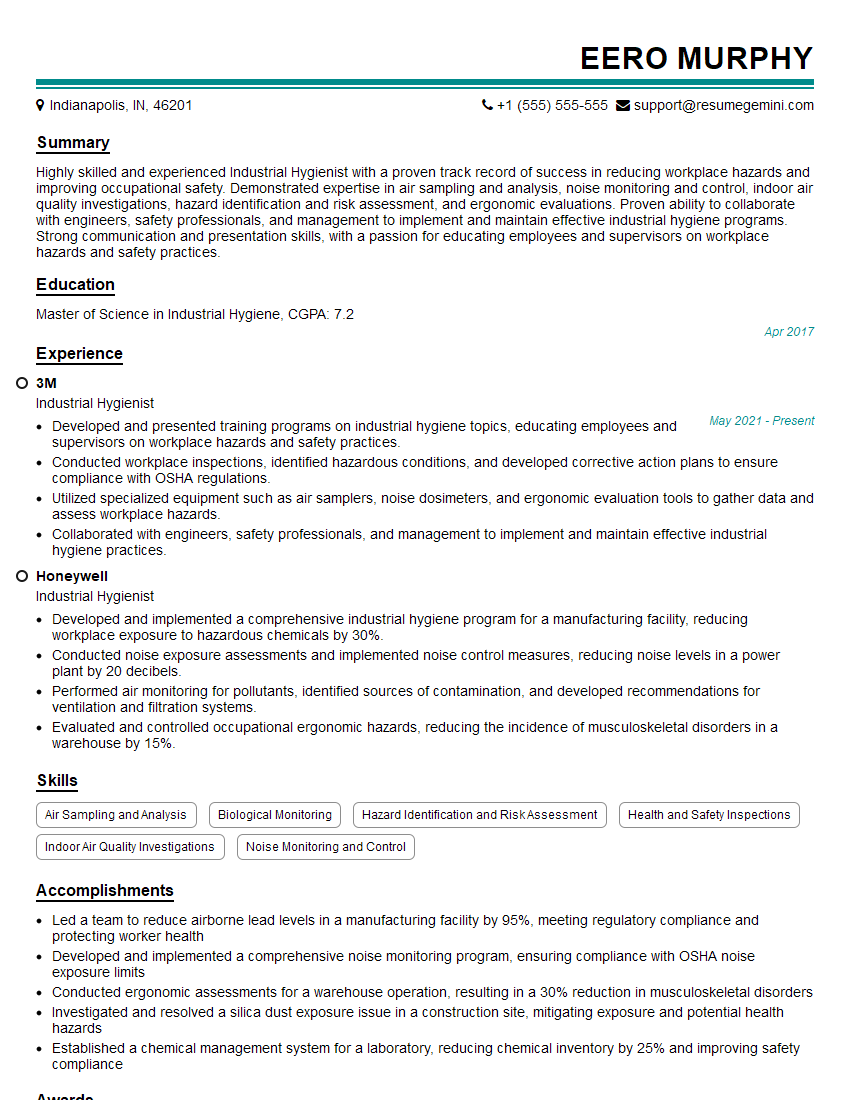
Industrial Hygienist Resume Sample
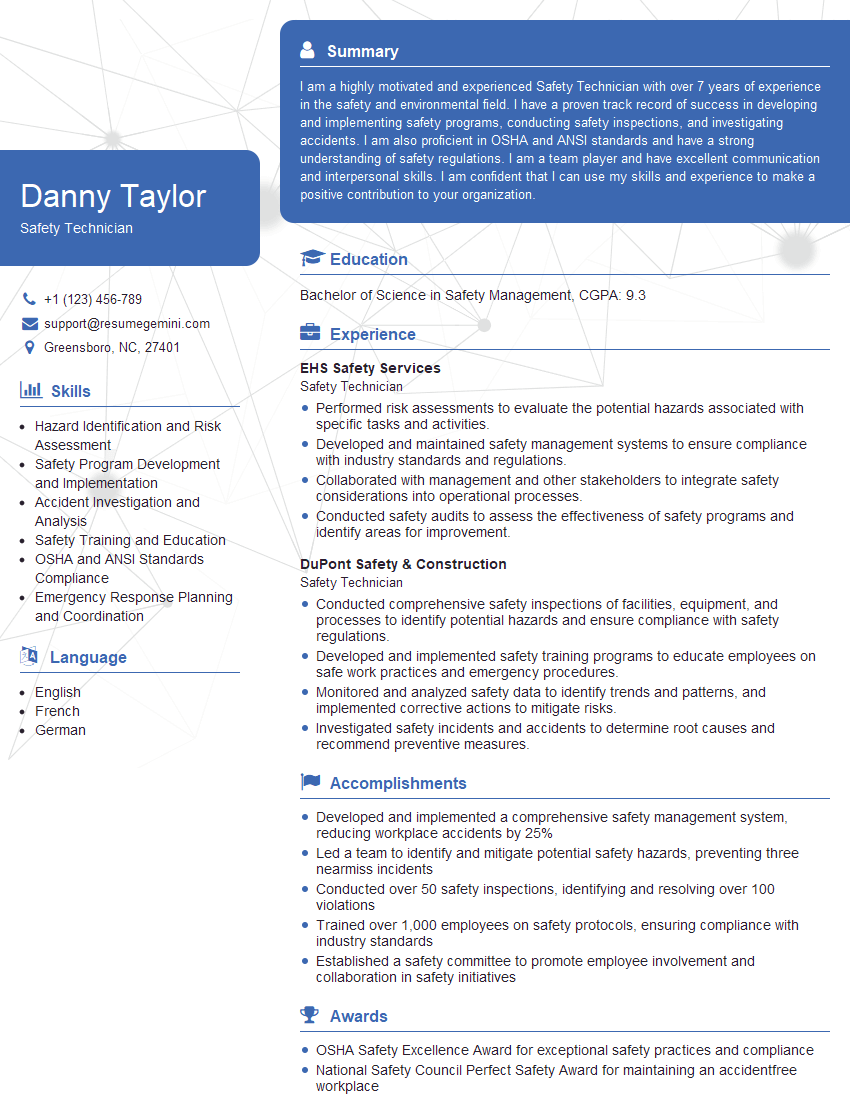
Safety Technician Resume Sample
Explore more articles
Users Rating of Our Blogs
Share Your Experience
We value your feedback! Please rate our content and share your thoughts (optional).
What Readers Say About Our Blog
To the interviewgemini.com Webmaster.
Very helpful and content specific questions to help prepare me for my interview!
Thank you
To the interviewgemini.com Webmaster.
This was kind of a unique content I found around the specialized skills. Very helpful questions and good detailed answers.
Very Helpful blog, thank you Interviewgemini team.