Unlock your full potential by mastering the most common Safety Systems and Controls interview questions. This blog offers a deep dive into the critical topics, ensuring you’re not only prepared to answer but to excel. With these insights, you’ll approach your interview with clarity and confidence.
Questions Asked in Safety Systems and Controls Interview
Q 1. Explain the concept of a Safety Instrumented System (SIS).
A Safety Instrumented System (SIS) is an independent, engineered system designed to protect against major hazards. Think of it as a backup system, a last line of defense, that automatically intervenes to mitigate or prevent dangerous situations when the primary process control system fails or is insufficient. Unlike the basic process control system (BPCS) focused on efficient operation, the SIS’s sole purpose is safety.
For example, in an oil refinery, the BPCS controls the flow of liquids. The SIS might include emergency shutdown valves that automatically close if pressure gets too high, preventing a potentially catastrophic explosion – even if the BPCS fails to detect and respond to the high pressure.
A SIS typically consists of sensors, logic solvers (PLCs or other programmable devices), and final elements (valves, breakers etc.). It operates independently from the BPCS, with separate power supplies and communication paths to enhance its reliability and prevent common-mode failures.
Q 2. Describe the safety lifecycle phases and their importance.
The safety lifecycle is a structured approach to managing safety risks throughout the entire lifespan of a system. It’s crucial for ensuring that safety is addressed from the initial concept phase through to decommissioning. The phases typically include:
- Conceptual Design: Identifying hazards and preliminary safety requirements.
- Detailed Design: Specifying the SIS architecture, selecting components, and performing safety analyses (like HAZOP).
- Implementation: Building, testing, and commissioning the SIS.
- Operation and Maintenance: Regularly inspecting, testing, and maintaining the SIS to ensure continued functionality.
- Decommissioning: Safely shutting down and dismantling the SIS at the end of its life.
Each phase is vital. Skipping or neglecting any phase increases the risk of accidents and failures. A robust safety lifecycle ensures that the system performs its intended safety function throughout its operational life.
Q 3. What are the different safety integrity levels (SILs) and how are they determined?
Safety Integrity Levels (SILs) are used to classify the risk reduction provided by a safety function. They range from SIL 1 (lowest) to SIL 4 (highest). SILs are determined using risk assessment techniques, specifically considering the severity, probability, and potential exposure to hazards. A higher SIL indicates a greater level of safety required, necessitating more stringent design, verification, and validation measures.
Determining the appropriate SIL involves analyzing the consequences of a potential hazard, estimating the probability of its occurrence, and assessing the likelihood of the safety function failing to mitigate that hazard. This is often documented through a risk matrix or similar risk assessment methodology. For instance, a catastrophic hazard like a major chemical release would likely require a higher SIL (e.g., SIL 3 or SIL 4) compared to a minor hazard with less severe consequences (e.g., SIL 1 or SIL 2).
Q 4. Explain the difference between a Safety Instrumented Function (SIF) and a basic process control system (BPCS).
The key difference lies in their purpose. A Basic Process Control System (BPCS) manages the normal operation of a process, optimizing efficiency and productivity. It focuses on controlling parameters such as temperature, pressure, and flow rates to meet production targets. In contrast, a Safety Instrumented Function (SIF) is a specific function within a SIS designed to mitigate or prevent hazardous situations. It’s independent of the BPCS and is only activated when a dangerous condition is detected.
Imagine a chemical reactor. The BPCS maintains the desired temperature and pressure for efficient reaction. A SIF might be a high-temperature trip system that automatically shuts down the reactor if the temperature exceeds a predefined limit – regardless of what the BPCS is doing – to prevent a runaway reaction.
Q 5. How do you perform a hazard and operability study (HAZOP)?
A Hazard and Operability Study (HAZOP) is a systematic and structured hazard identification technique. It involves a multidisciplinary team reviewing the process flow diagrams (P&IDs) and considering deviations from the intended operating parameters. These deviations are often expressed as ‘Guide Words,’ such as ‘NO,’ ‘MORE,’ ‘LESS,’ ‘PART OF,’ ‘REVERSE,’ ‘OTHER THAN.’
The process is step-by-step:
- Define the scope: Identify the specific process or system to be analyzed.
- Assemble the HAZOP team: Include representatives from operations, engineering, safety, and maintenance.
- Select a node (or section) in the P&ID: Analyze each node for potential deviations using the guide words.
- Identify hazards: For each deviation, determine if it could lead to a hazard.
- Evaluate risks: Assess the likelihood and severity of each hazard.
- Recommend safeguards: Develop and document mitigation strategies and safety recommendations.
- Document findings: Prepare a comprehensive HAZOP report.
Effective HAZOPs rely on thorough preparation, active participation from the team, and robust documentation of findings. The aim is to identify as many potential hazards as possible and implement effective safeguards before they lead to incidents.
Q 6. What are the key elements of a safety requirements specification?
A Safety Requirements Specification (SRS) is a crucial document that outlines the safety functions, performance requirements, and verification methods for a SIS. It’s the basis for the design and implementation of the safety system and ensures all safety requirements are clearly defined and understood.
Key elements typically include:
- Hazard analysis results: Summarizes the identified hazards and associated risks.
- Safety requirements: Defines the specific safety functions required to mitigate each hazard, including performance targets (e.g., failure rates).
- Safety integrity levels (SILs): Specifies the required SIL for each safety function.
- Architecture and design specifications: Details the SIS architecture, hardware and software components, and communication interfaces.
- Verification and validation methods: Outlines the tests and analyses used to demonstrate compliance with safety requirements.
- Documentation requirements: Specifies the necessary documentation for the SIS, such as design specifications, test reports, and maintenance procedures.
A well-written SRS provides a comprehensive roadmap for the design, implementation, and verification of the SIS, minimizing the risk of errors and ensuring the system adequately addresses safety concerns.
Q 7. Describe your experience with different safety instrumented functions (SIFs).
Throughout my career, I’ve worked with a wide range of SIFs in various industrial settings. This includes:
- High-integrity pressure protection systems: Utilizing pressure transmitters, logic solvers, and emergency shutdown valves to prevent overpressure situations in process vessels. I’ve been involved in selecting appropriate SIL rated components and ensuring the correct sizing of the safety valves to meet specific process requirements.
- Emergency shutdown systems (ESD): Designing and implementing ESD systems for refineries and chemical plants that involve complex logic and multiple safety instrumented functions. This included developing detailed safety requirements specifications, performing HAZOP studies and SIL verification, and overseeing commissioning and testing procedures.
- Fire and gas detection systems: Working with various gas detection technologies and implementing systems that trigger emergency shutdowns in the event of gas leaks or fires. This involved ensuring proper sensor placement, alarm logic, and fail-safe operation.
- High-temperature trip systems: Implementing safety systems to prevent runaway reactions in reactors, utilizing temperature sensors, logic solvers, and final control elements.
My experience encompasses all stages of the safety lifecycle, from hazard identification and risk assessment to system design, implementation, testing, and maintenance. I’m proficient in using various software tools for safety analysis and design and have a strong understanding of relevant safety standards and regulations.
Q 8. Explain the importance of safety instrumented functions (SIF) diagnostics.
Safety Instrumented Function (SIF) diagnostics are crucial for ensuring the continued reliability and safety of a Safety Instrumented System (SIS). They provide a mechanism to detect failures in the SIF and initiate appropriate actions, preventing or mitigating hazardous situations. Without proper diagnostics, a failed SIF might remain undetected, rendering the entire safety system ineffective.
Effective SIF diagnostics encompass several aspects, including:
- Self-testing: Many SIF components perform periodic self-tests to verify their operational readiness. This can involve checking power supply, communication links, and sensor inputs.
- Proof testing: This involves regularly actuating the SIF (under controlled conditions) to verify its ability to perform its intended safety function. Think of this like a fire drill for your safety system.
- Failure detection and reporting: Sophisticated SIS architectures include diagnostic capabilities that detect a wide range of failures (hardware, software, communication) and alert operators accordingly.
- Partial Stroke Testing: This technique involves triggering a partial actuation of a final element (e.g., valve) to verify its function without fully shutting down the process. This minimizes production downtime.
For example, in a chemical process, a SIF might monitor pressure in a reactor. Diagnostics would continuously verify the pressure sensor is functioning correctly, the communication path is open, and the safety valve will operate when commanded. If any issue is detected, an alarm is triggered, and appropriate action (e.g., plant shutdown) can be initiated.
Q 9. How do you validate a safety instrumented system (SIS)?
Validating a SIS involves a systematic process to demonstrate that it meets the specified safety requirements. This is not a single test but a series of activities performed throughout the lifecycle of the system. The validation process typically includes:
- Hazard and Risk Assessment: Identify potential hazards and assess their risks using methodologies like HAZOP (Hazard and Operability Study) or LOPA (Layer of Protection Analysis).
- Safety Requirements Specification: Define the safety requirements the SIS must meet, often based on risk assessment results and safety integrity levels (SIL).
- Design Verification: Confirm the SIS design meets the specified safety requirements through various methods, including calculations, simulations, and reviews.
- Testing: Conduct a series of tests, including unit, integration, and system tests, to verify the system’s correct functionality. This also includes proof testing as mentioned before.
- Documentation: Maintain comprehensive documentation throughout the entire process, including hazard analysis, safety requirements, design specifications, test procedures, and results.
- Independent Safety Verification and Validation (ISVV): This involves having an independent team verify that the SIS validation process was adequately conducted.
Imagine validating a SIS for a nuclear power plant. Rigorous testing is crucial; failure to validate adequately could result in catastrophic consequences. The validation needs to be meticulously documented and independently verified to assure everyone involved that the safety system will perform its safety function under challenging circumstances.
Q 10. What are the common causes of SIS failures and how can they be mitigated?
SIS failures can stem from a variety of sources, broadly categorized as hardware, software, and human factors. Here are some common causes and mitigation strategies:
- Hardware failures: Sensor drift, actuator malfunctions, wiring faults, and power supply interruptions. Mitigation: Redundancy (using multiple sensors/actuators), regular maintenance, robust hardware selection, and use of inherently safe components.
- Software failures: Software bugs, configuration errors, and communication failures. Mitigation: Rigorous software development lifecycle (including code reviews, testing, and verification), using certified safety software, and independent software verification and validation.
- Human factors: Incorrect configuration, inadequate training, and procedural errors. Mitigation: Clear and concise documentation, thorough operator training, robust procedures, and human-machine interface (HMI) design that minimizes errors.
- Environmental factors: Temperature extremes, vibration, corrosion, and electromagnetic interference. Mitigation: Appropriate environmental protection, selection of components with suitable environmental ratings, and robust installation.
For instance, a faulty pressure sensor in a refinery can trigger an incorrect shutdown of the process. Redundant sensors and regular calibration mitigate this risk. Similarly, a software bug in the logic solver can lead to an improper response. Rigorous software development and testing are crucial to avoid this.
Q 11. Explain your experience with different safety standards (e.g., IEC 61508, IEC 61511).
My experience spans several safety standards, primarily IEC 61508 and IEC 61511. IEC 61508 is the functional safety standard for electrical/electronic/programmable electronic safety-related systems, serving as the foundation for many industry-specific standards. IEC 61511 builds upon IEC 61508, focusing specifically on functional safety in the process industry.
In my work, I’ve applied these standards in various projects, from designing safety systems for chemical plants to validating SIS in oil and gas facilities. My expertise includes:
- SIL determination: Using risk assessment methods to assign appropriate SIL levels to safety functions.
- Safety lifecycle management: Applying the safety lifecycle throughout the system’s design, implementation, operation, and maintenance phases.
- Safety requirements specification: Defining clear and unambiguous safety requirements based on standards and industry best practices.
- Technical safety report creation: Producing comprehensive documentation demonstrating compliance with safety standards.
I understand the nuances of both standards and their implications for different types of safety systems. For example, the selection of components with appropriate safety integrity levels (SIL) and the implementation of appropriate diagnostic coverage are critical aspects I carefully consider while working within these frameworks.
Q 12. How do you perform a risk assessment using a risk matrix?
A risk matrix is a tool used in risk assessment to visually represent the likelihood and severity of hazards. The process involves these steps:
- Identify Hazards: List all potential hazards associated with a system or process. For example, in a chemical plant, this could include explosions, fires, toxic gas releases, etc.
- Assess Likelihood: Determine the probability of each hazard occurring. This might be expressed qualitatively (e.g., low, medium, high) or quantitatively (e.g., probability of occurrence per year).
- Assess Severity: Evaluate the potential consequences of each hazard. This typically assesses the potential impact on people (injury or fatality), environment, and business (economic losses).
- Populate the Risk Matrix: Plot each hazard on the risk matrix, with likelihood on one axis and severity on the other. This visual representation helps prioritize hazards based on their overall risk.
- Risk Ranking and Prioritization: Based on the matrix, prioritize hazards with high risk (high likelihood and severity). These require immediate attention and mitigation strategies.
- Risk Mitigation: Develop and implement appropriate risk mitigation measures for high-risk hazards. This might include implementing safety controls, engineering solutions, or administrative controls.
The risk matrix helps visualize the overall risk and facilitates efficient allocation of resources towards high-risk hazards. Remember, the risk matrix is a tool, and its effectiveness depends on the accuracy and completeness of the hazard identification and risk assessment.
Q 13. What are the key considerations for designing safety-related systems in hazardous areas?
Designing safety-related systems in hazardous areas requires special considerations to prevent ignition sources from initiating an explosion or fire. This involves strict adherence to relevant standards, such as IEC 60079, which specifies requirements for electrical equipment used in explosive atmospheres.
Key considerations include:
- Zone Classification: Determining the hazardous area classification (zones 0, 1, 2, 20, 21, 22) based on the likelihood of the presence of flammable gases, vapors, or dust.
- Equipment Selection: Choosing intrinsically safe equipment (Ex i), explosion-proof equipment (Ex d), pressure-proof equipment (Ex p), or other appropriate protection methods (Ex m, Ex n, etc.) that meet the specified zone classification.
- Cable Selection and Routing: Using appropriate cables and routing methods to prevent ignition sources.
- Installation Procedures: Following strict installation procedures to ensure the integrity of the safety system.
- Environmental Protection: Ensuring equipment is adequately protected against environmental factors such as corrosion and temperature extremes.
- Regular Inspection and Maintenance: Implementing a robust inspection and maintenance program to prevent equipment failures.
For instance, in an oil refinery, the area around a tank containing flammable liquids might be classified as Zone 1. Safety-related equipment installed in this area must meet the requirements for Zone 1, such as using explosion-proof enclosures.
Q 14. Describe your experience with different types of safety relays.
I have extensive experience with various types of safety relays, including:
- Electromechanical Relays: These relays use electromagnetic principles to switch circuits. They are relatively simple, robust, and widely understood. However, they have limitations in terms of speed and diagnostic capabilities. Often used in older systems or where simplicity is paramount.
- Solid-State Relays (SSRs): SSRs use semiconductor devices to switch circuits. They offer advantages in terms of speed, longevity, and noise immunity. They’re often preferred in modern SIS where higher speeds and diagnostic capabilities are needed.
- Programmable Safety Relays: These relays combine the functionality of several relays and allow for more complex logic programming. They typically include built-in self-diagnostics and communication capabilities which allow for easier integration and monitoring.
The choice of relay depends on the specific application requirements. Factors considered include required SIL level, required speed, diagnostic coverage, cost, and environmental conditions. I have experience selecting, implementing, and troubleshooting each type in diverse industrial settings. For example, in a high-speed process, an SSR might be preferred for its faster switching speed. However, in a less demanding application, a simpler electromechanical relay might suffice.
Q 15. Explain the importance of lockout/tagout procedures.
Lockout/Tagout (LOTO) procedures are critical safety protocols designed to prevent the unexpected energization or startup of machinery and equipment during maintenance or repair. Think of it as a deliberate and systematic way to ensure nobody gets hurt while working on potentially hazardous equipment.
The importance lies in eliminating the risk of accidental injury or death. By implementing LOTO, we ensure that all energy sources – electrical, mechanical, hydraulic, pneumatic, etc. – are isolated and rendered incapable of releasing unexpected energy. This is achieved through a combination of physical locks and clearly identifiable tags, each uniquely associated with a specific worker. Only the authorized personnel possessing the correct key or tag can restore the system to its operational state.
- Preventing Accidental Startup: LOTO prevents unexpected machine activation while workers are performing maintenance, preventing serious injuries or fatalities.
- Clear Responsibility: The tag system clearly identifies who is responsible for the locked-out equipment, promoting accountability.
- Compliance with Regulations: LOTO procedures are mandated by OSHA and other safety regulations worldwide, making adherence crucial for legal compliance and operational safety.
For example, imagine a maintenance worker servicing a conveyor belt. Before commencing work, they must follow a strict LOTO procedure, isolating the power supply with a lock, attaching a tag indicating their presence and the reason for the lockout, and only then proceeding with the maintenance. This ensures that the conveyor belt cannot start unexpectedly, causing potential harm to the worker.
Career Expert Tips:
- Ace those interviews! Prepare effectively by reviewing the Top 50 Most Common Interview Questions on ResumeGemini.
- Navigate your job search with confidence! Explore a wide range of Career Tips on ResumeGemini. Learn about common challenges and recommendations to overcome them.
- Craft the perfect resume! Master the Art of Resume Writing with ResumeGemini’s guide. Showcase your unique qualifications and achievements effectively.
- Don’t miss out on holiday savings! Build your dream resume with ResumeGemini’s ATS optimized templates.
Q 16. Describe your experience with Programmable Logic Controllers (PLCs) in safety systems.
I have extensive experience integrating Programmable Logic Controllers (PLCs) into safety systems across various industrial settings. PLCs are the backbone of many safety systems, acting as the central processing unit that monitors safety-related inputs, executes safety logic, and controls safety-related outputs.
My experience includes programming PLCs using various languages like ladder logic (LD), structured text (ST), and function block diagram (FBD) to implement safety functions such as emergency stops, interlocks, and safeguarding devices. I’ve worked with both commercially available safety-certified PLCs and safety-related PLC modules.
For instance, in one project involving a robotic welding cell, I utilized a PLC to monitor multiple safety sensors (light curtains, pressure sensors, emergency stops) and implement a robust safety logic system. If any sensor detected a hazardous condition, the PLC immediately triggered an emergency stop, halting the robot’s operation and preventing potential accidents. This involved creating a safety program with strict timing requirements and fault tolerance, ensuring the system’s reliability even in the event of component failure.
I’m also proficient in using diagnostic tools to troubleshoot and maintain PLC-based safety systems, ensuring their continued efficient and safe operation.
Q 17. What are the common communication protocols used in safety systems?
Several communication protocols are commonly employed in safety systems, each with its strengths and limitations. The choice depends on factors such as speed, distance, reliability, and safety certification.
- PROFIBUS PA/DP: A widely used fieldbus system providing reliable communication for process automation, including safety-related data.
- PROFINET: An Ethernet-based industrial communication protocol suitable for high-speed data transmission in safety systems.
- EtherCAT: A real-time Ethernet protocol offering high speed and determinism, making it suitable for applications demanding precise synchronization.
- Modbus TCP/RTU: A widely adopted serial communication protocol often used for simple safety-related data exchange, though its suitability for complex, high-speed applications might be limited.
- AS-Interface: A simple, cost-effective communication protocol suitable for smaller safety-related systems.
In practice, the choice often involves selecting a protocol certified for safety according to standards like IEC 61784-3, ensuring the system’s integrity and safe operation. For example, in a large-scale manufacturing facility, a combination of PROFIBUS and PROFINET might be used to achieve the required safety and communication performance, depending on the specific requirements of different parts of the system.
Q 18. How do you ensure the cybersecurity of safety instrumented systems?
Cybersecurity is paramount for safety instrumented systems (SIS), as a successful cyberattack can compromise safety functionality, leading to potential accidents. My approach to ensuring SIS cybersecurity involves a multi-layered defense strategy:
- Network Segmentation: Isolating the SIS network from other corporate networks prevents lateral movement of malware. This is achieved using firewalls and VLANs to create distinct security zones.
- Access Control: Restricting access to the SIS network and its components using strong passwords, multi-factor authentication, and role-based access control helps to prevent unauthorized access and changes.
- Regular Updates and Patching: Applying the latest security patches and updates to the SIS components, including PLCs, sensors, and communication devices, is essential to mitigate known vulnerabilities.
- Intrusion Detection and Prevention Systems (IDS/IPS): Deploying IDS/IPS on the SIS network helps detect and prevent malicious activity, and triggers alerts for immediate action.
- Regular Security Audits and Penetration Testing: Conducting regular security assessments to identify and address vulnerabilities before they can be exploited is crucial.
For example, implementing a strong firewall with strict rules that only permit necessary traffic to the SIS network and utilizing intrusion detection systems to monitor network activity for suspicious patterns can help prevent malicious access. Additionally, regular security audits and penetration testing by specialized cybersecurity firms would identify weaknesses before attackers can exploit them.
Q 19. What is your experience with safety lifecycle management software?
I have extensive experience using safety lifecycle management software to manage safety systems throughout their entire lifecycle, from design and implementation to maintenance and decommissioning. This software is crucial for ensuring compliance with safety standards and for efficiently managing complex safety systems.
My experience includes using software that supports various stages of the lifecycle, such as:
- Hazard and Risk Assessment: Software for performing hazard and risk analyses using methods like HAZOP and FMEA, supporting the creation of safety requirements specifications.
- Safety Requirements Management: Managing safety requirements, tracing them through the design and implementation phases, and verifying their fulfillment during testing.
- Safety Instrumented System (SIS) Design: Software for designing SIS architectures, defining safety functions, and selecting appropriate safety devices.
- Documentation and Reporting: Generating and maintaining comprehensive documentation, including safety plans, functional safety assessments, and test reports.
- Maintenance and Change Management: Tracking maintenance activities, managing safety system modifications, and ensuring that changes comply with safety regulations.
For example, I utilized such software in a project involving the upgrade of a process control system. The software helped us meticulously manage changes to the safety system, ensuring that every modification was properly documented, tested, and verified against safety standards. It also facilitated comprehensive documentation for audits and regulatory compliance. This methodical approach eliminated the risks associated with uncontrolled modifications and provided a detailed history of the system.
Q 20. Describe your experience with different types of sensors used in safety systems.
My experience encompasses a wide range of sensors used in safety systems, each designed for specific applications and hazardous situations. The choice of sensor depends heavily on the application and the nature of the hazard.
- Proximity Sensors (Inductive, Capacitive, Ultrasonic): Detect the presence of objects without physical contact, used for safeguarding machinery and preventing collisions.
- Light Curtains: Create a non-contact safety barrier, used to detect the presence of personnel within hazardous areas.
- Pressure Sensors: Monitor pressure levels in hydraulic or pneumatic systems, preventing over-pressurization or leaks that can lead to hazardous situations.
- Temperature Sensors: Detect excessive temperatures, preventing overheating and fires.
- Gas Sensors: Detect the presence of hazardous gases, triggering alarms or safety shutdowns.
- Emergency Stop Buttons: Provide a means for immediate shutdown of hazardous equipment.
In one project involving a press brake machine, I integrated a combination of light curtains and pressure sensors. The light curtains created a safety zone around the machine, and the pressure sensors monitored the hydraulic system. If a person entered the safety zone or a pressure fault occurred, the PLC immediately triggered an emergency stop. This multi-sensor approach ensured a high level of safety and redundancy.
Q 21. How do you handle safety system upgrades and modifications?
Handling safety system upgrades and modifications requires a rigorous, structured approach to ensure that safety isn’t compromised. Any modification must be carefully planned, executed, and verified.
My process typically involves these steps:
- Risk Assessment: Conducting a thorough risk assessment to identify potential hazards associated with the upgrade or modification.
- Impact Analysis: Determining the impact of the changes on the existing safety system and identifying any potential conflicts or vulnerabilities.
- Design and Engineering: Developing a detailed design for the upgrade or modification, ensuring compliance with relevant safety standards.
- Testing and Verification: Rigorously testing the modified system to verify that it meets the required safety performance levels. This often involves functional testing, simulations, and safety integrity level (SIL) verification.
- Documentation: Updating all relevant documentation to reflect the changes made to the safety system.
- Commissioning: Commissioning the modified system according to predefined procedures to ensure that it operates safely and reliably.
For example, during an upgrade of a safety system in a chemical plant, we carefully planned the modification to ensure minimal downtime. The change management process involved detailed documentation, a rigorous testing phase, and the use of SIL verification tools to prove that the safety integrity level had been met or exceeded after the upgrade. Each step was thoroughly documented, which allowed for easy auditing and tracing of the system’s evolution.
Q 22. How do you ensure compliance with relevant safety regulations?
Ensuring compliance with safety regulations is paramount. My approach involves a multi-faceted strategy that begins with a thorough understanding of all applicable regulations, standards, and industry best practices. This includes familiarizing myself with codes like IEC 61508 (functional safety for electrical/electronic/programmable electronic safety-related systems), ISO 13849 (safety of machinery – safety-related parts of control systems), and any other relevant standards specific to the industry and geographical location.
I then translate these regulations into practical, actionable steps within a project. This includes creating and implementing robust safety plans, conducting regular risk assessments using methodologies like HAZOP (Hazard and Operability Study) or FMEA (Failure Mode and Effects Analysis) to identify potential hazards and mitigation strategies. Detailed documentation of these processes, including justification for safety decisions, is crucial for demonstrating compliance during audits.
Furthermore, I maintain a strong network of industry professionals and stay updated on changes in regulations through continuing education and professional memberships. This proactive approach allows for early adaptation to new requirements and avoids potential non-compliance issues.
Q 23. Describe your experience with safety audits and inspections.
My experience with safety audits and inspections is extensive. I’ve participated in numerous audits, both as the audited party and as an auditor. As the audited party, I ensured all necessary documentation was readily available, including safety plans, risk assessments, and maintenance logs. I actively participated in the audit process, answering questions thoroughly and transparently. I view audits not just as a compliance exercise but as an opportunity for improvement.
As an auditor, I employed a systematic approach, rigorously checking compliance against relevant standards and regulations. This involved reviewing documentation, observing operational procedures, and interviewing personnel. I meticulously documented any discrepancies or non-conformances, and I collaboratively worked with the audited team to develop corrective and preventive actions (CAPA). My objective is always constructive feedback to foster a culture of continuous improvement and enhance safety performance. A recent example involves a facility audit where I identified a lack of emergency shutdown procedure training; a comprehensive training program was implemented as a result.
Q 24. What is your approach to troubleshooting safety system failures?
Troubleshooting safety system failures requires a methodical and structured approach. My first step is always to ensure the safety of personnel and equipment by isolating the affected system if necessary. Next, I gather information, including alarm logs, historical data, and witness accounts.
I then use a systematic diagnostic process, starting with the most likely causes based on the symptoms observed. This often involves checking sensor readings, actuator responses, and the logic within the safety Programmable Logic Controller (PLC). Diagnostic tools such as logic analyzers and oscilloscopes can be invaluable in this phase. A step-by-step approach, following a fault tree analysis (FTA) if available, helps isolate the root cause. Once identified, I implement corrective actions, verify their effectiveness, and document the entire troubleshooting process for future reference and learning. For example, during a recent incident involving a faulty emergency stop circuit, meticulous troubleshooting revealed a damaged wire within a conduit, which was quickly replaced and verified using loop testing.
Q 25. Explain the concept of fault-tolerant systems.
Fault-tolerant systems are designed to continue operating even when one or more components fail. Imagine a plane’s flight control system – if a single sensor fails, the system should still maintain stable flight. This resilience is achieved through redundancy, which means having backup components or systems in place.
There are several strategies for achieving fault tolerance, including:
- Hardware redundancy: Using multiple sensors, actuators, or processors to perform the same function. If one fails, the others take over.
- Software redundancy: Implementing diverse algorithms or software modules to achieve the same goal. If one fails, the others continue to operate.
- Voting mechanisms: Combining the outputs of multiple sensors or systems to determine the most likely correct value, even if some inputs are faulty.
- Self-checking mechanisms: Building systems that continuously monitor their own operation and detect errors automatically.
The level of fault tolerance required depends on the safety integrity level (SIL) of the application. Higher SIL applications, such as those in nuclear power plants or aerospace, require more robust fault-tolerant designs.
Q 26. How do you manage safety system documentation?
Safety system documentation is vital for demonstrating compliance, facilitating maintenance, and supporting troubleshooting. My approach focuses on comprehensive and well-organized documentation. This includes:
- Safety Requirements Specification: A detailed document outlining all safety requirements for the system.
- Hazard Analysis: Documentation of the identified hazards and risk mitigation strategies.
- Safety Plan: A plan detailing procedures for safe operation and maintenance.
- Design Documents: Schematics, wiring diagrams, software code, and other design information.
- Test and Verification Records: Documentation of all tests performed, including results and any deviations.
- Maintenance Logs: Records of all maintenance activities, including repairs and calibrations.
I employ a version control system to manage revisions and ensure that everyone works with the most up-to-date documentation. The documentation is stored securely and is readily accessible to authorized personnel. Using a structured approach, often including templates, ensures consistency and completeness across projects. This has been especially crucial in large collaborative projects where clear documentation facilitates effective teamwork.
Q 27. Describe a challenging safety system project you worked on and how you overcame the challenges.
One challenging project involved integrating a new safety system into an existing chemical processing plant. The challenge stemmed from the plant’s age and the complexity of the existing control systems. The existing system was a patchwork of different technologies and lacked proper documentation. Furthermore, downtime during the integration needed to be minimized to avoid significant production losses.
To overcome these challenges, we adopted a phased approach. First, we meticulously documented the existing system, creating detailed as-built drawings and diagrams. Then we developed a detailed migration plan that allowed for a phased cutover of the system. We employed rigorous testing at each phase to ensure that the new safety system integrated seamlessly without compromising the plant’s safety. This included extensive simulations and real-time testing using a scaled-down replica of the system. Finally, we developed a comprehensive training program for plant personnel to ensure they were proficient in operating and maintaining the new safety system. The project was completed on time and within budget, without any safety incidents, demonstrating a successful implementation despite the initial complexities.
Q 28. What are your strategies for continuous improvement in safety systems?
Continuous improvement in safety systems is an ongoing process. My strategies involve:
- Regular Audits and Inspections: Proactive identification of potential hazards and areas for improvement.
- Performance Monitoring: Tracking key safety metrics to identify trends and areas needing attention.
- Incident Investigations: Thorough investigation of any safety incidents to determine root causes and implement corrective actions.
- Employee Feedback: Encouraging open communication and feedback from employees to identify potential hazards and improvement opportunities.
- Staying Current with Technology and Regulations: Staying updated on new technologies, best practices, and regulatory changes.
- Training and Education: Providing regular training to personnel to ensure competence in safety procedures.
By consistently applying these strategies, we create a culture of continuous improvement that fosters a safer working environment and reduces the likelihood of incidents.
Key Topics to Learn for Safety Systems and Controls Interview
- Hazard Identification and Risk Assessment: Understanding methodologies like HAZOP, FMEA, and What-If analysis, and their practical application in identifying and mitigating potential hazards in various industrial settings.
- Safety Instrumented Systems (SIS): Deep dive into SIS architecture, including safety instrumented functions (SIFs), safety integrity levels (SILs), and the selection and verification of appropriate safety devices. Practical application: Designing and implementing SIS for a process plant.
- Control Systems Design and Implementation: Exploring PLC programming, SCADA systems, and process control strategies. Practical application: Troubleshooting a malfunctioning control system and implementing corrective actions.
- Emergency Shutdown Systems (ESD): Understanding ESD system design, testing, and maintenance procedures. Practical application: Analyzing an ESD system’s performance during a simulated emergency scenario.
- Safety Regulations and Standards: Familiarity with relevant industry standards (e.g., IEC 61508, ANSI/ISA 84.01) and their practical implementation in different industries.
- Human Factors in Safety: Understanding the role of human error in safety incidents and implementing strategies to minimize risk. Practical application: Designing a control room to minimize operator fatigue and improve situational awareness.
- Safety Life Cycle: Understanding the complete lifecycle of safety systems, from design and implementation to maintenance and decommissioning.
- Troubleshooting and Problem-Solving Techniques: Developing systematic approaches to identifying and resolving issues within safety systems and control applications.
Next Steps
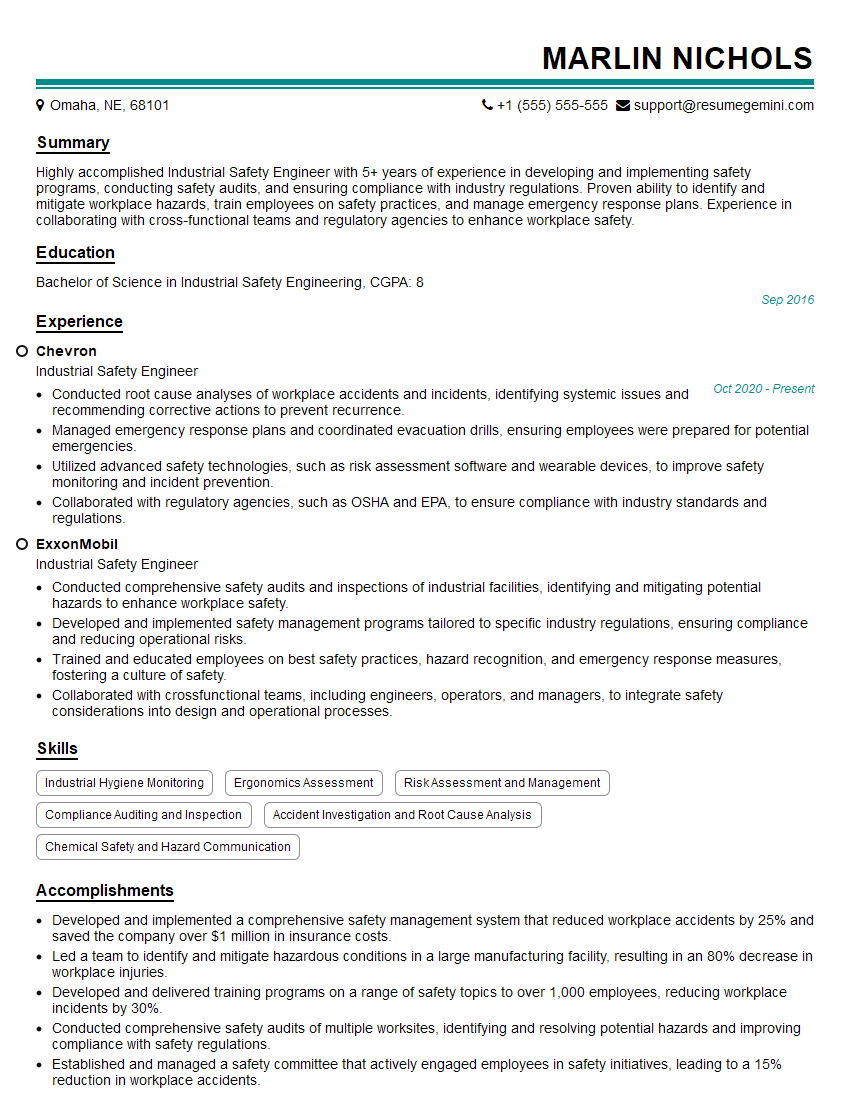
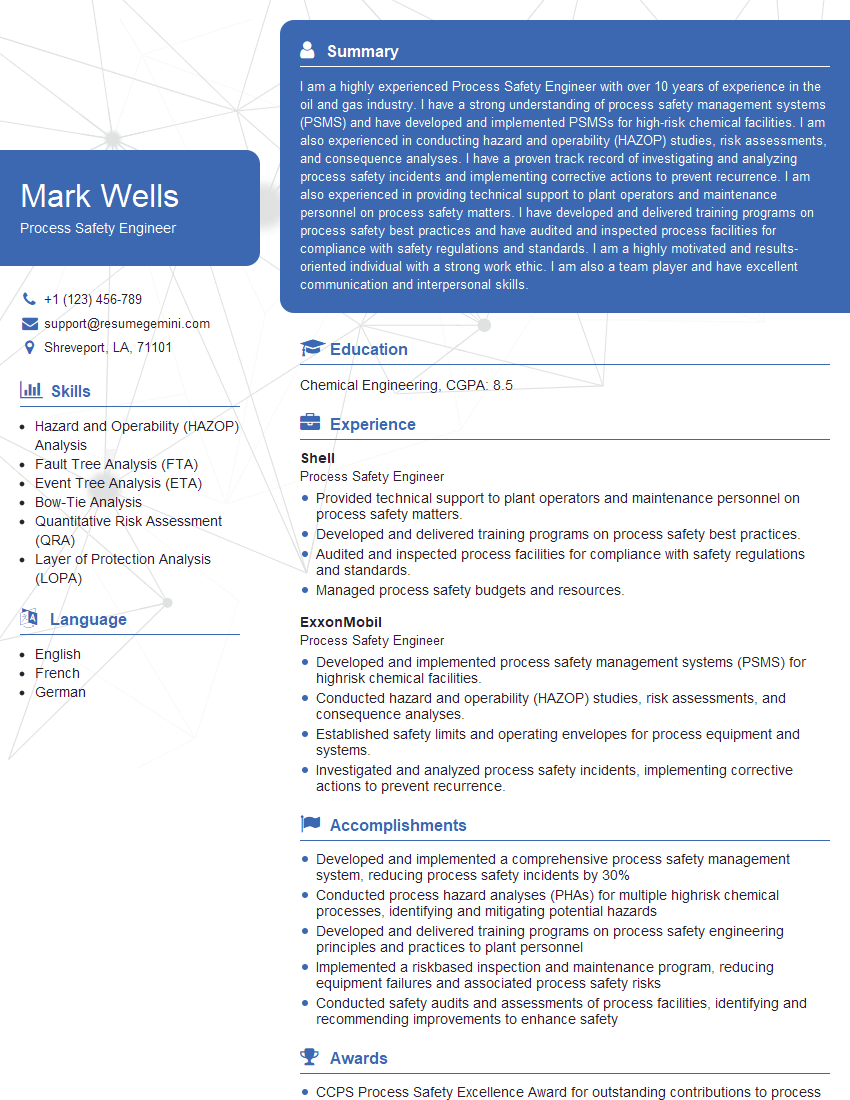
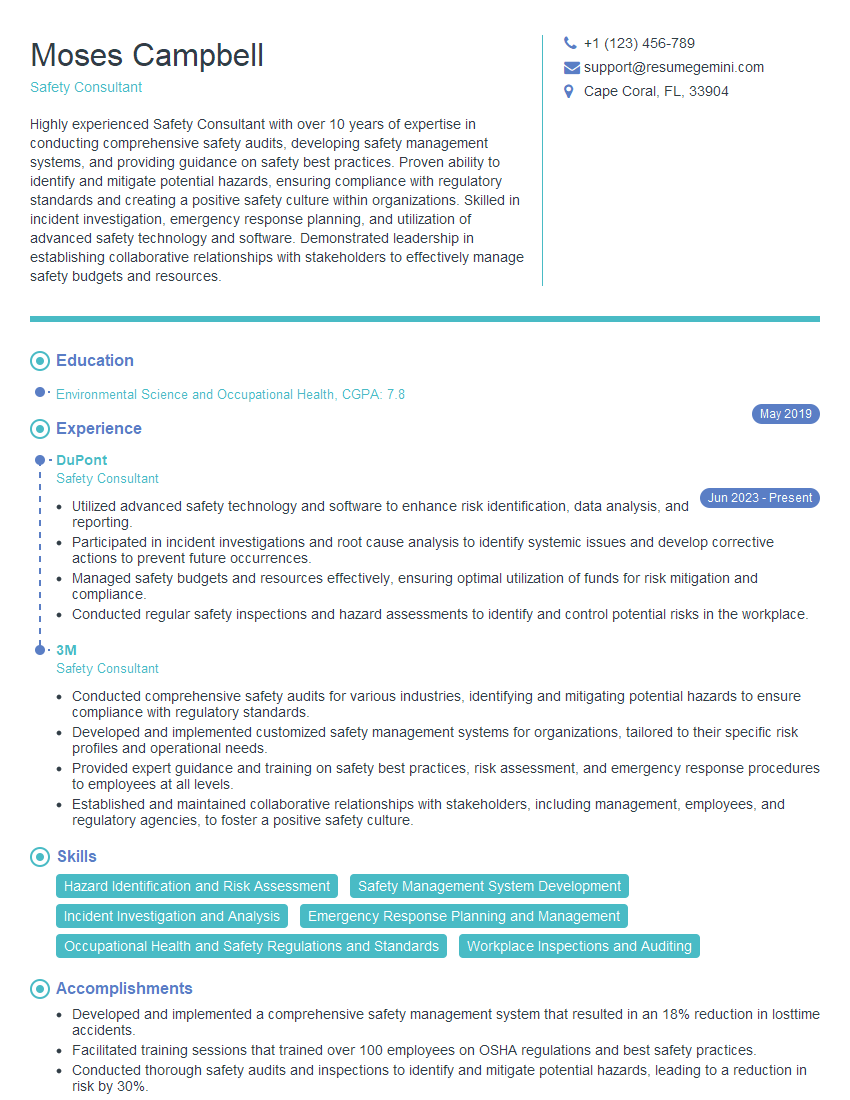
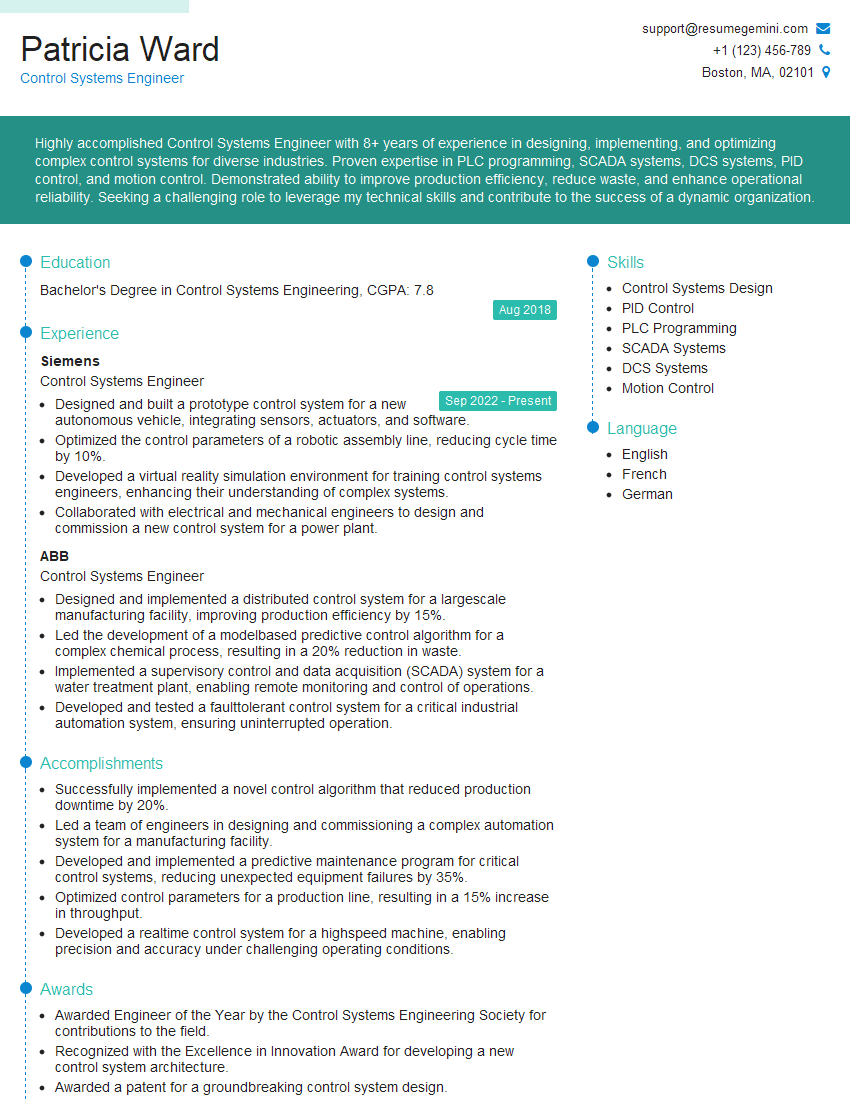
Mastering Safety Systems and Controls is crucial for career advancement in various high-demand industries. A strong understanding of these principles demonstrates your commitment to workplace safety and opens doors to exciting opportunities with significant responsibility. To maximize your job prospects, invest time in crafting a compelling and ATS-friendly resume that showcases your skills and experience effectively. ResumeGemini is a trusted resource that can help you build a professional resume tailored to the specific requirements of the Safety Systems and Controls field. Examples of resumes tailored to this area are available, providing you with a strong foundation for your job search.
Explore more articles
Users Rating of Our Blogs
Share Your Experience
We value your feedback! Please rate our content and share your thoughts (optional).
What Readers Say About Our Blog
To the interviewgemini.com Webmaster.
Very helpful and content specific questions to help prepare me for my interview!
Thank you
To the interviewgemini.com Webmaster.
This was kind of a unique content I found around the specialized skills. Very helpful questions and good detailed answers.
Very Helpful blog, thank you Interviewgemini team.