Preparation is the key to success in any interview. In this post, we’ll explore crucial Sports Performance Enhancement interview questions and equip you with strategies to craft impactful answers. Whether you’re a beginner or a pro, these tips will elevate your preparation.
Questions Asked in Sports Performance Enhancement Interview
Q 1. Explain the difference between strength training and conditioning.
Strength training and conditioning are often used interchangeably, but they represent distinct yet complementary aspects of athletic development. Strength training focuses primarily on increasing the maximal force a muscle or muscle group can produce. This is achieved through resistance exercises, targeting muscle hypertrophy (growth) and strength gains. Think of a weightlifter performing heavy squats; their goal is maximal strength. Conditioning, on the other hand, encompasses a broader range of activities aimed at improving an athlete’s overall physical capacity. This includes enhancing cardiovascular fitness, muscular endurance, flexibility, speed, agility, and power. A marathon runner, for instance, focuses on conditioning to improve their endurance and stamina. While strength training can contribute to conditioning (e.g., improving power output), the core goal differs.
In essence, strength training is a component of conditioning, contributing to the overall performance profile of an athlete.
Q 2. Describe your experience with periodization training models.
My experience with periodization training models is extensive. I’ve successfully implemented various models, adapting them to specific athlete needs and goals. Periodization is a cornerstone of my approach, as it systematically manipulates training variables (volume, intensity, rest) over time to optimize performance while minimizing the risk of overtraining and injury. I commonly utilize linear periodization, where training intensity gradually increases over time, peaking at competition. However, I also frequently incorporate non-linear or undulating periodization, which involves varying training intensity and volume within a week or microcycle, providing greater stimulus variety and potentially mitigating staleness.
For example, with a young soccer player, I might use an undulating model, incorporating high-intensity interval training (HIIT) one day, plyometrics another, and strength training another, changing the focus throughout the week while still aiming for progressive overload. With a seasoned marathon runner, a more linear model might be better suited, gradually increasing their long run distance and intensity leading up to their major race.
The key is adaptability. I regularly monitor athlete response to training, adjusting the periodization plan as needed based on performance data and feedback.
Q 3. How do you assess an athlete’s readiness for training?
Assessing an athlete’s readiness for training is a crucial step in preventing injury and optimizing performance. My assessment process is multi-faceted and includes:
- Medical History: A thorough review of past injuries, illnesses, and medical conditions is essential to identify potential limitations and risk factors.
- Physical Examination: This involves assessing posture, flexibility, joint stability, and muscle balance to detect any existing musculoskeletal imbalances.
- Movement Screenings: Functional movement screens, such as the FMS (Functional Movement Screen) or Y Balance Test, help identify movement limitations or asymmetries that could predict injury risk.
- Physiological Testing: Depending on the sport, this may include tests for cardiovascular fitness, muscular strength and endurance, power output, speed, agility, and flexibility. This helps to establish a baseline and tailor the training program accordingly.
- Subjective Feedback: Open communication with the athlete about their current physical and mental state, including sleep quality, stress levels, and nutritional habits is vital, as these factors influence readiness.
Based on this comprehensive assessment, I determine an athlete’s readiness level and tailor a training program that progressively challenges them while mitigating risks.
Q 4. What are the key biomechanical principles you apply in your training programs?
Biomechanical principles underpin all my training programs. I focus on optimizing movement efficiency and reducing injury risk by considering:
- Leverage: Understanding how different body segments interact to produce force and movement. For example, a longer lever arm in a tennis serve generates greater velocity, but requires more muscular effort.
- Force Production: Applying the principles of force generation – including the force-velocity relationship and rate coding of motor units – to improve strength, power, and speed. We might use plyometrics to enhance rate coding, and resistance training to increase maximal force.
- Movement Patterns: Analyzing movement technique to identify and correct inefficiencies that could lead to injury or reduced performance. Video analysis is crucial in this process.
- Stability and Balance: Promoting optimal joint stability and balance to improve movement control and reduce injury risk, particularly in high-impact activities. Core strength training is essential for this.
- Range of Motion: Ensuring appropriate joint range of motion through flexibility and mobility exercises. Excessive or limited range of motion can impair performance and increase injury risk.
By meticulously considering these biomechanical factors, I create programs that are both effective and safe.
Q 5. How do you design training programs to address specific athletic needs?
Designing training programs to address specific athletic needs requires a thorough understanding of the demands of the sport. I use a needs analysis, considering the energy systems primarily utilized (aerobic, anaerobic), the key movement patterns, and the physical qualities needed for optimal performance. For a basketball player, for instance, I’d focus on developing speed, agility, jumping ability (plyometrics), and endurance. For a weightlifter, it’s about maximizing strength through specific strength-training exercises and periodization strategies.
The program design process usually involves:
- Needs Analysis: Identify the specific physical and skill demands of the sport.
- Goal Setting: Establish clear, measurable, achievable, relevant, and time-bound (SMART) goals with the athlete.
- Exercise Selection: Choose exercises that directly address the identified needs, taking into account biomechanical principles and injury prevention.
- Training Schedule: Develop a training schedule that incorporates different training modalities (strength training, conditioning, plyometrics, skill work) at appropriate volumes and intensities.
- Progression: Gradually increase the training load over time to promote adaptation and improvement.
- Monitoring and Evaluation: Regularly monitor the athlete’s progress using various performance indicators and make adjustments to the training program as needed.
This iterative process ensures that the training program remains relevant, effective, and safe.
Q 6. Explain your approach to injury prevention and rehabilitation.
My approach to injury prevention and rehabilitation is proactive and holistic. Injury prevention starts with the initial assessment, identifying potential risk factors and addressing movement limitations. I incorporate exercises to enhance muscle strength, balance, flexibility, and proprioception (body awareness). For example, I often use dynamic stretching before activity and incorporate exercises that strengthen supporting muscles around joints prone to injury in the athlete’s sport.
Rehabilitation involves a phased approach, starting with reducing inflammation and pain through modalities like ice, rest, and manual therapy. Once the acute phase is over, I gradually reintroduce movement and strength training, focusing on restoring normal joint mechanics and muscle function. This might involve specific exercises to regain range of motion and build up strength gradually. Close collaboration with medical professionals, such as physical therapists, is vital throughout the process.
A key element of both prevention and rehabilitation is education. I empower athletes to understand their bodies, recognize early signs of injury, and actively participate in managing their health.
Q 7. Discuss your experience with different types of training modalities (e.g., plyometrics, speed training).
I have extensive experience with various training modalities. Plyometrics, for instance, is a crucial component for developing explosive power and jump height. I often incorporate plyometric exercises, such as box jumps, depth jumps, and medicine ball throws, into training programs for athletes in sports requiring rapid force production, such as basketball and volleyball. The progression is key; we start with low-impact drills and gradually increase the intensity.
Speed training involves drills and exercises aimed at improving acceleration, top-speed running, and agility. This might include sprint training, agility drills (cone drills, ladder drills), and resistance training focused on the posterior chain muscles (hamstrings, glutes). We analyze running mechanics to correct any biomechanical flaws that could limit speed development.
Other modalities I regularly utilize include strength training, using various resistance methods, and conditioning exercises focusing on improving cardiovascular fitness and muscular endurance, such as interval training and circuit training. The specific combination and sequencing of these modalities are carefully tailored to each athlete’s individual needs and goals.
Q 8. How do you monitor and evaluate athlete progress?
Monitoring athlete progress is a multifaceted process requiring a blend of objective data and subjective feedback. We use a combination of methods to track improvements and identify areas needing attention.
- Performance testing: Regularly assessing key performance indicators (KPIs) like speed, strength, power, endurance, and agility using standardized tests. For example, we might track 1RM (one-repetition maximum) for squats to monitor strength gains, or a 5k time trial to assess endurance improvements.
- Physiological monitoring: Employing tools like heart rate monitors, GPS trackers, and wearable technology to gather objective data on training load, recovery, and physiological responses during workouts. This helps us understand the athlete’s training stress and response.
- Subjective feedback: Regular check-ins with the athlete to discuss their perceived exertion, sleep quality, mood, and any aches or pains. This qualitative data provides valuable insights into their overall well-being and readiness to train.
- Video analysis: Analyzing video footage of training sessions and competitions to identify technical flaws and improve movement efficiency. For instance, we might use slow-motion replays to pinpoint subtle issues in a basketball player’s shooting technique.
- Data analysis and reporting: Using software to track progress over time, identify trends, and adjust training programs based on the data collected. This ensures that the training program is individualized and effective.
By integrating these various methods, we create a comprehensive picture of the athlete’s progress, enabling us to make informed decisions to maximize performance and minimize injury risk.
Q 9. What are the key nutritional considerations for optimizing athletic performance?
Optimal nutrition is paramount for athletic performance. It’s not just about calories; it’s about the right balance of macronutrients, micronutrients, and hydration to support training demands and recovery.
- Macronutrients: Athletes need adequate carbohydrates for energy, protein for muscle growth and repair, and healthy fats for hormone production and overall health. The ratios depend on the athlete’s sport, training volume, and individual needs. For example, endurance athletes typically need higher carbohydrate intakes.
- Micronutrients: Vitamins and minerals play crucial roles in various metabolic processes. Deficiencies can impair performance, so we ensure athletes consume a varied diet rich in fruits, vegetables, and whole grains. Iron, for example, is essential for oxygen transport.
- Hydration: Maintaining adequate hydration is crucial for thermoregulation, performance, and preventing dehydration. Athletes should consistently monitor their hydration status and consume fluids before, during, and after training.
- Timing of nutrition: Pre-workout nutrition should provide readily available carbohydrates for energy. Post-workout nutrition is critical for muscle recovery and replenishing glycogen stores. Protein and carbohydrates are key components here.
- Individualized approach: Nutritional needs vary greatly among athletes based on their body composition, training demands, and individual metabolic responses. We use various assessment tools, including dietary recalls and body composition analysis, to tailor nutrition plans to individual needs.
We work closely with registered dietitians to ensure our athletes receive personalized nutrition plans that meet their specific needs and optimize their performance.
Q 10. How do you incorporate recovery strategies into your training programs?
Recovery is not a luxury; it’s a fundamental component of any successful training program. Without adequate recovery, athletes are at increased risk of injury, overtraining, and decreased performance. Our recovery strategies are multifaceted and tailored to the individual athlete’s needs.
- Sleep: Adequate sleep is paramount for physical and mental restoration. We emphasize the importance of consistent sleep hygiene and aim for 7-9 hours of quality sleep per night.
- Nutrition: As discussed, proper nutrition plays a critical role in recovery. Consuming sufficient protein, carbohydrates, and antioxidants after training is essential.
- Active recovery: Light activity like walking or cycling can aid recovery by improving blood flow and reducing muscle soreness. We carefully program active recovery days to optimize this effect.
- Passive recovery: Techniques like massage, ice baths, compression therapy, and foam rolling can reduce muscle soreness and promote relaxation. We use these methods judiciously and consider the individual athlete’s response.
- Stress management: Managing stress is critical for both physical and mental recovery. Techniques like meditation, mindfulness, and yoga can be highly beneficial.
We regularly assess athlete’s recovery status using subjective feedback, heart rate variability, and other measures. We adapt the recovery strategies based on this assessment to ensure that athletes are fully prepared for each subsequent training session.
Q 11. Explain your experience with different types of testing (e.g., VO2 max, lactate threshold).
Various types of testing are integral to our assessment of athletic capabilities and training response. I have extensive experience using both field tests and laboratory-based assessments.
- VO2 max: This measures the maximum amount of oxygen an individual can utilize during intense exercise, a crucial indicator of aerobic capacity. We use incremental exercise tests on a treadmill or cycle ergometer to determine VO2 max, which helps guide training intensity and duration for endurance athletes.
- Lactate threshold: This determines the exercise intensity at which lactate production exceeds lactate clearance. This is a critical marker for endurance performance, indicating the point where sustained high-intensity exercise becomes challenging. We use blood lactate analysis during graded exercise testing to identify lactate threshold.
- Strength and power testing: We use various methods, including 1RM testing, isokinetic dynamometry, and jump testing (e.g., vertical jump, broad jump) to assess muscular strength, power, and rate of force development.
- Agility and speed tests: These assessments, such as the T-test, 40-yard dash, and pro-agility shuttle, evaluate agility and speed—essential components for many sports.
- Movement analysis: We use video analysis and motion capture technology to assess movement efficiency and identify technical flaws that can be addressed through targeted training.
The choice of tests depends on the athlete’s sport and training goals. We interpret the results cautiously, considering the individual athlete’s context and using the data to design a personalized training program.
Q 12. How do you communicate effectively with athletes and coaching staff?
Effective communication is the cornerstone of successful sports performance enhancement. I emphasize open, honest, and collaborative communication with both athletes and coaching staff.
- Athlete communication: I establish clear communication channels and regularly check in with athletes to discuss their progress, challenges, and concerns. I use active listening and create a safe space for feedback, ensuring the athlete feels heard and understood.
- Coaching staff collaboration: I maintain close collaboration with coaching staff, sharing data, providing insights, and aligning our strategies to ensure consistency and synergy in the athlete’s development. Regular meetings and collaborative planning are key.
- Clear and concise language: I avoid jargon and use simple, understandable language to explain complex concepts to both athletes and coaches. I use visuals like graphs and charts to effectively present data.
- Feedback mechanisms: I implement regular feedback loops, seeking both verbal and written feedback from athletes and coaches to ensure that the training program is meeting its goals and adapting to individual needs.
- Documentation: Meticulous record-keeping of training plans, assessments, and communication ensures that all stakeholders are informed and aligned. This aids long-term planning and review.
My communication style prioritizes clarity, collaboration, and mutual respect, fostering a strong working relationship built on trust and mutual understanding.
Q 13. Describe your experience with using technology in sports performance (e.g., wearable technology, video analysis).
Technology plays an increasingly important role in sports performance enhancement, and I have significant experience integrating various technologies into training programs.
- Wearable technology: I utilize heart rate monitors, GPS trackers, and other wearable devices to monitor training load, recovery, and physiological responses. This data provides objective insights into training effectiveness and helps prevent overtraining.
- Video analysis: High-speed cameras and specialized software allow for detailed analysis of movement patterns, identifying technical flaws and opportunities for improvement. This is especially valuable in sports like swimming, gymnastics, and athletics.
- Force plates: Force plates measure ground reaction forces during various movements, providing quantitative data on power output, jump height, and balance. This is valuable for assessing lower extremity function.
- Data analytics software: We use specialized software to track athlete progress, identify trends, and personalize training programs based on objective data. This ensures a data-driven approach to enhancement.
- Virtual reality (VR): In some instances, VR technology can be used for injury rehabilitation, skill acquisition, and performance enhancement by simulating realistic game scenarios.
The responsible integration of technology helps to optimize training, improve athlete performance, reduce injury risk, and deliver personalized, data-driven interventions. It’s vital to use this technology judiciously and interpret the data within the context of the individual athlete’s needs and goals.
Q 14. What are the ethical considerations in sports performance enhancement?
Ethical considerations are paramount in sports performance enhancement. We must uphold the principles of fairness, honesty, and respect for the athlete’s well-being.
- Transparency and informed consent: Athletes must be fully informed about all aspects of the training program, including potential risks and benefits. Their informed consent is essential for any intervention.
- Prohibition of banned substances: We strictly adhere to all relevant anti-doping regulations, ensuring that athletes understand and comply with the rules. Our training program focuses on safe, ethical methods for performance enhancement.
- Athlete well-being: The athlete’s physical and mental health is always the top priority. We prioritize a holistic approach, considering all aspects of the athlete’s life, not just performance.
- Confidentiality: Maintaining athlete confidentiality is crucial. All personal information is handled with utmost discretion.
- Fair competition: We promote fair competition by ensuring that our methods are ethical and do not give an unfair advantage over other athletes.
Ethical practices are not merely rules; they are fundamental to our professional responsibility. We strive to maintain the highest ethical standards in all aspects of our work, ensuring that our actions align with the principles of fair play and athlete well-being.
Q 15. How do you manage athlete workload and prevent overtraining?
Managing athlete workload and preventing overtraining is crucial for long-term success and injury prevention. It’s a delicate balance between pushing athletes to improve and avoiding burnout or injury. We utilize a multifaceted approach that involves monitoring several key indicators.
- Training Load Monitoring: We use metrics like training volume (total distance, repetitions, sets), intensity (speed, power output, heart rate), and perceived exertion (RPE scales) to quantify the training stress placed on the athlete. We track these metrics over time to assess the cumulative load. Sudden spikes in load are a red flag.
- Recovery Monitoring: This is just as important as the training itself. We monitor sleep patterns, using wearable technology and sleep diaries. We also look at measures of mood, muscle soreness, and appetite which can be early indicators of overtraining. Active recovery strategies such as light exercise, stretching, and foam rolling are incorporated.
- Periodization: We strategically plan training phases with variations in intensity and volume. This ensures that athletes have adequate rest and recovery periods throughout the year, avoiding constant high-intensity training. We cycle through periods of high volume/low intensity, high intensity/low volume, and active recovery.
- Individualization: Each athlete is unique, and their response to training will vary. We tailor workload management strategies to each individual’s needs, considering factors like age, training experience, and genetic predisposition. For example, a younger athlete may tolerate higher training loads than a more seasoned athlete.
By carefully tracking these factors and adjusting training accordingly, we aim to optimize performance while minimizing the risk of overtraining and injury. Think of it like a seesaw: we need to maintain balance between training stimulus and recovery.
Career Expert Tips:
- Ace those interviews! Prepare effectively by reviewing the Top 50 Most Common Interview Questions on ResumeGemini.
- Navigate your job search with confidence! Explore a wide range of Career Tips on ResumeGemini. Learn about common challenges and recommendations to overcome them.
- Craft the perfect resume! Master the Art of Resume Writing with ResumeGemini’s guide. Showcase your unique qualifications and achievements effectively.
- Don’t miss out on holiday savings! Build your dream resume with ResumeGemini’s ATS optimized templates.
Q 16. Describe your experience with designing rehabilitation programs post-injury.
Designing rehabilitation programs post-injury requires a systematic and individualized approach. My experience involves a close collaboration with medical professionals, including physicians and physical therapists. The process generally involves these steps:
- Assessment: A thorough evaluation is crucial to determine the nature and extent of the injury. This includes medical imaging, physical examinations, and functional movement assessments. Understanding the specific tissues injured, the severity, and the athlete’s individual needs is paramount.
- Goal Setting: We establish realistic and measurable goals with the athlete. These goals might include pain reduction, regaining range of motion, restoring strength, and improving functional capacity. Setting short-term and long-term goals helps track progress and maintain motivation.
- Program Design: The rehabilitation program is built progressively, moving from initial phases focused on pain management and inflammation reduction, to later phases emphasizing functional training and return-to-sport readiness. We start with gentle range of motion exercises, progress to strengthening exercises, and finally integrate sport-specific activities. This approach is often called a phased approach.
- Monitoring and Adjustment: We closely monitor the athlete’s progress, adjusting the program as needed. This may involve modifying exercises, adjusting the intensity or volume, or adding new exercises based on the athlete’s response to the training.
- Return-to-Sport: The return-to-sport process is gradual and carefully managed. We monitor the athlete’s ability to perform specific sport-related skills without pain or compensation patterns before allowing a full return.
For example, I recently worked with a soccer player who sustained an ACL tear. The rehabilitation program initially focused on range of motion and reducing inflammation. As they progressed, we incorporated strengthening exercises, plyometrics, agility drills, and finally, sport-specific drills such as running and kicking. The entire process spanned several months, ensuring a safe and effective return to play.
Q 17. How do you address the mental aspects of athletic performance?
Addressing the mental aspects of athletic performance is just as crucial as the physical training. A strong mental game is essential for optimal performance and resilience. My approach incorporates several strategies:
- Mindfulness and Meditation: We use mindfulness techniques to help athletes focus on the present moment and manage anxiety or stress. Regular meditation practice can enhance mental clarity and emotional regulation.
- Goal Setting and Visualization: We work with athletes to establish clear and achievable goals, using visualization techniques to mentally rehearse successful performance. This helps build confidence and improves focus.
- Stress Management: We teach athletes coping mechanisms to deal with the pressures of competition. This may involve relaxation techniques, breathing exercises, or cognitive restructuring to reframe negative thoughts.
- Sport Psychology Consultations: Depending on the athlete’s needs, we may recommend working with a sports psychologist. A sports psychologist can provide more in-depth support for issues such as anxiety, performance anxiety, or mental health concerns.
- Positive Self-Talk: Encouraging athletes to engage in positive self-talk and reframing negative thoughts can have a massive impact on confidence and resilience. Replacing self-doubt with confident affirmations can significantly improve performance.
For example, I’ve worked with athletes who experience pre-competition anxiety. By using a combination of mindfulness techniques, visualization, and positive self-talk, we’ve helped them manage their anxiety and improve their focus during competition.
Q 18. What are the key factors affecting athletic performance?
Athletic performance is a complex interplay of several key factors. These can be broadly categorized as:
- Physiological Factors: This includes factors like cardiovascular fitness, muscular strength and endurance, flexibility, body composition, and recovery capacity. Having a high VO2 max (maximum oxygen uptake) is crucial for endurance athletes, while strength and power are critical for power-based sports.
- Biomechanical Factors: Efficient movement patterns and techniques are crucial for minimizing energy expenditure and maximizing performance. Proper form in activities such as lifting or throwing can reduce the risk of injury and increase performance.
- Psychological Factors: Mental toughness, focus, motivation, and stress management are all crucial determinants of success. A confident and focused athlete can perform far better than an athlete who lacks mental resilience.
- Nutritional Factors: Proper nutrition plays a vital role in providing energy, supporting recovery, and ensuring optimal health. Adequate hydration and a balanced diet are critical for peak performance.
- Environmental Factors: Factors such as altitude, temperature, humidity, and even air quality can influence performance. Acclimatization strategies are often used to mitigate the negative effects of these factors.
- Genetics: While training and other factors play a huge role, genetics play a significant role in determining an athlete’s potential. Some athletes naturally possess advantages in certain areas due to genetics.
Optimizing performance requires a holistic approach that addresses all these interconnected factors. Neglecting one area can significantly limit the potential for improvement in others.
Q 19. Explain the concept of training specificity.
Training specificity refers to the principle that training should closely resemble the demands of the specific sport or activity. The training adaptations that occur are highly specific to the type, intensity, and duration of the training stimulus. This is why training needs to mimic the sport as closely as possible.
For example, a marathon runner shouldn’t spend most of their training time doing weightlifting. While strength training can be beneficial, the primary focus should be on endurance training, such as long-distance running at various paces. Similarly, a basketball player’s training will focus on agility drills, plyometrics, and shooting practice, rather than long-distance running.
Training specificity ensures that the adaptations made during training directly translate to improved performance in the target activity. This is the cornerstone of effective performance enhancement programs. We apply this principle by closely analyzing the demands of the sport, and designing training programs that target the specific energy systems, muscle groups, and movement patterns used in competition.
Q 20. How do you adapt training programs for athletes of different ages and levels?
Adapting training programs for athletes of different ages and levels requires a nuanced understanding of physiological and psychological development. Younger athletes typically have greater potential for adaptation but may also be more susceptible to injury. Conversely, older athletes may have limitations in their recovery capacity.
- Age-Related Considerations: For younger athletes, programs emphasize fundamental movement skills, proper technique, and gradual progression of intensity and volume to minimize injury risk. For older athletes, programs focus on maintaining function, injury prevention, and maximizing adaptations while acknowledging their age-related changes in strength, flexibility, and recovery.
- Skill Level: Beginner athletes require a focus on foundational skills and proper technique, with gradual increases in intensity and volume. Experienced athletes can tolerate higher training loads and more advanced training methodologies. They may also benefit from advanced training techniques like periodization.
- Individual Needs: Individual differences must always be taken into account. This includes pre-existing conditions, training history, and personal goals. A personalized training plan is crucial regardless of age or skill level. For example, an athlete’s medical history will influence the intensity and type of exercise selected.
A well-designed program gradually increases the demands on the athlete, allowing for adaptation and minimizing injury risk. Regular monitoring and adjustments are crucial to ensure that the program remains appropriate and effective. Think of it as a personalized roadmap for each athlete’s journey.
Q 21. How do you ensure the safety of athletes during training?
Ensuring athlete safety during training is paramount. My approach emphasizes a multi-layered strategy:
- Proper Warm-up and Cool-down: A thorough warm-up prepares the body for activity, increasing blood flow and muscle temperature. A cool-down helps reduce muscle soreness and promotes recovery.
- Proper Technique Instruction: Correct technique is crucial to minimize injury risk. Athletes receive thorough instruction and practice to develop proper form in all exercises and drills.
- Progressive Overload: Gradually increasing training intensity and volume allows the body to adapt and reduces injury risk. Sudden increases in load can lead to injuries.
- Appropriate Equipment: Ensuring the use of properly maintained and fitted equipment is essential. This includes ensuring proper footwear, weightlifting belts, protective gear, and other relevant equipment.
- Environmental Monitoring: Monitoring environmental conditions, such as temperature and humidity, is important, particularly during outdoor training sessions. Appropriate hydration and clothing are crucial.
- Medical Supervision: Having access to medical personnel, or having a readily available plan for accessing medical help in case of emergencies, is crucial. This may include having a physician on-site, or at the very least establishing a plan for how to respond to injuries or medical emergencies.
- Rest and Recovery: Adequate rest and recovery are essential for muscle repair and injury prevention. Overtraining significantly increases the risk of injury.
Safety should always be the top priority in any training program. By implementing these measures, we aim to create a safe and effective training environment for all athletes.
Q 22. What is your approach to program design based on individual athlete needs and goals?
My approach to program design is entirely individualized. It’s not a one-size-fits-all solution. I begin with a thorough needs analysis, which involves understanding the athlete’s specific goals (e.g., improve speed, enhance power, increase endurance, prevent injury), their current fitness level, their training history, their nutritional habits, and even their psychological profile. This involves detailed testing and assessments – things like strength testing (1RM, power output), speed and agility drills, flexibility assessments, and even questionnaires to understand their sleep patterns, stress levels, and overall well-being.
Once I have a clear picture, I build a personalized program that incorporates the principles of progressive overload, specificity, periodization, and recovery. This means gradually increasing the training load over time, focusing on exercises relevant to their sport, cycling through different phases of training intensity and volume, and ensuring adequate rest and recovery to prevent overtraining and injury. For example, a long-distance runner would have a different program than a weightlifter, prioritizing endurance and aerobic capacity over maximal strength. The program is then regularly monitored and adjusted based on the athlete’s progress and feedback, allowing for flexibility and adaptation.
Q 23. How familiar are you with different sports and their specific demands?
My experience spans a wide range of sports, including but not limited to: track and field, swimming, basketball, soccer, and weightlifting. I understand that each sport presents unique physical and physiological demands. For instance, a marathon runner requires significant cardiovascular endurance, while a basketball player needs explosive power, agility, and speed. My familiarity extends beyond the general demands to incorporate specific technical aspects; for example, I’ve worked with sprinters on improving their start technique, and with swimmers on optimizing their stroke mechanics. This deep understanding allows me to tailor training programs that address the specific requirements of each sport.
Q 24. Describe your experience with talent identification and development.
Talent identification and development are crucial for long-term athletic success. My approach involves a multi-faceted strategy. Firstly, I use a combination of objective measures (physical testing, performance analysis) and subjective assessments (coach and athlete input) to identify athletes with high potential. This isn’t just about physical attributes; it also involves assessing their psychological characteristics such as motivation, discipline, and resilience, which are crucial for achieving peak performance. Once promising athletes are identified, the development phase begins. This involves a carefully planned program that focuses on not just physical development but also technical skills, tactical awareness, and mental fortitude. I utilize long-term athlete development models to guide the process, ensuring that training is appropriately progressive and age-appropriate, minimizing injury risk and maximizing long-term gains.
For example, I once worked with a youth soccer team, identifying a few players with exceptional speed and agility. By implementing a specialized training program that incorporated plyometrics, speed drills, and agility training, we significantly improved their performance, enabling them to excel in competitions.
Q 25. What strategies do you use to motivate athletes?
Motivation is critical for sustained effort and performance enhancement. My strategies go beyond simple rewards. I focus on building a strong coach-athlete relationship based on trust, mutual respect, and open communication. I use goal setting, both short-term and long-term, to give athletes a clear sense of direction and accomplishment. This involves collaborative goal setting; we work together to create realistic and challenging goals, ensuring they are invested in the process. I also utilize positive reinforcement and feedback, emphasizing progress and celebrating successes, both big and small. Finally, I promote a team environment, fostering camaraderie and peer support. When athletes feel valued and supported, they’re more intrinsically motivated to push themselves.
For example, I once worked with an athlete struggling with motivation. We collaborated to set smaller, achievable goals that focused on process rather than just outcome. By celebrating their progress along the way, I helped them regain confidence and maintain their motivation throughout the training cycle.
Q 26. How do you stay current with the latest research and best practices in sports performance?
Staying current is paramount in this field. I actively participate in professional development activities, attending conferences, workshops, and seminars organized by organizations like the National Strength and Conditioning Association (NSCA). I regularly review peer-reviewed journals and research papers, focusing on areas like training methodology, injury prevention, and performance enhancement. I also maintain a professional network, discussing ideas and best practices with colleagues. This constant learning ensures I remain informed about the latest research and advancements in sports science and technology, allowing me to adapt my strategies and programs to deliver the best possible results for my athletes.
Q 27. Describe a situation where you had to overcome a challenge in a sports performance setting.
I once worked with a high-level gymnast who suffered a severe ankle injury. The initial prognosis was bleak, with doctors suggesting a long recovery period that would likely end her competitive career. The challenge wasn’t just physical; it was also psychological. The athlete was deeply demoralized and lacked motivation to even begin rehabilitation. My approach was multi-pronged. First, I collaborated with the medical team to develop a carefully phased rehabilitation program that prioritized injury prevention and gradual return to training. Second, I worked closely with a sports psychologist to address the athlete’s emotional state, helping her manage her anxiety and regain her confidence. We celebrated small victories, focusing on each milestone achieved. Through consistent effort and a supportive team approach, the athlete made a remarkable recovery, returning to competition sooner than expected and even exceeding her previous performance levels.
Q 28. How do you integrate strength and conditioning with other aspects of athletic development?
Strength and conditioning is not an isolated component; it’s integrated with all aspects of athletic development. It forms the foundation upon which other skills are built. For example, improved strength and power directly translate to enhanced speed, agility, and endurance. In my programs, strength and conditioning work is carefully planned and coordinated with technical skill training and tactical development. I design strength and conditioning programs that are specific to the demands of the sport, using exercises that mimic the movements performed during competition. Furthermore, I collaborate closely with other specialists like coaches and physiotherapists to ensure a holistic approach. For example, a strength program designed for a basketball player would emphasize lower body power and core stability to improve jumping ability and reduce injury risk during quick changes of direction. The program would be coordinated with the coach’s drills to promote the transfer of strength gains to on-court performance.
Key Topics to Learn for Sports Performance Enhancement Interview
- Biomechanics and Movement Analysis: Understanding joint mechanics, movement patterns, and analyzing athletic performance through video and motion capture technology. Practical application: Identifying and correcting movement inefficiencies to improve performance and reduce injury risk.
- Strength and Conditioning Programming: Designing individualized training programs based on sport-specific demands, athlete characteristics, and training principles (e.g., periodization, progressive overload). Practical application: Developing a training plan for a specific athlete or team, considering factors like age, experience, and injury history.
- Nutritional Strategies for Athletes: Understanding macronutrient balance, hydration strategies, and the role of nutrition in optimizing athletic performance and recovery. Practical application: Designing a nutrition plan to support training goals and minimize risks of nutritional deficiencies.
- Physiological Monitoring and Testing: Interpreting data from various physiological tests (e.g., lactate threshold, VO2 max, heart rate variability) to assess training adaptations and guide training modifications. Practical application: Analyzing performance data to evaluate training effectiveness and make evidence-based adjustments.
- Recovery Strategies and Injury Prevention: Understanding the importance of sleep, active recovery, and other strategies to promote optimal recovery and reduce injury risk. Practical application: Developing a comprehensive recovery program tailored to individual athlete needs and training demands.
- Exercise Physiology and Training Adaptations: Understanding the physiological responses to exercise and the mechanisms by which training leads to performance improvements. Practical application: Explaining the scientific basis for various training methods and their impact on athletic performance.
- Data Analysis and Technological Applications: Utilizing technology (wearable sensors, GPS tracking, etc.) to monitor and analyze athlete performance data, and making informed decisions based on that data. Practical application: Interpreting data from wearable technology to track athlete workload and identify potential overtraining or injury risks.
Next Steps
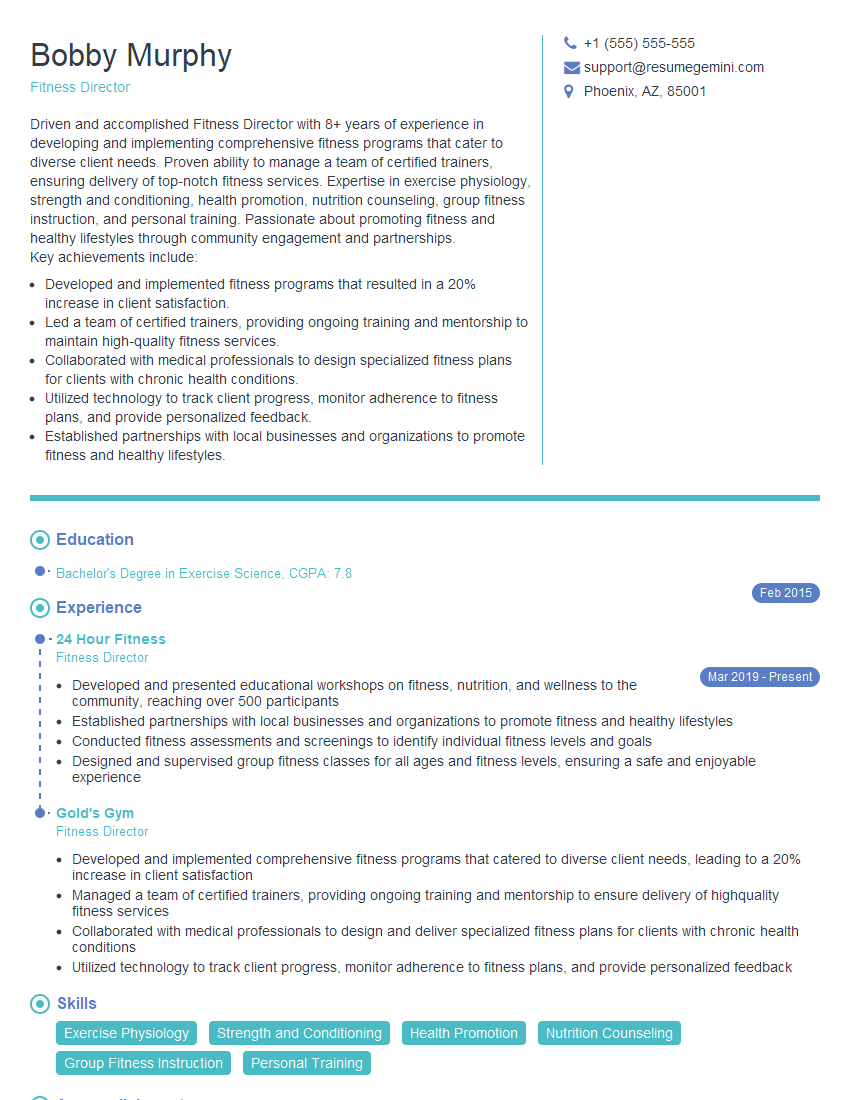
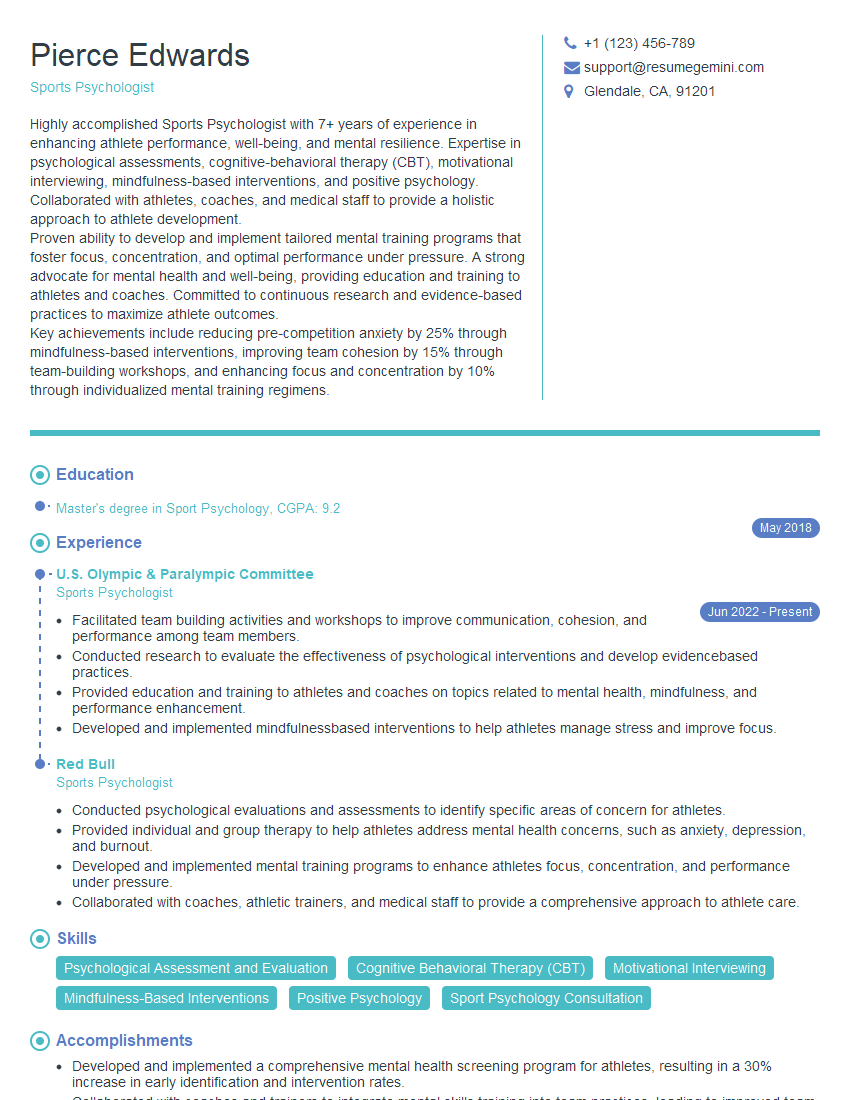
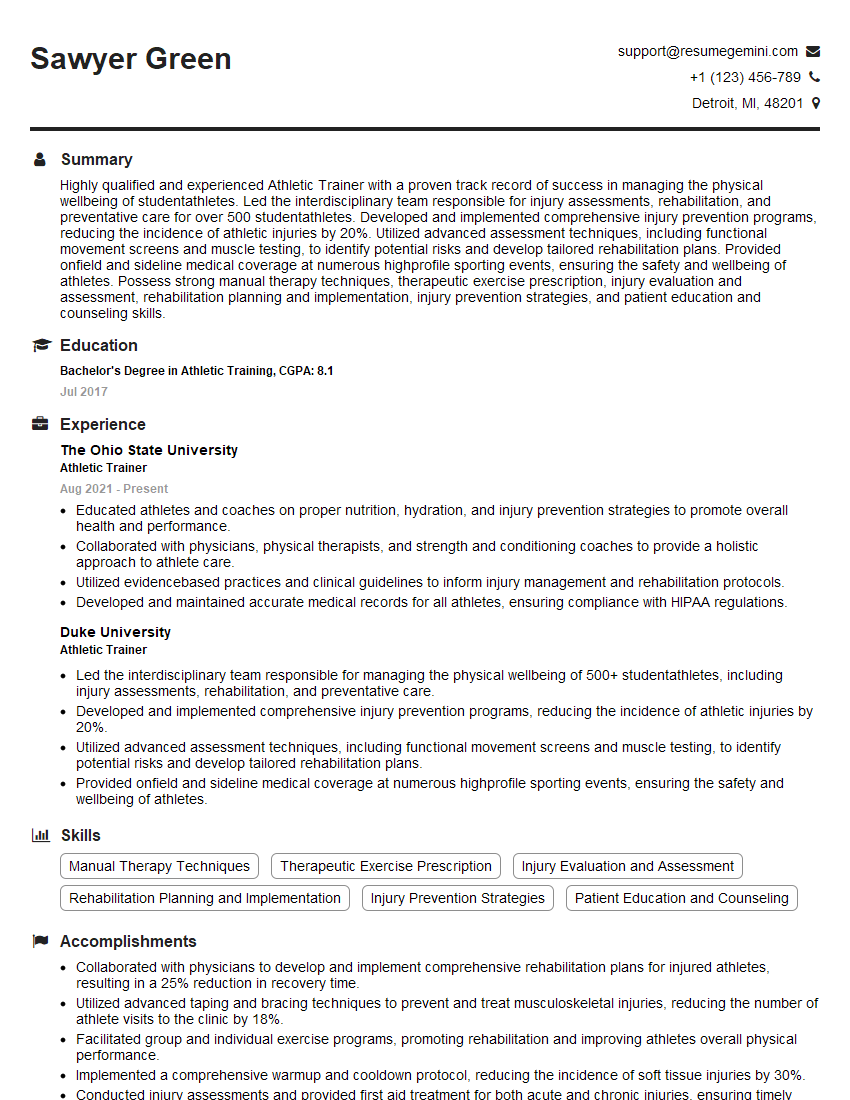
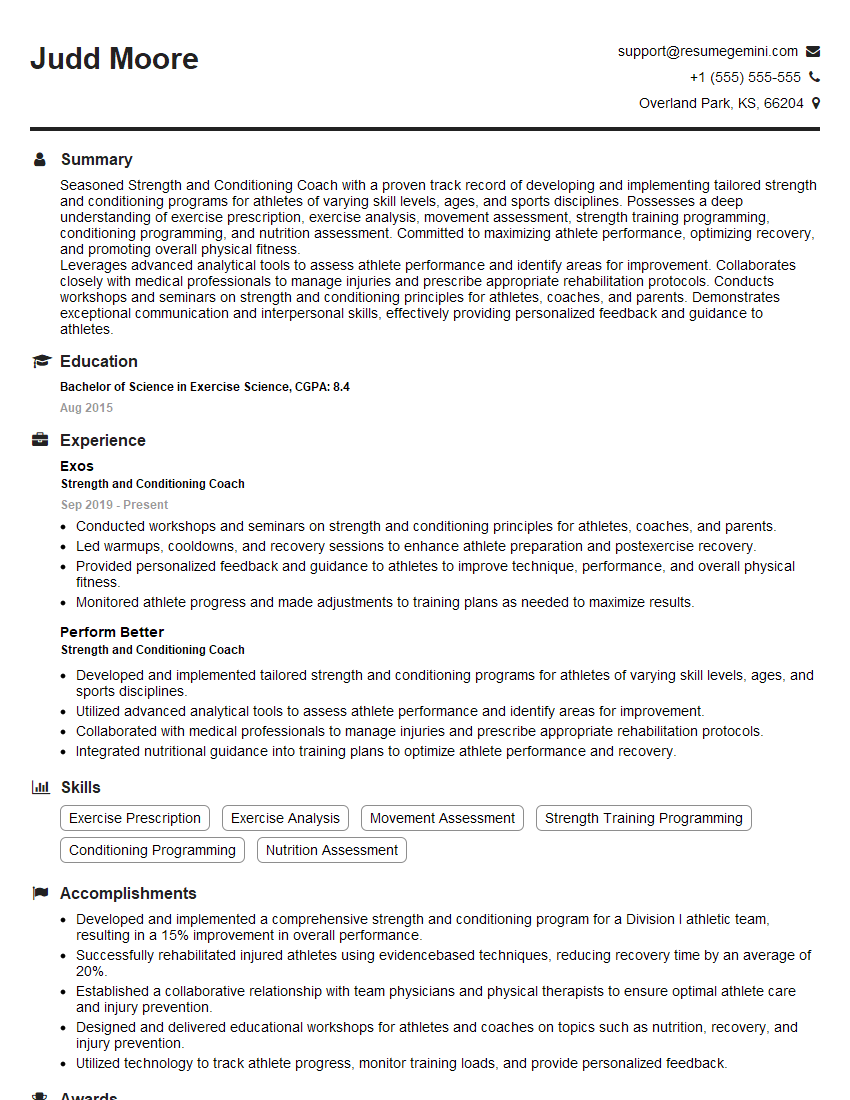
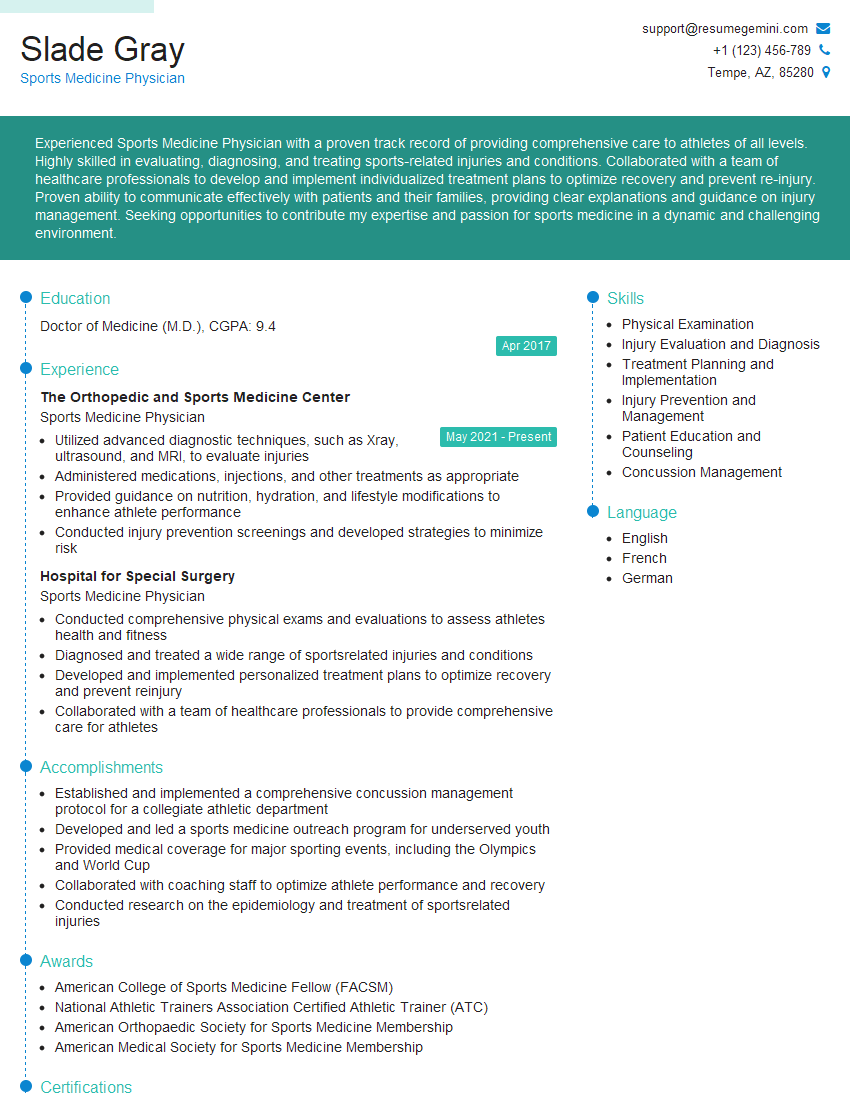
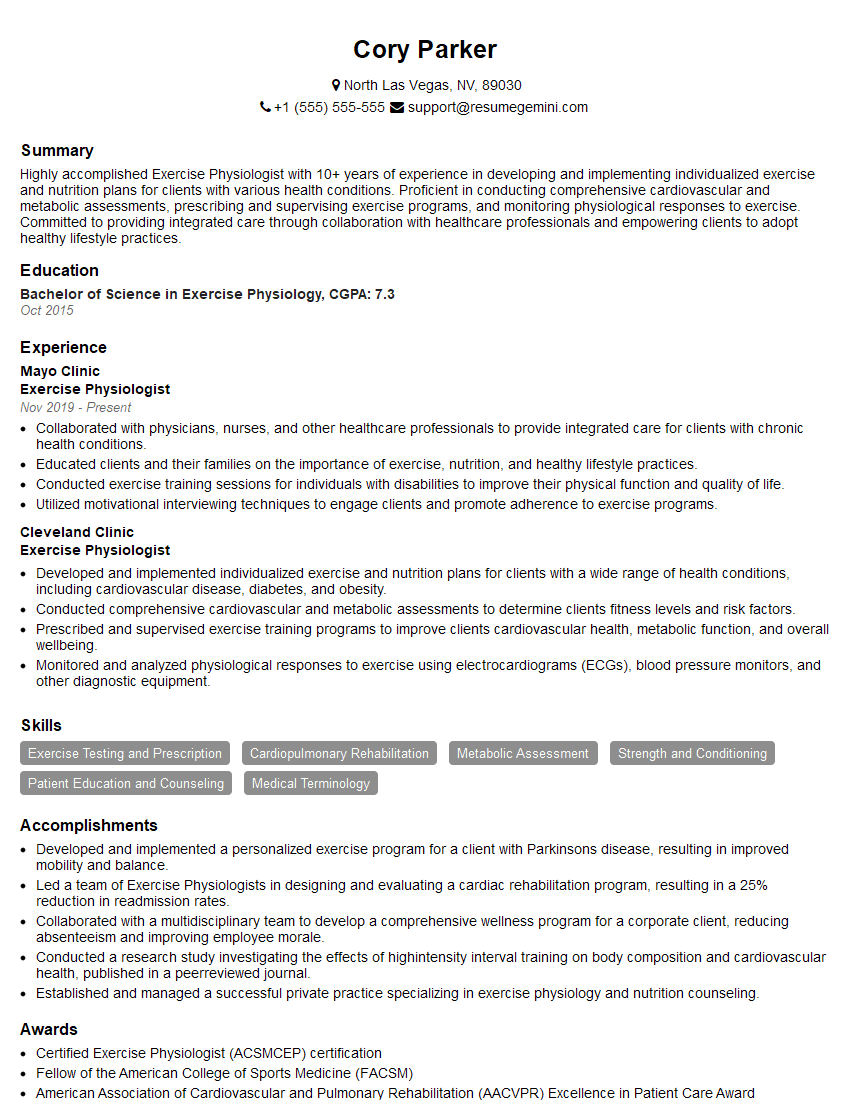
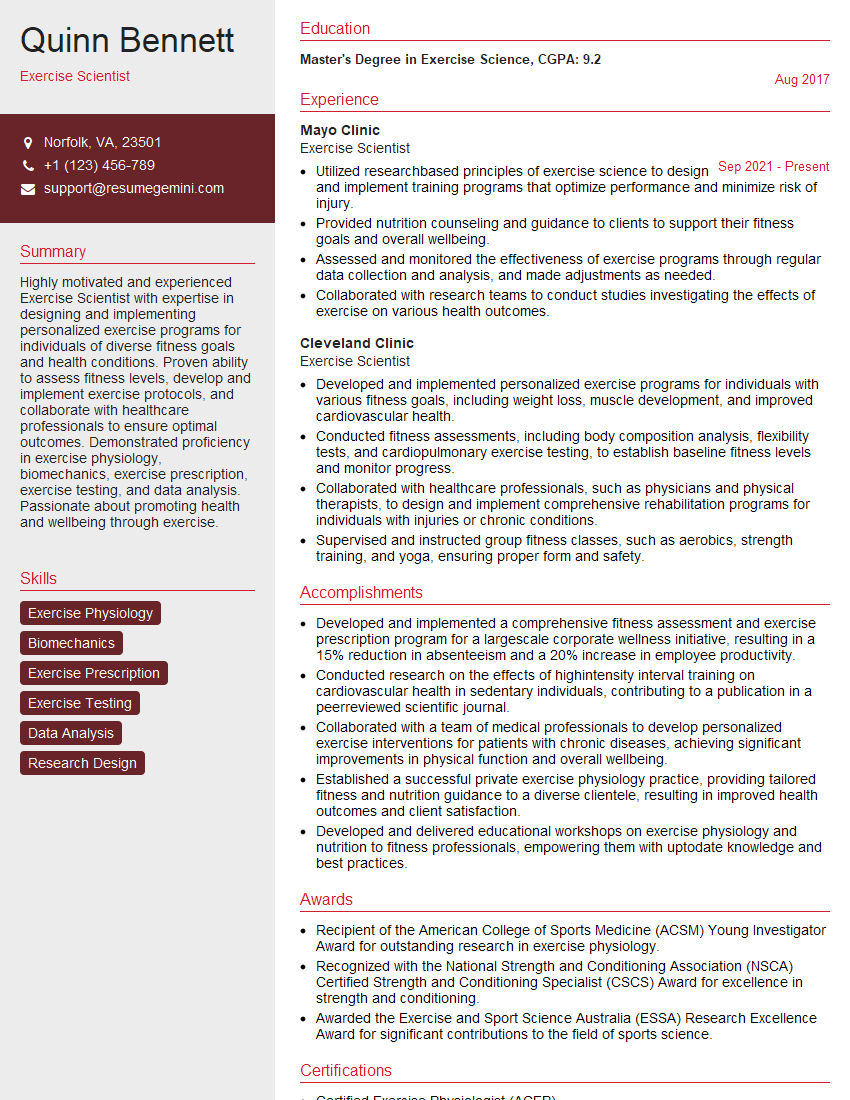
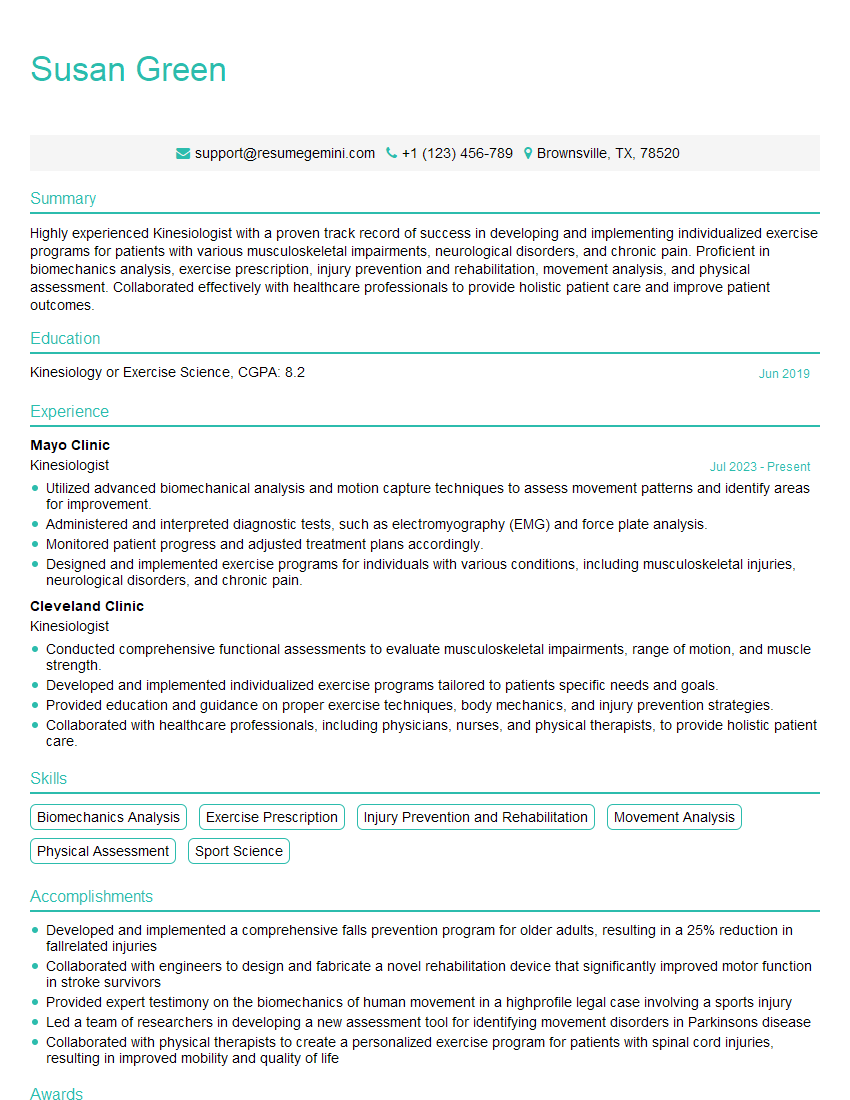
Mastering Sports Performance Enhancement opens doors to exciting and impactful careers in athletics, research, and coaching. To maximize your job prospects, focus on creating a strong, ATS-friendly resume that highlights your skills and experience. ResumeGemini is a trusted resource to help you build a professional resume that showcases your capabilities effectively. Examples of resumes tailored to Sports Performance Enhancement are available to help you craft the perfect application.
Explore more articles
Users Rating of Our Blogs
Share Your Experience
We value your feedback! Please rate our content and share your thoughts (optional).
What Readers Say About Our Blog
To the interviewgemini.com Webmaster.
Very helpful and content specific questions to help prepare me for my interview!
Thank you
To the interviewgemini.com Webmaster.
This was kind of a unique content I found around the specialized skills. Very helpful questions and good detailed answers.
Very Helpful blog, thank you Interviewgemini team.