Preparation is the key to success in any interview. In this post, we’ll explore crucial Strong knowledge of science and technology interview questions and equip you with strategies to craft impactful answers. Whether you’re a beginner or a pro, these tips will elevate your preparation.
Questions Asked in Strong knowledge of science and technology Interview
Q 1. Explain the difference between supervised and unsupervised machine learning.
The core difference between supervised and unsupervised machine learning lies in the nature of the data used for training the model. Supervised learning uses labeled data – meaning each data point is tagged with the correct answer or outcome. Think of it like a teacher supervising a student’s learning, providing feedback on their answers. Unsupervised learning, on the other hand, works with unlabeled data. The algorithm must discover patterns and structures in the data without any prior guidance. It’s like giving a student a puzzle without showing them the picture on the box; they must figure out the solution themselves.
- Supervised Learning: Examples include image classification (labeling images as cats or dogs), spam detection (classifying emails as spam or not spam), and predicting house prices based on features like size and location. The algorithm learns to map inputs (e.g., image pixels) to outputs (e.g., ‘cat’ or ‘dog’). Common algorithms include linear regression, logistic regression, and support vector machines.
- Unsupervised Learning: Examples include customer segmentation (grouping customers based on their purchasing behavior), anomaly detection (identifying unusual data points), and dimensionality reduction (reducing the number of variables while retaining important information). The algorithm identifies patterns and structures within the data without any pre-defined categories. Common algorithms include k-means clustering and principal component analysis.
In essence, supervised learning aims to predict outcomes based on labeled data, while unsupervised learning aims to discover hidden patterns and structures within unlabeled data.
Q 2. Describe your experience with cloud computing platforms (AWS, Azure, GCP).
I have extensive experience working with all three major cloud computing platforms: AWS, Azure, and GCP. My experience spans various aspects, from designing and deploying applications to managing infrastructure and implementing security best practices.
- AWS (Amazon Web Services): I’ve worked extensively with EC2 (virtual servers), S3 (object storage), RDS (relational databases), and Lambda (serverless computing). A recent project involved migrating a legacy on-premises application to AWS, significantly improving scalability and reducing operational costs. We used tools like CloudFormation for infrastructure-as-code to ensure consistent and repeatable deployments.
- Azure (Microsoft Azure): My experience with Azure includes leveraging Azure Virtual Machines, Azure Blob Storage, Azure SQL Database, and Azure Functions. A key project involved building a highly available and scalable microservices architecture using Azure Kubernetes Service (AKS). I’ve also worked with Azure DevOps for continuous integration and continuous delivery (CI/CD).
- GCP (Google Cloud Platform): I’ve used GCP’s Compute Engine, Cloud Storage, Cloud SQL, and Cloud Functions. One notable project involved developing a machine learning model using Google Cloud AI Platform, deploying it as a REST API, and integrating it with other GCP services. The scalability and ease of integration of GCP services were instrumental in the project’s success.
My experience extends beyond individual services to encompass cloud security best practices, cost optimization strategies, and the development of efficient cloud-based architectures. I am proficient in utilizing Infrastructure as Code (IaC) tools for automation and maintainability across all three platforms.
Q 3. What are the key principles of agile software development?
Agile software development is an iterative approach emphasizing flexibility, collaboration, and customer satisfaction. It’s a stark contrast to traditional ‘waterfall’ methodologies, where everything is planned upfront. Agile’s key principles revolve around:
- Individuals and interactions over processes and tools: Emphasis on teamwork and communication.
- Working software over comprehensive documentation: Delivering functional software increments frequently is prioritized.
- Customer collaboration over contract negotiation: Continuous feedback from stakeholders guides development.
- Responding to change over following a plan: Adaptability to evolving requirements is essential.
Agile methodologies, such as Scrum and Kanban, typically involve short development cycles (sprints) with frequent reviews and adaptations. This iterative process allows for quicker feedback and adjustments, leading to higher quality software that better meets customer needs. For example, in a Scrum project, daily stand-up meetings facilitate communication and problem-solving, sprint reviews showcase progress to stakeholders, and sprint retrospectives help the team improve their processes.
Q 4. How would you approach debugging a complex software issue?
Debugging a complex software issue requires a systematic and methodical approach. My strategy generally involves these steps:
- Reproduce the bug consistently: Clearly define the steps to reproduce the issue. This ensures you’re addressing the actual problem, not a fleeting anomaly.
- Isolate the problem: Use logging, debugging tools (like debuggers or print statements), and code analysis to pinpoint the specific code section causing the problem. Divide and conquer – try to break the problem down into smaller, more manageable parts.
- Analyze the error messages and logs: Carefully examine error messages, stack traces, and log files for clues. These often provide invaluable information about the nature and cause of the bug.
- Use debugging tools effectively: Set breakpoints, step through code, inspect variables, and use watch expressions to understand the program’s state and execution flow during runtime. Profiling tools can help identify performance bottlenecks.
- Test potential fixes thoroughly: After implementing a fix, conduct comprehensive testing to ensure the bug is resolved and that no new issues have been introduced. Use unit tests, integration tests, and system tests as appropriate.
- Collaborate and seek assistance: If struggling to find a solution, don’t hesitate to seek help from colleagues, online forums, or documentation. Often, a fresh perspective can help identify the root cause.
Example: If encountering a database connection error, I’d first check the database server’s status, then verify the connection string in the application code, and finally examine the network connectivity between the application and the database. Systematic investigation is key.
Q 5. Explain the concept of Big Data and its applications.
Big Data refers to extremely large and complex datasets that are difficult to process using traditional data processing tools. These datasets are characterized by the ‘five Vs’: Volume (massive size), Velocity (high speed of data generation), Variety (different data types), Veracity (uncertainty or trustworthiness), and Value (potential for insights).
Big Data’s applications are vast and span various industries:
- Business Intelligence: Analyzing customer behavior to personalize marketing campaigns, predict sales trends, and optimize pricing strategies.
- Healthcare: Analyzing medical records to identify disease patterns, improve diagnoses, and personalize treatments.
- Finance: Detecting fraudulent transactions, managing risk, and improving investment strategies.
- Science: Analyzing genomic data to discover new drugs, understanding climate change, and simulating complex systems.
Technologies like Hadoop, Spark, and NoSQL databases are commonly used to process and analyze Big Data. These technologies enable distributed processing, allowing the data to be processed across multiple machines simultaneously, overcoming the limitations of traditional data processing approaches.
Q 6. Discuss your experience with different database systems (SQL, NoSQL).
My experience encompasses both SQL and NoSQL database systems, each with its strengths and weaknesses.
- SQL (Relational Databases): SQL databases, like MySQL, PostgreSQL, and SQL Server, excel in managing structured data with well-defined schemas. They enforce data integrity, provide ACID properties (Atomicity, Consistency, Isolation, Durability) ensuring reliable transactions, and offer robust querying capabilities through SQL. They are ideal for applications requiring transactional consistency and complex relationships between data entities, such as financial transactions or e-commerce platforms.
- NoSQL (Non-Relational Databases): NoSQL databases, such as MongoDB, Cassandra, and Redis, are better suited for unstructured or semi-structured data. They offer scalability and flexibility, handling large volumes of data with high write speeds. Different types of NoSQL databases exist, including document databases, key-value stores, graph databases, and wide-column stores, each optimized for different data models and use cases. NoSQL databases are suitable for applications like real-time analytics, social media platforms, and content management systems where rapid data ingestion and scalability are paramount.
Choosing between SQL and NoSQL depends on the specific requirements of the application. Often, a hybrid approach utilizing both types of databases is employed to leverage their respective advantages.
Q 7. Describe your understanding of cybersecurity threats and mitigation strategies.
Cybersecurity threats are constantly evolving, encompassing a wide range of attacks targeting individuals, organizations, and governments. These threats include:
- Malware: Viruses, worms, ransomware, and Trojans that can compromise systems, steal data, or disrupt operations.
- Phishing: Deceptive attempts to obtain sensitive information through email, text messages, or websites.
- Denial-of-service (DoS) attacks: Overwhelming a system with traffic to make it unavailable to legitimate users.
- SQL injection: Exploiting vulnerabilities in web applications to inject malicious SQL code into databases.
- Data breaches: Unauthorized access to sensitive data, often resulting in identity theft or financial losses.
Mitigation strategies involve a multi-layered approach:
- Strong passwords and multi-factor authentication: Preventing unauthorized access to accounts.
- Regular software updates and patching: Addressing known vulnerabilities.
- Firewalls and intrusion detection systems: Monitoring network traffic and blocking malicious activity.
- Data encryption: Protecting sensitive data both in transit and at rest.
- Security awareness training: Educating users about common threats and best practices.
- Regular security audits and penetration testing: Identifying vulnerabilities and weaknesses in systems.
A robust cybersecurity strategy requires a proactive and comprehensive approach, adapting to the ever-changing threat landscape. Regular review and updates are crucial to maintain effective protection.
Q 8. What are the ethical considerations in artificial intelligence development?
The ethical considerations in AI development are multifaceted and crucial. We must consider the potential for bias, fairness, accountability, privacy, and job displacement, among other concerns.
- Bias: AI systems trained on biased data will perpetuate and even amplify existing societal biases, leading to unfair or discriminatory outcomes. For example, a facial recognition system trained primarily on images of light-skinned individuals might perform poorly on darker-skinned individuals, leading to misidentification and potentially harmful consequences.
- Fairness: Ensuring that AI systems treat all individuals fairly, regardless of their background or characteristics, is paramount. This requires careful data selection, algorithm design, and ongoing monitoring to detect and mitigate bias.
- Accountability: When an AI system makes a mistake or causes harm, it’s crucial to determine who is responsible. Establishing clear lines of accountability is essential for building trust and ensuring that appropriate action is taken.
- Privacy: AI systems often rely on vast amounts of personal data. Protecting this data from unauthorized access and misuse is vital, requiring robust security measures and adherence to privacy regulations.
- Job Displacement: Automation driven by AI has the potential to displace workers in various industries. Addressing this challenge requires proactive measures such as retraining and upskilling initiatives to help affected individuals adapt to the changing job market.
Addressing these ethical considerations requires a multidisciplinary approach involving AI developers, ethicists, policymakers, and the public. It’s not enough to simply develop technically sound AI; we must also ensure it is ethically sound and beneficial to society.
Q 9. Explain the difference between various software development methodologies (Waterfall, Agile, Scrum).
Software development methodologies provide frameworks for managing projects. Waterfall, Agile, and Scrum are popular choices, each with its own strengths and weaknesses.
- Waterfall: This is a linear, sequential approach where each phase (requirements, design, implementation, testing, deployment, maintenance) must be completed before the next begins. It’s simple to understand and manage but inflexible, making it less suitable for projects with evolving requirements.
- Agile: This is an iterative and incremental approach emphasizing flexibility and collaboration. Projects are broken into smaller iterations (sprints), allowing for frequent feedback and adaptation. It’s better suited for projects with uncertain requirements or those needing frequent changes.
- Scrum: This is a specific type of Agile methodology using short iterations (sprints), daily stand-up meetings, and defined roles (Product Owner, Scrum Master, Development Team) to manage the project. It provides a structured framework within the Agile approach.
Imagine building a house. Waterfall is like having a detailed blueprint and following it step-by-step. Agile is like starting with a general plan and adapting as you go, perhaps changing the design based on your experience. Scrum adds a project manager and regular team meetings to keep everything on track.
Q 10. How familiar are you with version control systems (Git)?
I am highly proficient with Git, a distributed version control system. I use it daily for managing code, collaborating with others, and tracking changes.
- Branching and Merging: I regularly use branching to work on new features or bug fixes in isolation, then merge those changes back into the main branch once they are complete. This allows for parallel development and minimizes the risk of disrupting the main codebase.
- Pull Requests/Merge Requests: I use pull requests (or merge requests) to facilitate code review and ensure that changes meet quality standards before being integrated into the main branch.
- Conflict Resolution: I am experienced in resolving merge conflicts using Git’s tools, ensuring a clean and consistent codebase.
- Remote Repositories: I am comfortable using remote repositories like GitHub, GitLab, or Bitbucket to collaborate with other developers and manage code across different locations.
For example, I recently used Git to manage a project with multiple developers. We used branches for individual feature development, conducted code reviews using pull requests, and resolved merge conflicts effectively to integrate our work seamlessly.
Q 11. What are some common network security protocols?
Network security protocols are essential for securing communication over networks. Some common ones include:
- Transport Layer Security (TLS)/Secure Sockets Layer (SSL): These protocols encrypt communication between a client and a server, protecting sensitive data like passwords and credit card information. They are widely used in web browsing (HTTPS), email (IMAP/SMTP over SSL), and other applications.
- Internet Protocol Security (IPsec): This protocol provides secure communication at the network layer, protecting data as it travels across a network. It’s often used in virtual private networks (VPNs) and other secure network connections.
- Secure Shell (SSH): This protocol provides a secure way to remotely access and manage computers. It encrypts all communication, preventing eavesdropping and unauthorized access.
- Secure Copy Protocol (SCP): This is a secure way to copy files between computers over a network, using SSH for encryption.
- Firewall Rules: Though not a protocol itself, firewall rules are crucial for network security. They control which traffic is allowed to pass through a network, blocking malicious or unwanted traffic.
Imagine sending a postcard versus sending a letter in a sealed envelope. TLS/SSL is like the sealed envelope, protecting the content. IPsec is like a secure delivery truck ensuring the whole package arrives safely.
Q 12. Describe your experience with data visualization tools.
I have extensive experience with various data visualization tools, including:
- Tableau: I’ve used Tableau to create interactive dashboards and reports for analyzing large datasets. Its user-friendly interface and powerful features enable creating compelling visualizations quickly.
- Power BI: Similar to Tableau, Power BI allows for the creation of interactive dashboards and reports, enabling real-time data analysis and monitoring.
- Matplotlib and Seaborn (Python): I use these Python libraries extensively for creating customized visualizations directly from data analysis scripts. This is especially useful for scientific publications or presentations requiring very specific plots.
- D3.js: For more advanced and interactive visualizations, I leverage D3.js, a JavaScript library that provides fine-grained control over the visual representation of data.
For example, in a recent project, I used Tableau to create an interactive dashboard that allowed stakeholders to explore sales data across different regions and time periods, identifying key trends and insights.
Q 13. Explain your understanding of statistical analysis and hypothesis testing.
Statistical analysis and hypothesis testing are fundamental to drawing meaningful conclusions from data. Statistical analysis involves using mathematical methods to summarize, interpret, and present data, while hypothesis testing is a formal process for evaluating claims about a population based on sample data.
Statistical Analysis: This involves descriptive statistics (summarizing data with measures like mean, median, standard deviation) and inferential statistics (making inferences about a population based on a sample, for instance, using regression analysis or ANOVA).
Hypothesis Testing: This involves formulating a null hypothesis (a statement of no effect or relationship) and an alternative hypothesis (a statement of the effect or relationship we want to test). We then collect data, calculate a test statistic, and determine a p-value. If the p-value is below a significance level (e.g., 0.05), we reject the null hypothesis; otherwise, we fail to reject it.
For example, suppose we want to test whether a new drug is effective in lowering blood pressure. Our null hypothesis would be that the drug has no effect. We could collect data from a clinical trial, perform a t-test to compare the blood pressure of the treatment and control groups, and determine if the p-value is significant enough to reject the null hypothesis, concluding the drug is effective.
Q 14. How would you handle a situation where a project deadline is approaching and you are facing unexpected challenges?
When facing unexpected challenges near a project deadline, my approach is systematic and focused on mitigation and communication.
- Assess the Situation: First, I’d thoroughly analyze the challenge to understand its nature, scope, and impact on the project timeline.
- Prioritize Tasks: I would work with the team to prioritize remaining tasks, focusing on the most critical ones to deliver a minimum viable product (MVP) by the deadline.
- Identify Solutions: Brainstorm potential solutions with the team, considering factors like available resources, skills, and time constraints. This may involve adjusting the scope, delegating tasks, seeking additional help, or finding workarounds.
- Communicate Effectively: Transparent and timely communication with stakeholders is crucial. I would inform them of the challenges, the proposed solutions, and any potential impact on the timeline.
- Risk Management: If some tasks cannot be completed by the deadline, I’d identify the associated risks and develop contingency plans to minimize their impact. This could involve delivering a phased rollout or prioritizing features.
- Post-Mortem Analysis: After the deadline, I’d conduct a post-mortem analysis to understand what went wrong and identify areas for improvement in future projects. This includes documenting lessons learned and developing strategies for avoiding similar issues.
In a past project, we encountered a significant bug just before the release date. By prioritizing bug fixing, communicating transparently with the client, and working overtime (with adequate compensation!), we managed to release an updated version within a reasonable time frame.
Q 15. Describe your experience working with APIs.
APIs, or Application Programming Interfaces, are essentially messengers that allow different software systems to communicate and exchange data. Think of it like ordering food through an app – the app (your software) interacts with the restaurant’s system (another software) via an API to place your order and receive updates. My experience spans various API types, including RESTful APIs (the most common, using HTTP methods like GET, POST, PUT, and DELETE), and GraphQL APIs (allowing for more efficient data fetching). I’ve worked extensively with API documentation, understanding request parameters, response formats (like JSON or XML), and authentication methods (such as OAuth 2.0). For example, in a recent project involving a weather application, I used a weather data API to fetch real-time information and display it on a map. This involved understanding the API’s rate limits, error handling, and efficient data parsing to ensure optimal performance.
I’m also proficient in utilizing API testing tools and frameworks to ensure that the APIs I integrate are robust, reliable, and secure. This involves writing unit tests and integration tests to validate the API’s functionality and check for potential vulnerabilities. I’ve successfully integrated various third-party APIs into different projects, including payment gateways, social media platforms, and map services, consistently delivering successful and scalable solutions.
Career Expert Tips:
- Ace those interviews! Prepare effectively by reviewing the Top 50 Most Common Interview Questions on ResumeGemini.
- Navigate your job search with confidence! Explore a wide range of Career Tips on ResumeGemini. Learn about common challenges and recommendations to overcome them.
- Craft the perfect resume! Master the Art of Resume Writing with ResumeGemini’s guide. Showcase your unique qualifications and achievements effectively.
- Don’t miss out on holiday savings! Build your dream resume with ResumeGemini’s ATS optimized templates.
Q 16. Explain your understanding of algorithm efficiency and Big O notation.
Algorithm efficiency refers to how much time and memory an algorithm consumes as the input size grows. Big O notation provides a standardized way to describe this efficiency, focusing on the dominant factors as the input size approaches infinity. It doesn’t measure exact runtime, but rather the growth rate of resource consumption. For instance, an algorithm with O(n) time complexity means the runtime grows linearly with the input size (n). An O(n²) algorithm has quadratic growth – runtime increases much faster as the input grows. O(1) represents constant time, independent of input size (e.g., accessing an element in an array by index). O(log n) indicates logarithmic growth, very efficient for large inputs (e.g., binary search).
Understanding Big O notation is critical for selecting appropriate algorithms. For example, when dealing with massive datasets, using an O(n²) algorithm might be impractical, while an O(n log n) algorithm (like merge sort) would be significantly more efficient. In my experience, I’ve used Big O analysis to optimize database queries, improve search functionality, and choose the most suitable data structures for various tasks. Choosing the right algorithm based on Big O analysis directly impacts the scalability and performance of a system.
Q 17. Discuss your knowledge of different programming languages and paradigms.
My programming expertise spans several languages and paradigms. I’m highly proficient in Python, known for its readability and extensive libraries, particularly useful for data science and machine learning tasks. I’ve used it extensively for projects involving data analysis, web scraping, and building machine learning models. I’m also experienced in Java, a robust language ideal for large-scale enterprise applications, and have used it for developing backend systems and Android applications. Furthermore, I’m familiar with JavaScript, crucial for front-end web development and increasingly important in backend development with Node.js.
Beyond specific languages, I understand various programming paradigms. Object-oriented programming (OOP) is a cornerstone of my approach, allowing me to design modular and reusable code. I also have experience with functional programming, which emphasizes immutability and pure functions, leading to more predictable and testable code. This diverse skillset allows me to choose the most suitable language and paradigm for a given project, ensuring efficiency and maintainability.
Q 18. What is your experience with data mining and predictive modeling?
Data mining and predictive modeling are crucial for extracting insights from data and forecasting future trends. My experience involves using various techniques, including data cleaning and preprocessing, feature engineering, and model selection. I’ve worked with several machine learning algorithms, such as linear regression, logistic regression, support vector machines (SVMs), and decision trees, to build predictive models. For example, in a project involving customer churn prediction for a telecommunications company, I used data mining techniques to identify key factors influencing customer churn and built a predictive model using logistic regression, achieving over 85% accuracy in predicting which customers were likely to churn. This allowed the company to implement targeted retention strategies.
I’m also comfortable using tools like Python’s scikit-learn library and statistical software packages such as R to implement these models. My approach always involves rigorous model evaluation, using metrics such as accuracy, precision, recall, and F1-score, to ensure the reliability and effectiveness of my predictive models.
Q 19. How familiar are you with different types of sensors and their applications?
My familiarity with sensors extends across various types and applications. I understand the principles behind different sensor technologies, including their operating mechanisms, limitations, and data output formats. This encompasses temperature sensors (thermocouples, thermistors), pressure sensors, accelerometers, gyroscopes, GPS modules, and various image sensors (CMOS, CCD). For example, in a project involving environmental monitoring, I worked with temperature and humidity sensors to collect data and build a system for tracking changes in environmental conditions over time. This involved understanding the sensor’s accuracy, calibration requirements, and the need for appropriate data logging and analysis techniques.
I have experience integrating sensor data into larger systems, often requiring careful consideration of data acquisition, processing, and communication protocols. This includes understanding how to interface with sensors using different communication protocols like I2C, SPI, and UART. The selection of the appropriate sensor is always driven by the specific requirements of the application, considering factors like accuracy, resolution, power consumption, and cost.
Q 20. Describe your understanding of the scientific method.
The scientific method is a systematic approach to understanding the natural world. It typically involves several key steps: observation, forming a hypothesis (a testable explanation), designing an experiment to test the hypothesis, collecting and analyzing data, and drawing conclusions. This iterative process allows for the refinement of knowledge and the development of robust theories. For example, if I observe that plants seem to grow taller in sunlight, I would form a hypothesis that sunlight is necessary for plant growth. I would then design an experiment comparing plant growth in different light conditions, collect data on plant height, and analyze the data to see if my hypothesis is supported.
Crucially, the scientific method relies on skepticism, repeatability, and falsifiability. A good experiment is designed to potentially disprove the hypothesis, not just confirm it. This rigorous approach is essential for ensuring the reliability and validity of scientific findings. This understanding is fundamental to my work, influencing my approach to problem-solving and data analysis in scientific and engineering projects.
Q 21. Explain your experience with experimental design and data analysis.
My experience with experimental design and data analysis is extensive. I understand the importance of controlling variables, minimizing bias, and ensuring the statistical power of experiments. This involves careful consideration of sample size, randomization techniques, and appropriate statistical tests. For instance, if I wanted to test the effectiveness of a new drug, I would design a randomized controlled trial, comparing the effects of the drug on one group (the treatment group) against a placebo on a control group. I would then use statistical methods (like t-tests or ANOVA) to analyze the data and determine if there is a significant difference between the groups.
Data analysis is an iterative process, beginning with descriptive statistics to summarize the data. Then, I move to inferential statistics to draw conclusions about the population based on the sample. This often includes using visualization techniques (like histograms, scatter plots, and box plots) to explore the data and identify patterns. I’m proficient in using statistical software (like R or Python’s statistical libraries) and data visualization tools to perform rigorous data analysis, ensuring that my conclusions are well-supported and reliable.
Q 22. How familiar are you with various software testing methodologies?
I’m highly familiar with various software testing methodologies, having practical experience across several projects. My expertise spans both black-box and white-box testing approaches. Black-box testing focuses on the functionality without looking at the internal code, encompassing techniques like unit testing (testing individual components), integration testing (testing the interaction between components), system testing (testing the entire system as a whole), and acceptance testing (verifying the system meets user requirements). White-box testing, on the other hand, examines the internal structure and code, using techniques like code coverage analysis and mutation testing.
Furthermore, I’m proficient in Agile testing methodologies like Test-Driven Development (TDD), where tests are written *before* the code, guiding development and ensuring testability from the start. I’ve also extensively used Behavior-Driven Development (BDD), focusing on defining acceptance criteria using easily understandable language to bridge the gap between technical and non-technical stakeholders. My experience includes using various testing frameworks like JUnit (Java) and pytest (Python) to automate testing processes and improve efficiency. I understand the importance of selecting the right testing methodology based on project needs and constraints, always aiming for comprehensive and reliable testing to deliver high-quality software.
Q 23. Describe your understanding of different types of networks (LAN, WAN).
Network types differ primarily in their geographical span and ownership. A Local Area Network (LAN) connects devices within a limited area, typically a single building or campus. Think of the network in your home or office – that’s a LAN. They are usually privately owned and managed, offering high bandwidth and low latency due to their limited size. Common LAN technologies include Ethernet and Wi-Fi.
A Wide Area Network (WAN), on the other hand, spans a much larger geographical area, often connecting multiple LANs across cities, countries, or even continents. The internet itself is the largest WAN. WANs are usually owned and managed by multiple entities (like internet service providers), resulting in potentially higher latency and varying bandwidth depending on the connection type. Technologies like MPLS (Multiprotocol Label Switching) and VPNs (Virtual Private Networks) are commonly used in WANs to ensure secure and reliable communication.
Understanding the differences is crucial for designing efficient and secure networks. For example, a company with multiple offices would require a WAN to connect their LANs, while each individual office would use its own LAN for internal communication.
Q 24. Explain the concept of blockchain technology and its potential applications.
Blockchain technology is a decentralized, distributed ledger that records and verifies transactions across multiple computers. Imagine a shared, transparent spreadsheet that everyone can access but no single person controls. Each ‘block’ in the chain contains a batch of verified transactions, linked cryptographically to the previous block, creating an immutable record. This cryptographic linking makes tampering extremely difficult.
Its core features are decentralization (no single point of failure), transparency (all transactions are visible), immutability (data cannot be easily altered), and security (cryptography ensures data integrity).
Potential applications are numerous and extend beyond cryptocurrencies. Supply chain management can benefit from tracking goods from origin to consumer, ensuring authenticity and preventing counterfeiting. Healthcare can utilize blockchain for secure storage and sharing of medical records, enhancing patient privacy and data integrity. Voting systems could be made more secure and transparent, and digital identity management can improve security and reduce fraud. However, scalability and regulatory hurdles remain challenges for widespread adoption.
Q 25. Discuss your knowledge of different operating systems (Windows, Linux, macOS).
I possess extensive experience with Windows, Linux, and macOS operating systems. Windows, known for its user-friendly interface and broad software support, dominates the desktop market, and I’m comfortable working with various versions, from managing user accounts and permissions to troubleshooting system errors and optimizing performance. I’ve also worked extensively with server-side Windows technologies.
Linux, with its open-source nature and powerful command-line interface, offers unparalleled flexibility and customization. I’m familiar with various distributions like Ubuntu, CentOS, and Debian, capable of setting up servers, configuring networks, and managing system resources effectively. I’ve used it extensively for development and deploying applications.
macOS, known for its elegant design and integration with Apple’s ecosystem, provides a solid platform for creative work and development. My experience includes user account management, application installation, and troubleshooting common issues. The command line is also utilized to handle system-level tasks and scripting.
Choosing the right OS depends heavily on the specific needs of the application or task. For example, I’d choose Linux for its robust server capabilities or a specialized task, Windows for user-friendly software access and its wide acceptance in certain corporate environments and macOS for its seamless integration within the Apple ecosystem for creative and development projects.
Q 26. What is your experience with project management tools (Jira, Trello)?
I have significant experience using project management tools like Jira and Trello. Jira, with its robust features for managing software development projects, is a powerful tool for tracking issues, sprints, and progress. I’ve used it to create and manage Kanban boards, define sprints, assign tasks, and track progress towards project goals, using JQL (Jira Query Language) for advanced reporting and searching.
Trello, on the other hand, provides a more visual and intuitive approach to project management, particularly well-suited for smaller projects or teams. Its Kanban-style boards allow for easy task organization and collaboration. I’ve used Trello to manage tasks within smaller projects, leveraging its simplicity for quick task assignments and collaborative workflows.
My choice of tool depends on the project’s scale and the team’s preferences. For complex projects requiring detailed issue tracking and sophisticated reporting, Jira is preferred. For smaller projects with simpler needs, Trello’s ease of use shines through.
Q 27. Describe your understanding of the Internet of Things (IoT).
The Internet of Things (IoT) refers to the network of physical objects – ‘things’ – embedded with sensors, software, and other technologies that connect and exchange data over the internet. Think of smart home devices, wearable fitness trackers, connected cars, industrial sensors, and medical devices – these are all examples of IoT devices.
These devices collect and transmit data, enabling automation, remote monitoring, and improved decision-making. For example, smart thermostats learn user preferences to optimize energy consumption, while wearable fitness trackers monitor health metrics and provide personalized insights. In manufacturing, IoT sensors monitor equipment performance, predicting potential failures and minimizing downtime. However, concerns surrounding security, privacy, and data management remain significant challenges. Robust security protocols and ethical data handling practices are critical for responsible IoT development and deployment.
Q 28. Explain your experience with data warehousing and ETL processes.
Data warehousing involves organizing data from various sources into a central repository for querying, reporting, and analysis. Think of it as a structured, organized archive of your company’s data, ready for insightful exploration.
The Extract, Transform, Load (ETL) process is crucial for populating the data warehouse. Extract involves gathering data from various sources – databases, flat files, APIs, etc. Transform involves cleaning, converting, and standardizing the data to ensure consistency and accuracy. This may involve handling missing values, transforming data types, and enforcing data quality rules. Load involves transferring the transformed data into the data warehouse.
My experience includes designing and implementing ETL pipelines using tools like Apache Kafka, Apache Spark, and cloud-based ETL services such as AWS Glue and Azure Data Factory. I’ve worked with relational and NoSQL databases, employing various techniques to optimize the ETL process and ensuring efficient data loading while maintaining data integrity. A successful ETL process is critical for building a reliable and valuable data warehouse that can support informed decision-making within an organization.
Key Topics to Learn for a Strong Knowledge of Science and Technology Interview
- Data Analysis & Interpretation: Understanding statistical methods, data visualization techniques, and drawing meaningful conclusions from scientific data. This includes familiarity with various software packages used for analysis.
- Research Methodology: Knowledge of different research approaches (qualitative and quantitative), experimental design, data collection methods, and the scientific process. Be prepared to discuss your understanding of research ethics.
- Technological Innovation & Trends: Staying current with advancements in relevant fields like AI, machine learning, biotechnology, or nanotechnology. Discuss emerging trends and their potential impact.
- Problem-Solving & Critical Thinking: Demonstrate your ability to approach complex scientific or technological challenges systematically, using analytical and logical reasoning to formulate solutions.
- Communication Skills: Clearly and concisely explaining complex scientific concepts to both technical and non-technical audiences. This includes written and verbal communication.
- Specific Technologies & Applications: Depending on the role, you might need to demonstrate expertise in specific technologies relevant to the position. Review the job description carefully to identify these.
- Ethical Considerations in Science & Technology: Discuss your understanding of the ethical implications of scientific advancements and technological innovations. This is increasingly important in many fields.
Next Steps
Mastering a strong knowledge of science and technology is crucial for career advancement in today’s competitive landscape. It opens doors to exciting opportunities and allows you to contribute meaningfully to innovative projects. To maximize your job prospects, create a compelling and ATS-friendly resume that highlights your skills and achievements. ResumeGemini is a trusted resource to help you build a professional and impactful resume, showcasing your expertise in science and technology. We provide examples of resumes tailored to various science and technology roles, helping you craft a document that stands out from the competition.
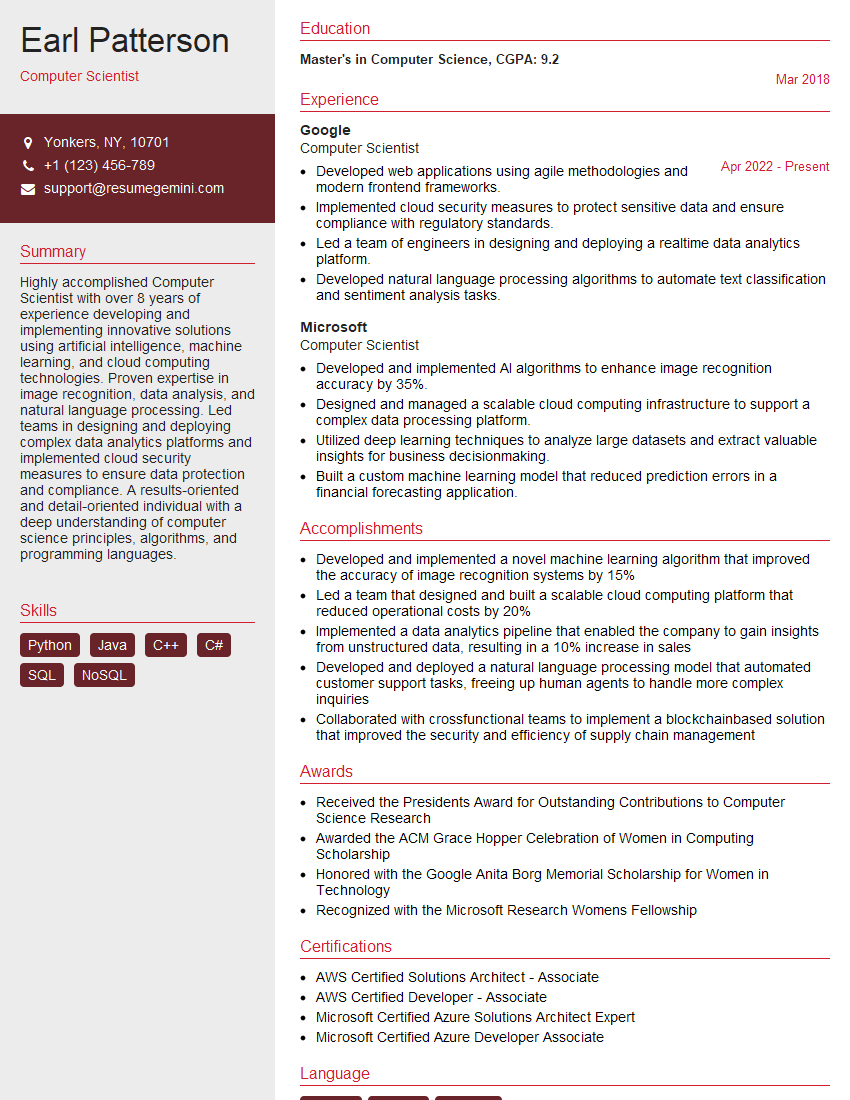
Computer Scientist Resume Sample
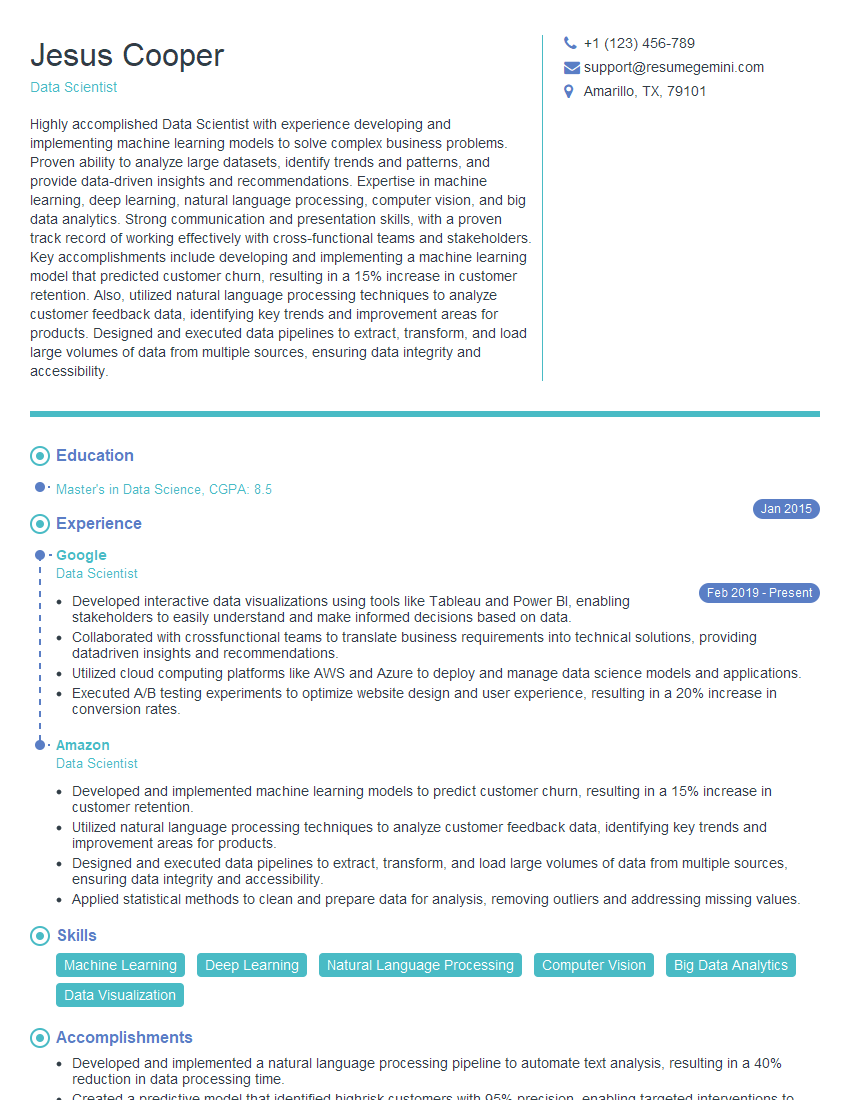
Data Scientist Resume Sample
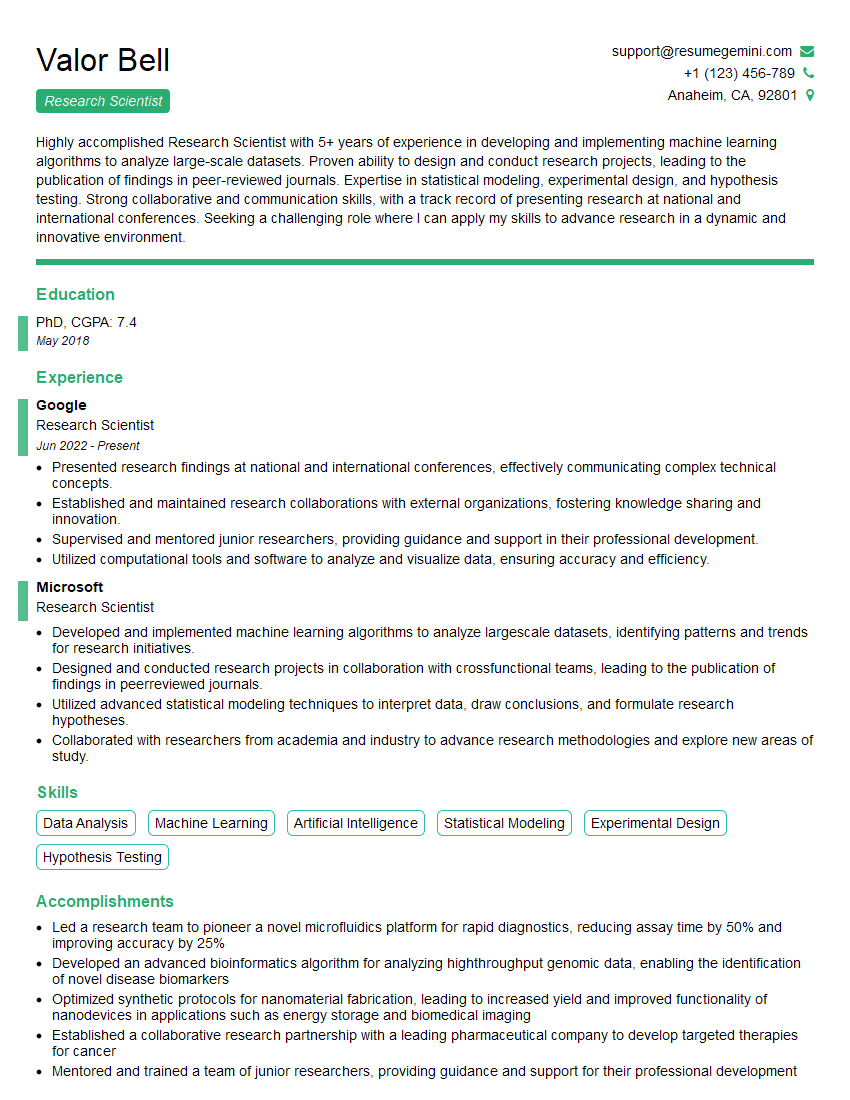
Research Scientist Resume Sample
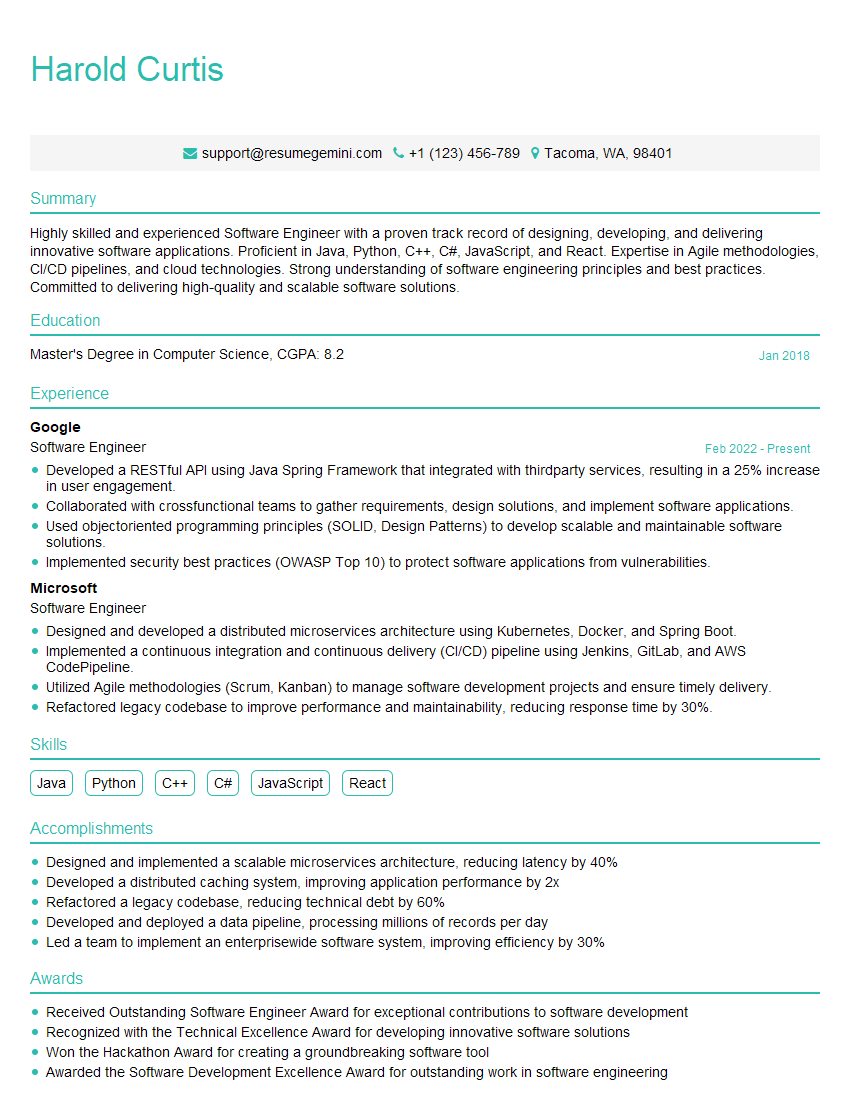
Software Engineer Resume Sample
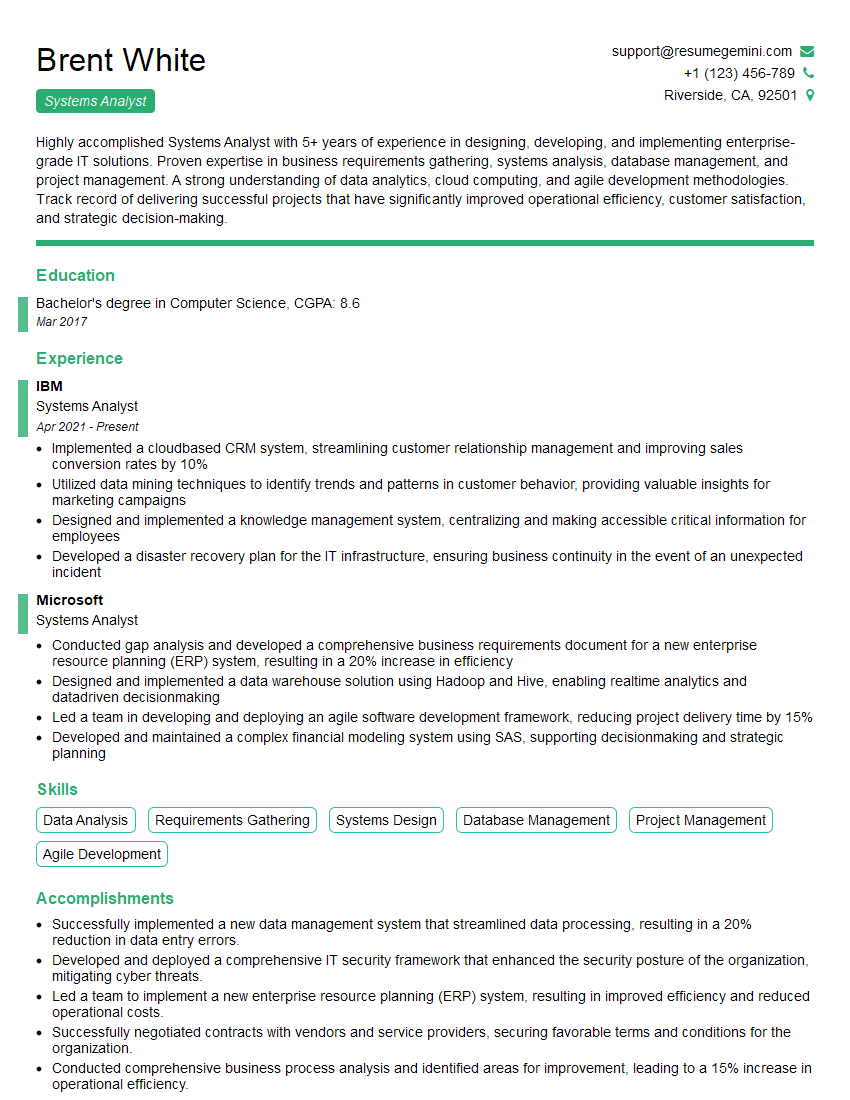
Systems Analyst Resume Sample
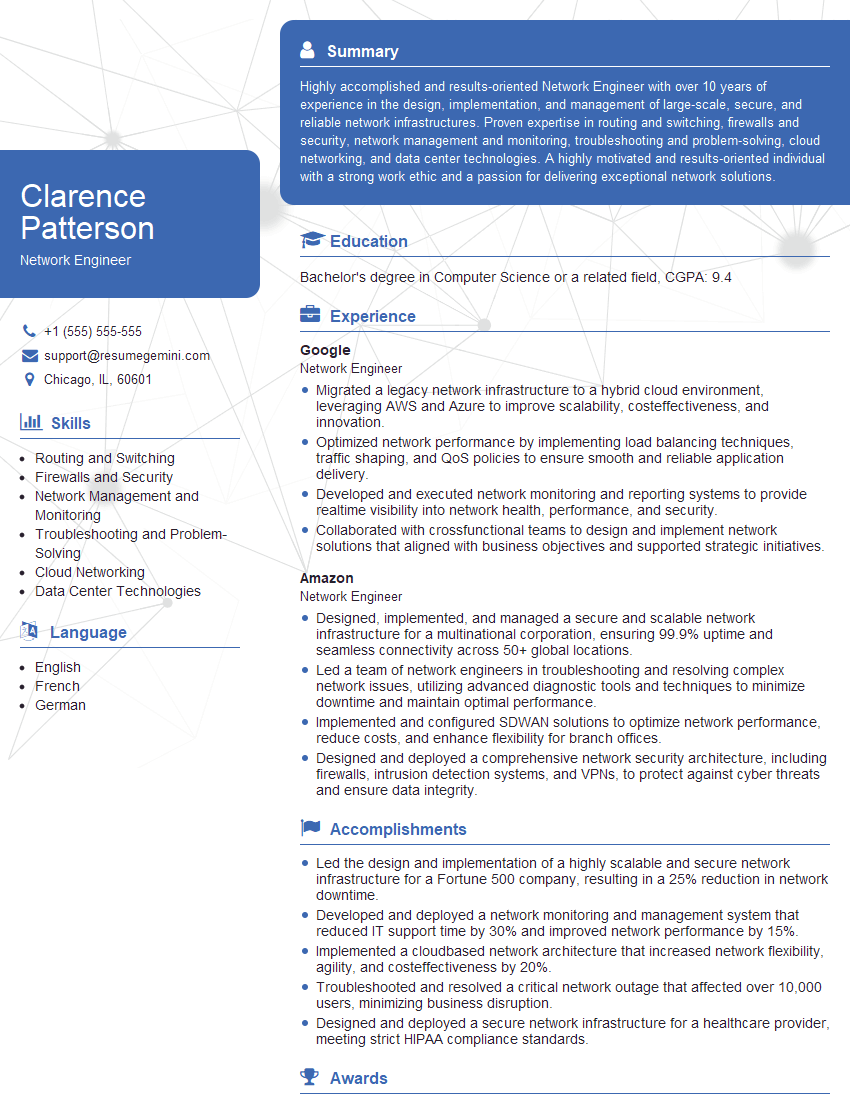
Network Engineer Resume Sample
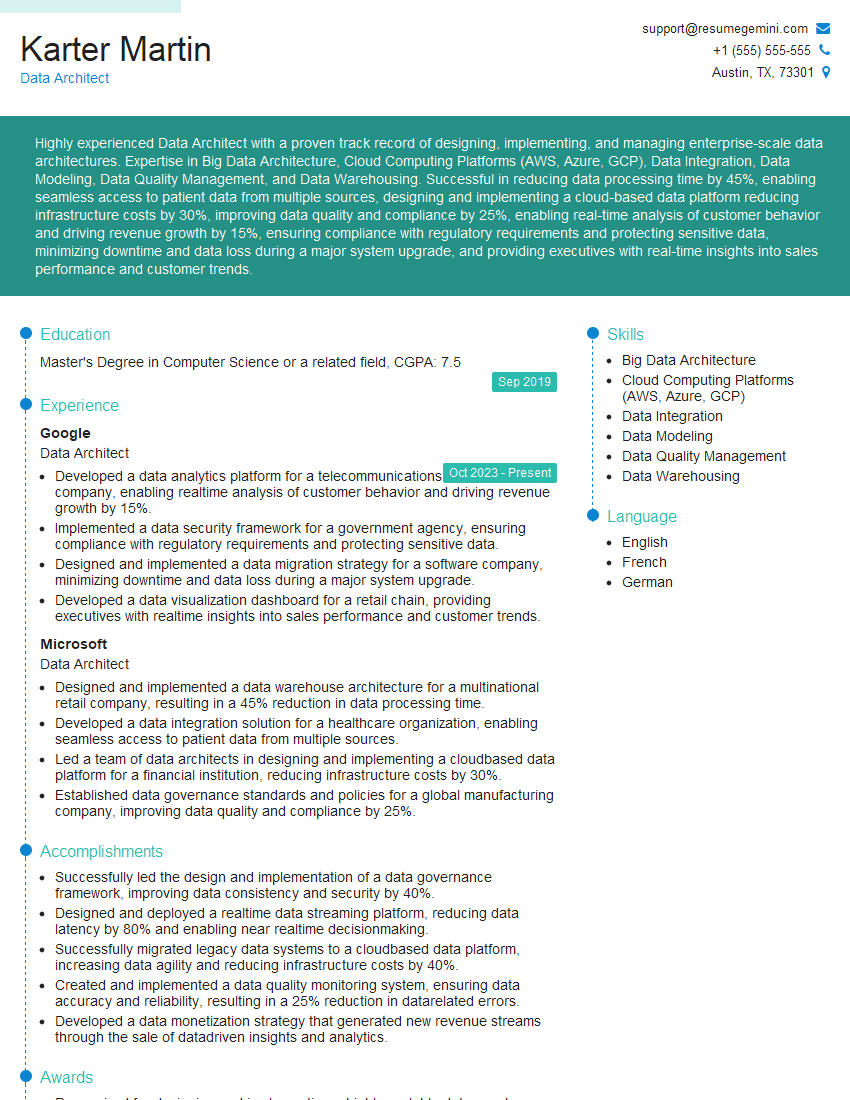
Data Architect Resume Sample
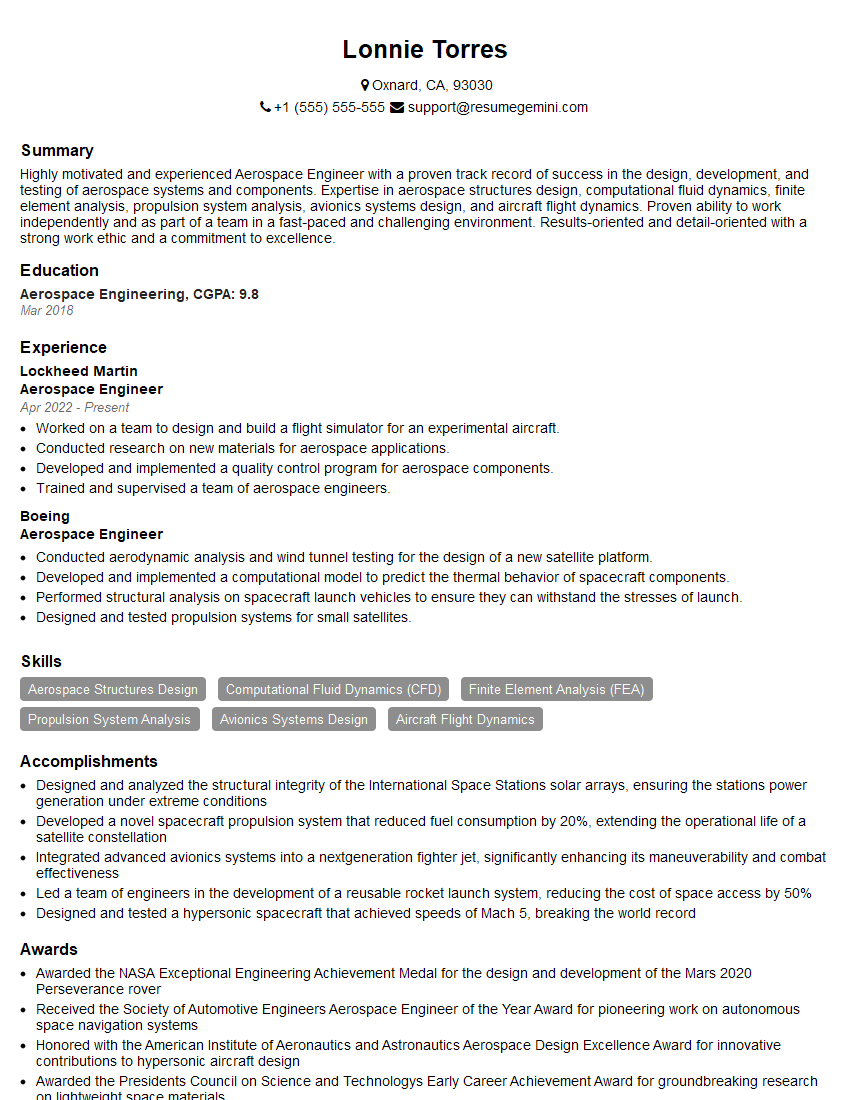
Aerospace Engineer Resume Sample
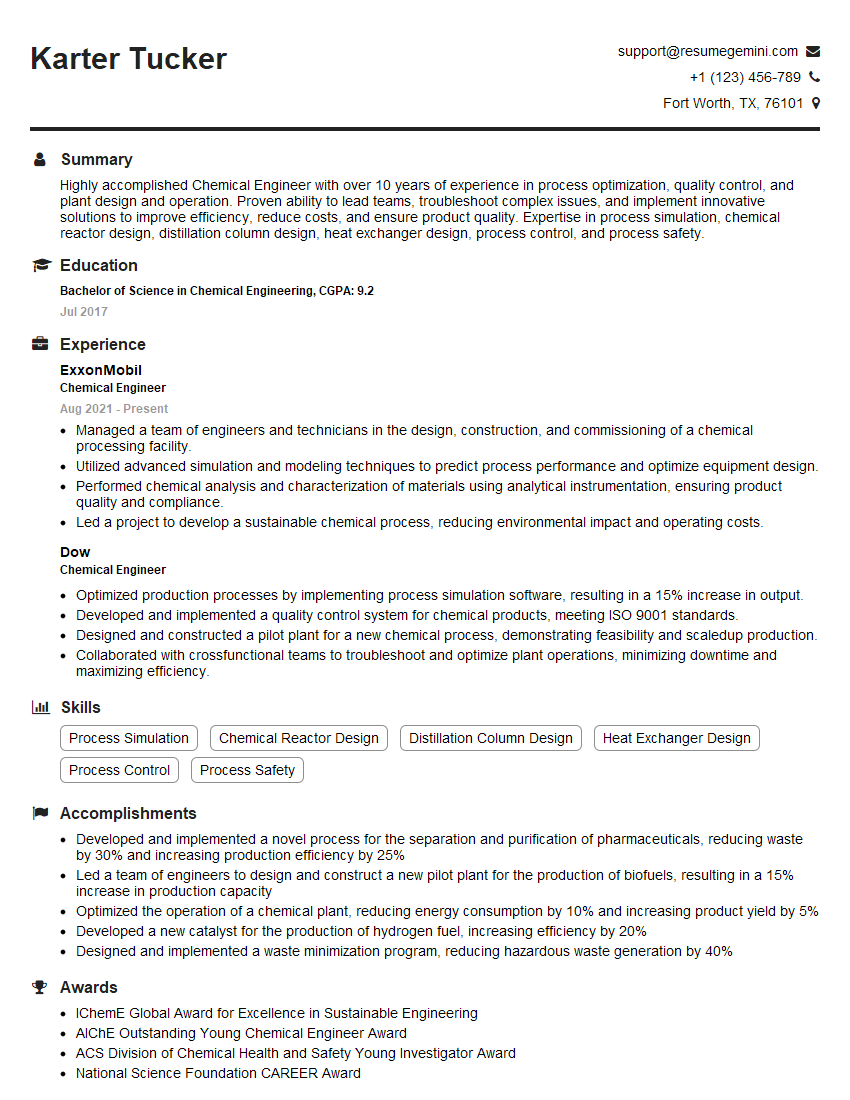
Chemical Engineer Resume Sample

Civil Engineer Resume Sample
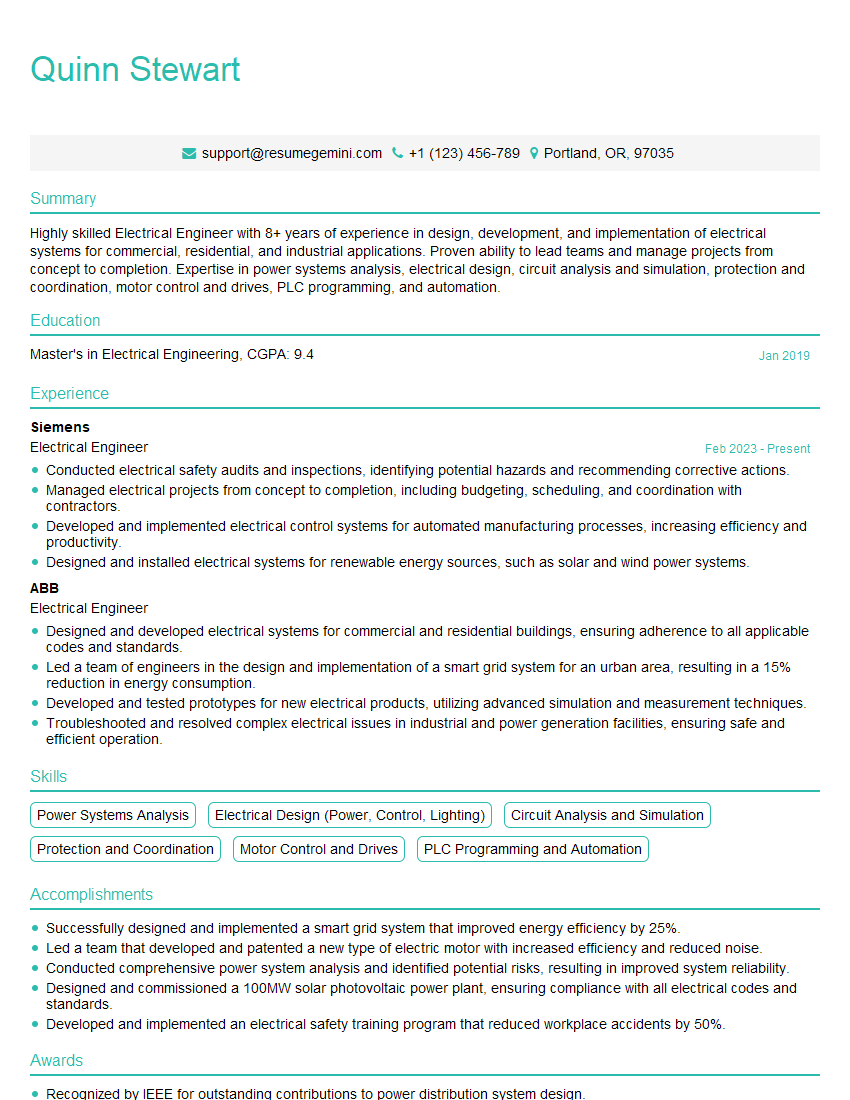
Electrical Engineer Resume Sample
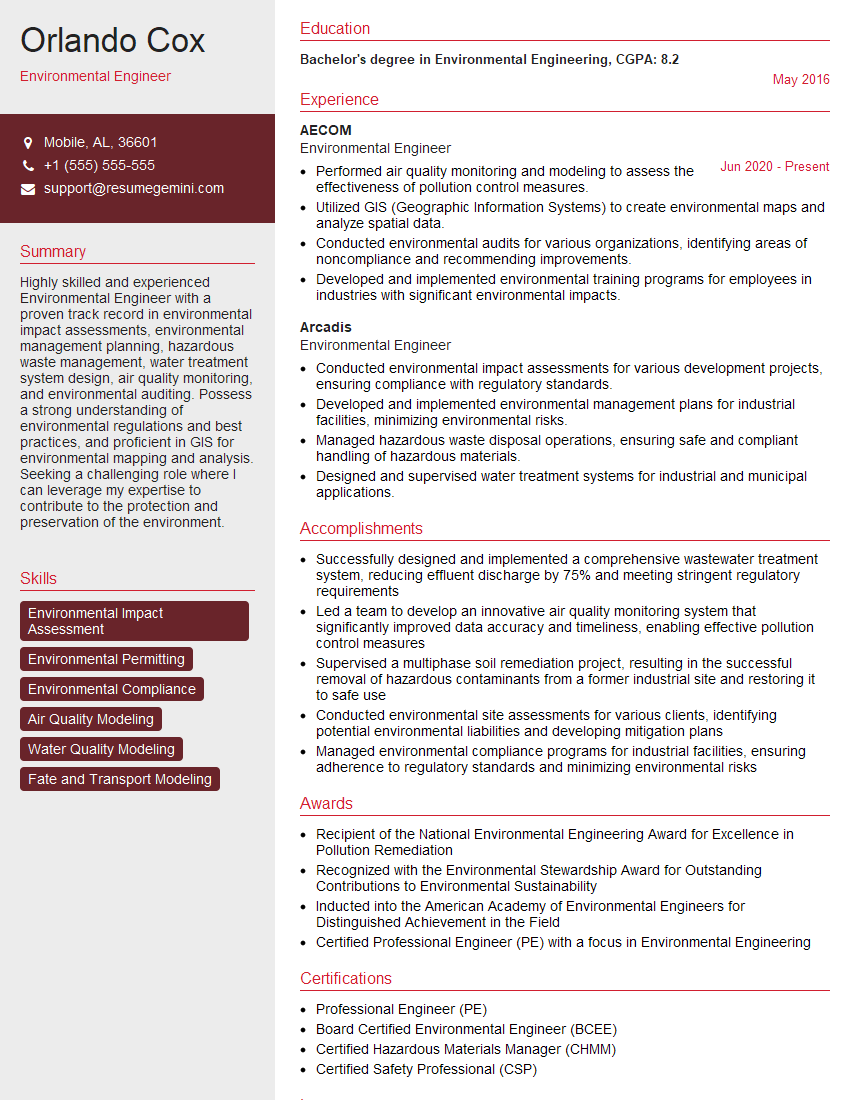
Environmental Engineer Resume Sample

Nuclear Engineer Resume Sample
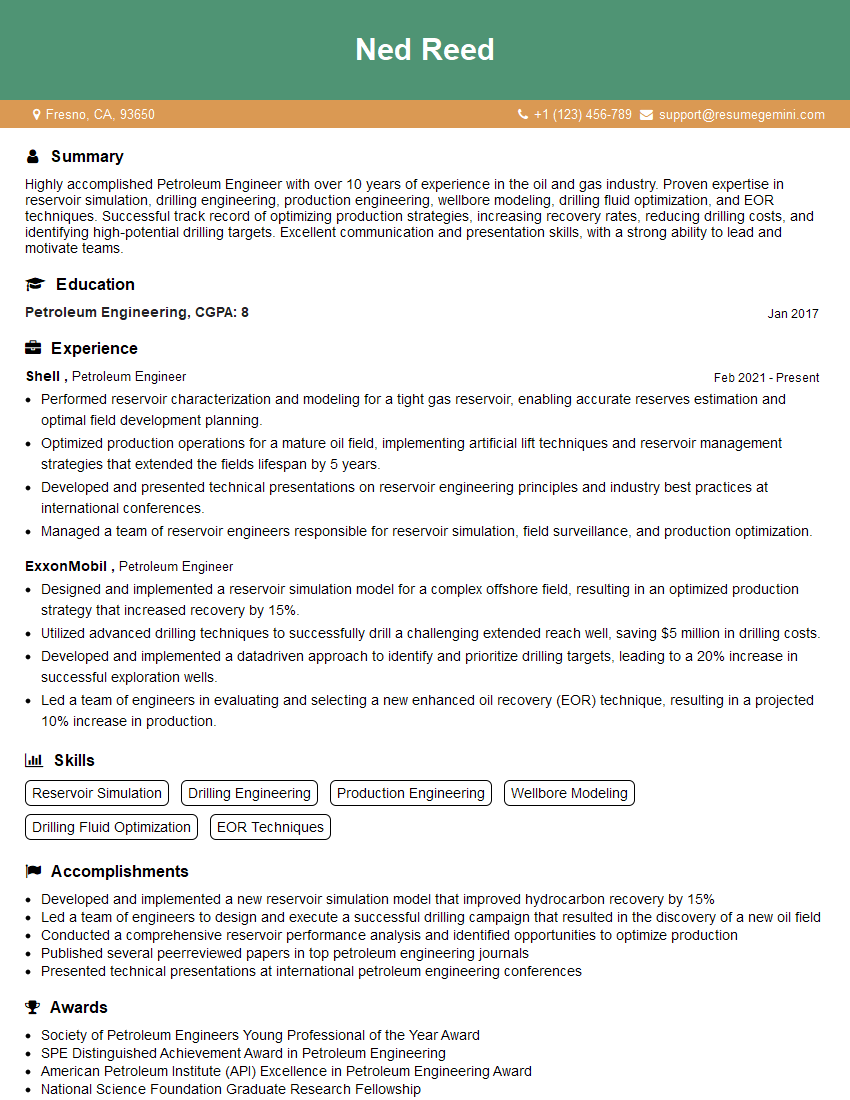
Petroleum Engineer Resume Sample
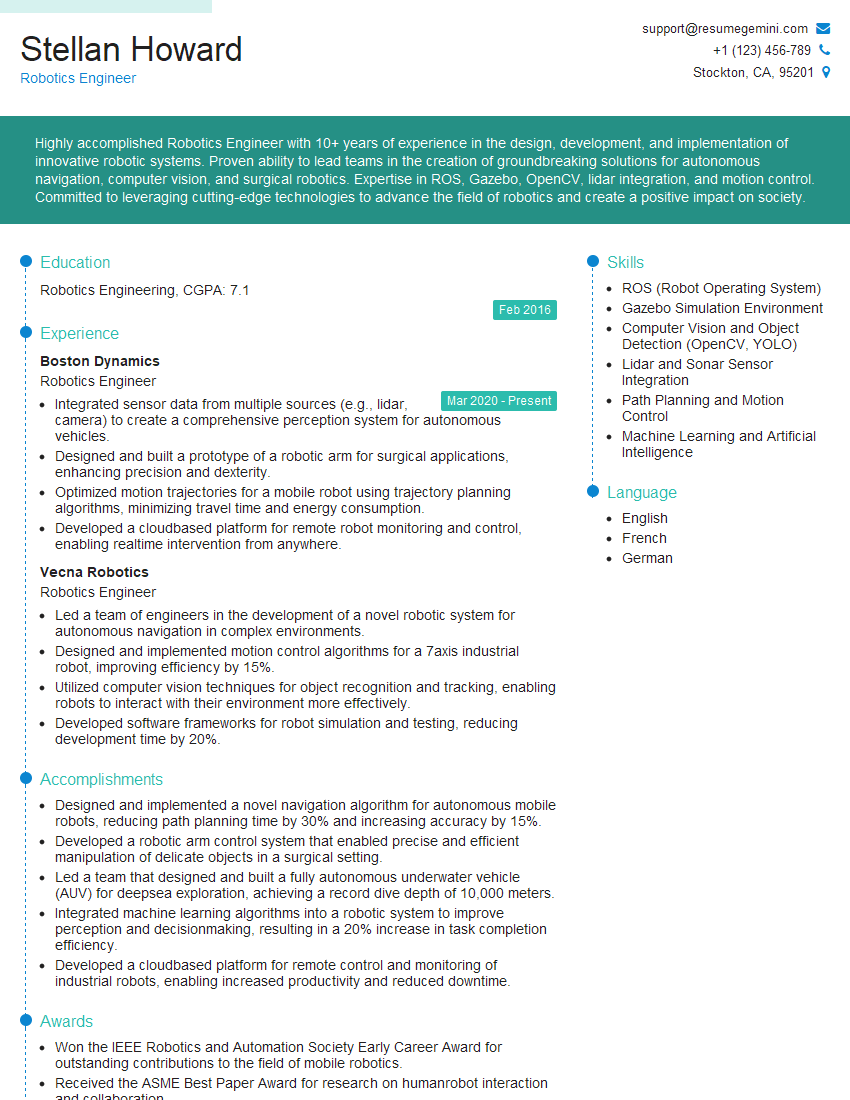
Robotics Engineer Resume Sample
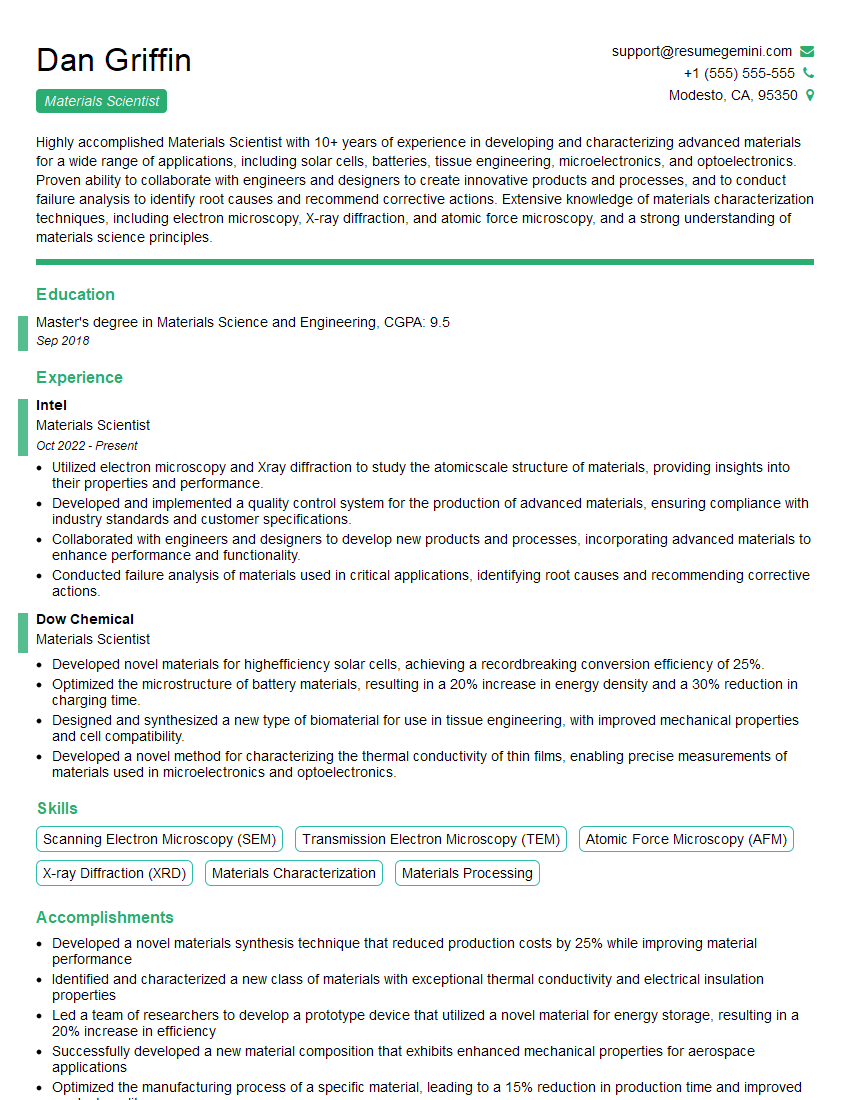
Materials Scientist Resume Sample
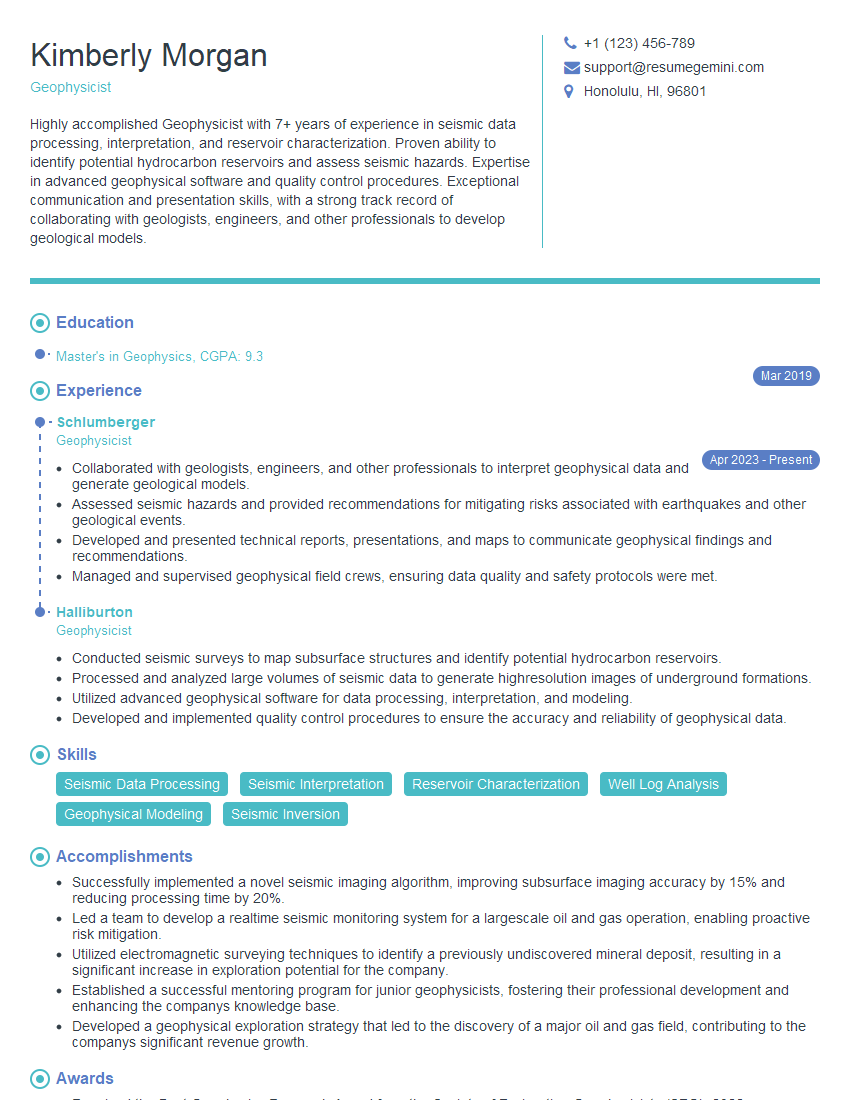
Geophysicist Resume Sample
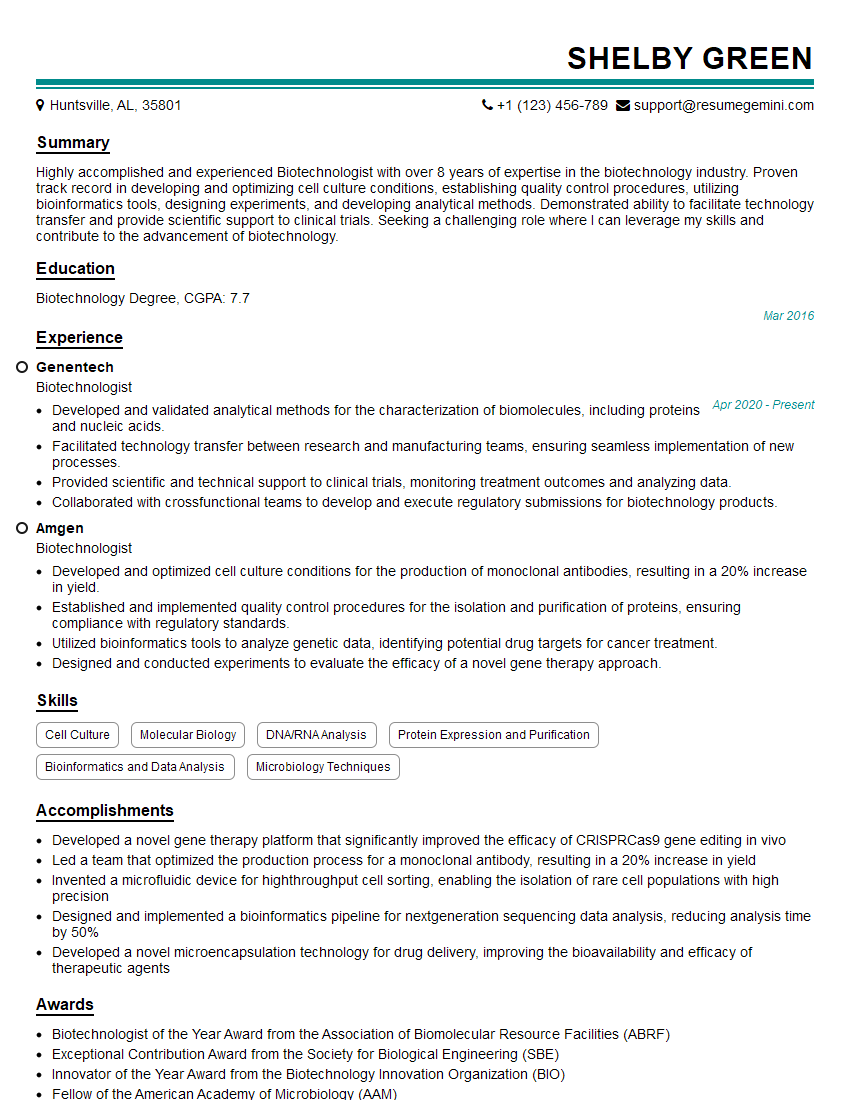
Biotechnologist Resume Sample
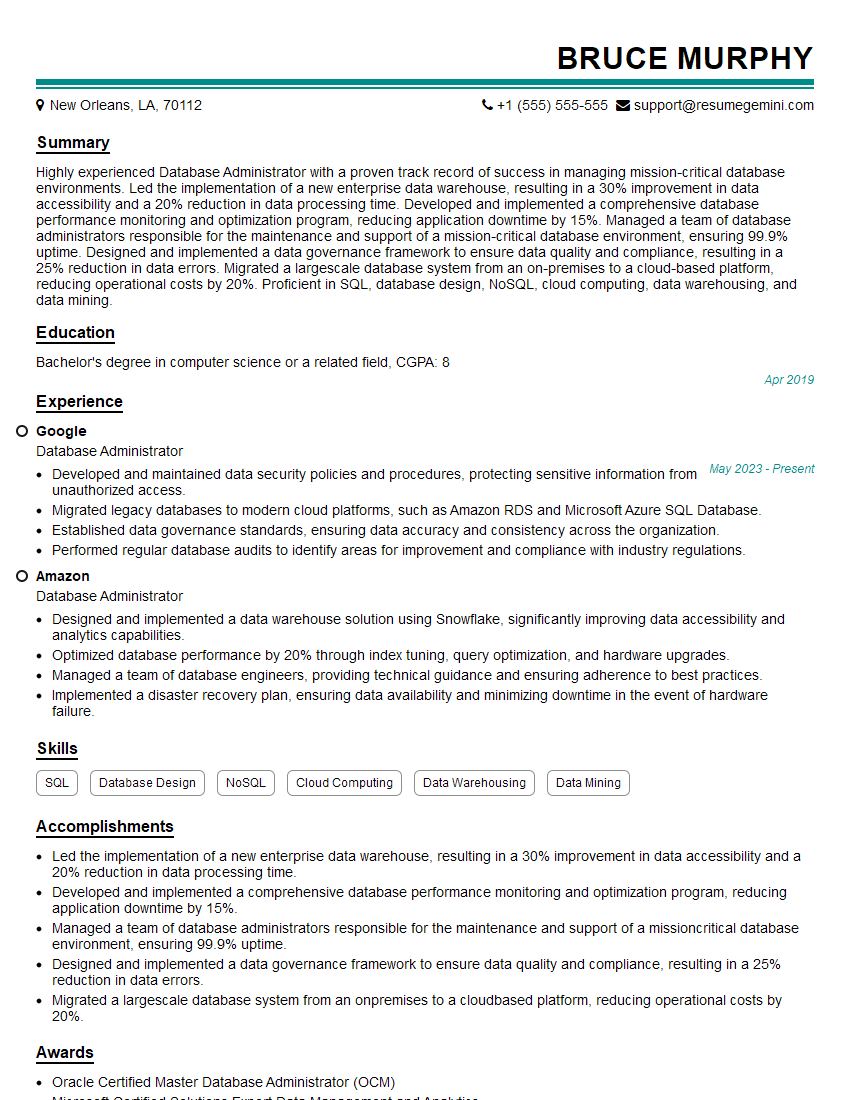
Database Administrator Resume Sample
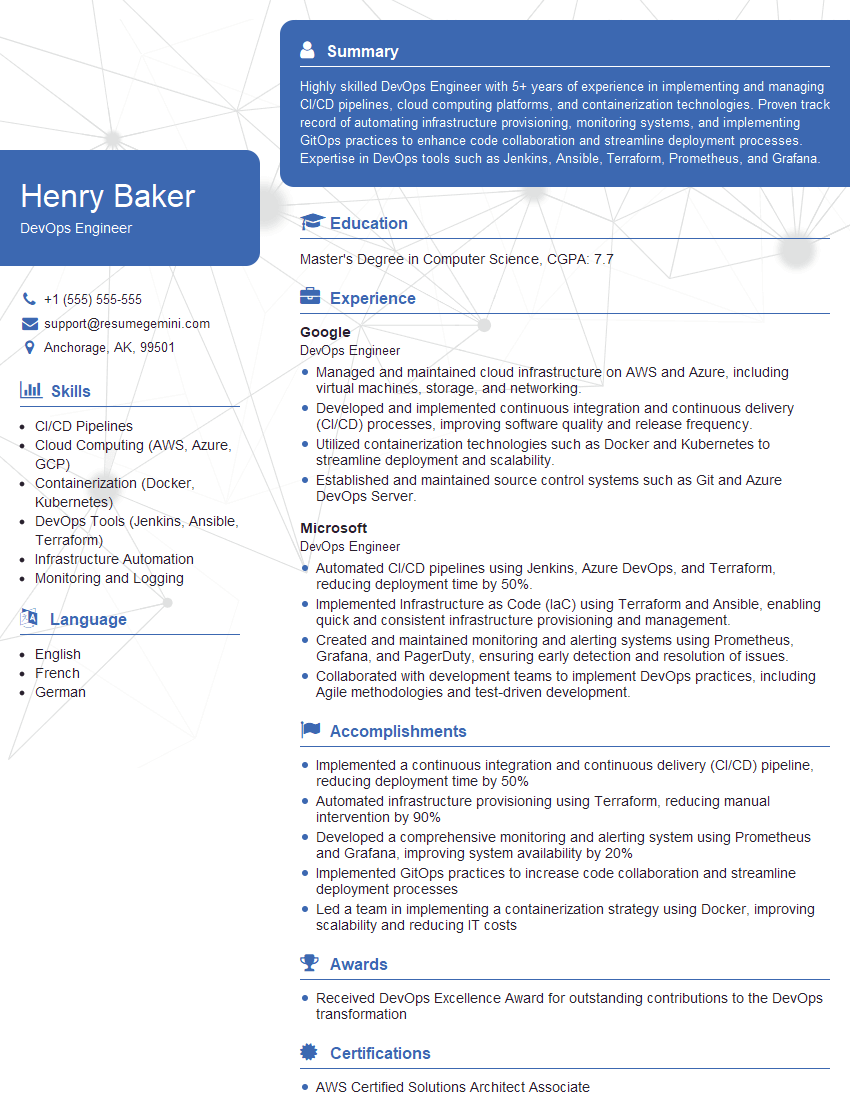
DevOps Engineer Resume Sample
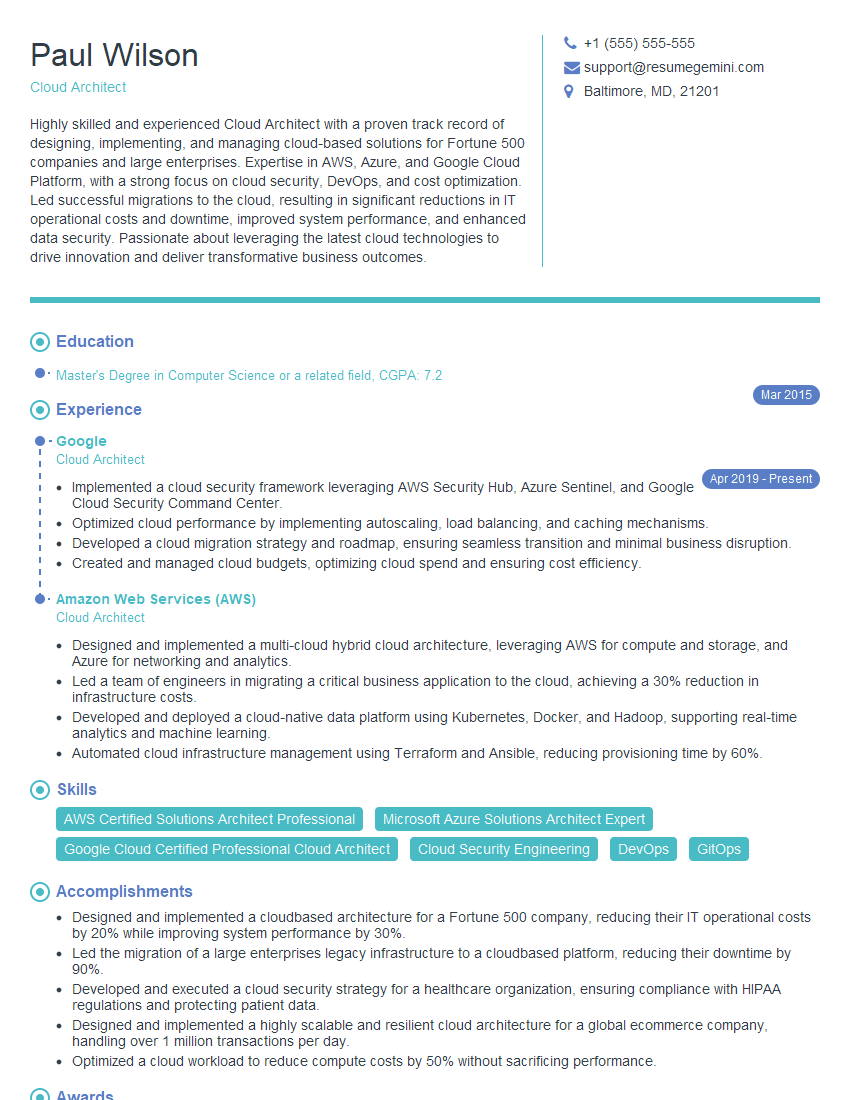
Cloud Architect Resume Sample
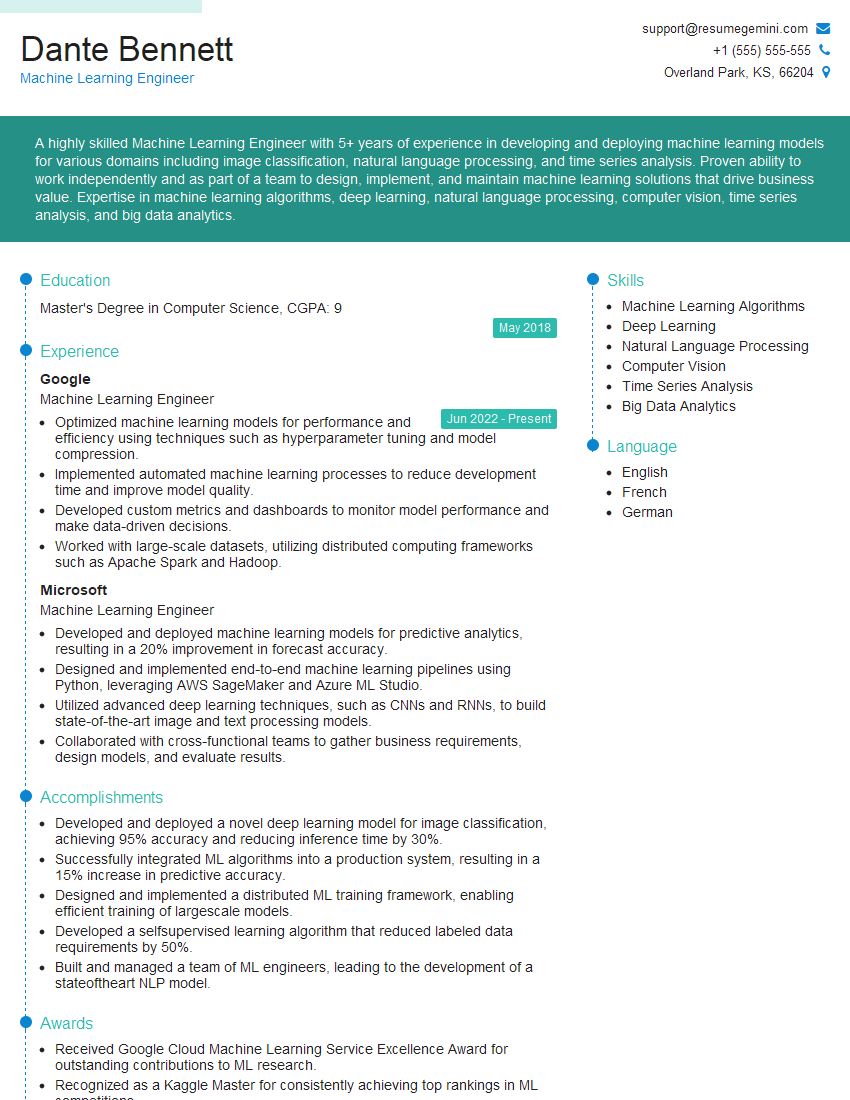
Machine Learning Engineer Resume Sample
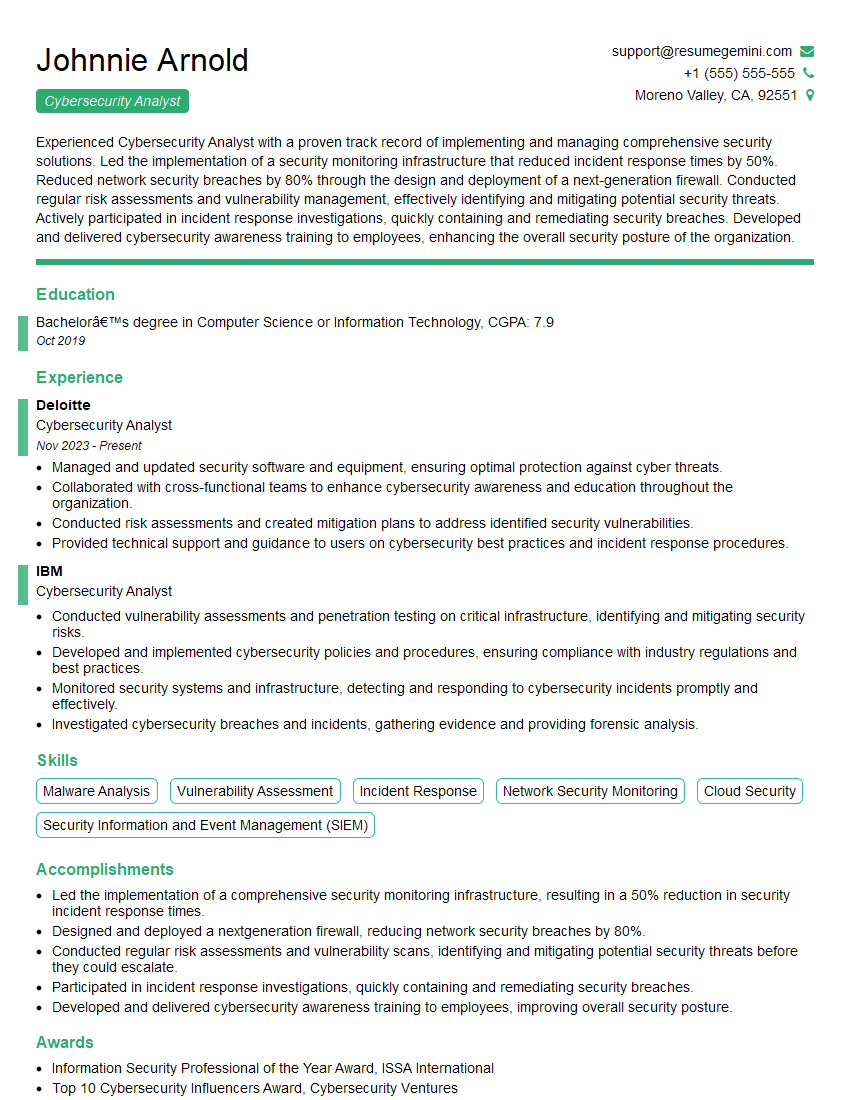
Cybersecurity Analyst Resume Sample
- Computer Scientist
- Data Scientist
- Research Scientist
- Software Engineer
- Systems Analyst
- Network Engineer
- Data Architect
- Aerospace Engineer
- Chemical Engineer
- Civil Engineer
- Electrical Engineer
- Environmental Engineer
- Nuclear Engineer
- Petroleum Engineer
- Robotics Engineer
- Materials Scientist
- Geophysicist
- Biotechnologist
- Database Administrator
- DevOps Engineer
- Cloud Architect
- Machine Learning Engineer
- Cybersecurity Analyst
Explore more articles
Users Rating of Our Blogs
Share Your Experience
We value your feedback! Please rate our content and share your thoughts (optional).
What Readers Say About Our Blog
To the interviewgemini.com Webmaster.
Very helpful and content specific questions to help prepare me for my interview!
Thank you
To the interviewgemini.com Webmaster.
This was kind of a unique content I found around the specialized skills. Very helpful questions and good detailed answers.
Very Helpful blog, thank you Interviewgemini team.