Every successful interview starts with knowing what to expect. In this blog, we’ll take you through the top Student Clubs and Organizations interview questions, breaking them down with expert tips to help you deliver impactful answers. Step into your next interview fully prepared and ready to succeed.
Questions Asked in Student Clubs and Organizations Interview
Q 1. Describe your experience in planning and executing large-scale student events.
Planning and executing large-scale student events requires meticulous organization, strong leadership, and effective teamwork. My experience encompasses all phases, from initial concept development and budgeting to securing venues, managing logistics, and post-event analysis. For example, as President of the University’s Sustainability Club, I led the organization of our annual Green Fair, attracting over 1,500 attendees. This involved securing sponsorships, coordinating volunteer teams (over 50 students), managing vendor contracts, and ensuring the event adhered to university regulations and safety guidelines. We successfully implemented a comprehensive waste management plan, resulting in a significant reduction in waste compared to previous years.
- Concept Development: We brainstormed ideas, surveyed student preferences, and researched successful models from other universities.
- Logistics: This included booking the venue, managing registrations, coordinating transportation, and arranging security.
- Marketing and Promotion: We utilized social media, campus posters, and email announcements to reach a broad audience.
- Post-Event Analysis: We gathered feedback from attendees and volunteers to improve future events. We also analyzed financial statements to assess profitability and identify areas for cost reduction.
Q 2. How have you managed budgets effectively within a student organization?
Effective budget management in a student organization demands careful planning, transparent communication, and diligent tracking. My approach focuses on creating a detailed budget, securing diverse funding streams, and monitoring expenses closely. In my role as Treasurer of the Debate Society, we faced a limited budget of $1,500 for the year. To overcome this, we diversified our funding sources, applying for grants, organizing fundraising events (bake sales, car washes), and actively seeking sponsorships from local businesses. We used a spreadsheet to track income and expenses, ensuring transparency and accountability among team members. We allocated funds strategically, prioritizing essential needs like travel expenses for competitions while carefully managing discretionary spending.
We also adopted a system of pre-approvals for any expenditure over $50, further enhancing accountability and preventing budget overruns. This allowed us to successfully fund all planned activities, including tournament participation and workshops, remaining within our budget.
Q 3. What strategies have you used to increase membership or participation in student clubs?
Increasing membership and participation involves employing creative strategies tailored to the club’s focus and target audience. My approach blends traditional recruitment methods with innovative outreach. As Vice President of the Photography Club, we implemented several strategies: We started by creating an engaging social media presence, showcasing member work and promoting upcoming events. We also hosted introductory workshops, offering hands-on experience with photography equipment and techniques. This helped us attract students who were interested in photography but lacked prior experience. We actively participated in campus events and organized collaborative projects with other clubs. Furthermore, we promoted a sense of community and belonging by holding regular social gatherings.
- Social Media Engagement: Regularly posting high-quality content and interactive stories.
- Workshops and Events: Creating opportunities for engagement and skill development.
- Collaboration with Other Clubs: Expanding reach and fostering cross-club participation.
- Community Building: Fostering a welcoming and inclusive atmosphere.
Q 4. Explain your experience resolving conflicts within a student organization.
Conflict resolution is an essential skill for any leader in a student organization. My approach is grounded in active listening, clear communication, and a focus on finding mutually acceptable solutions. During a disagreement within the Film Club regarding the choice of films to screen, I facilitated a meeting where each member could express their views. I encouraged active listening, ensuring everyone felt heard and respected. We collectively created a compromise, rotating film selections based on a democratic voting system, ensuring everyone had a chance to see their preferred films. This prevented further disputes and fostered a more collaborative environment.
My strategy involves:
- Active Listening: Understanding all perspectives involved.
- Facilitation: Guiding the conversation toward a constructive solution.
- Mediation: Helping members find common ground and compromise.
- Follow-up: Ensuring the agreed-upon solution is implemented effectively.
Q 5. How do you measure the success of a student club or organization?
Measuring the success of a student club or organization goes beyond simply counting members. A holistic approach considers various metrics to assess impact and effectiveness. Key indicators include:
- Membership Growth: Tracking the number of new members and retention rates.
- Event Attendance: Monitoring the number of participants in club events and activities.
- Community Engagement: Assessing the club’s contributions to the wider campus community.
- Member Satisfaction: Gathering feedback from members to understand their experiences and identify areas for improvement.
- Achievement of Goals: Evaluating whether the club has successfully met its stated objectives.
For example, the success of the Green Fair mentioned earlier was measured by attendee numbers, volunteer participation, waste reduction metrics, and feedback from attendees and sponsors. This multifaceted approach allows for a comprehensive evaluation of the club’s impact.
Q 6. Describe a time you had to adapt to unexpected challenges during an event or program.
During our annual fundraising gala for the scholarship fund, a major sponsor canceled their participation just a week before the event, leaving a significant budget shortfall. This unexpected challenge required immediate action. I swiftly assembled a team and we brainstormed alternative solutions. We leveraged our existing network, reaching out to other potential sponsors and explaining the situation. Simultaneously, we adapted our marketing strategy, emphasizing the impact of the scholarships on students, thus increasing ticket sales. The team also volunteered to take on additional responsibilities to reduce costs. Despite the initial setback, we successfully secured alternative funding and implemented cost-saving measures, ensuring the gala went ahead with minimal disruption.
The key was quick thinking, decisive action, and team collaboration. We adapted our plans, demonstrating flexibility and resourcefulness in the face of adversity.
Q 7. What are your strengths in working collaboratively within a team environment?
My strengths in collaborative team environments include effective communication, active listening, and a commitment to shared goals. I excel at fostering a supportive and inclusive atmosphere where every team member feels valued and heard. I believe in transparent communication, ensuring everyone is informed and understands their roles and responsibilities. I also prioritize delegation, assigning tasks based on individual skills and strengths. I’m adept at conflict resolution, using collaborative approaches to address disagreements and find mutually acceptable solutions. My experience in leading diverse teams has honed my ability to effectively manage competing priorities, ensuring that all projects are completed efficiently and effectively. I actively seek and value the input of my team members, recognizing that diverse perspectives enhance creativity and decision-making.
Q 8. How do you motivate and engage student volunteers?
Motivating and engaging student volunteers requires a multifaceted approach that goes beyond simply assigning tasks. It’s about fostering a sense of ownership, purpose, and community.
- Clear Communication and Recognition: Regular updates, transparent communication about goals and progress, and acknowledging individual and team contributions are crucial. A simple ‘thank you’ or public acknowledgment at a meeting goes a long way.
- Meaningful Roles and Responsibilities: Volunteers should feel their contributions are valued and impactful. Tailor roles to their skills and interests, allowing for skill development and leadership opportunities. For instance, a student with graphic design skills could lead the marketing team, while someone with strong organizational skills could manage logistics.
- Building Camaraderie: Organize social events or team-building activities to foster a strong sense of community among volunteers. This helps build relationships and encourages mutual support.
- Offering Incentives (beyond monetary): While financial compensation isn’t always feasible, offering certificates of achievement, letters of recommendation, or opportunities to network with professionals can be powerful motivators.
- Regular Check-ins and Feedback: Regular one-on-one meetings or group feedback sessions provide opportunities to address concerns, offer support, and ensure volunteers feel heard and appreciated.
For example, in my previous role, we implemented a ‘Volunteer Spotlight’ feature on our club’s social media, highlighting the contributions of individual volunteers. This simple act significantly boosted morale and engagement.
Q 9. Describe your experience with fundraising and securing sponsorships for student events.
Securing funding for student events requires a strategic and persistent approach. It involves identifying potential funding sources, crafting compelling proposals, and building strong relationships with sponsors.
- Identifying Funding Sources: This could range from university grants and student government allocations to corporate sponsorships, crowdfunding campaigns, and private donations. Researching which organizations align with the event’s goals is key.
- Developing Compelling Proposals: A strong proposal clearly articulates the event’s purpose, target audience, anticipated impact, budget, and how the sponsor will benefit (e.g., brand visibility, community engagement).
- Building Relationships with Sponsors: Networking with potential sponsors is essential. Attending industry events, reaching out directly to companies, and offering different sponsorship packages tailored to different budget levels are effective strategies.
- Tracking and Reporting: Maintaining meticulous records of expenditures and providing sponsors with regular updates and post-event reports demonstrates accountability and builds trust.
In one instance, I successfully secured a $5,000 sponsorship from a local tech company for our annual hackathon by presenting a detailed proposal that highlighted the event’s reach among computer science students and the company’s opportunity for brand exposure through event signage and promotional materials.
Q 10. How do you handle complaints or negative feedback from students?
Handling complaints or negative feedback requires a professional and empathetic approach focused on resolving issues and improving services.
- Active Listening and Empathy: The first step is to listen carefully and validate the student’s concerns. Show genuine empathy and avoid becoming defensive.
- Gather Information: Thoroughly understand the situation by asking clarifying questions and gathering all relevant information.
- Propose Solutions: Collaboratively work with the student to develop solutions that address their concerns. This might involve apologies, policy changes, or process improvements.
- Follow-up: After implementing the solution, follow up with the student to ensure they are satisfied and to gauge the effectiveness of the solution.
- Document Everything: Keep detailed records of the complaint, the steps taken to resolve it, and the outcome. This is crucial for continuous improvement and accountability.
For example, if a student complains about the lack of vegetarian options at a club event, I would apologize, gather feedback about preferred options, and ensure that future events offer more inclusive food choices.
Q 11. What is your approach to developing and implementing marketing strategies for student organizations?
Developing and implementing effective marketing strategies for student organizations requires understanding the target audience and utilizing a mix of digital and traditional approaches.
- Define Target Audience: Identify the specific student groups you want to reach and tailor your messaging accordingly.
- Set Measurable Goals: Establish specific, measurable, achievable, relevant, and time-bound (SMART) goals for your marketing campaigns. This allows for effective tracking and assessment.
- Utilize a Multi-Channel Approach: Employ a combination of social media marketing (Instagram, Facebook, TikTok), email marketing, posters, flyers, and word-of-mouth to reach a wider audience.
- Create Engaging Content: Develop visually appealing and informative content that resonates with the target audience. This could include photos, videos, blog posts, and infographics.
- Track and Analyze Results: Use analytics tools to monitor the performance of your marketing campaigns and make data-driven adjustments to optimize results.
For instance, I successfully increased attendance at a club event by 30% by implementing a targeted social media campaign using Instagram stories and creating engaging event-specific graphics.
Q 12. How do you ensure compliance with university policies and regulations?
Ensuring compliance with university policies and regulations is paramount for the smooth operation of student organizations. This involves proactive measures and thorough understanding of relevant rules.
- Familiarize Yourself with University Policies: Thoroughly review all relevant university policies concerning student organizations, including those related to finances, risk management, event planning, and student conduct.
- Maintain Accurate Records: Keep meticulous records of all financial transactions, event planning documents, membership lists, and communications. This simplifies audits and demonstrates transparency.
- Seek Guidance When Needed: Don’t hesitate to consult with the university’s student activities office or relevant departments for clarification on policies or guidance on specific issues.
- Conduct Regular Audits: Regularly review your organization’s practices to ensure compliance with all relevant regulations. This helps identify and address potential issues proactively.
- Train Members on Policies: Ensure all members of the organization understand and adhere to university policies. This can be accomplished through training sessions or distribution of relevant documents.
For example, before organizing a large-scale event, I always consult with the university’s risk management office to ensure all necessary permits and insurance are in place and to discuss potential safety concerns.
Q 13. What is your experience with risk management in the context of student activities?
Risk management in student activities is crucial for ensuring the safety and well-being of students and the organization’s reputation. This involves identifying, assessing, and mitigating potential hazards.
- Identify Potential Risks: This includes safety hazards (e.g., fire, injuries), financial risks (e.g., budget overruns, theft), legal risks (e.g., liability issues, copyright infringement), and reputational risks (e.g., negative publicity, social media controversies).
- Assess Risk Likelihood and Impact: Analyze the probability of each risk occurring and its potential consequences. This helps prioritize risk mitigation efforts.
- Develop Mitigation Strategies: Implement strategies to reduce the likelihood or impact of identified risks. This might involve developing safety protocols, securing insurance, creating emergency plans, or establishing clear communication channels.
- Emergency Preparedness: Develop comprehensive emergency plans addressing various scenarios, including accidents, medical emergencies, and natural disasters.
- Regular Review and Updates: Risk assessments should be reviewed and updated regularly to reflect changes in the organization’s activities and the environment.
For example, before organizing an outdoor event, we would create a detailed safety plan including first-aid provisions, emergency contact information, and measures to manage potential weather-related issues.
Q 14. Describe a time you had to make a difficult decision regarding resource allocation.
One challenging decision involved resource allocation for two competing club events: a large-scale fundraising gala and a smaller, community-focused volunteering project. Both were important, but we had limited resources (budget, volunteers, venue availability).
My approach involved a structured decision-making process:
- Data Gathering: I collected data on the anticipated ROI for each event (fundraising potential for the gala versus community impact for the volunteering project).
- Stakeholder Consultation: I discussed the options with club members, seeking their perspectives and input.
- Prioritization based on Strategic Goals: Given our long-term goal of both financial sustainability and community engagement, I prioritized the gala for its fundraising potential, while allocating a smaller budget and volunteer team for the community project to ensure both goals were partially met.
- Transparency and Communication: I communicated the decision transparently to all members, explaining the rationale behind the allocation. This ensured understanding and buy-in.
While I had to make some tough calls, the result was that we successfully raised significant funds for the club and maintained positive community relations. The key was transparent communication and a rationale based on the club’s overall strategy.
Q 15. How do you prioritize competing demands and deadlines within a student organization?
Prioritizing competing demands and deadlines in a student organization requires a structured approach. Think of it like managing a complex project with multiple stakeholders. It’s not just about ticking off tasks; it’s about strategically allocating resources and time to achieve the organization’s overarching goals.
- Utilize Project Management Tools: Tools like Trello, Asana, or even a simple spreadsheet can help visualize tasks, assign responsibilities, and track progress. This provides a clear overview of all deadlines and allows for proactive adjustment.
- Prioritization Matrix: Employing a prioritization matrix (like Eisenhower Matrix – Urgent/Important) helps categorize tasks based on their urgency and importance. This ensures focus on high-impact activities first.
- Regular Team Meetings: Consistent meetings ensure everyone’s aware of deadlines and potential conflicts. Open communication prevents bottlenecks and allows for collaborative problem-solving. For example, if the marketing team’s deadline for a flyer conflicts with the fundraising team’s event, a meeting can facilitate a solution.
- Delegate Effectively: Distribute tasks based on individual members’ strengths and availability. Don’t overburden yourself or key members. Empowering others builds team capacity and reduces stress.
- Contingency Planning: Always have a backup plan. Unexpected delays are inevitable. Having alternative solutions prepared minimizes disruption.
For instance, during my time leading the Debate Society, we faced overlapping deadlines for tournament registration and fundraising. By using a shared Trello board and holding regular meetings, we successfully managed both, resulting in a strong tournament showing and sufficient funds.
Career Expert Tips:
- Ace those interviews! Prepare effectively by reviewing the Top 50 Most Common Interview Questions on ResumeGemini.
- Navigate your job search with confidence! Explore a wide range of Career Tips on ResumeGemini. Learn about common challenges and recommendations to overcome them.
- Craft the perfect resume! Master the Art of Resume Writing with ResumeGemini’s guide. Showcase your unique qualifications and achievements effectively.
- Don’t miss out on holiday savings! Build your dream resume with ResumeGemini’s ATS optimized templates.
Q 16. What software or tools are you proficient in using for event planning and management?
Proficiency in event planning and management software is crucial. I’m adept at using several tools, each serving different purposes.
- Google Workspace (Calendar, Docs, Sheets, Slides): Forms for registration, Docs for collaborations, Sheets for budgeting and tracking, Slides for presentations – these are invaluable for basic organization and communication.
- Eventbrite/Ticket Tailor: These platforms streamline event registration, ticketing, and payment processing, significantly reducing administrative overhead.
- Canva: For creating visually appealing marketing materials, from flyers and social media posts to presentations. A well-designed graphic can greatly enhance event promotion.
- Mailchimp/Constant Contact: For email marketing campaigns to promote events and communicate with members effectively.
Furthermore, I’m familiar with using project management software such as Asana and Trello, as mentioned before, for managing tasks and timelines related to events. The combination of these tools allows for a comprehensive and efficient approach to event planning.
Q 17. Explain your understanding of student development theory.
Student development theory focuses on the holistic growth and well-being of students. It recognizes that students develop in multiple dimensions – intellectually, socially, emotionally, and vocationally. It’s not just about academics; it’s about fostering well-rounded individuals.
- Chickering and Reisser’s Seven Vectors of Student Development: This model outlines seven key areas of development: developing competence, managing emotions, developing autonomy, establishing identity, freeing interpersonal relationships, clarifying purpose, and developing integrity. Understanding these vectors helps shape activities that support student growth.
- Schlossberg’s Transition Theory: This theory emphasizes the impact of transitions (like entering college) on students’ lives. It highlights the need for support systems and coping mechanisms during periods of change. A student club can offer such support.
- Experiential Learning: This approach underscores learning through active participation and reflection. Student clubs provide ideal opportunities for experiential learning, allowing students to apply knowledge and develop skills in real-world settings.
In my experience, organizing events and initiatives that address these developmental aspects, such as leadership training workshops or community service projects, have been highly beneficial for student growth. For example, leading a fundraising event not only taught budgeting skills, but also developed leadership, teamwork, and problem-solving skills.
Q 18. How do you promote inclusivity and diversity within student organizations?
Promoting inclusivity and diversity is paramount. It’s about creating a welcoming environment where every member feels valued and respected, regardless of their background. It requires proactive measures and a commitment to ongoing learning.
- Inclusive Language: Using inclusive language in all communications is the first step. Avoiding gendered or culturally insensitive terms is crucial.
- Diverse Programming: Events and activities should cater to a diverse range of interests and backgrounds. Consider inviting speakers from different cultural backgrounds or organizing events celebrating diverse traditions.
- Accessibility: Ensure all events and materials are accessible to individuals with disabilities. This may involve providing alternative formats or making physical spaces accessible.
- Feedback Mechanisms: Establish channels for members to voice concerns or suggestions. Anonymous feedback forms or informal discussions can provide valuable insights into areas needing improvement.
- Representation in Leadership: Encourage diverse representation within the club’s leadership structure. A diverse leadership team reflects the club’s commitment to inclusivity.
For example, in the environmental club I was a part of, we made a conscious effort to include diverse perspectives in our initiatives. We partnered with local community organizations representing different backgrounds and ensured our fundraising campaign materials used inclusive language.
Q 19. What experience do you have with developing and implementing club constitutions or bylaws?
Developing and implementing club constitutions or bylaws is fundamental for establishing clear governance and expectations within a student organization. A well-crafted constitution ensures transparency, accountability, and fairness.
- Define the Club’s Mission and Goals: The constitution should clearly articulate the club’s purpose and objectives. This provides a framework for all activities.
- Membership Requirements and Procedures: It should outline the criteria for membership and the process for joining and leaving the club.
- Officer Roles and Responsibilities: Clearly define the roles, responsibilities, and election processes for each officer position.
- Meeting Procedures: Establish guidelines for conducting meetings, including voting procedures and quorum requirements.
- Financial Management: Outline procedures for handling club funds, including budgeting, fundraising, and expenditure approvals.
- Amendment Process: Detail the process for modifying the constitution to adapt to changing needs or circumstances.
I was instrumental in drafting the constitution for our university’s photography club. This involved numerous discussions with members to incorporate their input and ensure a fair and inclusive document. The resulting constitution provided a clear framework for the club’s operations, leading to improved organization and efficiency.
Q 20. How would you handle a situation where a member of a club behaves inappropriately?
Handling inappropriate behavior requires a swift, fair, and consistent response. The approach depends on the severity of the behavior, but the core principles remain the same: respect, fairness, and due process.
- Gather Information: First, gather all relevant information from witnesses and involved parties. Maintain neutrality and avoid making assumptions.
- Address the Behavior: Have a private conversation with the member, explaining why their behavior was inappropriate and outlining the club’s expectations. This should be done in a respectful but firm manner.
- Apply Sanctions (if necessary): Depending on the severity, sanctions may range from a verbal warning to suspension or expulsion. Consistency in applying sanctions is key to maintaining fairness.
- Follow established procedures: If the club has an established code of conduct or disciplinary process, follow these procedures carefully. This ensures fairness and prevents bias.
- Seek Advice: If uncertain about how to proceed, consult with relevant university officials or advisors. They can provide guidance and support.
For example, when a member of our debate team engaged in disrespectful behavior towards another member, I facilitated a discussion with both members, emphasizing the importance of mutual respect. We worked through a resolution, and I ensured the team understood our zero-tolerance policy towards such conduct.
Q 21. Describe your experience with student discipline or conflict resolution.
My experience with student discipline and conflict resolution has primarily revolved around mediation and facilitating constructive dialogue. I believe in empowering students to resolve conflicts themselves through respectful communication and understanding.
- Mediation: I’ve acted as a mediator in several situations, helping conflicting parties communicate their perspectives and find mutually agreeable solutions. This involves actively listening to both sides, clarifying misunderstandings, and guiding them towards a resolution.
- Restorative Justice Approaches: I favor restorative justice principles, which focus on repairing harm and rebuilding relationships rather than simply imposing punishment. This involves bringing the involved parties together to discuss the impact of the conflict and collaboratively find ways to move forward.
- Clear Communication: Open and honest communication is essential. Ensuring all parties feel heard and understood is crucial for effective conflict resolution.
- Fairness and Impartiality: Maintaining fairness and impartiality throughout the process is paramount. My role is to facilitate a resolution, not to take sides.
In one instance, a disagreement arose between two members of the fundraising committee. I facilitated a meeting where they could express their concerns openly and calmly. Through guided discussion, they identified the root of the problem and collaboratively developed a plan to improve communication and teamwork. The conflict was resolved effectively, strengthening their working relationship.
Q 22. How do you assess the effectiveness of different student engagement strategies?
Assessing the effectiveness of student engagement strategies requires a multi-faceted approach that goes beyond simply counting participation numbers. It involves analyzing both quantitative and qualitative data to understand the impact on student learning, personal growth, and overall club success.
Quantitative Data: This includes metrics like membership numbers, event attendance, fundraising totals, and survey responses with numerical scales. For example, tracking the increase or decrease in membership over time can reveal the effectiveness of recruitment efforts. Similarly, analyzing event attendance data can indicate the appeal of different activities.
Qualitative Data: This focuses on understanding the ‘why’ behind the numbers. It involves gathering feedback through focus groups, individual interviews, and open-ended survey questions. For instance, open-ended feedback on a club event can reveal what aspects were successful and what could be improved. This is invaluable for tailoring future activities.
Outcome Measurement: Beyond participation, assess the impact on students. Did members develop new skills? Did the club achieve its stated goals? Did participation lead to increased student well-being or academic success? For example, a coding club might track the number of members who secured internships related to their field. A debate club could measure improvement in public speaking skills.
By combining quantitative and qualitative data analysis, we can gain a comprehensive understanding of what works, what doesn’t, and how to improve our engagement strategies over time. This approach allows for data-driven decision-making, ensuring resources are utilized effectively.
Q 23. What are your strategies for fostering a positive and productive club environment?
Fostering a positive and productive club environment is crucial for success. This involves building a strong sense of community, promoting inclusivity, and establishing clear expectations and guidelines. I utilize a three-pronged approach:
Building Community: Organizing regular social events, team-building activities, and informal gatherings helps members connect outside of formal club activities. A simple example is starting meetings with a quick icebreaker or team-building game. This fosters a sense of belonging and mutual support.
Promoting Inclusivity: Creating a welcoming space for all members, regardless of background or experience, is paramount. This includes actively recruiting diverse members and ensuring all voices are heard during discussions and decision-making processes. Examples include implementing clear anti-discrimination policies and creating a safe space for reporting any issues.
Establishing Clear Expectations: Having well-defined roles, responsibilities, and communication protocols is crucial. This avoids misunderstandings and ensures everyone understands their contributions and expectations. This could involve creating a club constitution outlining the club’s purpose, operating procedures, and member responsibilities.
Regular feedback mechanisms, such as anonymous surveys and open forums, are crucial to proactively identify and address any issues promptly.
Q 24. How do you balance the needs of individual club members with the overall goals of the organization?
Balancing individual member needs with the organization’s overall goals requires effective communication, collaboration, and compromise. It’s about finding a synergistic relationship where individual aspirations contribute to collective success.
Individual Goal Setting: Encourage members to define their personal goals within the club. This allows them to feel ownership and investment in the organization’s activities. For example, a member might want to improve their leadership skills, while another might focus on technical proficiency. The club can then create opportunities to cater to these goals.
Collaborative Project Planning: Involve members in the planning and execution of club projects and activities. This allows them to contribute their unique skills and perspectives, fostering a sense of shared ownership and responsibility. A collaborative brainstorming session at the beginning of a project helps ensure everyone’s ideas are considered.
Open Communication: Establish open communication channels for addressing conflicts and concerns. Regular meetings, feedback sessions, and informal check-ins help build trust and allow for timely resolution of any issues. This ensures that individual needs are addressed while keeping the club’s objectives in focus.
A well-defined club constitution with clear guidelines on decision-making processes ensures a fair and transparent approach that respects both individual and collective needs.
Q 25. What is your approach to mentoring and advising students?
My approach to mentoring and advising students is based on fostering their independence and leadership potential. It’s not about providing all the answers, but guiding them to find their own solutions.
Active Listening: I prioritize active listening to understand student’s challenges, aspirations, and concerns. This creates a safe space for open communication and allows me to provide tailored support.
Goal-Oriented Guidance: I help students set achievable goals and develop action plans to reach those goals. This allows them to take ownership of their learning and development. This might involve creating a roadmap outlining the steps necessary to accomplish a specific project.
Skill Development: I encourage the development of essential skills such as leadership, teamwork, problem-solving, and communication. This helps students grow both personally and professionally. This could involve providing training or workshops on relevant topics.
Resource Provision: I connect students with relevant resources such as workshops, training programs, networking opportunities, and career services. This provides students with additional support and expands their network.
Ultimately, my role as a mentor is to empower students to become self-reliant leaders and contribute positively to their communities.
Q 26. Describe your experience with student recruitment and retention strategies.
Successful student recruitment and retention strategies rely on a strong understanding of the target audience and a compelling value proposition. I employ a multi-pronged approach:
Targeted Recruitment: Identifying potential members through campus events, social media, and partnerships with relevant departments. For example, promoting a coding club at a computer science department’s events.
Compelling Value Proposition: Highlighting the benefits of joining the club, such as skill development, networking opportunities, and social connections. A clear and concise description of the club’s activities and benefits is crucial.
Engaging Activities: Organizing exciting and relevant events to attract and retain members. These events should align with the club’s goals and members’ interests. Examples include workshops, guest speakers, competitions, and social gatherings.
Member Feedback and Engagement: Regularly soliciting feedback from members to identify areas for improvement and ensure they feel valued and involved. This can be done through surveys, feedback forms, or informal conversations.
Strong Leadership: Ensuring the club has strong, engaged leadership that fosters a positive and welcoming environment. Active leadership sets a positive tone and encourages retention.
Data analysis, tracking membership trends, and analyzing feedback provides valuable insights for refining recruitment and retention strategies over time.
Q 27. How would you approach creating a sustainable funding model for a student organization?
Creating a sustainable funding model for a student organization requires a diversified approach that minimizes reliance on any single source of funding. It’s about building a robust and reliable financial foundation.
Membership Dues: Establishing reasonable membership dues provides a consistent revenue stream. The amount should be carefully considered to balance affordability with sustainability.
Fundraising Events: Organizing regular fundraising events, such as bake sales, car washes, or talent shows, can generate significant funds. Creative and engaging events are key to successful fundraising.
Sponsorships: Seeking sponsorships from local businesses or organizations interested in supporting student initiatives. This requires a well-crafted proposal highlighting the benefits of sponsorship.
Grants and Scholarships: Applying for grants and scholarships from universities, foundations, or other organizations. This requires careful research to identify suitable funding opportunities and strong grant writing skills.
Budgeting and Financial Management: Implementing robust budgeting and financial management practices to ensure funds are utilized effectively and transparently. Tracking income and expenses accurately is crucial.
A diverse funding strategy reduces financial risk and increases the long-term sustainability of the organization.
Q 28. What is your understanding of Title IX and its implications for student activities?
Title IX is a federal law that prohibits sex-based discrimination in any educational program or activity receiving federal funding. This has significant implications for student activities, particularly regarding harassment, discrimination, and equal opportunities.
Harassment and Discrimination: Student organizations must have clear policies and procedures in place to prevent and address harassment and discrimination based on sex. This includes training members on appropriate behavior and providing mechanisms for reporting incidents.
Equal Opportunities: Title IX mandates equal opportunities for participation in student activities, regardless of sex. Organizations must ensure fair and equitable access to leadership roles, resources, and opportunities.
Investigative Procedures: In the event of a reported violation, organizations must adhere to the university’s Title IX procedures for investigation and resolution. It’s essential to understand and follow these procedures carefully.
Training and Education: Regular training for club members and advisors on Title IX compliance is essential to ensure awareness and responsible conduct. This training should cover relevant regulations and reporting procedures.
Non-compliance with Title IX can result in serious consequences, including loss of federal funding and legal repercussions. Therefore, it is imperative for all student organizations to prioritize Title IX compliance.
Key Topics to Learn for Student Clubs and Organizations Interview
- Leadership & Teamwork: Understanding your role within the organization, contributions to team projects, and how you fostered collaboration.
- Project Management: Describing your involvement in planning, executing, and evaluating club initiatives, highlighting your problem-solving skills and ability to manage resources effectively.
- Event Planning & Execution: Detailing your experience organizing events, managing logistics, and addressing challenges encountered during the process. Showcase your organizational and communication skills.
- Member Engagement & Growth: Explaining strategies used to increase member participation, retention, and overall club success. Highlight your ability to build relationships and motivate others.
- Budget Management & Fundraising: Discussing your experience with managing club finances, securing funding, and allocating resources responsibly. Demonstrating financial acumen and accountability.
- Conflict Resolution & Negotiation: Providing examples of situations requiring conflict resolution within the club and how you effectively navigated these challenges. Showcase your diplomacy and problem-solving abilities.
- Communication & Public Speaking: Highlighting your experience communicating with members, stakeholders, and the wider community. Showcase your presentation and public speaking skills.
- Strategic Planning & Goal Setting: Demonstrating your understanding of strategic planning within the context of the club’s mission and goals, and how you contributed to their achievement.
Next Steps
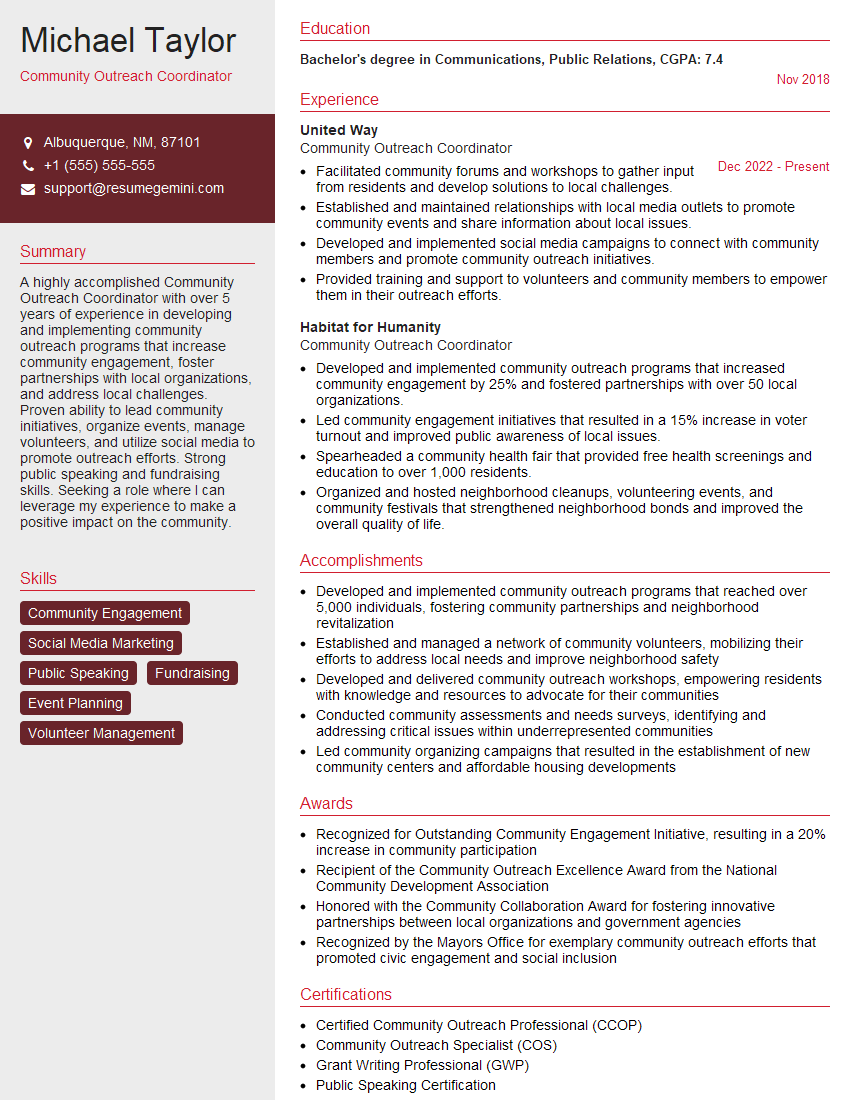
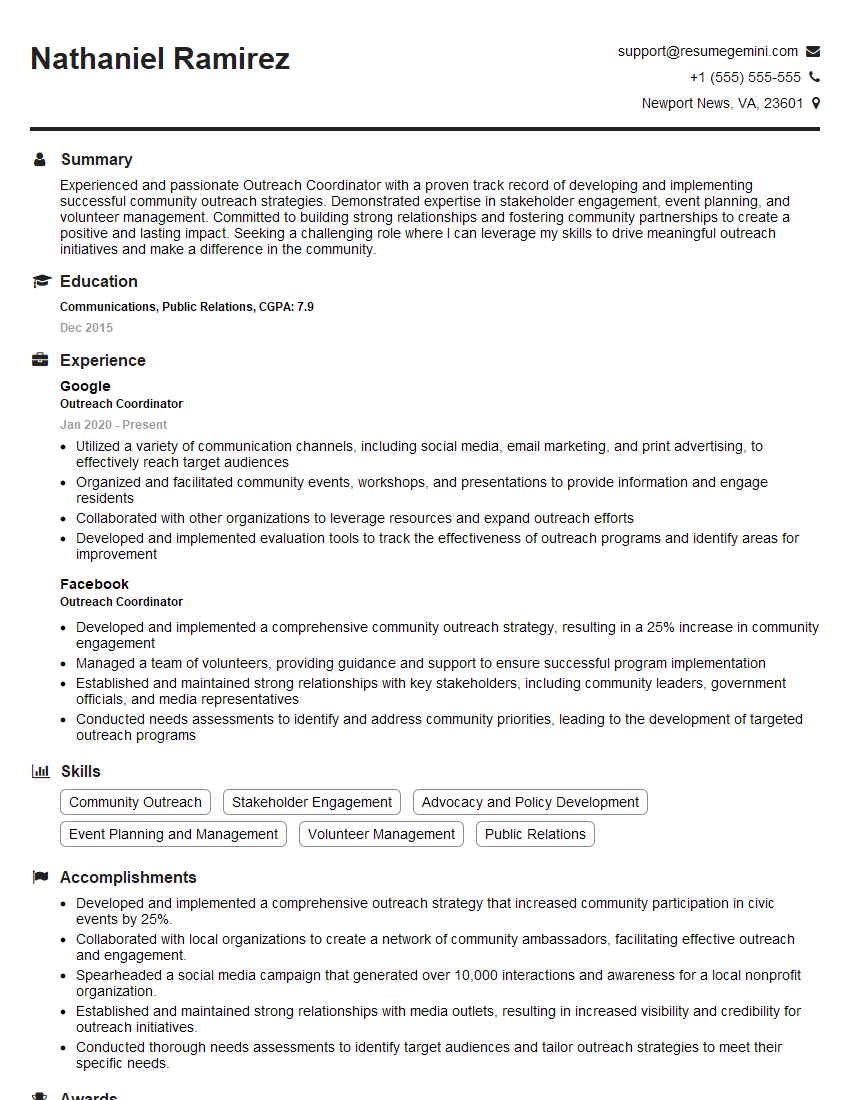
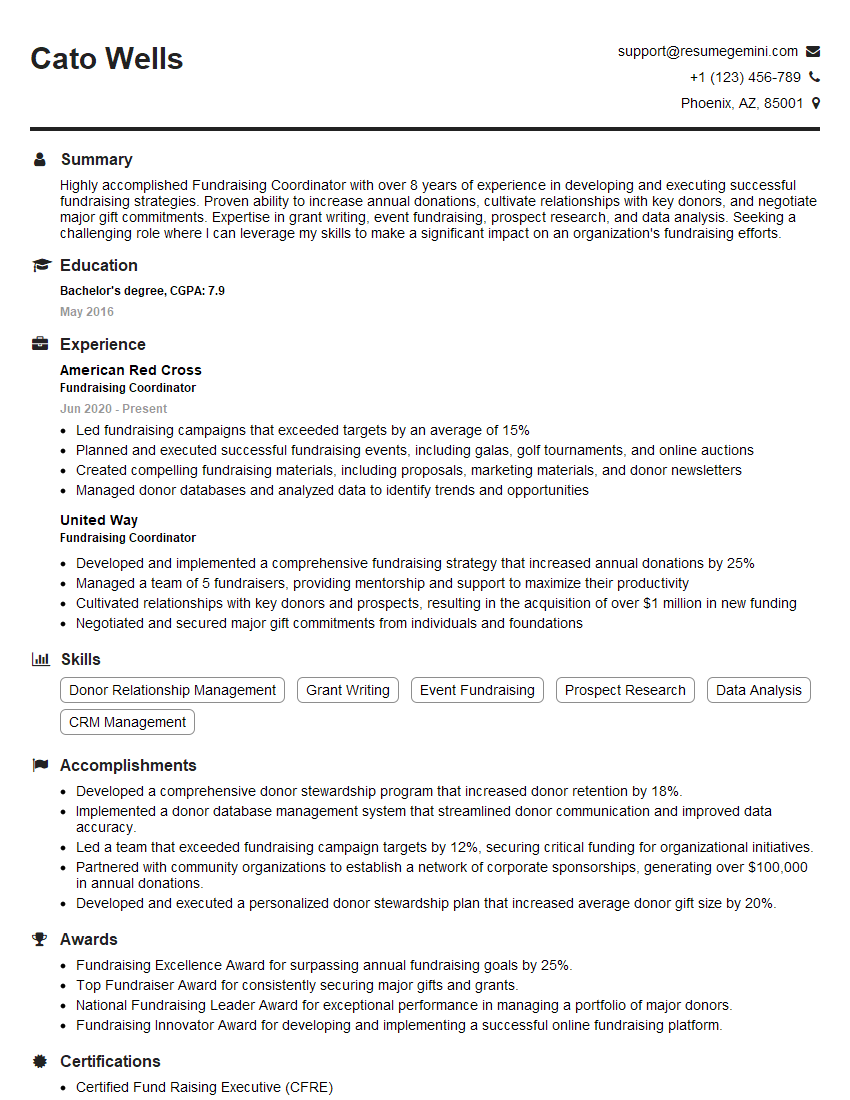
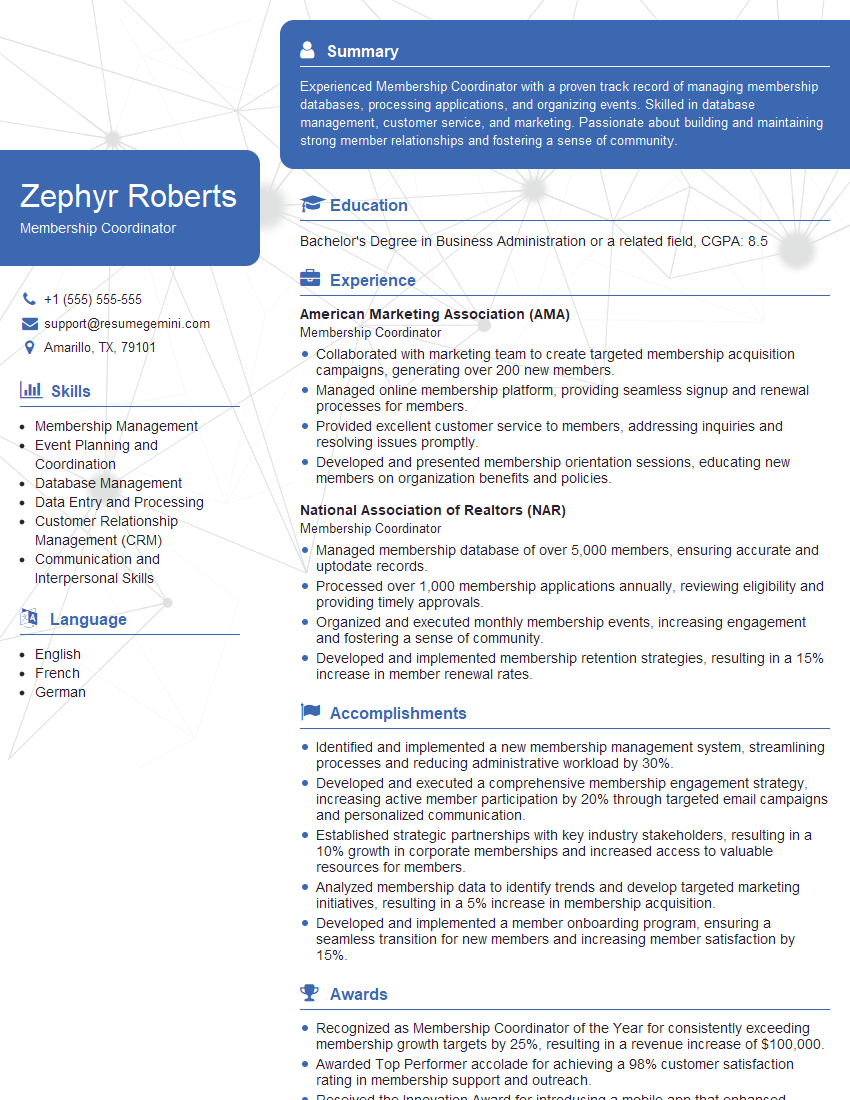
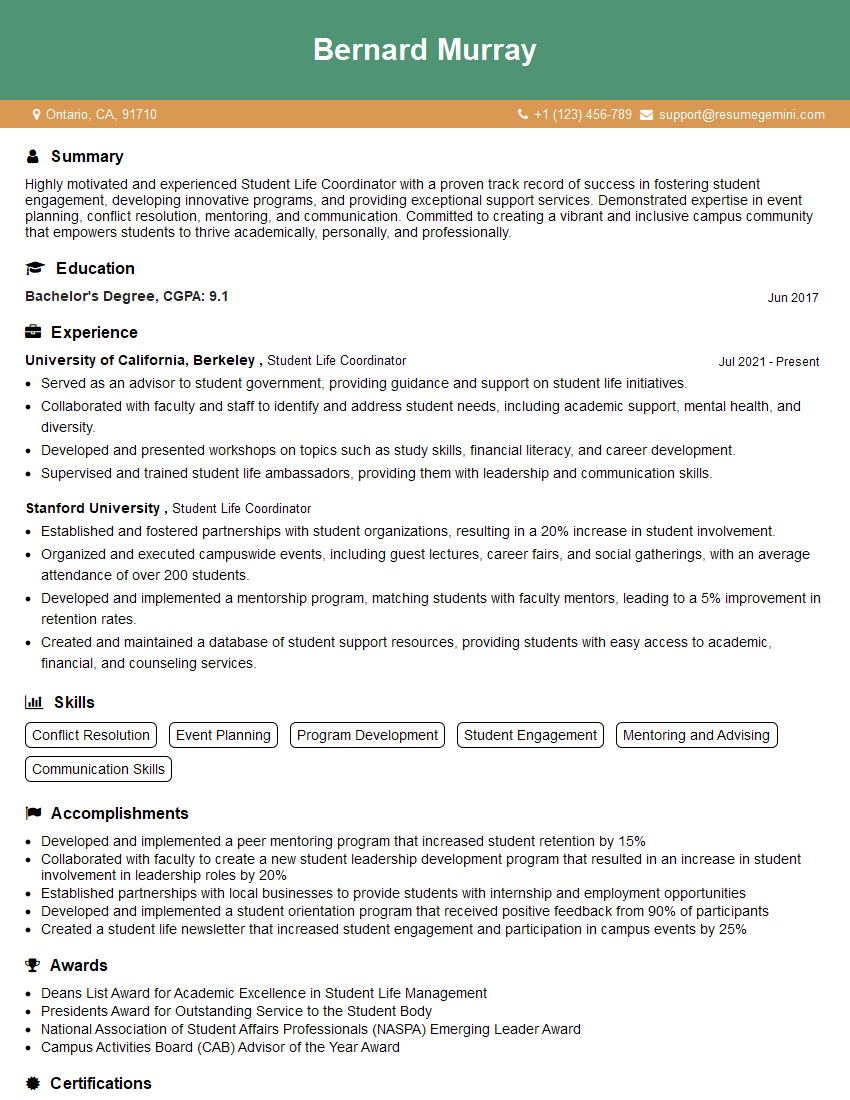
Mastering the nuances of your involvement in Student Clubs and Organizations significantly enhances your candidacy, showcasing valuable transferable skills highly sought after by employers. These experiences demonstrate your leadership, teamwork, communication, and problem-solving abilities – all crucial for career success. To elevate your job prospects, create an ATS-friendly resume that effectively highlights these accomplishments. We strongly recommend using ResumeGemini, a trusted resource, to build a professional and impactful resume. Examples of resumes tailored to Student Clubs and Organizations are available to help guide you through this process.
Explore more articles
Users Rating of Our Blogs
Share Your Experience
We value your feedback! Please rate our content and share your thoughts (optional).
What Readers Say About Our Blog
To the interviewgemini.com Webmaster.
Very helpful and content specific questions to help prepare me for my interview!
Thank you
To the interviewgemini.com Webmaster.
This was kind of a unique content I found around the specialized skills. Very helpful questions and good detailed answers.
Very Helpful blog, thank you Interviewgemini team.