Interviews are more than just a Q&A session—they’re a chance to prove your worth. This blog dives into essential Net Zero Building Certification interview questions and expert tips to help you align your answers with what hiring managers are looking for. Start preparing to shine!
Questions Asked in Net Zero Building Certification Interview
Q 1. Explain the key principles of Net Zero Building Certification.
Net Zero Building Certification signifies a building’s achievement of a balance between its energy consumption and energy production. The core principle is to minimize energy demand through high-performance design and construction, then offset any remaining energy use with on-site renewable energy generation. Think of it like a balanced scale: the energy ‘used’ side is carefully minimized, and the energy ‘produced’ side matches it through renewable sources. This results in a net-zero energy footprint over a year.
- Minimizing Energy Demand: This involves employing strategies like superior insulation, high-performance windows, air sealing, and efficient HVAC systems to reduce the building’s need for heating, cooling, and lighting.
- On-site Renewable Energy Generation: This typically involves technologies such as solar photovoltaic (PV) panels, solar thermal collectors, wind turbines, or even geothermal energy systems. The generated renewable energy offsets the energy consumed by the building.
- Verification and Certification: Independent third-party verification is crucial. Organizations like LEED, Passive House, and others provide certification programs that rigorously assess a building’s performance to ensure it meets net-zero energy standards.
Q 2. Describe different methods for achieving net-zero energy consumption in buildings.
Achieving net-zero energy consumption requires a multi-pronged approach. It’s not about a single solution, but rather an integrated strategy.
- Passive Design Strategies: These focus on minimizing energy demand before resorting to active systems. Examples include optimal building orientation to maximize solar gain in winter and minimize it in summer, using high-performance windows, and implementing effective shading strategies.
- High-Efficiency Systems: Employing energy-efficient HVAC systems (heat pumps, for instance), lighting (LEDs), and appliances is crucial. These reduce operational energy consumption significantly.
- Renewable Energy Generation: This is the crucial component to offset remaining energy consumption. Popular options include solar PV panels on the roof or facade, wind turbines (depending on location), and geothermal systems that utilize the stable temperature of the earth.
- Energy Storage: In some cases, battery storage systems are integrated to store excess renewable energy generated during peak production times and utilize it during periods of low generation or high demand. This smooths energy consumption and ensures a consistent net-zero performance.
- Smart Building Technologies: Utilizing building automation systems (BAS) and smart sensors allow for real-time monitoring and control of energy usage, optimizing performance and identifying areas for improvement.
For example, a net-zero office building might incorporate solar PV panels on its roof to generate electricity, while passive design features like triple-glazed windows minimize heating and cooling loads. Efficient HVAC systems further reduce energy usage, and a smart building system optimizes energy consumption based on occupancy and weather conditions.
Q 3. What are the common challenges in designing and constructing net-zero buildings?
Designing and constructing net-zero buildings present several challenges:
- High Upfront Costs: The initial investment for high-performance materials, efficient systems, and renewable energy technologies is often significantly higher than conventional construction.
- Complexity of Design and Construction: Integrating various passive and active strategies requires specialized expertise and careful coordination throughout the design and construction phases. This can lead to delays and increased project complexity.
- Site Constraints: The availability of suitable land for renewable energy systems (e.g., sufficient roof space for solar panels) can be a limiting factor, especially in urban environments.
- Intermittency of Renewable Energy: Renewable energy sources like solar and wind are intermittent. This requires careful consideration of energy storage solutions or grid connections to ensure reliable energy supply.
- Lack of Skilled Labor: The specialized knowledge required for designing, installing, and maintaining net-zero building systems means skilled labor might be scarce in certain regions.
- Regulatory Hurdles: Building codes and regulations may not always be aligned with net-zero building standards, creating obstacles in the approval and construction process.
Overcoming these challenges requires careful planning, collaboration among professionals, innovative design solutions, and supportive policies from regulatory bodies.
Q 4. How do building codes and regulations influence Net Zero building design?
Building codes and regulations play a significant role in shaping net-zero building design. While many codes are focused on energy efficiency, the specific requirements for net-zero vary widely geographically.
- Energy Codes: Most jurisdictions have energy codes that set minimum requirements for building insulation, window performance, and HVAC system efficiency. These codes form a baseline, but achieving net-zero usually requires exceeding these minimum standards.
- Renewable Energy Incentives: Many jurisdictions offer incentives such as tax credits or rebates to encourage the adoption of renewable energy technologies in buildings. These can help offset the higher initial costs of net-zero construction.
- Permitting Processes: The permitting process for net-zero buildings may involve more stringent reviews and inspections due to the integration of novel technologies and complex systems. Streamlined processes are vital for successful project execution.
- Building Codes Evolution: As the push for sustainability grows, many jurisdictions are updating their codes to better accommodate and encourage net-zero construction practices. This is a critical aspect in advancing net-zero adoption.
For example, a city might require all new commercial buildings to meet a certain level of energy efficiency, and provide financial incentives for those that surpass this level and achieve net-zero status.
Q 5. Explain the role of building simulation software in Net Zero building design.
Building simulation software is an indispensable tool in net-zero building design. These programs allow architects, engineers, and designers to model the building’s performance under various conditions and make informed design decisions.
- Energy Modeling: Software such as EnergyPlus, TRNSYS, and others can simulate the building’s energy consumption for heating, cooling, lighting, and other systems throughout the year. This allows designers to optimize building orientation, insulation levels, window types, and HVAC systems to minimize energy demand.
- Renewable Energy Integration: Simulation software can model the performance of various renewable energy systems (solar PV, wind, geothermal) and assess their contribution to the building’s energy balance. This helps determine the optimal size and placement of these systems.
- Daylighting Analysis: Software can analyze daylighting opportunities, helping designers reduce reliance on artificial lighting and optimize window placement for natural light.
- Life-Cycle Cost Analysis: Some software packages can perform life-cycle cost analyses, comparing the initial investment costs of different design options with their long-term energy savings.
By using simulation software, designers can iterate through various design options, identify potential performance issues, and optimize the building’s design for maximum energy efficiency before construction begins.
Q 6. Describe various renewable energy sources used in Net Zero buildings and their integration.
Several renewable energy sources are utilized in net-zero buildings, often in combination to ensure a reliable energy supply.
- Solar Photovoltaic (PV) Panels: These panels convert sunlight directly into electricity. They are widely used in net-zero buildings, often integrated into the roof or façade. The efficiency and placement are carefully considered to maximize energy production.
- Solar Thermal Collectors: These systems collect solar energy to heat water for domestic hot water or space heating. They are particularly effective in climates with ample sunshine.
- Wind Turbines: In locations with sufficient wind resources, small-scale wind turbines can generate electricity. However, their suitability depends on wind conditions and local regulations.
- Geothermal Energy: Geothermal systems utilize the stable temperature of the earth to provide heating and cooling. Ground source heat pumps are a common application in net-zero buildings, offering efficient heating and cooling throughout the year.
- Biomass Energy: In some cases, biomass energy (such as wood pellets) can be used for heating, although its environmental impact needs careful assessment.
The integration of these systems requires careful planning and coordination with the building’s design. Factors like roof space, wind conditions, and geological characteristics influence the choice and placement of renewable energy technologies.
Q 7. How do you assess the energy performance of a building?
Assessing a building’s energy performance involves a combination of methods to quantify its energy consumption and production.
- Energy Audits: Professional energy audits assess the building’s energy usage through on-site measurements and analysis of utility bills. This identifies areas of energy waste and potential improvements.
- Building Simulation: As discussed previously, building simulation software provides a detailed prediction of the building’s energy performance under various conditions. This is crucial for design optimization.
- Metering and Monitoring: Installing smart meters and monitoring systems allows for continuous tracking of energy consumption and generation. This provides real-time data that helps identify performance issues and optimize operational strategies.
- Third-Party Verification: Independent certification programs such as LEED, Passive House, and others provide rigorous assessments of building performance to verify compliance with net-zero standards. They often require detailed documentation and testing.
- Post-Occupancy Evaluation (POE): Conducting POE after the building is occupied helps measure actual energy performance and identify any discrepancies between predicted and actual energy use. This feedback informs improvements and adjustments.
By combining these methods, a comprehensive understanding of a building’s energy performance can be achieved, informing design decisions, operational improvements, and ultimately, verification of net-zero status.
Q 8. What are the key metrics used to evaluate the success of a Net Zero building project?
Evaluating the success of a Net Zero building project goes beyond simply achieving zero net energy consumption. It requires a holistic assessment encompassing energy performance, carbon emissions, and overall sustainability. Key metrics include:
- Energy Use Intensity (EUI): Measured in kBtu/sq ft/year, this metric shows the building’s energy efficiency. A lower EUI indicates better performance. For a Net Zero building, the goal is to minimize EUI through design and operational strategies, ideally offsetting any remaining energy use with renewable sources.
- Source Energy Use (SEU): This considers the energy used to create and deliver energy to the building, offering a more comprehensive picture than EUI alone. It accounts for energy losses during generation and transmission, providing a truer reflection of environmental impact.
- Embodied Carbon: This measures the greenhouse gas emissions associated with the building’s construction materials, from extraction to manufacturing and transportation. Reducing embodied carbon is critical for achieving true Net Zero status. We use tools like Environmental Product Declarations (EPDs) to assess this.
- Operational Carbon: This refers to emissions from the building’s ongoing operations, including energy consumption for heating, cooling, lighting, and equipment. Minimizing operational carbon through energy efficiency measures is crucial.
- Renewable Energy Production: This quantifies the amount of renewable energy generated on-site (e.g., solar PV, wind turbines) to offset energy consumption. Ideally, renewable energy generation should equal or exceed total energy consumption.
- Water Usage: Although not directly energy-related, water conservation is an important aspect of holistic sustainability and is often a component of Net Zero certifications.
Successfully achieving Net Zero requires meticulous monitoring and verification of these metrics throughout the project lifecycle, from design to operation.
Q 9. Explain the importance of building envelope design in achieving net-zero energy goals.
The building envelope – the outer shell of a building, encompassing the walls, roof, windows, and foundation – plays a pivotal role in achieving net-zero energy goals. A well-designed envelope minimizes energy loss through superior insulation, airtight construction, and strategic window placement. Think of it as a high-performance thermos, keeping the heat in during winter and out during summer.
- High-Performance Insulation: Using materials with high R-values (resistance to heat flow) significantly reduces heat transfer. This minimizes the load on the HVAC system, drastically reducing energy consumption.
- Airtight Construction: Minimizing air leakage prevents conditioned air from escaping and unconditioned air from entering, reducing the heating and cooling load. This often involves careful detailing around windows, doors, and penetrations.
- High-Performance Windows: Windows with low U-values (rate of heat transfer) and high solar heat gain coefficient (SHGC) values can significantly impact energy efficiency. Triple-glazed windows with low-E coatings are common choices.
- Thermal Bridging Mitigation: Addressing thermal bridging – where heat flows through conductive elements like metal studs – is crucial. Using thermally broken framing and continuous insulation can significantly improve performance.
For example, a passive house design prioritizes a super-insulated envelope, minimizing the need for active heating and cooling. These strategies reduce reliance on energy-intensive HVAC systems, contributing significantly to net-zero targets.
Q 10. Describe different strategies for optimizing HVAC systems in Net Zero buildings.
Optimizing HVAC systems in Net Zero buildings requires a holistic approach focused on efficiency and renewable energy integration. Strategies include:
- High-Efficiency Equipment: Employing high-efficiency HVAC equipment with high SEER (Seasonal Energy Efficiency Ratio) ratings for air conditioners and AFUE (Annual Fuel Utilization Efficiency) ratings for furnaces significantly reduces energy consumption.
- Demand-Controlled Ventilation: Instead of constantly running ventilation systems at maximum capacity, demand-controlled ventilation systems adjust airflow based on occupancy and indoor air quality needs. This significantly reduces energy waste.
- Heat Recovery Ventilation (HRV) or Energy Recovery Ventilation (ERV): These systems recover heat or both heat and moisture from exhaust air and transfer it to incoming fresh air, reducing the energy needed for heating and cooling.
- Variable Refrigerant Flow (VRF) Systems: These systems provide precise temperature control in individual zones, reducing energy waste associated with over- or under-cooling specific areas.
- Geothermal Heat Pumps: Using the relatively constant temperature of the earth for heating and cooling offers high efficiency and reduces reliance on fossil fuels.
- Renewable Energy Integration: Integrating renewable energy sources like solar thermal or photovoltaic systems to power HVAC equipment further reduces reliance on the grid.
For instance, a building might use a VRF system paired with solar PV panels to power the system, minimizing grid reliance and operational carbon emissions. The selection of the optimal HVAC system depends on the climate, building type, and budget.
Q 11. Discuss the role of building materials in achieving net-zero carbon emissions.
Building materials play a significant role in achieving net-zero carbon emissions. Their impact extends beyond the building’s operational phase to include embodied carbon – the emissions generated during their extraction, manufacturing, transportation, and installation. Strategies for minimizing this impact include:
- Low-Embodied Carbon Materials: Selecting materials with low embodied carbon footprints, such as recycled content materials, locally sourced materials (reducing transportation emissions), and rapidly renewable materials (like bamboo or straw bale), is crucial.
- Material Efficiency: Optimizing material use by minimizing waste during construction and using efficient construction techniques reduces embodied carbon. Prefabrication, for example, can minimize on-site waste.
- Material Durability and Longevity: Choosing durable, long-lasting materials reduces the need for frequent replacements and renovations, minimizing lifecycle emissions.
- Carbon Sequestration Materials: Incorporating materials with carbon sequestration capabilities, such as timber, can offset some of the embodied carbon emissions.
- Life Cycle Assessment (LCA): Conducting a Life Cycle Assessment for different materials allows for a comparative analysis of their environmental impacts, informing informed material selection.
For example, using cross-laminated timber (CLT) instead of steel or concrete can significantly reduce the embodied carbon footprint of a building’s structure.
Q 12. How do you address embodied carbon in Net Zero building design?
Addressing embodied carbon in Net Zero building design requires a proactive approach starting from the initial design phase. It’s not enough to focus solely on operational energy; the construction process itself must be considered.
- Material Selection: Prioritize low-embodied carbon materials as discussed earlier. Utilize Environmental Product Declarations (EPDs) to quantify the carbon footprint of various materials.
- Design Optimization: Design choices directly impact material quantities. Optimized designs that minimize material use and waste are essential. This could involve using prefabrication, modular construction, or other efficient construction methods.
- Carbon Offsetting: In some cases, where unavoidable embodied carbon remains, investing in certified carbon offset projects can help neutralize the impact. However, this should be a last resort, after all possible reductions have been implemented.
- Material Reuse and Recycling: Incorporating reclaimed or recycled materials in the design significantly lowers the embodied carbon. This can range from using recycled steel to repurposing existing building components.
- Embodied Carbon Calculator: Use specialized software to model and quantify the embodied carbon of different design options, allowing for informed decision-making during the design process.
For instance, a project might choose reclaimed wood for flooring, reducing the need to harvest new timber and lowering the associated emissions. Transparency and careful tracking of embodied carbon are essential for credible Net Zero claims.
Q 13. Explain the process of commissioning a Net Zero building.
Commissioning a Net Zero building is a critical process that ensures the building performs as designed and meets its intended energy efficiency targets. It’s a systematic process involving various stages:
- Pre-Design Commissioning (PDC): This early stage focuses on establishing clear performance goals and identifying potential design issues before construction begins.
- Design Commissioning (DC): During design, the commissioning team reviews the design documents to ensure they align with the performance goals and address potential problems.
- Construction Commissioning (CC): This phase involves monitoring the installation of equipment and systems to ensure they are properly installed and function as intended. Testing and verification are key aspects of this stage.
- Post-Construction Commissioning (PCC): After construction, the commissioning team conducts thorough testing and verification of all systems to ensure the building operates as designed. This often includes functionality tests, energy modeling verification, and occupant training.
- Ongoing Commissioning (OCx): This involves regular monitoring and adjustments of building systems to maintain optimal performance over time. It involves tracking key metrics and making adjustments to ensure the building continues to meet its Net Zero targets.
Commissioning professionals with expertise in Net Zero buildings are essential to ensure the building meets its ambitious goals. Regular maintenance and operator training are equally important for long-term success.
Q 14. What are the different certification programs for Net Zero buildings?
Several certification programs exist for Net Zero buildings, each with its own specific requirements and standards. Some prominent programs include:
- LEED (Leadership in Energy and Environmental Design): A widely recognized green building rating system that includes pathways for Net Zero energy and carbon performance.
- Passive House: Focuses on energy efficiency through superior building envelope design and high-performance mechanical systems. It’s known for its rigorous standards and often results in Net Zero performance.
- Living Building Challenge: A very stringent standard aiming for net-positive impact in energy, water, and waste, representing a significant step beyond Net Zero.
- BREEAM (Building Research Establishment Environmental Assessment Methodology): A widely used sustainability assessment method in Europe that also includes criteria related to energy performance and carbon reduction.
- Green Globes: Another green building rating system that offers certification for buildings meeting specific sustainability criteria, including energy efficiency.
The choice of certification program depends on the project goals, location, and specific requirements. Each program provides a framework for verification and assurance that a building truly meets its Net Zero claims.
Q 15. Compare and contrast different Net Zero building certification standards.
Net Zero building certifications vary significantly in their scope and stringency. While all aim for a balance between energy produced and consumed, the methodologies and criteria differ. Let’s compare a few prominent standards:
- LEED (Leadership in Energy and Environmental Design): A widely recognized green building rating system, LEED incorporates Net Zero features as part of its certification pathways. Achieving Net Zero Energy under LEED requires on-site renewable energy generation to offset at least 100% of annual energy use. It’s holistic, considering water efficiency, material selection, and waste management in addition to energy.
- Passive House: This standard focuses heavily on building performance through rigorous energy modeling and construction practices. It prioritizes airtightness, high levels of insulation, and optimized thermal bridging to minimize energy needs. While not explicitly a ‘Net Zero’ certification, Passive House buildings often naturally align with Net Zero goals due to their extremely low energy demand. Net Zero energy can be achieved through the addition of renewable energy sources.
- Living Building Challenge: This ambitious standard goes beyond Net Zero, aiming for net-positive impact across multiple environmental metrics. It demands energy independence, water self-sufficiency, and the use of locally sourced, non-toxic materials. It’s more rigorous than LEED and requires detailed life-cycle assessments.
- International Green Construction Code (IgCC): This code provides a minimum standard for green building practices and includes provisions for energy efficiency that could contribute to Net Zero goals. It doesn’t offer a specific Net Zero certification, but it sets a baseline that can be built upon.
In essence, LEED offers a broader approach, Passive House prioritizes performance through design, the Living Building Challenge sets the highest bar for holistic sustainability, and IgCC provides a minimum standard which, with further measures, can lead to net-zero.
Career Expert Tips:
- Ace those interviews! Prepare effectively by reviewing the Top 50 Most Common Interview Questions on ResumeGemini.
- Navigate your job search with confidence! Explore a wide range of Career Tips on ResumeGemini. Learn about common challenges and recommendations to overcome them.
- Craft the perfect resume! Master the Art of Resume Writing with ResumeGemini’s guide. Showcase your unique qualifications and achievements effectively.
- Don’t miss out on holiday savings! Build your dream resume with ResumeGemini’s ATS optimized templates.
Q 16. What are the financial incentives and regulatory benefits of achieving Net Zero certification?
Financial incentives and regulatory benefits for achieving Net Zero certification are substantial and vary by location. These incentives are designed to encourage sustainable building practices.
- Financial Incentives: These can include tax credits, rebates, grants, and accelerated depreciation for energy-efficient technologies and renewable energy systems. Some jurisdictions offer preferential loan rates or green bonds for Net Zero projects.
- Regulatory Benefits: These may involve expedited permitting processes, reduced regulatory fees, and the ability to exceed local building codes requirements. Some areas offer density bonuses or allow greater building heights for green buildings.
For example, a project in California might qualify for significant state tax credits for solar installations and could also benefit from streamlined building permitting processes. In contrast, a project in a region with less developed green building policies might see fewer benefits but could still attract environmentally conscious investors and tenants who value the ‘green’ premium.
It’s crucial to research all available local, regional, and national incentives and regulations when planning a Net Zero project. This pre-project due diligence can significantly impact the project’s financial viability.
Q 17. How do you ensure the long-term performance and sustainability of a Net Zero building?
Ensuring the long-term performance and sustainability of a Net Zero building requires a comprehensive approach that extends beyond initial construction. It’s not a one-time achievement but a continuous effort.
- Robust Design and Construction: High-quality materials, precise construction, and rigorous quality control during the building phase are fundamental. Using durable materials reduces lifecycle costs and replacements.
- Commissioning and Monitoring: Post-construction commissioning verifies that all systems are performing as designed. Continuous monitoring of energy consumption and renewable energy generation allows for early identification and resolution of performance issues.
- Building Management Systems (BMS): Sophisticated BMS can optimize energy use based on real-time conditions and occupant behavior. Regular maintenance and updates are essential to ensure the BMS remains effective.
- Occupant Engagement: Educating occupants about the building’s systems and encouraging energy-conscious behavior can significantly impact long-term performance. Incentivizing conservation adds a strong element of control.
- Long-term Maintenance Plan: A proactive maintenance plan that addresses potential issues before they become major problems is crucial. This plan should include regular inspections, cleaning, and repairs of building components and systems.
Imagine a building with a poorly installed solar array. Regular monitoring would promptly reveal underperformance, allowing for repairs to maximize energy production over the building’s lifespan. This proactive strategy ensures the continued achievement of Net Zero goals.
Q 18. Describe your experience with energy modeling software (e.g., EnergyPlus, eQuest).
I have extensive experience using energy modeling software, particularly EnergyPlus and eQuest. These tools are essential for predicting building energy performance and optimizing design for Net Zero goals.
EnergyPlus is a powerful whole-building energy simulation program. I’ve used it to model complex systems, including HVAC, lighting, and renewable energy generation. For example, I used EnergyPlus to optimize the placement of solar panels on a recent project to maximize energy capture, considering shading from nearby buildings and seasonal sun angles. The output from EnergyPlus provides valuable insights for design decisions. Example: Running an EnergyPlus simulation might reveal that increasing insulation thickness by 2 inches would reduce annual energy consumption by 15%.
eQuest is another popular energy modeling software that offers a user-friendly interface. I’ve used it for quick preliminary analyses and design iterations. It’s often favored for its speed in providing early-stage feedback. Example: eQuest can quickly compare the energy performance of different window types, guiding early material selection.
My experience encompasses model creation, data input, simulation runs, result analysis, and reporting. I can effectively leverage these tools to analyze multiple design options and demonstrate compliance with Net Zero targets.
Q 19. How do you handle unforeseen challenges during the construction phase of a Net Zero project?
Unforeseen challenges during the construction phase of a Net Zero project are inevitable. Proactive planning and a flexible approach are key to mitigating their impact.
- Contingency Planning: Developing a detailed contingency plan that anticipates potential issues, like material delays or unexpected site conditions, is essential. This plan should identify backup solutions and allocate resources to address them.
- Value Engineering: If unexpected cost overruns occur, value engineering can help identify cost-effective alternatives without compromising the Net Zero goals. For instance, a less expensive but equally effective insulation material might be substituted.
- Communication and Collaboration: Maintaining open communication among the design team, contractors, and stakeholders is crucial for quick problem-solving. Regular meetings and transparent reporting ensure everyone is informed and can contribute to solutions.
- Adaptive Design: The design should be flexible enough to accommodate unforeseen changes. If an initial strategy proves impractical, the team needs to be able to adapt the design without compromising core principles.
For example, discovering contaminated soil during excavation requires immediate action. A well-prepared contingency plan might involve alternative excavation methods, soil remediation strategies, and adjustments to the project timeline. Open communication keeps all parties informed, minimizing delays and potential conflicts.
Q 20. What are the lifecycle considerations in a Net Zero Building design?
Lifecycle considerations are paramount in Net Zero building design. It’s about minimizing the environmental impact throughout the building’s entire life, from material extraction to demolition.
- Embodied Carbon: This refers to the greenhouse gas emissions associated with the manufacturing, transportation, and installation of building materials. Choosing low-embodied carbon materials is crucial for minimizing the project’s overall carbon footprint.
- Material Selection: Prioritizing locally sourced, recycled, and rapidly renewable materials reduces transportation emissions and supports sustainable forestry practices. Choosing durable materials extends the building’s lifespan, reducing the need for replacements.
- Construction Waste Management: Minimizing construction waste through careful planning and efficient material use is essential. Recycling and proper disposal of waste are vital.
- Demolition and Deconstruction: Planning for the end-of-life stage, including designing for deconstruction and material reuse, minimizes landfill waste. This is particularly crucial for reducing environmental impact at the end of the building’s lifespan.
- Operational Energy: While achieving Net Zero energy focusses on operational phase, considering material selection, and construction impacts the carbon footprint during the building’s life.
For instance, selecting sustainably harvested timber over steel significantly reduces embodied carbon. Designing for easy deconstruction ensures materials can be reused in future projects rather than ending up in a landfill.
Q 21. Describe your understanding of Passive House design principles.
Passive House design principles focus on minimizing energy consumption through exceptional building performance. It’s not about adding technology but optimizing the building’s envelope and systems to reduce the need for energy in the first place.
- High levels of insulation: Significantly thicker insulation than typical building codes require, greatly reducing heat loss in winter and heat gain in summer.
- Airtight construction: Minimizing air leakage through meticulous construction techniques and the use of air-sealing materials reduces energy needed for heating and cooling.
- High-performance windows: Triple-glazed windows with low-U-value (indicating low thermal transmittance) significantly minimize heat transfer.
- Thermal bridge minimization: Careful attention to construction details to minimize thermal bridges (paths where heat can easily transfer through the building envelope).
- Mechanical ventilation with heat recovery: A system that provides fresh air while recovering heat from exhaust air, maximizing energy efficiency.
Think of a Passive House as a well-insulated thermos – it requires minimal energy input to maintain a comfortable temperature, drastically reducing reliance on heating and cooling systems. This significantly lowers energy consumption and enables easy integration of renewable energy sources to achieve Net Zero.
Q 22. Explain your experience with life-cycle assessment (LCA) in building design.
Life-cycle assessment (LCA) is a crucial tool in Net Zero building design. It’s a cradle-to-grave analysis of a building’s environmental impact, considering all stages from material extraction and manufacturing to construction, operation, maintenance, and ultimately demolition and disposal. My experience involves using LCA software to model various design options, comparing embodied carbon (the carbon footprint of building materials) and operational carbon (energy consumption during the building’s lifespan). For example, in a recent project, we compared the LCA of using cross-laminated timber (CLT) versus steel for the structural frame. The LCA showed that while steel had lower upfront embodied carbon, CLT’s lower operational carbon due to its excellent insulation properties resulted in a lower overall life-cycle carbon footprint, significantly contributing to our Net Zero goals. We use this data to inform material selection, design choices, and ultimately optimize the building’s environmental performance throughout its entire life cycle.
I’m proficient in several LCA software packages, including Athena Impact Estimator and SimaPro, enabling comprehensive and accurate assessments. Furthermore, I actively participate in industry discussions surrounding the development of more robust and standardized LCA methodologies for the building sector.
Q 23. How do you incorporate user behavior into Net Zero building design strategies?
Incorporating user behavior is paramount to achieving true Net Zero performance. A building can be designed to the highest standards, but if occupants don’t use it efficiently, the energy savings will be compromised. My approach involves several strategies. First, we conduct thorough user analysis, considering the building’s intended occupants and their typical patterns. This informs the design of spaces and the integration of smart technologies. For instance, we might design spaces with abundant natural light to reduce reliance on artificial lighting, or install occupancy sensors to automatically adjust lighting and HVAC systems based on actual usage.
Second, we integrate user-friendly interfaces and feedback mechanisms into building automation systems (BAS). Clear displays showing real-time energy consumption and personalized feedback encourage occupants to adopt energy-conscious behaviors. Think of it like a Fitbit for a building – providing data that empowers users to make informed choices. Third, we implement educational programs and training for building occupants, explaining the building’s features and encouraging responsible use. Finally, we design the building with intuitive controls and user-friendly interfaces to encourage participation and minimize confusion.
Q 24. What is your experience with building automation systems (BAS)?
My experience with Building Automation Systems (BAS) is extensive. I’ve worked with various systems, from traditional pneumatic controls to the latest IoT-enabled platforms. My expertise goes beyond simple system operation; I understand how to leverage BAS to optimize energy efficiency, enhance occupant comfort, and monitor building performance in real-time. I’ve been involved in designing and implementing BAS for several Net Zero projects, integrating smart sensors, intelligent controls, and data analytics to achieve optimal energy performance.
For example, in a recent project, we integrated a BAS that utilized machine learning to predict energy demand and automatically adjust HVAC settings based on weather forecasts and occupancy patterns. This resulted in significant energy savings compared to a traditional system relying on static schedules. Moreover, I understand the importance of cybersecurity and data privacy within BAS and ensure all systems are properly secured and comply with relevant regulations.
Q 25. Describe your experience in working with various stakeholders on Net Zero building projects.
Collaboration is key in Net Zero building projects. I’ve worked closely with diverse stakeholders including architects, engineers, contractors, building owners, and occupants. My approach involves clear communication, active listening, and a proactive effort to build consensus around shared goals. I find that using collaborative software platforms, regular project meetings, and transparent data sharing helps ensure everyone is informed and aligned.
One particularly challenging but rewarding project involved working with a community group to design a Net Zero school. We navigated differing opinions on design aesthetics, budget constraints, and community priorities through a series of open forums, workshops, and regular feedback sessions. The result was a building that not only met stringent energy efficiency goals but also reflected the community’s vision and priorities. Effective stakeholder management isn’t just about resolving conflict but about leveraging diverse perspectives to create innovative and sustainable solutions.
Q 26. What are the critical considerations for ensuring operational energy efficiency after a building is occupied?
Operational energy efficiency after occupancy is just as crucial as the design phase. Several factors are critical. First, robust commissioning is essential to ensure all building systems are operating as designed. This includes thorough testing and adjustments to optimize performance. Second, continuous monitoring and data analysis are needed to identify operational inefficiencies. Regularly reviewing energy consumption data allows for prompt identification and resolution of problems. Third, implementing a proactive maintenance program prevents minor issues from escalating into major energy-wasting problems. Regular preventative maintenance ensures all systems operate at peak efficiency.
Furthermore, occupant engagement is critical. Regular training and feedback mechanisms are needed to encourage responsible energy consumption. Finally, establishing clear lines of communication between building managers and occupants facilitates prompt problem-solving and supports ongoing optimization of building performance.
Q 27. How do you measure and verify the net-zero energy performance of a completed building?
Measuring and verifying Net Zero energy performance requires a rigorous approach. We typically use a combination of methods. First, we employ sophisticated energy modeling software to predict the building’s energy performance before construction, providing a baseline. Then, during the construction phase, we conduct thorough on-site testing and commissioning to ensure all systems function as intended. After occupancy, we use continuous monitoring systems to track actual energy consumption. This data is compared to the predicted performance to identify any discrepancies.
Verification often involves third-party audits, providing independent validation of the building’s performance. We use tools like Energy Star Portfolio Manager or LEED (Leadership in Energy and Environmental Design) certification programs to track progress and benchmark our results against industry standards. The process also includes accounting for on-site renewable energy generation (solar, wind, etc.) to confirm that the building’s energy consumption is balanced by renewable energy production, achieving Net Zero status. This meticulous approach ensures the accuracy and reliability of our Net Zero claims.
Key Topics to Learn for Net Zero Building Certification Interview
- Energy Modeling and Simulation: Understanding software like EnergyPlus or TRNSYS, and applying them to analyze building energy performance and identify optimization strategies.
- Renewable Energy Technologies: Practical knowledge of photovoltaic (PV) systems, solar thermal, wind energy, and their integration into building designs. This includes sizing, placement, and efficiency considerations.
- Passive Design Strategies: Applying principles of building orientation, shading, natural ventilation, and thermal mass to minimize energy consumption. Be prepared to discuss case studies.
- Building Envelope Performance: Understanding insulation types, window performance (U-values, SHGC), airtightness, and their impact on energy efficiency. Be ready to discuss practical applications and troubleshooting.
- HVAC Systems and Efficiency: Knowledge of different HVAC system types (e.g., heat pumps, geothermal), their energy performance, and the role of controls and automation in optimization.
- Net Zero Codes and Standards: Familiarity with relevant building codes, certifications (LEED, Passive House, etc.), and their requirements for Net Zero energy performance.
- Life Cycle Assessment (LCA): Understanding the environmental impact of building materials and construction processes, and how to minimize their carbon footprint throughout the building’s lifespan.
- Grid Interaction and Energy Storage: Knowledge of how Net Zero buildings interact with the electricity grid, and the role of battery storage or other energy storage solutions.
- Problem-Solving and Design Optimization: Be prepared to discuss how you would approach challenges in achieving Net Zero performance, including cost-optimization and technical limitations.
Next Steps
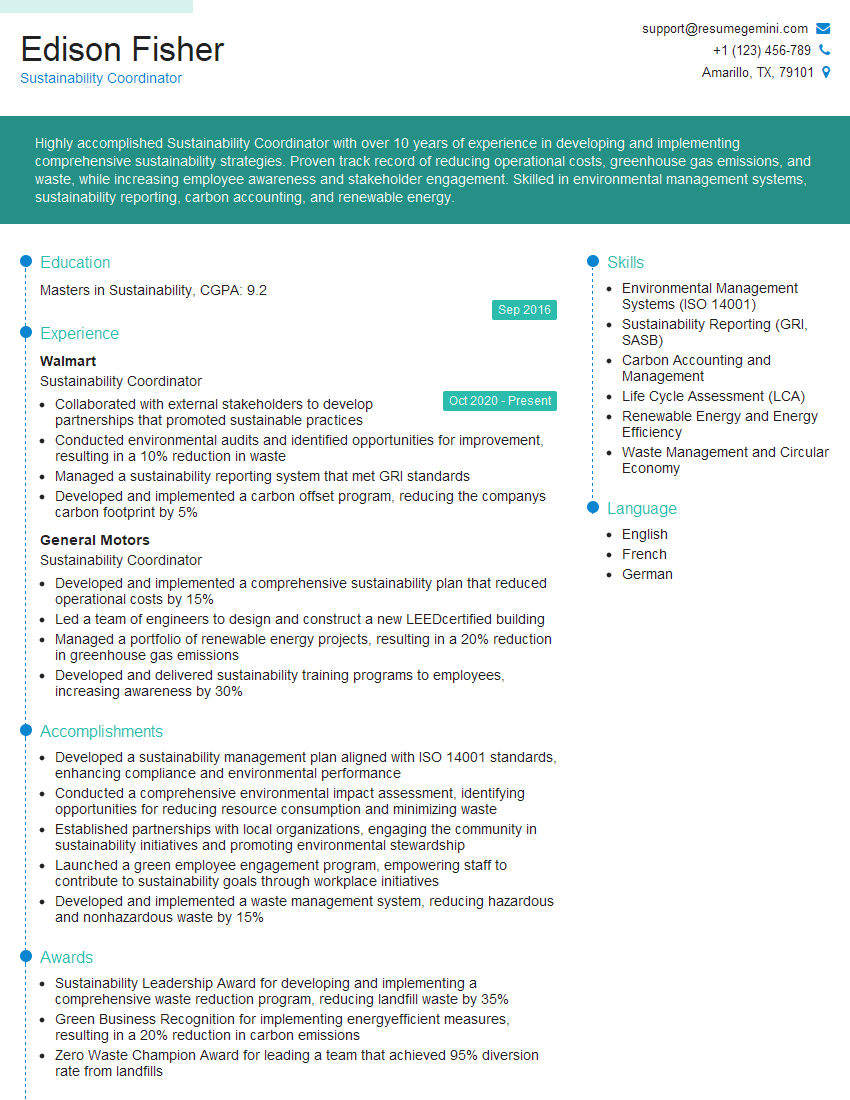
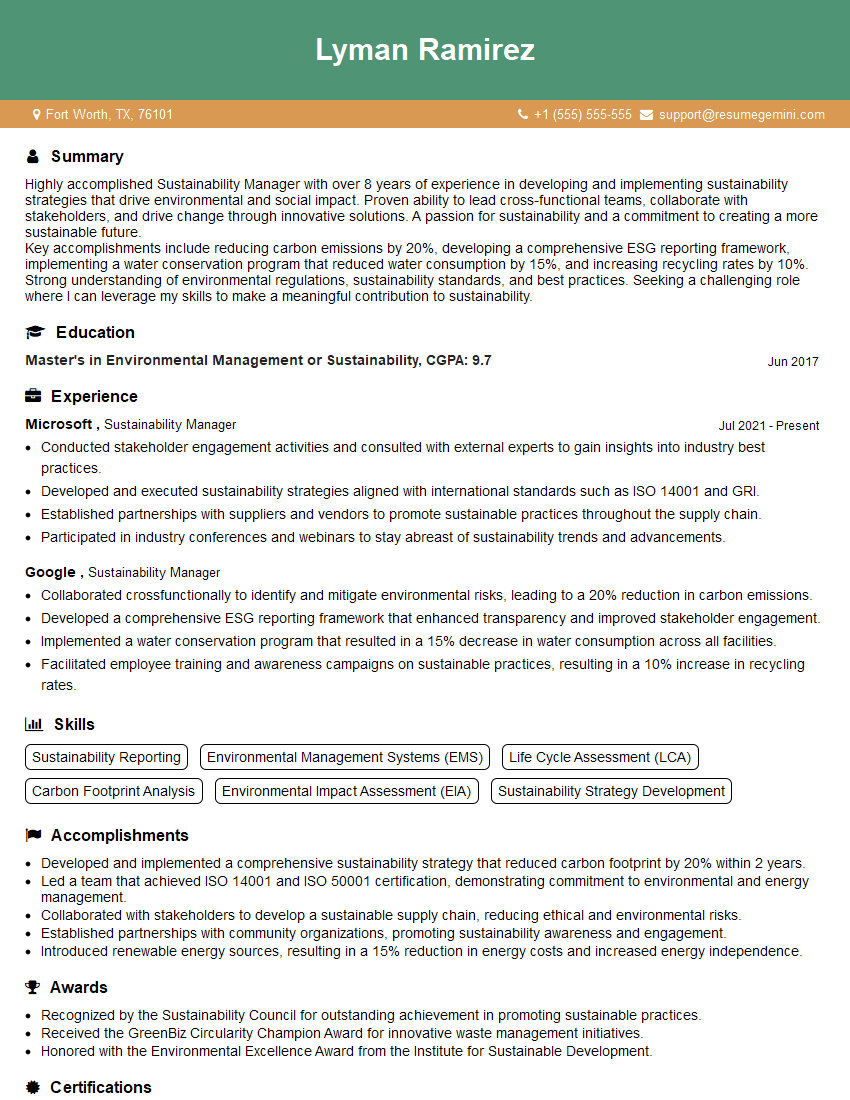
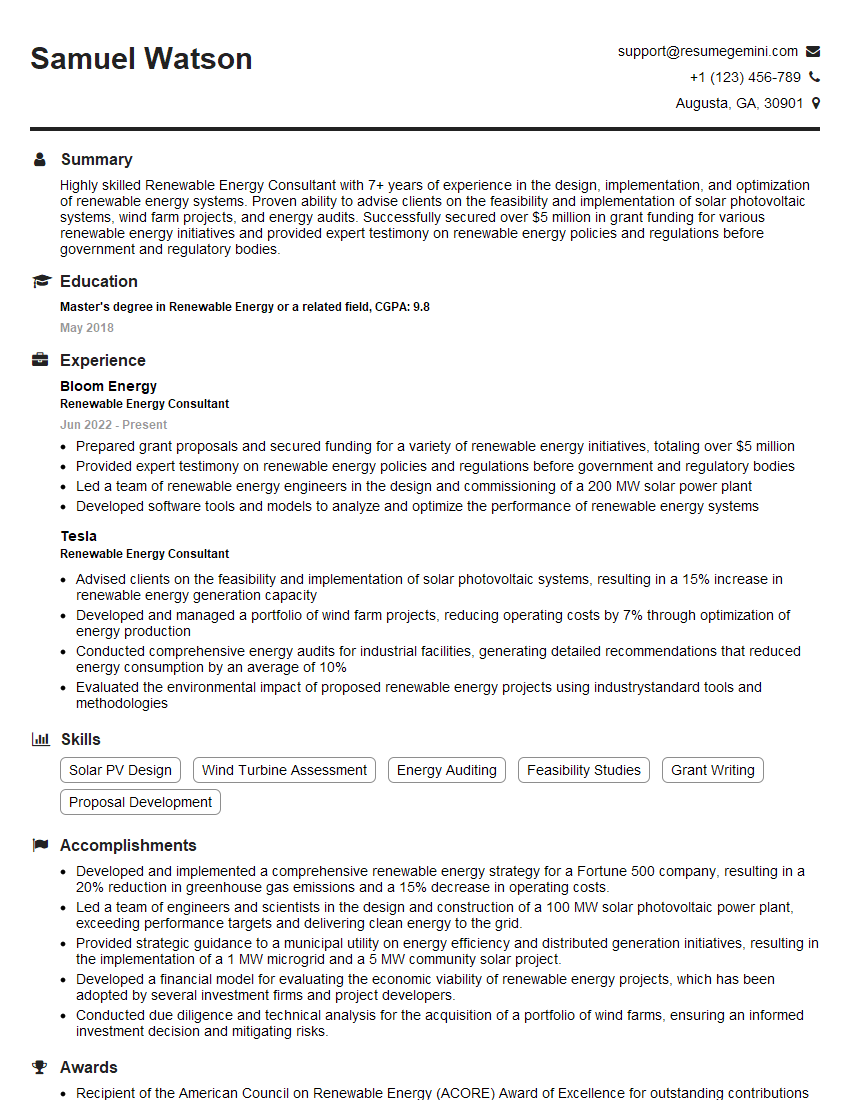
Mastering Net Zero Building Certification opens doors to exciting career opportunities in a rapidly growing field. Demonstrating your expertise through a strong resume is crucial. Creating an ATS-friendly resume will significantly increase your chances of landing interviews. We highly recommend using ResumeGemini to build a professional and impactful resume. ResumeGemini provides examples of resumes tailored to Net Zero Building Certification to help guide you through the process, ensuring your skills and experience shine.
Explore more articles
Users Rating of Our Blogs
Share Your Experience
We value your feedback! Please rate our content and share your thoughts (optional).
What Readers Say About Our Blog
To the interviewgemini.com Webmaster.
Very helpful and content specific questions to help prepare me for my interview!
Thank you
To the interviewgemini.com Webmaster.
This was kind of a unique content I found around the specialized skills. Very helpful questions and good detailed answers.
Very Helpful blog, thank you Interviewgemini team.