The right preparation can turn an interview into an opportunity to showcase your expertise. This guide to Team supervision and coordination interview questions is your ultimate resource, providing key insights and tips to help you ace your responses and stand out as a top candidate.
Questions Asked in Team supervision and coordination Interview
Q 1. Describe your experience in delegating tasks effectively within a team.
Effective delegation isn’t just about assigning tasks; it’s about empowering team members to succeed. I begin by clearly defining the task, outlining desired outcomes, and setting realistic deadlines. Crucially, I assess each team member’s skills and strengths, matching tasks to their capabilities to maximize efficiency and job satisfaction. I provide the necessary resources and support, ensuring they understand their responsibilities and have the authority to make decisions within the scope of their assigned tasks. Regular check-ins are essential to monitor progress, offer guidance, and address any roadblocks. For example, in a previous project involving website development, I didn’t simply assign ‘build the website’; instead, I delegated specific components (frontend, backend, database) to team members with expertise in those areas, providing them with design specifications, API documentation, and access to the project management tools. This approach fostered ownership and accountability, resulting in a more cohesive and timely project delivery.
Q 2. How do you handle conflict resolution within a team?
Conflict is inevitable in teamwork, but how it’s handled determines team health. My approach is proactive and focuses on understanding the root cause, not just the symptoms. I encourage open communication, creating a safe space for team members to express their concerns without fear of retribution. I facilitate constructive dialogue, using active listening to understand each perspective, and help the team identify common ground. If needed, I’ll mediate, guiding them toward mutually acceptable solutions. Sometimes, a simple re-framing of the issue or clarifying expectations can resolve conflict quickly. For instance, a disagreement about project priorities was resolved by revisiting our shared goals and adjusting the timeline to accommodate everyone’s input.
Q 3. What strategies do you use to motivate and encourage team members?
Motivation stems from recognizing individual needs and providing opportunities for growth. I employ a multi-pronged strategy: Firstly, I recognize and celebrate achievements, both big and small, publicly acknowledging individual and team contributions. Secondly, I encourage continuous learning by providing access to training, workshops, and mentorship opportunities. Thirdly, I foster a culture of trust and open communication, ensuring team members feel valued and heard. I also delegate challenging tasks that allow individuals to develop new skills and advance their careers, demonstrating confidence in their abilities. For example, I supported a team member’s interest in project management by giving them responsibility for a smaller project, allowing them to build their skills and confidence. This resulted in increased motivation and improved team performance.
Q 4. Explain your approach to performance management and feedback.
Performance management is an ongoing process, not a single event. I conduct regular one-on-one meetings to discuss progress, provide constructive feedback, and identify areas for improvement. Feedback is delivered in a supportive and actionable manner, focusing on specific behaviors and outcomes rather than general criticisms. I utilize a balanced scorecard approach, considering both quantitative metrics (e.g., project completion rates) and qualitative assessments (e.g., teamwork, communication skills). Performance reviews are a formalization of this ongoing dialogue, allowing for setting goals for the next review period. It’s a collaborative process; I view it as a partnership to help team members reach their full potential.
Q 5. How do you measure team performance and identify areas for improvement?
Measuring team performance requires a multifaceted approach, combining both leading and lagging indicators. Leading indicators measure progress toward goals (e.g., task completion rates, adherence to timelines), while lagging indicators assess the final outcomes (e.g., project success rates, customer satisfaction). I use various metrics such as project completion rates, customer satisfaction scores, and team member engagement surveys to monitor progress. Regular analysis of these metrics helps identify areas for improvement, such as bottlenecks in workflow, communication breakdowns, or skill gaps. For example, consistently low customer satisfaction scores might highlight a need for improved training in customer service or a redesign of our customer interaction processes.
Q 6. How do you ensure effective communication within a team?
Effective communication is the cornerstone of a successful team. I establish clear communication channels, ensuring everyone knows how to reach each other and what methods are appropriate for different types of communication. Regular team meetings, both formal and informal, are essential for updates, brainstorming, and conflict resolution. I encourage open dialogue and active listening, ensuring everyone feels heard and respected. Using project management software facilitates streamlined communication and ensures everyone is on the same page regarding task assignments, deadlines, and progress.
Q 7. Describe a situation where you had to manage a team under pressure.
During a critical product launch, we faced unexpected technical challenges just days before the deadline. The pressure was immense, but I maintained calm and focused on clear communication and collaborative problem-solving. I held daily stand-up meetings to track progress, address immediate concerns, and adjust plans as needed. I empowered team members to make quick decisions within their areas of expertise, fostering a sense of shared responsibility. We leveraged our existing communication channels to update stakeholders and manage expectations. By prioritizing transparency, collaboration, and proactive problem-solving, we successfully launched the product, albeit with a slightly adjusted timeline. The experience highlighted the importance of preparation, adaptability, and clear communication in high-pressure situations.
Q 8. How do you foster a positive and collaborative team environment?
Fostering a positive and collaborative team environment is crucial for success. It’s not just about happy faces; it’s about building a culture of trust, respect, and shared purpose. I achieve this through a multi-pronged approach.
Open Communication: I establish regular team meetings – both formal and informal – to encourage open dialogue and feedback. I actively listen to each team member’s concerns and perspectives, ensuring everyone feels heard and valued. For example, I’ve instituted ‘open door’ policies and informal coffee breaks to encourage casual conversations and relationship building.
Clear Roles and Responsibilities: Ambiguity breeds conflict. I ensure that each team member understands their role, responsibilities, and how their contributions fit into the larger project goals. This minimizes confusion and promotes a sense of ownership.
Team Building Activities: Beyond work, I organize team-building activities – both virtual and in-person – that encourage interaction and bonding outside the usual work context. These activities can be as simple as online games or as involved as a team outing to foster camaraderie.
Recognition and Appreciation: I proactively acknowledge and appreciate individual and team accomplishments, both big and small. Public acknowledgment during meetings or through internal communications helps boost morale and reinforces positive behaviors.
Conflict Resolution Skills: I equip the team with conflict resolution techniques, allowing them to navigate disagreements constructively. This is addressed in more detail in my response to question 3.
Q 9. What methods do you use to track team progress and deadlines?
Tracking team progress and deadlines effectively requires a combination of tools and strategies. I avoid micromanaging by focusing on outcome-based tracking rather than constantly monitoring individual tasks.
Project Management Software: I utilize project management software like Jira or Asana to track tasks, deadlines, and progress visually. These tools allow for centralized task assignment, progress updates, and deadline reminders.
Regular Check-ins: I conduct regular check-in meetings – typically weekly or bi-weekly – with individual team members and the entire team to discuss progress, identify roadblocks, and adjust plans as needed. These meetings are not for criticism but for proactive problem-solving.
Visual Progress Tracking: I often employ visual tools like Kanban boards (physical or digital) to provide a clear and concise overview of the project’s progress. This allows the entire team to easily see where things stand.
Reporting and Metrics: I establish key performance indicators (KPIs) relevant to the project and track them consistently. This data-driven approach helps me identify potential issues early and make informed decisions.
For example, in a recent project, using Jira’s sprint reports, we identified a bottleneck in the testing phase, allowing us to allocate additional resources and prevent delays.
Q 10. How do you handle disagreements or differing opinions among team members?
Disagreements and differing opinions are inevitable in a team setting. However, they can be opportunities for innovation and growth if managed constructively. My approach is based on fostering a respectful environment where everyone feels comfortable expressing their ideas.
Active Listening: I encourage active listening, ensuring that each person feels heard and understood before attempting to resolve the issue.
Focus on the Issue, Not the Person: I guide the discussion to focus on the issue at hand, rather than resorting to personal attacks or emotional responses. I remind the team that we are all working towards a common goal.
Facilitation, Not Dictation: I act as a facilitator, guiding the discussion and ensuring that everyone has an opportunity to contribute, rather than dictating a solution.
Finding Common Ground: I help the team identify common goals and interests, highlighting the shared objectives that unite them.
Compromise and Collaboration: I encourage the team to work towards a compromise that satisfies everyone’s needs to the greatest extent possible. Often, the best solution is a collaborative one that integrates different perspectives.
For instance, in one situation, two team members had strongly opposing views on a design element. By facilitating a discussion focused on user needs and data, we collaboratively arrived at a design that incorporated elements from both initial proposals, resulting in a better final product.
Q 11. Describe your experience with remote team management.
My experience with remote team management has been extensive and rewarding. It requires a different set of skills compared to in-person management, focusing heavily on communication and building trust virtually.
Clear Communication Channels: I establish clear communication channels using tools like Slack, Microsoft Teams, or email, ensuring that information flows smoothly and efficiently. I encourage the use of video conferencing for regular meetings to foster a sense of connection.
Regular Virtual Check-ins: Frequent virtual check-ins are crucial to maintain engagement and address issues promptly. These check-ins are shorter and more focused than in-person meetings, recognizing the limitations of virtual interaction.
Emphasis on Transparency and Accountability: Transparency about project progress and individual responsibilities is paramount. I use project management tools to provide visibility to everyone’s work.
Building Virtual Team Cohesion: I actively work on building virtual team cohesion through online team-building activities and social interactions.
Asynchronous Communication Strategies: I use asynchronous communication tools effectively to accommodate different time zones and work styles. This reduces the pressure of real-time interactions.
For example, I successfully managed a geographically dispersed team across three continents using a combination of Asana for task management, Slack for quick communication, and Zoom for weekly team meetings. Open communication and clear expectations were key to the project’s success.
Q 12. How do you identify and develop the strengths of individual team members?
Identifying and developing the strengths of individual team members is essential for both individual and team growth. This involves a combination of observation, feedback, and coaching.
Observation and Feedback: I closely observe each team member’s work, noting their strengths, weaknesses, and preferred work styles. Regular feedback sessions – both formal and informal – allow me to provide constructive criticism and identify areas for improvement.
360-Degree Feedback: I encourage 360-degree feedback to gain a holistic understanding of each team member’s strengths and weaknesses from various perspectives. This provides a more comprehensive view.
Skills Assessments and Training: I use skills assessments to identify potential skill gaps and recommend relevant training opportunities to help team members develop their strengths.
Delegation and Empowerment: I delegate tasks based on team members’ skills and interests, empowering them to take ownership and develop their abilities.
Mentorship and Coaching: I offer mentorship and coaching opportunities to support team members’ professional development and growth.
For instance, I noticed one team member had a knack for data analysis during a project. I assigned them more data-driven tasks, provided training on advanced analytics tools, and eventually mentored them to lead data analysis for subsequent projects.
Q 13. Explain your approach to providing constructive criticism to team members.
Providing constructive criticism is a crucial aspect of effective supervision. My approach focuses on being specific, actionable, and supportive. It’s not about blaming, but about helping individuals improve.
Specific and Actionable Feedback: Instead of general statements, I provide specific examples of the behavior or outcome that needs improvement. I always offer concrete, actionable steps for improvement.
Focus on Behavior, Not Personality: I focus on describing the behavior that needs improvement, avoiding judgments about the individual’s character or personality.
Positive and Supportive Language: I frame my feedback in a positive and supportive manner, highlighting the individual’s strengths and potential for growth.
Two-Way Conversation: I encourage a two-way conversation, allowing the individual to respond and ask clarifying questions.
Focus on Solutions: I focus on helping the individual find solutions to the identified issues, offering support and resources as needed.
For example, instead of saying ‘Your work is sloppy,’ I might say, ‘I noticed in the report on page 3, there were a few grammatical errors and inconsistencies in formatting. Let’s review the company style guide together and work on improving these aspects for future reports.’ This approach is far more constructive and empowers the individual to improve.
Q 14. How do you handle underperforming team members?
Handling underperforming team members requires a sensitive and systematic approach. It’s crucial to understand the root cause of the underperformance before taking action.
Identify the Root Cause: I begin by trying to understand the reason for the underperformance. Is it due to lack of skills, lack of resources, lack of clarity on expectations, personal issues, or something else?
Documentation and Performance Improvement Plan (PIP): I meticulously document all interactions and performance issues. If the underperformance persists despite support, I develop a formal performance improvement plan (PIP) outlining specific goals, timelines, and support provided.
Regular Check-ins and Support: I schedule regular check-in meetings to track progress on the PIP and provide support and guidance. This demonstrates my commitment to helping the individual succeed.
Additional Training or Resources: I explore providing additional training, mentorship, or resources to address skill gaps or resource constraints.
Progressive Discipline: If the PIP is not successful, I follow the company’s progressive disciplinary process, which may involve verbal warnings, written warnings, and ultimately, termination.
It’s important to remember that my goal is to help the individual improve, but if consistent effort is not shown, difficult decisions may be necessary. Throughout this process, transparency and fairness are essential.
Q 15. How do you ensure your team adheres to company policies and procedures?
Ensuring team adherence to company policies and procedures is paramount for maintaining a consistent and compliant work environment. My approach is multifaceted and focuses on proactive communication, accessible resources, and consistent reinforcement.
- Clear Communication: I begin by ensuring every team member receives and understands the relevant policies and procedures. This involves not just distributing documents but actively discussing them, answering questions, and clarifying any ambiguities. I often use examples relevant to our daily work to illustrate the practical application of these policies.
- Centralized Resources: I make sure all policies and procedures are easily accessible, ideally through a centralized online portal or intranet. This allows team members to quickly reference information when needed, reducing confusion and potential for errors.
- Regular Training and Reinforcement: Regular training sessions, incorporating quizzes or interactive exercises, help reinforce understanding and encourage compliance. We also incorporate policy updates into our regular team meetings, ensuring everyone stays informed about any changes.
- Open Dialogue and Feedback: I foster an environment where team members feel comfortable asking questions and providing feedback. This helps identify any areas of confusion or potential issues early on. This ensures that the policies aren’t just followed but understood and embraced.
- Accountability and Consequences: While fostering a positive and supportive atmosphere, it’s crucial to clearly outline the consequences of non-compliance. This isn’t about punishment but rather about maintaining consistency and ensuring everyone understands the importance of adhering to company rules.
For example, in my previous role, we implemented a new data security policy. I organized training sessions, created easily accessible FAQs, and even developed short video tutorials to ensure everyone grasped the updated procedures. This proactive approach minimized confusion and ensured consistent compliance.
Career Expert Tips:
- Ace those interviews! Prepare effectively by reviewing the Top 50 Most Common Interview Questions on ResumeGemini.
- Navigate your job search with confidence! Explore a wide range of Career Tips on ResumeGemini. Learn about common challenges and recommendations to overcome them.
- Craft the perfect resume! Master the Art of Resume Writing with ResumeGemini’s guide. Showcase your unique qualifications and achievements effectively.
- Don’t miss out on holiday savings! Build your dream resume with ResumeGemini’s ATS optimized templates.
Q 16. How do you allocate resources effectively to your team?
Effective resource allocation is crucial for maximizing team productivity and achieving project goals. My strategy centers around a thorough understanding of team members’ strengths, project demands, and available resources.
- Needs Assessment: I start by carefully assessing the project requirements and the skills and experience of each team member. This helps me match individuals to tasks that best utilize their abilities.
- Prioritization: I prioritize tasks based on urgency, importance, and dependencies. This ensures that the most critical tasks receive the necessary resources first.
- Time Management: I utilize project management tools like Gantt charts or Kanban boards to visualize task dependencies, deadlines, and resource allocation. This allows for better tracking and adjustment of resources as needed.
- Regular Monitoring: Consistent monitoring of resource utilization helps identify bottlenecks or areas where resources are being over or under-utilized. This allows for proactive adjustments to maintain optimal efficiency.
- Flexible Approach: I recognize that unforeseen circumstances can necessitate resource reallocation. I maintain a flexible approach, ready to adjust plans based on changing priorities or unexpected challenges.
For instance, in a previous project, we faced a sudden surge in demand for a specific skillset. By quickly reassessing our resource allocation, we were able to identify individuals with transferable skills and redistribute tasks accordingly, preventing delays and ensuring project success.
Q 17. Describe your experience with team building activities.
Team building activities are essential for fostering collaboration, communication, and a positive team environment. My approach is to choose activities that are engaging, inclusive, and aligned with the team’s goals.
- Varied Activities: I avoid monotony by incorporating a diverse range of activities – from informal social gatherings to more structured team-building exercises. This caters to different personalities and preferences.
- Goal-Oriented Activities: I often use activities that require teamwork and problem-solving to directly enhance skills relevant to our work. For example, escape rooms or collaborative puzzles can build trust and improve communication.
- Inclusive Environment: I ensure that all team members feel included and valued, regardless of their personality or background. This involves careful consideration of activity selection and active facilitation to ensure everyone participates.
- Feedback and Reflection: After each activity, I encourage team members to share their thoughts and reflect on what they learned. This provides valuable insights and helps to reinforce the positive impact of the activity.
In one instance, I organized a volunteering event where the team worked together to support a local charity. This not only boosted team morale but also fostered a shared sense of purpose and accomplishment.
Q 18. How do you prioritize tasks for your team?
Task prioritization is a crucial skill for effective team management. My approach involves a combination of established frameworks and collaborative discussions.
- Prioritization Matrix: I often use a prioritization matrix (like Eisenhower Matrix) to categorize tasks based on urgency and importance. This helps to focus on high-impact activities first.
- Dependency Mapping: Identifying task dependencies is key. We map out the relationships between tasks, ensuring that we complete prerequisite tasks before proceeding to dependent ones.
- Team Input: I actively involve the team in the prioritization process. This fosters ownership and ensures that the priorities align with everyone’s understanding of project goals.
- Regular Review: I regularly review and adjust task priorities based on progress, changing circumstances, and new information. This ensures that the team remains focused on the most critical objectives at all times.
For example, in a recent project, we used a Kanban board to visually represent tasks and their dependencies. This collaborative approach allowed the team to easily understand priorities and adjust their workflow based on changing needs.
Q 19. Explain your experience with project planning and execution.
Project planning and execution are integral to my role. My experience involves a structured approach that emphasizes clear goals, detailed planning, and effective execution.
- Defining Objectives: I begin by clearly defining project objectives, ensuring everyone understands the desired outcomes. This includes setting SMART (Specific, Measurable, Achievable, Relevant, Time-bound) goals.
- Detailed Planning: This includes creating a detailed project plan outlining tasks, timelines, resources, and responsibilities. I utilize project management software to assist with this process.
- Risk Management: Identifying and mitigating potential risks is crucial. We create a risk register to document potential problems and develop contingency plans.
- Regular Monitoring: Throughout the project lifecycle, we regularly monitor progress against the plan. This allows for early identification of any deviations or issues.
- Communication and Collaboration: Maintaining clear and consistent communication is vital for success. Regular team meetings, progress reports, and transparent communication channels are essential.
In a past project involving the launch of a new software application, I utilized Agile methodologies. This allowed for iterative development, incorporating feedback at each stage and ensuring the final product met user needs effectively.
Q 20. How do you ensure your team remains focused on achieving objectives?
Maintaining team focus on objectives requires a proactive approach that combines clear communication, regular feedback, and motivational strategies.
- Regular Check-ins: I conduct regular check-ins with individual team members and the team as a whole to monitor progress, address any roadblocks, and reaffirm objectives.
- Transparent Communication: I ensure that the team has a clear understanding of the project’s goals, their individual contributions, and the overall progress.
- Celebrate Successes: Recognizing and celebrating milestones and achievements boosts team morale and reinforces focus on the objectives.
- Constructive Feedback: I provide regular constructive feedback to guide team members and help them stay on track.
- Remove Obstacles: I proactively identify and address obstacles that might impede the team’s progress, ensuring they can focus on their work.
For example, in a previous project, we experienced a significant setback. By openly communicating the challenge, acknowledging the team’s efforts, and collaboratively developing a solution, we were able to regain focus and ultimately achieve our objectives.
Q 21. Describe your experience with training and mentoring team members.
Training and mentoring team members are essential for developing their skills and fostering their growth. My approach combines formal training with ongoing mentorship and support.
- Needs Assessment: I start by assessing the skills and knowledge gaps within the team, identifying areas where training is needed.
- Tailored Training: I tailor training programs to address specific needs, utilizing a mix of online courses, workshops, and on-the-job training.
- Mentorship and Coaching: I provide ongoing mentorship and coaching to help team members develop their skills and overcome challenges.
- Feedback and Development Plans: I regularly provide feedback and create individual development plans to track progress and identify areas for improvement.
- Knowledge Sharing: I encourage knowledge sharing within the team through peer mentoring and informal training sessions.
In one instance, I mentored a junior team member who was struggling with a particular technical skill. By providing personalized coaching, guidance, and access to additional resources, I helped them develop the necessary skills and become a valuable contributor to the team.
Q 22. How do you handle situations where team members require additional support?
Addressing team member needs for additional support starts with proactive observation and open communication. I believe in fostering an environment where individuals feel comfortable expressing challenges without fear of judgment. This involves regular one-on-one check-ins, actively listening to concerns, and providing opportunities for feedback.
If a team member requires additional support, I follow a structured approach:
- Identify the need: Through observation, discussions, and performance reviews, pinpoint the specific areas requiring support. Is it a skill gap? A workload issue? Burnout?
- Assess the resources: Determine if the solution lies in providing additional training, reassigning tasks, offering mentorship, or providing access to helpful resources (like online courses or internal knowledge bases).
- Develop a support plan: Create a clear, actionable plan outlining the support being offered, timelines, and responsible parties. This could include setting up training sessions, mentoring pairings, or adjusting project timelines.
- Monitor and evaluate: Regularly check in on the team member’s progress to ensure the support is effective. Adjust the plan as needed based on their feedback and observed results.
For example, if a team member is struggling with a new software, I might arrange for personalized training with an expert, pair them with a more experienced colleague, or provide access to online tutorials. If the issue is workload, I would assess the project priorities and potentially re-allocate tasks or request additional resources.
Q 23. What metrics do you use to track the success of your team’s initiatives?
Tracking the success of team initiatives requires a multifaceted approach, relying on both quantitative and qualitative metrics. Simply focusing on one type of metric can provide an incomplete picture. I utilize a combination of metrics tailored to the specific initiative.
Quantitative Metrics: These are measurable data points. Examples include:
- Project completion rate: Percentage of projects completed on time and within budget.
- Defect rate: Number of defects or errors identified in the final product or service.
- Customer satisfaction: Measured through surveys or feedback forms.
- Productivity: Output per unit of time (e.g., lines of code written, units produced).
Qualitative Metrics: These assess less tangible aspects of success.
- Team morale and collaboration: Assessed through regular team meetings and feedback sessions.
- Innovation and creativity: Evaluated based on the introduction of new ideas and solutions.
- Skill development: Measured through observed improvements in team members’ capabilities.
For example, in a software development project, I would track the number of bugs, the on-time delivery of features, and customer feedback scores. Alongside this, I’d observe team collaboration, noting any conflicts or improvements in teamwork.
Q 24. How do you adapt your management style to different team members and situations?
Adaptability is crucial in team supervision. A one-size-fits-all approach rarely works effectively. My management style is based on understanding individual preferences and situational needs. I employ a blend of leadership styles, drawing from situational leadership theory, which adapts to the readiness of each team member.
Situational Factors: The urgency of a project, the complexity of tasks, and team dynamics all influence my approach.
- For inexperienced team members: I provide detailed guidance, close supervision, and regular feedback, offering coaching and mentorship.
- For experienced team members: I encourage autonomy, empowerment, and creative problem-solving, providing support only when needed.
- In crisis situations: I shift to a more directive and decisive approach, prioritizing clear communication and swift action.
- For collaborative tasks: I focus on fostering a supportive environment, promoting open communication, and ensuring shared understanding of goals.
For instance, a highly motivated and experienced developer might thrive with minimal oversight, while a newer team member might benefit from more structured training and frequent check-ins. I tailor my communication style accordingly, being direct when necessary but also empathetic and understanding.
Q 25. Describe your experience with using project management tools.
I have extensive experience using various project management tools, including Jira, Asana, Trello, and Microsoft Project. My choice of tool depends on the project’s complexity, team size, and specific requirements. I am proficient in utilizing these tools for task assignment, progress tracking, risk management, and communication.
Jira: Ideal for agile software development projects, offering features like sprint boards, issue tracking, and workflow automation. I use its robust reporting capabilities to monitor progress and identify potential bottlenecks.
Asana: A versatile tool suitable for various project types, enabling task management, communication, and file sharing. Its intuitive interface makes collaboration seamless.
Trello: A visual project management tool excellent for simpler projects and teams who prefer a Kanban approach. I’ve found it particularly useful for organizing smaller tasks and visualizing workflow.
Microsoft Project: A powerful tool for larger, complex projects, enabling detailed scheduling, resource allocation, and cost tracking. I utilize it for projects requiring precise timelines and resource management.
Beyond the tools themselves, I prioritize proper training for my team on how to effectively use the chosen platform. Effective utilization of these tools is key to ensuring efficient project management.
Q 26. How do you ensure the safety of your team members in the workplace?
Ensuring team member safety is paramount. My approach is multifaceted, encompassing proactive measures and adherence to company policies and regulations.
Proactive Measures:
- Regular safety training: I ensure all team members receive appropriate safety training relevant to their roles and the workplace environment. This includes training on emergency procedures, hazard identification, and the safe use of equipment.
- Risk assessment and mitigation: I conduct regular risk assessments to identify potential hazards and implement appropriate control measures to mitigate risks. This could involve changes in work practices, providing protective equipment, or modifying the workspace.
- Encouraging a safety-conscious culture: I foster a culture where team members feel empowered to report safety concerns without fear of reprisal. This involves open communication, regular safety meetings, and promoting a shared responsibility for safety.
- Compliance with regulations: I ensure all work practices comply with relevant safety regulations and company policies.
Reactive Measures:
- Incident reporting and investigation: I establish clear procedures for reporting and investigating workplace incidents to identify root causes and prevent recurrence.
- First aid and emergency response: I ensure appropriate first aid and emergency response measures are in place and that team members are trained in their use.
Example: If we’re working with heavy machinery, I ensure everyone receives proper training on its safe operation and wears the necessary protective gear. If a potential safety hazard is identified, I immediately address it, potentially stopping work until the issue is resolved.
Q 27. How do you build trust and rapport within your team?
Building trust and rapport is foundational to effective team leadership. It’s about creating a safe and supportive environment where team members feel valued, respected, and heard.
My approach involves:
- Open and honest communication: I maintain transparent communication, sharing information openly and honestly, even when delivering difficult news. I actively solicit feedback and encourage open dialogue.
- Active listening: I dedicate time to truly listen to my team members, understanding their perspectives and concerns. This shows respect and builds trust.
- Recognition and appreciation: I regularly acknowledge and appreciate team members’ contributions, both big and small. This can be through verbal praise, written recognition, or small gestures of appreciation.
- Fairness and consistency: I ensure that I treat all team members fairly and consistently, applying rules and expectations equally. This creates a sense of justice and equity.
- Vulnerability and empathy: I am willing to be vulnerable and share my own experiences, fostering a sense of connection and empathy within the team. This makes the team feel more comfortable sharing their struggles.
- Team-building activities: I organize team-building activities (both work-related and social) to create opportunities for collaboration and strengthen bonds.
For example, I might share my own challenges to demonstrate that it’s okay to struggle and ask for help, fostering a more supportive environment.
Q 28. Explain your experience in developing and implementing team goals.
Developing and implementing team goals is a collaborative process that involves active participation from the team members. It’s not simply about dictating objectives from the top down; it’s about creating shared ownership and commitment.
My approach consists of these steps:
- Understanding the organizational goals: I align team goals with broader organizational objectives, ensuring that the team’s work contributes to the overall success of the company.
- Collaborative goal setting: I facilitate workshops or meetings to involve team members in defining SMART goals (Specific, Measurable, Achievable, Relevant, and Time-bound).
- Breaking down large goals: I break down complex goals into smaller, manageable tasks, assigning responsibilities and establishing clear deadlines.
- Regular monitoring and evaluation: I track progress toward goals, regularly reviewing progress with the team, addressing challenges, and making adjustments as needed. This might involve weekly check-ins, regular status updates, and project milestones.
- Celebrating successes: I celebrate team achievements, both big and small, to reinforce positive behavior and maintain motivation.
Example: If the overall company goal is to increase market share, we might set a team goal to develop a new product feature within a specified timeframe. This goal would then be broken down into smaller tasks, with each team member taking ownership of specific aspects.
Key Topics to Learn for Team Supervision and Coordination Interview
- Understanding Team Dynamics: Learn to identify different team personalities and communication styles. Explore methods for fostering collaboration and resolving conflicts constructively.
- Delegation and Empowerment: Master the art of delegating tasks effectively, considering individual team member strengths and skill sets. Understand how to empower your team to take ownership and initiative.
- Performance Management and Feedback: Explore different performance review methods, including providing constructive feedback and setting clear expectations. Learn how to motivate team members and address underperformance.
- Project Planning and Execution: Develop skills in project planning, including setting timelines, allocating resources, and tracking progress. Understand how to adapt to changing priorities and manage unforeseen challenges.
- Communication and Collaboration Tools: Familiarize yourself with various communication platforms and collaboration tools used in team environments. Understand their effective application for efficient teamwork.
- Conflict Resolution and Negotiation: Learn effective strategies for resolving conflicts within the team and negotiating solutions that satisfy all parties involved. Practice active listening and empathetic communication.
- Leading Through Change: Understand how to effectively manage and lead teams through periods of organizational change, adapting strategies and communication to ensure team morale and productivity.
- Team Building and Motivation: Explore different team-building activities and strategies to foster a positive and productive work environment. Understand how to motivate team members and celebrate successes.
Next Steps
Mastering team supervision and coordination is crucial for career advancement, opening doors to leadership roles and increased responsibility. A strong resume is your first step to showcasing these valuable skills. Create an ATS-friendly resume that highlights your achievements and experience in this area to maximize your job prospects. ResumeGemini is a trusted resource to help you build a professional and impactful resume. Examples of resumes tailored to Team supervision and coordination are available, providing valuable templates and guidance for your application.
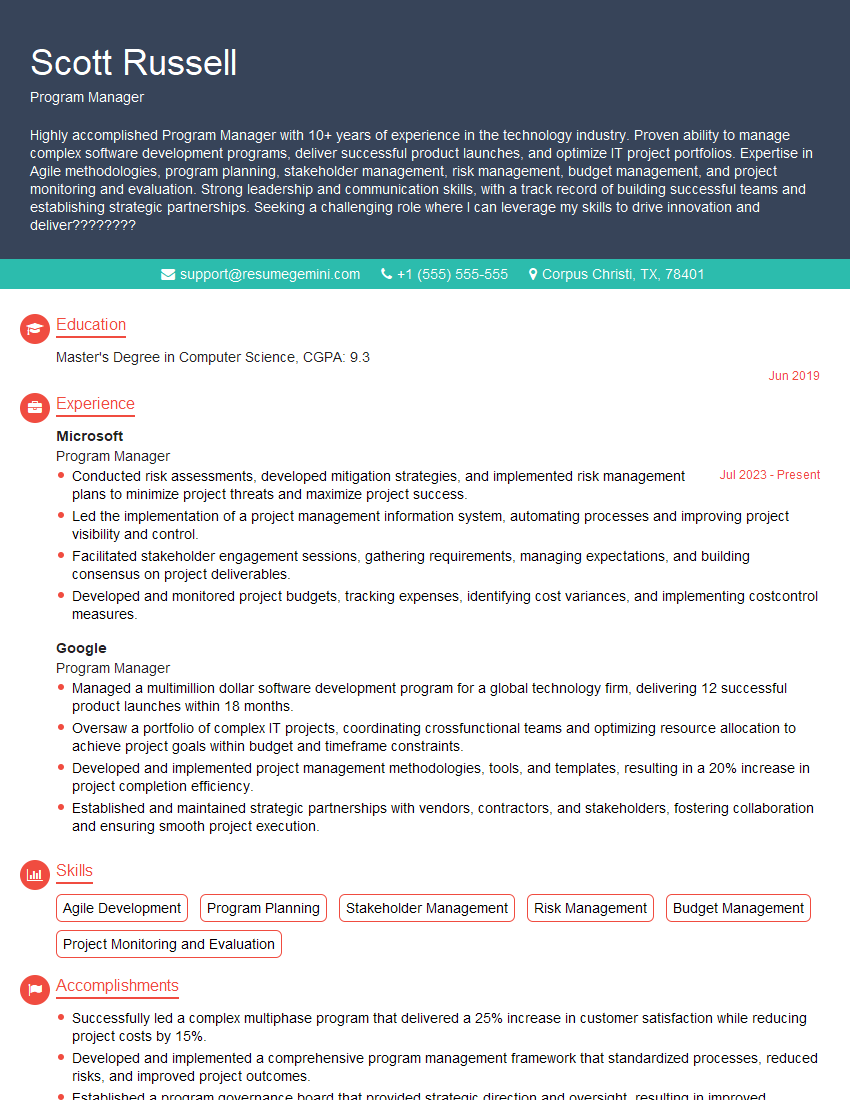
Program Manager Resume Sample
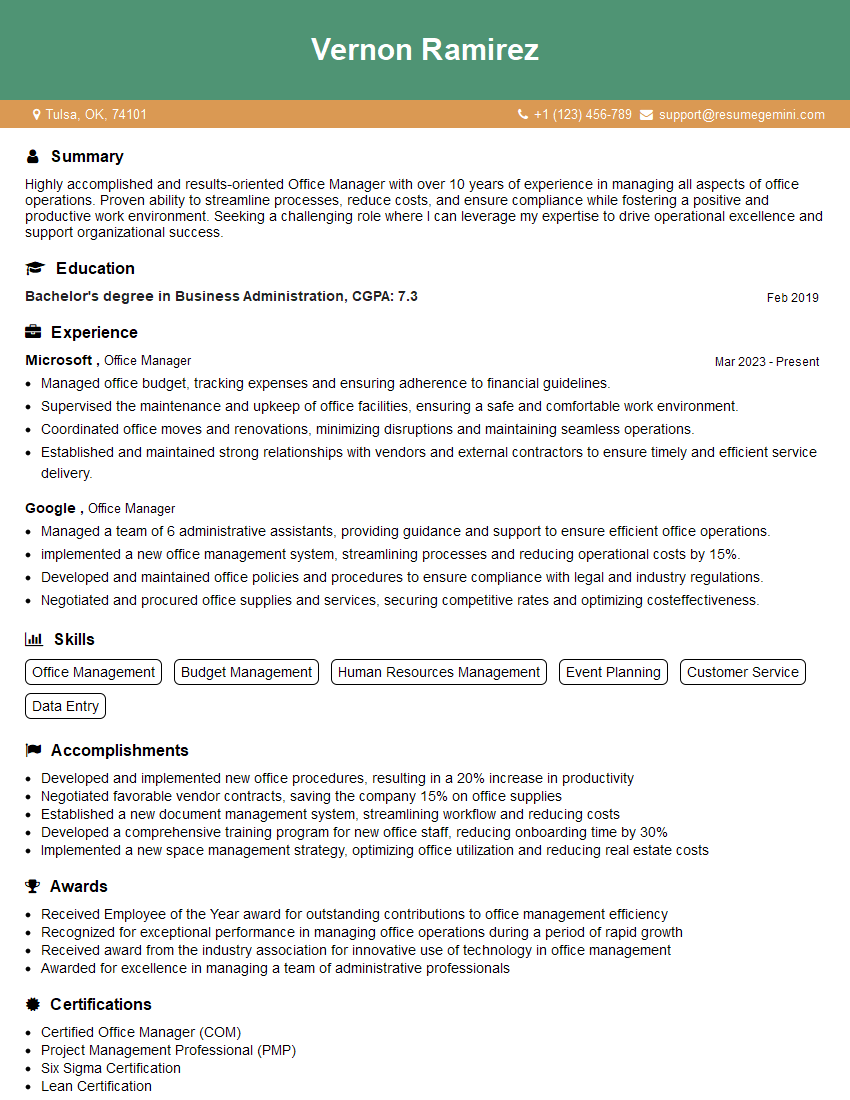
Office Manager Resume Sample

Operations Manager Resume Sample
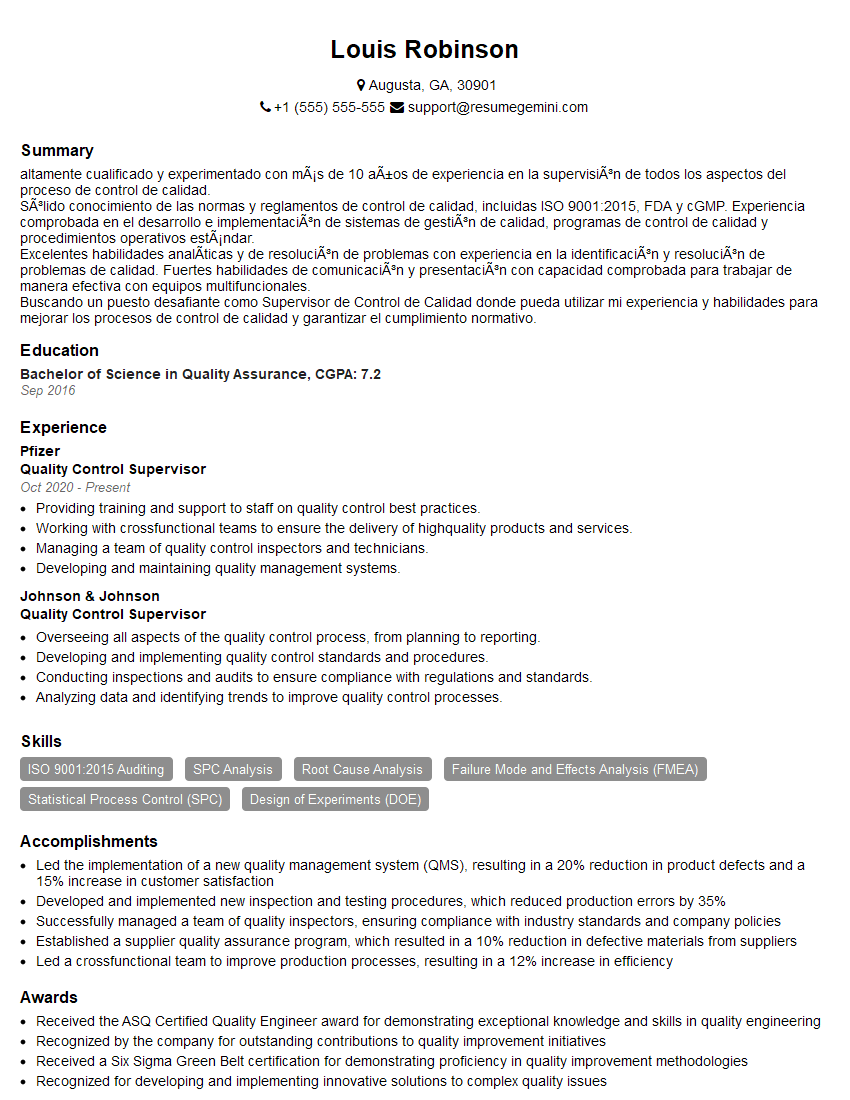
Quality Control Supervisor Resume Sample
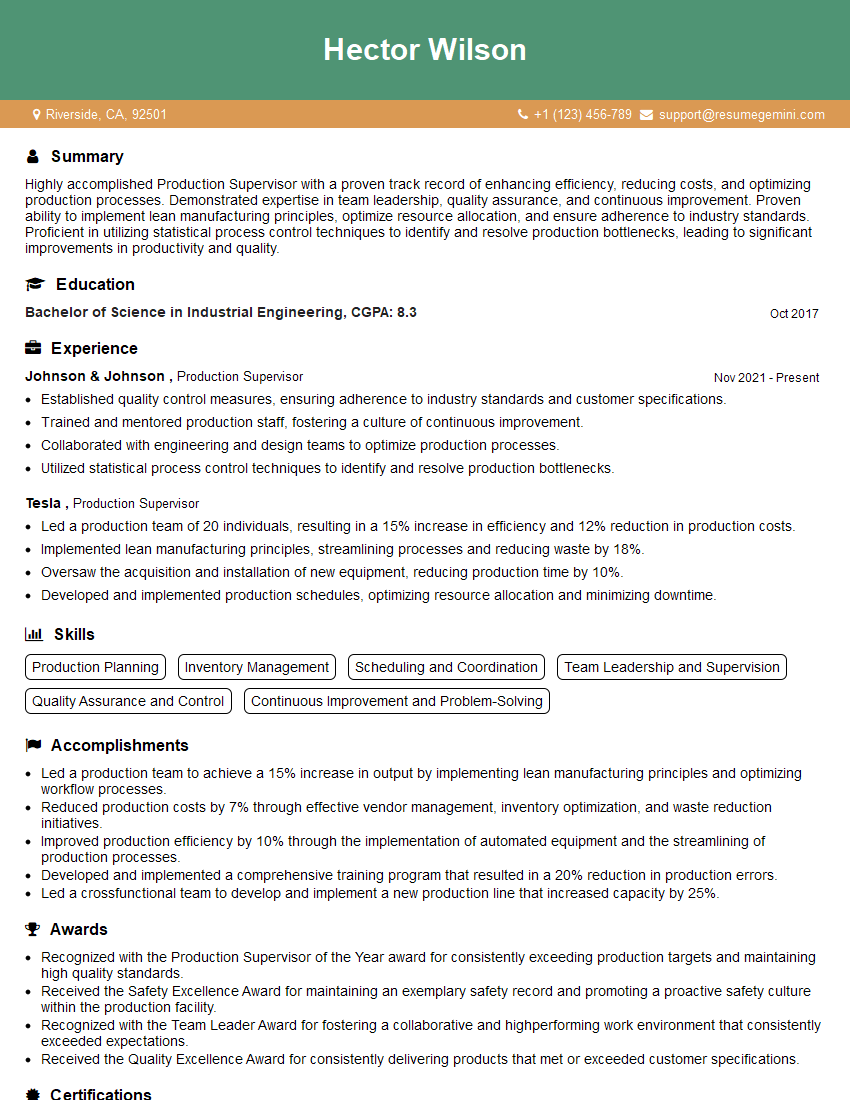
Production Supervisor Resume Sample
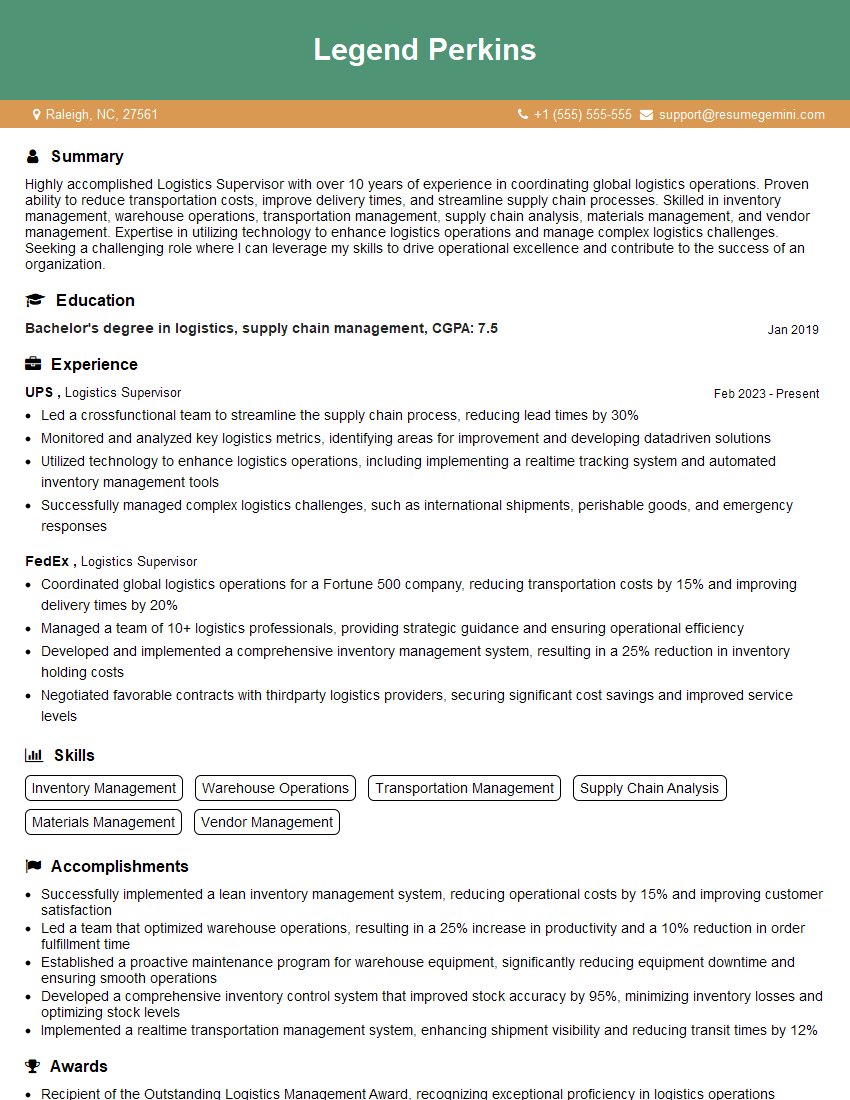
Logistics Supervisor Resume Sample
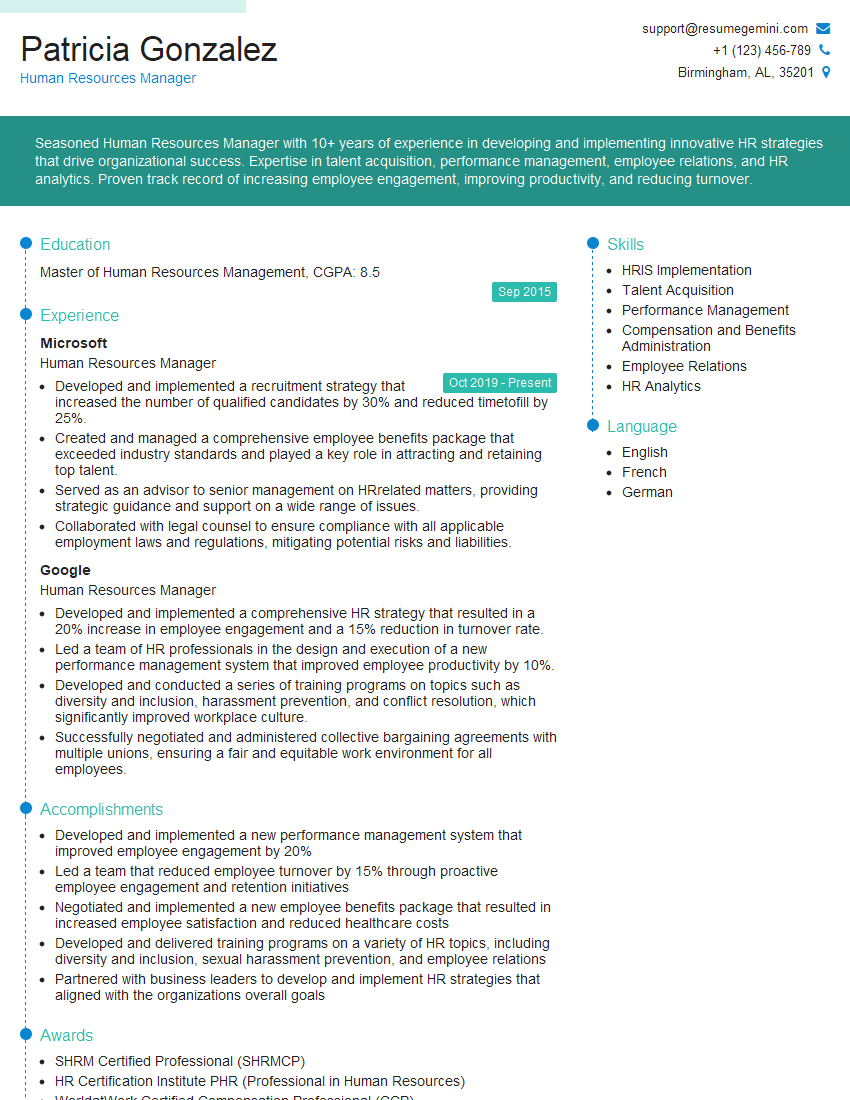
Human Resources Manager Resume Sample
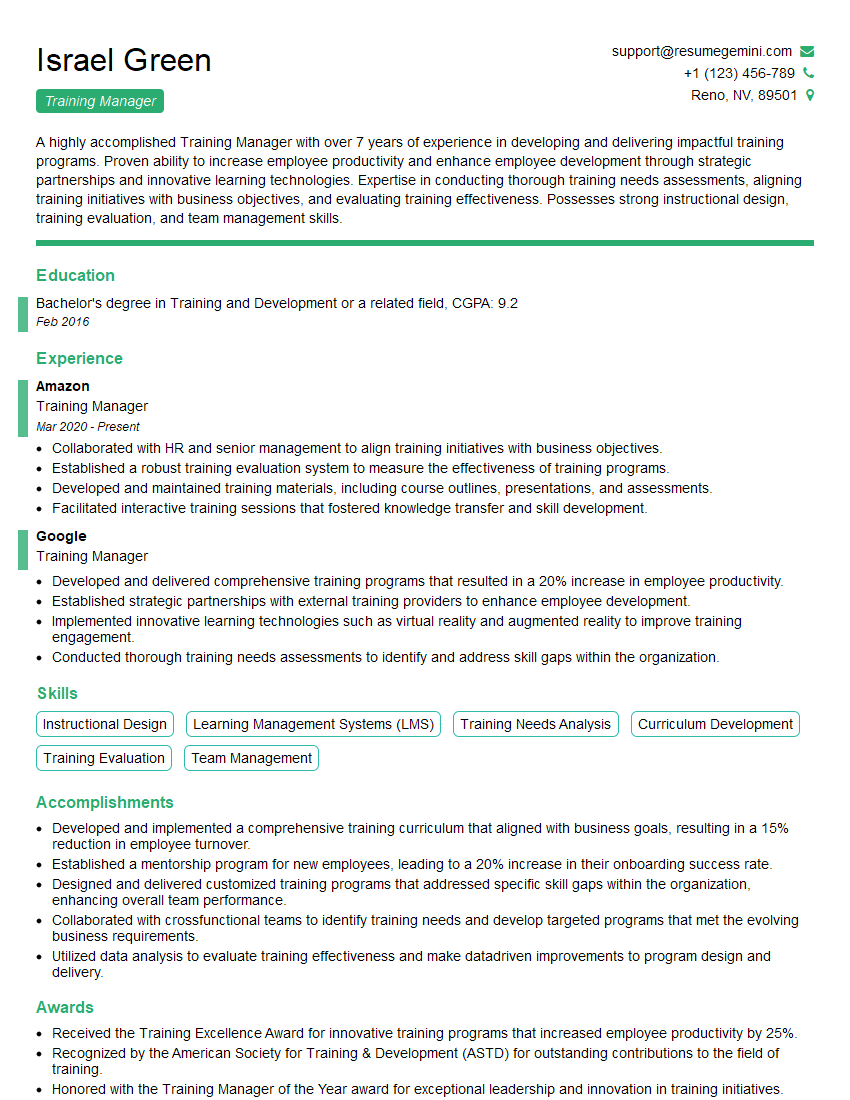
Training Manager Resume Sample

Project Manager Resume Sample
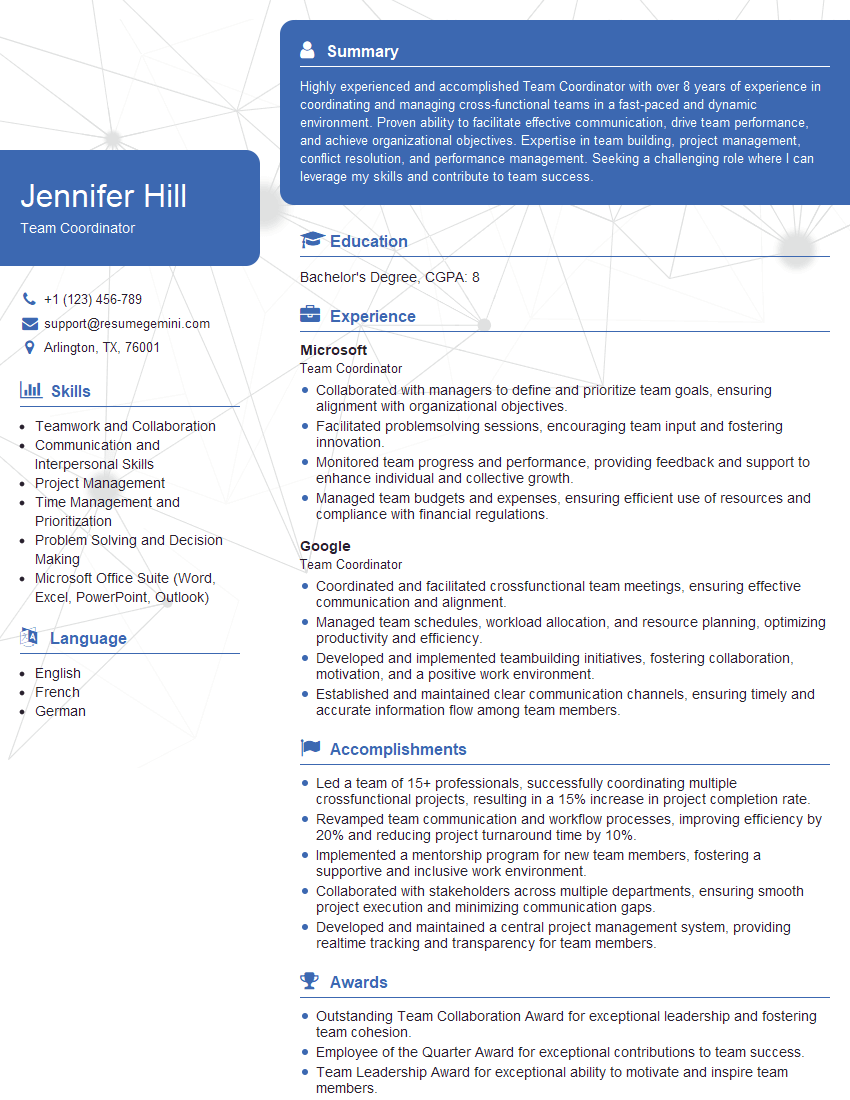
Team Coordinator Resume Sample
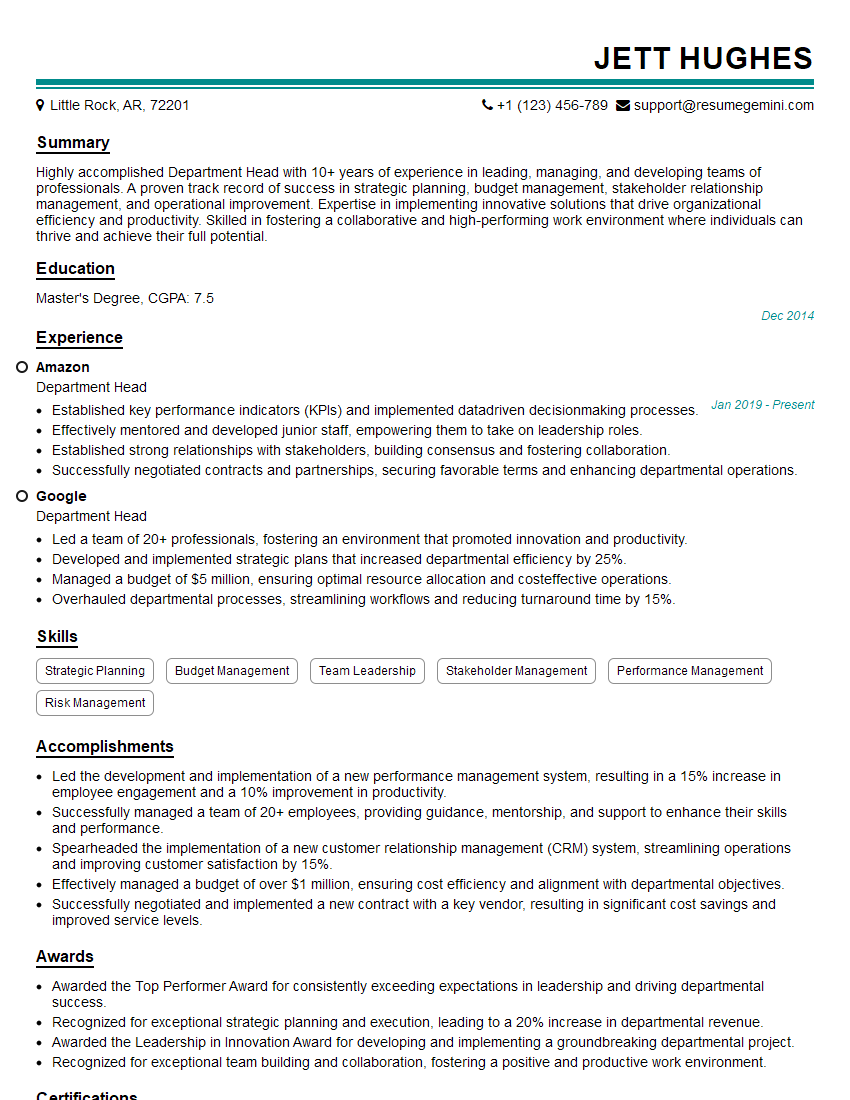
Department Head Resume Sample
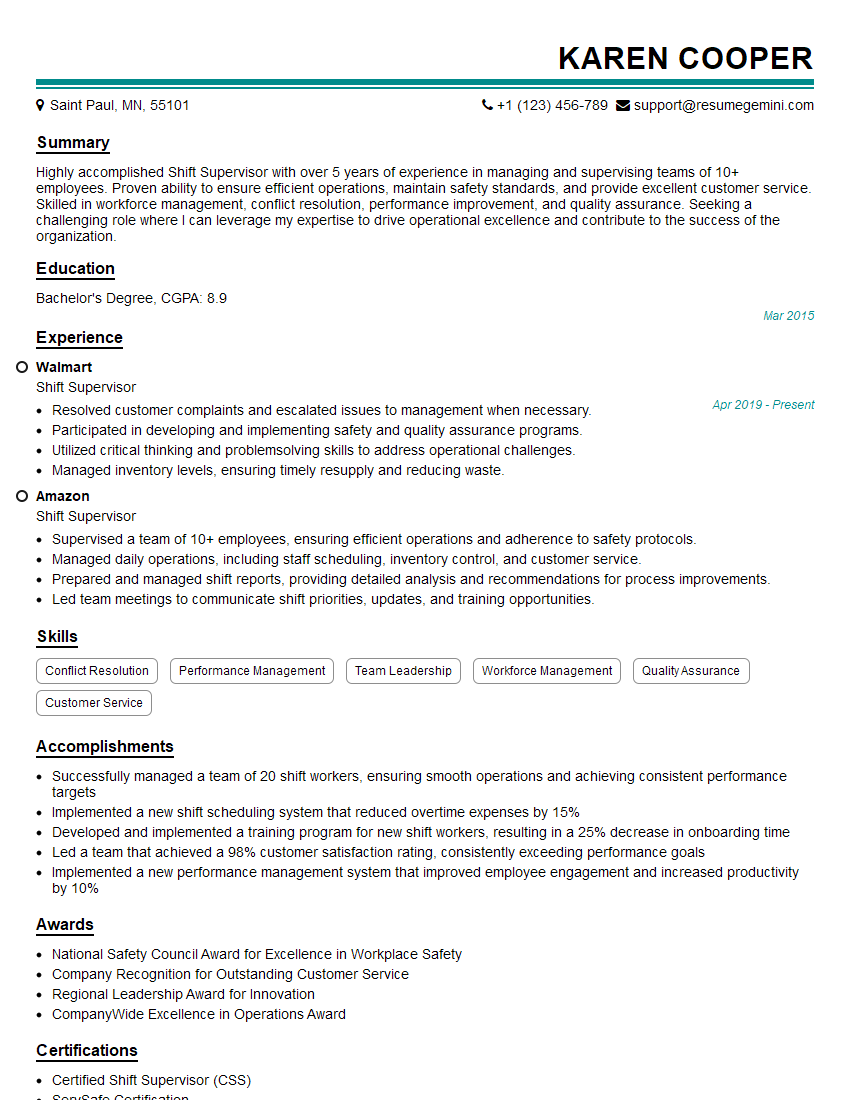
Shift Supervisor Resume Sample
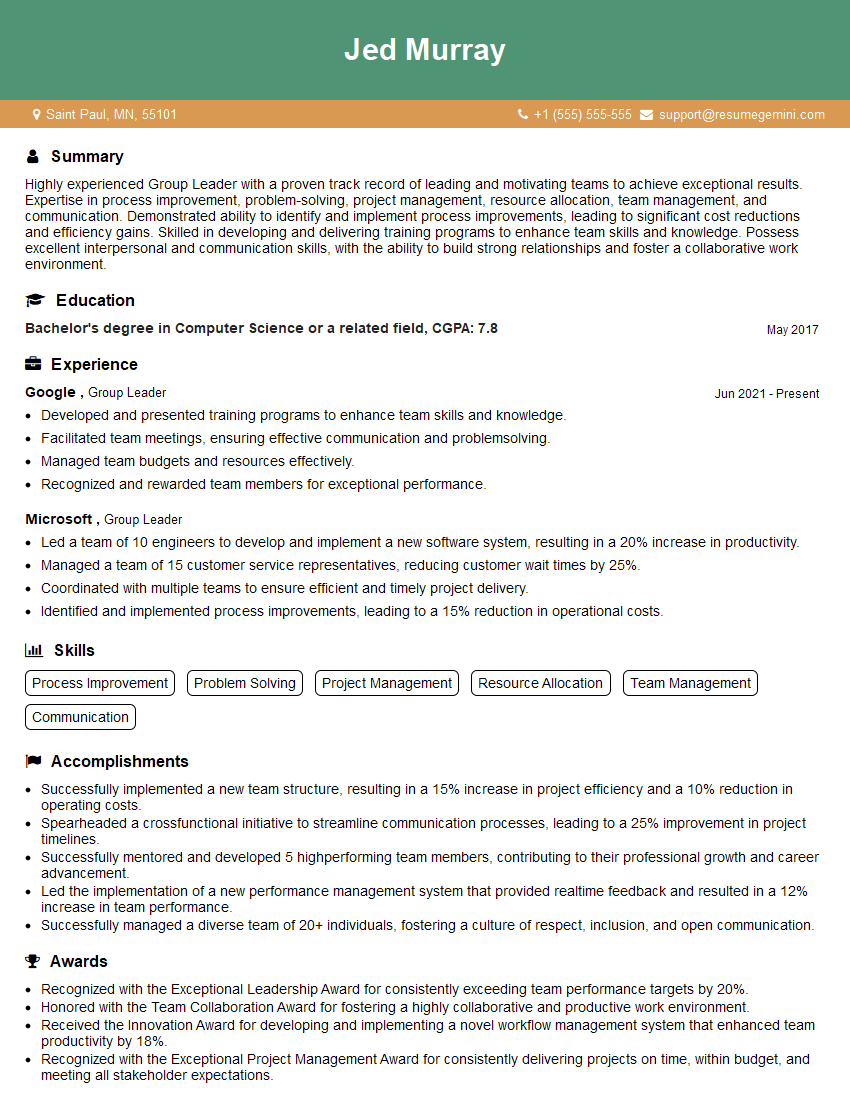
Group Leader Resume Sample
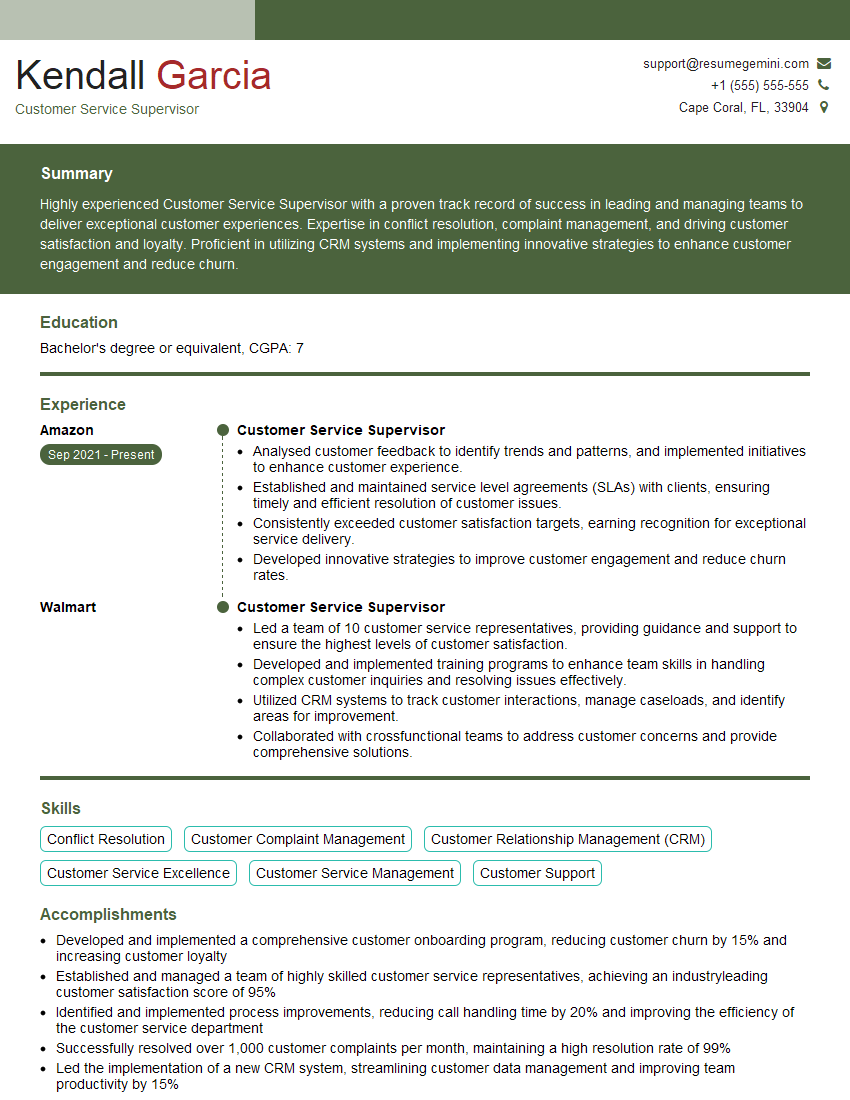
Customer Service Supervisor Resume Sample
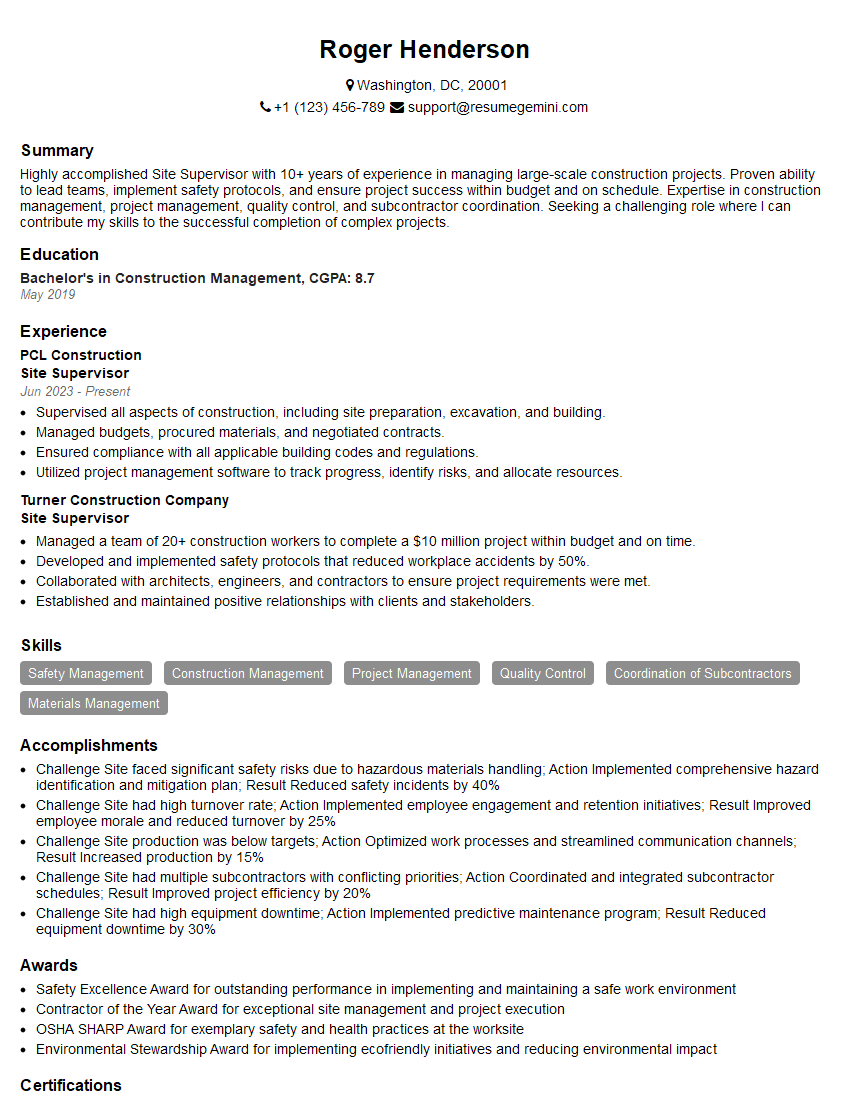
Site Supervisor Resume Sample
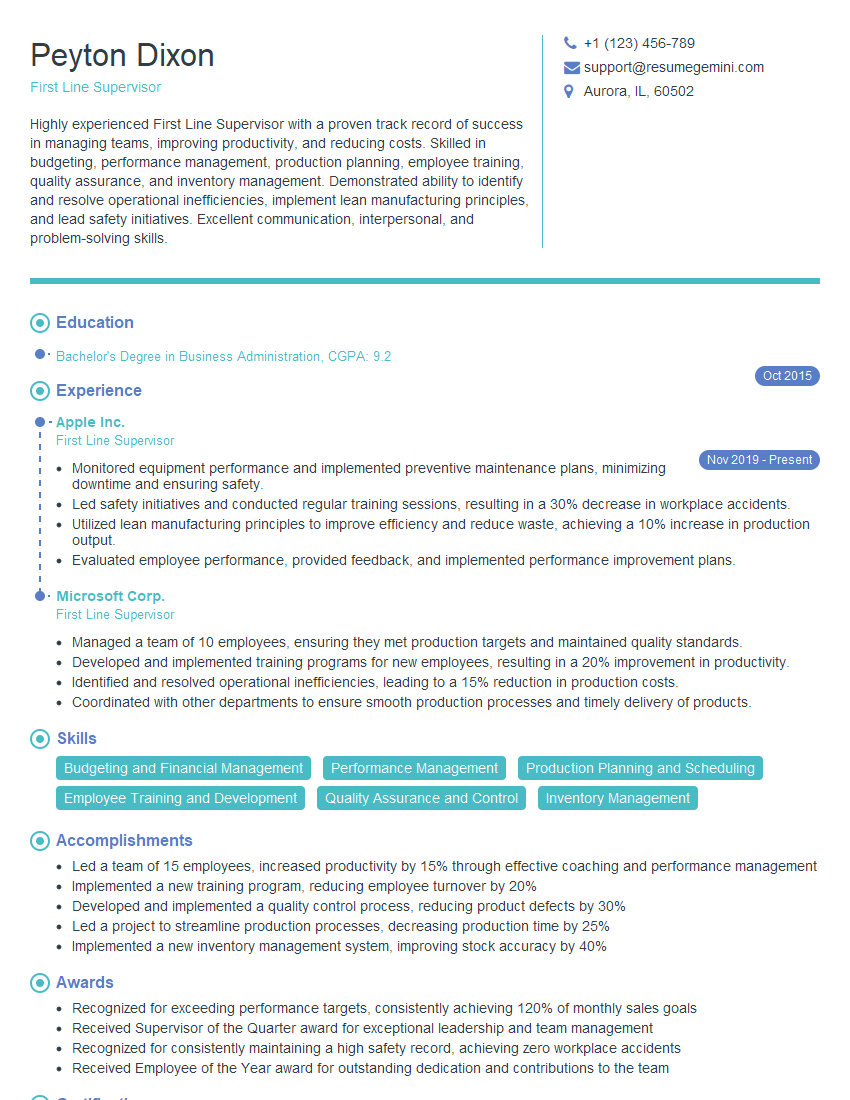
First Line Supervisor Resume Sample
- Program Manager
- Office Manager
- Operations Manager
- Quality Control Supervisor
- Production Supervisor
- Logistics Supervisor
- Human Resources Manager
- Training Manager
- Project Manager
- Team Coordinator
- Department Head
- Shift Supervisor
- Group Leader
- Customer Service Supervisor
- Site Supervisor
- First Line Supervisor
Explore more articles
Users Rating of Our Blogs
Share Your Experience
We value your feedback! Please rate our content and share your thoughts (optional).
What Readers Say About Our Blog
To the interviewgemini.com Webmaster.
Very helpful and content specific questions to help prepare me for my interview!
Thank you
To the interviewgemini.com Webmaster.
This was kind of a unique content I found around the specialized skills. Very helpful questions and good detailed answers.
Very Helpful blog, thank you Interviewgemini team.