Every successful interview starts with knowing what to expect. In this blog, we’ll take you through the top Use of Evidence-Based Practices interview questions, breaking them down with expert tips to help you deliver impactful answers. Step into your next interview fully prepared and ready to succeed.
Questions Asked in Use of Evidence-Based Practices Interview
Q 1. Define evidence-based practice (EBP).
Evidence-based practice (EBP) is a problem-solving approach to clinical practice that integrates the best available research evidence with clinical expertise and patient values to make decisions about patient care. It’s not about blindly following research findings, but rather using them thoughtfully and critically to guide your actions in a way that’s appropriate for each unique individual.
Q 2. Describe the three pillars of EBP.
The three pillars of EBP are:
- Best Research Evidence: This involves systematically searching for and critically appraising the most relevant and high-quality research to answer a specific clinical question. This could range from randomized controlled trials to qualitative studies, depending on the question.
- Clinical Expertise: This refers to the practitioner’s knowledge, skills, and experience. It’s the ‘art’ of medicine, involving intuition, judgment, and the ability to adapt to individual patient needs and preferences.
- Patient Values and Preferences: EBP recognizes that patients are not passive recipients of care; they have unique values, beliefs, preferences, and circumstances that must be considered when making treatment decisions. A treatment plan that is highly effective according to research might be inappropriate for a patient who finds it burdensome or incompatible with their lifestyle.
These three pillars are interwoven and mutually reinforcing. A robust EBP approach requires a thoughtful integration of all three elements.
Q 3. Explain the hierarchy of evidence.
The hierarchy of evidence reflects the relative strength of different study designs in terms of minimizing bias and providing reliable results. Generally, a higher level of evidence implies greater confidence in the findings. While the exact hierarchy can vary depending on the context, a common representation includes:
- Systematic Reviews and Meta-analyses: These summarize the findings of multiple studies on a specific topic, providing a broader and more robust view of the evidence than individual studies. They are considered the highest level of evidence.
- Randomized Controlled Trials (RCTs): These are experimental studies that randomly assign participants to different groups (e.g., treatment and control) to minimize bias and determine the effectiveness of an intervention.
- Cohort Studies: Observational studies that follow a group of individuals over time to examine the relationship between exposures and outcomes.
- Case-Control Studies: Observational studies that compare individuals with a particular outcome (cases) to individuals without the outcome (controls) to identify potential risk factors.
- Case Series and Case Reports: Descriptions of individual cases or small groups of cases. They are useful for generating hypotheses but provide limited evidence of effectiveness.
- Expert Opinion: While valuable, expert opinion alone is considered the lowest level of evidence because it lacks the rigorous testing and systematic review of other study designs.
It’s important to note that the hierarchy is not absolute. The quality of the study, its relevance to the clinical question, and the patient’s context are crucial factors to consider.
Q 4. How do you critically appraise research articles?
Critically appraising research articles involves systematically evaluating their strengths and weaknesses to determine the validity, reliability, and applicability of their findings. This process typically involves several steps:
- Identifying the Research Question and Objectives: What question is the study trying to answer? Are the objectives clearly stated?
- Assessing the Study Design: Is the study design appropriate for the research question? Are there potential biases?
- Evaluating the Methods: Were the participants appropriately selected and recruited? Were the data collection methods valid and reliable? Was the sample size adequate?
- Analyzing the Results: Are the results clearly presented and statistically significant? Are the conclusions supported by the data?
- Considering the Implications: Are the findings generalizable to my patient population? Are the benefits of the intervention likely to outweigh the risks for my patients?
Tools like the CASP (Critical Appraisal Skills Programme) checklists can provide structured guidance for critical appraisal.
Q 5. What are the limitations of EBP?
While EBP offers a valuable framework, it has limitations:
- Lack of Available Evidence: For some clinical questions, high-quality research may be lacking, making it challenging to apply EBP principles.
- Generalizability Issues: Research findings may not always be generalizable to all patients due to differences in demographics, comorbidities, and individual preferences.
- Resource Constraints: Implementing EBP can require significant time, resources, and training.
- Bias and Conflicts of Interest: Research can be influenced by bias, funding sources, and conflicts of interest, affecting the objectivity of the findings.
- Ethical Considerations: The focus on evidence can sometimes overshadow ethical considerations and the individual needs of patients.
It’s crucial to acknowledge these limitations and exercise clinical judgment when applying EBP in practice.
Q 6. How do you integrate EBP into your practice?
I integrate EBP into my practice through a cyclical process:
- Formulating a Clinical Question: I start by identifying a specific clinical question related to a patient’s care (e.g., ‘What is the most effective treatment for chronic back pain in elderly patients?’).
- Searching for Evidence: I utilize databases like PubMed, Cochrane Library, and others to search for relevant research articles and guidelines.
- Critically Appraising the Evidence: I evaluate the quality and relevance of the identified studies using established critical appraisal tools.
- Integrating Evidence with Clinical Expertise and Patient Values: I consider my clinical experience, knowledge of the patient’s specific circumstances, and their preferences when selecting an appropriate course of action.
- Implementing and Evaluating the Intervention: I implement the chosen intervention and regularly monitor the patient’s progress. The outcome informs future practice and further research.
- Disseminating Findings: I share my findings with colleagues and contribute to the body of knowledge by participating in professional development activities and potentially publishing case studies.
This iterative process ensures that my practice is continually informed by the best available evidence while being personalized to each patient’s unique needs.
Q 7. Describe a time you used EBP to solve a problem.
I recently encountered a patient with persistent post-surgical pain who wasn’t responding well to standard opioid analgesics. Instead of simply increasing the dose (a common, yet potentially problematic, approach), I formulated a clinical question: ‘What non-opioid analgesic strategies are most effective for managing post-surgical pain in elderly patients with comorbidities?’
My literature review revealed evidence supporting the efficacy of multimodal analgesia, combining non-opioid pain relievers, physical therapy, and nerve stimulation. After considering the patient’s age, comorbidities, and personal preferences, we implemented a multimodal approach. The results were significantly better than with opioids alone. The patient experienced reduced pain, improved mobility, and fewer side effects. This case reinforced the importance of using EBP to tailor treatment strategies for optimal patient outcomes.
Q 8. How do you stay current with the latest research in your field?
Staying current in evidence-based practice (EBP) requires a multifaceted approach. It’s not a one-size-fits-all solution; it requires consistent effort and a strategic plan. I regularly engage with several key resources:
- Peer-reviewed journals: I subscribe to and actively read journals like the Journal of Consulting and Clinical Psychology, Behaviour Research and Therapy, and others relevant to my specific area of practice. I utilize advanced search features to find relevant articles based on keywords related to my current projects or interests.
- Professional organizations: Membership in organizations like the Association for Behavioral and Cognitive Therapies (ABCT) or similar groups provides access to conferences, webinars, and newsletters featuring the latest research and best practices. These organizations often summarize complex research findings in more accessible formats.
- Systematic reviews and meta-analyses: Instead of reading individual studies, I prioritize accessing systematic reviews and meta-analyses, which synthesize findings from multiple studies on a specific topic, providing a more robust and comprehensive overview of the evidence.
- Online databases: I regularly search databases like PubMed, PsycINFO, and Cochrane Library to find relevant research articles and evidence summaries. Developing effective search strategies is crucial for efficiency.
- Continuing education: I actively participate in continuing education courses and workshops focusing on new developments and advancements in EBP. This ensures I’m not only updated on the latest research but also on the practical application of that research.
This combined approach helps me maintain a robust understanding of the latest evidence and ensures my practice remains current and effective.
Q 9. How do you determine the applicability of research findings to your specific context?
Determining the applicability of research findings requires critical appraisal of the research context and a careful comparison with my own. This involves several steps:
- Participant characteristics: I examine the demographics, clinical characteristics, and other relevant participant factors in the study to see how closely they match my population of interest. A study conducted with adults might not be directly applicable to adolescents, for example.
- Setting: Research conducted in a highly controlled laboratory setting might not perfectly translate to a real-world clinical setting. I consider the setting of the original research and whether the results are likely to generalize to my context.
- Intervention fidelity: The intervention must be implemented with high fidelity to the original study. If the intervention in my setting differs significantly from the original study, the outcomes may also differ.
- Outcome measures: I evaluate whether the outcome measures used in the study are appropriate and feasible to use in my context. The study’s measures might be complex or costly, rendering them impractical in my setting.
- Statistical power and effect sizes: I scrutinize the statistical power of the study and the size of the effect observed. A small effect size might not be clinically meaningful in my context, even if statistically significant.
Essentially, I’m asking: ‘Is this study truly comparable to my situation, and are the results likely to be replicated here?’ This process ensures that I don’t blindly implement interventions without considering the potential limitations or differences in context.
Q 10. Explain the concept of clinical significance versus statistical significance.
Statistical significance indicates the likelihood that the observed results are not due to chance alone. It’s expressed as a p-value; a p-value less than 0.05 is generally considered statistically significant. However, statistical significance doesn’t necessarily imply clinical significance.
Clinical significance refers to the practical importance or meaningfulness of the results. A statistically significant finding might have a small effect size that isn’t noticeable or impactful in real-world practice. For example, a treatment might statistically reduce anxiety scores by a small amount, but this change might not be substantial enough to be considered clinically significant for the patient. Conversely, a large but not statistically significant effect might be clinically important because of other contextual factors.
Imagine a study showing a statistically significant reduction in depression scores. If that reduction only represents a one-point shift on a 100-point scale, that might not be clinically significant. However, if it represents a substantial decrease in reported suicidal ideation or self-harm, it would be clinically significant despite a potentially smaller statistical effect. We need both statistical and clinical significance to establish the true value of an intervention.
Q 11. What are some common barriers to implementing EBP?
Implementing EBP faces numerous barriers, which often intertwine:
- Lack of time and resources: Keeping up with the latest research, implementing new interventions, and evaluating outcomes requires significant time and resources, which are often scarce in busy clinical settings.
- Lack of training and support: Clinicians may lack the necessary training to critically appraise research, implement new interventions effectively, or collect and analyze data for evaluation. This includes access to mentors and supportive environments.
- Resistance to change: Clinicians may be resistant to adopting new approaches, particularly if they are comfortable with their existing methods or skeptical of the evidence for new ones. This can be due to ingrained habits or a feeling of loss of control.
- Organizational barriers: Organizational policies, procedures, or lack of resources may hinder the implementation of EBP. This includes lack of managerial support, inadequate funding, or inflexible scheduling practices.
- Client factors: Client preferences, beliefs, and readiness to change can influence the acceptance and success of EBP interventions. Some clients might resist recommended interventions based on personal convictions or existing support networks.
Addressing these barriers requires a multi-pronged approach involving training, providing resources, fostering a culture of change, and actively addressing clinicians’ concerns and resistance.
Q 12. How do you address resistance to change when implementing EBP?
Addressing resistance to change when implementing EBP is crucial. It necessitates a collaborative and empathetic approach:
- Education and collaboration: Begin by educating staff on the rationale and evidence base for the new EBP. Engage them in the decision-making process and listen to their concerns. Collaborative implementation is far more effective than top-down mandates.
- Addressing concerns: Openly address and acknowledge any concerns or anxieties staff may have. This might include concerns about workload, training, or the perceived impact on their autonomy. Providing reassurance and addressing these concerns directly can foster buy-in.
- Demonstrating effectiveness: Provide clear evidence of the effectiveness of the new EBP, using data and testimonials to illustrate its benefits. Real-world examples and concrete data are powerful motivators.
- Incremental implementation: Implement the EBP gradually rather than abruptly. Start with a pilot program or small-scale trial to allow staff to gain experience and demonstrate success before widespread adoption. This reduces feelings of being overwhelmed.
- Incentives and recognition: Provide incentives or recognition for staff participation and successful implementation. This can involve professional development opportunities, public acknowledgment, or other tangible rewards.
- Ongoing support and supervision: Provide ongoing support and supervision to staff during the implementation phase. Regular feedback and opportunities for problem-solving are crucial for success.
By fostering a culture of collaboration, support, and ongoing professional development, it’s possible to overcome resistance to change and successfully integrate EBP into clinical practice.
Q 13. Describe your experience with data analysis relevant to EBP.
My experience with data analysis in EBP is extensive. I’m proficient in using statistical software packages like SPSS and R to analyze various types of data, including:
- Descriptive statistics: Calculating means, standard deviations, frequencies, and other descriptive measures to summarize and describe the data.
- Inferential statistics: Using t-tests, ANOVA, correlation analysis, and regression analysis to test hypotheses and draw inferences from the data. I understand the importance of controlling for confounding variables and ensuring appropriate statistical power.
- Effect size calculations: Computing effect sizes (e.g., Cohen’s d, eta-squared) to quantify the magnitude of treatment effects, making it easier to interpret the clinical significance of findings.
- Data visualization: Creating graphs and charts to visually represent the data and facilitate understanding of the results for myself and others.
- Qualitative data analysis: For research projects involving qualitative data (e.g., interviews, focus groups), I utilize thematic analysis to identify patterns and themes within the data.
I understand the ethical considerations involved in data collection and analysis, including issues of confidentiality and informed consent. My analytical skills are crucial for evaluating the effectiveness of interventions, monitoring progress, and guiding decision-making in EBP.
For example, in a recent project evaluating a new intervention for anxiety, I used mixed-methods analysis. I analyzed quantitative data from standardized anxiety measures, while simultaneously conducting qualitative interviews to better understand the client experience and perceptions of the intervention’s effectiveness.
Q 14. How do you measure the effectiveness of an EBP intervention?
Measuring the effectiveness of an EBP intervention involves a multifaceted approach that goes beyond simply looking at statistical significance. It requires a combination of quantitative and qualitative methods to obtain a comprehensive understanding of the intervention’s impact.
- Quantitative measures: Pre- and post-intervention assessments using standardized measures are crucial. These measures should be reliable and valid, assessing the target outcomes specified in the intervention’s objectives. For example, in a depression treatment study, I might utilize the Beck Depression Inventory (BDI-II).
- Qualitative measures: Qualitative data, such as client feedback through interviews or focus groups, provides valuable insights into the intervention’s impact beyond quantitative scores. This helps understand the client’s experience and factors that contribute to or detract from its success.
- Control groups: Comparison with a control group (e.g., a waitlist control or a control group receiving a different treatment) helps isolate the specific effects of the intervention. This allows researchers to compare the outcomes of participants who receive the intervention against those who do not.
- Maintenance and generalization: Measuring the long-term maintenance of treatment gains and generalization of those gains to other settings or contexts is crucial for assessing the intervention’s lasting impact.
- Process evaluation: Assessing the implementation of the intervention (fidelity, adherence, etc.) provides information on how well the intervention was implemented and whether this may have impacted the results.
By combining quantitative and qualitative data, we gain a holistic understanding of the intervention’s effectiveness, going beyond mere numbers to gain a nuanced understanding of both the impact on client outcomes and the practical feasibility of the intervention itself. This comprehensive evaluation informs decisions regarding the continued use, refinement, or adaptation of the intervention.
Q 15. What are some ethical considerations in applying EBP?
Ethical considerations in Evidence-Based Practice (EBP) are paramount. They center around ensuring fairness, respect, and beneficence in the application of research findings. This means prioritizing the well-being of individuals and communities above all else.
- Informed Consent: Individuals must understand the intervention being offered, its potential benefits and risks, and have the autonomy to choose whether or not to participate. This is particularly critical in research studies and when implementing new practices.
- Beneficence and Non-Maleficence: We must strive to do good and avoid harm. This means carefully considering the potential negative consequences of an intervention and taking steps to mitigate them. For example, before implementing a new behavioral therapy, we must assess whether it might inadvertently trigger anxiety in some individuals.
- Justice and Equity: EBP should be accessible and beneficial to all populations, regardless of socioeconomic status, race, ethnicity, or other demographic factors. We must be mindful of potential biases in research and ensure interventions are culturally appropriate and sensitive.
- Confidentiality and Privacy: Protecting the privacy and confidentiality of individuals involved in research or receiving interventions is crucial. Data must be securely stored and used only for its intended purpose.
- Competence: Practitioners must be properly trained and competent to implement EBPs. Using techniques without adequate knowledge or skill is unethical and potentially harmful.
For example, imagine implementing a new classroom management technique based on strong research. Ethically, we must ensure teachers are properly trained, parents are informed, and children understand the changes and their rights within the new system.
Career Expert Tips:
- Ace those interviews! Prepare effectively by reviewing the Top 50 Most Common Interview Questions on ResumeGemini.
- Navigate your job search with confidence! Explore a wide range of Career Tips on ResumeGemini. Learn about common challenges and recommendations to overcome them.
- Craft the perfect resume! Master the Art of Resume Writing with ResumeGemini’s guide. Showcase your unique qualifications and achievements effectively.
- Don’t miss out on holiday savings! Build your dream resume with ResumeGemini’s ATS optimized templates.
Q 16. How do you evaluate the quality of evidence?
Evaluating the quality of evidence involves a systematic assessment of the research design, methodology, and findings. The hierarchy of evidence, with randomized controlled trials (RCTs) at the top, provides a useful framework, but it’s not absolute. We must consider the context and the nature of the question being addressed.
- Study Design: RCTs are generally considered the gold standard, but well-conducted cohort studies, case-control studies, and even qualitative studies can provide valuable information, depending on the research question. We look for methodological rigor and control for bias.
- Sample Size and Generalizability: A larger, more diverse sample increases the generalizability of the findings to different populations. A small, homogenous sample might limit the applicability of the results.
- Statistical Significance and Clinical Significance: Statistical significance indicates the likelihood that the observed effect is not due to chance. However, we must also consider clinical significance: whether the effect size is meaningful and impactful in a real-world setting.
- Bias and Confounding Factors: We must assess whether the study design adequately addressed potential biases (e.g., selection bias, publication bias) and confounding variables that could influence the results.
- Peer Review and Replication: The publication of research in peer-reviewed journals suggests a level of quality control. However, the ability to replicate the findings in independent studies provides stronger evidence.
Imagine reviewing a study on a new medication. We would scrutinize the methods section to assess the randomization process, blinding procedures, sample size, and how the outcome measures were defined and analyzed. We also would look for evidence of potential bias or confounding variables.
Q 17. How do you translate research into practice?
Translating research into practice is a complex process that requires careful consideration of several factors. It’s not simply about reading a research article and implementing the findings directly. Context matters!
- Identify the Knowledge Gap: Begin by clearly defining the problem or area where improvement is needed. What knowledge is missing to better address this issue?
- Search for Evidence: Conduct a thorough search of relevant literature using databases such as PubMed, PsycINFO, and others. Use precise keywords and search strategies.
- Critique the Evidence: Critically appraise the quality and relevance of the identified studies, using the criteria mentioned earlier. Don’t simply accept findings at face value.
- Integrate Evidence with Expertise and Client Values: Incorporate the best available research evidence with your clinical expertise and the preferences, values, and circumstances of the individuals you serve. EBP is not a rigid formula; it’s a process of integration.
- Pilot Test and Evaluate: Before widespread implementation, pilot test the new practice in a small setting to assess its feasibility, effectiveness, and potential challenges. Regularly monitor and evaluate the outcome of the intervention.
- Disseminate Findings: Share your experiences and results with colleagues, stakeholders, and the broader professional community through presentations, publications, and other channels.
For instance, a school might want to improve reading outcomes. They would research evidence-based reading interventions, pilot a chosen program, collect data, and adjust their approach based on the outcomes before implementing it school-wide.
Q 18. Explain the role of stakeholders in EBP implementation.
Stakeholders are essential to successful EBP implementation. Their involvement ensures that the process is relevant, feasible, and sustainable. Different stakeholders have different perspectives and contributions.
- Researchers: Provide the evidence base for practice.
- Practitioners: Apply the evidence in their daily work and provide feedback on its effectiveness and practicality.
- Policy Makers: Influence the adoption of EBPs through regulations, funding, and other mechanisms.
- Clients/Patients: Their perspectives, preferences, and values are crucial in determining the appropriateness and acceptability of an intervention.
- Administrators: Responsible for allocating resources, providing support, and ensuring that EBPs are effectively integrated into organizational systems.
- Community Members: Can offer valuable insights into local needs and contexts.
For example, implementing a new mental health program requires the collaboration of researchers who developed the program, clinicians who deliver services, administrators who manage resources, clients who benefit from the services, and community members who can help tailor it to local needs.
Q 19. How do you communicate EBP findings to different audiences?
Communicating EBP findings effectively requires tailoring the message to the audience. Different groups have different levels of understanding and interest.
- Researchers: Use technical language and detail in peer-reviewed publications.
- Practitioners: Focus on practical implications and actionable strategies in workshops, conferences, and continuing education courses.
- Policy Makers: Emphasize cost-effectiveness, impact on population health, and alignment with policy goals. Use concise summaries and visual aids.
- Clients/Patients: Use plain language, avoid jargon, and focus on the relevance to their personal lives. Use stories and examples to illustrate points.
- General Public: Use accessible language, compelling visuals, and simple analogies. Consider using infographics or videos.
Imagine explaining a new treatment for depression. For researchers, you might publish a detailed analysis in a medical journal. For patients, you’d use simple language, emphasizing the benefits and addressing concerns.
Q 20. What strategies do you use to ensure the sustainability of EBP initiatives?
Ensuring the sustainability of EBP initiatives requires a multifaceted approach that addresses various aspects of implementation.
- Leadership Support: Strong and consistent support from leadership is critical to ensuring resources and commitment are maintained over time.
- Integration into Routine Practices: EBPs should be seamlessly integrated into existing workflows and systems rather than existing as separate, isolated projects.
- Training and Supervision: Ongoing training and supportive supervision for practitioners are essential to maintaining proficiency and addressing challenges.
- Monitoring and Evaluation: Regular monitoring and evaluation provide feedback on the effectiveness of the initiative, identify areas needing improvement, and demonstrate the value of the investment.
- Collaboration and Communication: Open communication and collaboration among stakeholders are crucial for addressing challenges and sustaining momentum.
- Resource Allocation: Adequate resources (financial, human, technological) are necessary for long-term sustainability.
For example, a hospital implementing a new fall prevention program needs ongoing training for staff, regular audits to assess effectiveness, and clear communication among different departments to maintain the program’s success.
Q 21. How do you handle situations where there is conflicting evidence?
Conflicting evidence is common in research. Handling it requires a nuanced approach.
- Assess the Quality of the Evidence: Critically evaluate the methodology and quality of each study. Studies with stronger methodology and fewer biases should carry more weight.
- Consider the Context: The relevance of a study’s findings depends on the specific context of application. What were the characteristics of the samples in the studies? Are they comparable to your situation?
- Look for Systematic Reviews and Meta-analyses: These studies synthesize findings from multiple studies, providing a more comprehensive overview of the evidence.
- Consult Experts: Seek the advice of experts in the field to help interpret the conflicting findings and inform decision-making.
- Embrace Uncertainty: In some cases, the evidence may be inconclusive. It is acceptable to acknowledge this uncertainty and proceed cautiously, monitoring the outcomes closely.
- Consider Qualitative Data: Qualitative studies, while not as high on the hierarchy of evidence as quantitative studies, can provide valuable insights into the experiences and perspectives of individuals, adding context to quantitative findings.
For instance, if studies on a particular treatment show conflicting results, we should review the methodology of each, search for systematic reviews summarizing the evidence, consult experts, and potentially consider a pilot project to test the intervention in our specific context before a full-scale implementation.
Q 22. What is your understanding of systematic reviews and meta-analyses?
Systematic reviews and meta-analyses are powerful tools in evidence-based practice. A systematic review is a comprehensive, rigorous synthesis of existing research on a specific clinical question. It follows a pre-defined protocol to minimize bias and ensure transparency. Think of it as a highly organized literature search and summary, meticulously evaluating the quality of each included study.
A meta-analysis, on the other hand, is a statistical technique used *within* a systematic review to combine the results of multiple studies addressing the same research question. This allows for a more precise estimate of the effect of an intervention or association than any single study could provide. For example, a meta-analysis might combine the results of several randomized controlled trials (RCTs) investigating the effectiveness of a new drug, providing a more robust conclusion than looking at each trial individually. The key difference is that a systematic review can exist without a meta-analysis (if the data isn’t suitable for combining statistically), but a meta-analysis always sits within a systematic review.
Q 23. How do you identify and address bias in research studies?
Identifying and addressing bias is crucial for ensuring the trustworthiness of research findings. Bias can creep in at various stages of a study, from its design to its publication. We use several strategies to detect and mitigate bias. First, we carefully assess the study design. Randomized controlled trials (RCTs) generally have less bias than observational studies. We critically appraise each study using validated tools like the Cochrane Risk of Bias tool, looking for potential sources of bias, such as selection bias (how participants were chosen), performance bias (differences in how treatments were delivered), detection bias (differences in how outcomes were assessed), and publication bias (a tendency for studies with positive results to be published more readily).
Addressing bias involves acknowledging its potential impact on the findings and, where possible, adjusting for it statistically. Sensitivity analyses, where we re-analyze the data excluding potentially biased studies or subgroups, can help assess the robustness of our conclusions. Transparency is key; we clearly document all decisions made during the appraisal process and justify any exclusions.
Q 24. Describe your experience using a specific EBP framework (e.g., the Iowa Model).
I’ve extensively used the Iowa Model of Evidence-Based Practice to guide clinical decision-making. This model provides a structured framework for integrating research evidence with clinical expertise and patient preferences. In a recent project focusing on reducing hospital-acquired infections, we followed the Iowa Model systematically. We began by identifying a triggering event – a rise in infection rates on a specific ward. This triggered a literature review using the PICOT format (Population, Intervention, Comparison, Outcome, Time) to identify relevant evidence. We then critically appraised the evidence, assessing its quality and relevance to our specific context.
The next step involved evaluating the feasibility of implementing the identified best practices, considering resource constraints and staff expertise. We then developed an implementation plan, including training programs for staff and monitoring tools to track progress and measure the impact of the changes. Post-implementation, we systematically evaluated the effects of the changes on infection rates and patient outcomes, continuously improving our approach based on the feedback and evaluation findings. The Iowa model’s iterative approach ensured a systematic and robust implementation of EBP.
Q 25. How do you incorporate patient preferences and values into EBP decision-making?
Patient preferences and values are paramount in EBP. They shouldn’t be an afterthought but a central component of the decision-making process. We actively involve patients in the process through shared decision-making. This involves open communication, actively listening to their concerns, understanding their goals and preferences, and presenting them with the available evidence in a clear and understandable manner. For example, when discussing treatment options with a patient, we might present the evidence regarding effectiveness and potential side effects of different treatments, but equally importantly, we explore the patient’s lifestyle, values, and priorities to find the option that best aligns with their overall well-being. Tools like decision aids can assist in presenting information objectively and clarifying patient values.
Q 26. What are the key components of a successful EBP implementation plan?
A successful EBP implementation plan needs several key components. First, it requires strong leadership and organizational support. A champion within the organization is crucial to drive the process forward and overcome potential barriers. Second, a clear definition of the problem and the desired outcomes is essential. This includes identifying specific, measurable, achievable, relevant, and time-bound (SMART) goals. Third, the plan must address practical issues such as resource allocation, training, and ongoing monitoring. A robust data collection system is vital to track progress, identify challenges, and adjust the implementation as needed. Regular feedback and evaluation are crucial to ensure the plan’s effectiveness and make necessary adaptations. Lastly, clear communication is vital throughout the entire process to keep stakeholders informed and engaged.
Q 27. Describe a time you had to adapt an EBP intervention to meet the needs of a specific population.
In a project focused on implementing a fall prevention program in a long-term care facility, we found that a standard protocol was proving ineffective with our cognitively impaired residents. The evidence-based program relied heavily on verbal instructions and patient participation, which was clearly challenging for this specific population. We adapted the intervention by incorporating non-verbal cues, visual aids, and environmental modifications. For example, we used color-coded floor markers to guide residents and installed assistive devices appropriate to their individual needs. We also trained staff in techniques for communicating with cognitively impaired individuals. This adapted approach, although deviating from the original protocol, yielded significantly improved outcomes in fall reduction, demonstrating the importance of tailoring EBP interventions to specific population needs.
Key Topics to Learn for Use of Evidence-Based Practices Interview
- Defining Evidence-Based Practices (EBP): Understanding the core principles and philosophical underpinnings of EBP, including its relationship to research and best practices.
- Identifying and Appraising Evidence: Critically evaluating research methodologies, study designs, and data analysis techniques to determine the validity and reliability of evidence. This includes understanding different levels of evidence and bias detection.
- Integrating Evidence into Practice: Applying research findings to real-world scenarios, considering contextual factors and client needs. This involves translating research into practical interventions and strategies.
- Ethical Considerations in EBP: Understanding the ethical implications of using evidence-based practices, including informed consent, confidentiality, and cultural sensitivity.
- Disseminating and Implementing EBP: Sharing research findings effectively with colleagues and stakeholders, facilitating the adoption of new practices within organizations.
- Problem-Solving with EBP: Utilizing a systematic approach to identifying problems, searching for relevant evidence, implementing solutions, and evaluating outcomes. This involves a cyclical process of continuous improvement.
- Challenges and Barriers to EBP Implementation: Recognizing and addressing common obstacles to implementing evidence-based practices, such as resource constraints, resistance to change, and lack of training.
Next Steps
Mastering the use of Evidence-Based Practices is crucial for career advancement in many fields. Demonstrating a strong understanding of EBP showcases your commitment to high-quality practice and continuous improvement, making you a highly desirable candidate. To maximize your job prospects, it’s vital to create an ATS-friendly resume that effectively highlights your skills and experience. ResumeGemini is a trusted resource that can help you build a professional and impactful resume. We offer examples of resumes tailored to Use of Evidence-Based Practices to help you get started. Take advantage of these resources to present your qualifications effectively and confidently land your dream job.
Program Manager Resume Sample

Project Manager Resume Sample
Healthcare Administrator Resume Sample

Curriculum Developer Resume Sample

Training Specialist Resume Sample
Researcher Resume Sample
Data Analyst Resume Sample
Research Scientist Resume Sample
Clinical Psychologist Resume Sample
Behavioral Analyst Resume Sample
School Psychologist Resume Sample

Mental Health Counselor Resume Sample
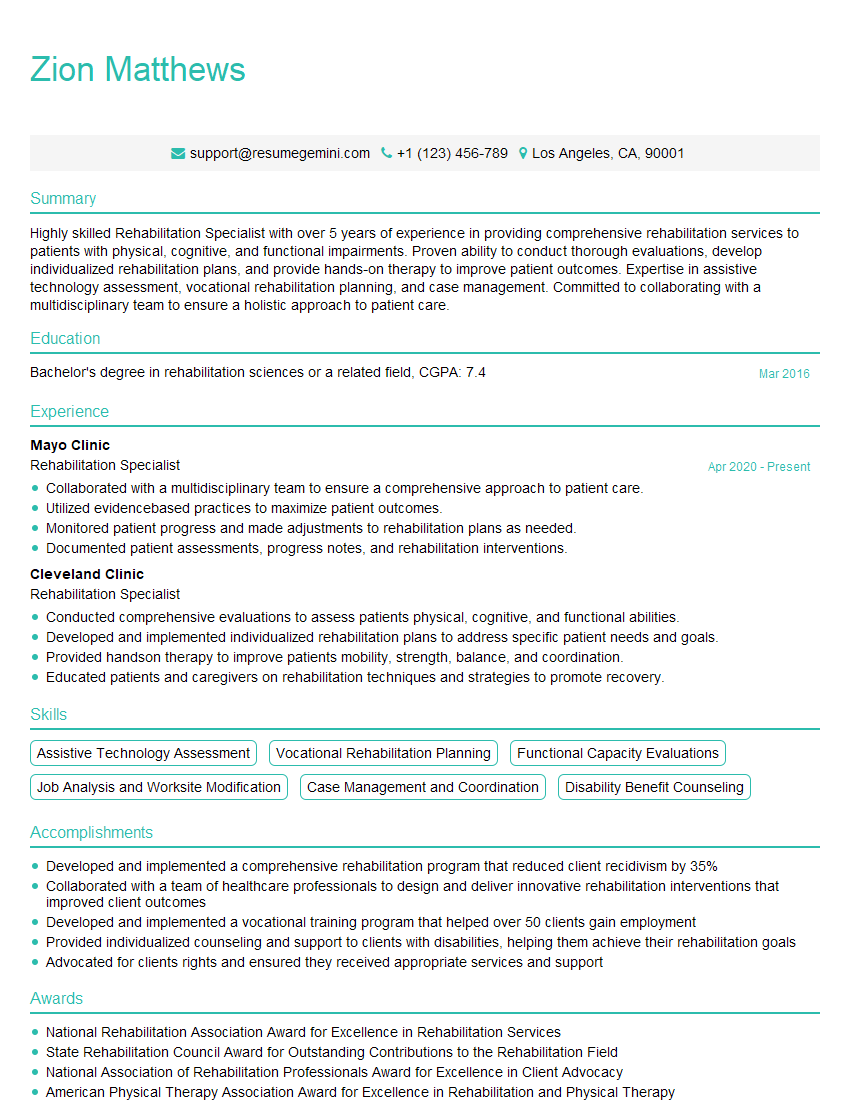
Rehabilitation Specialist Resume Sample
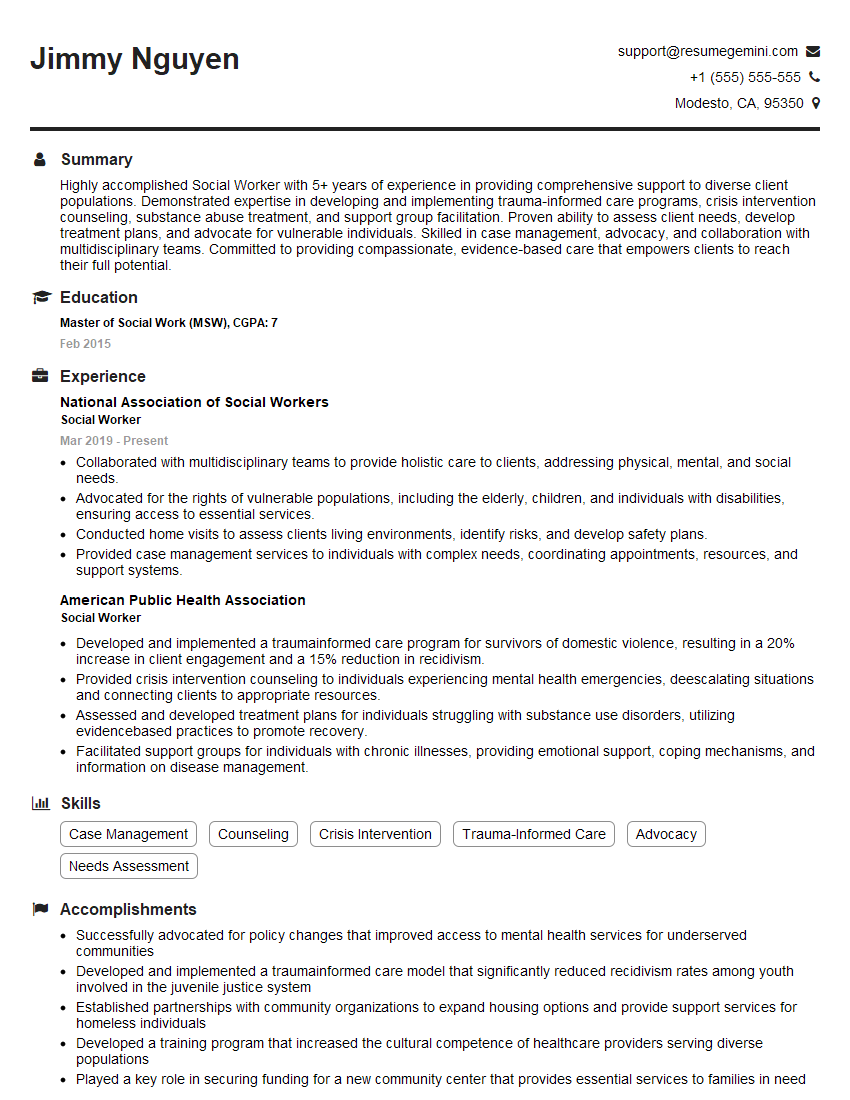
Social Worker Resume Sample
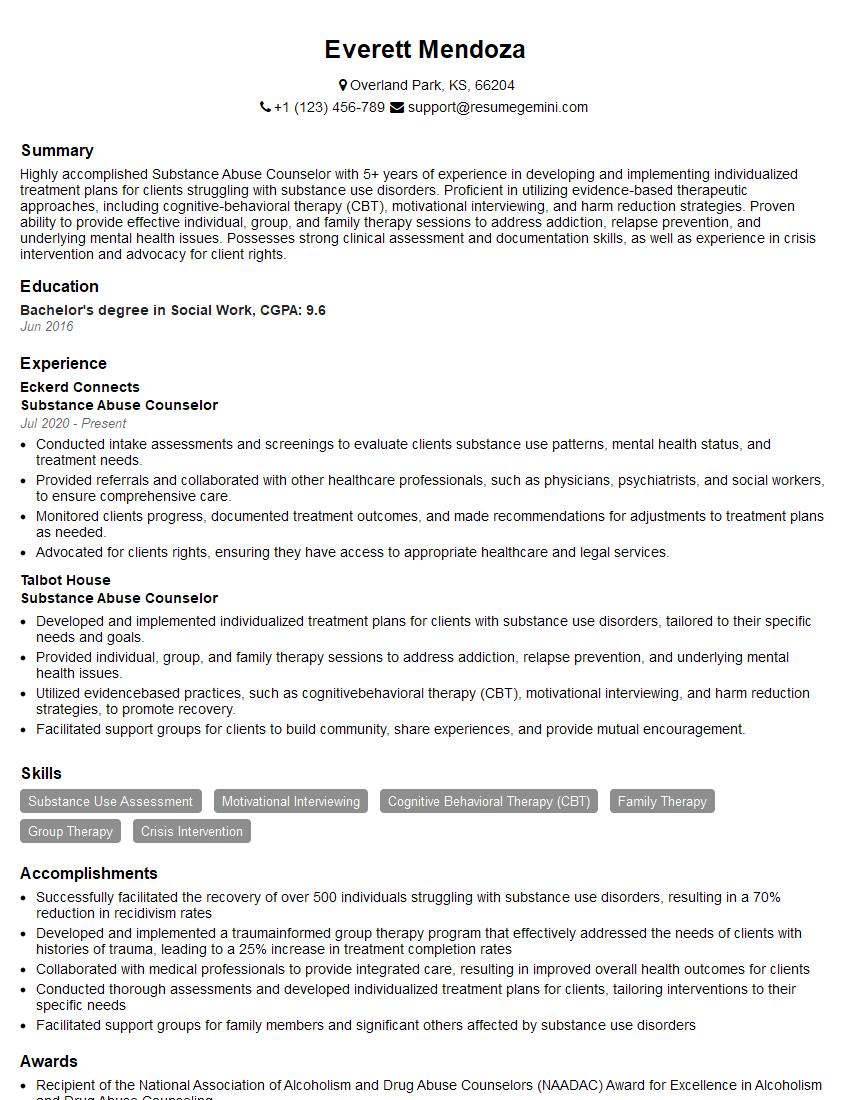
Substance Abuse Counselor Resume Sample
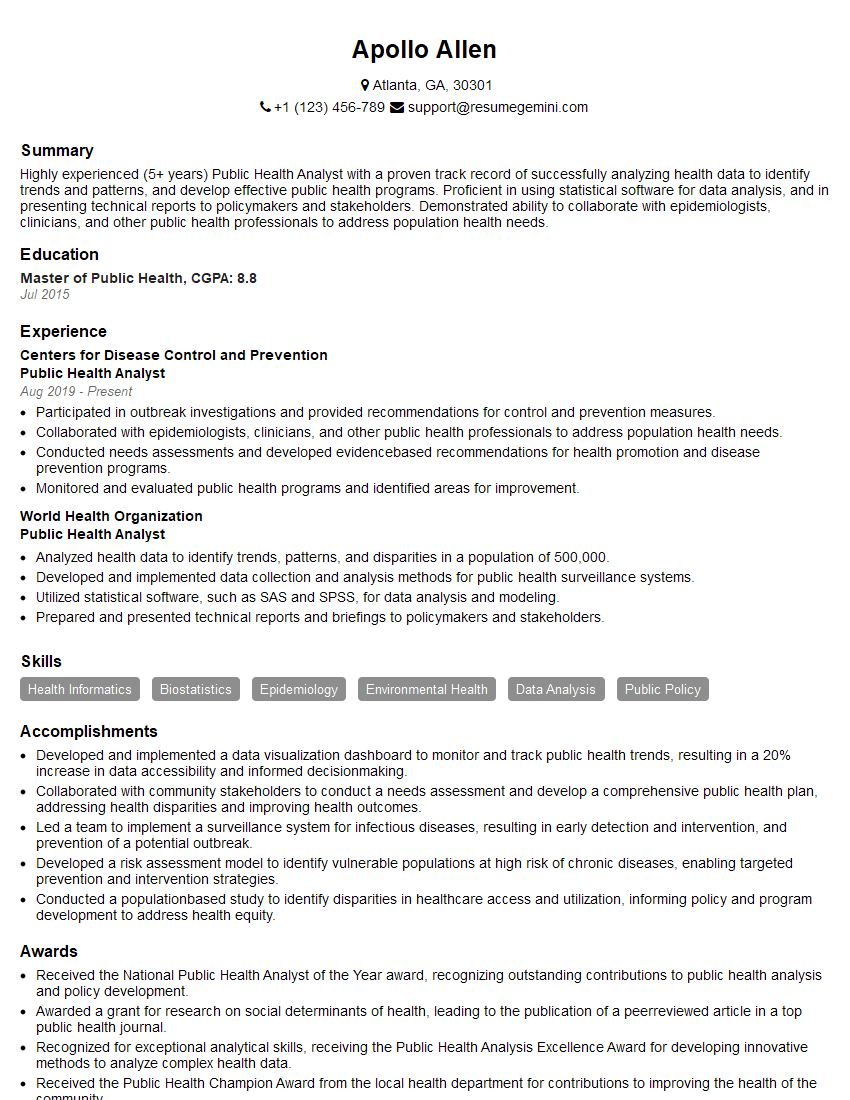
Public Health Analyst Resume Sample
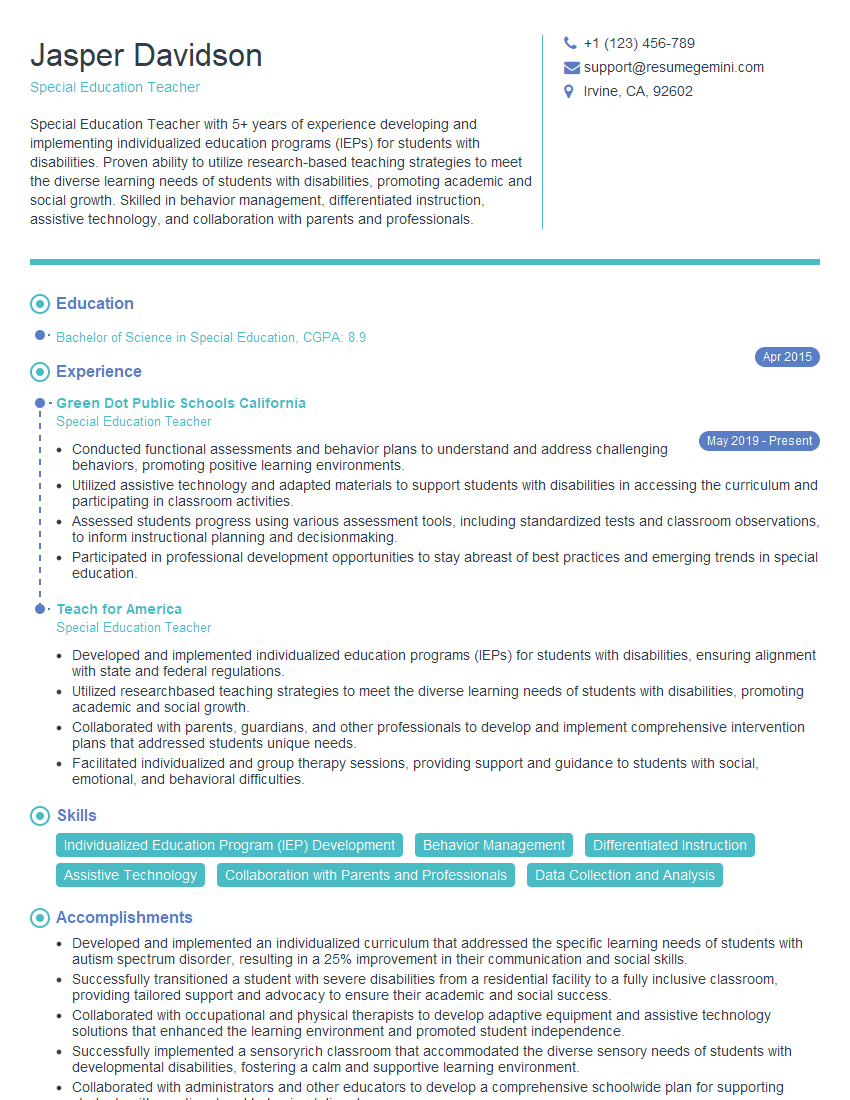
Special Education Teacher Resume Sample
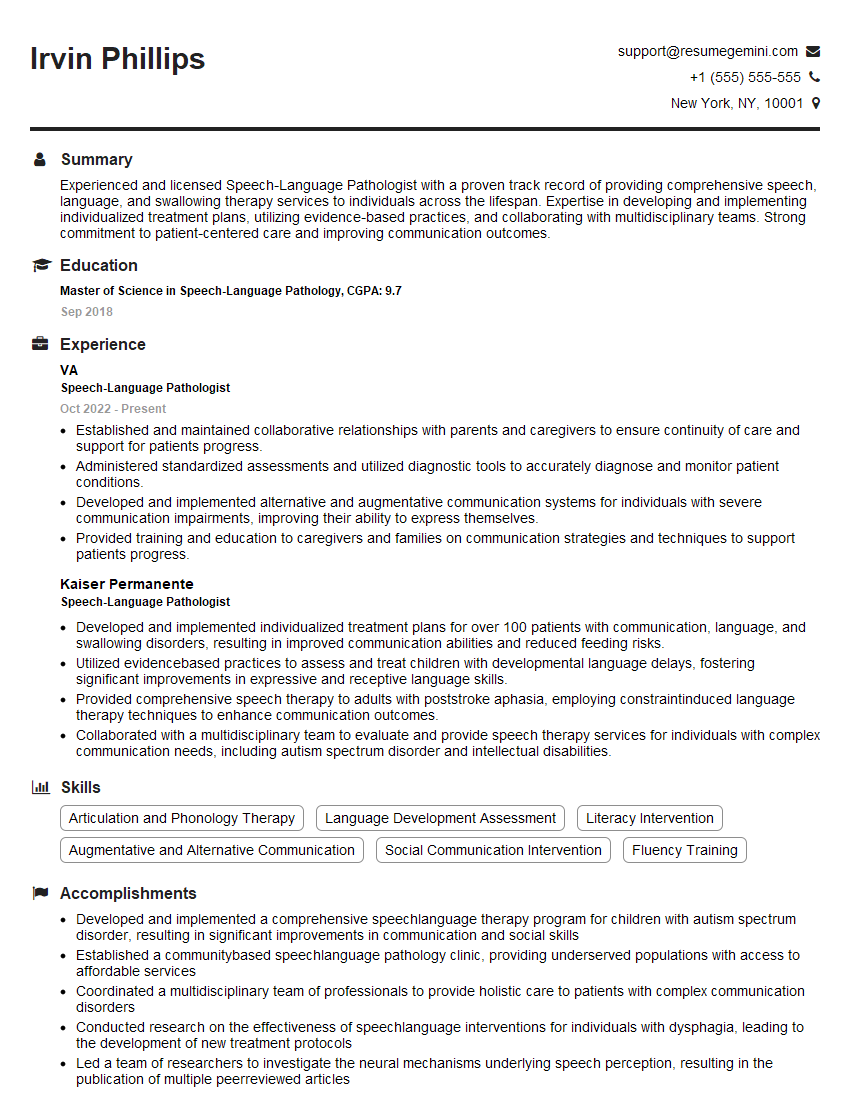
Speech-Language Pathologist Resume Sample
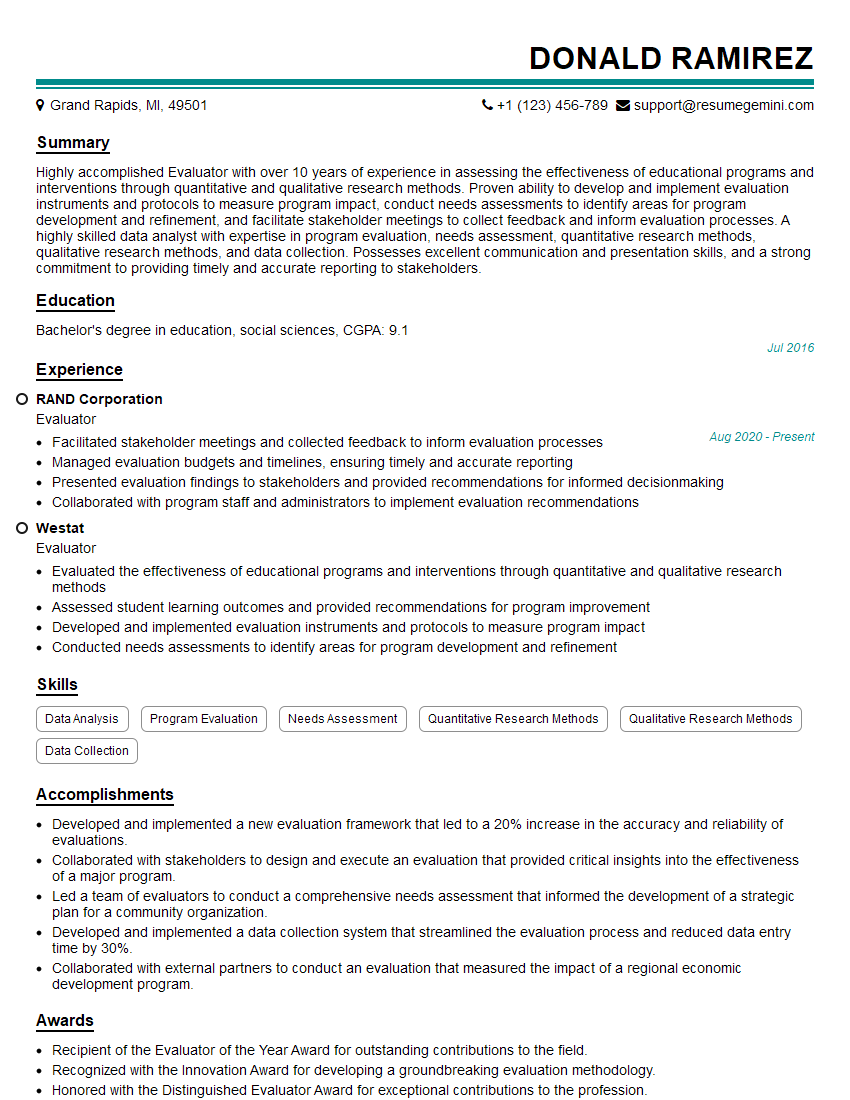
Evaluator Resume Sample
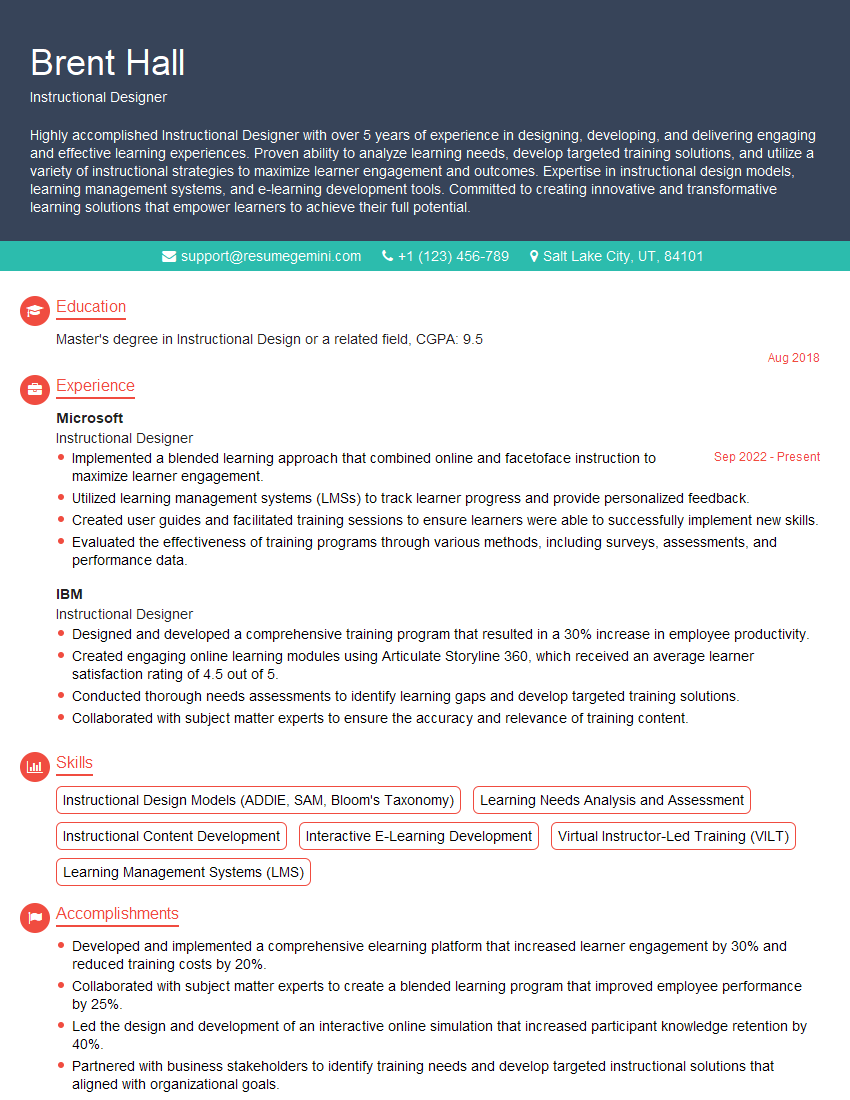
Instructional Designer Resume Sample
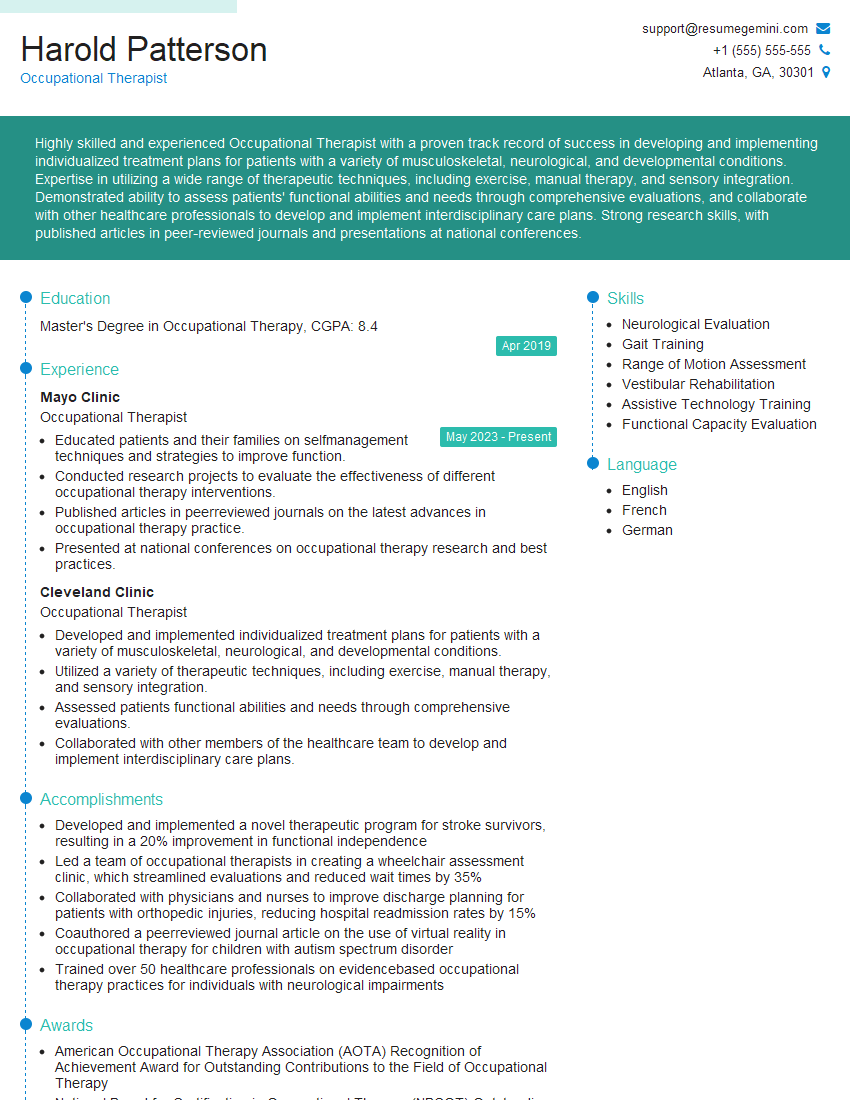
Occupational Therapist Resume Sample
- Program Manager
- Project Manager
- Healthcare Administrator
- Curriculum Developer
- Training Specialist
- Researcher
- Data Analyst
- Research Scientist
- Clinical Psychologist
- Behavioral Analyst
- School Psychologist
- Mental Health Counselor
- Rehabilitation Specialist
- Social Worker
- Substance Abuse Counselor
- Public Health Analyst
- Special Education Teacher
- Speech-Language Pathologist
- Evaluator
- Instructional Designer
- Occupational Therapist
Explore more articles
Users Rating of Our Blogs
Share Your Experience
We value your feedback! Please rate our content and share your thoughts (optional).
What Readers Say About Our Blog
To the interviewgemini.com Webmaster.
Very helpful and content specific questions to help prepare me for my interview!
Thank you
To the interviewgemini.com Webmaster.
This was kind of a unique content I found around the specialized skills. Very helpful questions and good detailed answers.
Very Helpful blog, thank you Interviewgemini team.