Every successful interview starts with knowing what to expect. In this blog, we’ll take you through the top Thermal Power Plant Operations interview questions, breaking them down with expert tips to help you deliver impactful answers. Step into your next interview fully prepared and ready to succeed.
Questions Asked in Thermal Power Plant Operations Interview
Q 1. Explain the Rankine cycle in detail.
The Rankine cycle is the fundamental thermodynamic cycle that governs the operation of most thermal power plants. It’s a closed-loop process that converts heat into mechanical work and then into electricity. Imagine it like a continuous loop of water undergoing transformations. Let’s break down the four key stages:
- 1. Feedwater Heating and Pumping: Low-pressure, cool water is pumped from the condenser into the boiler. This is often pre-heated to increase efficiency.
- 2. Boil and Superheat: In the boiler, the water is heated at constant pressure until it turns into high-pressure steam. This steam is then superheated, meaning it is heated further beyond its saturation point to increase its temperature and energy content. Think of it like taking water from a simmer to a rolling boil and then increasing the heat even higher.
- 3. Expansion and Work: The high-pressure, high-temperature steam is then channeled into a steam turbine. The expansion of the steam as it passes through the turbine blades generates rotational kinetic energy, driving the turbine. This rotational energy is analogous to the spinning of a water wheel, only much faster and more powerful.
- 4. Condensation: After passing through the turbine, the steam has done its work and has lower pressure and temperature. It enters the condenser, where it is cooled and condensed back into liquid water, completing the cycle. This condensation process is crucial for maintaining a vacuum in the condenser, improving the turbine’s efficiency. Imagine it like the steam quickly turning back into water when it touches a cold surface.
The efficiency of the Rankine cycle is greatly influenced by the pressure and temperature conditions throughout the process. Higher pressures and temperatures generally lead to higher efficiency, but there are practical limitations related to material strength and cost.
Q 2. Describe the different types of boilers used in thermal power plants.
Thermal power plants employ various types of boilers, each with its unique design and operational characteristics. The choice depends on factors like fuel type, capacity, and desired efficiency. Some common types include:
- Pulverized Coal-Fired Boilers: These are widely used in large-scale power plants. Coal is pulverized into fine powder and injected into the combustion chamber, where it burns efficiently at high temperatures. They’re known for their high capacity but are also complex to operate and maintain.
- Fluidized Bed Combustion Boilers: In these boilers, the coal is burned in a bed of inert materials, creating a fluidized state. This allows for better mixing of fuel and air, leading to improved combustion efficiency and reduced emissions. They are especially suitable for burning low-grade coals.
- Circulating Fluidized Bed (CFB) Boilers: These are an advanced variation of fluidized bed boilers that involve a high velocity of gas flowing through the bed. This results in even better mixing and combustion compared to conventional fluidized bed boilers. They offer better control over emissions and can handle a wide range of fuels.
- Stoker Boilers: In stoker boilers, coal is fed into the furnace in a controlled manner using mechanical stokers. This is a simpler design compared to pulverized coal boilers and is suitable for smaller plants or those using larger coal pieces.
Each type has its pros and cons regarding efficiency, emissions, cost, and maintenance. For instance, pulverized coal boilers achieve high efficiency but require substantial investments in pulverization equipment. Fluidized bed combustion boilers excel in handling lower-grade coals but may have slightly lower efficiencies.
Q 3. What are the various methods of coal handling in a thermal power plant?
Coal handling in a thermal power plant is a crucial aspect of its operation, involving several stages to ensure a continuous supply of fuel to the boiler. The methods employed vary depending on factors like the type and quantity of coal received, storage capacity, and environmental considerations.
- Unloading: Coal is typically transported by rail or ship. Unloading involves using specialized equipment like cranes, conveyors, and unloaders to transfer the coal from the transport vehicle to a designated area.
- Storage: Coal is often stored in large stockpiles, often outdoors, to ensure a buffer against supply disruptions. Stockpiles need careful management to prevent spontaneous combustion and minimize environmental impact.
- Conveying: A network of conveyors moves the coal from the storage area to the boiler. This system ensures a consistent flow of coal to the boiler, maintaining the required fuel supply.
- Crushing and Grinding: Depending on the boiler type, the coal may need to be crushed and ground to the required fineness. This process is essential for efficient combustion in pulverized coal-fired boilers.
Modern coal handling systems are highly automated, with computer-controlled systems monitoring and regulating the coal flow to ensure optimal plant operation. Safety features are crucial to minimize risks associated with coal dust and handling equipment.
Q 4. Explain the function of a condenser in a power plant.
The condenser is a critical component in the Rankine cycle, playing a vital role in improving the overall efficiency of the power plant. Its primary function is to condense the exhaust steam from the turbine back into liquid water. This condensation serves two important purposes:
- Creating a Vacuum: The condensation process creates a low-pressure environment (vacuum) in the condenser. This lower pressure allows the steam to expand further in the turbine, generating more work and significantly increasing the plant’s efficiency. This is because the pressure difference between the turbine inlet and outlet is maximized.
- Recovering Condensate: The condensed water (condensate) is then pumped back to the boiler to begin the cycle anew. This closed-loop system minimizes water consumption and reduces the plant’s environmental impact.
Condenser efficiency is measured by the degree of vacuum achieved and the temperature of the condensate. Effective condenser operation is crucial to maximizing the power plant’s overall performance and reducing its environmental footprint.
Q 5. How does a steam turbine work?
A steam turbine harnesses the energy of high-pressure, high-temperature steam to generate rotational mechanical energy. Think of it as a sophisticated version of a water wheel, but using steam instead of water. Here’s how it works:
High-pressure steam is directed onto a series of turbine blades mounted on a rotor. The steam’s kinetic energy causes the blades to rotate. The rotational speed is governed by the pressure and volume of the steam. As the steam passes through multiple stages of blades, it gradually expands and loses its energy. Each stage of the turbine is designed to extract a portion of the steam’s energy. This gradual expansion maximizes energy extraction and efficiency. The rotor is connected to a generator, which converts the mechanical energy into electrical energy.
The design of the turbine blades and the arrangement of stages are crucial for efficiency. Variations in blade design, such as impulse or reaction turbines, affect how the steam interacts with the blades and the overall performance.
Q 6. What are the different types of turbines used in thermal power plants?
Thermal power plants utilize different types of steam turbines, each suited for specific applications and operational conditions. The primary categories include:
- Impulse Turbines: In impulse turbines, the steam expands primarily in nozzles before striking the blades. The pressure drop occurs primarily in the nozzles, with minimal pressure drop across the blades. They are robust and simpler to manufacture but may be less efficient than reaction turbines at lower speeds.
- Reaction Turbines: Reaction turbines utilize a combination of pressure and velocity changes across the blades. The steam expands partially in the nozzles and partially in the blades themselves. Reaction turbines are generally more efficient than impulse turbines, especially at higher speeds.
- Condensing Turbines: These are the most common type in power plants. They operate with the exhaust steam being exhausted to a condenser, maintaining a low-pressure environment to enhance efficiency.
- Non-condensing Turbines: These turbines exhaust to a higher pressure, often used for industrial processes requiring steam at a certain pressure level, or in situations where a condenser is not economical.
The selection of a turbine type depends on factors like the required power output, steam conditions, operating pressures, and cost considerations. Larger power plants often employ multi-stage turbines with a combination of impulse and reaction stages to optimize efficiency across the operating range.
Q 7. Describe the role of a governor in a steam turbine.
A governor in a steam turbine plays a crucial role in regulating the speed of the turbine and maintaining stable operation. It acts as a control system that adjusts the steam flow to the turbine in response to changes in load demand. Imagine it as the cruise control for the turbine.
When the load on the turbine increases (e.g., more electricity is demanded), the governor senses a drop in speed. It responds by increasing the steam flow to the turbine, bringing the speed back to the desired level. Conversely, when the load decreases, the governor reduces the steam flow to prevent overspeeding. This precise control prevents overspeeding, which could damage the turbine and maintain stable power output. Modern governors are sophisticated electronic systems that provide precise speed control and protection functions.
Sophisticated governors also incorporate safety mechanisms to shut down the turbine if the speed deviates significantly from the set point or in case of other malfunctions. This is critical for the safe and reliable operation of the power plant.
Q 8. Explain the importance of boiler water treatment.
Boiler water treatment is crucial for maintaining the efficiency and longevity of a thermal power plant’s boiler. Impurities in the water, such as dissolved solids, gases, and organic matter, can cause significant problems. These problems range from scale formation and corrosion, which reduce heat transfer efficiency and lead to boiler tube failures, to foaming and carryover, which can damage downstream equipment like turbines. Essentially, proper treatment prevents costly repairs, unscheduled downtime, and safety hazards.
Treatment typically involves several steps: pre-treatment (clarification, softening), internal treatment (adding chemicals to control pH, alkalinity, and prevent corrosion), and blowdown (periodically removing a portion of the boiler water to maintain impurity levels). For instance, imagine trying to boil water in a kettle with a lot of sediment – it would take longer, potentially damage the kettle, and leave a nasty residue. Boiler water treatment is the same principle, but on a much larger and more critical scale.
Q 9. What are the common causes of boiler tube failures?
Boiler tube failures are a serious concern in thermal power plants, often resulting in expensive repairs and potential safety hazards. Several factors contribute to these failures:
- Corrosion: This is a major culprit, driven by factors like oxygen, carbon dioxide, and high salinity in the boiler water. Different types of corrosion exist, including pitting, stress corrosion cracking, and erosion-corrosion.
- Overheating: Insufficient water flow or deposits on the tubes can lead to overheating, causing metal fatigue and eventual rupture. This is akin to overheating a cooking pot – the metal expands and weakens.
- Scale Formation: Dissolved minerals in the boiler water can deposit on the tube surfaces, forming an insulating layer that reduces heat transfer and leads to overheating.
- Water Hammer: Rapid changes in water flow can create pressure surges (water hammer) that can damage the tubes. This is like a sudden forceful impact on the pipes.
- Vibration and Fatigue: Constant vibration from the boiler’s operation can cause metal fatigue, leading to cracks and eventual failure.
Regular inspection, proper water treatment, and adherence to operational parameters are essential in preventing boiler tube failures.
Q 10. How is the efficiency of a thermal power plant calculated?
The efficiency of a thermal power plant is a measure of how effectively it converts the heat energy from fuel into electrical energy. It’s typically expressed as a percentage and calculated by comparing the electrical energy output to the heat energy input. A simplified formula is:
Efficiency = (Net Electrical Output / Heat Input) x 100%
The ‘net electrical output’ accounts for losses within the plant itself. The ‘heat input’ is derived from the fuel’s calorific value (energy content) and the amount used. Various losses need consideration – boiler losses, turbine losses, generator losses, and auxiliary power consumption. A higher efficiency means more electricity is generated from the same amount of fuel, leading to cost savings and reduced environmental impact. For example, a plant with 40% efficiency means that for every 100 units of heat energy, only 40 units are converted into electricity.
Q 11. What are the different types of cooling towers used in thermal power plants?
Thermal power plants use cooling towers to dissipate waste heat from the power generation process, typically rejecting heat from the condenser. Several types exist:
- Natural Draft Cooling Towers: Rely on natural air convection (density difference due to temperature) for air circulation. These are typically large, hyperboloid-shaped structures.
- Mechanical Draft Cooling Towers: Use fans to induce airflow, allowing for smaller footprint and greater efficiency compared to natural draft towers. They are categorized further into induced draft (fans pull air through) and forced draft (fans push air through).
- Wet Cooling Towers: Most common type; water is sprayed over a fill medium to maximize surface area for evaporative cooling. The evaporation process effectively removes heat.
- Dry Cooling Towers: Use air to cool water without evaporation. These are less efficient but eliminate water usage and associated environmental concerns.
- Hybrid Cooling Towers: Combine features of wet and dry cooling towers to achieve a balance between efficiency and water conservation.
Q 12. Explain the principle of operation of a cooling tower.
A cooling tower’s principle of operation relies on evaporative cooling. Hot water from the power plant’s condenser flows into the tower. The water is then distributed over a fill medium (usually a structure with large surface area) where it comes into contact with air. A portion of the water evaporates, absorbing a significant amount of heat in the process (latent heat of vaporization). The remaining water, now cooled, flows back to the condenser. Think of it like sweating – when sweat evaporates from your skin, it cools you down. The cooling tower works on the same principle, but on a much larger scale to cool large volumes of water.
In mechanical draft towers, fans aid in this process by improving air circulation, while natural draft towers rely on the natural convection created by the density difference between the hot, moist air within the tower and the cooler, drier air outside.
Q 13. Describe the role of instrumentation and control systems in a thermal power plant.
Instrumentation and control systems are the nervous system of a thermal power plant, monitoring, controlling, and optimizing all aspects of its operation. They ensure safe, efficient, and reliable electricity generation. They perform various functions:
- Monitoring: Measure critical parameters like pressure, temperature, flow rate, level, and gas composition at various points within the plant.
- Control: Maintain optimal operating conditions by automatically adjusting valves, dampers, and other control elements based on measured parameters and setpoints. This includes starting, stopping, and loading the plant.
- Protection: Activate safety systems to prevent equipment damage or hazardous situations (e.g., high-temperature alarms, pressure relief valves).
- Data Acquisition and Logging: Record operating data for performance analysis, troubleshooting, and regulatory compliance.
- Optimization: Employ advanced control strategies to maximize plant efficiency and minimize fuel consumption.
These systems range from simple analog instruments to sophisticated distributed control systems (DCS) with advanced algorithms and human-machine interfaces (HMIs) for operator interaction.
Q 14. What are the different types of instruments used for monitoring boiler parameters?
A wide variety of instruments are used to monitor boiler parameters, ensuring safe and efficient operation. These instruments precisely measure critical variables:
- Temperature Sensors: Thermocouples, resistance temperature detectors (RTDs), and infrared thermometers measure temperatures throughout the boiler, superheaters, and reheater.
- Pressure Gauges and Transmitters: Monitor steam pressure, drum pressure, and other critical pressures in the boiler system.
- Level Sensors: Measure water levels in the boiler drum and other vessels using float switches, differential pressure transmitters, or ultrasonic sensors.
- Flow Meters: Measure feedwater flow, steam flow, and other flow rates using various techniques like orifice plates, venturi meters, or ultrasonic flow meters.
- Gas Analyzers: Measure the composition of flue gases (e.g., oxygen, carbon monoxide) to optimize combustion and minimize emissions.
- pH Meters and Conductivity Meters: Monitor water chemistry to ensure proper treatment and prevent corrosion.
Data from these instruments are crucial for real-time monitoring and control, ensuring that the boiler operates within safe and efficient limits. Malfunctions in these instruments can be costly, so regular calibration and maintenance are paramount.
Q 15. Explain the importance of safety procedures in a thermal power plant.
Safety in a thermal power plant isn’t just a set of rules; it’s the bedrock of its operation. It’s about protecting the lives of workers, the environment, and the plant’s assets. A robust safety program minimizes risks associated with high temperatures, high pressures, hazardous materials, and complex machinery. Ignoring safety procedures can lead to catastrophic accidents, environmental damage, and significant financial losses. Think of it like this: a well-maintained safety program is the plant’s immune system, preventing illness (accidents) before they occur.
A comprehensive safety program includes regular safety training, detailed risk assessments, stringent operating procedures, and effective emergency response plans. It also involves meticulous maintenance of equipment and proactive monitoring of critical systems. Every individual, from the plant operator to the maintenance technician, plays a crucial role in upholding these procedures.
Career Expert Tips:
- Ace those interviews! Prepare effectively by reviewing the Top 50 Most Common Interview Questions on ResumeGemini.
- Navigate your job search with confidence! Explore a wide range of Career Tips on ResumeGemini. Learn about common challenges and recommendations to overcome them.
- Craft the perfect resume! Master the Art of Resume Writing with ResumeGemini’s guide. Showcase your unique qualifications and achievements effectively.
- Don’t miss out on holiday savings! Build your dream resume with ResumeGemini’s ATS optimized templates.
Q 16. What are the common safety hazards associated with thermal power plants?
Thermal power plants present a unique array of safety hazards, many stemming from the high temperatures, pressures, and potentially hazardous materials involved. Common hazards include:
- Burns: From steam leaks, hot surfaces, and molten metal.
- Electrical shocks: Due to high-voltage equipment and exposed wiring.
- Falls: From heights, into open pits, or on uneven surfaces.
- Explosions: Related to boiler pressure, fuel handling, and gas leaks.
- Toxic gas exposure: From combustion processes, leaks from cooling systems (e.g., chlorine), and other chemical processes.
- Radiation exposure: In plants using nuclear fuel, though this is less common in traditional thermal plants.
- Mechanical hazards: Rotating machinery, pinch points, and moving parts.
- Noise pollution: Leading to hearing damage over time.
These hazards necessitate a multi-layered approach to safety, including personal protective equipment (PPE), regular equipment inspections, and thorough employee training.
Q 17. Describe the emergency shutdown procedures for a thermal power plant.
Emergency shutdown procedures, often called ESD, are critical for preventing catastrophic failures and minimizing damage in the event of an unexpected event. These procedures are plant-specific and rigorously tested, but generally involve several key steps:
- Immediate Isolation: Cutting off fuel supply, stopping combustion, and isolating affected systems.
- Emergency Cooling: Activating auxiliary cooling systems to prevent overheating of critical components.
- Pressure Relief: Safely venting excess pressure to avoid explosions.
- Containment: Containing spills and preventing the release of hazardous materials into the environment.
- Evacuation: Evacuating personnel from hazardous areas following established routes.
- Emergency Services Notification: Contacting relevant authorities, such as firefighters and emergency medical services.
ESD procedures are meticulously documented and regularly practiced through drills and simulations to ensure personnel are adequately trained and prepared for any eventuality. The speed and precision of the response are critical in mitigating damage and ensuring the safety of personnel.
Q 18. What are the environmental regulations related to thermal power plants?
Environmental regulations for thermal power plants vary widely depending on the country and region but generally focus on minimizing the plant’s environmental footprint. Key regulations often involve:
- Air emission standards: Limiting the release of pollutants like sulfur oxides (SOx), nitrogen oxides (NOx), particulate matter (PM), and mercury.
- Water discharge standards: Controlling the temperature and quality of wastewater released into water bodies.
- Waste management: Proper disposal of ash, sludge, and other byproducts.
- Greenhouse gas emissions: Regulations regarding carbon dioxide (CO2) emissions are increasingly stringent worldwide.
- Noise pollution control: Minimizing noise levels around the plant.
Compliance with these regulations is essential for obtaining and maintaining operating permits and avoiding significant penalties. Plants often employ advanced technologies and strategies to meet these standards.
Q 19. How is air pollution controlled in a thermal power plant?
Air pollution control in thermal power plants is crucial for protecting both the environment and public health. A variety of technologies are employed, often in combination, to reduce emissions:
- Electrostatic precipitators (ESPs): These devices use electrical charges to remove particulate matter from flue gases.
- Fabric filters (baghouses): These use fabric filters to capture particulate matter.
- Selective catalytic reduction (SCR) and selective non-catalytic reduction (SNCR): These systems reduce NOx emissions by injecting chemicals into the flue gas stream.
- Flue gas desulfurization (FGD): This process removes SOx from flue gases, often using wet scrubbing systems.
- Mercury control technologies: These aim to capture and reduce mercury emissions.
The choice of technology depends on the type of fuel used, the plant’s size, and the specific emission standards to be met. Regular monitoring and maintenance of these systems are critical for ensuring their effectiveness.
Q 20. Explain the concept of load dispatching in a thermal power plant.
Load dispatching in a thermal power plant refers to the process of managing the power output of the plant to meet the fluctuating demands of the electricity grid. It’s like managing the flow of water in a complex irrigation system to ensure all fields receive the necessary amount of water. The goal is to balance supply and demand efficiently, while maintaining system stability and minimizing costs.
Load dispatching centers use sophisticated software and real-time data to optimize power generation across multiple power plants. They consider factors such as fuel costs, plant efficiency, system constraints, and environmental regulations when making decisions. The process involves adjusting the boiler’s fuel input, steam flow, turbine speed, and generator output to meet the required load. Effective load dispatching ensures reliable electricity supply and optimized plant operation.
Q 21. What is the role of a plant operator during start-up and shut-down procedures?
The plant operator plays a vital role during start-up and shut-down procedures, acting as a critical link between the plant’s systems and overall control. Their responsibilities include:
- Following prescribed procedures meticulously: Ensuring a safe and efficient sequence of operations.
- Monitoring critical parameters: Closely watching temperatures, pressures, flow rates, and other key indicators to detect any deviations from normal operating conditions.
- Responding to alarms and anomalies: Taking immediate corrective action according to established procedures.
- Coordinating with other personnel: Working with maintenance crews, technicians, and supervisors to ensure smooth transitions.
- Maintaining accurate logs and records: Documenting all events, changes, and observations.
During start-up, the operator brings the plant online gradually, ensuring all systems reach their operating parameters safely and efficiently. During shut-down, the operator follows a carefully planned sequence to bring the plant to a safe and stable state, preventing damage and ensuring safety.
Q 22. How is plant performance monitored and optimized?
Plant performance monitoring and optimization is a crucial aspect of efficient thermal power generation. It involves continuously tracking key parameters to identify areas for improvement and maximize output while minimizing costs and environmental impact. This is achieved through a combination of sophisticated instrumentation, data analytics, and expert human intervention.
Instrumentation: A network of sensors throughout the plant continuously measures parameters like steam pressure and temperature, turbine speed, generator output, fuel consumption, and emissions. This data is fed into a central control system (often SCADA – Supervisory Control and Data Acquisition).
Data Analytics: The collected data undergoes analysis to identify trends, anomalies, and areas for optimization. Sophisticated software helps to correlate different parameters and pinpoint inefficiencies. For example, unexpected increases in fuel consumption might be linked to a slight drop in turbine efficiency, suggesting a need for maintenance or adjustment.
Expert Intervention: Experienced operators and engineers interpret the data, taking actions to maintain optimal performance. This can involve adjusting control parameters, scheduling maintenance, or even implementing process improvements based on long-term trend analysis. For example, if the analysis reveals a consistent loss of efficiency during certain operating conditions, engineers can develop and implement strategies to address this issue.
Ultimately, the goal is to achieve the highest possible plant efficiency, reduce operational costs, and ensure reliable and consistent power generation. Regular performance reviews and benchmarking against industry standards help to identify further areas for improvement.
Q 23. Describe different types of plant maintenance strategies.
Thermal power plants employ various maintenance strategies to ensure reliability and longevity. The choice depends on factors like equipment criticality, age, and budget constraints.
Preventive Maintenance (PM): This involves scheduled inspections, cleaning, lubrication, and component replacements at predetermined intervals. Think of it like regular car servicing – replacing oil and filters prevents major engine problems. PM extends equipment life and reduces the likelihood of unexpected failures.
Corrective Maintenance (CM): This is reactive, addressing problems only when they occur. This is less efficient than PM because problems can escalate, leading to more significant downtime and repair costs. Imagine a car breaking down on the highway – a costly and inconvenient corrective measure.
Predictive Maintenance (PdM): This strategy uses data analysis and condition monitoring to predict potential failures before they happen. This is a more advanced approach, focusing on the actual condition of the equipment rather than a fixed schedule. This is discussed further in the next question.
Condition-Based Maintenance (CBM): This is closely related to PdM, focusing on monitoring the condition of critical components. Sensors and diagnostic tools are used to assess wear and tear, allowing for maintenance to be performed only when necessary. This reduces unnecessary maintenance while preventing catastrophic failures.
Often, a hybrid approach combining different strategies is employed to optimize maintenance effectiveness and resource allocation. For example, a plant might use PM for routine tasks, PdM for critical components, and CM as a safety net for unforeseen events.
Q 24. Explain the importance of predictive maintenance.
Predictive maintenance (PdM) is crucial for optimizing thermal power plant operations. It shifts the focus from scheduled maintenance to condition-based maintenance, significantly reducing downtime and maintenance costs. This is achieved through advanced condition monitoring techniques, data analytics, and predictive modelling.
Reduced Downtime: By predicting failures before they occur, PdM minimizes unplanned outages, ensuring consistent power generation. Imagine a hospital relying on consistent power; unplanned outages are simply unacceptable.
Cost Savings: PdM avoids unnecessary preventative maintenance, saving time and resources. Performing maintenance only when needed reduces labor costs, spare parts inventory, and overall operational expenses.
Improved Safety: Early detection of potential problems can prevent catastrophic failures that could lead to damage or injury. Imagine avoiding a boiler explosion by detecting a small crack early on.
Extended Equipment Life: By addressing issues before they escalate, PdM contributes to the longevity of plant equipment.
PdM commonly uses vibration analysis, oil analysis, thermography, and other diagnostic tools to collect data on equipment condition. This data is analyzed using sophisticated algorithms and machine learning to predict when maintenance is needed, enabling proactive intervention.
Q 25. What are the common causes of turbine blade erosion?
Turbine blade erosion in thermal power plants is a significant concern, impacting efficiency and requiring costly repairs or replacements. Several factors contribute to this erosion:
Ash Impingement: This is a primary cause, particularly in plants burning coal with a high ash content. Hard, abrasive particles in the combustion gases can strike turbine blades at high velocity, gradually eroding their surface. Think of sandblasting – the same principle applies here.
Corrosion: High-temperature corrosion from contaminants in the combustion gases can weaken the blade material, making it more susceptible to erosion. This is like rust gradually weakening a metal object.
Moisture: The presence of moisture in the steam can exacerbate erosion, particularly in conjunction with ash particles. Moisture can promote chemical reactions, leading to increased material degradation.
Flow Dynamics: Complex flow patterns within the turbine can create high-velocity zones where erosion is particularly severe. This often depends on turbine design and operating conditions.
Minimizing erosion requires careful fuel selection, efficient ash handling, and robust blade materials. Regular inspections and advanced diagnostic tools help identify erosion early on, allowing for timely interventions.
Q 26. How is ash disposal managed in a thermal power plant?
Ash disposal in a thermal power plant is a critical environmental concern. The methods employed vary depending on ash characteristics and environmental regulations. The goal is safe, efficient, and environmentally sound disposal.
Dry Ash Disposal: This involves storing dry fly ash (finely dispersed ash) and bottom ash (larger particles collected at the bottom of the boiler) in designated landfills or using it as a construction material. Strict regulations govern these landfills to prevent contamination of groundwater and soil.
Wet Ash Disposal: This method involves mixing ash with water to create a slurry, which is then transported via pipelines to designated ponds or landfills. The slurry reduces dust and makes transportation easier. However, it requires careful management to prevent leakage and environmental contamination.
Ash Utilization: This is a growing trend, aiming to repurpose ash in various applications. Fly ash, for example, can be used in concrete production, reducing cement consumption. This reduces landfill burden and creates a valuable by-product.
Each method must comply with environmental regulations concerning groundwater protection, air quality, and land reclamation. Regular monitoring and analysis are essential to ensure safe and responsible ash management.
Q 27. Describe the process of water treatment in a power plant.
Water treatment in a thermal power plant is critical for efficient and reliable operation. The plant requires large quantities of high-purity water for various purposes, including steam generation, cooling, and cleaning. The treatment process involves several stages to remove impurities and prevent scaling, corrosion, and fouling.
Raw Water Intake: Water is drawn from a source (river, lake, or groundwater) and then undergoes pre-treatment to remove large debris and sediment.
Clarification: This stage removes suspended solids through processes like coagulation and sedimentation. Chemicals are added to clump smaller particles together for easier removal.
Filtration: Sand filters or other media are used to remove any remaining suspended solids, ensuring a clear water stream.
Softening: This process removes hardness minerals (calcium and magnesium) that can cause scaling in boilers and pipes. Methods include ion exchange or chemical precipitation.
De-aeration: Dissolved gases like oxygen are removed to prevent corrosion in the system. This often involves heating the water under vacuum conditions.
De-mineralization (optional): For high-pressure boilers, de-mineralization is often required to remove virtually all dissolved solids, ensuring extremely pure water.
The specific treatment process is tailored to the water source quality and plant requirements. Regular monitoring and control of water parameters are essential to maintaining optimal water quality and preventing operational problems.
Q 28. What is your experience with plant automation systems?
I have extensive experience with plant automation systems, having worked with various SCADA (Supervisory Control and Data Acquisition) and DCS (Distributed Control System) platforms in several thermal power plants. My expertise spans system design, implementation, troubleshooting, and optimization.
SCADA Systems: I’ve been involved in implementing and maintaining SCADA systems for monitoring and controlling various plant parameters, including boiler operation, turbine performance, and generator output. This includes configuring alarm systems, designing HMI (Human-Machine Interface) screens for effective operator interaction, and analyzing data for performance optimization.
DCS Systems: My experience with DCS includes configuring and maintaining control loops for critical processes like boiler feedwater control and steam pressure regulation. This involves working with programmable logic controllers (PLCs) and advanced control algorithms to ensure precise and stable operation.
Data Analytics and Integration: I’m proficient in integrating data from various plant systems into central databases for analysis and reporting. This involves using data historians, creating custom reports, and developing dashboards to visualize key performance indicators (KPIs).
Troubleshooting and Maintenance: I have a proven track record in troubleshooting automation system issues, resolving hardware and software problems, and implementing preventative maintenance strategies to minimize downtime.
My experience also includes working with cybersecurity protocols to protect plant automation systems from cyber threats, ensuring the reliable and secure operation of the power plant. I am familiar with various communication protocols, including Modbus, Profibus, and Ethernet/IP.
Key Topics to Learn for Thermal Power Plant Operations Interview
- Power Plant Thermodynamics: Understanding the Rankine cycle, heat transfer principles, and thermodynamic efficiency calculations. Practical application includes optimizing plant performance and minimizing energy losses.
- Boiler Operation and Maintenance: Knowledge of different boiler types, combustion processes, water treatment, and preventative maintenance procedures. Practical application includes troubleshooting boiler malfunctions and ensuring safe and efficient operation.
- Turbine Operation and Maintenance: Understanding steam turbine principles, blade erosion and corrosion, and lubrication systems. Practical application includes optimizing turbine efficiency and preventing catastrophic failures.
- Condenser and Cooling Systems: Understanding condenser operation, vacuum maintenance, and cooling water systems (e.g., cooling towers). Practical application involves managing water consumption and optimizing heat rejection.
- Electrical Generation and Distribution: Knowledge of generators, transformers, and power distribution systems within the plant. Practical application includes understanding electrical safety procedures and troubleshooting power outages.
- Instrumentation and Control Systems: Familiarity with plant instrumentation, control systems (DCS, PLC), and data acquisition. Practical application includes monitoring plant parameters, responding to alarms, and optimizing plant performance through control strategies.
- Environmental Regulations and Compliance: Understanding emission control systems, environmental monitoring, and regulatory compliance requirements. Practical application includes minimizing environmental impact and ensuring adherence to legal standards.
- Safety Procedures and Emergency Response: Knowledge of safety regulations, emergency shutdown procedures, and hazard identification. Practical application includes ensuring a safe working environment and effective response to emergencies.
- Plant Efficiency and Optimization: Understanding methods for improving plant efficiency, reducing operational costs, and maximizing power output. Practical application includes implementing optimization strategies and analyzing performance data.
Next Steps
Mastering Thermal Power Plant Operations opens doors to a rewarding and challenging career with excellent growth potential. To maximize your job prospects, it’s crucial to present your skills effectively. Creating an ATS-friendly resume is key to getting your application noticed by potential employers. We strongly encourage you to utilize ResumeGemini, a trusted resource for building professional and impactful resumes. ResumeGemini offers examples of resumes tailored specifically to Thermal Power Plant Operations to help you craft a winning application.
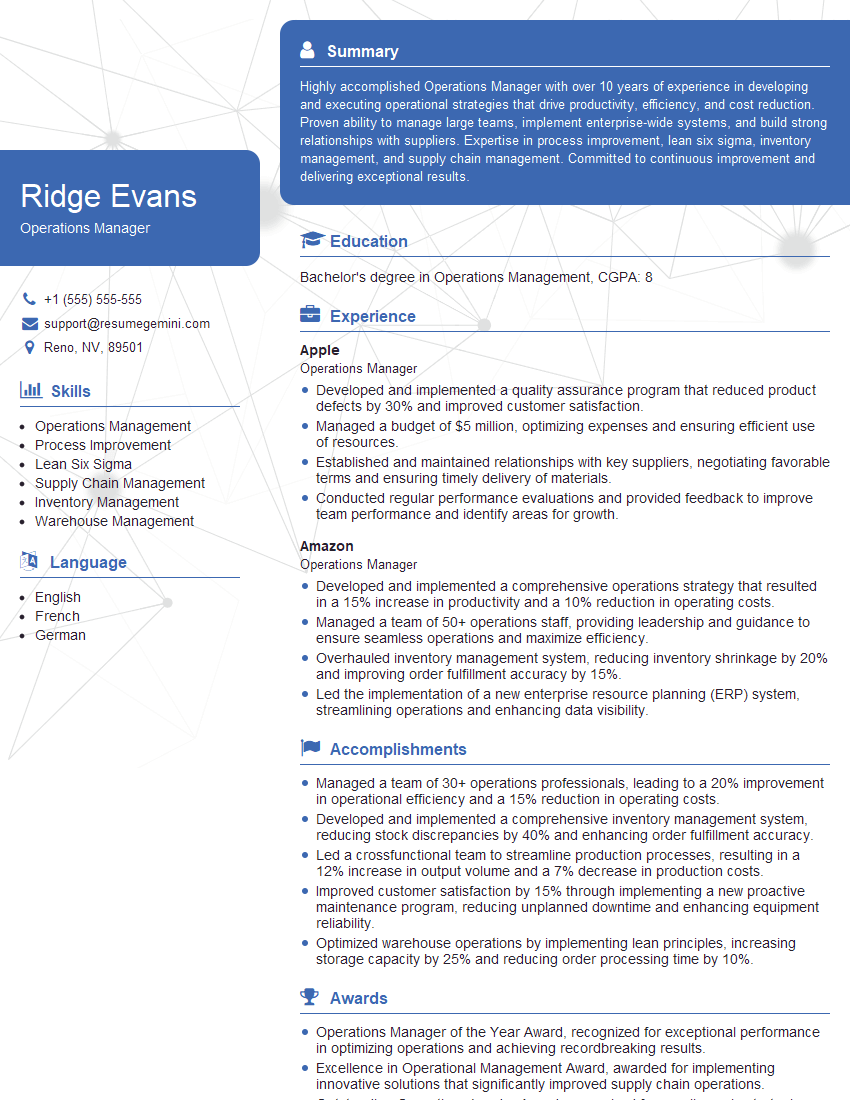
Operations Manager Resume Sample
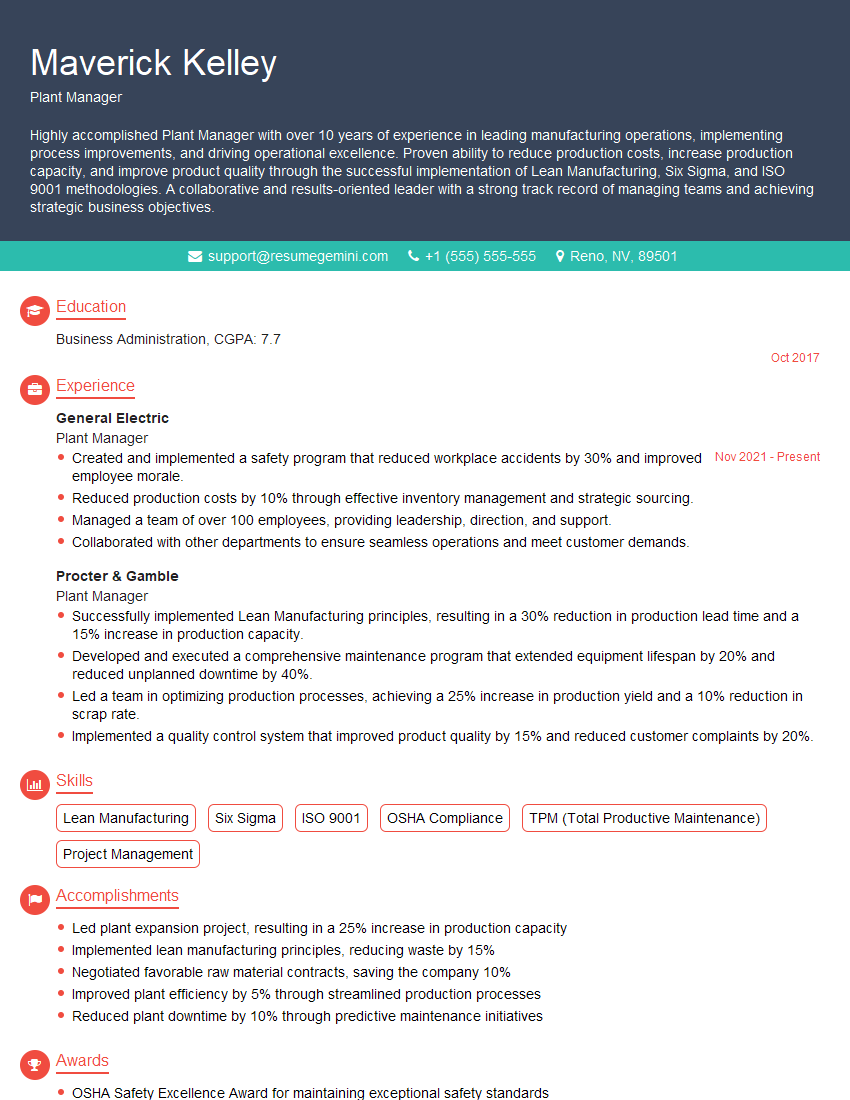
Plant Manager Resume Sample
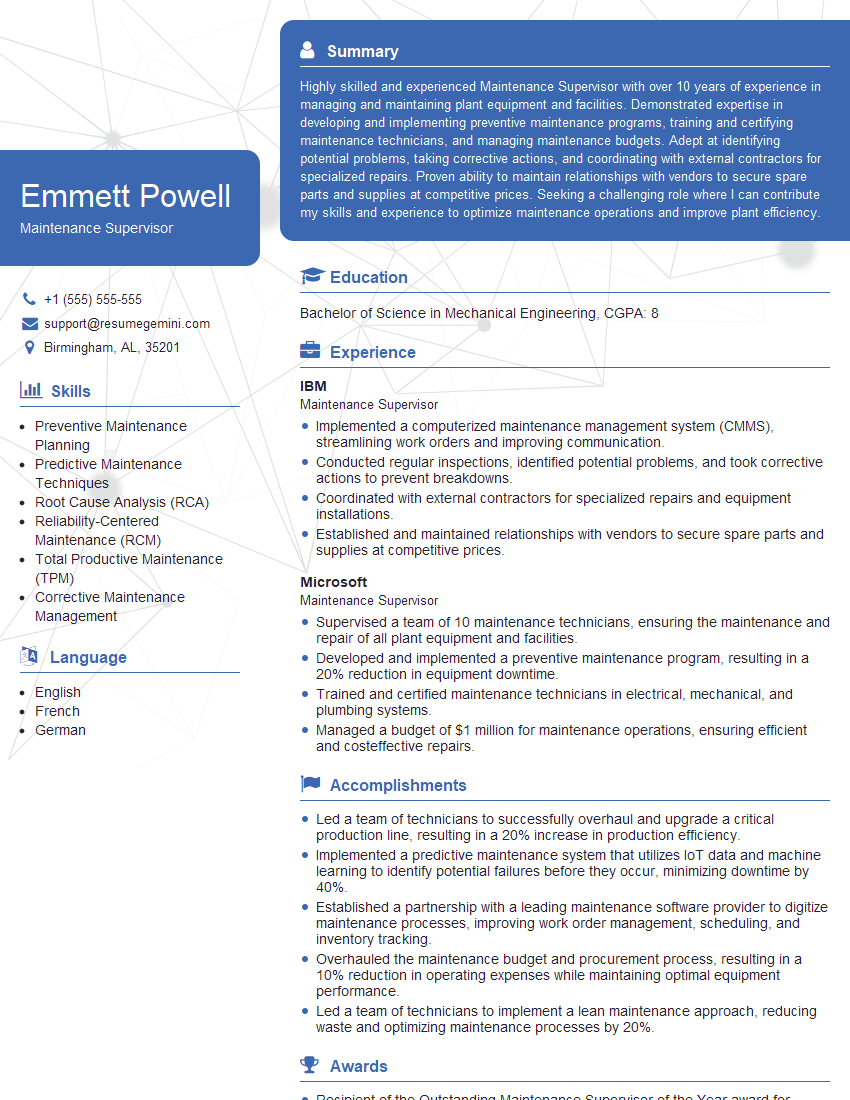
Maintenance Supervisor Resume Sample
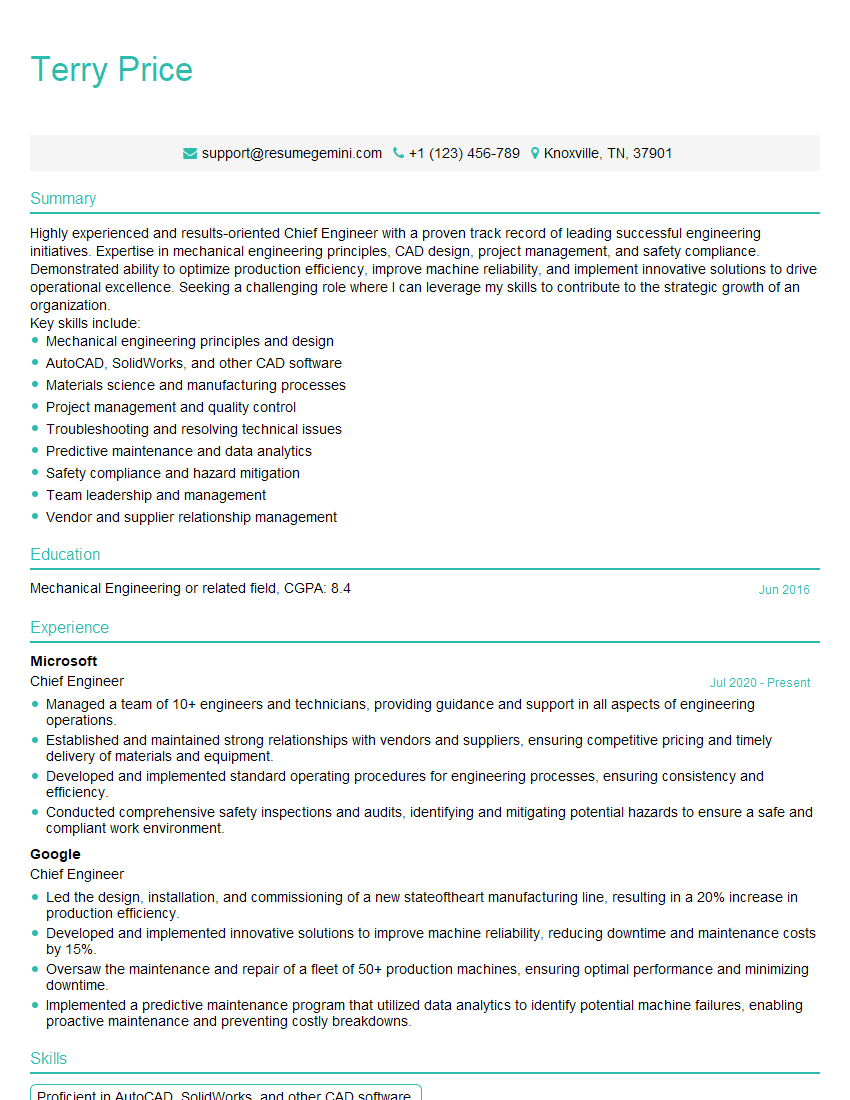
Chief Engineer Resume Sample

Project Engineer Resume Sample
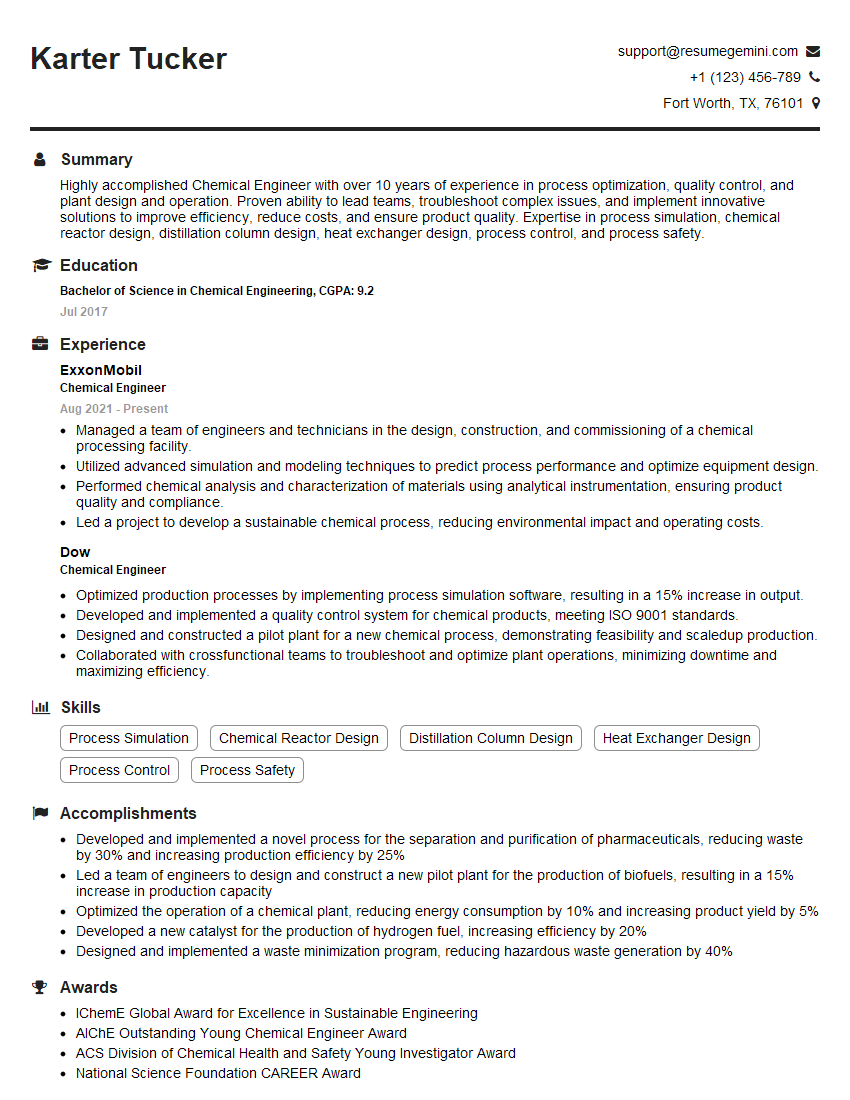
Chemical Engineer Resume Sample
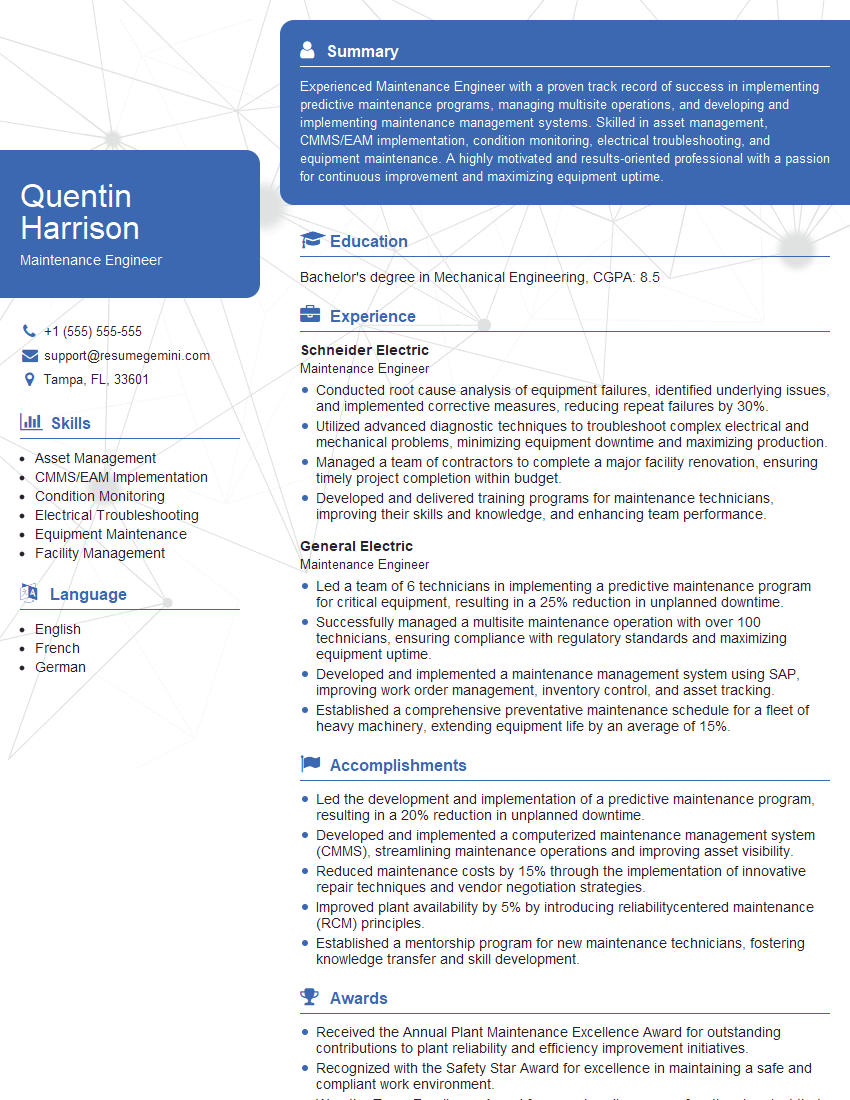
Maintenance Engineer Resume Sample
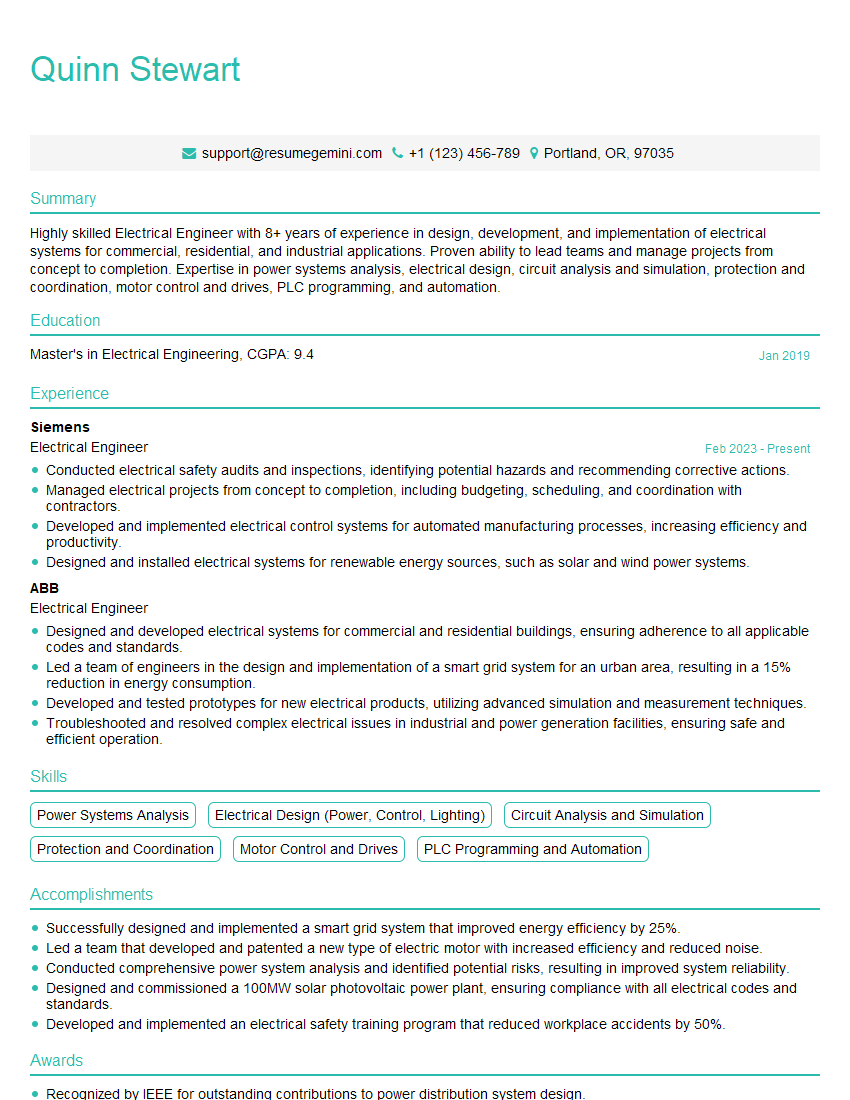
Electrical Engineer Resume Sample
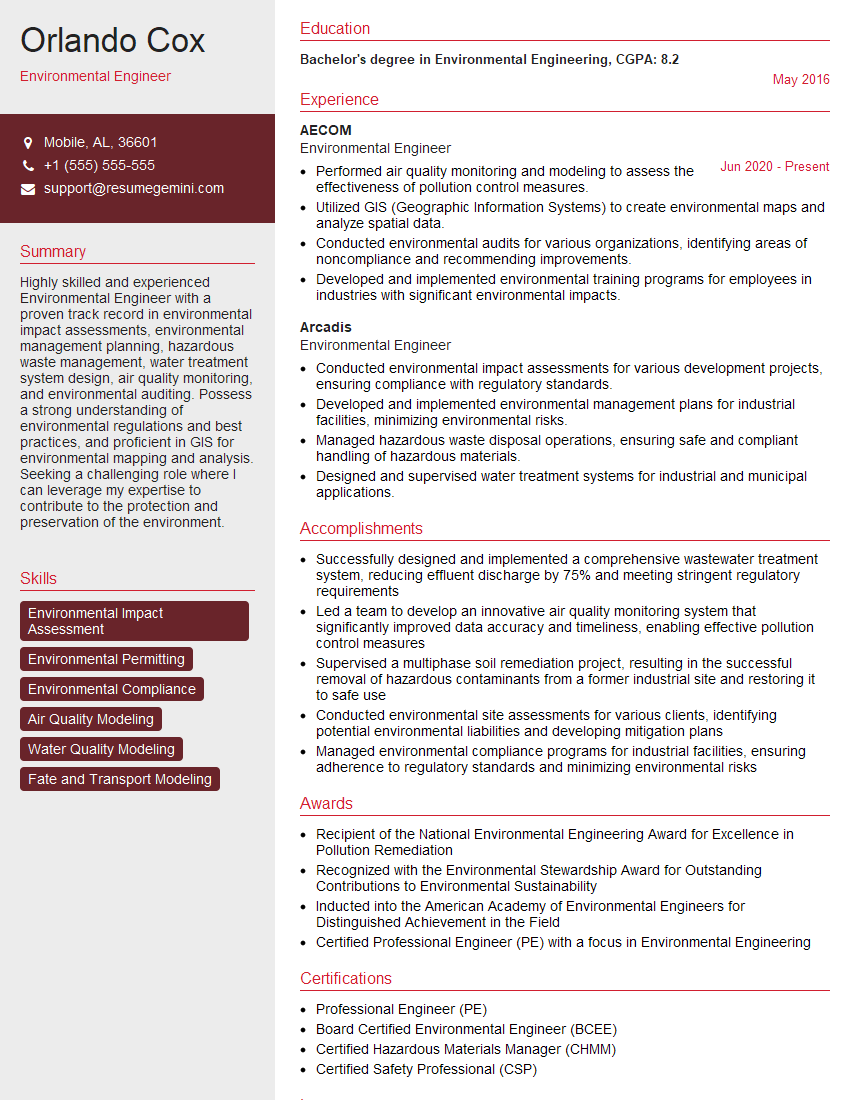
Environmental Engineer Resume Sample
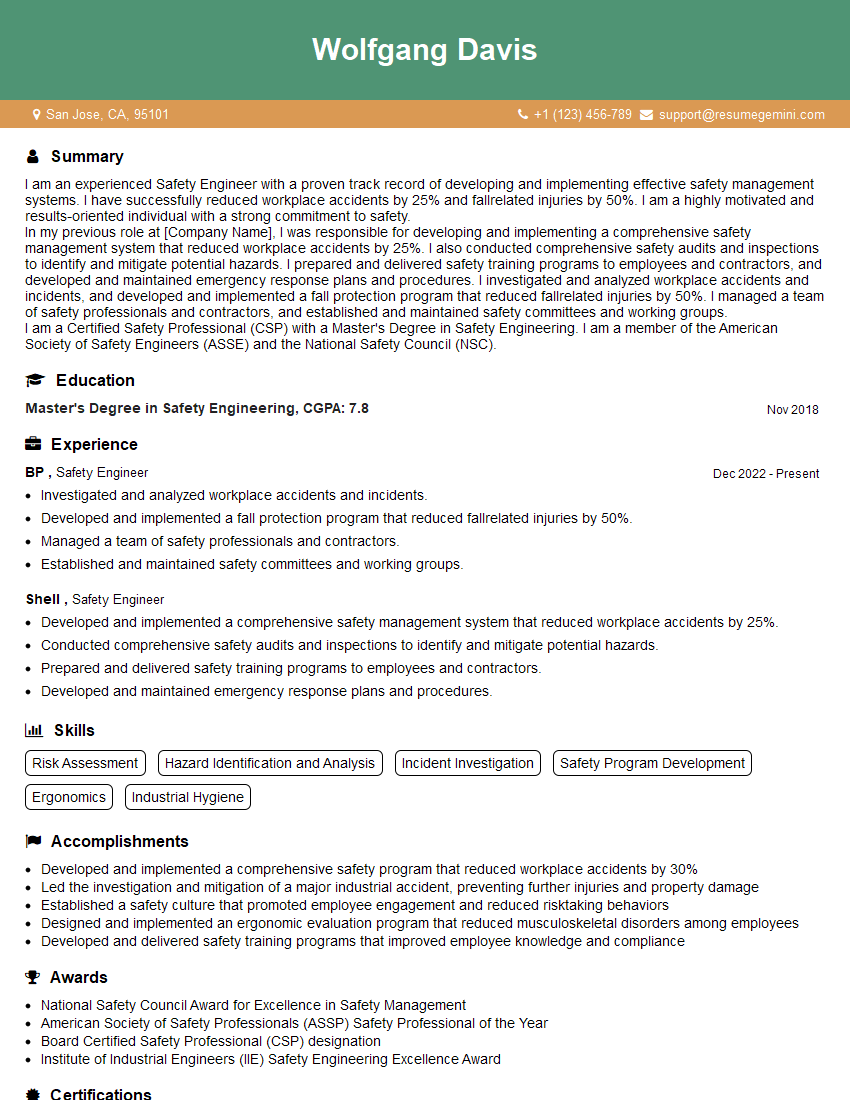
Safety Engineer Resume Sample
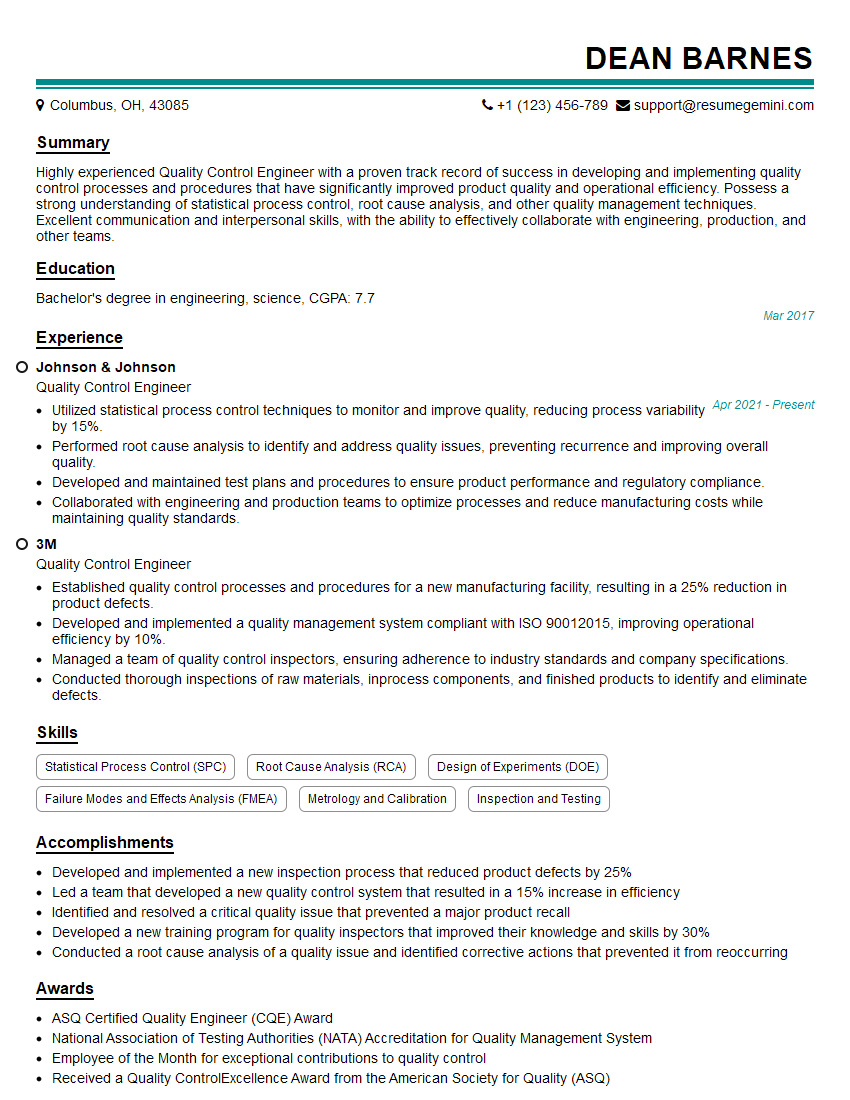
Quality Control Engineer Resume Sample
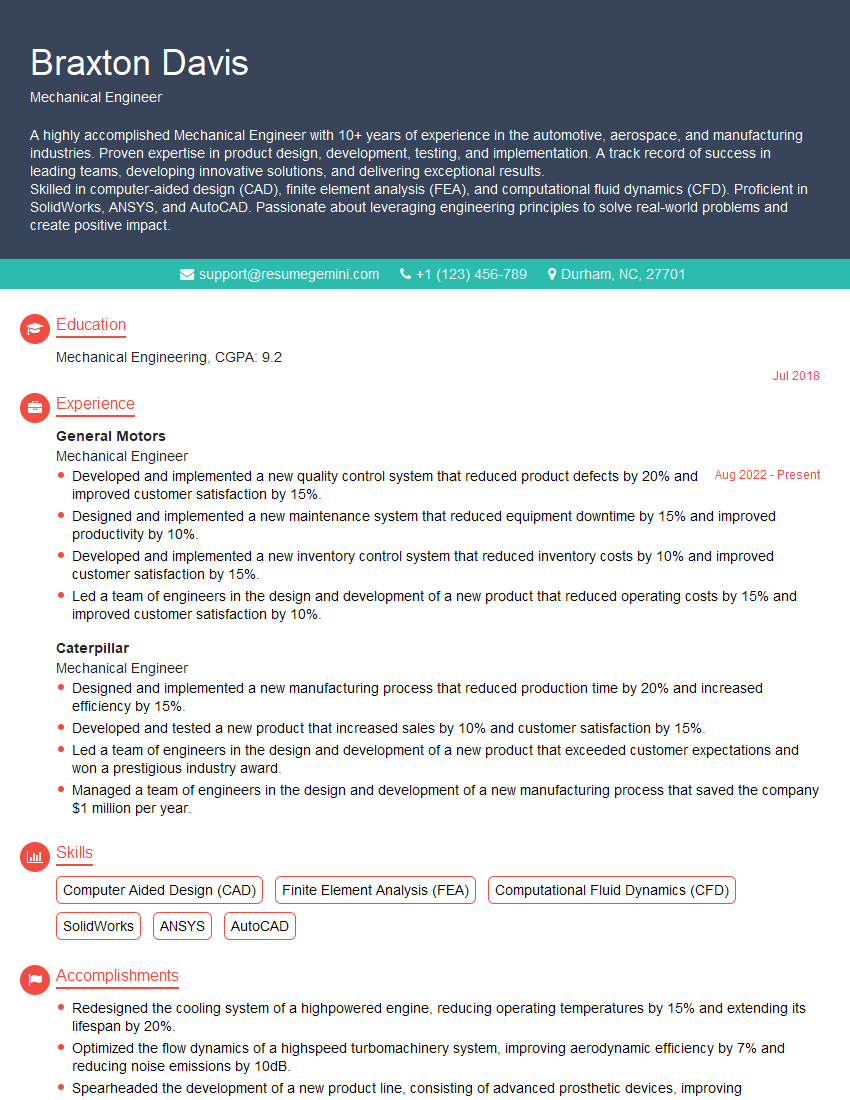
Mechanical Engineer Resume Sample
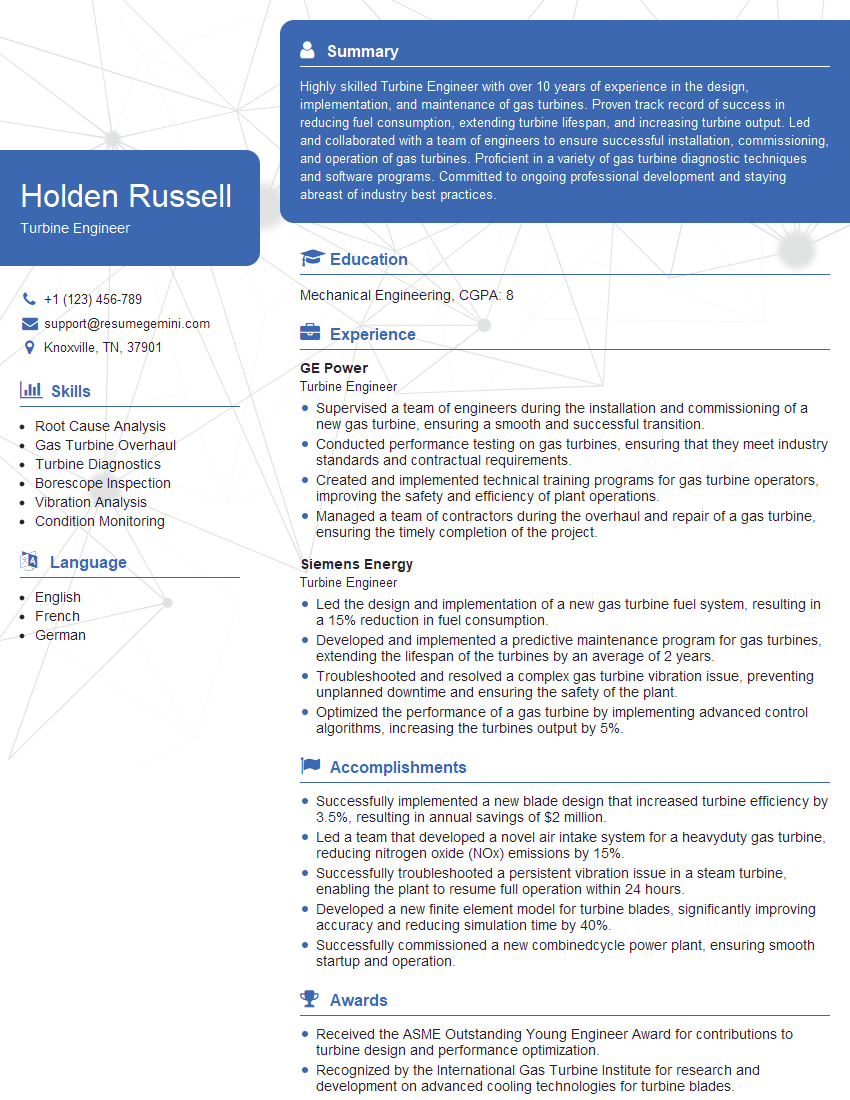
Turbine Engineer Resume Sample
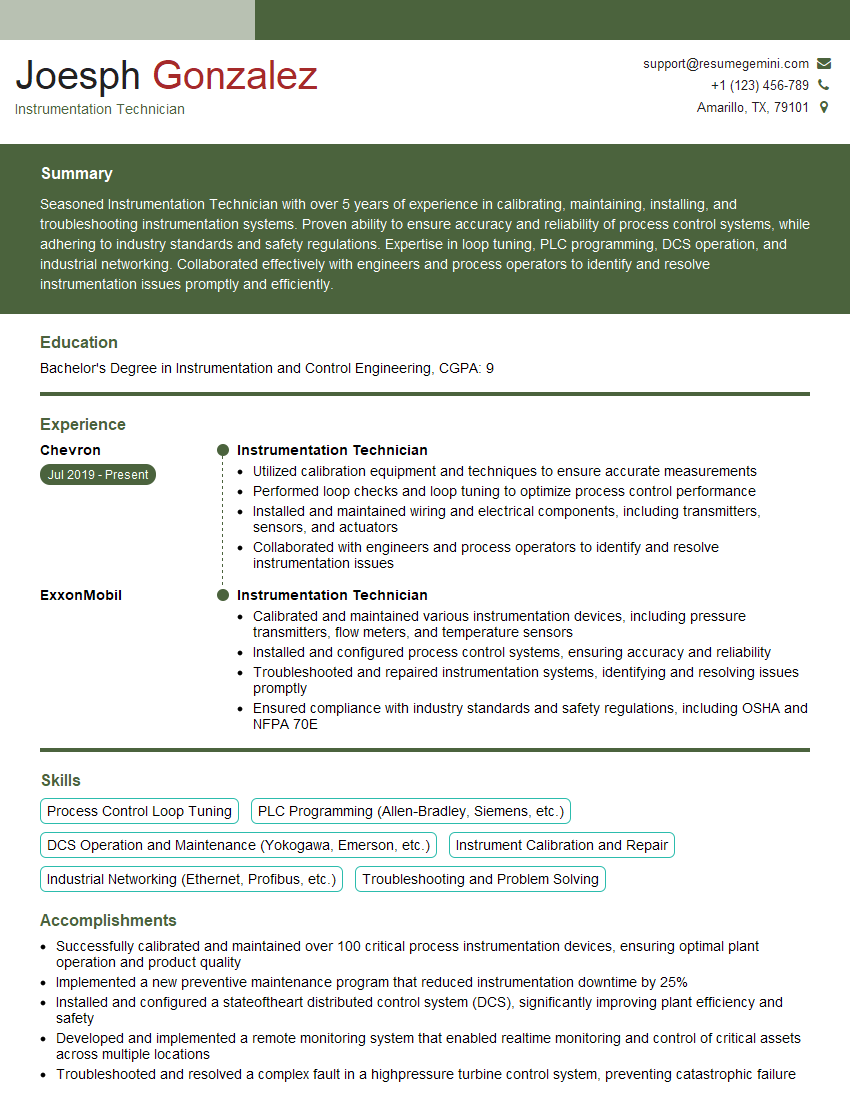
Instrumentation Technician Resume Sample
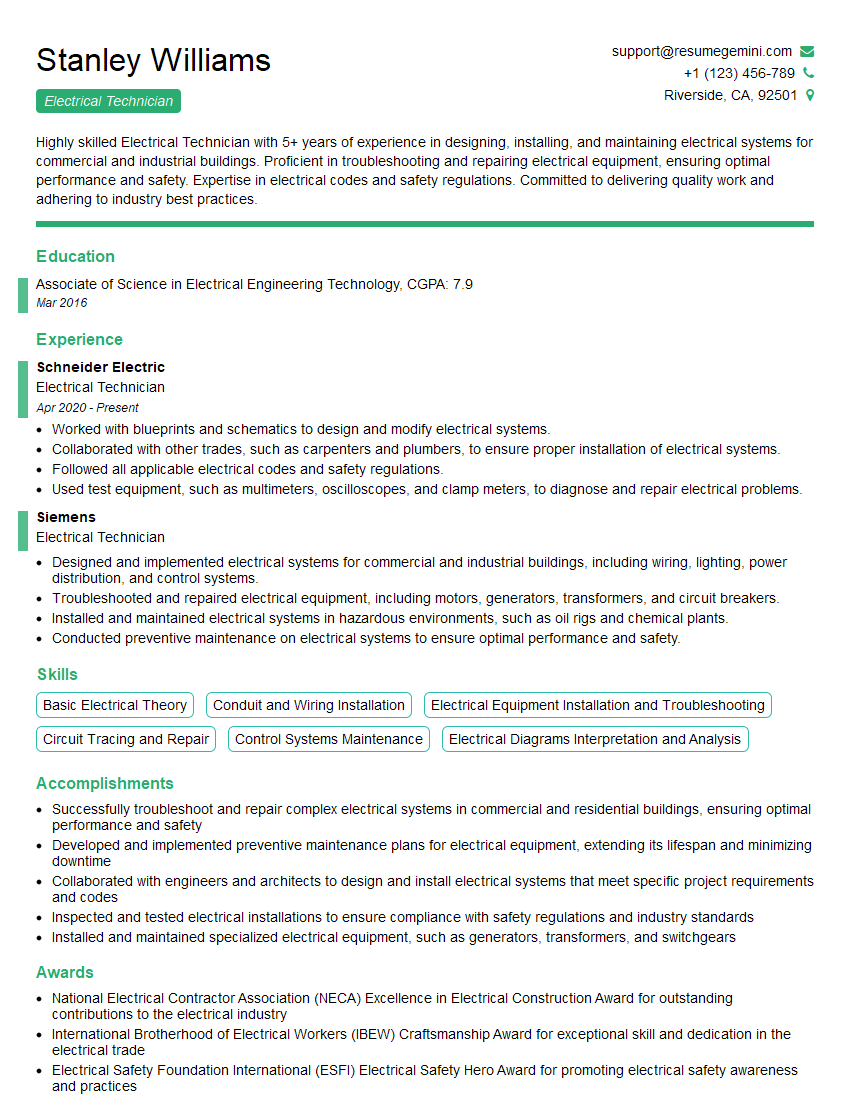
Electrical Technician Resume Sample
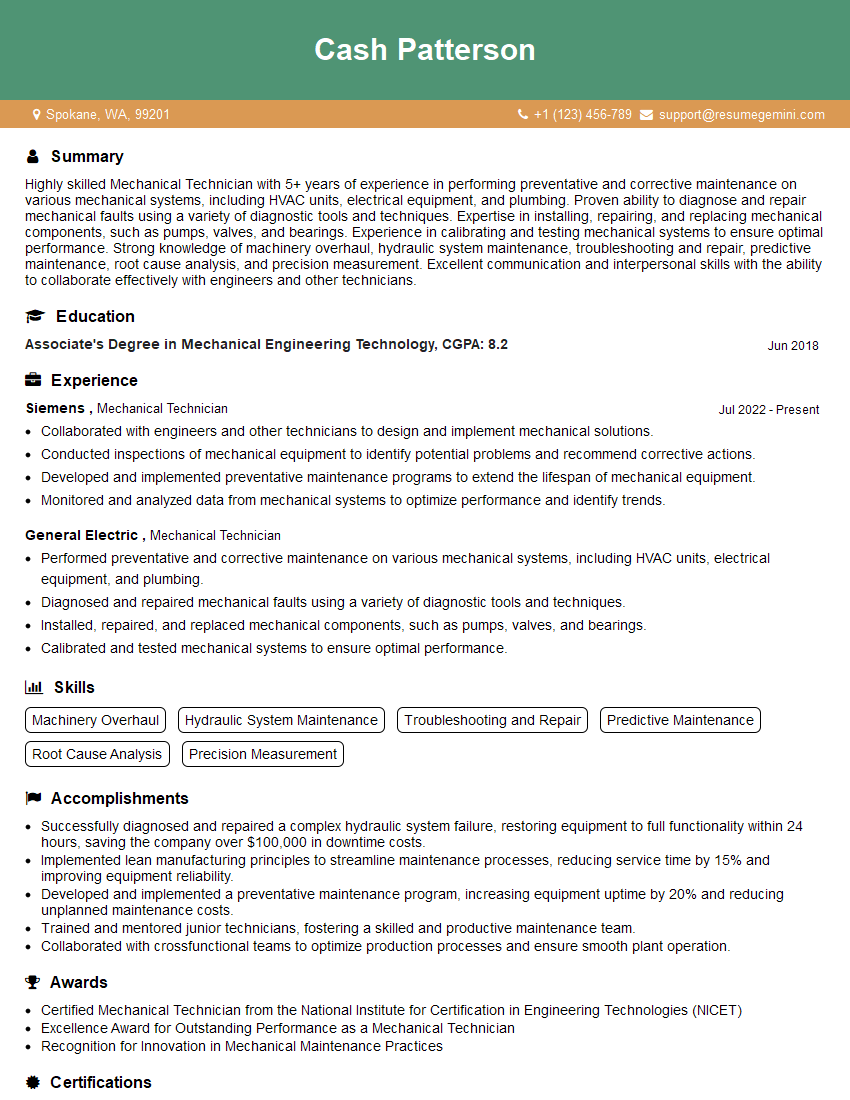
Mechanical Technician Resume Sample
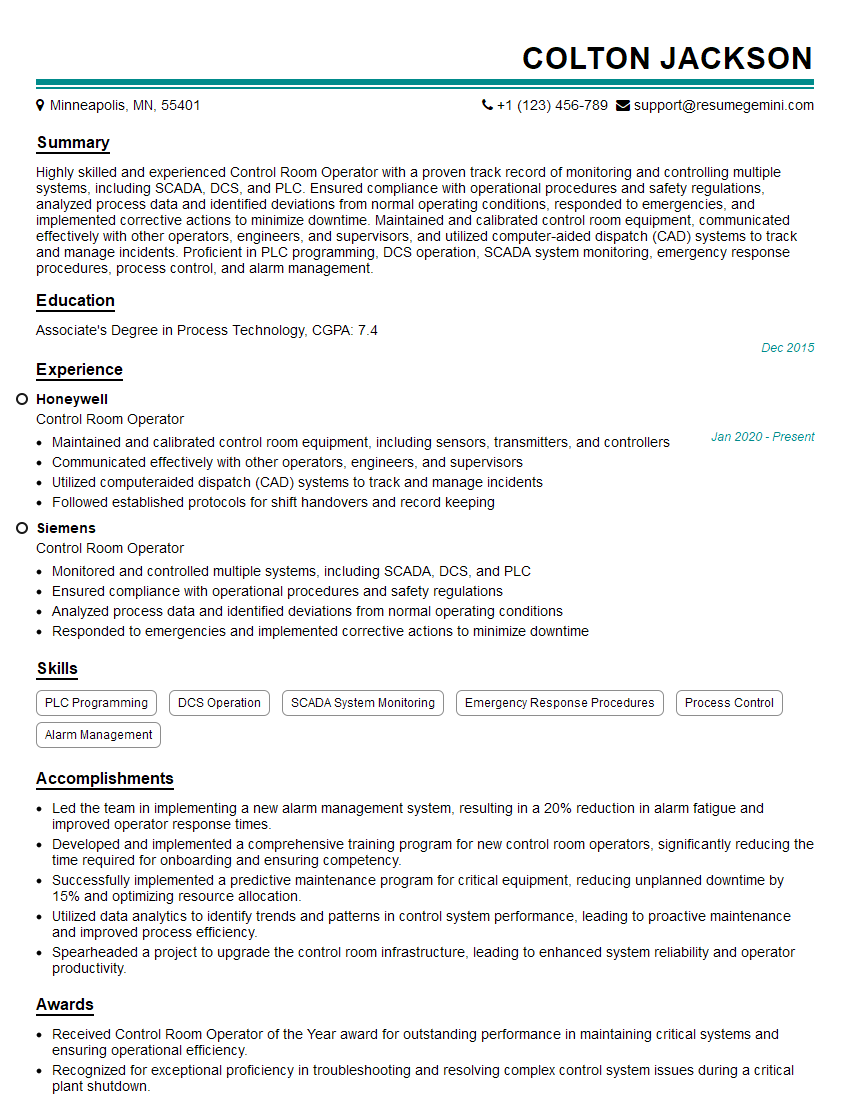
Control Room Operator Resume Sample
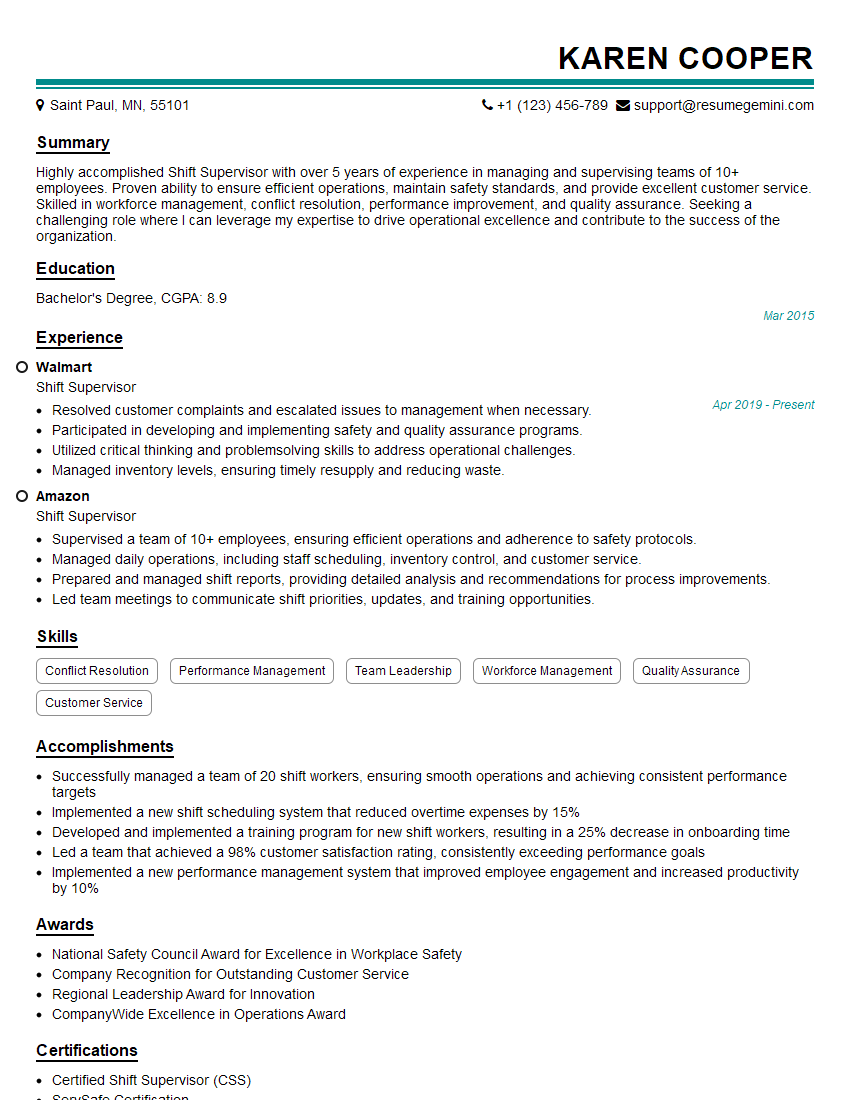
Shift Supervisor Resume Sample
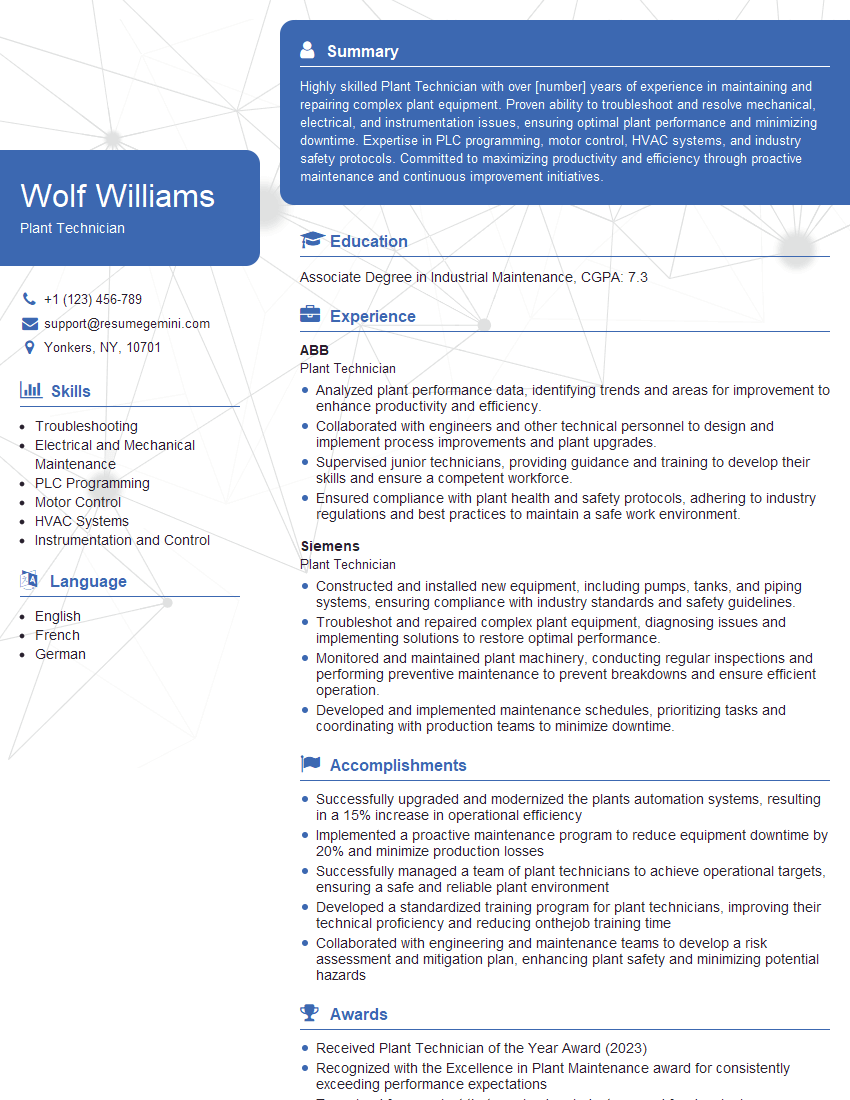
Plant Technician Resume Sample
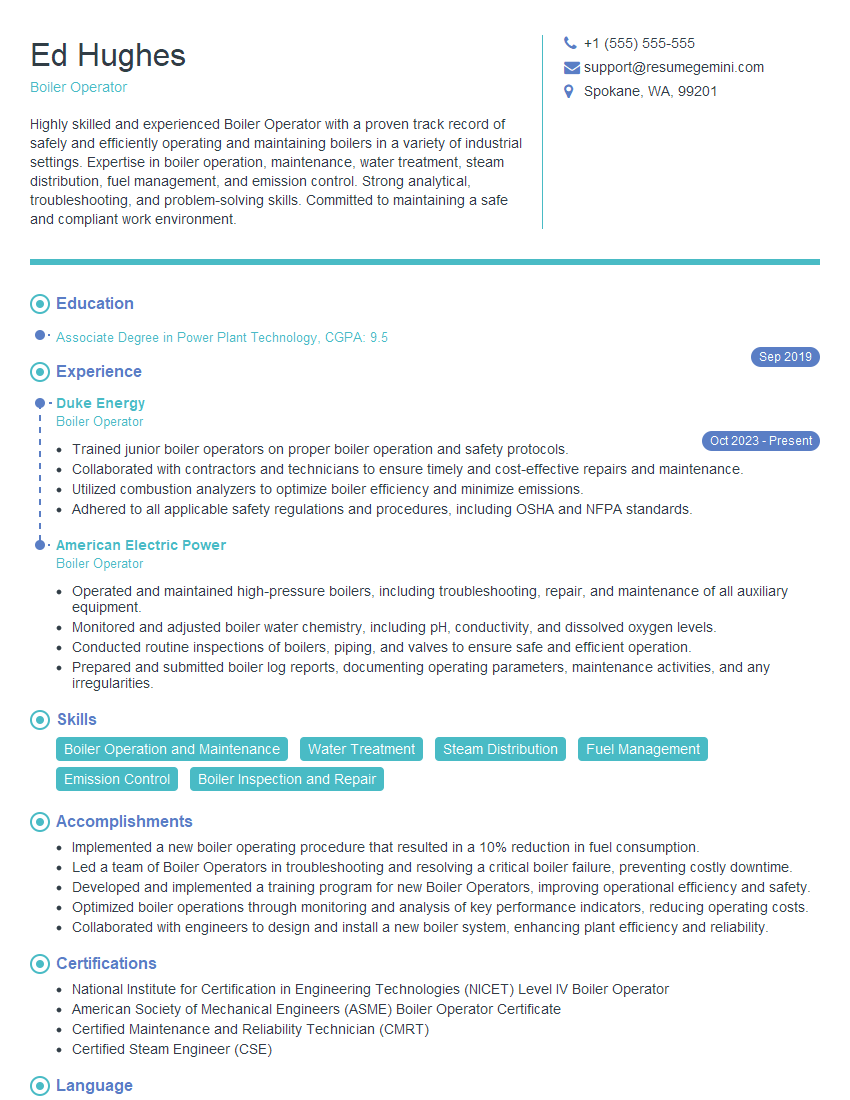
Boiler Operator Resume Sample
- Operations Manager
- Plant Manager
- Maintenance Supervisor
- Chief Engineer
- Project Engineer
- Chemical Engineer
- Maintenance Engineer
- Electrical Engineer
- Environmental Engineer
- Safety Engineer
- Quality Control Engineer
- Mechanical Engineer
- Turbine Engineer
- Instrumentation Technician
- Electrical Technician
- Mechanical Technician
- Control Room Operator
- Shift Supervisor
- Plant Technician
- Boiler Operator
Explore more articles
Users Rating of Our Blogs
Share Your Experience
We value your feedback! Please rate our content and share your thoughts (optional).
What Readers Say About Our Blog
To the interviewgemini.com Webmaster.
Very helpful and content specific questions to help prepare me for my interview!
Thank you
To the interviewgemini.com Webmaster.
This was kind of a unique content I found around the specialized skills. Very helpful questions and good detailed answers.
Very Helpful blog, thank you Interviewgemini team.