Interviews are more than just a Q&A session—they’re a chance to prove your worth. This blog dives into essential Thoracic spine manipulation interview questions and expert tips to help you align your answers with what hiring managers are looking for. Start preparing to shine!
Questions Asked in Thoracic spine manipulation Interview
Q 1. Describe the biomechanics of the thoracic spine.
The thoracic spine, or upper back, is a complex region with unique biomechanics. Unlike the more flexible cervical and lumbar regions, it’s characterized by a relatively rigid structure due to the rib cage’s attachment. Its primary movements are rotation, lateral flexion (side bending), and extension/flexion (backward/forward bending). However, the range of motion is limited compared to the other spinal sections. The articulation between the vertebrae and the ribs, along with the strong ligaments and muscles of the back, contribute to its stability and protection of vital organs. The facets (joints between vertebrae) are oriented to favor rotation and limit flexion/extension. Think of it like a well-protected, strong, but less flexible central column of your body. This structure supports the weight of the upper body and protects the spinal cord, heart, and lungs. The intricate interplay of these bones, joints, ligaments, and muscles defines its biomechanical behavior.
Q 2. Explain the different types of thoracic spine manipulation techniques.
Thoracic spine manipulation techniques aim to restore mobility and reduce pain by addressing joint restrictions. These techniques vary in approach and force but generally include:
- High-velocity, low-amplitude (HVLA) thrusts: These are the classic ‘manipulations’ involving a quick, precise force applied to a specific spinal segment to restore joint movement. Think of it like a controlled ‘pop’ that releases a stuck joint. This requires advanced training and skill.
- Mobilizations: These are gentler, slower movements that improve joint mobility without a high-velocity thrust. They involve sustained pressure or oscillations applied to specific joints, gradually improving range of motion. An example would be applying pressure with a hand to guide the thoracic spine into flexion/extension.
- Soft tissue mobilization: This focuses on releasing muscle tension in the surrounding muscles, like the rhomboids and latissimus dorsi, that can restrict thoracic spine movement. Techniques like massage, myofascial release, and trigger point therapy are employed here.
- Joint distraction: A gentle pulling apart of the vertebrae to reduce compression and increase joint space. This can provide relief by decreasing nerve root pressure and pain.
The specific technique used depends on the patient’s presentation, the clinician’s expertise, and the nature of the restriction.
Q 3. What are the indications for thoracic spine manipulation?
Thoracic spine manipulation is indicated for a variety of conditions causing pain and limited movement in the thoracic spine. These include:
- Mechanical thoracic pain: Pain stemming from the joints or muscles of the thoracic spine, often caused by poor posture, trauma, or overuse.
- Thoracic spine stiffness: Restricted range of motion often accompanied by pain.
- Rib joint dysfunction: Pain or stiffness in the costovertebral or costotransverse joints (joints between the ribs and vertebrae).
- Postural syndromes: Conditions associated with poor posture, such as upper crossed syndrome or rounded shoulders.
- Certain types of headaches: Some headaches can originate from the upper back, and thoracic manipulation may provide relief (in conjunction with other treatments).
It’s crucial to note that manipulation should be considered only after a thorough assessment to rule out more serious conditions.
Q 4. What are the contraindications for thoracic spine manipulation?
Thoracic spine manipulation carries potential risks and is contraindicated in several situations. These contraindications include but are not limited to:
- Fractures or instability in the thoracic spine: Manipulation could worsen a fracture or cause further instability.
- Inflammatory conditions (e.g., ankylosing spondylitis): Manipulation could exacerbate inflammation.
- Cancer affecting the spine: Manipulation could damage the cancerous tissue or cause spread.
- Active infections in the thoracic spine: Manipulation could spread infection.
- Cauda equina syndrome: A serious neurological condition requiring immediate medical attention.
- Uncontrolled hypertension: Manipulation may temporarily increase blood pressure.
- Osteoporosis with vertebral fractures: This condition increases the risk of fracture during manipulation.
A thorough history and physical exam are crucial to determine suitability for thoracic spine manipulation. If any of these contraindications are present, alternative treatment methods should be considered.
Q 5. How do you assess thoracic spine mobility?
Assessing thoracic spine mobility involves a combination of observation, palpation, and range-of-motion testing. This process includes:
- Observation: Observing the patient’s posture for any asymmetries or deviations from normal spinal alignment. For example, looking for kyphosis (excessive curvature) or scoliosis (lateral curvature).
- Palpation: Gently feeling the spine to assess muscle tension, tenderness, and the presence of any bony abnormalities or joint restrictions. This involves feeling the spinous processes of the vertebrae to check for tenderness or restriction of movement.
- Range-of-motion testing: Assessing the patient’s ability to flex, extend, laterally flex, and rotate their thoracic spine. We measure the degree of movement and check for any pain or limitations in these movements. Active range of motion (patient performs movement) and passive range of motion (clinician performs movement) are assessed.
- Specific joint tests: Performing specific tests to assess the mobility of individual thoracic segments or rib joints. These tests vary in methodology but aim to identify areas of restriction.
A combination of these assessments provides a comprehensive understanding of the patient’s thoracic spine mobility and aids in identifying areas needing attention.
Q 6. How do you differentiate between thoracic spine pain and referred pain?
Differentiating between thoracic spine pain and referred pain requires careful clinical judgment and a thorough history and physical exam. Thoracic spine pain is typically localized to the thoracic region, often aggravated by specific movements or postures. Referred pain, however, originates from another area but is felt in the thoracic spine.
For example, pain from a cardiac issue might be felt in the left arm and chest, potentially perceived as upper back pain. Similarly, gallbladder problems can cause pain in the right upper quadrant, potentially radiating to the upper back.
Key factors in differentiating include:
- Pain location and pattern: Thoracic pain is usually localized to the thoracic spine, whereas referred pain has a specific referral pattern related to the source.
- Associated symptoms: Referred pain often accompanies other symptoms relevant to the source (e.g., shortness of breath with cardiac pain, nausea with gallbladder issues).
- Provocative/palliative factors: Thoracic spine pain is often aggravated by specific spinal movements or postures. Referred pain may not be directly related to spinal movements.
- Patient history: A complete history of the symptoms, including their onset, duration, and aggravating/relieving factors, aids in accurate diagnosis.
If there is any uncertainty, further investigation including imaging or referral to specialists (cardiologist, gastroenterologist, etc.) may be necessary.
Q 7. Describe your approach to patient selection for thoracic manipulation.
Patient selection for thoracic manipulation is a crucial step. I prioritize a cautious and thorough approach to ensure the safety and effectiveness of the treatment. My selection process includes:
- Detailed history: A comprehensive interview to understand the patient’s symptoms, medical history, and any prior treatments. This also includes identifying potential contraindications.
- Thorough physical examination: Assessing the patient’s posture, range of motion, palpation for muscle tension, and performing specific tests to identify the source of pain and any joint restrictions. I carefully rule out any red flags that would make manipulation inappropriate.
- Imaging review (if necessary): Radiographs (X-rays) or other imaging may be required to rule out fractures, tumors, infections, or other pathologies.
- Neurological examination: Assessing neurological function to rule out any spinal cord or nerve root compression.
- Diagnosis and treatment plan: Based on the findings, I will determine if thoracic manipulation is appropriate and formulate a personalized treatment plan that might include manipulation, mobilization, soft tissue techniques, exercise, postural advice, and patient education. If manipulation is not deemed appropriate, I will explore alternative treatment options.
My approach emphasizes patient safety and informed consent. I always discuss the risks and benefits of thoracic manipulation with the patient before proceeding with treatment.
Q 8. Explain the potential risks and complications associated with thoracic manipulation.
Thoracic manipulation, while often effective, carries potential risks. These are generally low-frequency but serious events, and understanding them is crucial for informed consent and safe practice. The most significant risks include:
- Fracture: Though rare, especially in healthy adults, existing fractures (e.g., from osteoporosis or trauma) can worsen with manipulation. Pre-existing conditions are always thoroughly assessed before any manipulation is attempted.
- Spinal Cord Injury: This is extremely rare with proper technique and patient selection. However, pre-existing spinal stenosis or other neurological conditions increase this risk, necessitating careful screening.
- Nerve Root Irritation: Manipulation can sometimes temporarily irritate a nerve root, causing pain, numbness, or tingling. This usually resolves quickly, but requires close monitoring.
- Arterial Dissection: This is a very rare but potentially life-threatening complication, where the force of manipulation may damage an artery in the neck or thorax. Careful patient selection and gentle techniques significantly mitigate this risk.
- Rib Subluxation or Dislocation: While manipulation often addresses rib issues, improper technique can result in subluxation or dislocation, requiring specific treatment.
Thorough patient history taking, physical examination, and potentially imaging (X-rays) are crucial to minimize these risks. Contraindications to manipulation must always be carefully considered.
Q 9. How do you manage a patient who experiences adverse effects after thoracic manipulation?
Managing adverse effects after thoracic manipulation is critical. The immediate response depends on the severity of the reaction:
- Mild discomfort/pain: I’d typically recommend rest, ice, over-the-counter analgesics (like ibuprofen), and possibly gentle stretches to alleviate muscle spasms. I’d schedule a follow-up appointment to assess progress.
- Increased pain/numbness/tingling: A more serious reaction warrants immediate attention. I would assess neurologic status carefully. This might involve referral for imaging (MRI) to rule out nerve damage or fracture, and I may adjust my treatment strategy or refer to another specialist such as a neurologist.
- Severe pain/neurological deficits (weakness, paralysis): This is a medical emergency. Immediate medical attention is necessary, potentially requiring hospitalization and specialist consultation.
In all cases, open communication with the patient is essential. Honest discussion about the experience, expectations, and potential explanations can build trust and improve compliance with the care plan.
Q 10. Describe your post-treatment care instructions for patients.
Post-treatment care instructions are vital for successful outcomes and patient safety. My instructions typically include:
- Rest and Ice: Resting the affected area for a period of time and applying ice packs (20 minutes on, 20 minutes off) can help reduce inflammation and pain.
- Gentle Movement: I recommend gentle range-of-motion exercises within tolerable pain levels to promote healing and prevent stiffness. Specific exercises are tailored to the individual’s condition.
- Posture Awareness: Maintaining good posture is essential. I provide guidance on proper posture and ergonomic adjustments to prevent future problems. This often involves education on workplace ergonomics or sleeping positions.
- Medication: Depending on the patient’s needs, over-the-counter pain relievers or prescribed medications may be recommended to manage pain and inflammation.
- Follow-up Appointments: Regular follow-up appointments are scheduled to monitor progress, adjust treatment as needed, and address any concerns.
Written instructions are always provided to ensure the patient understands and can adhere to the plan. This ensures patient safety and optimizes recovery.
Q 11. How do you document your thoracic manipulation procedures?
Thorough documentation of thoracic manipulation procedures is crucial for legal and clinical reasons. My documentation includes:
- Patient Demographics and History: Complete patient information, including medical history, previous treatments, and any contraindications.
- Reason for Treatment: A detailed description of the patient’s symptoms and the specific reasons for recommending thoracic manipulation.
- Physical Examination Findings: A record of the physical examination, including palpation findings, range of motion assessment, and any observed abnormalities.
- Specific Techniques Used: Detailed description of the specific manipulation techniques performed, including the level(s) of the spine treated, the direction and magnitude of force applied, and the patient’s response.
- Patient’s Response to Treatment: A clear description of the patient’s immediate and short-term response to the manipulation, including any adverse effects.
- Post-Treatment Instructions: A summary of the post-treatment care instructions provided to the patient.
- Follow-up Plan: A schedule for follow-up appointments and a plan for subsequent treatment.
This meticulous documentation ensures continuity of care, aids in tracking treatment progress, and protects both the patient and the practitioner.
Q 12. How do you integrate thoracic manipulation with other treatment modalities?
Thoracic manipulation rarely stands alone. It’s frequently integrated with other modalities for comprehensive care. For example:
- Therapeutic Exercise: Strengthening and stretching exercises are commonly used to improve posture, flexibility, and stability of the thoracic spine. These are often taught to the patient for home practice.
- Soft Tissue Mobilization: Techniques such as massage or myofascial release can address muscle tension and restrictions that contribute to thoracic dysfunction. This can be performed by the same clinician or referred to a specialist.
- Postural Correction: Education on correct posture and ergonomic adjustments is essential. This addresses underlying biomechanical factors which may have contributed to the dysfunction.
- Modalities (Heat/Ice/Electrical Stimulation): These can provide pain relief and help manage inflammation before and after manipulation.
- Patient Education: Thorough patient education on spinal health, posture, and self-management is a key component of treatment to achieve long-term results.
The integration of these modalities is tailored to the individual patient’s needs and response to treatment. It promotes better outcomes compared to using manipulation in isolation.
Q 13. Explain the role of palpation in assessing the thoracic spine.
Palpation is fundamental to assessing the thoracic spine. It allows for a hands-on evaluation of tissue texture, mobility, and pain sensitivity, providing valuable information before, during, and after manipulation.
- Identifying Muscle Tension: Palpation helps identify areas of muscle spasm, tightness, or trigger points in the paraspinal muscles, which might be contributing to the patient’s condition.
- Assessing Joint Mobility: Through palpation, I can assess the mobility of each thoracic segment, identifying areas of restricted movement or hypomobility which might benefit from manipulation.
- Detecting Pain Sensitivity: Palpation helps pinpoint areas of pain or tenderness, helping to identify the source of the patient’s discomfort and guide the selection of treatment techniques.
- Identifying Joint Position: Palpation provides information about the position of the vertebrae and rib cage, and can help to detect rib subluxations or other structural abnormalities.
- Assessing Tissue Texture: Subtle differences in tissue texture (edema, inflammation, scarring) can provide crucial clues about underlying pathology.
Combining palpation with other assessment methods, such as range of motion testing, provides a more comprehensive picture of the patient’s thoracic spine condition.
Q 14. Describe your understanding of thoracic spine segmental dysfunction.
Thoracic spine segmental dysfunction refers to impaired movement or mechanics in one or more segments of the thoracic spine. It isn’t a disease but a mechanical problem that causes pain and functional limitations. It arises from various factors.
- Postural Issues: Poor posture, prolonged sitting, or repetitive movements contribute to muscle imbalances and joint dysfunction.
- Muscle Imbalances: Tight pectoral muscles, weakened back muscles, or other muscle imbalances can restrict thoracic mobility.
- Trauma: Minor or major trauma (falls, car accidents) can cause segmental dysfunction, directly injuring spinal structures.
- Repetitive Strain: Repetitive activities involving twisting or bending can lead to cumulative stress on the spine.
- Visceral Issues: Pain referred from internal organs (e.g., heart, lungs) can sometimes manifest as thoracic pain.
Symptoms range from localized pain and stiffness to radiating pain and decreased mobility. Proper diagnosis and treatment often involve a combination of physical examination, imaging (X-rays, MRI), and manual therapy to address the specific contributing factors. Thoracic manipulation, performed by a skilled practitioner, aims to restore normal segmental mobility.
Q 15. How do you address thoracic spine restrictions related to posture?
Addressing thoracic spine restrictions related to posture involves a multi-faceted approach. Poor posture, often characterized by rounded shoulders (kyphosis) and forward head posture, leads to muscle imbalances and joint dysfunction in the thoracic spine. My approach begins with a thorough postural assessment, identifying specific areas of restriction and muscle weakness.
Treatment then focuses on restoring optimal posture through a combination of techniques. This includes:
- Manual Therapy: This may involve specific thoracic spine mobilization and manipulation techniques to restore joint mobility and reduce pain. For example, I might use thoracic manipulation to address a specific facet joint restriction.
- Soft Tissue Mobilization: Addressing tight muscles like the pectorals, upper trapezius, and rhomboids is crucial. Techniques like myofascial release and trigger point therapy help to alleviate muscle tension and improve flexibility.
- Therapeutic Exercise: Patients are prescribed exercises to strengthen postural muscles (e.g., mid-back extensors, rhomboids), improve thoracic spine mobility (e.g., thoracic rotations, extensions), and correct postural habits. This might involve exercises performed with resistance bands or bodyweight.
- Postural Education: This is arguably the most important element. Patients are educated on proper posture, ergonomic workspace setup, and techniques to maintain optimal spinal alignment throughout the day. I often use visual aids and mirrors to help patients understand their posture and correct it.
For example, a patient presenting with significant kyphosis and upper back pain might benefit from a combination of thoracic manipulations to address joint restrictions, pectoral stretches to improve anterior chest mobility, and strengthening exercises targeting the rhomboids and mid-back extensors to improve posture. The patient would also receive detailed education on posture correction, workstation ergonomics, and home exercises.
Career Expert Tips:
- Ace those interviews! Prepare effectively by reviewing the Top 50 Most Common Interview Questions on ResumeGemini.
- Navigate your job search with confidence! Explore a wide range of Career Tips on ResumeGemini. Learn about common challenges and recommendations to overcome them.
- Craft the perfect resume! Master the Art of Resume Writing with ResumeGemini’s guide. Showcase your unique qualifications and achievements effectively.
- Don’t miss out on holiday savings! Build your dream resume with ResumeGemini’s ATS optimized templates.
Q 16. Explain the importance of patient education in thoracic spine care.
Patient education is paramount in thoracic spine care. It empowers patients to actively participate in their recovery and prevents future problems. Without understanding the cause of their pain and how to manage it, patients may not adhere to treatment plans, leading to suboptimal outcomes.
My approach involves:
- Explaining the Diagnosis: Clearly explaining the condition, its cause, and its impact on their daily life using clear, simple language, avoiding jargon.
- Demonstrating Exercises and Techniques: Showing patients exactly how to perform their exercises and postural corrections, ensuring proper form to prevent injury.
- Providing Home Exercise Programs: Giving patients tailored programs that they can easily follow at home, encouraging consistency.
- Educating on Ergonomics: Advising on proper workstation setup, lifting techniques, and activities to avoid.
- Addressing Questions and Concerns: Creating an open dialogue so patients feel comfortable asking questions and expressing their concerns.
For instance, I might explain to a patient with thoracic outlet syndrome how their posture contributes to nerve compression and demonstrate exercises to improve posture and reduce impingement. I’d also provide them with a customized home exercise program and advice on maintaining proper posture throughout the day.
Q 17. How do you modify your treatment approach based on patient age and health status?
Modifying treatment approaches based on patient age and health status is crucial for safety and efficacy. Older adults, for example, may have decreased bone density and increased risk of fractures, necessitating a more cautious approach. Patients with comorbidities like osteoporosis or cardiovascular disease require careful consideration of treatment intensity.
Here’s how I tailor my approach:
- Older Adults: I use gentler mobilization techniques, avoiding high-velocity thrust manipulations. I focus more on soft tissue work, postural education, and therapeutic exercises that are adapted to their physical limitations.
- Younger Patients: I may incorporate a wider range of techniques, including higher-velocity manipulations, if appropriate. Their greater flexibility and resilience allows for more aggressive intervention.
- Patients with Comorbidities: I modify treatment based on their specific condition. For example, a patient with osteoporosis would require modified mobilization techniques to minimize the risk of fractures. I would also consult with their other healthcare providers to ensure a coordinated approach.
For example, a 70-year-old patient with osteoporosis and thoracic pain would receive gentle mobilizations, postural education, and strengthening exercises focusing on low-impact activities. Conversely, a 30-year-old athlete with thoracic spine dysfunction might benefit from a more aggressive approach, including high-velocity thrust manipulations and strengthening exercises targeted at improving stability and power.
Q 18. Describe your experience with specific thoracic manipulation techniques (e.g., mobilization, manipulation, mobilization with movement).
My experience encompasses a wide range of thoracic manipulation techniques. I routinely utilize:
- Thoracic Mobilization: These are low-velocity, high-amplitude movements used to restore joint mobility. I use various grades of mobilization, adjusting the force and amplitude depending on the patient’s response. For instance, I might use grade II mobilizations to address thoracic stiffness and grade IV mobilizations for more specific joint restrictions.
- Thoracic Manipulation: High-velocity, low-amplitude thrusts are used to restore joint mobility when mobilization is insufficient. These are performed only after a thorough assessment and are only indicated in specific cases. Careful consideration of contraindications is crucial before undertaking this procedure.
- Mobilization with Movement (MWM): This technique combines passive mobilization with active patient movement. It aims to improve both joint mobility and neuromuscular control. For instance, I may guide a patient through thoracic rotations while simultaneously applying a gentle mobilization force to a specific segment.
The choice of technique depends on the patient’s specific presentation, including the nature and severity of the pain, the presence of any contraindications, and the patient’s response to treatment. I always prioritize safety and patient comfort, modifying the technique as needed.
Q 19. How do you assess the effectiveness of your thoracic manipulation treatments?
Assessing the effectiveness of thoracic manipulation involves a combination of subjective and objective measures. I track changes in pain levels, range of motion, and functional abilities.
My assessment includes:
- Pain Scales: Using numerical rating scales (NRS) or visual analog scales (VAS) to monitor changes in pain intensity before, immediately after, and at follow-up appointments.
- Range of Motion (ROM) Measurements: Using goniometry to quantify changes in thoracic spine flexion, extension, lateral flexion, and rotation.
- Functional Assessments: Observing improvements in functional activities, such as reaching, lifting, and twisting, to determine the impact of treatment on daily life.
- Outcome Measures: Employing standardized questionnaires like the Oswestry Disability Index (ODI) or the Neck Disability Index (NDI) to objectively assess functional disability related to thoracic spine dysfunction.
- Patient Feedback: Regularly seeking feedback from patients to gauge their perception of treatment effectiveness and any lingering concerns.
For example, a patient might report a significant reduction in pain from 8/10 to 2/10 after a session, show improved thoracic rotation ROM, and demonstrate greater ease in performing daily activities like reaching for overhead objects. These combined measures provide a comprehensive picture of treatment effectiveness.
Q 20. What are the common causes of thoracic spine pain?
Thoracic spine pain has numerous causes, ranging from musculoskeletal problems to systemic conditions. Common causes include:
- Muscle Strains and Sprains: Overexertion, poor posture, or sudden movements can cause muscle strains and sprains, leading to pain and stiffness.
- Facet Joint Dysfunction: Degeneration or inflammation of the facet joints, which connect the vertebrae, can cause pain and restricted movement.
- Rib Subluxations: Slight misalignments of the ribs can cause pain radiating to the chest or abdomen.
- Costochondritis: Inflammation of the cartilage that connects the ribs to the breastbone.
- Osteoarthritis: Degenerative changes in the joints can cause pain and stiffness.
- Scheuermann’s Kyphosis: An abnormal curvature of the thoracic spine.
- Postural Problems: Prolonged poor posture can lead to muscle imbalances and joint dysfunction.
- Referred Pain: Pain from other organs or conditions, such as cardiac problems or esophageal disorders, can be referred to the thoracic spine.
It’s crucial to perform a thorough assessment to determine the underlying cause of the pain before selecting an appropriate treatment plan.
Q 21. How do you differentiate between mechanical and non-mechanical thoracic spine pain?
Differentiating between mechanical and non-mechanical thoracic spine pain is essential for accurate diagnosis and treatment. Mechanical pain is directly related to the musculoskeletal system, while non-mechanical pain originates from other sources and may manifest in the thoracic spine.
Here’s how I differentiate:
- Mechanical Pain: Typically worsens with certain movements or postures (e.g., bending, twisting, prolonged sitting) and improves with rest or changes in posture. The pain is often localized to the spine and may be accompanied by stiffness, muscle spasms, or limited range of motion. It is usually aggravated by prolonged activity and relieved by rest.
- Non-Mechanical Pain: This pain is not directly related to the musculoskeletal structure. It may not correlate with movement and may not improve with rest or changes in posture. It might be accompanied by other symptoms, such as fever, fatigue, weight loss, or systemic illness. It may be constant, unremitting and not influenced by posture or movement.
For example, a patient with mechanical pain might report worsening pain with prolonged sitting and improvement after a short walk. Conversely, a patient with non-mechanical pain due to a tumor might experience persistent pain unaffected by posture or activity. A thorough history, physical examination, and potentially imaging studies are crucial to making this distinction.
Q 22. Describe your understanding of the relationship between the thoracic spine and other regions of the body (e.g., cervical spine, ribs, shoulders).
The thoracic spine, unlike the more mobile cervical and lumbar regions, is a complex interplay of bony structures, ribs, and soft tissues. It’s not just a segment in isolation; its function is intimately linked to the cervical spine above and the lumbar spine below, as well as the rib cage and shoulder girdle. Think of it as the central pillar connecting these regions. Problems in one area frequently impact the others. For example, restricted thoracic mobility can lead to compensatory hypermobility in the cervical spine, potentially causing neck pain. Similarly, thoracic stiffness can alter shoulder mechanics, contributing to shoulder impingement or pain. The ribs, articulating with the thoracic vertebrae, play a crucial role in respiration and posture; their dysfunction can directly impact thoracic mobility and potentially cause pain referred to other areas.
- Cervical Spine Connection: Poor thoracic posture can lead to forward head posture and neck pain.
- Rib Cage Interplay: Restricted thoracic movement can limit rib expansion, impacting breathing efficiency.
- Shoulder Girdle Relationship: Thoracic stiffness can alter scapular movement, leading to shoulder pain and dysfunction.
Q 23. How do you use imaging studies (e.g., X-ray, MRI) to inform your treatment decisions for thoracic spine problems?
Imaging studies are essential for informing my treatment decisions. X-rays provide a good overview of bony alignment and identify fractures, degenerative changes (like osteoarthritis), or scoliosis. However, they don’t show soft tissues well. MRI, on the other hand, excels at visualizing soft tissues such as intervertebral discs, ligaments, spinal cord, and surrounding muscles, which is critical for identifying herniated discs, ligament sprains, or inflammatory conditions. I use X-rays to assess bony anatomy and alignment and MRI to assess the integrity of the soft tissues. The combination allows for a more comprehensive understanding of the patient’s condition. For example, an X-ray might show degenerative changes in the thoracic spine, but an MRI would reveal whether this is causing nerve root compression, which would significantly alter my treatment plan. I use this information to decide whether manipulation is appropriate, and if so, what specific techniques are safe and most likely to be effective. In some cases, a CT scan may also be helpful to get a more detailed look at the bone.
Q 24. Describe your experience with treating specific thoracic spine conditions (e.g., thoracic outlet syndrome, T4 syndrome, costochondritis).
My experience encompasses a range of thoracic spine conditions. Thoracic outlet syndrome, for example, often involves addressing the scalenes and first rib, which can be manipulated indirectly to improve neurovascular function in the upper extremity. T4 syndrome, characterized by upper back pain and associated symptoms, often responds well to thoracic manipulation focusing on the mid-thoracic region, combined with soft tissue mobilization. With costochondritis, I focus on treating the costosternal junctions through gentle mobilization techniques, avoiding direct manipulation of the inflamed cartilage. The approach is always individualized. I consider the patient’s specific symptoms, the results of the imaging studies and a thorough physical examination to determine the most appropriate course of treatment.
Q 25. How do you incorporate the principles of evidence-based practice into your thoracic manipulation techniques?
Evidence-based practice is fundamental to my approach. This means I integrate the best available research evidence with clinical expertise and patient values. I base my technique selection on randomized controlled trials and systematic reviews that support the efficacy and safety of specific thoracic manipulation techniques for particular conditions. For example, before applying a specific mobilization technique, I consider studies evaluating its effectiveness in treating the patient’s specific symptoms. I also consider factors such as the patient’s age, overall health, and preferences. Patient preference and informed consent are crucial elements in maintaining a strong therapeutic alliance.
Q 26. How do you stay updated on the latest research and advancements in thoracic spine manipulation?
Staying current is crucial in this field. I regularly review peer-reviewed journals like the Journal of Manipulative and Physiological Therapeutics and Spine. I attend conferences and workshops focused on musculoskeletal medicine and thoracic manipulation. I also actively participate in continuing medical education courses to learn about new research findings and advanced techniques. Furthermore, collaboration with colleagues through case discussions and participation in professional organizations allows for continuous learning and knowledge exchange.
Q 27. Describe a challenging case involving thoracic spine manipulation and how you addressed it.
One challenging case involved a patient with chronic upper back pain and radiating pain down the arm, initially suspected to be thoracic outlet syndrome. Initial X-rays showed minimal changes. MRI revealed a combination of degenerative disc disease at T6-T7 and some inflammation of the surrounding soft tissues. Simple thoracic manipulation wasn’t effective, suggesting a more complex issue than initially thought. After careful re-evaluation, I incorporated additional treatment modalities, including specific soft tissue mobilization techniques focused on the paraspinals and deep neck flexors, as well as postural retraining exercises. The patient also benefited from manual therapy techniques to address myofascial restrictions within the upper trapezius and levator scapulae muscles. This multi-faceted approach, combining targeted manipulation with other conservative care, eventually resulted in significant pain reduction and improved function for the patient.
Q 28. What are your professional development goals related to thoracic spine manipulation?
My professional development goals include furthering my expertise in advanced imaging interpretation for thoracic spine conditions and gaining proficiency in specific advanced manipulative techniques for complex cases. I also aim to enhance my research skills to contribute to the evidence base for thoracic manipulation, potentially leading to publishing my findings and participating in clinical trials. Finally, I plan to continue actively participating in professional organizations and collaborations to disseminate best practices and promote the safe and effective use of thoracic spine manipulation within the healthcare community.
Key Topics to Learn for Thoracic Spine Manipulation Interview
- Thoracic Spine Anatomy & Biomechanics: Understanding the unique anatomical features of the thoracic spine, including rib cage articulation and its impact on movement and palpation.
- Palpation Techniques: Mastering accurate palpation to identify vertebral dysfunction, muscle tension, and soft tissue restrictions in the thoracic spine.
- Assessment & Diagnosis: Developing proficiency in differentiating between thoracic spine conditions and ruling out contraindications for manipulation.
- Manipulation Techniques: Understanding various mobilization and manipulation techniques, including high-velocity, low-amplitude thrusts and their specific indications and contraindications.
- Therapeutic Exercise & Post-Treatment Care: Developing a comprehensive understanding of appropriate exercises and post-treatment instructions to optimize patient outcomes.
- Patient Communication & Case Management: Effectively communicating with patients, building rapport, and explaining the treatment plan and potential risks and benefits.
- Integration with Other Modalities: Understanding how thoracic spine manipulation integrates with other therapeutic approaches (e.g., soft tissue mobilization, postural correction).
- Common Thoracic Spine Conditions: Thorough understanding of conditions like thoracic outlet syndrome, costochondritis, and T4 syndrome and their presentation.
- Safety & Risk Management: Prioritizing patient safety by identifying and managing potential risks and complications associated with thoracic spine manipulation.
- Evidence-Based Practice: Staying updated on current research and clinical guidelines to support the use of thoracic spine manipulation.
Next Steps
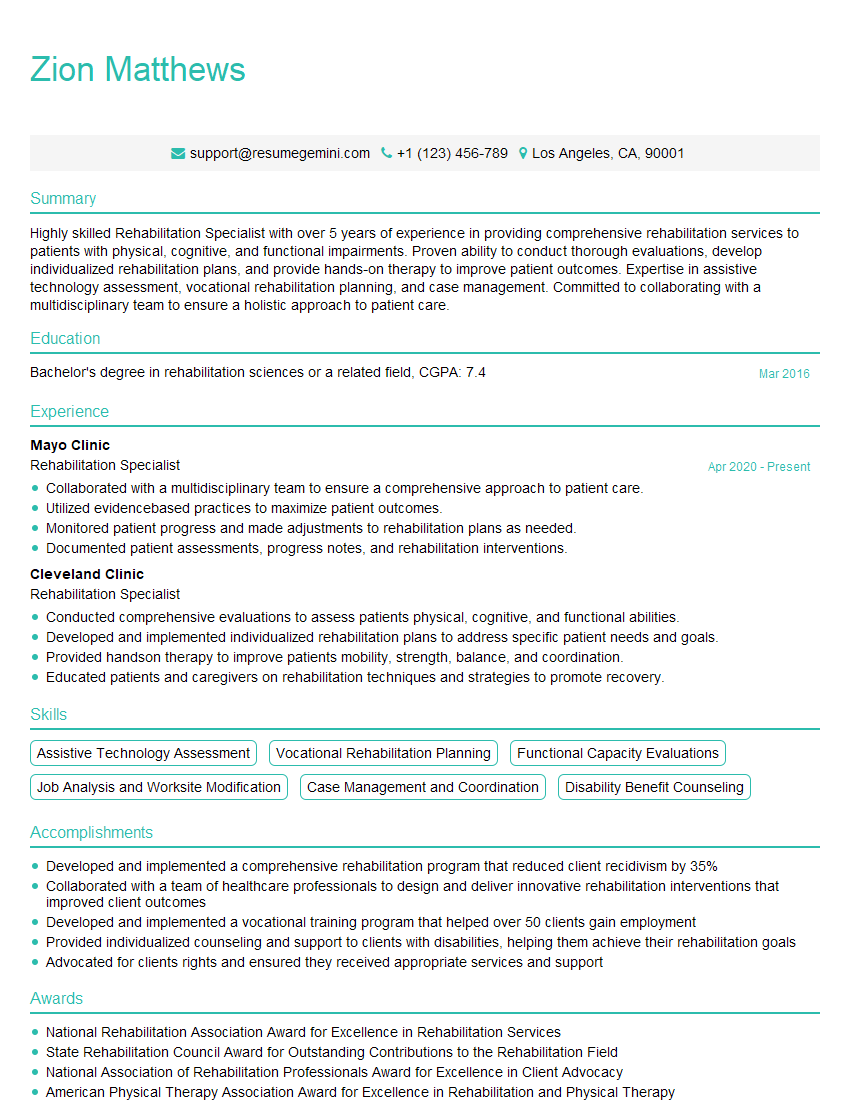
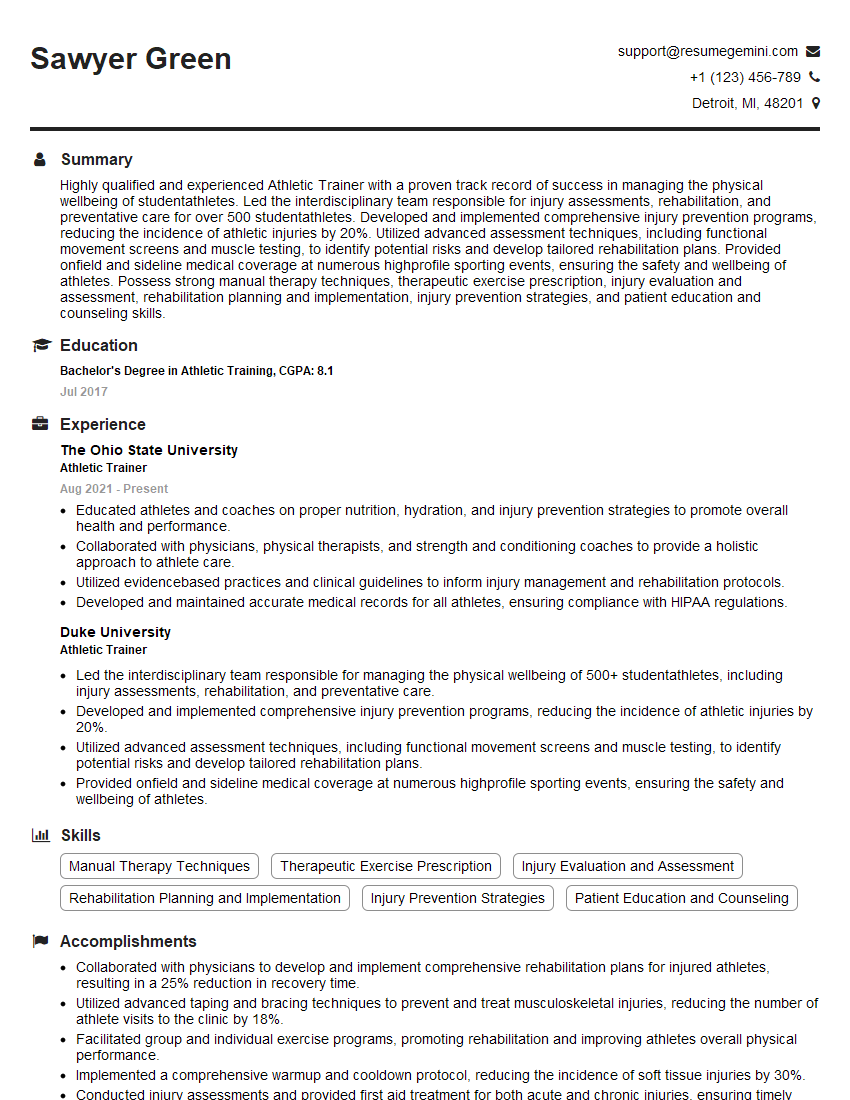
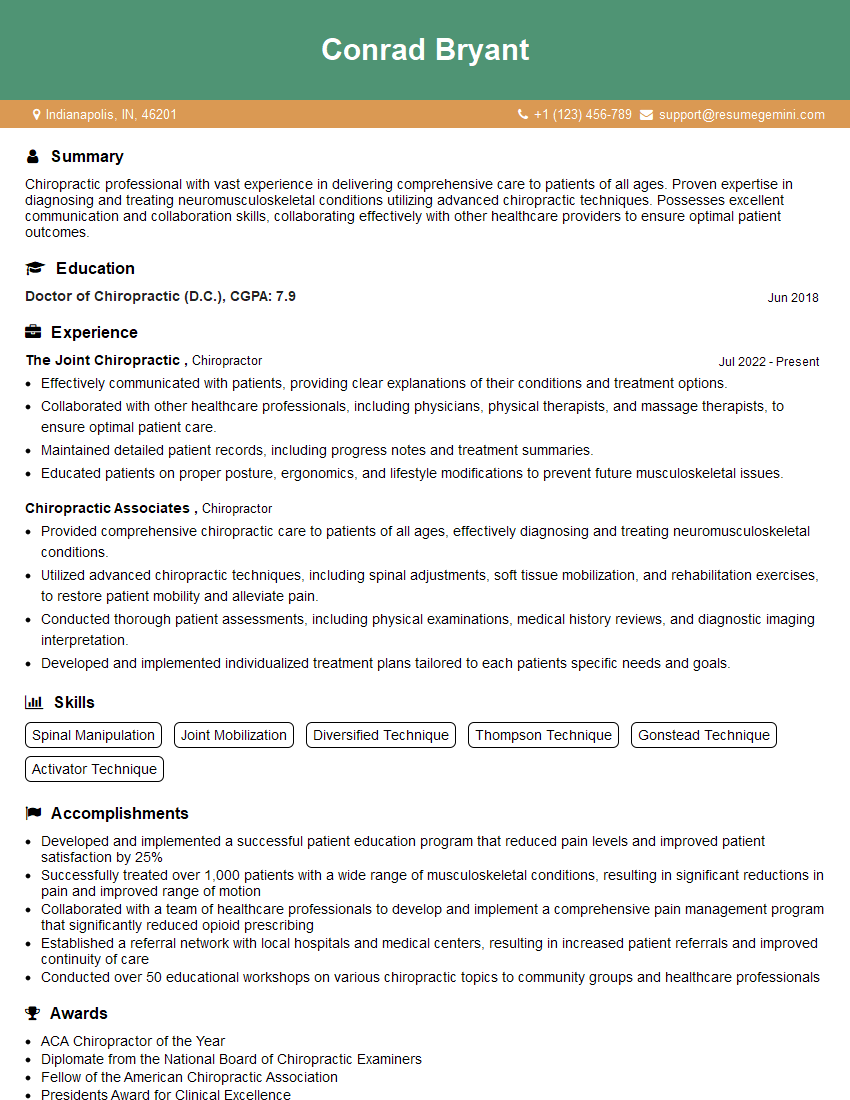
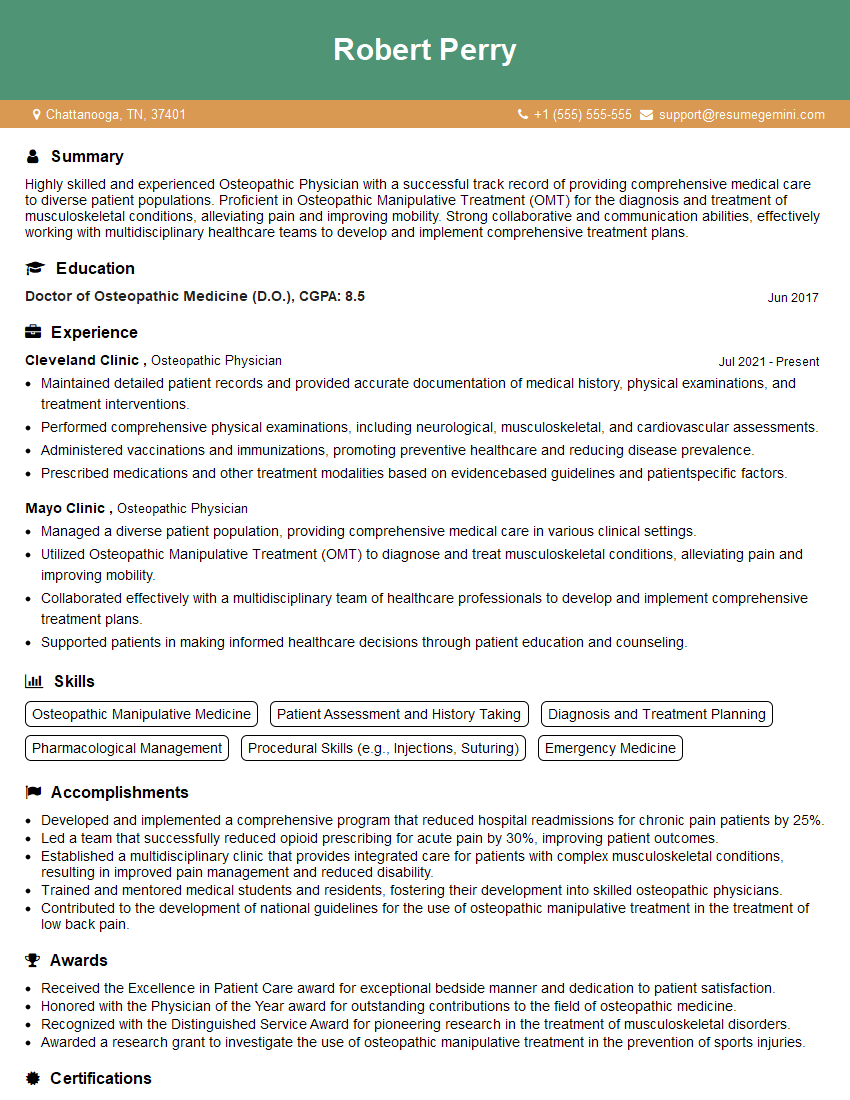
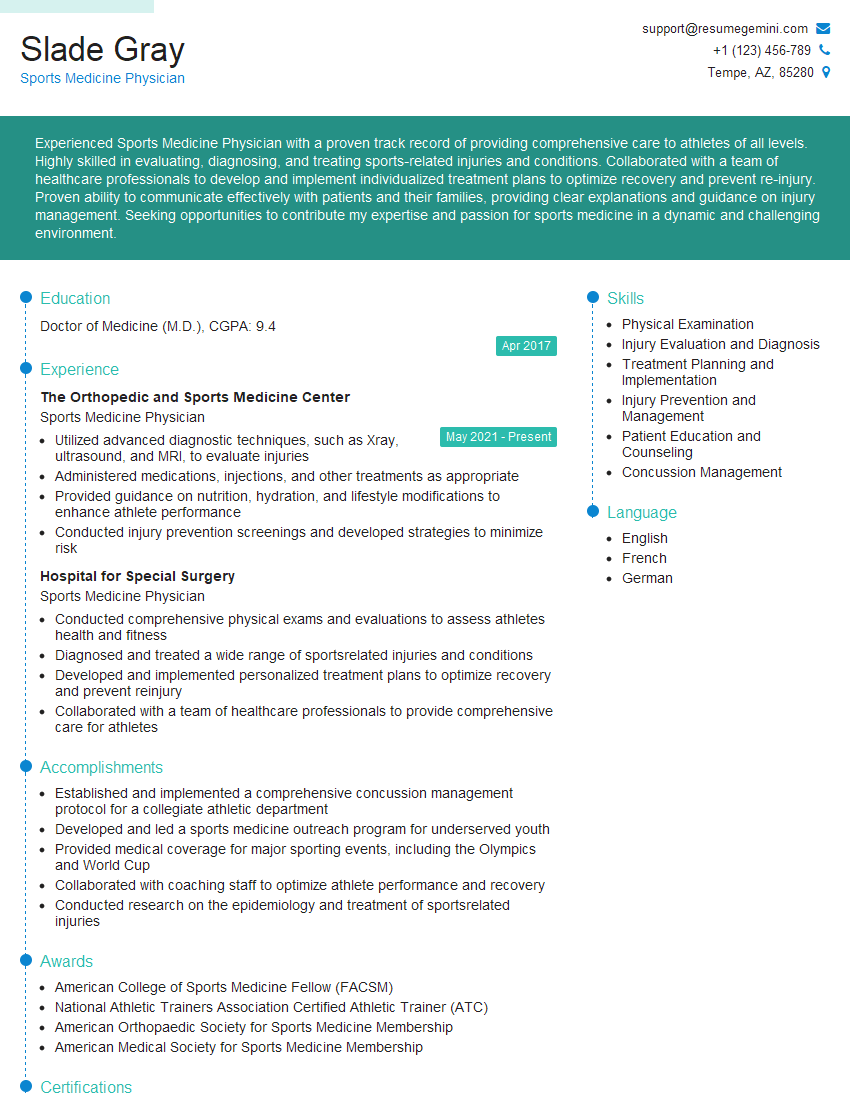
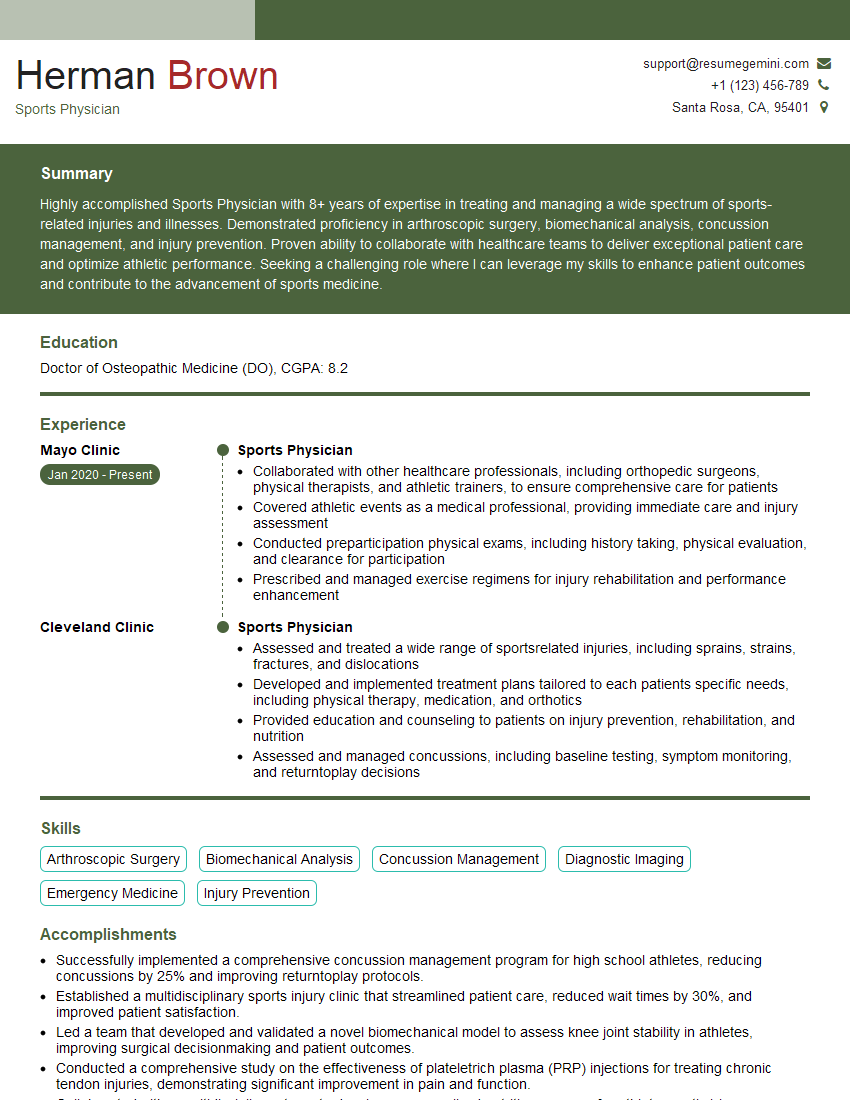
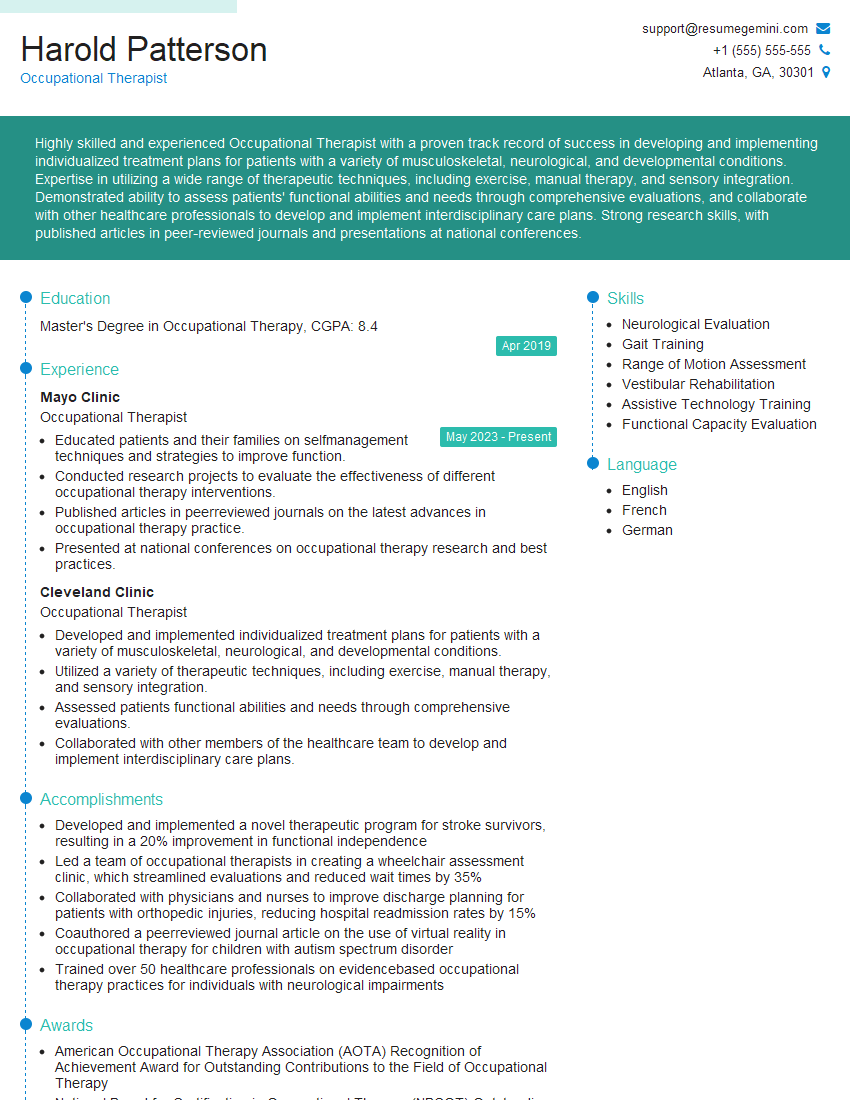
Mastering thoracic spine manipulation opens doors to exciting career opportunities and positions you as a highly skilled and sought-after practitioner. To maximize your chances of landing your dream job, a well-crafted resume is crucial. An ATS-friendly resume ensures your qualifications are effectively communicated to potential employers. We highly recommend using ResumeGemini to build a professional and impactful resume that highlights your skills and experience in thoracic spine manipulation. ResumeGemini provides examples of resumes tailored specifically to this field, guiding you through the process of showcasing your expertise effectively. Take the next step in your career journey today!
Explore more articles
Users Rating of Our Blogs
Share Your Experience
We value your feedback! Please rate our content and share your thoughts (optional).
What Readers Say About Our Blog
To the interviewgemini.com Webmaster.
Very helpful and content specific questions to help prepare me for my interview!
Thank you
To the interviewgemini.com Webmaster.
This was kind of a unique content I found around the specialized skills. Very helpful questions and good detailed answers.
Very Helpful blog, thank you Interviewgemini team.