Are you ready to stand out in your next interview? Understanding and preparing for Skilled in molecular biology techniques, including PCR, gel electrophoresis, and DNA extraction interview questions is a game-changer. In this blog, we’ve compiled key questions and expert advice to help you showcase your skills with confidence and precision. Let’s get started on your journey to acing the interview.
Questions Asked in Skilled in molecular biology techniques, including PCR, gel electrophoresis, and DNA extraction Interview
Q 1. Explain the principle of Polymerase Chain Reaction (PCR).
Polymerase Chain Reaction (PCR) is a revolutionary molecular biology technique used to amplify a specific DNA sequence exponentially. Imagine you have a single grain of sand, representing your target DNA sequence, and you want a mountain of that sand. PCR allows you to achieve this by repeatedly copying the sequence, creating millions or even billions of identical copies. This is achieved through a cyclical process that utilizes a heat-stable DNA polymerase enzyme to synthesize new DNA strands based on the target sequence.
Q 2. Describe the steps involved in a standard PCR reaction.
A standard PCR reaction involves three main steps, repeated for 25-35 cycles:
Denaturation: The DNA sample is heated to approximately 95°C, causing the double-stranded DNA to separate into single strands. Think of it like unzipping a zipper. This allows the primers to access the template DNA.
Annealing: The temperature is lowered to around 55-65°C (depending on the primer design), allowing short, single-stranded DNA sequences called primers to bind to their complementary sequences on the single-stranded DNA template. Primers flank the target sequence and act as starting points for DNA synthesis. It’s like finding the exact spots on the unzipped DNA to start building a copy.
Extension: The temperature is raised to 72°C (the optimal temperature for the Taq polymerase), and the heat-stable DNA polymerase enzyme synthesizes new DNA strands complementary to the template strands, starting from the primers. This is where the actual copying happens, creating two new double-stranded DNA molecules from the original one. This is like the ‘zipping’ back up, but now we have two identical zippers.
This entire cycle is repeated numerous times to exponentially amplify the target DNA sequence.
Q 3. What are the different types of PCR?
There are many variations of PCR, each designed to address specific needs or challenges. Some common types include:
Reverse Transcription PCR (RT-PCR): This technique amplifies RNA sequences by first converting them into cDNA using reverse transcriptase. This is crucial for studying gene expression because many genes are expressed as RNA.
Quantitative PCR (qPCR): qPCR measures the amount of DNA amplified in real time during the PCR process. This allows for precise quantification of the starting DNA, important for applications such as determining gene expression levels or viral load.
Nested PCR: This method involves two rounds of PCR, using a nested set of primers. The first round amplifies a larger fragment, and the second round amplifies a smaller internal fragment within the first product. This increases specificity and sensitivity, reducing the likelihood of non-specific amplification.
Real-time PCR: Similar to qPCR, it monitors amplification during the reaction, providing quantitative data. This can be useful for tracking the progress of PCR reactions and generating precise results.
Many other specialized PCR techniques exist, tailoring the process to specific applications.
Q 4. What are the components of a PCR master mix?
A PCR master mix typically contains the following components:
DNA polymerase: A heat-stable enzyme, commonly Taq polymerase, that synthesizes new DNA strands.
dNTPs (deoxynucleotide triphosphates): The building blocks of DNA.
Primers: Short, single-stranded DNA sequences that flank the target DNA sequence and initiate DNA synthesis.
Buffer: Provides the optimal pH and ionic conditions for the enzyme.
MgCl2 (Magnesium chloride): A cofactor required by the DNA polymerase.
Template DNA: The DNA sample containing the target sequence to be amplified.
Often, a dye such as SYBR Green is included in qPCR master mixes to monitor DNA amplification.
Q 5. How do you optimize PCR conditions for a specific target?
Optimizing PCR conditions is crucial for obtaining reliable results. It involves fine-tuning several parameters, often through trial and error:
Primer annealing temperature: Finding the optimal temperature is critical to ensure specific binding of primers. Too high, and the primers won’t bind; too low, and non-specific binding may occur.
Magnesium chloride concentration: MgCl2 affects polymerase activity; an optimal concentration ensures efficient amplification without affecting specificity.
Primer concentration: Too much primer can lead to non-specific amplification; too little, and the yield may be low.
Annealing time: Sufficient time allows for proper primer annealing.
Extension time: Longer extension times are needed for longer DNA fragments.
Number of cycles: Too few cycles may yield insufficient product; too many cycles may lead to non-specific products.
Gradient PCR machines are extremely helpful in optimizing these conditions, enabling multiple reactions to run with varying temperatures simultaneously.
Q 6. What are the common problems encountered during PCR and their solutions?
Several common problems can hinder PCR, many stemming from imperfect optimization. Here are some and their solutions:
No product: This can be due to issues with the primers, template DNA, or reaction conditions. Troubleshooting steps include checking primer design, DNA quality, and master mix integrity. A positive control is essential.
Non-specific amplification: This is characterized by multiple bands in the gel, indicating amplification of unintended DNA sequences. Adjusting the annealing temperature upwards or using a more specific primer set can resolve this.
Primer dimers: These are short DNA fragments formed from the primers themselves. This often shows up as a small, prominent band on the gel. Adjusting primer design and concentration helps mitigate this.
Weak or faint bands: This suggests low DNA concentration or inefficient amplification. Increasing the amount of template DNA or optimizing PCR conditions can improve results. Contamination can also lead to faint bands.
Careful attention to technique, such as avoiding contamination and using high-quality reagents, is essential for successful PCR.
Q 7. Explain the principle of gel electrophoresis.
Gel electrophoresis is a technique used to separate DNA, RNA, or protein molecules based on their size and charge. Imagine a sieve separating pebbles of different sizes – larger molecules move slower through the gel matrix, while smaller ones move faster. This separation occurs due to an electric field applied across the gel. The gel matrix acts as a sieve, impeding the migration of larger molecules more than smaller ones.
DNA molecules, being negatively charged due to their phosphate backbone, migrate towards the positive electrode (anode). The gel is typically made of agarose or polyacrylamide, forming a porous matrix through which the molecules move. After electrophoresis, the separated molecules can be visualized using various methods such as staining with ethidium bromide (for DNA) and observing under UV light.
Q 8. What factors influence the migration of DNA fragments in gel electrophoresis?
The migration of DNA fragments during gel electrophoresis is primarily determined by their size and the applied electric field. Smaller fragments navigate the gel matrix more easily and thus travel faster towards the positive electrode than larger fragments. Think of it like a sieve: smaller pebbles move through faster than larger rocks. Several factors influence this migration:
- Size of DNA fragments: Smaller fragments migrate faster; larger fragments migrate slower.
- Agarose concentration: Higher agarose concentration creates a denser gel matrix, slowing down the migration of all fragments, particularly larger ones. A lower concentration allows for better separation of larger fragments.
- Voltage: Increasing the voltage increases the rate of migration, but excessively high voltages can lead to heating and band distortion.
- Buffer composition and ionic strength: The buffer provides ions to conduct electricity. High ionic strength can reduce the electric field strength, slowing migration. The buffer’s pH also affects DNA’s charge and migration.
- DNA conformation: Supercoiled, linear, and circular DNA will migrate differently; supercoiled is the fastest, then linear, then circular.
- Gel temperature: Higher temperatures can decrease the viscosity of the agarose, leading to faster migration.
For instance, in a forensic DNA analysis, accurately determining the fragment sizes is crucial for profiling. The careful control of these factors ensures reliable and interpretable results.
Q 9. Describe different types of gel electrophoresis and their applications.
Gel electrophoresis comes in different forms, each suited to specific applications:
- Agarose gel electrophoresis: This is the most common type, used to separate DNA fragments ranging from a few hundred base pairs to several tens of kilobases. It’s relatively simple, inexpensive, and widely used in molecular biology labs for tasks such as PCR product analysis, restriction fragment length polymorphism (RFLP) analysis, and plasmid DNA analysis.
- Polyacrylamide gel electrophoresis (PAGE): PAGE provides higher resolution than agarose gels, suitable for separating smaller DNA fragments, such as those in DNA sequencing or protein analysis. Different types of PAGE exist, including native PAGE (maintains protein structure) and SDS-PAGE (denatures proteins for size-based separation).
- Pulsed-field gel electrophoresis (PFGE): This technique is used to separate very large DNA molecules, like chromosomes, which are too large to be effectively separated by conventional agarose gel electrophoresis. It employs alternating electric fields, allowing larger molecules to maneuver through the gel.
- Capillary electrophoresis (CE): CE uses a capillary tube filled with a buffer to separate molecules based on their size and charge. This is automated and high-throughput, useful for DNA sequencing and fragment analysis.
For example, in my previous research, we used agarose gel electrophoresis to analyze PCR products and identify specific gene mutations, while PFGE was essential for characterizing large bacterial genomes.
Q 10. How do you visualize DNA fragments after gel electrophoresis?
DNA fragments are usually invisible to the naked eye after electrophoresis. Visualization requires staining with a dye that binds to DNA and fluoresces under UV light. Common methods include:
- Ethidium bromide (EtBr): EtBr intercalates between DNA base pairs, fluorescing bright orange under UV light. While highly sensitive, it’s a known mutagen and is being phased out in many labs in favor of safer alternatives.
- SYBR Safe, SYBR Green, GelRed, GelGreen: These are less toxic alternatives to EtBr that also fluoresce under UV light and offer comparable sensitivity.
- Silver staining: This method is more sensitive than EtBr and doesn’t require UV light, but it is more complex and time-consuming.
After staining, the gel is placed under a UV transilluminator, and the DNA fragments appear as bright bands against a dark background. The intensity of the bands reflects the amount of DNA in each fragment, while the migration distance determines the fragment size. Digital imaging systems capture these images for analysis and archiving.
Q 11. Explain the process of DNA extraction from different sources (e.g., blood, tissue, plants).
DNA extraction involves separating DNA from other cellular components. The method varies depending on the source material.
- Blood: Blood DNA extraction typically involves lysis (breaking open) of blood cells, followed by protein precipitation or enzymatic digestion to remove proteins. DNA is then purified using a variety of methods, such as phenol-chloroform extraction or silica-based spin columns.
- Tissue: Tissue extraction often requires homogenization to break down the tissue structure, followed by similar steps to blood extraction, including lysis, protein removal, and DNA purification. The specifics vary depending on the tissue type (e.g., plant tissue requires additional steps to remove polysaccharides).
- Plants: Plant DNA extraction is more challenging due to the presence of polysaccharides, polyphenols, and other secondary metabolites that can interfere with DNA isolation. These interfering compounds often require removal through techniques involving precipitation or specialized buffers.
Imagine extracting juice from an orange: you need to break open the fruit (lysis), separate the juice (DNA) from the pulp and other solids (proteins, polysaccharides), and then perhaps strain it to get a clear juice (pure DNA). Each step is essential for obtaining high-quality DNA.
Q 12. What are the different methods of DNA extraction?
Many methods exist for DNA extraction, categorized broadly as follows:
- Organic extraction: This classic method utilizes organic solvents like phenol and chloroform to separate DNA from other cellular components. While effective, it’s labor-intensive and involves hazardous chemicals.
- Chelex extraction: A simpler method using Chelex resin, which binds to metal ions that inhibit PCR, making it suitable for PCR-based applications. It’s rapid and relatively inexpensive, but DNA yield might be lower compared to other methods.
- Silica-based extraction: This method employs silica membranes or columns to bind DNA selectively. It’s commonly used in commercial kits and automated systems, offering high purity and yield. This is a very popular and widely used method.
- Magnetic bead-based extraction: This automated method utilizes magnetic beads coated with molecules that bind to DNA. It’s high-throughput and efficient, commonly found in automated platforms.
The choice depends on factors such as sample type, budget, available equipment, and the downstream application.
Q 13. What are the considerations for choosing a DNA extraction method?
Choosing the right DNA extraction method requires considering several factors:
- Sample type: Blood, tissue, plants, bacteria, and viruses require different approaches. Plant samples, for instance, demand methods to deal with polysaccharides and polyphenols.
- DNA quantity and quality needed: Some methods yield higher DNA quantities than others. For applications like sequencing, high-quality DNA free from contaminants is crucial.
- Cost and availability of resources: Organic extraction is inexpensive but time-consuming and requires specialized equipment. Commercial kits are convenient but more expensive.
- Downstream application: PCR requires DNA free from PCR inhibitors; cloning may need high molecular weight DNA. The downstream application determines the required DNA quality and quantity.
- Time constraints: Some methods are faster than others; Chelex extraction is rapid, while organic extraction is lengthy.
For example, if I’m performing a PCR assay on a limited number of samples, a Chelex extraction might be sufficient. However, for large-scale genomic sequencing, I would opt for an automated magnetic bead-based extraction to ensure high-throughput and consistent DNA quality.
Q 14. How do you quantify DNA concentration and purity?
DNA concentration and purity are determined using a spectrophotometer, typically measuring absorbance at 260 nm (A260) and 280 nm (A280).
- A260: Measures the absorbance of DNA. One A260 unit is approximately equivalent to 50 µg/mL of double-stranded DNA.
- A280: Measures the absorbance of proteins. A high A280 reading indicates protein contamination.
The ratio of A260/A280 provides an indicator of DNA purity. A ratio of 1.8-2.0 indicates relatively pure DNA. A lower ratio suggests protein contamination. Other ratios, like A260/A230, can assess the presence of other contaminants like carbohydrates or organic compounds. Nanodrop spectrophotometers are very useful for quickly obtaining these values from small volumes. More advanced methods such as fluorescence-based assays provide more accurate quantification and are less prone to interference. For example, we routinely use a Qubit fluorometer for accurate quantification of DNA before sequencing libraries.
Q 15. What are common contaminants in DNA extraction and how do you address them?
DNA extraction, while seemingly straightforward, is susceptible to contamination from various sources. These contaminants can significantly impact downstream applications, leading to false results or failed experiments. Common contaminants include:
- Proteins: Cellular proteins can co-purify with DNA, inhibiting enzymatic reactions like PCR. We use proteinase K to digest these proteins during the extraction process.
- RNA: RNA is structurally similar to DNA and can interfere with assays. RNase treatment is crucial to eliminate RNA contamination.
- Polysaccharides and Polyphenols: These are particularly problematic in plant extractions, binding to DNA and inhibiting reactions. Techniques like CTAB (cetyltrimethylammonium bromide) extraction are designed to mitigate their impact.
- Inhibitors: Certain compounds in the sample, such as humic acids from soil samples, can inhibit the activity of enzymes used in subsequent steps like PCR. Careful sample preparation and purification steps are essential.
- Other DNA: Contamination from other sources, such as human DNA from the technician, is also a common problem. Strict adherence to sterile techniques and the use of dedicated reagents and equipment are paramount.
Addressing contamination requires a multi-pronged approach. This includes using high-quality reagents, employing strict aseptic techniques, incorporating purification steps such as column purification or phenol-chloroform extraction, and carefully monitoring the quality and purity of extracted DNA using spectrophotometry (A260/A280 ratio) and gel electrophoresis.
Career Expert Tips:
- Ace those interviews! Prepare effectively by reviewing the Top 50 Most Common Interview Questions on ResumeGemini.
- Navigate your job search with confidence! Explore a wide range of Career Tips on ResumeGemini. Learn about common challenges and recommendations to overcome them.
- Craft the perfect resume! Master the Art of Resume Writing with ResumeGemini’s guide. Showcase your unique qualifications and achievements effectively.
- Don’t miss out on holiday savings! Build your dream resume with ResumeGemini’s ATS optimized templates.
Q 16. What is the role of restriction enzymes in molecular cloning?
Restriction enzymes, also known as restriction endonucleases, are essential tools in molecular cloning. They are bacterial enzymes that recognize and cut specific DNA sequences, called restriction sites. Imagine them as molecular scissors, precisely cutting the DNA at a predetermined location. This precision allows scientists to manipulate DNA fragments with incredible accuracy.
Their role in cloning is multifaceted. They are used to:
- Cut the gene of interest: The gene to be cloned is digested with a specific restriction enzyme, creating compatible ends.
- Cut the cloning vector: The vector, a DNA molecule capable of carrying and replicating the gene of interest (e.g., plasmid), is also digested with the same enzyme, creating complementary ends to the gene fragment.
- Ligate the gene into the vector: The digested gene and vector are then joined together using DNA ligase, creating a recombinant molecule. This step creates a circular plasmid containing the cloned gene.
The choice of restriction enzyme is crucial, as it depends on the specific sequence to be cut and the compatibility with the cloning vector. For instance, if using a plasmid vector with a specific restriction site, you would use the corresponding restriction enzyme to open the plasmid for insertion of your gene.
Q 17. Explain the concept of cloning vectors.
Cloning vectors are essentially self-replicating DNA molecules that serve as vehicles to carry and amplify a DNA fragment of interest (like a gene) within a host organism. Think of them as biological delivery trucks, transporting the gene to its destination and enabling its replication. They provide essential components enabling the gene to be replicated, expressed, or even easily isolated from the host cells.
Key features of a cloning vector include:
- Origin of replication (ori): Allows the vector to replicate independently within the host cell.
- Selectable marker: A gene (e.g., antibiotic resistance gene) that allows selection of cells containing the vector.
- Multiple cloning site (MCS): A region containing several unique restriction enzyme sites, facilitating easy insertion of the gene of interest.
Vectors are crucial for creating recombinant DNA molecules and studying the function of specific genes. By inserting a gene into a vector and introducing it into a host cell, scientists can study the gene’s expression, protein product, or effects on the host cell.
Q 18. Describe different types of cloning vectors.
Several types of cloning vectors exist, each designed for specific applications. The choice depends on factors like the size of the insert, the expression system needed, and the type of host organism:
- Plasmids: Circular, double-stranded DNA molecules found naturally in bacteria. They are widely used due to their ease of manipulation and high copy number. They are typically suitable for cloning relatively small DNA fragments.
- Bacteriophages: Viruses that infect bacteria. They can accommodate larger DNA inserts compared to plasmids and are often used for creating genomic libraries.
- Cosmids: Hybrid vectors combining features of plasmids and bacteriophages. They can accept larger DNA inserts than plasmids but are still relatively easy to manipulate.
- BACs (Bacterial Artificial Chromosomes): Can accommodate very large DNA inserts (up to 300 kb), making them ideal for cloning large genomic regions.
- YACs (Yeast Artificial Chromosomes): Even larger capacity than BACs (up to several Mb), used for cloning very large DNA fragments.
For example, if cloning a small gene for expression in E.coli, a plasmid would be ideal. However, for cloning a large genomic fragment, a BAC or YAC might be more appropriate.
Q 19. How do you perform ligation and transformation in molecular cloning?
Ligation and transformation are crucial steps in the molecular cloning process, linking the gene of interest to the vector and introducing the recombinant DNA into host cells.
Ligation: This process involves joining the digested gene and vector using the enzyme DNA ligase. DNA ligase catalyzes the formation of phosphodiester bonds between the compatible ends of the DNA fragments, creating a continuous, circular DNA molecule (recombinant plasmid). The ligation reaction typically occurs in a buffer optimized for the ligase enzyme, along with ATP (a source of energy). Optimal conditions are often determined experimentally.
Transformation: This is the process of introducing the recombinant DNA (ligated plasmid) into a host organism, typically bacteria. Several methods exist, including:
- Heat shock: Cells are treated with heat in the presence of the plasmid, making them permeable and allowing the plasmid to enter.
- Electroporation: A brief electric pulse is used to create temporary pores in the cell membrane, enabling plasmid uptake.
After transformation, the cells are plated on a selective medium containing an antibiotic. Only cells that have successfully taken up the plasmid (carrying the antibiotic resistance gene) will grow, allowing selection of the desired clones. The presence of the gene of interest is then confirmed through various methods like PCR or restriction digestion.
Q 20. Explain the principle of Southern blotting.
Southern blotting is a technique used to detect specific DNA sequences within a complex mixture of DNA fragments. Think of it as a highly specific way of finding a particular “needle” in a very large “haystack” of DNA.
The process involves:
- DNA digestion: Genomic DNA is digested with restriction enzymes to create fragments of varying sizes.
- Gel electrophoresis: The digested DNA is separated by size through gel electrophoresis. This separates the DNA fragments by size, creating bands.
- Transfer to membrane: The DNA fragments are transferred from the gel onto a membrane (typically nitrocellulose or nylon). This is crucial because it keeps the DNA organized and allows for easy probing later.
- Hybridization: The membrane is incubated with a labeled DNA probe that is complementary to the target sequence. The probe binds specifically to the target sequence on the membrane.
- Detection: The bound probe is detected using autoradiography or chemiluminescence, revealing the location and size of the target DNA fragment.
Southern blotting is frequently used in applications such as genetic mapping, disease diagnostics (detecting genetic mutations), and forensic science (DNA fingerprinting).
Q 21. Explain the principle of Northern blotting.
Northern blotting is a technique analogous to Southern blotting, but instead of detecting DNA, it is used to detect specific RNA sequences within a sample. It allows researchers to analyze the expression levels of specific genes by identifying the presence and abundance of their corresponding messenger RNA (mRNA) transcripts. Think of it as a way to measure how actively a gene is being used by a cell.
The procedure is similar to Southern blotting, but with key differences:
- RNA extraction and isolation: Total RNA is extracted and purified from a sample.
- RNA electrophoresis: The RNA is separated by size using gel electrophoresis. Formaldehyde or denaturing agents are used to ensure that the RNA remains single-stranded for accurate separation.
- Transfer to membrane: The RNA is transferred from the gel onto a membrane.
- Hybridization: The membrane is probed with a labeled DNA or RNA probe complementary to the target RNA sequence.
- Detection: The bound probe is detected, revealing the presence and abundance of the target RNA transcript. The intensity of the signal is directly proportional to the amount of target RNA present in the sample.
Northern blotting is commonly used to study gene expression levels under various conditions, to identify RNA processing events like splicing or editing and to study RNA stability.
Q 22. Explain the principle of Western blotting.
Western blotting, also known as protein immunoblotting, is a powerful analytical technique used to detect specific proteins within a complex mixture of proteins. Think of it like searching for a specific needle in a haystack, but instead of needles and hay, we’re looking for proteins in a cell lysate.
The process involves separating proteins by size using gel electrophoresis (usually SDS-PAGE), transferring these separated proteins onto a membrane (usually nitrocellulose or PVDF), and then probing the membrane with specific antibodies to detect the protein of interest. These antibodies are tagged with a detectable marker, such as an enzyme (like horseradish peroxidase) or a fluorescent dye, allowing visualization of the target protein. The final result is a band on the membrane, representing the protein of interest. Its intensity reflects the amount of protein present in the sample.
For example, Western blotting is routinely used in research to study protein expression levels under different conditions, such as in response to a drug treatment or disease state. It can also confirm the presence of a specific protein modification (like phosphorylation) or reveal the size of a protein.
Q 23. What is RT-PCR and how does it differ from standard PCR?
RT-PCR, or reverse transcription polymerase chain reaction, is a technique used to amplify RNA. Unlike standard PCR, which amplifies DNA, RT-PCR first converts RNA into complementary DNA (cDNA) using reverse transcriptase, an enzyme that synthesizes DNA from an RNA template. This cDNA is then amplified using standard PCR techniques.
The key difference lies in the initial step: RT-PCR incorporates a reverse transcription step to generate DNA from RNA, while standard PCR directly amplifies DNA. This means RT-PCR is specifically designed for studying gene expression, as it allows researchers to quantify the amount of mRNA present in a sample, providing valuable insights into gene activity. Standard PCR is used for amplifying DNA from various sources like genomic DNA or already synthesized cDNA. Imagine this: standard PCR is like copying an already existing document, while RT-PCR is like transcribing an audio recording into a written document before making copies.
Q 24. What are the applications of quantitative PCR (qPCR)?
Quantitative PCR (qPCR), also known as real-time PCR, allows for the precise quantification of DNA or RNA in a sample. It’s like having a highly sensitive scale to measure the amount of a specific molecule, unlike standard PCR which only tells us presence or absence.
- Gene expression analysis: Measuring the relative abundance of specific mRNA transcripts to understand how genes are regulated in different cells or tissues. For instance, studying how a drug affects the expression of a specific gene.
- Microbial quantification: Detecting and quantifying the number of bacteria or viruses in a sample, crucial for diagnostics or environmental monitoring.
- Copy number variation analysis: Determining the number of copies of a specific gene or DNA sequence in a genome, which can be relevant in cancer research or genetic disease studies.
- Pathogen detection: Rapid and sensitive detection of pathogens in clinical samples, aiding in diagnosis and treatment of infectious diseases. Think rapid COVID-19 testing.
- Forensic science: Quantifying DNA from crime scenes for improved analysis and evidence strength.
Q 25. Describe the difference between agarose and polyacrylamide gel electrophoresis.
Agarose and polyacrylamide gel electrophoresis (PAGE) are both techniques used to separate molecules based on size and charge, but they differ in their resolving power and the types of molecules they are best suited for. Imagine them as two different sieves with different mesh sizes.
Agarose gel electrophoresis uses agarose, a polysaccharide derived from seaweed, to create a gel matrix. It has larger pores, making it ideal for separating larger molecules like DNA fragments (hundreds to thousands of base pairs) and proteins. It’s like a sieve with large holes, allowing larger particles to pass through quickly. It’s simpler, cheaper, and faster.
Polyacrylamide gel electrophoresis (PAGE) uses polyacrylamide, a synthetic polymer, to create a gel with much smaller pores. This allows for high resolution separation of smaller molecules like proteins (based on size and charge) and small DNA fragments. It’s like a sieve with tiny holes, providing better separation of smaller particles. It’s more complex and time-consuming, but gives better resolution.
Q 26. How do you troubleshoot smearing in gel electrophoresis?
Smearing in gel electrophoresis refers to a blurry, indistinct band instead of a sharp, well-defined band. This usually indicates a problem with the sample or the electrophoresis process itself.
- Overloading the well: Too much DNA or protein loaded into the well causes smearing. Reduce the amount of sample loaded.
- DNA degradation: Partially degraded DNA will smear. Ensure DNA is of high quality and avoid excessive shearing during extraction.
- High voltage: Too high a voltage can cause heating and DNA degradation, leading to smearing. Reduce the voltage or use pulse field electrophoresis for large DNA fragments.
- Improper sample preparation: Incomplete lysis, improper loading dye, or inadequate mixing can lead to smearing. Optimize sample preparation techniques.
- Poor gel quality: Improperly prepared gels with inconsistent porosity can also cause smearing. Make sure the gel is properly cast and free of bubbles.
Troubleshooting involves systematically checking each of these points. Start by examining sample quality and purity, then adjusting electrophoresis parameters. If the problem persists, check gel preparation and the overall procedure.
Q 27. How do you troubleshoot faint bands in gel electrophoresis?
Faint bands in gel electrophoresis indicate a low concentration of the target molecule (DNA, RNA, or protein). Several factors can contribute to this.
- Low starting material: Insufficient starting material will result in faint or undetectable bands. Use a larger amount of starting material or optimize the extraction procedure.
- Inefficient amplification (for PCR products): Suboptimal PCR conditions (e.g., incorrect primer concentration, temperature, or MgCl2 concentration) will yield low amplification. Optimize your PCR reaction parameters.
- Poor transfer (for Western blotting): Inefficient transfer of proteins to the membrane in Western blotting will lead to faint bands. Check the transfer procedure, including buffer composition, time, and voltage.
- Inefficient detection (for Western blotting or nucleic acid staining): The antibody or stain may not be detecting the target molecule efficiently. Optimize the detection method or try a different antibody or stain.
- Sample degradation: Degraded samples can lead to very weak signals. Optimize storage conditions and extraction procedures.
Troubleshooting involves systematically evaluating these factors and optimizing the technique at each step. For example, using a more sensitive detection method, improving the quality of the sample preparation, or optimizing the PCR reaction.
Q 28. Explain the importance of proper sterile technique in molecular biology experiments.
Proper sterile technique is paramount in molecular biology to prevent contamination of samples and reagents with unwanted microorganisms or substances. Contamination can lead to inaccurate or unreliable results, wasted time and resources, and even compromised experiments. Think of it as keeping your kitchen impeccably clean before preparing a delicate dish.
Sterile techniques include using sterile equipment and reagents, working in a clean and organized environment, and employing aseptic practices like proper handwashing, flame sterilization of instruments, and using laminar flow hoods. These techniques prevent unwanted DNA, RNA, or proteins from interfering with your experiment. For example, bacterial DNA contamination in a PCR reaction could lead to false positive results, while fungal contamination in a cell culture could lead to cell death and ruin an experiment.
Contamination can introduce false positives or negatives in your assays, leading to incorrect conclusions. Maintaining sterility is crucial for obtaining reliable and reproducible results and ensuring the validity of research findings.
Key Topics to Learn for a Molecular Biology Techniques Interview
Ace your upcoming interview by mastering these core concepts related to PCR, gel electrophoresis, and DNA extraction:
- PCR (Polymerase Chain Reaction):
- Understand the principles of PCR: denaturation, annealing, extension.
- Know different PCR variations (e.g., RT-PCR, qPCR) and their applications.
- Be prepared to discuss troubleshooting common PCR issues (e.g., primer design, non-specific amplification).
- Explain how to analyze and interpret PCR results.
- Gel Electrophoresis:
- Explain the principles of DNA separation based on size and charge.
- Describe the different types of gels (agarose, polyacrylamide) and their applications.
- Discuss the process of preparing and running a gel, including staining and visualization techniques.
- Interpret gel electrophoresis results, including identifying DNA fragments and assessing DNA quality.
- DNA Extraction:
- Describe various DNA extraction methods (e.g., phenol-chloroform, kit-based methods) and their suitability for different sample types.
- Understand the importance of DNA purity and yield in downstream applications.
- Discuss potential challenges and troubleshooting steps in DNA extraction.
- Explain how to assess the quality and quantity of extracted DNA.
- General Molecular Biology Concepts:
- Demonstrate a strong understanding of basic molecular biology principles (e.g., DNA replication, transcription, translation).
- Be prepared to discuss relevant safety procedures and laboratory practices.
- Showcase your ability to solve problems and think critically about experimental design and data interpretation.
Next Steps: Maximize Your Job Prospects
Mastering these molecular biology techniques significantly enhances your career prospects in research, diagnostics, or biotechnology. To stand out, create an ATS-friendly resume that highlights your skills effectively. ResumeGemini is a trusted resource to help you build a professional and impactful resume. Examples of resumes tailored to molecular biology techniques, including PCR, gel electrophoresis, and DNA extraction, are available to guide you. Invest in your future – craft a resume that showcases your expertise and lands you your dream job!

Lab Manager Resume Sample

Research Associate Resume Sample

Senior Scientist Resume Sample
Quality Assurance Specialist Resume Sample
Regulatory Affairs Specialist Resume Sample
Research Scientist Resume Sample

Quality Control Specialist Resume Sample
Pharmaceutical Scientist Resume Sample
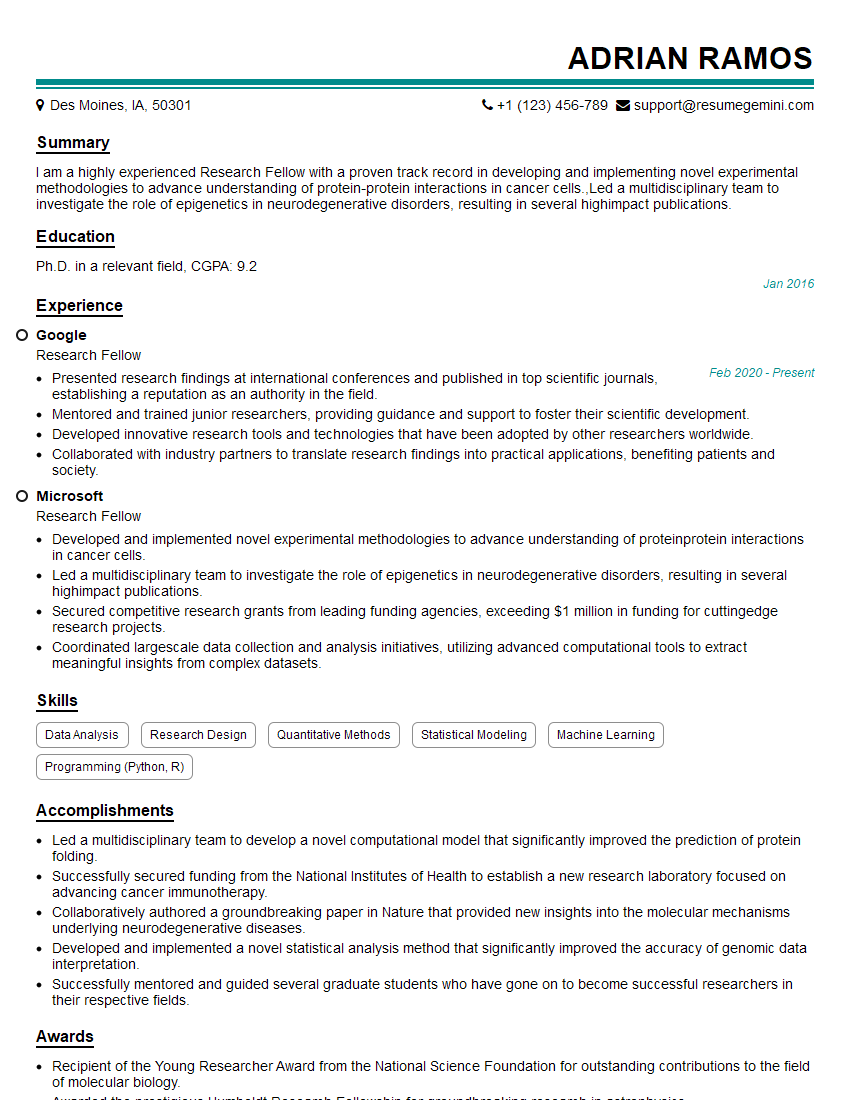
Research Fellow Resume Sample
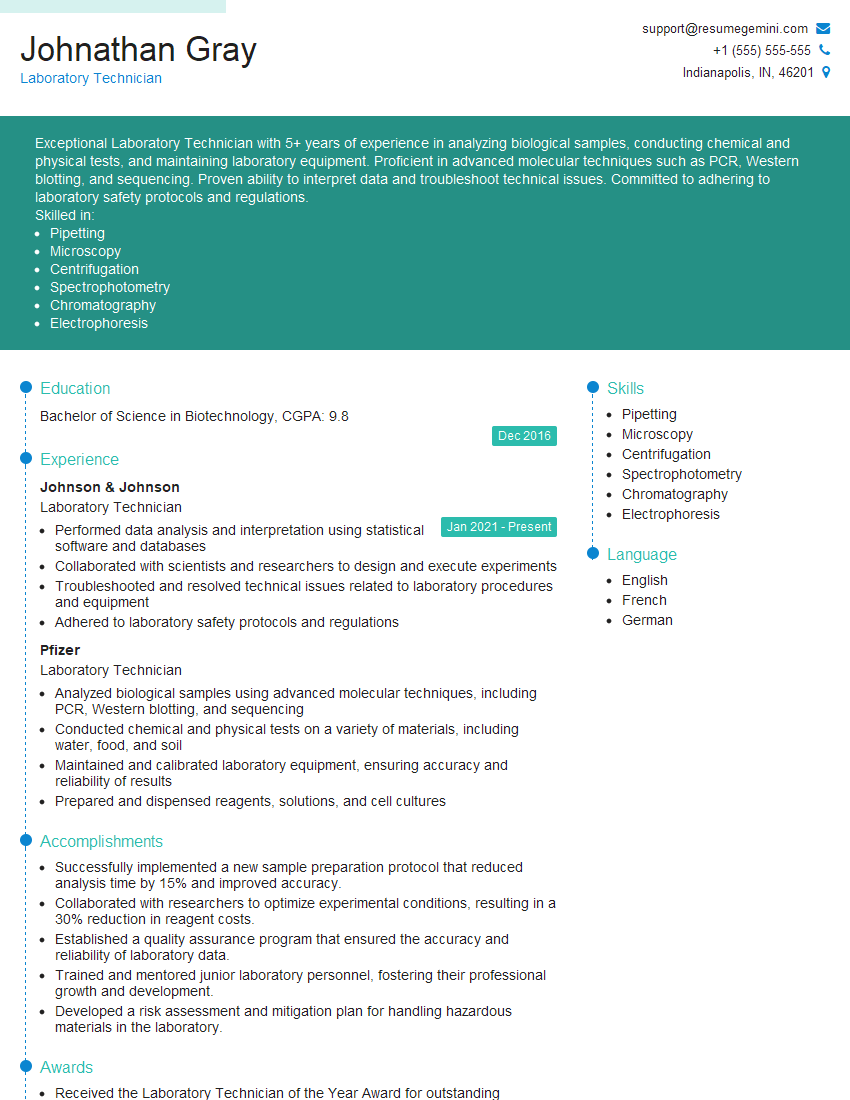
Laboratory Technician Resume Sample
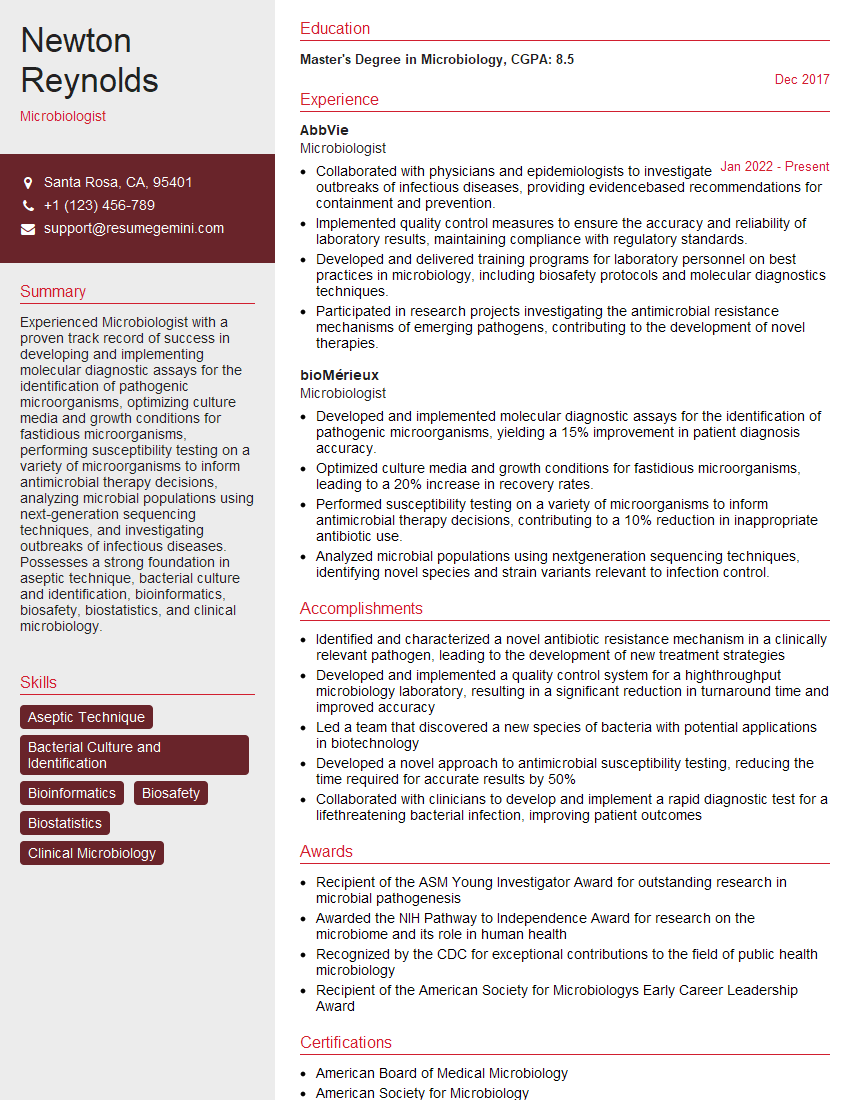
Microbiologist Resume Sample
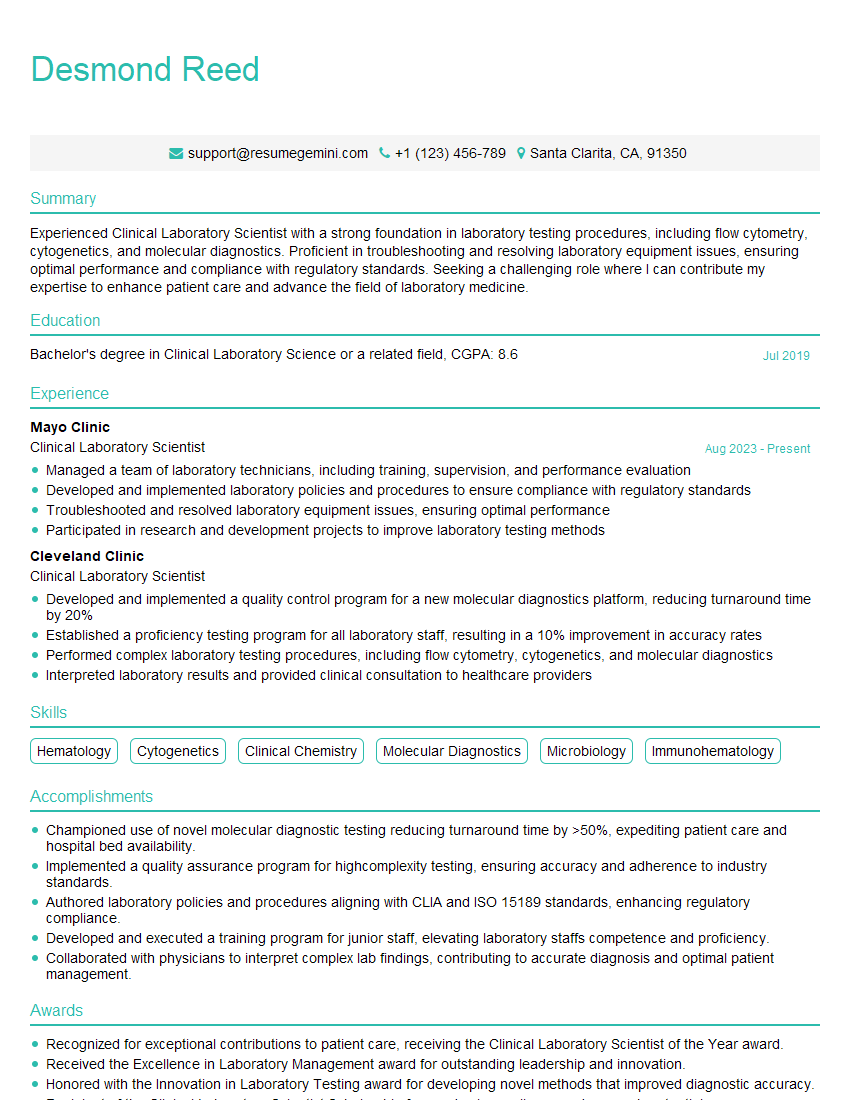
Clinical Laboratory Scientist Resume Sample

Molecular Biologist Resume Sample
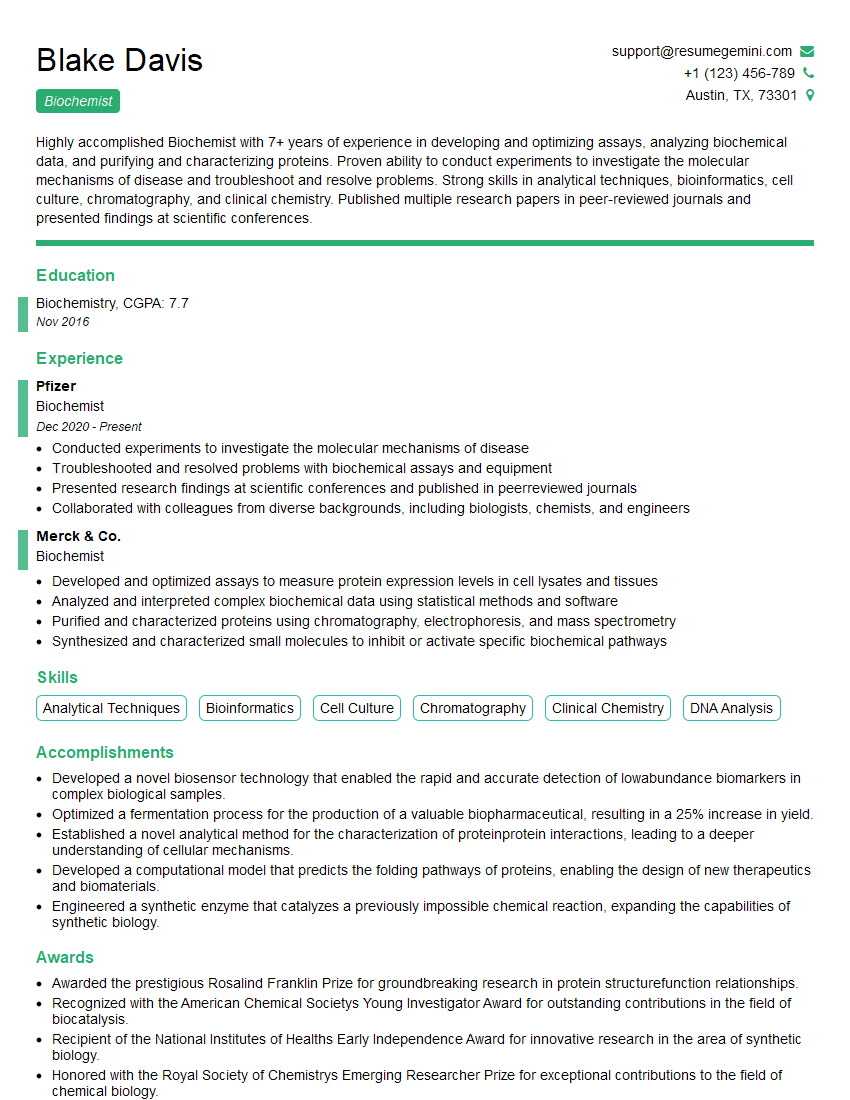
Biochemist Resume Sample
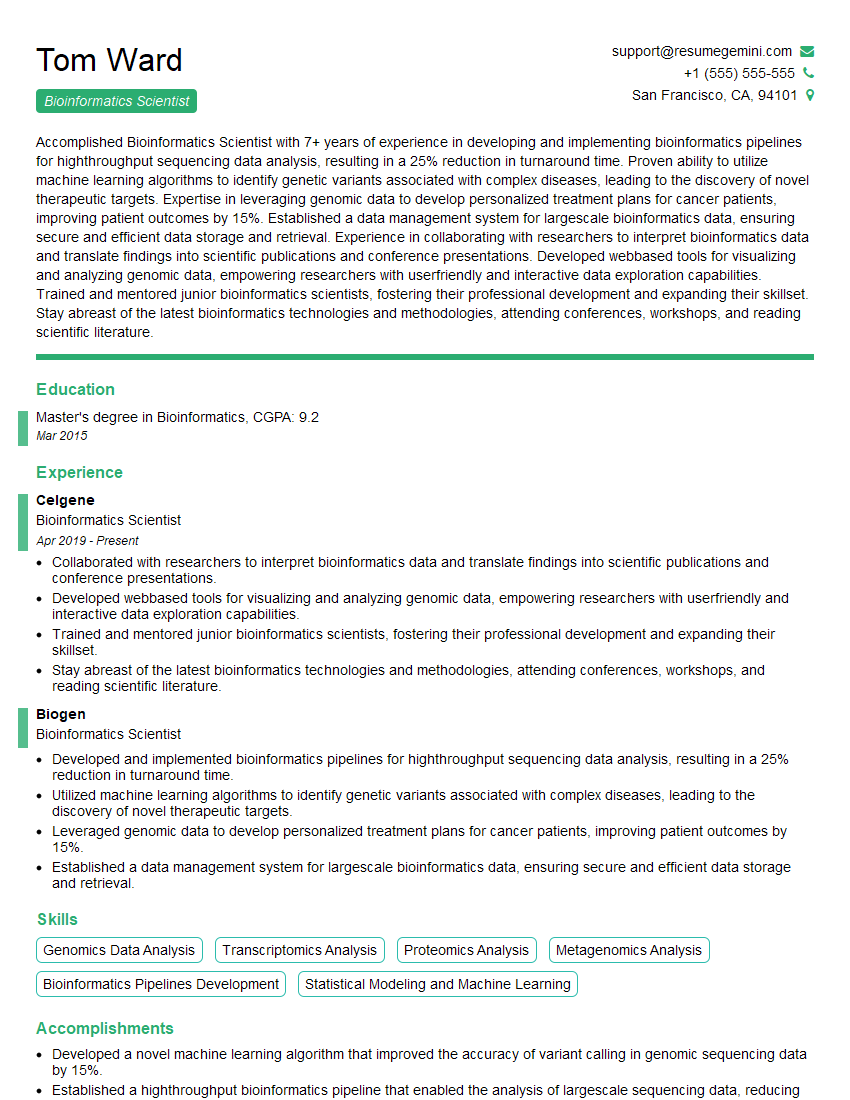
Bioinformatics Scientist Resume Sample
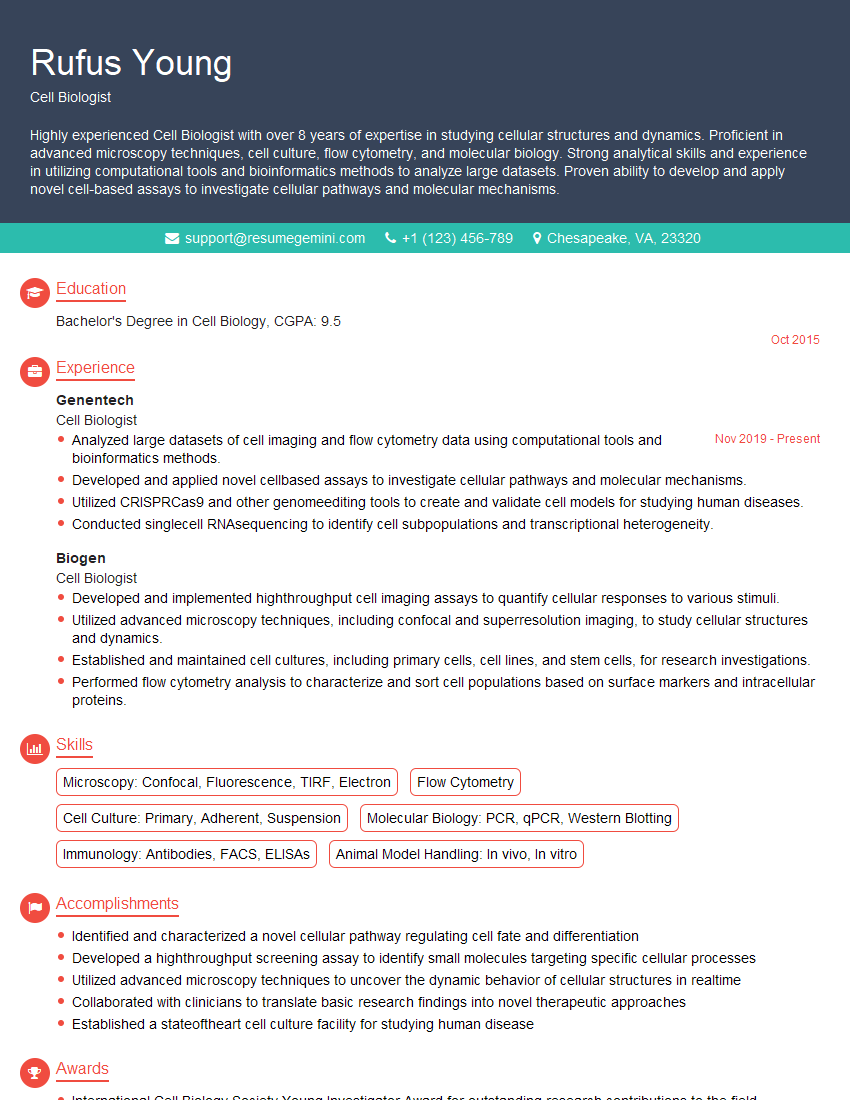
Cell Biologist Resume Sample
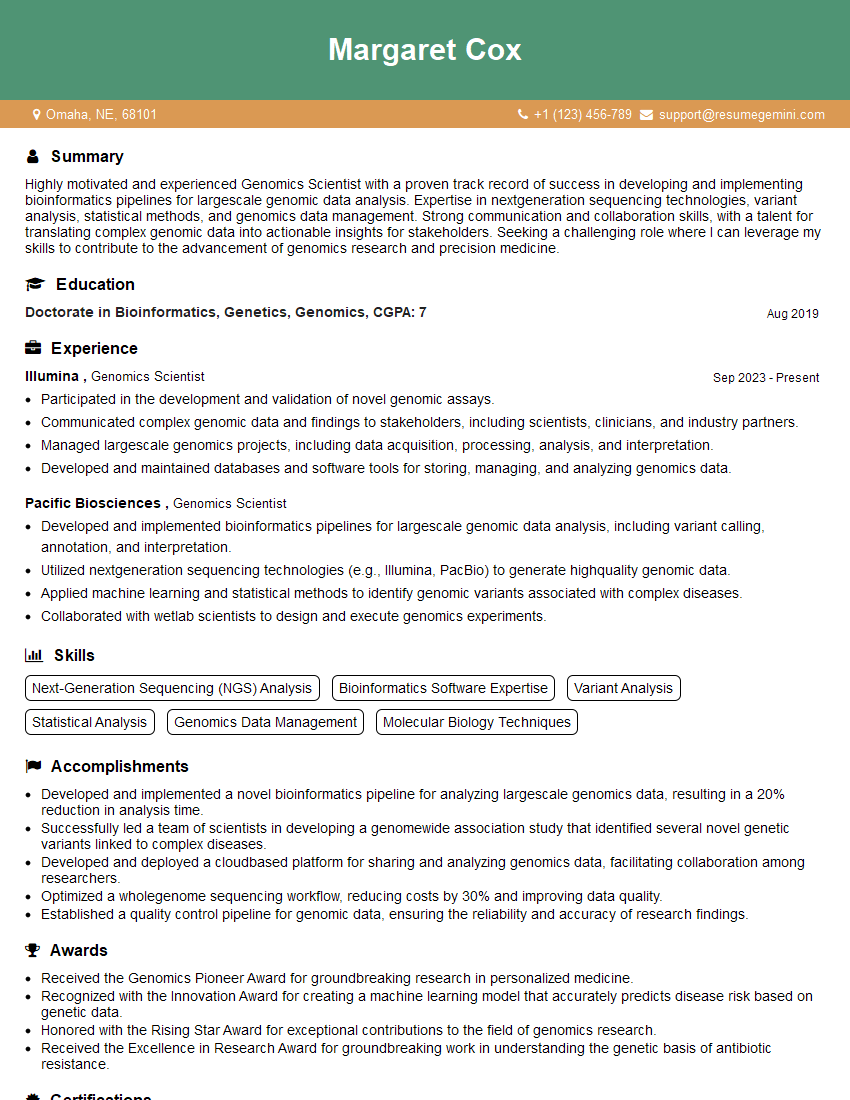
Genomics Scientist Resume Sample
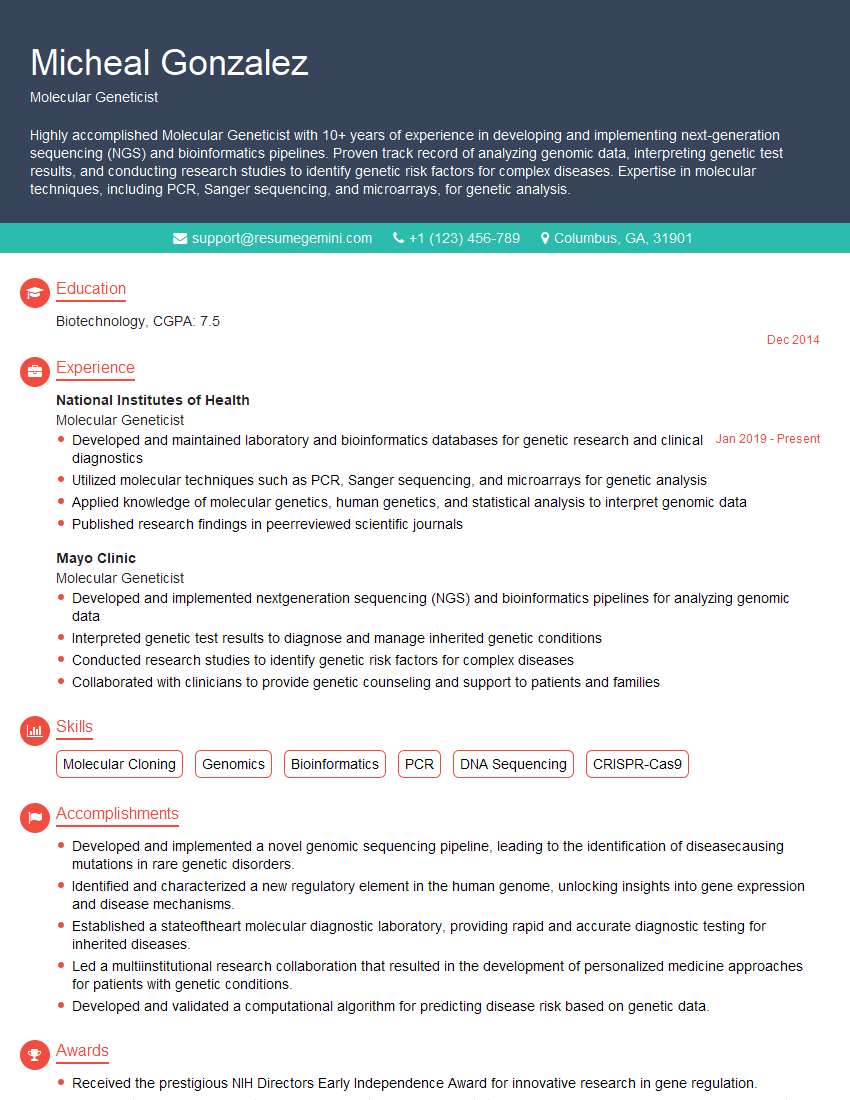
Molecular Geneticist Resume Sample

Forensic Scientist Resume Sample

Scientific Writer Resume Sample
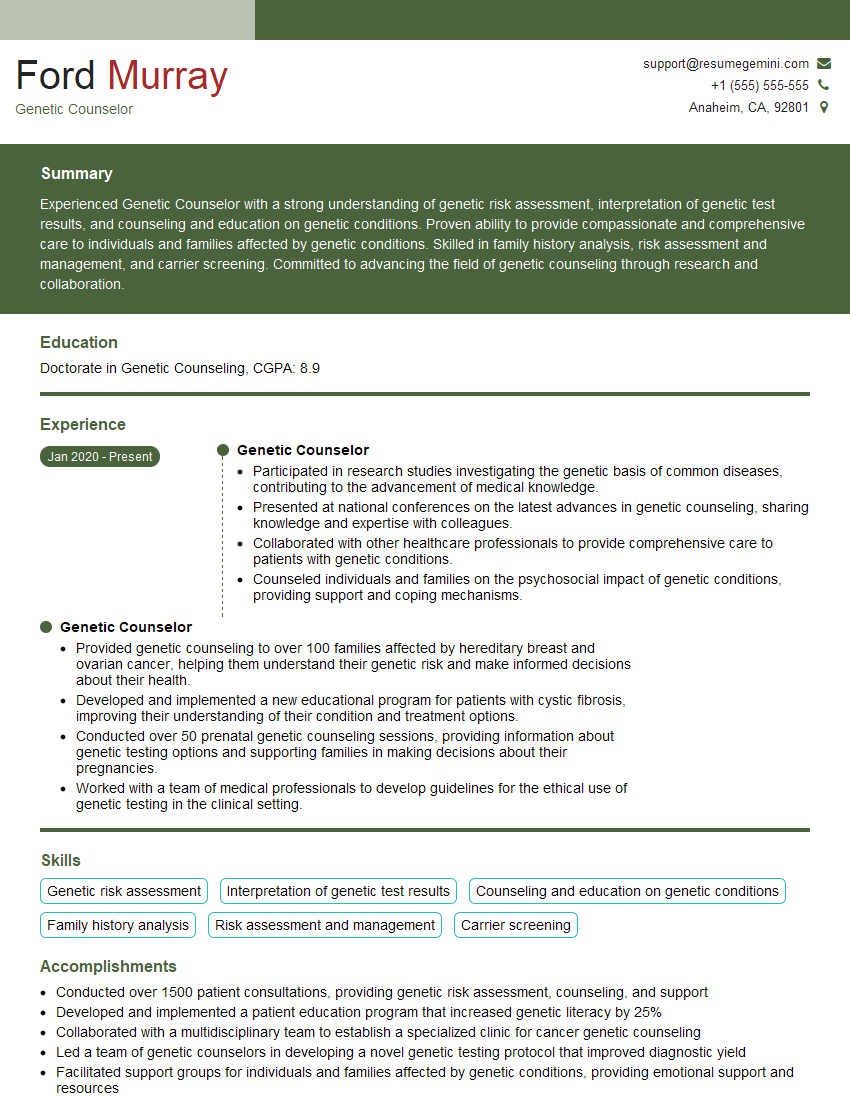
Genetic Counselor Resume Sample
- Lab Manager
- Research Associate
- Senior Scientist
- Quality Assurance Specialist
- Regulatory Affairs Specialist
- Research Scientist
- Quality Control Specialist
- Pharmaceutical Scientist
- Research Fellow
- Laboratory Technician
- Microbiologist
- Clinical Laboratory Scientist
- Molecular Biologist
- Biochemist
- Bioinformatics Scientist
- Cell Biologist
- Genomics Scientist
- Molecular Geneticist
- Forensic Scientist
- Scientific Writer
- Genetic Counselor
Explore more articles
Users Rating of Our Blogs
Share Your Experience
We value your feedback! Please rate our content and share your thoughts (optional).
What Readers Say About Our Blog
To the interviewgemini.com Webmaster.
Very helpful and content specific questions to help prepare me for my interview!
Thank you
To the interviewgemini.com Webmaster.
This was kind of a unique content I found around the specialized skills. Very helpful questions and good detailed answers.
Very Helpful blog, thank you Interviewgemini team.