Interviews are opportunities to demonstrate your expertise, and this guide is here to help you shine. Explore the essential Thoracic Trauma Surgery interview questions that employers frequently ask, paired with strategies for crafting responses that set you apart from the competition.
Questions Asked in Thoracic Trauma Surgery Interview
Q 1. Describe your experience managing flail chest injuries.
Flail chest is a life-threatening condition characterized by two or more adjacent ribs fractured in two or more places, resulting in a paradoxical movement of the chest wall during breathing. Management involves a multi-pronged approach focusing on respiratory support and pain control.
My approach begins with immediate stabilization of the airway, breathing, and circulation (ABCs). This often includes supplemental oxygen and, if necessary, intubation and mechanical ventilation. Pain management is crucial because pain restricts adequate ventilation. I typically use a multimodal analgesic approach including opioids, regional anesthesia (e.g., intercostal nerve blocks), and non-opioid analgesics.
For patients with significant respiratory compromise, despite adequate pain control and ventilation support, surgical intervention may be considered. This could involve rib fixation, which stabilizes the flail segment and improves ventilation. The decision to operate is made carefully, considering the patient’s overall condition and response to non-surgical management. I have successfully managed numerous flail chest cases, employing a tailored approach depending on the patient’s specific presentation and response to treatment. For example, one patient with severe respiratory distress following a motor vehicle accident benefited immensely from early surgical rib fixation, allowing for weaning from mechanical ventilation within a week.
Q 2. Explain your approach to diagnosing and treating a penetrating aortic injury.
Penetrating aortic injury (PAI) is a catastrophic injury with a high mortality rate. Early diagnosis and prompt intervention are critical. The diagnosis is often suspected based on the mechanism of injury (e.g., high-speed motor vehicle collision, penetrating trauma to the chest). A high index of suspicion is vital.
My diagnostic approach begins with a rapid assessment using a focused echocardiogram (FAST exam) to detect pericardial effusion. A chest X-ray can show widening of the mediastinum, a suggestive but not definitive sign. The gold standard for diagnosis is CT angiography, though it’s sometimes impractical in unstable patients. In such instances, transesophageal echocardiography (TEE) can provide immediate information about the aorta’s integrity and is often used in the operating room.
Treatment for PAI is almost always surgical. This typically involves either open repair or endovascular stent grafting, depending on the location and extent of the injury, patient hemodynamic stability, and the presence of other associated injuries. I prioritize rapid surgical intervention to minimize mortality. I’ve successfully managed several PAI cases, utilizing both surgical techniques, often in collaboration with cardiac surgery colleagues, emphasizing the need for a rapid, multidisciplinary approach to ensure optimal patient outcome.
Q 3. How do you assess the severity of a patient’s pulmonary contusion?
Pulmonary contusion is a bruise of the lung tissue caused by blunt trauma. The severity is assessed based on clinical findings, imaging studies, and the patient’s response to treatment. Clinical findings include hypoxemia (low blood oxygen), tachypnea (rapid breathing), and decreased breath sounds.
Chest X-ray is the initial imaging modality. It reveals areas of increased opacity, indicating areas of lung consolidation or hemorrhage. The extent and location of these opacities help in assessing the severity. However, the X-ray findings often lag behind the clinical picture. CT scans can offer a more precise assessment but aren’t always necessary in mild cases. The severity also is judged by the patient’s oxygen requirements: A more significant contusion will require higher levels of supplemental oxygen and more aggressive respiratory support.
I use a clinical scoring system, such as the Pulmonary Contusion Severity Score, to quantify the severity for better prognosis and treatment planning. For example, a patient with widespread opacities on chest X-ray and requiring high levels of supplemental oxygen would be classified as having a severe pulmonary contusion and may need admission to the intensive care unit.
Q 4. What are the indications for surgical intervention in a patient with a traumatic pneumothorax?
Traumatic pneumothorax occurs when air leaks into the pleural space, causing lung collapse. Indications for surgical intervention, specifically a chest tube, are based on clinical presentation and the response to initial treatment.
Indications for chest tube placement include tension pneumothorax (a life-threatening condition with progressive lung collapse and cardiovascular compromise), persistent air leak despite needle decompression, and significant hemodynamic instability related to the pneumothorax. A persistent air leak following initial needle decompression warrants the placement of a chest tube, as does a large pneumothorax that doesn’t respond to conservative management. If a patient doesn’t improve after chest tube placement, or if there’s continued air leakage, further surgical intervention, like video-assisted thoracoscopic surgery (VATS) or open thoracotomy may be necessary to address the underlying cause.
For instance, a patient with a tension pneumothorax requires immediate needle decompression, followed by urgent chest tube placement. This is a life-saving procedure. I’ve observed cases where delayed intervention could have resulted in fatal outcomes, emphasizing the importance of recognizing and promptly addressing such situations.
Q 5. Discuss your experience with managing esophageal injuries.
Esophageal injuries are rare but potentially devastating. Management depends on the location, severity, and mechanism of injury. Diagnosis often requires a high index of suspicion and can involve multiple imaging modalities such as esophagography (with water-soluble contrast) and endoscopy. CT scans may also be useful for assessing associated injuries.
My approach is tailored to the specific injury. For example, small, contained perforations may be managed conservatively with bowel rest, intravenous antibiotics, and close monitoring. However, more significant injuries often require surgical repair. The surgical technique may involve primary repair, resection, or reconstruction, depending on the extent of damage. I prioritize prompt surgical intervention in cases with significant perforation or contamination to prevent mediastinitis (infection of the mediastinum).
I’ve managed several cases, from minor perforations effectively treated conservatively to larger injuries requiring complex surgical repairs with excellent outcomes. Collaboration with gastroenterologists and other specialists is crucial in planning and executing the optimal management strategy.
Q 6. How do you prioritize patients in a mass casualty incident involving thoracic trauma?
Mass casualty incidents (MCIs) involving thoracic trauma require a systematic and efficient approach to triage and treatment. I utilize a modified version of the START (Simple Triage and Rapid Treatment) method, prioritizing patients based on their immediate need for intervention.
My prioritization system focuses first on identifying and treating patients with immediately life-threatening conditions like tension pneumothorax, massive hemorrhage, and airway obstruction. These patients are classified as ‘immediate’ or ‘red’. Patients with less urgent conditions like simple pneumothorax or stable rib fractures are classified as ‘delayed’ or ‘yellow’. Patients with minor injuries or those who are already deceased are appropriately categorized. A robust communication system with other medical personnel, an efficient coordination of resources, and clear allocation of patients to available trauma bays or operating rooms are essential in managing MCIs effectively.
For example, in a recent MCI simulation, the prioritized patients were those with uncontrolled bleeding and airway compromise which allowed us to optimize resource utilization and patient outcomes.
Q 7. What is your experience with extracorporeal membrane oxygenation (ECMO) in the context of thoracic trauma?
Extracorporeal membrane oxygenation (ECMO) provides temporary life support by taking over the function of the heart and/or lungs. Its use in thoracic trauma is indicated in patients with severe respiratory or cardiac failure refractory to conventional management.
In my practice, ECMO has been utilized in cases of severe pulmonary contusion, acute respiratory distress syndrome (ARDS) following significant chest trauma, and cardiac arrest after thoracic injury. ECMO can buy time while the patient receives definitive treatment or recovers from severe lung injury, helping to minimize mortality. The decision to initiate ECMO is made on a case-by-case basis, considering the severity of injury, patient’s age and overall health, and the availability of ECMO support.
I’ve personally overseen several cases where ECMO played a life-saving role, allowing time for the lungs to recover from severe injury, improving long term survival and outcome in selected cases. Collaboration with cardiac surgical and critical care colleagues is paramount when considering and managing ECMO support.
Q 8. Describe your surgical technique for repairing a diaphragmatic rupture.
Diaphragmatic rupture repair is a critical procedure in thoracic trauma surgery. The approach depends on the size and location of the rupture, as well as the patient’s overall condition. Generally, we aim for a tension-free closure to prevent recurrence.
Surgical Technique:
- Abdominal Approach: This is often preferred for larger or more complex ruptures, especially those involving significant herniation of abdominal contents into the chest. The abdomen is opened, the diaphragm is identified and repaired using absorbable sutures such as polypropylene or PDS. If significant tissue damage is present, we might utilize prosthetic mesh for reinforcement. Any herniated organs are carefully reduced back into the abdomen.
- Thoracic Approach: A thoracic approach is sometimes used for smaller, less complex ruptures. A thoracotomy is performed, allowing direct visualization of the diaphragm. The defect is then repaired with sutures. This method is generally less invasive than the abdominal approach.
- Combined Approach: In certain cases, a combined abdominal and thoracic approach may be necessary to adequately address the injury.
Post-operative Care: Close monitoring for respiratory compromise, infection, and recurrence is crucial. Post-operative chest X-rays and potentially CT scans are done to monitor healing.
Example: I recently managed a patient with a large left-sided diaphragmatic rupture following a motor vehicle accident. Given the size and the herniation of the stomach and spleen into the chest, an abdominal approach was the most appropriate. We successfully repaired the rupture using a polypropylene mesh, and the patient recovered well.
Q 9. How do you manage a patient with a tracheobronchial injury?
Tracheobronchial injuries are life-threatening and require immediate, specialized care. The management strategy depends heavily on the location, severity, and mechanism of the injury.
Initial Management: The first priority is securing the airway. This might involve intubation or tracheostomy, potentially with the help of a bronchoscope to assess the extent of the injury and clear any airway obstructions. Oxygenation and hemodynamic stabilization are also critical.
Definitive Management: Definitive management typically involves surgical repair. This could range from simple suture repair for smaller lacerations to more complex reconstructions involving resection and anastomosis, or even tracheal replacement. The surgical approach is tailored to the specific injury, with the goal of restoring airway patency and minimizing complications such as stenosis or fistula formation.
Post-operative Care: Close monitoring of the airway, respiratory function, and for infection is essential. Patients might require prolonged mechanical ventilation, and regular bronchoscopic assessments are needed to monitor healing and prevent complications.
Example: I once managed a patient with a complete transection of the right main bronchus. We performed a right thoracotomy, successfully repaired the bronchus using end-to-end anastomosis reinforced with sutures, and a chest tube was placed. Post-operative care was intensive, and the patient recovered with close monitoring and pulmonary rehabilitation.
Q 10. Explain the role of thoracoscopy in the management of thoracic trauma.
Thoracoscopy, a minimally invasive surgical technique, plays an increasingly important role in the management of thoracic trauma. It allows for direct visualization of the pleural space and lung parenchyma through small incisions, offering several advantages over traditional open thoracotomy.
Role in Thoracic Trauma:
- Diagnosis: Thoracoscopy can be used to diagnose and assess the extent of lung injuries (e.g., pneumothorax, hemothorax), and other intrathoracic injuries. It allows for biopsy sampling, if needed.
- Therapeutic Intervention: It allows for minimally invasive treatment of various thoracic injuries. For example, we can perform lung biopsy, evacuate hemothorax, or treat pneumothorax by placing chest tubes through the scope.
- Debridement: In cases of pulmonary contusion or lung lacerations with minimal bleeding, thoracoscopy can aid in debridement to reduce infection risk.
Advantages: Minimally invasive nature leads to reduced pain, faster recovery, and smaller scars. It can be used in hemodynamically unstable patients where a major thoracotomy might be too risky.
Limitations: It’s not suitable for all thoracic injuries; severe trauma requiring extensive intervention might necessitate a thoracotomy. The steep learning curve for this procedure is also important to consider.
Q 11. What are the common complications of thoracic surgery and how do you prevent them?
Thoracic surgery carries inherent risks, and understanding and proactively mitigating potential complications is paramount.
Common Complications:
- Infection: Surgical site infection, pneumonia, empyema are significant concerns. Prophylactic antibiotics, meticulous surgical technique, and thorough wound care are essential preventative measures.
- Bleeding: Hemorrhage can occur during and after surgery. Careful hemostasis during the procedure and close post-operative monitoring of vital signs and drainage are crucial.
- Respiratory Complications: Atelectasis (lung collapse), pneumonia, respiratory failure can occur, particularly in patients with pre-existing lung disease. Incentive spirometry, early mobilization, and aggressive respiratory therapy can help prevent this.
- Cardiac Complications: Arrhythmias, cardiac tamponade are possible. Continuous monitoring is vital.
- Chylothorax: Injury to the thoracic duct can lead to chylothorax (lymphatic fluid leaking into the pleural space). Dietary modifications and sometimes surgical ligation are needed.
Prevention Strategies: Thorough pre-operative assessment, meticulous surgical technique, close post-operative monitoring, use of prophylactic antibiotics, and appropriate pain management are key strategies in reducing complications.
Q 12. Discuss the use of chest tubes and their management.
Chest tubes are essential in managing various thoracic injuries. They’re used to drain air (pneumothorax), blood (hemothorax), or fluid (pleural effusion) from the pleural space, allowing the lung to re-expand.
Placement and Types: Chest tubes are placed under sterile conditions, usually through an intercostal space. Different sizes and types of chest tubes are selected depending on the situation.
Management:
- Monitoring: Drainage amount, character (bloody, serous), and the presence of air bubbles are closely monitored. Sudden increases in drainage or air leaks need immediate attention.
- Maintaining patency: The chest tube system should be carefully maintained to prevent kinks, blockages, and disconnections.
- Removal: Chest tubes are removed when drainage is minimal and the lung is fully re-expanded. This is typically determined with a chest X-ray.
Complications: Complications include bleeding, infection, re-expansion pulmonary edema (fluid buildup in the lung upon re-expansion), and accidental removal.
Example: A patient with a large hemothorax after a stab wound would require a chest tube for immediate drainage. We’d monitor drainage closely, potentially performing a bedside ultrasound to evaluate the pleural space. Once drainage is minimal (<100ml/day), and the lung is fully expanded, confirmed by chest x-ray, we'd remove the tube.
Q 13. Describe your experience with video-assisted thoracoscopic surgery (VATS).
Video-assisted thoracoscopic surgery (VATS) has revolutionized thoracic surgery. My experience with VATS is extensive, encompassing a wide range of procedures, from lung biopsies to lobectomies. It’s become my preferred method for many procedures whenever feasible.
Advantages of VATS: VATS offers significant advantages over open thoracotomy, including:
- Minimally Invasive: Smaller incisions translate to less pain, smaller scars, reduced hospital stay, and faster recovery.
- Improved Cosmesis: Smaller, less visible scars are significant for patients.
- Reduced Post-Operative Pain: Less tissue trauma leads to less post-operative pain.
- Reduced Risk of Infection: The smaller incisions reduce the risk of infection.
Applications in Thoracic Trauma: VATS has a growing role in trauma. For example, we often utilize it for debridement of lung injuries, treatment of hemothorax, and management of some types of pneumothorax.
Example: I recently used VATS to manage a patient with a small pneumothorax secondary to blunt trauma. The procedure was successful, and the patient was discharged within 2 days. The smaller incision and reduced pain allowed for faster recovery and rehabilitation compared to an open procedure.
Q 14. How do you manage a patient with a massive hemothorax?
Massive hemothorax, a life-threatening accumulation of blood in the pleural space, requires immediate intervention. The priority is to restore hemodynamic stability and prevent hypovolemic shock.
Immediate Management:
- Fluid Resuscitation: Aggressive intravenous fluid resuscitation is critical to combat hypovolemic shock.
- Chest Tube Insertion: A large-bore chest tube is placed to rapidly drain the blood from the pleural space.
- Blood Transfusion: Blood transfusion may be required to replace the lost blood volume.
Definitive Management:
- Surgical Exploration: If the bleeding continues despite chest tube drainage, or if a significant amount of blood continues to accumulate, surgical exploration may be necessary to identify and control the bleeding source. This might involve a thoracotomy or, in selected cases, a VATS approach.
- Thoractomy/VATS: During surgery, the source of bleeding is identified and controlled using techniques like suture ligation, cauterization, or surgical resection. Post-operative care includes ongoing chest tube monitoring and potential blood transfusion.
Example: I recently managed a patient who arrived in the emergency room post-motor vehicle accident with a massive hemothorax. A large-bore chest tube was immediately placed, which yielded a significant amount of blood. Despite this, the patient remained hypotensive, necessitating blood transfusions. A subsequent thoracotomy revealed a laceration of the intercostal artery, which was successfully repaired. The patient’s hemodynamic status improved significantly after the surgical intervention.
Q 15. Explain your understanding of the different types of chest wall injuries.
Chest wall injuries encompass a spectrum of damage ranging from simple contusions to life-threatening flail chest. We categorize them based on the severity and extent of the injury.
- Contusions: These are bruises to the chest wall, often resulting from blunt trauma. They usually resolve spontaneously and require only pain management.
- Rib fractures: Single or multiple rib fractures are common. The severity depends on the number of ribs fractured, their location, and the presence of associated injuries like pneumothorax (collapsed lung) or hemothorax (blood in the chest cavity). Multiple rib fractures, especially in adjacent ribs, can lead to a flail chest.
- Flail chest: This is a life-threatening condition characterized by two or more adjacent rib fractures in two or more places, creating a free-floating segment of the chest wall. This paradoxical movement (inward during inspiration, outward during expiration) impairs ventilation and can lead to respiratory failure.
- Sternal fractures: Fractures of the breastbone are usually caused by high-energy trauma. They can be associated with significant underlying injuries.
- Pneumothorax and Hemothorax: These are often associated with rib fractures and involve air (pneumothorax) or blood (hemothorax) in the pleural space. They compromise lung function and require immediate intervention.
For example, a patient involved in a motor vehicle accident might present with multiple rib fractures on the right side and a left-sided pneumothorax. The treatment strategy would address both injuries simultaneously, perhaps with chest tube placement for the pneumothorax and pain management for the rib fractures.
Career Expert Tips:
- Ace those interviews! Prepare effectively by reviewing the Top 50 Most Common Interview Questions on ResumeGemini.
- Navigate your job search with confidence! Explore a wide range of Career Tips on ResumeGemini. Learn about common challenges and recommendations to overcome them.
- Craft the perfect resume! Master the Art of Resume Writing with ResumeGemini’s guide. Showcase your unique qualifications and achievements effectively.
- Don’t miss out on holiday savings! Build your dream resume with ResumeGemini’s ATS optimized templates.
Q 16. Describe your experience with the management of cardiac tamponade.
Cardiac tamponade is a life-threatening condition where blood or fluid accumulates in the pericardial sac, compressing the heart and impairing its ability to pump effectively. My experience involves immediate recognition and aggressive management.
The classic triad of symptoms – hypotension, muffled heart sounds, and jugular venous distension – while helpful, is often incompletely present in trauma patients. Therefore, a high index of suspicion is crucial, especially in patients with penetrating chest trauma or blunt trauma with hemodynamic instability.
Management begins with immediate fluid resuscitation to maintain blood pressure and oxygenation. Pericardiocentesis, a procedure to drain fluid from the pericardial sac using a needle, is often the first-line intervention. This is a life-saving procedure that can be performed at the bedside. However, surgical intervention (pericardiotomy) may be necessary if the tamponade recurs or if there is significant bleeding that cannot be controlled percutaneously. I’ve successfully managed numerous cases using both techniques, adapting my approach depending on the patient’s response and the availability of resources.
For instance, a patient with a penetrating stab wound to the chest presented with hypotension and muffled heart sounds. Immediate pericardiocentesis yielded a significant amount of blood, relieving the tamponade and stabilizing the patient. He subsequently underwent exploratory thoracotomy to identify and control the source of bleeding.
Q 17. How do you assess the need for blood transfusion in a patient with thoracic trauma?
The decision to transfuse blood in a patient with thoracic trauma is based on several factors and isn’t solely determined by hemoglobin levels. We utilize a combination of clinical assessment and laboratory data.
- Clinical assessment: This includes monitoring vital signs (heart rate, blood pressure, respiratory rate), evaluating the patient’s overall condition, and assessing the severity of bleeding. Signs of shock (tachycardia, hypotension, cool clammy skin) are strong indicators of the need for transfusion.
- Laboratory data: Hemoglobin and hematocrit levels provide a measure of blood loss, but these can lag behind the actual blood loss, especially in early stages of trauma. We also consider other blood parameters like lactate levels, which reflect tissue perfusion and oxygen delivery.
- Blood loss estimation: We estimate blood loss based on the mechanism of injury, the patient’s physical examination findings, and imaging (e.g., chest X-ray, CT scan).
The goal is to maintain adequate tissue perfusion and oxygen delivery. We often use a restrictive transfusion strategy guided by clinical signs and symptoms rather than a strict hemoglobin target, avoiding unnecessary transfusions which carry their own risks.
For example, a patient with a massive hemothorax may require immediate massive transfusion protocols, even with initially normal hemoglobin levels. The priority is to restore circulatory volume and prevent the development of hemorrhagic shock.
Q 18. What are the key elements of pre-operative planning for thoracic trauma surgery?
Pre-operative planning for thoracic trauma surgery is critical for optimizing patient outcomes. It’s a multidisciplinary process involving trauma surgeons, anesthesiologists, critical care specialists, and radiologists.
- Assessment of Injuries: A thorough assessment of the patient’s injuries is crucial, including the severity of the thoracic trauma and the presence of associated injuries.
- Hemodynamic Stabilization: The patient’s hemodynamic status must be stabilized before surgery. This often involves fluid resuscitation, blood transfusion, and addressing any life-threatening bleeding.
- Imaging: Obtaining appropriate imaging studies, such as chest X-rays and CT scans, is essential to guide surgical planning and identify the extent of the injuries.
- Team Communication: Clear and concise communication between surgical teams, anesthesiologists, and ICU is vital to ensure seamless execution of the surgical plan.
- Resource Availability: The availability of necessary resources, such as blood products, surgical equipment, and a well-equipped operating room, should be confirmed prior to surgery.
- Surgical Approach: We plan the most appropriate surgical approach, considering factors such as the location and severity of the injury and the presence of other injuries.
For instance, a patient with a flail chest and a severe pneumothorax would require a surgical approach that addresses both injuries effectively and safely. This might involve rib stabilization and chest tube placement, and possibly even video-assisted thoracoscopic surgery (VATS).
Q 19. How do you monitor patients post-operatively after thoracic surgery?
Post-operative monitoring after thoracic surgery is critical to ensure optimal recovery and prevent complications. It’s a rigorous process involving continuous monitoring of vital signs and careful observation for signs of complications.
- Respiratory Function: Close monitoring of respiratory function, including oxygen saturation, respiratory rate, and arterial blood gases, is crucial. We assess for atelectasis (lung collapse) and pneumonia, which are common post-operative complications. Mechanical ventilation may be required initially.
- Hemodynamic Stability: Continuous monitoring of blood pressure, heart rate, and urine output ensures hemodynamic stability. We need to be alert for bleeding or fluid overload.
- Pain Management: Effective pain management is essential to promote comfort and facilitate deep breathing and coughing to prevent post-operative pulmonary complications.
- Infection Control: Strict infection control protocols are followed to minimize the risk of infection at the surgical site and elsewhere.
- Chest Tube Management: Chest tubes, if placed, are monitored carefully for drainage, ensuring appropriate output and the absence of air leaks.
- Imaging: Post-operative chest X-rays are obtained to assess the lung fields and identify any complications such as pneumothorax or effusion.
For example, a patient who undergoes a thoracotomy for a lung resection might require prolonged mechanical ventilation and close monitoring for post-operative bleeding and infection. Regular chest x-rays are used to check for re-expansion of the lung.
Q 20. Describe your understanding of the role of imaging in the diagnosis and management of thoracic trauma.
Imaging plays a crucial role in diagnosing and managing thoracic trauma. It provides essential information about the extent of injuries and guides treatment strategies.
- Chest X-ray: A chest X-ray is the initial imaging modality, used for rapid assessment of pneumothorax, hemothorax, fractures, and the presence of foreign bodies. It’s quick, readily available and can be obtained at the patient’s bedside if necessary.
- Computed Tomography (CT) Scan: A CT scan provides more detailed information about bony injuries, soft tissue damage, and vascular injuries. It’s particularly useful in identifying subtle fractures, assessing the extent of lung contusions, and detecting other associated injuries.
- Ultrasound (FAST exam): Focused Assessment with Sonography for Trauma (FAST) is a rapid bedside ultrasound technique to assess for the presence of free fluid in the abdomen or pericardial sac. This aids in identifying the need for further investigations like a CT scan.
For instance, a patient presenting after a motor vehicle accident with hemodynamic instability might undergo a FAST exam to rule out pericardial tamponade, followed by a CT scan for a detailed assessment of thoracic and abdominal injuries. The imaging results would determine the urgency and type of surgical intervention needed.
Q 21. How do you manage patients with associated injuries (e.g., head injury, spinal cord injury) in addition to thoracic trauma?
Managing patients with multiple injuries, including thoracic trauma, requires a multidisciplinary approach, prioritizing life-threatening injuries first. This is often referred to as damage control surgery. We use the concept of the ATLS (Advanced Trauma Life Support) protocol.
The initial focus is on ABCDEs: Airway, Breathing, Circulation, Disability (neurological assessment), and Exposure (complete physical examination). Life-threatening injuries like airway obstruction, tension pneumothorax, or massive bleeding take precedence. These need immediate intervention to maintain vital organ function.
Once the patient is stabilized, a more comprehensive assessment is performed to identify and manage associated injuries. For example, a patient with a head injury and a flail chest will require coordinated care involving neurosurgery and thoracic surgery teams, perhaps in a stepwise fashion depending on which injury poses the immediate threat. The patient’s overall physiology determines the sequence of interventions.
These patients are often admitted to the intensive care unit for close monitoring and supportive care. Collaboration between medical and surgical specialists is essential to ensure coordinated management and optimize the patient’s chances of survival and a good outcome. Regular multidisciplinary team meetings are crucial for ongoing assessment and adaptation of the management plan.
Q 22. Discuss your approach to damage control surgery in the setting of thoracic trauma.
Damage control surgery in thoracic trauma is a life-saving approach used when the patient’s hemodynamic instability or severe injuries prevent a definitive repair. It prioritizes immediate resuscitation and stabilization to improve the chances of survival before proceeding with a more comprehensive operation. Think of it as ‘buying time’. We focus on controlling hemorrhage, preventing further injury, and getting the patient to a more stable state.
My approach involves a staged approach. Stage 1 focuses on hemorrhage control – this may involve packing bleeding sites, applying clamps, or even temporary vessel ligation. We’ll address the most life-threatening injuries first, like massive hemothorax or cardiac tamponade. We may even need to temporarily bypass injured lung segments or insert a chest tube to address tension pneumothorax. Stage 2 involves closure of the chest cavity and stabilization of the patient. This phase usually concludes with the patient being transferred to the ICU for close monitoring and hemodynamic support. Stage 3, performed after patient stabilization, involves a definitive surgical repair – this will focus on more detailed reconstruction of the damaged tissues and organs.
For example, a patient with a massive lung laceration and significant blood loss might initially receive damage control surgery involving packing of the lung injury and placement of chest tubes. Once stabilized, the patient would later undergo a thoracotomy for definitive repair of the lung injury.
Q 23. Explain your experience with different types of surgical approaches to thoracic trauma (e.g., sternotomy, thoracotomy).
My experience encompasses a wide range of surgical approaches to thoracic trauma, each chosen based on the specific injury and patient condition. The choice between a sternotomy (incision through the breastbone) and a thoracotomy (incision through the chest wall) depends heavily on the location and nature of the injury.
- Sternotomy: Primarily used for injuries involving the heart, great vessels, or anterior mediastinum. It offers excellent exposure to these structures. I’ve used this approach numerous times for patients with penetrating injuries to the heart or great vessels requiring immediate repair.
- Thoracotomy: This is a more versatile approach, allowing access to the entire lung, pleura, and diaphragm. Different thoracotomy incisions exist (anterolateral, posterolateral) to optimize exposure to the injured region. I use this frequently for lung injuries, esophageal rupture, or diaphragmatic injuries. In situations of blunt trauma with multiple rib fractures, a careful approach is essential to minimize further iatrogenic injury during thoracotomy.
- Video-assisted thoracoscopic surgery (VATS): This minimally invasive technique is increasingly used for selected cases of thoracic trauma. It involves smaller incisions, less pain, and faster recovery. However, it is not always suitable for all trauma patients due to the need for clear visualization and the potential for difficult anatomical situations in trauma settings.
Choosing the right approach is critical. It’s a balance between achieving optimal exposure to the injury and minimizing surgical trauma to the patient.
Q 24. How do you assess for and manage post-operative complications like infection, bleeding, or respiratory failure?
Post-operative complications following thoracic trauma surgery are a significant concern. We actively monitor and manage these potential issues meticulously.
- Infection: Prophylactic antibiotics are routinely administered, and surgical site infection is closely monitored. Any signs of infection (fever, purulent drainage, leukocytosis) lead to prompt investigation, cultures, and modification of antibiotics.
- Bleeding: Strict blood pressure and heart rate monitoring are vital. Chest tube output is carefully measured and any concerning increase triggers immediate evaluation. If bleeding persists, we might opt for surgical re-exploration or interventional radiology techniques like embolization.
- Respiratory Failure: This is particularly common after significant thoracic trauma. We utilize close monitoring of blood gas analysis, and mechanical ventilation is instituted when necessary. We might employ bronchoscopy to manage secretions, prevent atelectasis (collapsed lung), or address airway issues. Early mobilization and physiotherapy are also vital to prevent complications.
A multidisciplinary approach is crucial. Collaboration with intensivists, respiratory therapists, and infectious disease specialists ensures the best possible outcome for the patient.
Q 25. What are your strategies for communication with patients and families in critical situations?
Communication in critical situations is paramount. I believe in open, honest, and compassionate communication with both patients and their families. When a patient is unable to understand fully, family members become the key link.
My strategy involves:
- Providing clear, concise, and understandable information: I avoid medical jargon and use plain language to explain the situation, the proposed treatment plan, and the potential risks and benefits.
- Active listening and empathy: I provide space for questions and concerns and try to understand their perspectives. I acknowledge their emotions and fears.
- Regular updates: I maintain consistent communication, keeping families informed about the patient’s progress. This includes daily updates or more frequent ones as needed.
- Involving the family in decision-making (when appropriate): This helps them feel empowered and involved in the patient’s care.
- Referring to support services: For families dealing with the emotional burden, I offer referrals to chaplains, social workers, or support groups.
A recent example involved a young patient with severe lung injuries. I sat down with his parents, explained the gravity of the situation in simple terms, and answered their questions patiently. This open communication helped them feel more involved and supported during this challenging time.
Q 26. Describe your experience with the use of advanced surgical techniques in thoracic trauma.
My experience includes the application of several advanced surgical techniques in thoracic trauma.
- Video-assisted thoracoscopic surgery (VATS): As mentioned earlier, VATS is increasingly used for appropriate cases. Its minimally invasive nature offers advantages in terms of reduced postoperative pain, shorter hospital stays, and improved cosmetic outcomes. However, patient selection is crucial, and its suitability depends on the complexity and visibility of the injury.
- Extracorporeal membrane oxygenation (ECMO): In cases of severe cardiopulmonary failure, ECMO can provide life support while allowing time for the patient to recover or receive a definitive surgical repair. I’ve used it in situations where patients had severe lung injury or heart failure and required temporary support.
- Damage control techniques: Advanced techniques include the use of novel hemostatic agents, improved wound closure strategies and advanced monitoring capabilities during the procedure. This helps reduce blood loss and improve patient outcomes, especially in high-risk patients.
The application of these techniques requires a high level of surgical skill and experience. The decision to utilize them is based on a careful assessment of the patient’s condition and the specific nature of the injury.
Q 27. What are some common challenges you face in managing thoracic trauma patients and how do you overcome them?
Managing thoracic trauma presents unique challenges.
- High mortality rate: Thoracic injuries are often life-threatening, requiring immediate and decisive action. Time is critical, and any delay can have serious consequences.
- Complex anatomy: The chest contains vital organs in close proximity, making surgery complex and demanding.
- Associated injuries: Thoracic trauma is often accompanied by injuries to other body systems, adding complexity to patient management.
- Resource limitations: In some cases, access to advanced surgical techniques or specialized equipment may be limited.
Overcoming these challenges requires a multidisciplinary team approach, advanced surgical skills, resource optimization, and efficient utilization of supportive measures.
For instance, when dealing with a patient with multiple injuries, we coordinate with other surgical specialists to address all life-threatening problems simultaneously. We also prioritize efficient resource allocation to expedite surgical interventions and post-operative management.
Q 28. How do you stay up-to-date on the latest advancements in thoracic trauma surgery?
Staying current in thoracic trauma surgery requires a multifaceted approach.
- Participation in professional organizations: Membership in organizations like the American Association for Thoracic Surgery (AATS) and the Society of Thoracic Surgeons (STS) provides access to conferences, journals, and networking opportunities.
- Continuing medical education (CME): Regularly attending conferences and workshops keeps me updated on the latest advancements in surgical techniques, technologies, and patient management strategies.
- Review of relevant literature: I actively read peer-reviewed journals like the Journal of Thoracic and Cardiovascular Surgery and other reputable publications to stay informed about new research and clinical trials.
- Collaboration with colleagues: Regular discussions and case reviews with colleagues at our institution and other centers enhance knowledge exchange and expose me to diverse experiences and approaches.
Continuous learning is essential for any surgeon. It helps me adapt best practices and deliver high-quality patient care.
Key Topics to Learn for Thoracic Trauma Surgery Interview
- Blunt vs. Penetrating Thoracic Trauma: Understanding the distinct injury mechanisms, associated injuries, and initial assessment strategies for each type.
- Assessment and Resuscitation: Mastering advanced airway management, hemodynamic stabilization, and the application of damage control surgery principles in the context of thoracic trauma.
- Flail Chest and Pulmonary Contusion: Thorough comprehension of management strategies, including pain control, ventilation support, and potential surgical interventions.
- Traumatic Pneumothorax and Hemothorax: Detailed knowledge of diagnostic techniques (e.g., chest tube insertion, imaging interpretation) and appropriate treatment approaches, including surgical interventions when necessary.
- Esophageal and Diaphragmatic Injuries: Recognizing the signs and symptoms, diagnostic methods, and surgical repair techniques for these challenging injuries.
- Vascular Injuries: Understanding the anatomy of thoracic vessels and the management of traumatic vascular injuries, including both open and endovascular approaches.
- Aortic Injury: Comprehensive knowledge of diagnostic imaging (CT angiography), management strategies (surgical vs. endovascular repair), and potential complications.
- Cardiac Tamponade: Rapid recognition, appropriate management, and understanding of the critical need for timely intervention.
- Long-term Management and Rehabilitation: Appreciating the importance of post-operative care, pain management, and respiratory rehabilitation.
- Ethical Considerations: Familiarity with the ethical dilemmas that may arise in managing severely injured patients, and the need for informed consent and shared decision making.
Next Steps
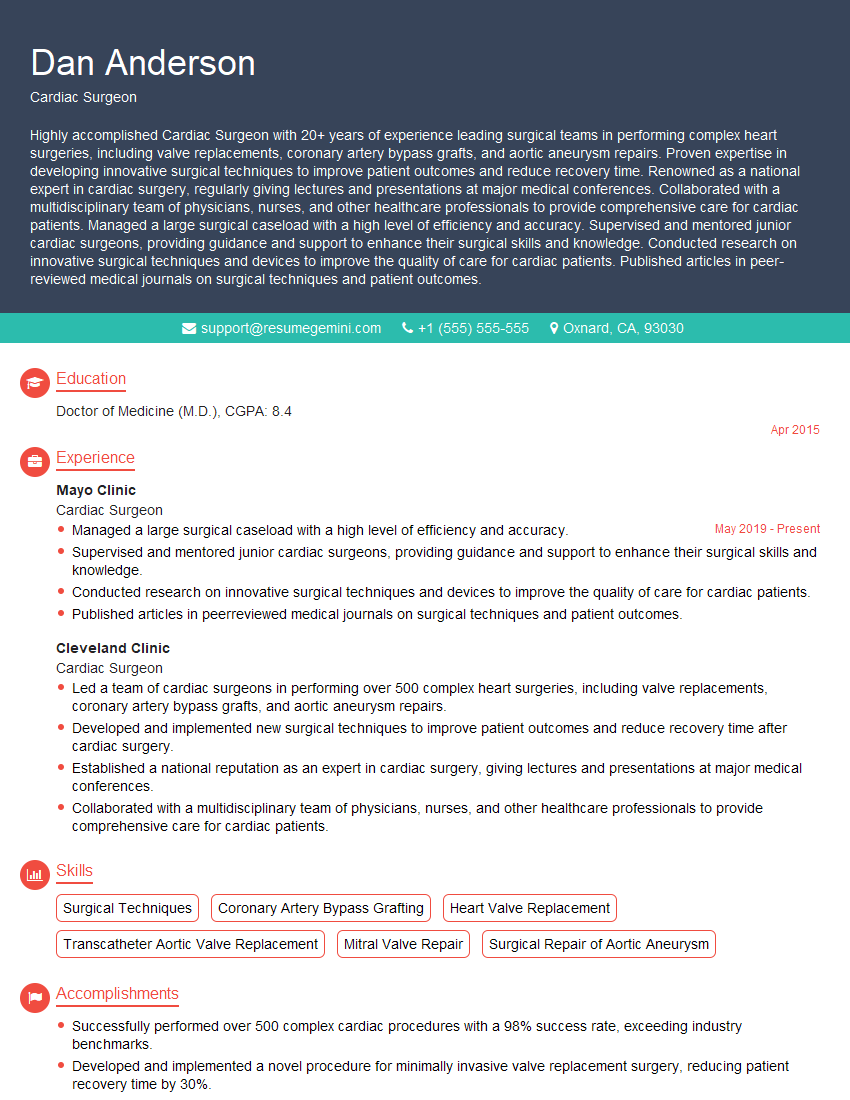
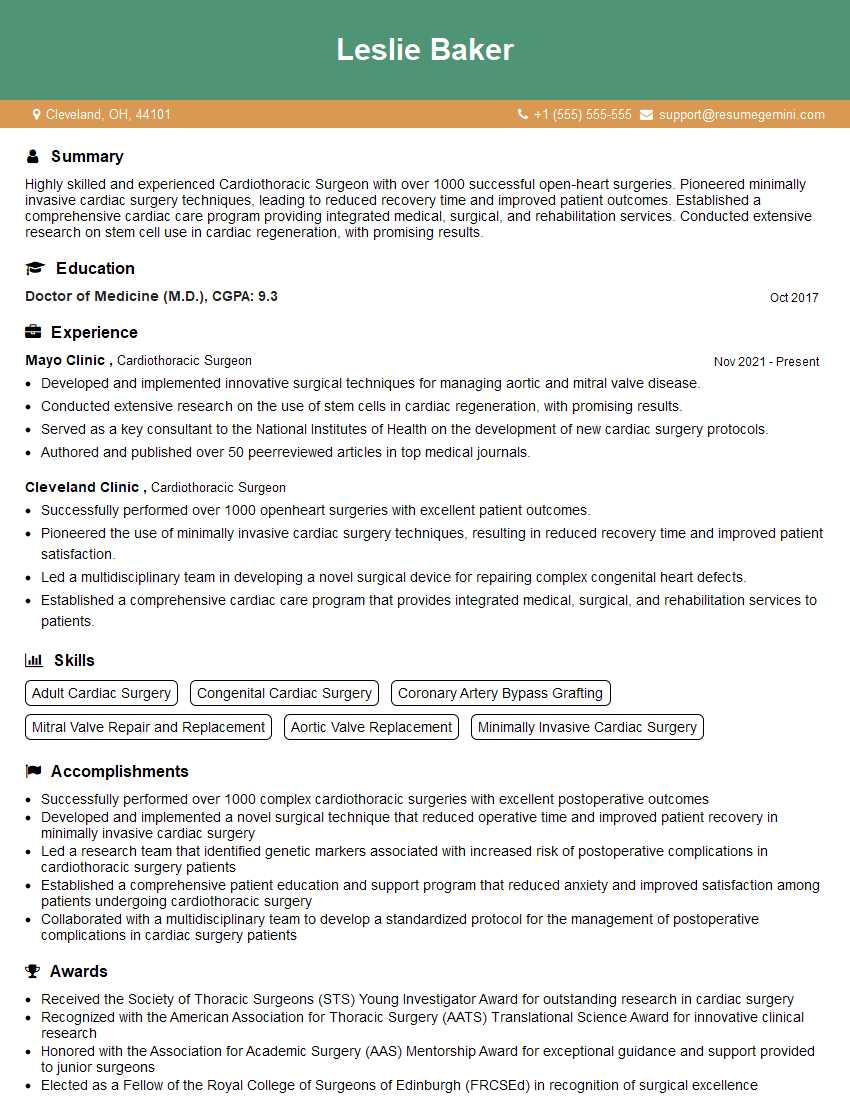
Mastering Thoracic Trauma Surgery demonstrates a high level of surgical skill and commitment to patient care, significantly enhancing your career prospects and opening doors to leadership roles within the field. To maximize your job search success, it’s crucial to present your qualifications effectively. Building an ATS-friendly resume is essential for getting your application noticed by potential employers. ResumeGemini is a trusted resource that can help you craft a compelling and effective resume, showcasing your expertise in Thoracic Trauma Surgery. Examples of resumes tailored to this specialty are available to help guide you. Take the next step toward your dream career – build your best resume with ResumeGemini.
Explore more articles
Users Rating of Our Blogs
Share Your Experience
We value your feedback! Please rate our content and share your thoughts (optional).
What Readers Say About Our Blog
To the interviewgemini.com Webmaster.
Very helpful and content specific questions to help prepare me for my interview!
Thank you
To the interviewgemini.com Webmaster.
This was kind of a unique content I found around the specialized skills. Very helpful questions and good detailed answers.
Very Helpful blog, thank you Interviewgemini team.