The thought of an interview can be nerve-wracking, but the right preparation can make all the difference. Explore this comprehensive guide to Emergency Response and Troubleshooting interview questions and gain the confidence you need to showcase your abilities and secure the role.
Questions Asked in Emergency Response and Troubleshooting Interview
Q 1. Describe your experience in handling critical incidents.
Throughout my career, I’ve managed numerous critical incidents, ranging from large-scale IT outages affecting thousands of users to on-site emergencies requiring immediate action. My experience encompasses all phases of incident management: initial detection and assessment, escalation, response, recovery, and post-incident analysis. For example, during a recent major server failure, I led a team that quickly identified the root cause (a faulty power supply), implemented a failover system within 30 minutes, and minimized downtime to less than an hour. This involved coordinating with multiple teams – network engineers, database administrators, and customer support – to ensure a seamless transition and rapid recovery.
In another instance, a physical security breach at our data center required immediate action. I collaborated with law enforcement and our internal security team, initiating emergency protocols, securing the facility, and ensuring the safety of personnel. Following the event, we conducted a thorough review of our security protocols to prevent similar incidents in the future.
Q 2. Explain your approach to prioritizing tasks during an emergency.
My approach to prioritizing tasks during an emergency relies heavily on a structured framework like the START triage system (Simple Triage And Rapid Treatment) adapted to the specific situation. This involves a rapid assessment of the situation to identify the most critical issues based on factors like impact, urgency, and potential for escalation. I use a combination of visual aids like a whiteboard or digital task management tool to ensure transparency and collaborative prioritization with the team.
Tasks are categorized into immediate actions, short-term goals, and long-term objectives. For example, in a system crash, restoring essential services immediately would be the top priority (immediate action), while investigating the root cause and implementing a preventative measure would be short-term and long-term goals respectively. This ensures that the most impactful issues are addressed first while also setting a path for comprehensive resolution.
Q 3. How do you maintain composure under pressure?
Maintaining composure under pressure is crucial in emergency response. My approach involves several strategies. Firstly, I focus on deep, controlled breathing to regulate my physiological response to stress. Secondly, I rely on detailed preparation and familiarity with emergency procedures – this allows me to act decisively rather than react anxiously. Thirdly, I prioritize clear communication with my team to foster a sense of shared responsibility and confidence.
Think of it like a fire drill; while stressful, regular practice makes the response more automatic and less panic-inducing. I also consistently practice mindfulness techniques to build resilience against stress in my daily life. This proactive approach to stress management translates to a calmer and more effective performance under pressure.
Q 4. What methods do you use to assess the severity of an emergency?
Assessing emergency severity is a multi-faceted process. I consider factors like the number of people affected, the potential for escalation (e.g., a small fire that could spread rapidly), the criticality of affected systems, and the availability of resources. I use a structured framework to gather information quickly and accurately – assessing the situation based on potential impacts on safety, operational efficiency, reputation and cost. A scoring system, or a simple severity matrix, can be very effective in this process.
For example, a small data breach with limited personal information exposed would have a lower severity than a complete system failure affecting all critical operations. Using a standardized scale ensures consistency in assessment and aids clear communication regarding the priority and scope of the incident.
Q 5. Describe a time you had to make a quick, critical decision under pressure.
During a major network outage, I had to make a quick decision to implement a temporary workaround that involved rerouting traffic through a less-efficient path to restore partial functionality. While this wasn’t the ideal solution, it prevented a complete shutdown of critical services and minimized disruption to our clients. The standard failover systems were not responding correctly due to an unforeseen issue with the backup power supply.
The pressure was immense because the outage affected a large number of users. However, by analyzing the available options and assessing the risks involved in each, I could make a swift decision that mitigated the damage. Later, we analyzed the failure’s root cause, upgraded our systems, and implemented redundancy measures to prevent similar incidents.
Q 6. How do you effectively communicate during an emergency situation?
Effective communication is paramount during emergencies. I use a clear, concise, and direct communication style, ensuring messages are easily understood by all team members regardless of their technical expertise. This includes the use of standard incident reporting terminology to avoid confusion. I utilize multiple channels – verbal briefings, email updates, and instant messaging platforms – to ensure widespread information dissemination.
I also actively encourage feedback and questions from team members, fostering a collaborative environment where everyone feels informed and involved. In critical situations, providing consistent updates to stakeholders through scheduled and ad-hoc reports helps to manage expectations and prevent misinformation.
Q 7. Explain your experience with incident reporting and documentation.
Incident reporting and documentation are crucial for learning from mistakes and preventing future incidents. My experience includes utilizing a structured reporting system that captures all key details, including the timestamp, nature of the incident, affected systems, steps taken to resolve the issue, and a post-incident analysis. This documentation aids in continuous improvement efforts, risk assessment, and compliance reporting.
I ensure reports are thorough, accurate, and easily accessible to relevant personnel. The reports often include root cause analysis, recommendations for improvement, and metrics on downtime and recovery times. This provides valuable data for future planning and training.
Q 8. How do you identify root causes of technical problems?
Identifying the root cause of a technical problem is like being a detective. It requires a systematic approach, moving from the surface symptoms to the underlying cause. I begin by gathering information: What are the observable symptoms? When did the problem start? What changes were made recently? Then, I use a combination of techniques. One is the 5 Whys technique – repeatedly asking “why” to drill down to the root cause. For example, if a website is down (symptom), I’d ask: Why is the website down? (Because the server is unresponsive). Why is the server unresponsive? (Because the database is overloaded). Why is the database overloaded? (Because of a spike in user traffic). Why was there a spike in user traffic? (Because of a social media campaign). The final “why” helps pinpoint the root cause: the social media campaign. Another powerful method is process of elimination. I systematically rule out potential causes one by one until I isolate the root cause. Tools like log analysis and network monitoring significantly aid this process.
Q 9. Describe your troubleshooting methodology.
My troubleshooting methodology follows a structured approach: 1. Identify the Problem: Clearly define the issue and gather all relevant information. 2. Gather Information: Collect data from various sources such as logs, system metrics, and user reports. 3. Reproduce the Issue (if possible): Attempt to recreate the problem to understand the exact conditions under which it occurs. 4. Isolate the Problem: Use techniques like binary search (dividing the problem into halves) to narrow down the potential causes. 5. Develop a Hypothesis: Based on the information gathered, formulate a potential explanation for the root cause. 6. Test the Hypothesis: Implement changes or solutions to verify whether your hypothesis is correct. 7. Document Everything: Keep detailed records of every step, including the problem description, troubleshooting actions, and the final solution. 8. Implement a Solution: Once the root cause is identified and confirmed, implement the appropriate solution. 9. Verify Solution: Confirm the problem is resolved and monitor for recurrence. 10. Preventative Measures: Identify any preventative measures that can be taken to avoid future occurrences of the problem.
Q 10. What tools and techniques do you use for remote troubleshooting?
For remote troubleshooting, I rely on a suite of tools and techniques. Remote Desktop Software (TeamViewer, AnyDesk) allows me to access and control a user’s system directly. Remote Monitoring and Management (RMM) software provides real-time insights into system health and performance. Log analysis tools such as Splunk or ELK stack help me analyze system logs to identify errors and anomalies. Network monitoring tools (like SolarWinds or PRTG) enable me to diagnose network connectivity issues. Collaboration tools such as Slack or Microsoft Teams facilitate effective communication with users and colleagues. Beyond tools, strong communication and clear instructions are vital. I guide users through simple steps, ensuring they understand each action before proceeding. I also make use of screen sharing and video conferencing to visually demonstrate steps or to help guide the user through a process.
Q 11. How do you handle escalated issues or complaints?
Handling escalated issues requires a calm and methodical approach. First, I acknowledge the urgency and empathize with the user’s frustration. I actively listen to their concerns and reiterate the issue to ensure mutual understanding. Then, I gather all available information, including the history of the problem, previous attempts at resolution, and the current impact. I prioritize the issue based on its severity and business impact, then escalate internally as needed following defined escalation procedures. I keep the user informed every step of the way, providing regular updates on the progress. Once resolved, I follow up with the user to ensure their satisfaction and to document the resolution for future reference. Transparency and clear communication are crucial during this process.
Q 12. What is your experience with escalation procedures?
My experience with escalation procedures spans various scenarios. I’ve worked in environments with formalized escalation paths, involving multiple levels of support and specialized teams. I understand the importance of escalating to the appropriate team based on the complexity of the issue and the expertise required. I’m proficient in using ticketing systems to track progress, assign tasks, and ensure accountability. In less structured environments, I’ve successfully navigated informal escalation by identifying the appropriate expert and clearly communicating the issue and its context. My focus remains consistent: efficient and timely resolution with constant communication to all involved parties.
Q 13. How do you ensure effective communication during a troubleshooting process?
Effective communication is the cornerstone of successful troubleshooting. I utilize several techniques to ensure clear and concise communication. First, I use plain language, avoiding technical jargon unless absolutely necessary, and defining terms when I do. Second, I actively listen to the user’s description of the problem, asking clarifying questions to avoid assumptions. Third, I provide regular updates on my progress, keeping the user informed about what steps I’m taking and why. Fourth, I confirm understanding at each stage, ensuring we are both on the same page. Fifth, I use appropriate communication channels; email for formal updates, instant messaging for quick questions, and phone calls for complex situations. Finally, I document every interaction to maintain a complete record of the troubleshooting process.
Q 14. Describe a situation where you had to troubleshoot a complex technical problem.
In a previous role, we experienced a critical outage impacting our core banking application. Initial symptoms pointed to a database server failure. However, after extensive investigation, including reviewing logs, analyzing network traffic, and consulting with database administrators, we discovered the root cause was a cascading failure triggered by a misconfiguration in our load balancer. A minor software update had inadvertently introduced a setting that overloaded a specific server node, causing a domino effect that impacted the entire system. The solution involved reverting the software update, reconfiguring the load balancer to distribute traffic evenly, and implementing stricter monitoring and alerting for such events. This incident highlighted the importance of thorough investigation, clear communication across teams, and robust monitoring and alerting systems to prevent future outages. The experience reinforced the need to meticulously document every step of the troubleshooting process and to proactively implement preventative measures to avoid similar situations.
Q 15. How do you stay updated on new technologies and troubleshooting techniques?
Staying current in the rapidly evolving field of emergency response and troubleshooting requires a multi-pronged approach. It’s not enough to rely solely on initial training; continuous learning is paramount.
Professional Certifications and Training: I actively pursue advanced certifications and attend workshops focused on new technologies and techniques in emergency response and incident management. This includes staying up-to-date on relevant industry standards and best practices. For example, I recently completed a course on advanced cybersecurity incident response, expanding my knowledge of threat detection and mitigation strategies.
Industry Publications and Journals: I subscribe to leading industry publications and journals, keeping abreast of the latest research, case studies, and emerging trends. Reading these publications allows me to learn from the experiences of others and anticipate potential challenges.
Online Courses and Webinars: Numerous online platforms offer high-quality courses and webinars on various aspects of emergency response and troubleshooting. I regularly utilize these resources to deepen my understanding of specific areas, such as cloud security incident response or advanced disaster recovery techniques.
Networking and Collaboration: Engaging with colleagues and experts through conferences, professional organizations, and online forums provides invaluable insights and allows for the exchange of best practices. Learning from the experiences of others in diverse settings significantly enriches my knowledge base.
Career Expert Tips:
- Ace those interviews! Prepare effectively by reviewing the Top 50 Most Common Interview Questions on ResumeGemini.
- Navigate your job search with confidence! Explore a wide range of Career Tips on ResumeGemini. Learn about common challenges and recommendations to overcome them.
- Craft the perfect resume! Master the Art of Resume Writing with ResumeGemini’s guide. Showcase your unique qualifications and achievements effectively.
- Don’t miss out on holiday savings! Build your dream resume with ResumeGemini’s ATS optimized templates.
Q 16. How do you handle situations with conflicting priorities?
Handling conflicting priorities is a constant in emergency response. My approach is rooted in prioritization frameworks and clear communication.
Prioritization Matrix: I employ a prioritization matrix, evaluating tasks based on urgency and impact. This allows me to focus resources effectively on the most critical issues first. For example, during a major system outage, restoring critical services would take precedence over addressing less urgent issues.
Clear Communication: Open and honest communication with stakeholders is key. I clearly explain the rationale behind my prioritization decisions and manage expectations proactively. This helps avoid misunderstandings and maintains trust during stressful situations.
Escalation and Delegation: If the situation demands it, I don’t hesitate to escalate critical issues to the appropriate authorities or delegate tasks to team members with the relevant expertise. Effective delegation frees up my time to focus on higher-priority issues.
Time Management: Effective time management techniques such as time blocking and the Pomodoro technique help me allocate time efficiently, ensuring that even amidst multiple priorities, progress is made.
Q 17. How do you work effectively in a team during an emergency?
Effective teamwork is crucial during emergencies. My approach emphasizes clear roles, communication, and mutual support.
Establish Clear Roles and Responsibilities: Before an emergency, we define roles and responsibilities within the team. This minimizes confusion and ensures everyone knows their part in the response. For instance, one team member might focus on communication, while another handles technical troubleshooting.
Utilize Effective Communication Tools: We rely on efficient communication tools, such as dedicated chat channels or emergency response platforms. This allows for real-time updates and coordination, ensuring everyone is informed and on the same page.
Regular Team Briefings: During an emergency, regular briefings are essential to synchronize efforts and adjust strategies as needed. These briefings ensure everyone understands the current situation and their assigned tasks.
Mutual Support and Debriefing: Mutual support among team members is critical, especially during high-stress situations. After the emergency, a debriefing session allows us to analyze our performance, identify areas for improvement, and strengthen our teamwork for future events.
Q 18. What are your strategies for preventing future incidents?
Preventing future incidents requires a proactive approach encompassing risk assessment, mitigation, and continuous improvement.
Regular Risk Assessments: Conducting regular risk assessments helps identify potential vulnerabilities and weaknesses in our systems and processes. This allows us to prioritize mitigation efforts effectively.
Implementation of Mitigation Strategies: Once risks are identified, we implement appropriate mitigation strategies, such as strengthening security measures, improving system redundancy, or implementing robust training programs.
Incident Response Plan Development and Testing: Developing comprehensive incident response plans and regularly testing them helps ensure our team is prepared to handle emergencies effectively. These plans should include clear procedures for identifying, responding to, and recovering from various types of incidents.
Post-Incident Analysis and Continuous Improvement: After each incident, we perform a thorough post-incident analysis to identify root causes, assess the effectiveness of our response, and implement improvements to prevent similar incidents in the future. This process fosters continuous improvement in our emergency preparedness.
Q 19. Explain your experience with different emergency response protocols.
My experience encompasses a wide range of emergency response protocols, including those for IT security incidents, natural disasters, and medical emergencies.
IT Security Incident Response: I have extensive experience with incident response frameworks such as NIST Cybersecurity Framework, enabling me to effectively manage security breaches, data leaks, and malware outbreaks. This involves incident identification, containment, eradication, recovery, and post-incident activity.
Disaster Recovery: I’m familiar with various disaster recovery plans, including those based on business continuity management principles. I’ve worked on plans encompassing data backups, failovers, and business resumption strategies. For example, I helped develop a plan for a data center that included server replication and automated failover to ensure continued operations during a power outage.
Medical Emergency Response: While not directly my primary focus, I’ve assisted in developing and implementing medical emergency response protocols within my organization, ensuring proper communication, evacuation procedures, and first-aid provision.
Each protocol requires a unique approach, but the core principles of rapid assessment, clear communication, and coordinated action remain consistent.
Q 20. How do you ensure data security during an emergency?
Data security during emergencies is paramount. My strategy is multi-layered and emphasizes both proactive and reactive measures.
Data Encryption: Data at rest and in transit should be encrypted to protect against unauthorized access, even if systems are compromised. Strong encryption algorithms and key management practices are critical.
Access Control: Robust access control mechanisms, including multi-factor authentication, restrict access to sensitive data to authorized personnel only. This reduces the risk of data breaches even in chaotic situations.
Data Backups and Redundancy: Regular data backups to secure offsite locations are essential. Redundant systems and data replication ensure business continuity and data availability during emergencies.
Incident Response Plan: A well-defined incident response plan should address data security specifically, outlining procedures for dealing with data breaches and other security incidents. This plan should include steps to contain the breach, recover compromised data, and investigate the root cause.
Employee Training: Training employees on data security best practices helps prevent human error, a common cause of data breaches. Regular security awareness training helps employees understand the importance of data security and how to protect sensitive information.
Q 21. How do you prioritize tasks when faced with multiple simultaneous emergencies?
Prioritizing tasks during multiple simultaneous emergencies requires a systematic approach. My strategy combines urgency, impact, and resource availability.
Urgency and Impact Assessment: I first assess each emergency based on its urgency (how quickly it needs attention) and impact (potential consequences of inaction). This creates a quick matrix to visually prioritize.
Resource Allocation: Considering the resources (personnel, equipment, etc.) available, I allocate resources effectively to address the most critical emergencies first. This may involve delegating tasks or requesting additional support.
Escalation and Communication: High-impact emergencies are immediately escalated to management, ensuring adequate support and coordination. Clear communication is crucial to ensure everyone is aware of the situation and their roles.
Continuous Re-evaluation: The situation is continuously re-evaluated as new information emerges or the situation changes. This allows for adjustments to the prioritization strategy, ensuring that the response remains effective.
Imagine a scenario with a power outage affecting critical systems, a security breach, and a natural disaster threat. Using this approach, the power outage impacting critical systems would likely take precedence, followed by the security breach, with the disaster response plan prepared and on standby until the critical systems are restored.
Q 22. Describe your experience with disaster recovery planning.
Disaster recovery planning is the process of creating a comprehensive strategy to minimize the impact of disruptive events on an organization’s operations. It involves anticipating potential threats, like natural disasters, cyberattacks, or equipment failures, and developing detailed plans to ensure business continuity.
My experience encompasses developing and implementing disaster recovery plans for various organizations, ranging from small businesses to large multinational corporations. This includes risk assessments to identify vulnerabilities, developing detailed recovery procedures (e.g., data backup and restoration strategies, failover mechanisms, and communication protocols), conducting regular drills and simulations to test the effectiveness of the plan, and updating the plan based on lessons learned and evolving threats. For example, in one project, we created a tiered approach to data backup, utilizing on-site, off-site, and cloud-based storage solutions to ensure data availability even in the event of a catastrophic failure. We also established a clear communication chain, including designated spokespeople and emergency contact lists, to ensure timely dissemination of information during a crisis.
Q 23. How do you utilize available resources during an emergency response?
Utilizing available resources effectively during an emergency response is paramount. This involves a systematic approach that prioritizes needs and leverages both internal and external resources.
- Internal Resources: This includes staff expertise, existing technology (e.g., communication systems, backup power), and internal databases containing crucial information.
- External Resources: This encompasses government agencies (e.g., FEMA, local emergency services), community resources, private sector partners, and volunteer organizations. Establishing pre-existing relationships with these entities is crucial for faster response times.
For example, during a major server outage, we first mobilized our internal IT team to troubleshoot the issue. Simultaneously, we contacted our cloud service provider as a backup, having a pre-arranged agreement for immediate failover. We also reached out to our public relations team to proactively manage communications with clients.
Q 24. How do you measure the effectiveness of your emergency response actions?
Measuring the effectiveness of emergency response actions requires a multi-faceted approach, combining qualitative and quantitative data. Key metrics include:
- Time to recovery: How quickly essential systems and services were restored after the incident.
- Data loss: The amount of data lost or compromised during the event.
- Financial impact: The cost of the incident, including recovery efforts and business disruption.
- Customer satisfaction: Feedback from clients on the responsiveness and effectiveness of the response.
- Lessons learned: A post-incident review identifying areas for improvement in future preparedness and response.
Post-incident reports, surveys, and debrief sessions are all crucial tools for gathering this data. For example, following a successful recovery from a cyberattack, we analyzed the time it took to restore system functionality, the number of compromised accounts, and the financial losses incurred. This data informed the update of our security protocols and disaster recovery plan, improving our preparedness for future incidents.
Q 25. What are your strengths and weaknesses in emergency response and troubleshooting?
Strengths: My strengths lie in my ability to remain calm under pressure, my systematic approach to problem-solving, my strong communication skills, and my proactive approach to risk mitigation. I’m adept at rapidly assessing situations, prioritizing critical tasks, and coordinating teams effectively. I also excel at adapting to dynamic situations and finding creative solutions.
Weaknesses: One area I’m continuously working on is delegating tasks more effectively under extreme pressure. Sometimes, in high-stakes situations, I tend to take on too much responsibility myself. I’m actively developing my leadership skills to better delegate and empower my team members in those moments.
Q 26. Describe a time you failed to resolve an issue. What did you learn?
During a large-scale system failure, I initially focused on a specific component that I believed was the root cause, neglecting a more subtle issue in the network infrastructure. This delayed the resolution significantly. The failure to consider alternative explanations and to thoroughly investigate all potential causes resulted in extended downtime.
The key lesson learned was the critical importance of a holistic approach to troubleshooting. It reinforced the need for a systematic process of elimination, considering all possible contributing factors before jumping to conclusions. I now incorporate a more robust root cause analysis methodology, utilizing tools like fault trees and fishbone diagrams to ensure a thorough and comprehensive investigation of any major issue.
Q 27. How do you handle stressful situations and maintain a positive attitude?
Handling stressful situations requires a combination of effective strategies, both mental and physical. Maintaining a positive attitude is crucial.
- Mental Strategies: Deep breathing exercises, mindfulness techniques, and positive self-talk help manage anxiety. Breaking down complex problems into smaller, manageable tasks can alleviate feelings of overwhelm.
- Physical Strategies: Getting enough rest, maintaining a healthy diet, and engaging in regular physical activity all contribute to stress resilience.
- Teamwork: Effective communication and collaboration with team members to distribute workload and share responsibilities can greatly reduce stress levels.
I find that staying focused on the task at hand, celebrating small wins, and maintaining open communication with my team significantly contributes to a positive outlook during challenging situations.
Q 28. How do you adapt to changing circumstances during an emergency?
Adapting to changing circumstances during an emergency is a crucial skill. This involves flexibility, adaptability, and the ability to make quick, informed decisions.
My approach involves continuous monitoring of the situation, re-evaluating priorities as needed, and proactively communicating any changes to the team. I use a flexible, iterative approach to planning, allowing for adjustments based on new information or evolving circumstances. For instance, if an initial response plan proves ineffective, I would readily reassess the situation and adjust the plan accordingly, consulting with team members to incorporate new insights and solutions. This iterative approach ensures that the response remains effective and adaptable throughout the crisis.
Key Topics to Learn for Emergency Response and Troubleshooting Interview
- Incident Prioritization and Triage: Understanding the urgency and criticality of different situations to efficiently allocate resources and personnel.
- Root Cause Analysis: Applying systematic methods to identify the underlying causes of incidents, preventing recurrence.
- Problem-Solving Methodologies: Utilizing frameworks like the 5 Whys or DMAIC to effectively address complex technical issues.
- Communication and Collaboration: Mastering clear, concise communication during high-pressure situations, coordinating with diverse teams.
- Risk Assessment and Mitigation: Proactively identifying potential hazards and implementing preventative measures.
- Emergency Procedures and Protocols: Demonstrating thorough knowledge of established safety guidelines and response plans.
- Technical Troubleshooting Skills: Applying relevant technical knowledge to diagnose and resolve system failures or malfunctions (specifics depend on the role).
- Documentation and Reporting: Accurately recording incident details, actions taken, and lessons learned for continuous improvement.
- Stress Management and Decision-Making Under Pressure: Maintaining composure and making sound judgments in critical situations.
- Ethical Considerations and Legal Compliance: Understanding relevant regulations and ethical guidelines in emergency response.
Next Steps
Mastering Emergency Response and Troubleshooting skills is crucial for career advancement in many high-demand fields. These skills demonstrate critical thinking, problem-solving abilities, and a commitment to safety – qualities highly valued by employers. To significantly improve your job prospects, create an ATS-friendly resume that effectively showcases these skills. ResumeGemini is a trusted resource to help you build a professional and impactful resume. We offer examples of resumes tailored to Emergency Response and Troubleshooting roles to guide you. Take the next step towards your dream career by crafting a compelling resume that highlights your expertise!

Operations Manager Resume Sample

Project Manager Resume Sample
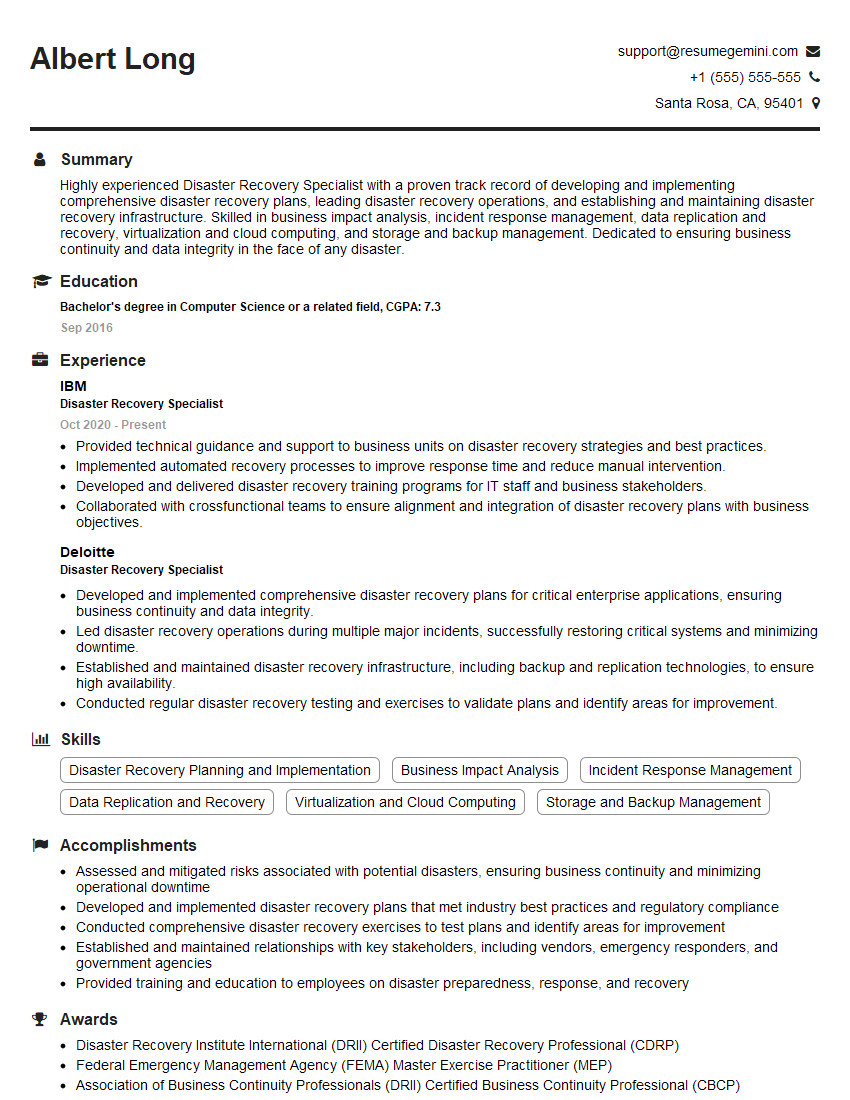
Disaster Recovery Specialist Resume Sample
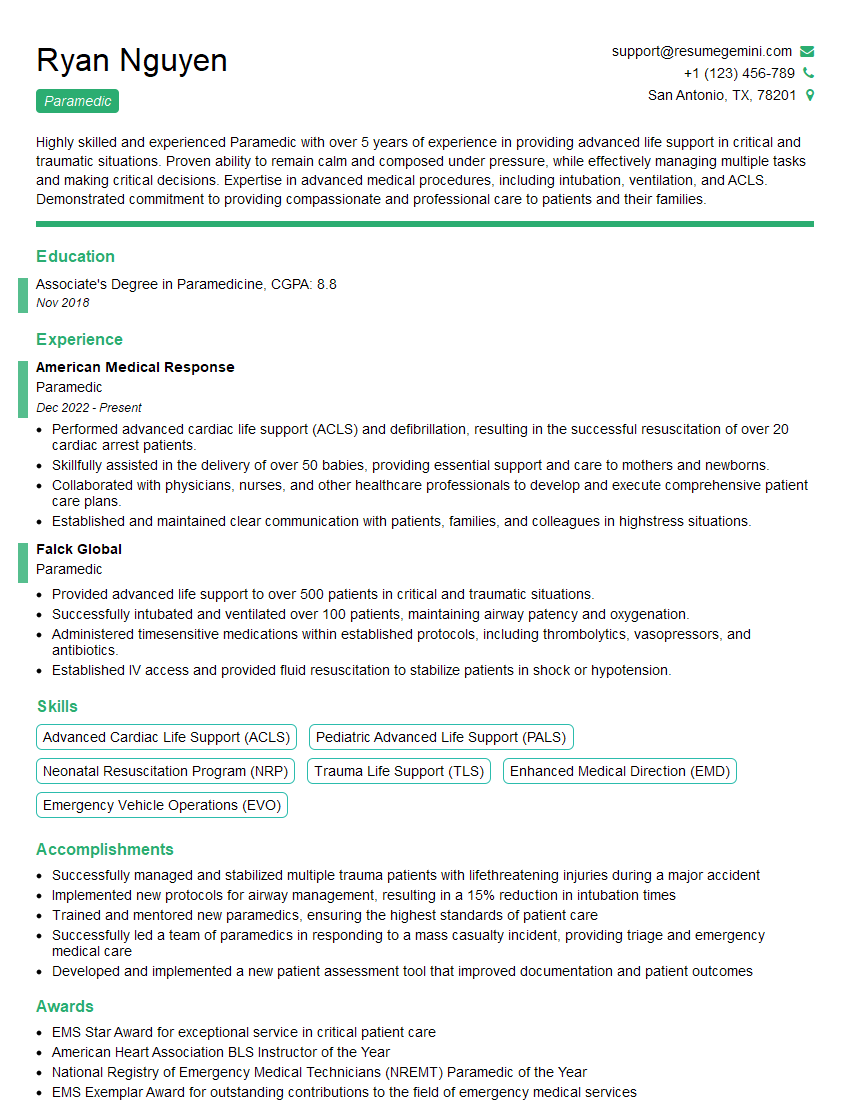
Paramedic Resume Sample

Compliance Officer Resume Sample
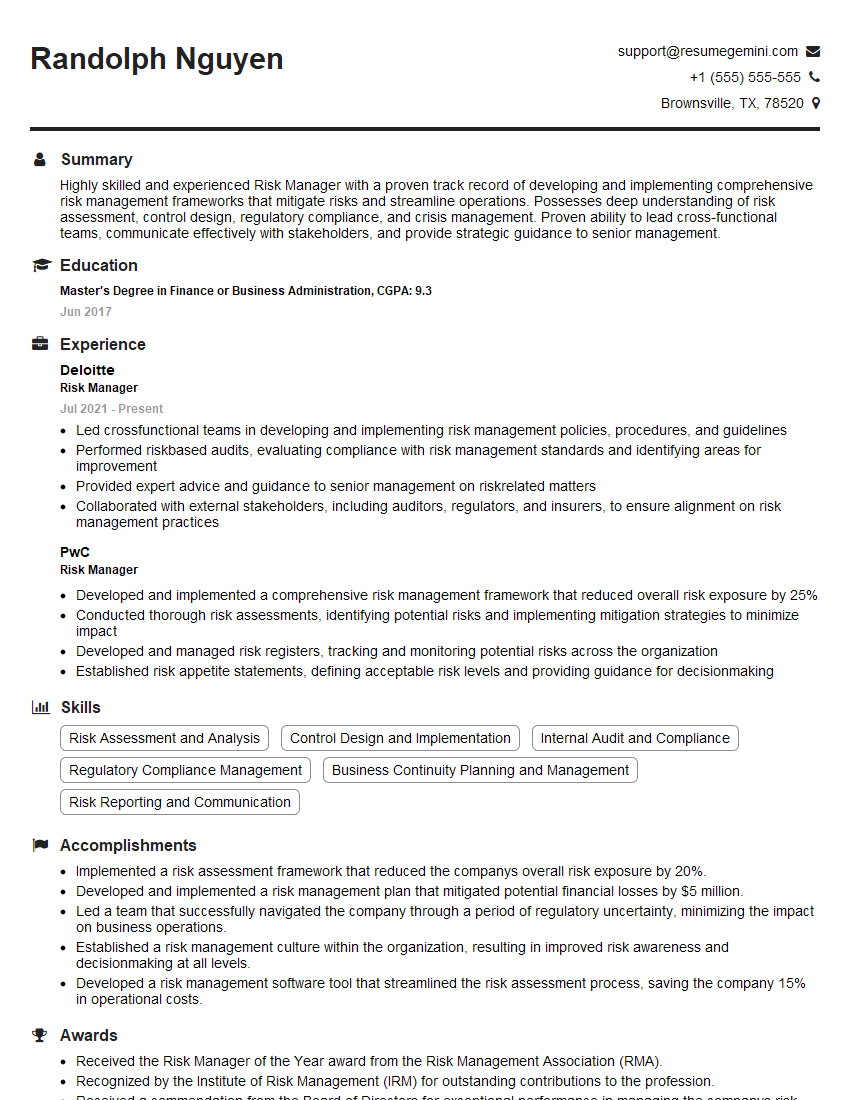
Risk Manager Resume Sample
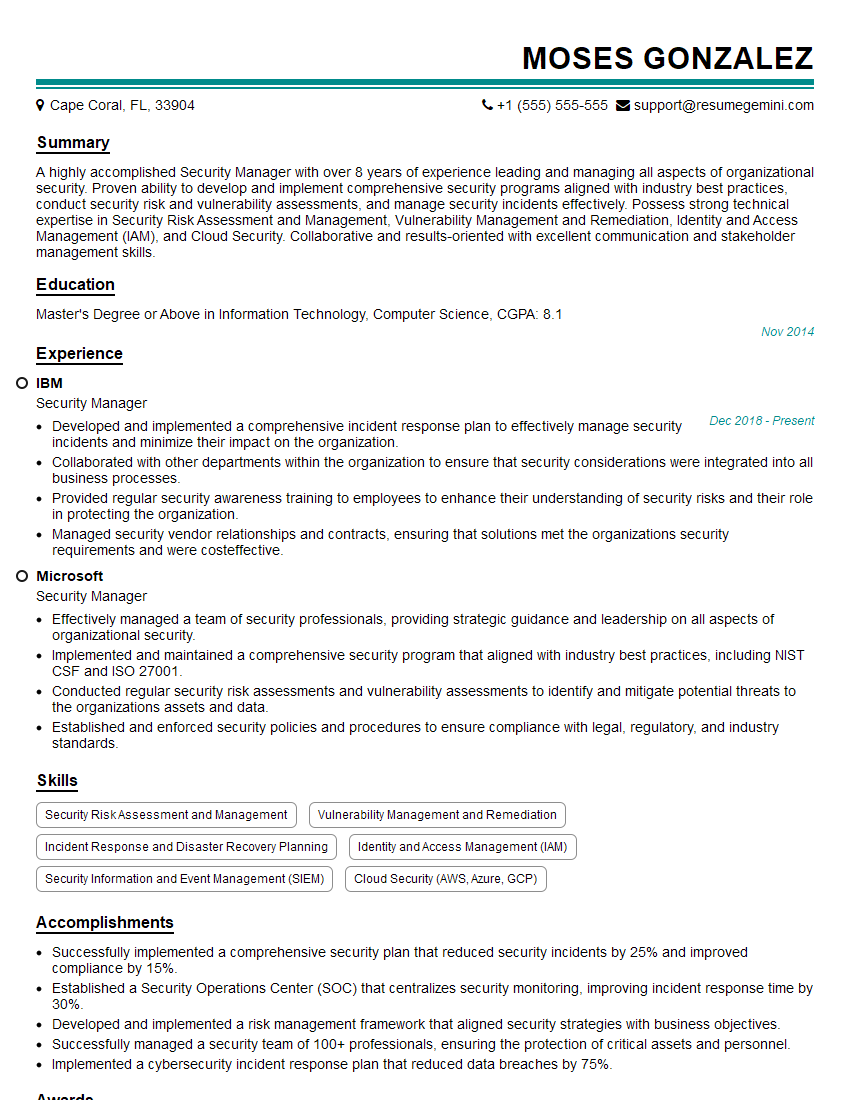
Security Manager Resume Sample
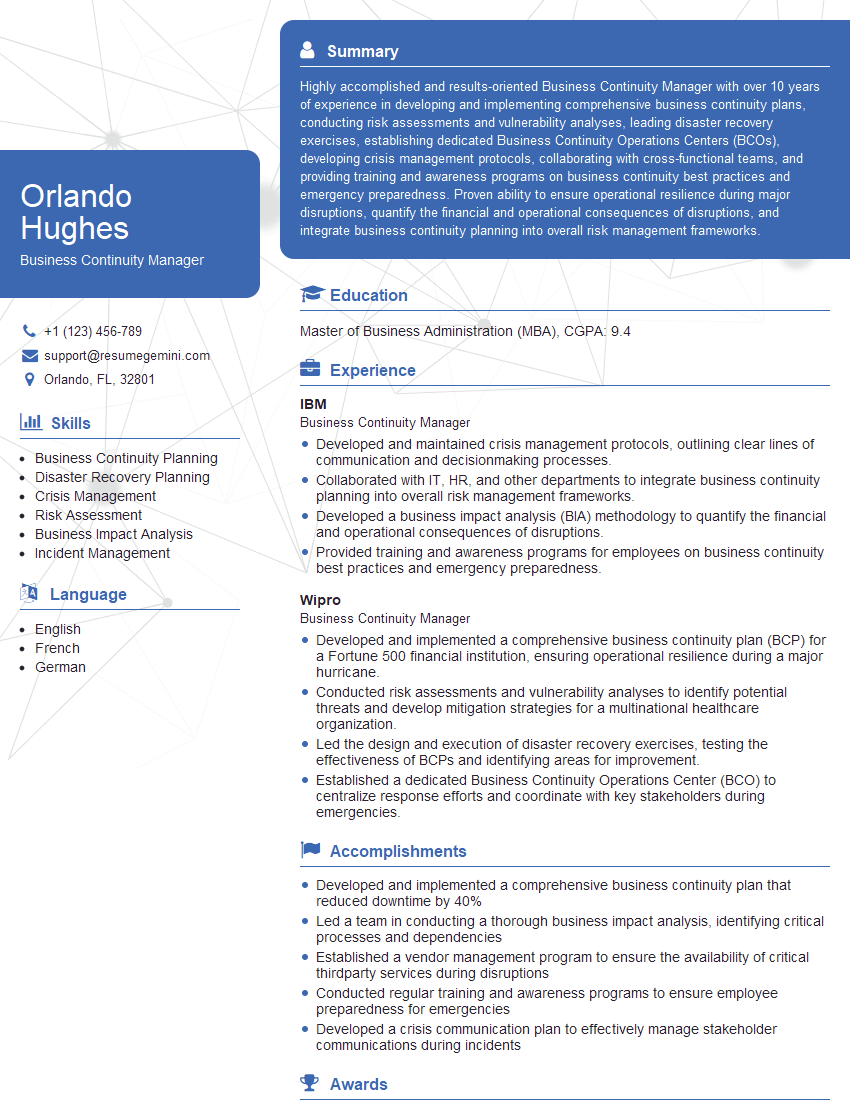
Business Continuity Manager Resume Sample
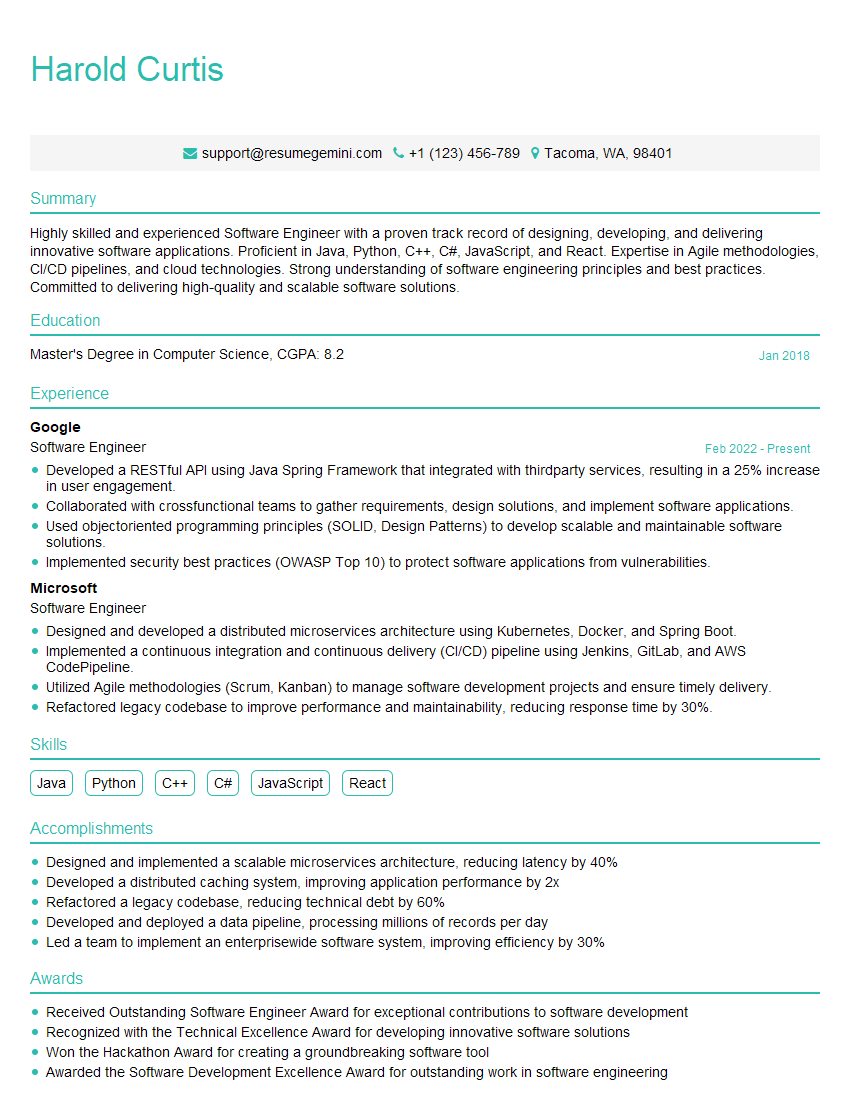
Software Engineer Resume Sample
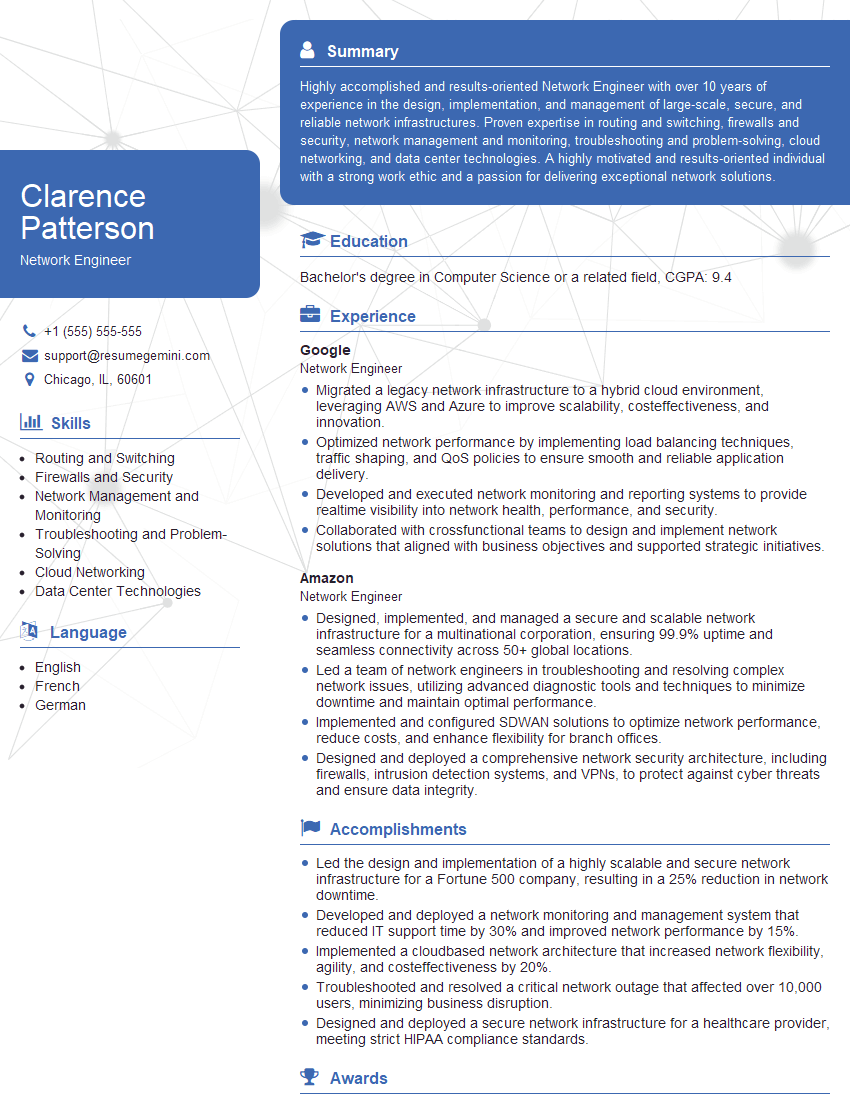
Network Engineer Resume Sample
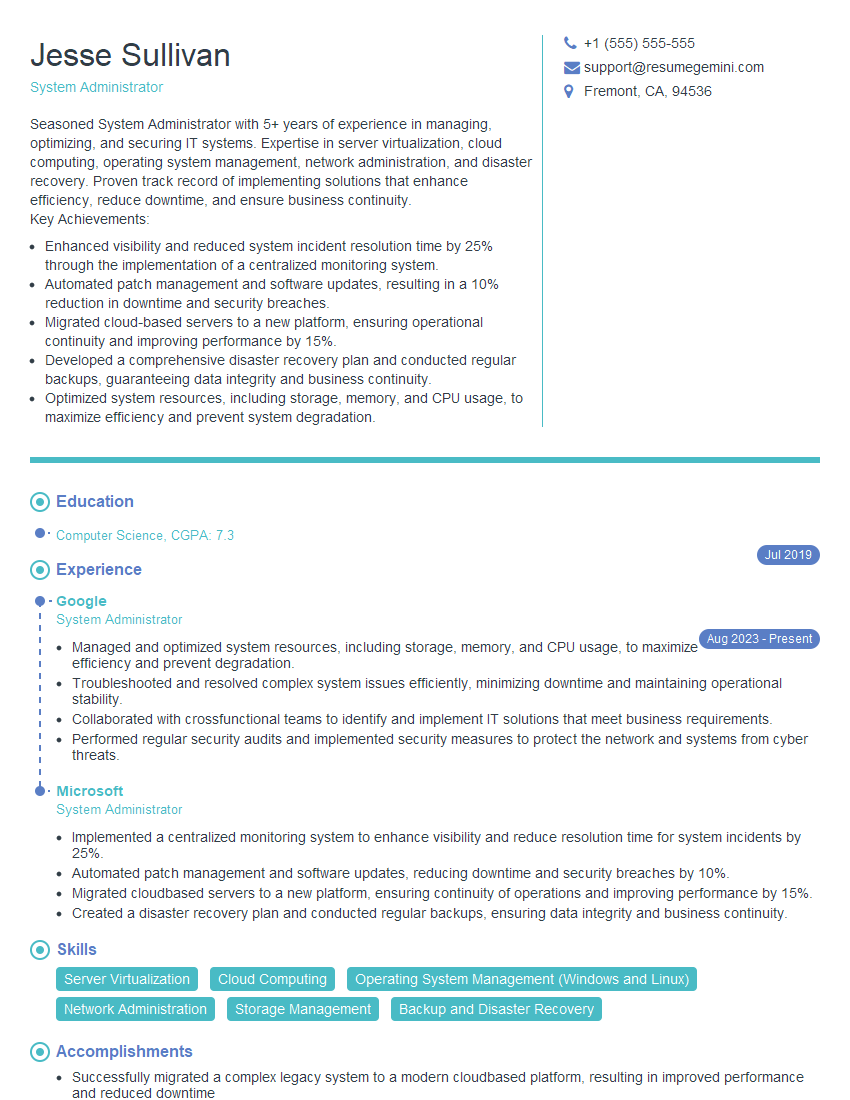
System Administrator Resume Sample
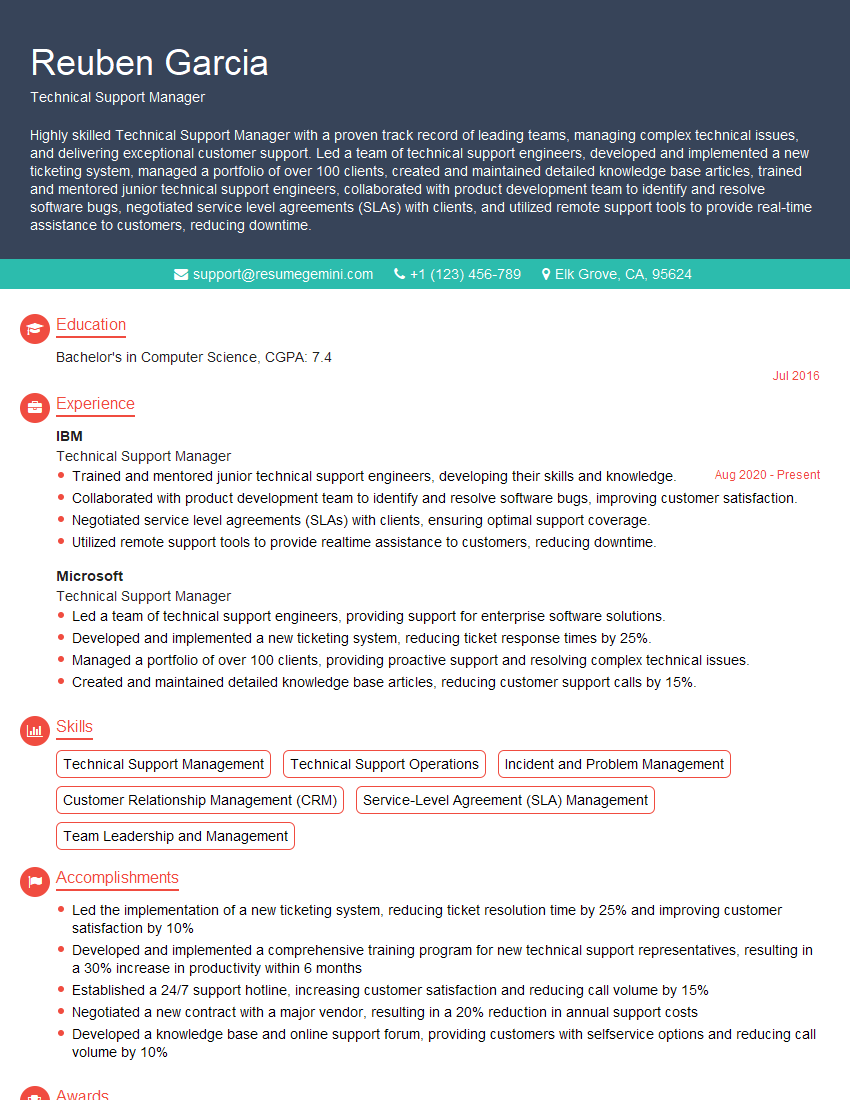
Technical Support Manager Resume Sample
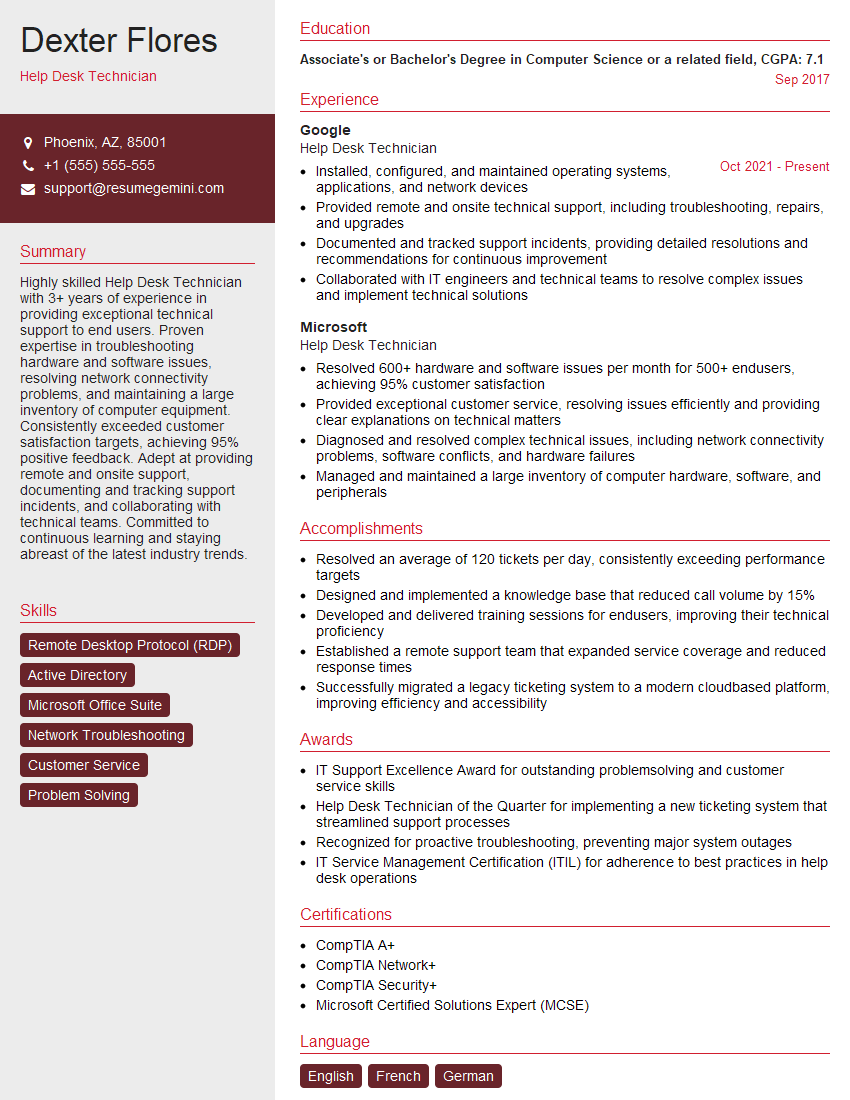
Help Desk Technician Resume Sample
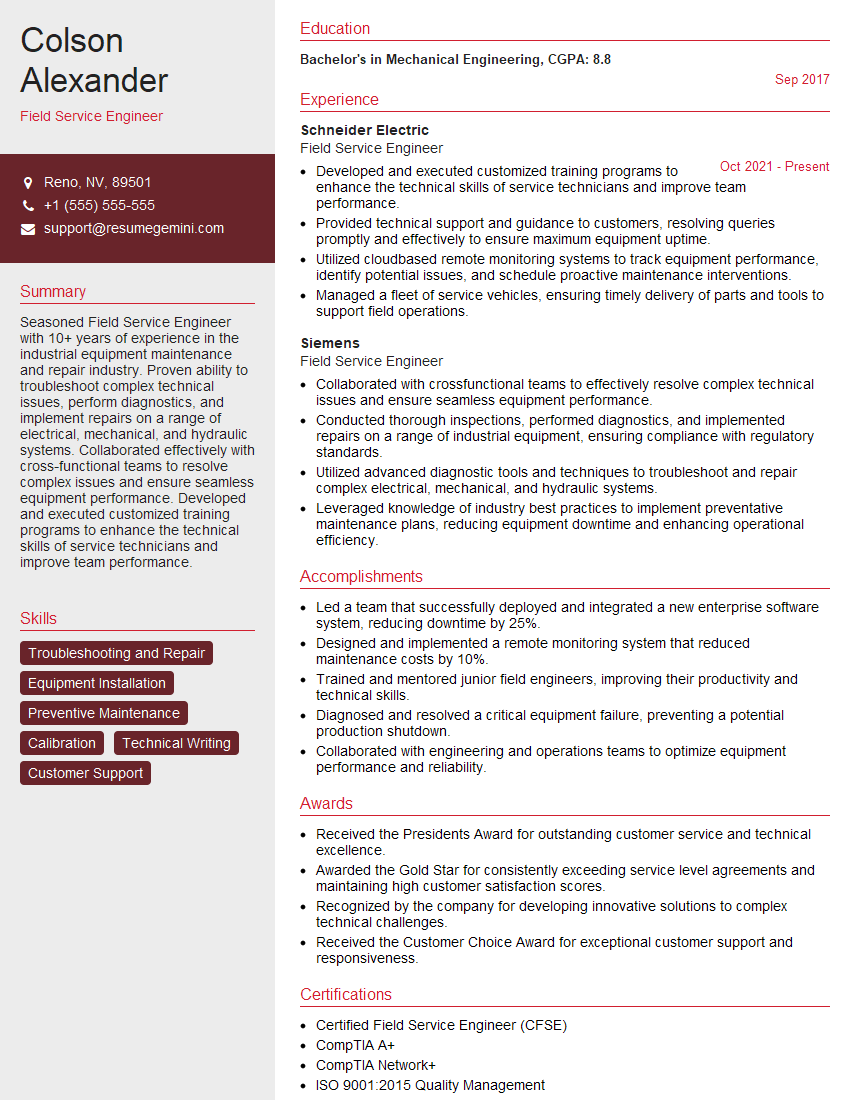
Field Service Engineer Resume Sample
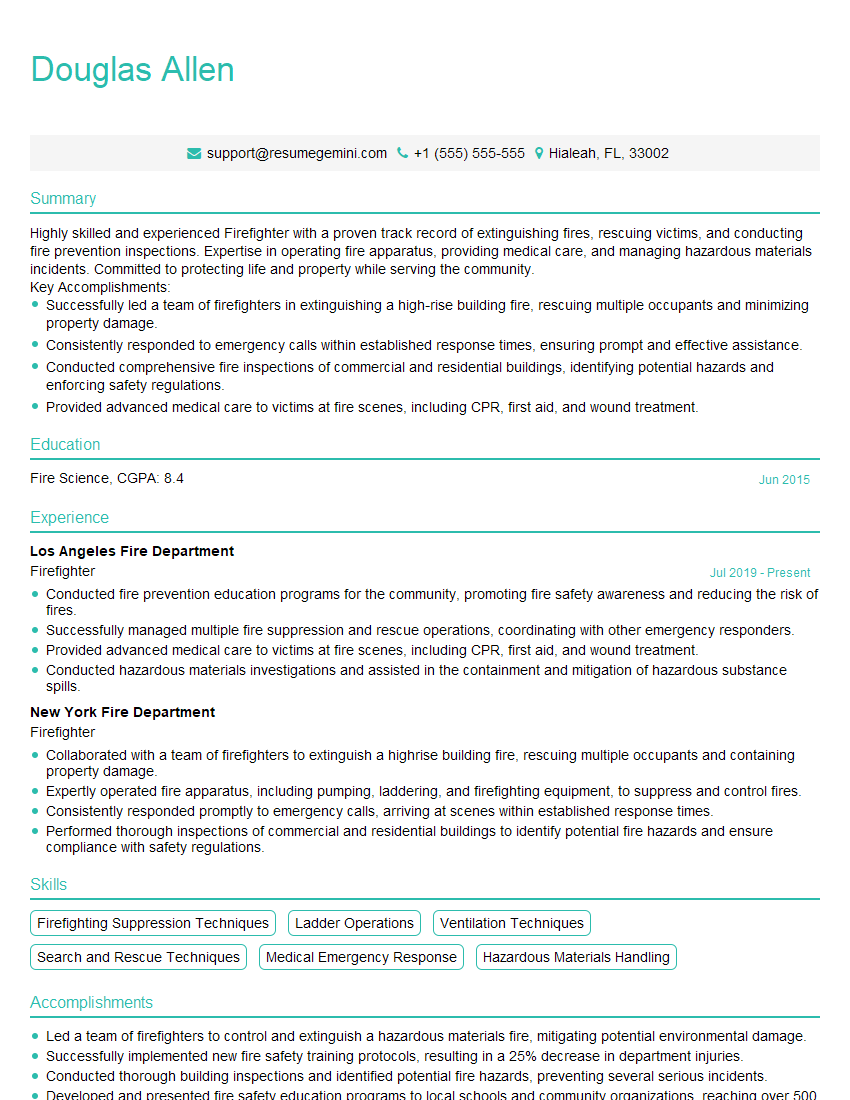
Firefighter Resume Sample
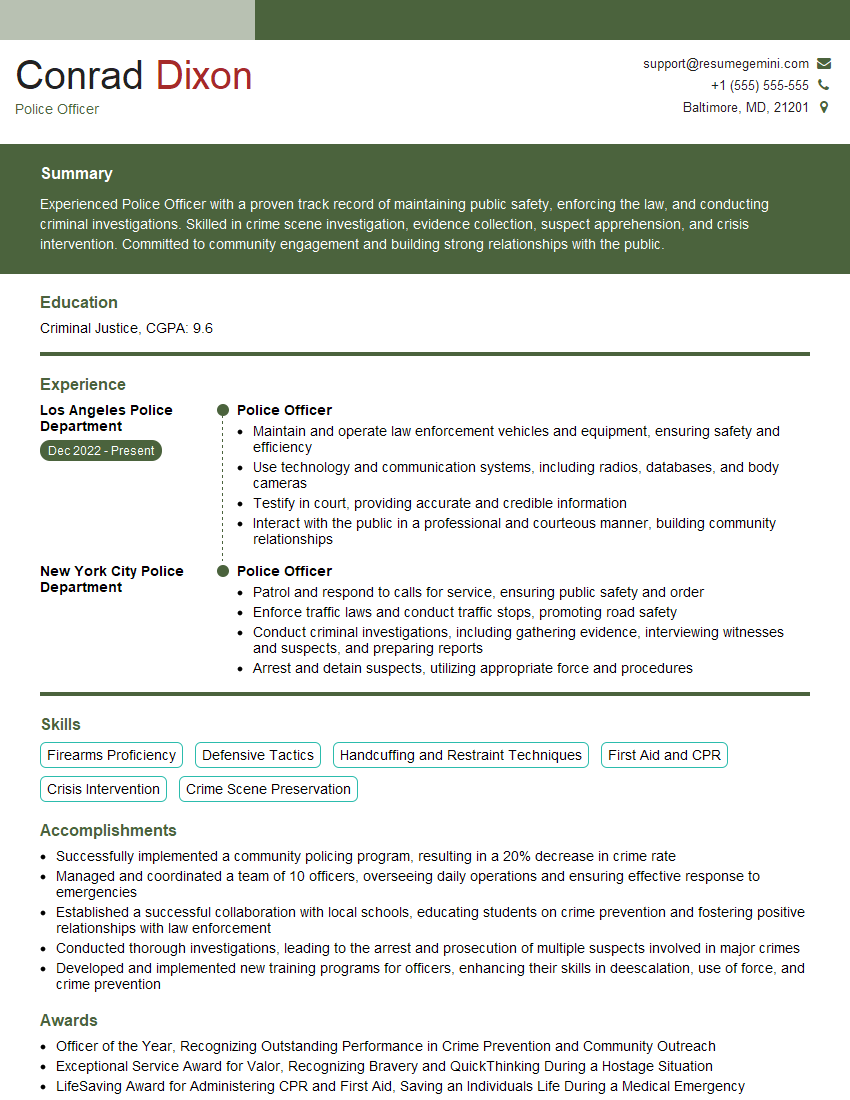
Police Officer Resume Sample
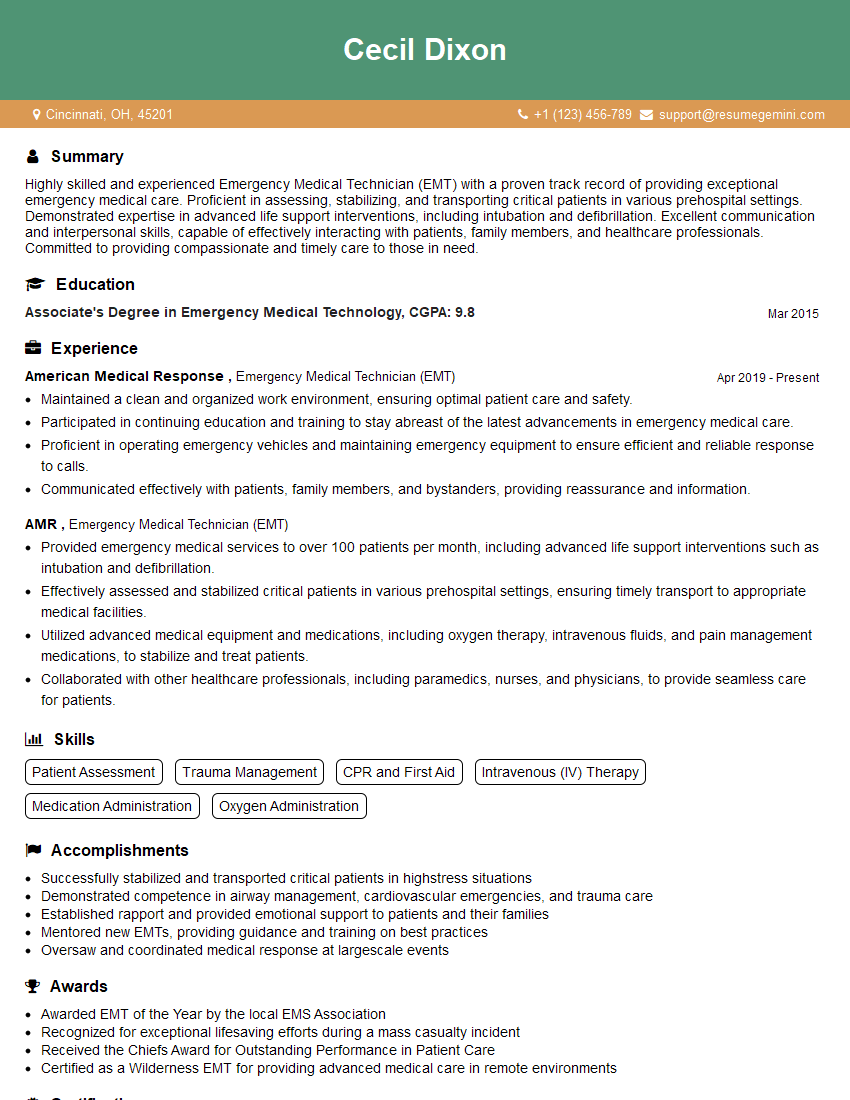
Emergency Medical Technician (EMT) Resume Sample
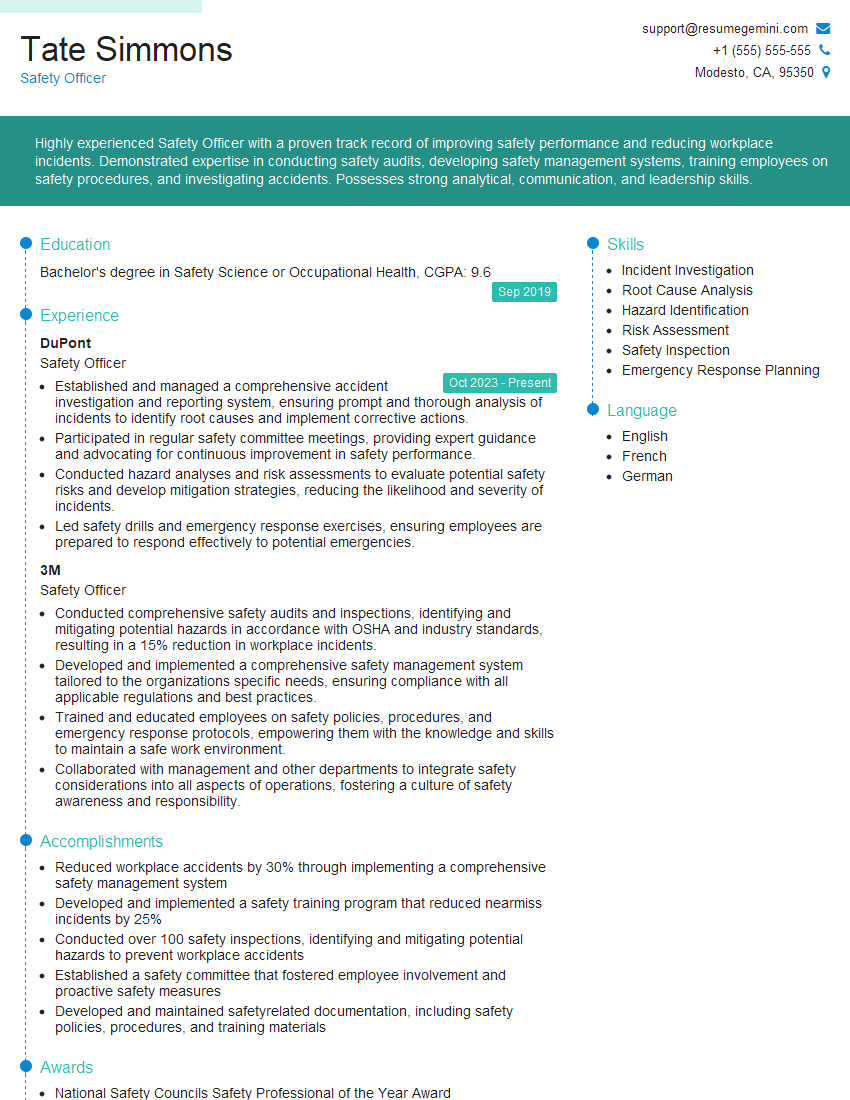
Safety Officer Resume Sample
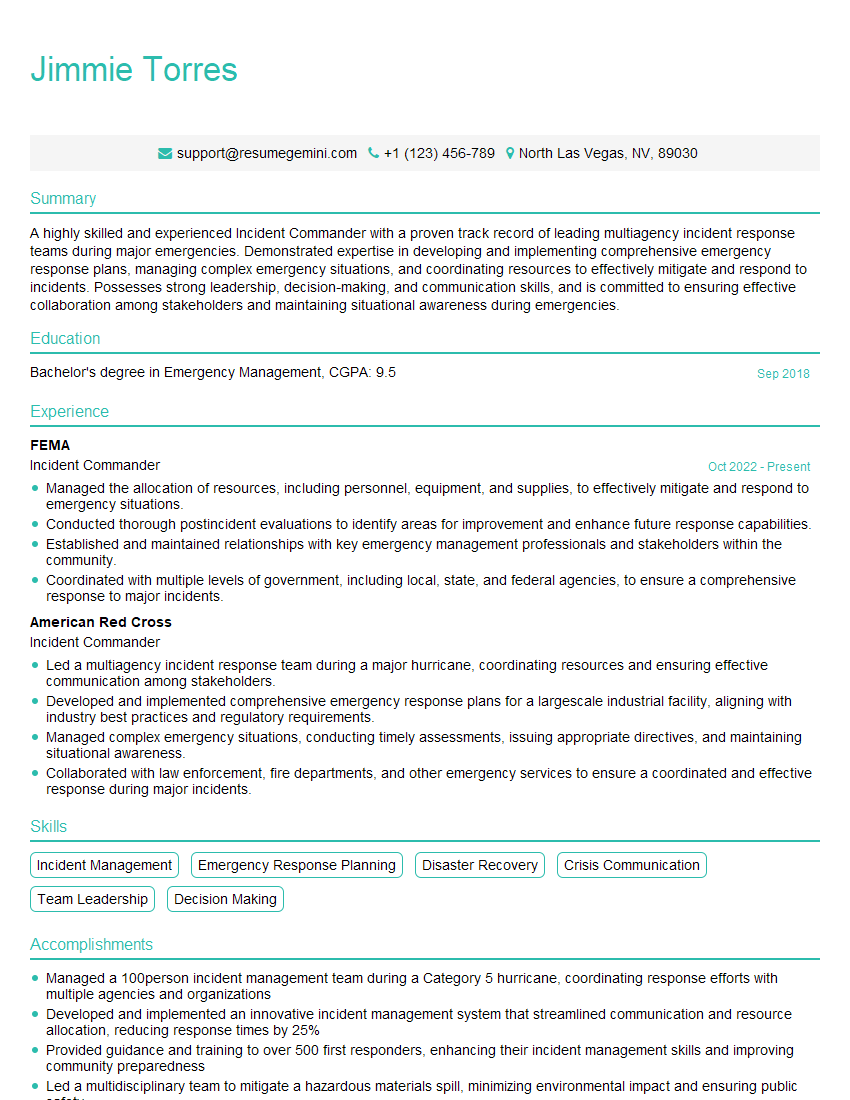
Incident Commander Resume Sample
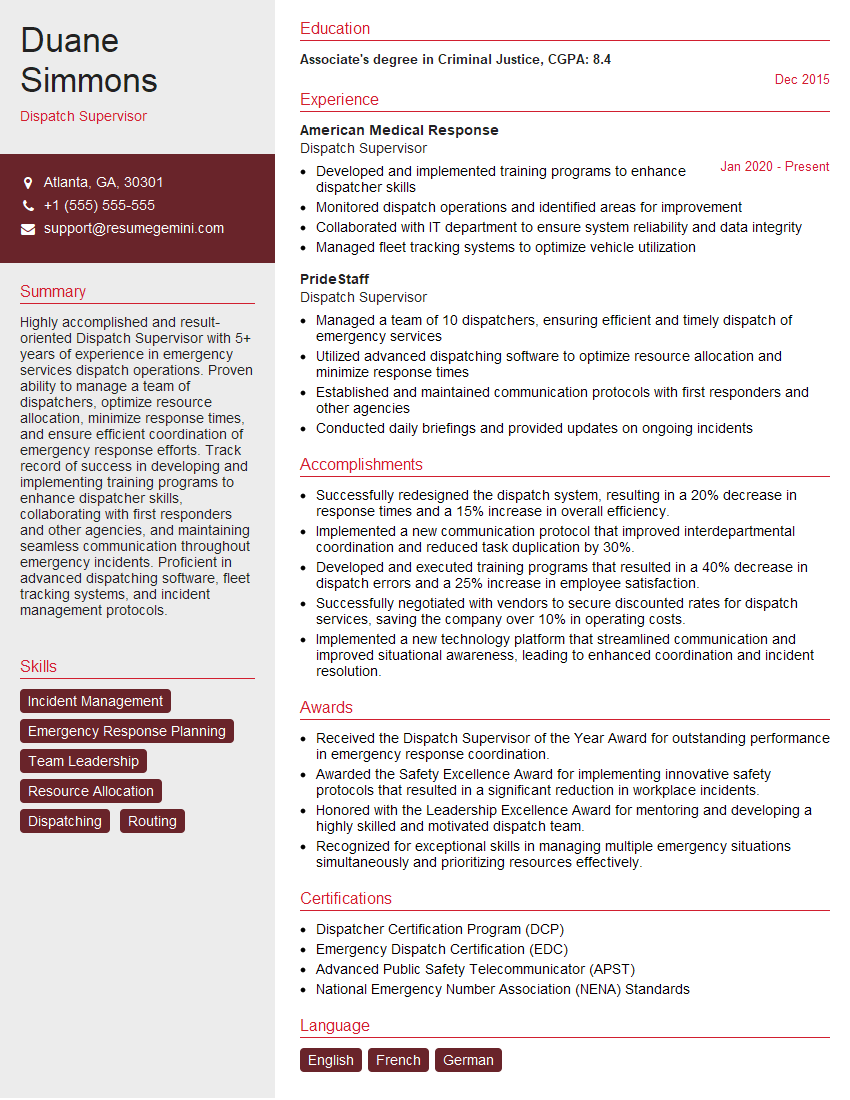
Dispatch Supervisor Resume Sample
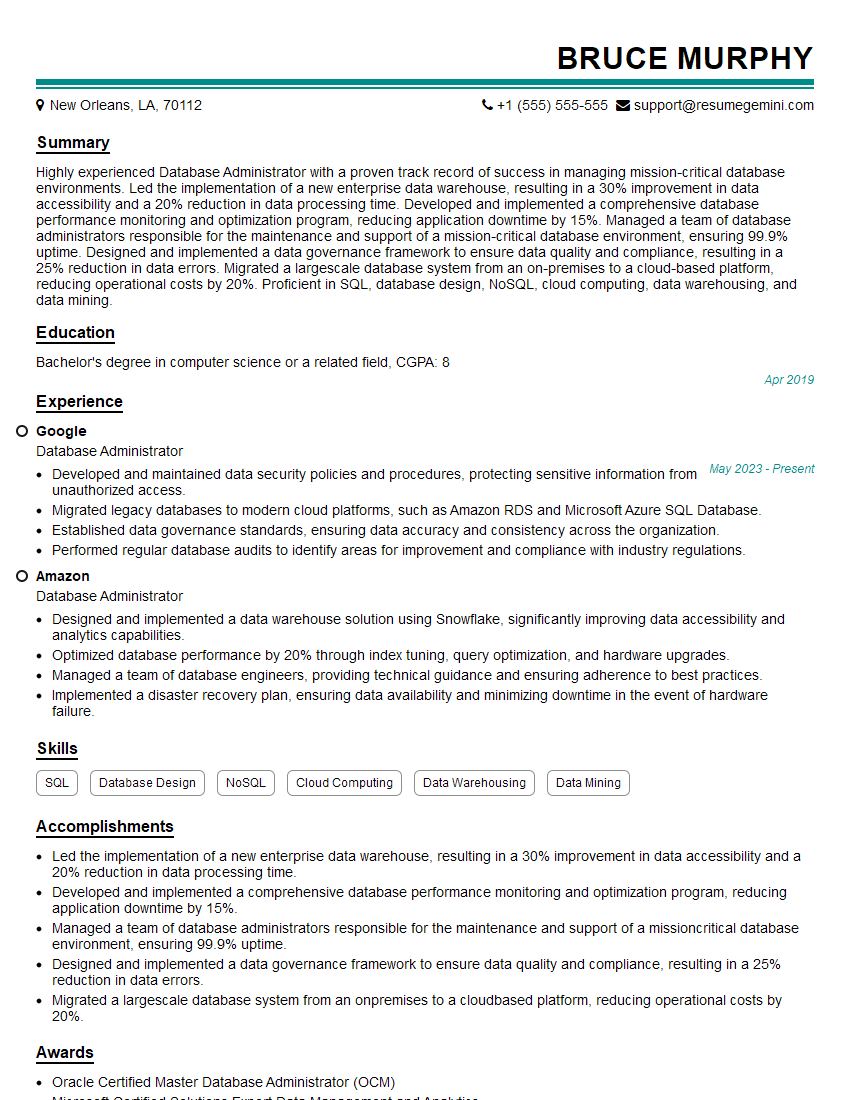
Database Administrator Resume Sample
- Operations Manager
- Project Manager
- Disaster Recovery Specialist
- Paramedic
- Compliance Officer
- Risk Manager
- Security Manager
- Business Continuity Manager
- Software Engineer
- Network Engineer
- System Administrator
- Technical Support Manager
- Help Desk Technician
- Field Service Engineer
- Firefighter
- Police Officer
- Emergency Medical Technician (EMT)
- Safety Officer
- Incident Commander
- Dispatch Supervisor
- Database Administrator
Explore more articles
Users Rating of Our Blogs
Share Your Experience
We value your feedback! Please rate our content and share your thoughts (optional).
What Readers Say About Our Blog
To the interviewgemini.com Webmaster.
Very helpful and content specific questions to help prepare me for my interview!
Thank you
To the interviewgemini.com Webmaster.
This was kind of a unique content I found around the specialized skills. Very helpful questions and good detailed answers.
Very Helpful blog, thank you Interviewgemini team.