Cracking a skill-specific interview, like one for Thoracostomy Tube Placement, requires understanding the nuances of the role. In this blog, we present the questions you’re most likely to encounter, along with insights into how to answer them effectively. Let’s ensure you’re ready to make a strong impression.
Questions Asked in Thoracostomy Tube Placement Interview
Q 1. Describe the indications for thoracostomy tube placement.
Thoracostomy tube placement, also known as chest tube insertion, is a life-saving procedure indicated when there’s air or fluid accumulation in the pleural space, the area between the lungs and the chest wall. This accumulation compromises lung expansion and can lead to serious complications like respiratory distress and circulatory collapse.
- Pneumothorax: A collapsed lung caused by air in the pleural space. This can be spontaneous, traumatic, or tension pneumothorax (a life-threatening condition where air builds up under pressure).
- Hemothorax: Blood accumulation in the pleural space, often resulting from trauma or surgery.
- Chylothorax: Lymphatic fluid accumulation in the pleural space.
- Empyema: Pus accumulation in the pleural space, indicating an infection.
- Pleural effusion: Fluid accumulation in the pleural space, which can be transudative (due to systemic conditions) or exudative (due to inflammation).
- Post-operative drainage: To remove air or fluid after thoracic surgery.
Essentially, any condition where the pleural space needs to be drained to improve lung function and patient well-being necessitates a thoracostomy tube.
Q 2. Explain the different types of thoracostomy tubes and their uses.
Thoracostomy tubes vary in size and design, tailored to the specific clinical situation. The choice depends on the type and amount of fluid or air to be drained, as well as the patient’s individual anatomy.
- Standard Chest Tubes: These are single-lumen tubes used for drainage of air or fluid. They come in various sizes (French sizes), typically ranging from 12 Fr to 40 Fr, depending on the anticipated drainage volume. A larger tube is chosen for larger effusions or significant air leaks.
- Multi-lumen Tubes: These tubes have multiple drainage channels. A common type has one lumen for drainage and another for irrigation. This allows for simultaneous drainage and instillation of medication or solutions into the pleural space. They are useful in managing complex conditions such as empyema.
- Pigtail Catheters: These are small, flexible catheters that are inserted percutaneously. They are particularly useful for small effusions or for long-term drainage in less-invasive procedures.
The selection of the appropriate type and size is crucial for optimal drainage and minimizing complications. For instance, a tube that’s too small might become easily obstructed, while one that’s too large might cause excessive trauma to the lung tissue.
Q 3. Outline the steps involved in the Seldinger technique for thoracostomy tube insertion.
The Seldinger technique is a minimally invasive approach to thoracostomy tube insertion, reducing the risk of complications compared to open surgical methods. It involves a precise and stepwise procedure:
- Skin preparation and local anesthesia: The insertion site is prepared aseptically and local anesthesia is administered.
- Needle insertion: A small-gauge needle is advanced into the pleural space at a specific intercostal space, guided by anatomical landmarks and potentially imaging (ultrasound).
- Guidewire placement: A flexible guidewire is advanced through the needle into the pleural space.
- Needle removal: The needle is carefully withdrawn, leaving the guidewire in place.
- Dilator insertion: A dilator is advanced over the guidewire to create a tract for the chest tube.
- Chest tube insertion: The chest tube is advanced over the guidewire into the pleural space.
- Guidewire removal: The guidewire is removed.
- Chest tube connection: The chest tube is connected to an underwater seal drainage system.
- Suture fixation: The chest tube is sutured to the skin to prevent accidental dislodgement.
- Dressing application: An airtight dressing is applied over the insertion site.
The Seldinger technique minimizes trauma to surrounding tissues, providing a more precise and safer insertion method. Throughout this procedure, careful attention is paid to preventing complications like lung injury or bleeding.
Q 4. What are the anatomical landmarks used during thoracostomy tube placement?
Accurate anatomical landmark identification is critical to successful and safe thoracostomy tube placement. Incorrect placement can lead to serious complications such as injury to the lung, intercostal vessels, or other organs.
- Intercostal spaces: Typically, the 4th or 5th intercostal space in the mid-axillary line is selected for insertion, balancing ease of access and avoiding major vascular structures.
- Ribs: The tube is typically inserted superior to the rib to avoid injury to the neurovascular bundle that runs along the inferior edge of each rib.
- Mid-axillary line: This vertical line drawn from the mid-point of the armpit provides a consistent anatomical reference point.
Using ultrasound guidance can further enhance the precision of landmark identification, especially in challenging cases or when dealing with obese patients. Accurate location reduces the likelihood of injuring vital structures during insertion.
Q 5. Describe the appropriate size and placement of a thoracostomy tube for a pneumothorax.
For pneumothorax, the appropriate size and placement of the thoracostomy tube are crucial for effective lung re-expansion.
- Tube Size: A 28-32 Fr chest tube is generally sufficient for a pneumothorax. The size may be adjusted based on the size of the patient and the severity of the pneumothorax. Larger tubes are sometimes necessary for significant air leaks or tension pneumothorax.
- Placement: The tube is inserted in the upper part of the pleural space, typically in the 5th intercostal space in the mid-axillary line. This superior positioning allows for better drainage of air from the apex of the pleural cavity.
The tube should be placed high enough to allow for complete lung re-expansion but not so high as to risk damaging other structures. Post-insertion chest X-ray is mandatory to confirm proper tube placement and to assess lung expansion.
Q 6. What are the potential complications of thoracostomy tube placement?
While a life-saving procedure, thoracostomy tube placement carries potential complications. It’s vital to understand and proactively mitigate these risks.
- Bleeding: Injury to intercostal vessels or other blood vessels during insertion.
- Pneumothorax (iatrogenic): Accidental creation or worsening of a pneumothorax during the procedure.
- Lung injury: Puncture of lung tissue resulting in additional air leak or damage.
- Infection: Infection at the insertion site or within the pleural space.
- Subcutaneous emphysema: Air leaking into the subcutaneous tissue.
- Cardiac injury: Rare but serious complication, particularly with improper placement.
- Tube blockage: Obstruction of the tube by blood clot or tissue.
- Tube dislodgement: Accidental removal of the tube.
Careful technique, meticulous attention to asepsis, and appropriate patient monitoring are crucial in minimizing these potential risks. Prompt recognition and management of any complications are essential for positive outcomes.
Q 7. How do you manage a dislodged thoracostomy tube?
A dislodged thoracostomy tube is a serious event requiring immediate action to prevent a life-threatening recurrence of the underlying condition (e.g., tension pneumothorax).
- Assess the patient: Immediately evaluate the patient’s respiratory status, looking for signs of respiratory distress (e.g., shortness of breath, cyanosis).
- Cover the insertion site: Apply a sterile occlusive dressing over the insertion site to prevent air entry into the pleural space.
- Prepare for re-insertion: Gather necessary equipment and supplies for immediate re-insertion of the chest tube (or if deemed necessary by the attending physician, perform a surgical repair).
- Notify the surgical team: Alert the surgical team or the attending physician immediately. The patient will likely require immediate medical intervention and likely another chest tube placed.
- Monitor vital signs: Continuously monitor vital signs, including heart rate, blood pressure, respiratory rate, and oxygen saturation.
Rapid response and decisive action are critical in managing a dislodged thoracostomy tube. The goal is to minimize the period of compromised lung expansion and to prevent further respiratory compromise.
Q 8. Explain how you would assess the effectiveness of a thoracostomy tube.
Assessing the effectiveness of a thoracostomy tube involves a multifaceted approach focusing on its ability to drain fluid and air, and the patient’s overall clinical improvement. We look for several key indicators.
- Drainage Output: We meticulously monitor the amount, color, and character of the drainage. A decrease in drainage over time, particularly bloody drainage transitioning to serosanguinous (thin, watery, and slightly bloody) and then serous (clear, yellow), is a positive sign. High volumes of bloody drainage may suggest ongoing bleeding requiring intervention.
- Lung Expansion: We regularly assess lung expansion using auscultation (listening with a stethoscope) and chest radiography (X-ray). Improved breath sounds and re-expansion of the lung on the affected side indicate effective drainage.
- Patient’s Clinical Status: Improvements in respiratory rate, oxygen saturation, and reduced respiratory distress are crucial indicators of successful tube function. We monitor vital signs frequently.
- Air Leak: The presence and amount of air leak should be continuously assessed. While some air leak is expected initially, a persistent and large air leak may indicate a bronchopleural fistula or other complications, necessitating further investigation.
For instance, a patient with a significant hemothorax (blood in the pleural space) might initially show large amounts of bloody drainage which gradually decreases as the bleeding is controlled. Simultaneously, we’d expect improvement in their respiratory status and lung expansion confirmed by chest X-ray.
Q 9. Describe the signs and symptoms of a tension pneumothorax.
A tension pneumothorax is a life-threatening condition where air enters the pleural space but cannot escape, leading to progressive lung collapse and compression of the heart and great vessels. This creates a positive pressure within the pleural cavity, significantly impairing venous return to the heart.
- Signs: The most striking sign is often severe respiratory distress, with tachypnea (rapid breathing), and marked shortness of breath. Tracheal deviation (the trachea shifting away from the affected side) is a classic, but late, sign. Distended neck veins (jugular venous distension) are another critical indicator reflecting the compromised venous return.
- Symptoms: Patients usually report sudden, sharp chest pain, often worsened by inspiration. They may also experience lightheadedness, dizziness, and cyanosis (bluish discoloration of the skin). A weak, rapid pulse indicates the hemodynamic compromise.
Imagine a balloon being inflated inside a rigid container – the lung. As more air fills the balloon (pleural space), it compresses the surrounding structures. That’s essentially what happens in a tension pneumothorax. Immediate intervention is crucial to prevent circulatory collapse and death.
Q 10. What are the nursing considerations post thoracostomy tube placement?
Post-thoracostomy tube placement, nursing care is critical for ensuring patient safety and optimizing healing. Key considerations include:
- Monitoring: Close monitoring of respiratory status (rate, rhythm, depth, and oxygen saturation), vital signs, drainage characteristics (amount, color, and consistency), and the chest tube system itself is paramount. Any changes should be promptly reported to the physician.
- Pain Management: Patients often experience significant pain. We use analgesics as prescribed and employ non-pharmacological strategies like repositioning and splinting the chest during coughing to minimize discomfort.
- Dressing Care: The dressing around the insertion site must be kept clean and dry to prevent infection. We monitor for signs of bleeding, infection (redness, swelling, purulent drainage), or leakage around the insertion site. Dressings are often changed according to institutional protocols, often involving sterile technique.
- Tube Management: We ensure the chest tube is secured to prevent accidental dislodgement, kinks, or displacement, maintaining the integrity of the drainage system. We frequently assess the patency of the tube (checking for obstructions) and the effectiveness of the drainage system.
- Patient Education: Thorough patient education on deep breathing exercises, coughing techniques, and signs and symptoms of complications is vital for promoting recovery and early detection of problems.
For example, if the patient develops a fever, increased respiratory rate, or purulent drainage from the insertion site, we immediately notify the physician, suspecting infection, and institute appropriate measures.
Q 11. How do you manage air leaks around a thoracostomy tube?
Managing air leaks around a thoracostomy tube depends on the underlying cause and severity. A small, intermittent air leak may resolve spontaneously as the lung heals. However, persistent or large air leaks require intervention.
- Assess the leak: First, carefully assess the size and nature of the air leak. Is it continuous or intermittent? Is there bubbling in the water seal chamber?
- Check for kinks or obstructions: Ensure that the chest tube is not kinked, compressed, or obstructed. Straightening the tube may resolve a minor air leak.
- Surgical Intervention: If the air leak persists despite conservative measures, surgical intervention may be necessary. This could involve surgical repair of the lung injury or placement of a more effective sealing mechanism.
For example, if a patient has a persistent air leak after a lung resection, surgical intervention may be necessary to close the bronchopleural fistula.
Q 12. Describe the process of removing a thoracostomy tube.
Removing a thoracostomy tube is a procedure done only when the lung is fully re-expanded, there is no more air leak, and the drainage is minimal or absent. The process involves:
- Assessment: The physician reviews the patient’s clinical condition, including lung expansion confirmed by chest X-ray, and drainage characteristics. The patient’s ability to tolerate the procedure is evaluated.
- Preparation: The patient is instructed to perform deep breaths and cough to help clear any secretions. The insertion site is cleaned with antiseptic solution.
- Tube Removal: The physician removes the sutures securing the chest tube. The patient is instructed to perform the Valsalva maneuver (bearing down as if having a bowel movement) to increase intrapleural pressure and minimize the risk of air re-entry. The tube is gently and quickly withdrawn while the insertion site is covered with an occlusive dressing.
- Post-Removal Care: The insertion site is assessed for bleeding or air leakage. The patient is monitored for any respiratory distress or complications. A chest X-ray is often obtained to ensure complete lung re-expansion.
Imagine deflating a balloon (the lung) gently – the removal process needs to be controlled to avoid any sudden re-expansion that could cause discomfort or complications.
Q 13. What are the different types of chest drainage systems?
Several types of chest drainage systems are used, each designed to facilitate the removal of air and fluid from the pleural space. The most common are:
- Water-seal Drainage System: This is the most basic system. It utilizes a water seal chamber that prevents air from re-entering the pleural space while allowing air and fluid to escape. The fluctuating water level in the water seal chamber indicates the presence of an air leak.
- Suction Control Drainage System: This system incorporates a mechanism for applying controlled suction to enhance drainage. It usually includes a suction control chamber that allows for regulation of the amount of suction applied to the pleural space.
- Dry Suction System: This more modern system utilizes a self-regulating mechanism to maintain a consistent suction level without the need for a water seal. This reduces the risk of accidental disconnections.
The choice of system depends on several factors, including the patient’s condition, the type and severity of the pleural pathology, and the surgeon’s preference.
Q 14. How do you troubleshoot a malfunctioning chest drainage system?
Troubleshooting a malfunctioning chest drainage system requires a systematic approach to identify and address the problem.
- Assess the System: Carefully inspect the entire system for any obvious issues, such as kinks, disconnections, or blockages in the tubing. Check the connections at each point.
- Check the Water Seal (if applicable): Ensure the water seal chamber is filled to the appropriate level and that there are no air bubbles continuously bubbling (this indicates an air leak). Intermittent bubbling is usually acceptable if it corresponds to patient’s respirations.
For example, if the water seal chamber continuously bubbles despite the patient being stable, you need to ascertain the source of the air leak – is it from the patient (requiring further attention), a leak in the drainage system (requiring system replacement), or even a leak in the seal itself (requiring immediate correction)?
Q 15. Describe the proper technique for clamping and unclamping a chest tube.
Clamping and unclamping a chest tube requires meticulous attention to detail to prevent complications. Before clamping, always assess the patient’s respiratory status and oxygen saturation. Clamping should only be done briefly, typically for a dressing change or tube replacement, and never for extended periods without medical supervision. To clamp, use a Kelly clamp or a specifically designed chest tube clamp, applying gentle, even pressure to the tube near the connection point to the drainage system. Avoid excessive force that could damage the tube. After the procedure, promptly unclamp the chest tube to restore drainage. Unclamping involves simply releasing the clamp. Regularly monitor the patient’s respiratory status and drainage output after both clamping and unclamping.
Example: Imagine you’re changing a dressing on a chest tube. You would carefully clamp the tube, change the dressing, and then immediately unclamp the tube. Failure to unclamp could lead to air trapping in the pleural space, causing a tension pneumothorax which is a life-threatening emergency.
Career Expert Tips:
- Ace those interviews! Prepare effectively by reviewing the Top 50 Most Common Interview Questions on ResumeGemini.
- Navigate your job search with confidence! Explore a wide range of Career Tips on ResumeGemini. Learn about common challenges and recommendations to overcome them.
- Craft the perfect resume! Master the Art of Resume Writing with ResumeGemini’s guide. Showcase your unique qualifications and achievements effectively.
- Don’t miss out on holiday savings! Build your dream resume with ResumeGemini’s ATS optimized templates.
Q 16. Explain the importance of sterile technique during thoracostomy tube placement.
Sterile technique during thoracostomy tube placement is paramount to preventing infection, a major complication that can lead to prolonged hospital stays, additional procedures, and even death. The pleural space is normally sterile, and introducing bacteria can have severe consequences. Maintaining sterility involves meticulous hand hygiene, using sterile gloves, gowns, drapes, and instruments, and adhering to aseptic principles throughout the procedure. The insertion site must be carefully prepared using antiseptic solutions, and the surrounding area draped to maintain a sterile field. All equipment touching the pleural cavity must be sterile. Imagine a surgeon performing open-heart surgery – this level of asepsis is required for chest tube insertion.
Q 17. What are the indications for surgical intervention after thoracostomy tube placement?
Surgical intervention after thoracostomy tube placement might be necessary for several reasons. Persistent air leaks that don’t resolve with conservative management may necessitate a video-assisted thoracoscopic surgery (VATS) to identify and address the source of the leak (such as a bronchopleural fistula). Similarly, significant bleeding that cannot be controlled by chest tube drainage might require surgical exploration to identify and repair the bleeding vessel. Also, if the chest tube is malpositioned, or if there’s an ongoing collection of blood or pus despite drainage, surgery is often needed to resolve these issues.
Example: A patient with a large hemothorax (blood in the pleural space) despite having a chest tube placed and significant ongoing bleeding may require surgical intervention to control bleeding and remove blood clots.
Q 18. How do you monitor for bleeding complications following thoracostomy tube placement?
Monitoring for bleeding after thoracostomy tube placement is critical. Continuous observation of the drainage output is crucial. An increase in drainage volume or a sudden change in the color of the drainage from serosanguinous (pale, pinkish) to frank blood (bright red) suggests ongoing bleeding and warrants immediate attention. We assess the drainage color, volume, and character frequently and document changes. Regular assessment of the patient’s vital signs, specifically blood pressure, heart rate, and oxygen saturation, is essential to detect early signs of hypovolemic shock (low blood volume).
Example: A patient’s chest tube initially drains 200ml of serosanguinous fluid per hour, but then suddenly starts draining 500ml of bright red blood per hour. This is an alarming sign of active bleeding requiring urgent evaluation.
Q 19. Describe the use of underwater seal drainage.
Underwater seal drainage is a system used to manage pleural fluid and air effectively. It helps prevent air from re-entering the pleural space while allowing air and fluid to drain. The chest tube is connected to a drainage system containing a bottle of water. As air from the pleural cavity is expelled through the chest tube, it bubbles through the water, creating a seal that prevents air from flowing back into the chest. Fluid also drains into the drainage chamber. This system’s design creates a one-way valve, ensuring that only fluid and air exit the pleural cavity. Think of it like a one-way valve in plumbing – preventing backflow.
Q 20. What are the early and late complications associated with thoracostomy tubes?
Thoracostomy tubes, while life-saving, can lead to several complications. Early complications include bleeding, infection at the insertion site (cellulitis), pneumothorax (collapsed lung) or subcutaneous emphysema (air trapped under the skin), and accidental dislodgement of the tube. Late complications can include prolonged air leaks, empyema (pus in the pleural space), infection of the pleural space (empyema), and chronic pain. These can be prevented with careful insertion techniques, adherence to sterile procedures, and diligent post-insertion monitoring.
Q 21. How do you address patient anxiety and pain related to thoracostomy tube placement?
Addressing patient anxiety and pain is vital for optimal recovery. Patients often experience significant anxiety related to the chest tube itself, the underlying condition requiring the tube, and the recovery process. Open communication and education are crucial. Explain the purpose of the tube in a clear, simple manner, and answer all questions patiently. Pain management involves using analgesics as prescribed by the physician. The pain management plan should incorporate both pharmacological and non-pharmacological methods. Deep breathing exercises, positioning strategies, and psychological support can significantly improve patient comfort. Psychological support can include connecting patients with support groups and/or mental health professionals.
Q 22. What are the key differences between a small-bore and large-bore chest tube?
The main difference between small-bore and large-bore chest tubes lies in their diameter and intended use. Large-bore tubes (typically 28-40 French) are used for the immediate evacuation of large volumes of air or fluid, such as in a massive hemothorax or pneumothorax. Think of them as the ‘firehose’ approach – rapid drainage is paramount. Small-bore tubes (typically 10-20 French) are used for smaller collections or for ongoing drainage once the immediate threat has been addressed. They are less traumatic to the lung tissue and often preferred for less urgent situations or after initial stabilization with a large-bore tube. Small-bore tubes can also minimize the risk of air leaks.
In simpler terms: Large-bore is for emergencies needing rapid drainage; small-bore is for ongoing management once the immediate crisis is over.
Q 23. How do you determine the appropriate size and location for the insertion site?
Determining the appropriate size and location for chest tube insertion involves several considerations. Tube size is selected based on the nature and volume of the fluid or air to be drained (as explained in the previous question). The insertion site is chosen to optimize drainage and minimize complications. For pneumothorax, the tube is usually placed in the 5th intercostal space in the mid-axillary line, allowing for drainage of air from the apex of the lung. For hemothorax, the tube might be placed slightly lower, in the 6th or 7th intercostal space, to facilitate drainage of blood. Anatomical landmarks, patient body habitus and the underlying pathology should always be considered. Using ultrasound guidance to confirm placement prior to incision has become the standard of care to minimize complications and optimize drainage.
It’s critical to avoid crucial structures like major blood vessels during placement. Precise anatomical knowledge and careful technique are essential.
Q 24. Describe how you would assess for subcutaneous emphysema.
Subcutaneous emphysema is the presence of air in the subcutaneous tissue, often a complication of chest tube placement or lung injury. Assessment involves palpation of the chest wall. If subcutaneous emphysema is present, you will feel a characteristic crackling sensation under the skin, often described as ‘crepitus’. This crepitus can often be felt along the chest wall near the insertion site and may spread depending on the severity of the air leak. It’s crucial to note that the presence of crepitus does not always indicate a significant problem but may warrant further investigation and intervention.
Think of it like popping bubble wrap – a similar crackling feeling under your fingers indicates air in the subcutaneous tissue. The extent of the crepitus indicates the extent of the air leak which needs to be appropriately managed.
Q 25. What are your preferred methods for pain management in patients with thoracostomy tubes?
Pain management in patients with thoracostomy tubes is crucial for patient comfort and recovery. A multimodal approach is preferred. This might include the following:
- Analgesics: Opioids (e.g., morphine, fentanyl) are often needed initially for severe pain, but are transitioned to less potent analgesics as the pain subsides. Non-opioid analgesics like acetaminophen and NSAIDs (when appropriate) are also used.
- Regional anesthesia: Intercostal nerve blocks or paravertebral blocks can provide excellent analgesia and reduce the need for systemic opioids, minimizing side effects.
- Non-pharmacological methods: Positioning strategies, splinting, and relaxation techniques can help manage pain.
The choice of pain management strategy should always be tailored to the individual patient, considering their comorbidities, pain tolerance, and response to treatment.
Q 26. How do you document the insertion and management of a thoracostomy tube?
Thorough documentation of thoracostomy tube insertion and management is critical. The documentation should include:
- Pre-procedure assessment: Patient history, physical exam findings, reason for tube insertion.
- Procedure details: Date, time, location of insertion, size and type of tube, local anesthesia used, technique employed (e.g., Seldinger technique), amount of drainage immediately post-procedure.
- Post-procedure assessment: Vital signs, breath sounds, assessment for complications (e.g., subcutaneous emphysema, bleeding).
- Ongoing management: Daily drainage measurements, dressing changes, any interventions (e.g., tube repositioning, suction adjustment), and patient response to treatment.
- Removal details: Date and time of removal, condition of the lung at removal, post-removal chest X-ray.
Clear, concise, and complete documentation is crucial for ensuring continuity of care and for legal purposes. It must be easily accessible for every member of the care team.
Q 27. Explain your understanding of the role of imaging (e.g., chest X-ray) in thoracostomy tube placement and management.
Imaging, specifically chest X-rays, plays a vital role in both the placement and management of thoracostomy tubes. A chest X-ray immediately after insertion confirms the tube’s position and assesses for complications such as pneumothorax or hemothorax. The X-ray helps verify that the tube is properly placed within the pleural space and not in the lung parenchyma or other structures. During management, serial chest X-rays can monitor the effectiveness of drainage, detect any complications, and guide decisions about tube removal. In cases of persistent air leaks or inadequate drainage, the imaging provides essential information to aid in troubleshooting and guide interventions.
Essentially, the chest X-ray acts as the ‘GPS’ for ensuring optimal placement and effective management of the chest tube.
Q 28. Describe a situation where you had to troubleshoot a complication during thoracostomy tube management.
During my career, I encountered a case where a patient developed a significant air leak despite appropriate thoracostomy tube placement. Initial chest X-rays showed a large pneumothorax and the tube was properly placed in the pleural space. However, the air leak persisted, and the patient remained unstable. After careful assessment and reassessment of the drainage system, we discovered a small hole in the chest tube itself. Replacing the tube with a new one immediately resolved the air leak and the patient’s condition improved significantly. This highlighted the importance of meticulous attention to detail in equipment management and highlights that even seemingly ‘perfect’ procedures can have unexpected complications, which necessitate swift identification and response.
This experience emphasizes the need for continuous monitoring and a systematic approach to troubleshooting to resolve unexpected issues. Always question the obvious and consider all possibilities.
Key Topics to Learn for Thoracostomy Tube Placement Interview
- Indications and Contraindications: Mastering the criteria for appropriate tube placement and recognizing situations where it’s unsuitable is crucial. Consider various clinical scenarios and their implications.
- Procedure Technique: Thoroughly understand the step-by-step process, including patient positioning, landmark identification, insertion technique, and securing the tube. Practice visualizing the procedure.
- Anatomy and Physiology: A solid grasp of thoracic anatomy, including pleural spaces, lung lobes, and vascular structures, is essential for safe and effective placement.
- Complications and Management: Be prepared to discuss potential complications (e.g., pneumothorax, bleeding, infection) and the strategies for their prevention and management. This demonstrates problem-solving skills.
- Post-Placement Care: Understand the ongoing management of the chest tube, including monitoring for complications, drainage assessment, and appropriate patient education.
- Equipment and Supplies: Familiarize yourself with the various types of thoracostomy tubes and associated equipment. Understand their selection criteria and proper use.
- Radiographic Interpretation: Be able to interpret chest x-rays to confirm proper tube placement and identify any potential complications.
- Emergency Scenarios: Prepare for questions regarding managing unexpected complications during or after the procedure, demonstrating your ability to handle pressure.
Next Steps
Mastering Thoracostomy Tube Placement significantly enhances your value as a healthcare professional, opening doors to advanced roles and specialized units. To maximize your job prospects, invest in crafting an ATS-friendly resume that highlights your skills and experience effectively. ResumeGemini is a trusted resource that can help you build a professional and impactful resume. Examples of resumes tailored to Thoracostomy Tube Placement professionals are available within ResumeGemini to guide you.
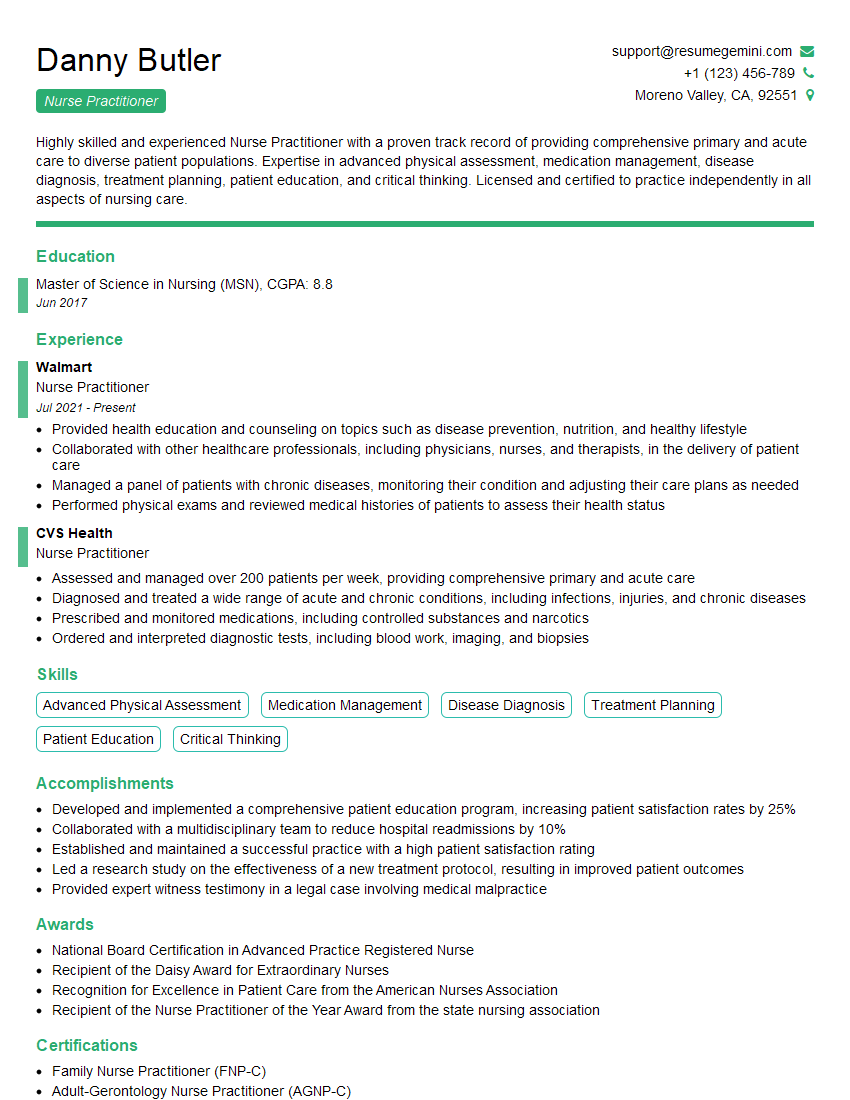
Nurse Practitioner Resume Sample
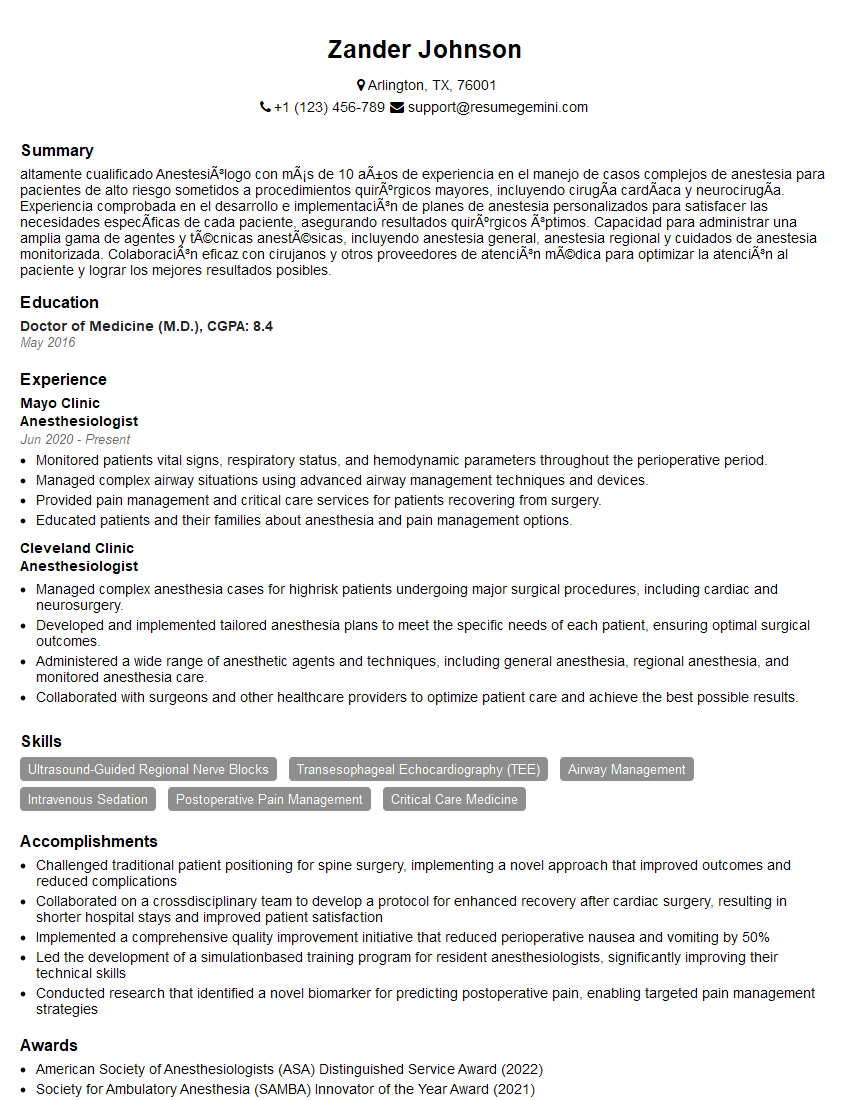
Anesthesiologist Resume Sample

Physician Assistant Resume Sample
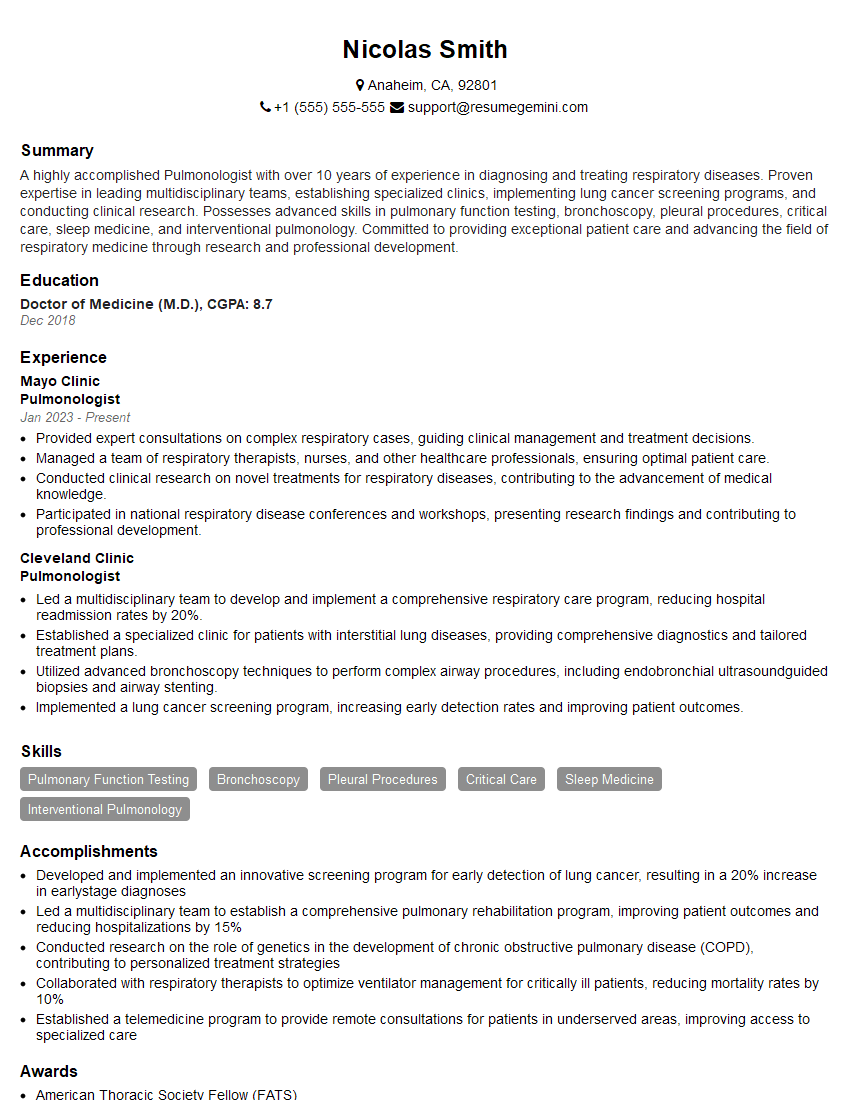
Pulmonologist Resume Sample
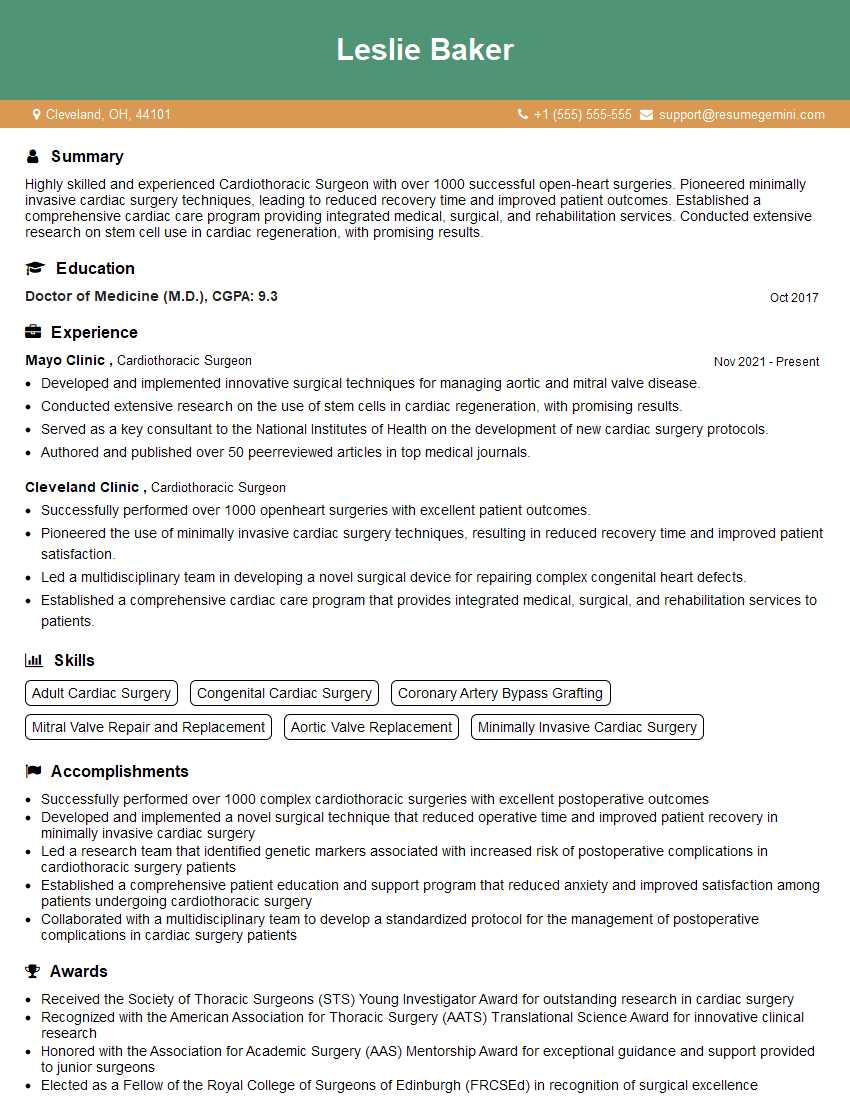
Cardiothoracic Surgeon Resume Sample
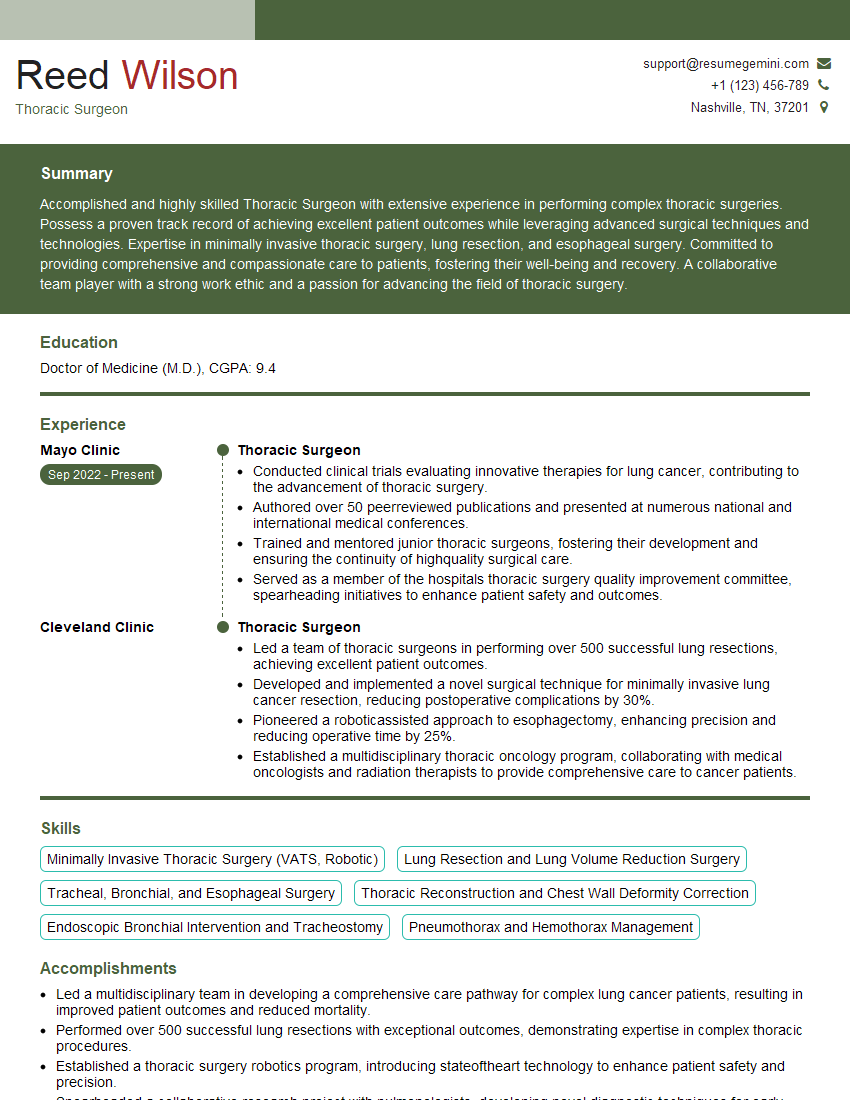
Thoracic Surgeon Resume Sample
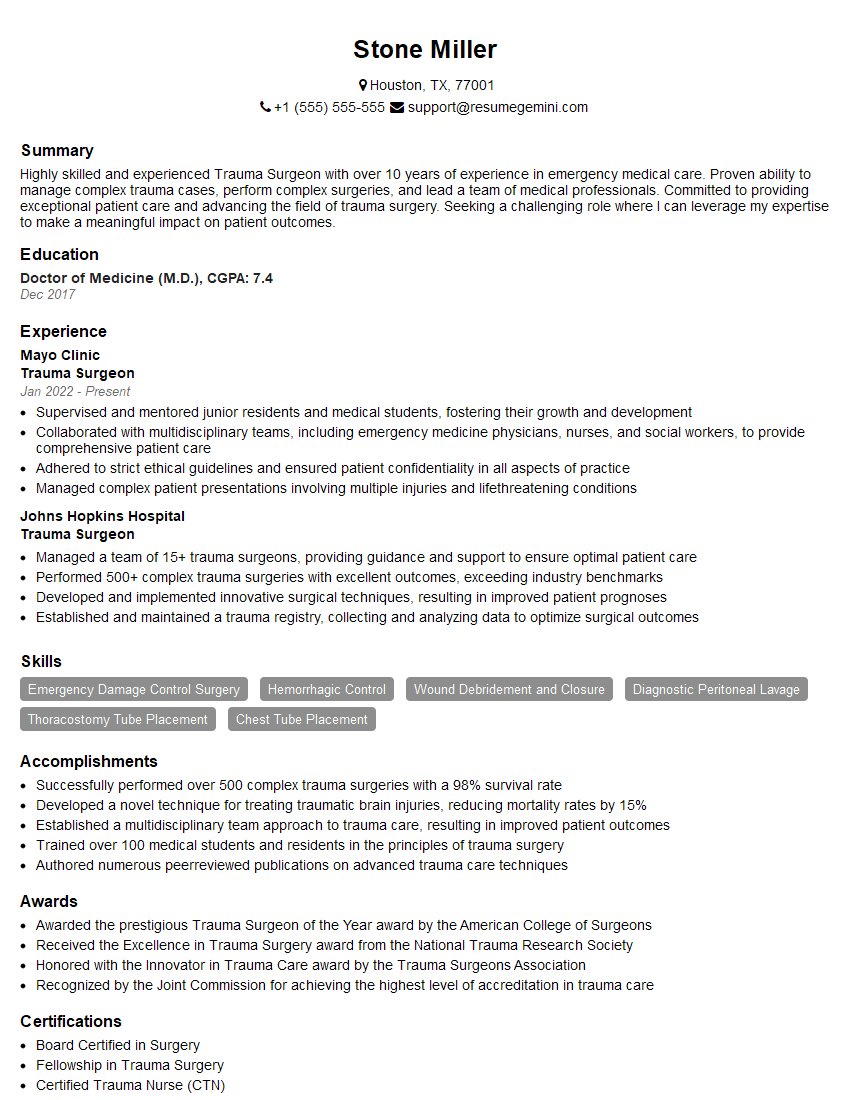
Trauma Surgeon Resume Sample
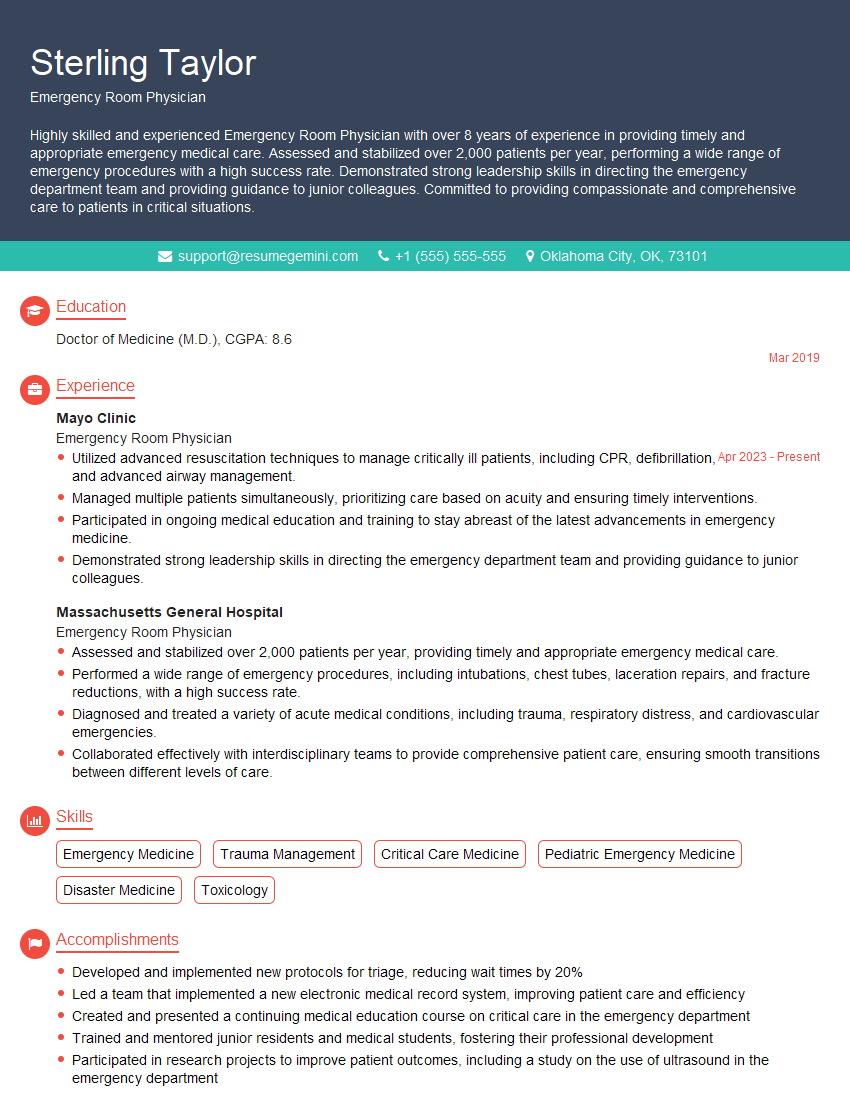
Emergency Room Physician Resume Sample
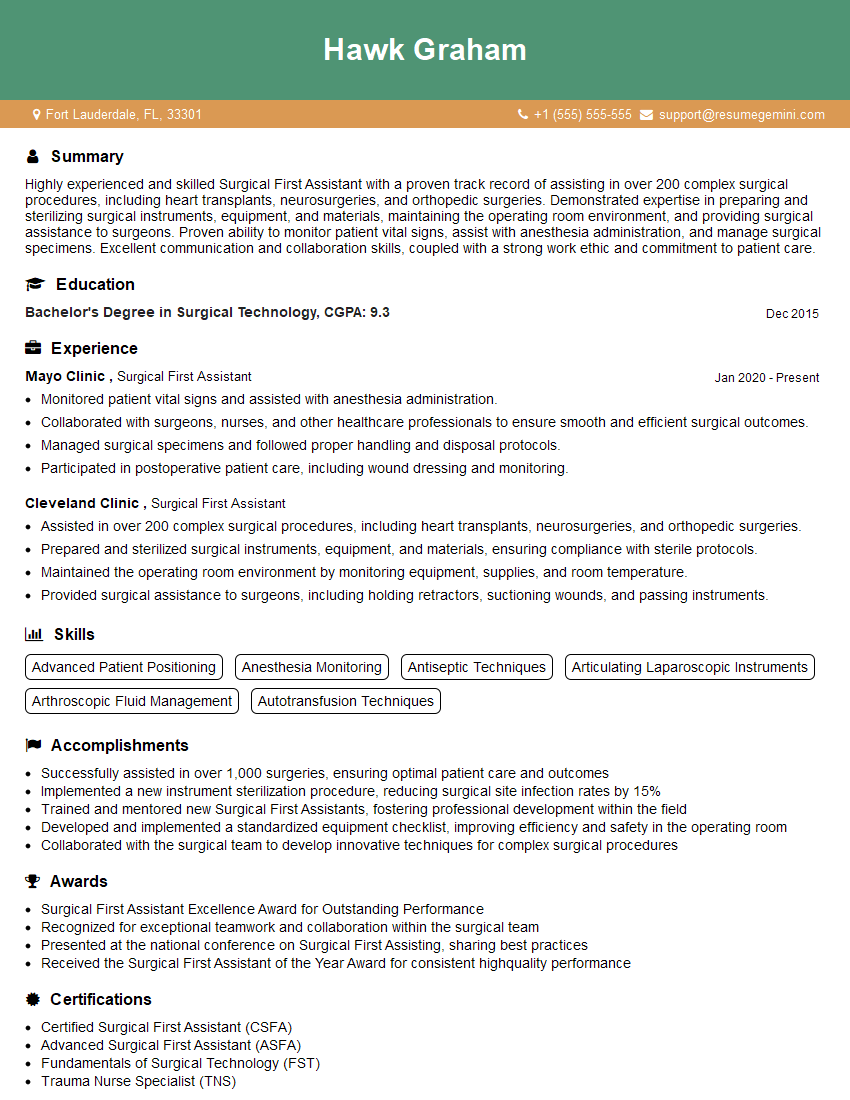
Surgical First Assistant Resume Sample
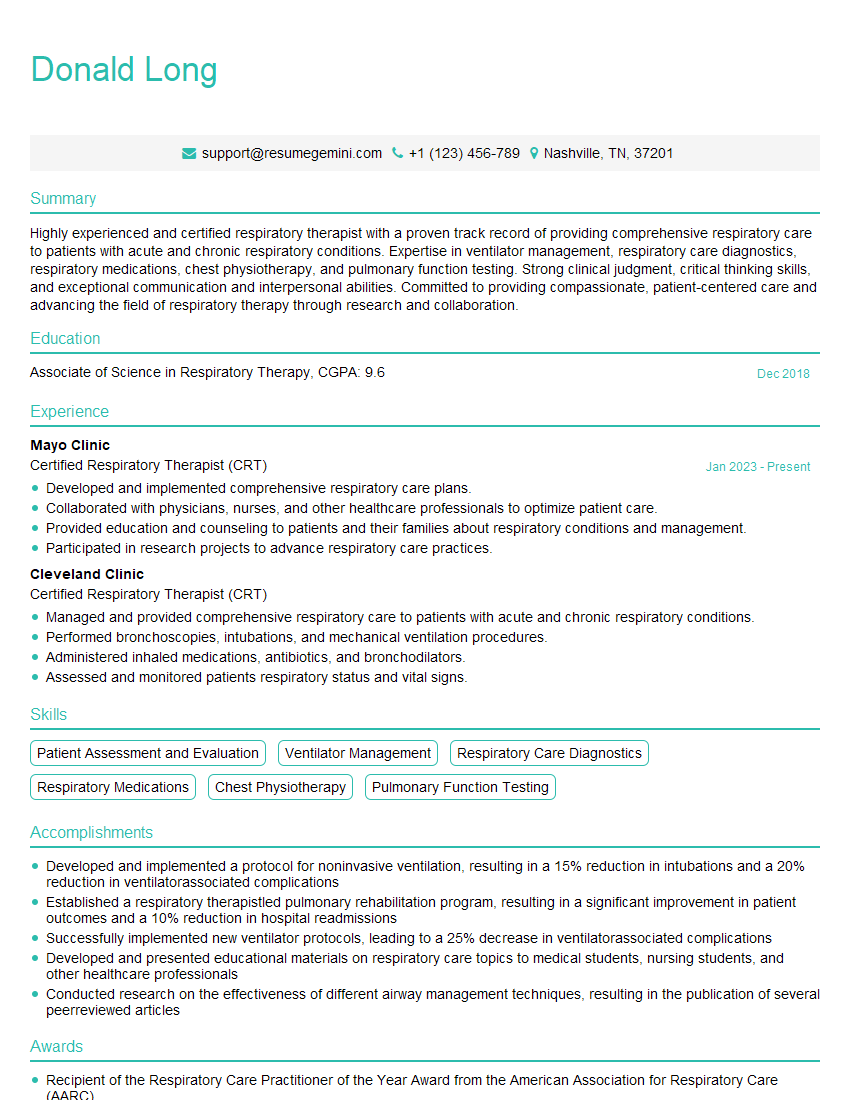
Certified Respiratory Therapist (CRT) Resume Sample
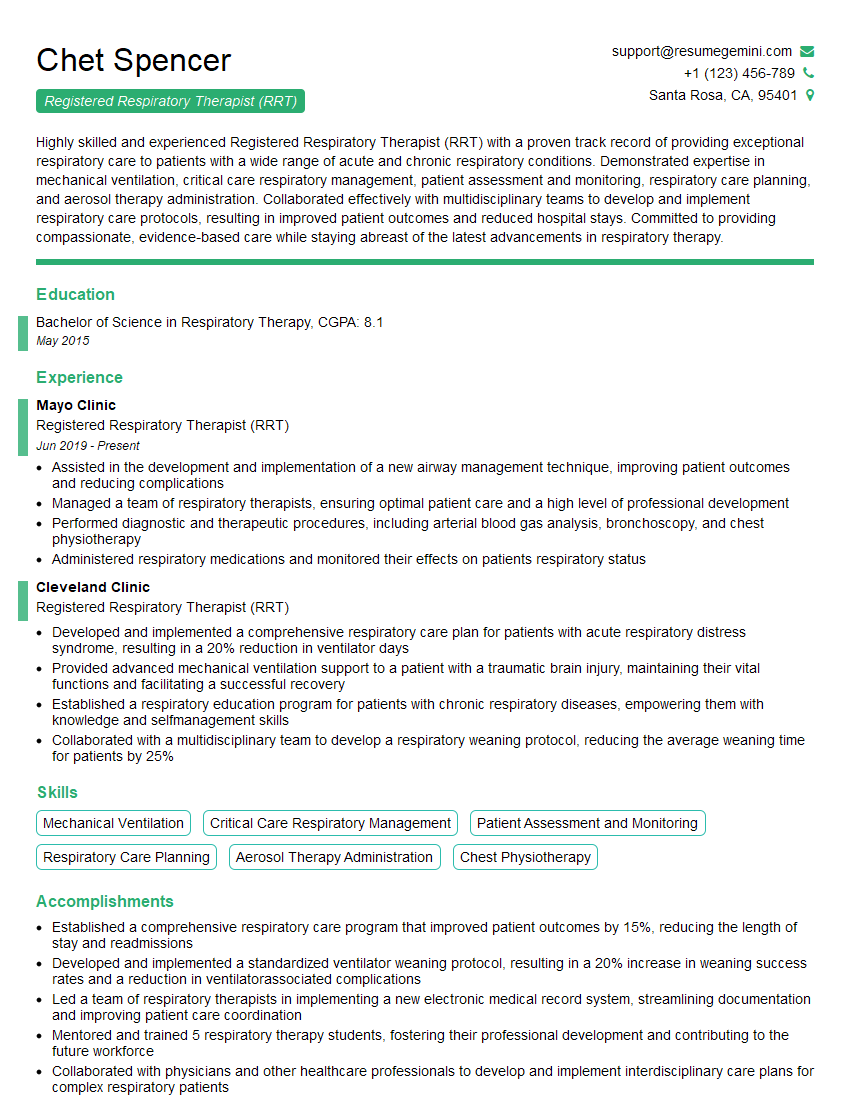
Registered Respiratory Therapist (RRT) Resume Sample
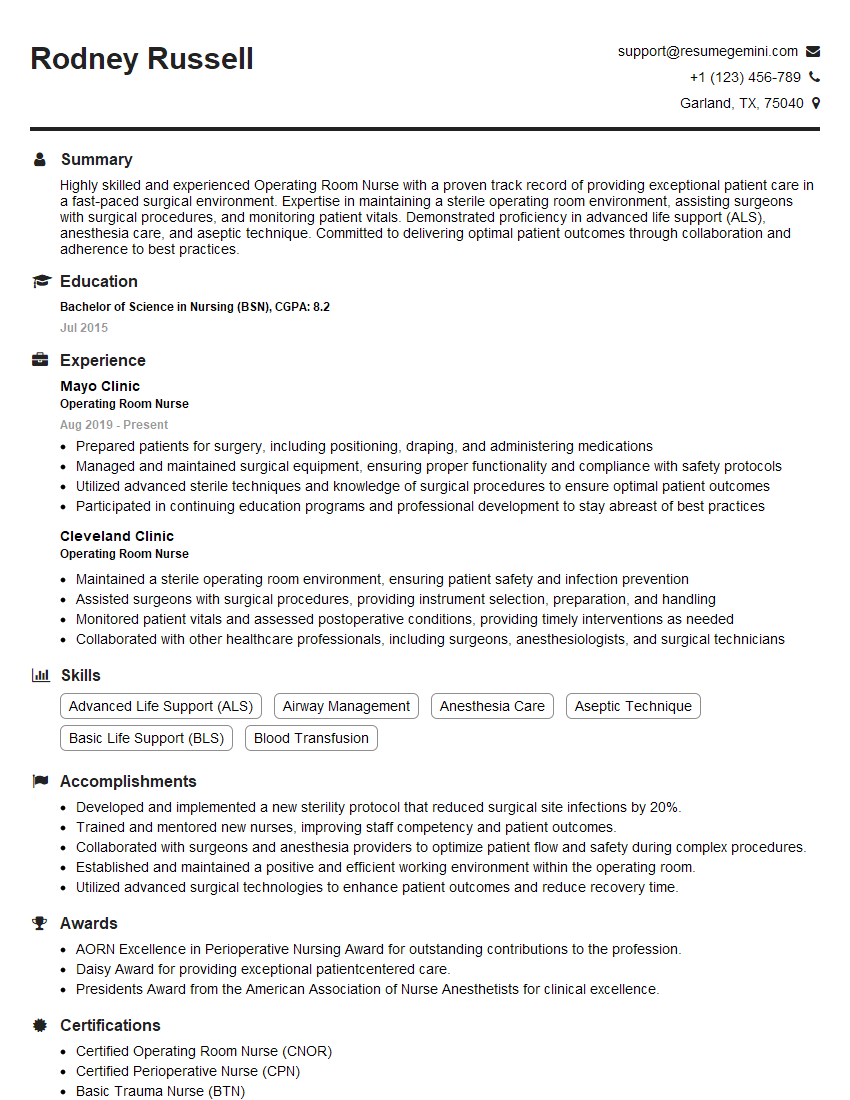
Operating Room Nurse Resume Sample
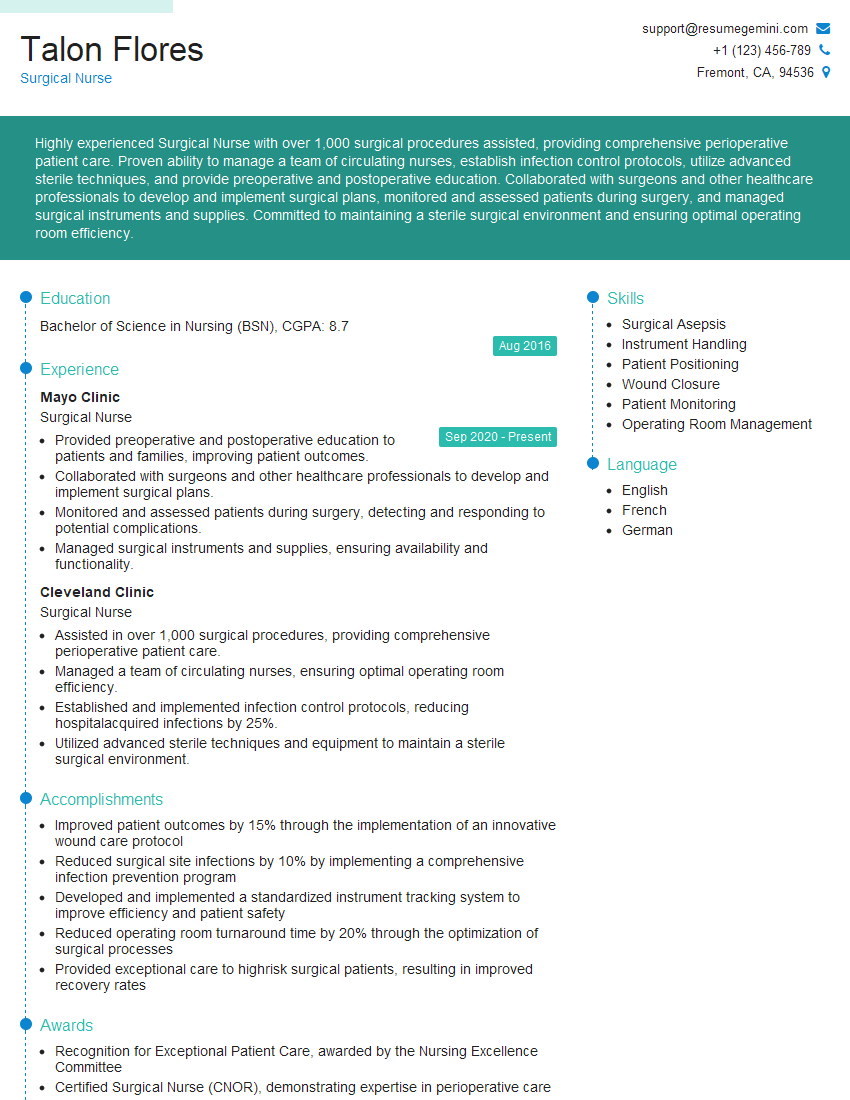
Surgical Nurse Resume Sample
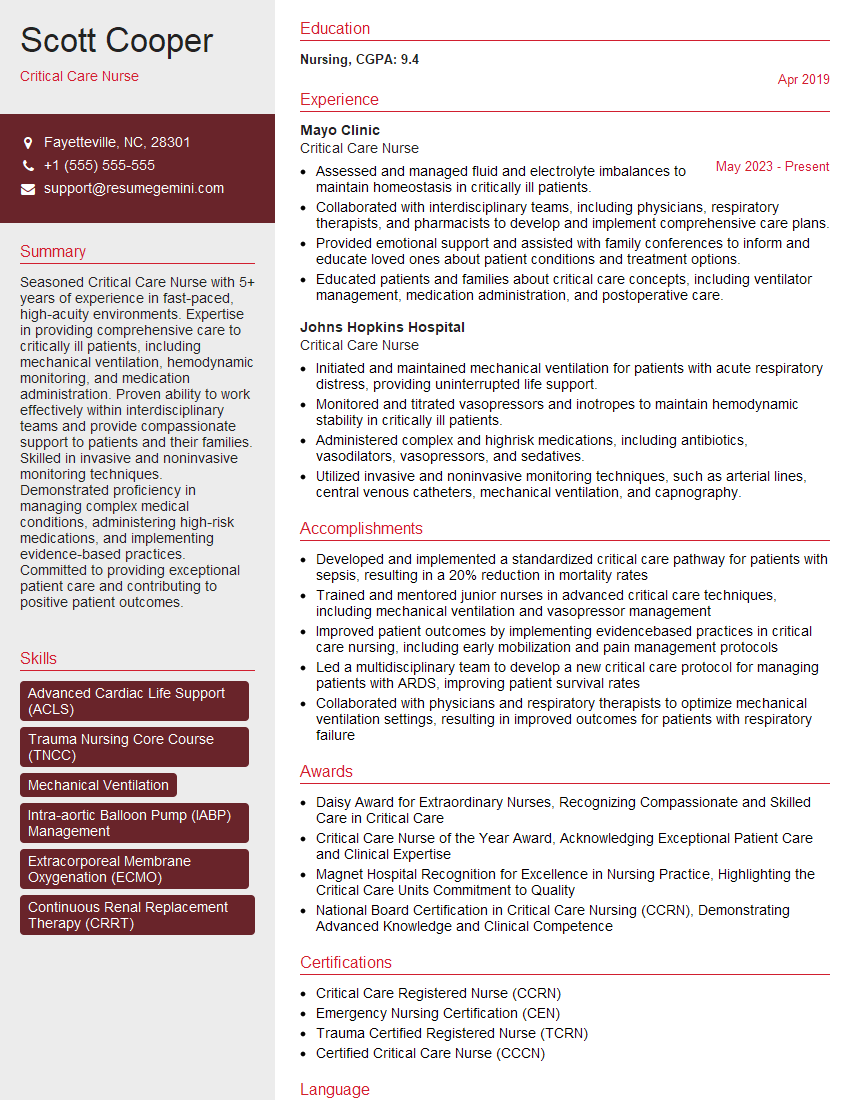
Critical Care Nurse Resume Sample
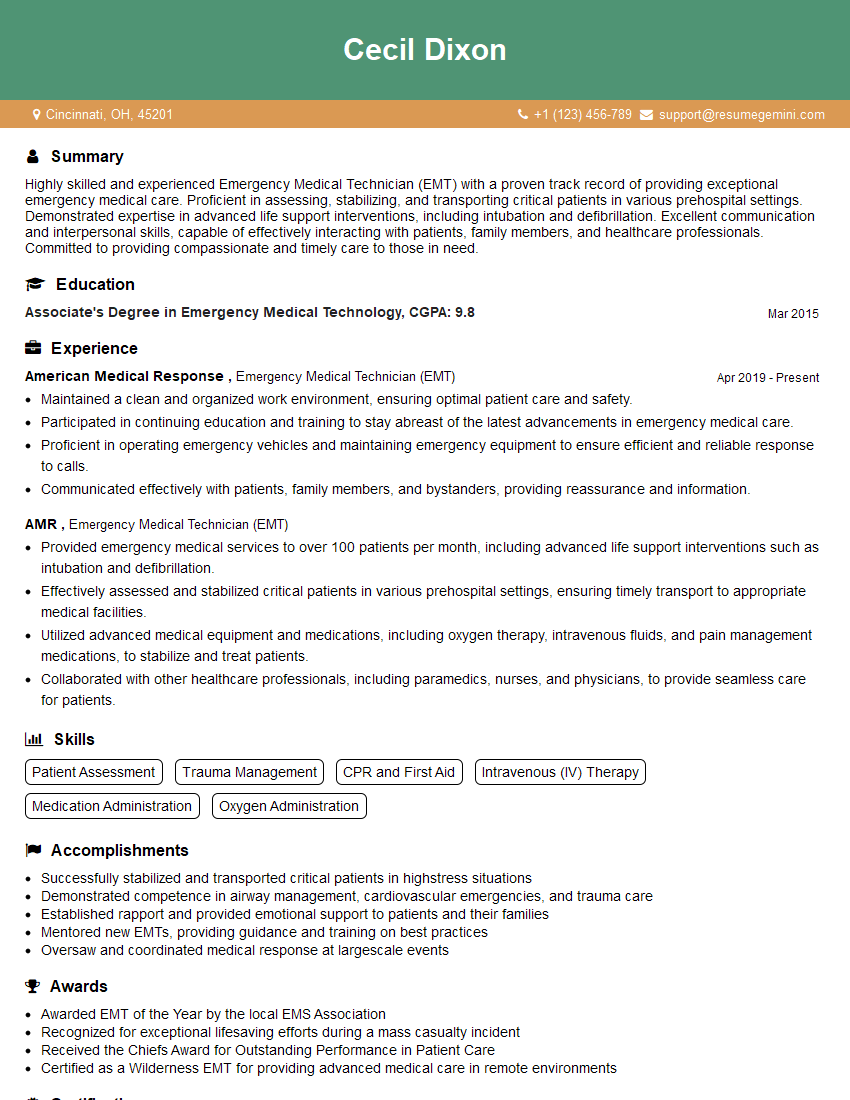
Emergency Medical Technician (EMT) Resume Sample
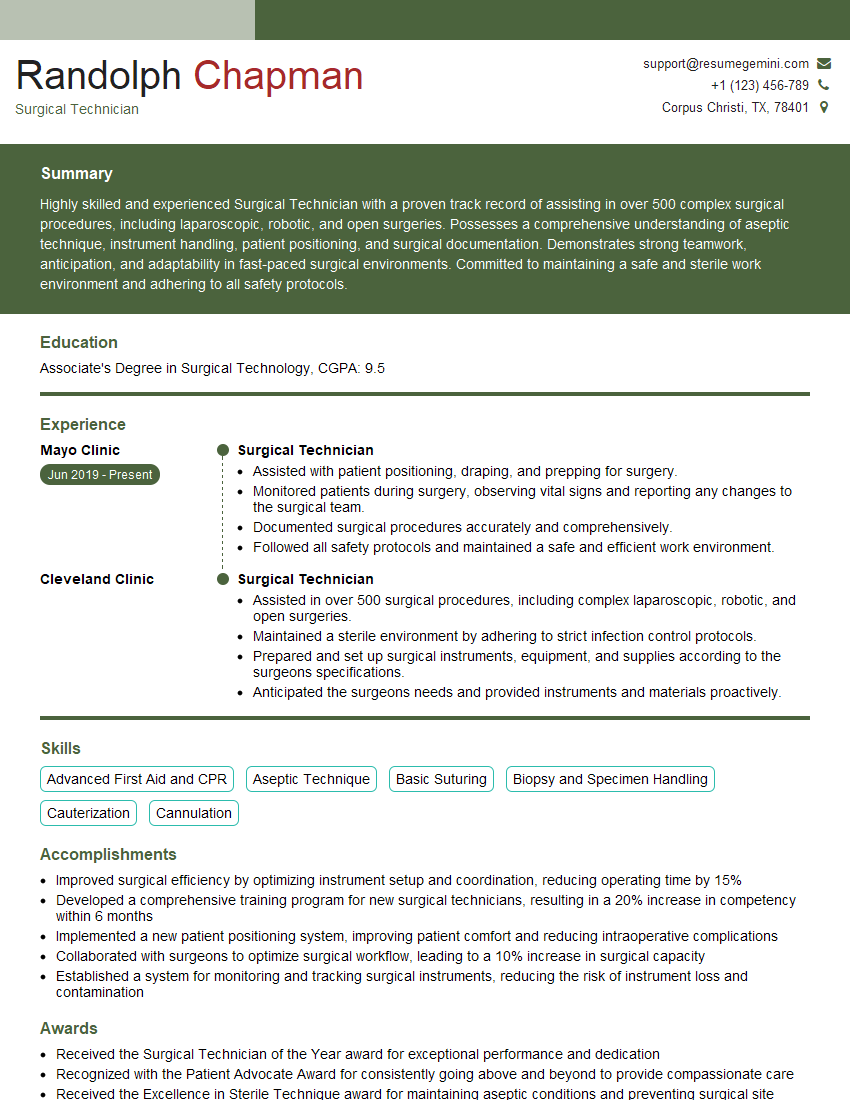
Surgical Technician Resume Sample
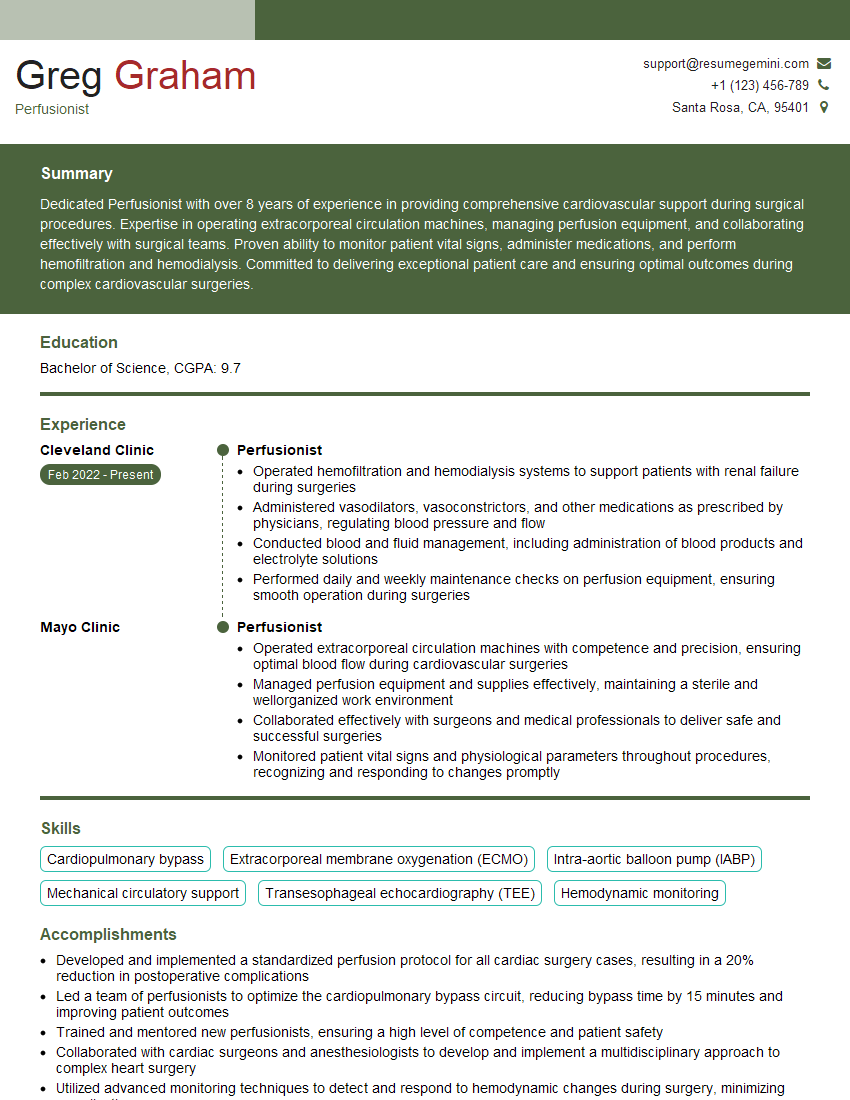
Perfusionist Resume Sample
- Nurse Practitioner
- Anesthesiologist
- Physician Assistant
- Pulmonologist
- Cardiothoracic Surgeon
- Thoracic Surgeon
- Trauma Surgeon
- Emergency Room Physician
- Surgical First Assistant
- Certified Respiratory Therapist (CRT)
- Registered Respiratory Therapist (RRT)
- Operating Room Nurse
- Surgical Nurse
- Critical Care Nurse
- Emergency Medical Technician (EMT)
- Surgical Technician
- Perfusionist
Explore more articles
Users Rating of Our Blogs
Share Your Experience
We value your feedback! Please rate our content and share your thoughts (optional).
What Readers Say About Our Blog
To the interviewgemini.com Webmaster.
Very helpful and content specific questions to help prepare me for my interview!
Thank you
To the interviewgemini.com Webmaster.
This was kind of a unique content I found around the specialized skills. Very helpful questions and good detailed answers.
Very Helpful blog, thank you Interviewgemini team.