The thought of an interview can be nerve-wracking, but the right preparation can make all the difference. Explore this comprehensive guide to Transit Systems Management interview questions and gain the confidence you need to showcase your abilities and secure the role.
Questions Asked in Transit Systems Management Interview
Q 1. Describe your experience with transit scheduling software and optimization techniques.
My experience with transit scheduling software encompasses a wide range of tools, from traditional route optimization programs to advanced, AI-powered solutions. I’m proficient in using software like HASTUS, Optibus, and TransModeler, leveraging their capabilities for tasks such as crew scheduling, vehicle routing, and service frequency optimization. These tools allow for the creation of efficient schedules that minimize costs while maximizing service coverage and rider satisfaction. Optimization techniques I regularly employ include genetic algorithms, linear programming, and simulation modeling. For example, in a recent project, we used genetic algorithms within Optibus to optimize bus routes in a rapidly growing suburban area, resulting in a 15% reduction in operational costs while maintaining on-time performance.
In addition to utilizing pre-built software, I also have experience developing custom scripts and algorithms using programming languages like Python to address specific scheduling challenges. This allows for greater flexibility and customization tailored to unique transit system needs. For instance, I developed a Python script to integrate real-time passenger data with our scheduling system, enabling dynamic adjustments to service frequencies based on actual demand.
Q 2. How would you address a significant delay in a major transit line?
Addressing a significant delay on a major transit line requires a swift and coordinated response. My approach is based on a three-pronged strategy: immediate response, communication, and investigation.
Immediate Response: First, I would activate our incident management protocol. This involves diverting resources (buses, personnel) to mitigate the delay’s impact on passengers. This could involve rerouting buses, deploying extra vehicles, or providing alternative transportation options. For example, if a track malfunction causes a significant delay on a subway line, we could reroute buses along parallel routes to provide a temporary solution.
Communication: Real-time updates are crucial. We’d use multiple channels – mobile apps, social media, website announcements, and in-station announcements – to keep passengers informed about the delay, its cause, and the expected duration, as well as the available alternatives. Transparency and clear, concise communication are paramount to maintain rider confidence.
Investigation: Once the immediate situation is managed, a thorough investigation is needed to pinpoint the root cause of the delay. This might involve reviewing operational data, examining maintenance records, and interviewing personnel. This allows us to learn from the incident and prevent similar issues in the future. A detailed report, including recommendations for preventive measures, will be compiled and shared with relevant stakeholders.
Q 3. Explain your understanding of different transit modes and their operational challenges.
Transit systems encompass various modes, each presenting unique operational challenges. I have experience with bus, rail (light rail, subway, commuter rail), and paratransit services.
Buses: Operational challenges include traffic congestion, driver shortages, and fluctuating demand. Effective solutions involve optimized routing, real-time traffic data integration, and robust driver training and recruitment programs.
Rail: Rail systems face challenges related to infrastructure maintenance, signal system failures, and high capital costs. Preventative maintenance schedules, advanced signaling technologies, and efficient resource allocation are critical.
Paratransit: Paratransit, serving individuals with disabilities, presents challenges regarding demand management, efficient routing (often door-to-door), and driver training for sensitive passenger needs. Advanced dispatching systems and specialized driver training are essential.
Understanding the nuances of each mode is vital for effective system management. For instance, while traffic congestion impacts bus schedules, rail systems are more susceptible to issues caused by equipment malfunctions or track maintenance.
Q 4. What metrics do you use to evaluate the efficiency of a transit system?
Evaluating transit system efficiency involves a range of key performance indicators (KPIs). These are grouped into categories focusing on service quality, operational efficiency, and financial performance.
Service Quality: On-time performance, passenger satisfaction (measured through surveys and feedback), passenger wait times, and service reliability are crucial indicators. For example, an on-time performance of over 90% indicates a well-managed system.
Operational Efficiency: Metrics such as vehicle occupancy rates, cost per passenger mile, and vehicle utilization rates reflect the system’s operational efficiency. High occupancy rates and low costs per passenger mile demonstrate a well-optimized system.
Financial Performance: Operating costs per passenger, revenue generation, and farebox recovery ratio (ratio of revenue to operating costs) provide insights into the financial health of the transit system.
Analyzing these metrics together provides a holistic view of the transit system’s efficiency. For instance, a high passenger satisfaction score despite lower-than-ideal on-time performance suggests that other aspects of the service, like cleanliness or helpful staff, are mitigating negative impacts.
Q 5. How would you improve customer satisfaction in a public transportation system?
Improving customer satisfaction in public transportation requires a multi-faceted approach focusing on service reliability, accessibility, and rider experience.
Enhance Service Reliability: Improving on-time performance, reducing overcrowding, and ensuring reliable service frequencies are fundamental. This involves optimizing schedules, investing in better infrastructure, and implementing real-time information systems.
Increase Accessibility: Improving accessibility for riders with disabilities through features like ramps, elevators, and audio announcements is crucial. Clear and user-friendly wayfinding and signage are also essential.
Enhance Rider Experience: Investing in clean, well-maintained vehicles, providing comfortable waiting areas, implementing efficient ticketing systems, and offering excellent customer service are key. Engaging with riders via social media and feedback surveys allows for continuous improvement.
For example, in a previous role, we implemented a new mobile app with real-time tracking, providing riders with accurate arrival information and reducing anxiety associated with unpredictable wait times. This resulted in a significant increase in passenger satisfaction scores.
Q 6. Describe your experience with developing and implementing transit safety protocols.
Developing and implementing transit safety protocols is a critical aspect of my work. My experience includes designing and overseeing the implementation of comprehensive safety plans addressing various aspects, from emergency response protocols to daily operational procedures.
Emergency Response: We established detailed emergency response plans incorporating procedures for handling various incidents such as accidents, natural disasters, and security threats. This involves regular drills and training for personnel, ensuring a coordinated and efficient response.
Operational Safety: We implemented safety measures aimed at minimizing accidents and incidents during daily operations, including thorough vehicle inspections, driver training on safe driving practices, and installation of safety equipment such as CCTV cameras and emergency communication systems.
Security Protocols: Security protocols address passenger safety and security threats. This includes measures such as increased surveillance, personnel training on identifying and managing potential threats, and collaboration with law enforcement.
For example, I played a key role in developing a new safety training program that significantly reduced the number of reported accidents within the transit system. The program emphasizes proactive safety measures and provides employees with the skills and knowledge to handle emergencies effectively.
Q 7. How do you handle budget constraints in transit system management?
Budget constraints are a common reality in transit system management. My approach to managing limited budgets involves a combination of strategies focused on efficiency, prioritization, and innovative financing.
Prioritization: A thorough assessment of existing programs and projects is crucial. This prioritization process involves identifying essential services and focusing resources on initiatives with the highest impact on service quality and ridership. We use cost-benefit analyses to guide these decisions.
Efficiency Improvements: Identifying opportunities to improve operational efficiency, such as optimizing routes, improving maintenance procedures, and utilizing technology to streamline processes, is vital for maximizing the value of every dollar spent. For example, leveraging real-time data for demand-responsive scheduling can significantly reduce operating costs.
Innovative Financing: Exploring alternative funding sources, such as public-private partnerships, grants, and innovative fare structures, can broaden financial resources. For instance, partnering with private companies to sponsor stations or vehicles can generate additional revenue.
A combination of these approaches enables effective resource allocation, maximizing service quality while operating within financial constraints. For example, in one scenario, we successfully implemented a new fare payment system that significantly reduced operational costs associated with cash handling while increasing revenue through ease of payment.
Q 8. What is your experience with transit accessibility compliance and regulations?
Transit accessibility compliance is paramount. My experience encompasses a deep understanding of the Americans with Disabilities Act (ADA) and other relevant regulations, both at the federal and local levels. This includes ensuring compliance with requirements related to curb cuts, accessible bus stops and train stations, vehicle accessibility features (e.g., ramps, securement devices for wheelchairs), and accessible information systems (e.g., audio announcements, tactile signage).
For example, in a previous role, I led a comprehensive accessibility audit of our bus system. This involved physically inspecting every bus stop and station, reviewing vehicle maintenance records for accessibility-related repairs, and analyzing rider feedback to identify areas needing improvement. We then developed a detailed remediation plan, prioritizing critical upgrades based on budget and impact, and worked closely with regulatory agencies to ensure compliance with all applicable standards. This required not just technical knowledge but also strong communication and collaboration skills to work with various stakeholders, including community groups representing riders with disabilities.
Q 9. How would you manage a crisis situation, such as a major accident, on a transit line?
Managing a transit crisis, such as a major accident, requires a swift, coordinated response. My approach is based on a well-defined emergency management plan, regularly tested and updated. The plan outlines clear roles and responsibilities for all personnel, from first responders to communications staff.
The first step involves activating the emergency response team and assessing the situation – identifying the extent of injuries, damage, and impact on service. This is followed by immediate actions, such as securing the scene, providing medical assistance, and notifying emergency services and relevant authorities. Simultaneously, we would initiate communication strategies to keep passengers, the public, and stakeholders informed about the situation and any disruptions to service. This involves utilizing multiple channels, including social media, website updates, and public announcements.
Once the immediate crisis is under control, a thorough investigation would be launched to determine the cause of the accident and identify any preventative measures to avoid similar incidents in the future. A post-incident review is crucial for improving the effectiveness of our emergency response plan. Think of it like a fire drill – the goal isn’t just immediate response, but also continual refinement of procedures based on lessons learned.
Q 10. What strategies do you employ to improve transit ridership?
Improving transit ridership requires a multi-faceted strategy that focuses on enhancing service quality, improving rider experience, and increasing accessibility and convenience.
- Enhance Service Quality: This includes optimizing routes and schedules based on ridership data and demand forecasting, improving vehicle reliability and maintenance, and ensuring on-time performance.
- Improve Rider Experience: Cleanliness, safety, and security are paramount. This might involve installing better lighting and security cameras, increasing the frequency of cleaning, and implementing rider feedback mechanisms. We can also explore amenities like free Wi-Fi, comfortable seating, and better information systems.
- Increase Accessibility and Convenience: This involves expanding service coverage to underserved areas, improving accessibility for people with disabilities, and offering integrated ticketing options (like contactless payment). Consider partnerships with other transportation modes to improve connectivity and first/last-mile solutions.
- Targeted Marketing and Outreach: Promote the benefits of public transit through targeted marketing campaigns, community engagement initiatives, and partnerships with local businesses and organizations.
For example, one successful strategy I implemented was a pilot program offering free weekend bus rides for students. This generated significant ridership growth amongst that demographic, demonstrating the effectiveness of targeted initiatives.
Q 11. Explain your knowledge of transit data analysis and its application in decision-making.
Transit data analysis is crucial for informed decision-making. I have extensive experience leveraging various data sources, such as Automatic Vehicle Location (AVL) data, passenger counting systems, fare collection data, and customer feedback surveys. These datasets provide insights into ridership patterns, service performance, operational efficiency, and customer satisfaction.
For instance, by analyzing AVL data, we can identify areas with frequent delays or overcrowding, optimize routes and schedules to improve service efficiency, and reduce operational costs. Fare collection data can inform pricing strategies and identify revenue opportunities. Customer feedback, combined with ridership data, can guide service improvements and enhance the overall rider experience. Sophisticated data visualization techniques, combined with statistical modeling and predictive analytics, allow us to forecast future ridership demand and plan capacity accordingly.
We often use tools like GIS mapping software (e.g., ArcGIS) to visualize ridership patterns and service coverage, and statistical packages (e.g., R or Python) for advanced analytics. Example: Using regression analysis on historical ridership data to predict future demand on specific routes.
Q 12. Describe your experience with developing and managing a transit capital improvement plan.
Developing and managing a transit capital improvement plan (CIP) is a complex undertaking that requires meticulous planning, financial expertise, and strong project management skills. I have extensive experience in this area, from initial needs assessment and prioritization to project implementation and monitoring.
The process starts with a comprehensive assessment of the existing infrastructure and identifying needs based on factors like system age, ridership growth projections, and technological advancements. Prioritization involves weighing competing project proposals based on criteria such as cost-effectiveness, community impact, and alignment with strategic goals. This often involves stakeholder engagement to ensure community buy-in.
Once projects are prioritized, a detailed plan is developed, including cost estimates, timelines, and funding sources. This involves securing funding through various channels – grants, bonds, and local tax revenues. Project implementation requires careful monitoring of progress, managing risks, and ensuring adherence to budgets and timelines. Post-project evaluations help identify lessons learned and improve the efficiency of future CIPs. In a previous role, I successfully managed a $50 million CIP that included the construction of a new light rail station, significant bus fleet upgrades, and the implementation of a new integrated ticketing system. This involved navigating complex permitting processes, managing multiple contractors, and working with various regulatory bodies.
Q 13. How would you integrate new technologies (e.g., smart cards, real-time tracking) into an existing transit system?
Integrating new technologies into an existing transit system requires a phased approach, careful planning, and extensive stakeholder engagement. The goal is to minimize disruption to existing services while maximizing the benefits of the new technologies.
For example, implementing a smart card system would involve a detailed assessment of the current fare collection system, selecting compatible hardware and software, developing a comprehensive training program for staff and passengers, and establishing a robust customer support system. Real-time tracking would involve installing GPS devices on vehicles, integrating data with a central management system, and developing a user-friendly interface for passengers to access real-time information through mobile apps or website.
A crucial aspect is ensuring seamless interoperability between new and existing systems. This includes data migration, system integration, and staff training. Thorough testing and pilot programs are crucial before full-scale implementation to identify and address potential issues. Communication with passengers is also key to ensuring acceptance of the new technologies and minimizing confusion.
Q 14. How do you ensure the efficient maintenance and repair of transit vehicles and infrastructure?
Efficient maintenance and repair of transit vehicles and infrastructure are crucial for ensuring safe and reliable service. This involves a comprehensive preventative maintenance program, a robust repair system, and a skilled workforce.
Preventative maintenance involves regularly scheduled inspections and servicing of vehicles and infrastructure components, based on manufacturer recommendations and historical data analysis. This helps identify potential problems early and prevent costly breakdowns. A Computerized Maintenance Management System (CMMS) is often used to track maintenance schedules, record repairs, and manage spare parts inventory.
The repair system needs to be efficient and responsive, with readily available parts and skilled technicians. A well-defined process for reporting and addressing maintenance issues is essential. The workforce requires ongoing training to maintain expertise in the latest technologies and best practices. Regular performance reviews and continuous improvement initiatives are also key to ensuring optimal maintenance and repair operations. Think of it like maintaining your own car – regular check-ups prevent major issues down the line. The same principle applies to a large-scale transit system, just on a much larger and more complex scale.
Q 15. What are the key performance indicators (KPIs) you would monitor to assess the overall health of a transit system?
Assessing the health of a transit system requires a multifaceted approach using key performance indicators (KPIs). These metrics provide insights into efficiency, effectiveness, and customer satisfaction. I would monitor KPIs across several critical areas:
- On-Time Performance (OTP): This measures the percentage of trips arriving within a specified time window. A low OTP indicates potential issues with scheduling, traffic congestion, or maintenance.
- Ridership: Tracking passenger numbers helps understand demand, identify popular routes, and assess the overall effectiveness of the system. Trends in ridership can reveal areas needing service adjustments or marketing campaigns.
- Vehicle Availability and Reliability: This KPI measures the percentage of vehicles operational at any given time. Low availability points to potential maintenance issues or a need for fleet expansion.
- Customer Satisfaction: Surveys, feedback forms, and social media monitoring can gauge rider satisfaction with various aspects, including comfort, cleanliness, safety, and accessibility.
- Safety Incidents: Tracking accidents, near-misses, and security incidents is crucial for identifying safety risks and implementing preventative measures.
- Operating Costs per Passenger Mile/Kilometer: This financial metric helps evaluate the cost-effectiveness of the system and identify areas for cost optimization.
- Dwell Time: Monitoring the time vehicles spend at stations helps optimize boarding and alighting processes and improve overall efficiency.
By regularly monitoring and analyzing these KPIs, we can identify areas for improvement, allocate resources effectively, and ultimately ensure a healthy and efficient transit system. For instance, a consistent drop in OTP might necessitate an investigation into scheduling inefficiencies or infrastructural problems.
Career Expert Tips:
- Ace those interviews! Prepare effectively by reviewing the Top 50 Most Common Interview Questions on ResumeGemini.
- Navigate your job search with confidence! Explore a wide range of Career Tips on ResumeGemini. Learn about common challenges and recommendations to overcome them.
- Craft the perfect resume! Master the Art of Resume Writing with ResumeGemini’s guide. Showcase your unique qualifications and achievements effectively.
- Don’t miss out on holiday savings! Build your dream resume with ResumeGemini’s ATS optimized templates.
Q 16. How do you manage and motivate a team of transit professionals?
Managing and motivating a team of transit professionals requires a combination of strong leadership, clear communication, and a focus on fostering a positive and collaborative work environment. I believe in leading by example, setting high standards, and empowering team members to take ownership of their work.
Specifically, I utilize:
- Open Communication: Regular team meetings, one-on-one check-ins, and transparent communication about project goals and challenges foster trust and collaboration.
- Recognition and Rewards: Acknowledging individual and team accomplishments, both big and small, is crucial for boosting morale and motivation.
- Professional Development Opportunities: Providing training, mentorship, and opportunities for skill enhancement helps employees grow professionally and feel valued.
- Delegation and Empowerment: Assigning tasks based on individual strengths and providing autonomy fosters a sense of responsibility and ownership.
- Conflict Resolution: Creating a safe space where team members can openly express concerns and disagreements allows for constructive problem-solving.
In my previous role, I implemented a peer recognition program where team members could nominate colleagues for outstanding contributions, fostering a strong sense of camaraderie and appreciation.
Q 17. Describe your experience with collaborating with stakeholders (e.g., government agencies, community groups) in transit planning.
Collaborating with stakeholders is essential for successful transit planning. My experience involves building strong relationships with various parties, including government agencies, community groups, businesses, and advocacy organizations. I approach collaboration through a structured process:
- Early Engagement: Initiating discussions early in the planning process ensures diverse perspectives are considered from the outset.
- Transparent Communication: Clearly communicating project goals, timelines, and potential impacts builds trust and fosters understanding.
- Active Listening: Attentively listening to stakeholder concerns, understanding their perspectives, and addressing their questions are vital for building consensus.
- Data-Driven Decision Making: Presenting data-supported recommendations allows for evidence-based discussions and reduces potential biases.
- Community Outreach: Holding public forums, workshops, and online surveys facilitates open dialogue and gathers valuable input.
- Compromise and Negotiation: Finding common ground and balancing competing interests is crucial for achieving mutually beneficial outcomes.
For example, during a recent project, we successfully navigated concerns from a local business community regarding potential traffic disruptions by implementing a phased rollout plan and providing alternative routes during construction.
Q 18. How do you handle conflict resolution within a transit team or with external stakeholders?
Conflict resolution is a crucial skill in transit management. My approach is rooted in fostering open communication, active listening, and finding mutually agreeable solutions. I use a structured approach:
- Identify the Root Cause: Understand the underlying issues contributing to the conflict. This often requires active listening to all parties involved.
- Facilitate Open Dialogue: Create a safe space for open communication, ensuring everyone feels heard and respected.
- Focus on Interests, Not Positions: Instead of focusing on individual stances, explore underlying needs and goals.
- Brainstorm Solutions: Collaboratively generate a range of potential solutions that address the interests of all parties.
- Evaluate Solutions: Assess the feasibility, practicality, and effectiveness of potential solutions.
- Implement and Monitor: Agree on a course of action, implement the chosen solution, and monitor the outcome to ensure its effectiveness.
In one instance, a disagreement arose between two departments regarding resource allocation. By facilitating a collaborative meeting and focusing on the shared goal of improving service, we developed a compromise that satisfied both departments’ needs.
Q 19. What is your experience with developing and implementing service plans for a transit system?
Developing and implementing service plans involves a comprehensive process that considers various factors, including ridership demand, operational constraints, and financial considerations. My approach involves these key steps:
- Demand Analysis: Conducting thorough ridership studies to understand travel patterns, peak hours, and service gaps.
- Route Planning and Network Design: Developing efficient and effective routes that minimize travel time and maximize coverage.
- Scheduling and Dispatching: Creating efficient schedules that balance service frequency with operational costs.
- Resource Allocation: Optimizing the allocation of vehicles, drivers, and maintenance resources.
- Implementation and Monitoring: Implementing the service plan and continuously monitoring its effectiveness through key performance indicators.
- Feedback and Adjustment: Gathering feedback from riders and operators and making adjustments as needed.
In a previous role, I led the development of a new bus rapid transit (BRT) system, which involved extensive community engagement, route optimization using specialized software, and coordination with multiple agencies to ensure seamless integration with existing transit services.
Q 20. How would you address concerns regarding the environmental impact of a transit system?
Addressing environmental concerns is crucial for sustainable transit operations. My approach integrates environmentally friendly practices throughout the planning and operational phases:
- Fleet Modernization: Transitioning to electric or hybrid vehicles to reduce greenhouse gas emissions.
- Renewable Energy Sources: Exploring the use of solar or wind power to reduce reliance on fossil fuels.
- Efficient Routing and Scheduling: Optimizing routes and schedules to minimize fuel consumption and emissions.
- Green Infrastructure: Integrating green building practices into transit infrastructure, such as using sustainable materials and improving energy efficiency.
- Promoting Active Transportation: Encouraging walking, cycling, and other forms of active transportation through integrated planning.
- Carbon Offset Programs: Investing in carbon offset programs to compensate for unavoidable emissions.
- Public Awareness Campaigns: Educating riders and the public about the environmental benefits of transit.
For example, I spearheaded an initiative to install electric charging stations at key transit hubs, promoting the adoption of electric buses and reducing our carbon footprint.
Q 21. Describe your experience with transit route optimization and network design.
Transit route optimization and network design are critical for creating an efficient and effective transit system. My experience involves leveraging various tools and techniques to achieve optimal results:
- Geographic Information Systems (GIS): Utilizing GIS software to analyze ridership data, road networks, and geographical features to design efficient routes.
- Transit Simulation Software: Employing simulation models to test various scenarios and evaluate the performance of different route configurations.
- Optimization Algorithms: Applying optimization algorithms to find optimal routes that minimize travel time, distance, and operating costs.
- Data Analytics: Analyzing ridership data, travel patterns, and other relevant data to identify areas for improvement and optimize service.
- Stakeholder Collaboration: Working with stakeholders, including transit operators, government agencies, and the public, to incorporate their input and ensure buy-in.
In a past project, we used GIS and optimization software to redesign a bus network, resulting in a 15% reduction in travel times and a 10% increase in ridership. This involved careful consideration of various factors, from traffic patterns to population density.
Q 22. What are your thoughts on the future of transit systems and emerging trends?
The future of transit systems is dynamic, driven by technological advancements and evolving societal needs. We’re seeing a convergence of several key trends:
- Increased Automation and Electrification: Autonomous vehicles and electric buses are rapidly becoming more feasible and cost-effective, promising cleaner, more efficient, and potentially safer operations. Imagine a future where buses navigate routes optimally, reducing delays and improving punctuality.
- Smart Transit Systems: Integration of real-time data, predictive analytics, and advanced passenger information systems will enhance service reliability and passenger experience. For example, predictive maintenance can prevent breakdowns before they happen, avoiding service disruptions.
- Micro-mobility Integration: Transit systems are increasingly incorporating micro-mobility options like bike-sharing and scooter programs to offer seamless first/last-mile solutions, expanding accessibility and reducing reliance on personal vehicles. This creates a complete transportation ecosystem.
- Data-driven Decision Making: The abundance of data generated by transit systems allows for more informed decision-making regarding route optimization, resource allocation, and service planning. This data-driven approach improves efficiency and customer satisfaction.
- Enhanced Accessibility and Inclusivity: Future transit systems will place greater emphasis on accessibility for all passengers, including individuals with disabilities, through universal design principles and advanced assistive technologies.
These trends are not independent but interconnected. Success will depend on seamless integration and strategic planning to maximize their synergistic potential.
Q 23. Explain your understanding of transit fare collection systems and revenue management.
Transit fare collection systems are crucial for revenue generation and operational efficiency. Effective revenue management involves both the technology used for fare collection and the strategies used to optimize revenue generation and minimize fare evasion.
Fare Collection Systems: These range from simple cash systems to highly sophisticated contactless payment systems. Examples include:
- Cash systems: While simple, these are prone to errors, security risks, and inefficient revenue collection.
- Magnetic stripe cards: A more advanced option, but vulnerable to fraud and requires card readers at every point of access.
- Contactless smart cards: Offer greater security and flexibility, allowing for various fare options and easier integration with mobile payment platforms. Examples include Oyster cards (London) and CharlieCards (Boston).
- Mobile ticketing apps: Provide convenience and reduce the need for physical cards, offering options like mobile wallets and QR code scanning.
Revenue Management Strategies: These aim to maximize revenue while maintaining affordability and accessibility. Strategies include:
- Fare structure optimization: Analyzing ridership patterns and implementing fare structures that incentivize ridership during off-peak hours or on specific routes.
- Targeted marketing and promotions: Attracting new riders and encouraging more frequent use through discounts, loyalty programs, and bundled fares.
- Fare evasion prevention: Implementing effective enforcement measures, such as fare inspections and advanced surveillance systems, to minimize revenue loss.
Effective revenue management requires a balance between implementing efficient and secure fare collection systems and employing smart strategies to optimize fare revenue while ensuring equitable access to transit services for all.
Q 24. How would you ensure the security and safety of passengers and transit employees?
Ensuring the security and safety of passengers and transit employees is paramount. A multi-faceted approach is crucial, incorporating:
- Enhanced Surveillance Systems: Deploying CCTV cameras throughout vehicles and stations, integrated with advanced analytics for real-time monitoring and incident detection.
- Improved Lighting and Visibility: Well-lit stations and vehicles deter crime and enhance passenger safety, especially during nighttime hours. Strategically placed lighting also improves security for transit employees.
- Emergency Communication Systems: Providing readily accessible emergency call buttons and communication systems throughout the transit network, connecting passengers and employees with emergency services quickly.
- Security Personnel: Deploying uniformed or plainclothes security personnel at key locations, particularly in high-traffic areas or during peak hours, offering a visible deterrent and immediate response capability.
- Employee Training and Support: Providing thorough training for transit employees on safety procedures, de-escalation techniques, and emergency response protocols.
- Passenger Awareness Campaigns: Educating passengers about safety precautions, such as being aware of their surroundings and reporting suspicious activity.
- Collaboration with Law Enforcement: Establishing strong working relationships with local law enforcement agencies to ensure rapid response to incidents and effective crime prevention strategies.
Proactive measures, coupled with swift and effective responses to incidents, are essential for building a safe and secure transit environment for everyone.
Q 25. What is your experience with transit system planning and forecasting models?
My experience encompasses various transit system planning and forecasting models, including:
- Transit Assignment Models: These models simulate passenger route choices based on factors like travel time, cost, and convenience. They are used to predict ridership levels and optimize route designs.
Example: Dial-a-ride optimization using a genetic algorithm - Demand Forecasting Models: These models predict future transit demand based on historical data, demographic trends, and economic factors. They are essential for long-term capacity planning and resource allocation.
Example: Time series analysis to predict ridership growth in a specific corridor. - Simulation Models: These models simulate the operation of the entire transit system, allowing planners to evaluate the impacts of different strategies and scenarios. This can include testing the effectiveness of different scheduling algorithms or investigating the consequences of service disruptions.
Example: Using agent-based modelling to simulate the impact of a new transit line on overall network performance.
I have extensive experience applying these models using software packages such as TRANSIMS, Aimsun, and MATSim. The choice of model depends on the specific needs of the project and the available data. It’s crucial to validate model outputs against real-world data to ensure accuracy and reliability.
Q 26. How would you develop a comprehensive communication plan to inform passengers of service disruptions or changes?
A comprehensive communication plan for service disruptions or changes requires a multi-channel approach, ensuring timely and accurate information reaches all passengers. Key elements include:
- Real-time Information Systems: Utilizing digital display boards at stations, mobile apps, and websites to provide immediate updates on delays, cancellations, and alternative routes.
- Automated Notifications: Employing SMS text alerts, email notifications, and push notifications through mobile apps to directly reach registered users.
- Social Media Engagement: Utilizing platforms like Twitter and Facebook to provide timely updates and engage with passengers directly, addressing questions and concerns in real-time.
- Public Announcements: Making announcements over public address systems at stations and on board vehicles, ensuring clarity and comprehensibility.
- Media Relations: Working with local media outlets to disseminate information about significant disruptions or planned service changes.
- Website Updates: Maintaining a dedicated website section with detailed information on service alerts, planned maintenance, and route changes.
The key is consistency and redundancy. Using multiple channels ensures the message reaches a wider audience, and redundancy minimizes the impact of any single channel failing.
Q 27. Describe your experience with the procurement and management of transit vehicles and equipment.
My experience in procurement and management of transit vehicles and equipment is extensive, spanning all phases from initial planning and specification to maintenance and disposal.
Procurement: This involves developing detailed specifications, conducting market research, evaluating bids from various vendors, negotiating contracts, and managing the delivery process. This requires expertise in relevant regulations, budgeting, and contract law. For example, I’ve been involved in the procurement of electric buses, navigating the complexities of grant applications and ensuring compliance with environmental regulations.
Management: Once vehicles and equipment are acquired, ongoing management is essential. This involves:
- Maintenance Scheduling: Implementing preventative maintenance programs to minimize breakdowns and extend the lifespan of assets. This includes using computerized maintenance management systems (CMMS).
- Parts Inventory Management: Optimizing inventory levels to ensure timely repairs while minimizing storage costs.
- Repair and Overhaul: Managing the repair and overhaul of vehicles and equipment, selecting qualified contractors and overseeing the quality of work.
- Asset Tracking and Disposition: Maintaining detailed records of asset location, condition, and maintenance history, to inform future purchasing decisions and manage asset disposal at the end of their service life.
Effective procurement and management strategies are vital for ensuring the reliability, safety, and cost-effectiveness of transit operations.
Key Topics to Learn for Transit Systems Management Interview
- Service Planning & Scheduling: Understanding principles of route planning, frequency optimization, and scheduling software. Practical application: analyzing ridership data to improve service efficiency and meet passenger demand.
- Fleet Management & Maintenance: Knowledge of vehicle maintenance schedules, preventative maintenance programs, and lifecycle costing. Practical application: developing strategies to minimize downtime and maximize vehicle lifespan.
- Safety & Security: Implementing and managing safety protocols, emergency response plans, and security measures for passengers and staff. Practical application: Analyzing accident data to identify trends and implement preventative measures.
- Transportation Technology & Data Analytics: Familiarity with intelligent transportation systems (ITS), GPS tracking, and data analysis techniques for performance monitoring and decision-making. Practical application: Utilizing data to optimize routes, improve on-time performance, and enhance passenger experience.
- Budgeting & Financial Management: Understanding transit agency budgets, revenue streams, and cost control strategies. Practical application: Developing and managing budgets to achieve organizational goals within financial constraints.
- Customer Service & Communication: Strategies for effective communication with passengers, addressing complaints, and managing public perception. Practical application: Developing customer service training programs and implementing feedback mechanisms.
- Regulatory Compliance & Legal Frameworks: Understanding relevant federal, state, and local regulations governing transit operations. Practical application: Ensuring compliance with safety, environmental, and accessibility regulations.
- Project Management & Implementation: Managing large-scale transit projects, from planning and design to implementation and evaluation. Practical application: Utilizing project management methodologies to deliver projects on time and within budget.
Next Steps
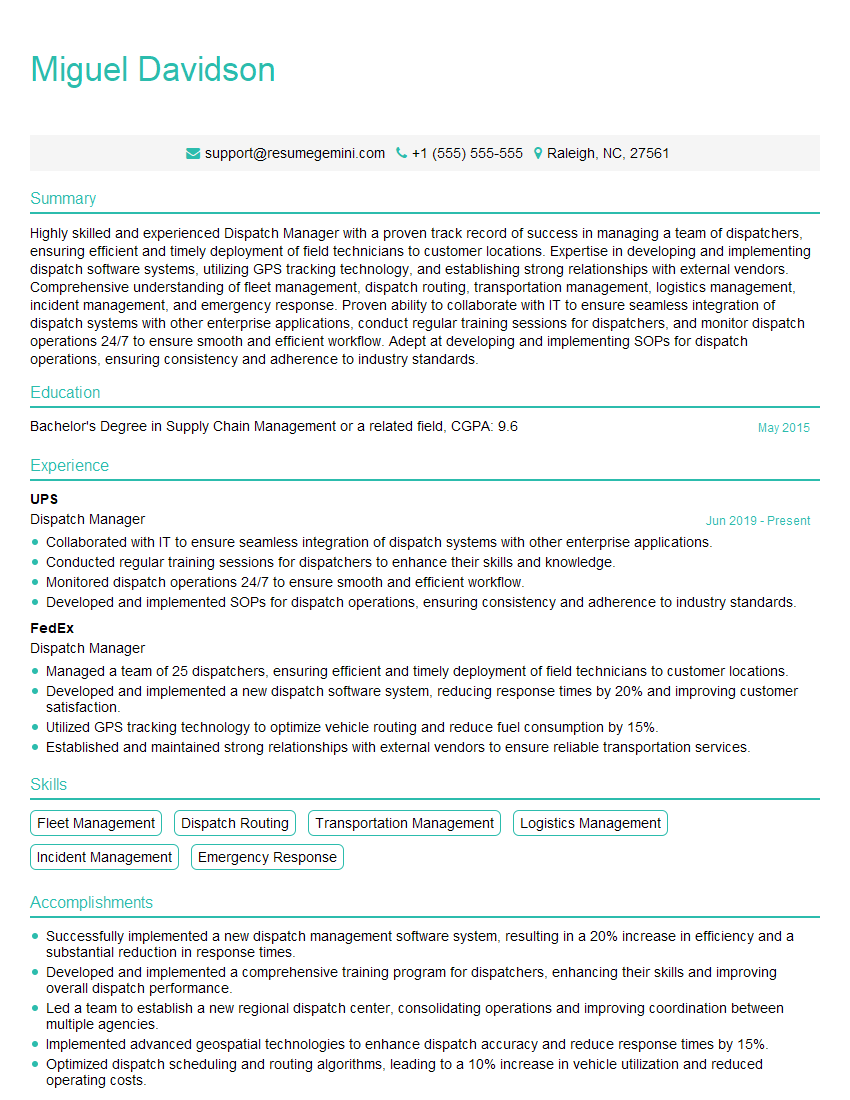
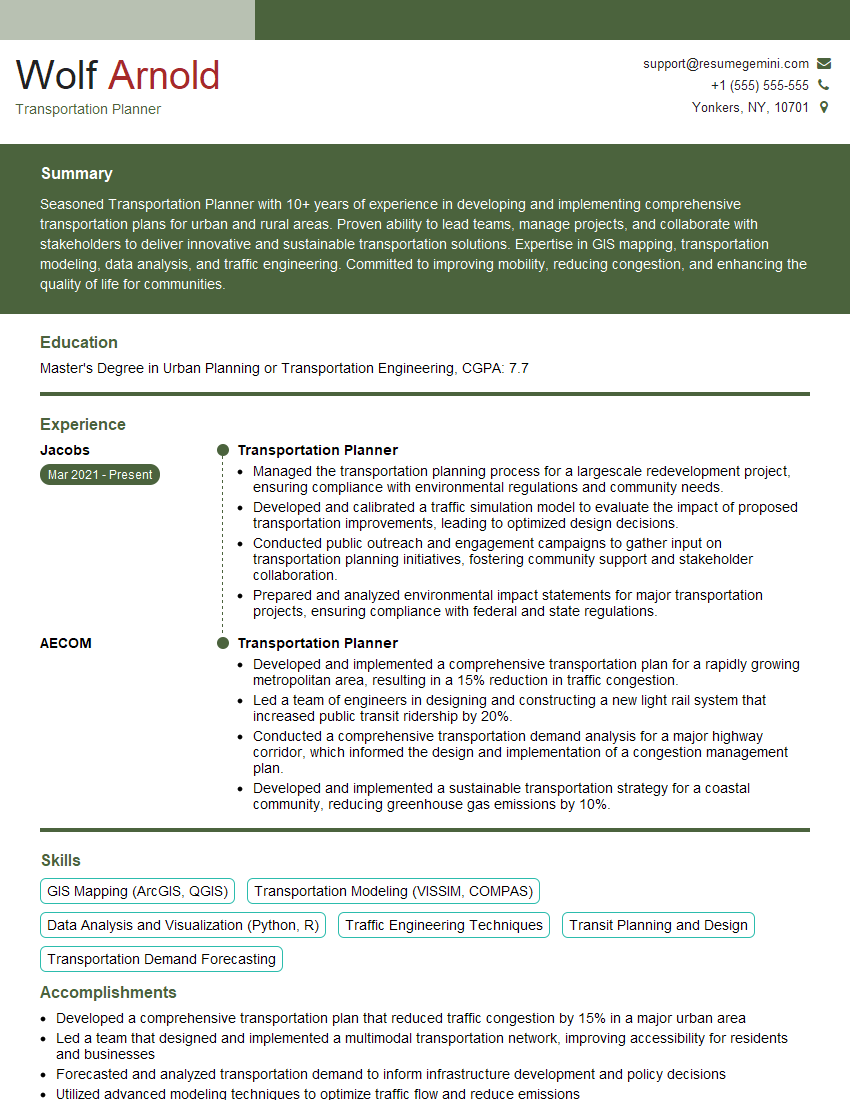
Mastering Transit Systems Management is crucial for career advancement in this dynamic field. A strong understanding of these key areas will significantly enhance your interview performance and open doors to exciting opportunities. To maximize your job prospects, crafting a compelling and ATS-friendly resume is essential. ResumeGemini is a trusted resource that can help you build a professional and impactful resume tailored to the specific requirements of Transit Systems Management roles. Examples of resumes tailored to this field are available to guide you. Invest the time to create a strong resume – it’s your first impression and a critical step towards your dream career.
Explore more articles
Users Rating of Our Blogs
Share Your Experience
We value your feedback! Please rate our content and share your thoughts (optional).
What Readers Say About Our Blog
To the interviewgemini.com Webmaster.
Very helpful and content specific questions to help prepare me for my interview!
Thank you
To the interviewgemini.com Webmaster.
This was kind of a unique content I found around the specialized skills. Very helpful questions and good detailed answers.
Very Helpful blog, thank you Interviewgemini team.