The right preparation can turn an interview into an opportunity to showcase your expertise. This guide to Transjugular Intrahepatic Portosystemic Shunt (TIPS) interview questions is your ultimate resource, providing key insights and tips to help you ace your responses and stand out as a top candidate.
Questions Asked in Transjugular Intrahepatic Portosystemic Shunt (TIPS) Interview
Q 1. Describe the indications for a TIPS procedure.
A Transjugular Intrahepatic Portosystemic Shunt (TIPS) procedure is indicated primarily for the management of portal hypertension, a condition where blood pressure in the portal vein (the vein carrying blood from the intestines to the liver) is abnormally high. This high pressure can lead to serious complications like esophageal varices (swollen veins in the esophagus), which can rupture and cause life-threatening bleeding. Other indications include refractory ascites (fluid buildup in the abdomen) that doesn’t respond to other treatments, and hepatic encephalopathy (brain dysfunction due to liver failure).
- Life-threatening variceal bleeding: This is often the most urgent indication, requiring immediate intervention to stop the bleeding and prevent further episodes.
- Refractory ascites: When diuretics and other medical management fail to control ascites, a TIPS procedure can be considered to reduce portal pressure and alleviate fluid accumulation.
- Hepatorenal syndrome: This condition involves kidney failure secondary to liver disease, and a TIPS can sometimes improve kidney function.
- Hepatic encephalopathy: By reducing portal pressure, TIPS can improve the symptoms of hepatic encephalopathy.
The decision to perform a TIPS is made on a case-by-case basis, considering the patient’s overall health, the severity of the portal hypertension, and the presence of other medical conditions.
Q 2. What are the contraindications for a TIPS procedure?
Several contraindications exist for a TIPS procedure. These can be broadly categorized as absolute (meaning the procedure should not be performed) and relative (meaning the risks and benefits need careful consideration).
- Absolute Contraindications: These include severe right-sided heart failure, uncontrolled infection, and a significant risk of bleeding from sites other than portal hypertension.
- Relative Contraindications: These include severe pulmonary hypertension, significant hepatic encephalopathy, severe coagulopathy (clotting disorder), and the presence of a significant intrahepatic vascular anomaly that makes shunt placement challenging.
For example, a patient with severe right-sided heart failure might not tolerate the increased blood flow to the lungs that can occur after a TIPS. Similarly, patients with severe coagulopathy are at higher risk of bleeding during and after the procedure. A thorough assessment of the patient’s condition is crucial before deciding whether to proceed.
Q 3. Explain the steps involved in performing a TIPS procedure.
The TIPS procedure is typically performed under fluoroscopic guidance, which allows real-time visualization of the vessels. The steps involved are:
- Right Internal Jugular Vein Access: A catheter is inserted into the right internal jugular vein in the neck.
- Hepatic Vein Puncture: The catheter is carefully advanced through the hepatic veins into the liver under fluoroscopic guidance.
- Portal Vein Puncture: Using the image guidance, a needle is advanced from the hepatic vein to puncture the portal vein.
- Shunt Placement: A guidewire is passed from the portal vein to the hepatic vein, and a stent-graft (a type of expandable metal mesh tube) is placed over the guidewire to create the shunt.
- Stent Deployment: The stent is deployed to create a connection between the portal and hepatic veins.
- Angiography and Hemostasis: Final angiography is performed to confirm shunt patency and absence of bleeding. The access site is then carefully compressed to achieve hemostasis.
The entire procedure usually takes 1-2 hours, depending on the complexity of the case. Imagine it like creating a bypass road to divert traffic (blood) away from a congested area (portal vein). The TIPS provides an alternative route, reducing pressure.
Q 4. What imaging modalities are used during a TIPS procedure?
Fluoroscopy plays the central role in a TIPS procedure, providing real-time X-ray imaging to guide catheter navigation and shunt placement. In addition, ultrasound can be used for pre-procedural planning to assess liver anatomy and portal vein characteristics. In some centers, 3D rotational angiography provides enhanced imaging capabilities and precise visualization of the vascular structures.
The combination of these imaging modalities is essential for accurate catheter placement, minimizing the risk of complications during the procedure. Fluoroscopy’s real-time visualization is particularly critical for the challenging navigation through the hepatic veins and portal vein.
Q 5. How is the size of the shunt determined?
The size of the TIPS shunt is determined by several factors, including the severity of the portal hypertension, the patient’s overall health, and the desired degree of pressure reduction. It is not a one-size-fits-all approach. Clinicians typically aim for a pressure gradient of 8-12 mmHg across the shunt.
Precise measurement using pressure transducers ensures the shunt is appropriately sized. Too small a shunt may be insufficient in reducing portal pressure, whereas a shunt that is too large can lead to hepatic encephalopathy, a serious complication. Experienced interventional radiologists use their clinical judgment and real-time hemodynamic data to select the appropriate stent diameter and length.
Q 6. Describe the different types of stents used in TIPS.
A variety of stents are available for TIPS placement, each with its own characteristics and advantages. The choice depends on factors like the size and location of the shunt, as well as the patient’s individual anatomy. Common types include:
- Wallstent: A self-expanding metal stent with a relatively large diameter, often used in cases of high portal pressure.
- Covered Stent: This type has a covering that prevents migration of the stent and reduces the risk of thrombosis.
- Uncovered Stent: Offers better flow characteristics but with a slightly higher risk of thrombosis.
The selection process involves considering factors such as the need for covering (to prevent thrombosis and stent migration) and the ideal diameter for efficient shunting while minimizing complications. Newer stents are designed to improve flow dynamics and minimize complications.
Q 7. What are the potential complications of a TIPS procedure?
While a life-saving procedure, TIPS carries potential complications. These can be immediate, occurring during or shortly after the procedure, or late, developing weeks or months later.
- Bleeding: This can occur at the puncture site or from the shunt itself.
- Hepatic Encephalopathy: The sudden reduction in portal pressure can lead to an increase in ammonia levels in the blood, causing brain dysfunction.
- Shunt Thrombosis: The shunt can become blocked by a blood clot.
- Shunt Stenosis: The shunt can become narrowed over time, reducing its effectiveness.
- Infection: Infection at the puncture site or within the shunt is possible.
- Technical difficulties: During the procedure, difficulties can occur accessing the vessels, placing the shunt, or obtaining the desired pressure gradient.
Careful patient selection, meticulous technique, and close post-procedural monitoring are essential in minimizing these risks. For instance, prophylactic antibiotics are often used to reduce the risk of infection, and careful monitoring of blood ammonia levels helps to manage potential hepatic encephalopathy.
Q 8. How do you manage post-TIPS encephalopathy?
Post-TIPS encephalopathy, a serious complication, arises from the sudden decrease in portal pressure after TIPS placement, leading to a surge of nitrogenous waste products into the systemic circulation. Management focuses on reducing ammonia levels and managing cerebral edema. This involves several strategies:
- Dietary adjustments: Reducing protein intake to decrease ammonia production is crucial. We carefully tailor protein restriction to the individual patient’s needs to avoid malnutrition.
- Lactulose: This medication helps reduce ammonia by altering gut flora and increasing ammonia excretion.
- Rifaximin: An antibiotic that modifies gut flora, reducing ammonia-producing bacteria. This often works synergistically with lactulose.
- Fluid and electrolyte management: Addressing dehydration and electrolyte imbalances is critical, particularly hyponatremia and hypokalemia which are commonly seen.
- Neurological monitoring: Close monitoring for changes in mental status is paramount, including Glasgow Coma Scale (GCS) assessment.
- In severe cases: Intravenous fluids, intensive care support, and potentially hemodialysis might be required to remove ammonia more aggressively.
Imagine it like this: Before TIPS, the liver’s filtering system is overwhelmed. TIPS helps, but the sudden change can overwhelm the body’s other ammonia-clearing mechanisms. Our strategy is to support these mechanisms and manage the resulting symptoms.
Q 9. How do you manage TIPS stenosis?
TIPS stenosis, or narrowing of the shunt, is a common complication often necessitating intervention. Early detection through regular surveillance is key. Management strategies include:
- Angioplasty: This is the first-line treatment, involving balloon dilation of the narrowed shunt to restore flow. It’s a relatively simple procedure and often successful.
- Stent placement: If angioplasty alone isn’t sufficient, or if restenosis is likely, a stent is placed within the shunt to maintain patency. Stent type and placement depend on the location and extent of the stenosis.
- Repeat angioplasty: Restenosis can occur even after stent placement, sometimes necessitating further angioplasty.
- Pharmacological management: In some cases, medications such as anticoagulants may be used to help prevent or slow the progression of stenosis.
Think of it like a clogged pipe. Angioplasty is like using a plunger, while a stent acts as a permanent support to keep the pipe open.
Q 10. How do you manage TIPS thrombosis?
TIPS thrombosis, or complete blockage of the shunt, is a serious complication requiring prompt intervention. Treatment strategies depend on the severity and duration of the thrombosis:
- Thrombolysis: Using clot-busting medications (like tissue plasminogen activator or tPA) to dissolve the clot. This is often the preferred approach if the thrombosis is recent.
- Mechanical thrombectomy: If thrombolysis fails or is unsuitable, a mechanical technique to remove the clot can be used. This may involve specialized catheters.
- Surgical intervention: In some cases, surgery may be necessary to either remove the clot or create a new shunt. This is usually reserved for situations where other methods have failed.
- Anticoagulation: Once the clot is removed, anticoagulant therapy is necessary to prevent recurrence.
Imagine the shunt as a highway. Thrombosis is like a complete roadblock. We need to clear the blockage (thrombolysis or thrombectomy) and then prevent further blockages (anticoagulation).
Q 11. What are the long-term complications of a TIPS procedure?
Long-term complications of TIPS can be significant and often require ongoing management. These include:
- TIPS stenosis or thrombosis (as discussed above): These are among the most frequent long-term issues.
- Hepatic encephalopathy: While often managed acutely after TIPS, recurrent episodes can occur.
- Right heart failure: Increased blood flow through the shunt can sometimes strain the heart.
- Shunt malfunction or failure: The shunt may not function as intended over time, requiring intervention.
- Infection: There’s a risk of infection at the shunt site or elsewhere in the liver.
- Bleeding: Though rare, bleeding complications can occur at the puncture site or within the liver.
Careful long-term monitoring, including regular imaging and clinical assessment, is essential to detect and manage these complications effectively.
Q 12. What is the role of hepatic venography in TIPS?
Hepatic venography is a crucial component of TIPS placement. It involves the visualization of the hepatic veins, the veins draining the liver. Its role is multifold:
- Identifying suitable hepatic vein for shunt placement: Hepatic venography helps identify a vein with adequate size and flow to accommodate the shunt.
- Assessing hepatic vein outflow: This determines whether the hepatic veins can handle the increased blood flow after shunt placement. Significant stenosis or obstruction can contraindicate TIPS.
- Planning shunt trajectory: The venogram provides a roadmap for the interventional radiologist to safely navigate the catheter and create the shunt.
Essentially, hepatic venography provides vital information about the anatomy and hemodynamics of the hepatic venous system, enabling safe and effective TIPS placement. Think of it as a detailed map before embarking on construction (TIPS creation).
Q 13. How do you assess the patency of a TIPS shunt?
Assessment of TIPS patency is ongoing and uses several methods:
- Doppler ultrasound: A non-invasive method that measures blood flow through the shunt. Reduced or absent flow suggests a problem.
- Hepatic venous pressure gradient (HVPG) measurement: This measures the pressure difference between the portal vein and hepatic vein. A significant increase in HVPG suggests shunt dysfunction.
- CT or MRI portography: These imaging techniques provide detailed visualization of the shunt and surrounding vasculature, allowing assessment of stenosis or thrombosis.
- Direct shunt angiography: This is a more invasive technique providing detailed visualization of the shunt itself. It can guide therapeutic interventions.
The choice of method depends on the clinical scenario, accessibility of resources and the suspected level of shunt dysfunction. A combination of methods is frequently used for a comprehensive assessment.
Q 14. What are the alternative treatments to TIPS?
Alternative treatments to TIPS for portal hypertension depend heavily on the underlying cause and the severity of symptoms. These include:
- Medical management: Medications such as beta-blockers can reduce portal pressure. This is often used for mild portal hypertension.
- Endoscopic therapies: Procedures like banding or sclerotherapy of esophageal varices can help prevent bleeding from varices.
- Surgical shunts: Portosystemic shunts (like the mesocaval shunt) can be performed surgically but are less commonly performed now due to the minimally invasive nature of TIPS.
- Liver transplantation: This is the definitive treatment for end-stage liver disease, but is resource-intensive and has its own set of risks and complications.
The choice of the best alternative is highly individualized and depends on factors such as the patient’s overall health, the severity of portal hypertension, and the presence of other comorbidities. It’s a collaborative decision involving a multidisciplinary team.
Q 15. Describe the pre-procedural patient assessment for TIPS.
Pre-procedural assessment for a Transjugular Intrahepatic Portosystemic Shunt (TIPS) is crucial for ensuring patient safety and procedural success. It’s a multi-faceted process involving a thorough review of the patient’s medical history, physical examination, and several diagnostic tests.
- Medical History: This focuses on identifying any contraindications, such as severe coagulopathy, uncontrolled infections, or significant cardiac issues. We need to understand the severity of portal hypertension, the presence of ascites, encephalopathy, and any prior liver procedures.
- Physical Examination: A complete physical examination helps assess the patient’s overall health and identify any potential complications. We’re looking for signs of hepatic encephalopathy, jaundice, and signs of bleeding.
- Imaging: This is paramount. We usually start with an ultrasound to locate the portal vein and hepatic veins. A contrast-enhanced CT scan or MRI is then performed for precise anatomical mapping, which allows us to assess the size and location of the portal vein, hepatic veins, and any potential obstacles. We also need to assess the presence and severity of collateral vessels.
- Laboratory Tests: Complete blood count (CBC), coagulation studies (PT/PTT/INR), liver function tests (LFTs), and serum creatinine levels are essential. These help assess the patient’s bleeding risk and overall liver function.
- Endoscopic Evaluation (if needed): In certain cases, an endoscopy may be required to assess the severity of esophageal varices and evaluate the need for concurrent variceal band ligation.
For example, a patient with severely deranged coagulation would require correction before we even consider a TIPS procedure. Similarly, significant ascites would necessitate paracentesis to reduce the risk of procedure-related complications.
Career Expert Tips:
- Ace those interviews! Prepare effectively by reviewing the Top 50 Most Common Interview Questions on ResumeGemini.
- Navigate your job search with confidence! Explore a wide range of Career Tips on ResumeGemini. Learn about common challenges and recommendations to overcome them.
- Craft the perfect resume! Master the Art of Resume Writing with ResumeGemini’s guide. Showcase your unique qualifications and achievements effectively.
- Don’t miss out on holiday savings! Build your dream resume with ResumeGemini’s ATS optimized templates.
Q 16. Describe the post-procedural patient management for TIPS.
Post-procedural management of a TIPS patient is just as critical as the procedure itself, focused on preventing complications and optimizing patient recovery. This is a multidisciplinary approach involving hepatologists, interventional radiologists, and nurses.
- Hemodynamic Monitoring: Close monitoring of vital signs, particularly blood pressure, is crucial, especially in the immediate post-procedure period. A sudden drop in blood pressure can indicate complications like hepatic encephalopathy or shunt malfunction.
- Neurological Assessment: Regular neurological assessments are essential to detect the onset of hepatic encephalopathy. This may include monitoring mental status, level of consciousness, and reflexes.
- Liver Function Tests: Regular LFTs are crucial to assess liver function and identify potential complications. Elevated liver enzymes may suggest liver injury.
- Medication Management: Patients might require medications to manage potential complications, such as lactulose for hepatic encephalopathy or diuretics for ascites. Heparin may be used for prophylaxis against thrombosis.
- Follow-up Imaging: Follow-up imaging, such as Doppler ultrasound, is necessary to assess shunt patency and identify any complications like stenosis or thrombosis.
- Dietary Modifications: Dietary changes may be recommended to optimize liver function and reduce the risk of hepatic encephalopathy, This includes changes to protein intake based on the patient’s encephalopathy level.
Let’s say a patient develops post-procedure encephalopathy; we’d immediately reduce their protein intake, start lactulose, and potentially adjust the shunt size via a follow-up intervention.
Q 17. What are the key performance indicators (KPIs) for TIPS procedures?
Key Performance Indicators (KPIs) for TIPS procedures are crucial for evaluating procedural success, assessing potential risks, and ensuring quality improvement. These KPIs are tracked both during the procedure and in the follow-up period.
- Procedural Success Rate: This indicates the percentage of procedures successfully completed without major complications.
- Shunt Patency Rate: This measures the proportion of shunts that remain functional over a defined period (e.g., 6 months, 1 year). Stenosis or thrombosis significantly impact patency.
- Hepatic Encephalopathy Rate: The incidence of post-TIPS hepatic encephalopathy is a significant indicator of procedural outcomes, reflecting the balance between portal pressure reduction and liver perfusion.
- Bleeding Complications Rate: This KPI monitors the incidence of bleeding during and after the procedure, including both shunt-related and procedure-related bleeds.
- Mortality Rate: The number of deaths related to the TIPS procedure within a defined timeframe is a critical measure of safety and efficacy.
- Length of Hospital Stay: A shorter hospital stay usually indicates a smoother procedure and quicker recovery.
Regular analysis of these KPIs allows us to constantly improve our techniques, identify and address areas of concern, and ultimately optimize patient care.
Q 18. How do you manage bleeding during a TIPS procedure?
Managing bleeding during a TIPS procedure requires a swift and systematic approach, focusing on both identifying the source and controlling the bleeding. It’s a crucial aspect of interventional radiology.
- Immediate Pressure: The first step is applying direct pressure to the bleeding site using specific techniques like compression with a balloon catheter. This is a critical first step to stabilize the situation.
- Selective Embolization: If direct pressure fails, selective embolization may be necessary. This involves using various embolic materials (e.g., coils, particles) to selectively block the bleeding vessel, thereby controlling the hemorrhage. The choice of embolic agent depends on the size and location of the vessel.
- Thrombin Injection: Injecting thrombin directly into the bleeding site can promote clot formation and help stop the bleeding. This is often used in conjunction with other techniques.
- Surgical Intervention (rare): In exceptional cases where the bleeding is uncontrolled and the other techniques are unsuccessful, surgical intervention may become necessary. This is usually a last resort.
- Blood Transfusion: If the patient experiences significant blood loss, immediate blood transfusions are essential to maintain hemodynamic stability.
For instance, if bleeding arises from a puncture site during the procedure, direct pressure and perhaps thrombin would be employed. However, if bleeding is from a larger vessel within the liver, selective embolization would be the preferred method.
Q 19. How do you manage a TIPS shunt that is too large?
A TIPS shunt that is too large can lead to excessive shunting of blood, causing hepatic encephalopathy due to decreased liver perfusion. This is a complication requiring immediate attention.
- Partial Occlusion/Coil Embolization: The most common approach is to partially occlude the shunt using coils placed strategically within the shunt lumen. This reduces the flow rate gradually to a more tolerable level.
- Balloon Occlusion: A balloon can be inflated within the shunt to temporarily reduce flow and assess the patient’s response. This allows us to fine-tune the intervention.
- TIPS Shunt Revision: In some cases, a more extensive revision may be required, either shrinking the diameter of the shunt or even placing a smaller shunt adjacent to the original one. This may entail a repeat intervention.
- Medication Management: Alongside adjusting the shunt, appropriate medication is crucial. This may involve lactulose for hepatic encephalopathy and careful protein management.
Imagine a patient developing severe encephalopathy shortly after a TIPS procedure. We would immediately consider partial coil embolization to reduce the shunt size and improve liver perfusion.
Q 20. How do you manage a TIPS shunt that is too small?
A TIPS shunt that is too small fails to adequately reduce portal hypertension and may not provide the desired clinical benefit. This might be evident by persistent variceal bleeding or recurrent ascites.
- Shunt Dilation: The most straightforward approach is to dilate the shunt using a balloon catheter. This increases the shunt diameter, improving blood flow and reducing portal pressure.
- Shunt Revision: If dilation is ineffective or not feasible, a shunt revision may be necessary. This could involve creating a new shunt or modifying the existing one to enhance its size and functionality.
- Placement of a Second Shunt: In some cases, adding another shunt alongside the original one may improve the overall flow and reduce portal hypertension more effectively.
If a patient has persistent variceal bleeding despite a TIPS procedure, and Doppler ultrasound reveals a small shunt diameter, then shunt dilation would be the logical first step.
Q 21. Discuss the role of TIPS in the management of portal hypertension.
TIPS plays a vital role in managing portal hypertension, a condition characterized by elevated pressure in the portal venous system, often a complication of cirrhosis. It offers a significant therapeutic option when medical management fails.
- Reducing Portal Pressure: The primary function of a TIPS is to create a direct connection between the portal vein and the systemic circulation (hepatic vein), bypassing the liver and thereby reducing portal venous pressure. This helps prevent complications like variceal bleeding.
- Managing Ascites: By reducing portal pressure, TIPS can effectively reduce ascites (fluid accumulation in the abdomen), often requiring less frequent paracentesis.
- Preventing Variceal Bleeding: TIPS is highly effective in preventing rebleeding from esophageal varices, a life-threatening complication of portal hypertension. It’s often used in conjunction with variceal banding.
- Bridging to Liver Transplant: In patients awaiting liver transplantation, TIPS can provide temporary relief from portal hypertension, buying time for a transplant and improving the patient’s overall condition before transplantation.
- Refractory Ascites: TIPS can improve refractory ascites that fails to respond to medical management.
For example, a patient with large esophageal varices and recurrent bleeding, unresponsive to medical therapy and band ligation, would be a prime candidate for a TIPS procedure.
Q 22. What are the different types of TIPS stents available?
Several types of stents are used in TIPS procedures, each with its own characteristics. The choice depends on factors like the patient’s anatomy and the specific clinical scenario. Common types include:
- Wallstent: This is a self-expanding nitinol stent, known for its flexibility and ability to conform to the vessel’s anatomy. It’s a popular choice due to its ease of deployment.
- Covered Stent: This type has a fabric covering that helps prevent thrombosis (blood clot formation) and reduces the risk of stent migration. It’s particularly useful in patients with a high risk of thrombosis or in challenging anatomical locations.
- Uncovered Stent: This stent lacks the covering, leading to a higher risk of thrombosis compared to covered stents. However, it’s generally less expensive and might be considered in low-risk patients.
- Biodegradable Stent: These stents are designed to dissolve over time, eliminating the need for future stent removal. While promising, their long-term efficacy and availability are still under evaluation and they aren’t as widely used yet.
The choice of stent type significantly influences the procedure’s success and long-term outcome.
Q 23. What are the advantages and disadvantages of using different types of stents?
The advantages and disadvantages of different stent types are directly related to their design and materials:
| Stent Type | Advantages | Disadvantages |
|---|---|---|
| Wallstent | Flexible, easy deployment, good long-term patency (openness) | Higher risk of thrombosis compared to covered stents |
| Covered Stent | Lower risk of thrombosis, reduces stent migration | Can be less flexible and more challenging to deploy, potentially higher cost |
| Uncovered Stent | Less expensive | Higher risk of thrombosis and migration |
| Biodegradable Stent | No need for future removal, potential for reduced long-term complications | Relatively new technology, long-term data still limited, higher cost |
Ultimately, the choice involves balancing the risk of thrombosis and other complications against the ease of deployment and cost.
Q 24. How do you select the appropriate stent for a patient?
Selecting the appropriate stent is a crucial decision made based on a comprehensive assessment of the patient’s condition and vascular anatomy. This is a multi-factorial decision.
- Patient-Specific Factors: The patient’s overall health, liver function, coagulation status (blood clotting ability), and history of thrombosis are critical considerations. A patient with a bleeding disorder may require a covered stent to reduce the risk of hemorrhage.
- Anatomical Considerations: Angiograms (X-ray images of blood vessels) are essential to visualize the hepatic veins, portal vein, and the shunt tract. The size, tortuosity (curvature), and location of the vessels influence stent selection. A highly tortuous vessel might necessitate a more flexible stent.
- Procedure-Specific Factors: The experience of the interventional radiologist also plays a role. Some clinicians may have a preference for specific stent types based on their experience and success rates.
In practice, it often involves a discussion among the hepatologist, radiologist, and the patient, weighing the risks and benefits of each option.
Q 25. How do you monitor patients after a TIPS procedure?
Post-TIPS monitoring is crucial to detect and manage potential complications. This involves:
- Clinical Follow-up: Regular appointments with the hepatologist and interventional radiologist to monitor liver function tests (LFTs), assess symptoms (e.g., encephalopathy, ascites), and evaluate overall well-being.
- Imaging Studies: Follow-up Doppler ultrasound or CT scans to assess stent patency, identify any stenosis (narrowing) or thrombosis, and monitor the shunt flow.
- Laboratory Tests: Regular blood tests to monitor LFTs, blood counts, and coagulation parameters.
The frequency of follow-up visits and tests is individualized based on the patient’s response to the procedure and any potential complications.
Q 26. Discuss the use of TIPS in the setting of liver cirrhosis.
In liver cirrhosis, portal hypertension (high blood pressure in the portal vein system) leads to various complications, including ascites (fluid accumulation in the abdomen), esophageal varices (enlarged veins in the esophagus that can rupture and cause life-threatening bleeding), and hepatic encephalopathy (brain dysfunction due to liver failure). TIPS is a crucial intervention in such cases.
By creating a shunt between the portal vein and the hepatic vein, TIPS reduces portal pressure, alleviating the symptoms of portal hypertension. This can be life-saving in patients with uncontrolled variceal bleeding or refractory ascites. It’s frequently utilized as a bridge to liver transplantation or for palliative care in patients who are not candidates for transplantation.
However, it’s important to note that TIPS is not without risks, and the decision to proceed is made based on a careful assessment of the patient’s overall health and prognosis.
Q 27. What are the ethical considerations in performing a TIPS procedure?
Ethical considerations in TIPS procedures are multifaceted and center on:
- Informed Consent: Patients must fully understand the procedure’s risks, benefits, and alternatives. This requires clear communication, using plain language, and addressing any questions or concerns.
- Allocation of Resources: TIPS is a resource-intensive procedure. Ethical considerations arise in ensuring equitable access to the procedure for all patients who could benefit, regardless of socioeconomic status.
- End-of-Life Care: In advanced cirrhosis, TIPS might be used for palliative care, improving quality of life but not necessarily prolonging life. Open and honest discussions regarding the goals of care are crucial.
- Balancing Risks and Benefits: Weighing the potential risks (such as hepatic encephalopathy, shunt thrombosis, and infection) against the potential benefits (improved quality of life and survival) is an ongoing ethical challenge.
A multidisciplinary approach involving hepatologists, interventional radiologists, and ethicists is essential to navigate these ethical dilemmas.
Q 28. How do you counsel patients about the risks and benefits of TIPS?
Counseling patients about TIPS requires a compassionate and informative approach. The discussion should include:
- Clear Explanation of the Procedure: Using plain language and visual aids to explain the purpose, technique, and expected outcomes of TIPS.
- Detailed Description of Risks and Benefits: Openly discussing potential complications (e.g., hepatic encephalopathy, shunt thrombosis, bleeding, infection) and the likelihood of each. Also explaining the potential benefits in terms of symptom improvement and quality of life.
- Alternative Treatments: Presenting alternatives such as medical management or other interventional procedures.
- Realistic Expectations: Setting realistic expectations about the procedure’s success and the potential long-term impact on their health.
- Open Communication: Encouraging patients to ask questions and openly address any concerns or anxieties.
The goal is to empower the patient to make an informed decision about their care that aligns with their values and preferences. This process often involves multiple discussions and collaboration with family members.
Key Topics to Learn for Transjugular Intrahepatic Portosystemic Shunt (TIPS) Interview
- Anatomy and Physiology: Thorough understanding of portal venous system, hepatic venous system, and their relationship in the context of portal hypertension.
- Indications and Contraindications: Mastering the criteria for selecting appropriate candidates for TIPS placement and recognizing situations where it’s not suitable.
- Procedure Technique: Familiarize yourself with the steps involved in TIPS placement, including transjugular access, puncture, shunt creation, and deployment of a stent.
- Pre- and Post-procedural Management: Understand the critical aspects of patient preparation, monitoring during the procedure, and post-procedure care including potential complications.
- Imaging Interpretation: Develop the ability to interpret relevant imaging studies (e.g., ultrasound, CT scans) used in TIPS placement and follow-up.
- Complications and Management: Be prepared to discuss potential complications such as shunt stenosis, encephalopathy, and bleeding, and how to manage them.
- Alternative Treatments: Understand other treatment options for portal hypertension and be able to compare and contrast them with TIPS.
- Long-Term Outcomes and Follow-up: Familiarize yourself with long-term success rates, potential complications, and the importance of regular follow-up care.
- Problem-Solving: Practice analyzing clinical scenarios and applying your knowledge to develop appropriate management strategies.
Next Steps
Mastering Transjugular Intrahepatic Portosystemic Shunt (TIPS) procedures significantly enhances your career prospects in interventional radiology, hepatology, or related fields. A strong understanding of TIPS demonstrates advanced clinical skills and problem-solving abilities, highly valued by employers. To increase your chances of landing your dream job, it’s crucial to present your expertise effectively through a well-crafted, ATS-friendly resume. ResumeGemini is a trusted resource that can help you build a professional and impactful resume that highlights your skills and experience in TIPS. Examples of resumes tailored to Transjugular Intrahepatic Portosystemic Shunt (TIPS) are available to help guide your resume creation.
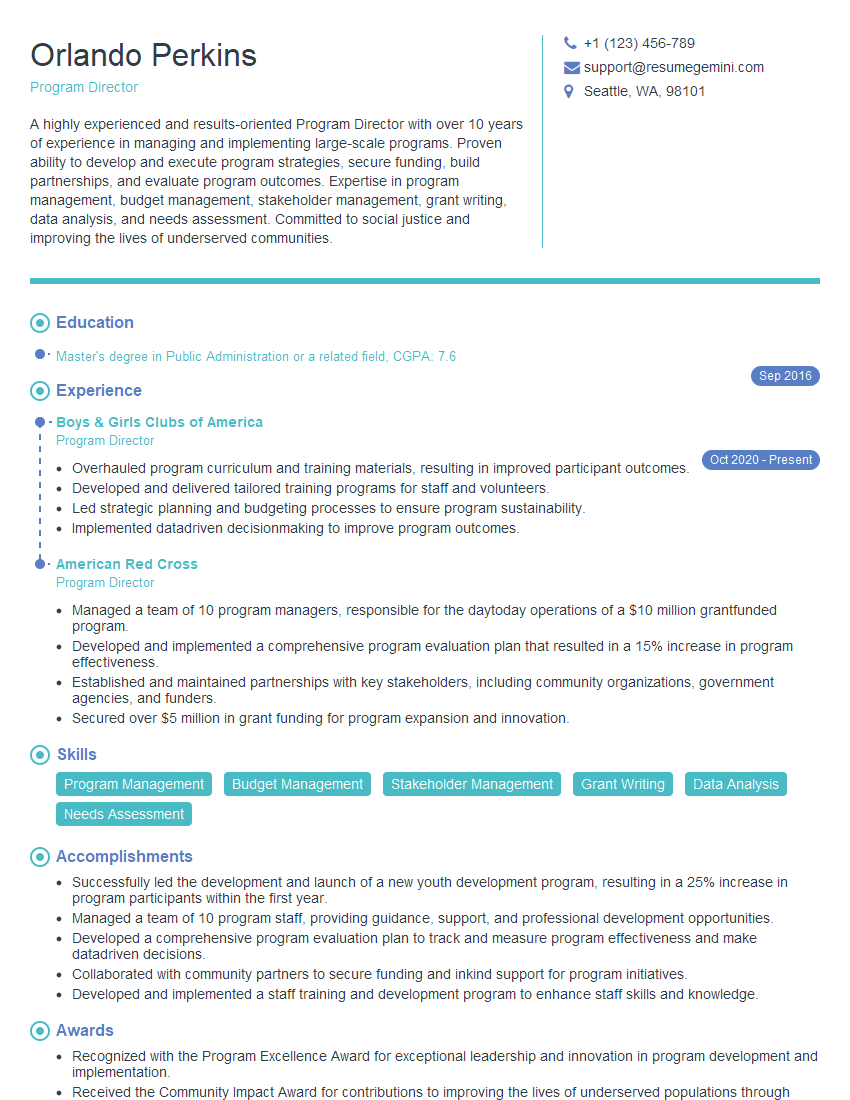
Program Director Resume Sample
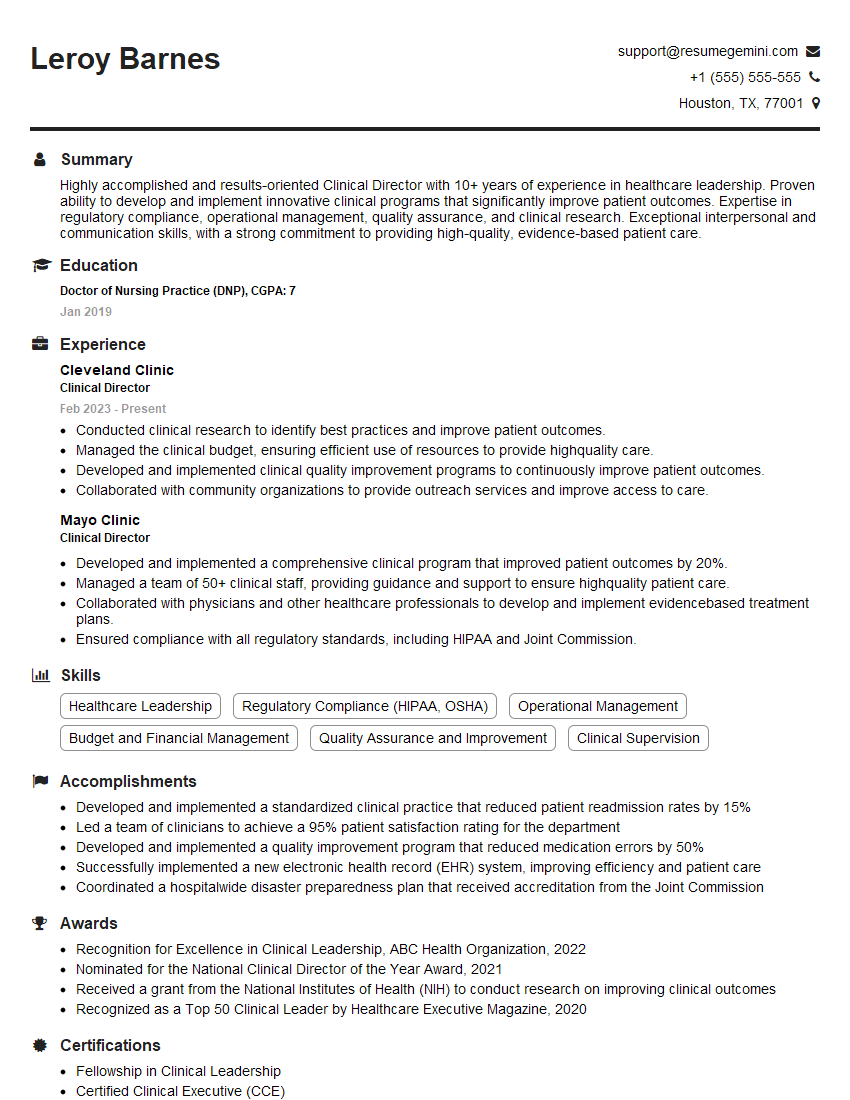
Clinical Director Resume Sample
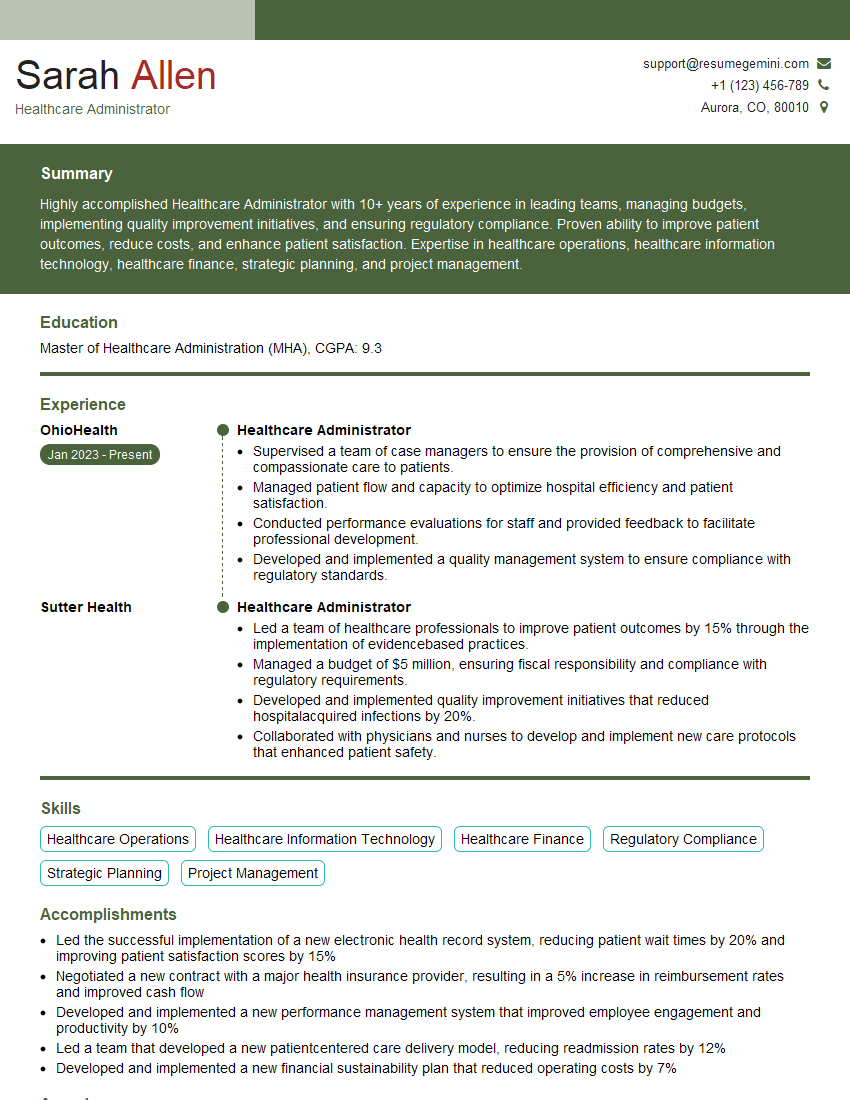
Healthcare Administrator Resume Sample
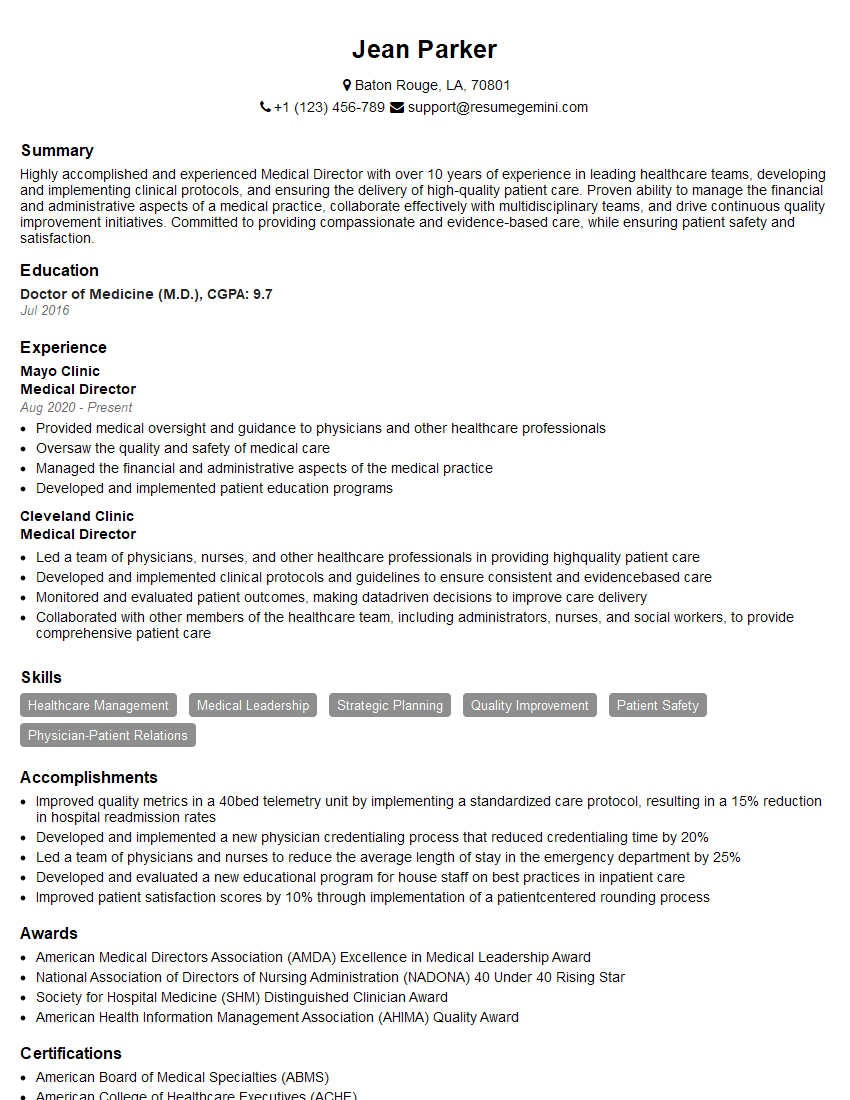
Medical Director Resume Sample
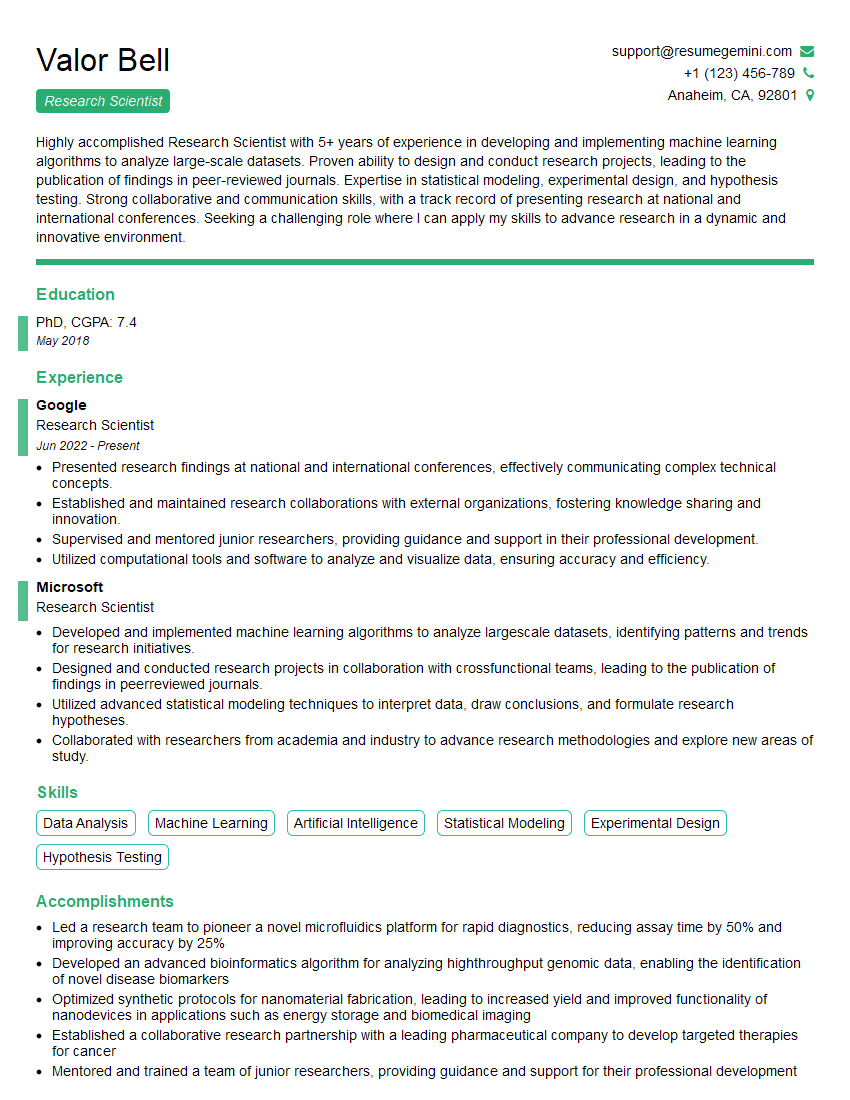
Research Scientist Resume Sample
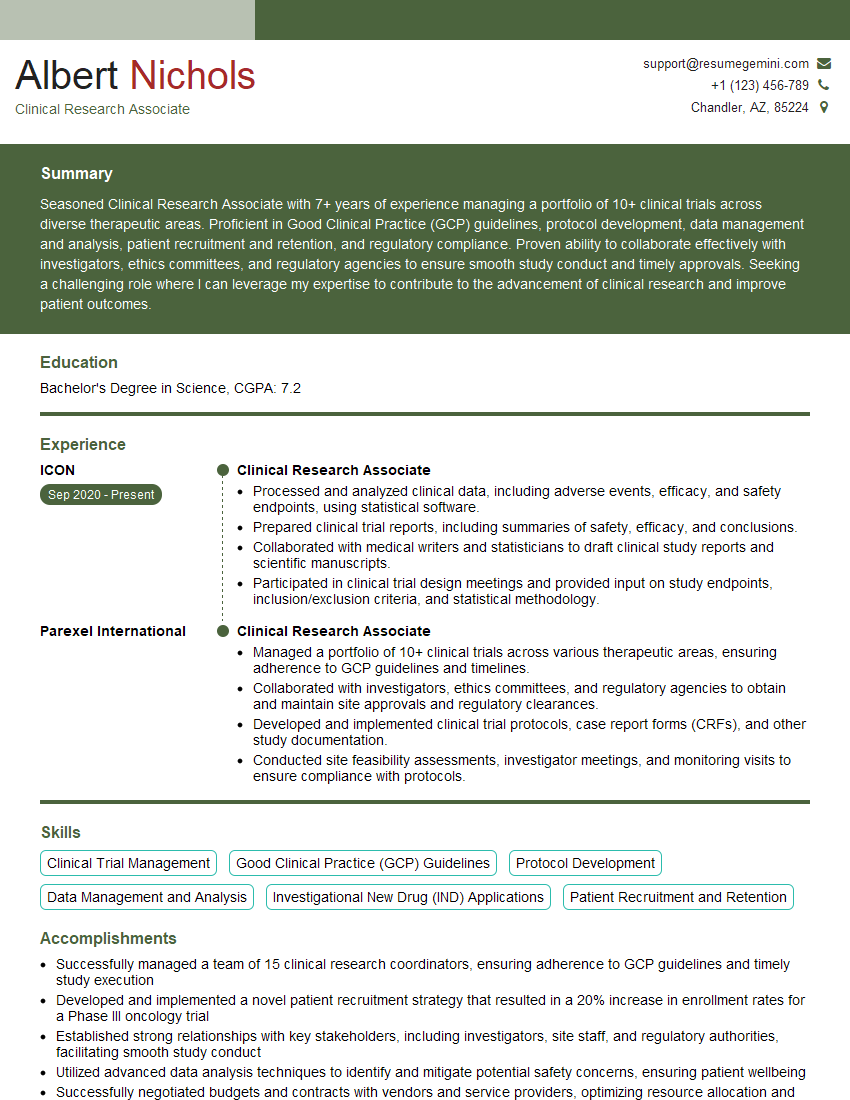
Clinical Research Associate Resume Sample
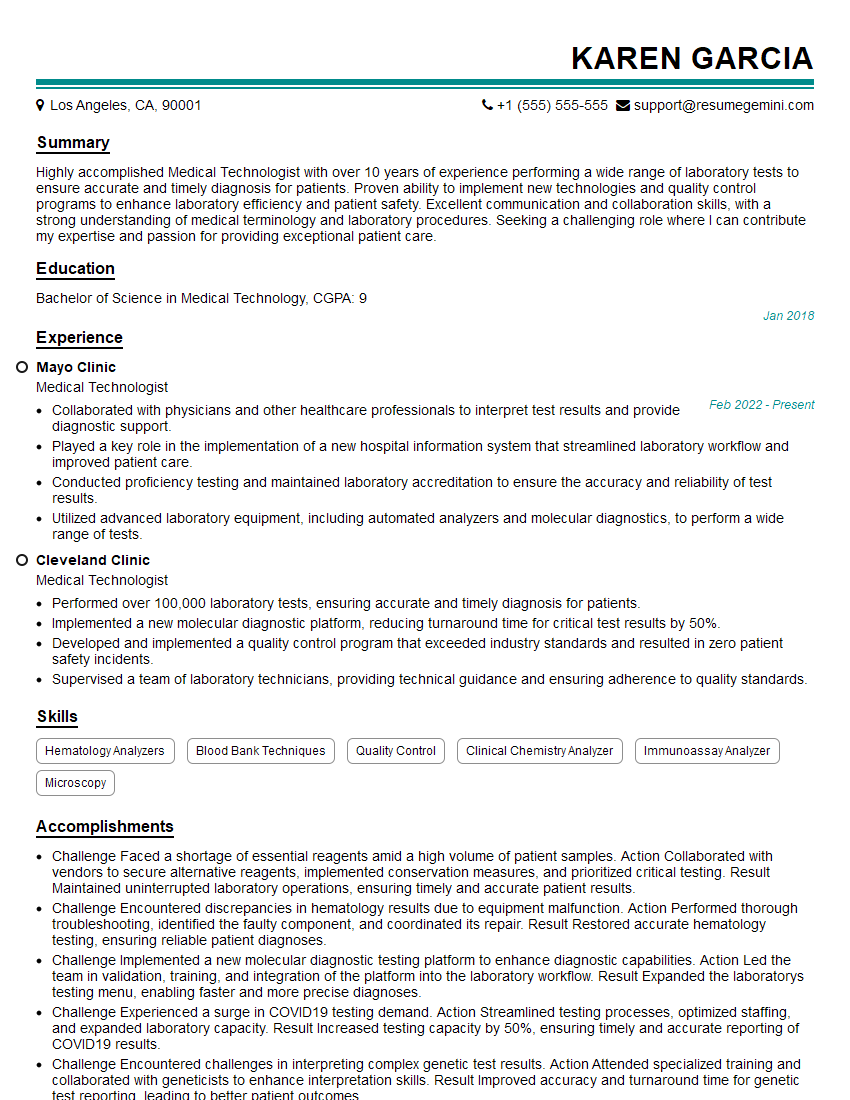
Medical Technologist Resume Sample
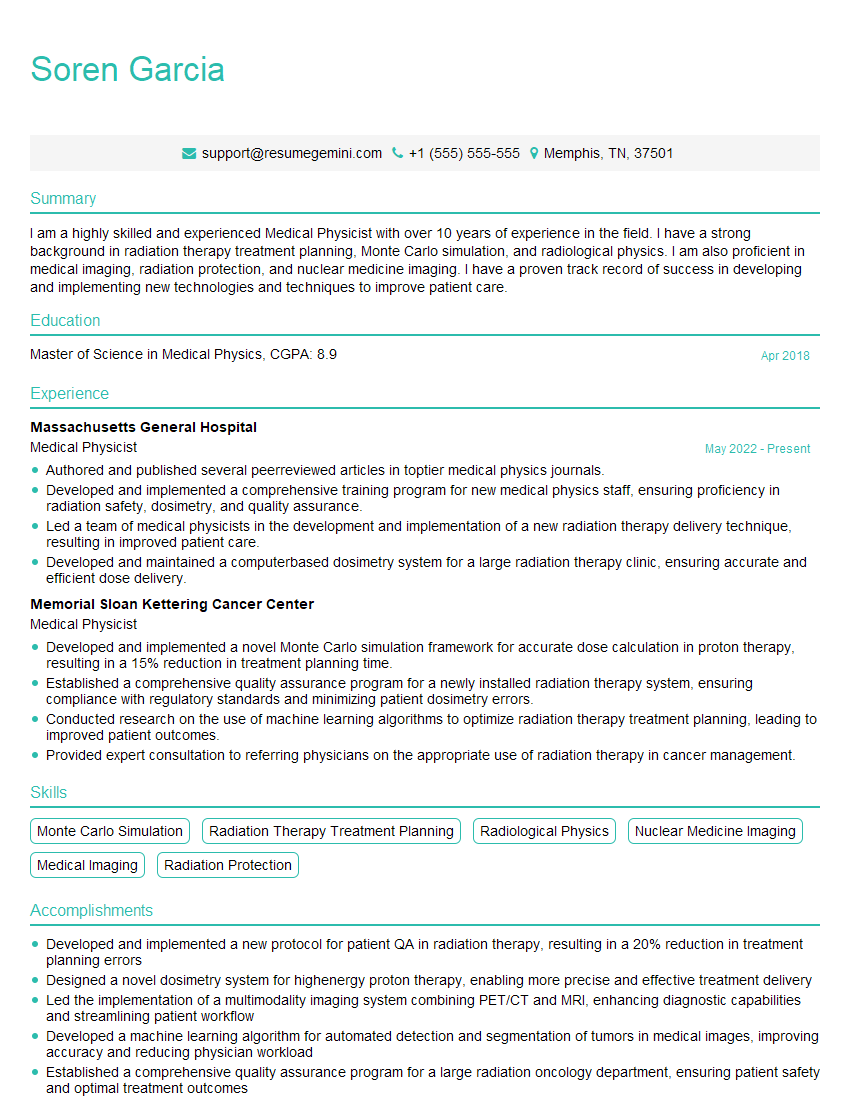
Medical Physicist Resume Sample
Nurse Practitioner Resume Sample
Medical Writer Resume Sample

Physician Assistant Resume Sample
Gastroenterologist Resume Sample
Vascular Surgeon Resume Sample
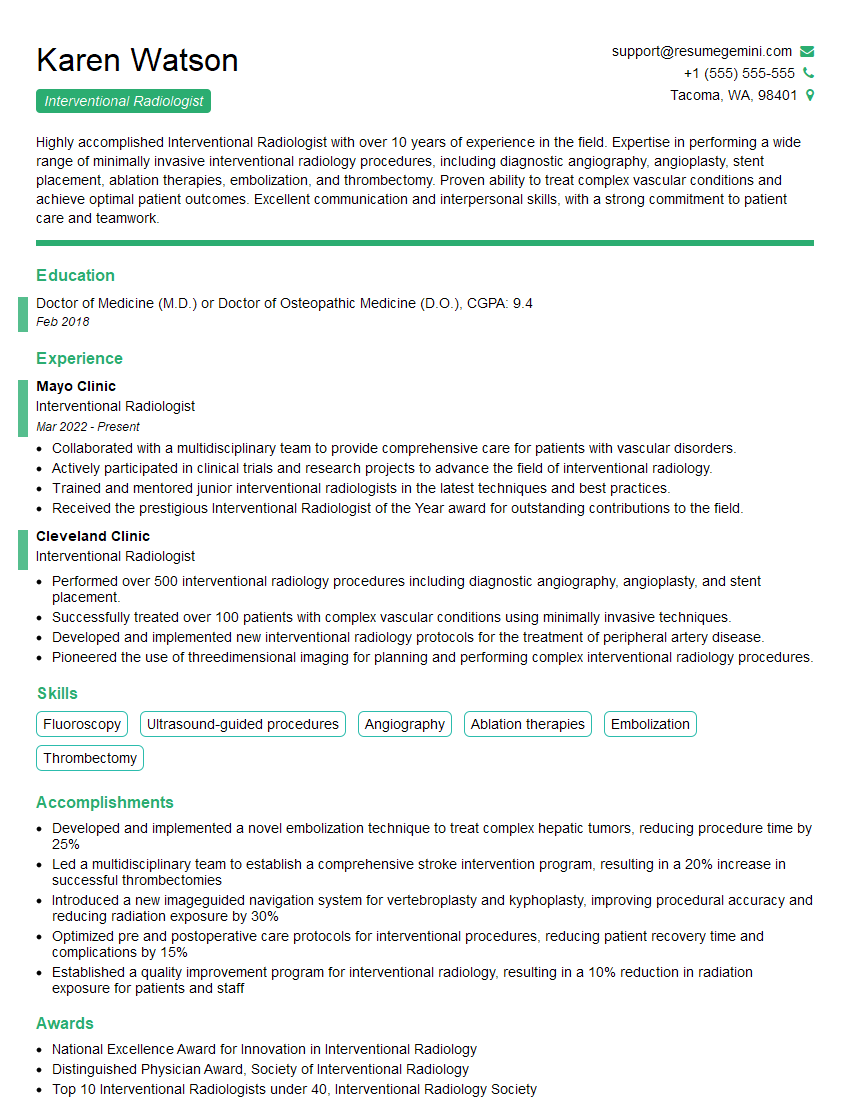
Interventional Radiologist Resume Sample
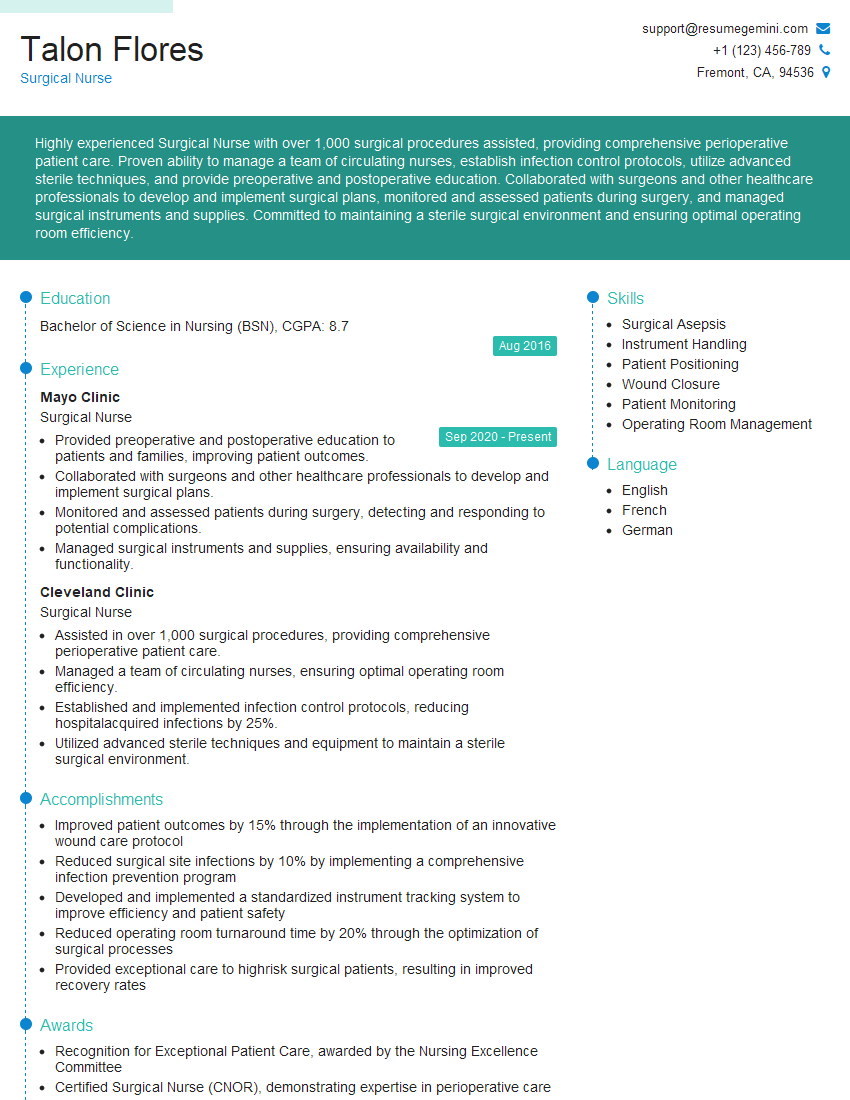
Surgical Nurse Resume Sample
Explore more articles
Users Rating of Our Blogs
Share Your Experience
We value your feedback! Please rate our content and share your thoughts (optional).
What Readers Say About Our Blog
To the interviewgemini.com Webmaster.
Very helpful and content specific questions to help prepare me for my interview!
Thank you
To the interviewgemini.com Webmaster.
This was kind of a unique content I found around the specialized skills. Very helpful questions and good detailed answers.
Very Helpful blog, thank you Interviewgemini team.