Cracking a skill-specific interview, like one for Transplant Immunology, requires understanding the nuances of the role. In this blog, we present the questions you’re most likely to encounter, along with insights into how to answer them effectively. Let’s ensure you’re ready to make a strong impression.
Questions Asked in Transplant Immunology Interview
Q 1. Explain the role of HLA matching in organ transplantation.
HLA (Human Leukocyte Antigen) matching is crucial in organ transplantation because HLA molecules are the primary target of the recipient’s immune system. These molecules, found on the surface of all cells, act like identification tags. If the donor’s HLA molecules are significantly different from the recipient’s, the recipient’s immune system will recognize the transplanted organ as foreign and mount an attack, leading to rejection. The closer the HLA match between donor and recipient (ideally a perfect match for the major HLA genes), the lower the risk of rejection and the better the chances of long-term graft survival. Think of it like a key and a lock; the closer the match, the better the ‘key’ (donor organ) fits the ‘lock’ (recipient’s immune system).
In practice, HLA typing is performed using advanced techniques to determine the HLA alleles of both donor and recipient. The degree of matching is then assessed, often categorized into different levels of compatibility. A higher degree of HLA matching increases the probability of successful transplantation.
Q 2. Describe the different types of transplant rejection and their mechanisms.
Transplant rejection can be broadly classified into hyperacute, acute, and chronic rejection, each with distinct mechanisms:
- Hyperacute rejection: This occurs within minutes to hours of transplantation. It’s caused by pre-existing antibodies in the recipient’s blood that recognize and attack the donor organ’s antigens. This is usually preventable through careful cross-matching before transplantation.
- Acute rejection: This typically happens within the first few months after transplantation. It’s mediated by T cells and involves the recipient’s immune system recognizing and attacking the donor’s HLA molecules on the transplanted organ. The inflammatory response damages the organ, leading to organ dysfunction.
- Chronic rejection: This is a slow, progressive process that occurs over months or years. It’s characterized by the gradual destruction of the transplanted organ through a complex interplay of immune and non-immune factors. The exact mechanisms are not fully understood but involve both T cell-mediated and antibody-mediated responses, leading to scarring and fibrosis in the organ.
Imagine the immune system as a security guard. Hyperacute rejection is like an immediate, violent intrusion; acute rejection is like a sustained, targeted attack; chronic rejection is a slow, creeping infiltration.
Q 3. Discuss the major immunosuppressive drugs used in transplant recipients and their side effects.
Many immunosuppressive drugs are used to prevent transplant rejection. These drugs work by suppressing different components of the immune system. Some examples include:
- Calcineurin inhibitors (e.g., Cyclosporine, Tacrolimus): These inhibit T cell activation, reducing the immune response. Side effects can include nephrotoxicity (kidney damage), hypertension, and neurotoxicity.
- Corticosteroids (e.g., Prednisone): These have broad immunosuppressive effects, reducing inflammation. Long-term use can lead to osteoporosis, diabetes, and increased risk of infections.
- Antimetabolites (e.g., Azathioprine, Mycophenolate mofetil): These interfere with DNA synthesis, impairing the proliferation of immune cells. Side effects can include bone marrow suppression and gastrointestinal disturbances.
- mTOR inhibitors (e.g., Sirolimus, Everolimus): These inhibit the mammalian target of rapamycin, impacting T cell activation and proliferation. Side effects include hyperlipidemia, mouth sores, and increased risk of infection.
The choice of immunosuppressive regimen depends on the type of transplant, the recipient’s health status, and the risk of rejection. Each drug has its own toxicity profile, requiring careful monitoring of blood counts, kidney function, and other parameters.
Q 4. What are the clinical manifestations of acute and chronic rejection?
The clinical manifestations of acute and chronic rejection vary depending on the transplanted organ but often include:
- Acute rejection: This may present with fever, malaise, organ dysfunction (e.g., decreased kidney function in kidney transplant, decreased liver function in liver transplant), and tenderness over the transplanted organ. Biopsy of the transplanted organ is often required for diagnosis.
- Chronic rejection: This is often insidious and difficult to diagnose early. It typically manifests as progressive decline in organ function over time, often with subtle symptoms initially. For example, in heart transplant recipients, chronic rejection can lead to gradual decline in cardiac output and eventual heart failure. In kidney transplant recipients, it can lead to progressive loss of kidney function and the need for dialysis.
Regular monitoring of organ function through blood tests and imaging studies are essential for early detection of both acute and chronic rejection.
Q 5. How is graft-versus-host disease (GvHD) diagnosed and managed?
Graft-versus-host disease (GvHD) is a serious complication that occurs mainly after allogeneic stem cell transplantation. It happens when the donor’s immune cells (primarily T cells) recognize the recipient’s tissues as foreign and attack them. GvHD can affect the skin, liver, gut, and other organs.
Diagnosis is based on clinical presentation and laboratory findings. Skin manifestations include rash, itching, and blistering. Gastrointestinal symptoms can include diarrhea, abdominal pain, and nausea. Liver involvement may cause jaundice and elevated liver enzymes. Biopsies of affected organs may be needed for confirmation.
Management involves immunosuppressive therapy to suppress the donor’s immune response. This may include corticosteroids, calcineurin inhibitors, and other immunosuppressive agents. Supportive care, such as managing infections and gastrointestinal symptoms, is also crucial. The severity of GvHD dictates the intensity of treatment, with more severe cases requiring higher doses of immunosuppression and potentially other interventions.
Q 6. Explain the principles of cross-matching in transplantation.
Cross-matching in transplantation is a crucial step to assess the compatibility between the donor and recipient. It involves mixing the recipient’s serum (containing antibodies) with the donor’s lymphocytes (white blood cells). A positive cross-match indicates the presence of pre-existing antibodies in the recipient’s serum that react with the donor’s cells. This suggests a high risk of hyperacute rejection, and transplantation is generally contraindicated in such cases. A negative cross-match indicates the absence of such antibodies, suggesting a lower risk of hyperacute rejection and making the transplantation more feasible.
Think of it as a preliminary compatibility test. It helps to identify patients who might experience immediate rejection, saving them from undergoing a potentially dangerous procedure.
Q 7. What are the advantages and disadvantages of different immunosuppression regimens?
Different immunosuppression regimens offer varying advantages and disadvantages:
- Regimens with calcineurin inhibitors: These are effective at preventing rejection but can have significant side effects, such as kidney damage and hypertension.
- Regimens without calcineurin inhibitors: These may offer reduced nephrotoxicity but might have a higher risk of rejection or other complications.
- Induction therapy (high-dose immunosuppression at the time of transplantation): This can reduce early rejection but increases the risk of infections and other side effects.
- Maintenance therapy (long-term lower-dose immunosuppression): This is essential for long-term graft survival but needs careful balancing to minimize side effects.
The optimal regimen is determined on a case-by-case basis, weighing the benefits of rejection prevention against the risks of side effects. Factors such as the type of transplant, recipient characteristics, and the availability of novel immunosuppressants all influence this decision.
Q 8. Describe the role of tolerance induction in transplantation.
Tolerance induction in transplantation aims to prevent the recipient’s immune system from rejecting the transplanted organ. Instead of suppressing the entire immune system, which carries significant risks, tolerance induction seeks to specifically target the immune response against the transplanted organ, allowing the body to accept it as ‘self’. This is achieved by manipulating the immune system to become unresponsive to the donor’s antigens – the unique proteins on the surface of the donor’s cells that trigger rejection.
Several strategies are employed to achieve this. One approach involves the use of immunosuppressive drugs in specific combinations and dosages to create a window of opportunity for tolerance to develop. Another strategy involves the use of antigen-specific therapies like monoclonal antibodies to specifically target the immune cells responsible for rejection. Research also focuses on inducing regulatory T cells (Tregs), which actively suppress the immune response, thus preventing rejection. A promising avenue is transplantation tolerance through hematopoietic stem cell transplantation (HSCT), where the recipient’s immune system is essentially replaced with the donor’s, effectively eliminating the risk of rejection.
Imagine it like teaching your immune system to ignore a specific ‘foreign object’. Instead of completely disabling its defense mechanism, you’re training it to recognize the transplanted organ as harmless, akin to a well-trained guard dog that differentiates between friend and foe.
Q 9. How is immunosuppression tailored to individual patients?
Tailoring immunosuppression is crucial because a ‘one-size-fits-all’ approach carries significant risks. Patients respond differently to immunosuppressants due to genetic variations, organ type, and the degree of immunological mismatch between donor and recipient. Immunosuppression plans are developed based on a careful evaluation of these factors.
Firstly, pre-transplant assessment identifies potential risks and tailors the choice of immunosuppressants. Factors considered include the recipient’s age, overall health, history of infections, and the level of Human Leukocyte Antigen (HLA) matching between donor and recipient (a close match reduces the need for strong immunosuppression).
Secondly, post-transplant monitoring is vital. Blood tests regularly assess the levels of immunosuppressants, kidney function (as many immunosuppressants are nephrotoxic), and markers of immune activity. Adjustments in dosage or the addition/withdrawal of drugs are made based on these test results and the clinical status of the patient. This dynamic approach is essential to minimize both rejection and side effects. For example, a patient displaying signs of rejection might require an increased dose of an immunosuppressant, while a patient experiencing severe side effects may need a reduction or a change in medication.
Finally, personalized medicine is an emerging area incorporating genetic testing to predict an individual’s response to specific immunosuppressants, helping optimize treatment plans and reduce adverse events. It’s like fine-tuning a complex machine – continuous monitoring and adjustments ensure optimal performance while minimizing the risk of malfunction.
Q 10. What are the ethical considerations surrounding organ transplantation?
Organ transplantation raises complex ethical questions. The most pressing is the allocation of scarce organs. The need for equitable and transparent criteria for allocating organs to those in need is paramount. This includes addressing potential biases related to factors like age, lifestyle, and socioeconomic status. Ethical dilemmas also arise when determining the suitability of potential donors and when assessing a recipient’s suitability for transplantation, considering their life expectancy and compliance with post-transplant management protocols.
Informed consent is another critical aspect. Patients must fully understand the risks and benefits of transplantation, including the need for lifelong immunosuppression and the potential for serious side effects, before making an informed decision. Similarly, the families of potential donors must have comprehensive information and support to make a reasoned decision regarding organ donation.
Finally, there are ethical concerns surrounding the commercialization of organs. Preventing the exploitation of vulnerable individuals and ensuring that organ donation remains a selfless act are crucial for upholding the ethical integrity of transplantation.
Q 11. Discuss the challenges in managing infections in transplant recipients.
Managing infections in transplant recipients is a significant challenge due to the immunosuppression required to prevent rejection. Immunosuppression weakens the immune system, making recipients highly susceptible to a wide range of infections, from common colds to life-threatening opportunistic infections (infections caused by microorganisms that usually do not cause disease in immunocompetent individuals).
Several strategies are used to mitigate this risk. Prophylactic antibiotics, antifungals, and antivirals are often prescribed to prevent common infections. Careful monitoring for signs and symptoms of infection, including fever, fatigue, and changes in respiratory or gastrointestinal function, is crucial. Rapid diagnosis and treatment of infections are vital due to the higher risk of rapid progression and severe complications in immunosuppressed patients. Vaccination is crucial to prevent preventable infections, but live attenuated vaccines are often contraindicated in immunosuppressed individuals.
Managing infections often involves complex decision-making. The need to balance the risk of infection with the need to maintain sufficient immunosuppression to prevent rejection makes treatment decisions challenging. The clinician must assess the severity of the infection, its potential impact on the graft, and the recipient’s overall health status before deciding on the best course of action. For example, an opportunistic infection may necessitate temporarily reducing immunosuppression, even at the risk of an increased chance of transplant rejection.
Q 12. Explain the role of monitoring tests in transplant recipients.
Monitoring tests play a pivotal role in ensuring the success of a transplant and the well-being of the recipient. Regular testing helps detect early signs of rejection, monitor the effectiveness of immunosuppression, and assess the function of the transplanted organ and overall health of the recipient.
Blood tests are the cornerstone of monitoring. These assess kidney function (especially important given that many immunosuppressants are nephrotoxic), liver function, and complete blood counts (to detect infections or anemia). Levels of immunosuppressants in the blood are also closely monitored to ensure therapeutic levels are maintained. Biopsy of the transplanted organ can be performed to examine its cellular structure and assess for signs of rejection. This procedure allows for a direct assessment of the graft’s condition.
Imaging techniques like ultrasound, CT scans, or MRI scans are used to assess the size and blood supply of the transplanted organ and to look for signs of complications like blockages in blood vessels. These tests help guide management decisions and provide insights into the long-term prognosis.
The frequency of monitoring depends on the post-transplant period. More frequent testing is done in the early post-transplant phase, then gradually reduces in frequency over time as the patient stabilizes. The results of these tests are crucial in tailoring the immunosuppression regimen and managing potential complications, similar to a dashboard providing real-time insights into the health of the transplant.
Q 13. How is the success of a transplant assessed?
Assessing the success of a transplant involves evaluating both the graft’s function and the recipient’s overall health and well-being. Several factors contribute to a comprehensive assessment.
Graft function is assessed by measuring the organ’s ability to perform its normal physiological role. For example, in kidney transplantation, this involves monitoring creatinine levels and glomerular filtration rate (GFR) to measure kidney function. In liver transplantation, it would involve assessing liver function tests such as bilirubin and albumin levels.
Recipient survival is another critical measure of success. The longer a recipient survives with a functioning graft, the more successful the transplant is considered. The absence of rejection episodes, and the management of any complications are also considered.
Quality of life also plays an important role. A successful transplant should not only improve organ function but also lead to a better overall quality of life for the recipient. This is assessed through questionnaires and assessments that take into account physical function, psychological well-being, and social interactions. A successful transplant, therefore, is not merely the absence of rejection; it’s about restoring a patient’s health and enabling them to live a full and productive life.
Q 14. What are the long-term complications of transplantation?
Long-term complications of transplantation are often related to the immunosuppression required to prevent rejection and to the effects of the transplantation procedure itself.
Infections remain a significant concern due to immunosuppression. These can range from common infections to serious opportunistic infections, sometimes requiring hospitalization. Cardiovascular disease is another prevalent long-term complication. Immunosuppressants can contribute to hypertension, dyslipidemia, and atherosclerosis, increasing the risk of heart attacks and strokes.
Kidney disease can be caused by both the immunosuppressants themselves (many are nephrotoxic) and by the effects of chronic rejection. Diabetes is another frequent complication, often linked to certain immunosuppressants. Malignancies (cancers) are also more common in transplant recipients, partly because of immunosuppression, which compromises the immune system’s ability to fight off cancerous cells.
Graft dysfunction is a late complication that can be caused by chronic rejection, where the immune system slowly damages the transplanted organ over time. The occurrence of these complications varies depending on several factors, including the type of organ transplanted, the recipient’s health status, and the immunosuppression regimen used. Careful monitoring and proactive management of these risks are essential to improve the long-term outcomes for transplant recipients.
Q 15. Describe the process of organ allocation.
Organ allocation is a complex process aimed at ensuring the fairest and most efficient distribution of donor organs to recipients in need. It’s governed by a system of prioritization based on several factors, aiming to maximize the chance of a successful transplant. The process typically involves:
- Medical urgency: Patients with the most critical need receive higher priority.
- Organ compatibility: This includes blood type, tissue type (HLA matching), and size compatibility. A closer match generally leads to better long-term outcomes.
- Waiting time: In some cases, longer waiting times can increase priority.
- Geographic proximity: Reducing the transport time of the organ helps maintain viability and improves the chances of successful transplantation.
- Regional allocation systems: Organs are often allocated within specific geographical regions to minimize transport times.
Think of it like a sophisticated matching system, similar to a dating app, but instead of finding a perfect romantic match, we’re trying to find the perfect organ match to save a life. The system considers numerous variables to ensure the best possible outcome for the recipient, while also trying to minimize wasted organs.
Career Expert Tips:
- Ace those interviews! Prepare effectively by reviewing the Top 50 Most Common Interview Questions on ResumeGemini.
- Navigate your job search with confidence! Explore a wide range of Career Tips on ResumeGemini. Learn about common challenges and recommendations to overcome them.
- Craft the perfect resume! Master the Art of Resume Writing with ResumeGemini’s guide. Showcase your unique qualifications and achievements effectively.
- Don’t miss out on holiday savings! Build your dream resume with ResumeGemini’s ATS optimized templates.
Q 16. What is the significance of donor-specific antibodies (DSA)?
Donor-specific antibodies (DSA) are antibodies produced by the recipient’s immune system that specifically target antigens present on the donor’s organ. The significance of DSA lies in their ability to trigger antibody-mediated rejection (AMR), a major cause of transplant failure. These antibodies bind to the transplanted organ, activating the complement system and triggering an inflammatory cascade that damages the organ. The presence and levels of DSA are carefully monitored before and after transplantation. High DSA titers are often associated with an increased risk of AMR and graft loss. Detecting DSA before transplantation can help clinicians in choosing the most suitable donor and inform preemptive immunosuppression strategies.
For example, imagine the donor organ as a house with a unique front door (antigens). If the recipient has already created antibodies (DSA) that recognize this specific door, they will attack the house (organ) as soon as it is transplanted. Therefore, monitoring and managing DSA is crucial for successful transplantation.
Q 17. Explain the role of flow cytometry in transplantation.
Flow cytometry plays a crucial role in transplantation by providing a quantitative and qualitative assessment of immune cells. It allows clinicians to analyze the number and function of different immune cell populations, such as T cells, B cells, and NK cells, both in the recipient and the donor. This information is essential for several reasons:
- Monitoring immune response: Flow cytometry helps track the effectiveness of immunosuppressive therapy by measuring the levels of immune cells that could lead to rejection.
- Diagnosing rejection: Changes in the number and activation status of specific immune cells can be indicative of rejection, allowing for early intervention.
- Assessing donor organ quality: Flow cytometry can help evaluate the presence of immune cells within the donor organ.
- Identifying cross-reactivity: It is crucial in assessing compatibility between the donor and recipient, especially in the context of DSA.
Essentially, flow cytometry gives us a detailed snapshot of the immune system’s response to transplantation. Think of it like a detailed blood count, but instead of just looking at red and white blood cells, we’re examining the specific types of immune cells involved in transplantation and their activity.
Q 18. Discuss the role of genetic testing in transplantation.
Genetic testing in transplantation is crucial for both donor and recipient assessment. It helps identify genetic variations that can influence transplant outcomes:
- HLA typing: Human Leukocyte Antigen (HLA) typing is fundamental. HLA genes code for proteins involved in immune recognition. A close HLA match between donor and recipient minimizes the risk of rejection. High-resolution HLA typing provides more precise matching.
- Pharmacogenomics: Genetic testing can predict how an individual will respond to different immunosuppressant drugs. This allows clinicians to tailor drug selection and dosage for optimal efficacy and minimize adverse effects. For example, certain genes influence the metabolism of certain immunosuppressants.
- Recipient risk assessment: Genetic testing can help identify genetic predispositions to certain diseases or complications that might affect transplant success. For instance, certain genetic mutations may increase the risk of developing post-transplant lymphoproliferative disease (PTLD).
- Donor selection: Identifying genetic risks in donors could help select healthier donors and predict potential complications.
Genetic testing helps personalize the transplantation process, enhancing the safety and effectiveness of the procedure. It’s a powerful tool in achieving better long-term outcomes.
Q 19. What is the impact of comorbidities on transplant outcomes?
Comorbidities (co-existing medical conditions) significantly impact transplant outcomes. The presence of conditions like diabetes, hypertension, cardiovascular disease, or chronic lung disease can increase the risk of complications and reduce the long-term success of a transplant. For example:
- Diabetes: Increases the risk of infection, wound healing complications, and delayed graft function.
- Hypertension: Can lead to cardiovascular events and negatively affect the transplanted organ.
- Chronic lung disease: Increases the risk of post-transplant respiratory complications.
- Cardiovascular disease: Increases mortality risk following transplant surgery.
Careful assessment and management of comorbidities before and after transplantation are essential. Patients with significant comorbidities might require more intensive immunosuppression, increasing their risk of side effects. Careful evaluation and optimization of these existing health issues are critical to improving the chances of a successful transplant.
Q 20. How do you manage a case of acute rejection?
Managing acute rejection involves a prompt and aggressive approach to suppress the immune response and protect the transplanted organ. The process typically involves:
- Biopsy: A tissue sample from the transplanted organ is taken to confirm the diagnosis of rejection and assess its severity.
- Increased immunosuppression: The dosage of current immunosuppressants may be increased, or additional medications may be added. This often involves high-dose corticosteroids, as they are a cornerstone of acute rejection treatment.
- Immunosuppressive therapy optimization: The type and dosage of immunosuppressants are adjusted based on the patient’s response and the severity of rejection.
- Plasmapheresis or IVIG: In severe cases, plasmapheresis (removal of antibodies from the blood) or intravenous immunoglobulin (IVIG) may be used to remove harmful antibodies or modulate the immune system.
- Monitoring: Close monitoring of organ function and the patient’s overall condition is crucial during and after treatment. Regular blood tests, imaging studies, and clinical assessments are performed.
Early detection and aggressive treatment are crucial to prevent irreversible damage to the transplanted organ. Treating acute rejection can be akin to putting out a fire – swift action is necessary to prevent wider damage. The approach is personalized based on the severity of rejection and individual patient factors.
Q 21. Explain the different types of immunosuppressant medications, and their mechanisms of action.
Immunosuppressant medications are crucial in preventing organ rejection after transplantation. They work by suppressing the activity of the immune system. Different classes have distinct mechanisms:
- Calcineurin inhibitors (e.g., Cyclosporine, Tacrolimus): These drugs block calcineurin, a protein that plays a vital role in T cell activation. They prevent the production of interleukin-2, a crucial cytokine for T cell proliferation.
- mTOR inhibitors (e.g., Sirolimus, Everolimus): These drugs inhibit the mammalian target of rapamycin (mTOR), a protein involved in T cell growth and proliferation. They’re often used in combination with calcineurin inhibitors.
- Corticosteroids (e.g., Prednisone): These are potent anti-inflammatory agents that have multiple effects on the immune system, including suppressing T cell activation and reducing inflammation.
- Antimetabolites (e.g., Azathioprine, Mycophenolate mofetil): These drugs interfere with DNA synthesis, thereby inhibiting the proliferation of lymphocytes (T and B cells).
- Monoclonal antibodies (e.g., Basiliximab, Daclizumab): These are targeted therapies that specifically bind to certain immune cells, like T cells, and prevent their activation.
The choice of immunosuppressants depends on various factors, including the type of transplant, the recipient’s medical history, and the risk of rejection. Often, a combination of drugs is used to achieve optimal immunosuppression while minimizing side effects. Each drug has potential side effects that clinicians must carefully monitor.
Q 22. How are potential recipients evaluated for suitability?
Evaluating potential transplant recipients is a multi-faceted process crucial for ensuring a successful outcome and minimizing risks. We assess several key factors:
- HLA (Human Leukocyte Antigen) typing: This is paramount. HLA molecules are on the surface of cells and identify them as ‘self’ or ‘foreign’. A close match between donor and recipient HLA types minimizes the chances of rejection. We aim for the best possible match, often using six-antigen matching. A mismatch increases the risk of rejection, requiring stronger immunosuppression.
- Organ function assessment: Detailed investigations assess the recipient’s overall health and the function of the failing organ. Blood tests, imaging scans (like ultrasound, CT scans, or MRI), and biopsies are used to evaluate organ damage and overall health.
- Infectious disease screening: Thorough screening is performed for infections like Hepatitis B and C, HIV, and cytomegalovirus (CMV), to prevent transmission during transplantation. We also check for active infections that could compromise the post-transplant recovery.
- Psychological evaluation: The emotional and psychological well-being of the recipient is also crucial. Transplantation is a major life event requiring significant lifestyle changes and long-term commitment to medication. A strong support system is essential.
- Socioeconomic factors: Access to post-transplant care, including medication adherence and regular monitoring, is crucial for long-term success. We evaluate the recipient’s ability to comply with the demanding post-transplant regimen.
For instance, a recipient with poorly controlled diabetes might be deemed unsuitable for a kidney transplant until their diabetes is better managed. Similarly, a patient with active hepatitis C would require treatment before transplantation.
Q 23. What are the risks associated with living-donor transplantation?
Living-donor transplantation offers significant advantages, but it’s crucial to acknowledge the risks associated with donation. These risks vary depending on the organ donated and the individual donor’s health.
- Surgical risks: Any surgical procedure carries inherent risks, including infection, bleeding, and complications related to anesthesia. The specific risks depend on the surgery’s complexity; kidney donation is generally considered less invasive than liver donation.
- Long-term complications: Donors may experience long-term consequences depending on the organ donated. For instance, kidney donors may have a slightly increased risk of developing kidney disease later in life. However, the majority of living donors experience no significant long-term health problems.
- Psychological impact: The decision to donate an organ can be emotionally challenging for the donor. Pre-donation counseling is essential to ensure that the donor fully understands the risks and makes an informed decision. Post-donation support is critical, as well.
- Financial burden: Living organ donation involves costs associated with medical evaluations, surgery, and recovery. While some healthcare systems provide financial assistance, this can add another layer of concern.
We take extensive measures to minimize these risks, including rigorous donor selection criteria, meticulous surgical techniques, and dedicated post-operative care. The potential benefits of saving a loved one’s life must always be carefully weighed against the potential risks.
Q 24. Describe the process of pre-transplant evaluation.
Pre-transplant evaluation is a comprehensive process designed to determine the recipient’s suitability for transplantation and to optimize their chances of a successful outcome. It involves several stages:
- Initial consultation: A detailed medical history, including past illnesses, medications, allergies, and family history, is obtained. The recipient’s overall health and suitability for transplantation are assessed.
- Blood tests: Extensive blood tests evaluate organ function, identify potential infections, determine blood type, and perform HLA typing.
- Imaging studies: Imaging techniques like ultrasound, CT scans, or MRI are used to visualize the failing organ and assess the extent of damage.
- Tissue typing: This crucial step determines the HLA type of the recipient and helps identify the best possible donor match.
- Cardiac evaluation: A comprehensive cardiac evaluation is performed to assess cardiovascular health, a critical factor for successful transplantation and recovery.
- Pulmonary function tests: Lung function tests help evaluate respiratory health, important for managing post-transplant complications.
- Psychological assessment: A thorough psychological evaluation assesses the recipient’s emotional readiness and coping mechanisms for handling the challenges of transplantation.
- Infectious disease screening: Screening for infections like Hepatitis B and C, HIV, and CMV is essential to ensure that the recipient is infection-free before and after transplant.
This meticulous evaluation is crucial not only for successful transplantation but also for optimizing the recipient’s long-term survival and quality of life. Each step provides valuable insights into the recipient’s overall health and preparedness for this significant procedure.
Q 25. What are the current research trends in transplant immunology?
Current research trends in transplant immunology focus on several key areas:
- Immunosuppression optimization: Researchers are working to develop safer and more effective immunosuppressive drugs with fewer side effects. This includes exploring novel drug targets and developing personalized immunosuppression regimens based on individual patient characteristics.
- Tolerance induction: The ultimate goal is to achieve transplantation tolerance, where the recipient’s immune system accepts the transplanted organ without the need for continuous immunosuppression. Research focuses on identifying and manipulating immune cells and pathways to induce tolerance.
- Gene therapy: Gene therapy holds promise for modifying immune responses to prevent rejection. This includes strategies to modify immune cells to enhance graft acceptance or to reduce the need for immunosuppression.
- Regenerative medicine: This field explores the potential to regenerate damaged organs, reducing the need for transplantation. Research includes using stem cells to repair damaged tissues or to create new organs.
- Artificial organs and bioengineering: The development of bioengineered or artificial organs could alleviate the shortage of donor organs. This is a rapidly advancing field with potential to revolutionize transplantation.
- Microbiome and transplantation: Studies are emerging regarding the impact of the gut microbiome on transplant outcomes and how we may harness it for better outcomes.
These advancements hold enormous potential to improve transplant outcomes, reduce rejection rates, and enhance the quality of life for transplant recipients.
Q 26. How is adherence to immunosuppression medication monitored?
Monitoring adherence to immunosuppression medication is crucial for preventing organ rejection. We use a combination of strategies:
- Regular blood tests: Blood tests measure drug levels (therapeutic drug monitoring or TDM) to ensure that patients are taking their medication as prescribed and that the levels are within the therapeutic range. This helps us adjust dosage as needed. We also look for signs of toxicity.
- Pill counts: Regular pill counts can help assess medication adherence, though this method is not always reliable.
- Patient self-reporting: Patients are asked to keep a medication diary and report any missed doses or side effects. This is supplemented by discussions during clinic visits.
- Electronic medication monitoring devices: Some patients use electronic pill dispensers that track medication usage. This technology can provide objective data on adherence.
- Patient education and counseling: We emphasize the importance of medication adherence and help patients understand the potential consequences of non-compliance. We work to address barriers to adherence.
Non-adherence to immunosuppression can have severe consequences. It can lead to organ rejection, requiring interventions such as increased medication, or even retransplantation. Therefore, meticulous monitoring and patient support are critical.
Q 27. How do you counsel patients about the risks and benefits of transplantation?
Counseling patients about the risks and benefits of transplantation is a vital part of our role. It’s a shared decision-making process where we provide information to help patients make informed choices.
We explain the potential benefits, such as improved quality of life and extended lifespan. We also discuss the risks, such as infection, rejection, the need for long-term immunosuppression with associated side effects (increased risk of infection, kidney damage, diabetes, etc.), and the possibility of complications from surgery. We carefully consider the patient’s individual circumstances, values, and expectations.
I find it helpful to use realistic examples and case studies to illustrate potential outcomes. I also encourage patients to ask questions and involve family members in the discussions. The goal is to ensure that patients feel empowered to make the best decision for themselves.
We emphasize the importance of a strong support system and long-term commitment to post-transplant care. We discuss the possibility of post-transplant complications and how we manage them proactively. A frank and open conversation builds trust and ensures that patients are fully prepared for the journey ahead.
Q 28. Describe your experience with managing transplant-related complications.
Managing transplant-related complications requires a multidisciplinary approach and involves quick decision making. My experience includes managing a wide range of complications:
- Organ rejection: This is a major concern. We monitor patients closely for signs of rejection, such as changes in organ function, and promptly initiate treatment with increased immunosuppression or other interventions as needed. I have personally managed several cases of rejection, sometimes requiring high-dose steroids or other immunomodulatory agents.
- Infections: Immunosuppressed patients are at high risk of infections. We take proactive measures to prevent infections (vaccinations, hygiene), and promptly treat any infections that do occur. I’ve dealt with numerous cases of bacterial, viral, and fungal infections, often requiring hospitalization and specialized treatment.
- Immunosuppression-related side effects: These are common and can include kidney damage, diabetes, high blood pressure, and increased risk of certain cancers. We carefully monitor patients for these side effects and adjust medication accordingly, sometimes involving close collaboration with other specialists.
- Graft-versus-host disease (GvHD): In cases of bone marrow transplantation, this is a serious complication. Management involves immunosuppressants and supportive care. I’ve had experience with managing GvHD through careful monitoring of symptoms and adjusting medication regimens.
- Surgical complications: These can include bleeding, infection, or other issues related to the transplantation surgery. I’ve worked closely with surgical teams to address these complications.
Effective management of these complications involves close monitoring of patients, prompt diagnosis and treatment, and a strong collaborative approach among healthcare professionals.
Key Topics to Learn for Transplant Immunology Interview
- Major Histocompatibility Complex (MHC): Understanding MHC I and II molecules, their role in antigen presentation, and their significance in transplant rejection.
- Allorecognition: Direct and indirect pathways of allorecognition, the role of T cells and B cells in graft rejection, and the mechanisms of immune tolerance.
- Immunosuppressive Therapies: Mechanisms of action of various immunosuppressants (e.g., calcineurin inhibitors, mTOR inhibitors, corticosteroids), their side effects, and therapeutic monitoring.
- Transplant Rejection: Hyperacute, acute, and chronic rejection mechanisms, clinical manifestations, diagnostic approaches (e.g., biopsy interpretation), and management strategies.
- Immunogenetics: HLA typing, matching strategies (e.g., donor-recipient compatibility), and the impact of genetic factors on transplant outcomes.
- Immunomodulatory Therapies: Exploring newer approaches like tolerance induction, chimerism, and cellular therapies in transplant immunology.
- Clinical Case Studies: Applying theoretical knowledge to analyze real-world scenarios, such as diagnosing rejection, managing complications, and optimizing immunosuppressive regimens.
- Ethical Considerations: Understanding the ethical dilemmas surrounding organ donation, allocation, and transplantation, and the importance of informed consent.
- Research Methods: Familiarity with common research techniques in transplant immunology (e.g., flow cytometry, ELISA, PCR).
Next Steps
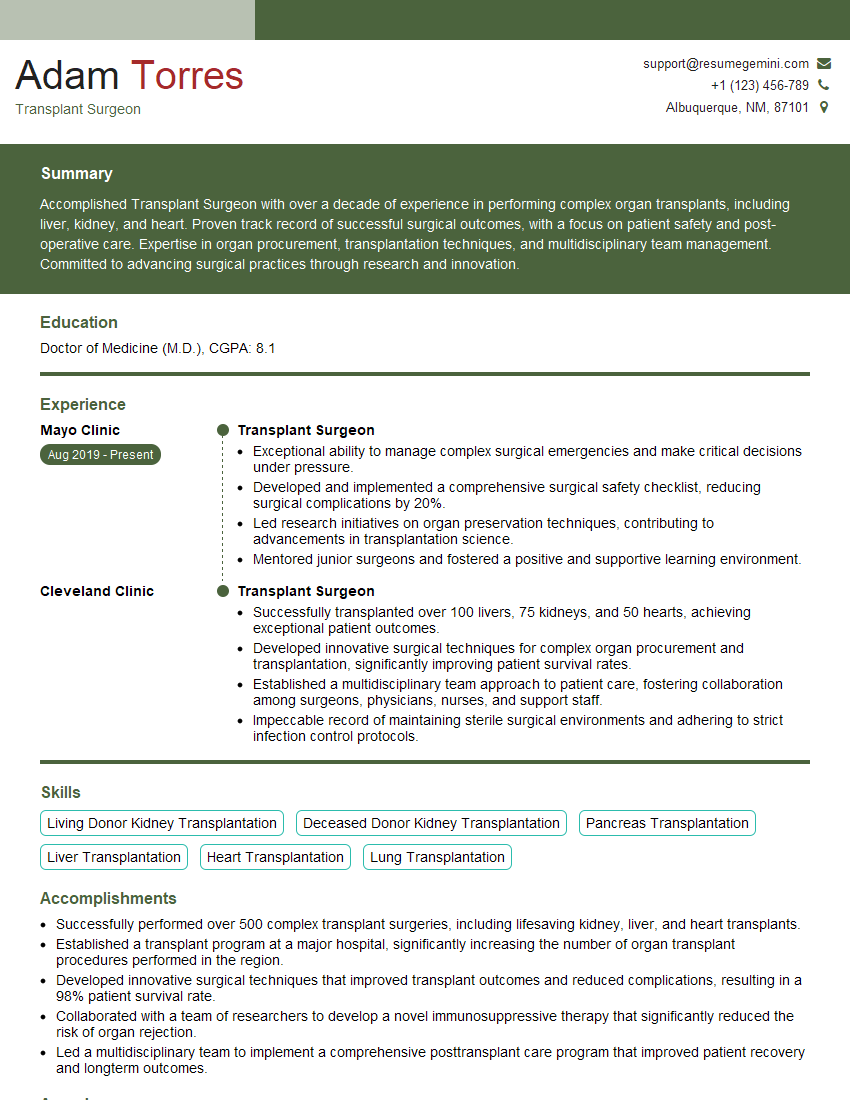
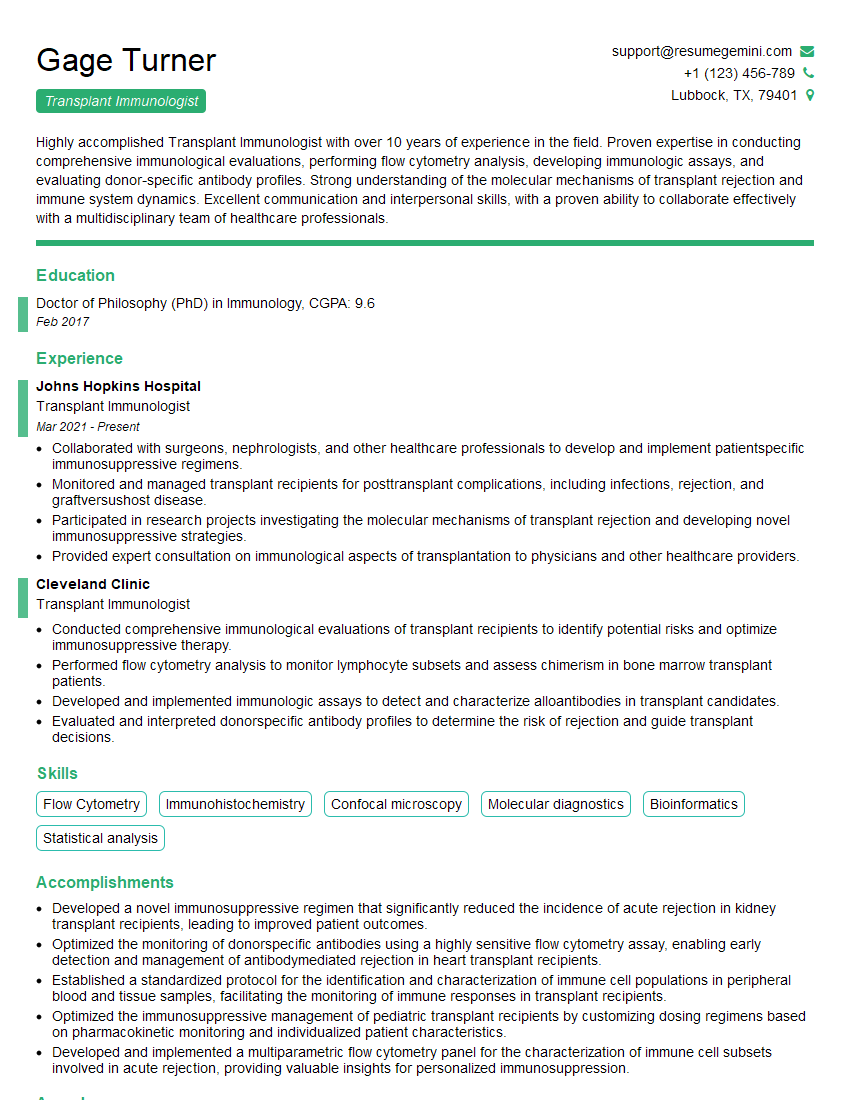
Mastering Transplant Immunology is crucial for a successful career in this dynamic field, opening doors to exciting research opportunities, clinical advancements, and leadership roles. A strong resume is your key to unlocking these opportunities. To maximize your chances, create an ATS-friendly resume that highlights your skills and experience effectively. ResumeGemini is a trusted resource to help you build a professional and impactful resume, tailored to the specific requirements of Transplant Immunology positions. Examples of resumes tailored to this field are available to guide you.
Explore more articles
Users Rating of Our Blogs
Share Your Experience
We value your feedback! Please rate our content and share your thoughts (optional).
What Readers Say About Our Blog
To the interviewgemini.com Webmaster.
Very helpful and content specific questions to help prepare me for my interview!
Thank you
To the interviewgemini.com Webmaster.
This was kind of a unique content I found around the specialized skills. Very helpful questions and good detailed answers.
Very Helpful blog, thank you Interviewgemini team.