Preparation is the key to success in any interview. In this post, we’ll explore crucial Transportation Management Systems (TMS) Expertise interview questions and equip you with strategies to craft impactful answers. Whether you’re a beginner or a pro, these tips will elevate your preparation.
Questions Asked in Transportation Management Systems (TMS) Expertise Interview
Q 1. Explain your experience with different TMS software platforms.
My experience spans several leading TMS platforms, including Oracle Transportation Management (OTM), Blue Yonder Luminate, and SAP Transportation Management. I’ve worked extensively with both cloud-based and on-premise deployments, handling diverse functionalities from shipment planning and execution to carrier management and exception handling. For example, in a previous role at a large consumer goods company, I was instrumental in migrating our TMS from a legacy on-premise system to a cloud-based OTM solution, resulting in a significant reduction in IT infrastructure costs and improved system scalability. Another project involved customizing Blue Yonder Luminate to integrate with our warehouse management system (WMS), automating the process of shipment creation and reducing manual data entry errors. Each platform has its strengths and weaknesses; my expertise lies in selecting and configuring the right system based on specific business needs and seamlessly integrating it with existing infrastructure.
Q 2. Describe your process for optimizing transportation routes.
Optimizing transportation routes is a multi-faceted process that begins with data analysis. We leverage advanced algorithms within the TMS to consider factors such as distance, time windows, traffic patterns (using real-time data feeds), and delivery restrictions. I employ techniques like shortest path algorithms (e.g., Dijkstra’s algorithm) and more sophisticated optimization methods such as genetic algorithms, depending on the complexity of the routing problem. This is often enhanced by integrating with Geographic Information Systems (GIS) data for enhanced visualization and analysis of route options. For instance, in a project for a food distribution company, we successfully implemented a route optimization strategy that reduced fuel consumption by 15% and improved on-time delivery rates by 10%. This involved considering real-time traffic data, driver availability, and delivery constraints to create highly efficient routes.
Q 3. How do you manage carrier relationships and negotiations?
Managing carrier relationships requires a strategic approach. I focus on building strong, collaborative partnerships based on mutual trust and transparency. This involves selecting carriers based on their performance metrics (on-time delivery, damage rates, etc.), negotiating favorable rates and service level agreements (SLAs), and regularly monitoring their performance. We utilize scorecards and key performance indicators (KPIs) to track carrier performance and identify areas for improvement. Regular communication, both formal and informal, is vital. For example, I’ve successfully negotiated volume discounts with key carriers by demonstrating the long-term commitment of our business. In another instance, by proactively addressing carrier concerns and offering solutions, I averted a potential disruption in our supply chain due to a carrier’s capacity constraints.
Q 4. What metrics do you use to measure the effectiveness of a TMS?
Measuring TMS effectiveness requires a comprehensive set of metrics. Key indicators include:
- On-time delivery rate: Percentage of shipments delivered on or before the scheduled time.
- Cost per shipment: Total transportation cost divided by the number of shipments.
- Freight bill accuracy: Accuracy of freight invoices compared to the planned cost.
- Order fulfillment cycle time: Time from order placement to delivery.
- Carrier compliance: Adherence of carriers to agreed-upon SLAs.
- Inventory holding costs: Reduction in inventory levels through improved transportation planning.
By tracking these metrics, we can identify areas of strength and weakness in the transportation process and make data-driven decisions to improve efficiency and reduce costs.
Q 5. How do you handle exceptions and unexpected delays in transportation?
Handling exceptions and delays requires a proactive and reactive approach. Our TMS is equipped with exception monitoring tools that alert us to potential problems, such as late departures, traffic congestion, or unexpected weather conditions. When exceptions occur, we employ a structured process to identify the root cause, assess the impact, and implement corrective actions. This could involve rerouting shipments, communicating with customers and carriers, and escalating issues to management as needed. For example, during a severe winter storm, we successfully rerouted shipments to avoid impacted areas, minimizing delays and customer disruptions. The key is clear communication, prompt decision-making, and a well-defined escalation process.
Q 6. Describe your experience with load planning and optimization.
Load planning and optimization are critical for maximizing efficiency and minimizing transportation costs. This involves strategically grouping shipments to utilize vehicle capacity effectively, minimizing empty miles, and optimizing loading sequences to ensure efficient unloading. We use sophisticated algorithms within the TMS to analyze shipment dimensions, weights, and delivery locations to create optimal load plans. I have experience using both manual load planning and automated solutions, tailoring our approach to specific business needs and shipment characteristics. In one instance, optimizing load plans for a furniture manufacturer reduced the number of trucks required by 10%, leading to significant cost savings.
Q 7. How do you integrate TMS with other enterprise systems (e.g., ERP, WMS)?
Seamless integration with other enterprise systems is crucial for a successful TMS implementation. We achieve this through various methods, including application programming interfaces (APIs), electronic data interchange (EDI), and middleware solutions. For example, integrating the TMS with an ERP system allows for automated order processing and shipment creation. Integration with a WMS enables efficient warehouse operations and automated shipment tracking. The specific integration strategy depends on the capabilities of the different systems. In my experience, I’ve successfully integrated TMS with various ERP and WMS platforms using both standard and custom integration methods, ensuring data consistency and reducing manual data entry errors. A well-integrated system fosters a holistic view of the supply chain, enabling better decision-making and enhanced efficiency.
Q 8. Explain your experience with transportation costing and budgeting.
Transportation costing and budgeting are critical for effective TMS management. It involves accurately estimating and tracking all expenses related to moving goods, from fuel and driver salaries to warehousing and insurance. This requires a deep understanding of various cost components like linehaul, accessorial charges (e.g., fuel surcharges, detention fees), and administrative overhead.
My approach begins with a thorough analysis of historical data to establish baseline costs. I then incorporate factors like fuel price fluctuations, seasonal demand changes, and potential route optimizations to project future expenses. This allows for the creation of realistic budgets and the identification of potential cost-saving opportunities. For example, in a previous role, by analyzing shipment data, we identified an opportunity to consolidate shipments, leading to a 15% reduction in transportation costs. We used a cost allocation model that distributed the savings fairly among stakeholders. We also use sophisticated software that integrates with our TMS to provide detailed cost breakdowns by carrier, lane, and commodity.
Budget monitoring is equally crucial. Regular reviews against actual expenses help identify deviations early on, allowing for timely corrective actions. This involves utilizing key performance indicators (KPIs) like cost per mile, cost per shipment, and on-time delivery rates to track progress and pinpoint areas needing improvement. Scenario planning allows for the forecasting of potential disruptions and aids in adjusting budget allocations to minimize their impact.
Q 9. How do you ensure compliance with transportation regulations?
Ensuring compliance with transportation regulations is paramount. This involves staying abreast of constantly evolving federal, state, and local laws related to safety, security, and environmental protection. This includes regulations such as Hours of Service (HOS) rules, hazardous materials transportation regulations (HAZMAT), and weight limits.
My strategy focuses on a multi-pronged approach. Firstly, I maintain a comprehensive understanding of all relevant regulations and utilize updated compliance software to ensure adherence. Secondly, I implement rigorous internal control procedures, such as driver training programs focusing on HOS compliance and regular vehicle maintenance checks to prevent safety violations. Thirdly, I leverage the TMS’s capabilities to automate compliance tasks like generating required documentation and reporting. For instance, our TMS automatically verifies that drivers have the required certifications for hazardous materials transport before assigning a shipment. Finally, regular audits and employee training are employed to address potential gaps and maintain continuous improvement in our compliance efforts.
Q 10. How do you utilize reporting and analytics within a TMS?
Reporting and analytics are fundamental to maximizing the value derived from a TMS. It provides critical insights into operational efficiency, cost optimization, and service performance.
I utilize the TMS’s reporting features to generate customized reports on key performance indicators (KPIs). These reports could include on-time delivery rates, average transit times, cost per shipment, and carrier performance metrics. For example, I can analyze data to identify carriers consistently underperforming and explore alternative options to improve service levels. Furthermore, I leverage the TMS’s data analytics capabilities to identify trends and patterns. This could involve using advanced analytics techniques like regression modeling to predict future demand and optimize resource allocation. This also allows me to identify the root causes of delays or inefficiencies, enabling data-driven decision making. Dashboards are used to visualize key metrics and make trends easily understandable by both management and operational staff. This enables timely interventions and proactive improvements in transportation operations.
Q 11. Describe your experience with different transportation modes (truck, rail, air, sea).
My experience encompasses all major transportation modes: truck, rail, air, and sea. Each mode presents unique challenges and advantages, and selecting the optimal mode depends heavily on factors like speed, cost, and the nature of the goods being shipped.
Truck: I’m adept at managing less-than-truckload (LTL) and full-truckload (FTL) shipments, including optimizing routes and negotiating rates with carriers.
Rail: I have experience in coordinating rail shipments, particularly for high-volume, long-haul movements of goods, focusing on the specifics of intermodal transportation.
Air: My expertise includes managing air freight shipments, prioritizing speed and efficiency for time-sensitive goods.
Sea: I’ve handled ocean freight shipments, including managing customs documentation and coordinating with ports and steamship lines. This experience includes managing both full container load (FCL) and less than container load (LCL) shipments. I understand the importance of proper documentation and compliance with international regulations when working with these modes.
In each instance, I prioritize carrier selection based on their reliability, service quality, and competitive pricing. Selecting the right carrier for each shipment is a critical aspect of efficiency.
Q 12. How do you track and manage shipments in real-time?
Real-time shipment tracking and management are crucial for maintaining visibility and responsiveness. This relies heavily on leveraging the TMS’s integration with GPS tracking devices and carrier systems.
The TMS provides a centralized platform to monitor the location, status, and estimated time of arrival (ETA) of shipments in real-time. This allows for proactive issue identification and resolution. For example, if a shipment is delayed, the system will alert us immediately, allowing us to contact the carrier, explore alternative solutions, and notify customers promptly. The TMS also facilitates communication between various stakeholders, including shippers, carriers, and customers, enhancing collaboration and transparency. Real-time data is used to generate dynamic dashboards that visually represent the flow of goods. Predictive analytics, based on historical and real-time data, can proactively identify potential issues and suggest mitigation strategies.
Q 13. What strategies do you use to improve transportation efficiency?
Improving transportation efficiency requires a multifaceted strategy focused on optimizing various aspects of the supply chain.
- Route Optimization: Using TMS software to analyze various routes and identify the most efficient options based on distance, traffic conditions, and other factors. This can significantly reduce transit times and fuel consumption.
- Load Consolidation: Combining smaller shipments into larger ones to reduce the number of vehicles needed and maximize the utilization of transportation assets.
- Carrier Management: Carefully selecting carriers based on performance, reliability, and cost. Negotiating favorable rates with preferred carriers and actively managing carrier relationships.
- Technology Adoption: Leveraging technology such as GPS tracking, telematics, and advanced analytics to improve visibility, optimize routes, and enhance decision-making.
- Process Optimization: Streamlining internal processes related to order management, shipment scheduling, and documentation. Reducing paperwork and automating processes can save time and minimize errors.
For instance, in a previous role, we implemented a route optimization algorithm that reduced our transportation costs by 10% and improved on-time delivery rates by 5%. We leveraged GPS tracking and telematics data to monitor driving behavior and coach drivers on fuel-efficient driving techniques.
Q 14. How do you handle freight claims and disputes?
Handling freight claims and disputes requires a systematic and thorough approach to ensure fair resolution and maintain strong relationships with carriers and customers.
My approach involves a documented, step-by-step process:
- Documentation Review: Thoroughly review all relevant documentation, including bills of lading, proof of delivery, and any other supporting evidence. This allows for a clear understanding of the circumstances surrounding the claim.
- Investigation: Conduct a thorough investigation to determine the cause of the damage or loss. This may involve communication with carriers, reviewing tracking data, and interviewing relevant personnel.
- Negotiation: Attempt to negotiate a fair settlement with the responsible party (carrier or shipper).
- Dispute Resolution: If negotiations fail, explore alternative dispute resolution methods, such as arbitration or litigation, to resolve the claim.
- Claims Prevention: Implement measures to prevent future claims, such as improving packaging, handling procedures, and carrier selection criteria.
This structured approach ensures that claims are handled efficiently, fairly, and in a timely manner while maintaining strong relationships with carriers and promoting a culture of accountability within the organization.
Q 15. Explain your experience with tendering and bid processes.
Tendering and bid processes are crucial for securing cost-effective transportation services. My experience involves meticulously analyzing carrier proposals, evaluating factors such as pricing models (e.g., per-mile, per-shipment, contract rates), service level agreements (SLAs), and carrier capacity and reliability. I develop detailed Request for Proposals (RFPs) that clearly outline our transportation requirements, including shipment volumes, delivery timelines, and specific service expectations.
For example, in a recent RFP for LTL (Less-than-truckload) services, I weighted factors like on-time delivery (40%), damage claims (30%), and price (30%) to create a scoring system. This ensured a fair and objective comparison of bids. After receiving bids, I meticulously analyzed the results, comparing pricing, service capabilities, and references, and ultimately negotiated favorable contract terms with the selected carrier. The process wasn’t just about the lowest price; it was about finding a reliable partner who could consistently meet our needs.
Beyond price, I also assess the carrier’s financial stability, insurance coverage, and safety record, using tools like the Safety Measurement System (SMS) data. This proactive approach minimizes risk and ensures business continuity.
Career Expert Tips:
- Ace those interviews! Prepare effectively by reviewing the Top 50 Most Common Interview Questions on ResumeGemini.
- Navigate your job search with confidence! Explore a wide range of Career Tips on ResumeGemini. Learn about common challenges and recommendations to overcome them.
- Craft the perfect resume! Master the Art of Resume Writing with ResumeGemini’s guide. Showcase your unique qualifications and achievements effectively.
- Don’t miss out on holiday savings! Build your dream resume with ResumeGemini’s ATS optimized templates.
Q 16. How do you manage inventory levels in relation to transportation needs?
Managing inventory levels in sync with transportation needs is critical for optimizing costs and ensuring timely delivery. It’s all about balancing inventory holding costs with the cost and efficiency of transportation. This involves close collaboration with inventory management and demand planning teams.
I utilize forecasting techniques to predict future demand, which helps optimize inventory levels and transportation schedules. For instance, if we anticipate a surge in demand for a particular product, we can proactively secure additional transportation capacity to avoid delays and potential stockouts. Conversely, if demand is low, we can consolidate shipments to reduce transportation costs.
Real-time inventory visibility is key. We employ systems that track inventory levels at various points in the supply chain. This allows us to dynamically adjust transportation plans, potentially using smaller or slower modes of transport for smaller shipments, making the entire process more efficient and cost-effective.
Q 17. Describe your experience with implementing a new TMS.
Implementing a new TMS is a complex undertaking that requires meticulous planning and execution. My experience includes leading the implementation of a new TMS for a large logistics company. The project followed these key steps:
- Needs Assessment and Requirements Gathering: We started by thoroughly analyzing our existing processes, identifying pain points, and defining specific goals for the new system.
- Vendor Selection: We evaluated various TMS vendors based on their functionalities, scalability, and integration capabilities. We also considered their track record and client references.
- System Configuration and Customization: The new system was configured to match our specific business processes. This included custom reports, dashboards, and workflow configurations.
- Data Migration: We carefully planned and executed the migration of data from the old system to the new one, minimizing disruption to operations.
- Training and Change Management: Comprehensive training programs were provided to all users. We also implemented a change management plan to address employee concerns and ensure smooth adoption.
- Go-Live and Post-Implementation Support: The system launch was carefully managed, and a dedicated support team addressed any issues that arose post-implementation.
The project was successful, resulting in significant improvements in transportation efficiency, cost savings, and overall supply chain visibility.
Q 18. How do you ensure data accuracy and integrity within a TMS?
Data accuracy and integrity are paramount in a TMS. Inaccurate data leads to poor decision-making, increased costs, and operational inefficiencies. I employ several strategies to ensure data accuracy:
- Data Validation Rules: We implement data validation rules within the TMS to prevent inaccurate data from being entered. For instance, we might set up rules to ensure that all required fields are filled and that data formats are consistent.
- Data Cleansing Processes: Regular data cleansing processes are performed to identify and correct errors in existing data. This involves identifying outliers, inconsistencies, and duplicates.
- Data Reconciliation: We regularly reconcile data between different systems to ensure consistency. This includes reconciling shipment data with billing data and inventory data.
- Auditing and Monitoring: Regular audits of the TMS data are performed to identify any potential issues. We also monitor key performance indicators (KPIs) to identify areas where data accuracy might be compromised.
- User Training and Accountability: Employees are thoroughly trained on proper data entry procedures. Clear responsibilities are defined for data maintenance and accuracy.
By adhering to these principles, we maintain high levels of data quality, leading to better decisions and enhanced operational efficiency.
Q 19. What are some common challenges in using a TMS and how did you overcome them?
Common challenges in using a TMS include system integration issues, resistance to change from employees, and inadequate data quality.
System Integration Issues: Integrating a TMS with other enterprise systems (ERP, WMS) can be complex. We overcome this by selecting a TMS with robust integration capabilities and engaging experienced IT professionals to manage the integration process. Careful planning and testing are crucial to avoid disruptions.
Resistance to Change: Employees may resist adopting a new system. We address this by providing comprehensive training and clearly communicating the benefits of the new system. Active user feedback is gathered and addressed promptly.
Inadequate Data Quality: Poor quality data can compromise the effectiveness of the TMS. As mentioned before, we solve this through robust data validation rules, regular data cleansing processes, and employee training on data entry protocols.
Q 20. How do you use technology to improve visibility in the supply chain?
Technology significantly enhances supply chain visibility. We utilize various tools to achieve this:
- Real-Time Tracking Systems: GPS tracking devices on shipments provide real-time location data, allowing us to monitor shipments and proactively address any potential delays.
- Electronic Data Interchange (EDI): EDI facilitates seamless electronic communication between trading partners, enabling automated exchange of data such as purchase orders, invoices, and shipping documents. This reduces manual effort and improves data accuracy.
- Transportation Management Systems (TMS): A TMS provides a centralized platform for managing all aspects of transportation, providing a comprehensive view of shipments, carriers, and costs.
- Business Intelligence (BI) Dashboards: BI tools enable us to create customized dashboards that provide key performance indicators (KPIs) and visual representations of our supply chain performance. This allows for quick identification of potential bottlenecks and areas for improvement.
For example, using real-time tracking, we were able to identify a delayed shipment due to unforeseen road closures. We quickly rerouted the shipment via an alternative route, minimizing the impact on the delivery timeline.
Q 21. Explain your experience with different types of transportation contracts.
I have extensive experience working with different types of transportation contracts. These include:
- Per-Mile Contracts: The carrier is paid based on the distance traveled. This is suitable for long-haul shipments where distance is a major factor.
- Per-Shipment Contracts: The carrier is paid a fixed price per shipment, regardless of the distance. This is often used for shorter, less variable hauls.
- Contract Rates: Negotiated rates are established for a specific period and volume of shipments. This offers predictability and cost stability.
- Dedicated Contracts: A carrier dedicates specific equipment and drivers to a shipper’s needs. This offers high service levels and predictability but is usually more expensive.
- Intermodal Contracts: These utilize multiple modes of transport (e.g., truck, rail, ocean) often for long-distance, large-volume shipments, aiming for cost-efficiency and flexibility.
The choice of contract type depends on several factors, including shipment characteristics, volume, distance, and desired service levels. I carefully evaluate these factors to select the most appropriate contract type for each situation, ensuring cost-effectiveness and reliability.
Q 22. How do you monitor and control transportation costs?
Monitoring and controlling transportation costs requires a multi-faceted approach leveraging a TMS. It’s not just about the initial cost of shipping; it’s about optimizing the entire process.
Real-time Visibility: A TMS provides real-time tracking of shipments, allowing for proactive identification of potential delays or issues that could inflate costs. For instance, if a truck breaks down, we can immediately reroute to prevent significant delays and associated expenses.
Carrier Rate Negotiation: The system facilitates efficient negotiation with carriers by analyzing historical data to identify the best rates for specific routes and shipment types. This data-driven approach allows for better leverage during contract negotiations. We can see, for example, that Carrier A consistently provides better rates for LTL shipments to the West Coast.
Route Optimization: TMS software uses algorithms to determine the most efficient routes, minimizing fuel consumption and driver time. This directly translates to lower operational costs. We recently used route optimization to save 15% on fuel costs for our deliveries to a major retail client.
Fuel Surcharges and Accessorial Charges Management: TMS helps monitor and manage fuel surcharges and other accessorial charges, preventing unexpected cost increases. By setting alerts for unusual charges, we can quickly identify and address potential discrepancies.
Reporting and Analysis: Comprehensive reporting features allow us to analyze cost trends, identify areas for improvement, and track the effectiveness of cost-saving initiatives. For instance, a report might reveal that using a specific carrier for a particular route is consistently more expensive, prompting a reassessment of our carrier selection strategy.
Q 23. How do you identify and solve transportation bottlenecks?
Identifying and solving transportation bottlenecks relies heavily on the data-rich environment provided by a TMS. The key is proactive monitoring and analysis.
Data Analysis: The TMS provides detailed data on shipment transit times, delays, and capacity utilization. Analyzing this data helps pinpoint bottlenecks. For example, consistent delays at a specific distribution center might highlight a need for improved warehouse processes or additional capacity.
Real-time Tracking and Alerts: Real-time tracking allows for immediate identification of delays or disruptions. Alerts can be set up to notify relevant personnel of potential bottlenecks, allowing for swift intervention. If a shipment is delayed due to traffic congestion, the system can trigger an alert and allow us to proactively communicate with the customer.
Capacity Planning: The TMS helps with accurate capacity planning, ensuring sufficient transportation resources are available to meet demand and prevent bottlenecks. Forecasting demand based on historical data helps prevent capacity shortages and associated delays.
Carrier Performance Monitoring: Evaluating carrier performance data can reveal bottlenecks within their operations. If a particular carrier consistently experiences delays on a certain route, we can consider alternative carriers or investigate the cause of the delay.
Process Optimization: Identifying bottlenecks often leads to opportunities for process optimization. This could involve changes to warehouse operations, route planning, or carrier selection to improve efficiency and reduce delays. Implementing better cross-docking strategies improved delivery speed in our Chicago distribution center.
Q 24. Describe your experience with different types of freight (LTL, FTL, etc.).
My experience encompasses a wide range of freight types, including Less-than-Truckload (LTL), Full Truckload (FTL), and specialized freight.
LTL: I’ve extensively managed LTL shipments, focusing on optimizing consolidation strategies to minimize costs while ensuring timely delivery. This often involves negotiating with multiple carriers to find the best rates and transit times.
FTL: FTL shipments require different strategies, focusing on efficient route planning and carrier selection to optimize cost and delivery schedules. I have experience in negotiating contracts with FTL carriers for dedicated lanes and volume discounts.
Specialized Freight: I’ve worked with specialized freight, such as refrigerated goods, oversized cargo, and hazardous materials, requiring specialized handling and adherence to strict regulatory requirements. This includes selecting carriers with the necessary equipment and certifications, as well as coordinating all aspects of handling and transport.
Understanding the nuances of each type of freight and its associated challenges is critical to successful transportation management.
Q 25. What is your experience with transportation security and safety measures?
Transportation security and safety are paramount. My experience includes implementing and managing various measures to ensure the secure and safe transportation of goods.
Carrier vetting: We thoroughly vet all carriers to ensure they comply with safety regulations and have adequate insurance coverage. This includes reviewing their safety records and conducting background checks on drivers.
Cargo insurance: Implementing robust cargo insurance policies protects against loss or damage during transit.
GPS tracking and monitoring: Real-time GPS tracking allows for constant monitoring of shipments, reducing the risk of theft or loss. Automated alerts notify us of unauthorized deviations from planned routes.
Security seals and documentation: Using security seals and meticulously documenting all aspects of the shipment helps prevent tampering and ensures accountability.
Compliance with regulations: We maintain strict adherence to all relevant transportation safety and security regulations, including those related to hazardous materials transportation.
A proactive approach to security and safety is vital not only for protecting assets but also for maintaining a strong reputation and ensuring customer trust.
Q 26. How do you use TMS to improve customer satisfaction?
A TMS is a crucial tool for improving customer satisfaction in several ways.
Improved Visibility: Customers appreciate real-time access to shipment tracking information, allowing them to monitor the progress of their goods. Our TMS provides a customer portal with this functionality.
Accurate Delivery Estimates: The TMS helps to provide more accurate delivery estimates based on real-time traffic conditions and other factors, reducing uncertainty and improving customer confidence. The system factors in potential delays based on historical data and current road conditions.
Proactive Communication: The system enables proactive communication with customers regarding potential delays or disruptions, preventing surprises and fostering trust. Automated notifications keep customers informed.
Exception Management: Efficient exception management ensures swift response to problems, minimizing disruptions and preventing customer dissatisfaction. We have a dedicated team to handle exceptions and resolve them quickly.
Customer Support: A well-implemented TMS empowers customer support teams with the data they need to answer questions quickly and accurately.
By focusing on transparency, accuracy, and responsiveness, a TMS contributes significantly to a positive customer experience.
Q 27. How do you measure the ROI of a TMS implementation?
Measuring the ROI of a TMS implementation requires a comprehensive approach, considering both tangible and intangible benefits.
Cost Savings: Quantify cost reductions achieved through optimized routes, better carrier rates, improved fuel efficiency, and reduced administrative overhead. Compare pre- and post-implementation transportation costs.
Efficiency Improvements: Measure improvements in key performance indicators (KPIs) such as on-time delivery rates, order fulfillment cycle times, and inventory turnover. This data will demonstrate efficiency gains resulting from optimized processes.
Revenue Growth: Assess the impact of improved customer satisfaction and on-time delivery on revenue growth. Enhanced customer satisfaction translates directly into increased sales.
Reduced Risk: Quantify the reduction in risk associated with improved safety and security measures. Fewer incidents translate into lower costs associated with damages or delays.
Intangible Benefits: Consider the value of improved decision-making, better visibility, and enhanced communication, which while difficult to quantify directly, contribute significantly to overall business value. These improvements lead to better strategic decision-making and planning.
By carefully tracking these metrics before and after TMS implementation, a clear picture of the ROI can be obtained. A strong business case is vital, showcasing how the investment will yield returns in both the short and long term.
Q 28. Describe a time you had to solve a complex transportation problem.
During a major winter storm, a key supplier experienced significant disruptions, jeopardizing timely delivery of crucial components for a major client’s product launch. This threatened significant financial penalties and reputational damage.
My approach was systematic:
Assess the Situation: Using the TMS, I immediately analyzed the affected shipments, identifying the extent of the delays and the impact on our client.
Explore Alternatives: I investigated alternative transportation modes and routes, considering air freight as a faster, albeit more expensive, option. I contacted several carriers, leveraging real-time data to identify those with available capacity.
Negotiate with Carriers: I negotiated expedited shipping rates with air freight carriers, highlighting the urgency and the potential penalties we faced. This involved demonstrating the value proposition of securing timely delivery.
Communicate with Stakeholders: I kept the client and the supplier informed throughout the process, providing regular updates and managing their expectations.
Implement and Monitor: I oversaw the rerouting of the affected shipments, monitoring them closely via the TMS to ensure on-time delivery. This included real-time tracking and proactive communication with the carrier.
By combining decisive action, data-driven decision-making, and clear communication, we successfully mitigated the impact of the storm, delivering the components on time, avoiding costly penalties and preserving our client relationship. This highlighted the critical role of a TMS in handling unforeseen logistical challenges.
Key Topics to Learn for Transportation Management Systems (TMS) Expertise Interview
- TMS Software Functionality: Understanding the core features of various TMS platforms (e.g., route optimization, load planning, shipment tracking, carrier management). Consider exploring different TMS vendors and their unique strengths.
- Transportation Planning & Execution: Practical application of TMS in optimizing delivery routes, managing capacity constraints, and ensuring timely and cost-effective delivery. Focus on real-world scenarios and how to troubleshoot logistical challenges.
- Data Analysis & Reporting: Utilizing TMS data for performance analysis, identifying areas for improvement in efficiency and cost reduction. Practice interpreting key metrics and presenting findings effectively.
- Integration with Other Systems: Understanding how TMS integrates with Enterprise Resource Planning (ERP) systems, Warehouse Management Systems (WMS), and other related software. Explore the challenges and best practices of system integration.
- Carrier Management & Negotiation: Strategies for selecting, negotiating rates with, and managing relationships with carriers. This includes understanding different carrier types and contract structures.
- Freight Cost Optimization: Techniques for minimizing transportation costs through efficient routing, load consolidation, and leveraging technology. Explore different cost models and their implications.
- Compliance & Regulations: Understanding and adhering to relevant transportation regulations (e.g., DOT regulations, hazardous materials handling). Explore the impact of regulatory changes on TMS operations.
- Problem-Solving & Decision-Making: Develop your ability to quickly analyze transportation challenges, identify root causes, and implement effective solutions under pressure. Practice case studies to hone this skill.
Next Steps
Mastering Transportation Management Systems (TMS) expertise is crucial for career advancement in the logistics and supply chain industry, opening doors to higher-paying roles and increased responsibility. A strong resume is your first step to landing your dream job. Creating an ATS-friendly resume is essential to ensure your application gets noticed. To make your resume stand out and highlight your TMS skills effectively, we recommend using ResumeGemini. ResumeGemini provides a user-friendly platform and valuable tools to build a professional and impactful resume. Examples of resumes tailored to Transportation Management Systems (TMS) Expertise are available to guide you.
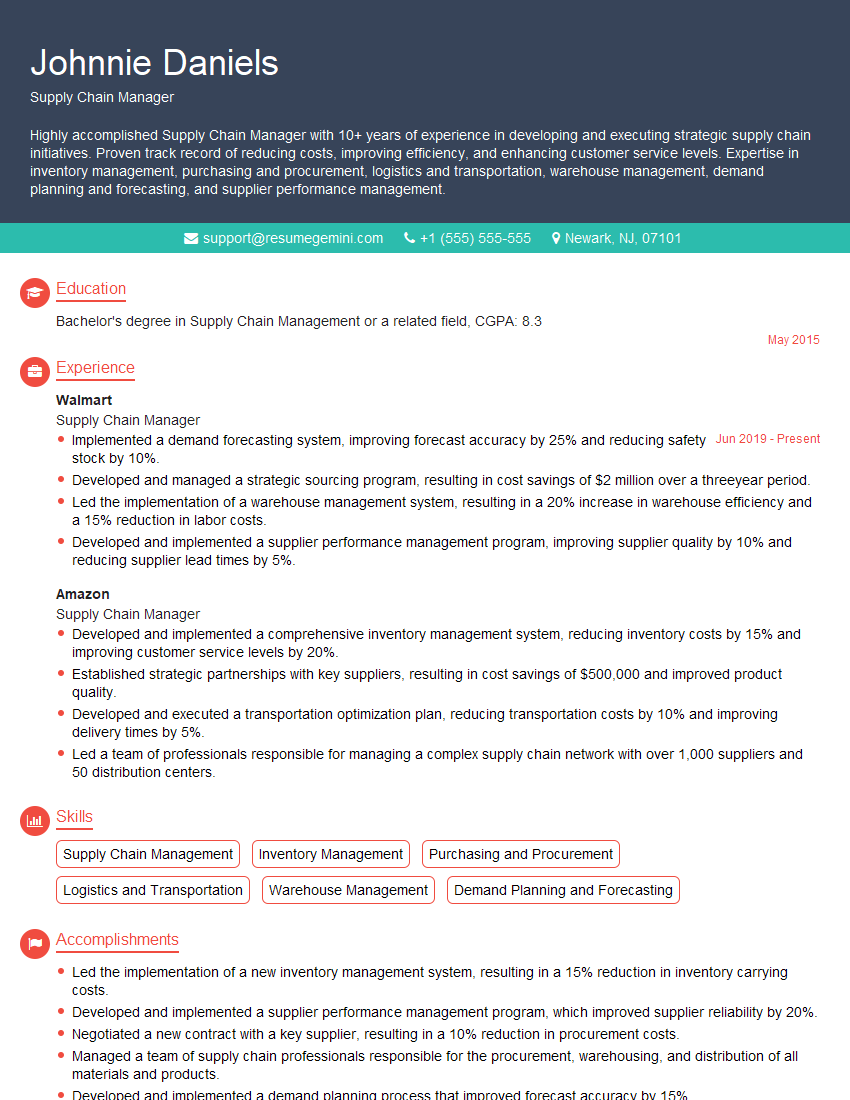
Supply Chain Manager Resume Sample
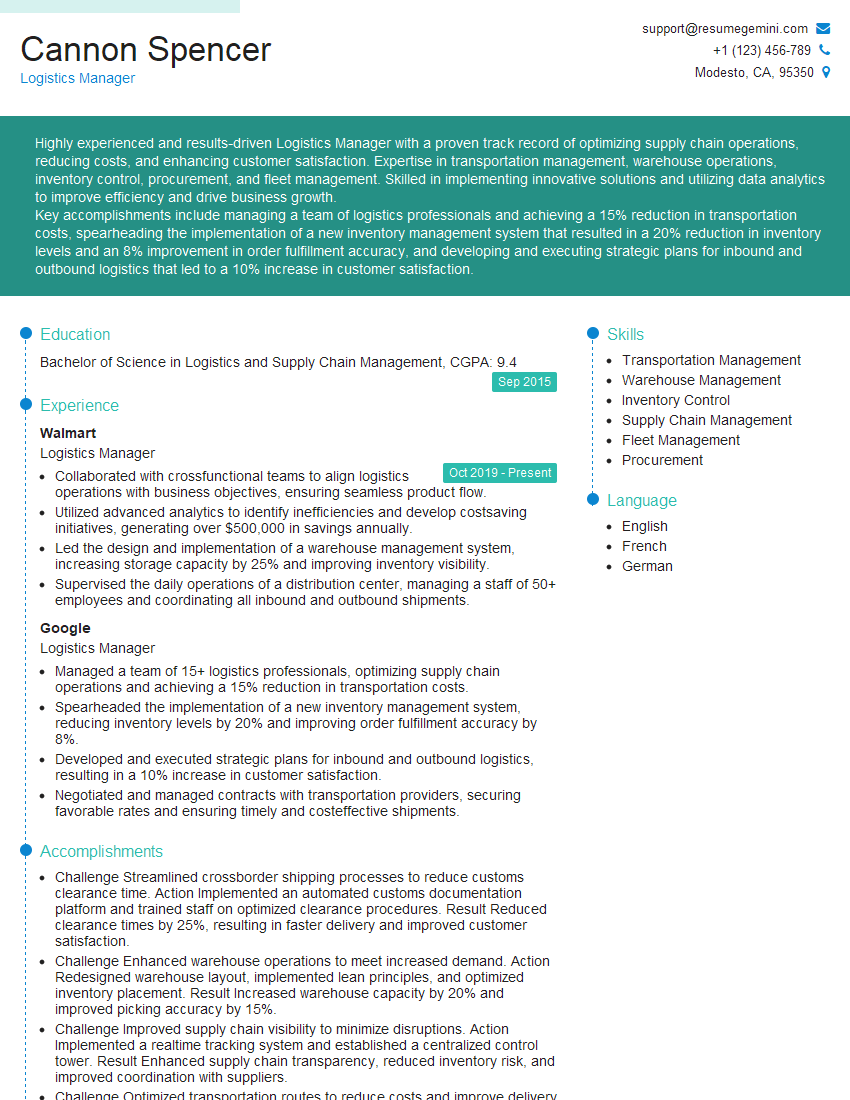
Logistics Manager Resume Sample
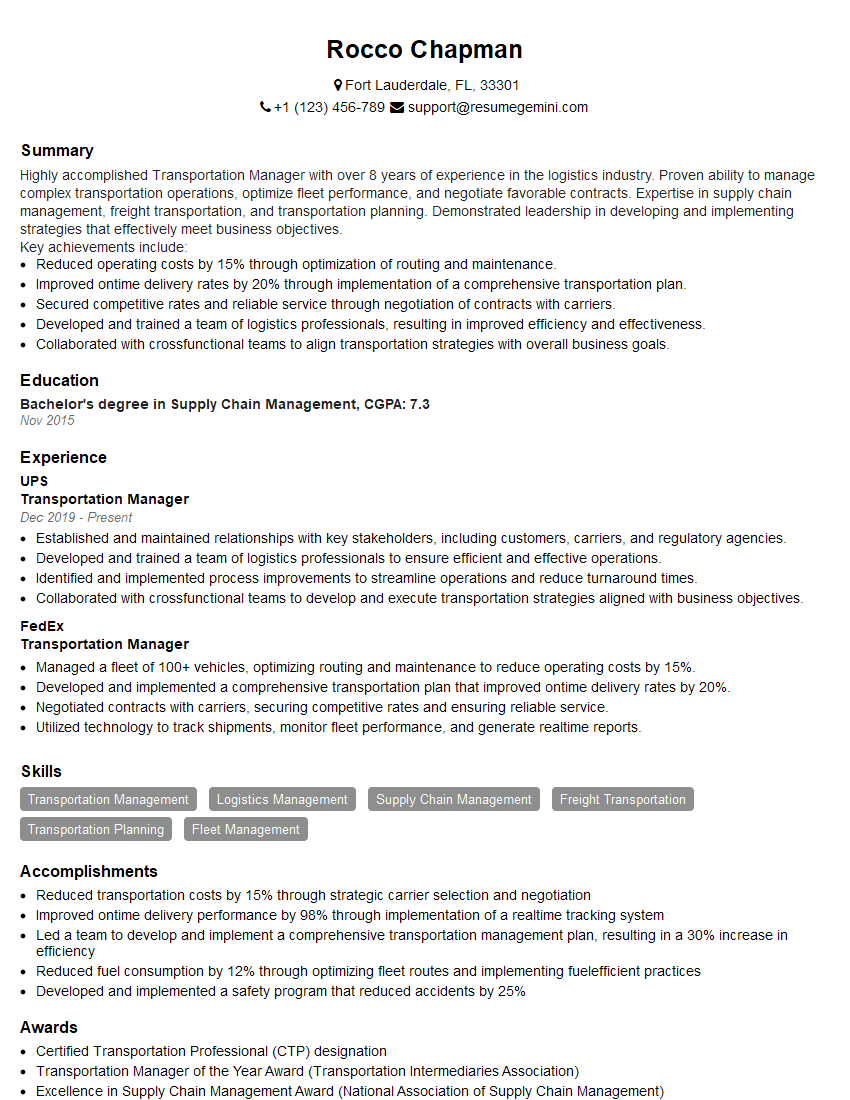
Transportation Manager Resume Sample
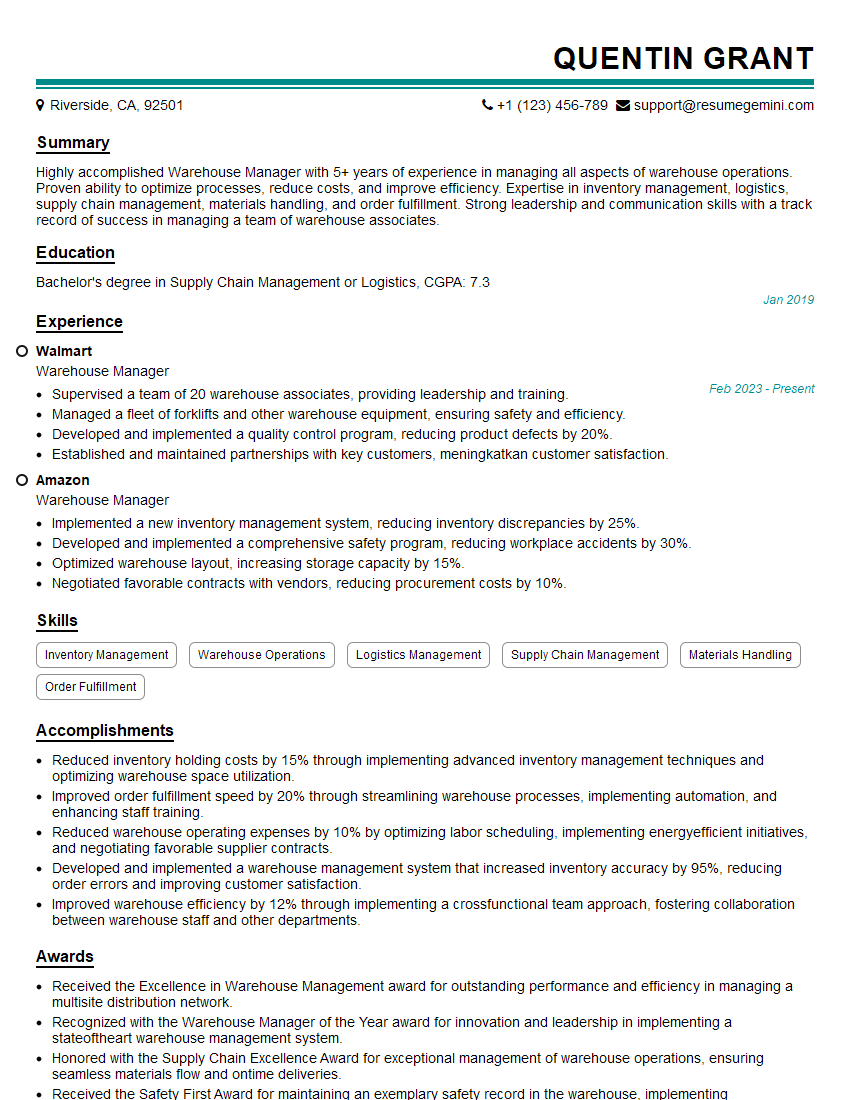
Warehouse Manager Resume Sample
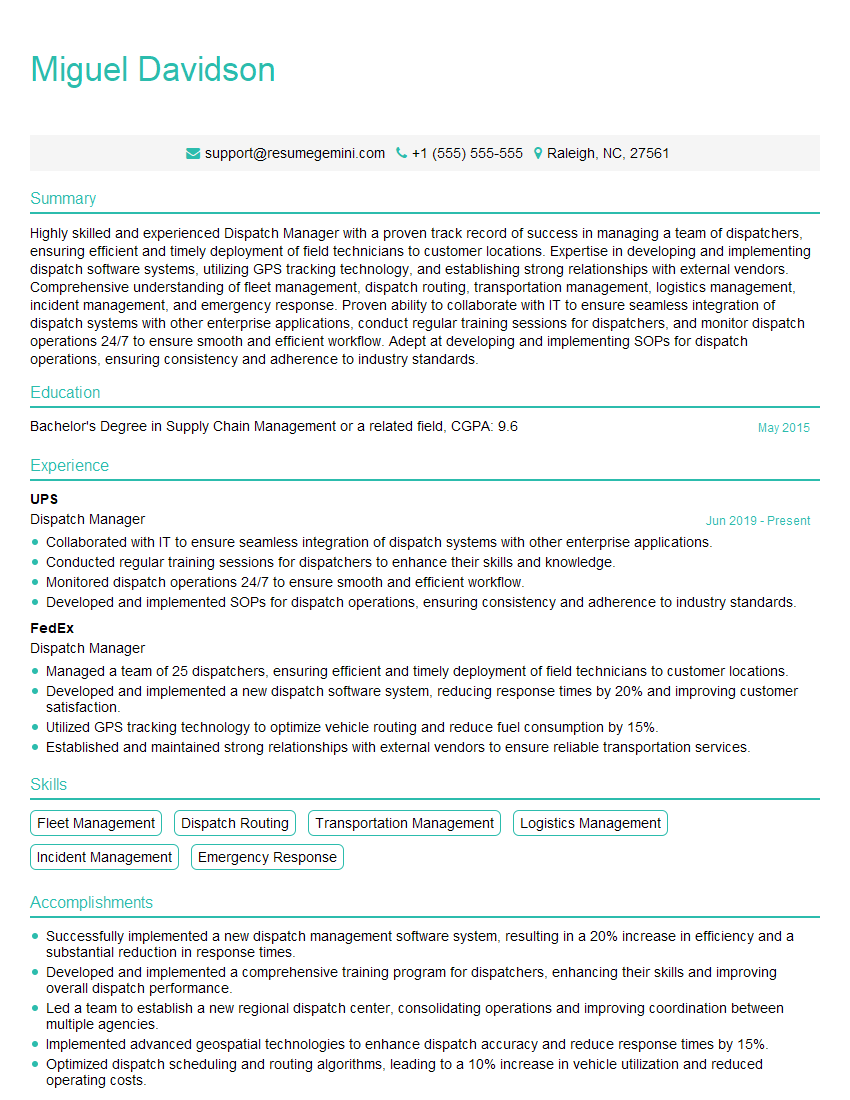
Dispatch Manager Resume Sample
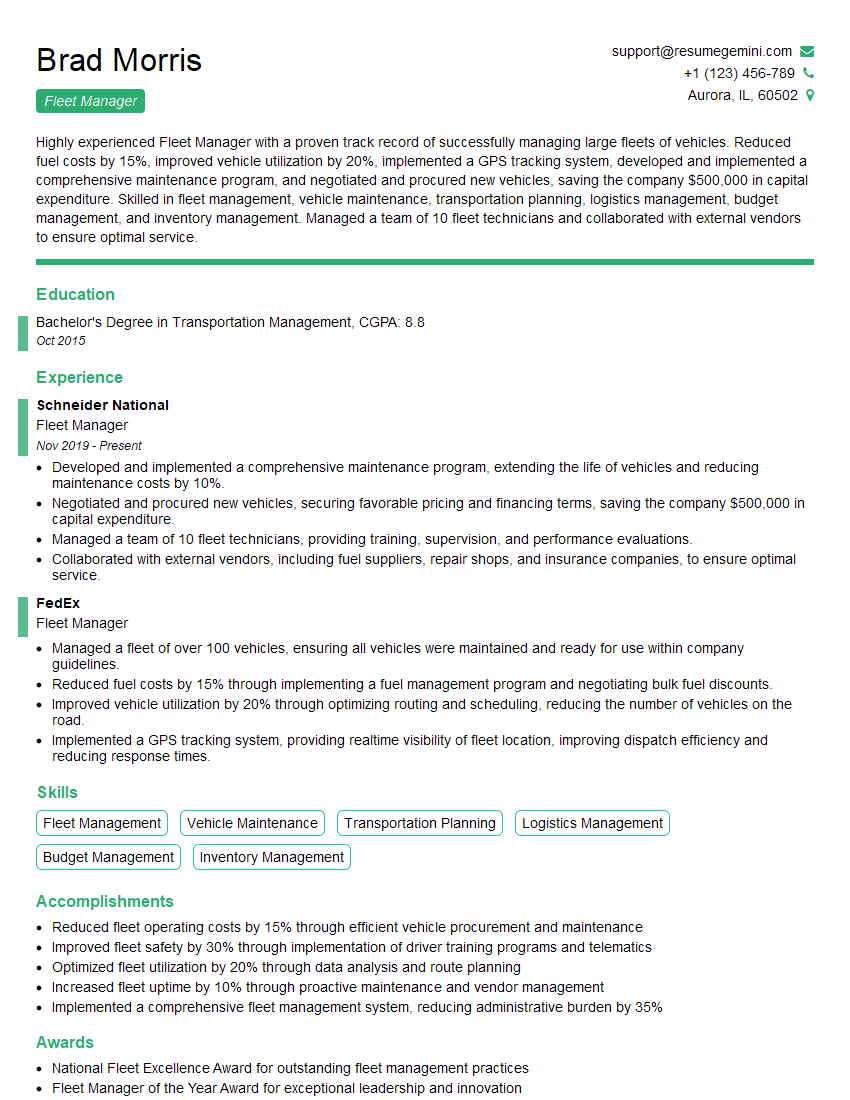
Fleet Manager Resume Sample
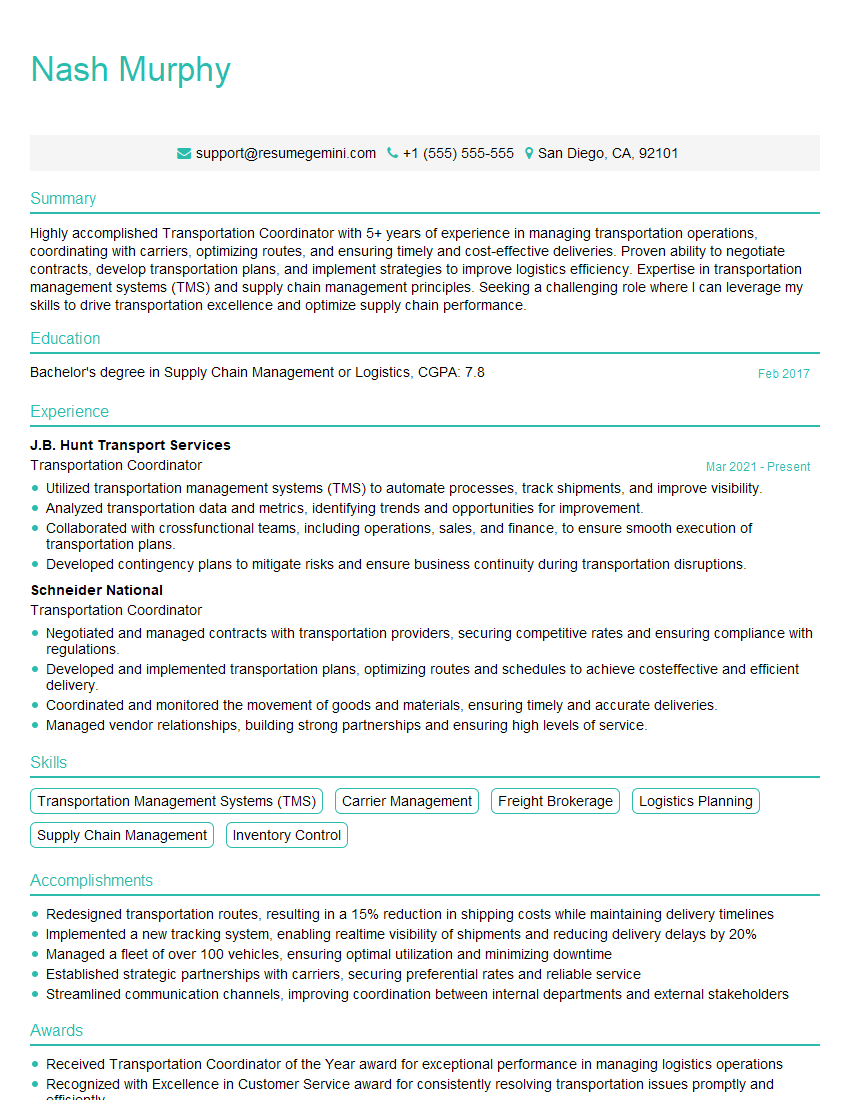
Transportation Coordinator Resume Sample
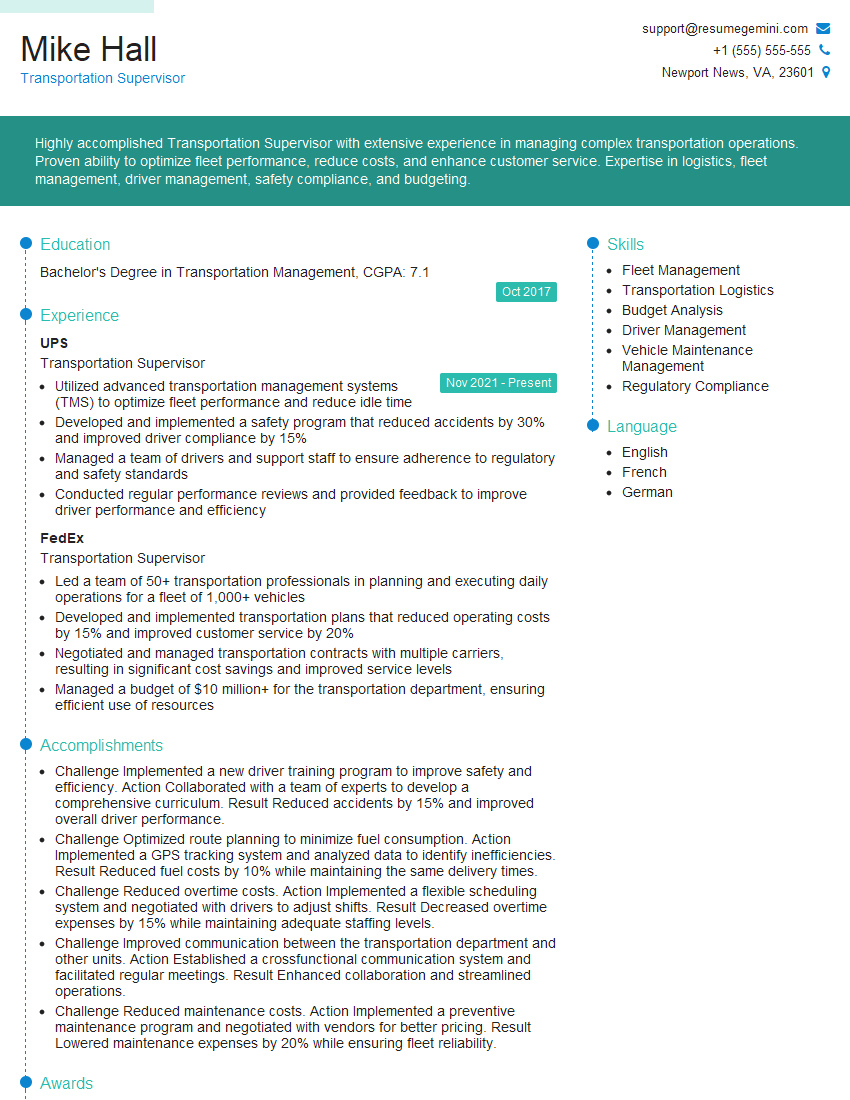
Transportation Supervisor Resume Sample
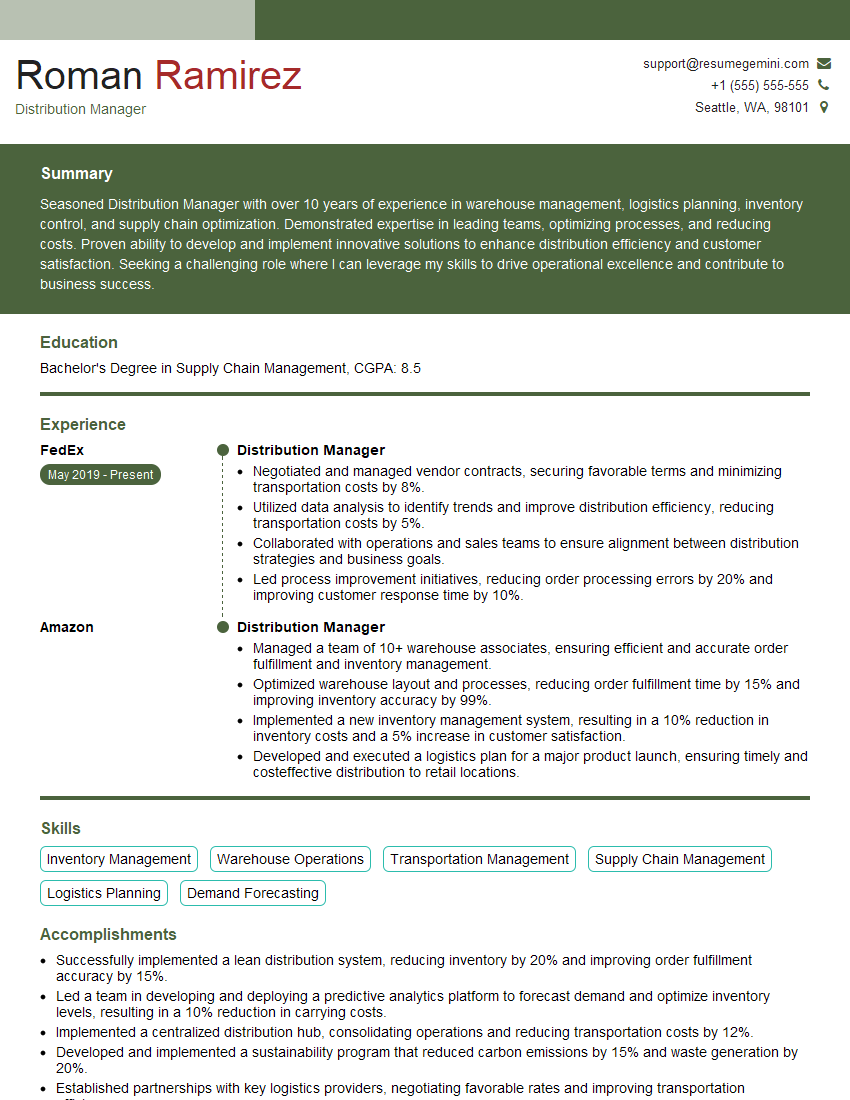
Distribution Manager Resume Sample
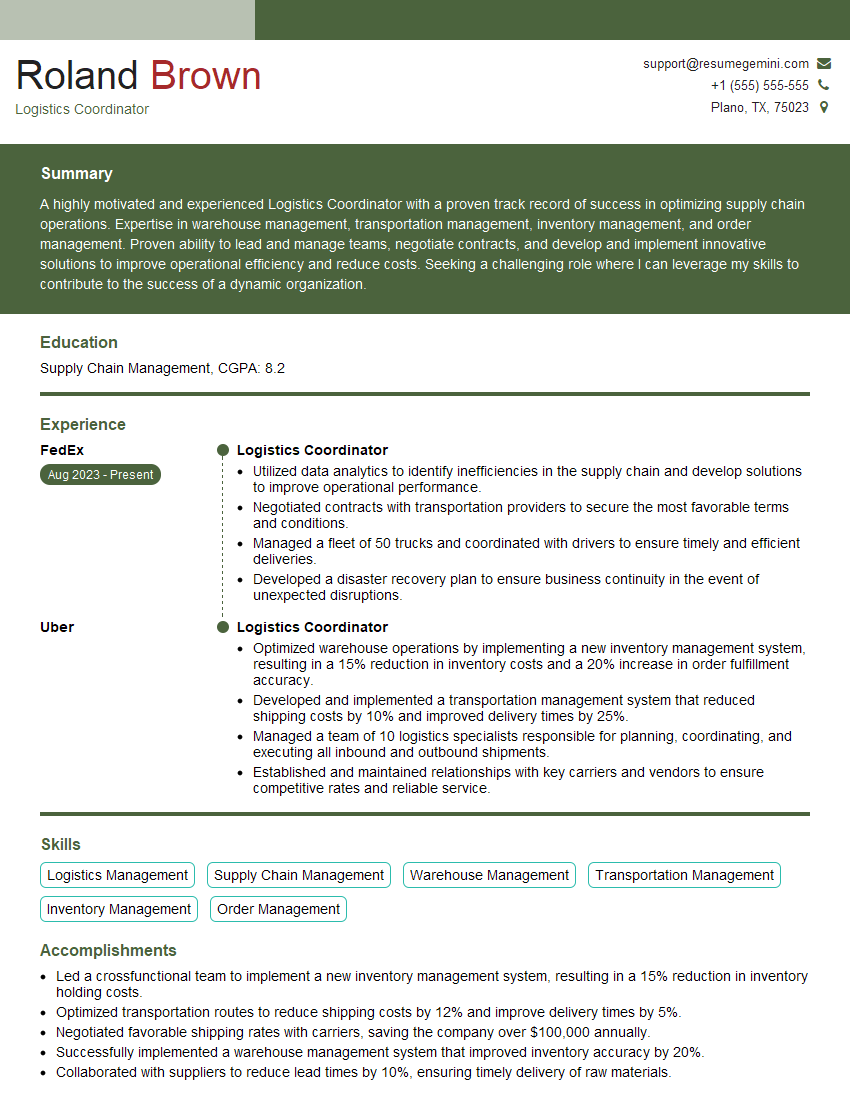
Logistics Coordinator Resume Sample
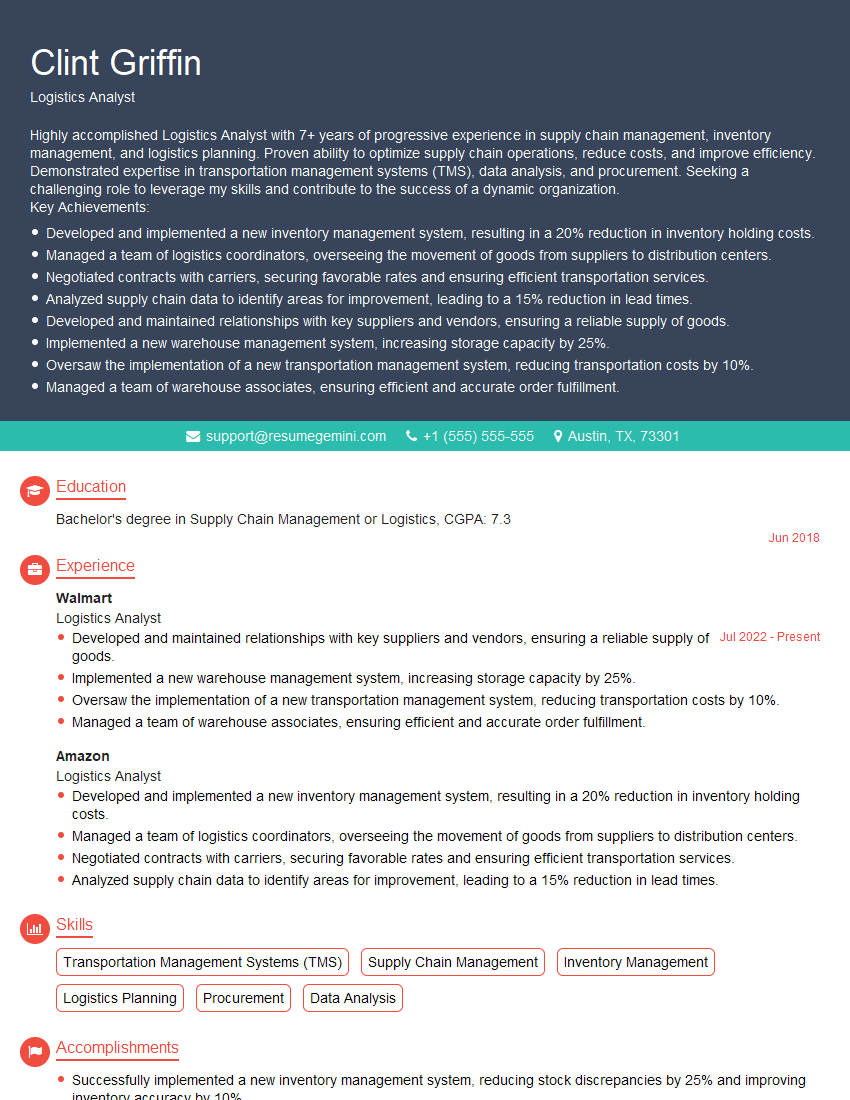
Logistics Analyst Resume Sample
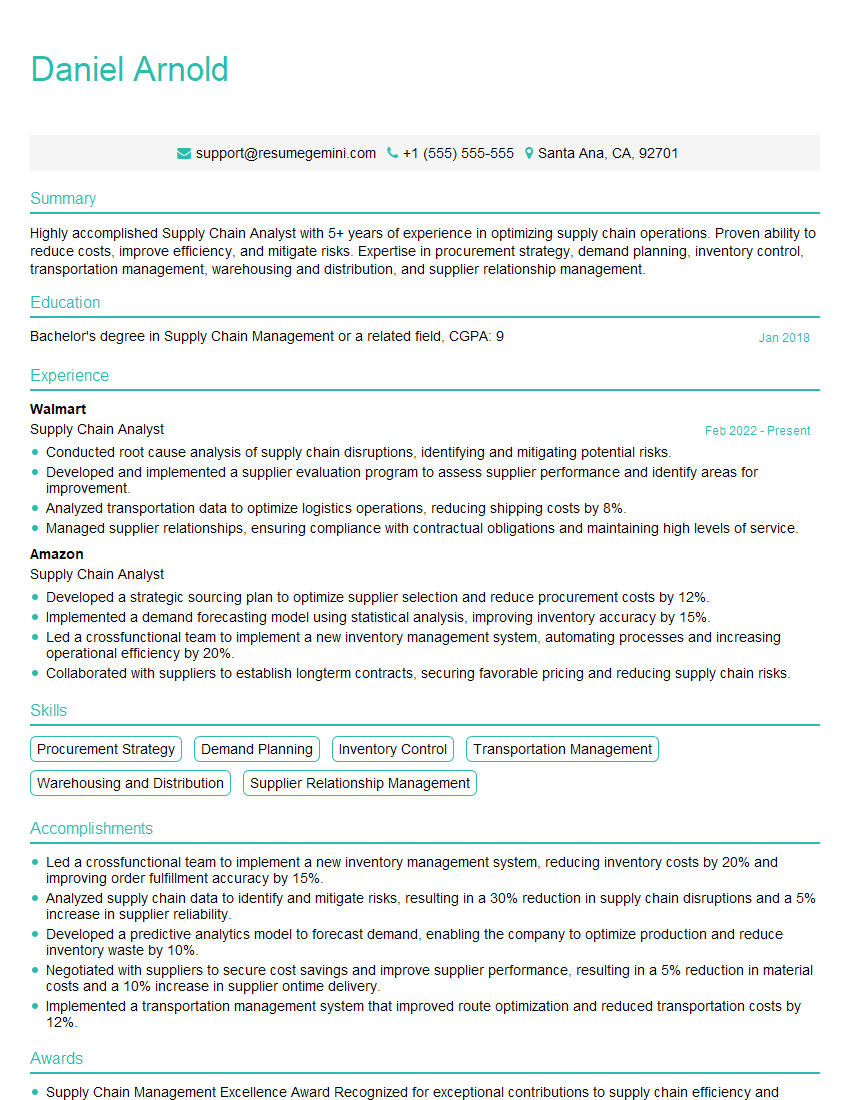
Supply Chain Analyst Resume Sample
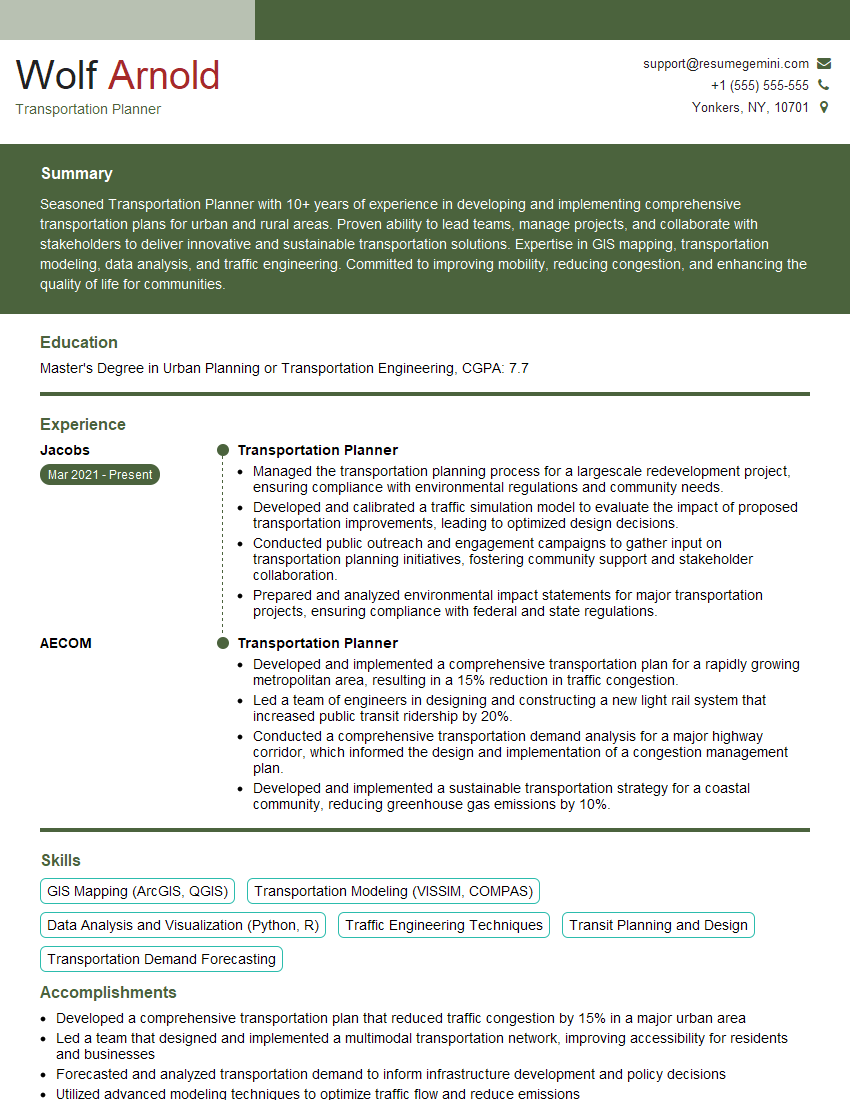
Transportation Planner Resume Sample
Explore more articles
Users Rating of Our Blogs
Share Your Experience
We value your feedback! Please rate our content and share your thoughts (optional).
What Readers Say About Our Blog
To the interviewgemini.com Webmaster.
Very helpful and content specific questions to help prepare me for my interview!
Thank you
To the interviewgemini.com Webmaster.
This was kind of a unique content I found around the specialized skills. Very helpful questions and good detailed answers.
Very Helpful blog, thank you Interviewgemini team.