Cracking a skill-specific interview, like one for Ulnar Nerve Release, requires understanding the nuances of the role. In this blog, we present the questions you’re most likely to encounter, along with insights into how to answer them effectively. Let’s ensure you’re ready to make a strong impression.
Questions Asked in Ulnar Nerve Release Interview
Q 1. Describe the anatomy of the ulnar nerve in the forearm and hand.
The ulnar nerve is a major nerve of the arm, responsible for sensation and motor function in the hand and forearm. In the forearm, it travels through the cubital tunnel, a space behind the medial epicondyle of the elbow, then runs superficially through the forearm, eventually dividing into its terminal branches in the hand. It gives off numerous branches supplying muscles in the forearm, including the flexor carpi ulnaris and the medial half of the flexor digitorum profundus. In the hand, the ulnar nerve divides into superficial and deep branches. The superficial branch provides sensory innervation to the little finger and the ulnar half of the ring finger. The deep branch primarily innervates the intrinsic hand muscles, those responsible for fine motor control and dexterity. Think of it like a major highway with many smaller roads branching off to different destinations (muscles and skin areas).
Specifically, in the forearm, the ulnar nerve is relatively superficial and vulnerable to compression or injury. In the hand, its branches innervate muscles responsible for gripping, pinching, and other complex movements. Damage to this nerve results in weakness and/or sensory loss in the affected areas. Understanding its precise pathway is critical in diagnosis and surgical planning.
Q 2. What are the common causes of ulnar nerve entrapment?
Ulnar nerve entrapment, also known as cubital tunnel syndrome when it occurs at the elbow, arises from various causes, most commonly involving compression or irritation of the nerve. This can occur at several points along its course but is most frequent at the elbow and the wrist.
- Cubital Tunnel Syndrome (Elbow): Repetitive bending of the elbow, leaning on the elbow, or direct trauma are frequent culprits. Anatomical variations, such as an abnormally shallow cubital tunnel or a nearby ganglion cyst, can also predispose individuals to compression.
- Guyon’s Canal Syndrome (Wrist): This is entrapment at the wrist in Guyon’s canal. Compression can result from repetitive wrist flexion, fractures, overuse, or masses within the canal.
- Other Causes: Conditions like rheumatoid arthritis, tumors, or even prolonged use of crutches can compress the ulnar nerve.
Essentially, anything that repeatedly or persistently constricts the nerve’s passage can lead to its entrapment.
Q 3. Explain the clinical presentation of ulnar nerve entrapment.
The clinical presentation of ulnar nerve entrapment varies depending on the location and severity of compression. Early symptoms might be subtle, like occasional tingling or numbness in the little finger and ulnar half of the ring finger. As the condition worsens, these symptoms become more frequent and intense.
- Sensory symptoms: Numbness, tingling (paresthesia), pain, or burning sensation in the affected fingers and sometimes the hand’s ulnar side.
- Motor symptoms: Weakness in the hand muscles innervated by the ulnar nerve. This leads to difficulty with fine motor skills like buttoning clothes or writing. The classic sign is ‘claw hand’ deformity – a noticeable contracture of the ring and little fingers.
- Atrophy: Over time, muscle wasting (atrophy) may occur in the hand muscles, further impairing function. This is a later-stage manifestation.
The symptoms are often worse at night or after prolonged periods of repetitive use of the affected arm. Careful history-taking, physical examination focusing on muscle strength testing and sensory examination, are crucial in determining the level of the nerve entrapment.
Q 4. Detail the different surgical techniques for ulnar nerve release.
Surgical techniques for ulnar nerve release aim to decompress the nerve, allowing it to function normally. The specific approach depends on the location and cause of the entrapment.
- In-situ decompression: This involves opening the cubital tunnel (or Guyon’s canal) and releasing any constricting structures, like thickened ligaments or fibrous bands. The nerve is left in its original position.
- Anterior transposition: This technique is common for cubital tunnel syndrome. The ulnar nerve is moved from its original position in the cubital tunnel to a more anterior (front) location in the arm, protecting it from further compression. This usually involves creating a subcutaneous bed for the nerve to rest in.
- Submuscular transposition: Similar to anterior transposition but the nerve is placed beneath the muscles of the forearm for even better protection.
- Medial epicondylectomy: In cases where the medial epicondyle (a bony projection of the elbow) is contributing to compression, a portion may be surgically removed.
The choice of technique is determined based on the severity of the entrapment, the location of the compression, any associated anatomical abnormalities, and surgeon preference. Post-operative rehabilitation, including physical therapy, is important for regaining full function.
Q 5. What are the indications for surgical intervention in ulnar nerve entrapment?
Surgical intervention is typically indicated when conservative treatments like splinting, physical therapy, and medication have failed to provide sufficient relief from symptoms of ulnar nerve entrapment. The decision is individualized based on patient factors.
- Persistent and debilitating symptoms: If the symptoms significantly impact the patient’s daily activities and quality of life despite non-surgical management.
- Progressive muscle weakness and atrophy: If the condition is worsening and causing noticeable muscle loss, indicating ongoing nerve damage.
- Electrodiagnostic evidence of severe nerve damage: Nerve conduction studies (NCS) and electromyography (EMG) help objectively assess the severity of nerve compression. Markedly abnormal findings are often an indication for surgery.
- Anatomical abnormalities: If imaging studies reveal a significant structural cause of compression, such as a large ganglion cyst or bony spur.
The goal is to prevent permanent nerve damage and restore function before it becomes irreversible. Timing is crucial; early surgical intervention can yield better outcomes.
Q 6. What are the contraindications for ulnar nerve release surgery?
Contraindications to ulnar nerve release surgery are relatively uncommon but important to consider. Surgery might be deferred or avoided in cases where:
- Uncontrolled medical conditions: Patients with poorly controlled diabetes, significant cardiovascular disease, or bleeding disorders may have increased surgical risks.
- Infection at the surgical site: Active infection would increase the risk of complications post-surgery.
- Patient refusal: The ultimate decision rests with the patient; surgery is only undertaken with informed consent.
- Severe peripheral vascular disease: Poor blood supply to the limb could compromise wound healing.
A thorough pre-operative assessment is essential to identify and manage any factors that could negatively impact surgical success.
Q 7. How do you assess the severity of ulnar nerve entrapment pre-operatively?
Pre-operative assessment of ulnar nerve entrapment severity involves a combination of clinical evaluation and electrodiagnostic testing.
- History and physical exam: A detailed history of symptoms, their duration, and aggravating factors, coupled with a thorough neurological examination, focusing on sensation, muscle strength, and reflexes in the hand and forearm.
- Electrodiagnostic studies: Nerve conduction studies (NCS) and electromyography (EMG) provide objective measures of nerve function. NCS assesses the speed and amplitude of nerve signals, identifying areas of slowed conduction indicative of compression. EMG assesses muscle electrical activity to evaluate for denervation (loss of nerve supply to the muscle).
- Imaging: Ultrasound or MRI may be used to visualize the nerve and surrounding structures, identifying any anatomical abnormalities contributing to compression, such as tumors or ganglion cysts.
By combining these assessments, the severity of the entrapment, the presence of irreversible nerve damage, and the suitability of surgical intervention can be accurately determined. This ensures that patients receive the most appropriate treatment plan.
Q 8. Describe your preferred surgical approach for ulnar nerve decompression at the elbow.
My preferred surgical approach for ulnar nerve decompression at the elbow is the in situ decompression. This technique involves a medial approach to the elbow, exposing the ulnar nerve in its cubital tunnel. Instead of transposing the nerve, we meticulously release any constricting structures like the arcuate ligament, osteophytes (bony spurs), or fibrous bands. This preserves the nerve’s normal anatomical position and its vascular supply, minimizing the risk of complications associated with nerve transposition. I find this approach particularly beneficial for patients with mild to moderate compression, where the nerve is not significantly tethered or damaged.
The surgical steps typically involve a careful incision, identification of the nerve, meticulous dissection to free the nerve from any constricting bands, and closure of the wound in layers. The surgeon must exercise extreme caution to avoid damaging the nerve itself during this process.
Q 9. What are the potential complications of ulnar nerve release surgery?
Ulnar nerve release surgery, while generally safe and effective, carries potential complications. These can include:
- Persistent or recurrent symptoms: Despite successful decompression, some patients may continue to experience numbness, tingling, or weakness. This can be due to underlying nerve damage that wasn’t fully reversible or the development of new adhesions.
- Infection: As with any surgery, infection is a risk. Prophylactic antibiotics are used to minimize this.
- Nerve damage: Inadvertent injury to the ulnar nerve during surgery is a possibility, although rare with experienced surgeons. This can lead to worsened symptoms.
- Neuroma formation: A neuroma is a benign growth of nerve tissue that can develop at the site of injury or surgery. This can cause pain and tenderness.
- Scarring and adhesions: Scar tissue formation is common after surgery. Excessive scarring can lead to recurrent compression.
- Persistent pain: Some patients experience persistent pain at the surgical site even after successful decompression.
- Weakness of the hand muscles: While uncommon, there is a potential for temporary or, in rare cases, permanent weakness in the muscles supplied by the ulnar nerve.
It’s crucial to discuss these potential complications with patients before surgery to ensure they’re fully informed and can make an informed decision.
Q 10. How do you manage post-operative pain and swelling after ulnar nerve release?
Post-operative pain and swelling management is crucial for a successful recovery. We employ a multimodal approach:
- Pain medication: Prescription analgesics, such as NSAIDs or opioids, are used initially to control pain. We then transition to over-the-counter pain relievers as tolerated.
- Elevation: Keeping the arm elevated reduces swelling and promotes lymphatic drainage.
- Ice packs: Applying ice packs several times a day helps to reduce inflammation.
- Compression bandages: These help to minimize swelling and support the arm.
- Early mobilization: Gentle range-of-motion exercises, as instructed by the physical therapist, are started soon after surgery to prevent stiffness and promote healing.
- Physical therapy: A comprehensive physical therapy program is essential to regain strength, range of motion, and improve function. This typically involves exercises to improve grip strength, dexterity, and range of motion of the elbow and wrist.
Regular follow-up appointments allow us to monitor progress and adjust pain management strategies as needed. We emphasize the importance of patient compliance with the prescribed regimen.
Q 11. What are the expected outcomes and recovery time after ulnar nerve release?
The expected outcomes after ulnar nerve release surgery are a significant reduction or resolution of symptoms, including numbness, tingling, and weakness in the hand and forearm. Most patients experience considerable improvement in their hand function. Recovery time varies, but significant improvement usually occurs within the first few months. Full recovery can take up to a year or longer, depending on the severity of the nerve compression and individual patient factors. Factors such as patient age, overall health, and adherence to physical therapy play a significant role.
For example, a patient with mild compression might experience nearly complete relief within a few weeks, while a patient with severe, long-standing compression might require longer for complete functional recovery. Regular follow-up appointments are essential to monitor progress and address any issues that might arise during recovery. We work closely with patients, providing education and support to ensure optimal recovery.
Q 12. How do you counsel patients about the risks and benefits of ulnar nerve release surgery?
Counseling patients about ulnar nerve release surgery involves a thorough discussion of the risks and benefits. I ensure they understand:
- The benefits: The potential for significant improvement or resolution of symptoms, improved hand function, and increased quality of life.
- The risks: The potential complications, as discussed previously, are clearly explained. We use visual aids and patient-friendly language to ensure understanding.
- Alternatives: Non-surgical options, such as splinting, physical therapy, and medication, are discussed. We discuss the pros and cons of each approach and help patients make the decision best suited to their needs.
- Expectations: Realistic expectations regarding recovery time and the potential for incomplete resolution of symptoms are set.
- Post-operative care: Detailed instructions on post-operative care, including pain management, wound care, and physical therapy, are provided.
I encourage patients to ask questions and ensure they are completely comfortable with the procedure before consenting to surgery. Shared decision-making is central to my practice.
Q 13. Describe the electrodiagnostic studies used to evaluate ulnar nerve function.
Electrodiagnostic studies are crucial in evaluating ulnar nerve function. The primary tests are:
- Nerve conduction studies (NCS): These measure the speed and amplitude of nerve signals along the ulnar nerve. Slowed conduction velocities or reduced amplitudes can indicate nerve compression or damage. We specifically look at the conduction across the elbow.
- Electromyography (EMG): This assesses the electrical activity of muscles innervated by the ulnar nerve. Abnormal EMG findings, such as fibrillations or fasciculations, suggest denervation or muscle damage secondary to nerve compression.
These tests help to pinpoint the location and severity of ulnar nerve involvement, distinguish between different types of nerve pathology (such as axonal loss vs. demyelination), and guide treatment decisions. A combination of NCS and EMG provides a comprehensive assessment of ulnar nerve function.
Q 14. What are the differential diagnoses for ulnar nerve entrapment?
Several conditions can mimic ulnar nerve entrapment at the elbow. Careful clinical evaluation and electrodiagnostic studies are essential to differentiate them. Differential diagnoses include:
- Cubital tunnel syndrome (the most common differential): This involves ulnar nerve compression at the elbow, but the cause is different from other entities.
- Cervical radiculopathy: Nerve root compression in the neck can cause similar symptoms in the ulnar nerve distribution.
- Thoracic outlet syndrome: Compression of nerves and blood vessels in the space between the collarbone and first rib can mimic ulnar nerve symptoms.
- Amyotrophic lateral sclerosis (ALS): This progressive neurodegenerative disease can cause weakness and atrophy in the hand muscles supplied by the ulnar nerve.
- Other peripheral neuropathies: Various other conditions affecting peripheral nerves can produce similar symptoms.
- Pronator teres syndrome: Entrapment of the ulnar nerve in the pronator teres muscle.
- Medial epicondylitis (Golfer’s elbow): Inflammation of the tendons on the inner side of the elbow. This can cause pain that might be misinterpreted as ulnar nerve pain.
A detailed history, physical examination, and electrodiagnostic studies are essential to establish the correct diagnosis and guide appropriate treatment.
Q 15. How do you distinguish between ulnar nerve neuropathy and cubital tunnel syndrome?
Ulnar neuropathy is a broad term encompassing any dysfunction of the ulnar nerve, regardless of its cause. Cubital tunnel syndrome, however, is a specific type of ulnar neuropathy resulting from compression of the ulnar nerve at the elbow, within the cubital tunnel. Think of it like this: cubital tunnel syndrome is a subset of ulnar neuropathy.
Distinguishing them clinically involves a careful history and physical examination. Patients with cubital tunnel syndrome typically report numbness and tingling in the little finger and ring finger, often worsened by elbow flexion (bending the elbow). They might also experience weakness in the hand muscles supplied by the ulnar nerve, leading to difficulties with gripping or fine motor skills. A thorough neurological exam will assess sensory function (feeling), motor function (strength and movement), and reflexes in the ulnar nerve distribution. Electrodiagnostic studies (nerve conduction studies and electromyography) are often crucial for confirming the diagnosis and differentiating between cubital tunnel syndrome and other causes of ulnar neuropathy, such as those originating at the wrist or in the neck. For example, a patient with ulnar neuropathy stemming from a cervical spine issue might have symptoms extending beyond the hand, involving the forearm or shoulder.
Career Expert Tips:
- Ace those interviews! Prepare effectively by reviewing the Top 50 Most Common Interview Questions on ResumeGemini.
- Navigate your job search with confidence! Explore a wide range of Career Tips on ResumeGemini. Learn about common challenges and recommendations to overcome them.
- Craft the perfect resume! Master the Art of Resume Writing with ResumeGemini’s guide. Showcase your unique qualifications and achievements effectively.
- Don’t miss out on holiday savings! Build your dream resume with ResumeGemini’s ATS optimized templates.
Q 16. Explain the principles of nerve gliding exercises post-surgery.
Nerve gliding exercises after ulnar nerve release aim to prevent adhesion formation and improve nerve mobility, reducing the risk of re-entrapment and promoting optimal nerve function. These exercises involve gentle, controlled movements that elongate and slide the nerve within its surrounding tissues. Think of it like gently ‘stretching’ the nerve.
- Wrist flexion and extension: Repeatedly bending and straightening the wrist.
- Finger flexion and extension: Making a fist and spreading the fingers.
- Wrist radial and ulnar deviation: Moving the wrist towards the thumb (radial deviation) and towards the little finger (ulnar deviation).
- Pronation and supination: Rotating the forearm, palm up and palm down.
- Elbow flexion and extension: Bending and straightening the elbow, but avoiding extreme ranges of motion initially.
These exercises are typically started gradually post-operatively, beginning with small ranges of motion and progressively increasing the intensity and range as tolerated. A physical therapist plays a crucial role in guiding these exercises and ensuring proper technique to prevent injury and optimize outcomes.
Q 17. What is the role of splinting in the management of ulnar nerve entrapment?
Splinting plays a vital role in the management of ulnar nerve entrapment, both before and after surgery. Its purpose is to prevent further nerve compression and to promote healing.
- Pre-operatively: Splinting can help reduce symptoms by keeping the elbow in a neutral or slightly extended position, thereby minimizing pressure on the ulnar nerve at the cubital tunnel. A custom-made splint tailored to the individual’s anatomy is often preferred for better comfort and effectiveness.
- Post-operatively: Splinting post-surgery helps to immobilize the elbow, preventing excessive movement that could disrupt the healing process and lead to scar tissue formation. This helps to keep the nerve in a protected environment, enhancing its chances of optimal recovery. The duration of splinting varies depending on the surgical technique and the patient’s response to treatment.
The type of splint used depends on the specific needs of the patient and the severity of the entrapment. It’s crucial to understand that splinting is an adjunctive treatment; it supports nerve healing but is not a standalone solution.
Q 18. Describe the use of nerve monitoring during ulnar nerve release surgery.
Intraoperative nerve monitoring (IONM) during ulnar nerve release surgery is a crucial technique that helps to minimize the risk of nerve injury. It involves placing electrodes near the ulnar nerve to record its electrical activity. This allows the surgeon to continuously assess the nerve’s integrity throughout the procedure.
During the surgery, the surgeon will stimulate the nerve at various points and monitor the response. Any changes in the nerve’s electrical activity, such as a decrease in amplitude or an increase in latency, may indicate that the nerve is being stretched or compressed. This provides real-time feedback, enabling the surgeon to modify their technique and avoid inadvertently injuring the nerve.
IONM significantly enhances surgical precision, minimizing the chances of postoperative complications like persistent paresthesia or weakness. It helps to ensure the release is complete and the nerve is adequately decompressed. Think of it as a safety net, providing continuous feedback on the nerve’s health during the surgery.
Q 19. How do you manage intraoperative bleeding during ulnar nerve release?
Intraoperative bleeding during ulnar nerve release is managed using a combination of careful surgical technique and haemostatic measures. The goal is to minimize blood loss and ensure a clear surgical field for optimal visualization and manipulation of the nerve.
- Careful dissection: Using meticulous techniques to minimize tissue trauma reduces bleeding. Sharp dissection with fine instruments helps to avoid tearing blood vessels.
- Cauterization: Electrocautery can be used to seal small bleeding vessels, reducing blood loss. It’s crucial to use cautery judiciously to avoid thermal injury to the nerve.
- Pressure: Applying gentle pressure to bleeding points with surgical sponges can help to control haemorrhage.
- Suture ligation: Larger bleeding vessels are ligated (tied off) using absorbable sutures to ensure adequate haemostasis.
In cases of significant bleeding, the surgeon may utilize additional techniques such as the application of haemostatic agents or the use of suction devices to maintain a clear surgical field. The surgeon’s experience and familiarity with various haemostatic techniques are crucial in managing intraoperative bleeding efficiently and safely.
Q 20. Discuss the importance of meticulous surgical technique during ulnar nerve release.
Meticulous surgical technique is paramount in ulnar nerve release to achieve optimal outcomes and minimize complications. It’s not simply about releasing the nerve; it’s about doing so precisely and safely.
- Careful identification and preservation of anatomical structures: The surgeon must precisely identify the ulnar nerve and surrounding structures (vessels, muscles, tendons) to avoid injury. A thorough understanding of the local anatomy is essential.
- Gentle nerve handling: The ulnar nerve is delicate. Using atraumatic instruments and gentle handling techniques minimizes the risk of nerve damage during dissection and manipulation.
- Complete decompression: The surgeon must carefully release all points of nerve compression, ensuring sufficient space for the nerve to glide freely. Incomplete decompression can lead to recurrence of symptoms.
- Minimal scarring: Precise dissection and minimal tissue disruption minimize scar tissue formation, which can contribute to nerve adhesion and recurrence of symptoms.
The surgeon’s skill and experience are reflected in their ability to execute a meticulous surgical technique, resulting in better patient outcomes and reduced risks.
Q 21. How do you address adhesion formation after ulnar nerve release?
Adhesion formation after ulnar nerve release is a common complication that can lead to recurrence of symptoms. It involves the formation of scar tissue that restricts nerve gliding and can again compress the nerve.
Several strategies are employed to address this:
- Careful surgical technique: Minimizing tissue trauma during surgery reduces the risk of excessive scar tissue formation.
- Interposition grafts: In some cases, the surgeon might use an interposition graft (a material placed between the nerve and surrounding tissues) to prevent adhesion formation and reduce friction.
- Postoperative mobilization: Early and progressive nerve gliding exercises, guided by a physical therapist, help to prevent adhesion formation and promote optimal nerve mobility. This is crucial in preventing the nerve from sticking to surrounding tissues.
- Surgical revision: In cases of severe adhesion formation causing recurrent symptoms, surgical revision may be necessary to release the adhesions and improve nerve gliding.
The approach to managing adhesion formation is multifaceted, combining preventive measures during surgery with postoperative strategies aimed at promoting optimal nerve mobility and preventing scar tissue buildup.
Q 22. What are the long-term implications of untreated ulnar nerve entrapment?
Untreated ulnar nerve entrapment can lead to significant long-term complications, impacting both hand function and quality of life. The severity depends on the duration and extent of nerve compression.
- Progressive Muscle Atrophy: Without relief, the muscles supplied by the ulnar nerve (e.g., hypothenar muscles, interossei) will progressively weaken and atrophy, leading to a claw hand deformity. This makes fine motor tasks incredibly difficult.
- Sensory Loss: Numbness and tingling in the little and ring fingers can become permanent, leading to decreased sensation and an increased risk of injury unnoticed.
- Pain: While initial pain may fluctuate, chronic compression can lead to persistent and debilitating pain, difficult to manage with conservative methods.
- Functional Limitations: Daily tasks like buttoning clothes, writing, or gripping objects become increasingly challenging, leading to dependence on others and impacting employment.
- Sudeck’s Atrophy (Complex Regional Pain Syndrome): In severe, neglected cases, this debilitating condition can develop, characterized by chronic pain, swelling, and skin changes extending beyond the affected area.
Imagine trying to play the guitar with permanently weakened and atrophied hand muscles – that’s the reality for some patients with untreated ulnar nerve entrapment. Early intervention is crucial to prevent these irreversible changes.
Q 23. How do you assess the success of ulnar nerve release surgery post-operatively?
Assessing the success of ulnar nerve release surgery involves a multi-faceted approach, combining objective measurements and subjective patient feedback.
- Electrodiagnostic Studies (EMG/NCS): Post-operative nerve conduction studies help objectively assess nerve function recovery. Improvements in nerve conduction velocity and amplitude indicate successful decompression.
- Clinical Examination: We meticulously evaluate muscle strength (e.g., grip strength, finger abduction/adduction), sensory function (light touch, pinprick), and the presence of any residual paresthesia (numbness or tingling).
- Patient-Reported Outcome Measures (PROMs): Questionnaires like the DASH (Disabilities of the Arm, Shoulder and Hand) score and visual analogue scales are used to capture the patient’s perspective on pain, function, and overall satisfaction. A significant improvement in these scores is a key indicator of success.
- Clinical Observation: We closely examine for any residual deformity such as a persistent claw hand, which indicates incomplete decompression or other issues.
For instance, a patient with significant pre-operative weakness in the hand muscles might show substantial strength improvement post-operatively, along with reduced pain and improved DASH scores – that would signify a successful outcome. It’s crucial to remember that recovery is a gradual process, and complete restoration may take several months.
Q 24. Describe your experience with different types of surgical incisions for ulnar nerve decompression.
The choice of incision for ulnar nerve decompression depends on the location of the compression and the surgeon’s preference. I have extensive experience with several approaches:
- Anterior Transposition: This is a common approach for cubital tunnel syndrome, involving an incision along the medial aspect of the elbow to expose the nerve at the cubital tunnel. It allows for direct visualization and decompression of the nerve.
- In Situ Decompression: This is less invasive and involves releasing the constricting structures without relocating the nerve. It is often preferred for less severe cases or when the nerve is not significantly displaced.
- Medial Epicondylectomy (Partial): In cases where the medial epicondyle is causing significant compression, a partial removal of the bony prominence might be necessary. This is usually reserved for cases refractory to other techniques.
- Guyon’s Canal Release: This involves a more distal incision in the hand to address ulnar nerve compression within Guyon’s canal. This approach differs significantly from elbow-level procedures.
The choice of incision is a careful balance between achieving complete decompression and minimizing potential complications like scarring or injury to adjacent structures. Pre-operative imaging helps guide the approach.
Q 25. What are the key anatomical landmarks to identify during ulnar nerve release surgery?
Precise anatomical identification is critical to avoid nerve injury and ensure successful ulnar nerve release. Key landmarks during surgery include:
- Medial Epicondyle of the Humerus: This bony prominence is a crucial starting point for locating the ulnar nerve in the cubital tunnel.
- Ulnar Collateral Ligament: This ligament forms the medial border of the cubital tunnel and is often a source of nerve compression. Careful identification and release are essential.
- Flexor Carpi Ulnaris Muscle: This muscle lies adjacent to the ulnar nerve and helps guide dissection.
- Ulnar Artery and Vein: These vessels are closely related to the ulnar nerve and must be carefully identified and protected throughout the procedure.
- Branches of the Ulnar Nerve: Identifying the motor and sensory branches helps in avoiding accidental damage.
Accurate identification of these landmarks is paramount and is achieved through a combination of anatomical knowledge, meticulous dissection, and sometimes the use of nerve stimulators to confirm nerve location.
Q 26. How do you manage cases with recurrent ulnar nerve entrapment?
Recurrent ulnar nerve entrapment is challenging, often requiring a thorough re-evaluation to determine the cause of recurrence. Management strategies may involve:
- Re-exploration: Surgical re-exploration is undertaken to identify the cause of recurrence – which could be scar tissue formation, inadequate initial decompression, or an overlooked anatomical abnormality. This allows for a revision of the initial procedure.
- Interposition Graft: In cases of significant nerve scarring or damage, an interposition graft may be used to bridge the affected area and facilitate nerve regeneration.
- Alternative Surgical Techniques: If the initial surgical approach was not successful, alternative techniques like anterior transposition with different approaches or even subcutaneous nerve transposition may be considered.
- Non-Surgical Management (Limited Cases): In rare instances of mild recurrence, non-surgical options like bracing and physical therapy might be considered – but this is uncommon.
Each case is unique; a careful assessment and a discussion with the patient are necessary before deciding on the best course of action. The focus is always on achieving long-term relief and preventing further recurrence.
Q 27. What are the latest advancements in ulnar nerve release techniques?
Recent advancements in ulnar nerve release techniques focus on improving outcomes, reducing invasiveness, and minimizing complications:
- Minimally Invasive Techniques: Endoscopic-assisted ulnar nerve release is gaining traction, allowing for smaller incisions, reduced scarring, and faster recovery times. However, expertise is needed to manage potential challenges with this approach.
- Improved Imaging Techniques: High-resolution ultrasound and MRI scans enhance pre-operative planning and intra-operative guidance, facilitating more precise decompression and reduced risk of injury to adjacent structures.
- Neuroprotective Agents: Research is ongoing into the use of neuroprotective agents to enhance nerve regeneration and recovery after surgery, aiming to improve functional outcomes.
- Biomaterials: The use of advanced biomaterials in surgical repair is still evolving, offering potential improvements in nerve regeneration and scar tissue management.
These advancements are continuously evolving, aiming to personalize the approach to ulnar nerve release based on the individual patient’s anatomy and pathology.
Q 28. Discuss your experience in managing complications associated with ulnar nerve release surgery.
Complications associated with ulnar nerve release surgery are relatively uncommon, but their management is crucial. I have experience in managing:
- Nerve Injury: While rare, inadvertent nerve injury during surgery can occur. Immediate repair or management with supportive care is essential, including potentially nerve grafting.
- Infection: Post-operative infection is managed with antibiotics and, if necessary, surgical debridement. Prophylactic antibiotics are routinely used to minimize this risk.
- Hematoma: Formation of a blood clot can cause pressure on the nerve; management involves evacuation of the hematoma.
- Scarring: Excessive scar tissue formation can lead to recurrent nerve compression. Techniques like early mobilization and scar management are crucial.
- Persistent Paresthesia: Some patients may experience persistent numbness or tingling even after successful decompression; time, physical therapy, and patient education are crucial in managing expectations.
Open communication with patients and a proactive approach towards managing potential complications are essential for achieving the best possible outcomes.
Key Topics to Learn for Ulnar Nerve Release Interview
- Anatomy and Physiology: Thorough understanding of the ulnar nerve’s course, branches, and innervation of the hand. Include knowledge of relevant anatomical landmarks.
- Pathophysiology of Ulnar Nerve Entrapment: Master the various causes of ulnar nerve compression (e.g., cubital tunnel syndrome, Guyon’s canal syndrome), their clinical presentations, and diagnostic methods.
- Surgical Techniques: Familiarize yourself with different approaches to ulnar nerve release, including in situ decompression, transposition, and other relevant procedures. Understand the indications and contraindications for each.
- Pre-operative Planning and Assessment: Know how to evaluate patients, interpret diagnostic imaging (e.g., nerve conduction studies, electromyography), and formulate a surgical plan.
- Post-operative Care and Management: Understand the potential complications, rehabilitation protocols, and expected patient outcomes following ulnar nerve release surgery.
- Problem-Solving & Case Studies: Practice analyzing complex clinical scenarios involving ulnar nerve pathology. Be prepared to discuss differential diagnoses and treatment strategies.
- Current Research and Advances: Stay updated on the latest advancements in surgical techniques, instrumentation, and rehabilitation strategies for ulnar nerve release.
Next Steps
Mastering Ulnar Nerve Release signifies a significant advancement in your surgical career, opening doors to specialized roles and enhanced patient care capabilities. To maximize your job prospects, a well-crafted, ATS-friendly resume is crucial. ResumeGemini is a trusted resource designed to help you build a professional and impactful resume that highlights your skills and experience effectively. We offer examples of resumes specifically tailored to Ulnar Nerve Release to guide your own resume creation. This will significantly improve your chances of landing your dream position. Take the next step towards your career goals today!

Clinical Research Coordinator Resume Sample
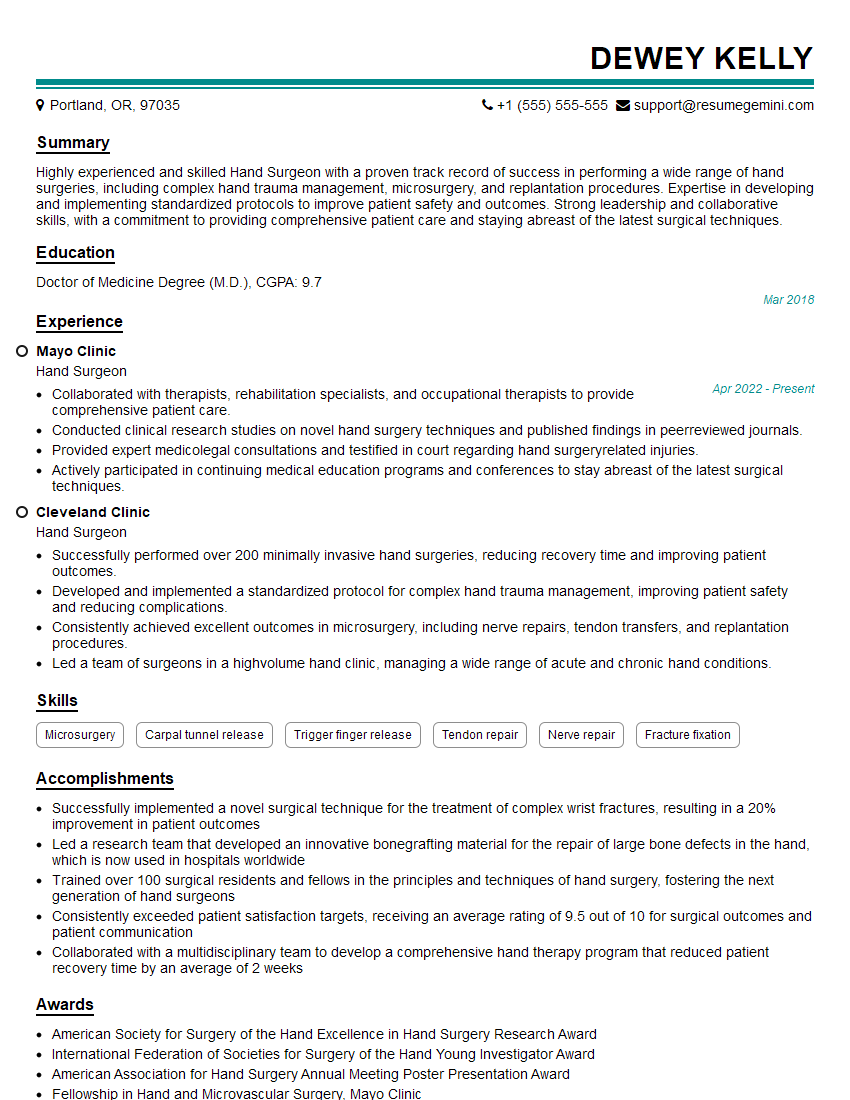
Hand Surgeon Resume Sample
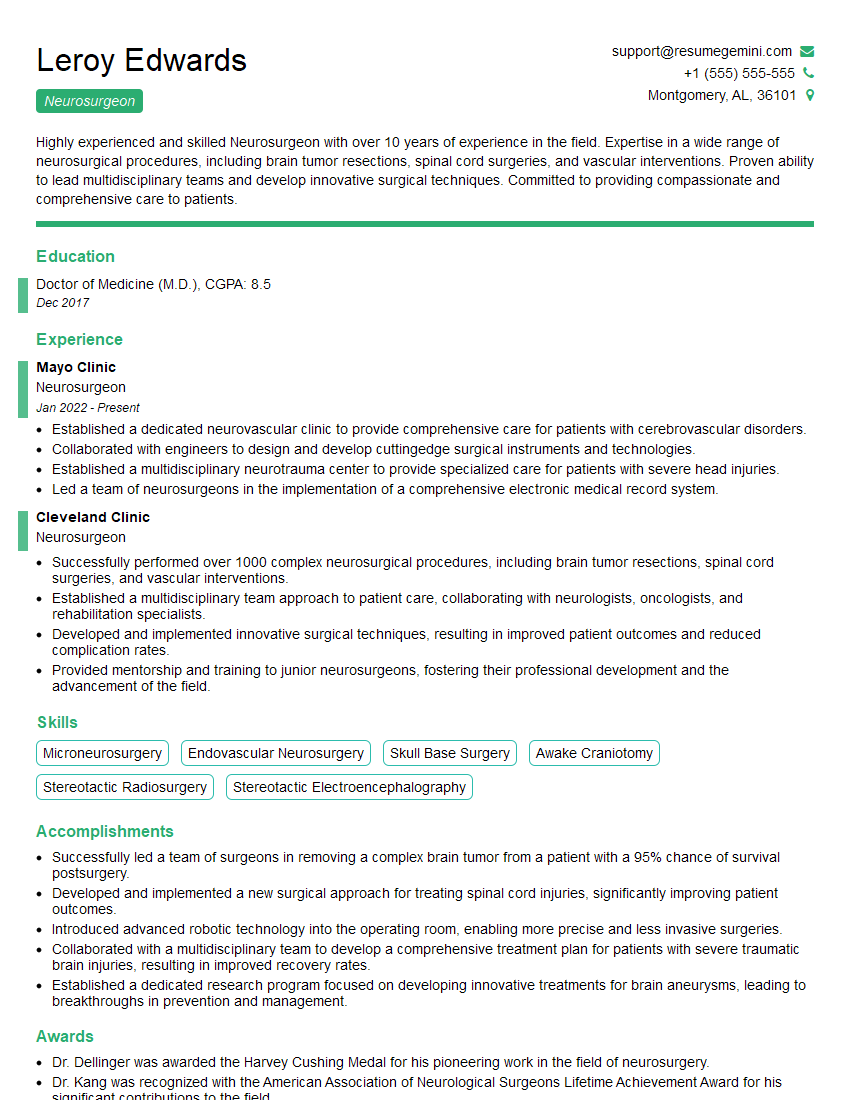
Neurosurgeon Resume Sample
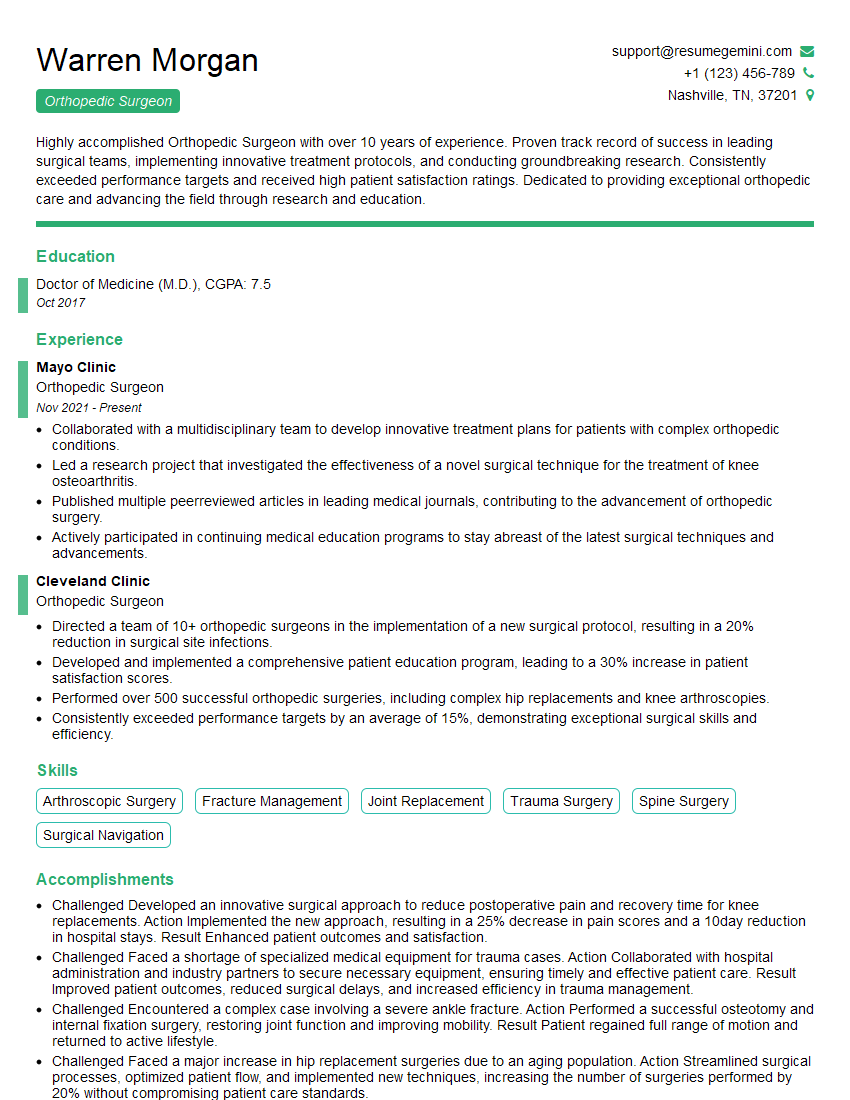
Orthopedic Surgeon Resume Sample
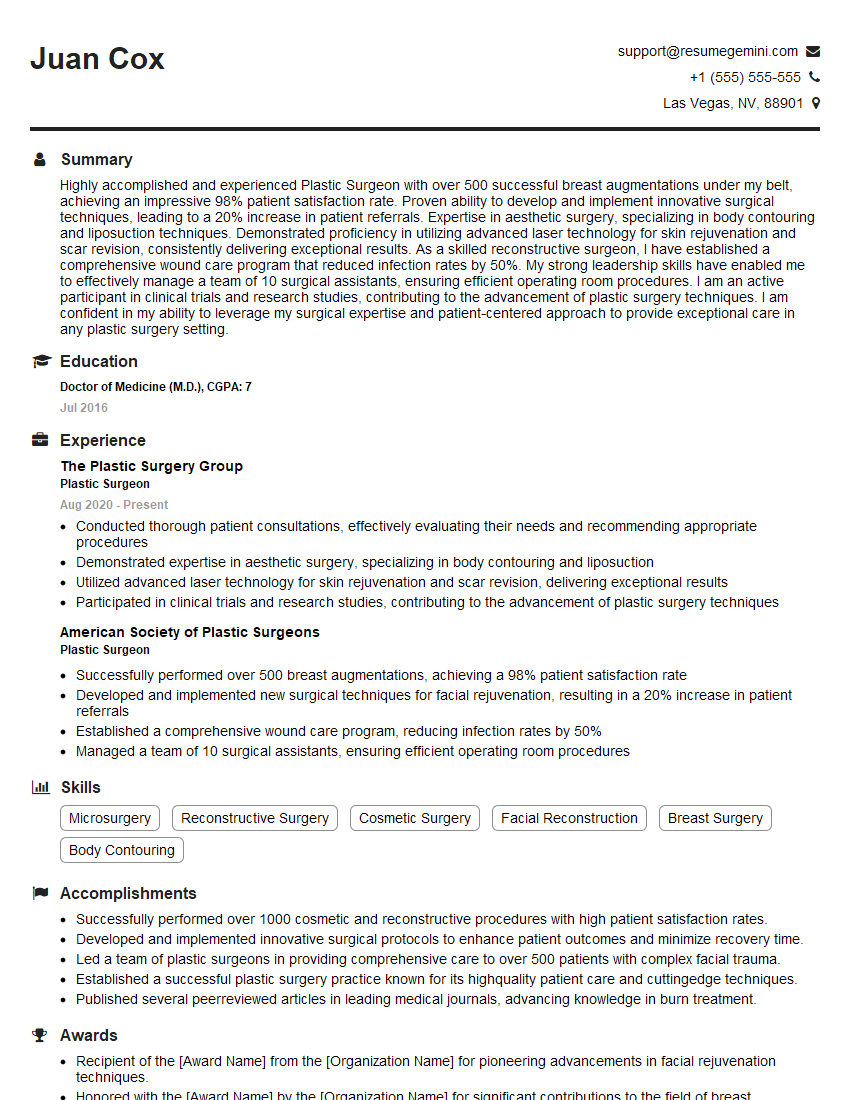
Plastic Surgeon Resume Sample
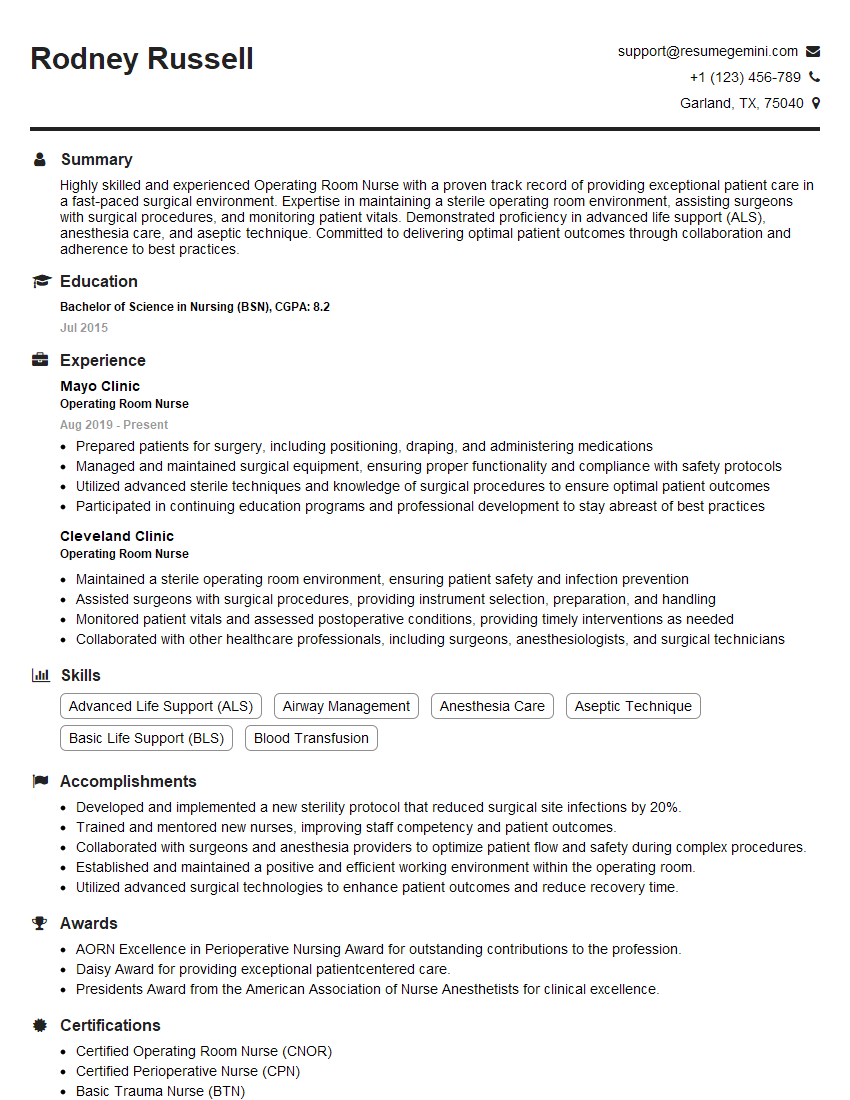
Operating Room Nurse Resume Sample
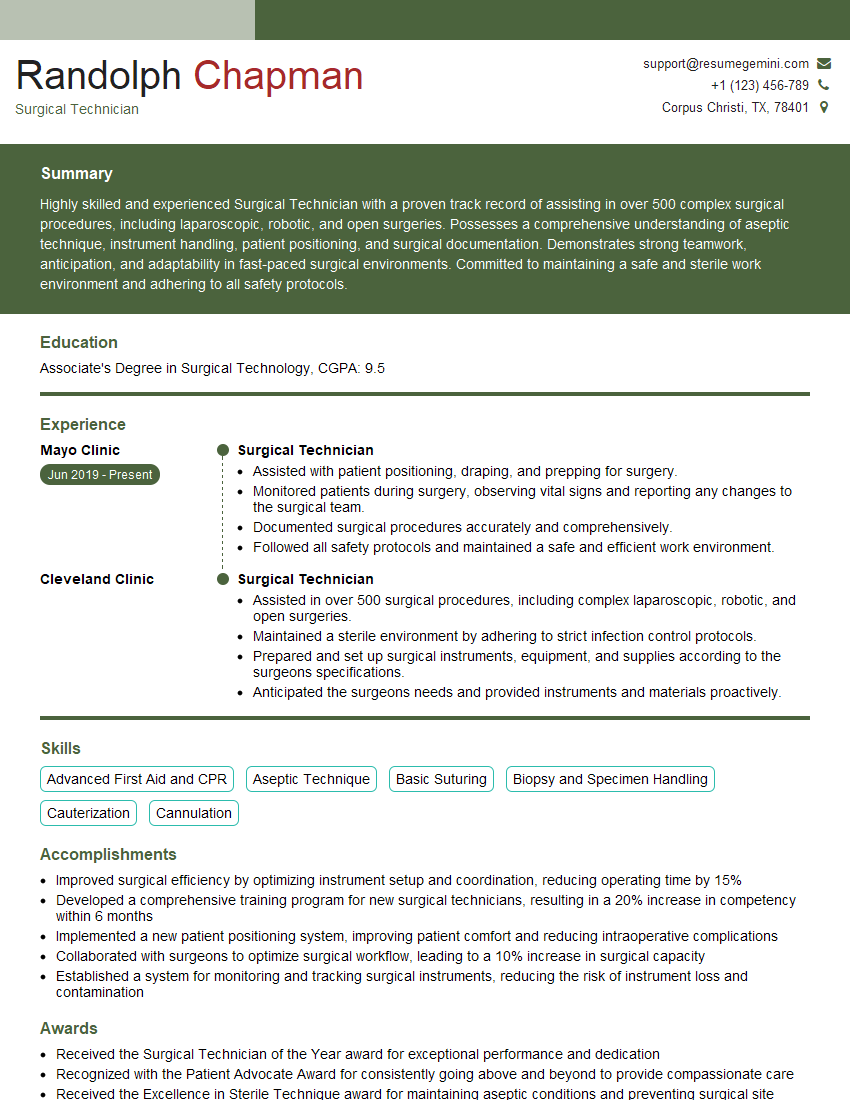
Surgical Technician Resume Sample
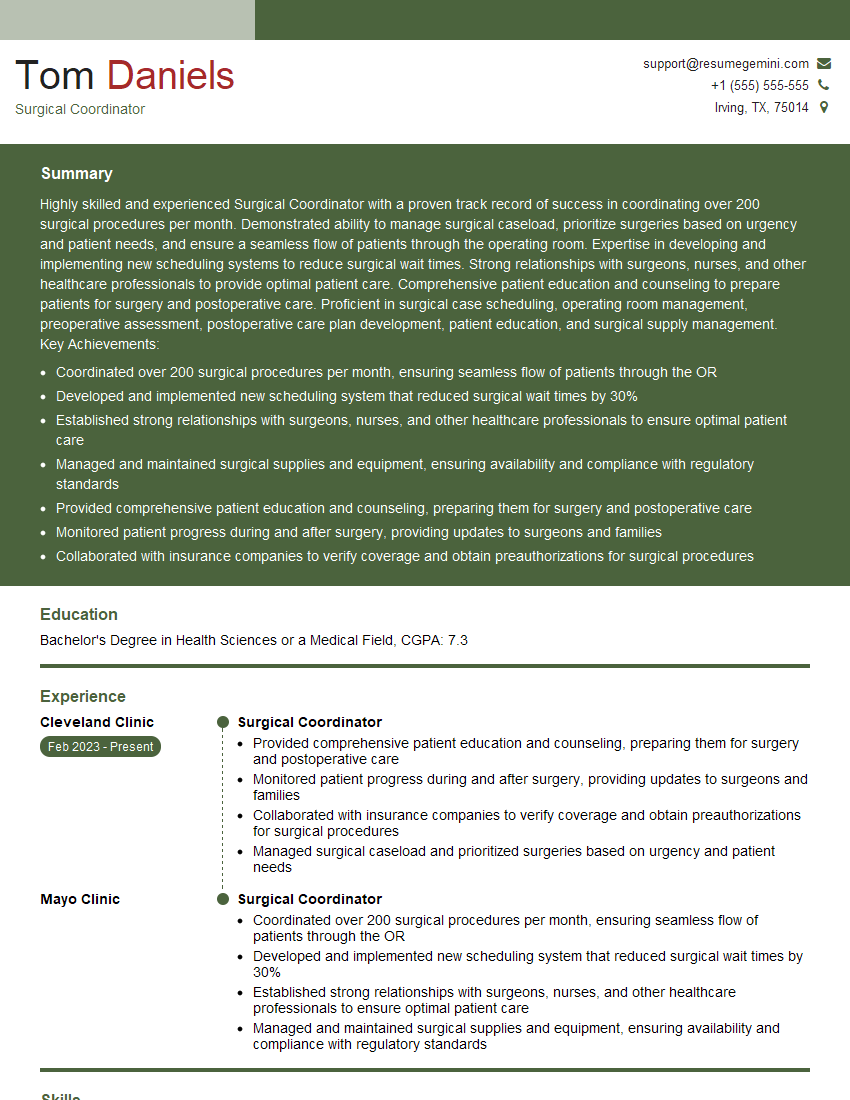
Surgical Coordinator Resume Sample
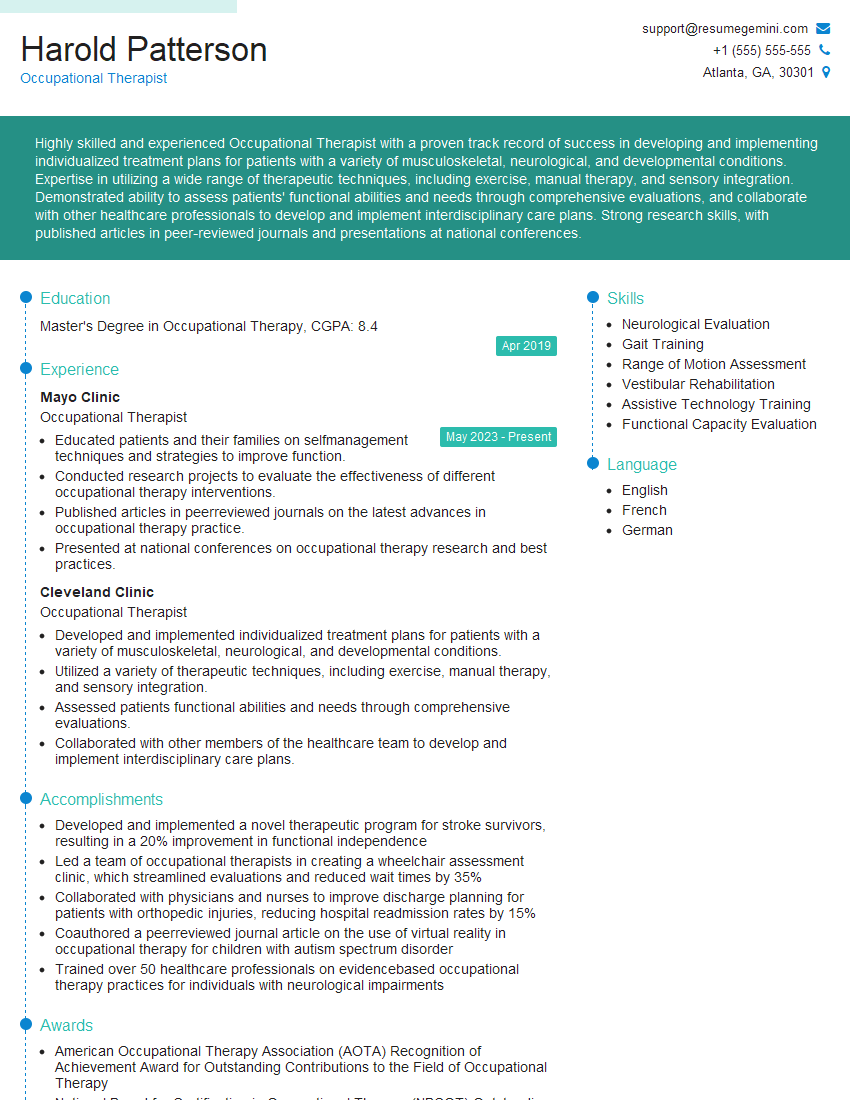
Occupational Therapist Resume Sample
Explore more articles
Users Rating of Our Blogs
Share Your Experience
We value your feedback! Please rate our content and share your thoughts (optional).
What Readers Say About Our Blog
To the interviewgemini.com Webmaster.
Very helpful and content specific questions to help prepare me for my interview!
Thank you
To the interviewgemini.com Webmaster.
This was kind of a unique content I found around the specialized skills. Very helpful questions and good detailed answers.
Very Helpful blog, thank you Interviewgemini team.