Feeling uncertain about what to expect in your upcoming interview? We’ve got you covered! This blog highlights the most important Volatile Organic Compounds interview questions and provides actionable advice to help you stand out as the ideal candidate. Let’s pave the way for your success.
Questions Asked in Volatile Organic Compounds Interview
Q 1. Explain the difference between non-methane volatile organic compounds (NMVOCs) and total volatile organic compounds (TVOCs).
The terms “total volatile organic compounds” (TVOCs) and “non-methane volatile organic compounds” (NMVOCs) are often used in environmental monitoring and regulation, and understanding their difference is crucial. TVOCs represent the sum of all volatile organic compounds present in a sample. These are organic chemicals that readily evaporate at room temperature. Think of things like paints, solvents, and even some natural products like terpenes from plants. NMVOCs, on the other hand, exclude methane (CH4). Methane is a significant VOC, but it’s often treated separately due to its unique atmospheric chemistry and its less potent role in ozone formation compared to other VOCs. So, essentially, NMVOCs are a subset of TVOCs; they’re the TVOCs minus the methane.
For example, a sample might have a TVOC concentration of 10 ppm, with 2 ppm being methane. The NMVOC concentration would then be 8 ppm (10 ppm – 2 ppm). This distinction is critical because regulations often focus on NMVOCs to control ozone precursor emissions more effectively.
Q 2. Describe various methods for sampling and analyzing VOCs in air, water, and soil.
Sampling and analyzing VOCs depends heavily on the matrix (air, water, or soil). Let’s break it down:
- Air: Air sampling often uses canisters (passive or active sampling) for grab samples or Summa canisters for long-term monitoring. These are then analyzed using gas chromatography-mass spectrometry (GC-MS) or gas chromatography with other detectors (e.g., flame ionization detector – FID). Active sampling involves drawing air through a sorbent tube (e.g., Tenax, Carbopack) concentrating the VOCs. These sorbent tubes are then thermally desorbed and analyzed by GC-MS. Techniques like proton-transfer reaction mass spectrometry (PTR-MS) are also increasingly used for real-time, on-site VOC measurements.
- Water: Water samples require headspace analysis. A portion of the water sample is sealed in a vial, allowing the VOCs to partition into the headspace (air above the water). This headspace is then sampled and analyzed using GC-MS. Solid-phase microextraction (SPME) can also be used for direct sampling from water. This method uses a fiber coated with a sorbent material to extract the VOCs directly from the water, which is subsequently desorbed and analyzed by GC-MS.
- Soil: Soil VOC sampling often involves collecting soil cores and then using headspace analysis similar to water analysis or employing purge-and-trap techniques to extract VOCs from the soil matrix. These extracted VOCs are also typically analyzed using GC-MS. Soil samples might also be analyzed by techniques such as direct thermal desorption GC-MS or solid phase extraction.
Choosing the right method depends heavily on the specific VOCs of interest, their concentration levels, and the matrix being sampled. For instance, highly volatile VOCs might be lost during soil sampling using purge-and-trap unless it is optimized for volatile compounds.
Q 3. What are the common health effects associated with exposure to VOCs?
Exposure to VOCs can lead to a range of adverse health effects, varying depending on the specific VOC, concentration, and duration of exposure. Short-term effects might include:
- Eye, nose, and throat irritation: This is common with many VOCs and is often the first noticeable symptom.
- Headaches, dizziness, and nausea: These symptoms can be caused by CNS depression from some VOCs.
- Skin irritation: Some VOCs are strong skin irritants.
Long-term exposure, however, presents more serious concerns and may manifest as:
- Liver, kidney, and nervous system damage: Certain VOCs are known to be hepatotoxic, nephrotoxic, or neurotoxic.
- Cancer: Some VOCs are classified as carcinogens (e.g., benzene).
- Reproductive effects: Several VOCs have been linked to reproductive problems.
It’s crucial to remember that the severity of effects varies widely depending on factors like individual susceptibility, exposure level, and the presence of other pollutants. For example, a person with pre-existing respiratory conditions will be more vulnerable to the respiratory effects of VOCs.
Q 4. Discuss the regulatory frameworks (e.g., EPA, OSHA) governing VOC emissions.
Several regulatory agencies worldwide govern VOC emissions, focusing on minimizing environmental and health risks. In the US, the primary agencies are:
- Environmental Protection Agency (EPA): The EPA sets national ambient air quality standards (NAAQS) for pollutants, including ozone which is formed by VOCs reacting with NOx in the presence of sunlight. They also regulate emissions from various sources through programs like the National Emission Standards for Hazardous Air Pollutants (NESHAP) and the Clean Air Act. These regulations often focus on NMVOCs.
- Occupational Safety and Health Administration (OSHA): OSHA establishes permissible exposure limits (PELs) for VOCs in the workplace to protect worker health. They regulate workplace safety and set standards for exposure levels of various VOCs to prevent occupational illnesses.
These regulations utilize various strategies, such as emission limits for specific sources (like industrial facilities), technology-based standards (requiring specific control technologies), and permitting programs. Failure to comply can result in significant penalties, further emphasizing the importance of proper VOC management. In other countries, similar agencies like the European Environment Agency exist with comparable regulatory frameworks.
Q 5. Explain the principle of gas chromatography-mass spectrometry (GC-MS) in VOC analysis.
Gas chromatography-mass spectrometry (GC-MS) is the gold standard for VOC analysis. It combines two powerful analytical techniques:
- Gas Chromatography (GC): GC separates the mixture of VOCs based on their boiling points and interactions with a stationary phase within a column. Imagine it like a race; different VOCs travel through the column at different speeds based on their properties, separating them.
- Mass Spectrometry (MS): The separated VOCs are then introduced into the mass spectrometer, which ionizes them and separates the ions based on their mass-to-charge ratio (m/z). This generates a unique mass spectrum for each compound, like a fingerprint, allowing for identification.
The combination of GC and MS provides both separation and identification capabilities. The GC separates the complex mixture, and the MS identifies the individual components by their unique mass spectra, allowing for both qualitative (identification) and quantitative (concentration) analysis of the VOCs present in the sample. The resulting chromatogram displays the retention time (time each compound takes to travel through the column) and the mass spectrum at each retention time allowing for identification of each peak.
Q 6. How do you calculate VOC emission rates from industrial processes?
Calculating VOC emission rates from industrial processes involves a multi-step approach. The most common method utilizes material balance:
- Identify VOC Sources: Determine all potential sources of VOC emissions within the process (e.g., leaks, vents, stacks).
- Measure Emission Flow Rates: Use appropriate techniques (e.g., flow meters) to quantify the volumetric flow rate of gas streams from each source.
- Determine VOC Concentrations: Sample the gas streams and analyze the VOC concentration using GC-MS or other appropriate methods. Express the concentration in ppm, mg/m3, or other suitable units.
- Calculate Mass Emission Rate: Convert the concentration and flow rate data to mass emission rates for each VOC. For example: Mass emission rate = (Flow rate)*(Concentration)*(Molecular Weight)
- Sum Individual Emission Rates: Add the individual mass emission rates of all VOCs to obtain the total VOC emission rate for the process.
Other methods include emission factors derived from similar processes and using dispersion modeling to estimate emissions based on observed concentrations in the environment. It’s important to account for factors like temperature and pressure and to ensure proper calibration of measuring equipment for accurate emission rate calculation.
Q 7. What are the different types of VOC control technologies?
Various control technologies exist for reducing VOC emissions, ranging from simple to highly sophisticated approaches:
- Absorption: Uses a liquid solvent to absorb VOCs from a gas stream. Think of it like a sponge soaking up the VOCs.
- Adsorption: Employs a solid adsorbent material (e.g., activated carbon) to trap VOCs. This is like using a filter to remove VOCs.
- Condensation: Uses cooling to condense VOCs from a gas stream into a liquid phase. This method is effective for VOCs with high boiling points.
- Combustion (Incineration): Oxidizes VOCs at high temperatures to form carbon dioxide and water. This is very effective but requires significant energy.
- Biofiltration: Utilizes microorganisms to break down VOCs in a biological filter. This is a more environmentally friendly approach, ideal for smaller flows of less hazardous VOCs.
- Membrane Separation: Uses membranes to selectively separate VOCs from a gas stream. This is increasingly important with specific VOCs that require targeted removal.
The choice of technology depends on several factors, including the type and concentration of VOCs, the gas flow rate, cost considerations, and regulatory requirements. For instance, incineration is effective for high concentrations but might be too expensive for low concentrations. In some cases, a combination of technologies might be necessary for optimal emission control.
Q 8. Describe the process of developing a VOC emission reduction plan.
Developing a VOC emission reduction plan involves a systematic approach focusing on identifying emission sources, quantifying emissions, and implementing control strategies. Think of it like cleaning your house – you first need to find the mess (sources), then determine how much mess there is (quantification), and finally, decide how to clean it up (control strategies).
- Source Identification: This crucial first step involves a thorough site survey, identifying all potential VOC sources – everything from leaking pipes and equipment malfunctions to improper waste disposal and even specific cleaning agents. We utilize techniques like visual inspections, process flow diagrams, and even specialized sensors to pinpoint these sources.
- Emission Quantification: Once sources are identified, we quantify their emissions using various methods, such as direct measurement techniques (e.g., using gas chromatographs), mass balance calculations, and emission factors. This tells us exactly how much VOC is being released.
- Control Strategy Selection: Based on the identified sources and emission levels, we select appropriate control technologies. These can range from simple fixes like tightening seals to advanced technologies like catalytic oxidation or activated carbon adsorption. The choice depends on factors like cost-effectiveness, emission reduction potential, and the specific VOCs involved.
- Implementation and Monitoring: The chosen strategies are implemented, and ongoing monitoring is essential to ensure effectiveness. This often involves periodic emission testing and adjustments to the plan as needed. Regular maintenance of equipment is also crucial.
- Reporting and Compliance: Finally, a comprehensive report documenting the entire process, from source identification to emission reduction achievements, is prepared. This often needs to adhere to regulatory requirements.
For example, a paint factory might find that their primary VOC emission source is solvent evaporation during the painting process. The plan might then involve switching to low-VOC paints, installing a vapor recovery system, and implementing improved ventilation.
Q 9. How do you interpret VOC data to identify sources and potential risks?
Interpreting VOC data involves a multi-step process combining analytical chemistry with environmental knowledge. Imagine it like detective work – we need to gather clues (data), analyze them, and deduce the culprit (emission source).
- Data Analysis: We start by analyzing the VOC data itself, often obtained through gas chromatography-mass spectrometry (GC-MS) or similar techniques. This gives us a list of VOCs present and their concentrations. We look for patterns and trends – are certain VOCs consistently present at high concentrations? This often points to a specific source.
- Source Apportionment: This is where we link specific VOCs to their likely sources. For example, high levels of toluene might suggest a nearby printing facility. Advanced statistical techniques like receptor modeling can be used to improve source identification accuracy. Think of it as matching a footprint to a shoe size.
- Risk Assessment: Once sources are identified, we evaluate the potential risks associated with the VOC exposure. This considers the toxicity of the VOCs, the concentration levels, and the duration of exposure. We might use risk assessment models to estimate health impacts or environmental damage.
For example, if a community health survey shows high rates of respiratory problems, and VOC monitoring reveals elevated levels of benzene near a petrol station, a link can be made and mitigation strategies developed.
Q 10. Explain the significance of VOCs in indoor air quality.
VOCs significantly impact indoor air quality, posing potential health risks. Think of your home’s air as a delicate ecosystem; introducing VOCs disrupts this balance.
Many common household products, including paints, adhesives, cleaning supplies, and furniture, release VOCs. These can cause a variety of health problems, ranging from eye, nose, and throat irritation to headaches, nausea, and even more serious long-term effects like liver or kidney damage, depending on the specific VOC and concentration. Children and individuals with pre-existing respiratory conditions are particularly vulnerable.
The concentrations of VOCs inside buildings are often higher than those outdoors because of the limited ventilation and accumulation of emissions from various sources. Proper ventilation, the use of low-VOC products, and regular cleaning can significantly improve indoor air quality and reduce VOC levels.
Q 11. What are the challenges in monitoring VOCs in complex environmental matrices?
Monitoring VOCs in complex environmental matrices presents numerous challenges. It’s like trying to find specific needles in a very large, diverse haystack.
- Matrix Interferences: Complex matrices such as soil, water, or biological samples often contain other compounds that can interfere with VOC analysis, making accurate quantification difficult. These interferences can mask the presence of VOCs or lead to false positives.
- Low Concentrations: VOCs are often present at very low concentrations in environmental samples, requiring sensitive analytical techniques and meticulous sample handling to avoid contamination or losses.
- Volatility: The very nature of VOCs (their volatility) makes them prone to evaporation during sampling and analysis, leading to underestimation of their concentrations. Specialized sample preservation techniques are needed.
- Sample Heterogeneity: Environmental samples are rarely homogeneous. Variations in VOC concentrations within a sample can lead to inaccurate measurements unless proper sampling strategies are employed.
Overcoming these challenges often requires the use of advanced analytical techniques like solid-phase microextraction (SPME) or purge-and-trap methods, combined with careful sample preparation and quality control procedures.
Q 12. How do you ensure the accuracy and precision of VOC measurements?
Ensuring accurate and precise VOC measurements is paramount. Think of it like using a precise scale to measure ingredients in a recipe – even a small error can affect the final outcome.
- Calibration: Regular calibration of analytical instruments using certified standards is essential to ensure accuracy. This involves running known concentrations of VOCs through the instrument and adjusting its response accordingly.
- Quality Control (QC): QC measures are crucial throughout the entire analytical process, including blank samples, duplicate analyses, and the use of internal standards. These help detect and correct errors, ensuring data reliability.
- Sample Handling: Proper sample collection, preservation, and storage are vital to prevent contamination, losses, or degradation of VOCs. This might involve using specialized containers, preserving samples at low temperatures, and minimizing exposure to air.
- Method Validation: Before routine use, analytical methods should be rigorously validated to demonstrate their accuracy, precision, and sensitivity for the specific VOCs and matrices of interest. This involves testing the method’s performance under various conditions.
For instance, using a poorly calibrated GC-MS could lead to inaccurate VOC quantification, potentially resulting in incorrect environmental risk assessments.
Q 13. Describe the role of calibration standards in VOC analysis.
Calibration standards are crucial in VOC analysis, providing the reference points for accurate measurements. They are like the weights and measures in a lab – essential for ensuring everything is measured correctly.
Calibration standards are mixtures of known concentrations of VOCs, prepared using high-purity gases or liquid solutions. These standards are used to calibrate analytical instruments, ensuring that the instrument’s response is accurately related to the concentration of VOCs in a sample. Without proper calibration, the results will be meaningless.
Different types of calibration standards exist, depending on the analytical technique used. For instance, gaseous standards are typically used for gas chromatography, while liquid standards might be used for liquid chromatography. The purity and stability of these standards are critical to ensure the accuracy of the calibration.
Regular calibration is essential to maintain the accuracy and precision of analytical instruments over time. Factors such as instrument drift, aging of components, and changes in environmental conditions can affect the instrument’s response. By regularly calibrating with certified standards, we maintain confidence in our measurements.
Q 14. What are the limitations of different VOC sampling techniques?
Various VOC sampling techniques exist, each with its own limitations. Choosing the right technique depends on factors like the type of sample (air, water, soil), the target VOCs, and the required sensitivity. Think of choosing the right tool for a specific job.
- Passive Sampling: This method uses absorbent materials to passively collect VOCs over a period. While simple and convenient, it’s often limited by its sensitivity and can be affected by temperature and humidity variations.
- Active Sampling: This involves actively drawing a known volume of air or other sample matrix through a collection device. It provides higher sensitivity but requires more equipment and can be more prone to artifacts.
- Canister Sampling: This technique involves collecting air samples in stainless steel canisters for later laboratory analysis. While offering good sample integrity, it can be expensive and may not be suitable for all VOCs.
- Solid-Phase Microextraction (SPME): This technique uses a fiber coated with a stationary phase to extract VOCs directly from the sample matrix. It’s a versatile technique, but its sensitivity depends on the choice of fiber coating.
For example, passive sampling might be suitable for long-term monitoring of indoor air quality, whereas active sampling might be preferred for assessing short-term releases from industrial facilities. The choice of technique must be carefully considered to ensure reliable and relevant results.
Q 15. How do you handle data outliers and uncertainties in VOC analysis?
Handling outliers and uncertainties in VOC analysis is crucial for data reliability. We employ a multi-pronged approach. First, we visually inspect the data using scatter plots and box plots to identify potential outliers. These outliers might stem from instrument malfunction, sample contamination, or genuine high-concentration events. We then investigate the source of these outliers. If they are deemed to be errors (e.g., a known instrument spike), they are removed. However, if the outliers are legitimate but extreme, we consider robust statistical methods such as median instead of mean for data summarization, or non-parametric statistical tests instead of parametric ones. For uncertainties, we quantify them by considering sources like calibration uncertainty, method detection limit (MDL), and replicate analysis variability. We propagate these uncertainties through our calculations using methods such as Monte Carlo simulations to determine the overall uncertainty in our final results and report these uncertainties with our findings.
For example, if we’re analyzing benzene levels in air samples, and one sample shows a value significantly higher than others, we’d check the sampling procedure, instrument calibration, and laboratory blanks to rule out errors. If we find no issues, and the high value is consistent with other data points, we may use robust statistical methods to include this outlier in our assessment.
Career Expert Tips:
- Ace those interviews! Prepare effectively by reviewing the Top 50 Most Common Interview Questions on ResumeGemini.
- Navigate your job search with confidence! Explore a wide range of Career Tips on ResumeGemini. Learn about common challenges and recommendations to overcome them.
- Craft the perfect resume! Master the Art of Resume Writing with ResumeGemini’s guide. Showcase your unique qualifications and achievements effectively.
- Don’t miss out on holiday savings! Build your dream resume with ResumeGemini’s ATS optimized templates.
Q 16. What are the potential sources of error in VOC measurements?
Errors in VOC measurements can arise from various sources throughout the analytical process. These include:
- Sampling errors: Improper sampling techniques, contamination of the sample container, or insufficient sample volume can lead to inaccurate results. Think of trying to measure the sugar in a cup of coffee without adequately mixing the coffee first!
- Analytical errors: These errors can stem from instrument malfunction, poor calibration, matrix effects (interferences from other compounds in the sample), or inaccurate quantification. A poorly maintained gas chromatograph (GC), for example, can yield imprecise peak areas.
- Data processing errors: Incorrect peak identification, integration errors, or inappropriate data manipulation can introduce substantial errors. Similar to misinterpreting a reading in a microscope!
- Calibration errors: If the calibration standards are not accurate or not sufficiently numerous to cover the range of concentrations in the samples, the accuracy of the measurements will be severely compromised.
Minimizing these errors involves rigorous quality control measures, meticulous sample handling, regular instrument maintenance and calibration, and careful data analysis. The use of certified reference materials and method blanks helps to identify and quantify systematic errors and provides confidence in the measurement results.
Q 17. How do you determine the appropriate detection limits for VOC analysis?
Determining the appropriate detection limits is essential for reliable VOC analysis. The most commonly used limit is the method detection limit (MDL), which represents the lowest concentration of a VOC that can be reliably measured with 99% confidence above the background noise. The MDL is experimentally determined by analyzing replicate samples of a low-concentration standard. We typically analyze seven replicates of the standard that is very close to the expected detection limits. The MDL is calculated using statistical methods and it is usually expressed in units of concentration (e.g., parts per billion or micrograms per liter). Another critical limit is the quantitation limit (QL), which represents the lowest concentration that can be accurately quantified. The QL is typically three to ten times higher than the MDL.
Choosing appropriate detection limits depends on the specific application and the required level of accuracy. For sensitive environmental monitoring, lower detection limits are needed, whereas for industrial hygiene applications, slightly higher limits might be acceptable. The selection should always be justified and documented.
Q 18. Explain the concept of VOC partitioning between air and water.
VOC partitioning between air and water is governed by Henry’s Law, which states that the concentration of a VOC in the air phase is proportional to its concentration in the water phase. The proportionality constant is the Henry’s Law constant (H), which is temperature and pressure dependent. A high H value indicates a preference for the air phase, while a low H value suggests a preference for the water phase. Several factors influence the partitioning, including:
- Henry’s Law constant: As mentioned, this is the primary determining factor.
- Temperature: Higher temperatures generally increase the volatility of VOCs, leading to greater partitioning into the air phase.
- Salinity: Salinity in water can affect the solubility of some VOCs, altering their partitioning behavior.
- Organic matter: The presence of organic matter in water can enhance the solubility of some VOCs, increasing their partitioning into the water phase.
Understanding VOC partitioning is crucial for assessing their transport and fate in the environment. For instance, a VOC with a high Henry’s Law constant will readily volatilize from water bodies into the atmosphere, while a VOC with a low constant will tend to remain in the aqueous phase.
Q 19. Describe the use of VOCs as indicators of environmental pollution.
VOCs serve as excellent indicators of environmental pollution due to their diverse origins and their often readily measurable presence. Specific VOCs can be linked to particular pollution sources. For example:
- Benzene, toluene, ethylbenzene, and xylenes (BTEX): These are common components of gasoline and are often used to trace vehicular emissions.
- Chlorinated solvents (e.g., trichloroethylene, tetrachloroethylene): These are frequently found in industrial wastewater and groundwater, indicating past or present industrial activity.
- Polycyclic aromatic hydrocarbons (PAHs): PAHs are formed during incomplete combustion of organic materials and are often associated with vehicle exhaust, industrial emissions, and wildfires.
Monitoring VOC concentrations in air, water, and soil provides valuable insights into the extent and sources of pollution. Changes in VOC concentrations over time can help track the effectiveness of pollution control measures. The presence of specific VOCs can highlight particular pollution sources or industrial activities, thus leading to targeted pollution remediation efforts.
Q 20. How do you assess the environmental impact of VOC emissions?
Assessing the environmental impact of VOC emissions involves a multifaceted approach. We consider several key aspects:
- Toxicity: We evaluate the toxicity of each VOC through literature review and databases such as the EPA’s IRIS database. Different VOCs exhibit varying degrees of toxicity, affecting human health and the environment.
- Exposure pathways: We assess potential exposure routes, such as inhalation, dermal contact, and ingestion, to evaluate human health risks. We also consider potential exposure of wildlife, plant life, and aquatic ecosystems.
- Atmospheric fate and transport: We model the atmospheric transport and transformation of VOCs using dispersion models and examine their potential to form secondary pollutants like ozone and particulate matter. This consideration is vital for determining the regional or global scale of impact.
- Environmental persistence and bioaccumulation: We determine the persistence of each VOC in the environment and their potential for bioaccumulation in living organisms through the food web.
- Risk assessment: We integrate the toxicity, exposure, and fate data to perform a quantitative risk assessment that generates an estimate of the overall environmental risk associated with the VOC emissions.
Life cycle assessment (LCA) methodologies can also be employed to evaluate the overall environmental impact of a product or process, including the VOC emissions associated with its production, use, and disposal.
Q 21. What is the role of VOCs in ozone formation?
VOCs play a critical role in tropospheric ozone formation. Ozone is a secondary pollutant, meaning it’s not directly emitted but formed through chemical reactions in the atmosphere. In the presence of sunlight (UV radiation), VOCs react with nitrogen oxides (NOx) in a complex series of reactions known as photochemical smog formation. These reactions produce ozone (O3), as well as other harmful pollutants such as peroxyacetyl nitrate (PAN). VOCs act as precursors, providing the reactive organic compounds needed to initiate and sustain these ozone-forming reactions. The specific contribution of different VOCs to ozone formation varies due to their differing reactivity and atmospheric lifetimes.
Some VOCs are more reactive and contribute more significantly to ozone formation than others. For example, alkenes (e.g., ethene, propene) are highly reactive and efficiently produce ozone. This is why controlling VOC emissions, particularly from industrial sources and vehicles, is crucial for reducing ozone pollution and improving air quality. Ozone is a harmful respiratory irritant and can damage vegetation and other ecosystems.
Q 22. Discuss the impact of VOCs on climate change.
Volatile Organic Compounds (VOCs) contribute significantly to climate change, although their impact is often less discussed than that of carbon dioxide. Many VOCs are potent greenhouse gases, meaning they trap heat in the atmosphere more effectively than carbon dioxide. For instance, methane (CH4), a VOC, is roughly 25 times more potent as a greenhouse gas than CO2 over a 100-year period. However, it has a shorter atmospheric lifetime. Other VOCs, like some refrigerants, can also deplete the ozone layer, exacerbating climate change impacts.
The impact is two-fold: direct radiative forcing (trapping heat) and indirect effects. Indirect effects include the formation of tropospheric ozone (O3) from VOC oxidation reactions. Tropospheric ozone is itself a potent greenhouse gas and also a respiratory irritant. The chemical reactions leading to ozone formation often involve nitrogen oxides (NOx), highlighting the complex interplay between different pollutants in contributing to climate change.
Consider the example of urban smog. Vehicle emissions release various VOCs and NOx. Sunlight catalyzes reactions between these pollutants, leading to the formation of ground-level ozone, causing both respiratory problems and contributing to the greenhouse effect.
Q 23. Explain the concept of VOC bioremediation.
VOC bioremediation harnesses the power of microorganisms to break down or transform VOCs into less harmful substances. This is a sustainable and cost-effective approach compared to traditional methods like excavation and incineration. The process relies on the metabolic capabilities of bacteria, fungi, and other microorganisms naturally present in the soil or introduced specifically. These microbes use VOCs as a source of energy and carbon, converting them into carbon dioxide (CO2), water (H2O), and biomass.
Different microbial communities are effective at degrading different VOCs. For example, some bacteria can efficiently break down benzene, while others specialize in chlorinated solvents. Factors influencing bioremediation success include the type and concentration of VOCs, soil conditions (moisture, pH, nutrients), and the presence of electron acceptors (like oxygen or nitrate).
One example is the use of bioaugmentation, where specific microbial strains known for their VOC degradation capabilities are added to the contaminated site to enhance the natural bioremediation process. Another strategy is biostimulation, where conditions such as nutrient levels are optimized to promote the growth and activity of indigenous microorganisms that already have the potential to degrade the VOCs.
Q 24. Describe different approaches for remediation of VOC-contaminated soil and groundwater.
Remediation of VOC-contaminated soil and groundwater involves various approaches, each with its own strengths and weaknesses. The best approach depends on factors like the type and concentration of VOCs, site conditions (soil type, groundwater flow), and regulatory requirements.
- Pump and Treat: This involves extracting groundwater, treating it to remove VOCs (e.g., air stripping, activated carbon adsorption), and then re-injecting the cleaned water. It’s effective for some VOCs but can be time-consuming and expensive.
- In-situ Bioremediation: As discussed above, this utilizes microorganisms to degrade VOCs in place, reducing the need for excavation and transportation. It’s cost-effective and environmentally friendly but can be slow.
- Soil Vapor Extraction (SVE): A vacuum system removes VOC vapors from the soil, often followed by treatment using activated carbon or thermal oxidation. It’s effective for volatile VOCs in relatively permeable soils.
- Air Sparging: Air is injected into the groundwater to volatilize VOCs, which are then removed through SVE. This works well for relatively shallow aquifers.
- Thermal Desorption: The contaminated soil is heated to volatilize VOCs, which are then collected and treated. This method is effective for high concentrations of VOCs but can be energy-intensive.
Often, a combination of methods is employed for optimal remediation effectiveness. For example, bioaugmentation might be combined with SVE to enhance degradation and removal of VOCs.
Q 25. What are the safety precautions when handling VOCs in a laboratory setting?
Handling VOCs in a laboratory setting requires stringent safety precautions to protect personnel and the environment. These precautions include:
- Proper ventilation: A well-ventilated laboratory with fume hoods is essential to prevent VOC inhalation. Fume hoods should be used whenever possible when working with VOCs.
- Personal Protective Equipment (PPE): This includes lab coats, gloves, safety glasses, and respirators appropriate for the specific VOC being handled. The selection of appropriate PPE depends on the toxicity and volatility of the VOC.
- Safe handling procedures: VOCs should be handled carefully to avoid spills and leaks. Appropriate containers and techniques should be used for storage, transfer, and disposal.
- Emergency preparedness: Spill kits and emergency procedures should be in place to handle spills effectively. Personnel should be trained in emergency response protocols.
- Regular monitoring: Air monitoring is essential to ensure VOC levels remain below permissible exposure limits (PELs).
Ignoring these precautions can lead to serious health consequences, including respiratory problems, headaches, dizziness, and in severe cases, organ damage or even death.
Q 26. Explain the importance of proper waste disposal for VOC-containing materials.
Proper waste disposal for VOC-containing materials is critical to prevent environmental contamination and protect human health. Improper disposal can lead to groundwater and soil pollution, air emissions, and potential exposure to hazardous substances. The disposal method depends on the specific VOC and its concentration. Many VOCs are considered hazardous waste and must be handled accordingly.
Generally, VOC-containing wastes should be:
- Collected separately: Dedicated containers should be used to avoid mixing with other wastes.
- Properly labeled: Containers must be clearly labeled with the type and quantity of VOCs contained.
- Disposed of through licensed facilities: VOC waste must be disposed of by licensed hazardous waste facilities that have the capability to treat or dispose of these materials safely and in accordance with regulations.
- Managed to prevent leaks and spills: Throughout the process, measures should be taken to prevent leakage or spillage of materials.
Failure to properly dispose of VOC-containing materials can result in significant environmental damage and potential legal penalties.
Q 27. How do you ensure compliance with relevant health and safety regulations regarding VOC handling?
Ensuring compliance with relevant health and safety regulations regarding VOC handling involves a multifaceted approach. This includes staying updated on regulations, implementing robust safety procedures, and maintaining detailed records.
- Understanding regulations: Familiarize yourself with all applicable local, regional, and national regulations (e.g., OSHA, EPA). These regulations specify permissible exposure limits (PELs), safe handling practices, and waste disposal requirements.
- Developing and implementing safety plans: Create detailed safety plans that outline procedures for handling, storing, and disposing of VOCs, including emergency response protocols. Regular training for laboratory personnel is essential.
- Maintaining records: Keep meticulous records of VOC inventory, handling procedures, waste disposal, and any incidents or near misses. This documentation is crucial for demonstrating compliance during audits.
- Regular safety inspections and audits: Conduct regular inspections to ensure that safety procedures are being followed and equipment is functioning correctly. Periodic safety audits by external experts can help identify potential weaknesses and areas for improvement.
- Using certified equipment: Use only certified equipment for VOC analysis and handling to ensure accurate measurements and safety.
Proactive compliance is key to preventing accidents, protecting personnel, and avoiding legal repercussions.
Q 28. Describe a situation where you had to troubleshoot a problem related to VOC analysis.
During a VOC analysis project involving soil samples from a suspected gasoline leak, we experienced consistently high background levels in our gas chromatography-mass spectrometry (GC-MS) readings. Initially, we suspected contamination of the samples, but careful review ruled this out. We then systematically investigated potential sources of error.
Our troubleshooting steps involved:
- Checking instrument cleanliness: We meticulously cleaned the GC-MS system, including the injection port and column, to rule out carryover from previous analyses. This is a routine preventative measure for accuracy.
- Evaluating sample preparation: We re-examined our sample preparation techniques, looking for potential sources of contamination. We found we were using glassware that hadn’t been properly cleaned with solvents suitable for volatile organic analysis. This introduced some background noise from residual VOCs in the glassware.
- Analyzing blanks: We ran multiple solvent blanks to verify if there were any contaminants in our solvents. Fortunately, these blanks were clean.
- Adjusting instrument parameters: After addressing sample prep, we slightly modified the GC-MS method parameters, specifically adjusting the oven temperature program for improved separation of peaks, minimizing overlap and potential misidentification.
After implementing these changes, the background levels significantly decreased, and our results became consistent and reliable. This highlighted the importance of meticulous attention to detail in sample preparation and instrument maintenance in obtaining accurate and reliable VOC data. The incident also emphasized the importance of using a systematic troubleshooting strategy to identify and resolve analytical issues.
Key Topics to Learn for Volatile Organic Compounds Interview
- Chemical Properties and Reactivity: Understanding the fundamental chemical properties of VOCs, including their volatility, reactivity, and potential for forming hazardous byproducts.
- Sources and Emissions: Identifying major sources of VOC emissions (industrial processes, transportation, natural sources) and their impact on air quality.
- Analytical Techniques: Familiarizing yourself with common methods for VOC detection and quantification, such as Gas Chromatography-Mass Spectrometry (GC-MS) and other spectroscopic techniques.
- Environmental Impact and Regulations: Understanding the health and environmental consequences of VOC emissions and relevant environmental regulations (e.g., Clean Air Act).
- Control and Mitigation Strategies: Exploring various methods for controlling VOC emissions, including incineration, absorption, adsorption, and process modifications.
- Health Effects and Exposure Assessment: Knowledge of the potential health effects of VOC exposure and methods for assessing human exposure.
- Modeling and Simulation: Understanding the use of dispersion models to predict the atmospheric fate and transport of VOCs.
- Case Studies and Practical Applications: Analyzing real-world examples of VOC pollution incidents and their remediation strategies. Consider applications in specific industries (e.g., petrochemical, manufacturing).
- Emerging Technologies: Staying updated on the latest advancements in VOC monitoring, control, and remediation technologies.
Next Steps
Mastering Volatile Organic Compounds is crucial for career advancement in environmental science, engineering, and related fields. A strong understanding of VOCs demonstrates a commitment to environmental protection and opens doors to diverse and impactful roles. To maximize your job prospects, create an ATS-friendly resume that highlights your skills and experience effectively. ResumeGemini is a trusted resource to help you build a professional and compelling resume that gets noticed by recruiters. Examples of resumes tailored to Volatile Organic Compounds professionals are available to guide you through the process.
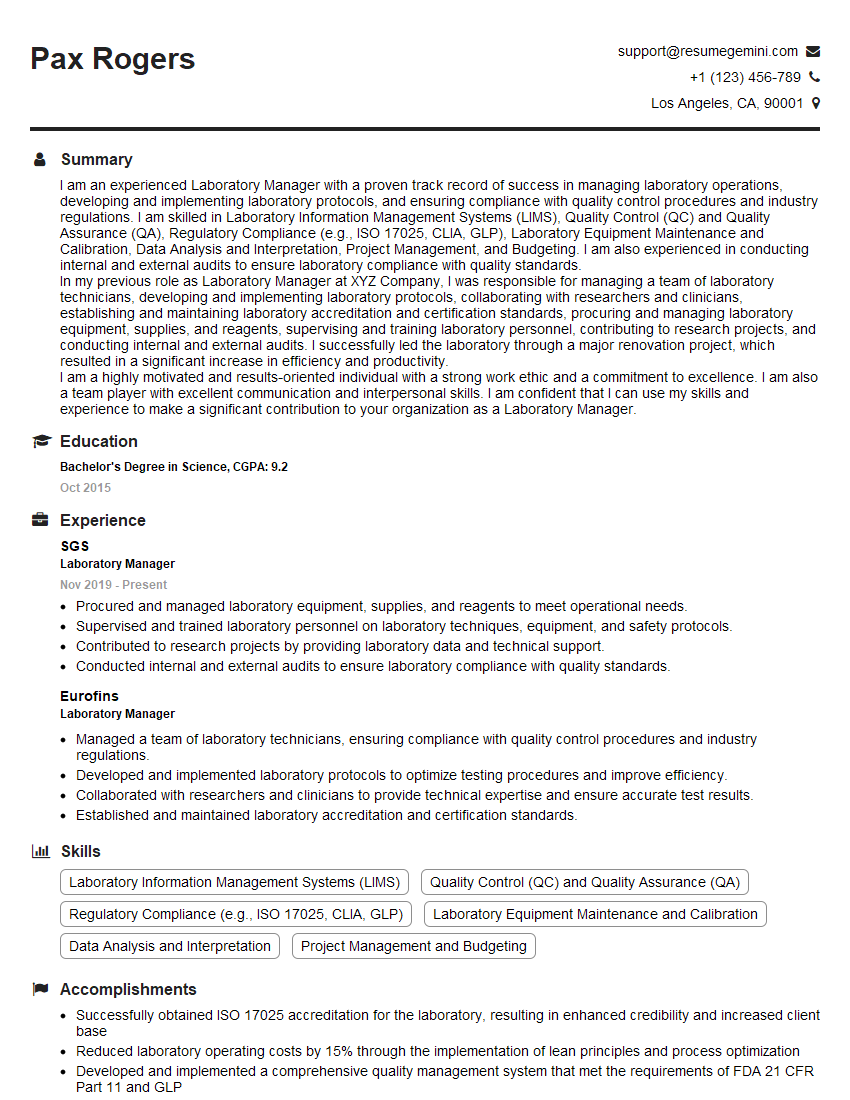
Laboratory Manager Resume Sample
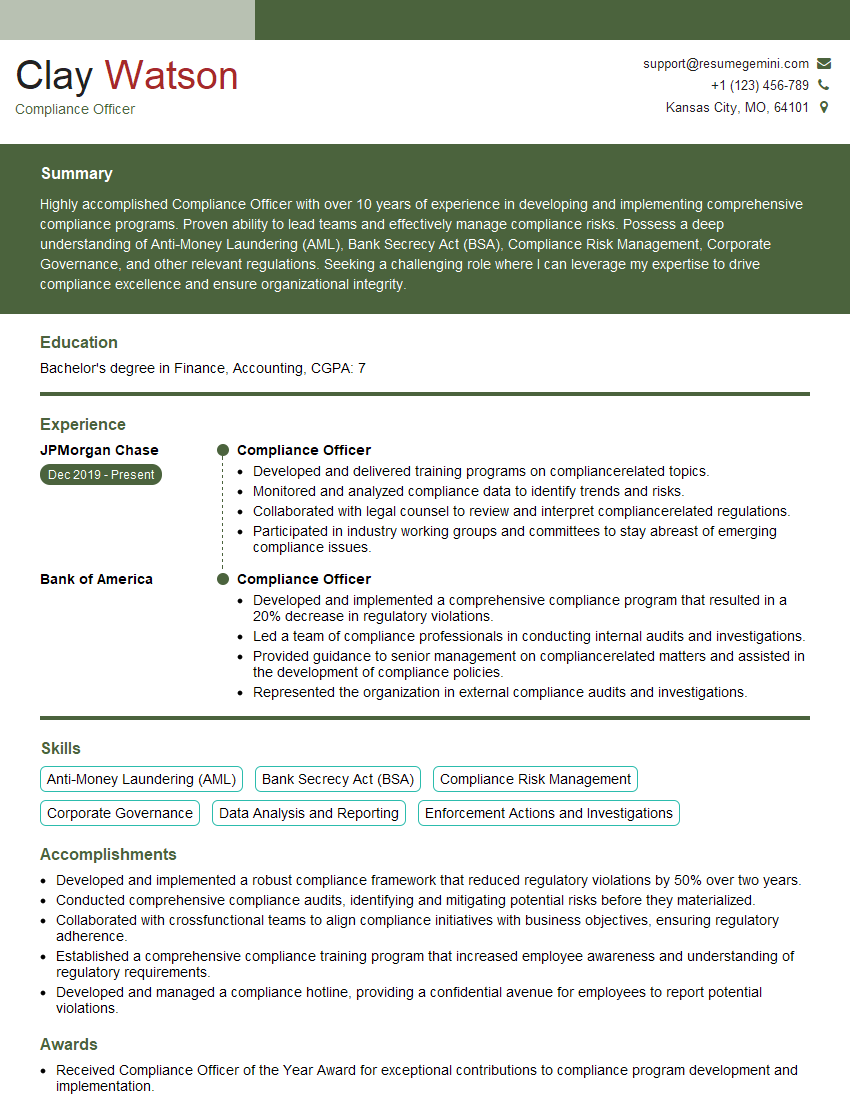
Compliance Officer Resume Sample
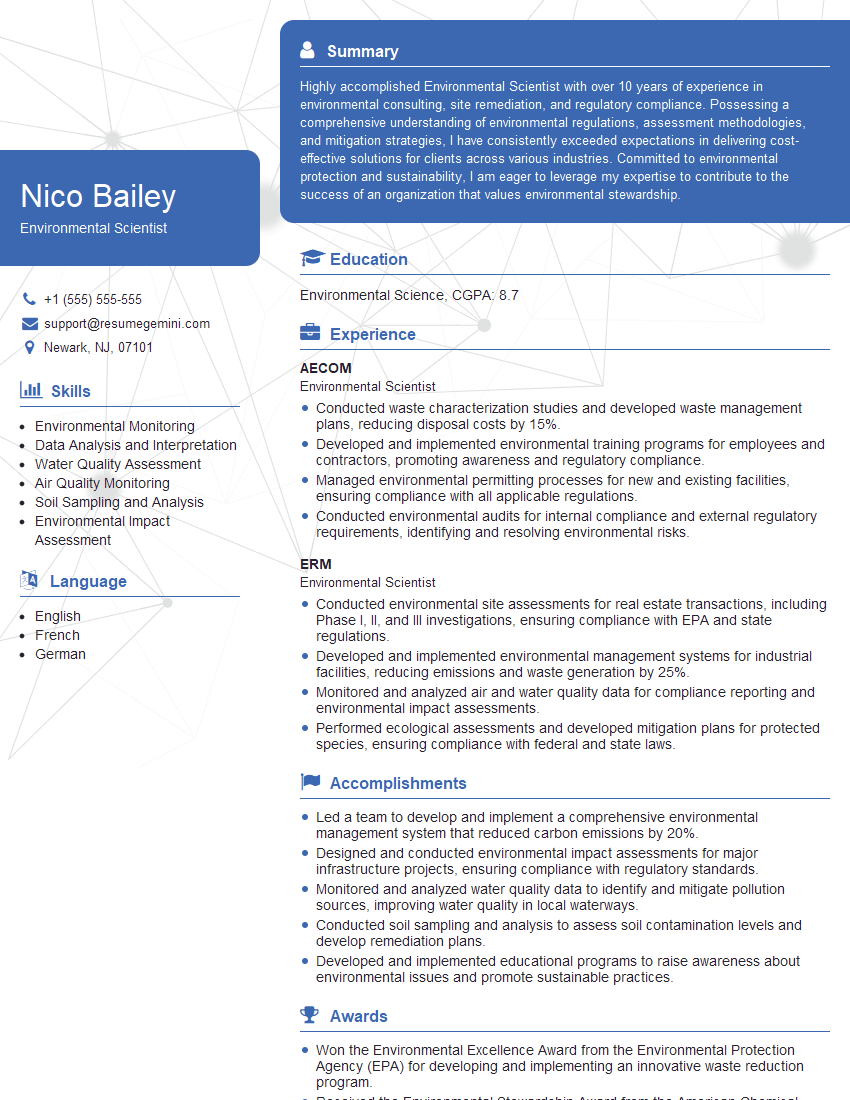
Environmental Scientist Resume Sample
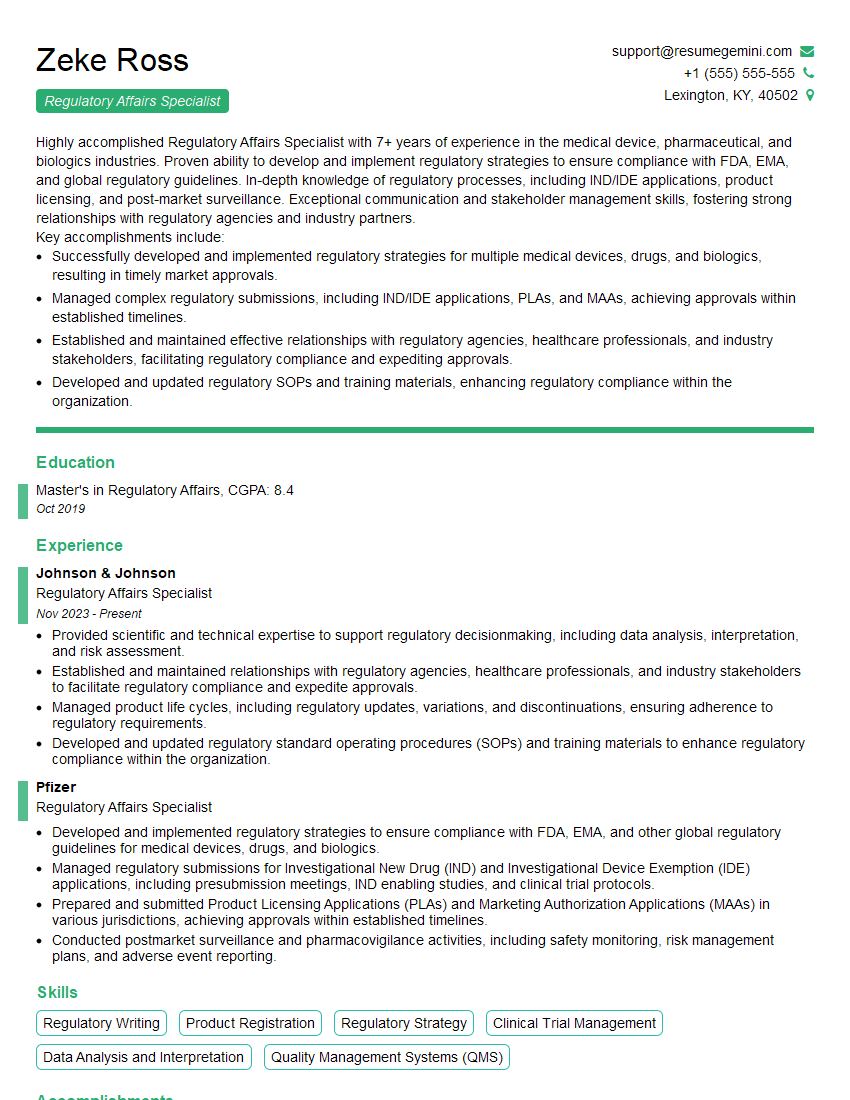
Regulatory Affairs Specialist Resume Sample
Process Engineer Resume Sample

Research Scientist Resume Sample
Chemical Engineer Resume Sample
Environmental Consultant Resume Sample
Environmental Engineer Resume Sample
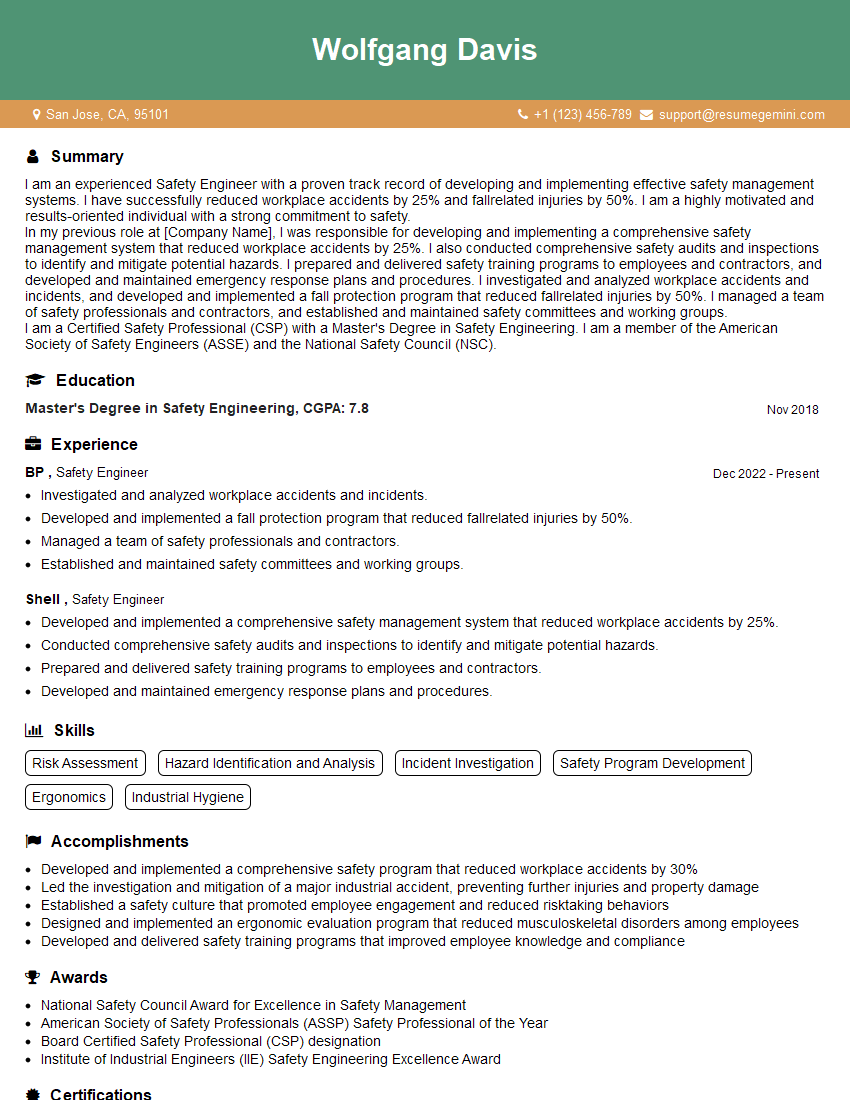
Safety Engineer Resume Sample

Field Technician Resume Sample

Laboratory Technician Resume Sample
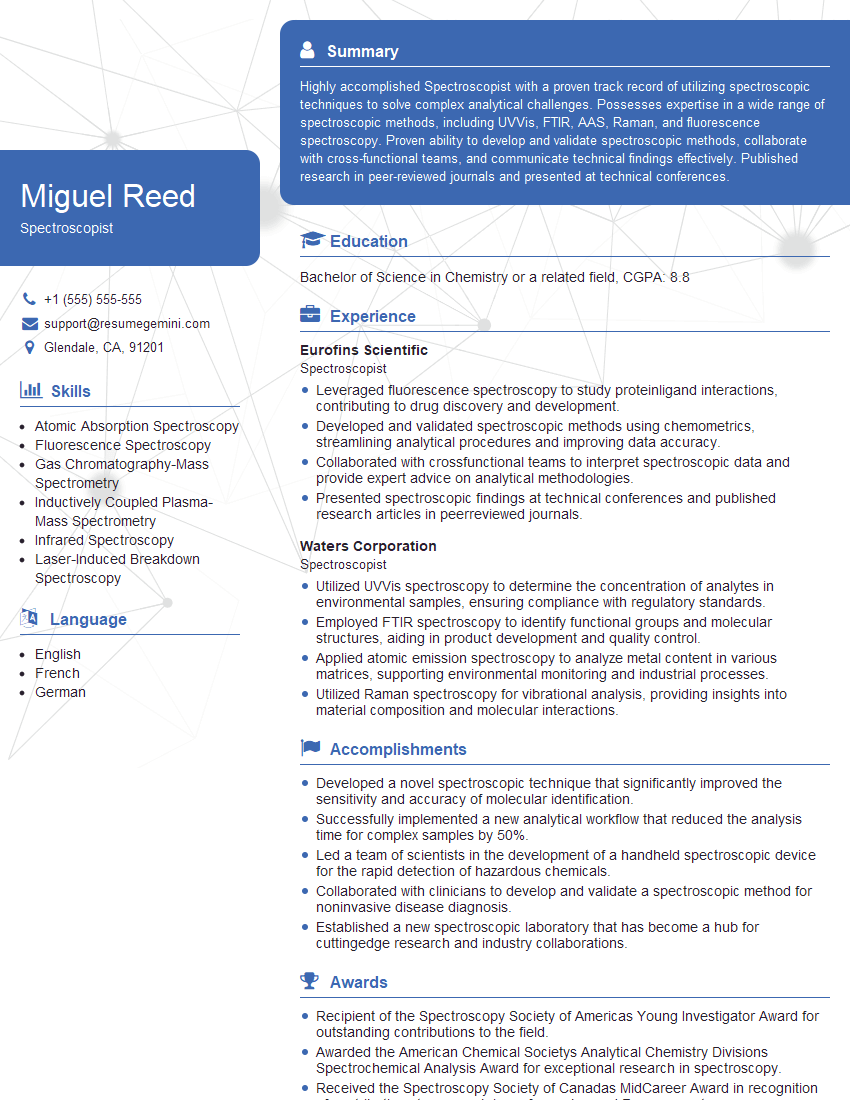
Spectroscopist Resume Sample

Toxicologist Resume Sample

Analytical Chemist Resume Sample
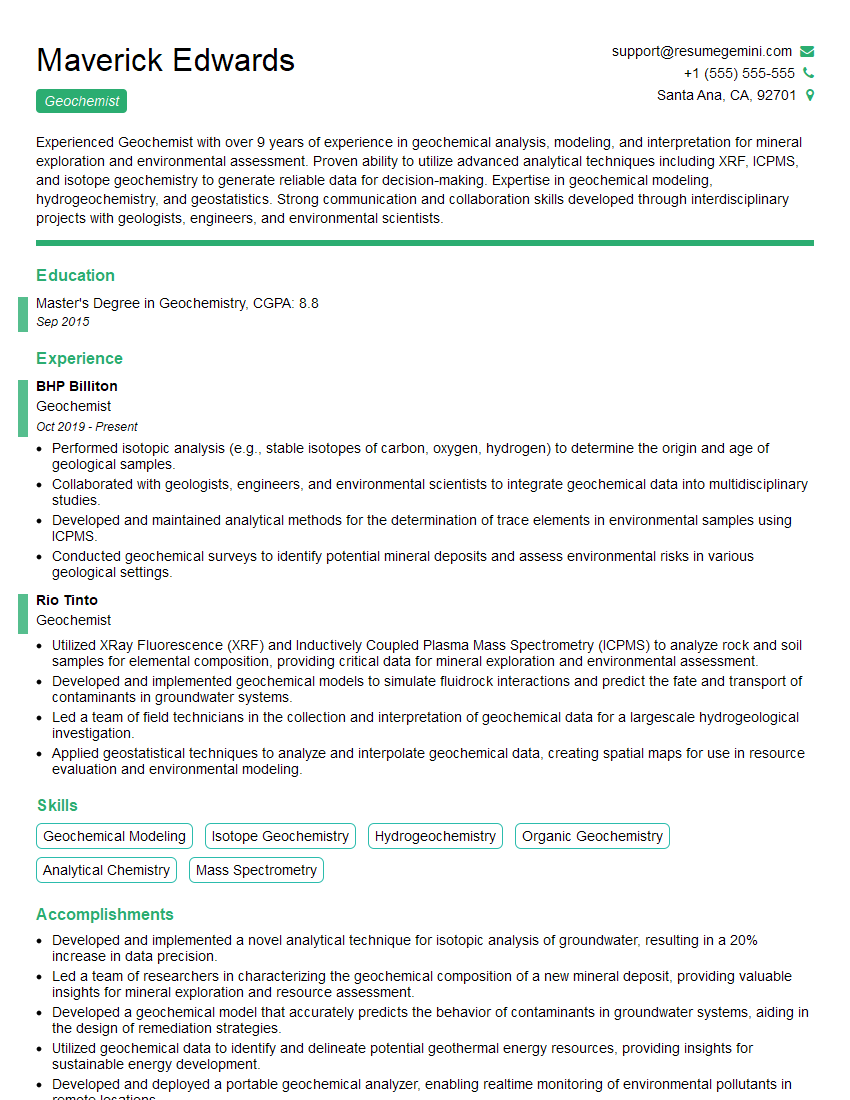
Geochemist Resume Sample
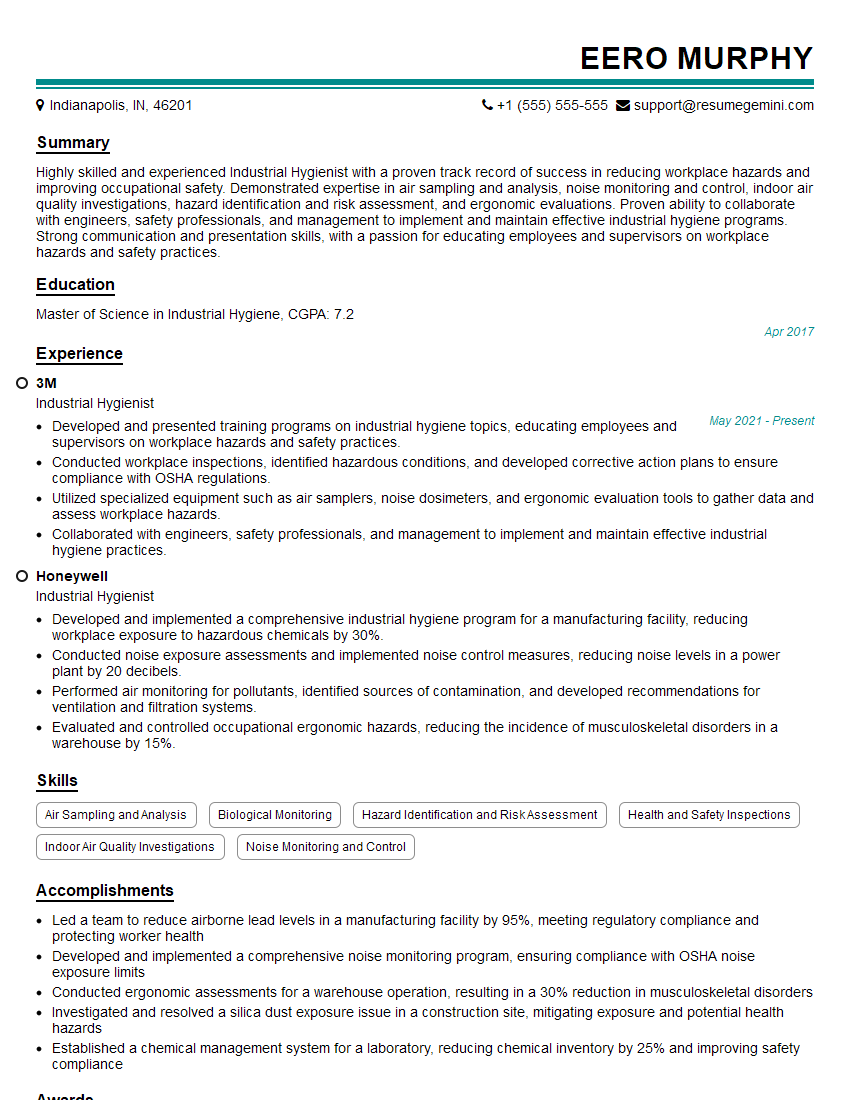
Industrial Hygienist Resume Sample
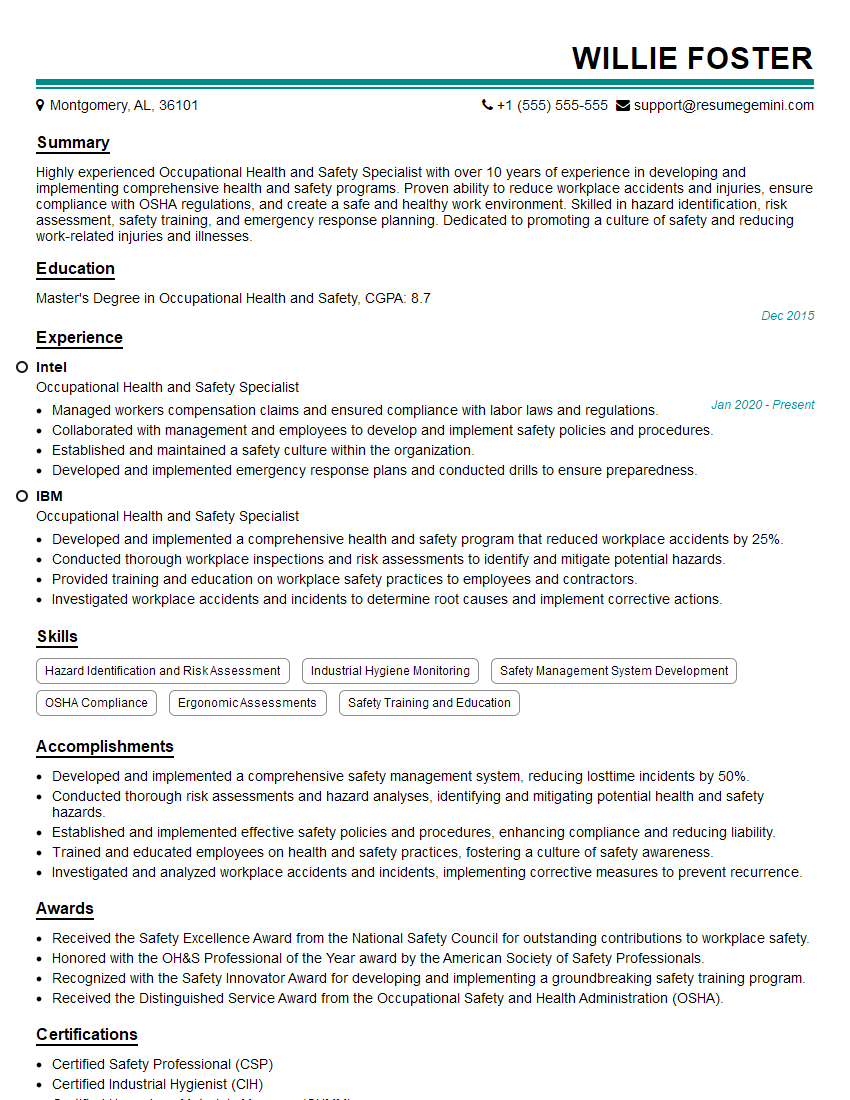
Occupational Health and Safety Specialist Resume Sample
- Laboratory Manager
- Compliance Officer
- Environmental Scientist
- Regulatory Affairs Specialist
- Process Engineer
- Research Scientist
- Chemical Engineer
- Environmental Consultant
- Environmental Engineer
- Safety Engineer
- Field Technician
- Laboratory Technician
- Spectroscopist
- Toxicologist
- Analytical Chemist
- Geochemist
- Industrial Hygienist
- Occupational Health and Safety Specialist
Explore more articles
Users Rating of Our Blogs
Share Your Experience
We value your feedback! Please rate our content and share your thoughts (optional).
What Readers Say About Our Blog
To the interviewgemini.com Webmaster.
Very helpful and content specific questions to help prepare me for my interview!
Thank you
To the interviewgemini.com Webmaster.
This was kind of a unique content I found around the specialized skills. Very helpful questions and good detailed answers.
Very Helpful blog, thank you Interviewgemini team.