Interviews are opportunities to demonstrate your expertise, and this guide is here to help you shine. Explore the essential Basic Construction Tools Operation interview questions that employers frequently ask, paired with strategies for crafting responses that set you apart from the competition.
Questions Asked in Basic Construction Tools Operation Interview
Q 1. Describe your experience operating a hammer drill.
Operating a hammer drill is straightforward once you understand its mechanics and safety procedures. It’s a powerful tool used for drilling holes in various materials, including concrete, brick, and wood, much faster than a standard drill. My experience spans various projects, from home renovations to commercial builds. I’m proficient in selecting the right drill bit for the material and adjusting the speed and hammer action for optimal performance. For example, when drilling into concrete, I always use a carbide-tipped masonry bit and select the hammer mode to effectively chip away at the material. Conversely, for wood, I’d use a wood bit and switch off the hammer function to prevent splintering. I’m also adept at using various settings for different types of screws, ensuring a clean and secure fastening.
I always start by inspecting the drill for any damage and ensuring the chuck is properly tightened. I then carefully select the appropriate bit, making sure it’s securely fixed in the chuck. Before I begin drilling, I always mark the exact location on the material to ensure accuracy, especially on projects with multiple holes.
Q 2. Explain the safe operation of a circular saw.
Safe operation of a circular saw hinges on understanding its power and potential hazards. It’s a high-speed tool that can easily cause serious injury if not handled correctly. My safety protocol begins with a thorough pre-operation check, examining the blade for damage, ensuring the guard is in place and functional, and that the blade is properly secured and at the right height.
Always wear appropriate safety gear: safety glasses, hearing protection, and work gloves are non-negotiable. Before starting the saw, I make sure the area is clear of any obstacles or people. I firmly grasp the saw with both hands, maintaining a balanced stance, and never force the cut. I feed the material slowly and steadily into the blade, letting the saw do the work. After finishing a cut, I always let the saw come to a complete stop before setting it down. Proper blade selection is also crucial – the right blade for the material being cut ensures efficiency and safety. For instance, a fine-toothed blade is preferable for smoother cuts in wood, whereas a coarser blade is suitable for rougher cuts in thicker material.
Q 3. How do you ensure the safety of yourself and others while using power tools?
Ensuring safety while using power tools is paramount. It’s not just about protecting myself; it’s about protecting those around me. My approach is multifaceted and begins before I even switch on a machine. It starts with a thorough risk assessment of the job, understanding the potential hazards involved and choosing the right tools and safety equipment for the task. I always wear appropriate personal protective equipment (PPE), including safety glasses, hearing protection, a dust mask (where applicable), and work gloves. Further, I inspect all tools before use to ensure they are in good working order. Loose wires, damaged guards, or dull blades are immediate red flags and reasons to cease operation immediately.
Maintaining a clean and organized workspace is essential. Clutter can create tripping hazards and interfere with safe operation. I also keep a safe distance from others during operation and make sure they are aware of my activities. I never rush the job – hurrying increases the risk of errors and accidents. Finally, and crucially, I never operate tools when tired or under the influence of drugs or alcohol.
Q 4. What are the different types of screwdrivers and their applications?
Screwdrivers are fundamental tools in construction, each designed for a specific purpose. There’s a wide variety of types, broadly categorized by their head type and drive style.
- Phillips head: The X-shaped head is common for fastening screws in wood and other materials. They offer a good grip and prevent cam-out.
- Flathead: The simple slot design is useful for certain applications but is more prone to cam-out (the screw slipping out of the screwdriver). These are frequently used for older construction techniques.
- Torx: Features a six-point star shape; they offer superior grip and are less likely to cause damage to the screw head.
- Square drive: These are often found in higher-torque applications.
- Hex (Allen) drive: The hexagonal head is common in furniture assembly and various mechanical applications.
The choice of screwdriver depends on the screw head type and the material being worked on. Using the wrong type can easily damage the screw head or the material, and potentially cause injury.
Q 5. Describe your experience using a level.
A level is an indispensable tool for ensuring surfaces are perfectly horizontal or vertical. My experience using levels ranges from simple picture hanging to intricate framing jobs. I’m proficient with both traditional bubble levels and digital levels. The accuracy demanded by a project dictates the type of level employed. For instance, a simple bubble level is sufficient for household tasks, while more precise digital levels are necessary for accurate alignment in critical building components.
When using a level, I always ensure it’s placed securely and firmly on the surface being checked. A slight shift during the assessment can lead to inaccurate readings. For large surfaces, multiple readings across the surface are often needed to fully ascertain flatness. I carefully observe the bubble in the vial and make adjustments until the bubble is perfectly centered, indicating a level surface. I always double-check my readings, as errors in leveling can cause structural issues down the line. This is critical for ensuring proper support of items as simple as a shelf and as complex as building a foundation.
Q 6. How do you measure and cut lumber accurately?
Accurate measurement and cutting of lumber are crucial for any construction project. My process begins with precise measurement using a tape measure, ensuring accurate readings before marking the wood. I use a pencil to mark the cut line clearly and then employ either a hand saw or a miter saw, depending on the project’s needs and the type of cut required (straight, angled, etc.).
For hand sawing, I use a consistent and controlled sawing motion, keeping the blade square to the wood to prevent uneven cuts. A miter saw offers more precision and speed for accurate angled cuts. I always ensure the saw’s fence is correctly positioned and securely clamped before cutting, preventing any accidental movement during operation. After cutting, I inspect the cut for accuracy and make any necessary adjustments, ensuring the lumber is ready for its intended use.
Safety precautions are paramount; I use push sticks to maintain safe distance from the blade when operating power saws and always keep the workspace tidy and free of hazards.
Q 7. Explain the proper use of a tape measure.
Proper use of a tape measure is fundamental to accurate construction. It seems simple, but even minor inaccuracies can create major problems down the line. I start by extending the tape measure fully and slowly, ensuring the hook is securely placed at the starting point, accounting for the hook’s inherent ‘overhang’ which needs to be accounted for at the beginning and end of a measure.
I read the measurement carefully, noting the feet and inches, and using fractions or decimals as needed. I always double-check my readings, as errors in measurement can significantly impact a project’s outcome. For example, when laying out foundation beams, a slight error can result in misaligned walls or other structural issues. I find that taking multiple measurements and comparing them consistently minimizes the margin of error.
When measuring longer distances, I use a chalk line to mark the measurement accurately, helping to maintain a straight line and avoiding crooked cuts or placements.
Q 8. What safety precautions do you take when working at heights?
Working at heights demands meticulous adherence to safety protocols. It’s not just about wearing a harness; it’s a holistic approach to risk mitigation. My first step is always a thorough site assessment, identifying potential fall hazards like uneven surfaces, open edges, and unstable structures. I then select the appropriate Personal Protective Equipment (PPE), which includes a full-body harness, appropriate anchor points, and a safety net where feasible. Before starting any work, I ensure the harness is properly fitted and connected to a secure anchor point, double-checking all connections. I also regularly inspect my equipment for wear and tear, replacing any damaged components immediately. For example, on a recent roofing project, I used a three-point anchor system and a self-retracting lifeline, ensuring constant connection to the anchor points. Furthermore, I communicate frequently with my team, ensuring everyone is aware of their surroundings and potential risks.
- Site Assessment: Identify potential fall hazards.
- PPE: Full-body harness, anchor points, safety net.
- Equipment Inspection: Regular checks for damage.
- Communication: Maintain clear communication with team members.
Q 9. Describe your experience with hand saws (e.g., crosscut, rip saw).
I’m proficient with various hand saws, including crosscut and rip saws. The key difference lies in their tooth design and intended use. A crosscut saw has teeth designed for cutting across the grain of wood, producing a clean, perpendicular cut. Think of slicing a loaf of bread – that’s a crosscut. Rip saws, on the other hand, have larger, more widely spaced teeth suited for cutting with the grain. This is ideal for splitting a plank lengthwise. My experience includes selecting the appropriate saw for the job, ensuring the blade is sharp and properly set, and maintaining a firm, controlled grip to avoid kickback. I’ve used these saws extensively in framing and fine carpentry, adapting my technique based on the wood type and desired cut. For example, I recently used a crosscut saw to cut precise angles for window frames, and a rip saw to quickly split larger lumber pieces for a deck project. Always remember to use a push stick for extra safety, especially when dealing with longer boards.
Q 10. How do you maintain and clean your tools?
Proper tool maintenance is crucial for safety and longevity. After each use, I clean my tools thoroughly, removing any sawdust, debris, or residue. For metal tools, I use a wire brush to remove any stubborn material. Then, I lubricate moving parts with appropriate lubricant to prevent rust and ensure smooth operation. For example, I always oil the moving parts of my hand saws and lubricate the jaws of my pliers. Sharp blades are essential for safety and efficiency, so I regularly sharpen my saws and chisels using a sharpening stone or file. Tools are then stored in a dry, organized manner, protecting them from damage and corrosion. This routine not only prolongs the life of my tools but also minimizes the risk of accidents caused by damaged or poorly maintained equipment.
Q 11. What are the different types of nails and screws, and when would you use each?
Nails and screws offer different functionalities depending on the project. Nails are driven in with a hammer, creating a relatively quick and simple fastening. They come in various sizes and types, such as common nails (general purpose), finishing nails (for a less visible hold), and brads (small nails for fine work). Screws, on the other hand, offer a stronger, more secure hold and are usually easier to remove. They are driven in with a screwdriver or drill, and their threads create a strong grip within the material. Common screw types include wood screws (for wood), sheet metal screws (for metal), and drywall screws (for drywall). I’d use nails for quick framing or rough carpentry, while screws would be my go-to for more precise work requiring a strong, secure joint, like assembling furniture or attaching trim work.
Q 12. Explain the safe operation of a reciprocating saw.
Operating a reciprocating saw safely involves several key steps. Firstly, I always ensure the blade is securely installed and correctly oriented for the intended cut. I then firmly grip the saw handle, using both hands for control. Before cutting, I position the workpiece securely, utilizing clamps or a vise where necessary to prevent movement. I start the saw slowly, allowing it to reach full speed before making the cut. I use steady, controlled movements, avoiding excessive force or pressure. I maintain a safe distance from the blade to avoid accidental contact, and I never force the saw through the material. If the blade binds, I stop immediately and reposition the saw. Furthermore, I always wear safety glasses and hearing protection. Ignoring these precautions can lead to serious injury, emphasizing the importance of proper technique and safety awareness.
Q 13. How do you identify and address potential hazards on a construction site?
Hazard identification is a proactive measure I take on every construction site. My process starts with a thorough walk-around, carefully observing potential dangers like exposed wiring, trip hazards, unstable scaffolding, and lack of proper signage. I look for potential falls, electrocution risks, and unsafe storage of materials. I document my findings, taking photos where necessary. This information is then shared with the site supervisor to implement corrective actions, such as securing materials, repairing damaged equipment, or implementing appropriate safety measures. For example, on a recent project, I identified loose electrical wiring and immediately notified the supervisor, who promptly arranged for an electrician to rectify the issue. Proactive hazard identification is essential for preventing accidents and ensuring a safe working environment for everyone on the site.
Q 14. Describe your experience using a jigsaw.
I have extensive experience using jigsaws for intricate cuts. The jigsaw’s versatility makes it ideal for curved cuts, intricate shapes, and detailed work. Safety is paramount, so I always begin by securing the workpiece firmly to prevent movement during the cut. I choose the correct blade for the material I’m cutting, ensuring it’s sharp and properly installed. I start the saw slowly, allowing it to reach full speed before engaging the material. I use smooth, controlled movements, guiding the saw along the cutting line. I avoid applying excessive pressure, letting the saw do the work. Furthermore, I ensure the base plate remains flat against the workpiece to maintain accuracy and prevent the blade from binding. I always wear safety glasses to protect my eyes from flying debris. A recent project involved cutting intricate curves in plywood for a custom shelving unit, where the jigsaw’s precision proved invaluable.
Q 15. What are the different types of chisels and their applications?
Chisels are hand tools used for shaping, cutting, and removing material. Different types are designed for specific tasks.
- Cold Chisels: These are used for cutting metal, usually hardened steel. The sharp, hardened edge allows for precise cuts. I’ve used them extensively to score concrete before breaking it up and also for trimming excess metal flashing on roofing jobs.
- Wood Chisels: These come in various widths and bevel angles. They’re used for shaping wood, creating joints, and carving. The bevel angle determines the type of cut (e.g., a sharper angle for finer work). I remember using a set of these on a recent project to create intricate dovetail joints in a custom cabinet.
- Brick Chisels (or Brick Trowels): Designed for working with brick and masonry, these have a stronger, broader blade for breaking apart mortar or removing damaged bricks. Their reinforced construction helps them withstand the stresses of working with hard materials. On one occasion, a team I was working with used these to carefully remove a damaged section of a brick wall for repairs.
- Plaster Chisels: These have a broader and flatter blade than wood chisels, better suited for removing plaster and stucco. Their wider blade helps spread the force to minimize damage to the underlying structure.
The choice of chisel depends entirely on the material being worked and the desired outcome. A wrong chisel choice could result in tool damage, material damage, or even injury.
Career Expert Tips:
- Ace those interviews! Prepare effectively by reviewing the Top 50 Most Common Interview Questions on ResumeGemini.
- Navigate your job search with confidence! Explore a wide range of Career Tips on ResumeGemini. Learn about common challenges and recommendations to overcome them.
- Craft the perfect resume! Master the Art of Resume Writing with ResumeGemini’s guide. Showcase your unique qualifications and achievements effectively.
- Don’t miss out on holiday savings! Build your dream resume with ResumeGemini’s ATS optimized templates.
Q 16. Explain your understanding of personal protective equipment (PPE).
Personal Protective Equipment (PPE) is crucial for safety on any construction site. It’s a set of barriers designed to protect the wearer from potential hazards. This includes, but isn’t limited to:
- Safety Helmets: Protect against falling objects.
- Safety Glasses or Goggles: Shield eyes from flying debris, dust, and chemicals.
- Hearing Protection: Earplugs or muffs reduce noise exposure from power tools.
- Gloves: Protect hands from cuts, abrasions, and chemicals. Different gloves are used for different materials – leather for rough work, nitrile for chemicals.
- Respiratory Protection: Dust masks, respirators, or other equipment protect against inhaling hazardous dusts, fumes, or gases.
- High-Visibility Clothing: Makes workers more visible on the site, especially in low-light conditions or when working near traffic.
- Safety Boots: Steel-toe boots protect feet from falling objects and punctures.
It’s non-negotiable; I always ensure that I and my crew wear appropriate PPE for the task at hand. A momentary lapse in using the correct PPE can lead to severe and long-lasting consequences.
Q 17. How do you handle different types of building materials?
Handling building materials safely and efficiently is paramount. The approach depends on the material:
- Wood: Proper handling involves using lifting techniques to avoid strains, ensuring the wood is stored to prevent warping or damage, and using appropriate cutting tools for the task.
- Concrete: Concrete is heavy and requires using mechanical lifting equipment like forklifts or cranes for larger quantities. When cutting, always use appropriate safety equipment and techniques to avoid dust inhalation and injuries from flying debris.
- Metal: Sharp edges and weight require cautious handling. Using gloves, lifting straps, and appropriate cutting/bending tools is essential. Always make sure to cut away from yourself and others.
- Brick and Masonry: Proper lifting techniques, hand trucks, and careful handling are vital to prevent breakage and injuries.
- Drywall: Needs to be transported carefully to avoid damage. Special lifts and edge protection are common practice.
Each material presents unique challenges, and understanding those challenges informs my decision-making in terms of handling techniques, tools, and safety measures.
Q 18. Describe your experience using a nail gun.
I have extensive experience using nail guns, both pneumatic and cordless. This includes various types like framing nailers, finish nailers, and brad nailers. Before using any nail gun, I always inspect it to ensure it’s functioning correctly, the air pressure (if pneumatic) is appropriate, and the nails are the right size and type for the job. I also make sure to double-check for any obstructions in the area before firing. I am always mindful of maintaining a safe working distance from others during use.
For example, on a recent project involving deck construction, I used a framing nailer to efficiently attach the joists and decking boards. The speed and precision of the nail gun significantly reduced the project time compared to using a hammer and nails.
Safety is paramount. I understand how to clear jams safely, preventing accidental discharges, and I always wear appropriate safety glasses to protect my eyes from flying debris. I’m also very familiar with the various safety features of the nail guns I operate.
Q 19. How do you troubleshoot common problems with power tools?
Troubleshooting power tools often involves a systematic approach. I generally start with:
- Checking the power source: Is the outlet working? Is the battery charged (for cordless)?
- Inspecting the tool itself: Look for any visible damage, loose connections, or blockages (e.g., sawdust in a saw). I’ve had instances where a simple cleaning solved the issue.
- Testing the safety features: Are the switches, guards, and other safety mechanisms functioning correctly? It’s more important to repair a safety feature than continue using a potentially dangerous tool.
- Checking the bits/blades/attachments: A dull blade, improperly installed bit, or worn-out part can significantly impact the operation of the tool. I’ve learned to regularly check these consumable parts and replace them as needed.
- Referring to the manufacturer’s instructions: The manual provides details on common issues and troubleshooting steps, sometimes including diagrams.
If the problem persists after these steps, I consult with a more experienced colleague or consider contacting the tool’s manufacturer for assistance or repairs.
Q 20. Explain the proper use of a wrench.
Wrenches are used to tighten or loosen nuts and bolts. Proper use involves selecting the right size and type of wrench for the fastener.
- Open-end wrenches: Have an open end on both sides, allowing for better access in tight spaces.
- Box-end wrenches: Completely enclose the nut, providing better grip and less chance of slippage.
- Combination wrenches: Combine an open end and a box end.
- Adjustable wrenches (crescent wrenches): Can be adjusted to fit various sizes of nuts and bolts.
- Torque wrenches: Measure the amount of force applied, ensuring the fastener is tightened to the manufacturer’s specifications; this is especially important in critical applications where the tightening force is precisely specified.
When using a wrench, apply steady, even pressure. Avoid using excessive force, which can damage the fastener or wrench. The right wrench for the right job is essential; it’s not just about speed; it’s about accuracy and safety. A slipped wrench can cause damage to the material and possible injuries. Using the correct size also minimizes the chances of rounding off the bolt head. I’ve seen it happen numerous times when the wrong wrench was used.
Q 21. Describe your experience with demolition tools.
My experience with demolition tools includes the safe and efficient use of various equipment such as:
- Sledgehammers: Used for breaking up concrete, brick, and other masonry materials. Proper swing technique and safety precautions are crucial to prevent injuries.
- Demolition hammers (jackhammers): Powered tools for heavier demolition work. Understanding their operation and safety features is vital. Always keep your balance, and never use it without appropriate hearing and eye protection.
- Reciprocating saws (Sawzalls): Versatile tools for cutting through various materials, including wood, metal, and even some types of concrete (with the right blade). I’ve used these countless times for demolition work, cutting through framing or removing sections of flooring.
- Wrecking bars: Leverage tools for prying apart materials or removing components. I’ve used these effectively to dismantle wood structures safely and more quickly.
Before using any demolition tool, I assess the situation, ensure the area is secure, and wear appropriate PPE. I also focus on controlled demolition techniques to minimize risks to myself and others. One time, we used a combination of a jackhammer and a reciprocating saw to carefully demolish a section of a building while avoiding damage to the surrounding structure. The whole process required careful planning and technique.
Q 22. How do you read and interpret construction blueprints?
Reading construction blueprints requires a systematic approach. Think of them as a detailed recipe for building. You start by understanding the title block, which provides project information like the name, date, and scale. Then, you look at the legend or key to understand symbols and abbreviations used throughout the drawing. Next, you need to understand the different views – floor plans, elevations, sections – each showing the building from a different perspective. Floor plans show a bird’s-eye view, elevations show a side view, and sections show a cut-away view revealing internal structures. Each view will include dimensions, notes, and specifications. Pay close attention to details like wall thicknesses, door and window placements, and the location of plumbing and electrical fixtures. It’s crucial to be able to visualize the three-dimensional structure from these two-dimensional drawings. Practice and experience are key to developing proficiency. For example, if you see a symbol indicating a 4″ concrete slab, you immediately know that the foundation requires a 4-inch thick concrete pour.
Imagine building a complex Lego structure from instructions; blueprints are similar but far more detailed and require a solid understanding of construction terminology and practices.
Q 23. What are the different types of concrete finishing tools and their applications?
Concrete finishing tools are essential for creating smooth, level, and aesthetically pleasing surfaces. There’s a wide variety, each with a specific application.
- Bull floats: These long, rectangular tools, typically made of wood or magnesium, are used to level and smooth the surface of freshly poured concrete. They create a relatively level base.
- Darby: Similar to a bull float, but smaller and used for finishing smaller areas or corners, and for creating a smoother finish than a bull float.
- Hand floats: Smaller, handheld versions of bull floats used for finishing intricate areas, edges and around obstacles.
- Power floats: Motorized tools that provide a much faster and more efficient way to level and smooth large areas of concrete. They offer a highly level surface compared to manual tools.
- Trowels: Used for creating a final finish on concrete. Steel trowels produce a smooth surface, while a broom finish uses a stiff broom for a textured look, improving slip resistance.
- Edgers: Used to create clean, defined edges and corners on concrete slabs.
For example, on a large warehouse floor, you’d likely start with a power float for efficiency, then follow up with a hand float for the edges and any imperfections, ultimately finishing with a steel trowel for a smooth, polished look. For a residential walkway, a bull float followed by a broom finish would provide a durable and aesthetically pleasing surface.
Q 24. Explain the proper use of a sledgehammer.
A sledgehammer is a powerful tool, and safety is paramount when using it. Always wear appropriate safety gear, including safety glasses and gloves. Before swinging, ensure the area is clear of obstructions and people. Use a firm grip, holding the hammer near the end of the handle for maximum impact and control. Swing from your shoulders and hips, not just your arms, generating power from your entire body. Keep your eye on the target, and swing smoothly and accurately; avoid jerky motions. After each swing, let the hammer’s weight help return it to the starting position, minimizing strain.
Never use a sledgehammer with a damaged or cracked handle, as this could lead to injury. Always ensure the hammerhead is securely attached. Remember, a sledgehammer is meant for demolition work like breaking up concrete or driving large stakes. Using it incorrectly can cause serious injury.
Think of it like a golf swing: a controlled, powerful motion targeted at a specific point is key to both precision and safety.
Q 25. How do you ensure the quality of your work?
Ensuring quality involves meticulous attention to detail throughout the process. It starts with careful preparation and planning, understanding the specifications and adhering to them precisely. I always double-check measurements, ensure tools are properly maintained and calibrated, and follow established safety procedures. During the actual work, I take my time, avoiding shortcuts, and use proper techniques. Regular self-inspection is crucial, catching minor errors before they escalate into major problems. Using appropriate quality control measures, such as checking levels and plumbness frequently, is essential. Finally, I always aim for a neat, clean and professional finish, leaving no loose ends or unfinished work.
For instance, when laying bricks, I carefully check each layer for levelness and alignment, and ensure proper mortar application, preventing problems later on. If I notice inconsistencies, I immediately address them, rather than hoping they’ll be unnoticeable later.
Q 26. What are your strengths and weaknesses regarding tool operation?
My strengths lie in my proficiency with a wide range of tools, my ability to work efficiently and safely, and my problem-solving skills. I’m always eager to learn and adapt to new tools and technologies. I’m comfortable working both independently and as part of a team. My attention to detail ensures high-quality workmanship.
My weakness is sometimes needing to remind myself to pace myself, particularly when working on challenging projects. I have a tendency to push myself hard, which can sometimes lead to fatigue and potential errors. I’m actively working on this by incorporating more regular breaks and using better time management techniques. I see this not as a weakness, but as an area for ongoing improvement.
Q 27. Describe a time you had to solve a problem involving tools.
On a recent project, we encountered a problem with a malfunctioning concrete mixer. The drum wouldn’t rotate properly, delaying the pour and threatening to impact the project timeline. Initially, we tried troubleshooting basic mechanical issues like checking power supply and lubrication. When that didn’t work, I suggested systematically checking each component, starting with the motor and gradually moving through the gear system. This methodical approach allowed us to identify a broken gear, a problem we weren’t immediately aware of. We contacted the rental company, had the mixer replaced, and minimized the disruption to the project schedule.
This situation emphasized the importance of methodical troubleshooting, collaboration, and maintaining calm under pressure. It also highlighted the value of having a solid understanding of how equipment works, allowing for quick identification and resolution of issues.
Key Topics to Learn for Basic Construction Tools Operation Interview
- Safety Procedures: Understanding and applying safety regulations for all tools, including PPE (Personal Protective Equipment) use and hazard identification.
- Hand Tools: Practical knowledge of using hammers, screwdrivers, wrenches, levels, measuring tapes, and their appropriate applications in various construction scenarios. This includes understanding different types of each tool and their specific uses.
- Power Tools: Safe and effective operation of drills, saws (circular, reciprocating, etc.), and other power tools. This includes understanding maintenance, troubleshooting minor issues, and recognizing when professional repair is needed.
- Material Handling: Safe and efficient methods for lifting, carrying, and transporting construction materials, understanding weight limits and proper lifting techniques to prevent injuries.
- Basic Measuring and Layout: Understanding blueprints and utilizing measuring tools to accurately mark and layout construction elements. This involves interpreting plans and transferring measurements onto materials.
- Troubleshooting: Identifying and resolving common issues that may arise during tool operation, demonstrating problem-solving skills and resourcefulness.
- Tool Maintenance: Basic cleaning, lubrication, and storage procedures to ensure the longevity and safe operation of tools.
Next Steps
Mastering Basic Construction Tools Operation is crucial for career advancement in the construction industry. Proficiency in these skills demonstrates reliability, safety awareness, and a commitment to quality workmanship – highly sought-after qualities by employers. To significantly increase your job prospects, focus on creating an ATS-friendly resume that showcases your abilities effectively. ResumeGemini is a trusted resource that can help you build a professional and impactful resume. We provide examples of resumes tailored to Basic Construction Tools Operation to guide you in crafting your own compelling application materials.
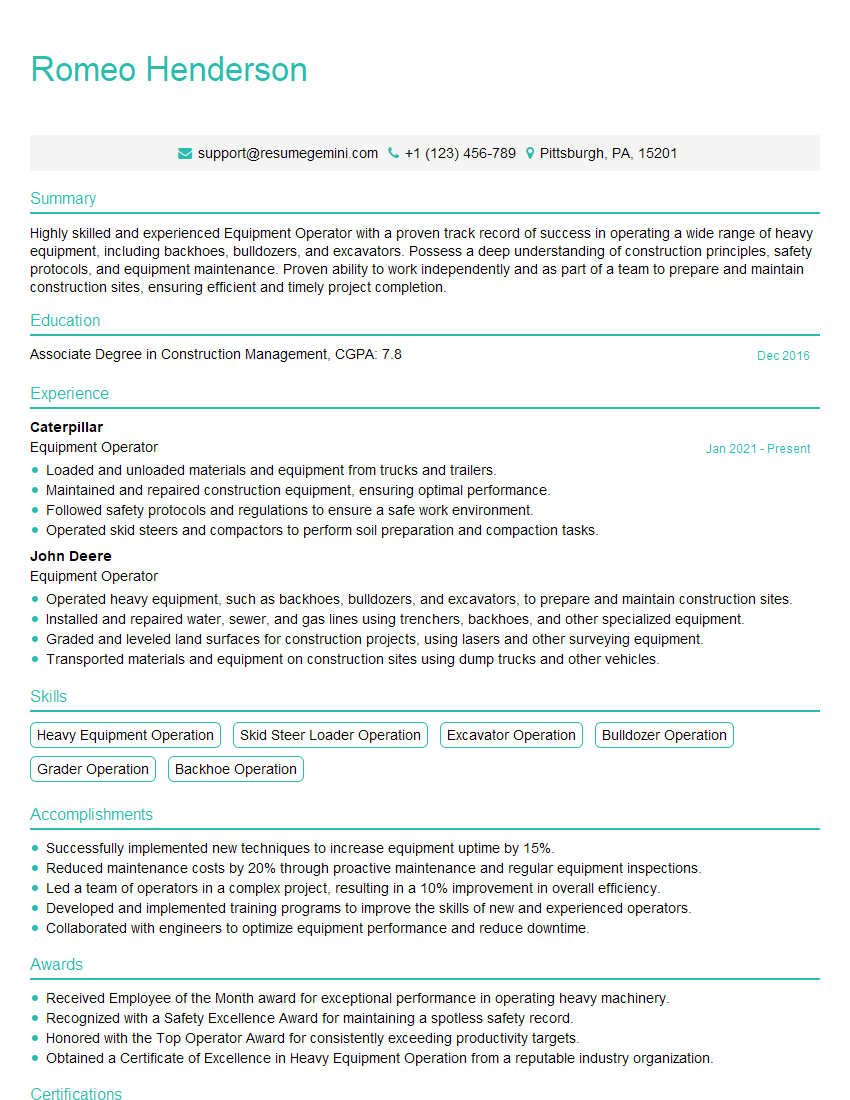
Equipment Operator Resume Sample
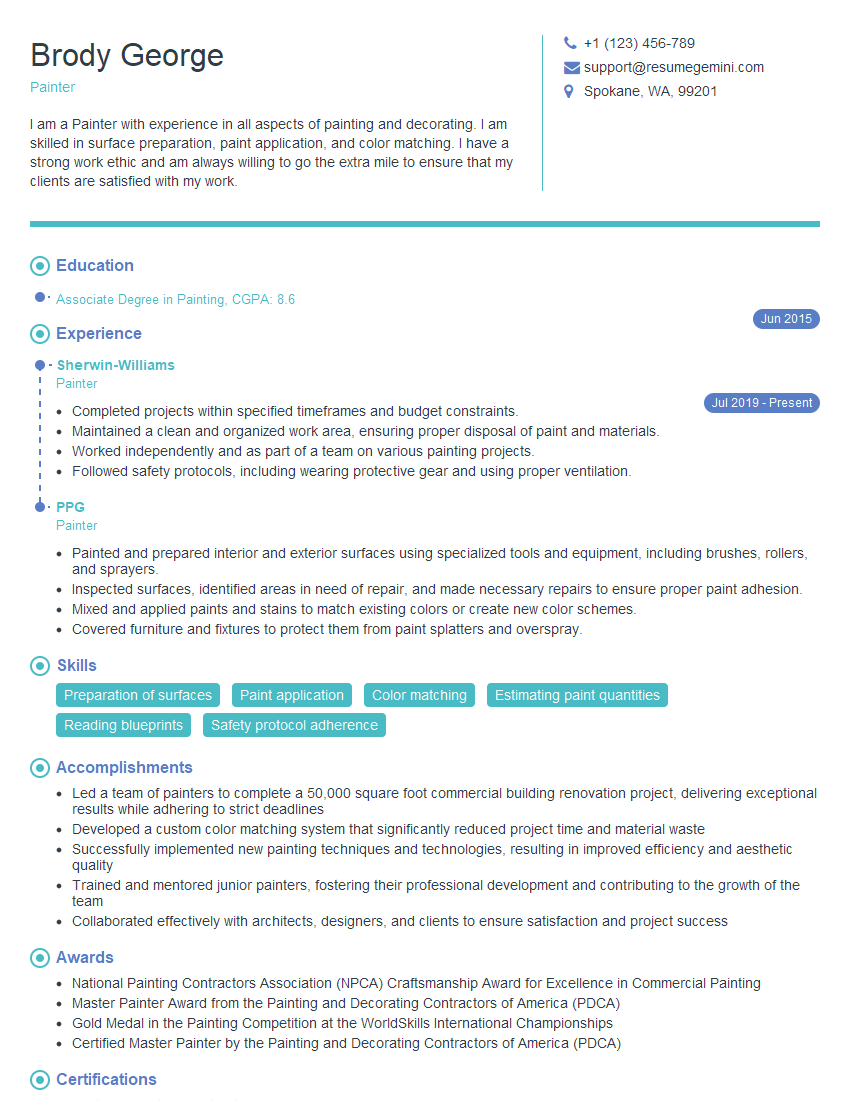
Painter Resume Sample
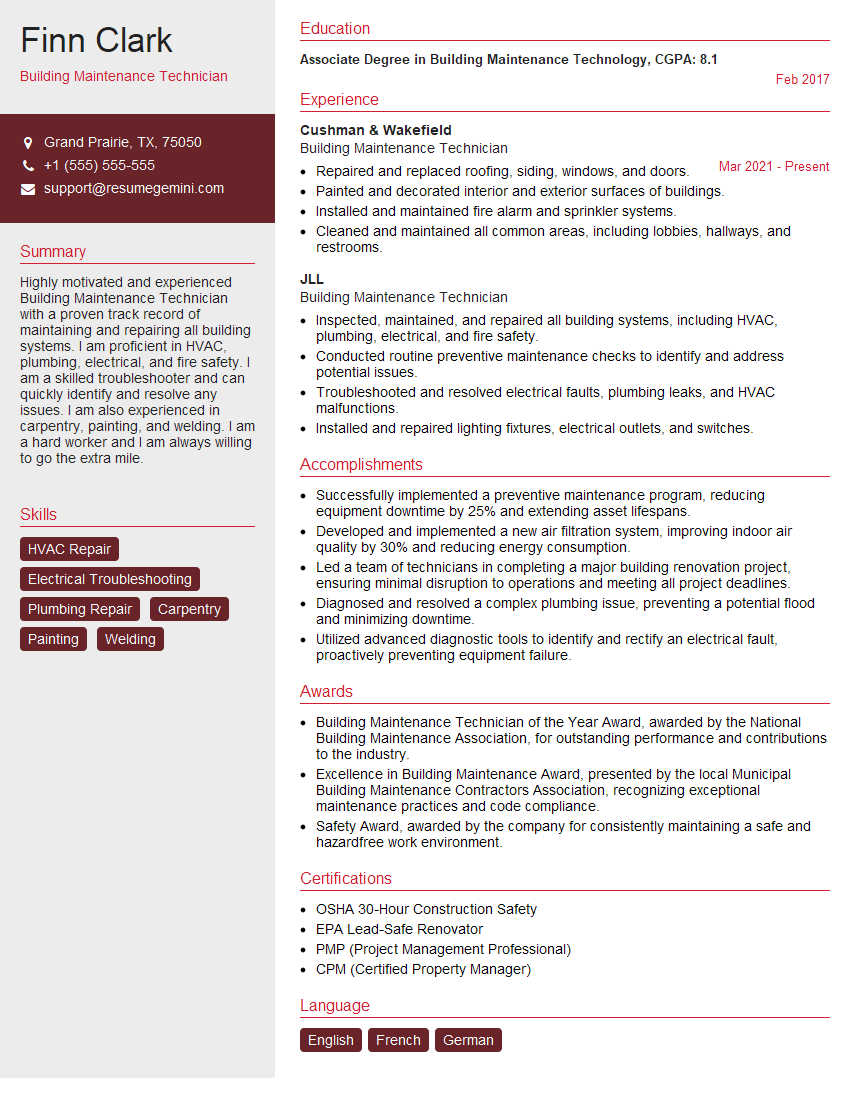
Building Maintenance Technician Resume Sample
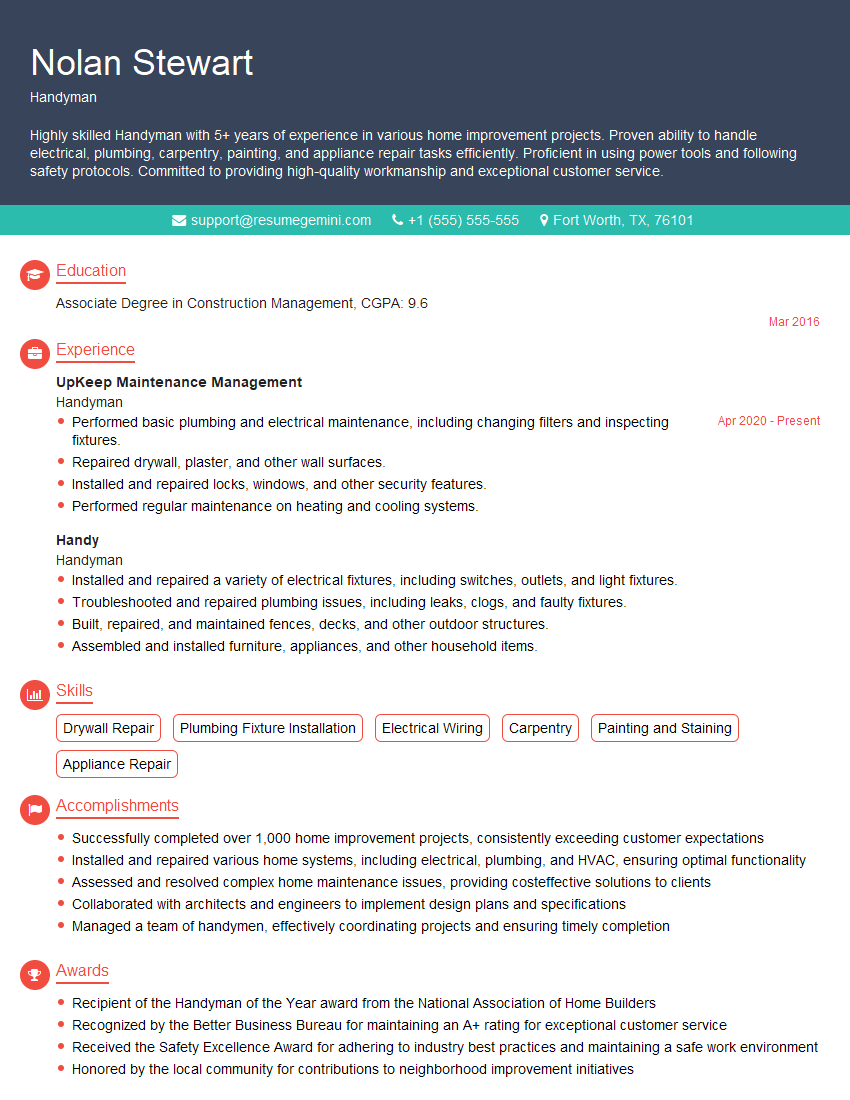
Handyman Resume Sample
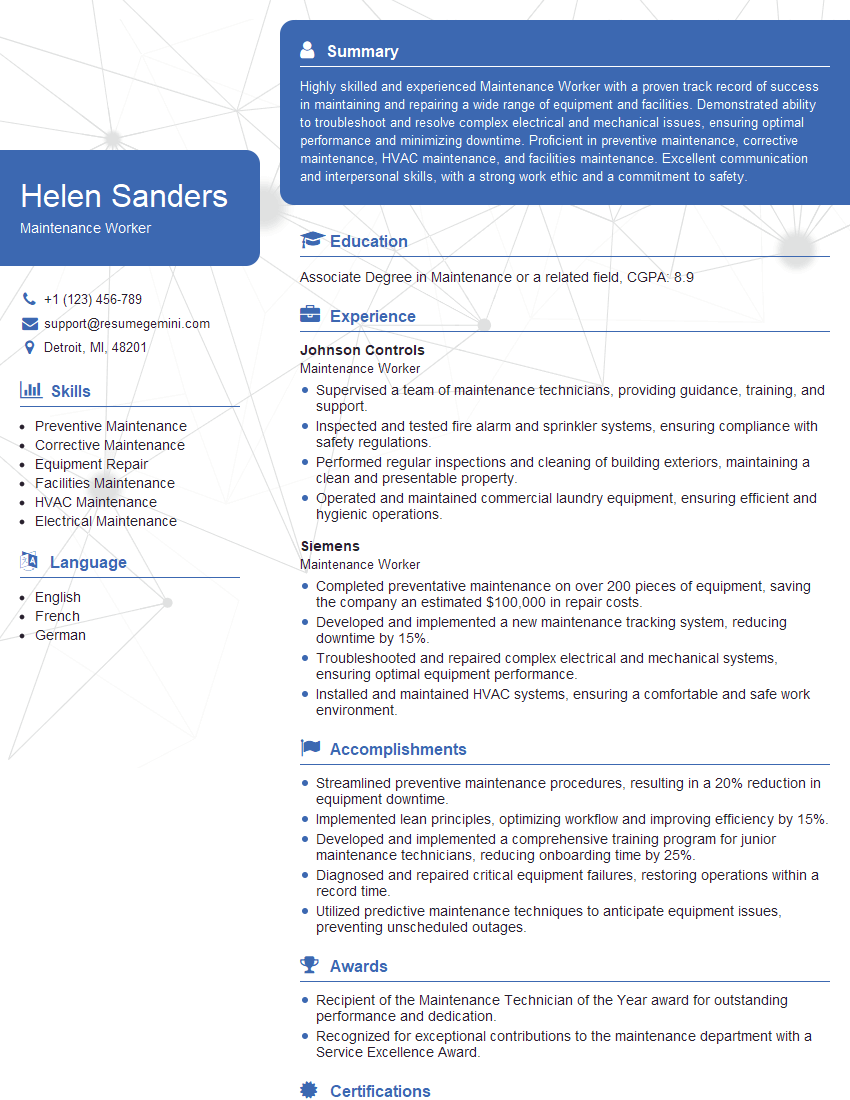
Maintenance Worker Resume Sample
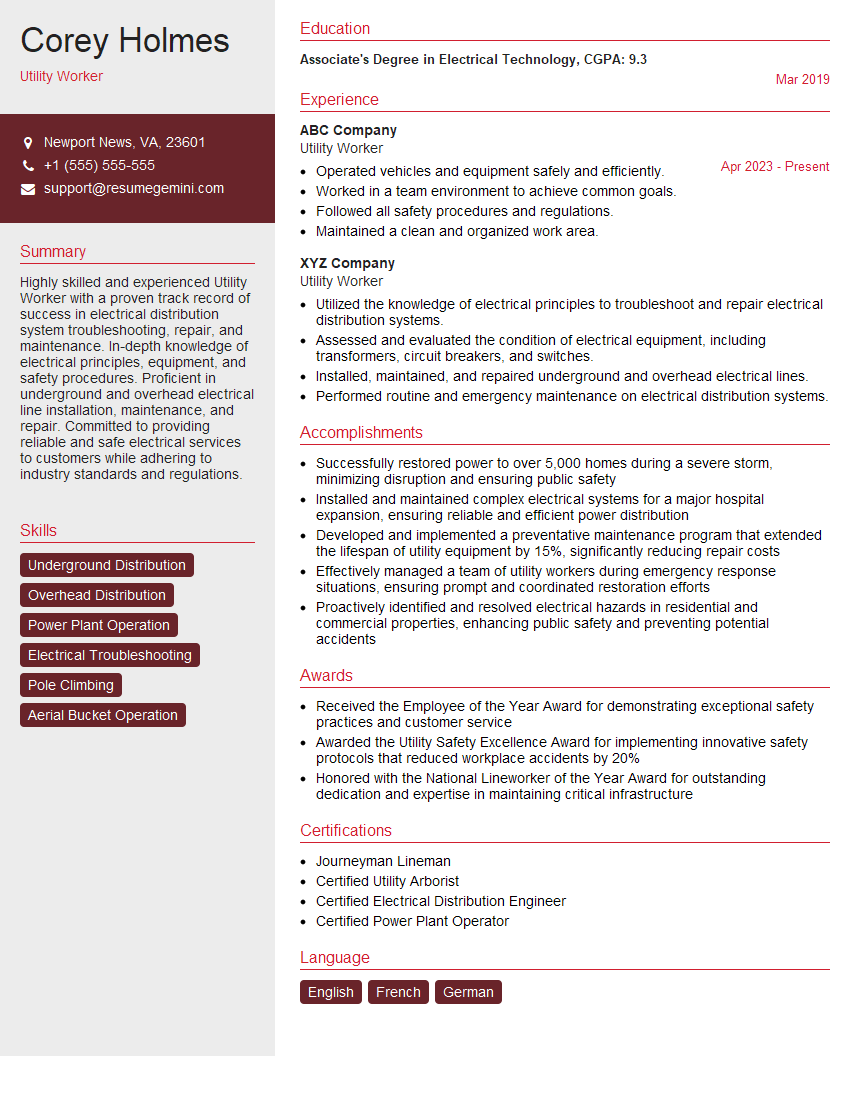
Utility Worker Resume Sample
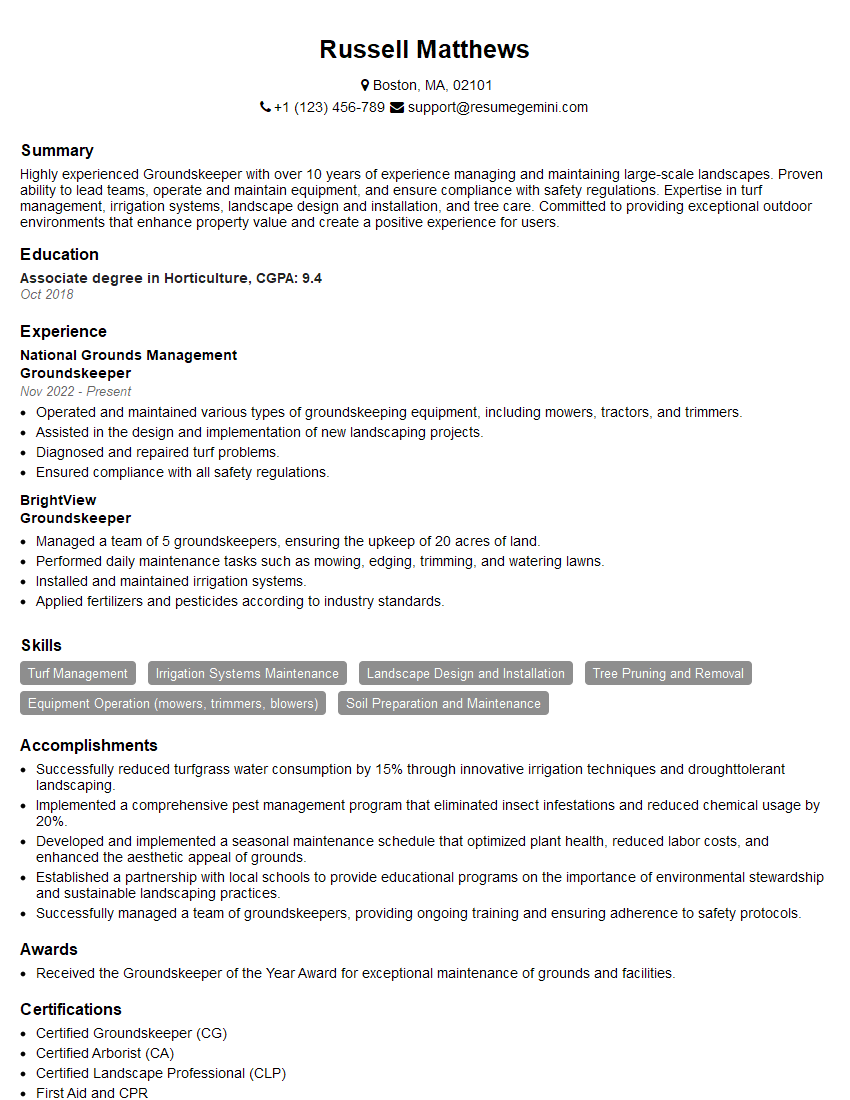
Groundskeeper Resume Sample
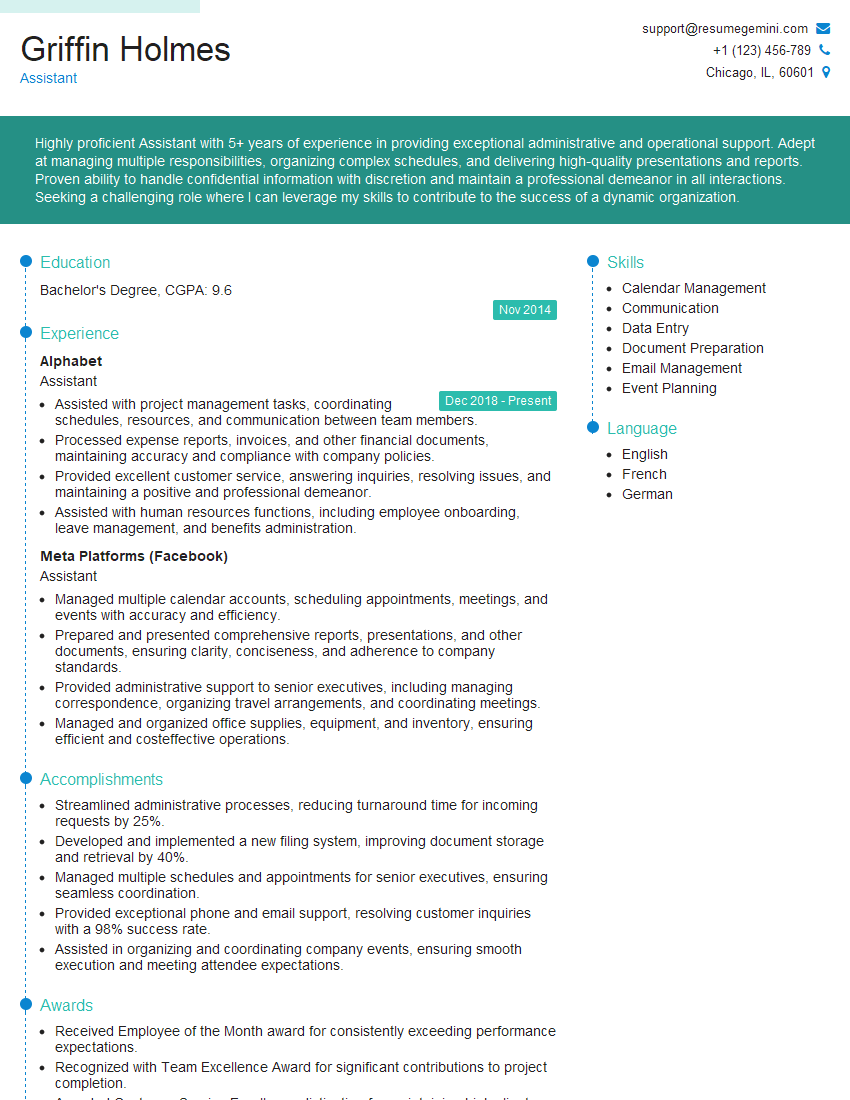
Assistant Resume Sample
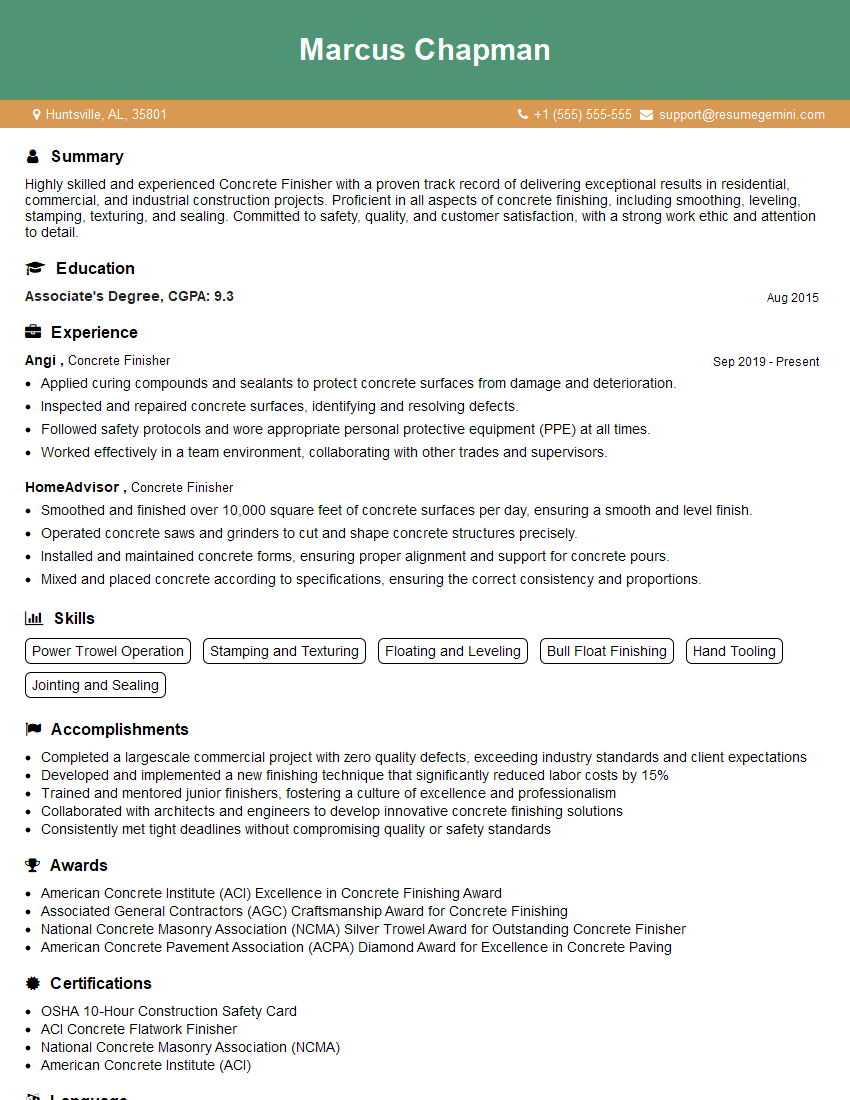
Concrete Finisher Resume Sample
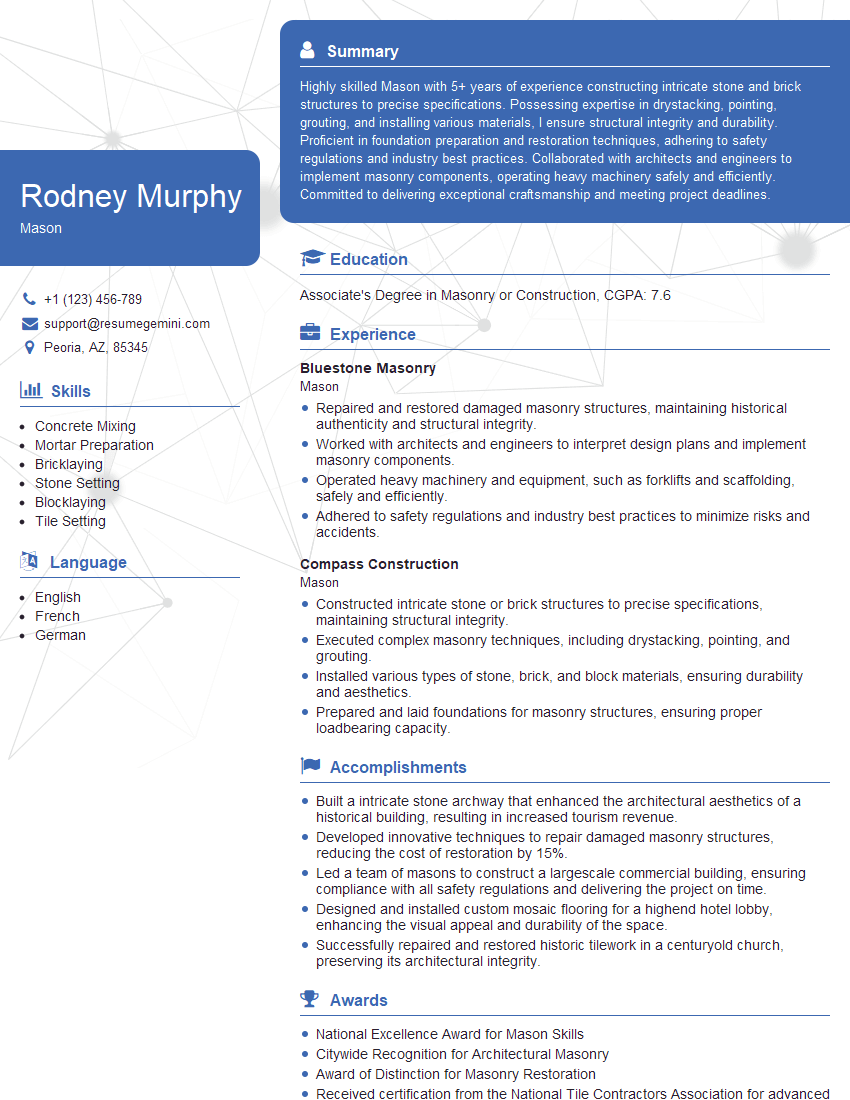
Mason Resume Sample
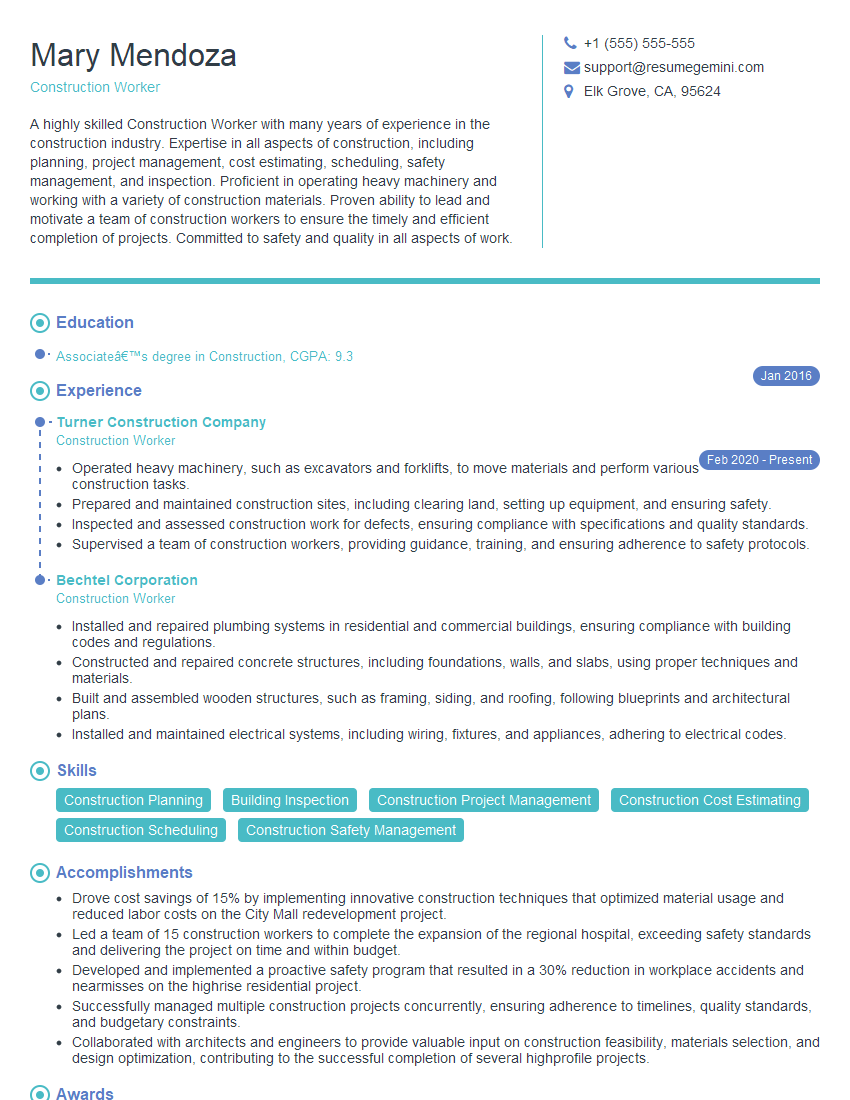
Construction Worker Resume Sample
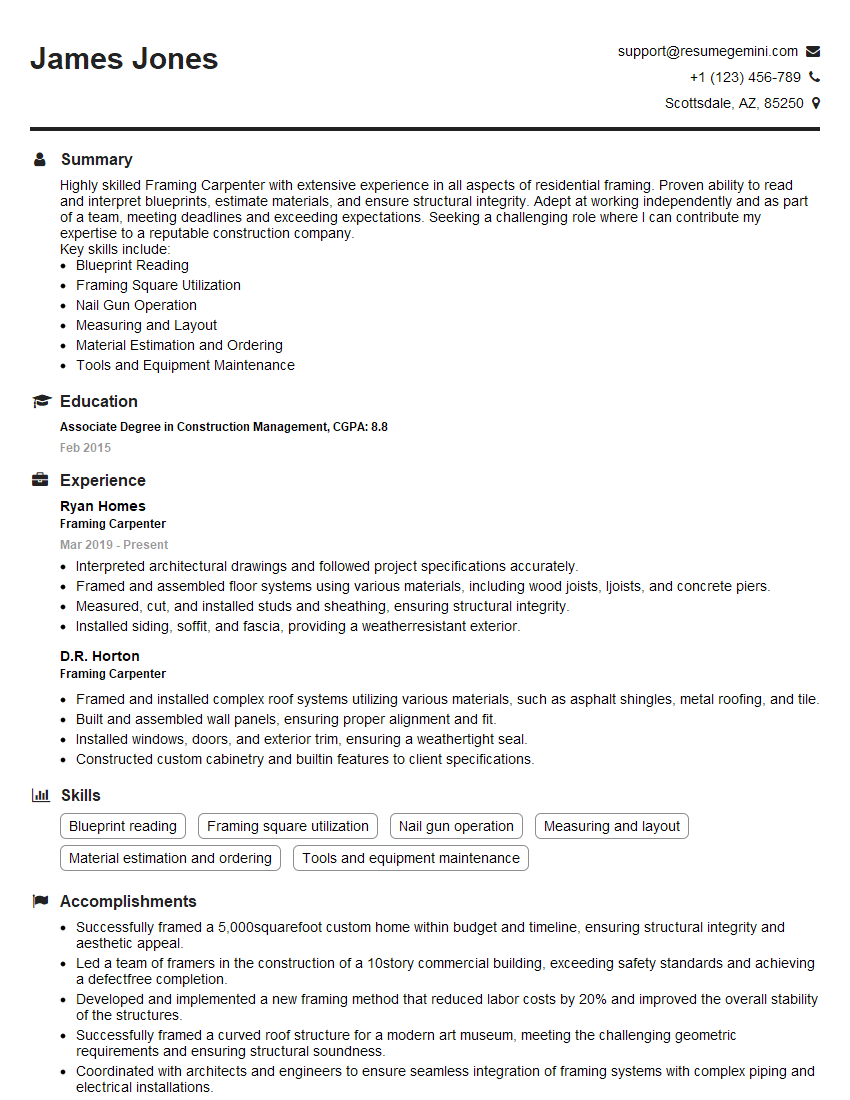
Framing Carpenter Resume Sample
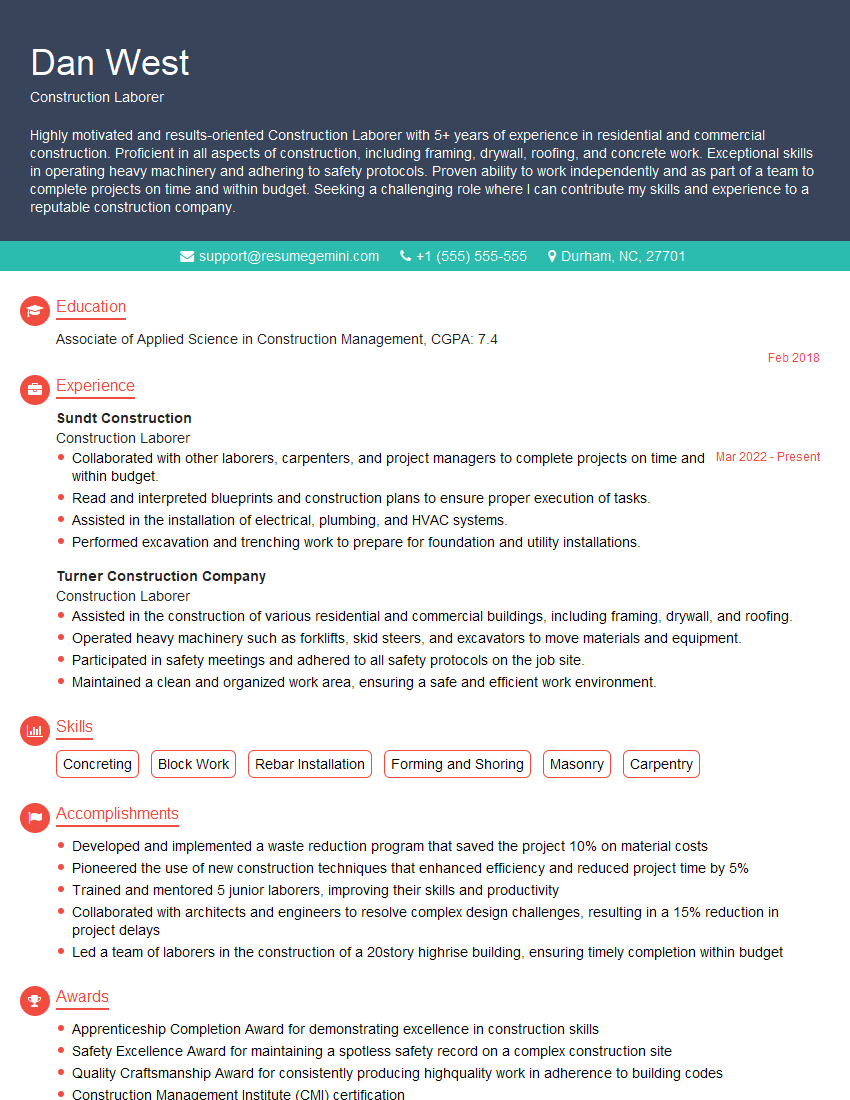
Construction Laborer Resume Sample
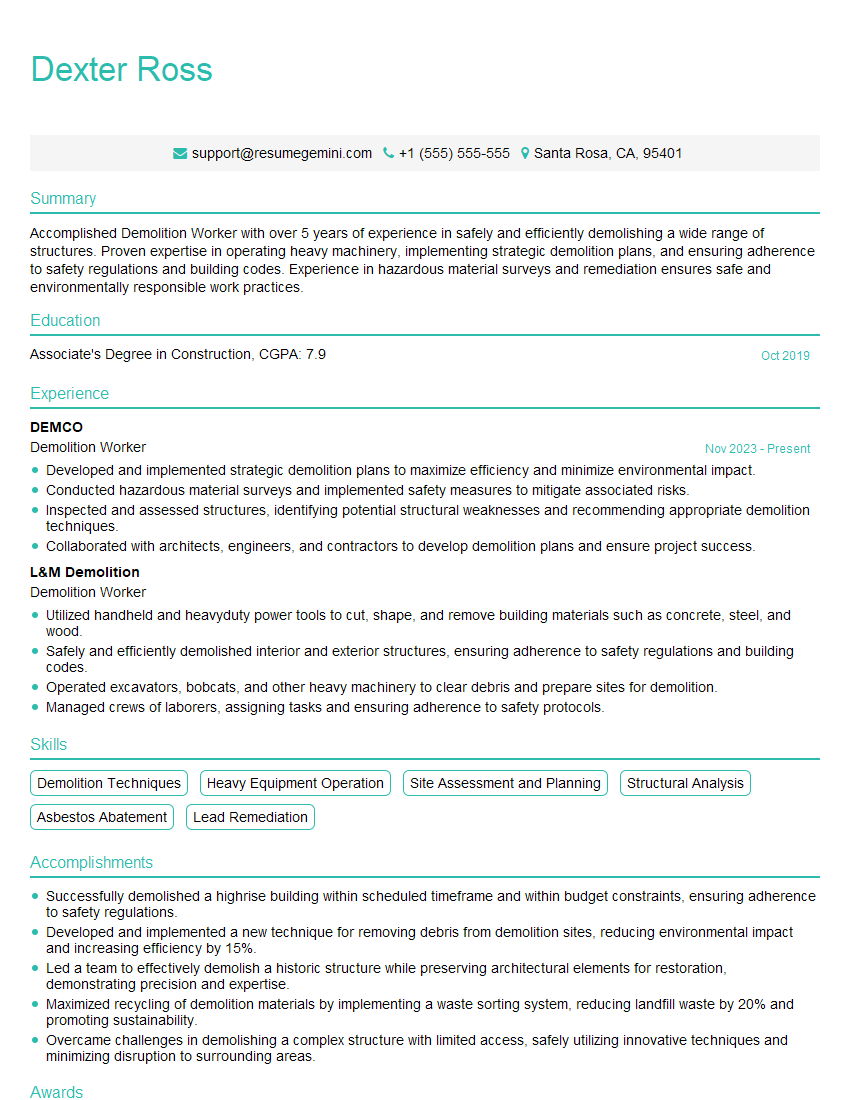
Demolition Worker Resume Sample
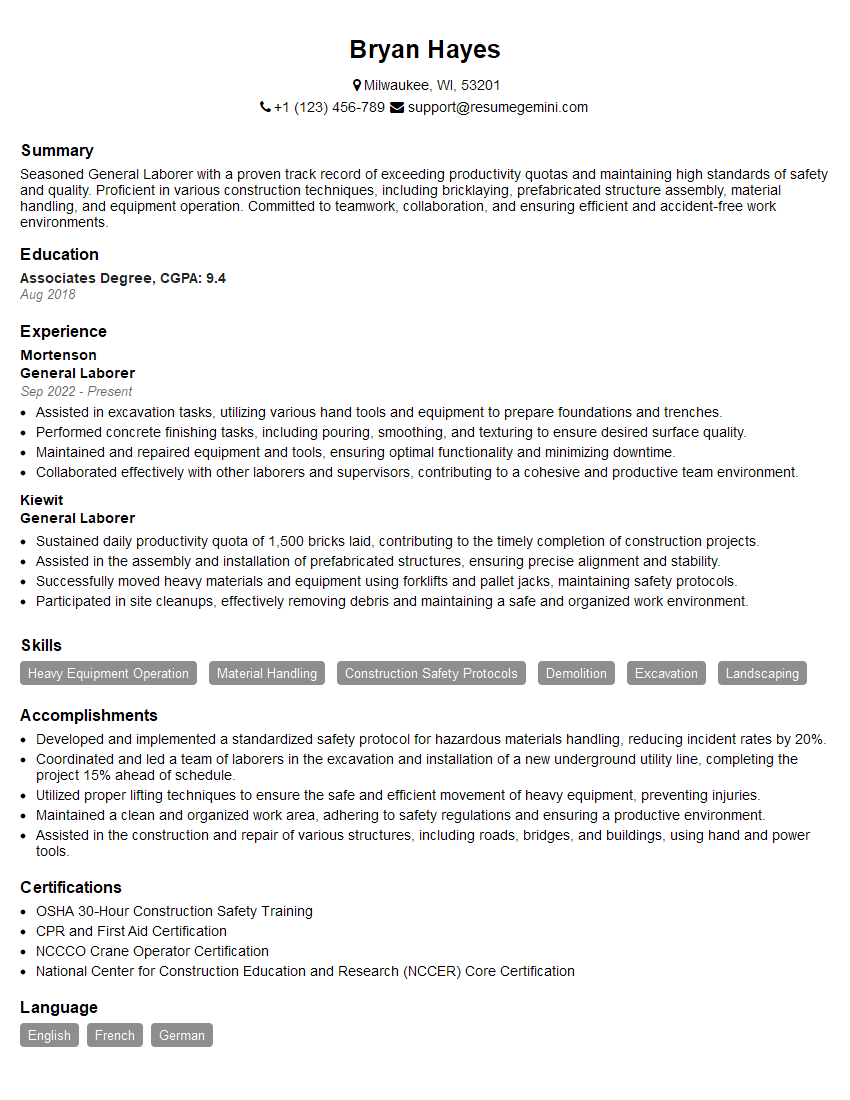
General Laborer Resume Sample
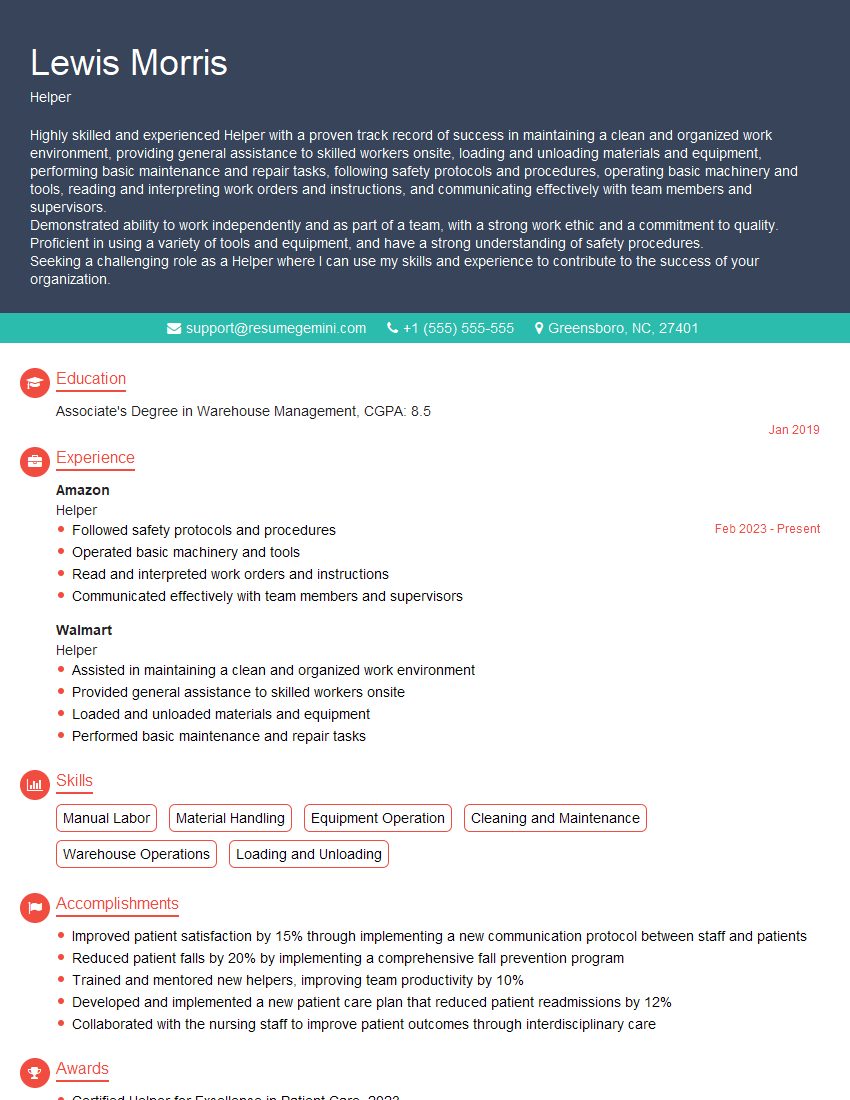
Helper Resume Sample
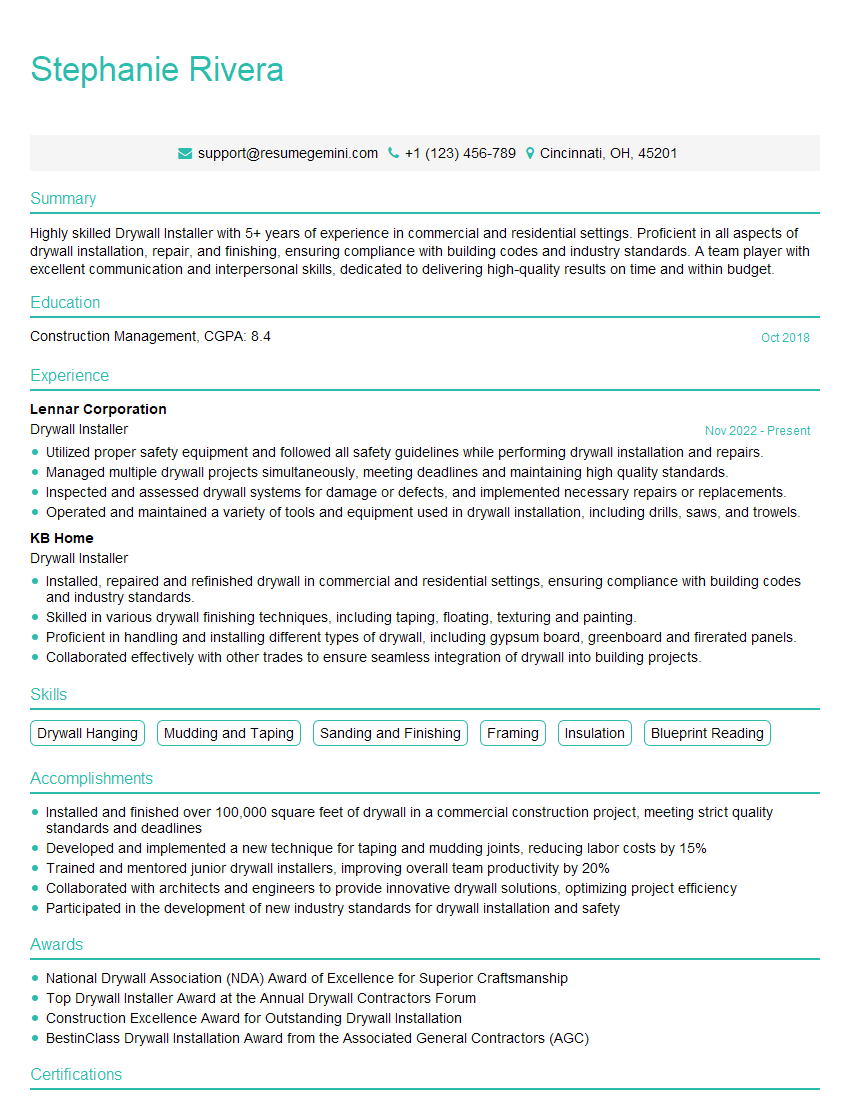
Drywall Installer Resume Sample
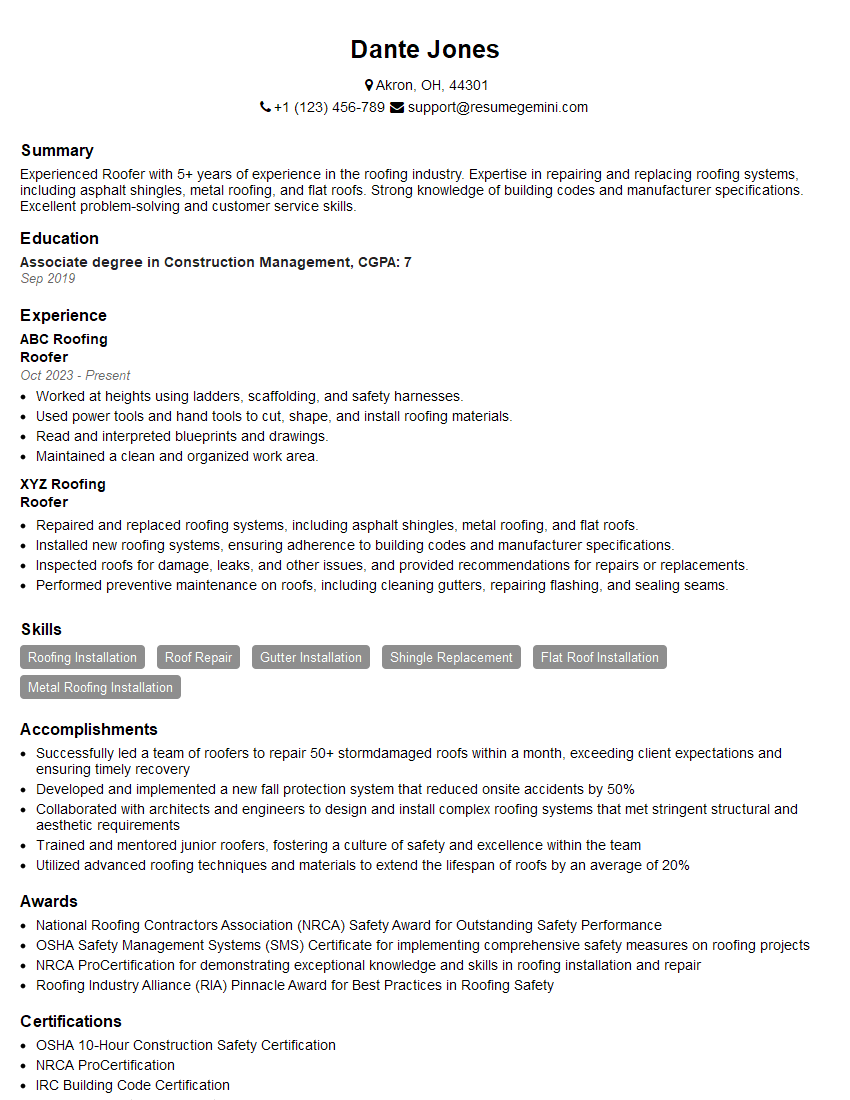
Roofer Resume Sample
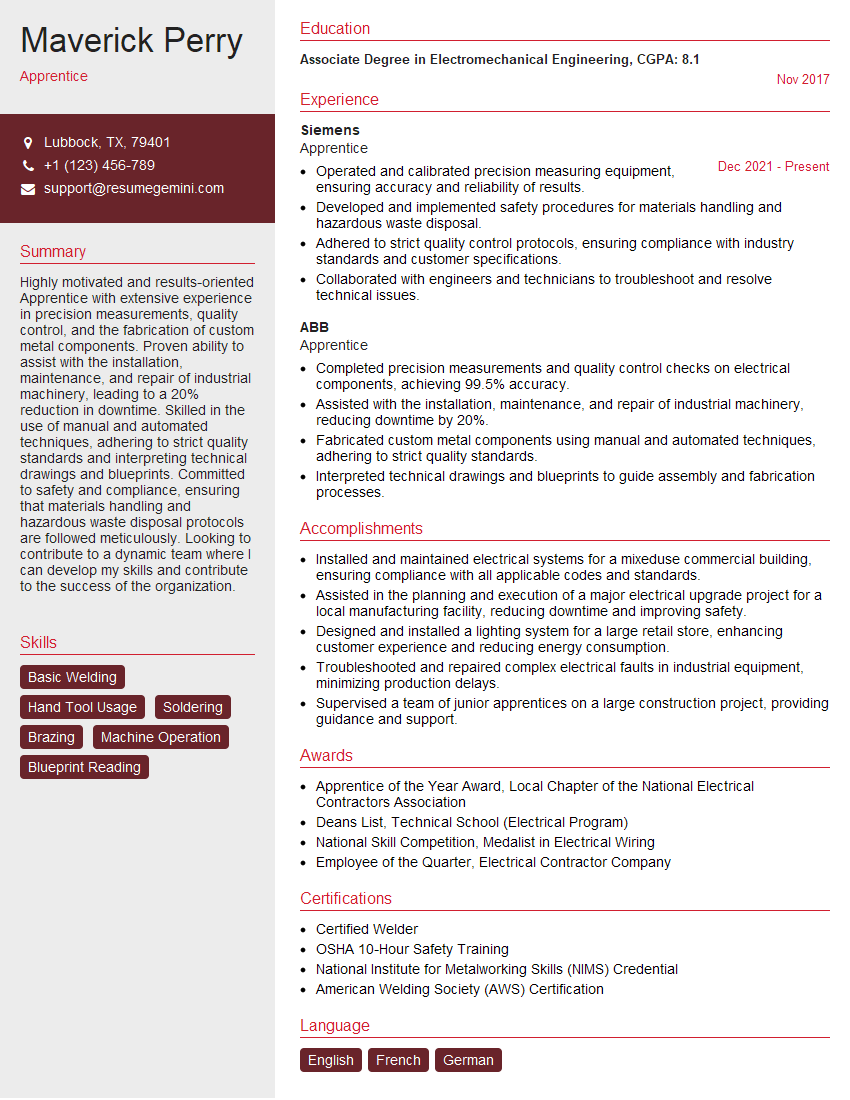
Apprentice Resume Sample
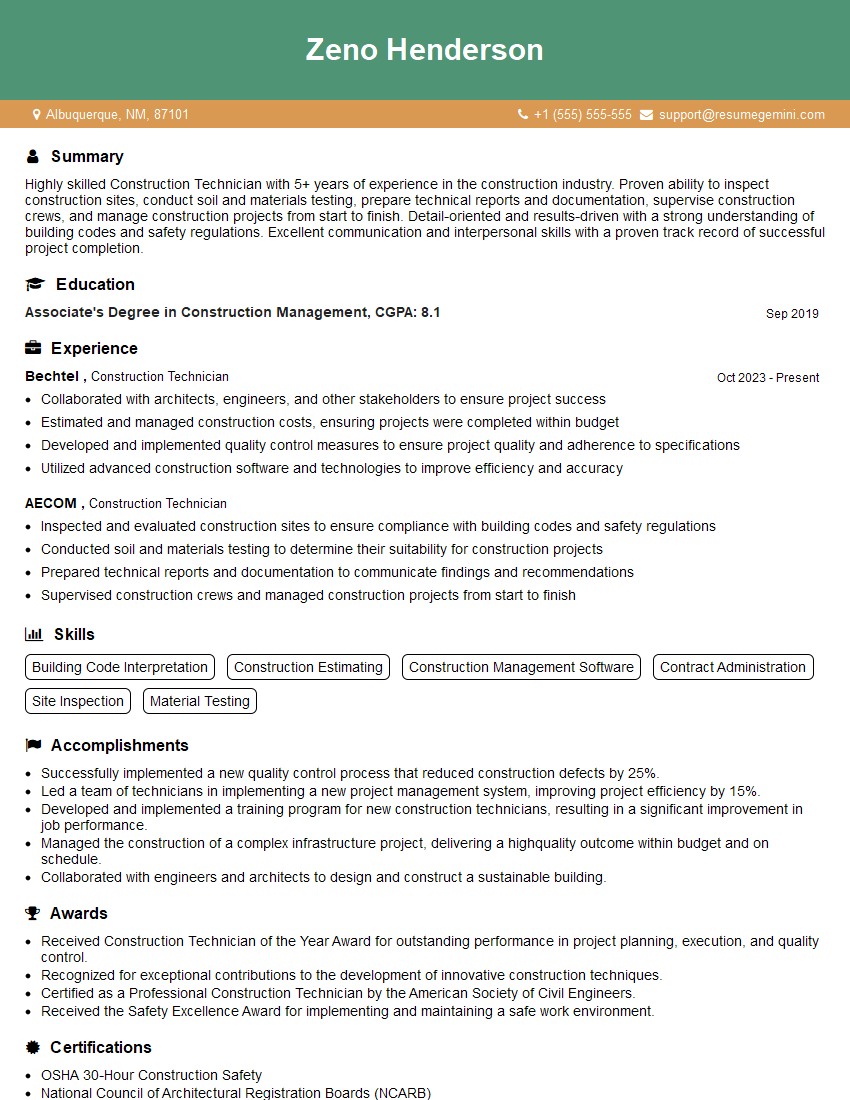
Construction Technician Resume Sample
- Equipment Operator
- Painter
- Building Maintenance Technician
- Handyman
- Maintenance Worker
- Utility Worker
- Groundskeeper
- Assistant
- Concrete Finisher
- Mason
- Construction Worker
- Framing Carpenter
- Construction Laborer
- Demolition Worker
- General Laborer
- Helper
- Drywall Installer
- Roofer
- Apprentice
- Construction Technician
Explore more articles
Users Rating of Our Blogs
Share Your Experience
We value your feedback! Please rate our content and share your thoughts (optional).
What Readers Say About Our Blog
To the interviewgemini.com Webmaster.
Very helpful and content specific questions to help prepare me for my interview!
Thank you
To the interviewgemini.com Webmaster.
This was kind of a unique content I found around the specialized skills. Very helpful questions and good detailed answers.
Very Helpful blog, thank you Interviewgemini team.