The right preparation can turn an interview into an opportunity to showcase your expertise. This guide to Wildlife management and encounter protocols interview questions is your ultimate resource, providing key insights and tips to help you ace your responses and stand out as a top candidate.
Questions Asked in Wildlife management and encounter protocols Interview
Q 1. Describe your experience with population monitoring techniques for endangered species.
Population monitoring for endangered species is crucial for effective conservation. It involves systematically collecting data to understand population size, distribution, and trends. This data informs management decisions, like habitat protection or captive breeding programs.
- Mark-Recapture: This classic method involves capturing, marking (e.g., tagging, branding), and releasing animals. Subsequent captures allow estimation of population size using statistical models. For example, we used this technique to monitor the elusive snow leopard population in the Himalayas, marking individuals with GPS collars.
- Distance Sampling: This technique estimates abundance based on the distances of observed animals from a transect line. It’s particularly useful in areas with difficult terrain or elusive species. We applied this method to estimate the population of critically endangered Javan rhinos in Ujung Kulon National Park.
- Camera Trapping: This non-invasive method uses motion-activated cameras to record images of animals. Analyzing the photos allows for identification of individuals, estimation of abundance, and study of behavior. We successfully employed camera trapping to monitor the elusive Amur leopards in Russia’s far east, gaining valuable insights into their activity patterns and habitat use.
- Genetic Monitoring: Analyzing DNA from scat, hair, or other samples can provide insights into population size, genetic diversity, and gene flow. This is especially valuable when direct observation is difficult. For instance, we used this technique to assess the genetic health of a small, isolated population of orangutans.
The choice of method depends on the species, its behavior, the habitat, and the resources available. Often, a combination of techniques provides the most robust and comprehensive data.
Q 2. Explain the different methods used for wildlife capture and handling.
Wildlife capture and handling techniques vary greatly depending on the species, its size, and temperament. Safety for both the animal and the handlers is paramount.
- Trapping: Various traps are used, including snares, nets (e.g., mist nets, drop nets), and box traps. The type of trap is carefully selected to minimize stress and injury. For instance, we used box traps to capture injured deer for treatment.
- Darting: Immobilizing animals with anesthetic darts delivered from a distance is common for larger animals. This requires precise aim and knowledge of the appropriate drug dosage for the species. We successfully darted several elephants for health checks and relocation.
- Restraining: Once captured, animals may require physical restraint using specialized equipment. This must be done safely and efficiently to minimize stress and avoid injury. We use specialized techniques for handling different species, such as safely restraining a distressed monkey.
- Handling Procedures: Proper handling involves minimizing stress, avoiding injury, and ensuring the animal’s comfort and safety during procedures such as weighing, measuring, health checks, and sample collection. Specific protocols are followed for each species.
All procedures must adhere to strict ethical guidelines and permits. The welfare of the animal is the top priority.
Q 3. What are the ethical considerations in wildlife relocation projects?
Ethical considerations in wildlife relocation are paramount. The primary goal should be to improve the animal’s chances of survival and well-being, and the success of a relocation depends on careful planning and consideration of ethical implications.
- Habitat Suitability: The new habitat must be thoroughly assessed to ensure it can support the relocated animals. This includes factors such as food availability, water sources, shelter, and absence of threats.
- Disease Transmission: The potential for introducing diseases into the recipient population or carrying diseases from the source population must be carefully evaluated and mitigated. Quarantine periods and health checks are often required.
- Minimizing Stress: The capture, transportation, and release process must be designed to minimize stress on the animals. This includes using appropriate handling techniques, providing adequate transport conditions, and selecting a suitable release site.
- Social Dynamics: Relocating animals should consider their social structure. Family groups or social units should ideally be kept together. Introducing individuals to an existing population may lead to conflict.
- Genetic Considerations: Introducing animals from a different population could negatively impact the genetic diversity of the recipient population. Genetic assessments are often conducted to prevent inbreeding and ensure genetic health.
Ethical wildlife relocation requires collaboration among scientists, wildlife managers, and stakeholders, guided by robust scientific data and a commitment to animal welfare.
Q 4. How do you assess habitat suitability for a specific wildlife species?
Assessing habitat suitability is a critical step in wildlife management. It involves evaluating various factors to determine if a habitat can support a healthy population of a specific species. This assessment is based on the species’ specific ecological needs.
- Food Availability: Assessing the quantity and quality of food sources crucial for the species’ survival and reproduction.
- Water Sources: Access to clean water is essential. The quality and availability of water sources are carefully considered.
- Cover and Shelter: The presence of suitable cover for protection from predators and harsh weather conditions is vital.
- Space Requirements: The habitat must provide enough space to support the species’ home range and population density.
- Absence of Threats: Identifying and evaluating potential threats such as predators, disease, or human activities is critical.
- Climate Conditions: The suitability of the climate for the species’ tolerance ranges are considered.
Techniques for assessing habitat suitability include field surveys, remote sensing (satellite imagery), GIS analysis, and modeling. This involves a combination of qualitative and quantitative data analysis. For example, we used GIS to map the distribution of suitable habitat for a particular endangered bird species in conjunction with climate data and vegetation maps.
Q 5. What are the common causes of human-wildlife conflict, and how can they be mitigated?
Human-wildlife conflict arises from overlapping human and wildlife needs and interests. Understanding the causes and implementing effective mitigation strategies are crucial for coexistence.
- Habitat Loss and Fragmentation: As human populations expand, wildlife habitats are increasingly fragmented and degraded, leading to increased encounters.
- Crop Raiding and Livestock Predation: Wildlife may raid crops or prey on livestock, resulting in economic losses and conflicts.
- Competition for Resources: Competition for water, food, and space can lead to conflicts.
- Human Safety Concerns: Encounters between humans and dangerous wildlife pose safety risks.
- Lack of Awareness and Education: Misunderstandings and fear can lead to negative attitudes towards wildlife.
Mitigation strategies can include:
- Habitat Protection and Restoration: Conserving and restoring wildlife habitats reduces the need for wildlife to venture into human-dominated areas.
- Wildlife-Friendly Farming Practices: Employing techniques like electric fences, guard animals, or crop protection measures can reduce crop raiding and livestock predation.
- Compensation Schemes: Providing financial compensation to farmers for losses caused by wildlife can reduce conflict.
- Community Education and Awareness Programs: Educating communities about wildlife behavior and coexistence strategies promotes tolerance and understanding.
- Conflict Zones Management: Employing strategies like early warning systems, improved waste management, and translocation of problem animals can mitigate conflict effectively.
Successful mitigation requires collaborative efforts involving local communities, government agencies, and conservation organizations.
Q 6. Describe your experience with GPS tracking and data analysis in wildlife research.
GPS tracking has revolutionized wildlife research, providing detailed information on animal movement, behavior, and habitat use. Data analysis plays a crucial role in interpreting these data to draw meaningful conclusions.
My experience involves deploying GPS collars on various species, ranging from large mammals like elephants and wolves to smaller animals such as birds and reptiles. The collars transmit location data at pre-defined intervals via satellite. Data is then downloaded and analyzed using specialized software.
- Movement Patterns: Analyzing GPS data allows for the identification of home ranges, migration routes, and activity patterns.
- Habitat Selection: We can determine which habitats animals prefer, and identify critical habitats for conservation.
- Human-Wildlife Interactions: Tracking data can reveal how wildlife respond to human activities.
- Population Dynamics: Combining GPS data with other demographic data can provide insights into population structure and dynamics.
Data analysis techniques include:
- Spatial Statistics: Analyzing the spatial distribution of animal locations to identify home ranges, core areas, and habitat use patterns.
Example: Kernel density estimation to map home ranges. - Time Series Analysis: Analyzing changes in animal behavior and movement over time.
Example: Analyzing diurnal activity patterns. - Network Analysis: Identifying the social interactions and connections between individuals within a population.
The insights gained from GPS tracking and data analysis are crucial for informing conservation strategies, habitat management, and conflict mitigation.
Q 7. Explain the importance of disease surveillance in wildlife populations.
Disease surveillance in wildlife populations is essential for several reasons: it helps prevent disease outbreaks, protect biodiversity, and safeguard human health. Diseases can decimate wild populations and pose a threat to humans through zoonotic transmission.
- Early Detection: Monitoring allows for the early detection of disease outbreaks, enabling prompt intervention to control their spread.
- Disease Impact Assessment: Surveillance helps to assess the impact of diseases on wildlife populations, informing conservation strategies.
- Zoonotic Disease Prevention: Monitoring wildlife diseases helps to prevent the spillover of zoonotic diseases – those that can transmit from animals to humans – protecting public health.
- Conservation Management: Understanding disease dynamics is critical for developing effective conservation strategies, including habitat management, vaccination programs, and translocation strategies.
Methods for disease surveillance include:
- Active Surveillance: Systematic sampling and testing of wildlife populations for specific diseases. This might involve collecting samples (blood, fecal matter, etc.) from captured animals or via non-invasive methods.
- Passive Surveillance: Reporting of disease outbreaks by hunters, veterinarians, or the public. This often relies on a strong network of stakeholders.
- Sentinel Surveillance: Monitoring specific wildlife species or populations that may be early indicators of disease outbreaks.
Data analysis involves epidemiological modeling to understand disease transmission, spread, and impact on populations. This information is vital for protecting both wildlife and human health.
Q 8. How do you develop and implement a wildlife management plan?
Developing and implementing a wildlife management plan is a multifaceted process requiring careful consideration of various ecological, social, and economic factors. It begins with a thorough assessment of the current state of the wildlife population and its habitat. This involves data collection through surveys, monitoring, and analysis of existing information. We then define clear objectives, such as maintaining population numbers within a healthy range, protecting endangered species, or mitigating human-wildlife conflict. These objectives are translated into specific, measurable, achievable, relevant, and time-bound (SMART) goals.
Next, we identify the key threats to wildlife, which could range from habitat loss and fragmentation to poaching and disease. Based on this threat assessment, we design strategies that address these challenges. This might involve habitat restoration, population control measures (like culling or translocation), anti-poaching initiatives, disease surveillance, or public education campaigns. Implementation requires a collaborative approach, engaging stakeholders including government agencies, local communities, landowners, and conservation organizations. Finally, regular monitoring and evaluation are essential to ensure the plan’s effectiveness, allowing for adjustments as needed. For example, a plan to manage elk populations might involve setting hunting quotas, creating wildlife corridors, and educating landowners about livestock protection techniques.
Q 9. What are the legal and regulatory frameworks governing wildlife management in your region?
The legal and regulatory frameworks governing wildlife management vary significantly depending on the region. However, common elements include legislation protecting endangered species, regulations on hunting and trapping, and laws addressing habitat protection and land use. In many jurisdictions, these are governed by multiple agencies, such as a state or federal wildlife agency, environmental protection agency, and possibly forestry departments. For example, the Endangered Species Act in the United States provides legal protection for threatened and endangered species, prohibiting their killing, harming, or habitat destruction. Similarly, hunting regulations often specify seasons, bag limits, and licensing requirements to ensure sustainable harvest levels. These regulations are typically backed by enforcement mechanisms, including fines and legal prosecution for violations. Understanding and adhering to these local, regional, and national regulations is crucial for responsible wildlife management practices.
Q 10. Describe your experience with public education and outreach related to wildlife conservation.
Public education and outreach are integral parts of successful wildlife conservation. My experience includes developing and delivering educational programs for diverse audiences, from school children to landowners. I’ve used various methods, including presentations, workshops, guided nature walks, and creating educational materials like brochures and websites. For instance, I’ve worked on campaigns to educate communities about the importance of bear-resistant trash containers in areas with bear populations, significantly reducing human-wildlife conflict. Another project involved teaching landowners about best practices for managing their properties to enhance wildlife habitat. Measuring success in this area involves tracking changes in public awareness and behavior, often through surveys and monitoring incidents of human-wildlife conflict. Effective communication requires adapting the message to suit the specific audience and their level of understanding. Using clear, accessible language, avoiding jargon, and incorporating visuals can greatly improve engagement and knowledge retention.
Q 11. How would you respond to a wildlife emergency situation (e.g., injured animal, aggressive encounter)?
Responding to a wildlife emergency requires a calm and decisive approach, prioritizing safety for both humans and animals. The first step involves assessing the situation, determining the species involved, and the nature of the emergency. For an injured animal, this might involve contacting a licensed wildlife rehabilitator or a local animal control agency. If the animal is exhibiting aggressive behavior, maintaining a safe distance is paramount. Never attempt to approach or handle a potentially dangerous animal without proper training and equipment. If it is a hazardous situation requiring immediate action, appropriate safety measures would be used, and the necessary personnel would be notified. For example, during a bear encounter, backing away slowly while making yourself appear large, using bear spray if available, and seeking immediate professional assistance are crucial. In all cases, accurate documentation, including photos and notes, is helpful for future reference and investigation.
Q 12. What are the key factors to consider when designing a wildlife corridor?
Designing a wildlife corridor requires careful consideration of several key factors. First, it’s crucial to identify the specific species or communities it’s intended to benefit and understand their habitat requirements. The corridor must provide suitable habitat along its entire length, including food, water, and cover. Its width should be sufficient to accommodate the needs of the target species, minimizing edge effects that can negatively impact wildlife. Connectivity is paramount; the corridor should seamlessly link existing habitat patches, avoiding barriers like roads or fences. Ideally, it should also be strategically placed to minimize conflicts with human activities. Factors such as land ownership, local regulations, and funding availability also play a crucial role in corridor design and implementation. For instance, a corridor for migrating ungulates might incorporate bridges over highways and water sources along the route. Careful planning and stakeholder engagement are essential for the successful creation and maintenance of a wildlife corridor.
Q 13. Explain your understanding of invasive species management strategies.
Invasive species management involves a range of strategies aimed at preventing the introduction, spread, and establishment of non-native species that threaten biodiversity and ecosystem health. Prevention is often the most cost-effective approach, involving strict border controls and regulations on the import of potentially invasive species. Early detection and rapid response are crucial once an invasion occurs, involving surveillance programs to identify new infestations and swift eradication efforts. Control methods vary depending on the species and context, but may include mechanical removal (e.g., weeding), chemical control (e.g., herbicides), biological control (e.g., introducing natural predators), and habitat modification. Integrated pest management approaches combine multiple control methods to maximize effectiveness while minimizing environmental impacts. For example, controlling the spread of an invasive plant might involve a combination of manual removal in small infestations, followed by the targeted application of herbicides in larger areas, alongside restoration efforts to promote native vegetation.
Q 14. How do you assess the effectiveness of wildlife conservation programs?
Assessing the effectiveness of wildlife conservation programs requires a robust monitoring and evaluation framework. This involves setting clear, measurable indicators of success at the outset, based on the program’s objectives. Data collection should be ongoing, using various methods such as population surveys, habitat assessments, and analysis of human-wildlife conflict incidents. The data should be analyzed to determine whether the program is achieving its intended goals and identify any unforeseen consequences. Adaptive management approaches are frequently employed, allowing for adjustments to the program based on the evaluation results. For instance, a program aimed at restoring wetland habitats might monitor changes in bird populations, water quality, and vegetation cover to assess its success. Regular reporting and communication of results to stakeholders are important for transparency and accountability. Effective evaluation is an iterative process, using feedback to improve the program’s design and implementation over time.
Q 15. Describe your experience with data analysis and report writing in a wildlife management context.
Data analysis and report writing are crucial for effective wildlife management. My experience involves collecting, cleaning, and analyzing various datasets, including population counts, habitat data, and GPS tracking information. I’m proficient in statistical software such as R and ArcGIS to perform analyses, identify trends, and build predictive models. For instance, I once analyzed long-term population data of white-tailed deer to assess the effectiveness of hunting regulations in controlling their numbers and minimizing agricultural damage. The resulting report, which included visualizations and clear recommendations, guided the implementation of adaptive management strategies. Another example involved analyzing GPS tracking data from radio-collared wolves to understand their movement patterns and habitat use, which informed the design of wildlife corridors to mitigate human-wildlife conflict.
My reports always follow a clear structure: introduction, methodology, results, discussion, and conclusion. I ensure the reports are accessible to both technical and non-technical audiences, utilizing clear language, visual aids (graphs, maps), and concise summaries.
Career Expert Tips:
- Ace those interviews! Prepare effectively by reviewing the Top 50 Most Common Interview Questions on ResumeGemini.
- Navigate your job search with confidence! Explore a wide range of Career Tips on ResumeGemini. Learn about common challenges and recommendations to overcome them.
- Craft the perfect resume! Master the Art of Resume Writing with ResumeGemini’s guide. Showcase your unique qualifications and achievements effectively.
- Don’t miss out on holiday savings! Build your dream resume with ResumeGemini’s ATS optimized templates.
Q 16. What are the common challenges in collaborating with diverse stakeholders in wildlife conservation?
Collaborating with diverse stakeholders—landowners, government agencies, conservation organizations, local communities—presents unique challenges in wildlife conservation. Differences in values, priorities, and perspectives can lead to conflict. For example, ranchers might prioritize livestock protection, potentially conflicting with conservationists aiming to protect a threatened predator species.
- Communication Barriers: Misunderstandings can arise due to jargon or differing communication styles.
- Conflicting Interests: Stakeholders may have competing interests in land use and resource management.
- Trust Issues: Building trust and rapport takes time and consistent effort.
- Power Imbalances: Some stakeholders may have more influence than others, leading to unequal participation in decision-making.
Effective collaboration requires active listening, transparent communication, finding common ground, and building consensus through participatory approaches. It often involves finding creative solutions that balance conservation goals with the needs and concerns of all stakeholders.
Q 17. How would you handle conflict with landowners regarding wildlife management practices?
Handling conflicts with landowners regarding wildlife management practices necessitates a proactive and collaborative approach. The key is to build strong relationships based on mutual respect and understanding.
- Open Communication: Begin by actively listening to the landowner’s concerns, validating their feelings, and explaining the reasons behind the wildlife management practices.
- Education and Outreach: Provide clear and accessible information about the ecological benefits of wildlife and the management strategies employed.
- Compensation and Mitigation: Explore options for compensating landowners for any losses they incur due to wildlife, such as crop damage or livestock predation. This could involve financial compensation or implementing mitigation measures like fencing or livestock guarding dogs.
- Collaborative Planning: Engage landowners in the planning process, ensuring their input is considered in the development and implementation of management strategies. This could include creating customized management plans that address specific concerns.
- Mediation: If communication breaks down, engaging a neutral third party mediator can facilitate constructive dialogue and help find mutually acceptable solutions.
For instance, I once successfully mediated a conflict between a rancher and a conservation group by implementing a livestock-guarding dog program and providing financial compensation for livestock losses. This approach protected the rancher’s livelihood and ensured the conservation of a threatened wolf population.
Q 18. What are your strategies for ensuring the safety of both wildlife and humans in a given area?
Ensuring the safety of both wildlife and humans requires a multi-faceted approach based on risk assessment and mitigation. This involves understanding the potential for conflict and implementing strategies to minimize it.
- Habitat Management: Creating and maintaining suitable habitats can reduce human-wildlife encounters. For example, strategically placed feeding stations or water sources can keep wildlife away from human settlements.
- Public Education: Educating the public about wildlife behavior and safety precautions is essential. This includes providing information on how to react when encountering wildlife, such as maintaining a safe distance and avoiding feeding animals.
- Wildlife Hazard Reduction: This includes measures to reduce the risk of collisions between vehicles and wildlife, such as installing wildlife crossings or reducing speed limits in high-risk areas.
- Conflict Mitigation Strategies: Implementing non-lethal methods to deter wildlife from entering human areas, such as using noise deterrents, fences, or other barriers.
- Emergency Response Plans: Having clear procedures in place for handling emergencies, such as wildlife attacks or injuries.
For instance, we implemented a public awareness campaign that educated residents about bear safety, including the importance of securing food and properly storing garbage. This resulted in a significant decrease in human-bear conflicts in the area.
Q 19. Explain the role of GIS technology in wildlife management.
Geographic Information Systems (GIS) technology is indispensable in wildlife management. GIS allows for the spatial analysis of wildlife data, combining various datasets such as habitat maps, population distribution data, and movement patterns. This allows for a much more comprehensive understanding of wildlife ecology and helps in making informed management decisions.
- Habitat Mapping: GIS helps create detailed maps of wildlife habitats, identifying key areas for conservation.
- Species Distribution Modeling: Predictive models can be created to identify areas of suitable habitat for specific species, aiding in conservation planning and translocation efforts.
- Movement Analysis: Tracking data from GPS collars can be analyzed using GIS to understand animal movement patterns, home range sizes, and habitat use.
- Connectivity Analysis: GIS helps identify areas that need to be protected to maintain habitat connectivity, allowing for wildlife movement and gene flow.
- Spatial Planning: GIS assists in integrating wildlife conservation considerations into land-use planning and development projects.
For example, using GIS, I was able to identify critical wildlife corridors that were threatened by proposed road development. This information was instrumental in influencing the design of the road to minimize its impact on wildlife movement.
Q 20. How do you use remote sensing techniques for wildlife habitat assessment?
Remote sensing techniques, using data acquired from satellites or aircraft, provide a powerful tool for assessing wildlife habitats across vast areas. Different sensors capture various spectral information, allowing us to identify different habitat types and assess their condition.
- Satellite Imagery: Multispectral and hyperspectral imagery can be used to map vegetation types, identify areas of deforestation, and assess habitat quality.
- LiDAR (Light Detection and Ranging): LiDAR data provides high-resolution 3D models of the landscape, allowing us to assess habitat structure, such as canopy height and density, crucial for many species.
- Aerial Photography: Provides visual information on habitat features, land use, and signs of human disturbance.
For instance, using satellite imagery and LiDAR data, I was able to assess the impact of wildfire on a crucial elk calving ground. This information helped prioritize restoration efforts and informed management strategies to support elk populations.
Q 21. Describe your experience with wildlife telemetry and its applications.
Wildlife telemetry involves using radio transmitters or GPS devices to track the movement and behavior of animals. This provides invaluable data for understanding animal ecology and informing conservation strategies.
- Movement Ecology: Telemetry data reveals animal movement patterns, home range size, and habitat use, providing insights into their ecological requirements.
- Population Monitoring: Tracking individuals within a population can provide insights into survival rates, reproductive success, and population dynamics.
- Human-Wildlife Conflict Mitigation: Telemetry data can help identify areas of conflict and inform strategies to reduce the risk of interactions between wildlife and humans.
- Conservation Planning: Data from telemetry studies informs the design of protected areas, wildlife corridors, and habitat restoration projects.
I have extensive experience using GPS collars to track the movements of various species, including mountain lions and black bears. In one study, we used this data to identify key habitat features important for mountain lion survival, which informed the protection of these crucial areas.
Q 22. How do you adapt your management strategies to changing environmental conditions?
Adapting wildlife management strategies to changing environmental conditions is crucial for ensuring the long-term health of populations. This involves a dynamic, adaptive management approach, constantly monitoring and adjusting strategies based on new data. We use a combination of methods.
- Monitoring: We continuously monitor key environmental factors such as temperature, precipitation, habitat quality (vegetation cover, water availability), and disease prevalence. This is done through various methods including remote sensing, field surveys, and citizen science initiatives.
- Predictive Modeling: We use sophisticated models to predict how wildlife populations might respond to different environmental scenarios. For example, we might model the impact of a prolonged drought on a specific species’ distribution and abundance.
- Scenario Planning: We develop multiple management scenarios based on different environmental predictions. This allows us to prepare for a range of possibilities, rather than relying on a single prediction.
- Adaptive Management Cycles: We implement our strategies, monitor the results, and then adjust our approach based on what we learn. This iterative process is key to adapting to unexpected changes.
For example, in a region experiencing increased drought frequency, we might adjust our water management strategies, create artificial water sources, or adjust hunting quotas to reflect reduced carrying capacity. This flexible approach ensures that our management plans remain relevant and effective in the face of climate variability and other environmental changes.
Q 23. What are the key principles of sustainable wildlife management?
Sustainable wildlife management is about balancing the needs of wildlife with the needs of people, ensuring that wildlife populations remain healthy and abundant for future generations. Key principles include:
- Maintaining Biodiversity: Protecting the full range of species and their genetic diversity is paramount. A healthy ecosystem is a resilient ecosystem.
- Habitat Conservation: Protecting and restoring wildlife habitats is foundational. This involves understanding habitat requirements and taking steps to protect these areas from encroachment and degradation.
- Sustainable Use: Carefully managing the harvest of wildlife resources, such as hunting or fishing, to prevent overexploitation is crucial.
- Community Engagement: Involving local communities in conservation efforts fosters a sense of ownership and ensures that management plans are culturally appropriate and socially acceptable.
- Adaptive Management: Regularly monitoring and adjusting management strategies based on new information is essential for long-term success.
- Scientific Basis: Management decisions must be informed by sound scientific data and research.
Imagine a park where sustainable management prioritizes the protection of both the endangered species and maintaining sustainable tourism. Balancing these aspects requires careful planning and collaboration.
Q 24. Explain the importance of considering biodiversity in wildlife management decisions.
Biodiversity is the cornerstone of healthy ecosystems. Considering it in wildlife management decisions is vital because:
- Ecosystem Stability: High biodiversity enhances the stability and resilience of ecosystems, making them better able to withstand disturbances such as disease outbreaks or climate change.
- Species Interactions: Wildlife species interact in complex ways. Managing for one species can have unintended consequences for others. A holistic approach considering all species is necessary.
- Ecosystem Services: Biodiversity supports various ecosystem services vital to human well-being, such as pollination, water purification, and climate regulation.
- Ethical Considerations: We have a moral responsibility to protect the diverse life forms on our planet.
For instance, removing a keystone species (a species that has a disproportionately large effect on its environment) might trigger a cascade of negative effects throughout the ecosystem. Therefore, comprehensive understanding of species interactions is paramount.
Q 25. How do you incorporate climate change considerations into wildlife management planning?
Incorporating climate change considerations into wildlife management planning is no longer optional; it’s essential. Climate change is altering habitats, shifting species distributions, and increasing the frequency and intensity of extreme weather events. Our approach includes:
- Climate Change Projections: We incorporate climate change predictions into our models to forecast potential impacts on wildlife populations and their habitats.
- Habitat Connectivity: We focus on maintaining or enhancing connectivity between habitats to allow species to shift their ranges in response to changing conditions. Wildlife corridors are crucial.
- Assisted Migration: In some cases, carefully planned assisted migration of species may be considered to help them adapt to shifting climate zones. This is a complex issue requiring extensive research and consideration.
- Resilience Building: We aim to build the resilience of both wildlife populations and their habitats by protecting and restoring critical ecosystems. This includes reducing fragmentation and enhancing genetic diversity.
For example, we might create protected areas in areas predicted to become more suitable habitat in the future, or develop strategies to help species adapt to changes in water availability.
Q 26. Describe your experience with community-based conservation initiatives.
I have extensive experience working with communities in collaborative conservation efforts. Successful community-based conservation relies on mutual respect, shared benefits, and a genuine partnership. My work involves:
- Participatory Planning: Engaging local communities in the planning and decision-making process ensures that management plans are tailored to their needs and concerns.
- Capacity Building: Providing training and support to communities on wildlife monitoring, habitat restoration, and sustainable resource management empowers them to take ownership of conservation efforts.
- Benefit Sharing: Ensuring that local communities benefit directly from conservation initiatives, through economic opportunities or improved resource management, is vital for long-term success.
- Conflict Resolution: Addressing human-wildlife conflict is a critical part of community-based conservation. This involves developing strategies to reduce conflict and promote coexistence.
In one project, we worked with local communities to establish a community-managed protected area, which not only conserved biodiversity but also provided opportunities for ecotourism and sustainable livelihoods.
Q 27. What are the common threats to wildlife populations in your region?
The common threats to wildlife populations in my region are multifaceted and interconnected. They include:
- Habitat Loss and Fragmentation: Due to urbanization, agriculture, and infrastructure development, wildlife habitats are being lost and fragmented, isolating populations and reducing their genetic diversity.
- Poaching and Illegal Wildlife Trade: Illegal hunting and wildlife trafficking pose a significant threat to many species, driving populations towards extinction.
- Invasive Species: Invasive species can outcompete native wildlife, disrupt ecosystems, and introduce diseases.
- Pollution: Water and air pollution can have detrimental effects on wildlife health and survival.
- Climate Change: Changing climate patterns are altering habitats and affecting the distribution and abundance of wildlife species.
Addressing these threats requires a multi-pronged approach involving law enforcement, habitat restoration, community education, and policy changes.
Q 28. How would you prioritize competing wildlife management objectives?
Prioritizing competing wildlife management objectives requires a structured approach. I often use a framework that combines:
- Risk Assessment: Identifying the threats facing different species and ecosystems, and assessing the potential consequences of inaction.
- Cost-Benefit Analysis: Evaluating the costs and benefits of different management options, considering both economic and ecological factors.
- Stakeholder Consultation: Engaging all stakeholders, including government agencies, conservation organizations, and local communities, to gather perspectives and ensure that management decisions are socially acceptable.
- Adaptive Management: Recognizing that priorities may change over time, and building flexibility into management plans to allow for adjustments.
Imagine a scenario where you need to balance protecting an endangered bird species with managing a commercially valuable fish population. A proper risk assessment, stakeholder consultation, and a cost-benefit analysis will guide you in a scientifically sound and ethically responsible decision.
Key Topics to Learn for Wildlife Management and Encounter Protocols Interview
- Wildlife Population Dynamics: Understanding population growth, carrying capacity, and factors influencing population fluctuations. Practical application: Analyzing population data to inform management decisions, such as hunting regulations or habitat restoration projects.
- Habitat Management Techniques: Prescribed burning, invasive species control, forest thinning, and other methods to maintain healthy ecosystems. Practical application: Designing and implementing habitat restoration plans to benefit specific wildlife species.
- Wildlife Disease Management: Identifying and mitigating the spread of diseases within wildlife populations. Practical application: Developing strategies for preventing and controlling outbreaks, including vaccination programs or quarantine measures.
- Human-Wildlife Conflict Mitigation: Developing and implementing strategies to reduce negative interactions between humans and wildlife. Practical application: Designing and implementing strategies to prevent property damage caused by wildlife.
- Wildlife Capture and Handling Techniques: Safe and ethical methods for capturing, handling, and transporting wildlife. Practical application: Knowing appropriate methods for specific species and situations, including tranquilization and restraint.
- Data Collection and Analysis: Techniques for collecting and analyzing wildlife data, including camera trapping, GPS tracking, and scat analysis. Practical application: Using data to monitor population trends, habitat use, and the effectiveness of management interventions.
- Legal and Ethical Considerations: Understanding relevant laws and regulations governing wildlife management and encounter protocols. Practical application: Applying ethical considerations to all aspects of wildlife management and handling.
- Emergency Response Protocols: Procedures for responding to wildlife emergencies, such as injured animals or public safety concerns. Practical application: Developing and implementing effective emergency response plans.
Next Steps
Mastering wildlife management and encounter protocols is crucial for career advancement in this dynamic field. A strong understanding of these principles will significantly enhance your prospects and allow you to contribute meaningfully to conservation efforts. To make a strong first impression, building an ATS-friendly resume is essential. This will ensure your application gets noticed by recruiters and hiring managers. ResumeGemini is a trusted resource that can help you craft a compelling and effective resume tailored to showcase your skills and experience. Examples of resumes specifically designed for wildlife management and encounter protocols positions are available to help you get started.
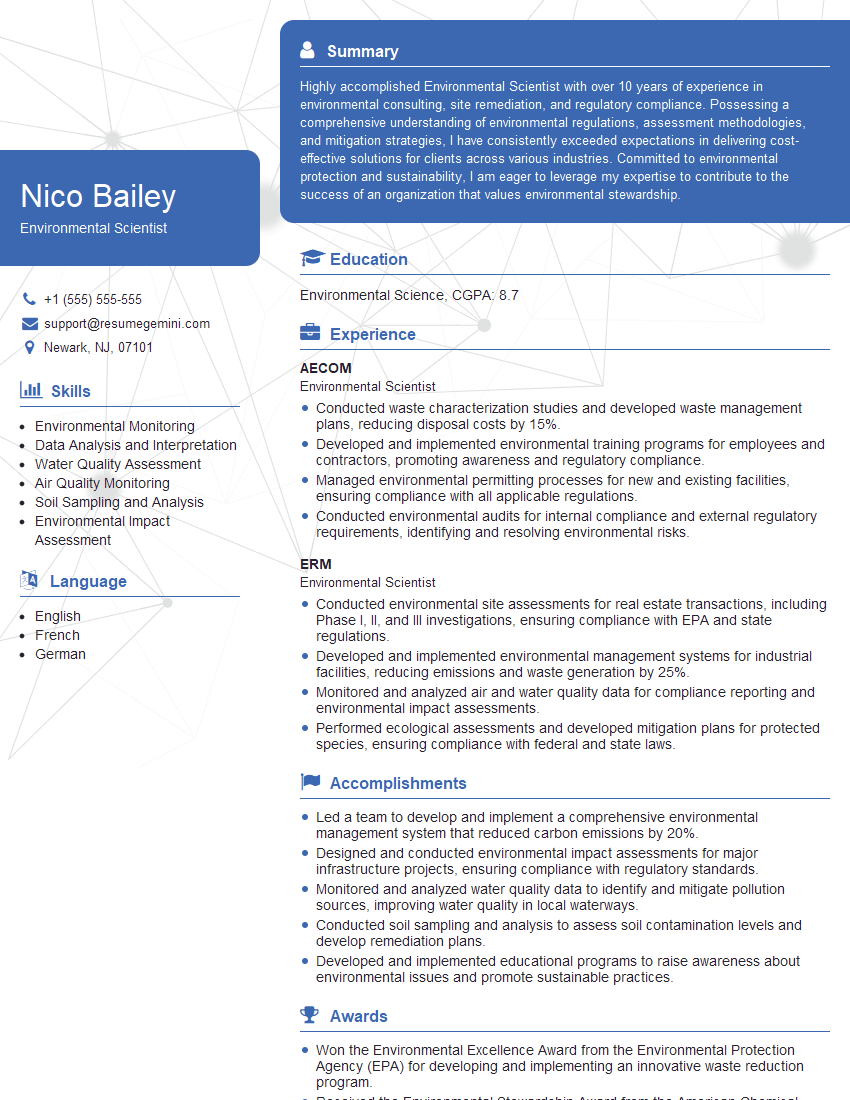
Environmental Scientist Resume Sample
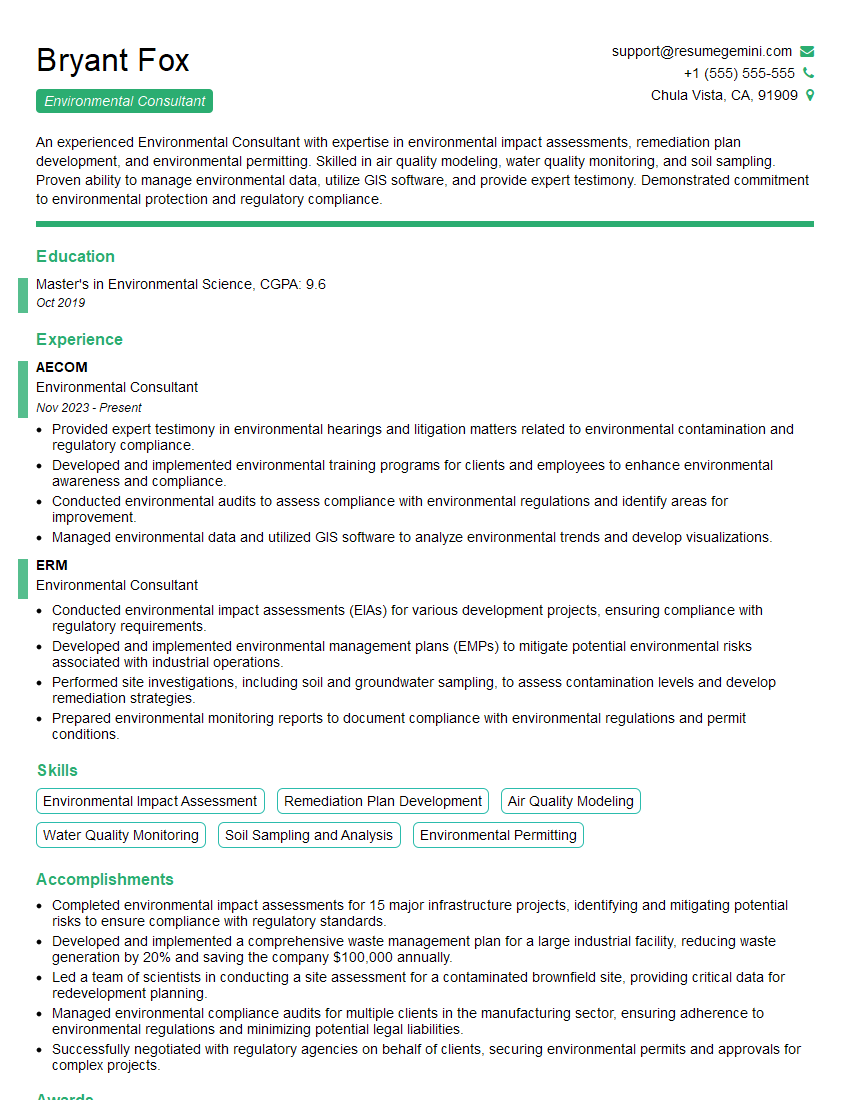
Environmental Consultant Resume Sample
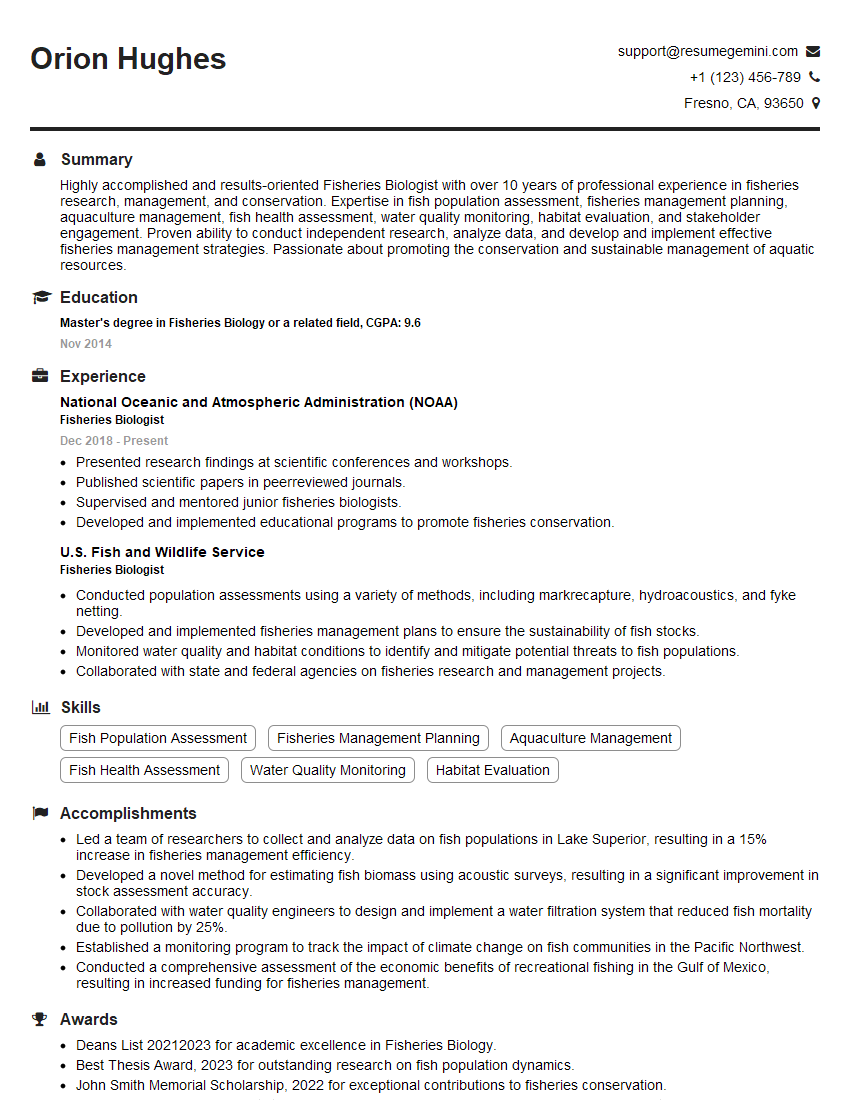
Fisheries Biologist Resume Sample

Wildlife Biologist Resume Sample
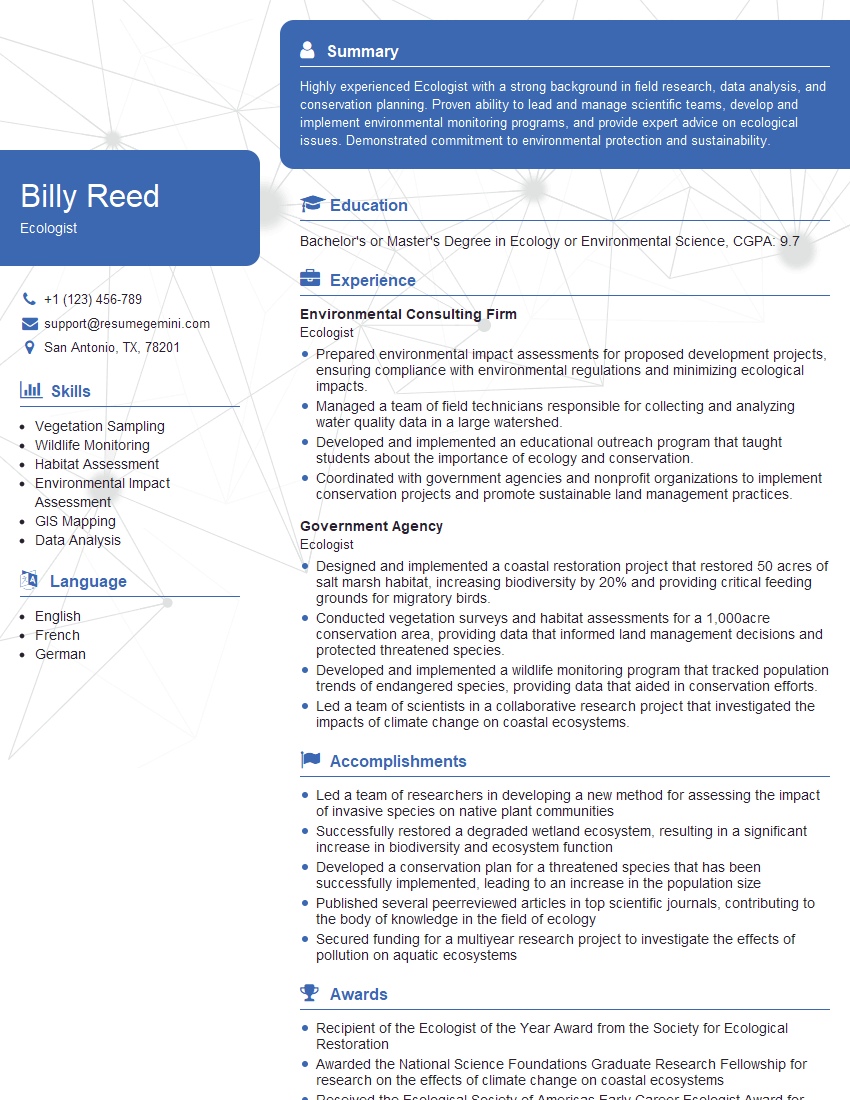
Ecologist Resume Sample
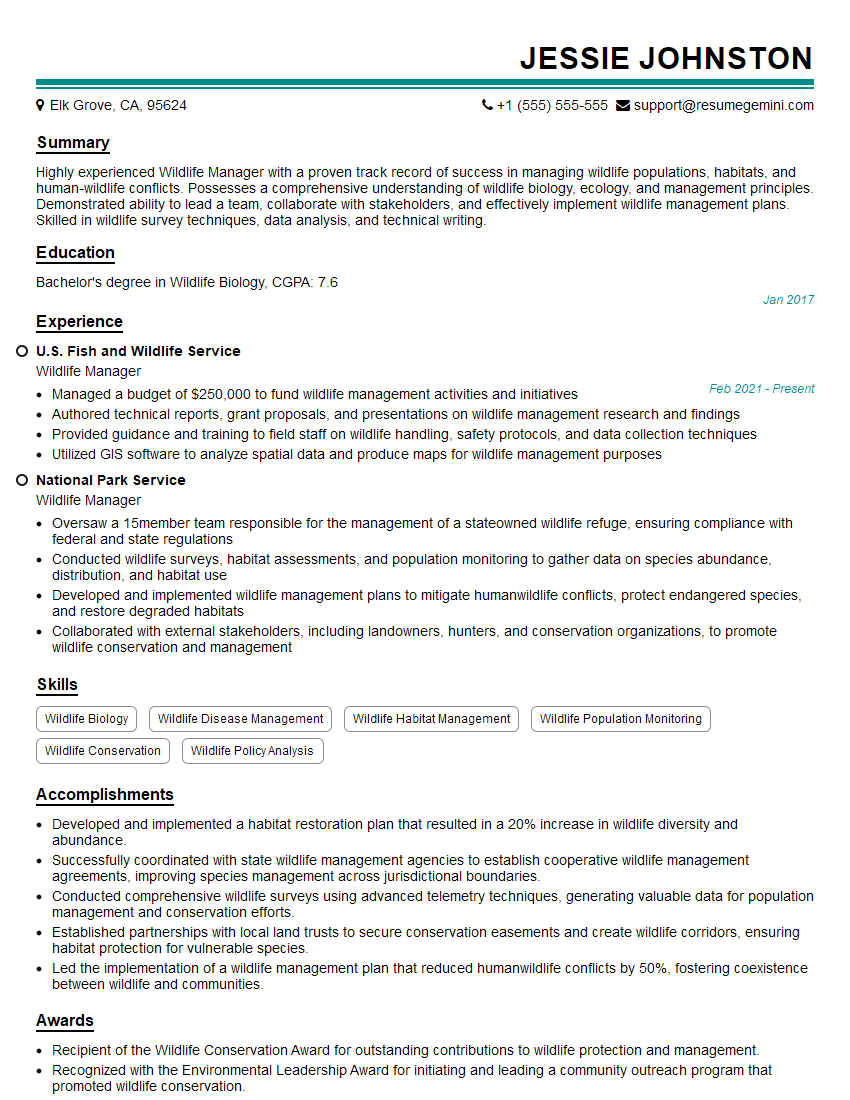
Wildlife Manager Resume Sample

Wildlife Technician Resume Sample
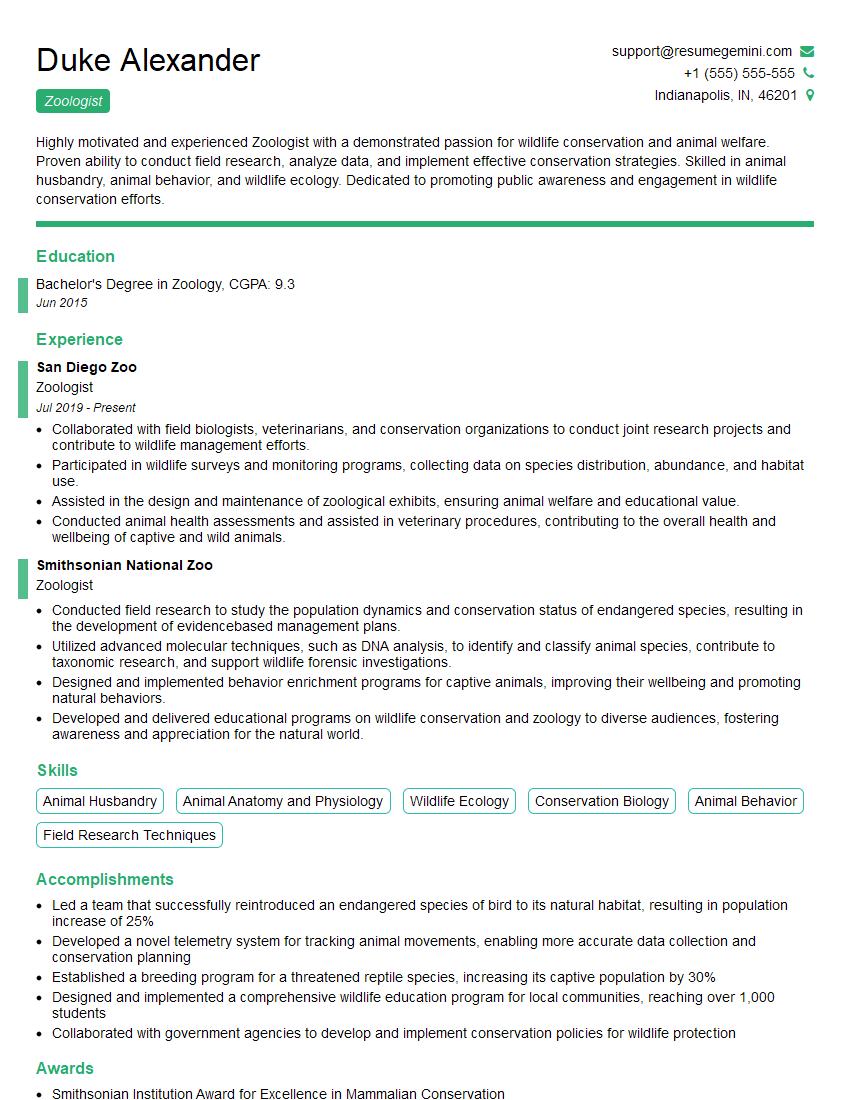
Zoologist Resume Sample
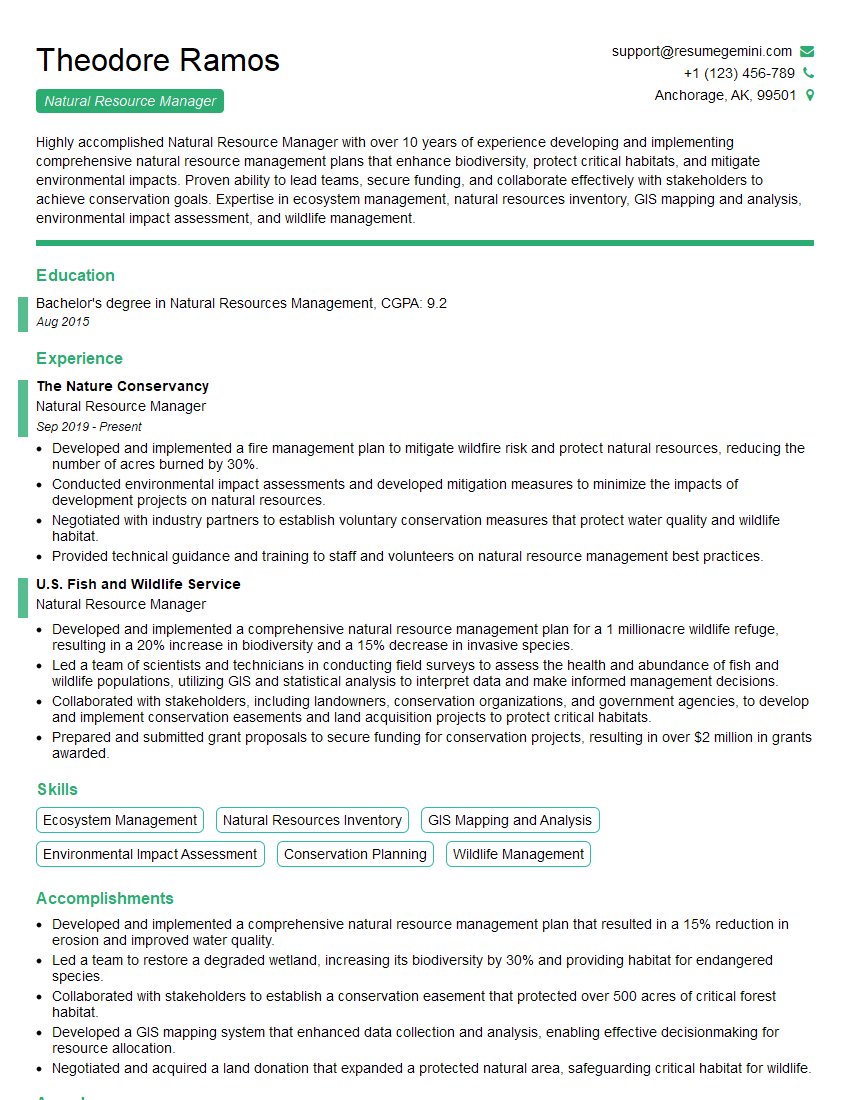
Natural Resource Manager Resume Sample
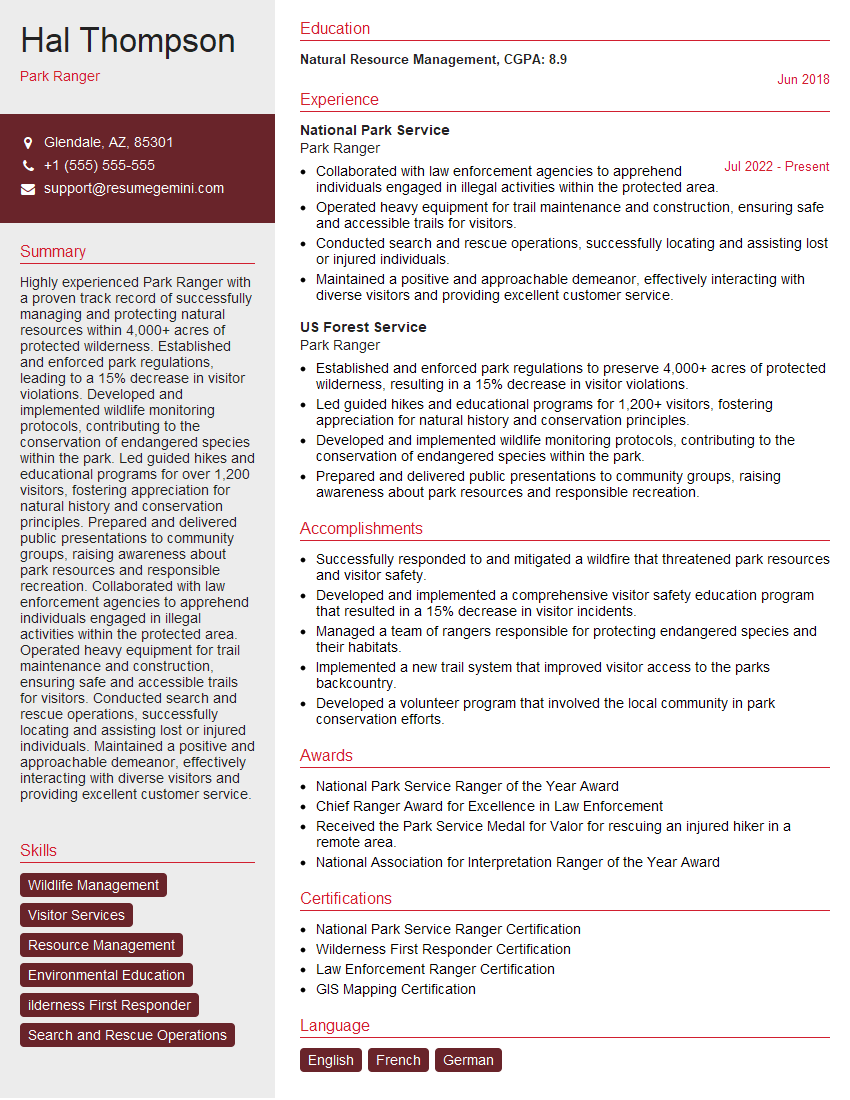
Park Ranger Resume Sample
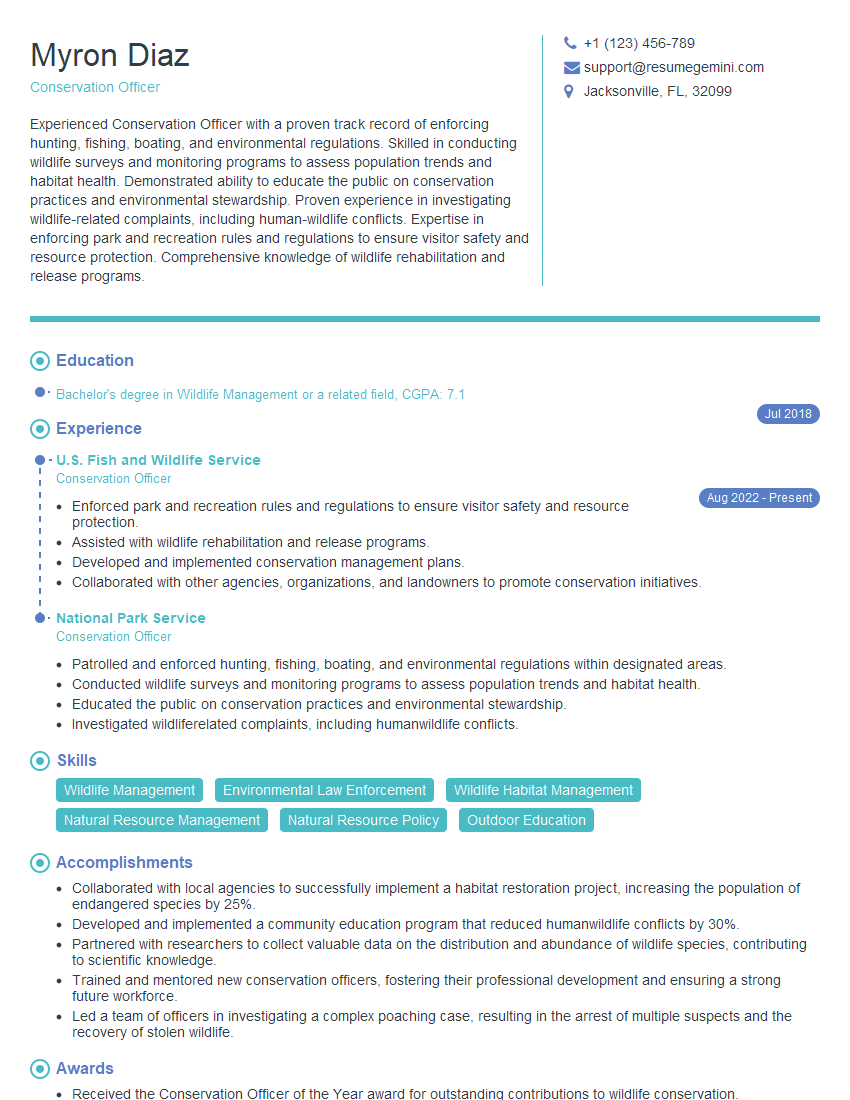
Conservation Officer Resume Sample
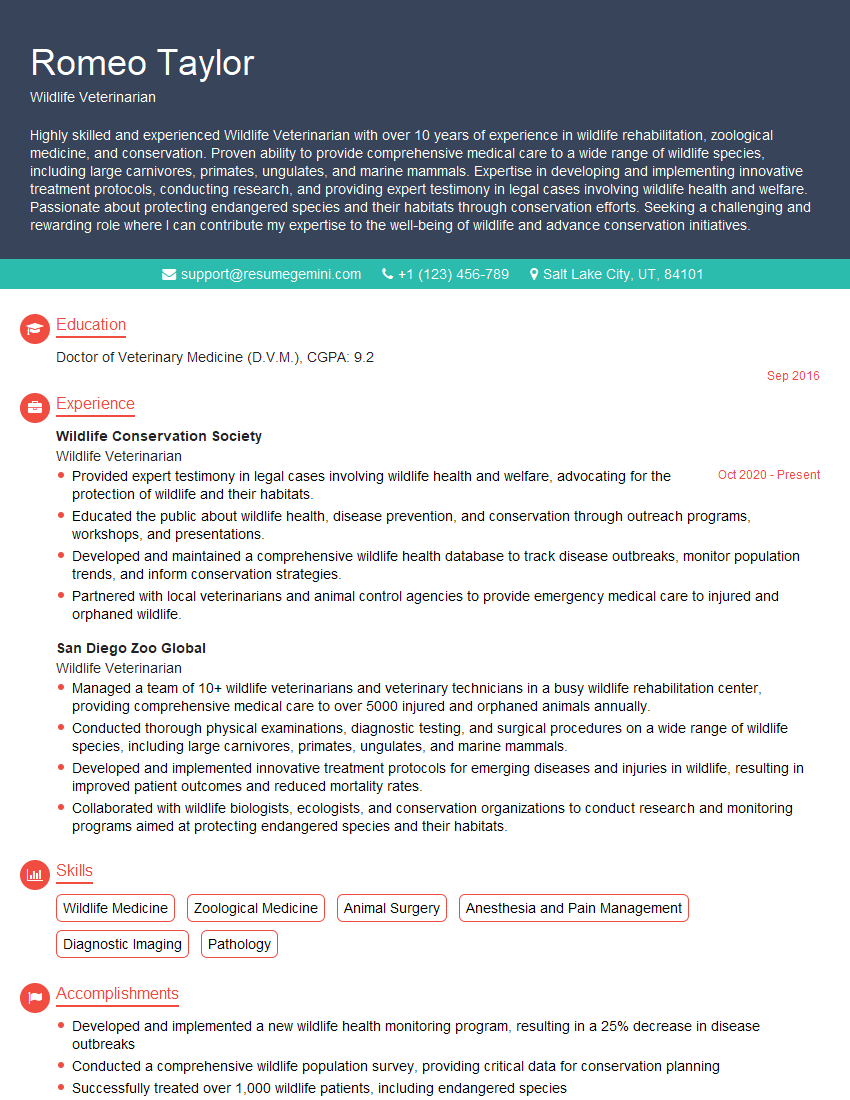
Wildlife Veterinarian Resume Sample

Game Warden Resume Sample

Wildlife Rehabilitator Resume Sample
Explore more articles
Users Rating of Our Blogs
Share Your Experience
We value your feedback! Please rate our content and share your thoughts (optional).
What Readers Say About Our Blog
To the interviewgemini.com Webmaster.
Very helpful and content specific questions to help prepare me for my interview!
Thank you
To the interviewgemini.com Webmaster.
This was kind of a unique content I found around the specialized skills. Very helpful questions and good detailed answers.
Very Helpful blog, thank you Interviewgemini team.