Are you ready to stand out in your next interview? Understanding and preparing for Wine Production and Packaging interview questions is a game-changer. In this blog, we’ve compiled key questions and expert advice to help you showcase your skills with confidence and precision. Let’s get started on your journey to acing the interview.
Questions Asked in Wine Production and Packaging Interview
Q 1. Explain the process of malolactic fermentation.
Malolactic fermentation (MLF) is a secondary fermentation process in winemaking where malic acid, a relatively harsh acid, is converted into lactic acid, a softer acid. Think of it as smoothing out the wine’s acidity. This is carried out by lactic acid bacteria (LAB).
The process typically occurs after the primary alcoholic fermentation, which is driven by yeast. The LAB consumes malic acid, producing lactic acid and carbon dioxide as byproducts. This results in a smoother, rounder mouthfeel, often with buttery notes, especially noticeable in Chardonnay and red wines like Cabernet Sauvignon.
How it works: The LAB, often naturally present on the grapes or added intentionally, thrives in anaerobic (oxygen-free) conditions and at a specific temperature range. Winemakers monitor the MLF closely, controlling temperature and ensuring sufficient nutrients are available for the bacteria.
Example: A crisp, high-acidity Chardonnay might undergo MLF to soften its acidity and develop creamy texture. Conversely, if a winemaker wants to preserve a wine’s vibrant acidity, they might choose to inhibit MLF.
Q 2. Describe different methods for wine clarification.
Wine clarification is the process of removing unwanted particles from wine, resulting in a clearer, brighter appearance and improved stability. Several methods exist, each with its own advantages and drawbacks:
- Fining: This involves adding fining agents like egg whites, bentonite clay, or isinglass, which attract and bind to suspended particles, forming larger clumps that settle out.
- Filtration: This uses various filters, such as diatomaceous earth or membrane filters, to physically remove particles from the wine. Different filter types remove particles of varying sizes, allowing for fine-tuning of clarity.
- Sedimentation (Racking): A simple yet effective method where the wine is transferred to a clean container, leaving behind the sediment that naturally settles at the bottom. This is often done multiple times during aging.
- Centrifugation: A high-speed spinning process that separates solid particles from the liquid wine. It’s faster than sedimentation but can be more aggressive, potentially impacting certain wine characteristics.
The choice of clarification method depends on factors such as the wine’s style, desired clarity, and the winemaker’s preferences. For example, a delicate white wine might require gentler clarification methods than a robust red wine.
Q 3. What are the key factors influencing wine aging?
Wine aging is a complex process significantly influencing a wine’s character and quality. Several factors play crucial roles:
- Oxygen exposure: Controlled oxygen exposure during aging can promote positive changes, like softening tannins and developing complex aromas. Excessive oxygen, however, can lead to oxidation and spoilage.
- Temperature: Consistent, cool temperatures slow down aging processes, preserving freshness and preventing premature deterioration. Fluctuations can negatively impact the wine’s stability.
- Container type: Oak barrels contribute tannins, flavor compounds, and aromas to the wine, whereas stainless steel tanks minimize interaction, preserving the wine’s primary fruit characteristics.
- Wine composition: The initial quality of the grapes, levels of acidity, tannins, and other compounds strongly influence how the wine ages and develops complexity.
For example, a Cabernet Sauvignon might age beautifully in oak barrels for years, developing rich complexity, while a Pinot Grigio might be best enjoyed young, as extended aging may not enhance its character.
Q 4. How do you control oxidation during winemaking?
Controlling oxidation is paramount in winemaking, as it can lead to undesirable flavors and aromas like sherry-like notes or vinegar. Strategies include:
- Minimizing air exposure: This includes using inert gases like nitrogen or argon during racking and bottling, filling vessels to capacity, and avoiding excessive splashing or agitation.
- Utilizing antioxidants: Adding substances like sulfur dioxide (SO2) acts as an antioxidant, protecting the wine from oxidation. SO2 is a crucial tool in winemaking but should be used judiciously.
- Choosing appropriate vessels: Stainless steel tanks offer superior protection against oxidation compared to porous oak barrels. The choice depends on the wine’s style and desired aging characteristics.
- Controlled oxygen introduction: Micro-oxygenation techniques involve carefully introducing small amounts of oxygen, promoting positive aging while avoiding over-oxidation.
The approach to oxidation control depends largely on the wine’s style and intended aging timeline. A wine destined for early consumption may require less rigorous oxidation control than a wine intended for long-term aging.
Q 5. What are the common wine defects and their causes?
Wine defects can significantly impact quality and enjoyment. Some common defects and their causes include:
- Cork taint (TCA): Caused by 2,4,6-trichloroanisole (TCA), a compound formed from the interaction of molds and chlorophenols in cork stoppers, resulting in a musty, damp, or earthy aroma.
- Acetic acid bacteria (AAB) spoilage: AAB converts ethanol into acetic acid (vinegar), causing a vinegary taste and smell. This often occurs due to poor sanitation or inadequate sealing.
- Brett (Brettanomyces): A type of yeast that produces off-flavors like barnyard, horse sweat, or smoky notes. It can be desirable in small amounts in some styles of wine but is usually considered a defect.
- Hydrogen sulfide (H2S): A rotten egg smell, usually caused by issues during fermentation or by the presence of certain bacteria.
Preventing these defects requires meticulous attention to sanitation, hygiene, and appropriate winemaking practices. Detecting and addressing defects early is critical in maintaining wine quality.
Q 6. Explain the role of yeast in wine fermentation.
Yeast plays a vital role in wine fermentation, transforming grape sugars into alcohol, carbon dioxide, and other byproducts. Specifically, it’s the Saccharomyces cerevisiae strain that is predominantly used. The process is anaerobic (occurs without oxygen).
How it works: Yeast consumes sugars (glucose and fructose) from the grape juice, converting them through a metabolic pathway known as glycolysis and fermentation. This process releases energy for the yeast, producing ethanol (alcohol), carbon dioxide (CO2), and various other compounds that contribute to the wine’s aroma and flavor profile. The amount and type of yeast used can profoundly impact the final wine.
Example: Different yeast strains produce diverse aroma profiles; some might emphasize fruity esters, while others might enhance spicy or floral notes. Winemakers carefully select yeast strains based on the desired style of wine.
Q 7. Describe the different types of wine closures and their impact on wine quality.
Wine closures significantly impact wine quality and aging potential. Here are some common types:
- Natural cork: Traditional, made from bark of the cork oak tree. Offers breathability, allowing for slow, controlled oxidation, which can be beneficial for some wines. However, it carries the risk of cork taint (TCA).
- Synthetic cork (agglomerated cork): Made from cork particles bonded together. More consistent than natural cork, reducing the risk of TCA, but may not offer the same level of breathability.
- Screw cap: Provides a hermetic seal, preventing oxygen ingress and virtually eliminating cork taint. Suitable for wines intended for early consumption or those where oxidation is undesirable.
- Glass stopper: Provides a good seal, relatively inert and avoids cork taint, but it lacks the subtle permeability of natural cork.
The choice of closure depends on factors such as wine style, desired aging potential, and the winemaker’s philosophy. For long-term aging, natural cork may be preferred by some winemakers, while for immediate consumption, screw caps offer convenience and reliable protection.
Q 8. What are the critical control points in wine bottling?
Critical control points (CCPs) in wine bottling are crucial steps where hazards can be prevented, eliminated, or reduced to acceptable levels. Think of them as the ‘make-or-break’ moments ensuring the final product’s quality and safety. These points must be carefully monitored and controlled to maintain consistent product quality and prevent spoilage or contamination.
Sanitation: Thorough cleaning and sanitization of all bottling equipment (filler, capper, labeler) before and after each use is paramount. Any residue can lead to microbial growth, affecting the wine’s taste and stability. We use a multi-stage process, including rinsing with hot water, followed by a chemical sanitizer like peracetic acid.
Filtration: This prevents unwanted particles from entering the bottled wine, which can cause haze or sedimentation. The type of filtration (e.g., membrane, sterile) depends on the wine style and desired clarity.
Oxygen Management: Minimizing oxygen exposure during bottling is key to preserving the wine’s quality and preventing oxidation. This involves using inert gases like nitrogen or argon to displace oxygen within the bottle and the filling equipment.
Closure Integrity: Ensuring airtight seals on the bottles prevents spoilage from oxidation and contamination. Regular checks of the capper’s performance are essential, as are quality control checks of the closures themselves.
Bottle Inspection: A final inspection step is critical to identify any defects like chipped bottles, improper filling levels, or faulty closures before the wine leaves the winery.
Q 9. How do you ensure the sanitation and hygiene of winemaking equipment?
Maintaining sanitation and hygiene is the cornerstone of safe and high-quality wine production. Think of it like keeping a spotless surgical room – every surface needs to be pristine. We employ a rigorous cleaning and sanitizing protocol for all equipment, covering everything from fermenters and pumps to bottling lines.
Cleaning-in-Place (CIP): We use CIP systems for large-scale cleaning, circulating hot water and cleaning solutions through the equipment. This is automated and highly efficient, ensuring thorough cleaning.
Sanitization: After cleaning, we sanitize using approved food-grade chemicals such as peracetic acid or sodium hypochlorite, ensuring the elimination of any microorganisms that could contaminate the wine.
Regular Inspections: We have regular visual inspections and microbial testing to ensure the effectiveness of our cleaning and sanitizing procedures. Any deviation from our established protocols triggers immediate corrective action.
Personnel Hygiene: Our staff receives thorough training on hygienic practices, including handwashing, protective clothing use, and proper equipment handling. It’s a collective effort to maintain a sanitary environment.
For example, before fermentation, all tanks are thoroughly cleaned with hot water and detergent, followed by rinsing and then sanitizing with a solution of sulfur dioxide. This prevents unwanted bacteria and yeast from competing with the desired yeast strains.
Q 10. Explain the importance of temperature control during wine production.
Temperature control is crucial throughout wine production because temperature significantly influences all stages of winemaking, from fermentation to aging. Think of it as carefully managing the wine’s ‘body temperature’ to achieve the desired qualities.
Fermentation: Yeast activity during fermentation is highly temperature-dependent. Controlling the temperature ensures proper fermentation, preventing off-flavors and preserving desirable aromatic compounds. We use glycol-cooled jackets on our tanks for precise temperature management.
Malolactic Fermentation (MLF): This secondary fermentation is also temperature-sensitive and needs careful monitoring to avoid unwanted byproducts. It is often conducted at slightly warmer temperatures than alcoholic fermentation.
Aging: Temperature influences the rate of aging, and maintaining a consistent temperature during oak aging prevents excessive oxidation or volatile acidity development. Our cellars are climate-controlled to maintain optimal aging conditions.
Bottling: Temperature control during bottling is important to prevent shock, maintain clarity, and minimize oxygen uptake.
Q 11. Describe different methods for wine filtration.
Wine filtration aims to remove unwanted particles, ensuring clarity and stability, but the right method depends on the wine style and desired characteristics. Think of it as a fine-tuning process to polish the final product.
Membrane Filtration: This uses membranes with different pore sizes to remove particles ranging from bacteria to larger yeast cells. Microfiltration, ultrafiltration, and nanofiltration are common types used in winemaking. It’s excellent for clarifying wines without significantly altering flavor profiles.
Earth Filtration: This traditional method uses diatomaceous earth (a type of sedimentary rock) to filter out particles. It’s cost-effective but requires careful handling as it can sometimes impact wine quality if not managed properly.
Plate and Frame Filtration: This employs stacked plates with filter sheets to remove larger particles. It is less common now, being often replaced by more efficient methods.
Centrifugation: This process uses centrifugal force to separate solid particles from the liquid wine. It is sometimes used as a pre-filtration step or on its own for certain wines.
The choice of filtration method is often a balance between clarification, cost, and potential impact on the wine’s delicate flavor compounds and aroma.
Q 12. What are the legal requirements for wine labeling in your region?
(Note: Legal labeling requirements vary significantly by region. The following is a generalized example, and specific regulations should be checked with the relevant authorities in your region). Wine labeling is subject to strict regulations, designed to protect consumers and ensure accurate information. Think of it as a ‘truth-in-advertising’ approach for alcoholic beverages.
Name and Type of Wine: The label must clearly state the name of the wine and its type (e.g., Cabernet Sauvignon, Chardonnay).
Alcohol Content: The alcohol percentage by volume must be accurately displayed.
Producer Information: The name and address of the producer or bottler are required.
Volume: The net volume of the wine must be stated.
Allergen Information: Information on potential allergens like sulfites (which are commonly used as preservatives in wine) must be clearly identified if present in sufficient quantity.
Origin Information: Depending on the region’s regulations, information regarding the origin (e.g., appellation) of the grapes used may be required.
Failure to comply with these regulations can result in fines or product recall.
Q 13. How do you manage inventory in a winery setting?
Inventory management in a winery is crucial for ensuring smooth operations, preventing stockouts, and minimizing losses. Think of it as carefully orchestrating the flow of ‘liquid assets’. We use a combination of systems to track our inventory from grape harvest to final product sale.
Integrated Winery Management System (IWMS): We use an IWMS software that tracks grape inventory from the vineyard, through fermentation, aging, bottling, and finally, sales. It provides real-time data on stock levels, allowing for better production planning and sales forecasting.
Barcode Scanning: We use barcodes on all containers, from tanks to bottles, to track the movement of wine through different stages of production. This provides accurate and efficient inventory tracking.
Regular Physical Inventories: Despite technological aids, regular physical inventory counts are vital to verify the accuracy of the data in our system and identify any discrepancies.
First-In, First-Out (FIFO): We follow the FIFO principle to manage our inventory, ensuring that older wines are sold before newer ones to avoid spoilage.
Effective inventory management allows us to optimize our production, avoid waste, meet customer demands, and ensure the freshness of our wines.
Q 14. Describe your experience with different wine packaging materials (glass, boxes, etc.).
Wine packaging plays a vital role in preserving the wine’s quality, protecting it during transit, and enhancing its appeal to the consumer. The choice of packaging material significantly impacts the wine’s shelf life and overall presentation.
Glass Bottles: Traditional and widely preferred, glass offers excellent protection from oxygen and light, preserving wine quality. However, glass is heavier, more fragile, and requires careful handling.
Bag-in-Box: These offer a cost-effective and lightweight alternative, particularly for larger volumes. They usually have a built-in tap, keeping the wine fresh for several weeks after opening.
Cans: An increasingly popular choice, especially for lighter, ready-to-drink wines. Cans offer excellent protection against light and oxygen, contributing to a longer shelf life.
My experience working with these various materials has highlighted the importance of selecting the right packaging for each wine style and target market. For example, a high-end, age-worthy wine will almost always be bottled in glass to ensure optimal preservation, while a young, easy-drinking wine might be well-suited to a bag-in-box or can.
Q 15. What are the sustainability considerations in wine production and packaging?
Sustainability in wine production and packaging is crucial for environmental responsibility and long-term viability. It encompasses minimizing our impact on the environment at every stage, from vineyard to consumer.
- Vineyard Practices: This includes implementing organic or biodynamic farming methods, reducing water usage through efficient irrigation techniques (like drip irrigation), and protecting biodiversity by creating habitats for beneficial insects and reducing pesticide use. For example, cover cropping helps improve soil health and reduce erosion, reducing the need for synthetic fertilizers.
- Energy Efficiency: Winemaking is energy-intensive. Sustainability involves adopting energy-efficient equipment in the winery, exploring renewable energy sources like solar power, and optimizing processes to minimize energy consumption. Think of using heat recovery systems to reuse waste heat from fermentation.
- Water Management: Water is vital in winemaking. Sustainable practices focus on responsible water usage, including wastewater treatment and recycling. This could involve using closed-loop systems to minimize water waste in cleaning processes.
- Packaging: Lightweight bottles, recycled glass, and the use of alternative, sustainable packaging materials like biodegradable corks or paper-based alternatives are key aspects of sustainable packaging. Reducing transportation distances by sourcing local materials also contributes to a smaller carbon footprint.
- Waste Management: Minimizing waste from pomace (grape skins and seeds) by exploring avenues for its use as compost or in other products is a critical component. Similarly, efficient waste-water treatment and reduction of overall waste generation in the winery is crucial.
Implementing sustainable practices not only benefits the environment but also enhances the winery’s brand image and can attract environmentally conscious consumers.
Career Expert Tips:
- Ace those interviews! Prepare effectively by reviewing the Top 50 Most Common Interview Questions on ResumeGemini.
- Navigate your job search with confidence! Explore a wide range of Career Tips on ResumeGemini. Learn about common challenges and recommendations to overcome them.
- Craft the perfect resume! Master the Art of Resume Writing with ResumeGemini’s guide. Showcase your unique qualifications and achievements effectively.
- Don’t miss out on holiday savings! Build your dream resume with ResumeGemini’s ATS optimized templates.
Q 16. How do you troubleshoot common problems during wine bottling?
Troubleshooting bottling problems requires a systematic approach. I usually start by identifying the specific issue – is it a filling problem, a corking issue, or a labeling issue?
- Filling Problems: Issues like inconsistent fill levels can be caused by faulty filling machine settings, air bubbles in the wine, or issues with the bottle feed mechanism. I’d check the machine’s settings, ensure the wine is properly degassed, and inspect the bottle conveyor for blockages.
- Corking Problems: Cork breakage or improper cork insertion can be due to faulty corks, incorrect corking machine settings, or problems with the bottle necks. I would check the cork quality, adjust the corking pressure, and inspect the bottle necks for damage.
- Labeling Problems: Incorrect label placement or wrinkled labels can result from improper label application settings or adhesive issues. I’d adjust the labeling machine’s settings, ensure the adhesive is correctly applied and the labels are stored correctly.
- Other Issues: Leaking bottles might point towards cracked bottles, inadequate sealing, or damage to the bottle closure. Careful inspection and possibly pressure testing of the filled bottles might be necessary.
Maintaining detailed records and logs of bottling processes, including machine settings and any maintenance performed, helps to identify patterns and prevent future problems. A proactive approach, including regular machine maintenance and quality checks, helps avoid bottling line malfunctions.
Q 17. Describe your experience with quality control testing in winemaking.
Quality control testing is an integral part of winemaking, ensuring consistent quality and meeting regulatory standards. This begins in the vineyard and continues throughout the entire process.
- Viticultural Analysis: Before harvest, we assess grape ripeness through measures like sugar levels (Brix), acidity (pH and TA), and phenolic maturity. This helps determine the optimal harvest time.
- Sensory Evaluation: Throughout fermentation and aging, regular sensory evaluations are conducted. Trained panelists assess the wine’s aroma, flavor, and overall balance. This is subjective but crucial for capturing the wine’s character.
- Chemical Analysis: Regular laboratory testing monitors various parameters including alcohol content, pH, volatile acidity, SO2 levels, and malolactic fermentation completion. These objective measurements provide crucial data about the wine’s stability and quality.
- Microbial Analysis: Testing for unwanted microorganisms, like bacteria and spoilage yeasts, is crucial to ensure the wine’s microbiological stability. This ensures that the wine stays free from undesirable flavors or cloudiness.
- Physical Analysis: Aspects like clarity, color intensity, and sediment levels are routinely monitored. This assures the wine meets the desired standards in terms of its appearance.
These tests help us make adjustments during the winemaking process, identify potential problems early on, and ultimately deliver a consistent high-quality product. Detailed record-keeping is essential for tracking these analyses and identifying trends over time.
Q 18. How do you maintain accurate records and documentation in wine production?
Accurate record-keeping is paramount in wine production, ensuring traceability, compliance, and continuous improvement. We use a combination of manual and digital methods.
- Vineyard Records: Detailed records of vineyard activities, including planting dates, pruning, treatments, and yields are maintained. This ensures traceability and assists in understanding factors influencing grape quality.
- Winemaking Logs: Comprehensive logs document all winemaking steps, including fermentation temperatures, additions (like yeast or enzymes), racking dates, and sensory evaluations. This allows for accurate reconstruction of the winemaking process and troubleshooting.
- Laboratory Results: All laboratory analyses are meticulously recorded, including dates, parameters measured, and results. These data are vital for monitoring quality, identifying potential issues, and ensuring compliance with regulations.
- Inventory Management: Precise records of wine inventory, including tank numbers, volumes, and lot numbers, are maintained. This is crucial for tracking the movement of wine, managing stock, and preventing losses.
- Production Reports: Regular reports summarizing production activities, inventory levels, and quality control data are generated. These reports offer an overview of production performance and highlight areas for improvement.
We utilize specialized winemaking software to manage much of this data digitally. This allows for easy data analysis, reporting, and traceability, complying with both internal standards and relevant regulations.
Q 19. Explain the different types of wine tanks and their applications.
Wine tanks play a crucial role in winemaking, providing vessels for fermentation, aging, and storage. Different tank types offer unique advantages.
- Stainless Steel Tanks: These are the most common type, offering excellent neutrality, easy cleaning and sanitation, and temperature control. They’re ideal for fermentation and early aging, particularly for white wines, as they minimize interaction with oak.
- Oak Tanks: Oak tanks impart flavor and complexity to the wine through the wood’s tannins and other extractives. They are often used for aging red wines, particularly those intended for longer aging periods, where wood aging is desired.
- Concrete Tanks: These offer a combination of neutral character and temperature stability, providing a good balance between stainless steel and oak. They are growing in popularity for their perceived ability to foster a certain minerality and textural element in the wine.
- Plastic Tanks (e.g., Polyethylene): These are lightweight, durable, and relatively inexpensive, often used for bulk storage or transportation of wine. However, they are not suitable for aging fine wines as they offer minimal influence on the wine’s character.
- Amphoras (Clay Pots): These traditional vessels are experiencing a resurgence due to their ability to allow for slow, micro-oxygenation during aging, which can add unique textural and aromatic complexity. They are less common and require more careful monitoring.
The choice of tank depends on factors like wine style, desired flavor profile, budget, and available winery infrastructure. Many wineries use a combination of tank types to optimize the winemaking process.
Q 20. What are the key sensory characteristics you assess during wine tasting?
Sensory evaluation is a crucial part of wine assessment. It involves a systematic evaluation of the wine’s appearance, aroma, taste, and overall impression.
- Appearance: We examine the wine’s clarity, color intensity, and viscosity (legs). These visual characteristics provide initial clues about the wine’s age, style, and overall quality.
- Aroma: The nose is analyzed to identify various aromatic compounds. We note the intensity, complexity, and type of aromas, such as fruity, floral, spicy, earthy, or oaky notes. This requires training and experience to differentiate a wide array of aromas.
- Taste: Tasting involves evaluating the wine’s sweetness, acidity, tannins (in red wines), alcohol content, and body. The interplay between these elements contributes to the wine’s overall balance and complexity. We look for the presence of any off-flavors or defects.
- Finish: The length and character of the aftertaste are considered, assessing its persistence and pleasantness. A long, complex, and pleasant finish is highly desirable.
- Overall Impression: We integrate all sensory attributes to form a holistic evaluation of the wine, considering its balance, harmony, and typicity (how well it represents its style and origin).
Sensory analysis requires trained individuals and a structured approach to ensure objective and reliable results. It’s a blend of science and art, where experience and careful observation play a pivotal role.
Q 21. How do you determine the appropriate time for harvesting grapes?
Determining the optimal grape harvest time is crucial for achieving desired wine quality. It’s a balance of several factors and is not a single-number solution.
- Sugar Accumulation (Brix): Sugar levels determine the potential alcohol content of the wine. The desired level depends on the wine style – sweeter wines require higher sugar levels.
- Acidity (pH and TA): Acidity is vital for wine’s freshness, balance, and microbial stability. We monitor both pH (a measure of hydrogen ion concentration) and titratable acidity (TA, a measure of total acid concentration) to ensure an appropriate balance.
- Phenolic Ripeness: For red wines, phenolic compounds (tannins and anthocyanins) contribute to color, structure, and aging potential. Optimal ripeness is judged by the tannins’ softness and the intensity of the color.
- Flavor Development: We assess the intensity and complexity of grape aromas and flavors. These develop as the grapes ripen and should reflect the desired characteristics of the wine.
- Weather Conditions: Unforeseen weather events like rain can impact the grape quality and necessitate an earlier or later harvest. This requires adapting to changes.
We use a combination of vineyard observations, laboratory analysis, and sensory evaluation to determine the optimal harvest time. This decision is often made on a block-by-block basis, as ripening can vary significantly within a vineyard. The goal is to achieve the perfect balance between all the aforementioned factors to produce high-quality wine.
Q 22. Describe your experience with different wine fermentation vessels.
My experience encompasses a wide range of wine fermentation vessels, each impacting the final product’s character. The choice depends on factors like grape variety, desired style, and scale of production.
- Stainless steel tanks: These are ubiquitous, offering neutral flavor profiles, precise temperature control, and ease of cleaning. I’ve used them extensively for crisp whites and lighter-bodied reds, ensuring consistent quality across large batches. For example, Sauvignon Blanc benefits from the cold-fermentation control stainless steel provides, preserving its vibrant herbaceous notes.
- Oak barrels: Oak adds complexity, influencing color, tannin structure, and aroma. I’ve seen significant differences between French and American oak, with French oak often lending more subtle, elegant notes, while American oak imparts bolder vanilla and spice characteristics. I’ve used them for aging Cabernet Sauvignon, Merlot, and Chardonnay, where the oak integration enhances the wine’s aging potential and overall sensory profile. The toast level of the barrel is also a crucial variable I carefully consider.
- Concrete tanks/eggs: These are increasingly popular, offering a balance between the inertness of stainless steel and the subtle influence of oak. I find they preserve fruit purity while adding a slight textural nuance. Pinot Noir, known for its delicate aromatics, can benefit significantly from the thermal inertia and gentle oxygen exchange that concrete tanks provide.
- Amphoras (clay pots): For truly unique expressions, I’ve experimented with amphoras. These vessels provide a porous surface area which allows for a slow, natural oxidation, resulting in complex, earthy wines. They are well-suited for certain Mediterranean varietals and experimental winemaking.
Ultimately, vessel selection is a crucial decision that significantly affects the final wine’s style and character. It’s a decision driven by both technical considerations and artistic vision.
Q 23. What are the challenges of working with different grape varietals?
Working with diverse grape varietals presents a fascinating array of challenges, primarily stemming from their unique characteristics. Each variety has specific requirements regarding climate, soil, ripeness at harvest, and vinification techniques.
- Ripeness: Achieving optimal ripeness is crucial. Some varieties, like Cabernet Sauvignon, benefit from prolonged hang time to develop complex flavors, while others, such as Pinot Noir, might require earlier harvesting to maintain acidity. Improper ripeness can lead to unbalanced wines.
- Acidity & pH: Managing acidity and pH is essential for both taste and stability. High acidity grapes, such as Sauvignon Blanc, might require adjustments during fermentation, while low acidity grapes might need acid additions to ensure longevity.
- Tannin Management: Red varietals, particularly those with thick skins, like Tannat, need careful tannin management during fermentation and aging to avoid harsh, astringent wines. Techniques such as saignée (bleeding) or adjustments to maceration time influence the resulting tannin profile.
- Aroma & Flavor Profile: Each varietal possesses a unique aroma and flavor profile. Understanding these nuances and adapting the winemaking techniques accordingly – for example, using different yeasts to enhance specific aromas or employing oak aging to complement specific flavors – is crucial to crafting high-quality wines. Riesling, with its complex aromatic profile, needs meticulous handling to avoid losing its subtle nuances.
The key is meticulous attention to detail at every stage, from vineyard management to bottling, to tailor the winemaking process to the unique needs of each grape varietal. It’s a constant learning process, but one that is endlessly rewarding.
Q 24. How do you manage waste and byproducts in wine production?
Waste management is a critical aspect of sustainable wine production. We employ a multi-pronged approach to minimize environmental impact and maximize resource utilization.
- Pomace (grape skins, seeds, and stems): Pomace is a valuable byproduct, often used for compost, animal feed, or even in the production of grappa (a pomace brandy). We partner with local farmers who utilize our pomace for soil enrichment.
- Yeast lees: These sediment deposits from fermentation can be composted or used as a soil amendment. Some wineries even explore techniques to recover valuable compounds from the lees.
- Water management: We employ techniques to minimize water usage and treat wastewater effectively, adhering to all local and environmental regulations. Careful cleaning processes reduce water usage without compromising sanitation.
- Bottle recycling: We prioritize the use of recycled glass and actively support local recycling programs. This addresses the significant impact glass packaging has on waste streams.
- Energy efficiency: Modern wineries employ energy-efficient equipment and processes, minimizing carbon footprint throughout the production process. This can range from optimized cooling systems to solar power implementation.
Our approach to waste management isn’t merely about compliance; it’s a commitment to environmental stewardship, creating a responsible and sustainable model for wine production.
Q 25. Explain the process of wine stabilization.
Wine stabilization is a crucial step to ensure the long-term quality and stability of the wine, preventing undesirable changes after bottling. It primarily involves addressing the following issues:
- Tartaric stabilization: Tartaric acid, a naturally occurring acid in grapes, can precipitate out of solution as potassium bitartrate crystals, forming unsightly sediment in the bottle. This is commonly addressed by cold stabilization, where the wine is chilled to a low temperature to induce crystal formation before filtration.
- Malolactic fermentation (MLF): MLF is a secondary fermentation that converts malic acid (sharper) to lactic acid (softer), often resulting in a smoother, rounder wine. It is highly desirable for certain styles but can be undesirable if not carefully managed. Control of temperature and the addition of selected bacteria are crucial for successful MLF.
- Protein stabilization: Proteins in wine can cause haze or cloudiness. This is typically addressed through techniques like bentonite fining, a clay that binds to and removes proteins.
- Enzymatic stabilization: Enzymes, either naturally present or added during production, can cause unwanted changes. Control of enzymatic activity is essential, often through careful temperature management and selection of appropriate fining agents.
The choice of stabilization techniques depends on the specific wine’s characteristics and intended style. Careful monitoring and analysis are needed to ensure the process preserves the wine’s quality and unique characteristics.
Q 26. What are the different types of wine faults and their sensory characteristics?
Wine faults are undesirable characteristics that detract from a wine’s quality and can stem from various sources. Identifying them is crucial for maintaining quality control.
- Cork taint (TCA): Caused by 2,4,6-trichloroanisole, a compound that can develop in corks, it imparts a musty, earthy, or moldy aroma, often described as ‘wet cardboard’ or ‘damp basement.’
- Acetic acid (vinegar): Excessive acetic acid results in a vinegary, sour taste and aroma.
- Hydrogen sulfide (rotten eggs): This volatile sulfur compound imparts an unpleasant aroma of rotten eggs or cabbage. It can be addressed through copper sulfate additions or by aeration.
- Brett (Brettanomyces): This yeast produces undesirable aromas like barnyard, horse sweat, or smoky notes. It’s particularly prevalent in red wines.
- Mercaptans: These sulfur-containing compounds produce pungent aromas resembling burnt rubber, onion, or garlic.
Sensory evaluation, employing trained tasters, is paramount to detecting these faults. Understanding their origins allows for implementing preventive measures in vineyard management and winemaking.
Q 27. How do you ensure the traceability of wine from vineyard to bottle?
Traceability in wine production is essential for ensuring product quality, safety, and consumer trust. We use a comprehensive system incorporating both manual and technological solutions.
- Vineyard records: Detailed records are kept for each vineyard block, documenting planting date, soil type, pruning practices, yields, and harvest dates. This data provides a detailed history of the grapes’ origin and growing conditions.
- Batch tracking: Each production batch is assigned a unique identification number, tracking its journey from the vineyard to the bottle. This enables precise monitoring and allows for quick identification of any potential issues.
- RFID tagging: Radio-frequency identification (RFID) tags can be applied to cases or individual bottles, providing real-time tracking of inventory and location throughout the supply chain.
- Blockchain technology: Blockchain technology offers an immutable record of the wine’s journey, enhancing transparency and traceability. This allows consumers to verify the wine’s origin and production details using a unique code on the bottle.
- Digital documentation: Digital records of all winemaking steps are meticulously maintained, ensuring a complete audit trail. This includes fermentation parameters, additions, and aging records.
Our rigorous traceability system empowers consumers to make informed choices and reinforces our commitment to quality and authenticity.
Q 28. Describe your experience with different wine packaging designs and their impact on consumer perception.
Wine packaging design significantly influences consumer perception, extending beyond mere functionality. I’ve worked with a variety of designs, each aimed at conveying a specific brand identity and appealing to a target audience.
- Bottle shape and color: Bottle shapes – from classic Bordeaux to sleek, modern designs – can evoke different emotions and associations. Similarly, the color of the glass (clear, green, or amber) influences how the wine is perceived; darker colors often suggest a fuller-bodied wine.
- Label design: The label is a crucial communication tool, conveying the brand’s story, varietal, and appellation. Visual elements, typography, and overall aesthetics significantly affect consumer appeal.
- Closure type: The closure – cork, screw cap, or synthetic cork – influences perceived quality and preservation. Screw caps are increasingly popular for their reliability in preventing oxidation, while traditional cork closures still hold a prestigious association for many consumers.
- Packaging materials: Sustainable packaging materials, such as recycled glass or lightweight alternatives, are becoming increasingly important. Consumers are increasingly conscious of environmental impact and are drawn to brands reflecting these values.
- Presentation: The overall presentation of the bottle – from the box to gift packaging – can enhance perceived value and create a luxurious experience.
Packaging design is a strategic investment that significantly influences brand recognition and consumer perception. A well-designed package can elevate a wine’s image, creating a powerful first impression that impacts purchase decisions.
Key Topics to Learn for Wine Production and Packaging Interview
- Viticulture & Vineyard Management: Understanding grape growing techniques, including soil analysis, pruning, and disease management. Practical application: Discussing yield optimization strategies and their impact on wine quality.
- Winemaking Processes: Familiarize yourself with crushing, fermentation (including different types), malolactic fermentation, oak aging, and clarification techniques. Practical application: Explaining the role of yeast and bacteria in wine production and troubleshooting potential fermentation issues.
- Wine Chemistry & Analysis: Understanding key parameters like pH, acidity, sugar levels, and tannin content. Practical application: Describing how these parameters affect wine quality and stability, and how to adjust them.
- Wine Packaging Materials & Processes: Knowledge of different bottle types, closures (cork, screw cap), labeling, and case packing. Practical application: Discussing the impact of packaging choices on wine preservation and consumer appeal.
- Quality Control & Assurance: Implementing procedures to maintain consistent quality throughout the wine production and packaging process. Practical application: Describing methods for detecting and preventing spoilage, and ensuring regulatory compliance.
- Sustainability in Wine Production: Understanding environmentally friendly practices in viticulture and winemaking. Practical application: Discussing water conservation, waste reduction, and the use of sustainable materials in packaging.
- Wine Laws & Regulations: Familiarity with relevant regulations and labeling requirements (e.g., alcohol content, sulfite declarations). Practical application: Ensuring compliance with local, regional, and international regulations.
Next Steps
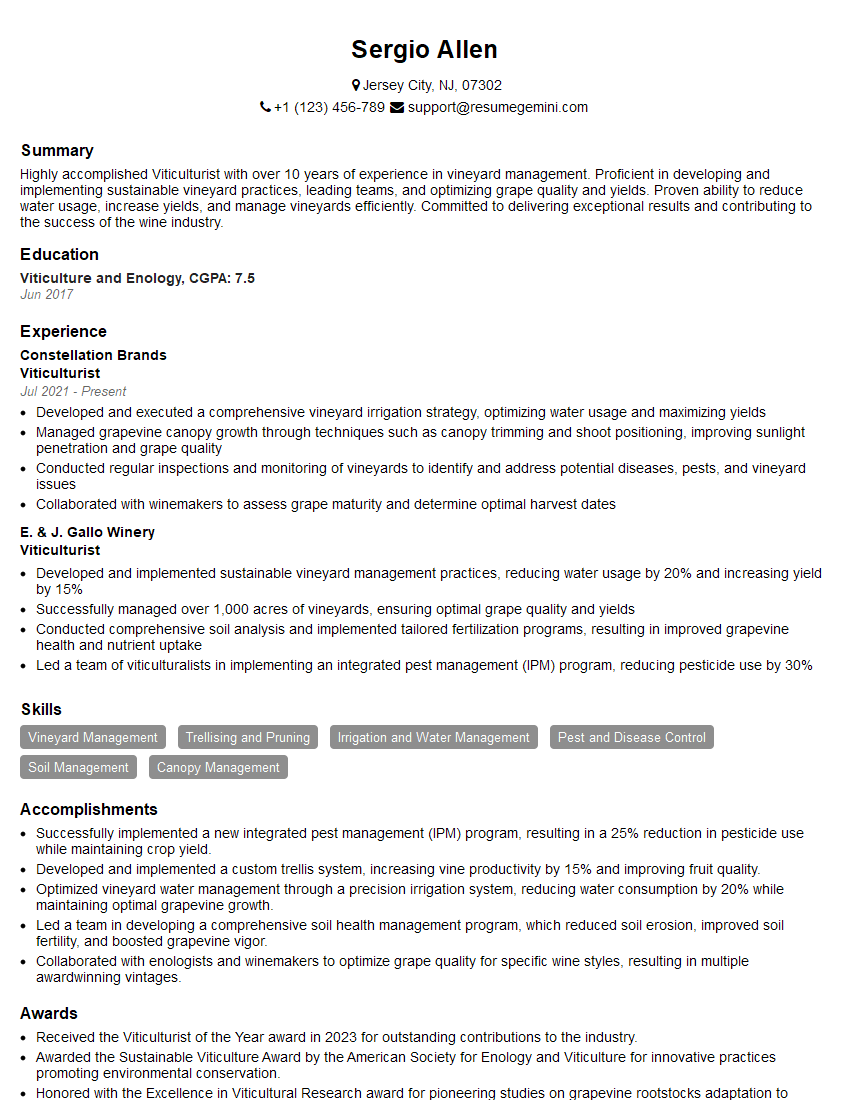
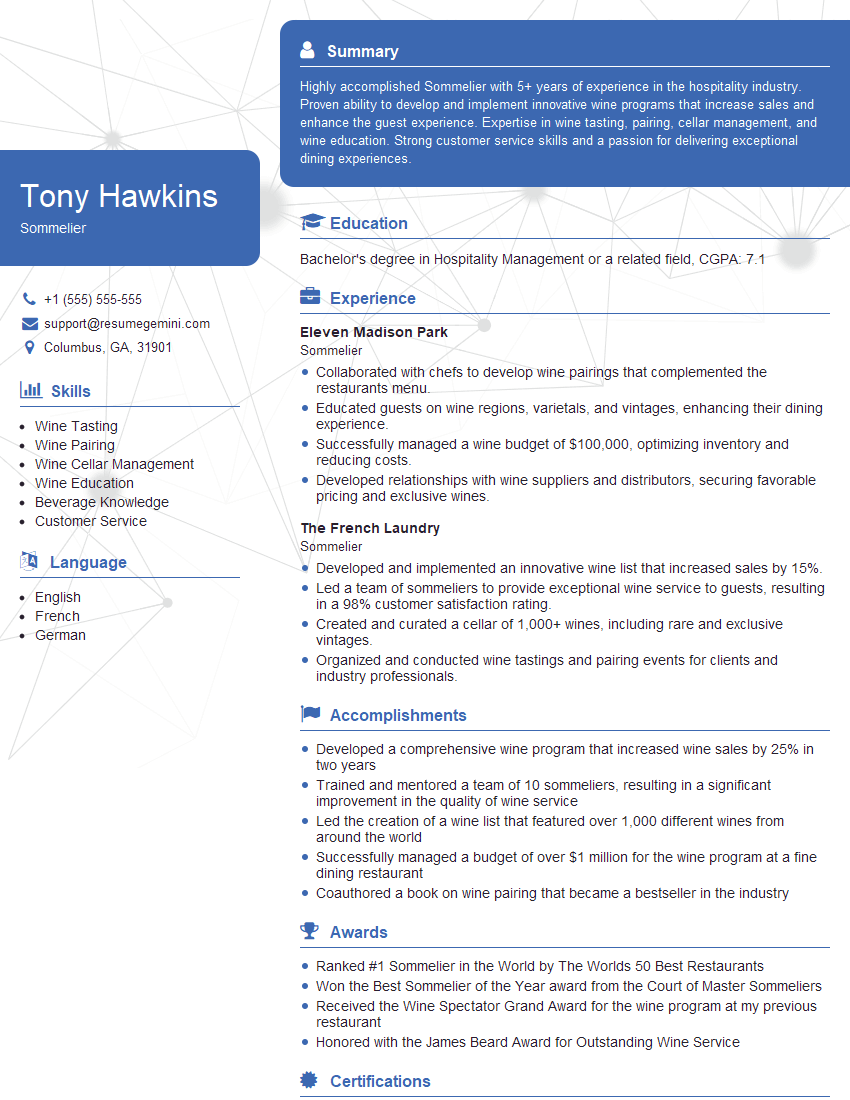
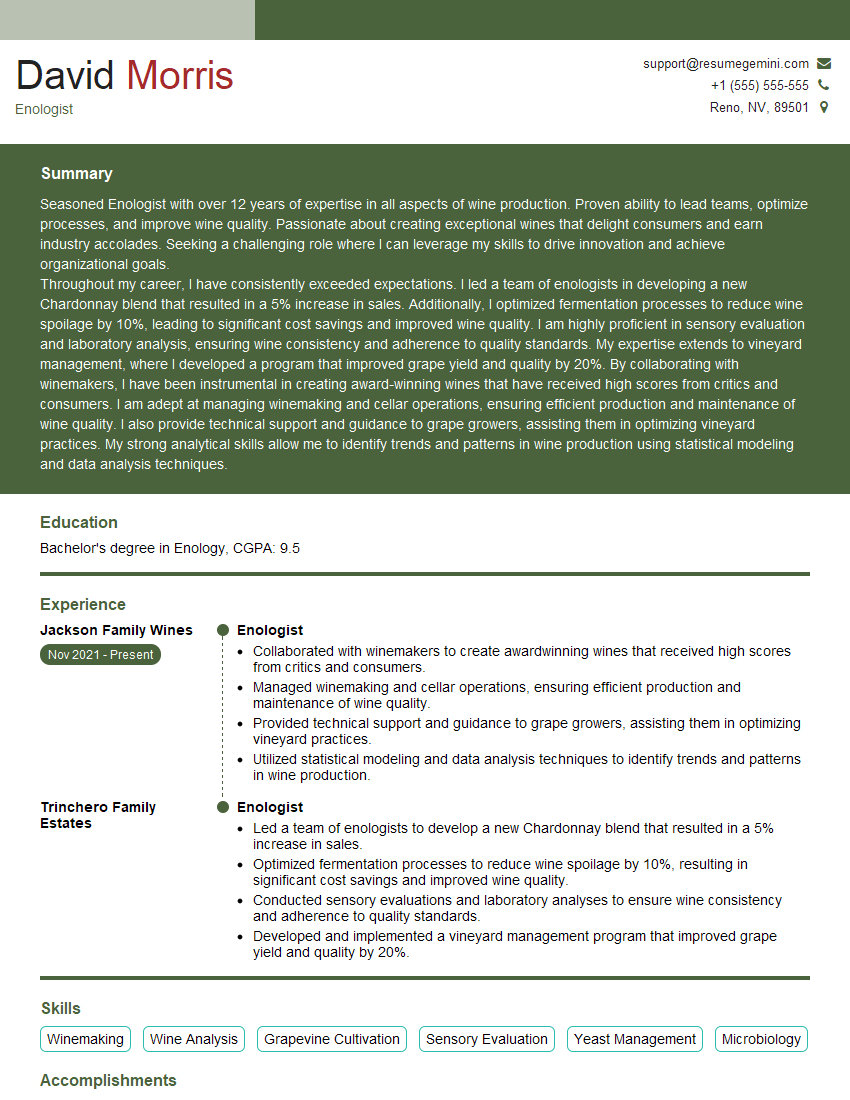
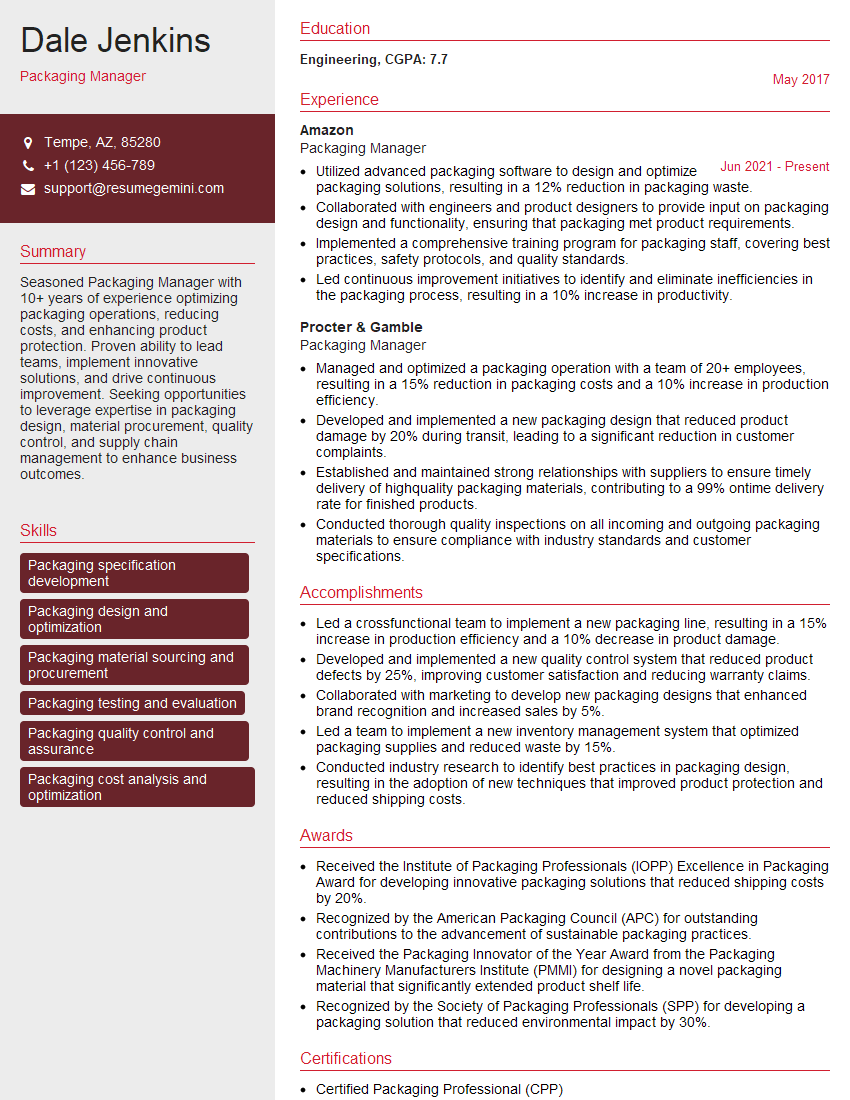
Mastering wine production and packaging opens doors to exciting careers in this dynamic industry, offering opportunities for growth and specialization. A strong resume is crucial for showcasing your skills and experience to potential employers. Creating an ATS-friendly resume significantly increases your chances of getting noticed by recruiters. ResumeGemini is a trusted resource to help you build a professional and impactful resume tailored to the specific requirements of the Wine Production and Packaging sector. Examples of resumes tailored to this field are available to help guide your resume creation. Invest the time to craft a compelling document that highlights your unique qualifications; it’s a key step in advancing your career.
Explore more articles
Users Rating of Our Blogs
Share Your Experience
We value your feedback! Please rate our content and share your thoughts (optional).
What Readers Say About Our Blog
To the interviewgemini.com Webmaster.
Very helpful and content specific questions to help prepare me for my interview!
Thank you
To the interviewgemini.com Webmaster.
This was kind of a unique content I found around the specialized skills. Very helpful questions and good detailed answers.
Very Helpful blog, thank you Interviewgemini team.