Interviews are opportunities to demonstrate your expertise, and this guide is here to help you shine. Explore the essential Wiring Diagrams and Schematics interview questions that employers frequently ask, paired with strategies for crafting responses that set you apart from the competition.
Questions Asked in Wiring Diagrams and Schematics Interview
Q 1. Explain the difference between a wiring diagram and a schematic diagram.
While both wiring diagrams and schematic diagrams represent electrical systems, they differ significantly in their purpose and presentation. A wiring diagram focuses on the physical layout of wires and components, showing how they are interconnected in a system. Think of it as a detailed blueprint for installation. It prioritizes the physical path of wires, showing which terminal connects to which, often using color-coding for clarity. A schematic diagram, conversely, prioritizes the functional relationships between components. It uses standardized symbols to represent components and their connections, regardless of the physical arrangement. It’s more concerned with the circuit’s logic and function, highlighting voltage, current flow, and signal paths. Imagine it as a functional map of the system. For example, a wiring diagram for a car’s lighting system might show the exact path of the wires from the battery to the headlights, indicating the specific wire colors and connectors. A schematic diagram of the same system would show the battery, switch, and headlights as symbols connected in a series circuit, illustrating the electrical flow without showing the exact physical path.
Q 2. How do you interpret different symbols used in wiring diagrams and schematics?
Interpreting symbols in wiring diagrams and schematics requires familiarity with industry standards like IEC or ANSI. Symbols vary slightly across standards but convey the same core information. For instance, a circle often represents a connection point or a terminal, a rectangle might represent a relay, a triangle might indicate a ground connection, and different shaped symbols often represent specific types of switches or electronic components. Understanding these symbols is crucial. A good strategy is to always refer to the legend or key provided with the diagram which defines each symbol used. I use this strategy routinely. Furthermore, experience and familiarity allow for quick recognition of many common symbols. For example, learning the symbol for a resistor, capacitor, diode, and transistor is fundamental to interpreting schematics. Regular practice and referencing standard symbol libraries are essential for accurate interpretation.
Q 3. Describe your experience in using CAD software for creating or modifying wiring diagrams.
I have extensive experience utilizing CAD software such as AutoCAD Electrical, EPLAN, and Altium Designer for both creating and modifying wiring diagrams. In my previous role, I was responsible for designing complete electrical systems for industrial machinery, which required accurate and detailed CAD drawings. My skills include creating component libraries, designing complex wiring layouts, generating bill of materials, and managing version control within the CAD software. I’m proficient in creating schematic diagrams that align with industry best practices and comply with relevant safety standards. For instance, in one project involving a robotics system, I used AutoCAD Electrical to design the entire control system’s wiring, ensuring proper routing and labeling to avoid interference and maintain safety. My proficiency also extends to importing existing designs and making modifications based on design changes or troubleshooting needs.
Q 4. How do you identify potential wiring faults or errors in a diagram?
Identifying potential wiring faults or errors in a diagram requires a systematic approach. I typically start by verifying the circuit’s logic against the intended function. Inconsistencies in component labeling, missing connections, incorrect wire routing, or wire gauge mismatches can point to errors. For example, if a circuit requires a certain voltage level but the diagram shows components connected in a way that results in a different voltage, this suggests a design flaw. I then cross-reference the diagram with the physical system. If I am dealing with an existing system, I visually inspect the wiring against the diagram to spot inconsistencies. Sometimes a simple visual check can reveal the problem. Moreover, I carefully check for potential short circuits, open circuits, and improper grounding. Color-coding discrepancies or missing labels are also red flags indicating potential issues. My methodical approach and attention to detail have helped me to prevent costly errors and ensure system reliability.
Q 5. Explain your process for troubleshooting a circuit using a wiring diagram and multimeter.
Troubleshooting a circuit using a wiring diagram and a multimeter involves a combination of visual inspection and methodical testing. First, I carefully review the wiring diagram to understand the circuit’s intended operation. I use the diagram to trace the path of signals and power. Then, I visually inspect the circuit for any obvious problems such as loose connections, burned components, or damaged wires. Next, I use the multimeter to measure voltages and current at various points along the circuit. I start by checking the power source and then follow the path of the current, measuring voltages and current at each key point identified in the diagram. I compare these measurements with the expected values indicated by the diagram or my understanding of the circuit. Any discrepancy indicates a potential fault. For example, if a component should have a certain voltage but it shows zero, it points to an open circuit. Conversely, significantly higher current than expected could indicate a short circuit. By systematically checking each component and connection, I can quickly isolate the source of the problem.
Q 6. Describe your experience reading and interpreting complex electrical schematics.
I possess significant experience in reading and interpreting complex electrical schematics. I routinely encounter diagrams with hundreds of components, intricate logic gates, and multiple signal paths. My approach involves breaking down complex schematics into smaller, more manageable blocks. I start by understanding the overall function of the system. Then, I trace signals through individual blocks, analyzing each component’s role and its interaction with other components. I’m adept at identifying feedback loops, signal routing, and power distribution networks within complex designs. For example, while working on a project involving a complex industrial control system, I successfully debugged a malfunctioning section by systematically analyzing the corresponding section of the schematic, isolating a faulty logic gate. My proficiency with data sheets helps me to understand the behaviour of each component and resolve complex interaction issues.
Q 7. How do you determine the correct wire gauge for a specific application based on the schematic?
Determining the correct wire gauge for a specific application is crucial for ensuring safety and reliability. The schematic provides the necessary information, typically including the voltage, current, and length of the circuit. I use wire gauge tables and online calculators that consider factors such as the allowable voltage drop, ambient temperature, and installation method (e.g., conduit, free air). The goal is to select a wire gauge that can safely carry the required current without excessive voltage drop or overheating. For instance, a high current application, like a motor requiring a significant amperage, demands a thicker wire with a lower gauge number (e.g., 8 AWG or 6 AWG) to minimize voltage drop and heat generation. A low-current application like a signal line can use a thinner wire with a higher gauge number (e.g., 22 AWG). I always ensure compliance with relevant electrical codes and safety standards to ensure system reliability and prevent hazards.
Q 8. What are the different types of wiring diagrams (e.g., ladder diagrams, block diagrams)?
Wiring diagrams come in various forms, each serving a specific purpose. The choice depends on the complexity of the system and the audience. Some common types include:
- Ladder Diagrams: These are widely used in industrial control systems, particularly those involving Programmable Logic Controllers (PLCs). They represent the logic using easily understandable symbols, arranged in two vertical lines representing power rails, with rungs connecting them. Each rung represents a circuit condition. Think of it like a ladder, with each rung representing a step in the logic.
- Block Diagrams: These provide a high-level overview of a system, showing the major functional blocks and their interconnections. They don’t show the detailed internal wiring but rather illustrate the overall flow of information or energy. They are useful for initial design and system understanding.
- Schematic Diagrams: These offer a detailed representation of the electrical components and their connections. They use standard symbols for each component (resistors, capacitors, transistors, etc.) and show the precise wiring layout. This is crucial for building and troubleshooting circuits.
- Wiring Diagrams (pictorial): These are more visual representations, often used in simpler systems, showing the physical arrangement of wires and components. They’re less concerned with detailed electrical functionality and focus on the physical connections.
For instance, when designing a home automation system, I’d start with a block diagram to outline the main components (sensors, controllers, actuators). Then, I’d create a schematic diagram detailing the circuitry of each component, followed by a wiring diagram for the physical installation.
Q 9. How familiar are you with industry standards and best practices for wiring diagrams?
I’m highly familiar with industry standards and best practices for wiring diagrams. My experience encompasses standards like IEC 60617 (graphical symbols for electrical diagrams), ANSI/IEEE standards, and those specific to different industries (automotive, aerospace, etc.). These standards ensure clarity, consistency, and safety. Best practices include:
- Clear labeling: All components and wires must be clearly labeled with appropriate identifiers.
- Consistent symbology: Using standardized symbols prevents confusion.
- Logical arrangement: Components and wires should be arranged logically to improve readability.
- Revision control: Maintaining version control and documenting changes is crucial to avoid errors.
- Safety considerations: Diagrams should clearly indicate safety measures, like grounding and fuses.
Ignoring these standards can lead to misinterpretations, incorrect installations, and potentially hazardous situations. In my work, adhering to these standards is paramount.
Q 10. Describe your experience working with different types of electrical components (e.g., resistors, capacitors, transistors).
I have extensive experience working with a broad range of electrical components, including resistors, capacitors, transistors, integrated circuits (ICs), relays, sensors, and actuators. Understanding their characteristics and functions is fundamental to creating accurate and functional wiring diagrams.
For example, when designing a circuit involving a transistor, I need to understand its operating characteristics (base current, collector current, gain) to select appropriate resistor values to ensure proper biasing and operation. Similarly, when using capacitors, I must consider their capacitance and voltage rating to avoid component damage. My experience extends to working with both discrete components and complex integrated circuits, requiring proficiency in interpreting datasheets and applying relevant formulas for calculation of values and appropriate use.
Q 11. Explain how to trace a circuit path on a wiring diagram.
Tracing a circuit path is a fundamental skill in analyzing wiring diagrams. It involves systematically following the connections from a source to a load. Here’s a step-by-step approach:
- Identify the source: Locate the power source (battery, power supply, etc.).
- Follow the connections: Start at the source and trace the path of the wire(s) to the next component. Pay attention to junctions and branches.
- Identify components: Note down each component encountered along the path and its function.
- Repeat: Continue tracing the path through each component until you reach the load (e.g., a light bulb, motor).
- Verify the path: Once the path is traced, verify its correctness by reviewing the diagram and ensuring all connections are logical.
Think of it like following a river from its source to the sea – each bend and tributary represent a connection or component in the circuit. A systematic approach ensures you don’t get lost.
Q 12. How do you identify and interpret different types of connectors in wiring diagrams?
Connectors are crucial elements in wiring diagrams, representing the physical points where wires or components connect. Identifying and interpreting different connector types is essential for understanding the wiring scheme. Different connectors have different characteristics in terms of their number of pins, type of connection (screw terminals, crimp connectors, soldered connections), and their intended purpose.
For example, a DB9 connector indicates a specific type of serial port, while a RJ45 connector denotes an Ethernet connection. Each connector is represented by a specific symbol on the diagram. Understanding these symbols and their associated specifications is key to interpreting the diagram correctly and troubleshooting problems. A lack of understanding could lead to incorrect wiring and system malfunctions.
Q 13. What safety precautions do you take when working with wiring diagrams and electrical systems?
Safety is paramount when working with wiring diagrams and electrical systems. My safety precautions include:
- Power isolation: Always disconnect power from the system before working with it. This is the most critical step to prevent electric shock.
- Lockout/Tagout procedures: Use proper lockout/tagout procedures to ensure power cannot be accidentally reconnected.
- Personal Protective Equipment (PPE): Wear appropriate PPE, such as safety glasses and insulated gloves.
- Proper tools: Use insulated tools to prevent electric shock.
- Knowledge of the system: Have a thorough understanding of the system before working on it.
- Working with a partner: For complex systems, having another person present for safety is beneficial.
Neglecting these precautions can lead to serious injury or even death. Safety is a non-negotiable aspect of my work.
Q 14. Explain your experience using different types of testing equipment to verify wiring.
My experience includes using various testing equipment to verify wiring, including:
- Multimeters: For measuring voltage, current, and resistance to check continuity and identify shorts or open circuits.
- Oscilloscope: To analyze signals and waveforms, crucial for verifying timing and signal integrity in complex systems.
- Logic analyzers: For analyzing digital signals and troubleshooting logic errors in digital circuits.
- Clamp meters: For measuring current without breaking the circuit.
- Continuity testers: For quickly checking the continuity of wires and connections.
For example, when troubleshooting a circuit with intermittent issues, I would use a multimeter to check for voltage drops across components, an oscilloscope to analyze signal integrity, and a logic analyzer if the circuit includes digital components. The choice of equipment depends on the specific system and the nature of the problem. Accurate and efficient use of these tools is critical for successful troubleshooting.
Q 15. Describe your experience with creating and maintaining wiring documentation.
My experience in creating and maintaining wiring documentation spans over 10 years, encompassing diverse projects from small consumer electronics to complex industrial automation systems. I’m proficient in various software packages, including AutoCAD Electrical, Altium Designer, and EPLAN Electric P8, and am comfortable working with both schematic capture and wiring harness design tools. My process typically involves close collaboration with engineers to understand the system’s functionality, component specifications, and regulatory requirements. I then translate this information into clear, concise, and accurate diagrams, ensuring every connection, component, and wire designation is precisely documented. I also maintain a rigorous version control system, meticulously tracking changes and revisions throughout the project lifecycle. This ensures that all stakeholders have access to the most up-to-date documentation.
For example, on a recent project involving a robotic arm, I was responsible for creating the complete wiring schematic and harness layout. This involved coordinating various sensors, actuators, and control units, ensuring signal integrity and proper grounding. Maintaining this documentation throughout the testing and deployment phases was crucial in troubleshooting and making any necessary modifications.
Career Expert Tips:
- Ace those interviews! Prepare effectively by reviewing the Top 50 Most Common Interview Questions on ResumeGemini.
- Navigate your job search with confidence! Explore a wide range of Career Tips on ResumeGemini. Learn about common challenges and recommendations to overcome them.
- Craft the perfect resume! Master the Art of Resume Writing with ResumeGemini’s guide. Showcase your unique qualifications and achievements effectively.
- Don’t miss out on holiday savings! Build your dream resume with ResumeGemini’s ATS optimized templates.
Q 16. How do you ensure the accuracy and completeness of wiring diagrams?
Accuracy and completeness are paramount in wiring diagrams, as errors can lead to malfunctions, safety hazards, and costly rework. My approach to ensuring accuracy involves several key steps:
- Cross-referencing: I meticulously cross-reference component designations, wire numbers, and connector pinouts between the schematic, bill of materials, and physical hardware.
- Peer review: Before finalizing any documentation, I conduct thorough peer reviews with other engineers to identify and correct any potential errors or inconsistencies.
- Simulation and Verification: Where possible, I utilize simulation software to verify the electrical integrity and functionality of the design before it’s implemented.
- Detailed labeling: I use clear and consistent labeling conventions, including wire color codes, component designations, and connector pin assignments, leaving no ambiguity.
- Revision control: Maintaining a robust revision control system, such as using a version control software like Git, to track all changes, ensuring that everyone is using the most up-to-date version.
Think of it like building a house – you wouldn’t start construction without meticulously checked blueprints. Similarly, a thorough and accurate wiring diagram is the foundation for a reliable and safe system.
Q 17. Explain how you would approach the task of designing a wiring harness for a new device.
Designing a wiring harness begins with a thorough understanding of the device’s requirements. This involves analyzing the electrical schematics, identifying all components and their interconnections, and considering factors like environmental conditions and physical constraints. My process usually follows these steps:
- Component List and Specifications: Gather a complete list of all components, including their electrical specifications and physical dimensions.
- Schematic Review: Carefully review the electrical schematic to understand the signal flow and power distribution within the device.
- Harness Routing: Plan the optimal routing of wires to minimize interference, bending stress, and overall harness length. This often involves using CAD software for 3D visualization.
- Connector Selection: Choose appropriate connectors that are compatible with the components and environmental conditions.
- Wire Gauge Selection: Select wire gauges that can safely carry the required current while minimizing size and weight.
- Harness Manufacturing: Prepare detailed manufacturing drawings, including wire lengths, connector pinouts, and other relevant information for the harness manufacturer.
- Testing and Verification: Conduct rigorous testing of the completed harness to ensure its functionality and compliance with safety standards.
For instance, when designing a harness for a new medical device, meticulous planning is essential to ensure safety and reliability, given the sensitivity of the application. This would involve considering aspects such as electromagnetic interference (EMI) shielding and biocompatibility of materials.
Q 18. How do you interpret color codes and other labeling conventions used in wiring diagrams?
Interpreting color codes and labeling conventions is critical for understanding wiring diagrams. Color codes, while sometimes standardized (like automotive wiring), are often project-specific. My approach involves referring to the accompanying documentation, such as legend tables or color-coding keys provided within the diagrams. These keys explicitly define the meaning of each color and its corresponding signal or function. Beyond color, I look for alphanumeric labels identifying wire functions (e.g., ‘PWR’, ‘GND’, ‘SIG_A’). Additionally, I pay close attention to connector pin numbers and component designations to understand the signal flow and connections. For example, a legend might indicate that blue wires represent ground connections, while red wires represent positive voltage. I will use this legend in conjunction with the diagram itself to trace the wires and understand the circuit functionality. Without this information, the wiring diagram is essentially just a meaningless jumble of lines.
Q 19. How do you deal with conflicting information or discrepancies in wiring diagrams?
Conflicting information in wiring diagrams is a serious concern, and resolving it requires a systematic approach. I start by verifying the sources of the conflicting information. Are they from different revisions of the diagram, or from different designers? I then compare the conflicting information with other supporting documentation, such as component datasheets, bill of materials, or test results. If the discrepancies can’t be readily resolved through documentation review, I’d consult with the engineers responsible for creating the conflicting diagrams to clarify the inconsistencies. In cases where the discrepancy can’t be easily resolved, I would always err on the side of caution and consult senior engineers before making any changes or assumptions. I would thoroughly document the process of resolving the discrepancies as well, including the sources of the conflicting information and the rationale behind the decision.
Q 20. How do you handle revisions and updates to existing wiring diagrams?
Handling revisions and updates is crucial for maintaining accurate documentation. I use a formal version control system, assigning unique revision numbers to each iteration of the diagram. Changes are documented clearly, highlighting modifications with annotations or change logs. All stakeholders are notified of updates, ensuring everyone is working with the most current version. I also maintain an archive of previous revisions, providing a complete history of the wiring diagrams’ evolution. This allows us to trace changes, understand design decisions, and easily revert to previous versions if necessary. Using a revision control system not only ensures accuracy but greatly simplifies the process of collaboration and troubleshooting.
Q 21. Describe a time you had to debug a faulty circuit using a wiring diagram.
During the testing phase of a large industrial control system, we encountered a puzzling intermittent failure. The system would sporadically shut down without any apparent cause. Using the wiring diagram, I systematically checked all connections relevant to the power supply and control circuitry. I discovered that a particular wire connecting a crucial sensor to the main control unit had a loose connection within a poorly secured connector. The intermittent nature of the fault was due to the loose connection sometimes making and sometimes breaking contact. The diagram provided a visual map that allowed me to quickly isolate the problem area, leading to a swift resolution. This highlighted the importance of meticulous documentation and a methodical approach when troubleshooting complex systems – without the wiring diagram, finding the fault would have been exponentially more difficult and time-consuming.
Q 22. How familiar are you with different types of circuit protection devices (e.g., fuses, circuit breakers)?
Circuit protection devices are crucial for safeguarding electrical systems and equipment from damage caused by overcurrents or short circuits. I’m very familiar with various types, including fuses and circuit breakers. Each offers a unique approach to protection.
- Fuses: These are one-time use devices containing a thin wire that melts and breaks the circuit when excessive current flows. They’re simple, inexpensive, and readily available in various amperage ratings. Think of them as sacrificial lambs – they protect the system by self-destructing. For example, a 5A fuse in a car’s audio system will blow if the system draws more than 5 amps, preventing damage to the amplifier and wiring.
- Circuit Breakers: These are more sophisticated and reusable. They incorporate a mechanism that trips (opens) the circuit when a predetermined current threshold is exceeded. They can be thermal (responding to heat generated by excessive current) or magnetic (responding to the magnetic field produced by high currents). Circuit breakers are commonly used in homes and industrial settings for greater safety and convenience; no need to replace them after a trip, simply reset them after investigating the cause of the overload.
- Other Devices: Beyond fuses and breakers, we also have devices like surge protectors (which absorb voltage spikes) and ground fault circuit interrupters (GFCIs) that protect against electrical shocks by detecting imbalances in current flow.
My experience encompasses selecting the appropriate protection device based on the specific application, load requirements, and safety standards. I understand the importance of coordination between different protection devices in a larger system to ensure proper and timely fault clearing.
Q 23. Explain the importance of proper grounding and shielding in electrical systems.
Proper grounding and shielding are paramount in electrical systems for safety and performance. Grounding provides a low-impedance path for fault currents to safely flow to earth, preventing dangerous voltages from appearing on exposed metal parts. Shielding minimizes electromagnetic interference (EMI) that can corrupt signals and data.
Grounding: Imagine a safety net. If a fault occurs, the current flows safely to earth through the ground connection, preventing electrical shock and equipment damage. It’s essential to connect the metallic chassis of equipment to earth ground using a robust wire. Without this, a faulty component could become energized, posing a significant risk.
Shielding: Think of shielding as a barrier against unwanted noise. It prevents external electromagnetic fields from affecting sensitive circuits and also prevents the circuit’s electromagnetic emissions from interfering with other devices. Common shielding techniques include using conductive enclosures, braided wires, or conductive paints.
In practice, a properly grounded and shielded system ensures the safety of personnel, the integrity of data signals, and the reliable operation of equipment. I have experience designing and implementing grounding and shielding systems according to relevant standards (e.g., IEC 60364) and safety regulations, considering factors like the environment, equipment sensitivity, and expected interference levels.
Q 24. How do you determine the voltage and current ratings required for a specific circuit?
Determining voltage and current ratings for a circuit is a crucial step in design. It involves analyzing the load requirements and selecting components that can safely handle the expected power demands.
- Identify the Load: Determine all devices and equipment that will be connected to the circuit (e.g., motors, lights, computers). Each device has its own power rating (usually specified in watts or kilowatts).
- Calculate Total Power: Sum the power ratings of all connected devices. This gives the total power requirement of the circuit.
- Determine Voltage: The voltage is typically dictated by the available power source (e.g., 120V AC in a home, 480V AC in an industrial setting). Make sure the devices are compatible with this voltage.
- Calculate Current: Use the power equation (P = VI) to calculate the required current. If the power is in watts and voltage is in volts, the current will be in amps. Consider adding a safety factor (e.g., 20%) to account for variations and future expansion.
- Select Components: Based on the calculated voltage and current, select components like wires, fuses, and circuit breakers with ratings that exceed the calculated values to ensure safe operation.
For example, if a circuit needs to power a 1000W heater at 120V, the required current is approximately 8.33A (1000W / 120V). We might select a 10A fuse and 15A circuit breaker for added safety. This process ensures the components can handle peak demands and prevent overloads.
Q 25. What are the key differences between single-line and three-line diagrams?
Single-line and three-line diagrams are used to represent electrical systems, but differ in their level of detail. They serve different purposes in the design and analysis phases.
- Single-Line Diagrams: These are simplified representations showing the major components and their connections using a single line for each phase. They are primarily used for overview planning and high-level system design. They’re useful for quick comprehension of system layouts and major power flows. Think of them as a roadmap of the system, highlighting main routes.
- Three-Line Diagrams: These provide a more detailed representation, showing all three phases (in a three-phase system) along with the neutral. They are used for detailed design and analysis. They show every phase of power flow, giving more precise insights into voltage and current distribution. Imagine these as the detailed street maps, providing exact routes and location of all buildings.
The key difference lies in the level of detail. Single-line diagrams are excellent for system overview, while three-line diagrams are essential for accurate analysis and detailed design, especially for complex systems where precise voltage and current calculations are necessary for efficient operation and safety.
Q 26. How familiar are you with using simulation software to analyze circuit behavior?
I’m proficient in using simulation software, such as LTSpice, Multisim, and MATLAB/Simulink, to analyze circuit behavior. These tools are invaluable for verifying designs, predicting performance under various conditions, and troubleshooting problems before physical implementation.
Simulation allows for the investigation of transient responses, frequency responses, and the effects of component tolerances. For example, I’ve used LTSpice to model power supply designs, analyzing transient responses to step changes in load current and verifying the effectiveness of filtering stages. Multisim has been used for detailed analysis of digital logic circuits, including timing analysis and signal integrity checks. In Simulink, I have modeled complete control systems incorporating electrical and mechanical components.
The ability to test different scenarios and parameter variations virtually saves time and resources compared to building and testing physical prototypes. This leads to more efficient designs and fewer errors in the field.
Q 27. Describe your experience working with both low-voltage and high-voltage systems.
My experience spans both low-voltage and high-voltage systems. Each presents unique challenges and requires different safety precautions and design considerations.
- Low-Voltage Systems (e.g., electronics, building automation): In these systems, the primary focus is often on signal integrity, noise reduction, and efficient power delivery. The risks are generally lower, but meticulous design is still required to prevent signal interference and data corruption. I have worked on projects involving microcontroller-based control systems, embedded systems, and instrumentation circuits.
- High-Voltage Systems (e.g., power distribution, industrial automation): These systems demand a significantly higher level of safety awareness and adherence to strict regulations. Arc flash hazards and electrical shock are major concerns. Proper insulation, grounding, and protective devices are critical. My experience includes projects involving the design and analysis of high-voltage motor control systems, and power distribution networks.
Working with both systems has provided me with a comprehensive understanding of electrical principles and safety practices, allowing me to adapt my approach and expertise to the specific requirements of each project.
Key Topics to Learn for Wiring Diagrams and Schematics Interview
- Understanding Basic Symbols and Notations: Learn to confidently identify and interpret common symbols representing components like resistors, capacitors, transistors, and integrated circuits within both schematic and wiring diagrams. Practice recognizing different diagram styles.
- Circuit Tracing and Analysis: Develop the ability to trace signal paths and power flows within complex circuits. Practice identifying potential problems such as shorts, open circuits, and incorrect component placement.
- Interpreting Schematics: Master the art of translating schematic diagrams into physical wiring layouts and vice-versa. Understand the relationship between the logical representation (schematic) and the physical implementation (wiring diagram).
- Practical Applications in Different Fields: Explore the diverse applications of wiring diagrams and schematics across various industries, including automotive, aviation, electronics manufacturing, and industrial automation. This will demonstrate your versatility.
- Troubleshooting and Problem-Solving: Learn systematic approaches to diagnose faults within circuits using schematics and wiring diagrams. Practice common troubleshooting techniques like voltage measurement and signal tracing.
- Reading and Creating Wiring Diagrams: Go beyond simply reading diagrams; practice creating your own simple diagrams from scratch to solidify your understanding of the underlying principles.
- Different Diagram Types and Standards: Familiarize yourself with various types of diagrams (e.g., block diagrams, ladder diagrams) and industry standards (e.g., IEC, ANSI) to demonstrate a broad understanding.
Next Steps
Mastering wiring diagrams and schematics is crucial for career advancement in numerous technical fields. A strong understanding of these skills demonstrates your technical aptitude and problem-solving abilities, opening doors to higher-level positions and increased earning potential. To maximize your job prospects, crafting an ATS-friendly resume is paramount. ResumeGemini is a trusted resource to help you build a professional and effective resume that highlights your skills and experience. Examples of resumes tailored to Wiring Diagrams and Schematics expertise are available to provide inspiration and guidance. Invest time in creating a compelling resume—it’s your first impression on potential employers.

Project Engineer Resume Sample

Network Engineer Resume Sample
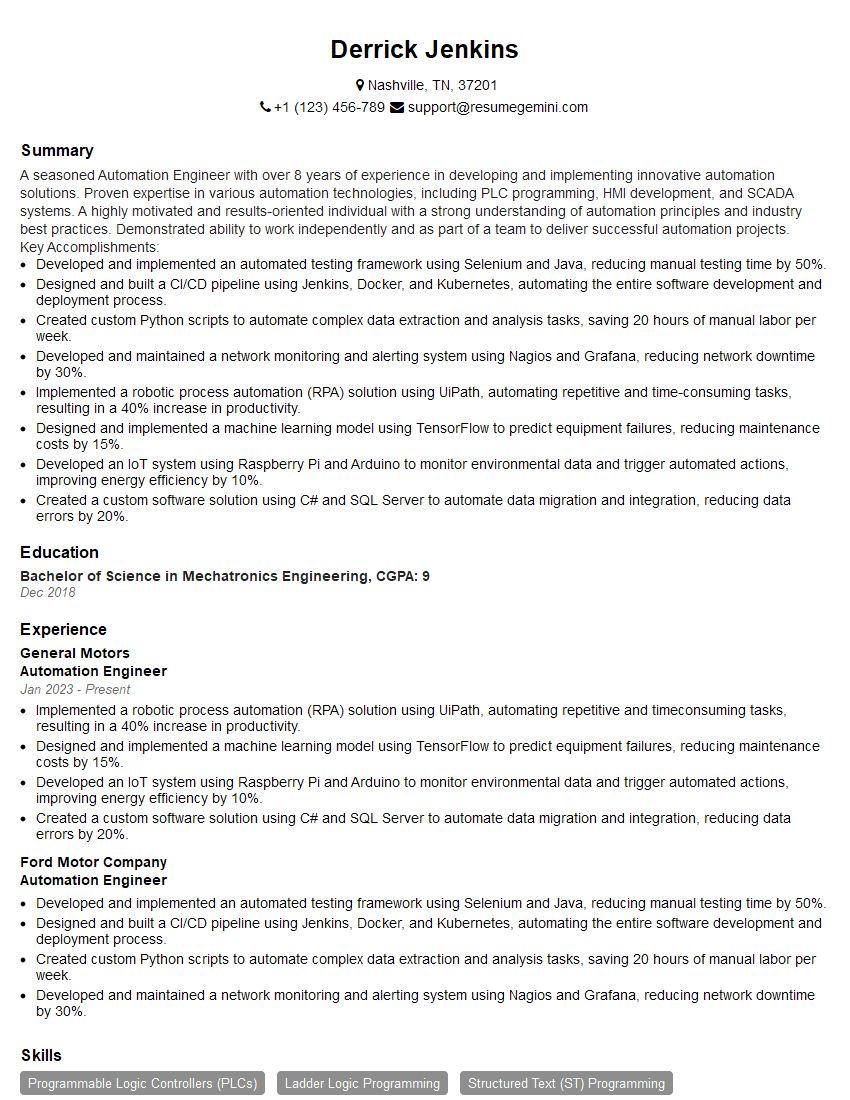
Automation Engineer Resume Sample

Test Engineer Resume Sample
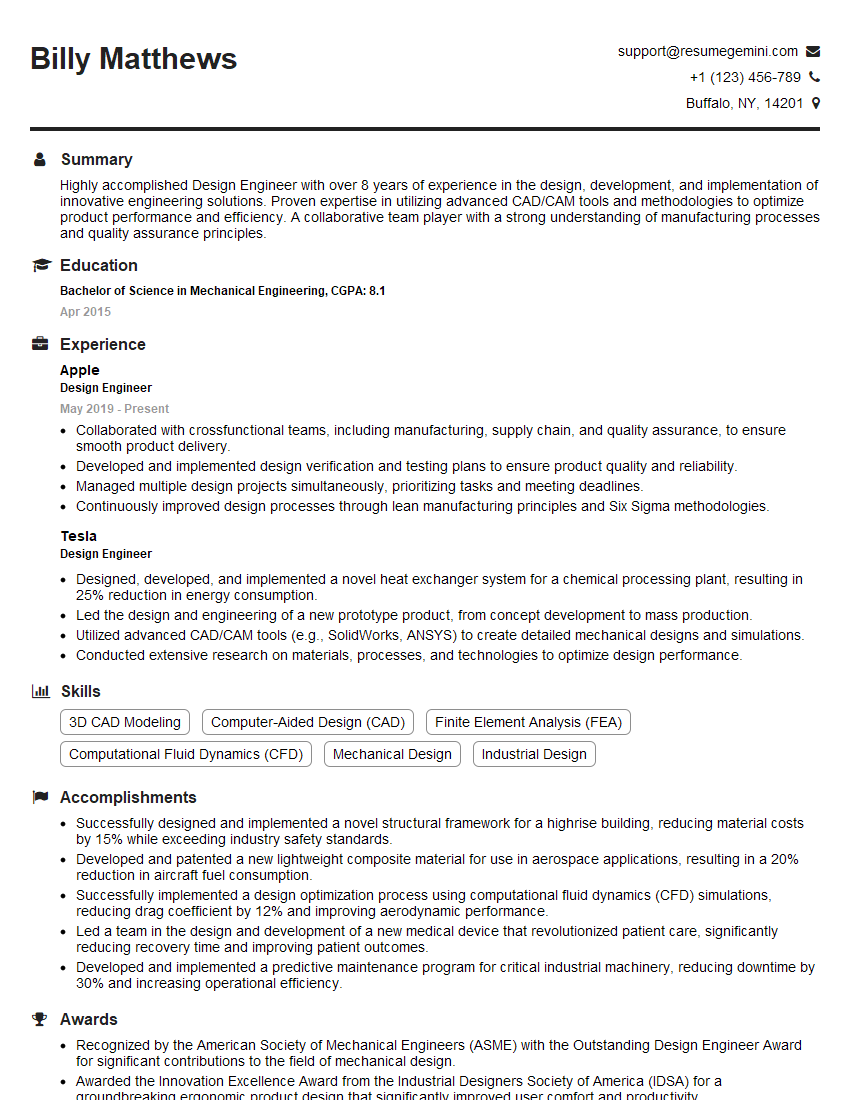
Design Engineer Resume Sample

Telecommunications Engineer Resume Sample

Maintenance Technician Resume Sample

Aerospace Engineer Resume Sample

Field Service Engineer Resume Sample
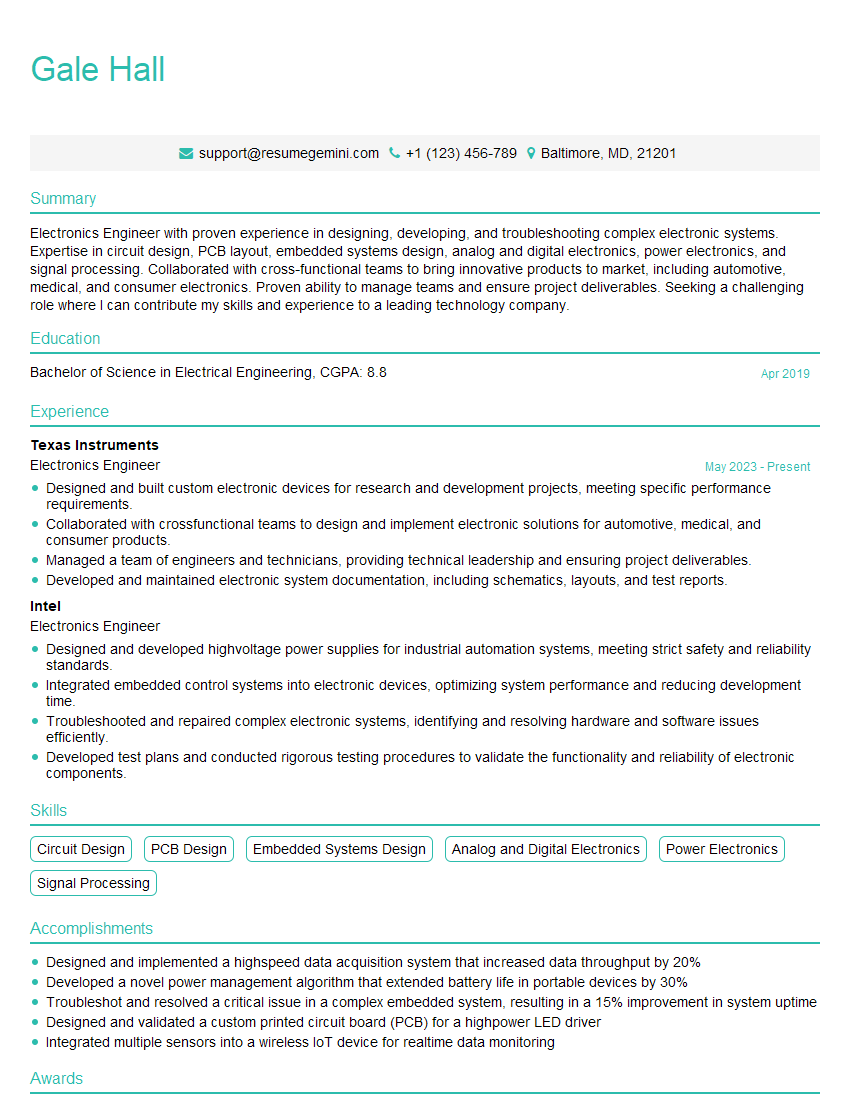
Electronics Engineer Resume Sample

Controls Engineer Resume Sample
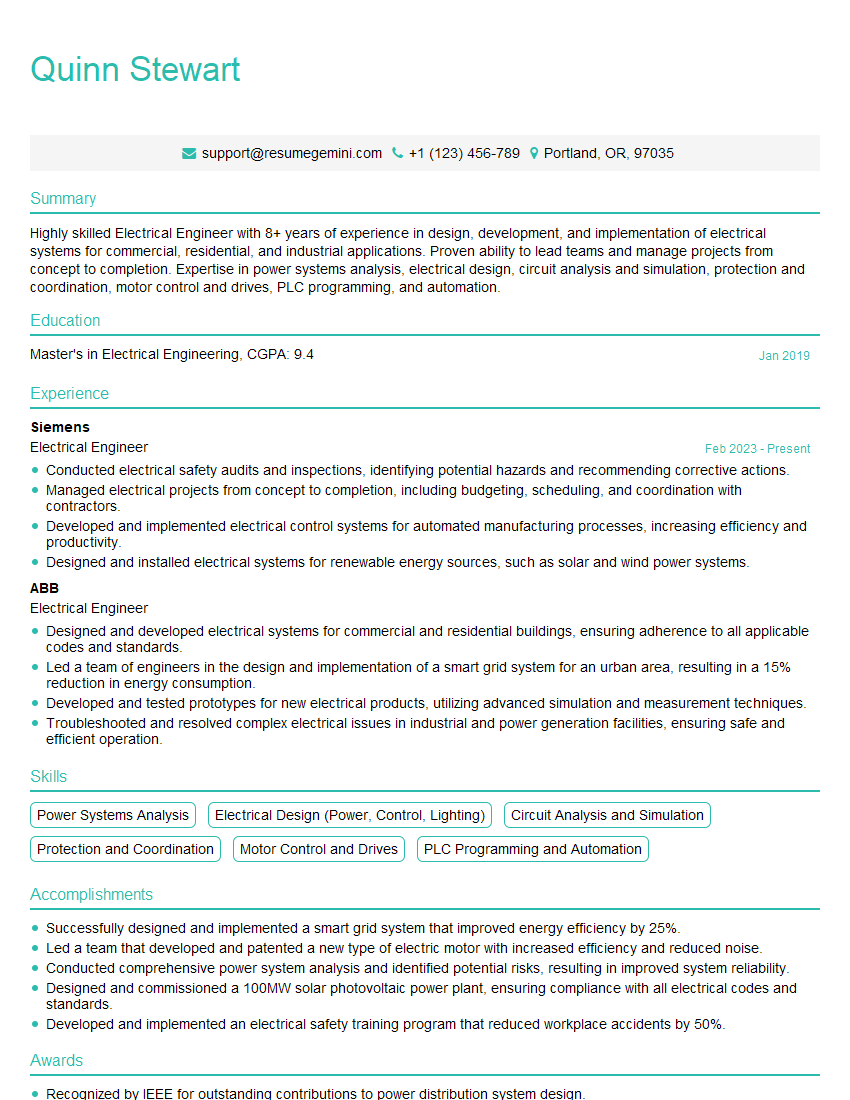
Electrical Engineer Resume Sample

Instrumentation Engineer Resume Sample
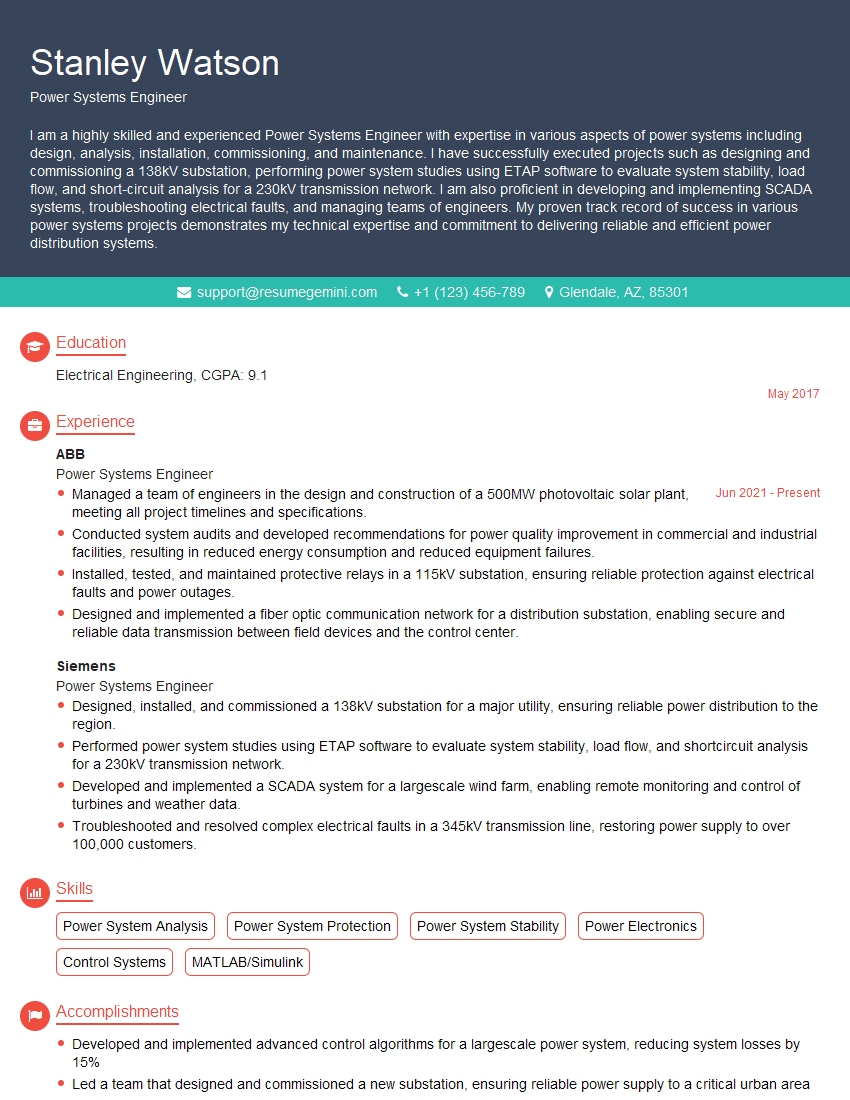
Power Systems Engineer Resume Sample
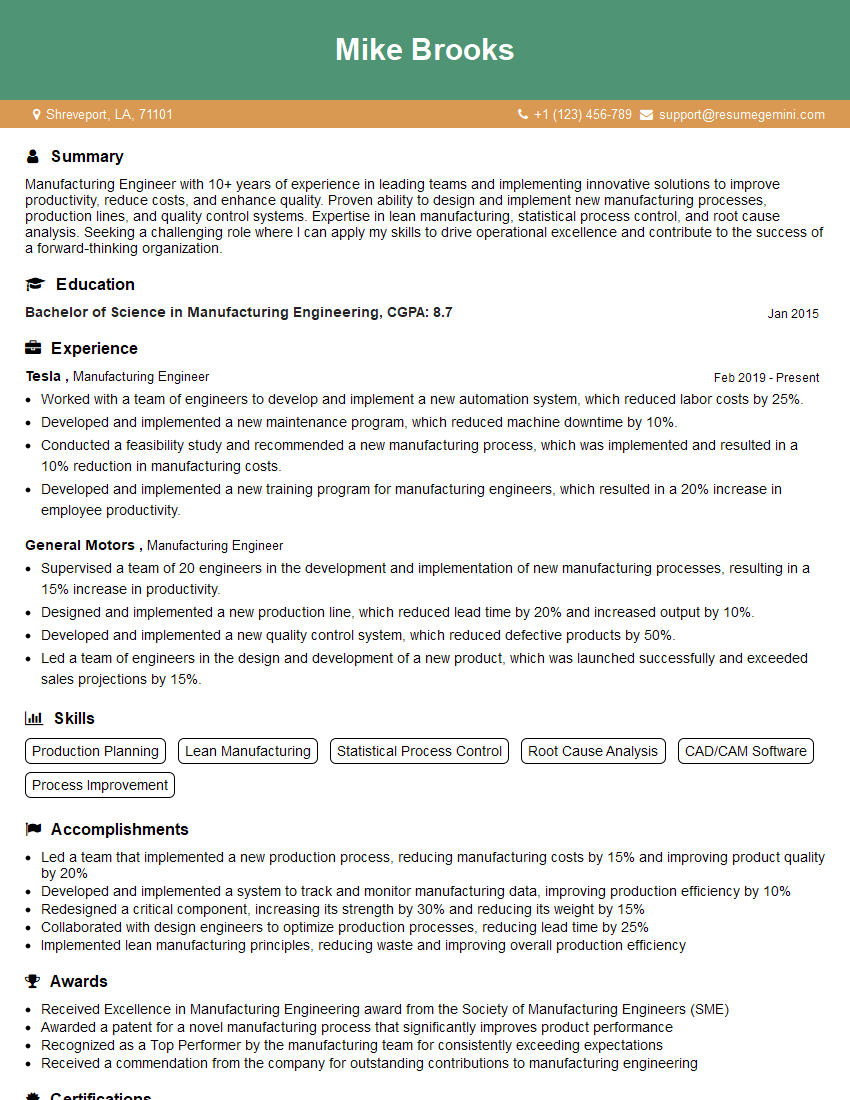
Manufacturing Engineer Resume Sample
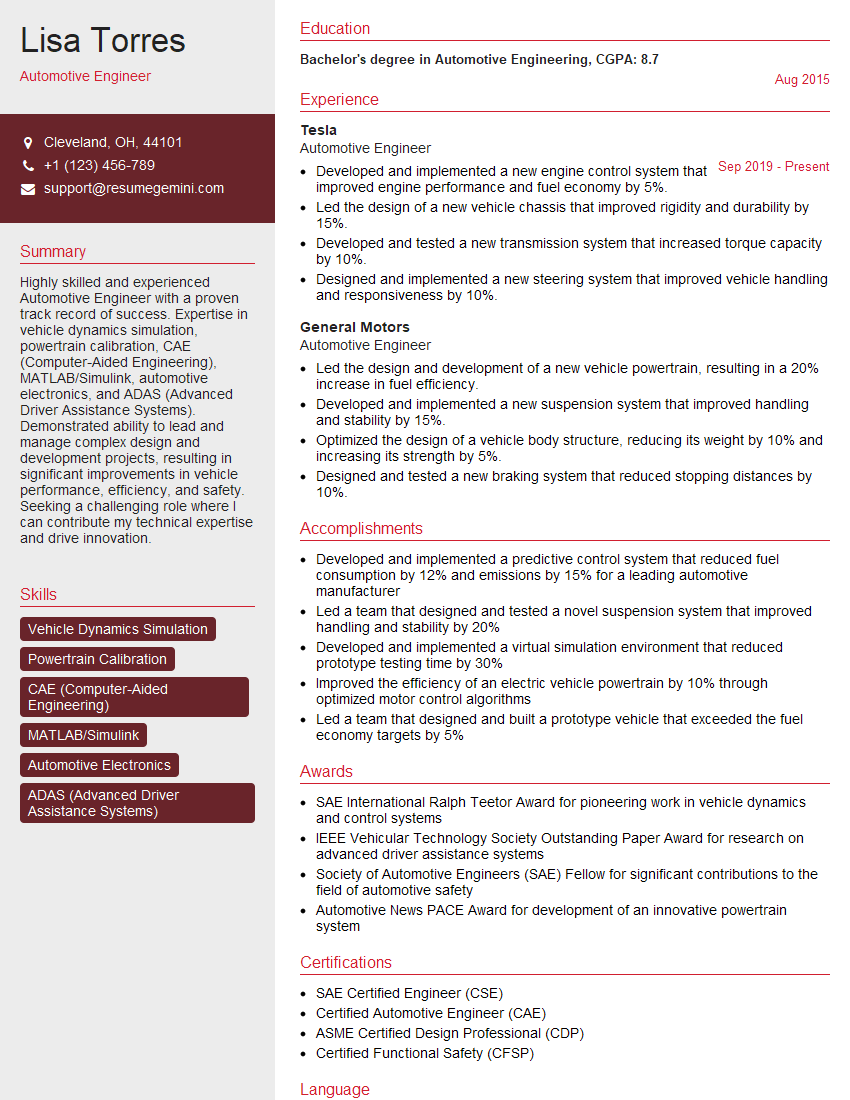
Automotive Engineer Resume Sample

Robotics Engineer Resume Sample

Electrical Drafter Resume Sample

Technical Writer Resume Sample

Quality Control Inspector Resume Sample
- Project Engineer
- Network Engineer
- Automation Engineer
- Test Engineer
- Design Engineer
- Telecommunications Engineer
- Maintenance Technician
- Aerospace Engineer
- Field Service Engineer
- Electronics Engineer
- Controls Engineer
- Electrical Engineer
- Instrumentation Engineer
- Power Systems Engineer
- Manufacturing Engineer
- Automotive Engineer
- Robotics Engineer
- Electrical Drafter
- Technical Writer
- Quality Control Inspector
Explore more articles
Users Rating of Our Blogs
Share Your Experience
We value your feedback! Please rate our content and share your thoughts (optional).
What Readers Say About Our Blog
To the interviewgemini.com Webmaster.
Very helpful and content specific questions to help prepare me for my interview!
Thank you
To the interviewgemini.com Webmaster.
This was kind of a unique content I found around the specialized skills. Very helpful questions and good detailed answers.
Very Helpful blog, thank you Interviewgemini team.