Unlock your full potential by mastering the most common Working in Varying Weather Conditions interview questions. This blog offers a deep dive into the critical topics, ensuring you’re not only prepared to answer but to excel. With these insights, you’ll approach your interview with clarity and confidence.
Questions Asked in Working in Varying Weather Conditions Interview
Q 1. Describe your experience working in extreme heat.
Working in extreme heat requires a proactive approach to safety. My experience includes several projects where temperatures consistently exceeded 100°F (38°C). I’ve learned that heat exhaustion and heat stroke are serious risks, and preventative measures are crucial. This includes understanding the signs of heat stress – things like dizziness, heavy sweating, nausea, or rapid heartbeat – and knowing when to take a break or seek medical attention.
For example, during a pipeline construction project in the Arizona desert, we implemented strict scheduling to avoid the hottest parts of the day. We also prioritized frequent water breaks and utilized shaded rest areas equipped with fans and cooling towels. We even had an on-site paramedic for a period of the project.
Q 2. How do you protect yourself from sun exposure while working outdoors?
Protecting myself from sun exposure is paramount when working outdoors. My strategy involves a multi-layered approach.
- Sunscreen: I always apply a broad-spectrum sunscreen with an SPF of 30 or higher, reapplying every two hours, or more frequently if sweating heavily.
- Protective Clothing: I wear lightweight, light-colored, long-sleeved shirts and pants to minimize skin exposure. A wide-brimmed hat is essential to shade my face and neck.
- Sunglasses: UV-blocking sunglasses protect my eyes from harmful radiation.
- Seek Shade: I regularly seek shade during breaks to reduce sun exposure. Even short periods of rest in the shade can make a big difference.
I treat this as a non-negotiable part of my work routine, just as important as wearing a hard hat or safety glasses.
Q 3. What measures do you take to stay hydrated in hot weather?
Staying hydrated in hot weather is critical to prevent heat-related illnesses. It’s not just about drinking water when you’re thirsty; it’s about proactively maintaining hydration throughout the day.
- Consistent Intake: I carry a large water bottle and sip water constantly, even before I feel thirsty. This prevents dehydration from developing in the first place.
- Electrolyte Replacement: In extreme heat, I often incorporate electrolyte drinks to replenish salts lost through sweat. This is particularly important during strenuous physical activity.
- Avoid Dehydrating Drinks: I limit or avoid caffeinated and sugary drinks, as they can have a diuretic effect and actually contribute to dehydration.
- Monitor Urine Color: Pale yellow urine indicates good hydration. Dark yellow or amber urine is a sign of dehydration, prompting me to increase water intake immediately.
During one particularly hot roofing job, I made a point to take frequent small breaks and drink a large bottle of water at each one; this became a key habit that prevented any heat-related problems.
Q 4. Explain your experience working in extreme cold.
Working in extreme cold presents a different set of challenges, primarily the risk of hypothermia and frostbite. I’ve had experience working in sub-zero temperatures during winter road maintenance and construction projects in mountainous regions. The key is layering clothing and understanding the signs of cold-related injuries. For instance, numbness in extremities, shivering that doesn’t stop, and confusion are all warning signs needing immediate attention.
On a recent project in the Rockies, we used a buddy system where workers constantly monitored each other for signs of hypothermia or frostbite. Regular breaks in heated shelters were critical, and we were provided with specialized cold-weather gear.
Q 5. How do you prevent hypothermia while working in cold weather?
Preventing hypothermia in cold weather involves several layers of protection:
- Layering Clothing: I use the layering system—base layer (wicking material), mid-layer (insulation), and outer layer (windproof and waterproof). This traps warm air close to the body and provides protection from the elements.
- Protecting Extremities: Warm socks, gloves, and a hat are essential to prevent frostbite. Waterproof outer layers keep them dry, which is key.
- Staying Dry: Moisture dramatically increases the risk of hypothermia. I avoid cotton clothing because it retains moisture. Waterproof outerwear is important.
- Regular Breaks: Frequent warm-up breaks in heated shelters or vehicles are crucial to maintain body temperature.
- High-Energy Foods and Drinks: Consuming high-calorie foods and warm drinks helps maintain body heat.
This layered approach, combined with regular monitoring and breaks, significantly reduces the risk of hypothermia, enabling safe and effective work in cold environments.
Q 6. What are the safety precautions you take during strong winds?
Strong winds pose several hazards, from blowing debris to potential equipment damage. Safety precautions are critical:
- Secure Equipment and Materials: Anything that could be blown around—tools, equipment, or construction materials—needs to be secured properly. This might involve tying down objects, using weights, or storing them in a secure location.
- Avoid Working at Heights: High winds increase the risk of falls. Work at heights should be postponed or avoided in windy conditions unless appropriate safety measures are in place and approved by supervision.
- Protective Gear: Wearing protective eyewear and helmets is essential in windy conditions to protect against flying debris.
- Monitor Wind Speed: I always pay attention to wind speed forecasts and adjust work accordingly. There are thresholds that dictate stopping work.
- Communication: Clear and consistent communication among team members is vital to ensure everyone is aware of the wind conditions and potential hazards.
During a windstorm that hit a construction site I was working on, we had to temporarily halt construction and secure all equipment to prevent damage and ensure worker safety. Timely awareness and swift action are crucial.
Q 7. How do you handle working in heavy rain or snow?
Working in heavy rain or snow requires specific safety measures to prevent accidents and health risks.
- Appropriate Clothing: Waterproof and insulated clothing is essential to stay dry and warm. This includes waterproof jackets, pants, and boots.
- Visibility: Reduced visibility is a major concern. High-visibility clothing, reflective gear, and possibly lighting are needed.
- Footwear: Good traction is crucial in wet or snowy conditions to prevent slips and falls. Boots with appropriate tread and possibly ice grips are vital.
- Cold Weather Protection: In snowy conditions, paying close attention to hypothermia prevention measures as mentioned earlier is critical.
- Site Safety: Assess the worksite for potential hazards created by rain or snow, such as slippery surfaces or flooded areas. Take appropriate precautions and consider postponing the work if conditions are too hazardous.
During a particularly heavy snowstorm, we modified our operations to focus on the most essential tasks and prioritize worker safety, temporarily suspending less urgent parts of the project and providing warm drinks and extra breaks.
Q 8. Describe your experience working during a storm or other severe weather event.
Working through a storm is always challenging, demanding a blend of experience and caution. I recall one instance where I was leading a team installing communication cables during a sudden, unexpected thunderstorm. High winds threatened to topple the utility poles, and heavy rain made the ground extremely slippery.
Our initial plan involved completing a section of the line before seeking shelter, but the intensity of the storm forced a quick reassessment. We immediately halted the work, secured our equipment, and retreated to a designated safe zone. Safety is paramount, and pushing through a severe weather event when it’s unsafe is simply not an option.
After the storm subsided – and only after verifying the safety of the area – we carefully resumed operations, prioritizing both the completion of the work and the well-being of the team.
Q 9. What safety equipment do you use when working in various weather conditions?
Safety equipment is crucial when working in varied weather conditions. The specific equipment depends on the weather and the nature of the work, but generally includes:
- High-visibility clothing: Essential for visibility in reduced light conditions or during fog.
- Rain gear: Waterproof jackets and pants protect from rain, snow, and wind.
- Hard hats: Protect from falling objects, especially during strong winds or storms.
- Safety boots: Provide sturdy support and protection from slips, trips, and falls on wet or uneven terrain.
- Gloves: Protect hands from cold, wet, or hazardous materials.
- Eye protection: Shields eyes from wind, rain, and debris.
- Weather monitoring devices: Portable weather stations or smartphones with weather apps allow for real-time monitoring of conditions.
In extreme cold, additional gear like thermal underwear, insulated jackets, and hand/foot warmers might be needed. Similarly, working in extreme heat requires appropriate hydration, sun protection, and potentially cooling vests.
Q 10. How do you assess weather conditions before starting outdoor work?
Assessing weather conditions before starting outdoor work is a non-negotiable safety procedure. My process involves several steps:
- Check the forecast: I consult reliable weather sources – often multiple sources – including national meteorological services and specialized weather apps for construction or outdoor work. I’m looking for information on temperature, precipitation, wind speed, and any severe weather warnings.
- On-site observation: I personally assess conditions at the worksite. This includes checking for potential hazards such as downed power lines, flooded areas, or unstable structures exacerbated by weather.
- Communication: I communicate the assessment with my team and supervisors. Open communication ensures everyone is aware of the risks and the safety protocols in place.
- Decision-making: Based on the forecast and on-site assessment, I make an informed decision whether to proceed with the work, delay it, or cancel it altogether.
A risk assessment is always conducted. The possibility of lightning, heavy winds, extreme temperatures, or reduced visibility all dictate whether or not work can safely proceed.
Q 11. How do you adapt your work schedule to changing weather patterns?
Adapting the work schedule to changing weather patterns is crucial for safety and efficiency. We use a flexible approach, often incorporating:
- Shift adjustments: If severe weather is expected during the day, we may choose to work earlier or later to avoid the worst of the conditions.
- Task prioritization: Certain tasks may be more sensitive to weather than others. We prioritize tasks that can be completed safely in less-than-ideal conditions and postpone others until the weather improves.
- Weather watches and warnings: We monitor weather alerts closely and may suspend operations entirely if a warning is issued.
- Contingency planning: Having backup plans in place allows for swift adaptation when conditions change unexpectedly. This might include securing equipment or finding alternate work locations.
This requires constant monitoring of weather reports and maintaining open communication among the team to ensure everyone is aware of any schedule changes.
Q 12. Explain a time you had to modify your work plan due to unexpected weather.
During a road paving project, we experienced an unexpected downpour. The rain made the asphalt too wet to properly compact and cure. Our initial plan called for completing two lanes before sunset. However, within an hour the rain intensified making the asphalt unworkable.
We immediately stopped work, covered exposed asphalt to prevent washout, and moved the equipment under cover. Our modified plan involved focusing on site cleanup and preparing for the next day’s work once the weather improved. Instead of two lanes, we only completed one and a half. We were able to maintain the structural integrity of the work we completed. The priority was ensuring the quality of the work and the safety of the crew. We resumed work the following day with completely dry conditions which allowed us to reach our original goal.
Q 13. Describe your experience with using weather forecasts for work planning.
Weather forecasts are indispensable for work planning. I regularly consult several reputable sources for detailed predictions, including hourly updates and warnings. This allows for proactive planning and mitigation of potential weather-related disruptions.
For example, I use forecasts to determine the optimal time to start and finish tasks. If heavy rain is predicted for the afternoon, we’ll prioritize tasks less sensitive to rain in the morning. Forecasts help avoid costly delays and ensure that work proceeds as smoothly and safely as possible.
I also use weather data to forecast potential hazards like freezing temperatures that could delay or prevent the use of specific materials. This allows for proactive ordering and storage to avoid delays.
Q 14. How do you ensure the safety of yourself and your team in unpredictable weather?
Ensuring the safety of myself and my team in unpredictable weather requires a multi-pronged approach:
- Regular safety briefings: Before starting work, we conduct thorough briefings, outlining potential weather-related hazards and the appropriate safety procedures.
- Clear communication protocols: We establish clear communication channels to relay weather updates and any necessary changes to plans.
- Emergency procedures: A detailed emergency plan outlines procedures to follow in case of severe weather, including evacuation routes and contact information.
- Weather monitoring: Continuous monitoring of weather conditions allows for timely adjustments to work plans and prompt responses to changing conditions.
- Training and drills: Regular training sessions on weather-related safety procedures build competency and confidence within the team.
- Buddy system: Workers often operate in pairs, increasing awareness of any potential danger and allowing for immediate assistance if needed.
Safety is a continuous process and not just a one-time action. It’s about being aware, being prepared, and proactively adjusting work plans to address the changing environmental conditions.
Q 15. What are the signs of heat exhaustion or hypothermia?
Recognizing the signs of heat exhaustion and hypothermia is crucial for workplace safety. Heat exhaustion symptoms include heavy sweating, weakness, dizziness, headache, nausea, and rapid pulse. In severe cases, this can progress to heat stroke, a life-threatening condition. Hypothermia, on the other hand, presents with shivering, numbness in extremities, confusion, drowsiness, and slowed heart rate. As the body temperature drops further, shivering may stop, and the individual may become unresponsive. Think of it like this: heat exhaustion is your body’s warning system that it’s overheating, while hypothermia is a silent threat that progressively impairs your body’s functions.
- Heat Exhaustion: Imagine running a marathon on a hot day. Your body is working hard, and it’s struggling to cool down.
- Hypothermia: Picture being stranded in a blizzard without proper protection. Your body is losing heat faster than it can produce it.
Early recognition is key. If you see these signs in yourself or a colleague, immediate action is vital.
Career Expert Tips:
- Ace those interviews! Prepare effectively by reviewing the Top 50 Most Common Interview Questions on ResumeGemini.
- Navigate your job search with confidence! Explore a wide range of Career Tips on ResumeGemini. Learn about common challenges and recommendations to overcome them.
- Craft the perfect resume! Master the Art of Resume Writing with ResumeGemini’s guide. Showcase your unique qualifications and achievements effectively.
- Don’t miss out on holiday savings! Build your dream resume with ResumeGemini’s ATS optimized templates.
Q 16. What are your procedures for responding to a weather-related emergency?
My procedures for responding to a weather-related emergency are based on a tiered system prioritizing safety. First, I ensure the safety of myself and my team, moving to shelter if necessary. This might mean seeking immediate cover during a sudden thunderstorm or relocating to a designated safe zone during a blizzard. Second, I assess the situation. Is there an immediate danger (e.g., downed power lines, flash floods)? I’ll use a risk assessment matrix, factoring in weather conditions, terrain, and available resources. Then, depending on the severity, I follow company protocols which will likely include contacting emergency services (911, etc.), implementing emergency action plans, and providing first aid if needed. We have pre-arranged communication channels (sat phones in remote locations) that ensure efficient communication, even during outages.
For example, during a flash flood on a construction site, I would immediately evacuate personnel to higher ground, secure any loose equipment, and then contact emergency services and my supervisor. Our Emergency Response Plan also addresses the potential for lightning strikes, heat stroke, or cold-related injuries.
Q 17. How do you maintain equipment functionality in various weather conditions?
Maintaining equipment functionality in varying weather conditions requires preventative maintenance and appropriate storage. Before any outdoor work, I inspect all equipment for damage or wear. We use weather-resistant lubricants and protective covers. For extreme temperatures, specialized equipment may be necessary. For example, in sub-zero temperatures, we utilize equipment designed to operate in such conditions. Proper storage is also key; tools are stored in climate-controlled environments when possible and covered to protect them from the elements. Regular maintenance schedules are paramount, including inspections and servicing to ensure everything is working optimally, regardless of the weather.
Example: Before operating a concrete mixer in the rain, I’d inspect its electrical components for water damage and ensure all safety features are working correctly. I’d also ensure that all personnel are wearing appropriate waterproof gear.
Q 18. How do you communicate weather-related safety concerns to your team?
Clear and effective communication is vital. I use a multi-pronged approach. Pre-shift briefings discuss the day’s weather forecast, highlighting potential hazards and safety precautions. Throughout the workday, I stay vigilant, regularly monitoring weather updates and communicating any changes to the team. This might involve using walkie-talkies, or a dedicated team communication app for real-time updates. If a severe weather warning is issued, I initiate an immediate evacuation plan as per company protocol. Visual aids, such as warning signs or weather charts, can also significantly improve communication.
Example: If there’s a sudden drop in temperature, I’d immediately alert my team via radio and instruct them to put on additional layers of clothing or take a break indoors to avoid hypothermia.
Q 19. What are the legal requirements for working outdoors in inclement weather?
Legal requirements for outdoor work in inclement weather vary by location and industry but generally center on worker safety. OSHA (Occupational Safety and Health Administration) in the US, and similar agencies worldwide, set standards. These regulations often mandate providing appropriate safety equipment, such as protective clothing, eye protection, and safety harness, depending on the work. Employers are legally obligated to provide regular safety training and establish clear procedures for working in adverse conditions. Failing to comply can result in significant fines and legal repercussions. These regulations also often cover rest breaks and limitations on working hours in extreme conditions, ensuring worker wellbeing. Knowing these legal standards and adhering to them is part of my professional responsibility.
Q 20. Describe your experience with using specialized clothing for different weather conditions.
My experience with specialized clothing encompasses a wide range of gear. In extreme heat, I use lightweight, breathable fabrics that wick away sweat. This includes specialized sun protective clothing, and hats. In cold weather, I rely on layered clothing systems. Base layers of thermal underwear, mid-layers of fleece or wool, and outer layers of waterproof and windproof materials are essential. Proper footwear is crucial in both scenarios. I’ve used insulated boots in winter and lightweight, supportive shoes in summer, always selecting footwear appropriate for the terrain. This approach minimizes risks of heat stroke or hypothermia and ensures comfort during long work hours.
For instance, while working on a construction project in the desert, specialized sun protection clothing, including long-sleeved shirts and pants, and a wide-brimmed hat, prevented sunburns and heat exhaustion.
Q 21. How do you adjust your work techniques to accommodate changes in weather?
Adjusting work techniques to accommodate weather changes is crucial for safety and productivity. In heavy rain, for example, I might slow down the pace of work to avoid slips and falls, and make sure to utilize additional safety precautions. In high winds, I’d secure loose materials to prevent damage or accidents. During extreme heat, work might be scheduled for cooler parts of the day, with increased frequency of rest breaks. If visibility is reduced by fog or snow, we might use additional lighting or temporarily halt operations until conditions improve. Flexibility and a proactive approach, coupled with open communication with the team, ensure that work continues safely and efficiently, regardless of the weather.
For example, during a snowstorm, instead of trying to complete a task outside, I’d re-prioritize tasks to focus on indoor work, keeping everyone safe and warm.
Q 22. What is your experience with working with weather-related safety protocols?
Throughout my career, working in various outdoor settings, I’ve been extensively trained in and consistently applied a wide range of weather-related safety protocols. This includes understanding and adhering to company-specific safety guidelines, relevant national and international safety standards (such as OSHA guidelines in the US or equivalent standards in other countries), and best practices outlined by professional organizations. These protocols cover a vast spectrum of weather conditions, from extreme heat and cold to severe storms, flooding, and high winds. My training covers risk assessment methodologies, emergency response procedures, and the importance of personal protective equipment (PPE) selection based on forecasted conditions. For example, I’m proficient in recognizing the signs of heatstroke and hypothermia and know the proper procedures to follow in these situations, including the appropriate first aid and evacuation procedures.
Specific examples include completing regular safety training courses, participating in emergency drills, and actively reviewing and understanding site-specific safety plans which often are adjusted seasonally based on the weather patterns we expect. I’m adept at identifying potential weather-related hazards in the workplace and initiating corrective actions to mitigate risks, ensuring the safety of myself and my team.
Q 23. Describe a time you had to make a quick decision due to sudden changes in weather.
During a recent outdoor project involving aerial photography, a sudden and unexpected thunderstorm rolled in. The initial forecast had predicted clear skies. I immediately recognized the dark, ominous clouds and the increasing wind speed as critical warning signs. Instead of pushing ahead, I swiftly made the decision to halt operations and instruct the team to evacuate to a designated safe location – a nearby sturdy building with minimal exposure to lightning strikes.
This decision, prioritizing the safety of the team over meeting the project timeline, avoided a potentially hazardous situation. We successfully secured our equipment (drones, cameras, etc.) before the storm hit. The quick thinking and decisive action prevented potential injuries from lightning strikes, high winds, and heavy rain. Once the storm passed, we reassessed conditions and resumed the operation after verifying that the weather was safe to proceed.
Q 24. How do you prioritize tasks based on weather conditions?
Prioritizing tasks in variable weather conditions involves a dynamic risk assessment process. I utilize a tiered system combining urgency and risk. First, I always prioritize tasks that directly mitigate safety hazards. For instance, if a strong wind is predicted, securing loose materials or equipment would take precedence over any other task. Then, I assess the level of risk each task involves with the current weather. High-risk tasks in hazardous weather are often postponed. After addressing safety concerns and high-risk tasks, I schedule less risky tasks based on their urgency and the evolving weather forecast. This means that even seemingly routine tasks might be delayed to allow for safe conditions to work. I also consider the weather’s impact on the materials, tools, and equipment I’m using to ensure both efficiency and safety.
For instance, if rain is predicted I might prioritize indoor tasks first and defer outdoor tasks until the weather improves. Flexibility and adaptability are key to this process, and frequent reassessments are crucial throughout the day.
Q 25. What are some common weather-related hazards in your field of work?
Common weather-related hazards in my field are numerous and depend on the specific environment. However, some consistent risks include:
- Extreme temperatures: Heatstroke or hypothermia are significant concerns, particularly during prolonged exposure to extreme heat or cold.
- Severe weather events: Thunderstorms, lightning, high winds, heavy rain, snow, and ice storms can cause significant dangers, leading to injuries or equipment damage.
- Flooding: Unexpected flooding poses risks of electrocution, drowning, and damage to equipment.
- Reduced visibility: Fog, heavy snow, or rain can significantly reduce visibility, leading to accidents.
- Slippery surfaces: Wet or icy surfaces increase the risk of falls and injuries.
- Lightning strikes: A major concern during thunderstorms, especially for individuals working outdoors with elevated metallic objects.
Understanding the specific hazards associated with each weather condition is crucial for effective risk mitigation.
Q 26. How do you monitor weather forecasts and alerts while on the job?
I use a multi-faceted approach to monitor weather forecasts and alerts. Before any outdoor work, I always consult reliable sources such as national meteorological services (e.g., the National Weather Service in the US), reputable weather apps (with verified accuracy), and potentially even specialized weather services tailored to my industry. On the job, I utilize a combination of portable weather radios and weather apps on my smartphone for real-time updates. These devices often provide alerts for severe weather events such as tornado warnings or flash flood watches. Regular checks of these resources are part of my routine, and adjustments to work plans are made based on the changing forecasts.
I am also aware of the limitations of technology and often rely on direct observation of weather patterns in addition to technology-based forecasts.
Q 27. How do you handle equipment malfunctions caused by weather conditions?
Equipment malfunctions due to weather conditions require immediate attention. My first step is always to ensure the safety of myself and the team, prioritizing evacuation if necessary. After securing the area and personnel, I carefully assess the equipment malfunction and attempt to determine the root cause. Depending on the nature of the malfunction (e.g., water damage, short circuit) I will either try minor repairs if safe to do so, or immediately shut off the equipment and report the incident to relevant parties. For instance, if a drone is damaged by rain, I’ll follow safety protocols for drone retrieval, ensure the damage is documented, and contact maintenance personnel. Depending on the situation and the severity of the equipment failure, a temporary halt of operations is often required until the equipment is repaired or replaced.
Q 28. Describe a situation where your knowledge of weather patterns helped prevent an accident.
During a bridge inspection project, I noticed an unusual shift in wind patterns – a gradual increase in velocity and a change in direction. While the initial weather forecast hadn’t predicted significant winds, my experience with local weather patterns and my observation of the accumulating cloud formations suggested an approaching squall. I immediately halted the inspection and instructed the team to descend from the bridge. Within 15 minutes, high winds and heavy rain hit the area, causing dangerous conditions. The unexpected squall could have led to accidents or injuries if the team had remained on the bridge. My awareness of local weather patterns and my ability to interpret subtle changes in the environment proved crucial in preventing a potentially serious incident.
Key Topics to Learn for Working in Varying Weather Conditions Interview
- Safety Procedures: Understanding and implementing safety protocols for different weather conditions. This includes knowing appropriate clothing, equipment, and emergency procedures.
- Weather Awareness: Interpreting weather forecasts and recognizing potential hazards associated with various weather patterns (e.g., heatstroke, hypothermia, lightning).
- Environmental Impact: Knowing how weather affects tasks and adjusting work accordingly. This might involve understanding the impact of rain on construction or extreme heat on outdoor work.
- Equipment Maintenance: Understanding how to maintain equipment in various weather conditions to ensure optimal performance and prevent accidents. This includes appropriate storage and care.
- Adaptability and Problem-Solving: Demonstrating the ability to adjust work schedules and strategies based on weather changes. This includes practical examples of how you’ve overcome weather-related challenges.
- Physical Preparedness: Highlighting personal strategies for maintaining physical well-being in varying weather conditions, such as hydration, sun protection, and layering clothing.
- Legal and Regulatory Compliance: Understanding relevant workplace safety regulations and policies related to working in adverse weather.
Next Steps
Mastering the ability to work effectively in varying weather conditions is crucial for career advancement in many fields. It demonstrates resilience, adaptability, and a commitment to safety—all highly valued attributes by employers. To maximize your job prospects, focus on building an ATS-friendly resume that clearly highlights your experience and skills in this area. ResumeGemini is a trusted resource that can help you craft a professional and impactful resume. We provide examples of resumes tailored to “Working in Varying Weather Conditions” to help guide you through the process. Take the next step towards your dream job – build a winning resume with ResumeGemini today!
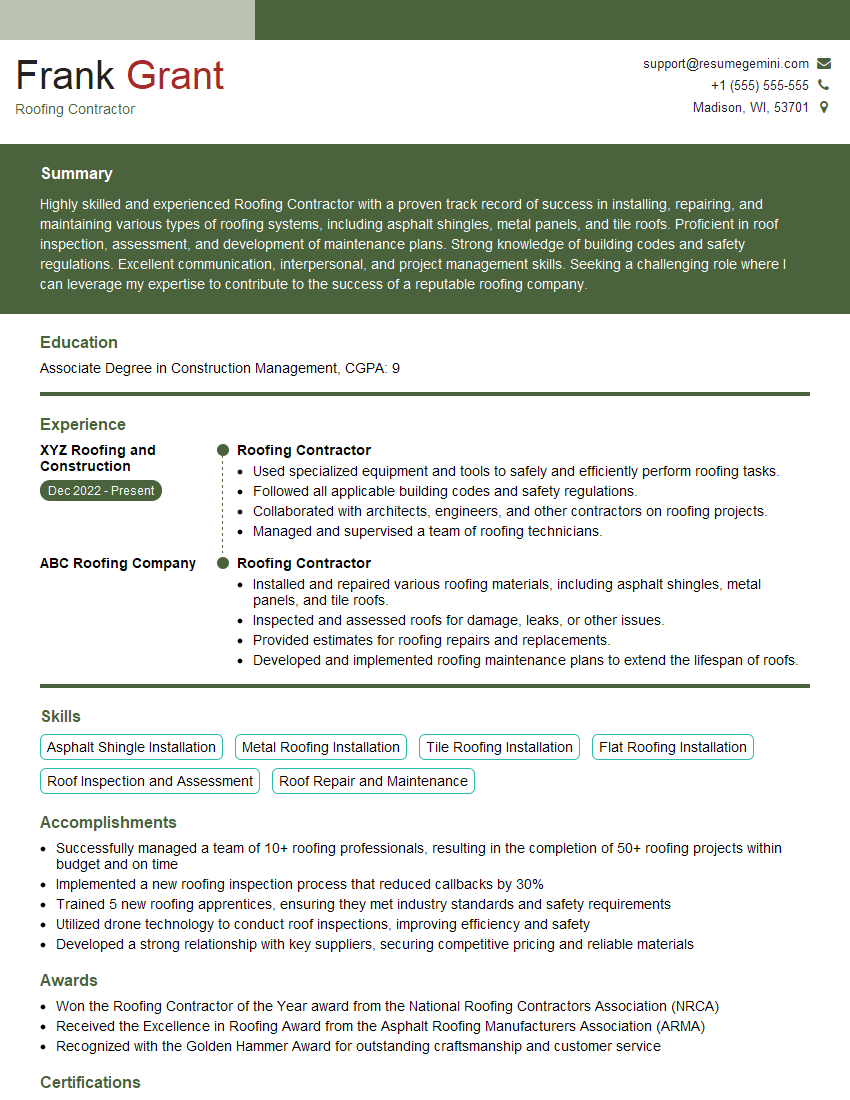
Roofing Contractor Resume Sample
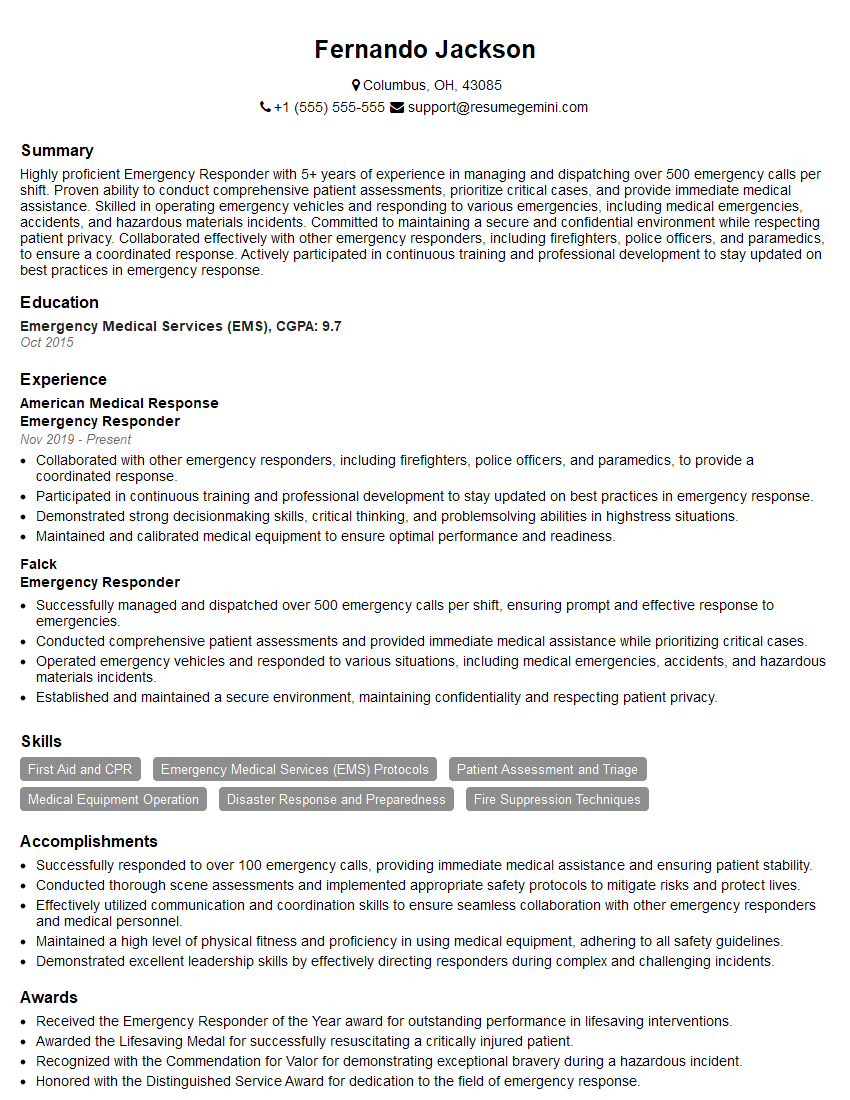
Emergency Responder Resume Sample
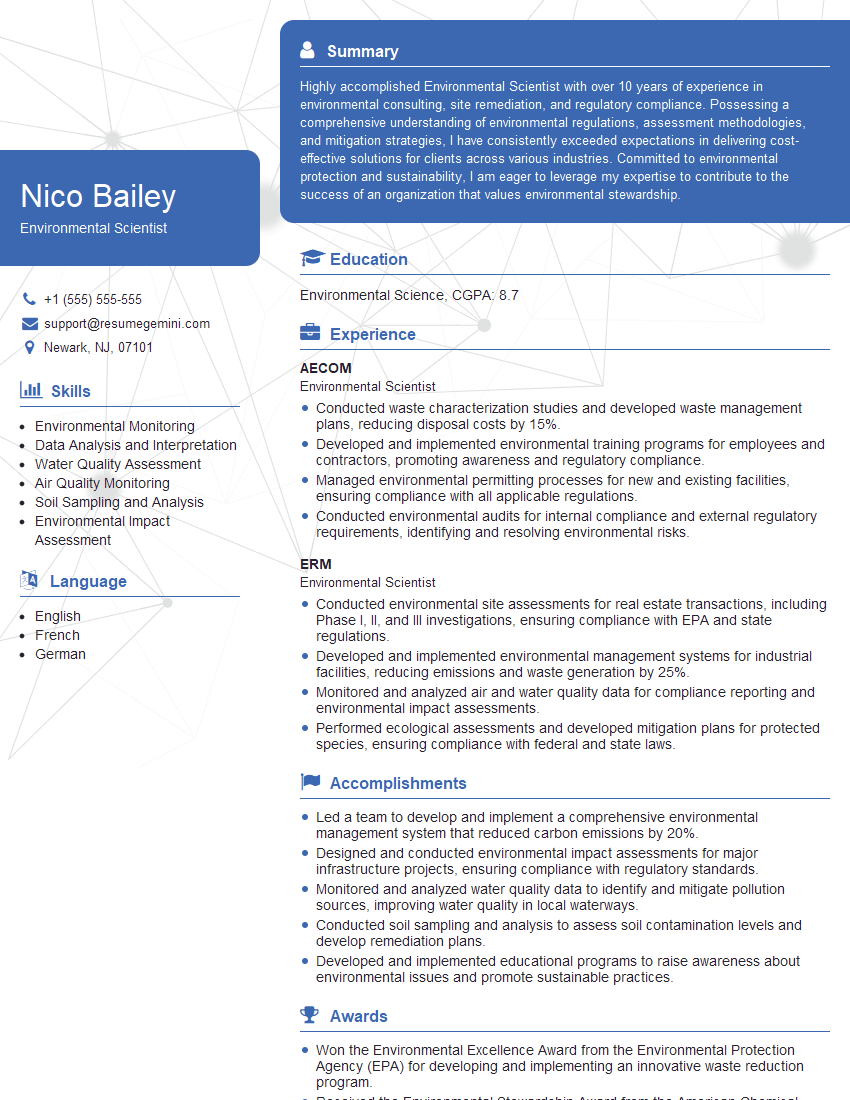
Environmental Scientist Resume Sample
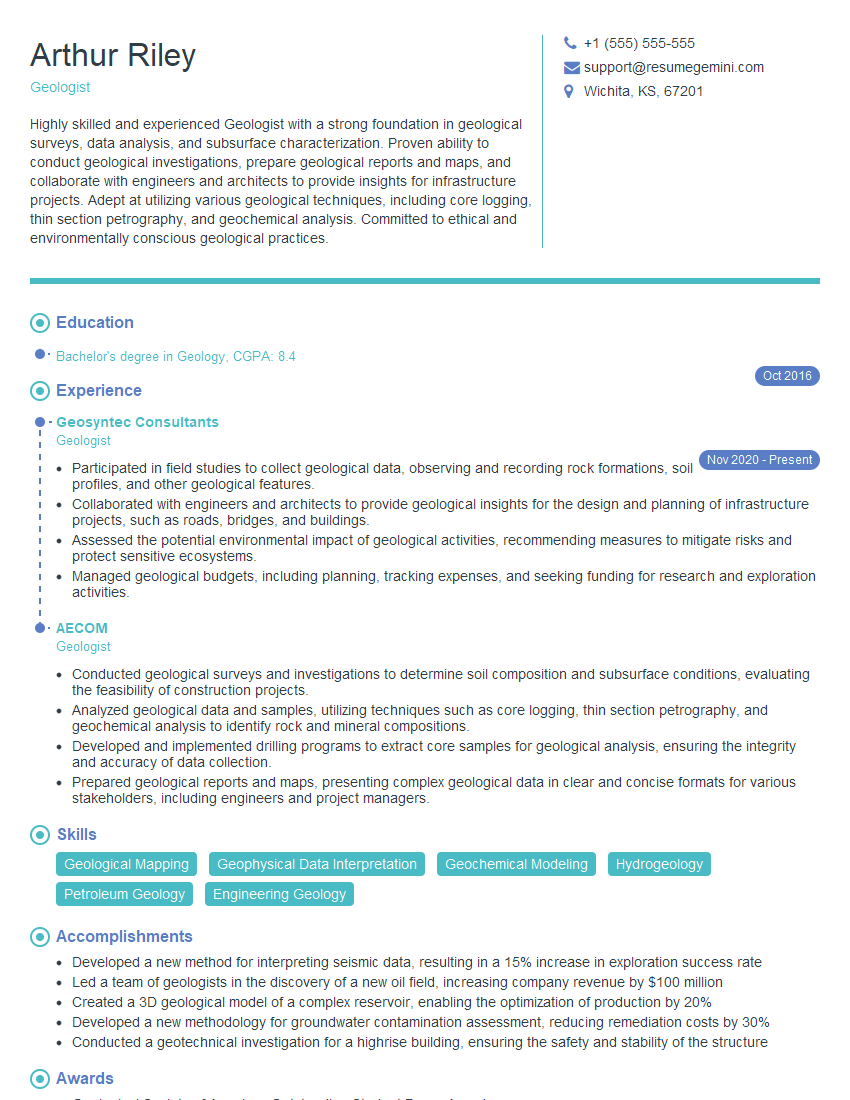
Geologist Resume Sample
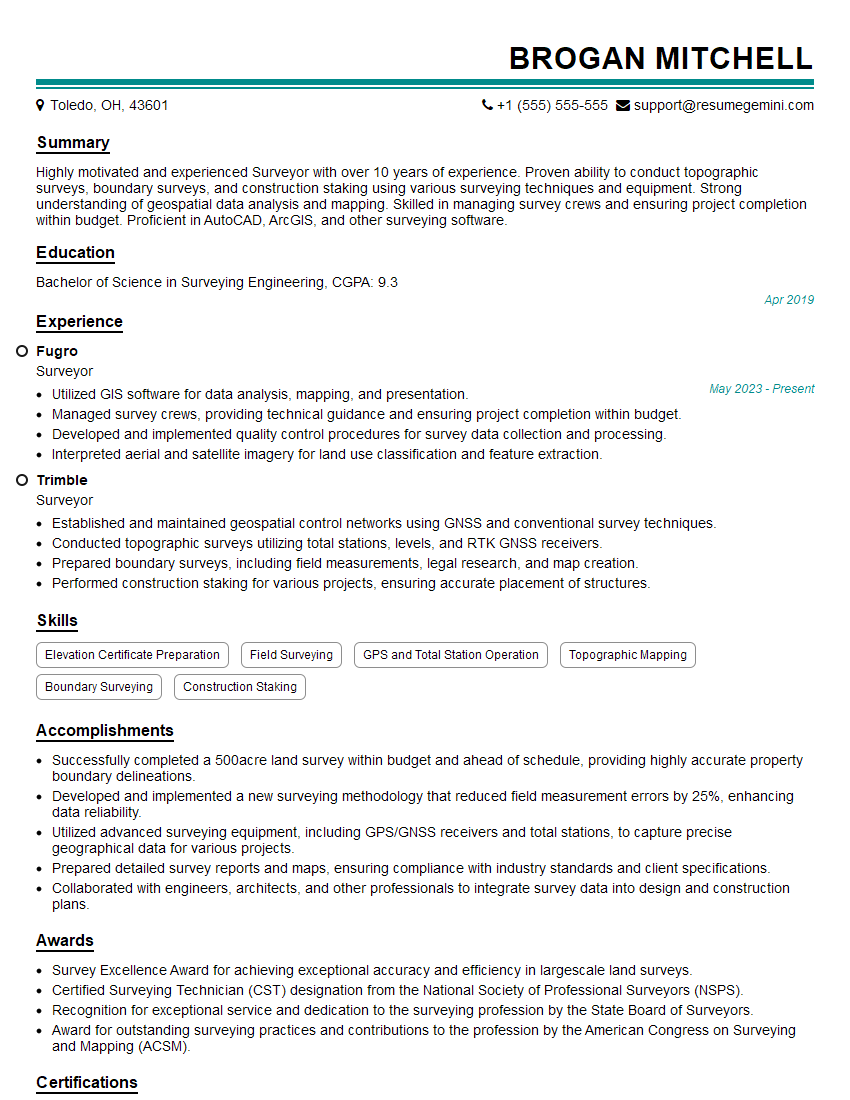
Surveyor Resume Sample
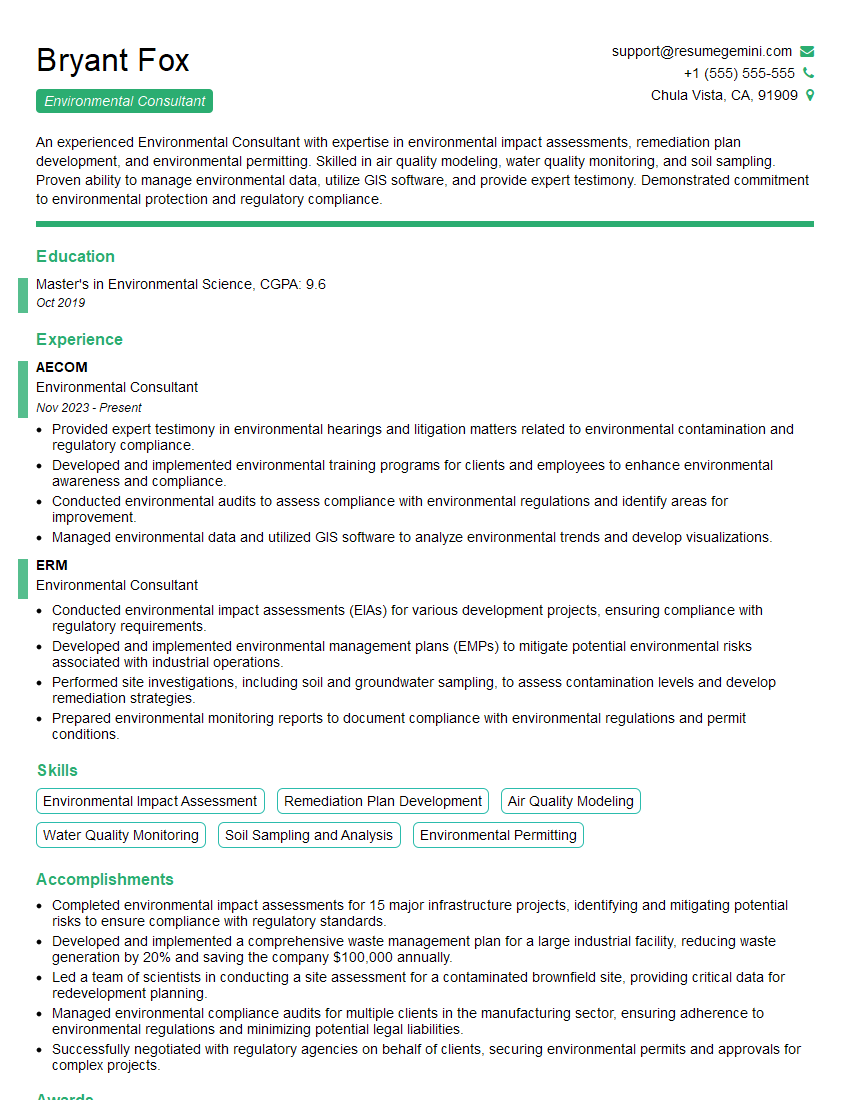
Environmental Consultant Resume Sample

Field Technician Resume Sample

Wildlife Biologist Resume Sample
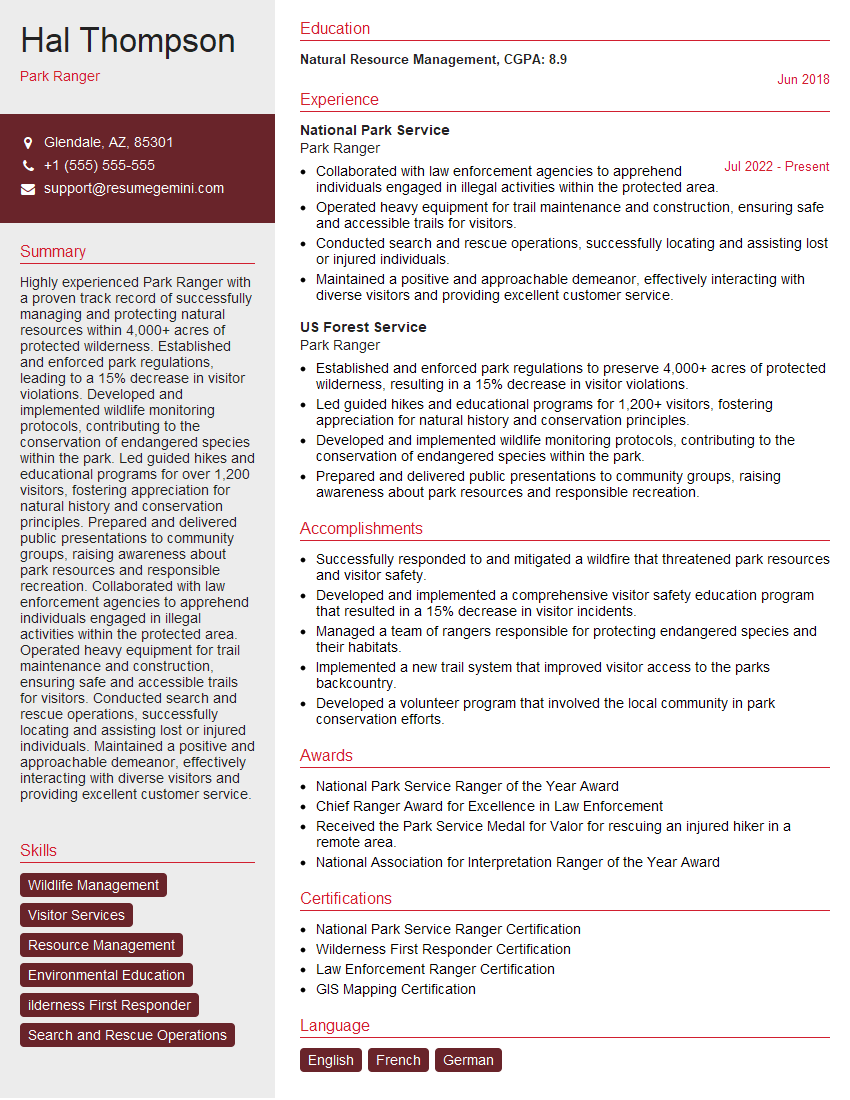
Park Ranger Resume Sample
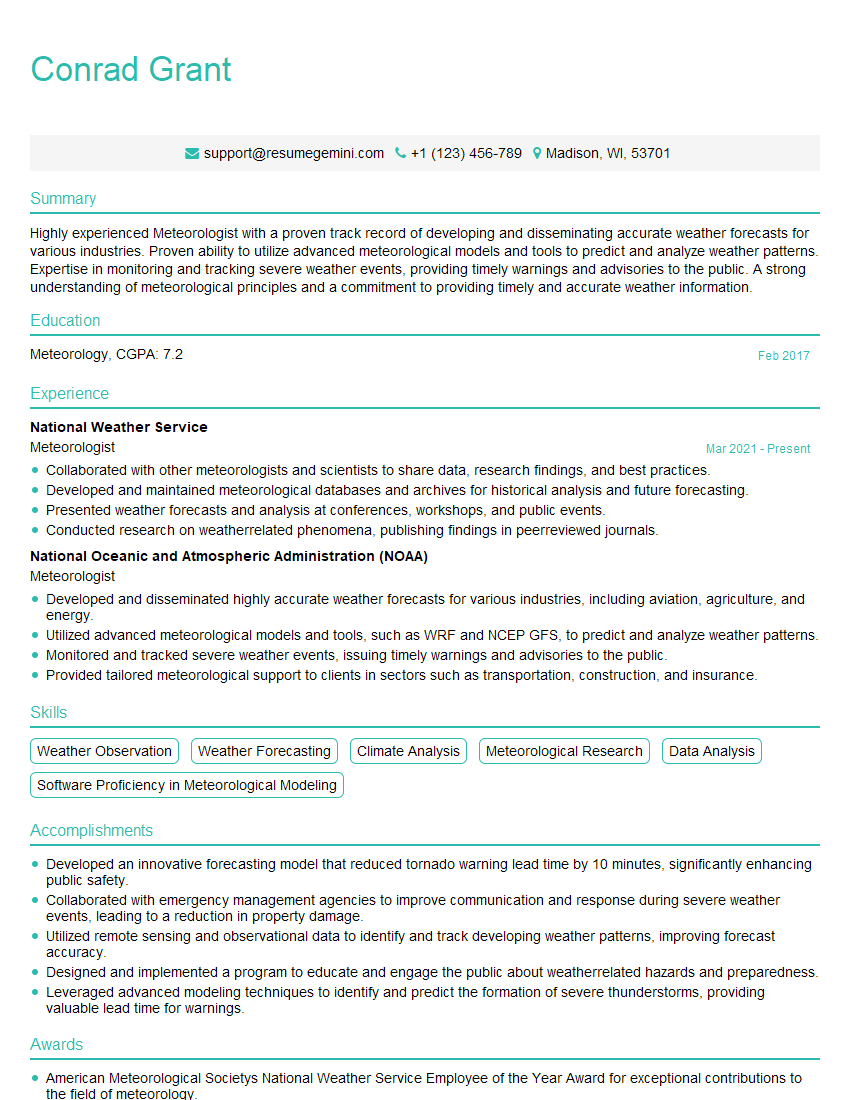
Meteorologist Resume Sample
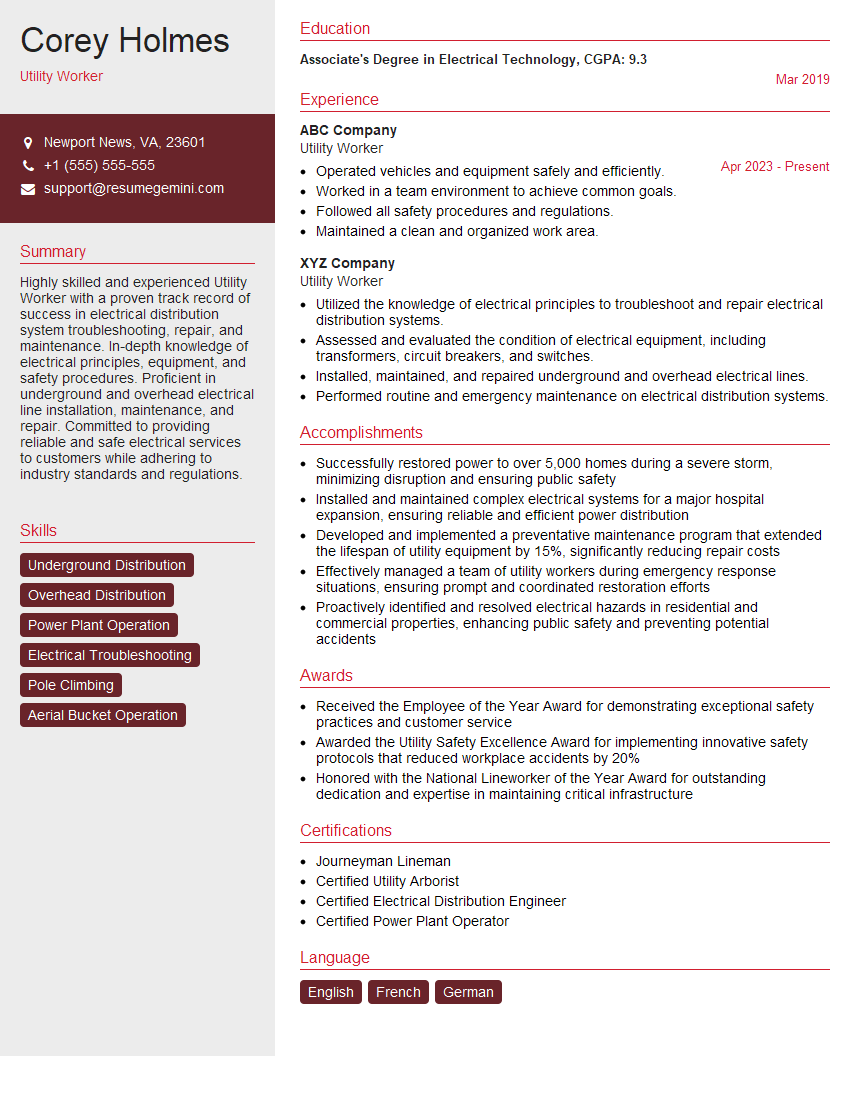
Utility Worker Resume Sample

Tree Surgeon Resume Sample
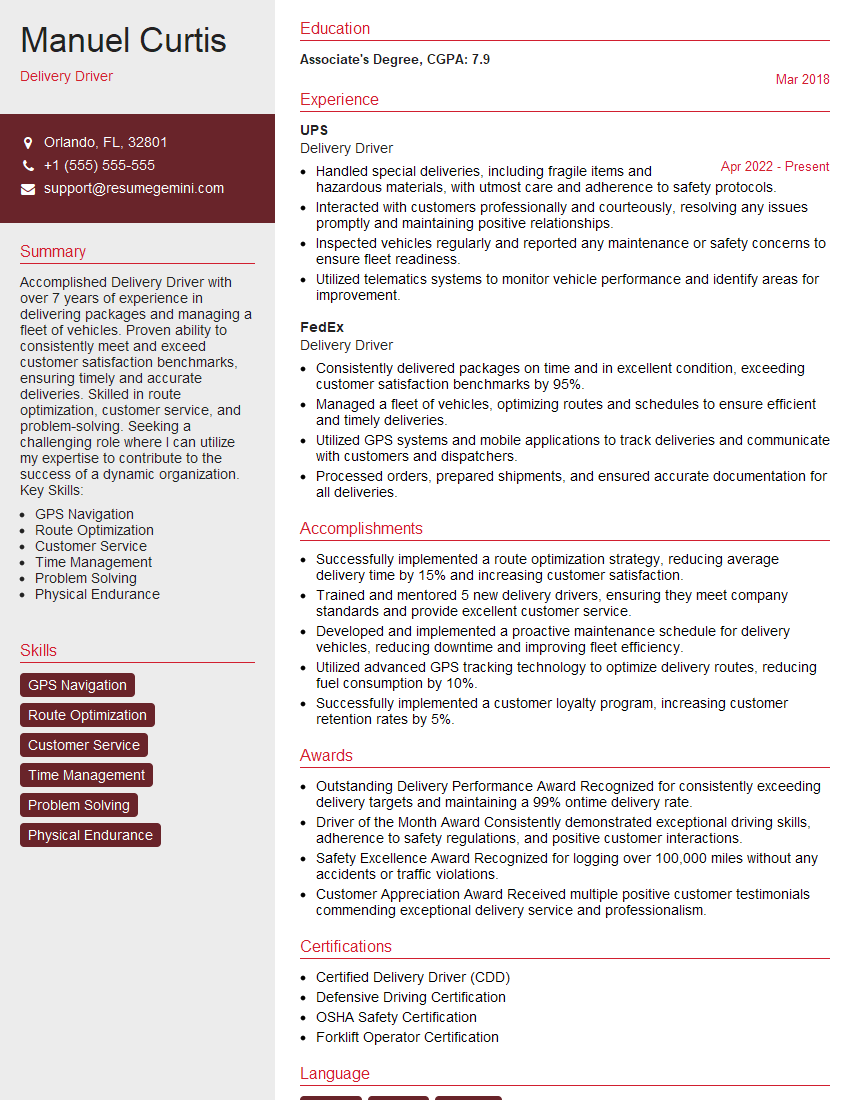
Delivery Driver Resume Sample
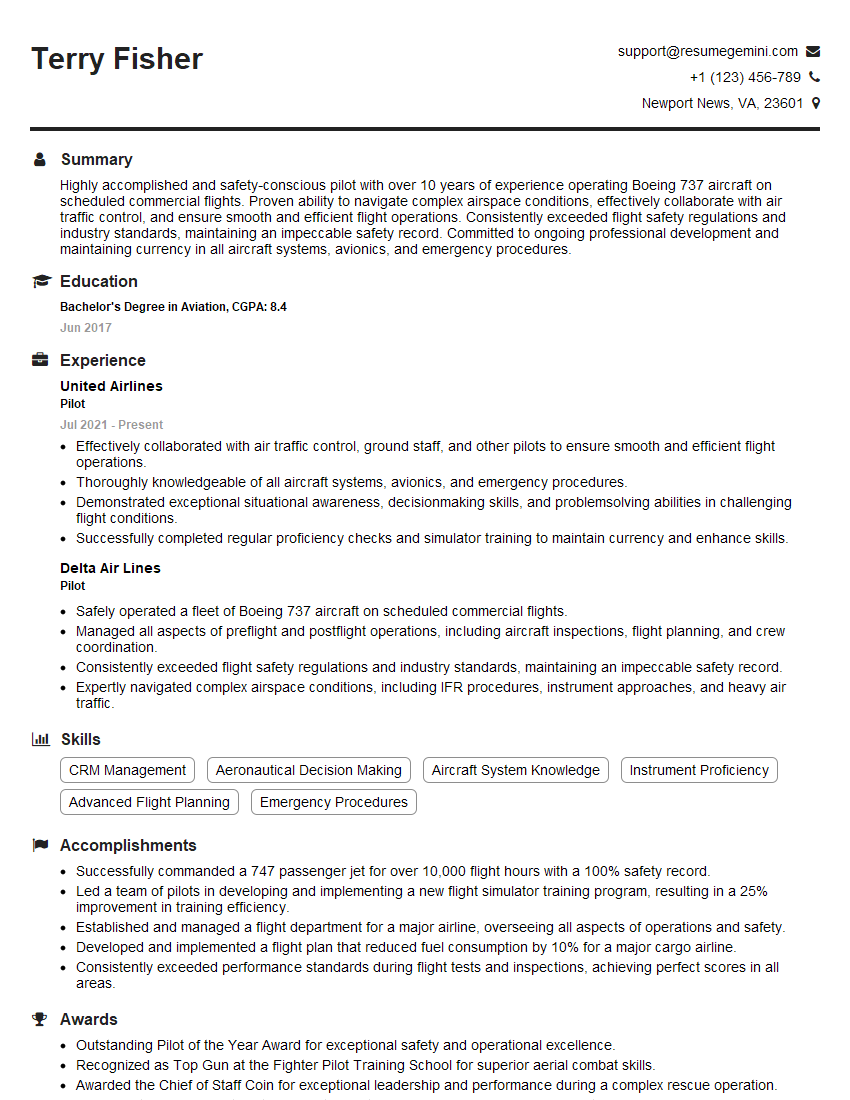
Pilot Resume Sample
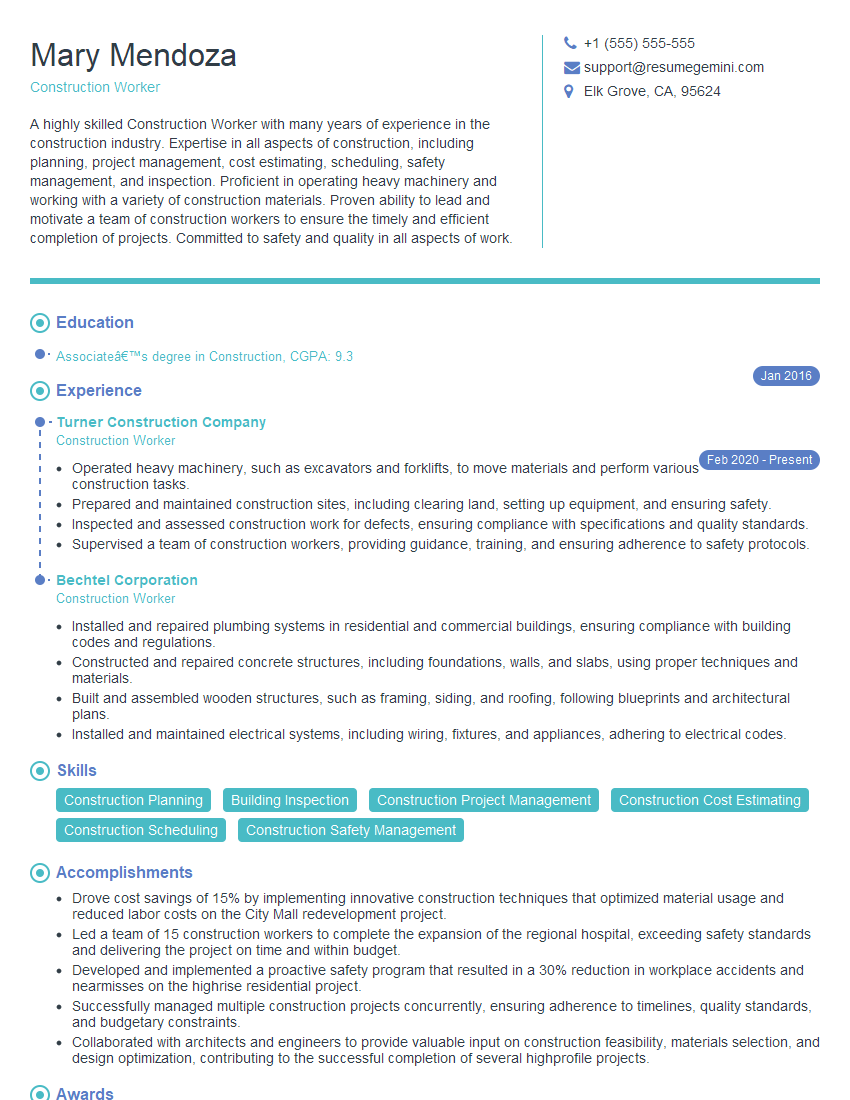
Construction Worker Resume Sample
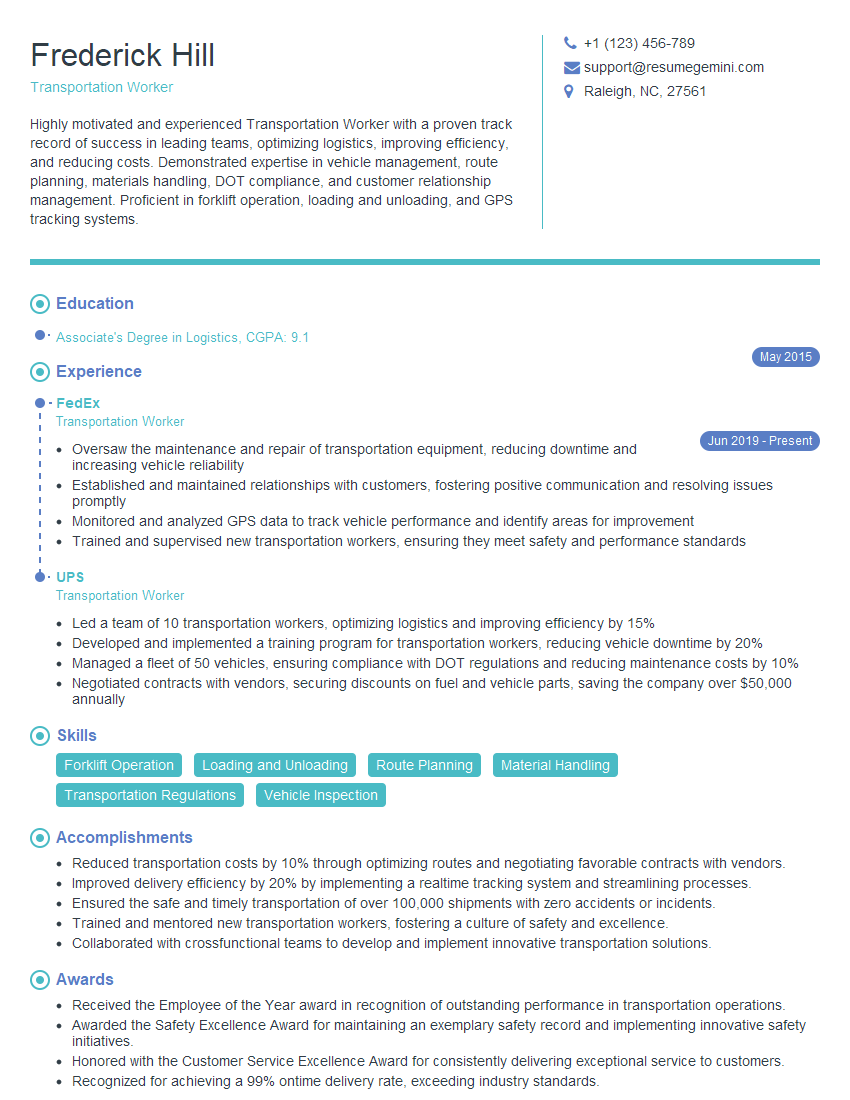
Transportation Worker Resume Sample
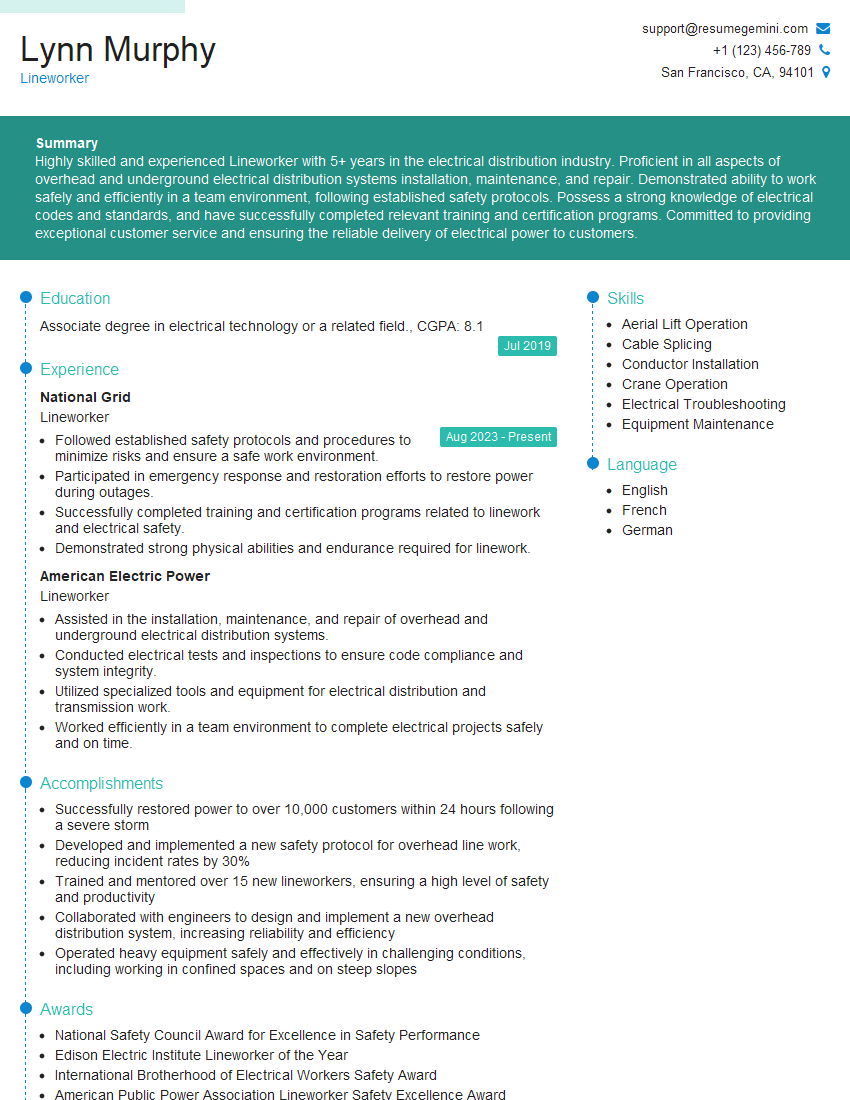
Lineworker Resume Sample
Explore more articles
Users Rating of Our Blogs
Share Your Experience
We value your feedback! Please rate our content and share your thoughts (optional).
What Readers Say About Our Blog
To the interviewgemini.com Webmaster.
Very helpful and content specific questions to help prepare me for my interview!
Thank you
To the interviewgemini.com Webmaster.
This was kind of a unique content I found around the specialized skills. Very helpful questions and good detailed answers.
Very Helpful blog, thank you Interviewgemini team.