The right preparation can turn an interview into an opportunity to showcase your expertise. This guide to Zoning Case Management interview questions is your ultimate resource, providing key insights and tips to help you ace your responses and stand out as a top candidate.
Questions Asked in Zoning Case Management Interview
Q 1. Explain the process of submitting a zoning variance application.
Submitting a zoning variance application is a multi-step process designed to allow property owners to deviate from existing zoning regulations. Think of it like asking for a special exception to the rules. The process typically begins with a thorough review of the local zoning ordinance to understand the specific regulations and requirements. You then need to prepare a detailed application, often including site plans, architectural drawings, and a narrative explaining why the variance is needed and how it addresses any potential negative impacts. This application is then submitted to the relevant zoning authority, which could be a city planning department, a county board, or a similar body.
Next comes the review process. The application is assessed for completeness, compliance with local ordinances, and potential impacts on the surrounding community. This might involve site visits, public hearings, and discussions with neighboring property owners. If the variance is approved, you’ll receive a formal notice. However, if it’s denied, you might have the option to appeal the decision through a designated appeals process.
For example, imagine a homeowner wanting to build a slightly larger addition than permitted by the setback rules. They would need to demonstrate that the variance wouldn’t negatively impact neighbors or the neighborhood’s character, perhaps showcasing unique site constraints or architectural designs justifying the exception.
Q 2. Describe the different types of zoning permits and their uses.
Zoning permits are like different keys unlocking different possibilities for land use. They’re crucial for ensuring projects align with the community’s vision and minimize potential conflicts. There’s no single universal classification, but common types include:
- Building Permits: Authorize the construction, alteration, or demolition of structures. They ensure compliance with building codes and safety regulations, often tied to zoning regulations regarding building height, setbacks, and allowed uses.
- Special Use Permits: Allow activities not typically permitted in a specific zoning district, like a daycare center in a residential area. These often require a more rigorous review process to mitigate potential neighborhood impacts.
- Variance Permits: Grant exceptions to specific zoning regulations for unique circumstances, as discussed previously. These are issued when strict adherence to the regulations causes undue hardship.
- Certificate of Occupancy (CO): Confirms that a building meets all relevant codes and is fit for its intended purpose. It’s essential for legal occupancy and often the final step in the permitting process.
The specific types and requirements vary depending on the local zoning ordinance. It’s crucial to check with your local zoning authority to understand which permits are necessary for your project.
Q 3. How do you handle conflicting zoning regulations?
Conflicting zoning regulations are a common challenge in zoning case management. They arise when different regulations, perhaps from overlapping jurisdictions or outdated ordinances, contradict one another. Resolving these conflicts requires a systematic and careful approach.
Firstly, a thorough analysis of all applicable regulations is needed to identify the precise discrepancies. This involves reviewing the different ordinances, maps, and documents to understand their scope and applicability. Next, determining which regulation takes precedence is vital. This often depends on the hierarchy of ordinances (e.g., more recent legislation generally overrides older ones) and the specific context of the situation. In some instances, the conflicting regulations might need interpretation or clarification from legal counsel or the relevant authorities.
Lastly, documenting the conflict resolution process and communicating clearly with stakeholders is critical. This might include written explanations of the decision-making process, amendments to the ordinances themselves, or even appeals to higher authorities. Imagine a situation where a city ordinance permits a certain building height, but a county ordinance limits it further. Resolving the conflict might involve negotiation between the city and county, a revision of one of the ordinances, or a determination by a court.
Q 4. What are the key components of a comprehensive zoning ordinance?
A comprehensive zoning ordinance acts as a roadmap for land use within a community. Think of it as a detailed set of rules dictating what can be built where and how. Key components include:
- Textual Provisions: The written rules outlining permitted uses, dimensional regulations (height, setbacks, lot size), parking requirements, signage, and other aspects of development.
- Zoning Maps: Visual representations dividing the community into different zones with specific regulations applicable to each zone. These maps are crucial for understanding the regulations applicable to a given parcel.
- Definitions: Clear and concise definitions of terms used throughout the ordinance to avoid ambiguity and ensure consistent interpretation.
- Procedures and Appeals: Outline the process for obtaining permits, appealing decisions, and addressing variances.
- Administrative Provisions: Describe the roles and responsibilities of zoning officials, boards, and other bodies involved in the zoning process.
A well-drafted ordinance promotes orderly development, protects property values, and fosters a harmonious environment. Missing components can lead to uncertainty, disputes, and inefficient land use.
Q 5. Explain your experience with zoning appeals processes.
My experience with zoning appeals processes is extensive. I’ve handled numerous cases involving denials of permits, variances, and other zoning-related decisions. The process usually begins with a formal appeal filed with the appropriate body, often a zoning board of appeals or a similar entity. The appeal must clearly state the grounds for challenging the initial decision, providing evidence supporting the claim.
Subsequently, a hearing is conducted to review the evidence, hear testimony from all parties, and ultimately render a decision. This can be a complex process that involves legal arguments, expert witnesses, and significant documentation. I’ve assisted in preparing appeals, representing clients at hearings, and analyzing evidence to make effective arguments. In some instances, this even extends to navigating litigation in higher courts if the appeal process at the local level doesn’t resolve the issue. Successfully navigating these processes requires a thorough understanding of zoning law, effective communication, and the ability to present compelling evidence.
For instance, in one case, a developer appealed the denial of a variance based on unique site conditions. By presenting detailed geological surveys and engineering reports, we were able to demonstrate that the original decision was based on an incomplete understanding of the situation. The appeal ultimately overturned the initial ruling, allowing the project to proceed.
Q 6. How do you ensure compliance with zoning regulations?
Ensuring compliance with zoning regulations is crucial for maintaining the integrity of the community’s planned development and protecting property values. It requires a multifaceted approach:
- Proactive Permitting and Review: Rigorous review of permit applications to ensure they meet all zoning requirements before approval. This prevents non-compliant projects from proceeding.
- Regular Inspections: Conducting regular inspections of construction sites and existing properties to identify and address violations early on. This is often done in collaboration with building inspectors.
- Public Education and Outreach: Educating the public about zoning regulations and procedures can reduce unintentional violations. This can be done through workshops, online resources, and community outreach programs.
- Enforcement Actions: Addressing violations through a progressive process, starting with warnings and escalating to fines, stop-work orders, or even legal action if necessary. This shows that regulations are not only guidelines but enforceable rules.
- Data-Driven Monitoring: Leveraging GIS and other technology to monitor land use patterns and identify potential violations. This allows for more efficient and proactive enforcement.
This combination of proactive measures and enforcement actions creates a climate of compliance and helps ensure that the zoning plan serves its intended purpose.
Q 7. Describe your experience with GIS software in zoning applications.
Geographic Information Systems (GIS) software is an invaluable tool in zoning applications, providing a powerful platform for visualizing, analyzing, and managing zoning data. My experience includes using GIS software to map zoning districts, overlay various datasets (like property parcels, utilities, and environmental features), and conduct spatial analysis to identify potential conflicts or impacts of development projects. For example, using GIS I can quickly identify properties within a specific flood plain or overlay a proposed development plan on existing zoning maps to immediately see potential compliance issues.
Furthermore, GIS allows for creating interactive maps and reports, which aid in public participation processes and stakeholder communication. This transparency improves community understanding and engagement with the zoning process. I have used GIS to create visual representations of zoning regulations that are easily understandable by non-technical audiences, facilitating more constructive dialogue during public hearings. For instance, I’ve created interactive maps demonstrating the impact of a proposed zoning change on neighboring properties, facilitating better understanding and reducing potential conflicts. The ability to integrate diverse datasets and conduct complex spatial analyses within a GIS environment drastically enhances efficiency and accuracy in zoning case management.
Q 8. How do you interpret zoning maps and regulations?
Interpreting zoning maps and regulations requires a systematic approach. Think of a zoning map as a visual representation of land use rules, and the regulations as the detailed rulebook. First, I identify the subject property on the map, noting its zone designation (e.g., Residential R-1, Commercial C-2). Then, I consult the corresponding regulations for that zone. This involves looking up allowed uses, building height restrictions, setbacks (distances from property lines), parking requirements, lot coverage (percentage of land that can be covered by buildings), and density limitations (number of dwelling units per acre). For example, if the map shows a property is zoned R-1, I’d find the R-1 regulations to determine if a proposed apartment building is permitted. If the regulations allow single-family homes only, the apartment building would be a violation.
I also cross-reference other relevant sections of the regulations, including any overlays (additional regulations applied to specific areas, like floodplains or historic districts) which could further restrict allowable uses or impose additional requirements. Essentially, I use the map as a key to unlock the detailed rules outlined in the zoning code. It’s a bit like using a map to navigate a city – the map shows you the broad strokes, but the street signs and traffic laws provide the detailed rules you need to follow.
Q 9. How do you manage multiple zoning cases simultaneously?
Managing multiple zoning cases simultaneously demands strong organizational skills and a methodical approach. I utilize project management software to track each case’s status, deadlines, and assigned tasks. This software helps me visually manage different stages of review, such as application receipt, plan review, public hearing scheduling, and final decision. I prioritize tasks using a system like the Eisenhower Matrix (Urgent/Important), ensuring that time-sensitive cases with potential legal implications are addressed promptly. For example, a case nearing its appeal deadline would take precedence over a case still in its initial review stage.
Furthermore, regular team meetings and clear communication are essential. This allows me to delegate tasks effectively, maintain transparency, and avoid conflicts or oversights. Imagine juggling multiple balls – each case is a ball, and project management software is the net that helps me keep them all in the air. Effective communication is the glue that holds everything together.
Q 10. Describe your experience with zoning code amendments.
My experience with zoning code amendments includes actively participating in the entire process, from initial proposal through final adoption. This often involves analyzing the proposed changes for consistency, potential impacts on surrounding areas, and compliance with state and federal regulations. I’ve researched and documented the rationale behind proposed changes, considering factors such as community needs, economic development opportunities, and environmental concerns.
For example, I assisted in amending our zoning code to allow for accessory dwelling units (ADUs) in single-family residential zones to address the need for affordable housing and increase housing density. This required careful consideration of potential impacts on parking, neighborhood character, and infrastructure. The process involved researching best practices in other jurisdictions, preparing detailed reports for the planning commission and city council, and responding to public comments. The end result was a refined amendment that balanced community needs with appropriate regulatory oversight.
Q 11. How do you prioritize competing demands in zoning case management?
Prioritizing competing demands in zoning case management hinges on establishing a clear framework for evaluating urgency and impact. I use a weighted scoring system, considering factors like deadline proximity, community impact, legal implications, and the complexity of the issue. A case with an imminent deadline and significant potential for legal challenges would naturally receive higher priority than a less complex case with a more distant deadline.
Imagine a hospital triage – cases are evaluated based on their severity and urgency. Similarly, I assess each case, assigning weights to relevant factors and prioritizing accordingly. This systematic approach ensures that critical cases receive the necessary attention while less urgent cases are still handled effectively. Transparency is vital – I ensure that all stakeholders are aware of the prioritization criteria and the rationale behind the decisions.
Q 12. Explain your understanding of zoning variances and special exceptions.
Zoning variances and special exceptions are mechanisms that allow for deviations from the strict letter of zoning regulations under specific circumstances. A variance is granted when strict adherence to the regulations would impose undue hardship on the property owner, and the variance wouldn’t be detrimental to the public interest. For example, a property owner might request a variance to reduce the required setback if their lot is unusually narrow and building to the minimum setback would render the lot unusable.
A special exception, on the other hand, allows for a use that is permitted in a zone, but only under certain conditions. This often requires demonstrating that the proposed use would not negatively impact the surrounding area. For example, a church might be a permitted use in a residential zone but could require a special exception to ensure its design and operations are compatible with the residential environment. Both require rigorous review and public input to ensure they meet the criteria and align with the overall objectives of the zoning code.
Q 13. How do you handle public inquiries regarding zoning issues?
Handling public inquiries about zoning issues requires patience, clear communication, and a thorough understanding of the zoning code. I always start by actively listening to the inquiry to understand their concerns. I then provide clear and concise explanations, using plain language to avoid technical jargon. If the answer is complex, I break it down into manageable chunks, using analogies or real-world examples to improve understanding.
For instance, if someone asks about the regulations for building a fence, I’d explain the relevant sections of the zoning code concerning fence height, materials, and setbacks. If their question requires further investigation, I make sure to follow up promptly, providing them with written materials, or referring them to other resources as needed. Providing accurate and accessible information fosters public trust and ensures transparency in the zoning process.
Q 14. How do you deal with situations where a project doesn’t meet zoning requirements?
When a project doesn’t meet zoning requirements, my approach is collaborative and problem-solving oriented. I first thoroughly review the plans to identify precisely which regulations are violated and the extent of the non-compliance. I then work with the applicant to explore potential solutions. This may involve suggesting design modifications, applying for a variance or special exception, or exploring alternative uses that conform to the zoning code.
For example, if a proposed building exceeds the allowed height limit, we could discuss design alternatives to reduce its height, or consider applying for a variance if there are compelling reasons to justify the deviation. Open communication and a willingness to find creative solutions are crucial. The goal isn’t to simply deny projects, but to ensure compliance while accommodating reasonable requests. This approach fosters a positive working relationship and promotes a fair and transparent review process.
Q 15. Describe your experience working with developers and contractors on zoning matters.
My experience working with developers and contractors on zoning matters is extensive. I’ve collaborated with numerous teams throughout the entire zoning process, from initial project conception and site analysis to navigating the application process and obtaining necessary approvals. This often involves interpreting zoning codes, identifying potential conflicts, and proposing solutions to ensure compliance. For example, I recently worked with a developer planning a mixed-use building. The initial design exceeded the allowable building height. We collaborated to revise the design, reducing the height while maintaining the project’s viability and adhering to all zoning regulations. This required careful negotiation and a thorough understanding of the specific zoning district’s regulations and potential variances. I also regularly work with contractors to ensure their construction plans conform to approved zoning permits, sometimes mediating discrepancies between the approved plans and on-site realities.
Career Expert Tips:
- Ace those interviews! Prepare effectively by reviewing the Top 50 Most Common Interview Questions on ResumeGemini.
- Navigate your job search with confidence! Explore a wide range of Career Tips on ResumeGemini. Learn about common challenges and recommendations to overcome them.
- Craft the perfect resume! Master the Art of Resume Writing with ResumeGemini’s guide. Showcase your unique qualifications and achievements effectively.
- Don’t miss out on holiday savings! Build your dream resume with ResumeGemini’s ATS optimized templates.
Q 16. What are the common challenges in zoning case management and how do you overcome them?
Common challenges in zoning case management include navigating complex and often ambiguous regulations, dealing with conflicting stakeholder interests (residents, developers, businesses), managing large volumes of data and documentation, and adhering to strict deadlines.
- Ambiguous Regulations: Zoning codes can be dense and difficult to interpret. To overcome this, I meticulously review all applicable regulations, often consulting with legal counsel when necessary for clarification. I always maintain thorough documentation for any interpretative decisions.
- Conflicting Interests: Balancing the needs of different stakeholders requires strong communication and negotiation skills. I facilitate meetings and public hearings, ensuring all parties have the opportunity to voice their concerns and find mutually acceptable solutions.
- Data Management: I employ database management systems and GIS software to efficiently organize and access large amounts of data, ensuring accuracy and easy retrieval of information relevant to each case.
- Deadlines: Strict deadlines require efficient workflow management and prioritization. I utilize project management tools to track progress, identify potential delays, and proactively address challenges, keeping all parties informed of the timeline.
Q 17. Explain your knowledge of environmental regulations related to zoning.
My understanding of environmental regulations related to zoning is critical to my role. Zoning decisions often have significant environmental implications, and I ensure compliance with all relevant federal, state, and local environmental laws. This includes the Clean Water Act, the Clean Air Act, the Endangered Species Act, and numerous others depending on the jurisdiction and project type. For example, a project impacting wetlands requires a thorough environmental impact assessment and adherence to permits issued by the relevant agencies (e.g., the Army Corps of Engineers). I collaborate closely with environmental consultants to ensure the project meets all environmental requirements before any zoning approval is granted. This may involve analyzing site conditions, mitigating potential impacts, and ensuring compliance with stormwater management regulations.
Q 18. How do you ensure data accuracy in zoning case management?
Data accuracy is paramount in zoning case management. I employ several strategies to ensure its integrity. This includes:
- Double-checking all data entries: All data, from property lines to building specifications, is verified from multiple sources before being entered into the database.
- Utilizing GIS technology: Geographic Information Systems (GIS) provide a visual representation of the data, allowing for easy detection and correction of errors. It helps in visualizing zoning boundaries and ensuring consistency with physical characteristics of the land.
- Regular data audits: Periodic audits are conducted to detect and correct any inconsistencies or inaccuracies. This includes reviewing the data for completeness and comparing it against other relevant sources.
- Version control: Tracking changes to data over time is crucial for accountability and auditing purposes. We implement version control to easily identify any modifications to case files or documents.
These measures ensure that all decisions are based on reliable and accurate information.
Q 19. What strategies do you use to effectively communicate complex zoning information?
Communicating complex zoning information effectively requires clarity, conciseness, and accessibility. I use several strategies:
- Plain Language: I avoid technical jargon whenever possible and use clear, simple language that is easily understood by all stakeholders, regardless of their background.
- Visual Aids: Maps, charts, and diagrams are frequently used to illustrate zoning regulations and project plans, making complex information easier to grasp.
- Interactive Presentations: Engaging presentations and public forums allow for direct interaction and clarification of any questions or concerns.
- Written Summaries: Concise written summaries of zoning decisions and their implications are provided to all relevant parties, ensuring everyone is aware of the outcomes and next steps.
For example, when explaining variances, I might use a simple analogy comparing the zoning code to a recipe; the variance is like a substitution that needs justification within the overarching framework.
Q 20. How familiar are you with the Fair Housing Act and its implications on zoning decisions?
I am very familiar with the Fair Housing Act (FHA) and its significant implications on zoning decisions. The FHA prohibits housing discrimination based on race, color, national origin, religion, sex, familial status, or disability. This means zoning regulations cannot be used to intentionally or unintentionally discriminate against protected classes. For example, zoning regulations that restrict the density of housing in certain areas could have a disproportionate impact on low-income families or minority groups if not carefully considered. I work diligently to ensure that zoning proposals comply with the FHA, often consulting with legal counsel to analyze any potential impacts on protected classes and proactively identify and mitigate risks of discriminatory effects. This often involves rigorous analysis of potential effects on diverse housing options and community integration.
Q 21. Describe your experience using zoning-related databases and software.
My experience with zoning-related databases and software is extensive. I’m proficient in using GIS software (like ArcGIS) for spatial analysis, identifying property boundaries, visualizing zoning districts, and assessing the impact of proposed developments on surrounding areas. I also utilize database management systems (DBMS) like SQL to efficiently manage and query large datasets related to zoning applications, permits, and compliance. Furthermore, I am experienced with various zoning permit and application tracking software, ensuring timely processing of applications and maintaining an accurate record of all case activity. This includes understanding how to input, update, and retrieve information within these systems, contributing to the smooth operation of the zoning review process.
Q 22. Explain your understanding of different zoning districts (residential, commercial, industrial, etc.).
Zoning districts are essentially land-use classifications that dictate what activities are permitted on specific parcels of land. They are crucial for planning and managing urban growth, ensuring compatible land uses, and protecting property values. Different districts have different regulations regarding building height, density, setbacks, parking requirements, and permitted uses.
- Residential Districts: These are designed for housing, typically ranging from single-family homes to multi-family dwellings (apartments, townhouses). Regulations might limit commercial activity to small home-based businesses. Examples include R-1 (single-family), R-2 (multi-family low density), R-3 (multi-family high density).
- Commercial Districts: These zones accommodate retail businesses, offices, and other commercial enterprises. Regulations often focus on parking requirements, signage restrictions, building heights, and density to manage traffic and pedestrian flow. Examples include C-1 (neighborhood commercial), C-2 (general commercial), C-3 (regional commercial).
- Industrial Districts: These are for manufacturing, warehousing, and other industrial activities. They often have regulations related to emissions, noise levels, and hazardous materials storage. Examples might include I-1 (light industrial), I-2 (heavy industrial).
- Mixed-Use Districts: These are becoming increasingly common, combining residential, commercial, and sometimes even industrial uses within a single zone. The goal is to create vibrant, walkable communities. Regulations balance the needs of different uses.
Understanding these distinctions is critical in evaluating zoning applications and ensuring compliance with local ordinances.
Q 23. How do you ensure timely processing of zoning applications?
Timely processing of zoning applications is paramount for efficient land use management and economic development. My approach emphasizes proactive communication, streamlined workflows, and adherence to established timelines.
- Clear Communication: I maintain open communication with applicants throughout the process, providing regular updates and addressing any questions promptly. This minimizes delays caused by misunderstandings or missing information.
- Streamlined Workflow: I use project management tools to track applications, ensuring that each step is completed efficiently. This involves assigning tasks to the appropriate reviewers, setting deadlines, and monitoring progress.
- Proactive Review: I meticulously review applications for completeness, identifying any potential issues early on. This allows for prompt resolution and prevents delays later in the process.
- Adherence to Timelines: I am rigorously committed to meeting all statutory deadlines for processing applications. If unforeseen delays arise, I immediately notify all parties involved and provide a revised timeline.
By implementing these strategies, I contribute to a transparent and efficient zoning process that benefits both applicants and the community.
Q 24. What is your experience with site plan reviews and approvals?
Site plan review is a crucial aspect of zoning case management, focusing on the detailed layout and design of a development project. My experience encompasses reviewing plans for compliance with zoning regulations, ensuring public safety, and protecting environmental resources.
- Reviewing Plans: I meticulously examine site plans to ensure compliance with zoning regulations, including setbacks, parking, landscaping, access points, and stormwater management.
- Identifying and Addressing Issues: I identify any potential problems or conflicts early in the process and work collaboratively with applicants to find solutions. This includes ensuring the design aligns with the neighborhood character and avoids any negative impacts on adjacent properties.
- Public Engagement: Depending on project scope and community interest, I may facilitate public hearings and solicit feedback to ensure community input is considered.
- Approvals and Conditions: Once the site plan satisfies all requirements, I prepare a detailed approval document that might include specific conditions, ensuring compliance throughout construction.
For example, I recently reviewed a site plan for a new apartment complex, identifying a potential issue with insufficient green space. Through collaboration with the applicant, we were able to redesign the plan to include a larger community garden, addressing both zoning requirements and environmental concerns.
Q 25. How do you stay current with changes and updates in zoning regulations?
Staying current with zoning regulations is vital for effective case management. The landscape of zoning laws is dynamic, constantly evolving to reflect societal changes and new technologies. I employ several strategies to ensure my knowledge remains up-to-date.
- Regular Review of Legal Updates: I regularly review relevant legal updates, including new ordinances, amendments, and court decisions, through subscription to legal journals and online databases.
- Participation in Professional Development: I actively participate in professional development opportunities, including conferences and workshops, to learn about the latest trends and best practices in zoning and land use management.
- Networking with Colleagues: I maintain strong professional relationships with colleagues in other jurisdictions, sharing knowledge and insights to stay informed about new developments in the field.
- Monitoring Local Government Websites: I closely monitor local government websites for any notices of proposed changes to zoning ordinances or relevant policies.
This multi-faceted approach enables me to provide consistent and accurate advice on zoning matters, ensuring compliance with all current regulations.
Q 26. Describe a situation where you had to make a difficult decision related to zoning compliance.
One challenging situation involved a request for a variance to allow for a larger building footprint than permitted in a historic district. The applicant argued that the proposed building design would enhance the neighborhood’s character, while neighbors expressed concerns about potential negative impacts on views and traffic.
To make an informed decision, I carefully reviewed the application, consulted with preservation experts, and organized a public hearing to gather community input. I weighed the applicant’s arguments against the concerns of residents, assessing the potential positive and negative impacts on the neighborhood. Ultimately, I recommended a modified variance that addressed the neighbors’ concerns, allowing a slightly larger footprint but with specific conditions to mitigate any potential negative effects. This solution ensured that the project enhanced, rather than detracted, from the neighborhood’s character and maintained the balance of community interests.
Q 27. How do you handle zoning violations and enforcement procedures?
Handling zoning violations effectively requires a balanced approach that combines education, enforcement, and collaboration. My approach prioritizes resolving issues fairly and efficiently while ensuring compliance with zoning regulations.
- Initial Contact: Upon receiving a report of a potential violation, I make initial contact with the property owner to inform them of the alleged violation and provide an opportunity to address the issue voluntarily.
- Investigation: If the issue is not resolved, I conduct a thorough investigation, gathering evidence to determine the nature and extent of the violation.
- Notice of Violation: A formal notice of violation is issued outlining the specific violation(s), providing details about how to achieve compliance, and setting a deadline for corrective action.
- Enforcement Actions: If the violation is not rectified within the specified time frame, I may initiate enforcement actions, including fines, stop-work orders, or legal proceedings.
- Collaboration: I also aim to work collaboratively with property owners to find solutions that achieve compliance while considering individual circumstances and potentially exploring alternative approaches.
The goal is not just to punish but to achieve compliance and educate property owners on zoning regulations to prevent future violations.
Q 28. Explain your experience with zoning board meetings and presentations.
Zoning board meetings are crucial forums for discussing and deciding on zoning matters. My experience includes preparing and presenting detailed reports, responding to questions from board members and the public, and facilitating productive discussions.
- Report Preparation: I prepare comprehensive reports that clearly present the facts of each case, including relevant zoning regulations, applicant proposals, and community input.
- Presentation Skills: I am proficient in presenting this information clearly and concisely, ensuring the board and the public have a thorough understanding of the issues.
- Question Handling: I can effectively answer questions from board members and the public, providing well-informed responses that address concerns and clarify any uncertainties.
- Facilitation: I actively participate in discussions, ensuring a productive and respectful exchange of views that leads to informed decisions.
I have a strong record of successfully navigating the complexities of zoning board meetings, ensuring fair and transparent decision-making processes.
Key Topics to Learn for Zoning Case Management Interview
- Zoning Ordinances and Regulations: Understanding the intricacies of local, regional, and potentially state zoning codes and their practical application in case management.
- Case Review and Analysis: Developing proficiency in reviewing applications, identifying compliance issues, and conducting thorough due diligence.
- Stakeholder Communication and Collaboration: Mastering effective communication with applicants, neighbors, community groups, and other stakeholders to navigate complex situations.
- Data Management and Record Keeping: Understanding best practices for organizing and maintaining comprehensive case files, complying with relevant regulations and ensuring data integrity.
- Permitting and Approval Processes: Gaining a deep understanding of the steps involved in the permitting process, from initial application to final approval or denial.
- Conflict Resolution and Negotiation: Developing skills in mediating disputes, finding common ground, and resolving conflicts efficiently and fairly.
- Legal Frameworks and Case Law: Familiarity with relevant legal precedents and their impact on zoning decisions and case management.
- Technology and Software: Proficiency with relevant software and database systems used in zoning case management (e.g., GIS mapping software).
- Ethical Considerations: Understanding and adhering to ethical guidelines and best practices in zoning case management.
- Problem-solving and Decision-making: Developing a strategic approach to problem-solving and making informed decisions in complex zoning cases.
Next Steps
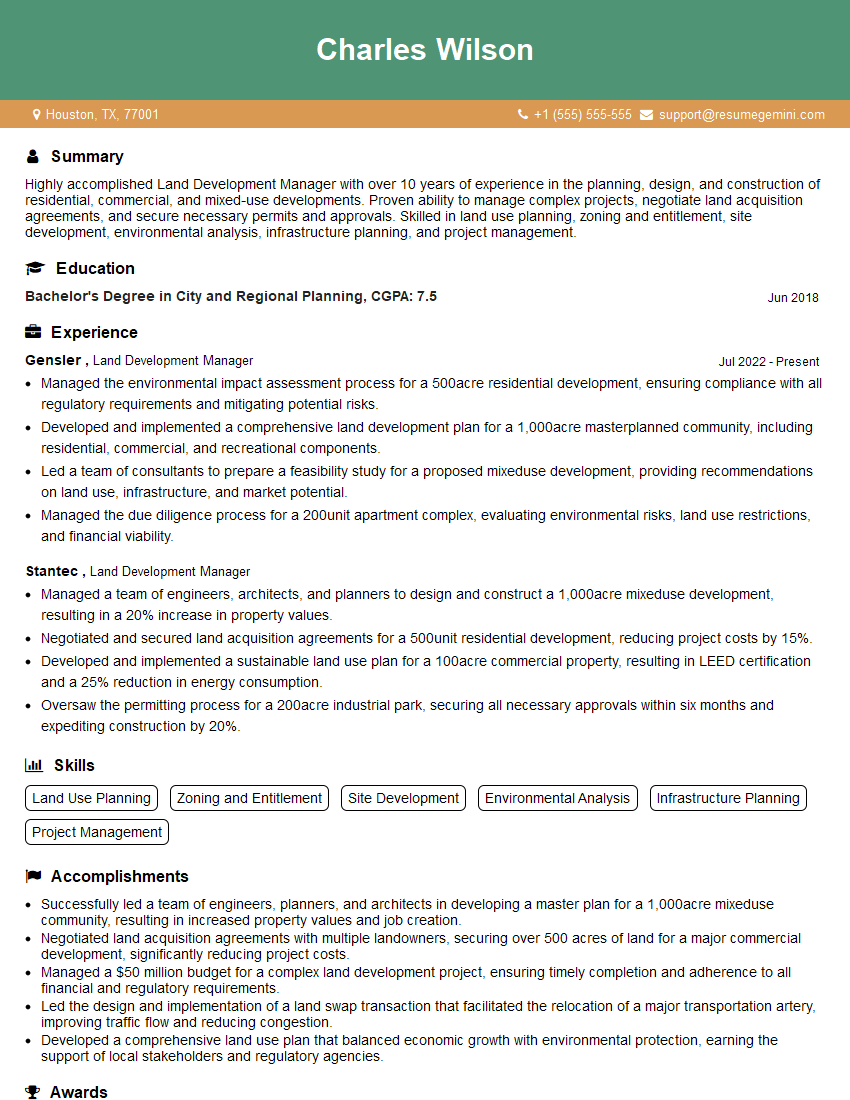
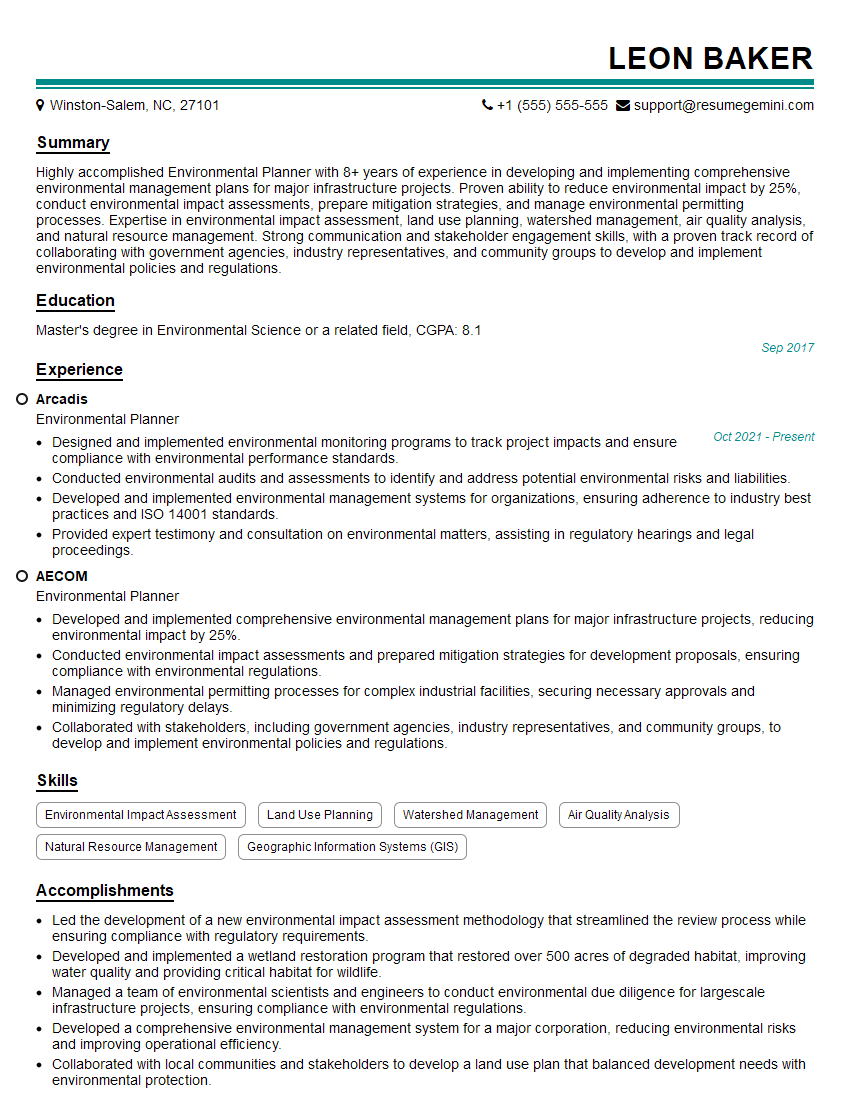
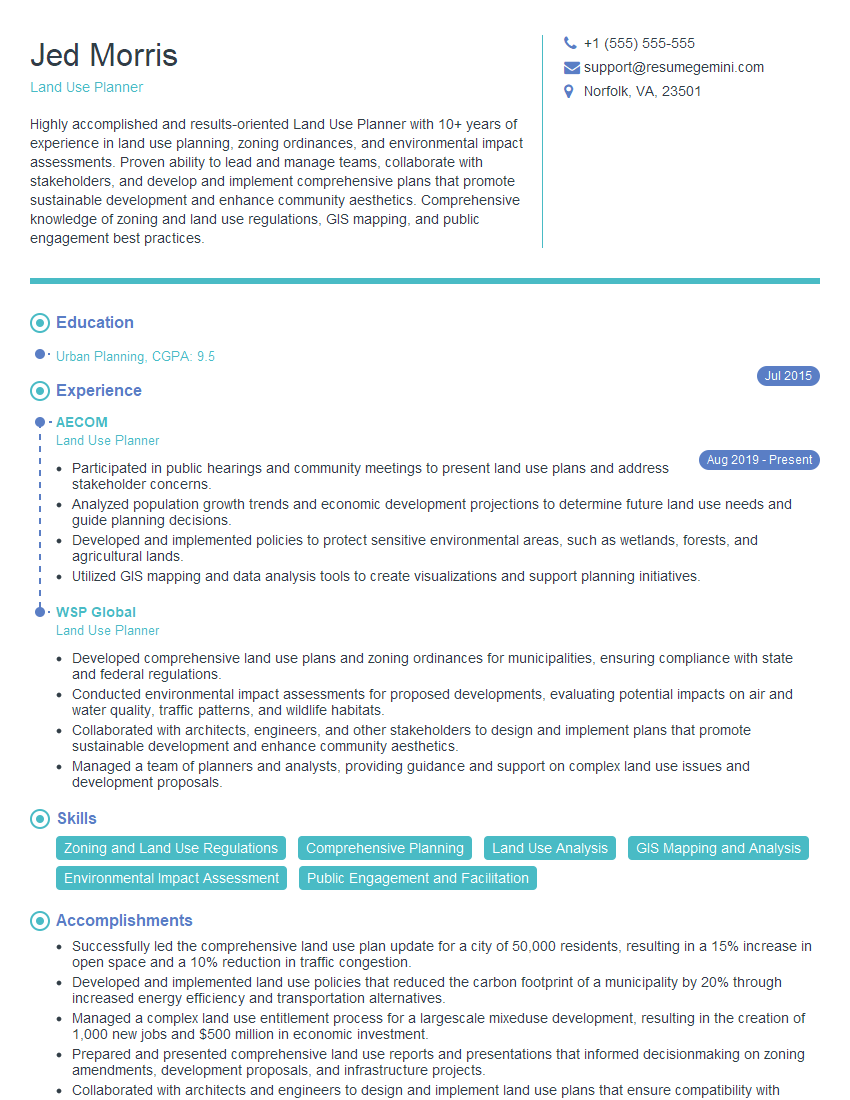
Mastering Zoning Case Management opens doors to rewarding careers with significant growth potential. To maximize your job prospects, creating a strong, ATS-friendly resume is crucial. ResumeGemini is a trusted resource that can help you build a professional and impactful resume tailored to your skills and experience. We offer examples of resumes specifically designed for Zoning Case Management professionals to guide you. Invest the time to craft a compelling resume—it’s your first impression and a key to unlocking your career goals.
Explore more articles
Users Rating of Our Blogs
Share Your Experience
We value your feedback! Please rate our content and share your thoughts (optional).
What Readers Say About Our Blog
To the interviewgemini.com Webmaster.
Very helpful and content specific questions to help prepare me for my interview!
Thank you
To the interviewgemini.com Webmaster.
This was kind of a unique content I found around the specialized skills. Very helpful questions and good detailed answers.
Very Helpful blog, thank you Interviewgemini team.