Every successful interview starts with knowing what to expect. In this blog, we’ll take you through the top Advanced Art Therapy Techniques and Interventions interview questions, breaking them down with expert tips to help you deliver impactful answers. Step into your next interview fully prepared and ready to succeed.
Questions Asked in Advanced Art Therapy Techniques and Interventions Interview
Q 1. Describe your experience with specific advanced art therapy modalities, such as sandtray therapy or psychodrama.
My experience with advanced art therapy modalities is extensive, encompassing both sandtray therapy and psychodrama. Sandtray therapy, a particularly powerful approach, utilizes a miniature landscape and diverse figurines to allow clients to externalize their inner world symbolically. I’ve used it extensively with children and adolescents to explore family dynamics, traumatic experiences, and emotional processing. For instance, a child struggling with parental separation might unconsciously arrange the figurines in a way reflecting their feelings of abandonment or anger, providing a non-threatening entry point for discussion. Psychodrama, on the other hand, is a more active modality where clients enact their inner conflicts and interpersonal relationships through role-playing. I find it especially helpful for adult clients dealing with complex trauma or interpersonal difficulties. I’ve successfully used it to help clients explore communication patterns, identify limiting beliefs, and develop new coping mechanisms. A client grappling with anxiety in social situations, for example, might role-play a scenario where they initiate a conversation, allowing them to practice assertive communication and experience a sense of mastery.
Q 2. Explain your understanding of trauma-informed art therapy and its applications.
Trauma-informed art therapy recognizes the profound impact of trauma on a client’s emotional, cognitive, and behavioral functioning. It prioritizes safety, choice, collaboration, and empowerment. This means creating a therapeutic environment that is non-judgmental, validating, and respectful of the client’s pace. Interventions are carefully chosen to avoid re-traumatization, focusing on building trust, regulating emotions, and fostering self-awareness. For example, instead of directly confronting a traumatic memory, I might use art to explore associated emotions like anger or sadness through expressive techniques such as painting or sculpting. The process itself, rather than the final product, becomes the primary focus. Clients are given control over the pace and direction of therapy, ensuring their comfort and preventing overwhelming experiences. I often incorporate mindfulness techniques and somatic awareness exercises into my work, helping clients connect to their bodies and manage overwhelming sensations.
Q 3. How would you adapt art therapy interventions for clients with different developmental stages?
Adapting art therapy interventions for different developmental stages requires a deep understanding of each stage’s cognitive, emotional, and social capabilities. With young children (preschool), I focus on play-based activities like finger painting or collage, allowing for free expression without pressure for specific outcomes. For school-aged children, I might use more structured activities, like drawing or sculpting, to explore specific themes or narratives. Adolescents often benefit from more abstract and expressive art forms, allowing for deeper self-exploration. Adults might engage in complex art-making processes or symbolic interpretations of their artwork. Regardless of age, I adapt the language and approach to ensure the client feels understood and comfortable. For example, with a nonverbal child, I might use nonverbal communication and observation to understand their artistic expression.
Q 4. Describe your approach to assessing a client’s art work and integrating it into the therapeutic process.
Assessing a client’s artwork is not simply about evaluating artistic skill but involves a careful consideration of the symbolic content, form, and process. I use a holistic approach, considering the client’s verbal and nonverbal communication alongside their artwork. I look at things like color choice (e.g., vibrant colors might indicate energy and joy, while muted colors could suggest sadness or depression), line quality (e.g., sharp, jagged lines could express anger), and composition (e.g., a balanced composition might represent stability, while a chaotic one might reflect inner turmoil). The process itself is crucial; observing how the client interacts with the materials and the creative process can reveal much about their emotional state and coping mechanisms. This information is integrated into the therapeutic process through discussion, leading to a deeper understanding of the client’s internal world and challenges. For instance, a client’s repeated use of dark colors and sharp lines in their drawings may reflect underlying feelings of anger or depression, opening avenues for exploring these emotions.
Q 5. How do you manage ethical dilemmas encountered in art therapy practice?
Ethical dilemmas in art therapy are addressed using a framework of professional standards and ethical guidelines. Maintaining confidentiality, ensuring client autonomy, and avoiding harm are paramount. I regularly consult with colleagues or supervisors when facing difficult ethical decisions. For example, if a client discloses a plan to harm themselves or others, I am obligated to break confidentiality and take appropriate action, which involves notifying relevant authorities and seeking support for the client. Similarly, ensuring appropriate boundaries and managing dual relationships are crucial aspects of ethical practice. Regular self-reflection and continuing professional development are essential to maintaining ethical integrity.
Q 6. What are your strategies for building rapport and establishing trust with clients in art therapy?
Building rapport and trust is fundamental to effective art therapy. I start by creating a safe and welcoming environment, emphasizing the non-judgmental nature of the space and respecting the client’s autonomy. I use active listening, validating their feelings and experiences. I explain the process clearly and answer all questions thoroughly. I also try to connect with the client on a personal level, demonstrating empathy and understanding. Sometimes, I engage in informal art-making activities alongside the client, creating a sense of shared experience and reducing potential feelings of judgment. Establishing trust takes time and consistent effort, but it is a critical foundation for successful therapy.
Q 7. Explain your experience using art therapy to address specific mental health conditions, such as anxiety or depression.
Art therapy has proven effective in addressing various mental health conditions. For anxiety, I often use techniques that promote relaxation and self-regulation, such as mindful art-making, guided imagery, and expressive arts like movement and dance. For depression, I might use art to explore feelings of sadness, loss, and hopelessness, helping clients express their emotions safely and non-verbally. I might also use art to build self-esteem and foster a sense of accomplishment. For example, a client struggling with anxiety might benefit from creating a calming mandala, focusing on the repetitive nature of the activity and achieving a sense of control and accomplishment. A client with depression could use clay sculpting to express their feelings of heaviness or isolation, leading to a sense of release and catharsis.
Q 8. How do you integrate art therapy with other therapeutic modalities, such as cognitive behavioral therapy?
Integrating art therapy with other modalities like Cognitive Behavioral Therapy (CBT) creates a powerful synergy. Art therapy provides a non-verbal avenue for exploring emotions and thoughts, while CBT offers structured techniques for cognitive restructuring and behavioral change. For instance, a client struggling with anxiety might create a self-portrait reflecting their anxious state during an art therapy session. We can then use CBT to identify negative thought patterns associated with the artwork and collaboratively develop coping strategies, which the client might then visually represent through another piece, showcasing their progress and new coping mechanisms. This integrated approach allows for a deeper understanding and more effective treatment.
In practice, this might involve using art-based exercises to identify and challenge negative automatic thoughts (a core CBT technique). For example, a client might create a collage representing their fears, then we could work together to deconstruct these fears using CBT techniques, resulting in a new piece reflecting a more positive outlook. This blended approach maximizes the benefits of both modalities, offering a comprehensive and individualized treatment plan.
Q 9. Describe your experience working with diverse populations and cultural considerations in art therapy.
Working with diverse populations requires a deep understanding of cultural nuances and sensitivities. My approach involves actively listening to and respecting each client’s unique background, beliefs, and values. This includes being mindful of cultural differences in communication styles, nonverbal expressions, and artistic traditions. For example, while certain symbolic representations might be universally understood, others carry specific cultural meanings that need to be carefully considered. I ensure the art materials and activities are culturally appropriate and inclusive, offering options that reflect the client’s cultural heritage.
I have had experience working with clients from various ethnic and religious backgrounds, each requiring a tailored approach. With one client, we utilized sand tray therapy, as it’s a modality that aligns well with some indigenous traditions, allowing for a comfortable and meaningful therapeutic exploration. With another client, the focus on self-portraits was adapted to incorporate cultural clothing and symbols, which helped build trust and a sense of belonging.
Q 10. How do you document and maintain client records in accordance with ethical and legal standards?
Maintaining accurate and ethical client records is paramount. My documentation adheres to all relevant legal and ethical guidelines, including HIPAA (Health Insurance Portability and Accountability Act) regulations. Each client’s file contains a detailed intake assessment, progress notes reflecting sessions (including descriptions of the artwork, client’s verbalizations, and therapeutic interventions), and any relevant test results or other clinical information. The documentation is objective, factual, and focuses on the client’s experience and progress, avoiding subjective interpretations. I use a secure electronic health record (EHR) system that encrypts all information and restricts access to authorized personnel only.
Progress notes include a description of the artwork (e.g., medium, color palette, imagery), the client’s emotional state during the session, and the therapeutic process. For example, if a client creates a dark and violent piece of art, the note would reflect this, alongside their verbalizations about what it represents and the therapeutic techniques used to process those feelings. All records are stored securely and follow all data privacy protocols.
Q 11. Explain your approach to crisis intervention in an art therapy setting.
Crisis intervention in art therapy requires a swift and sensitive response. My approach emphasizes safety and immediate stabilization of the client. If a client experiences a crisis during a session, my first priority is to ensure their safety and well-being. This may involve connecting them with emergency services if necessary, or using calming techniques, such as deep breathing exercises or guided imagery. Art materials can be used therapeutically to help the client express their feelings and process the crisis. For example, they might tear or paint over paper to release pent-up emotions. The focus is on helping them regain a sense of control and develop coping mechanisms to navigate the crisis.
Following the immediate intervention, a collaborative plan is created to help them manage future crises. This plan includes identifying triggers, developing coping strategies, and establishing a support system. Ongoing therapeutic support is vital, potentially incorporating other modalities like CBT or mindfulness techniques to build resilience. Comprehensive documentation of the crisis, interventions, and the follow-up plan is also crucial.
Q 12. Describe your experience supervising art therapy students or interns.
Supervising art therapy students or interns is a rewarding experience. My approach emphasizes a supportive and collaborative learning environment. Supervision sessions involve regular meetings to discuss case studies, review therapeutic techniques, and explore ethical considerations. I provide constructive feedback, model effective clinical practice, and help supervisees develop their own therapeutic style. I encourage self-reflection, focusing on the supervisees’ strengths and areas for growth. Case conceptualization is a key focus of supervision, helping them understand clients’ needs within a theoretical framework.
I use a variety of supervision models, adapting my approach to meet the individual needs of each supervisee. Role-playing sessions can be particularly helpful to address specific challenges they might face in the therapeutic setting. I offer opportunities for professional development, encouraging them to attend workshops and conferences to enhance their skills. Regular feedback and progress reviews are given, ensuring their growth as ethical and competent art therapists.
Q 13. How do you ensure client safety and confidentiality within the art therapy process?
Client safety and confidentiality are my top priorities. I create a safe and supportive therapeutic environment where clients feel comfortable expressing themselves. This includes establishing clear boundaries and expectations from the outset of the therapeutic relationship. I explicitly discuss confidentiality and its limits, particularly concerning mandatory reporting situations (e.g., child abuse, harm to self or others). The physical space is arranged to maximize client comfort and minimize potential risks. Materials are chosen carefully to ensure they are not hazardous.
Confidentiality is maintained through secure record-keeping practices and adherence to HIPAA guidelines. I use encrypted electronic health records, and all paperwork is stored securely. I explain to clients how their information will be handled and obtain informed consent before starting treatment. This is an ongoing conversation, especially when dealing with sensitive issues like trauma or self-harm, where client safety might override complete confidentiality.
Q 14. What are some challenges you’ve faced in art therapy practice, and how did you overcome them?
One of the most significant challenges has been navigating the complexities of working with clients experiencing severe trauma. The intensity of their emotional experiences can be emotionally taxing, requiring careful self-care and professional supervision. To overcome this, I have implemented robust self-care strategies, including regular supervision, meditation, and maintaining healthy boundaries between my professional and personal life. Furthermore, I prioritize trauma-informed approaches in therapy, adapting techniques to meet individual needs. It’s crucial to create a safe and trusting environment where clients feel empowered to share their experiences at their own pace.
Another challenge is the lack of widespread recognition and insurance coverage for art therapy. To address this, I actively engage in advocacy, promoting the benefits of art therapy to insurance companies and healthcare providers. I also participate in continuing education to stay current with research and best practices, making my services more competitive and valuable.
Q 15. Describe your experience with specific art materials and their therapeutic applications.
My experience with art materials is deeply intertwined with understanding their therapeutic potential. The choice of material isn’t arbitrary; it’s carefully considered based on the client’s needs and goals. For example, the fluidity of watercolors can be incredibly effective for clients exploring emotional release, allowing them to blend and diffuse feelings much like their emotional states. Conversely, the precision of pencils can be beneficial for clients needing more control and structure, perhaps those dealing with trauma or anxiety. Clay, with its tactile nature, allows for a direct sensory experience, providing a grounding anchor for individuals feeling disconnected or overwhelmed. Collage, using various textures and found objects, encourages exploration of identity and integration of different aspects of self. I’ve found that working with clients to discover their preferred materials, and observing their interaction with these materials, offers valuable insights into their inner world.
I’ve worked extensively with clients using sand trays (providing a miniature world to explore unconscious themes), charcoal (for expressive mark-making and exploring shadow aspects of the self), and even repurposed materials (like found objects for collage) to foster self-expression and healing. The process itself is often just as therapeutic as the final product. The act of creating, the tactile experience, the freedom of expression—all contribute to the healing process.
Career Expert Tips:
- Ace those interviews! Prepare effectively by reviewing the Top 50 Most Common Interview Questions on ResumeGemini.
- Navigate your job search with confidence! Explore a wide range of Career Tips on ResumeGemini. Learn about common challenges and recommendations to overcome them.
- Craft the perfect resume! Master the Art of Resume Writing with ResumeGemini’s guide. Showcase your unique qualifications and achievements effectively.
- Don’t miss out on holiday savings! Build your dream resume with ResumeGemini’s ATS optimized templates.
Q 16. Explain your understanding of art therapy’s theoretical underpinnings.
Art therapy’s theoretical underpinnings are diverse and draw upon various psychological perspectives. Psychoanalytic theory, for instance, informs my understanding of how the creative process can reveal unconscious conflicts and defenses. The symbolic nature of art allows for indirect expression of feelings and experiences that might be difficult to articulate verbally. Jungian psychology emphasizes the importance of archetypes and symbolism in art-making, providing a framework for interpreting the client’s artwork and understanding their inner world. Humanistic approaches, like person-centered therapy, highlight the therapeutic relationship and the client’s self-discovery through the creative process. Cognitive Behavioral Therapy (CBT) principles can also be integrated, using art to challenge negative thought patterns and develop coping mechanisms. My practice integrates these perspectives, adapting my approach to each client’s unique needs and presenting concerns.
For instance, with a client struggling with anxiety, I might utilize CBT principles alongside expressive art techniques to help them identify and challenge their anxious thoughts. Alternatively, with a client exploring grief and loss, I might utilize a psychodynamic approach to help them process their emotions through symbolic representation in their artwork.
Q 17. How do you assess client progress in art therapy and adjust interventions as needed?
Assessing client progress in art therapy is an ongoing process, requiring keen observation and collaboration. I utilize a variety of methods, including regular verbal check-ins, analysis of the client’s artwork, and the overall therapeutic relationship. Changes in the client’s chosen materials, color palette, themes, and level of detail in their artwork can provide valuable clues about their emotional state and progress. For example, a shift from dark and muted colors to brighter, more vibrant hues might indicate improved mood and outlook. I also pay attention to non-verbal cues during sessions, such as body language and emotional expressions.
Adjusting interventions is crucial. If I notice a client is becoming resistant or stuck, I might introduce a new art modality or explore a different therapeutic approach. For instance, if a client struggling with trauma is overwhelmed by painting, I might shift to a less emotionally intense medium like clay sculpting. Regular review of goals, coupled with ongoing assessment, ensures the interventions remain effective and tailored to the client’s evolving needs.
Q 18. What is your approach to termination in art therapy?
Termination in art therapy is a carefully planned and sensitive process, not a sudden event. It involves gradually preparing the client for the end of therapy, reviewing their progress and accomplishments, and discussing strategies for maintaining gains made during treatment. We might create a final art piece symbolizing the journey, which allows for reflection and integration of the therapeutic experience. This could be a collaborative piece, or individual projects reflecting the transition.
I work with the client to develop a plan for managing potential challenges after the termination of therapy, possibly identifying support systems or resources. The focus is on empowering the client to utilize the skills and insights gained during therapy to navigate future difficulties. The termination process itself is viewed as an opportunity for growth and further development, reinforcing the client’s self-reliance and resilience.
Q 19. Describe your experience with creating and implementing art therapy treatment plans.
Creating and implementing art therapy treatment plans is a collaborative process. It begins with a thorough assessment of the client’s presenting concerns, strengths, and preferences. We jointly establish clear, measurable, achievable, relevant, and time-bound (SMART) goals. The treatment plan outlines the specific art modalities we will use, the frequency and duration of sessions, and the anticipated outcomes. Regular reviews ensure that the plan remains aligned with the client’s progress and evolving needs. Documentation is crucial, including detailed session notes, artwork samples (when permitted by the client), and progress reports. For instance, for a client struggling with depression, the initial goals might focus on improving self-esteem and identifying coping strategies. We would then use different techniques like self-portraiture to build self-awareness, and mandalas to promote focus and emotional regulation, tracking changes over time.
Flexibility is key; a rigid plan is not always the most effective. The plan acts as a guide, allowing for adaptations and adjustments based on the client’s responses and progress. The entire process is guided by ethical principles and legal considerations, including client confidentiality.
Q 20. How do you utilize art therapy to promote self-awareness and emotional regulation?
Art therapy is incredibly effective for promoting self-awareness and emotional regulation. Through the creative process, clients gain insight into their thoughts, feelings, and behaviors. For example, the colors they choose, the imagery they create, and the way they handle the materials can all offer valuable clues about their inner world. Self-portraits can be particularly powerful for fostering self-acceptance and understanding. Working with various textures can help ground clients and promote a sense of presence. Techniques like mindfulness coloring can encourage focus and reduce anxiety.
Developing emotional regulation skills can be addressed through various techniques such as creating visual representations of emotions, using art to express and process difficult emotions, and developing coping strategies through artwork. For instance, a client might create a series of images representing different stages of anger, learning to identify and manage their anger more effectively. Guided imagery and visualization exercises, often incorporated into art-making, can further support emotional regulation.
Q 21. Explain your understanding of the countertransference and its impact on art therapy.
Countertransference, the therapist’s unconscious emotional reactions to the client, is an important aspect of art therapy. It’s crucial for therapists to be aware of their own feelings and reactions and to understand how they might influence the therapeutic relationship. This awareness helps prevent the therapist’s personal issues from impacting the client’s treatment. Regular supervision and self-reflection are essential for managing countertransference effectively. Recognizing countertransference doesn’t mean the therapist is flawed; it’s a natural part of the therapeutic process. Understanding the dynamics of countertransference enhances the therapist’s ability to remain present, empathetic, and objective, ensuring the client receives the best possible care.
For example, if a therapist has personal experiences with abandonment, they might be particularly sensitive to a client’s narrative surrounding similar experiences. Acknowledging this potential bias allows the therapist to approach the client’s issues with greater sensitivity and self-awareness, adjusting their approach to ensure the client’s needs are prioritized and the therapeutic relationship remains beneficial.
Q 22. How do you utilize art therapy to facilitate self-expression and creativity?
Art therapy leverages the creative process to unlock self-expression and foster personal growth. It’s not just about creating pretty pictures; it’s about using the artistic medium as a vehicle for exploring emotions, thoughts, and experiences that might be difficult to articulate verbally. I facilitate this by offering a safe and non-judgmental space where clients can freely experiment with various art materials and techniques. This might involve exploring different textures, colors, and styles, without the pressure of producing a ‘finished’ artwork. The focus is on the process, not the product.
For example, a client struggling with grief might find solace in creating a collage using images and objects that represent their memories of a loved one. The act of selecting, arranging, and gluing becomes a tangible way of processing their emotions. Another client dealing with anxiety might find relief in the repetitive motions of drawing mandalas, finding a sense of calm and focus in the structured activity. I guide them, but their artistic choices are their own, providing valuable insights into their inner world.
Q 23. Describe your approach to working with clients who have resistance to art therapy.
Resistance to art therapy is common, stemming from various factors like past negative experiences with art, discomfort with self-expression, or simply a lack of understanding. My approach is empathetic and collaborative. I begin by building rapport and trust, explaining the process clearly and addressing any concerns the client might have. I might start with simple, non-threatening activities like choosing colors that reflect their mood or exploring different textures. The key is to meet the client where they are, honoring their boundaries and allowing them to lead the pace.
If a client expresses direct resistance, I might ask open-ended questions to explore the source of their hesitation: “What are your thoughts about art therapy?”, “What are your concerns about engaging in this process?” From there, I can tailor my approach, perhaps incorporating alternative methods like sand tray therapy or focusing on verbal processing alongside the art-making process. The goal is to gently encourage exploration, rather than forcing participation.
Q 24. How do you ensure cultural sensitivity and inclusivity in your art therapy practice?
Cultural sensitivity and inclusivity are paramount in art therapy. I ensure this by being mindful of the diverse cultural backgrounds, beliefs, and values of my clients. This involves understanding that art-making practices and interpretations can vary significantly across cultures. For instance, certain colors or symbols may hold different meanings in different cultural contexts. I avoid making assumptions and instead actively engage in conversations with clients to learn about their cultural background and its influence on their art-making process.
I provide a wide range of art materials to cater to diverse preferences and avoid any culturally insensitive representations. I am continuously educating myself on diverse art forms and cultural practices to expand my understanding and offer culturally appropriate interventions. I actively seek supervision and consultation to address any ethical or cultural dilemmas that may arise.
Q 25. What is your approach to managing difficult or challenging client behaviors?
Managing difficult client behaviors requires a combination of therapeutic skill and safety planning. My first priority is ensuring the safety of the client and myself, as well as others in the therapeutic environment. This might involve setting clear boundaries and establishing safety protocols, such as agreeing on specific verbal or non-verbal signals indicating the need for a break. If behaviors escalate, I might employ de-escalation techniques such as maintaining a calm demeanor, using active listening, and validating the client’s feelings.
For example, if a client becomes verbally aggressive, I would use calming techniques and try to understand the underlying feelings. I would collaborate with the client to develop coping mechanisms. Documentation is critical in such cases, including the client’s behavior, the interventions used, and the outcome. If necessary, I consult with supervisors and other professionals to develop a more comprehensive safety plan and ensure appropriate interventions.
Q 26. Describe your experience with art therapy in group settings.
Group art therapy offers unique opportunities for social learning and support. I facilitate group sessions by creating a safe and structured environment, establishing group norms and expectations, and selecting activities that encourage collaboration and self-reflection. I employ a variety of group techniques, such as collaborative art projects, sharing of artwork, and discussions about the creative process. I pay close attention to group dynamics, including power imbalances and potential conflicts, intervening as needed to ensure a positive and productive experience for all participants.
For example, a group dealing with trauma might engage in a collaborative mural project, combining individual experiences to create a shared narrative. Another group focused on self-esteem might engage in self-portraits, followed by discussions about their feelings and perceptions of themselves. The shared experience fosters a sense of community and provides opportunities for mutual support and learning.
Q 27. Explain your understanding of the role of supervision in art therapy practice.
Supervision is an integral component of ethical and competent art therapy practice. It provides a crucial forum for discussing clinical cases, exploring ethical dilemmas, and receiving guidance on best practices. My supervisor provides a space for me to process challenging situations, refine my techniques, and ensure that I am providing the highest quality care to my clients. Supervision also aids in my continued professional development, ensuring I stay abreast of current research and ethical guidelines.
Regular supervision sessions allow me to reflect on my work, gain new perspectives, and receive feedback on my clinical judgment and interventions. This is vital for maintaining professional standards, protecting client well-being, and preventing burnout. I view supervision as an ongoing learning process that is essential for growth and ethical practice.
Q 28. How do you stay current with the latest research and advancements in the field of art therapy?
Staying current in the field of art therapy requires an ongoing commitment to professional development. I actively participate in professional organizations like the American Art Therapy Association (AATA), attending conferences, workshops, and webinars to stay updated on the latest research and advancements. I also regularly read peer-reviewed journals, books, and other relevant publications to enhance my knowledge and skills. Furthermore, I engage in continuing education courses to learn new techniques and approaches.
Networking with other art therapists through professional organizations and online forums also provides valuable opportunities for learning and exchanging ideas. Staying informed about emerging trends and research ensures that I am equipped to provide effective and evidence-based art therapy services to my clients.
Key Topics to Learn for Advanced Art Therapy Techniques and Interventions Interview
Preparing for an interview focused on advanced art therapy techniques requires a comprehensive understanding of both theoretical frameworks and practical applications. The following areas are crucial for demonstrating your expertise and readiness for a challenging and rewarding career.
- Trauma-Informed Art Therapy: Understanding the impact of trauma on the creative process, and applying appropriate techniques like sand tray therapy, expressive writing, and trauma-sensitive art making. Consider exploring different theoretical models (e.g., attachment theory, somatic experiencing) and their integration with art therapy.
- Advanced Expressive Therapies: Mastering diverse techniques beyond basic art modalities. This includes exploring the nuances of phototherapy, digital art therapy, bibliotherapy, and music-integrated art therapy, and understanding when and how to best apply each. Practical application might include case examples illustrating successful integration of these methods.
- Working with Specific Populations: Demonstrate a strong understanding of adapting techniques for specific populations such as children, adolescents, adults, the elderly, or individuals with specific mental health diagnoses (e.g., PTSD, anxiety disorders, substance abuse). This requires exploring the ethical considerations and specialized approaches for each population.
- Group Art Therapy: Understanding the dynamics of group process, facilitation strategies, and ethical considerations within the group setting. This includes exploring different group approaches and the challenges of managing group dynamics effectively.
- Assessment and Evaluation: Beyond basic art therapy assessment, demonstrating proficiency in advanced methods for evaluating client progress, adapting treatment plans based on observed changes, and documenting outcomes effectively. This includes understanding different qualitative and quantitative approaches to measuring treatment efficacy.
- Ethical and Legal Considerations: A strong understanding of professional ethics, confidentiality, boundaries, and legal responsibilities relevant to advanced art therapy practice.
Next Steps
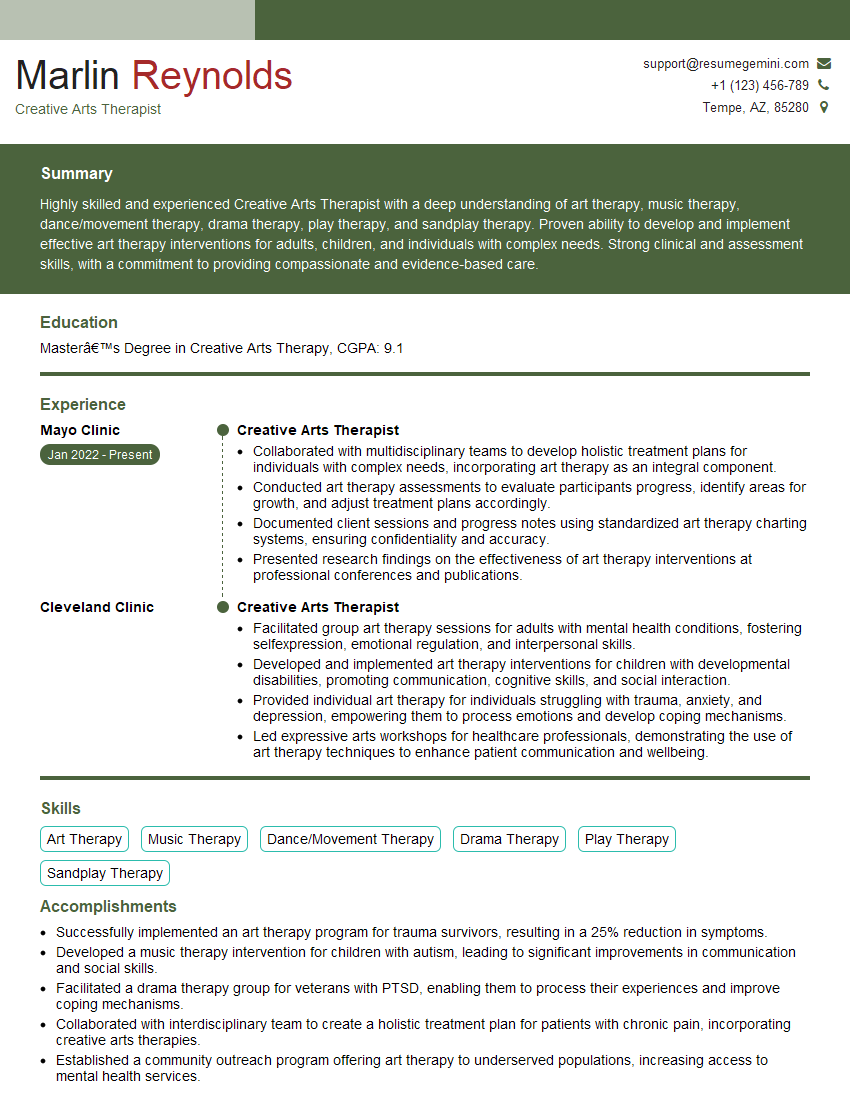
Mastering advanced art therapy techniques and interventions is pivotal for career advancement, opening doors to specialized roles and increased earning potential. To maximize your job prospects, a well-crafted, ATS-friendly resume is essential. ResumeGemini is a trusted resource that can help you create a compelling resume that highlights your skills and experience effectively. ResumeGemini provides examples of resumes tailored to Advanced Art Therapy Techniques and Interventions, giving you a clear blueprint for success. Take the next step towards your dream career – invest in a resume that reflects your expertise.
Explore more articles
Users Rating of Our Blogs
Share Your Experience
We value your feedback! Please rate our content and share your thoughts (optional).
What Readers Say About Our Blog
To the interviewgemini.com Webmaster.
Very helpful and content specific questions to help prepare me for my interview!
Thank you
To the interviewgemini.com Webmaster.
This was kind of a unique content I found around the specialized skills. Very helpful questions and good detailed answers.
Very Helpful blog, thank you Interviewgemini team.