Interviews are opportunities to demonstrate your expertise, and this guide is here to help you shine. Explore the essential Art Therapy for Social and Emotional Learning interview questions that employers frequently ask, paired with strategies for crafting responses that set you apart from the competition.
Questions Asked in Art Therapy for Social and Emotional Learning Interview
Q 1. Explain the theoretical underpinnings of using art therapy for social and emotional learning.
Art therapy for social and emotional learning (SEL) draws upon several theoretical underpinnings. Humanistic theories, such as those of Carl Rogers, emphasize the inherent goodness and capacity for self-actualization within individuals. Art therapy provides a non-judgmental space for self-expression, fostering self-discovery and personal growth. Psychodynamic theories highlight the unconscious mind’s influence on behavior. Art creation allows for symbolic expression of unconscious conflicts and emotions, providing insight into underlying issues impacting SEL. Cognitive-behavioral theories recognize the interplay between thoughts, feelings, and behaviors. Art therapy can be used to challenge negative thought patterns and develop more adaptive coping strategies, visualized through the art-making process. Finally, developmental theories such as those of Erikson and Piaget inform the adaptation of techniques to suit the developmental stage of the client, ensuring age-appropriate engagement and interpretation of the art-making experience.
For example, with a young child struggling with anger management, we might use play therapy with art materials to explore their feelings, while with an adolescent experiencing social anxiety, we could focus on self-portraiture to explore self-perception and develop self-compassion.
Q 2. Describe your experience adapting art therapy techniques for different age groups.
Adapting art therapy techniques across age groups requires a deep understanding of developmental psychology. With preschoolers, I use playful, sensory-rich activities like finger painting or clay sculpting to explore emotions. The focus is on process over product, allowing free expression and emotional release. With school-aged children, I incorporate more structured projects, encouraging narrative development through drawing or collage, helping them externalize and process experiences. Adolescents often benefit from more introspective art forms, such as journaling alongside drawing, or abstract expression to explore complex emotions. Adults may engage in more sophisticated techniques like painting or sculpture, using the art process to achieve self-discovery and personal growth. Throughout all age groups, I adjust the language, complexity of materials, and the overall structure of the session to ensure appropriate engagement and understanding.
Q 3. How do you assess a client’s social and emotional needs using art therapy?
Assessing a client’s social and emotional needs through art therapy is a multifaceted process. It begins with a thorough intake interview to understand the client’s background, presenting concerns, and goals. During the art-making process, I observe their choice of materials, color palette, imagery, and the process itself (e.g., their level of engagement, frustration, or ease). The content of the artwork is analyzed symbolically, paying attention to recurring themes, metaphors, and the overall emotional tone. I use open-ended questions to facilitate dialogue and gain further insights into their experiences and perspectives. Furthermore, projective techniques like the ‘draw-a-person’ test or the ‘family drawing’ can provide valuable information about their self-perception, family dynamics, and interpersonal relationships. I also observe nonverbal cues like body language and emotional expressions during the sessions to get a complete picture of the client’s social-emotional well-being.
For example, a child who consistently uses dark colors and depicts aggressive imagery may be expressing feelings of anger or sadness, while someone who avoids using certain colors or creates very small and detailed artwork might be exhibiting signs of anxiety or self-doubt.
Q 4. What art mediums do you find most effective for addressing specific social-emotional challenges?
The choice of art medium is crucial and depends on the specific social-emotional challenges being addressed. For anxiety, mandalas or repetitive patterns can be calming and grounding. Clay sculpting offers a tactile sensory experience, releasing tension and promoting self-regulation. For trauma, collage can be powerful for processing fragmented memories and experiences. Working with natural materials (sand, leaves, etc.) can connect individuals to the present moment, reducing dissociation. For depression, painting or drawing self-portraits can foster self-acceptance and self-compassion. Exploring different textures and expressive colors can allow for emotional release. Expressive writing alongside art can help to verbalize feelings.
It’s important to consider the client’s preferences and comfort level while selecting the medium. The goal is to create a space where they feel safe and empowered to express themselves.
Q 5. How do you integrate art therapy with other therapeutic approaches (e.g., CBT, trauma-informed care)?
Integrating art therapy with other approaches enhances the therapeutic process. For example, with CBT, art can be used to visualize cognitive distortions or to create scenarios for role-playing and practicing new coping skills. In trauma-informed care, art provides a safe and non-threatening way to explore traumatic memories and develop resilience. The focus is always on the client’s pace and safety. Sensory techniques such as sand trays or tactile activities are particularly beneficial. With play therapy (especially for children), art is naturally integrated into the play process to explore emotions and develop social skills. The key is to create a holistic and coordinated approach, ensuring that different therapeutic modalities complement each other and enhance the overall effectiveness of the intervention. The art becomes a powerful tool within the broader therapeutic framework.
Q 6. Describe your experience working with clients exhibiting specific social-emotional challenges (e.g., anxiety, depression, trauma).
I’ve worked with clients exhibiting a range of social-emotional challenges. With clients experiencing anxiety, we’ve used calming techniques like mindful coloring or creating mandalas to promote relaxation and self-regulation. For clients with depression, focusing on self-portraits and positive affirmation art projects has helped them explore their self-perception and build self-esteem. With clients who have experienced trauma, I’ve used expressive art techniques such as collage or clay sculpting to provide a safe and non-threatening way to process difficult emotions and memories. In each case, I adapt my approach to meet the client’s individual needs and preferences, always prioritizing their safety and comfort. Building a strong therapeutic relationship based on trust and empathy is essential in these situations.
For example, one client struggling with anxiety after a car accident found relief through creating detailed landscape drawings. The process of focusing on the details allowed her to momentarily detach from the intrusive thoughts and memories associated with the accident.
Q 7. How do you ensure ethical considerations and confidentiality in art therapy practice?
Ethical considerations and confidentiality are paramount in art therapy practice. I adhere to professional ethical codes, ensuring informed consent is obtained from clients before commencing therapy. Client artwork is treated with respect and confidentiality. Discussion about artwork’s content is guided by the client’s willingness to share. I maintain appropriate professional boundaries, clearly defining the therapeutic relationship and its limits. In cases involving minors, I obtain informed consent from parents or guardians while also ensuring the child’s participation and understanding. I’m aware of mandatory reporting requirements for situations of child abuse or neglect. Storage and disposal of client artwork are handled securely and ethically, considering the client’s wishes and privacy. Maintaining accurate and confidential records is also crucial, adhering to all relevant legal and regulatory guidelines.
Q 8. Explain your approach to documenting client progress in art therapy.
Documenting client progress in art therapy is crucial for ethical practice, evaluating treatment effectiveness, and informing future sessions. My approach is multifaceted and incorporates both quantitative and qualitative data.
Quantitative Data: I use standardized scales to measure changes in mood, anxiety, or self-esteem. For instance, I might track a client’s scores on the Children’s Depression Inventory (CDI) over time. This provides objective data showing improvement or areas needing more attention.
Qualitative Data: This is where the richness of art therapy shines. I meticulously document the client’s artwork, including descriptions of the chosen media, colors, imagery, and composition. I also note the client’s verbal expressions during the process – their thoughts, feelings, and associations connected to their artwork. For example, a client’s shift from using dark, muted colors to brighter, more vibrant ones might indicate a positive change in their emotional state. These observations are recorded in detailed session notes, including any significant themes or patterns emerging from the artwork and our discussions.
Portfolio Approach: Clients are active participants in their own progress documentation. They often keep a portfolio of their work, which becomes a visual representation of their journey. Reviewing these pieces together helps reflect on the client’s growth and celebrate successes.
This combined approach – incorporating both quantitative and qualitative data – offers a comprehensive understanding of the client’s progress, allowing for a more effective and tailored therapeutic intervention.
Q 9. How do you build rapport and create a safe therapeutic space for clients?
Building rapport and creating a safe therapeutic space are foundational to successful art therapy. I prioritize building trust through empathy, active listening, and unconditional positive regard. This begins with the initial consultation, where I create a welcoming environment, allowing the client to express their comfort level and preferences regarding the therapeutic process.
Empathy and Active Listening: I actively listen to my clients, paying attention not only to their words but also their non-verbal cues. Reflecting their emotions, mirroring their statements, and validating their experiences builds trust and demonstrates genuine care.
Establishing Boundaries: Clear and consistent boundaries are crucial for a safe space. These might involve setting expectations for session length, confidentiality, and the purpose of art therapy. Openly discussing these matters helps prevent misunderstandings and fosters a sense of mutual respect.
Creating a Comfortable Setting: The art therapy room itself plays a vital role. I ensure the space is aesthetically pleasing, well-lit, and equipped with a variety of art materials. The atmosphere should feel calming and inviting, free from distractions. The client has autonomy in choosing their workspace and materials.
Confidentiality: Maintaining strict confidentiality is paramount. I explain the limits of confidentiality upfront and ensure they understand the exceptions.
For example, I had a young client who was initially hesitant. By allowing him to choose his own materials and starting with a simple drawing exercise, he gradually felt more at ease and started opening up.
Q 10. Describe your experience with different art therapy modalities (e.g., sand tray, expressive writing).
My experience encompasses a range of art therapy modalities, each offering unique therapeutic possibilities.
Sand Tray Therapy: This modality is powerful for exploring unconscious processes and facilitating symbolic expression. I’ve used it successfully with clients working through trauma, grief, or relationship issues. The sandbox provides a safe, contained space for clients to create miniature worlds reflecting their inner landscape. Analyzing the placement and arrangement of objects reveals hidden emotions and beliefs.
Expressive Writing: Integrating expressive writing alongside art creation often deepens the therapeutic process. Clients might journal their feelings after creating a piece or write poems inspired by their artwork. This dual approach combines the visual and verbal, allowing for a multifaceted exploration of their experiences.
Drawing, Painting, and Collage: These traditional modalities are versatile and adaptable to various client needs and goals. They allow for self-expression through different textures, colors, and forms, reflecting emotional states and cognitive patterns. For instance, chaotic compositions can indicate inner turmoil, while structured work might reflect a desire for control.
Clay and Sculpting: The tactile nature of working with clay allows for a different kind of emotional release and exploration of boundaries. The process of shaping and transforming the clay mirrors the client’s own journey of self-discovery and change.
I tailor the modality to the individual client’s needs and preferences, always ensuring the chosen method supports their therapeutic goals.
Q 11. How do you incorporate self-care and mindfulness into your art therapy practice?
Self-care and mindfulness are not merely optional extras; they’re integral to my art therapy practice. Burnout is a real threat in this field, and prioritizing my well-being allows me to be fully present and effective for my clients.
Mindfulness Practices: I incorporate mindfulness exercises into my daily routine, such as meditation or mindful breathing. This helps me maintain emotional regulation and reduces stress, allowing me to approach each session with a calm and centered presence.
Setting Boundaries: I establish healthy boundaries between my professional and personal life. This means setting aside dedicated time for self-care activities, avoiding overcommitment, and prioritizing my own mental and emotional health.
Supervision and Peer Support: I actively engage in regular clinical supervision with experienced colleagues, providing a space for reflection, processing challenging cases, and maintaining a high standard of ethical practice. Peer support networks are essential for sharing experiences and receiving encouragement.
Engaging in Creative Practices: Ironically, engaging in my own creative activities is a form of self-care. It helps me maintain a connection with my own creative process and reminds me of the therapeutic power of art.
By prioritizing self-care, I can better support my clients’ emotional well-being and provide compassionate, effective care.
Q 12. How do you manage challenging behaviors or emotional outbursts during art therapy sessions?
Managing challenging behaviors or emotional outbursts requires a calm, empathetic, and proactive approach. Safety is always the primary concern.
Safety First: If a client’s behavior poses a risk to themselves or others, my priority is ensuring safety. This might involve calmly creating space, removing potentially harmful objects, or seeking additional support from colleagues or emergency services.
Validating Emotions: I acknowledge and validate the client’s feelings, even if their expression is disruptive. Phrases like, “I can see you’re feeling very upset right now,” can help de-escalate the situation.
Providing a Sensory Break: If the client is overwhelmed, offering a sensory break – a moment of quiet, a change of activity, or a calming sensory input – can help regulate their emotions.
Collaboratively Setting Limits: Once the situation has calmed, we collaboratively discuss the behavior and explore alternative ways of expressing strong emotions. Setting clear limits without judgment is important.
Reflective Practice: After the session, I take time to reflect on the incident, analyzing what triggered the outburst and what strategies could have been more effective. This process of continual learning is crucial for professional growth.
For instance, with a client experiencing anxiety, I might use calming activities, such as coloring or working with playdough, to bring them back to a more regulated state.
Q 13. How would you address resistance or reluctance from a client to participate in art therapy?
Resistance or reluctance to participate in art therapy is common and should be addressed with sensitivity and understanding. It’s vital to remember that art therapy is not a one-size-fits-all approach.
Exploring the Resistance: I start by gently exploring the reasons for the client’s reluctance. Open-ended questions like, “What are your thoughts about art therapy?” or “What concerns do you have about participating?” can help uncover underlying anxieties or apprehensions.
Offering Choices and Flexibility: Providing options and flexibility in the art-making process can alleviate pressure. This might involve letting the client choose the materials, the subject matter, or the length of the activity. The focus should always be on the client’s comfort level.
Starting Small: Instead of diving into complex projects, I suggest simple, low-pressure activities like doodling, coloring, or using clay. These can be gateways to greater engagement and self-expression.
Emphasizing the Process Over the Product: The focus should be on the creative process itself, rather than achieving a perfect or aesthetically pleasing outcome. This removes the pressure of judgment and fosters a more relaxed and exploratory approach.
Collaboration and Shared Decision-Making: It’s important to maintain a sense of shared decision-making. The client must feel their input is valued and actively listened to.
Remember, progress happens at the client’s pace. Building trust and rapport are crucial before expecting full engagement.
Q 14. Describe your experience developing and implementing art therapy programs.
I have extensive experience in developing and implementing art therapy programs across diverse settings. My approach involves a thorough needs assessment, a thoughtful curriculum design, and ongoing evaluation.
Needs Assessment: Before designing any program, I conduct a thorough needs assessment to understand the target population’s specific challenges, strengths, and preferences. This often involves collaborating with stakeholders, reviewing relevant data, and conducting focus groups.
Curriculum Development: The curriculum is carefully designed to align with the identified needs and incorporate age-appropriate and culturally sensitive art activities. It incorporates clear learning objectives, session plans, and evaluation methods. For example, I designed a program for adolescents struggling with anxiety, incorporating mindfulness techniques, expressive writing, and collage-making.
Program Implementation: Successful program implementation involves clear communication, collaboration with staff, and adequate resources. I provide training for facilitators to enhance their art therapy skills and ensure consistent delivery of the program.
Evaluation and Refinement: I conduct regular evaluations to assess the program’s effectiveness, using both quantitative and qualitative data. This feedback is utilized to refine the curriculum and ensure it meets the ongoing needs of the participants. This may involve gathering feedback from participants, staff, and stakeholders, as well as analyzing changes in relevant outcome measures.
My experience encompasses developing programs for schools, community centers, hospitals, and rehabilitation facilities, adapting the art therapy approach to the specific setting and needs of the participants.
Q 15. How do you collaborate with other professionals (e.g., teachers, counselors, parents) to support client well-being?
Collaboration is paramount in supporting client well-being. I believe in a holistic approach, viewing the child or adult within their ecosystem. This means actively engaging with teachers, counselors, and parents to create a cohesive support network. For instance, I might meet regularly with a child’s teacher to discuss classroom behaviors and identify potential triggers reflected in their art. With parents, I’d share observations from therapy sessions and collaboratively develop strategies to reinforce positive coping mechanisms at home. With counselors, I might engage in case conferencing to share insights from the art therapy perspective, integrating it with other therapeutic modalities for a more comprehensive treatment plan. This collaborative effort ensures consistency and continuity of care, maximizing the impact of interventions.
I often use shared digital platforms for secure communication and progress updates, allowing all parties involved to be updated on the client’s progress. For example, I might use a HIPAA-compliant platform to share summaries of sessions with relevant parties and receive updates about the client’s behavior in different contexts.
Career Expert Tips:
- Ace those interviews! Prepare effectively by reviewing the Top 50 Most Common Interview Questions on ResumeGemini.
- Navigate your job search with confidence! Explore a wide range of Career Tips on ResumeGemini. Learn about common challenges and recommendations to overcome them.
- Craft the perfect resume! Master the Art of Resume Writing with ResumeGemini’s guide. Showcase your unique qualifications and achievements effectively.
- Don’t miss out on holiday savings! Build your dream resume with ResumeGemini’s ATS optimized templates.
Q 16. How do you evaluate the effectiveness of art therapy interventions?
Evaluating the effectiveness of art therapy interventions is multifaceted and requires a combination of qualitative and quantitative measures. I don’t rely solely on one method. I use several techniques depending on the goals of therapy. For instance, I might track changes in a client’s self-reported emotional regulation using standardized scales before, during, and after therapy. I might also analyze the content and style of their artwork over time, looking for shifts in color use, imagery, and composition that might reflect improvements in mood, self-esteem, or coping skills. Qualitative data comes from observing client behavior during sessions, noting changes in their interactions, and documenting feedback during our discussions.
For example, a child who initially used dark and muted colors in their artwork might begin using brighter colors and more positive imagery as they progress through therapy, indicating a positive shift in their emotional state. Regular feedback sessions and clinical interviews help assess the client’s subjective experience and the effectiveness of the therapy on their overall well-being. Combining these qualitative and quantitative approaches provides a richer and more comprehensive understanding of the intervention’s impact.
Q 17. Describe your experience working in a diverse or multicultural setting.
My experience working in diverse settings has been extensive. I understand the importance of cultural sensitivity and adapting my approach to meet the unique needs of individuals from various backgrounds. I actively seek training and ongoing professional development to improve my cultural competence. This includes understanding the cultural significance of art materials, symbols, and creative expressions within different cultural contexts. For example, I am mindful of the potential impact of color symbolism, which can vary widely across cultures. In my practice, I make sure to create a safe and inclusive space where clients feel comfortable expressing themselves authentically, without the fear of misinterpretation or judgement.
I use culturally relevant art materials and adapt my therapeutic techniques to be congruent with the client’s cultural background and beliefs. I engage in active listening and show genuine respect for the client’s personal and cultural values and beliefs. I’ve found that building trust and rapport is key in multicultural settings, and this comes from active listening and open communication about cultural differences. This inclusive approach ensures that all clients feel understood and valued.
Q 18. What are some limitations of art therapy, and how do you address them?
While art therapy is incredibly effective, it does have limitations. One limitation is the potential for misinterpretation of artwork. Art is subjective; what one person sees as anger, another might interpret as frustration. I mitigate this by engaging in open dialogue with clients, encouraging them to explain their artwork and their creative process. This helps clarify any ambiguity and ensures that our interpretations are grounded in the client’s own perspective.
Another limitation is the time commitment. Art therapy often requires multiple sessions to achieve significant progress, and it might not be the most appropriate solution for all clients. In such cases, I collaboratively discuss alternative approaches or refer the client to other professionals as needed. Finally, the effectiveness of art therapy is dependent on the client’s willingness to engage in the process. If a client lacks motivation or feels uncomfortable with art-making, it will impact the effectiveness of treatment. I address this by carefully assessing client readiness, employing motivational interviewing techniques, and providing a variety of creative options to ensure engagement and comfort.
Q 19. How do you adapt your approach for clients with different learning styles or disabilities?
Adapting my approach for clients with diverse learning styles and disabilities is crucial. I use a variety of techniques to accommodate different needs. For example, for clients with visual impairments, I might use tactile art materials like clay or textured papers, or I may utilize auditory or kinesthetic methods to facilitate the creative process. Clients with auditory processing challenges might benefit from visual cues or simplified instructions. I also consider the client’s physical capabilities and cognitive abilities when selecting activities.
For clients with ADHD, for instance, I might incorporate shorter, more focused sessions, breaking down larger projects into smaller, manageable steps. With autistic clients, I would create a structured and predictable session environment, focusing on sensory-friendly materials and activities tailored to their specific interests. Flexibility and a willingness to modify my approach based on individual client needs are essential components of my practice.
Q 20. Describe your experience using art therapy for specific populations (e.g., children with autism, veterans with PTSD).
I’ve worked with children with autism, using art therapy to facilitate communication, emotional regulation, and sensory exploration. With these clients, I focus on structured activities that provide a sense of predictability and control. For example, I might use repetitive movements like rolling clay or drawing simple shapes to help them regulate their sensory input. The focus is on building trust and fostering nonverbal communication through art.
With veterans experiencing PTSD, art therapy can provide a safe and non-threatening way to process trauma. I use techniques that encourage self-expression and emotional release, such as expressive painting, collage, or sculpting. Creating art can help them externalize their feelings and explore their experiences in a controlled environment. The therapeutic relationship builds a sense of safety and trust, which is vital for these clients. It’s important to note that I collaborate with other professionals, such as psychiatrists and psychologists, ensuring a comprehensive and integrated approach to their care.
Q 21. How do you ensure the safety and appropriate use of art materials during sessions?
Safety is a top priority. Before each session, I thoroughly clean and organize the art materials. I ensure that all materials are age-appropriate and non-toxic. I also assess the client’s physical and emotional state to ensure they can safely handle the materials. For instance, I might avoid sharp objects or potentially messy materials if a client is experiencing heightened emotional distress or has self-harming tendencies.
For younger children, I often supervise their handling of materials closely, guiding them to use them appropriately and safely. I dispose of sharp objects, broken materials, and potentially hazardous materials immediately and safely, following established safety protocols. A clear understanding and adherence to safety regulations and risk management procedures are essential aspects of ensuring a safe and supportive art therapy environment.
Q 22. Describe your understanding of trauma-informed art therapy.
Trauma-informed art therapy recognizes the profound impact of trauma on a person’s emotional, social, and cognitive development. It’s not just about treating the symptoms of trauma but understanding its root causes and empowering clients to heal at their own pace. This approach prioritizes safety, trustworthiness, choice, collaboration, and empowerment – the ‘Five Core Principles’ of trauma-informed care.
In practice, this means creating a therapeutic environment that is non-judgmental, supportive, and respects client autonomy. For instance, I always begin sessions by checking in with the client’s comfort level and allowing them to choose the art materials and the pace of the session. If a client expresses discomfort, I immediately adapt my approach and prioritize their safety. Techniques like focusing on body awareness through art, such as creating self-portraits that embody feelings or using expressive movement with art-making, can be incredibly helpful in processing trauma. We might also use narrative techniques, encouraging clients to tell stories through their artwork, helping them reclaim their narrative and find meaning in their experiences.
Q 23. How do you incorporate play therapy techniques into your art therapy practice?
Play therapy is naturally integrated into my art therapy practice, especially when working with children and adolescents. It’s about using art as a medium for playful exploration and self-expression.
For example, I might use sand trays to encourage symbolic representation of feelings or relationships. A child might build a scene in the sand tray that represents their family dynamics, allowing them to externalize and process their emotions through play. Similarly, collage-making can be a playful way to explore identity, allowing clients to cut and paste images that resonate with their self-perception. I also incorporate storytelling through art, asking clients to create characters and narratives to process their experiences in a less confrontational way. This indirect approach makes it easier for children, who might find verbal expression challenging, to communicate their inner world and work through their emotional challenges.
The key is to create a safe, playful space that fosters creativity and allows clients to express themselves without pressure or judgment. I always adapt my approach based on the individual’s needs and preferences, ensuring the experience remains engaging and therapeutic.
Q 24. What are your strategies for addressing burnout and maintaining professional boundaries?
Addressing burnout and maintaining professional boundaries are crucial for any therapist, especially in the emotionally demanding field of art therapy. I prioritize self-care through regular mindfulness practices, such as meditation and yoga. This helps me manage stress and maintain a clear headspace. Furthermore, I actively engage in regular supervision and consultation, providing a safe space to discuss challenging cases and process my emotional experiences. This collaborative approach is essential for maintaining professional boundaries and ensuring I am practicing ethically and effectively.
Setting boundaries is equally important. This includes limiting my caseload, scheduling regular breaks, and carefully managing communication outside of session hours. I’m very conscious of not allowing my work to seep into my personal life and actively cultivate activities and relationships that help me recharge. I also prioritize seeking out support from colleagues and friends, engaging in activities that rejuvenate me and help maintain a healthy work-life balance.
Q 25. Explain your understanding of the role of art therapy in promoting self-awareness and emotional regulation.
Art therapy plays a significant role in fostering self-awareness and emotional regulation. Through the creative process, clients gain insights into their emotions, thoughts, and behaviors. The act of creating something tangible—a painting, a sculpture, a collage—provides an external representation of their internal world. This allows clients to view their experiences from a safe distance and develop a deeper understanding of themselves.
For instance, creating a self-portrait can offer a powerful reflection of self-perception. A client struggling with self-esteem might create a self-portrait reflecting their feelings of insecurity, enabling them to confront and process these emotions. Similarly, using color, texture, and form in their artwork, clients can learn to identify and express a wide range of emotions, which is an essential aspect of emotional regulation. The therapist can guide this process through thoughtful questions and gentle interventions, helping the client connect their artistic choices with their emotional experiences. Over time, this can foster a greater ability to identify, understand, and manage their emotions in daily life. The tangible product of the artistic process also provides a lasting record of their journey, allowing them to track their progress and celebrate their achievements.
Q 26. Describe your experience with art therapy supervision or consultation.
Supervision and consultation have been integral to my professional development. I regularly participate in individual and group supervision with experienced art therapists. These sessions provide a valuable space to discuss challenging cases, refine my therapeutic approaches, and process the emotional demands of my work. My supervisors offer critical feedback and guidance, helping me ensure ethical practice and enhance the effectiveness of my interventions. I find these sessions invaluable, not just for professional growth but also for maintaining my own well-being.
Consultation involves seeking advice or guidance from colleagues or specialists on specific client needs or therapeutic challenges. For example, if I encounter a client with a complex trauma history, I might consult with a trauma specialist to coordinate treatment and ensure the client receives appropriate care.
Q 27. How do you stay current with developments in art therapy and social-emotional learning?
Staying current in both art therapy and social-emotional learning is an ongoing process requiring dedication and proactive effort. I regularly attend professional development workshops and conferences, including those focused on trauma-informed care, play therapy, and specific art modalities like expressive writing or movement therapies. I actively engage in professional organizations like the American Art Therapy Association (AATA) and participate in their continuing education programs.
Furthermore, I read extensively, keeping up with the latest research and publications in peer-reviewed journals. I follow prominent researchers and clinicians in the field on social media and subscribe to relevant newsletters. These efforts ensure I am abreast of new techniques, approaches, and research findings, integrating the most effective and evidence-based practices into my work. This commitment to continuous learning helps ensure I provide the most effective and compassionate care for my clients.
Key Topics to Learn for Art Therapy for Social and Emotional Learning Interview
- Theoretical Foundations: Understanding key theories underpinning Art Therapy’s application to Social and Emotional Learning (SEL), such as attachment theory, expressive arts therapy, and trauma-informed care. Explore how these theories inform your practice.
- Practical Applications in SEL: Discuss your experience (or planned approach) using art therapy techniques to address specific SEL competencies like self-awareness, self-management, social awareness, relationship skills, and responsible decision-making. Consider examples in various settings (schools, community centers, hospitals).
- Assessment and Intervention Strategies: Demonstrate understanding of how to assess a client’s social and emotional needs through art-making and how to develop and implement tailored art therapy interventions. Highlight your ability to adapt techniques to diverse populations and needs.
- Group Art Therapy for SEL: Explain your understanding of facilitating group art therapy sessions focused on SEL, including considerations for group dynamics, conflict resolution, and ethical practice within a group setting.
- Ethical Considerations and Boundaries: Showcase your knowledge of ethical guidelines specific to art therapy, particularly in the context of working with vulnerable populations and maintaining appropriate professional boundaries.
- Documentation and Record Keeping: Discuss the importance of accurate and thorough documentation of client progress, interventions, and observations, demonstrating your understanding of professional standards.
- Collaboration and Consultation: Explain your approach to collaborating with other professionals (teachers, counselors, social workers) to support clients’ social and emotional growth. Highlight your ability to communicate effectively and contribute to multidisciplinary teams.
- Program Development and Evaluation: Demonstrate your ability to design, implement, and evaluate art therapy programs focused on enhancing social and emotional learning outcomes. Consider the use of data collection and analysis to demonstrate program effectiveness.
Next Steps
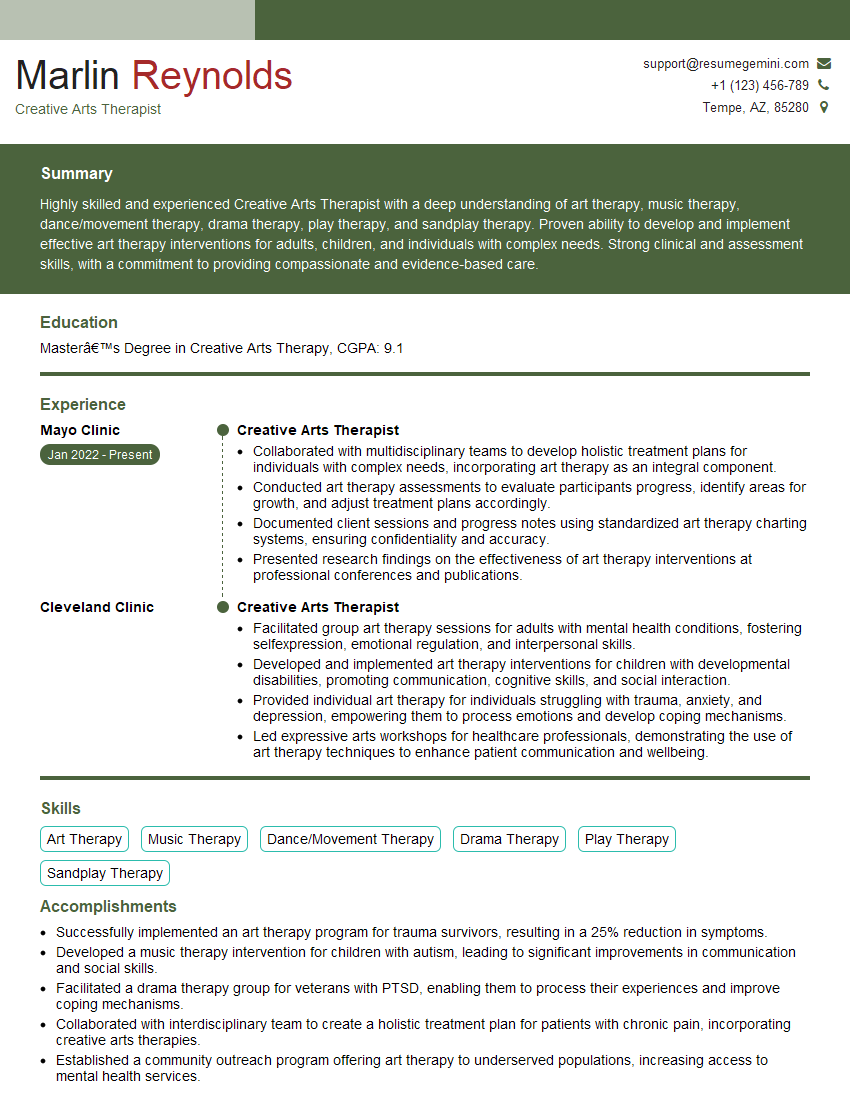
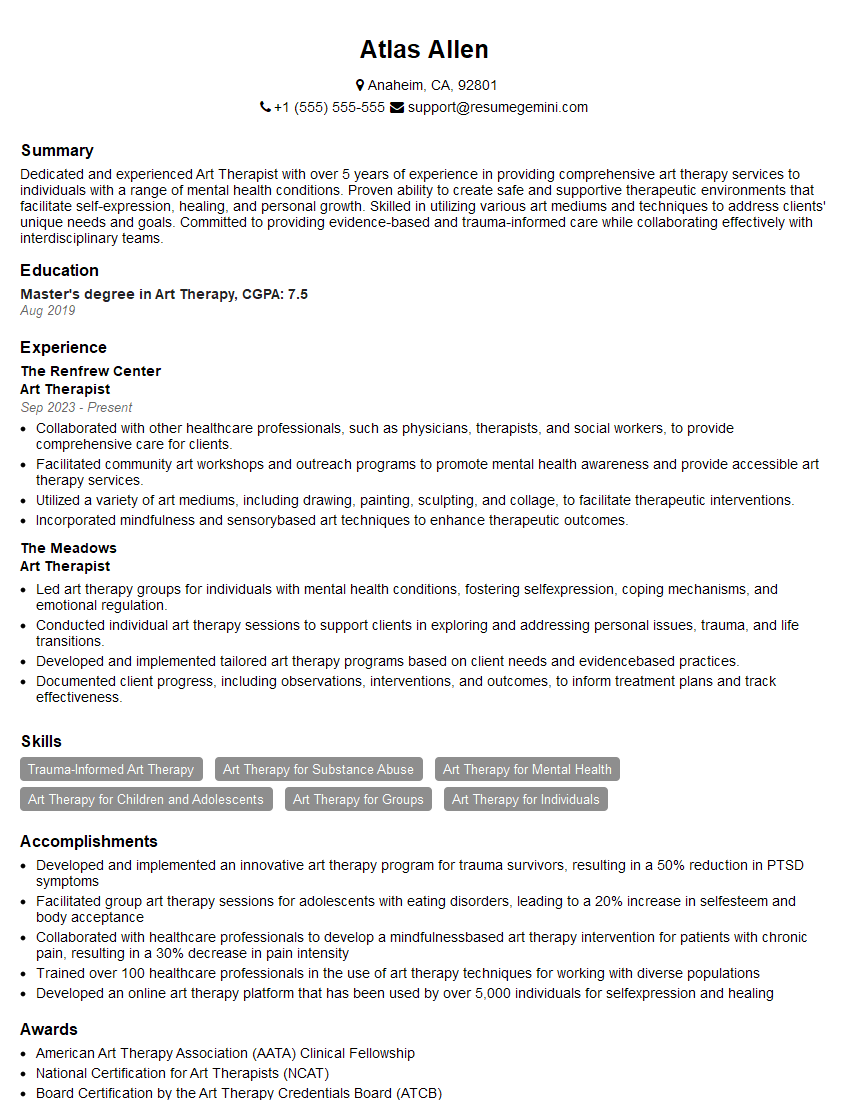
Mastering Art Therapy for Social and Emotional Learning opens doors to rewarding and impactful career opportunities. To maximize your job prospects, creating a strong, ATS-friendly resume is crucial. ResumeGemini is a trusted resource to help you build a compelling and effective resume that highlights your skills and experience. ResumeGemini provides examples of resumes tailored to Art Therapy for Social and Emotional Learning, helping you showcase your unique qualifications to potential employers. Invest time in crafting a resume that truly reflects your expertise and passion for this field—it’s a critical step in your career advancement.
Explore more articles
Users Rating of Our Blogs
Share Your Experience
We value your feedback! Please rate our content and share your thoughts (optional).
What Readers Say About Our Blog
To the interviewgemini.com Webmaster.
Very helpful and content specific questions to help prepare me for my interview!
Thank you
To the interviewgemini.com Webmaster.
This was kind of a unique content I found around the specialized skills. Very helpful questions and good detailed answers.
Very Helpful blog, thank you Interviewgemini team.