Feeling uncertain about what to expect in your upcoming interview? We’ve got you covered! This blog highlights the most important Charcot Foot Reconstruction interview questions and provides actionable advice to help you stand out as the ideal candidate. Let’s pave the way for your success.
Questions Asked in Charcot Foot Reconstruction Interview
Q 1. Describe the pathophysiology of Charcot neuroarthropathy.
Charcot neuroarthropathy, often called Charcot foot, is a debilitating condition affecting the bones and joints of the foot and ankle. Its pathophysiology centers on the loss of protective sensation (neuropathy), typically associated with diabetes or other neurological disorders. This sensory deficit prevents the individual from feeling pain or injury, leading to repetitive microtrauma. The lack of pain feedback allows for joint instability and repetitive stress. This, in turn, triggers an inflammatory cascade, resulting in bone resorption, fragmentation, and ultimately joint destruction. Imagine walking on a broken bone without realizing it – this is essentially what happens in Charcot foot. The underlying neuropathy is crucial because without the sensory feedback, the body doesn’t initiate the normal healing processes that would typically stop the damage. The repetitive trauma eventually leads to the characteristic deformities we see in Charcot foot.
Q 2. Explain the different stages of Charcot foot.
Charcot foot typically progresses through several stages, although these aren’t always clearly defined and can overlap. The most commonly used classification system involves six stages:
- Stage 1 (Acute): Characterized by significant inflammation, swelling, redness, and increased warmth in the affected foot. Bone destruction is beginning, and the patient might experience minimal or no pain due to neuropathy.
- Stage 2 (Subacute): The inflammation subsides, and the swelling reduces. Bone destruction is more evident on imaging. The foot may show signs of deformity.
- Stage 3 (Chronic): The inflammation is significantly reduced, and deformity is evident. The bones may show consolidation (healing), but the joint remains unstable.
- Stage 4 (Reconstruction): This is the stage where surgical intervention is often required to address the structural deformities and prevent further damage.
- Stage 5 (Consolidation): The bone healing process is complete, and the deformity has stabilized. This doesn’t necessarily mean a perfect functional outcome.
- Stage 6 (Recovery): The patient achieves some level of functional recovery. However, significant residual deformity might remain.
It’s crucial to remember that progression through these stages is not always linear, and some patients may experience setbacks.
Q 3. What are the key clinical findings in diagnosing Charcot foot?
Diagnosing Charcot foot requires a high index of suspicion, especially in patients with known risk factors like diabetes or peripheral neuropathy. Key clinical findings include:
- Significant swelling and redness: Often affecting the entire foot and ankle.
- Increased local temperature: The affected foot will often feel warmer than the unaffected foot.
- Deformity: This may be subtle initially but will progressively worsen, leading to rocker-bottom feet or other characteristic changes.
- Loss of protective sensation: This is a critical finding, confirming neuropathy.
- History of trauma or repetitive microtrauma: Patients may not recall specific events but might describe prolonged standing or walking without realizing the associated harm.
The absence of pain, despite significant joint destruction, should immediately raise concern for Charcot foot.
Q 4. Discuss the role of imaging (X-ray, MRI, CT) in Charcot foot diagnosis.
Imaging plays a vital role in confirming the diagnosis and monitoring disease progression. Each modality offers unique advantages:
- X-ray: Initial imaging of choice. Reveals the characteristic bone destruction, fragmentation, and resorption. It is useful for assessing joint instability and progression.
- MRI: Provides superior soft tissue detail, enabling evaluation of inflammation, edema, and bone marrow changes. Helpful in differentiating Charcot foot from other inflammatory conditions.
- CT scan: Offers excellent bone detail and is valuable in assessing complex fracture patterns and subtle bone changes that might be missed on plain radiographs. Useful for pre-operative planning.
Often, a combination of these imaging modalities is used to get a comprehensive picture.
Q 5. What are the conservative management options for Charcot foot?
Conservative management is critical, particularly in the early stages, to prevent further damage and promote healing. Key components include:
- Offloading: This is the cornerstone of conservative management. It involves reducing weight-bearing on the affected foot to minimize stress. This can be achieved with total contact casts, custom-made orthoses, or specialized footwear.
- Elevation: Keeps the foot elevated to reduce swelling and inflammation.
- Rest: Minimizing activity and weight-bearing is crucial.
- Control of underlying conditions: Careful management of diabetes, peripheral neuropathy, or any other contributing factors.
- Pharmacological management: Bisphosphonates can be helpful in slowing down bone resorption, but evidence is not completely conclusive.
The success of conservative management relies heavily on patient compliance and timely intervention.
Q 6. Describe the surgical principles of Charcot foot reconstruction.
Surgical principles in Charcot foot reconstruction aim to restore stability to the foot and ankle complex, correct deformities, and improve function. The primary goals are to offload pressure points and reduce stress on the damaged joints and bones. This requires careful planning involving a thorough assessment of the bone deformities, joint instability, and soft tissue damage. The surgeon must also consider the patient’s overall health, particularly the presence of neuropathy and vascular disease. The surgical approach should be tailored to the specific deformity and patient condition, prioritizing infection prevention and meticulous surgical technique.
Q 7. What are the different surgical techniques used in Charcot foot reconstruction?
Surgical techniques used in Charcot foot reconstruction vary greatly depending on the specific deformity and stage of the disease. These can include:
- Arthrodesis (fusion): This involves fusing unstable joints to provide stability. Commonly used for talonavicular, calcaneocuboid, or subtalar joints. Various fixation techniques like screws, plates, or external fixators might be used.
- Osteotomy: This involves correcting bone alignment by cutting and repositioning the bone segments. Often used to address deformities like valgus or varus malalignment.
- Excisional arthroplasty: Involving the removal of damaged joint surfaces, followed by fusion or reconstruction. Often used in severe cases.
- Soft tissue procedures: Procedures such as tendon transfers or releases are often necessary to improve alignment and correct muscle imbalances.
- Total contact casting or bracing post-operatively: Essential for protecting the surgical site and allowing for proper healing.
The choice of surgical technique is individualized and is often determined by the stage of Charcot foot, the extent of the deformity, and the patient’s overall health. It often involves a combination of these procedures, and complex cases may require multiple surgical interventions.
Q 8. Explain the role of offloading in Charcot foot management.
Offloading in Charcot foot management is paramount. It’s essentially taking the pressure off the affected foot to prevent further bone destruction and promote healing. Imagine a constantly bruised area – you need to keep it still and avoid further trauma. In Charcot foot, the nerves are damaged, leading to loss of sensation and repeated micro-fractures. Without offloading, these injuries worsen, leading to significant deformity and potentially amputation.
Successful offloading means minimizing weight-bearing on the affected foot, allowing the bones and soft tissues to heal. This is crucial in the acute phase to control inflammation and prevent further damage. This can range from complete non-weight bearing to partial weight bearing depending on the severity of the condition and the patient’s response to treatment. The goal is to protect the foot until the inflammatory phase subsides and the bones begin to heal.
Q 9. Discuss the various offloading devices used in Charcot foot.
A variety of offloading devices are used, chosen based on the patient’s specific needs and the severity of their Charcot foot. These include:
- Total Contact Casts (TCCs): These are custom-made casts that distribute pressure evenly across the entire foot, providing excellent offloading. They’re often the first line of defense in the acute phase.
- Removable Cast Walkers (RCWs): These offer better patient comfort and allow for easier wound inspection and care compared to TCCs. They still provide substantial offloading.
- Custom-Molded Shoes and Inserts: Once the acute phase subsides, these can help to maintain offloading and provide support for the foot’s altered shape.
- Knee-High Walkers and Crutches: In severe cases, complete non-weight bearing is essential, and these devices provide the necessary support.
- Specialised footwear: This includes rocker-bottom shoes that shift weight away from the forefoot, and shoes with extra-depth to accommodate for swelling and deformity.
The choice of device is always individualized and requires careful consideration of the patient’s mobility, tolerance, and the stage of their disease.
Q 10. How do you assess the risk of infection in Charcot foot patients?
Assessing infection risk in Charcot foot patients is a crucial aspect of their care. Because of the neuropathy, patients may not feel pain from an infection, making early detection vital. We use a multi-faceted approach:
- Regular Wound Assessment: Daily inspection for signs of infection including redness, swelling, warmth, pain (even if minor), purulent drainage, and foul odor. Any change in the appearance of the wound warrants immediate attention.
- Laboratory Tests: Blood tests (complete blood count, inflammatory markers like CRP and ESR) can detect systemic signs of infection. Wound cultures help identify the causative organism.
- Imaging Studies: X-rays can reveal the presence of osteomyelitis (bone infection), while MRI offers more detail on soft tissue involvement. Bone scans can help detect subtle signs of infection.
- Clinical Examination: We carefully assess the patient’s overall condition, paying attention to fever, chills, and other systemic symptoms that could suggest a widespread infection.
It’s a proactive approach – anticipating potential issues before they become major problems. A minor wound that’s missed can lead to serious consequences, including osteomyelitis and possible amputation. Therefore, vigilance is key.
Q 11. Describe your approach to wound management in Charcot foot.
Wound management in Charcot foot is complex and demands a meticulous approach. The primary goal is to debride (remove) necrotic (dead) tissue, control infection, and promote healing. This often involves:
- Debridement: This can be sharp debridement (surgical removal of dead tissue) or enzymatic debridement (using special ointments to break down dead tissue). The goal is to create a clean, healthy wound bed for healing.
- Infection Control: This involves appropriate antibiotic therapy, guided by culture results. Wound dressings are chosen to keep the wound moist and promote healing while preventing further infection.
- Wound Care: Regular cleaning and dressing changes are performed to prevent infection and promote healing. Advanced dressings such as negative pressure wound therapy (NPWT) may be used to accelerate healing.
- Offloading: Maintaining consistent offloading of the foot is critical to allow the wound to heal properly. Even a small amount of pressure can impede healing.
Each wound requires individualized management; there is no one-size-fits-all solution. Frequent monitoring and adjustments are necessary based on the wound’s response to treatment.
Q 12. What are the common complications associated with Charcot foot reconstruction?
Charcot foot reconstruction carries inherent risks. Common complications include:
- Infection: Osteomyelitis (bone infection) is a major concern, often requiring prolonged antibiotic therapy and sometimes surgical intervention.
- Nonunion: Failure of fractures to heal properly is a significant problem, potentially requiring bone grafting or other surgical procedures.
- Recurrence of Charcot arthropathy: The underlying nerve damage may not fully resolve, leading to the potential for recurrence even after reconstruction.
- Malunion: Fractures healing in an incorrect position, leading to deformity and functional impairment.
- Skin breakdown and ulceration: These can occur even after reconstruction, especially if offloading is inadequate.
- Amputation: In severe cases where conservative measures fail, amputation may be necessary to save the patient’s life.
Careful planning and meticulous postoperative care are essential to minimize these risks. Close monitoring of patients is crucial.
Q 13. How do you manage complications such as infection or nonunion?
Managing complications like infection and nonunion requires a multidisciplinary approach. For infection (osteomyelitis), aggressive antibiotic therapy, often intravenous, is necessary, guided by culture results. Surgical debridement may be required to remove infected bone. In some cases, removal of infected bone (sequestrectomy) or even amputation may be unavoidable. For nonunion, various options exist, including:
- Bone grafting: This involves using bone from another site or a bone graft substitute to encourage bone healing.
- Electrical stimulation: This can help stimulate bone growth and healing.
- Internal fixation: Using plates, screws, or rods to stabilize the fracture and promote healing.
- External fixation: A less invasive option for stabilisation.
The choice of treatment depends on the severity of the nonunion and the patient’s overall health.
Q 14. What are the indications for amputation in Charcot foot?
Amputation in Charcot foot is a last resort, considered only when all other treatment options have failed. Indications include:
- Untreatable infection: Despite aggressive treatment, the infection continues to spread, threatening the patient’s life.
- Extensive bone destruction: Severe bone loss rendering the foot functionally unusable and incapable of healing.
- Failure of multiple reconstructive attempts: When conservative and surgical interventions consistently fail to achieve satisfactory results.
- Significant pain despite optimal management: Unremitting pain that severely impacts the patient’s quality of life.
The decision to amputate is made collaboratively with the patient, considering their overall health, functional status, and quality of life. It’s a difficult decision, but sometimes the only option to save the patient’s life and prevent further suffering.
Q 15. Describe your post-operative management protocol for Charcot foot reconstruction.
Post-operative management of Charcot foot reconstruction is crucial for successful healing and preventing recurrence. It’s a multi-faceted approach focusing on offloading, wound care, infection prevention, and pain management. Immediately post-op, the patient is closely monitored for signs of infection, compartment syndrome, and excessive swelling. The affected foot is elevated to minimize swelling, and analgesics are prescribed for pain control. Non-weight-bearing status is strictly enforced using a total contact cast (TCC) or specialized offloading footwear. Regular wound dressings are performed, often with advanced wound care techniques. This initial phase typically lasts several weeks.
Following the initial phase, a gradual weight-bearing program begins under the guidance of a physical therapist. This involves using assistive devices like crutches or walkers and progressing to partial weight-bearing as tolerated. Regular radiographic monitoring assesses bone healing and detects any complications early. The TCC might be replaced with a custom-made orthotic device to provide long-term offloading and support. Regular follow-up appointments are scheduled to monitor healing, address any issues, and adjust the treatment plan accordingly. It’s crucial to educate the patient about proper wound care, signs of infection, and the importance of adherence to the prescribed offloading regimen. Each case is tailored, depending on the severity of the initial Charcot arthropathy and surgical procedure performed.
Career Expert Tips:
- Ace those interviews! Prepare effectively by reviewing the Top 50 Most Common Interview Questions on ResumeGemini.
- Navigate your job search with confidence! Explore a wide range of Career Tips on ResumeGemini. Learn about common challenges and recommendations to overcome them.
- Craft the perfect resume! Master the Art of Resume Writing with ResumeGemini’s guide. Showcase your unique qualifications and achievements effectively.
- Don’t miss out on holiday savings! Build your dream resume with ResumeGemini’s ATS optimized templates.
Q 16. How do you monitor patients post-operatively for Charcot foot reconstruction?
Monitoring patients post-operatively is a rigorous process encompassing multiple aspects. We utilize a combination of clinical examinations and imaging techniques. Regular clinical assessments include evaluating wound healing, assessing for signs of infection (redness, swelling, warmth, pain, purulence), checking for neurovascular compromise (pulse, capillary refill, sensation), and monitoring for compartment syndrome (pain, swelling, paresthesia).
Radiographic monitoring plays a vital role. We usually start with serial X-rays to evaluate bone healing and detect any fracture or dislocation. We may utilize computed tomography (CT) scans to get a detailed assessment of the bone structure, especially after complex reconstruction procedures. In some instances, magnetic resonance imaging (MRI) can help assess soft tissue structures and identify potential problems like tendonitis or joint instability. Weight-bearing status and functional outcomes are also regularly evaluated. Pain levels are monitored and managed appropriately. This multi-faceted approach helps us intervene quickly if any complications arise, ensuring optimal patient outcomes.
Q 17. What are the long-term outcomes following Charcot foot reconstruction?
Long-term outcomes following Charcot foot reconstruction vary depending on factors like the severity of the initial disease, the type of surgical intervention, patient compliance with the post-operative regimen, and the presence of co-morbidities such as diabetes. Ideally, we aim for pain relief, improved functional mobility, and prevention of recurrence. Many patients experience significant improvement in their quality of life post-surgery.
However, some patients might experience persistent pain, limited mobility, or recurrent Charcot arthropathy, especially if there is poor adherence to offloading recommendations or inadequate management of underlying conditions like diabetes. Potential long-term complications include osteoarthritis, chronic wounds, infection, and the need for further surgeries. The ultimate goal is to achieve a stable, pain-free, functional foot capable of supporting weight-bearing activities. Regular follow-up care, including specialized footwear and ongoing management of underlying medical conditions, is critical to maximize long-term outcomes. It’s important to set realistic expectations with patients about the potential challenges and the importance of lifelong management.
Q 18. Discuss the importance of patient education in Charcot foot management.
Patient education is paramount in Charcot foot management, as it empowers patients to take an active role in their recovery and long-term well-being. Without proper understanding and compliance, even the most successful surgical intervention can fail. We provide comprehensive education covering the disease process, the rationale behind the chosen treatment, the importance of offloading, wound care techniques, signs of infection, and the need for regular follow-up visits.
We use a multi-modal approach involving verbal explanations, illustrated materials like brochures and diagrams, and potentially educational videos. We also encourage patients to ask questions and involve family members in the learning process. The emphasis is on understanding the long-term implications of Charcot foot and the importance of lifelong management strategies, including meticulous foot care, blood sugar control (in diabetic patients), and adherence to prescribed footwear and offloading regimens. This proactive approach helps patients become informed advocates for their own health and significantly improves the chances of a successful outcome.
Q 19. How do you involve the multidisciplinary team in managing Charcot foot?
Managing Charcot foot requires a highly coordinated multidisciplinary team approach. I collaborate closely with endocrinologists (to manage diabetes), podiatrists (for foot care and wound management), vascular surgeons (to address vascular issues), physical therapists (for rehabilitation and gait training), and orthotists (for custom footwear and bracing). The team works together to develop a comprehensive treatment plan tailored to the patient’s individual needs.
Regular team meetings are essential for discussing patient progress, addressing any emerging complications, and adjusting the treatment plan accordingly. Each member contributes their expertise to ensure optimal patient outcomes. For example, the endocrinologist ensures good diabetic control to minimize the risk of recurrence, while the physical therapist ensures appropriate weight-bearing progression and functional recovery. This collaborative effort improves efficiency, patient care coordination, and ultimately, improves the chances of a successful outcome.
Q 20. Explain your understanding of the role of vascular assessment in Charcot foot.
Vascular assessment is crucial in Charcot foot, as peripheral arterial disease (PAD) is a significant risk factor and can influence both the development and management of the condition. Patients with PAD may have impaired healing and increased susceptibility to infection. A thorough vascular assessment typically includes a detailed history and physical examination, paying close attention to pulses, capillary refill, skin temperature, and the presence of any ulcers or gangrene.
Non-invasive vascular studies, such as ankle-brachial index (ABI) measurements and Doppler ultrasound, help quantify the severity of PAD. In cases of significant PAD, collaboration with a vascular surgeon is essential. Revascularization procedures, such as angioplasty or bypass surgery, may be necessary to improve blood flow to the affected foot and enhance healing. Addressing vascular issues early is critical to improving outcomes and minimizing the risk of complications such as amputation. It allows for a more targeted surgical approach and accelerates the healing process post-operatively.
Q 21. Describe your experience with different types of bone grafts in Charcot foot surgery.
My experience encompasses using various bone grafts in Charcot foot surgery, selecting the most appropriate type based on factors such as the size and location of the bone defect, the patient’s overall health, and the availability of graft material. Autografts, harvested from the patient’s own body (e.g., iliac crest), are considered the gold standard due to their excellent osteoconductive and osteoinductive properties. However, they have the drawback of a second surgical site, increasing the morbidity and recovery time.
Allografts, derived from deceased donors, offer an alternative, eliminating the need for a second surgical site. While they are readily available, there’s a risk of disease transmission and immune rejection. Synthetic bone grafts, composed of materials like calcium phosphate ceramics, are also used, especially for filling smaller defects. They are readily available, but their osteointegration might be slower than autografts. The choice of graft material is a crucial decision made in collaboration with the patient, considering the advantages and disadvantages of each option and selecting the one best suited to the patient’s specific situation. Careful planning and execution are paramount to ensure successful integration and optimal outcomes.
Q 22. How do you assess the need for external fixation in Charcot foot?
Assessing the need for external fixation in Charcot foot involves a careful evaluation of the patient’s clinical presentation and radiographic findings. We look for signs of severe instability, significant displacement of bony fragments, or an inability to achieve adequate reduction and alignment with non-operative measures like total contact casting (TCC). For example, a patient with a severely displaced midfoot fracture-dislocation despite TCC, or one showing progressive deformity despite appropriate offloading, would be a strong candidate for external fixation. The goal is to stabilize the foot, prevent further deformity, and provide a platform for healing. We meticulously assess the degree of deformity, the presence of open wounds, and the patient’s overall health before making this decision.
Specifically, we consider factors like the location and severity of the deformity (e.g., rocker-bottom foot), the presence of open wounds or infection, the patient’s ability to tolerate surgery, and the presence of co-morbidities such as diabetes or peripheral vascular disease.
Q 23. Discuss the advantages and disadvantages of different types of external fixation devices.
Various external fixation devices offer distinct advantages and disadvantages. The choice often depends on the specific needs of the patient and the complexity of the deformity.
Circular frames: These offer excellent stability and allow for precise adjustments. However, they can be more challenging to apply and may require more pins, potentially increasing the risk of pin-site infection. We might use a circular frame for complex, multi-planar deformities.
Linear frames: These are simpler to apply and require fewer pins, reducing the infection risk. However, they might not provide the same level of stability as circular frames, making them suitable for less complex deformities. These could be ideal for simple, primarily plantarflexion deformities.
Hybrid frames: These combine aspects of circular and linear frames, potentially offering a balance between stability and ease of application. This is a good option when a more tailored approach is needed based on the specific fracture pattern.
Regardless of the type, meticulous pin placement is crucial to minimize soft tissue irritation and infection. We always counsel patients on pin-site care to optimize outcomes. Finally, post-operative monitoring is key for early detection and management of complications.
Q 24. What are your preferred methods for achieving arthrodesis in Charcot foot?
My preferred methods for achieving arthrodesis in Charcot foot are guided by the principles of joint stability and preservation of bone stock. We prefer minimally invasive techniques whenever feasible.
Open reduction and internal fixation (ORIF): This is typically used for unstable fractures or dislocations requiring precise reduction. We carefully select implants that are biocompatible and provide sufficient stability to ensure healing.
Arthrodesis with bone grafting: In cases of significant bone loss or instability, bone grafting is often necessary to promote fusion. We might utilize autologous bone grafts or allografts depending on the patient’s condition and available bone stock.
Minimally invasive techniques: Whenever appropriate, we try to utilize less invasive techniques such as percutaneous screw fixation to minimize soft tissue trauma and hasten healing.
Preoperative planning, including detailed imaging and careful surgical technique, is vital for optimizing outcomes. We always strive for a solid fusion while preserving as much soft tissue as possible.
Q 25. How do you manage patients with Charcot foot and co-morbidities like diabetes and peripheral artery disease?
Managing Charcot foot in patients with co-morbidities like diabetes and peripheral artery disease (PAD) requires a multidisciplinary approach. These patients are at increased risk for delayed healing, infection, and amputation.
Strict glycemic control: For diabetic patients, maintaining optimal blood glucose levels is crucial for wound healing. We work closely with endocrinology to optimize their diabetes management.
Vascular assessment: Patients with PAD require a thorough vascular assessment to ensure adequate blood flow to the foot. This may involve angiograms or other imaging studies. We may need to consult with vascular surgery if revascularization is necessary.
Infection prevention: Meticulous wound care and infection control measures are vital. Prophylactic antibiotics are often used during surgery and postoperatively. Prompt diagnosis and treatment of infection are critical.
Offloading: Aggressive offloading of the affected foot remains crucial, whether through TCC, external fixation, or custom-made footwear.
A collaborative effort between podiatrists, endocrinologists, vascular surgeons, and infectious disease specialists is essential to achieve the best possible outcomes for these high-risk individuals.
Q 26. Explain your understanding of total contact casting in the management of Charcot foot.
Total contact casting (TCC) is a cornerstone of non-operative Charcot foot management. It involves creating a cast that distributes pressure evenly across the entire plantar surface of the foot, effectively offloading the weight-bearing areas and preventing further deformity.
TCC is particularly useful in the acute phase of Charcot arthropathy, when inflammation and bone resorption are most active. The cast immobilizes the foot, reduces pain, and promotes healing. The key to successful TCC is achieving perfect cast molding, encompassing the entire plantar surface of the foot to avoid pressure points which can lead to pressure sores. Regular follow-up and cast changes are needed to ensure adequate offloading and monitor for complications such as skin breakdown. TCC is often a temporary measure, typically used until the acute inflammatory phase subsides and the bone remodeling process starts to stabilize, after which we may consider other treatments such as surgery or custom-made footwear.
Q 27. Describe your experience with the use of custom-made footwear in Charcot foot.
Custom-made footwear plays a crucial role in the long-term management of Charcot foot. It provides individualized support and pressure relief, reducing the risk of recurrence. These shoes are designed to accommodate the specific foot deformity, distributing pressure evenly and preventing further bone damage. We work closely with certified pedorthists to design and fabricate these devices. Careful consideration is given to the patient’s specific needs and the type of deformity. For example, patients with a rocker-bottom deformity might need a shoe with a deep heel cup and significant metatarsal support. Materials must be durable enough to withstand the stresses of ambulation. Regular follow-up appointments are essential to ensure the shoes continue to fit correctly and effectively offload the foot.
Q 28. Discuss your approach to preventing recurrence of Charcot foot deformity.
Preventing recurrence of Charcot foot deformity is paramount. This requires a multi-pronged approach focused on addressing the underlying risk factors and providing long-term support.
Optimal glycemic control (in diabetics): Rigorous blood glucose monitoring and management are critical for reducing the risk of recurrence.
Offloading: Continued offloading through custom-made footwear or other appropriate devices is essential to reduce stress on the foot.
Weight management: Maintaining a healthy weight reduces stress on the foot.
Regular foot exams: Frequent inspections of the feet by both the patient and their healthcare provider are necessary to detect any early signs of recurrence. These include early signs of inflammation, redness, swelling or any changes in shape or position of the foot.
Patient education: Educating patients about recognizing the early signs of Charcot foot recurrence and the importance of adhering to the prescribed treatment plan is vital. We provide thorough guidance on weight management, foot hygiene, and how to appropriately use their custom shoes.
A long-term, proactive approach is necessary to minimize the risk of recurrence. Regular follow-up appointments and close monitoring are essential components of a successful preventative strategy.
Key Topics to Learn for Charcot Foot Reconstruction Interview
- Pathophysiology of Charcot Neuroarthropathy: Understand the underlying mechanisms of bone destruction and joint instability in Charcot foot.
- Clinical Presentation and Diagnosis: Master the identification of Charcot foot through physical examination, imaging (X-ray, MRI, CT), and laboratory findings. Differentiate Charcot foot from other conditions with similar presentations.
- Conservative Management Strategies: Familiarize yourself with non-surgical approaches including offloading, bracing, and management of associated comorbidities like diabetes and neuropathy.
- Surgical Techniques for Charcot Foot Reconstruction: Develop a strong understanding of various surgical options, including arthrodesis, osteotomy, and joint replacement, and their indications and limitations. Consider the advantages and disadvantages of each technique.
- Post-operative Care and Rehabilitation: Know the importance of meticulous post-operative management, including wound care, pain management, and physical therapy to optimize patient outcomes.
- Complications of Charcot Foot Reconstruction: Be prepared to discuss potential complications such as infection, non-union, malunion, and recurrence, and their management.
- Patient Selection and Treatment Planning: Understand the factors influencing treatment decisions, including patient-specific factors, disease severity, and available resources.
- Biomechanical Considerations: Analyze gait analysis and the biomechanics of the foot and ankle to understand the forces involved and how surgical interventions address them.
- Advanced Imaging Interpretation: Develop proficiency in interpreting advanced imaging modalities to aid in diagnosis and surgical planning.
- Current Research and Trends: Stay updated on the latest advancements in Charcot foot reconstruction, including new surgical techniques and materials.
Next Steps
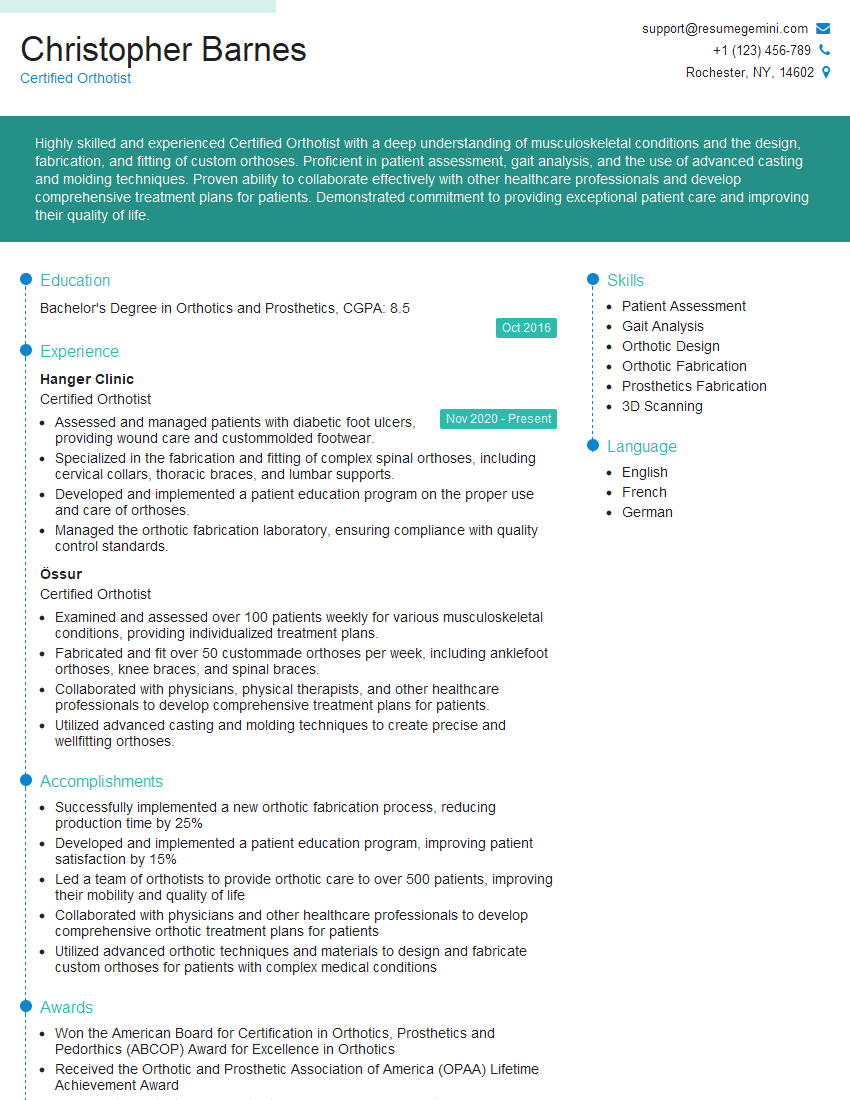
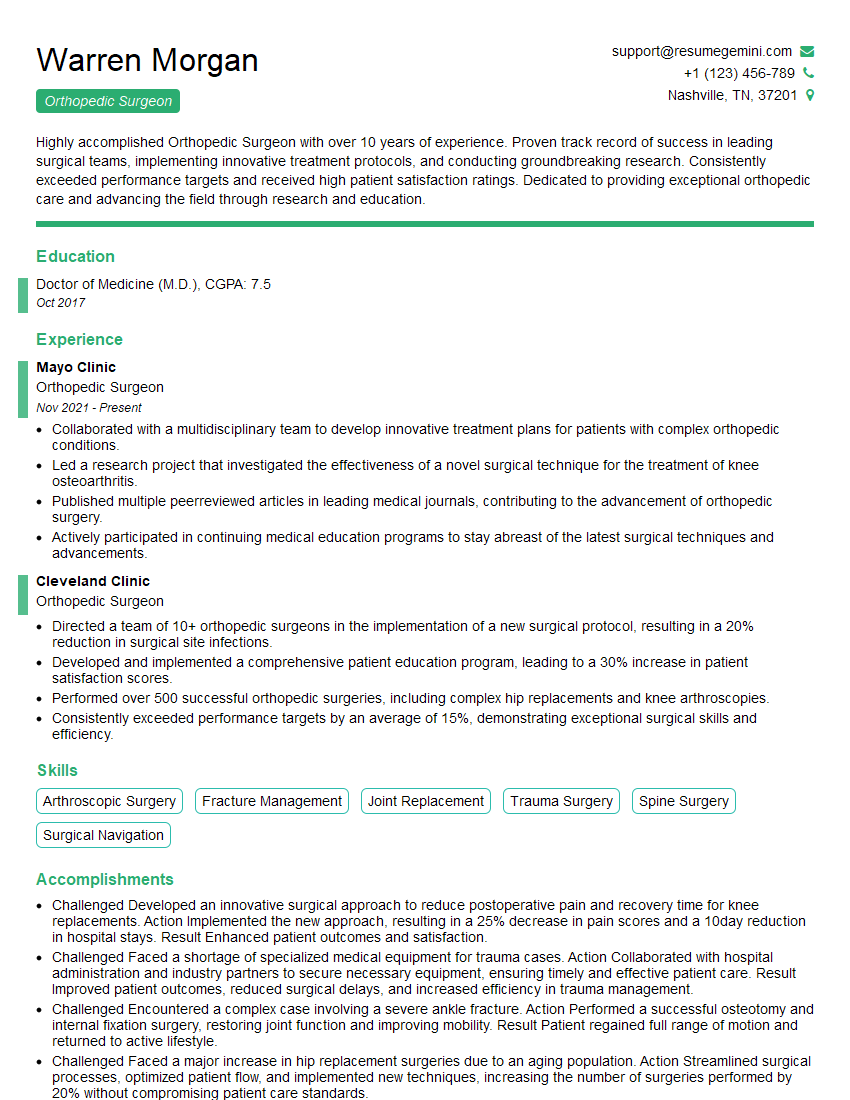
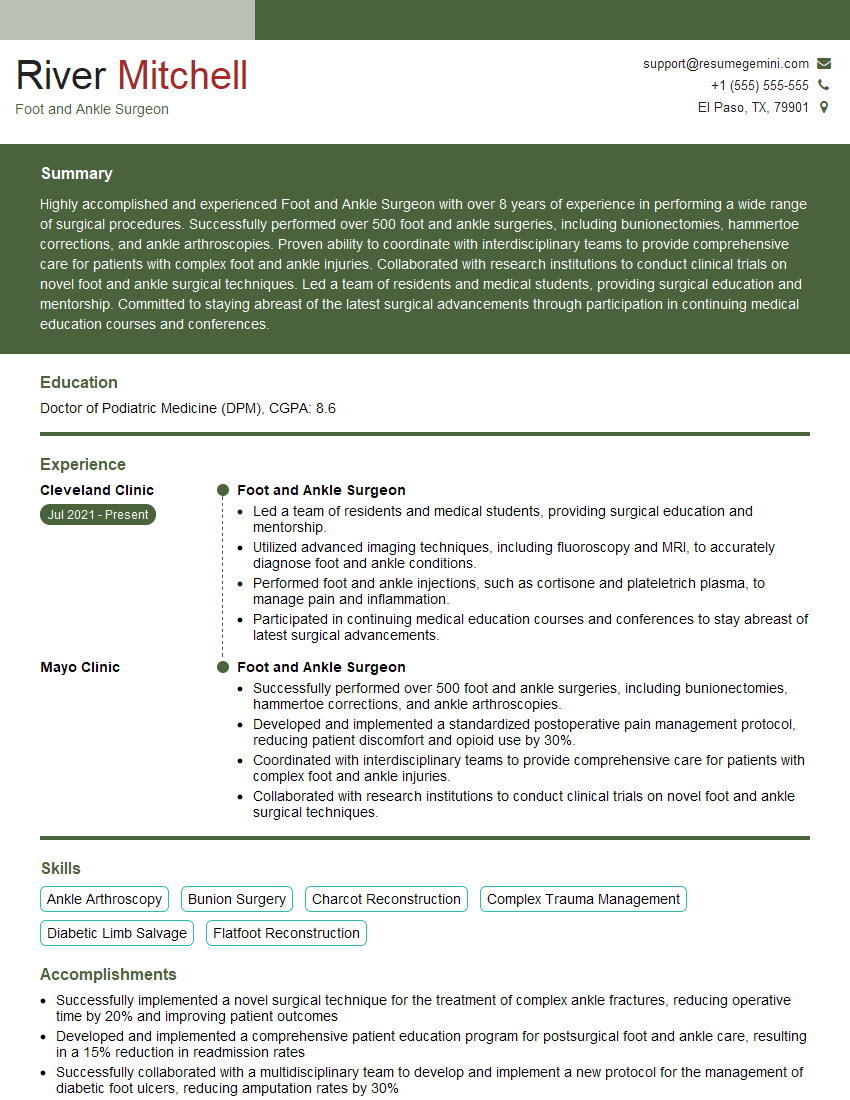
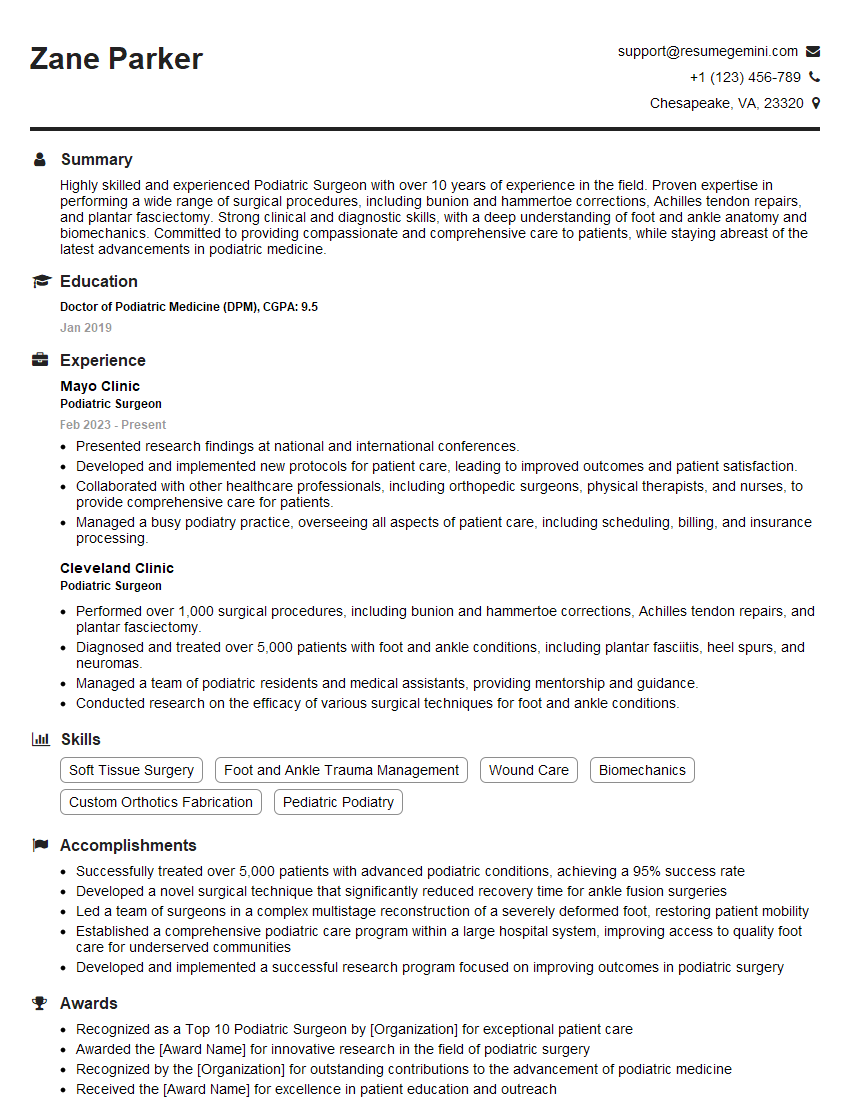
Mastering Charcot Foot Reconstruction significantly enhances your expertise and opens doors to specialized positions and advanced career opportunities. A strong understanding of this complex area showcases your dedication and skill to potential employers. To maximize your job prospects, crafting an ATS-friendly resume is crucial. ResumeGemini is a trusted resource to help you build a professional and impactful resume that highlights your unique qualifications. ResumeGemini provides examples of resumes tailored to Charcot Foot Reconstruction to guide you in creating a compelling application that stands out. Invest in building a strong resume today to accelerate your career advancement.
Explore more articles
Users Rating of Our Blogs
Share Your Experience
We value your feedback! Please rate our content and share your thoughts (optional).
What Readers Say About Our Blog
To the interviewgemini.com Webmaster.
Very helpful and content specific questions to help prepare me for my interview!
Thank you
To the interviewgemini.com Webmaster.
This was kind of a unique content I found around the specialized skills. Very helpful questions and good detailed answers.
Very Helpful blog, thank you Interviewgemini team.