Every successful interview starts with knowing what to expect. In this blog, we’ll take you through the top Class and Politics interview questions, breaking them down with expert tips to help you deliver impactful answers. Step into your next interview fully prepared and ready to succeed.
Questions Asked in Class and Politics Interview
Q 1. Explain the relationship between social class and political participation.
Social class significantly influences political participation. Individuals from higher socioeconomic classes tend to participate more actively in politics than those from lower classes. This disparity stems from several factors.
- Resources: Higher classes possess more financial resources, allowing them to donate to campaigns, hire lobbyists, and engage in political activism more effectively.
- Education and Information: Higher education levels prevalent in upper classes often correlate with greater political knowledge and engagement. They are more likely to understand the political system and their influence within it.
- Social Networks: Upper-class individuals frequently interact within social networks that promote political discussion and participation. These networks provide opportunities for collective action and influence.
- Time: Higher-income individuals often have more disposable time to dedicate to political activities, unlike those in lower classes who may work multiple jobs or struggle with limited time off.
For example, studies have consistently shown a higher voter turnout among wealthier individuals. Conversely, individuals facing economic hardship often find it difficult to dedicate time and resources to political engagement, despite their potential interest.
Q 2. Define ‘political capital’ and provide an example of its strategic use.
Political capital refers to the trust, influence, and goodwill accumulated by an individual or group within the political sphere. It’s essentially the ability to mobilize resources and support to achieve political goals.
A strategic use of political capital involves President Lyndon B. Johnson’s successful passage of the Civil Rights Act of 1964. He leveraged his immense political capital, accumulated through years of legislative maneuvering and shrewd political alliances, to overcome significant opposition and push the landmark legislation through Congress. He deftly used his relationships with key senators, his mastery of legislative procedures, and his ability to negotiate and compromise to achieve a historic victory. This demonstrates the power of political capital in transforming political will into tangible policy change.
Q 3. Discuss the impact of income inequality on political stability.
High income inequality is a major threat to political stability. When a significant portion of the population experiences economic hardship while a small elite accumulates vast wealth, it breeds resentment and distrust in the system.
- Social Unrest: Extreme inequality can fuel social unrest, protests, and even violence. People may feel marginalized and voiceless, leading to demands for radical change.
- Political Polarization: Inequality can deepen political polarization, making compromise and cooperation difficult. This can lead to gridlock and ineffective governance.
- Erosion of Trust: High levels of inequality erode public trust in institutions and government. Citizens may believe the system is rigged against them, fostering cynicism and disengagement.
- Rise of Populism: Income inequality often creates fertile ground for populist movements that promise simple solutions to complex problems, potentially undermining democratic norms and institutions.
The Arab Spring uprisings, partly driven by economic grievances and inequality, illustrate how extreme income disparities can contribute to political instability and regime change.
Q 4. How do different political ideologies address class inequality?
Different political ideologies offer contrasting approaches to addressing class inequality:
- Socialism: Advocates for greater state intervention in the economy to redistribute wealth and resources more equitably. This often involves higher taxes on the wealthy, stronger social safety nets, and public ownership of key industries.
- Liberalism: Generally supports a market-based economy but acknowledges the need for government intervention to mitigate inequality. This may include progressive taxation, social programs, and regulations aimed at protecting workers’ rights.
- Conservatism: Typically emphasizes individual responsibility and limited government intervention. While some conservatives support social safety nets, they often advocate for lower taxes and reduced government spending.
- Libertarianism: Prioritizes individual liberty and minimal government intervention. They generally oppose government programs aimed at reducing inequality, believing that free markets are the most efficient way to allocate resources.
The specific policies proposed by each ideology vary, but their fundamental approaches to class inequality differ significantly.
Q 5. Analyze the influence of lobbying groups on policy-making.
Lobbying groups exert significant influence on policy-making. These organized groups, representing various interests (businesses, labor unions, environmental organizations, etc.), seek to influence legislation and government regulations to their advantage.
- Direct Lobbying: Lobbyists directly interact with legislators, providing information, arguments, and often financial contributions to support their causes.
- Indirect Lobbying: Lobbying groups may engage in public relations campaigns, mobilizing public opinion to pressure legislators to adopt their preferred policies.
- Campaign Contributions: Financial contributions to political campaigns can provide access and influence to lobbying groups.
- Issue Advocacy: Lobbying groups may engage in issue advocacy, aiming to shape public opinion and influence policy through media campaigns and grassroots mobilization.
The pharmaceutical industry’s lobbying efforts to influence drug pricing policies serve as a potent example. Their considerable financial resources and skilled lobbyists allow them to significantly impact legislation related to drug costs and access.
Q 6. What are the key differences between Marxist and Weberian perspectives on class?
Marxist and Weberian perspectives on class differ fundamentally:
- Marxist Perspective: Defines class primarily based on one’s relationship to the means of production. Society is divided into two main classes: the bourgeoisie (owners of capital) and the proletariat (workers who sell their labor). Class conflict, driven by economic inequality, is the primary engine of social change.
- Weberian Perspective: Offers a more nuanced view of class, incorporating economic factors (wealth, income, occupation) alongside social status (prestige, honor) and political power. Weber argues that class is not solely determined by economic factors; multiple dimensions of stratification interact to shape social inequality.
Marx emphasizes economic determinism, viewing class conflict as inevitable, while Weber acknowledges the complexity of social stratification and the interplay of various factors in shaping class inequality.
Q 7. Describe the role of media in shaping public perception of class.
Media plays a powerful role in shaping public perception of class. The way class is portrayed in news, entertainment, and advertising can influence how people understand and relate to class differences.
- Framing of Class Issues: Media representations can frame class issues in ways that either highlight or downplay the extent of inequality. For example, focusing on individual success stories can obscure systemic issues.
- Stereotyping: Media often relies on stereotypes of different social classes, reinforcing existing biases and prejudices.
- Representation of Class in Entertainment: Television shows and movies can present unrealistic or skewed portrayals of different classes, shaping viewers’ perceptions.
- News Coverage: The way news outlets cover issues related to poverty, wealth, and inequality can shape public opinion and influence policy debates.
The media’s portrayal of the working class, often focusing on negative stereotypes, or its romanticized depictions of the wealthy, can reinforce existing societal biases and misunderstandings surrounding class dynamics.
Q 8. Evaluate the effectiveness of affirmative action policies in addressing class disparities.
Affirmative action policies aim to counteract historical and systemic discrimination against marginalized groups, particularly those from lower socioeconomic classes, by providing preferential treatment in education, employment, and other areas. Their effectiveness is a subject of ongoing debate.
Arguments for effectiveness often point to increased representation of underrepresented groups in higher education and professional fields. For example, scholarship programs targeted at low-income students have demonstrably increased college enrollment rates among these populations. Similarly, affirmative action in hiring can lead to a more diverse workforce, potentially fostering innovation and broader perspectives.
Arguments against effectiveness highlight concerns about reverse discrimination and the potential for policies to be perceived as meritocratic. Some critics argue that focusing solely on race or ethnicity overlooks other crucial factors contributing to class disparities, like access to quality education or generational wealth. Furthermore, the impact of affirmative action can vary widely depending on the specific policies implemented and the context in which they are applied. A holistic approach that combines affirmative action with broader socioeconomic policies is often suggested for greater effectiveness.
Ultimately, evaluating the effectiveness requires a nuanced understanding of both the intended goals and unintended consequences. Rigorous empirical studies comparing outcomes with and without affirmative action are crucial for informing policy decisions.
Q 9. How does globalization impact class structures?
Globalization, the increasing interconnectedness of economies and societies worldwide, significantly impacts class structures in several ways.
- Increased Competition and Job Displacement: Globalization leads to increased competition for jobs, as companies can outsource labor to countries with lower wages. This can lead to job losses in developed countries for lower-skilled workers, exacerbating existing class inequalities.
- Rise of a Global Elite: Globalization has facilitated the growth of a global elite, a class of highly skilled individuals and business owners who benefit disproportionately from international trade and investment. This widening gap between the wealthy and the poor is a prominent feature of globalization’s impact on class structures.
- Shifting Labor Markets: The demand for highly skilled workers in areas like technology and finance has increased, creating new opportunities for some while leaving others behind. This exacerbates the skills gap and contributes to class stratification.
- Increased Inequality within Countries: Globalization can worsen inequality within countries, as some regions or industries benefit more than others. For example, areas heavily reliant on manufacturing jobs may experience significant economic decline as production moves overseas.
In summary, globalization’s impact on class is complex and multifaceted, with both positive and negative consequences. While it creates opportunities for some, it also exacerbates existing inequalities and creates new challenges for many.
Q 10. Explain the concept of ‘class consciousness’ and its political implications.
Class consciousness refers to the awareness among members of a social class of their shared interests and experiences, as well as their position within the broader social hierarchy. This awareness often involves understanding the inequalities and injustices they face due to their class position.
Political Implications: A strong class consciousness can be a powerful catalyst for social and political change. When workers or other groups become aware of their shared interests and the systemic forces that perpetuate inequality, they are more likely to organize collectively to challenge the status quo. This can manifest in various forms, such as:
- Labor Movements: A high degree of class consciousness is often crucial for the success of labor movements, enabling workers to unite and demand better wages, working conditions, and benefits.
- Political Parties and Movements: Class consciousness can lead to the formation of political parties or movements explicitly advocating for the interests of a particular class or social group. Historically, socialist and communist parties have been based on strong class consciousness ideologies.
- Social Movements: Class consciousness can fuel broader social movements focused on addressing issues like poverty, inequality, and social justice.
However, the level of class consciousness can vary significantly across societies and historical periods, influenced by factors such as economic conditions, political structures, and social movements. It’s important to recognize that class consciousness is not always uniform within a class; individual experiences and beliefs can diverge.
Q 11. Discuss the challenges of measuring social class.
Measuring social class presents significant challenges because it’s a multifaceted concept encompassing economic resources, social status, and power. There’s no single, universally accepted method.
- Economic Indicators: Commonly used measures include income, wealth (assets minus debts), and occupation. However, these indicators alone can be misleading. For instance, high income doesn’t always equate to high social status, and wealth can be concentrated in assets that aren’t easily liquidated.
- Social Status Indicators: Education level, prestige of occupation, and social networks are other important factors. However, these are difficult to quantify objectively.
- Power Indicators: Political influence, access to resources, and ability to shape decision-making are also relevant but challenging to measure precisely.
- Subjectivity and Self-Perception: Individuals’ self-identification of their class can differ significantly from objective measures, reflecting complex social and psychological factors.
- Cultural and Historical Context: The meaning and significance of class differ across cultures and historical periods, complicating cross-cultural comparisons.
Researchers often use composite measures combining different indicators, but each measure has limitations. The best approach often depends on the specific research question and context.
Q 12. How do political parties utilize class-based appeals in their campaigns?
Political parties frequently utilize class-based appeals to garner support, tailoring their messages to resonate with specific segments of the population based on their perceived economic interests.
- Appeals to the Working Class: Parties may emphasize issues like fair wages, job security, and workers’ rights to attract working-class voters. They may portray themselves as champions of the common person against wealthy elites.
- Appeals to the Middle Class: Parties often focus on issues relevant to the middle class, such as affordable housing, education, and healthcare. They might promise policies to protect and enhance the middle class’s economic security.
- Appeals to the Upper Class: Parties may appeal to wealthier individuals by advocating for lower taxes, deregulation, and policies that promote economic growth beneficial to businesses and investors.
- Populist Appeals: Some parties employ populist rhetoric that pits the common people against a corrupt elite, regardless of specific class categories. This approach can be effective in mobilizing voters across different class backgrounds.
The effectiveness of class-based appeals depends on various factors, including the overall economic climate, the salience of class issues in public discourse, and the credibility of the party’s message. Strategic use of class-based appeals requires a nuanced understanding of the electorate’s concerns and aspirations.
Q 13. Analyze the impact of a specific policy (e.g., minimum wage) on different social classes.
Let’s analyze the impact of a minimum wage increase on different social classes.
Low-income workers: A minimum wage increase directly benefits low-income workers, particularly those employed in minimum wage jobs. They experience a rise in their disposable income, potentially alleviating poverty and improving their living standards. This can lead to increased spending, stimulating local economies. However, some argue that it can lead to job losses if businesses struggle to absorb the increased labor costs.
Middle-income workers: The impact on middle-income workers is less direct. While they may not directly benefit from a minimum wage increase, it can indirectly impact them. Increased consumer spending by low-income workers could boost demand for goods and services, creating opportunities in related industries. However, some middle-income workers might see increased prices for goods and services due to the increased labor costs passed on by businesses.
High-income workers: High-income workers generally experience a minimal direct impact. However, indirect effects might include increased prices or reduced investment opportunities if businesses respond to the higher labor costs by increasing prices or reducing investments.
Businesses: Businesses, particularly small businesses, might face increased operating costs due to the higher wages. This could lead to reduced profits, hiring freezes, or even business closures in some cases. Larger corporations with more financial resources are often better equipped to handle such increased labor costs.
It’s important to note that the actual impact of a minimum wage increase depends on factors like the magnitude of the increase, the regional economic context, and the overall business environment.
Q 14. Explain the concept of social mobility and its relation to political outcomes.
Social mobility refers to the ability of individuals or groups to move from one social class to another. It represents the degree of openness in a society’s stratification system.
Types of Social Mobility:
- Vertical Mobility: Movement up or down the social hierarchy (e.g., from working class to middle class or vice versa).
- Horizontal Mobility: Movement between positions of similar social status (e.g., changing jobs within the same class).
- Intergenerational Mobility: Changes in social class across generations (e.g., a child achieving a higher social status than their parents).
- Intragenerational Mobility: Changes in social class within an individual’s lifetime.
Relation to Political Outcomes: Social mobility is strongly linked to political outcomes. High social mobility typically correlates with greater political stability and participation. Societies with high social mobility tend to have:
- Increased Political Trust: People who believe they have opportunities for advancement are more likely to trust political institutions.
- Higher Voter Turnout: Individuals who feel they have a stake in the system are more likely to participate in political processes.
- Greater Political Equality: Openness to social mobility helps reduce the political dominance of a particular class.
Conversely, low social mobility can lead to political instability, social unrest, and inequality. High levels of inequality and limited social mobility can create resentment and discontent, potentially fueling social movements and political polarization.
Q 15. Describe the role of civil society organizations in addressing class inequalities.
Civil society organizations (CSOs) play a crucial role in mitigating class inequalities by acting as intermediaries between the state and the citizenry. They achieve this through various avenues, advocating for policies that promote social justice and economic equity. They directly address the needs of marginalized communities through service provision, empowering them with resources and opportunities often denied due to their socioeconomic status.
- Advocacy and Lobbying: CSOs actively lobby governments to implement progressive taxation, strengthen social safety nets (like unemployment benefits and affordable housing), and invest in education and job training programs that benefit lower socioeconomic groups.
- Direct Service Provision: Many CSOs provide essential services like food banks, homeless shelters, legal aid, and healthcare to individuals and families struggling with poverty. This direct support offers immediate relief and helps bridge the gap created by unequal access to resources.
- Community Empowerment: CSOs work to empower communities by providing educational programs, skill-building workshops, and leadership training. This fosters self-reliance and improves the ability of individuals to overcome systemic barriers.
- Research and Awareness Campaigns: By conducting research and raising public awareness about class inequality, CSOs help shape public opinion and push for policy changes. They highlight the systemic nature of the problem and offer data-driven solutions.
For example, organizations like Oxfam and the Salvation Army actively work to alleviate poverty and inequality globally through advocacy and direct service provision. Locally, many community-based organizations focus on specific needs like after-school programs for low-income children or job training for formerly incarcerated individuals.
Career Expert Tips:
- Ace those interviews! Prepare effectively by reviewing the Top 50 Most Common Interview Questions on ResumeGemini.
- Navigate your job search with confidence! Explore a wide range of Career Tips on ResumeGemini. Learn about common challenges and recommendations to overcome them.
- Craft the perfect resume! Master the Art of Resume Writing with ResumeGemini’s guide. Showcase your unique qualifications and achievements effectively.
- Don’t miss out on holiday savings! Build your dream resume with ResumeGemini’s ATS optimized templates.
Q 16. Discuss the ethical considerations of policies aiming to reduce class disparities.
Policies aimed at reducing class disparities raise several ethical considerations. The primary concern revolves around balancing individual liberty and collective well-being. Policies designed to redistribute wealth or provide social support can be perceived as infringing on individual rights, especially by those who believe in minimal government intervention.
- Fairness and Equity vs. Equality: The ethical debate often centers on the difference between equality (treating everyone the same) and equity (treating everyone fairly, acknowledging pre-existing disparities). Policies promoting equity may require different approaches for different groups, leading to accusations of unfairness.
- Individual Responsibility vs. Systemic Factors: Another crucial consideration is the balance between personal responsibility and systemic factors contributing to class inequalities. Some argue that individuals should be solely responsible for their economic success, while others emphasize the role of inherited wealth, discriminatory practices, and lack of opportunity in creating and perpetuating inequality.
- Efficiency and Effectiveness: Ethical concerns also arise about the effectiveness and efficiency of policies aimed at reducing class disparities. Are these policies truly reaching their intended targets? Are they cost-effective? Are unintended consequences emerging?
- Transparency and Accountability: The implementation and evaluation of such policies must be transparent and accountable to ensure that resources are used effectively and that the benefits reach the most vulnerable.
For example, debates surrounding inheritance tax or policies promoting affirmative action often highlight these ethical dilemmas. The challenge lies in designing policies that address inequality without compromising individual freedoms or leading to unforeseen negative outcomes.
Q 17. How do different electoral systems impact class representation?
Different electoral systems significantly influence class representation in government. Proportional representation systems generally lead to a more diverse representation of social groups, including different classes, compared to winner-take-all systems like the first-past-the-post system.
- Proportional Representation (PR): In PR systems, seats in the legislature are allocated proportionally to the votes received by each party. This allows smaller parties representing specific interests, including those of lower socioeconomic classes, to gain representation. This can lead to policies that better address the concerns of working-class individuals.
- First-Past-the-Post (FPTP): In FPTP systems, the candidate with the most votes in a single-member constituency wins the seat. This system tends to favor larger parties and can marginalize smaller parties representing the interests of specific social classes. The focus is on winning individual constituencies, potentially leading to neglect of broader social concerns.
- Mixed-Member Proportional (MMP): MMP systems combine elements of PR and FPTP, attempting to achieve a balance between proportionality and constituency representation. The outcome is often a more nuanced representation compared to purely FPTP systems, but the degree of influence from different classes can still vary greatly.
For instance, countries with PR systems, like many in Scandinavia, tend to have stronger social safety nets and policies supporting workers’ rights, reflecting a greater influence of working-class interests. In contrast, countries with FPTP systems, like the UK or the US, might experience a less equitable distribution of political power, with the voices of lower socioeconomic classes potentially underrepresented.
Q 18. Analyze the influence of a specific historical event on class relations (e.g., Industrial Revolution).
The Industrial Revolution profoundly impacted class relations, creating a stark division between the bourgeoisie (owners of capital) and the proletariat (working class). This shift dramatically altered social structures and power dynamics.
- Rise of Industrial Capitalism: The Industrial Revolution saw the rise of factories and mass production, leading to the concentration of wealth and power in the hands of factory owners and industrialists. This created a new class structure fundamentally different from the pre-industrial agrarian society.
- Urbanization and Working Conditions: Rapid urbanization led to overcrowded cities with poor sanitation and hazardous working conditions for the working class. This created immense social inequalities and fueled social unrest.
- Emergence of Class Consciousness: The shared experiences of exploitation and poverty among factory workers fostered a sense of class consciousness, leading to the rise of labor movements and socialist ideologies. Workers organized to fight for better wages, working conditions, and political representation.
- Technological Advancements and Inequality: While technological advancements increased productivity, the benefits were not equally distributed. The wealth created by industrialization primarily benefited the capitalist class, exacerbating existing inequalities and creating new forms of class conflict.
The Industrial Revolution’s legacy is evident in the ongoing struggle for workers’ rights, fair wages, and social justice. The period laid the groundwork for modern class conflict and shaped many of the political and economic issues we grapple with today.
Q 19. Compare and contrast class systems in two different countries.
Comparing the class systems of Sweden and the United States reveals significant differences in their structures and implications.
- Sweden: Sweden has a relatively egalitarian class system with a strong social safety net and emphasis on social mobility. While class distinctions exist, the gap between the rich and poor is considerably smaller than in the US. This is due to a comprehensive welfare state providing universal healthcare, education, and generous social benefits. The strong labor unions also contribute to a more equitable distribution of wealth and power.
- United States: The US has a more stratified class system with a wider gap between the wealthy and the poor. Social mobility is significantly lower, and opportunities are often unequally distributed based on socioeconomic background. Access to quality healthcare and education varies widely, perpetuating existing inequalities. While there’s a significant middle class, its economic security is increasingly precarious.
The key difference lies in the role of the state and the strength of social safety nets. Sweden’s interventionist state plays a crucial role in reducing inequality, while the US’s emphasis on individual responsibility and limited government intervention contributes to greater inequality.
Q 20. Discuss the relationship between class and education.
The relationship between class and education is deeply intertwined and cyclical. Class background significantly influences access to quality education, which in turn affects future economic opportunities, perpetuating class inequalities.
- Access to Quality Education: Children from wealthier families generally have access to better schools, resources, and extracurricular activities, providing them with a significant advantage in their educational journey. This includes things like private tutoring, access to advanced courses, and better college preparation.
- Educational Outcomes: Studies consistently show a strong correlation between socioeconomic status and educational attainment. Students from disadvantaged backgrounds often face barriers like lack of resources, poor school quality, and limited parental support, hindering their academic performance.
- Future Economic Opportunities: Higher education levels usually translate to better job prospects and higher earnings. The educational advantage enjoyed by wealthier individuals translates into a greater likelihood of upward economic mobility, reinforcing the cycle of inequality.
- Intergenerational Transmission of Inequality: The link between class and education often leads to the intergenerational transmission of inequality, meaning that socioeconomic status is passed down from one generation to the next.
Breaking this cycle requires addressing systemic inequalities in education, providing equal access to quality education for all children regardless of their socioeconomic background. This might involve investing in under-resourced schools, implementing early childhood education programs, and offering financial aid for higher education.
Q 21. How does the concept of ‘intersectionality’ influence our understanding of class?
Intersectionality, a framework for understanding how various social categories like race, gender, class, and sexual orientation combine to create unique experiences of discrimination and privilege, significantly influences our understanding of class.
- Beyond Economic Class: Intersectionality challenges a simplistic view of class as solely based on economic factors. It highlights how race and gender, for example, intersect with class to shape individuals’ lived realities and opportunities.
- Multiple Forms of Oppression: A working-class woman of color may experience different forms of oppression compared to a working-class white man. Intersectionality emphasizes that class inequality doesn’t exist in isolation but is interwoven with other forms of inequality.
- Understanding Disparities: Applying an intersectional lens allows us to understand the complex and layered nature of class disparities. It helps explain why certain groups within the working class experience greater levels of poverty, marginalization, and limited opportunities.
- Targeted Policies: An intersectional approach is crucial for developing effective policies to address class inequality. Policies must acknowledge and address the unique experiences of different groups within the class structure.
For example, policies aiming to reduce poverty should consider the specific needs of working-class women who may face additional challenges related to gender discrimination and caregiving responsibilities. Ignoring the intersectional nature of class inequality risks perpetuating existing injustices.
Q 22. What are the key challenges in developing effective anti-poverty policies?
Developing effective anti-poverty policies is a complex undertaking fraught with challenges. It’s not simply a matter of throwing money at the problem; it requires a multifaceted approach addressing systemic issues.
- Measuring Poverty Accurately: Defining and measuring poverty itself is challenging. Different metrics (e.g., absolute poverty, relative poverty) yield different results, leading to variations in policy design and evaluation.
- Addressing Multiple Causative Factors: Poverty isn’t a monolith. It’s interconnected with issues like lack of education, healthcare access, discriminatory practices, and geographical limitations. Policies need to tackle these interconnected factors simultaneously.
- Political Will and Implementation Challenges: Even well-designed policies can fail due to insufficient political will, corruption, or ineffective implementation mechanisms. Bureaucratic hurdles, lack of transparency, and inadequate monitoring systems all hinder progress.
- Sustainability and Long-Term Impact: Short-term relief programs may offer immediate assistance, but long-term sustainable solutions are crucial to break the cycle of poverty. These often require investment in education, infrastructure, and human capital development.
- Unintended Consequences: Policies aimed at poverty reduction can have unintended negative consequences. For example, poorly designed welfare programs may disincentivize work or create dependency.
For example, a policy focusing solely on providing financial aid without addressing educational opportunities or job training might fail to achieve long-term poverty reduction. A holistic approach incorporating education, job creation, healthcare access, and social safety nets is far more effective.
Q 23. Explain the role of social networks in political mobilization across class lines.
Social networks play a crucial role in political mobilization, particularly in bridging class divides. They act as platforms for information dissemination, collective action, and the formation of cross-class alliances.
- Information Sharing: Social media allows activists to bypass traditional media gatekeepers and directly reach diverse audiences, including those who might not typically engage with politics. This is particularly impactful in mobilizing marginalized groups who may feel unheard in mainstream discourse.
- Building Solidarity: Online platforms foster a sense of community and shared identity among individuals from different class backgrounds, enabling them to connect around common concerns and mobilize for collective action. This can lead to cross-class solidarity movements around issues like economic justice or environmental protection.
- Facilitating Collective Action: Social networks provide tools for organizing protests, rallies, and other forms of political participation. They allow activists to coordinate actions, share resources, and mobilize supporters efficiently.
- Challenges of Online Mobilization: While social networks offer powerful mobilization tools, they also present challenges. Echo chambers, misinformation, and online harassment can hinder effective cross-class mobilization. The digital divide further exacerbates inequalities, limiting access for certain populations.
The Arab Spring uprisings are a powerful example of how social networks facilitated cross-class mobilization. Activists used platforms like Facebook and Twitter to organize protests and disseminate information, resulting in widespread social and political upheaval.
Q 24. Analyze the impact of technological advancements on class structures.
Technological advancements have profoundly impacted class structures, creating both opportunities and challenges. The impact is complex and multifaceted.
- Automation and Job Displacement: Automation and AI are automating many jobs previously held by the working class, leading to job displacement and increased income inequality. This disproportionately affects low-skilled workers, exacerbating existing class divisions.
- Creation of New Industries and Jobs: Technological progress also creates new industries and jobs, particularly in the tech sector. However, access to these high-paying jobs often requires specialized skills and education, widening the gap between those with and without access to these resources.
- Increased Productivity and Economic Growth: Technological advancements can lead to increased productivity and economic growth, potentially benefiting all segments of society. However, the benefits are often not equally distributed, resulting in increased income inequality.
- Access to Information and Education: The internet and digital technologies have increased access to information and education, potentially empowering marginalized groups and fostering social mobility. However, the digital divide continues to limit access for many, perpetuating existing inequalities.
- The Gig Economy: The rise of the gig economy presents both opportunities and challenges. It offers flexibility and autonomy for some, but also creates precarious work arrangements with limited benefits and protections for many workers.
The impact of technology on class structures is therefore not simply a matter of technological determinism; social, political, and economic factors shape how technology shapes class inequalities.
Q 25. Discuss the potential consequences of rising income inequality on democratic institutions.
Rising income inequality poses significant threats to democratic institutions. When the gap between the rich and the poor widens, it can undermine the principles of fairness, equality, and participation that are central to a healthy democracy.
- Erosion of Political Equality: Wealthier individuals and groups have greater resources to influence political processes, leading to policies that favor their interests at the expense of the majority. This can manifest in lobbying, campaign financing, and access to political decision-makers.
- Decreased Political Participation: Those experiencing economic hardship may feel alienated from the political system, leading to decreased voter turnout and civic engagement. This reduces the legitimacy and responsiveness of democratic institutions.
- Increased Social Instability: High levels of income inequality can contribute to social unrest, protests, and even violence. This undermines social cohesion and threatens the stability of democratic societies.
- Weakening of Democratic Norms: Extreme inequality can create a climate of distrust in government and institutions, leading to a decline in adherence to democratic norms and the rule of law.
- Political Polarization: Income inequality can exacerbate political polarization, making it harder to find common ground and compromise on important policy issues.
For instance, the increasing influence of wealthy donors in US politics raises concerns about the ability of ordinary citizens to shape policy decisions. Similarly, declining voter turnout among low-income populations weakens democratic representation.
Q 26. How can policy interventions promote social mobility and reduce class inequality?
Policy interventions can play a crucial role in promoting social mobility and reducing class inequality. A multi-pronged approach is essential.
- Investing in Education: High-quality, accessible education is paramount. This includes early childhood education, affordable higher education, and vocational training programs to equip individuals with the skills needed for better job opportunities.
- Strengthening Labor Market Regulations: Policies that ensure fair wages, protect workers’ rights, and promote collective bargaining can help reduce income inequality and improve working conditions.
- Progressive Taxation: Tax systems that tax higher earners at a higher rate can redistribute wealth and resources, funding social programs that benefit lower-income individuals.
- Expanding Access to Healthcare and Social Safety Nets: Universal healthcare and robust social safety nets provide crucial support for individuals facing economic hardship, preventing them from falling further into poverty.
- Affordable Housing Policies: Addressing the housing crisis is crucial. Policies promoting affordable housing development and rental assistance can help families escape housing insecurity.
- Targeted Assistance Programs: Programs designed to help specific marginalized groups, such as single mothers or individuals with disabilities, can provide crucial support and improve their economic prospects.
For example, Scandinavian countries have implemented comprehensive social welfare systems that include universal healthcare, free education, and robust social safety nets, which have contributed to a more egalitarian society and higher levels of social mobility.
Q 27. Describe the role of public opinion in shaping political discourse around class issues.
Public opinion plays a powerful role in shaping political discourse around class issues. It influences the political agenda, policy priorities, and the legitimacy of government actions related to inequality.
- Setting the Political Agenda: Public opinion can drive political parties and policymakers to address issues of class inequality. If there is widespread public concern about income inequality, politicians are more likely to prioritize policies aimed at reducing it.
- Influencing Policy Preferences: Public opinion shapes the specific policy options considered by policymakers. For example, public support for progressive taxation or increased social welfare spending can influence the design and implementation of government programs.
- Assessing Policy Effectiveness: Public perception of the effectiveness of government policies plays a crucial role in determining their continued support and future design. If the public views a policy as ineffective, it is less likely to be sustained.
- Legitimacy of Government Actions: Public opinion influences the legitimacy and acceptance of government actions aimed at addressing class issues. Policies that lack public support are more likely to encounter resistance and may be difficult to implement successfully.
- Media Influence: The media plays a significant role in shaping public opinion on class issues. The way class issues are framed and presented in the media can significantly impact public perceptions and political priorities.
For example, public support for the minimum wage increase in various countries reflects the public’s perception of the need to address wage inequality and ensure a living wage for low-income workers.
Q 28. Evaluate the effectiveness of a particular government initiative aimed at addressing social class issues.
Evaluating the effectiveness of a specific government initiative requires a rigorous assessment using multiple metrics and considering both intended and unintended consequences. Let’s consider, hypothetically, a government program aimed at providing job training for low-income individuals. To evaluate its effectiveness, we need to look at several factors:
- Employment Rates: A key metric would be the employment rate of program participants compared to a control group who did not participate. Did participation significantly increase employment rates, and what type of jobs were obtained?
- Wage Increases: Did participants experience significant wage increases compared to the control group? Did the training lead to jobs with higher earning potential?
- Participant Satisfaction: Gathering feedback from participants can provide valuable insights into the program’s relevance, quality, and effectiveness. Were participants satisfied with the training, and did they feel it adequately prepared them for employment?
- Long-Term Outcomes: A thorough evaluation needs to track participants’ employment and income over several years to assess the program’s long-term impact. Did the training lead to sustainable employment and improved economic outcomes?
- Cost-Effectiveness: It’s crucial to analyze the cost of the program compared to its outcomes. Does the benefit derived from increased employment and income outweigh the cost of the program?
- Unintended Consequences: Were there any unintended negative consequences? For instance, did the program displace workers in other sectors or create any unintended barriers for certain groups?
A robust evaluation would employ quantitative methods like statistical analysis and qualitative methods like interviews and focus groups to gather comprehensive data and gain insights into the program’s overall impact. Without such a multi-faceted evaluation, it’s difficult to definitively determine whether the initiative was effective in achieving its stated goals.
Key Topics to Learn for Class and Politics Interview
- Social Stratification: Understand different theories of social class (Marxist, Weberian, etc.) and their implications for political systems. Explore the relationship between class inequality and political participation.
- Political Ideology and Class: Analyze how different political ideologies (e.g., liberalism, conservatism, socialism) address class issues and propose solutions to inequality. Consider the impact of class on political attitudes and voting behavior.
- Class and Public Policy: Examine how government policies (e.g., taxation, welfare, education) affect different social classes. Develop critical thinking skills to evaluate the effectiveness and fairness of these policies.
- Power and Influence: Explore the dynamics of power and influence between different social classes and their impact on political decision-making. Analyze the role of lobbying, campaign finance, and media representation.
- Political Mobilization and Social Movements: Understand how class-based social movements and political organizations emerge, their strategies, and their impact on political outcomes. Consider the role of collective action and social change.
- Comparative Politics and Class: Analyze how class structures and political systems interact in different countries. Consider the variations in class-based political mobilization and the effectiveness of different policy approaches.
- Case Studies: Prepare to discuss specific case studies illustrating the interplay between class and politics. This could involve analyzing historical events, current political issues, or specific policy debates.
Next Steps
Mastering the complexities of Class and Politics is crucial for career advancement in fields ranging from political science and public policy to journalism and advocacy. A strong understanding of these concepts demonstrates analytical skills, critical thinking, and a nuanced perspective highly valued by employers. To maximize your job prospects, crafting an ATS-friendly resume is essential. ResumeGemini is a trusted resource to help you build a professional resume that showcases your skills and experience effectively. Examples of resumes tailored to Class and Politics roles are available to help you create a compelling application.
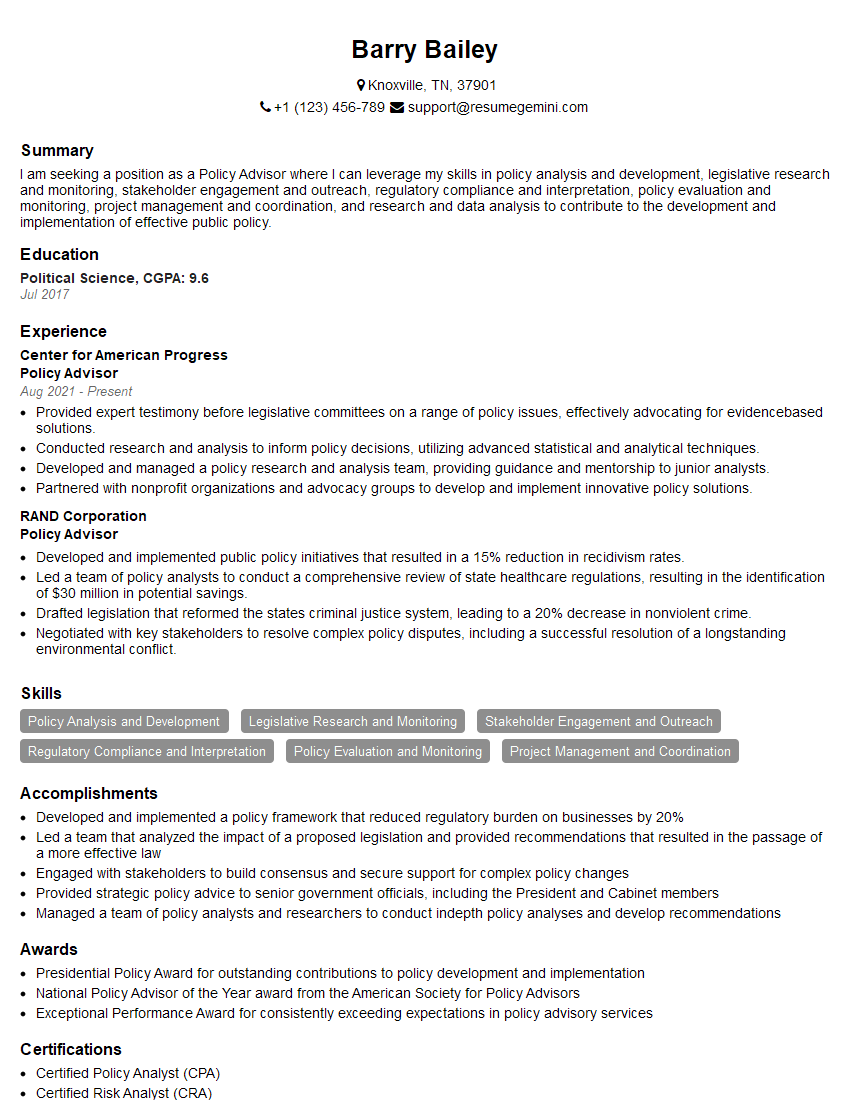
Policy Advisor Resume Sample
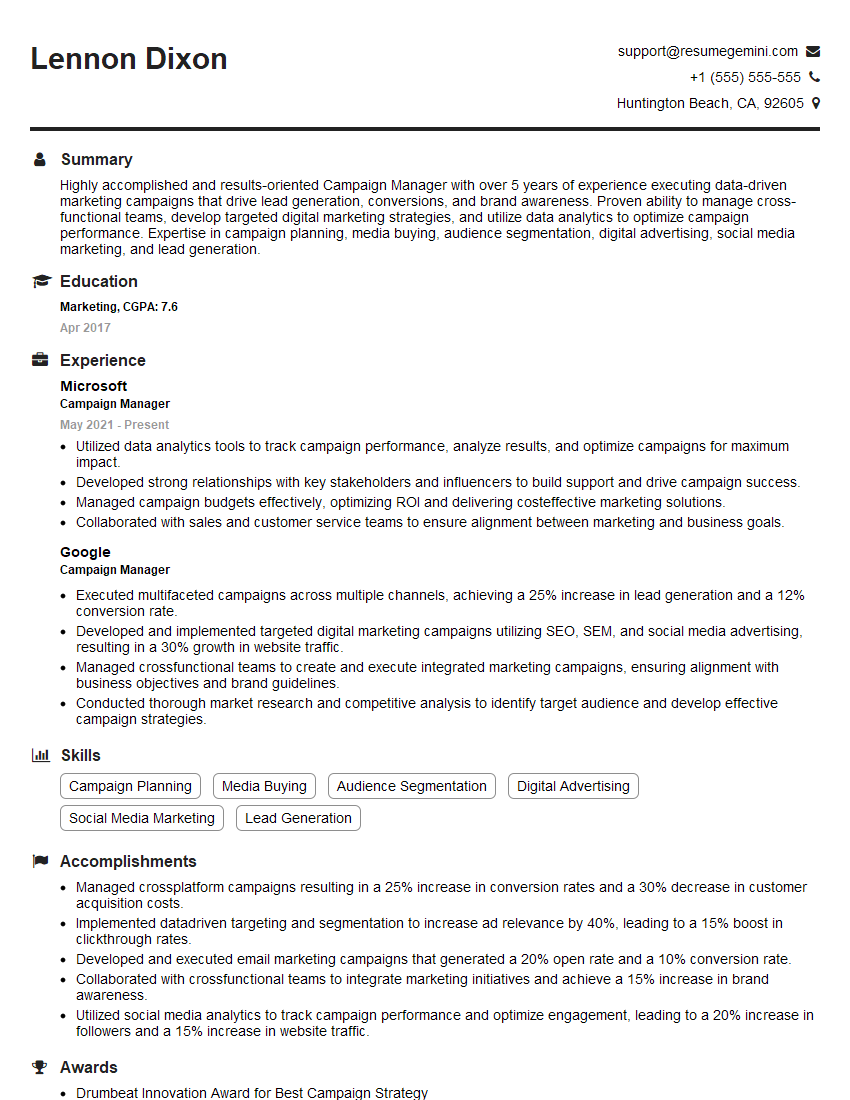
Campaign Manager Resume Sample
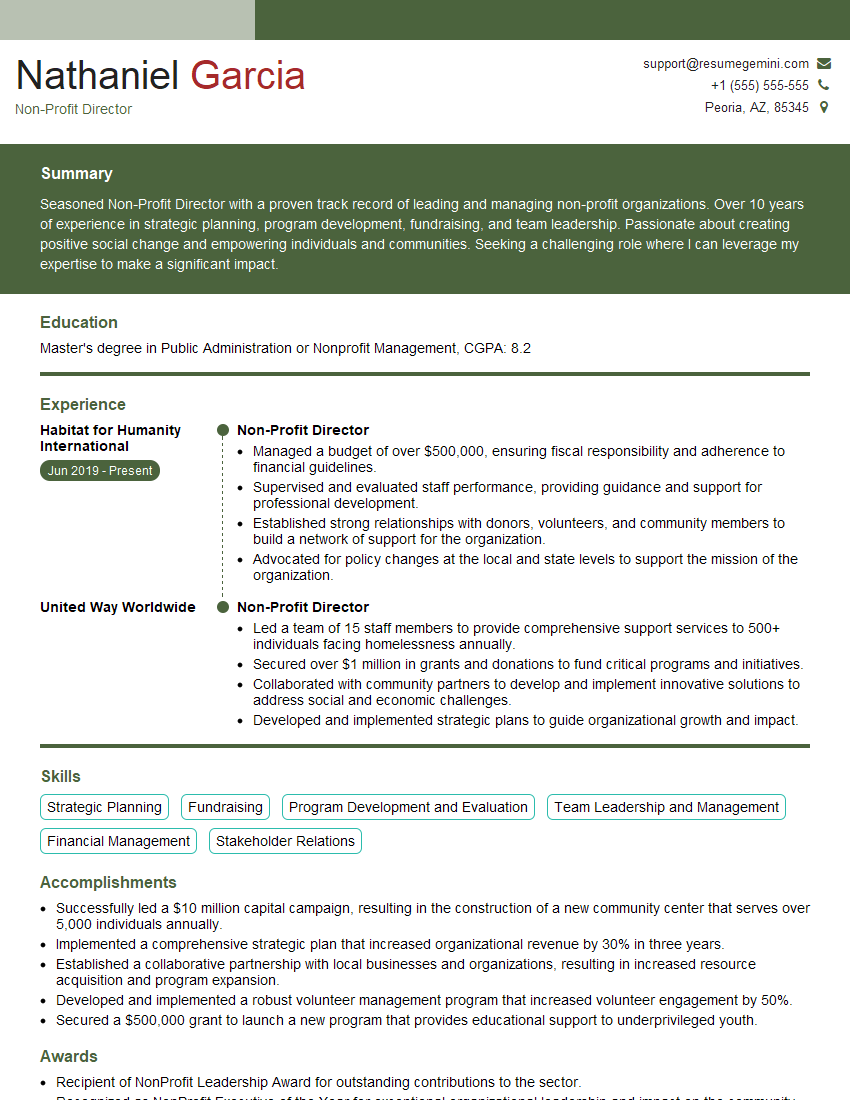
Non-Profit Director Resume Sample
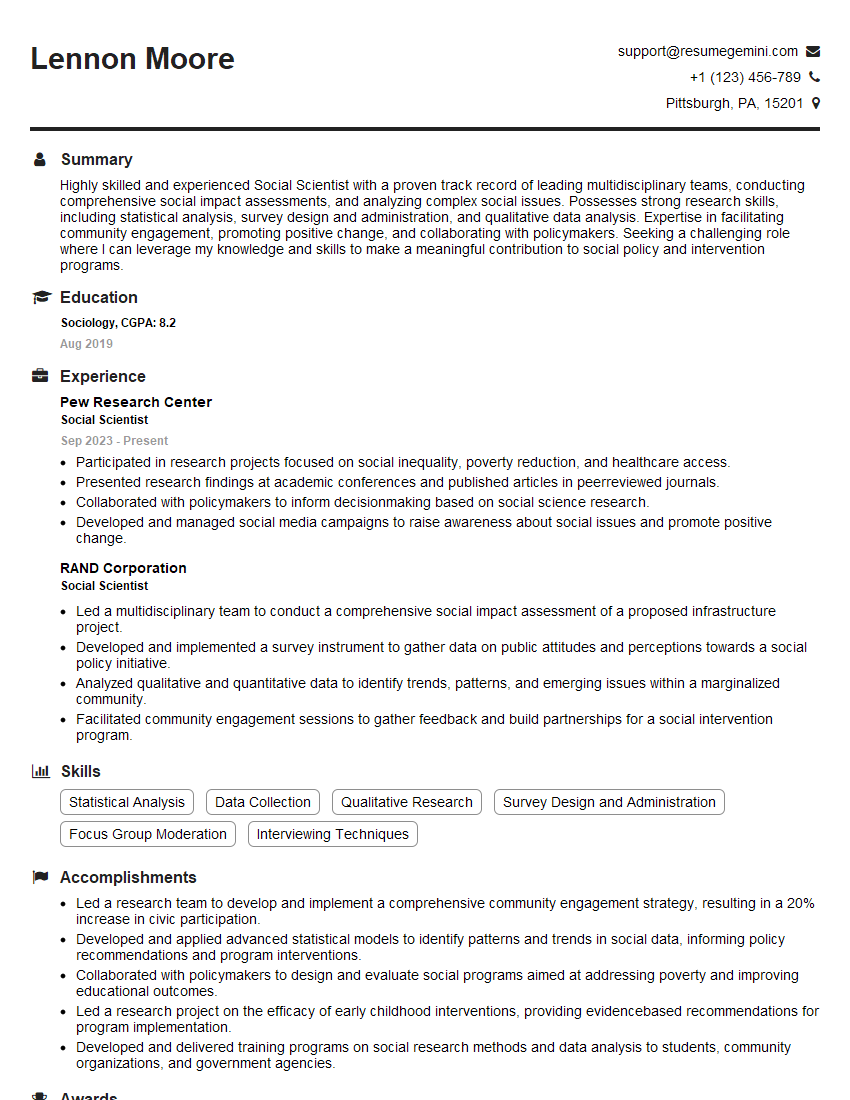
Social Scientist Resume Sample
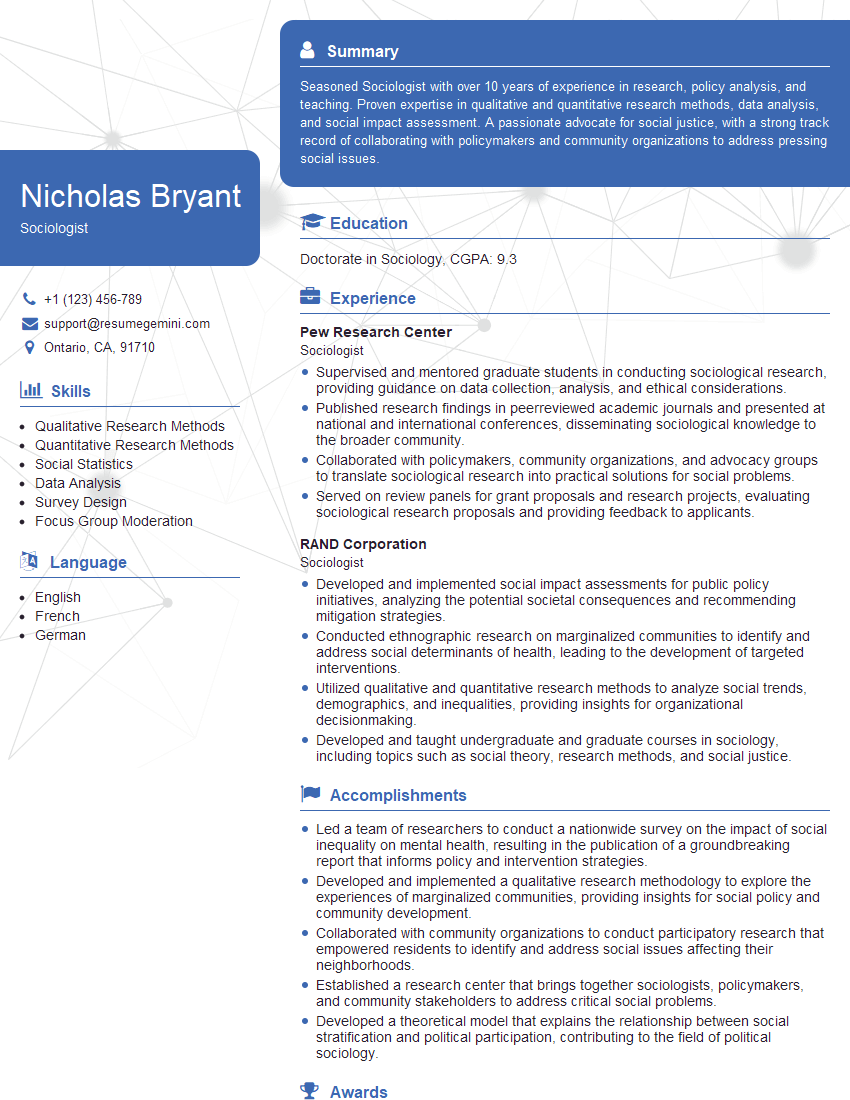
Sociologist Resume Sample
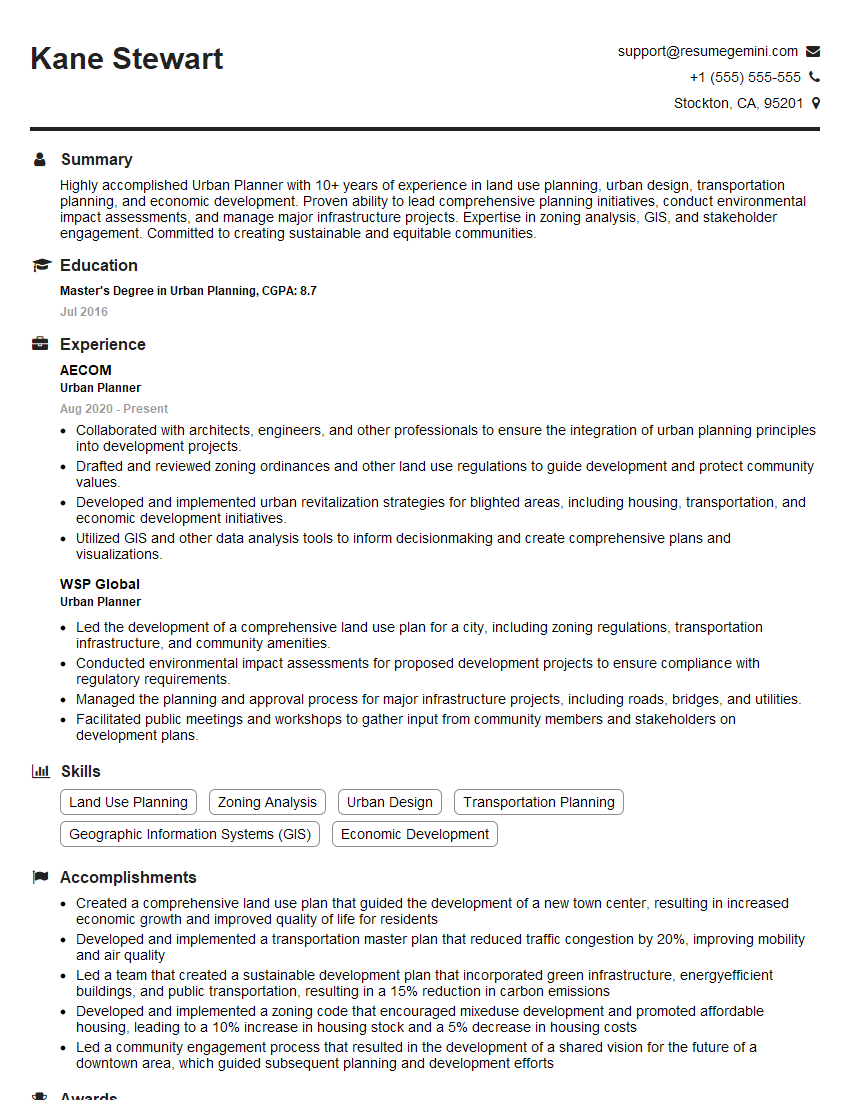
Urban Planner Resume Sample
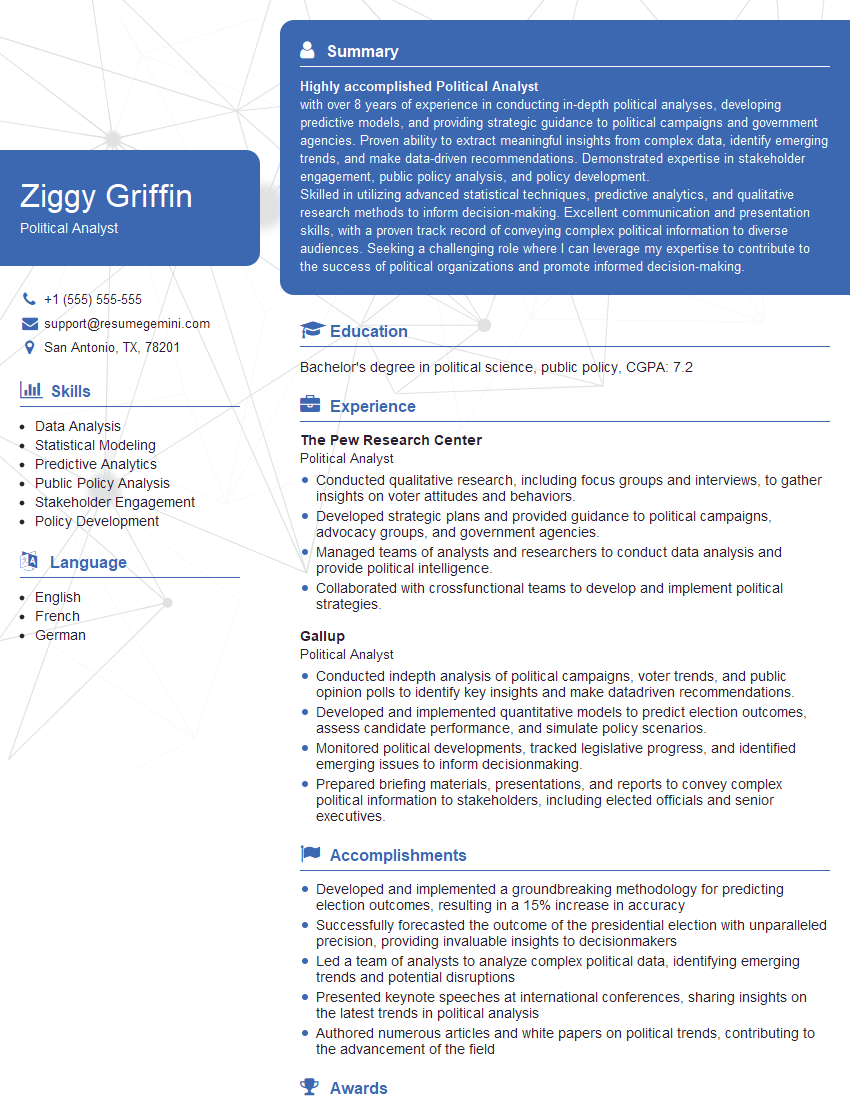
Political Analyst Resume Sample
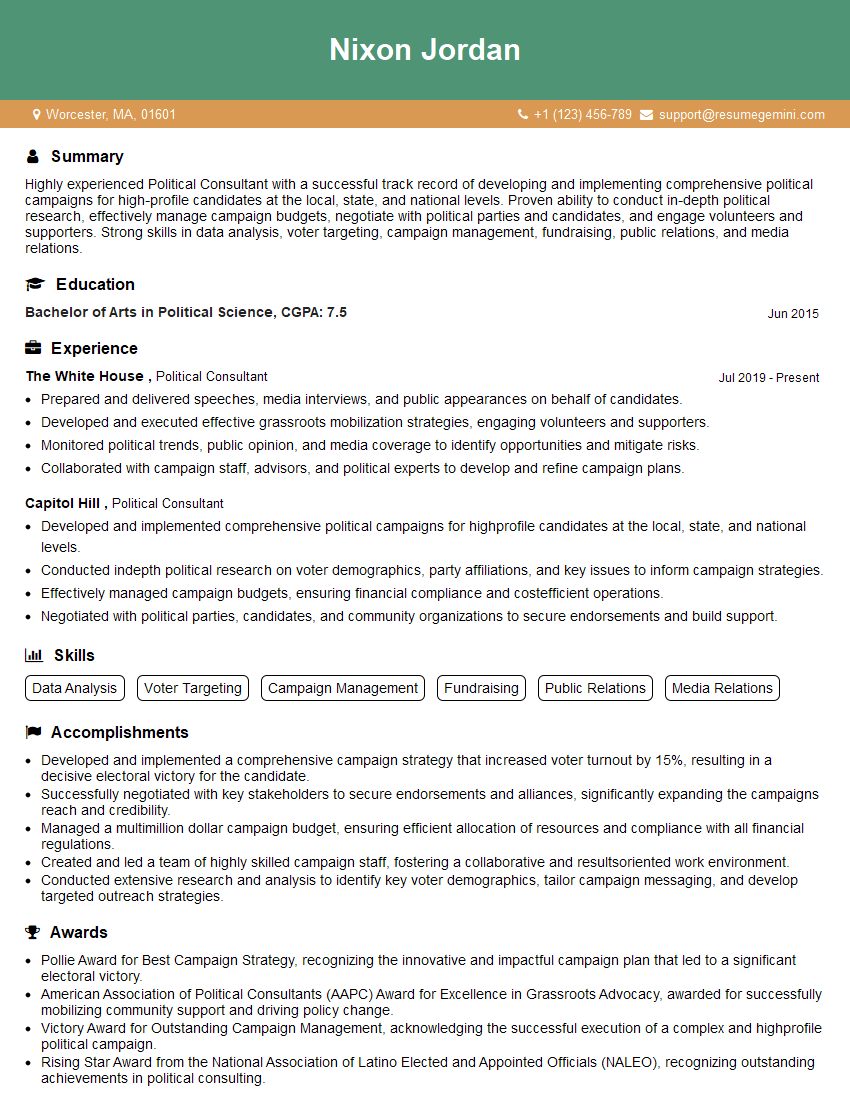
Political Consultant Resume Sample
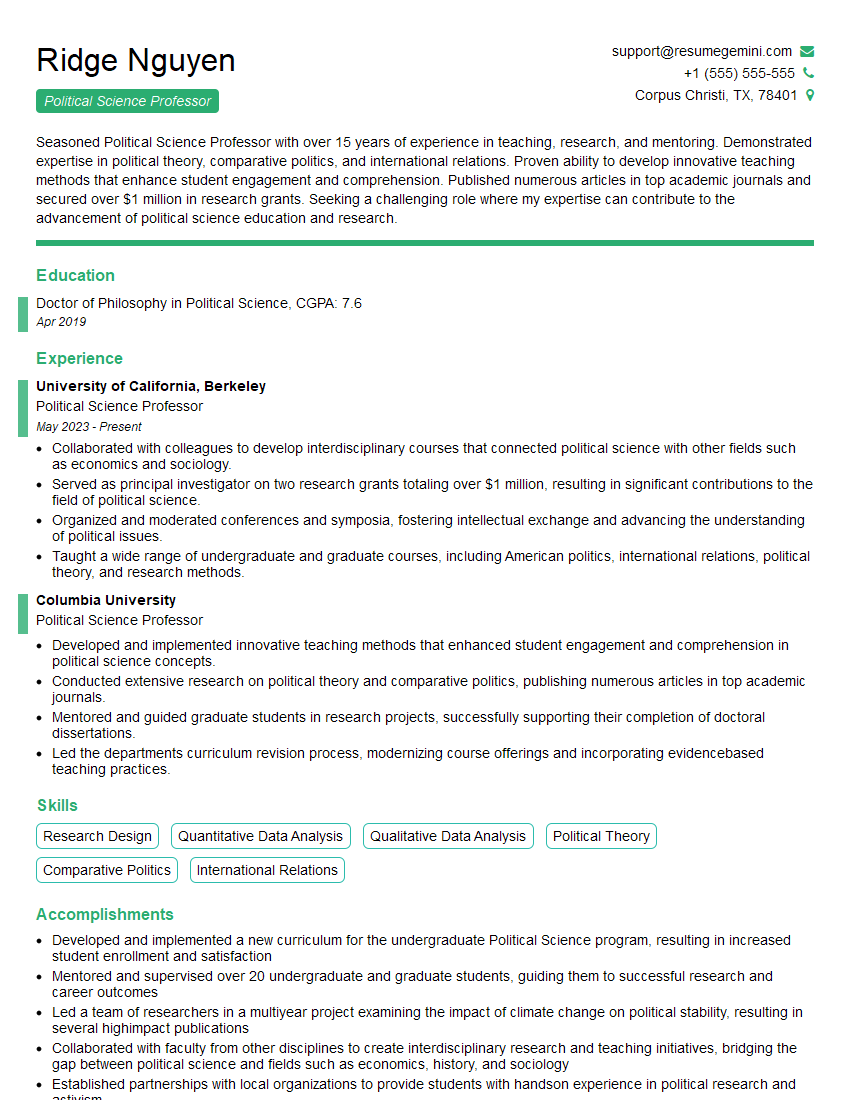
Political Science Professor Resume Sample

Community Organizer Resume Sample
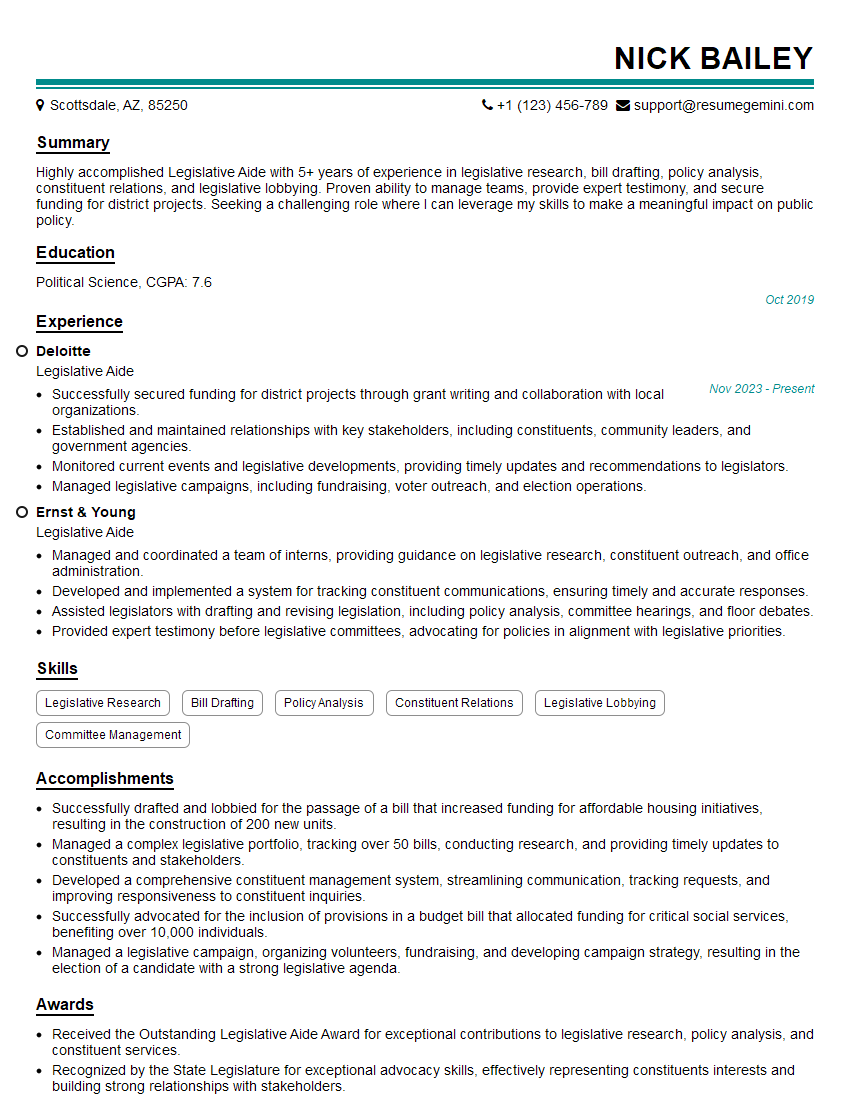
Legislative Aide Resume Sample

Lobbyist Resume Sample
Explore more articles
Users Rating of Our Blogs
Share Your Experience
We value your feedback! Please rate our content and share your thoughts (optional).
What Readers Say About Our Blog
To the interviewgemini.com Webmaster.
Very helpful and content specific questions to help prepare me for my interview!
Thank you
To the interviewgemini.com Webmaster.
This was kind of a unique content I found around the specialized skills. Very helpful questions and good detailed answers.
Very Helpful blog, thank you Interviewgemini team.