The thought of an interview can be nerve-wracking, but the right preparation can make all the difference. Explore this comprehensive guide to Cognitive-Communication Disorders interview questions and gain the confidence you need to showcase your abilities and secure the role.
Questions Asked in Cognitive-Communication Disorders Interview
Q 1. Define aphasia and describe its different types.
Aphasia is a language disorder affecting the ability to communicate. It’s caused by damage to the parts of the brain that control language, typically due to stroke, brain injury, or tumor. It doesn’t affect intelligence; rather, it impacts the ability to express and/or understand language. There are many types, categorized broadly by the affected language skills:
- Broca’s aphasia: Characterized by non-fluent speech, difficulty producing words, but relatively good comprehension. Imagine someone struggling to find the right word, speaking in short, choppy sentences. For example, they might say ‘walk…dog…park’ instead of ‘I walked the dog in the park’.
- Wernicke’s aphasia: This involves fluent, but nonsensical speech. Comprehension is severely impaired. They might use words correctly grammatically, but the overall meaning is lost. Think of someone speaking fluently, but saying things like ‘the purple elephant danced on the telephone’.
- Global aphasia: This is the most severe form, affecting both expressive and receptive language skills profoundly. Communication is severely limited.
- Conduction aphasia: Individuals have difficulty repeating words and phrases, despite relatively good comprehension and speech fluency. They may know *what* they want to say, but struggle to actually say it.
- Anomic aphasia: This primarily impacts word-finding, leading to frequent pauses and circumlocutions (talking around the word). Comprehension and fluency are generally preserved.
The specific type of aphasia greatly influences the approach to therapy and prognosis.
Q 2. Explain the role of assessment in Cognitive-Communication Disorders.
Assessment in Cognitive-Communication Disorders is crucial for diagnosis, treatment planning, and monitoring progress. It’s a multi-faceted process involving various methods to comprehensively evaluate cognitive and communication skills. Think of it as a detective investigation, gathering clues to understand the nature and extent of the impairment.
Assessment usually includes:
- Formal testing: Standardized tests like the Boston Diagnostic Aphasia Examination (BDAE) or the Cognitive Linguistic Quick Test (CLQT) provide objective measures of specific cognitive and linguistic skills.
- Informal testing: This involves observation of functional communication in everyday situations, conversational samples, and tailored tasks to assess specific difficulties.
- Patient and family history: Understanding the medical history, including the cause and onset of the disorder, is vital for accurate diagnosis.
- Functional assessment: Observing the patient’s ability to perform everyday tasks like reading, writing, or following instructions provides insights into real-world functional limitations.
The results guide the development of a personalized intervention plan, targeting specific deficits and enhancing functional communication.
Q 3. What are the common cognitive impairments associated with traumatic brain injury?
Traumatic brain injury (TBI) can result in a wide range of cognitive impairments, depending on the severity and location of the injury. Some common cognitive impairments include:
- Attention deficits: Problems with sustained attention, selective attention (filtering out distractions), and divided attention (multitasking).
- Memory problems: Difficulties with encoding new information (short-term memory), retrieving stored information (long-term memory), and recalling events (episodic memory).
- Executive dysfunction: Impairments in planning, problem-solving, initiating tasks, and inhibiting impulsive behavior. This can significantly affect daily life.
- Processing speed deficits: Slowed processing of information, leading to difficulty in completing tasks efficiently.
- Language difficulties: Problems with understanding and expressing language, similar to some aspects of aphasia, but often less severe and specific to the injury location.
- Visuospatial impairments: Difficulty with visual perception, spatial reasoning, and visual-motor coordination.
The combination and severity of these impairments vary widely between individuals, emphasizing the need for individualized assessments and treatment plans.
Q 4. Describe the principles of cognitive rehabilitation.
Cognitive rehabilitation aims to improve cognitive function and enhance participation in daily life following a brain injury or neurological disorder. It’s based on several key principles:
- Neuroplasticity: The brain’s ability to reorganize and adapt following injury. Rehabilitation leverages this by providing structured practice and stimulation.
- Functional goals: Interventions focus on improving skills needed for daily living, rather than solely targeting isolated cognitive functions. For instance, improving memory to manage medication schedules.
- Individualized therapy: Treatment programs are tailored to each person’s specific needs, strengths, and weaknesses.
- Environmental modifications: Adjusting the environment to support cognitive function, such as using calendars, reminders, or assistive technology.
- Transfer of learning: Practicing skills in a variety of contexts to enhance generalization and application in real-world situations.
- Family and caregiver involvement: Support and education for family members are critical for successful rehabilitation.
Think of it like physical therapy for the brain: targeted exercises and strategies to strengthen cognitive abilities and improve functional independence.
Q 5. How would you assess a patient’s swallowing function?
Assessing swallowing function, also known as dysphagia evaluation, is a multi-step process involving a thorough clinical examination and often instrumental studies. The goal is to identify the nature and severity of swallowing difficulties to prevent choking, aspiration (food or liquid entering the airway), and malnutrition.
The assessment involves:
- Clinical examination: This includes observing the patient’s oral motor skills (tongue, lip, jaw movements), assessing their alertness and cognitive status, and noting any history of coughing, choking, or weight loss.
- Oral motor examination: Assessing the strength and range of motion of the oral muscles.
- Swallowing observation: Watching the patient swallow different consistencies of food and liquids (thin, nectar, honey-thick) and noting any signs of difficulty or aspiration.
- Instrumental studies: These are often used to obtain a more detailed view of the swallowing process. They include:
- Videofluoroscopic swallow study (VFSS): Uses X-rays to visualize the swallowing process.
- Fiberoptic endoscopic evaluation of swallowing (FEES): Uses a thin, flexible scope to examine the pharynx and larynx during swallowing.
The findings from these assessments guide the development of a tailored swallowing plan, including diet modifications, compensatory strategies, or therapeutic interventions.
Q 6. What are the different types of augmentative and alternative communication (AAC) devices?
Augmentative and Alternative Communication (AAC) devices provide ways for individuals with communication difficulties to express themselves. They range from simple to highly sophisticated systems:
- No-tech AAC: These are low-cost options, including picture cards, communication boards, and gestures. They’re helpful for individuals with mild communication difficulties.
- Low-tech AAC: This includes simple devices like picture exchange systems (PECS) or simple communication boards with symbols or pictures.
- High-tech AAC: These are advanced devices, such as speech-generating devices (SGDs), that use synthesized speech or digitized recordings to communicate. Some can use eye gaze or other alternative input methods.
- Mobile-based AAC apps: Smartphone and tablet apps offer flexible and customizable communication options, often with customizable symbols and text-to-speech capabilities.
The choice of AAC depends on the individual’s communication needs, cognitive abilities, physical limitations, and preferences. A thorough assessment is necessary to determine the most appropriate AAC system.
Q 7. How do you differentiate between dysarthria and apraxia of speech?
Dysarthria and apraxia of speech are both motor speech disorders affecting articulation, but they stem from different neurological causes. Think of it this way: dysarthria is a problem with the *muscles* involved in speech, while apraxia is a problem with the *planning and programming* of speech movements.
- Dysarthria: This involves weakness, incoordination, or slowness of the muscles used for speech production. The speech sounds ‘slurred’ or imprecise. It may involve problems with breath support, phonation (voice production), articulation (producing sounds), and resonance (quality of sound).
- Apraxia of speech: This is a neurological speech disorder in which an individual has difficulty planning and sequencing the movements needed to produce speech. They understand what they want to say but have trouble coordinating the muscles to say it correctly. Speech is often inconsistent, with groping or searching for sounds, and errors vary with each attempt.
Differentiating between them relies on careful clinical observation and assessment. For example, in apraxia, the same word may sound different each time it’s attempted, while in dysarthria the error may be consistent.
Q 8. Explain the concept of executive function and its assessment.
Executive function refers to a set of higher-order cognitive processes that enable us to plan, organize, initiate, and execute goal-directed behavior. It’s like the ‘CEO’ of our brain, managing various cognitive resources to achieve our goals. Key components include:
- Inhibition: Suppressing impulsive responses and irrelevant information. For example, resisting the urge to interrupt during a conversation.
- Working Memory: Holding information in mind and manipulating it to complete a task. Imagine mentally calculating a tip at a restaurant.
- Cognitive Flexibility: Shifting attention between tasks or perspectives. Switching smoothly from writing an email to answering the phone.
- Planning/Organization: Sequencing actions to achieve a goal. Planning a trip, for example, involves organizing flights, accommodation, and activities.
Assessing executive function involves a multifaceted approach. We use a combination of standardized tests, such as the Trail Making Test (assessing visual attention and cognitive flexibility), the Wisconsin Card Sorting Test (measuring cognitive flexibility and abstract reasoning), and observation of real-world performance. We might ask the patient to plan a meal or perform a complex task involving multiple steps to observe their organizational skills and problem-solving strategies. The assessment is tailored to the individual’s suspected deficits and functional needs.
Q 9. Describe your experience with working with individuals with right-hemisphere brain damage.
Working with individuals with right-hemisphere brain damage (RHD) has been a significant part of my clinical experience. RHD often presents with unique challenges compared to left-hemisphere damage. Instead of the classic aphasias (language impairments) seen in left-hemisphere damage, RHD patients frequently exhibit cognitive-communication difficulties that are subtler yet equally impactful. These can include:
- Neglect: Ignoring one side of their visual field (often the left), leading to difficulties with reading, writing, and self-care.
- Discourse Deficits: Problems with narrative structure, coherence, and overall communication efficiency. Their conversations may lack organization or contain irrelevant information.
- Prosody and Pragmatics Issues: Difficulty understanding and expressing intonation and emotional aspects of language, leading to communication breakdowns.
- Visuospatial Deficits: Challenges with spatial orientation, visual perception, and drawing.
My approach focuses on compensatory strategies and improving awareness of deficits. This may involve visual scanning exercises to address neglect, strategies for improving narrative coherence, and role-playing to practice pragmatic communication skills. I collaborate closely with other therapists (occupational therapy, physical therapy) to provide holistic care.
For example, I worked with a patient who had significant left neglect. Through targeted visual scanning exercises and adapted activities like dressing and grooming, we were able to improve their awareness of the left side of their body and their ability to interact more effectively with their environment.
Q 10. How do you adapt your therapy approach based on a patient’s cultural background?
Cultural sensitivity is paramount in my therapy approach. I recognize that communication styles, beliefs about health and illness, and family dynamics vary significantly across cultures. I always begin by understanding the patient’s cultural background, including their preferred communication style, family structure, and any relevant cultural beliefs about disability.
For example, I adapt my communication to ensure it’s culturally appropriate. With some cultures, direct eye contact is considered respectful; in others, it may be seen as aggressive. I also consider how family involvement should best be integrated into the therapy process, ensuring their comfort and participation are addressed respectfully. I might use culturally relevant materials in therapy or incorporate family members into treatment sessions, tailoring the approach to meet the specific needs of each individual and their cultural context. Furthermore, I collaborate with interpreters when necessary to ensure effective communication and to build rapport.
Q 11. Explain your understanding of evidence-based practice in Cognitive-Communication Disorders.
Evidence-based practice (EBP) in Cognitive-Communication Disorders means integrating the best available research evidence with clinical expertise and patient values to make informed decisions about assessment and treatment. It’s a three-legged stool: research, clinical expertise, and patient preferences.
This involves staying current with the latest research findings through professional journals, conferences, and continuing education. I critically evaluate the strength of research evidence and its applicability to individual patients. My clinical experience allows me to judge the feasibility and suitability of different interventions based on a patient’s needs and context. Finally, I involve patients in decision-making, ensuring that the chosen treatment plan aligns with their personal goals and preferences. For instance, if research supports a particular aphasia therapy technique, but the patient prefers a different approach, we collaborate to find a solution that incorporates both evidence and patient needs.
Q 12. What are some common challenges faced by individuals with cognitive communication disorders and their families?
Individuals with cognitive-communication disorders and their families face a multitude of challenges. These challenges can significantly impact their quality of life.
- Communication Difficulties: Problems expressing needs, understanding instructions, participating in conversations, and engaging in social interactions.
- Cognitive Impairments: Difficulties with memory, attention, problem-solving, and executive functions, leading to frustration and dependence on others.
- Emotional and Psychological Impact: Depression, anxiety, frustration, isolation, and low self-esteem are common.
- Social Isolation: Reduced social participation due to communication difficulties, leading to feelings of loneliness and decreased social support.
- Caregiver Burden: Family members often experience significant emotional and physical stress, financial strain, and disruption to their lives.
Addressing these challenges requires a holistic approach, involving therapy, support groups, and caregiver education to provide coping strategies and improve the overall well-being of both the individual and their family.
Q 13. How do you measure treatment outcomes in Cognitive-Communication disorders?
Measuring treatment outcomes in Cognitive-Communication Disorders requires a comprehensive approach. We use a variety of methods, including:
- Standardized Assessments: Administering pre- and post-treatment assessments using standardized tests to quantify changes in specific cognitive and communication skills (e.g., changes in scores on the Boston Diagnostic Aphasia Examination).
- Functional Measures: Assessing improvement in real-world skills, such as participation in social activities, independent living, and work performance. This may involve questionnaires, interviews, or direct observation.
- Qualitative Data: Gathering information through interviews with the patient and family members to capture their perspectives on treatment progress and quality of life improvements.
- Treatment Fidelity: Monitoring the consistency and accuracy of implementing treatment procedures, ensuring that the interventions are being delivered as intended.
It’s crucial to consider the patient’s individual goals when selecting outcome measures. The selection of appropriate measures depends on the specific disorder, treatment goals, and the individual’s unique circumstances.
Q 14. Describe your experience using specific assessment tools (e.g., Boston Diagnostic Aphasia Examination, Western Aphasia Battery).
I have extensive experience utilizing various assessment tools, including the Boston Diagnostic Aphasia Examination (BDAE) and the Western Aphasia Battery (WAB).
The BDAE is a comprehensive instrument providing a detailed profile of aphasia subtypes. I use it to identify the nature and severity of language impairments, focusing on areas like fluency, comprehension, naming, repetition, and reading/writing. Its strengths lie in its thoroughness and established norms, allowing for standardized comparisons. However, its length can be a limitation for some patients.
The WAB offers a more concise assessment of aphasia, providing a quantitative measure of language abilities and a classification system. I find it useful for tracking progress over time, particularly when assessing treatment response. However, it may not provide the same level of detailed qualitative information as the BDAE. The choice between these two, or other similar tools, depends on the specific clinical question, time constraints, and the individual patient’s needs.
My experience includes interpreting the results of these tests, integrating them with other clinical observations, and using this information to create tailored treatment plans.
Q 15. How do you collaborate with other healthcare professionals in a multidisciplinary team?
Collaboration in a multidisciplinary team is crucial for optimal patient care in cognitive-communication disorders. I believe in a collaborative, communicative approach, actively participating in team meetings and regularly sharing assessment findings and treatment plans. For example, when working with a patient experiencing aphasia post-stroke, I collaborate closely with the neurologist to understand the extent of the neurological damage, the occupational therapist to address activities of daily living, and the physiatrist to manage any physical limitations. We share information through regular meetings, shared electronic health records, and informal discussions. This ensures a holistic approach, preventing duplication of effort and maximizing the impact of therapy. I also actively participate in case conferences, where we collectively brainstorm solutions and adapt treatment strategies to meet the patient’s evolving needs.
Consider a scenario involving a patient with traumatic brain injury and resulting cognitive communication deficits. In this case, my input – assessing language skills, cognitive abilities, and swallowing function – informs the occupational therapist’s focus on adaptive strategies for daily tasks, the physical therapist’s work on motor skills, and the social worker’s support for the patient and family.
Career Expert Tips:
- Ace those interviews! Prepare effectively by reviewing the Top 50 Most Common Interview Questions on ResumeGemini.
- Navigate your job search with confidence! Explore a wide range of Career Tips on ResumeGemini. Learn about common challenges and recommendations to overcome them.
- Craft the perfect resume! Master the Art of Resume Writing with ResumeGemini’s guide. Showcase your unique qualifications and achievements effectively.
- Don’t miss out on holiday savings! Build your dream resume with ResumeGemini’s ATS optimized templates.
Q 16. Describe your experience with patients who have dementia or Alzheimer’s disease.
My experience with patients suffering from dementia or Alzheimer’s disease centers around adapting communication strategies to their changing cognitive abilities. Early stages might involve focused compensatory techniques, such as using visual aids or simplifying language. As the disease progresses, the focus shifts towards maintaining communication and engagement, using non-verbal cues, reminiscence therapy, and creating a safe and predictable environment. I emphasize person-centered care, tailoring communication to the individual’s preferences and remaining strengths. For instance, I might use photographs or familiar objects to spark memories and facilitate communication with a patient struggling with verbal expression. I also train caregivers on effective communication strategies, empowering them to maintain connections and enhance the patient’s quality of life. It’s a continuous process of adapting approaches as the disease progresses, focusing on preserving dignity and connection.
Q 17. What are your strategies for managing challenging behaviors in patients with cognitive communication disorders?
Managing challenging behaviors in patients with cognitive communication disorders requires a multifaceted approach that begins with thorough assessment to understand the underlying cause. Behaviors like agitation or aggression are often expressions of frustration, pain, or unmet needs. My strategies involve: 1) Environmental modifications: Creating a calming, predictable, and stimulating environment tailored to the patient’s sensory sensitivities. 2) Communication strategies: Utilizing simple, clear language; employing visual cues; and avoiding confrontation. 3) Behavioral interventions: Implementing techniques such as positive reinforcement, redirection, and consistent routines. 4) Collaboration: Working closely with caregivers and other healthcare professionals to ensure consistent management across settings. For example, I might use a communication board to help a frustrated patient express their needs rather than resorting to aggressive behaviors. Collaboration with a psychiatrist might be needed to rule out other underlying medical conditions contributing to challenging behaviors and consider medication if appropriate.
Q 18. How do you ensure patient safety during therapy sessions?
Patient safety is paramount in my practice. This involves several key strategies: 1) Thorough assessment: Evaluating the patient’s physical and cognitive abilities to identify potential safety risks. 2) Environmental modifications: Creating a safe and accessible therapy space, free of hazards. 3) Adaptive techniques: Adapting therapy activities to the patient’s physical limitations. 4) Supervision: Ensuring adequate supervision, especially for patients with mobility or cognitive impairments. 5) Emergency preparedness: Having a plan in place to manage emergencies, including contacting emergency services when necessary. For example, if a patient has balance difficulties, therapy sessions might incorporate assistive devices and be held in a space with minimal obstacles. Knowing the patient’s medical history and medications is crucial to anticipate and prevent potential safety issues.
Q 19. Describe your approach to ethical dilemmas in clinical practice.
Ethical dilemmas in clinical practice often arise in areas such as patient confidentiality, informed consent, and resource allocation. My approach involves: 1) Careful consideration: Thoroughly reviewing the ethical principles relevant to the situation. 2) Consultation: Discussing the dilemma with colleagues, supervisors, and ethics committees to gain diverse perspectives. 3) Documentation: Meticulously documenting the situation, the decision-making process, and the rationale behind my actions. 4) Transparency: Communicating openly with the patient and their family, ensuring they understand the implications of the decision. For example, a dilemma might arise if a patient lacks the capacity to provide informed consent for a specific treatment. In such cases, I would involve the family and seek guidance from the ethics committee to ensure the patient’s best interests are prioritized while upholding ethical principles.
Q 20. Explain the role of family involvement in rehabilitation.
Family involvement is essential for successful rehabilitation in cognitive-communication disorders. Family members are invaluable sources of information about the patient’s history, strengths, and communication preferences. I actively involve families in all aspects of the rehabilitation process: 1) Assessment: Gathering information from family members about the patient’s premorbid personality and communication style. 2) Goal setting: Collaboratively establishing realistic and meaningful goals that align with the patient’s and family’s priorities. 3) Therapy sessions: Encouraging family participation in therapy sessions, providing education and training on communication strategies, and supporting their role in the patient’s ongoing care. 4) Caregiver support: Offering counseling and support to family members coping with the emotional and practical challenges of caring for a loved one. For example, I might teach the family how to use specific communication strategies learned in therapy at home, further improving the patient’s quality of life.
Q 21. What is your experience with using technology in therapy for cognitive-communication disorders?
Technology plays an increasingly important role in therapy for cognitive-communication disorders. I have experience utilizing various technological tools such as: 1) Computer-based language programs: These programs provide structured practice in language skills, such as naming, sentence construction, and comprehension. 2) Augmentative and alternative communication (AAC) devices: These devices, including tablets and apps, help patients communicate using pictures, symbols, or synthesized speech. 3) Teletherapy platforms: These platforms allow for remote delivery of therapy, expanding access to care. 4) Virtual reality (VR) therapy: This immersive technology provides engaging and motivating practice in real-world communication scenarios. For example, I might use a virtual reality environment to simulate a restaurant setting to practice ordering food, thereby making therapy more realistic and effective. Careful selection and integration of technology, considering individual patient needs and preferences, are essential for maximizing its effectiveness.
Q 22. What are some specific intervention strategies for improving attention and memory?
Improving attention and memory in individuals with cognitive-communication disorders requires a multifaceted approach tailored to the specific deficits. We utilize a combination of strategies focusing on both cognitive rehabilitation and compensatory techniques.
Attention Training: This involves structured exercises to improve selective attention (focusing on relevant stimuli), sustained attention (maintaining focus over time), and divided attention (handling multiple tasks simultaneously). For example, we might use computer-based programs that gradually increase the complexity of tasks requiring sustained attention, or we might use simple games like matching card games to improve selective attention.
Memory Strategies: These techniques help individuals encode, store, and retrieve information more effectively. We teach mnemonic devices like acronyms (e.g., ROY G. BIV for the colors of the rainbow), visual imagery (creating mental pictures to associate with information), and chunking (grouping information into smaller, manageable units). For a patient struggling with remembering medication schedules, we might use a visual planner with pictures of the medications and times.
Environmental Modifications: Simplifying the environment, reducing distractions, and using visual cues (e.g., checklists, labels) can significantly improve attention and memory. This is especially relevant for individuals with executive functioning deficits.
Pharmacological Interventions: In some cases, medication may be prescribed to address underlying neurological conditions contributing to attention and memory problems. This is always done in collaboration with a physician.
The key is to make these interventions engaging and relevant to the individual’s life, gradually increasing the difficulty of tasks as their skills improve. Regular monitoring and adjustments to the intervention plan are crucial for optimal outcomes.
Q 23. How do you address communication breakdowns in individuals with cognitive-communication disorders?
Addressing communication breakdowns involves a comprehensive assessment to identify the specific nature of the difficulty. This might involve problems with language comprehension, expression, pragmatics (social use of language), or cognitive aspects such as memory or attention. Once the breakdown is understood, we employ various strategies:
Augmentative and Alternative Communication (AAC): For individuals with severe expressive language deficits, AAC systems (e.g., picture exchange systems, speech-generating devices) provide alternative ways to communicate. We help individuals and their families select and learn to use the most appropriate system.
Communication Partner Training: We educate family members and caregivers on effective communication strategies, such as simplifying language, using visual aids, providing clear and concise instructions, and being patient and understanding. This involves teaching them techniques like providing clear visual cues or modeling effective communication.
Cognitive Rehabilitation: Addressing underlying cognitive deficits like memory and attention can indirectly improve communication. For example, memory strategies discussed earlier can help patients follow conversations or remember instructions.
Speech and Language Therapy: This focuses on improving specific language skills, such as articulation, vocabulary, grammar, and sentence structure. We might use techniques like repetition, role-playing, and errorless learning.
Environmental Modifications: Similar to attention and memory interventions, modifying the communication environment can also improve communication success. This might mean reducing background noise or providing visual supports. A calming environment can significantly reduce anxiety-related communication breakdowns.
The process is highly individualized and involves ongoing monitoring and adjustments based on the patient’s progress and needs. We regularly collaborate with other professionals, such as occupational therapists and neuropsychologists, to develop a holistic intervention plan.
Q 24. Describe your experience with writing progress notes and reports.
I have extensive experience writing comprehensive and concise progress notes and reports. My documentation is always objective, reflecting the client’s performance and response to therapy. I focus on clarity and ensure the reports are easily understood by other healthcare professionals and family members. My notes typically include:
Client demographics and background information: This provides context for the client’s communication difficulties.
Assessment findings: A summary of the evaluation process and the identified cognitive-communication deficits.
Treatment goals and objectives: Clearly defined, measurable, achievable, relevant, and time-bound (SMART) goals.
Intervention strategies and techniques employed: Detailed description of the therapeutic approaches used.
Client progress and response to treatment: Objective and quantifiable measures of improvement.
Recommendations for future treatment: Suggestions for continued therapy, home programs, or other support services.
I am proficient in using electronic health record systems and adhere to all relevant documentation standards and guidelines to maintain confidentiality and accuracy.
Q 25. How do you manage your time effectively and prioritize tasks?
Effective time management is crucial in my role. I utilize several strategies to prioritize tasks and ensure efficient workflow:
Prioritization: I use a combination of methods to prioritize tasks, including urgency and importance matrixes (Eisenhower Matrix) and task-oriented lists. I focus on high-impact tasks that directly contribute to client progress first.
Time Blocking: I allocate specific time blocks for various activities, such as client sessions, report writing, administrative tasks, and professional development. This helps me maintain focus and avoid task-switching.
Delegation: When appropriate, I delegate tasks to others to optimize my time and improve efficiency. This could include administrative tasks or aspects of patient care that fall under the scope of other team members.
Regular Review and Adjustment: I regularly review my schedule and adjust my priorities as needed based on client needs and emergent issues. Flexibility is crucial.
Technology and Tools: I leverage electronic calendars, task management software, and other technology to streamline my workflow and improve efficiency. I also regularly utilize telehealth technology in order to save travel time for myself and my clients.
By employing these strategies, I am able to effectively manage my time, meet deadlines, and provide high-quality services to my clients.
Q 26. Describe your understanding of the impact of cognitive communication disorders on daily living.
Cognitive-communication disorders significantly impact daily living, affecting an individual’s ability to participate in various activities. The consequences can vary widely depending on the severity and nature of the disorder, but common effects include:
Communication Difficulties: Problems with understanding and expressing language can lead to social isolation, difficulty at work or school, and challenges in relationships.
Impaired Cognitive Functioning: Difficulties with attention, memory, executive functions (planning, problem-solving), and processing speed can affect daily tasks such as managing finances, medication, and personal hygiene.
Reduced Independence: Individuals may require increased assistance with activities of daily living, leading to dependence on caregivers and decreased quality of life.
Emotional and Psychological Impact: The frustration, anxiety, depression, and low self-esteem associated with cognitive-communication disorders can significantly impact overall well-being.
Safety Concerns: Impaired cognitive functions can lead to increased risk of accidents and injuries.
Understanding this wide-ranging impact is crucial in developing effective interventions that promote independence, improve quality of life, and enhance overall well-being. A holistic approach, involving the individual, their family, and a multidisciplinary team, is essential.
Q 27. What are your career goals in the field of Cognitive-Communication Disorders?
My career goals center on advancing my expertise in cognitive-communication disorders and contributing to the field through clinical practice, research, and education. I aim to:
Enhance my clinical skills: I continuously seek opportunities to improve my diagnostic and intervention skills, particularly in specialized areas like traumatic brain injury or aphasia.
Conduct research: I am interested in conducting research to explore innovative assessment and treatment approaches for specific cognitive-communication deficits. I hope to contribute new knowledge and effective interventions.
Mentor and train future professionals: I aspire to mentor and train students and new professionals in the field, sharing my knowledge and experience to develop the next generation of clinicians.
Advocate for individuals with cognitive-communication disorders: I am committed to advocating for better access to services, increased awareness of these disorders, and improved quality of life for those affected.
Ultimately, my goal is to make a significant contribution to the field and positively impact the lives of individuals and families affected by cognitive-communication disorders.
Key Topics to Learn for Cognitive-Communication Disorders Interview
- Neuroanatomy and Neurophysiology of Language and Cognition: Understand the brain structures and pathways crucial for communication and cognitive functions. This includes understanding the impact of lesions or damage to these areas.
- Assessment of Cognitive-Communication Disorders: Master various assessment tools and techniques used to evaluate different cognitive and communication impairments (e.g., aphasia, apraxia, cognitive-linguistic deficits). Be prepared to discuss the strengths and limitations of different approaches.
- Types of Cognitive-Communication Disorders: Develop a thorough understanding of different disorders such as aphasia (fluent vs. non-fluent), apraxia of speech, right hemisphere brain damage, traumatic brain injury (TBI), dementia, and their associated communication challenges.
- Intervention Strategies and Treatment Approaches: Familiarize yourself with evidence-based intervention techniques for various cognitive-communication disorders. Be ready to discuss specific therapeutic approaches and their rationale.
- Evidence-Based Practice and Research: Demonstrate your understanding of the importance of evidence-based practice and be prepared to discuss relevant research in the field. Knowing current research trends will show initiative and commitment.
- Collaboration and Interprofessional Practice: Highlight your understanding of the importance of working collaboratively with other healthcare professionals (e.g., physicians, occupational therapists, speech-language pathologists) to provide comprehensive patient care.
- Ethical Considerations and Cultural Competence: Discuss ethical considerations related to patient confidentiality, informed consent, and culturally sensitive communication practices.
- Technology in Assessment and Intervention: Be prepared to discuss the role of technology in the assessment and treatment of cognitive-communication disorders, such as using apps or software for therapy.
Next Steps
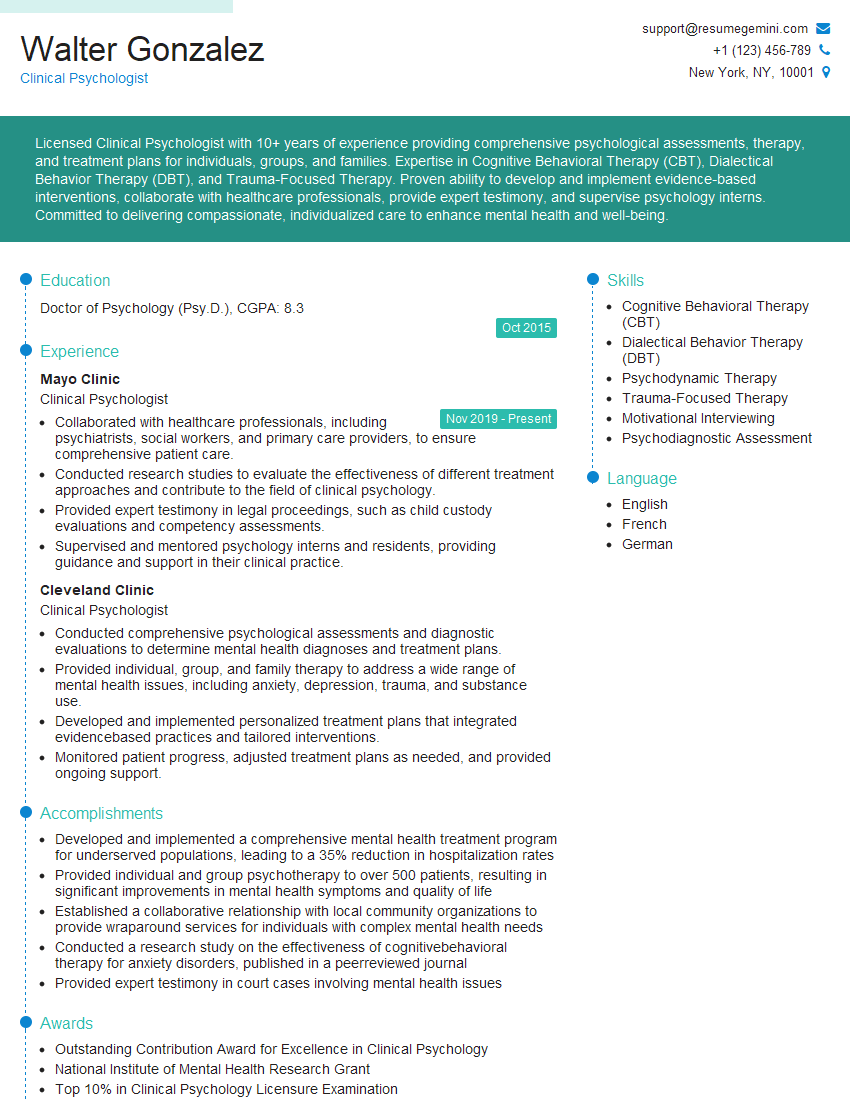
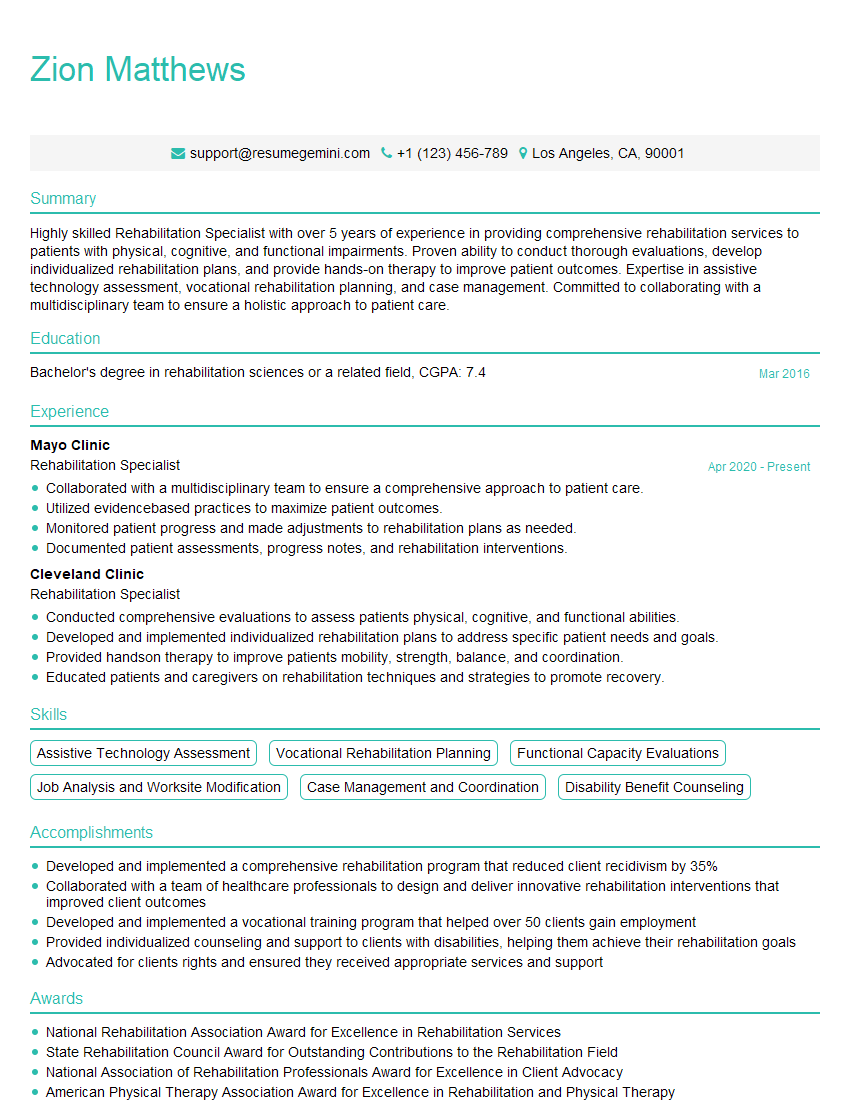
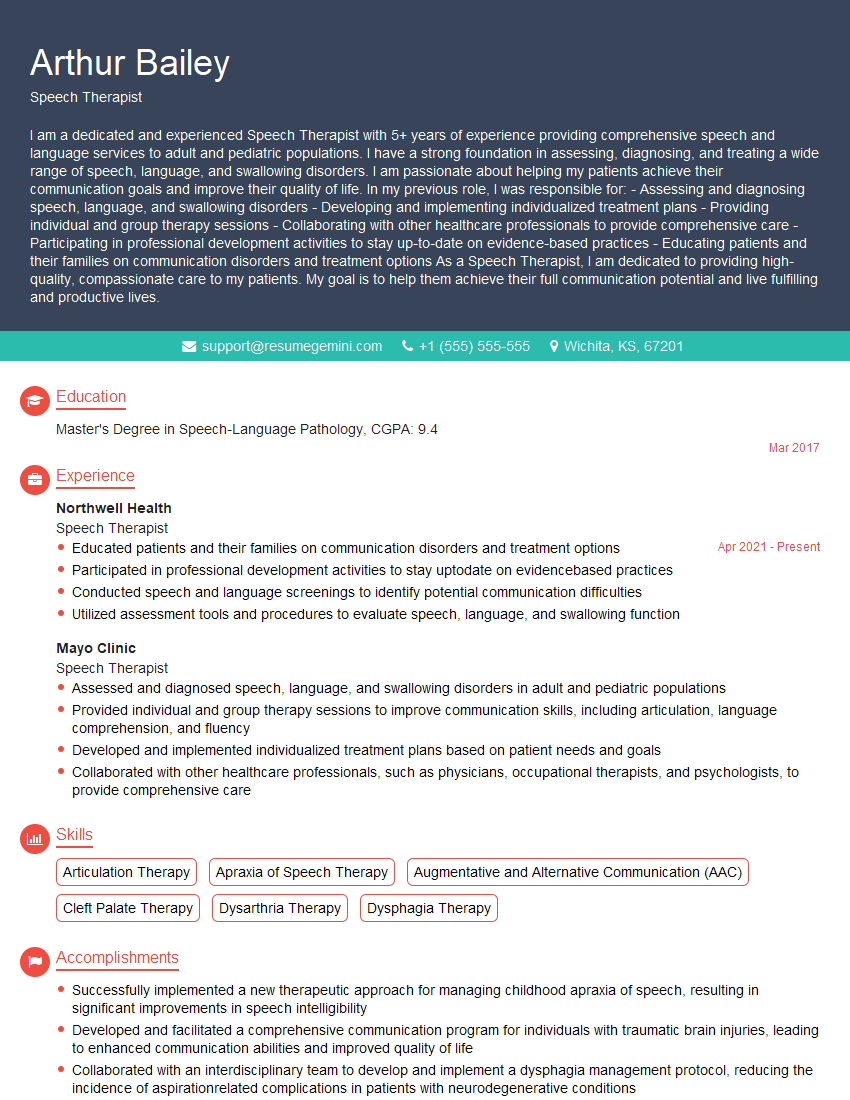
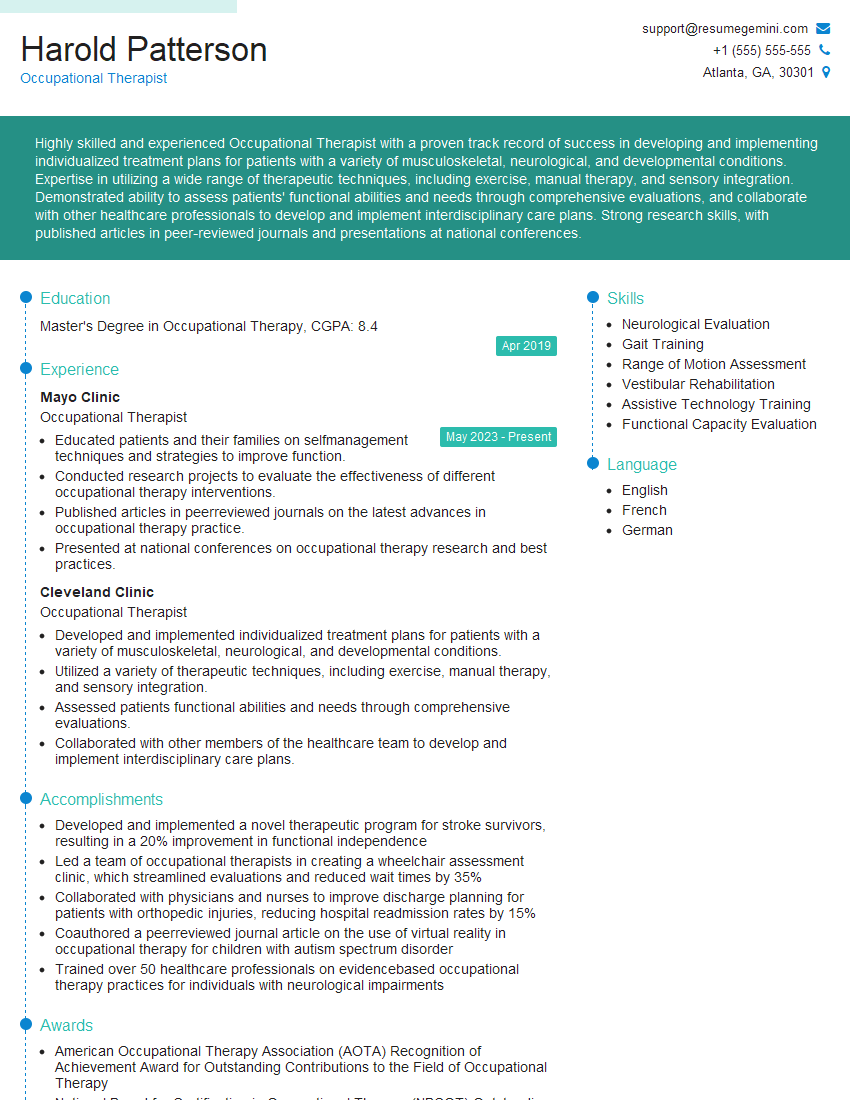
Mastering Cognitive-Communication Disorders is crucial for a successful and rewarding career. A strong understanding of these concepts will significantly enhance your ability to provide effective and compassionate care. To maximize your job prospects, crafting a compelling and ATS-friendly resume is essential. ResumeGemini is a trusted resource that can help you build a professional resume that showcases your skills and experience effectively. Examples of resumes tailored to Cognitive-Communication Disorders are available to guide you, ensuring your application stands out. Invest time in creating a strong resume—it’s your first impression on potential employers.
Explore more articles
Users Rating of Our Blogs
Share Your Experience
We value your feedback! Please rate our content and share your thoughts (optional).
What Readers Say About Our Blog
To the interviewgemini.com Webmaster.
Very helpful and content specific questions to help prepare me for my interview!
Thank you
To the interviewgemini.com Webmaster.
This was kind of a unique content I found around the specialized skills. Very helpful questions and good detailed answers.
Very Helpful blog, thank you Interviewgemini team.