Interviews are more than just a Q&A session—they’re a chance to prove your worth. This blog dives into essential Medical Radiation Safety interview questions and expert tips to help you align your answers with what hiring managers are looking for. Start preparing to shine!
Questions Asked in Medical Radiation Safety Interview
Q 1. Explain the ALARA principle and its practical application in medical radiation.
The ALARA principle, short for “As Low As Reasonably Achievable,” is a fundamental tenet of radiation protection. It dictates that all radiation exposure should be kept as low as possible, while remaining practical and taking into account economic and social factors. It’s not about eliminating all radiation, which is often impossible, but about minimizing unnecessary exposure. In medical imaging, ALARA is implemented through several strategies.
- Optimization of techniques: Using the lowest radiation dose settings that still produce diagnostically useful images. This involves careful selection of imaging parameters (like kVp and mAs in X-ray) and using techniques that minimize the irradiated volume.
- Collimation: Restricting the X-ray beam to the area of interest reduces the amount of tissue exposed. Imagine shining a flashlight only on the area you need to see instead of lighting up the entire room.
- Shielding: Using protective barriers (lead aprons, thyroid shields) to block radiation from reaching sensitive organs or personnel. This is especially crucial for pregnant patients and healthcare workers.
- Distance: Increasing the distance between the radiation source and the patient/personnel reduces exposure. The inverse square law states that radiation intensity decreases with the square of the distance.
- Time: Reducing the time spent in the radiation field minimizes exposure. Faster procedures and efficient workflows are vital.
For example, in a fluoroscopy procedure, a radiologist might use pulsed fluoroscopy (intermittent X-ray pulses) instead of continuous fluoroscopy to reduce the patient’s dose. They would also carefully collimate the beam to the area of interest and utilize lead shielding to protect the patient’s gonads if appropriate.
Q 2. Describe the different types of ionizing radiation used in medical settings.
Several types of ionizing radiation are used in medical settings, each with its own properties and applications:
- X-rays: Electromagnetic radiation produced by accelerating electrons. Used extensively in diagnostic imaging (radiography, fluoroscopy, CT) and some therapeutic applications.
- Gamma rays: High-energy electromagnetic radiation emitted from radioactive nuclei. Used in radiotherapy and nuclear medicine (e.g., diagnostic imaging with Technetium-99m).
- Beta particles: High-energy electrons or positrons emitted from radioactive nuclei. Used in some therapeutic applications, such as brachytherapy (internal radiation therapy).
- Alpha particles: Relatively large, positively charged particles emitted from radioactive nuclei. Less penetrating than beta or gamma radiation; used less frequently in medicine.
- Neutrons: Uncharged particles found in the nucleus of atoms. Used in some specialized radiotherapy techniques (e.g., neutron capture therapy).
The choice of radiation type depends on the specific application. For example, X-rays are ideal for diagnostic imaging due to their ability to penetrate soft tissues and produce contrasting images on film or digital detectors. Gamma rays, on the other hand, are more suitable for radiotherapy due to their high energy and penetrating power, which allows for targeted destruction of cancerous cells.
Q 3. What are the primary methods for shielding against ionizing radiation?
Shielding against ionizing radiation involves utilizing materials that can absorb or attenuate the radiation’s energy. The effectiveness of a shield depends on the type and energy of the radiation, as well as the thickness and density of the material.
- Lead: Highly effective for shielding against X-rays and gamma rays. Commonly used in lead aprons, gloves, and shielding barriers.
- Concrete: Used in building construction to shield against radiation sources. The thickness required depends on the radiation energy and intensity.
- Water: Effective for shielding against neutrons. Used in nuclear reactors and some specialized radiotherapy facilities.
- Distance and time: Although not materials, these are crucial factors to consider as they significantly reduce exposure. Recall the inverse square law for distance.
For instance, in a radiology department, lead-lined walls and doors provide structural shielding, while lead aprons and thyroid shields protect healthcare workers during procedures. The specific shielding requirements are determined by radiation safety officers based on risk assessments and regulatory guidelines.
Q 4. Explain the concept of effective dose and equivalent dose.
Both effective dose and equivalent dose are measures of radiation exposure, but they address different aspects:
Equivalent dose (EqD) accounts for the different biological effects of various types of ionizing radiation. It’s calculated by multiplying the absorbed dose (the amount of energy deposited in tissue) by a radiation weighting factor (WR), which reflects the relative biological effectiveness of the radiation type. The unit for equivalent dose is the sievert (Sv).
EqD = Absorbed Dose (Gy) x WR
Effective dose (E) considers both the type of radiation and the radiosensitivity of the organs and tissues exposed. It’s calculated by summing the weighted equivalent doses to individual organs and tissues, each weighted by a tissue weighting factor (WT), which reflects the organ’s susceptibility to radiation damage. The unit for effective dose is also the sievert (Sv).
E = Σ (WT x EqD)
In simple terms, equivalent dose tells us how much damage a specific type of radiation would cause to a particular tissue, while effective dose provides a whole-body estimate of the potential harm, taking into account the sensitivity of different organs.
Example: A 1 Gy dose of alpha particles has a higher equivalent dose than a 1 Gy dose of X-rays, because alpha particles are more damaging to cells. The effective dose will further account for whether the tissue affected is highly sensitive (e.g., bone marrow) or less sensitive (e.g., skin).
Q 5. What are the legal and regulatory requirements for medical radiation safety in your region?
(Note: This answer will vary based on region. The following is a generalized response and should be replaced with the specific regulations of your region. Consult your local regulatory authority for precise information.)
Medical radiation safety is governed by comprehensive regulations that aim to protect both patients and personnel from unnecessary radiation exposure. These regulations typically involve:
- Licensing and registration of facilities and equipment: Medical facilities using ionizing radiation must obtain licenses and register their equipment with the relevant regulatory body.
- Quality assurance and quality control programs: Regular testing and calibration of equipment to ensure accuracy and safety.
- Radiation safety training for personnel: Healthcare professionals working with ionizing radiation must undergo training and demonstrate competency in radiation safety practices.
- Dose limits for radiation workers and the public: Regulatory bodies establish maximum permissible dose limits to minimize the risk of radiation-induced harm. These limits are significantly lower for pregnant workers.
- Record-keeping and reporting requirements: Detailed records of radiation exposures must be kept and reported to the regulatory agency.
- Incident reporting and investigation: Any radiation incidents or accidents must be reported to the relevant authorities for investigation and preventive measures.
Penalties for non-compliance can include fines, suspension of licenses, and legal action.
Q 6. Describe the different types of radiation detection instruments and their applications.
Various radiation detection instruments are used depending on the application and the type of radiation being measured:
- Geiger-Müller (GM) counter: Detects beta and gamma radiation. Useful for area surveys to identify contamination or radiation levels.
- Scintillation detectors: Detect various types of radiation including alpha, beta, and gamma. Used in many nuclear medicine procedures and for radiation monitoring.
- Ionization chambers: Measure radiation dose rate. Used for calibrating radiation equipment and for environmental monitoring.
- Thermoluminescent dosimeters (TLDs): Passive detectors that measure accumulated radiation dose over time. Worn by radiation workers to monitor their personal exposure.
- Optically stimulated luminescence dosimeters (OSLDs): Similar to TLDs, but offer greater precision and sensitivity.
The choice of instrument depends on the specific application. For example, a GM counter is suitable for a quick area survey to check for potential contamination, while a scintillation detector might be used for more precise measurements in a nuclear medicine lab. Personnel dosimeters (TLDs or OSLDs) are essential for monitoring individual radiation exposure in occupational settings.
Q 7. How do you perform a radiation safety survey?
A radiation safety survey aims to identify and quantify radiation levels in a specific area to assess potential risks and ensure compliance with safety regulations. The steps involved include:
- Planning: Define the scope of the survey, identifying the areas to be surveyed and the types of radiation to be measured.
- Instrument selection: Choose the appropriate radiation detection instrument(s) based on the type of radiation and the required sensitivity.
- Calibration and testing: Ensure that the instruments are properly calibrated and functioning correctly before commencing the survey.
- Measurement: Conduct systematic measurements at various locations within the defined area, following established procedures and documenting all readings. This might involve taking readings at specified distances from sources and at various heights.
- Analysis: Analyze the collected data to determine the radiation levels and identify any areas of concern. Compare measured levels to regulatory limits and established safety standards.
- Reporting: Prepare a comprehensive report documenting the survey methodology, results, and any conclusions or recommendations. This report should include details on instrument type, calibration, measurement locations and values, and conclusions regarding safety.
- Corrective actions (if needed): If the radiation levels exceed established limits, implement appropriate corrective actions such as additional shielding, procedural changes, or equipment modification.
A thorough radiation safety survey is essential to ensure a safe working environment and protect both patients and personnel from unnecessary radiation exposure.
Q 8. Explain the importance of radiation safety training for medical personnel.
Radiation safety training for medical personnel is paramount because it directly impacts patient and staff safety. It equips individuals with the knowledge and skills to minimize radiation exposure, thereby reducing the risk of potential health consequences. This training isn’t just about theoretical understanding; it’s about practical application in daily routines.
Comprehensive training covers various aspects, including radiation physics, ALARA principle (As Low As Reasonably Achievable), radiation protection techniques, emergency procedures, and the proper use of radiation monitoring equipment. For example, a radiographer needs to understand how to optimize imaging parameters (like kVp and mAs) to get a diagnostically useful image while minimizing radiation dose to the patient. Similarly, a nuclear medicine technician requires extensive training on handling radioactive materials safely and efficiently. Regular refresher courses and competency assessments are crucial to ensure that knowledge remains current and skills are sharp. Failure to provide adequate training leads to increased risks of accidental exposure, equipment misuse, and potential legal liabilities.
Q 9. What are the potential biological effects of ionizing radiation?
Ionizing radiation, with sufficient energy to ionize atoms, can cause significant biological effects. The severity depends on the dose, dose rate, type of radiation, and the individual’s susceptibility. These effects can range from minor to severe, including:
- Deterministic effects: These occur after a high dose of radiation and have a threshold; meaning that below a certain dose, no effect is seen. Examples include skin burns, cataracts, and radiation sickness. The severity increases with increasing dose.
- Stochastic effects: These have no threshold, meaning any dose carries some risk, albeit small at low doses. The probability of occurrence increases with increasing dose, but the severity is independent of the dose. Cancer and genetic mutations are examples of stochastic effects.
It’s important to note that the body has repair mechanisms for some radiation damage, but prolonged or high-level exposure overwhelms these systems.
Q 10. How do you assess and manage the risks associated with medical radiation procedures?
Risk assessment and management in medical radiation procedures is a multi-faceted process. It begins with a thorough justification of the procedure: Is the exam necessary? Are there alternative imaging techniques with lower radiation doses? Once the procedure’s necessity is established, the next step is optimization. This includes selecting the appropriate imaging parameters (e.g., minimizing exposure time, using appropriate shielding, optimizing kilovoltage and milliamperage settings in X-ray), using collimators to restrict the radiation beam to the area of interest, and employing appropriate shielding for patients and staff.
After the procedure, a review of the images ensures optimal image quality was achieved with the lowest possible dose. Detailed records of the radiation dose delivered are meticulously maintained. Regular quality assurance checks on equipment and adherence to established protocols ensure the procedures remain safe and effective. Risk management also involves continuous monitoring of staff radiation doses and implementation of remedial actions if dose limits are approached. This structured approach minimizes unnecessary radiation exposure while ensuring accurate and effective diagnostic or therapeutic outcomes.
Q 11. Describe the process of radiation spill management.
Radiation spill management requires swift, decisive action to minimize personnel exposure and environmental contamination. The specific steps depend on the nature and extent of the spill, but the general procedure involves:
- Immediate evacuation of the area. This protects personnel from further exposure.
- Isolation of the spill area. Barriers or tape are used to prevent unauthorized access.
- Notification of appropriate authorities. This may involve the radiation safety officer, hospital management, and regulatory bodies.
- Assessment of the spill. The type and amount of radioactive material involved are determined, and appropriate personal protective equipment (PPE) is selected.
- Containment and cleanup. Specific procedures are followed based on the radioactive material’s properties. This might involve specialized equipment, decontamination procedures, and waste disposal.
- Monitoring. Radiation levels are carefully monitored to ensure the area is safe before re-occupancy.
- Documentation. A detailed record of the incident, actions taken, and results of monitoring is kept for review and regulatory compliance.
Regular drills and training are crucial to ensure staff are prepared and can react effectively in such situations.
Q 12. What are the different types of radiation monitoring devices and how are they used?
Various radiation monitoring devices are employed in medical settings to ensure safe radiation practices. These devices can be broadly categorized into:
- Personnel dosimeters: These measure the radiation dose received by individuals. Examples include film badges, thermoluminescent dosimeters (TLDs), and optically stimulated luminescence dosimeters (OSLDs). They are worn by staff who work with ionizing radiation.
- Area monitors: These measure radiation levels in specific locations. Geiger-Müller counters and ionization chambers are commonly used to detect and measure radiation in the environment. They help assess whether radiation levels are within safe limits.
- Survey meters: These portable devices measure radiation levels in a wide range of environments. They are used to survey areas for contamination after a spill or to locate radioactive sources.
The choice of device depends on the type of radiation being monitored and the application. For instance, a Geiger-Müller counter is useful for detecting beta and gamma radiation, whereas a scintillation detector may be more appropriate for alpha radiation. Regular calibration and maintenance are critical to ensure the accuracy and reliability of these devices.
Q 13. Explain the concept of radiation dose limits and their justification.
Radiation dose limits are regulatory guidelines designed to protect workers and the public from the harmful effects of ionizing radiation. These limits are based on scientific evidence regarding the risks of radiation exposure, balancing the benefits of using radiation in medicine and industry with the need to minimize the associated risks. The limits are expressed in units of sieverts (Sv) and millisieverts (mSv), representing the effective dose, which accounts for the different biological effects of various types of radiation on different organs. The rationale behind setting dose limits is to prevent both deterministic and stochastic effects.
For occupational exposure, limits are set for both the whole body and individual organs, acknowledging that some organs are more sensitive to radiation than others. For the public, dose limits are significantly lower, reflecting their lack of direct benefit from radiation exposure in medical or industrial settings. These limits are regularly reviewed and updated as new scientific data emerge, ensuring their continued relevance and effectiveness in protecting individuals from the detrimental effects of radiation exposure.
Q 14. How do you ensure compliance with radiation safety regulations?
Ensuring compliance with radiation safety regulations requires a multi-pronged approach. It starts with a strong radiation safety program led by a qualified Radiation Safety Officer (RSO). This program includes:
- Implementing robust safety protocols: Detailed written procedures for all radiation-related activities, covering equipment use, emergency procedures, and waste disposal.
- Regular equipment calibration and maintenance: Ensuring accuracy and reliability of radiation-producing equipment and monitoring devices.
- Personnel monitoring and dose record-keeping: Tracking individual radiation doses and investigating any exceedances.
- Regular safety audits and inspections: Identifying and correcting deficiencies in safety practices.
- Staff training and education: Ensuring all personnel receive adequate radiation safety training and understand their responsibilities.
- Maintaining accurate documentation: Detailed records of radiation use, safety procedures, and monitoring results for regulatory audits.
- Reporting of incidents: Promptly reporting any radiation-related incidents or spills to regulatory authorities.
Continuous improvement and proactive risk management are vital. Regular review and updating of safety protocols, based on best practices and regulatory changes, are crucial to maintain high standards of compliance.
Q 15. What are the key elements of a comprehensive radiation safety program?
A comprehensive radiation safety program is the cornerstone of protecting healthcare workers and patients from the harmful effects of ionizing radiation. It’s not a single element but a robust system built on several key pillars. Think of it as a layered defense against radiation exposure.
Radiation Safety Officer (RSO): A designated individual responsible for overseeing the program, ensuring compliance with regulations, and providing training.
Regulatory Compliance: Adherence to all relevant national and international regulations regarding radiation safety, including record-keeping and reporting requirements. This involves understanding and following guidelines set by organizations like the IAEA and national regulatory bodies.
Training and Education: Comprehensive training programs for all personnel working with ionizing radiation sources, tailored to their specific roles and responsibilities. This includes proper handling procedures, emergency response protocols, and ALARA (As Low As Reasonably Achievable) principles.
Equipment Calibration and Maintenance: Regular calibration and quality control of all radiation-producing equipment to ensure accuracy and optimal performance. Malfunctioning equipment can lead to increased radiation exposure.
Radiation Monitoring: Implementing a robust system of radiation monitoring, including personnel dosimetry (measuring individual radiation exposure) and area monitoring (measuring radiation levels in the environment).
Emergency Preparedness: Developing and regularly practicing emergency response plans for radiation incidents or accidents. This should cover procedures for containment, evacuation, and medical treatment.
Waste Management: Safe handling, storage, and disposal of radioactive waste according to regulatory guidelines. This prevents environmental contamination and protects public health.
Imagine a hospital’s radiology department: Their safety program would incorporate all these elements, ensuring that X-ray machines are properly calibrated, staff are trained in radiation protection techniques, and emergency protocols are in place in case of equipment malfunction or accidental spillage.
Career Expert Tips:
- Ace those interviews! Prepare effectively by reviewing the Top 50 Most Common Interview Questions on ResumeGemini.
- Navigate your job search with confidence! Explore a wide range of Career Tips on ResumeGemini. Learn about common challenges and recommendations to overcome them.
- Craft the perfect resume! Master the Art of Resume Writing with ResumeGemini’s guide. Showcase your unique qualifications and achievements effectively.
- Don’t miss out on holiday savings! Build your dream resume with ResumeGemini’s ATS optimized templates.
Q 16. Describe the role of quality assurance in medical radiation safety.
Quality assurance (QA) in medical radiation safety is crucial for ensuring the accuracy, reliability, and safety of radiation procedures. It acts as a continuous check to guarantee that radiation doses are kept as low as reasonably achievable (ALARA), while maintaining image quality and diagnostic accuracy. Think of it as a constant quality control for the entire radiation safety process.
Equipment QA: This involves regular calibration and testing of radiation-producing equipment, such as X-ray machines and linear accelerators, to ensure they are functioning correctly and producing consistent radiation output. This prevents delivering unexpected high doses to patients.
Image QA: This focuses on optimizing image quality while minimizing patient dose. Techniques such as using appropriate technical factors (kVp, mAs) and employing image processing algorithms are used to obtain optimal images with minimal radiation exposure.
Personnel QA: This ensures the competence of radiation workers through regular training and competency assessments, ensuring they are following radiation protection protocols correctly.
Record Keeping and Reporting: Maintaining accurate records of radiation doses, equipment performance, and any incidents or accidents. This documentation is essential for continuous improvement and regulatory compliance.
For example, a QA program might include regular phantom measurements on an X-ray machine to verify its output and ensure it’s delivering the expected radiation dose to patients. This prevents accidental overexposure.
Q 17. How do you calculate the patient dose during a medical procedure?
Calculating patient dose during a medical procedure isn’t a simple calculation, but rather a complex process involving several factors and often using specialized software. It’s not a single number but a range of values representing different types of radiation and their impact.
Generally, the dose is estimated using various techniques:
Direct Measurement: This is done using dosimeters placed near the patient during the procedure. This provides a direct measurement of the radiation dose received.
Computational Models: Sophisticated computer models simulate the radiation transport during the procedure and predict the dose distribution in the patient. These models use data on the equipment, the patient’s anatomy (often obtained from CT scans), and the procedure parameters.
Reference Data: For commonly performed procedures, reference dose values are available in literature or from manufacturers. These values serve as benchmarks for comparison but should not be used as absolute values for a specific patient.
Factors influencing patient dose include:
Type of examination or treatment: A CT scan delivers a significantly higher dose than a chest X-ray.
Equipment parameters: The kVp, mAs (in X-ray), and other parameters specific to the equipment affect the radiation output.
The final dose is often expressed in several units, including Gray (Gy) and Sieverts (Sv), depending on the type of radiation and the organ(s) of interest. Clinicians use this information to optimize the procedure, minimizing dose while maintaining diagnostic accuracy.
Q 18. What are the safety considerations for handling radioactive materials?
Handling radioactive materials requires strict adherence to safety protocols to minimize radiation exposure to personnel and the environment. It’s all about ALARA – As Low As Reasonably Achievable.
Distance: Maximize the distance from the radioactive source. Radiation intensity decreases rapidly with distance.
Time: Minimize the time spent near the radioactive source. Reducing exposure time directly reduces the total dose received.
Shielding: Use appropriate shielding materials (lead, concrete) to reduce radiation exposure. The type and thickness of shielding depend on the energy of the radiation.
Containment: Radioactive materials must be stored and handled in appropriate containers to prevent spills and airborne contamination.
Personal Protective Equipment (PPE): Use appropriate PPE, such as lead aprons, gloves, and eye protection, as necessary.
Monitoring: Regular monitoring of radiation levels in the working area and personnel dosimetry to track exposure levels.
Waste Management: Proper handling, storage, and disposal of radioactive waste according to regulatory guidelines.
For example, when handling a sealed radioactive source, a technician would use tongs to maintain distance, wear a lead apron for shielding, and minimize the time spent near the source. The area would be monitored for contamination after handling.
Q 19. Explain the principles of radiation protection during pregnancy.
Radiation protection during pregnancy is paramount because the developing fetus is highly susceptible to the harmful effects of ionizing radiation. The overarching principle is to minimize exposure as much as possible. This is a matter of balancing the need for medical imaging or treatments with the risk to the unborn child.
Justification: Medical imaging or procedures involving ionizing radiation should only be performed if there’s a clear medical justification and the benefits outweigh the risks to the mother and the fetus. This requires careful consideration from both the referring physician and the radiologist.
Optimization: If imaging or treatment is necessary, every effort should be made to optimize the procedure to minimize radiation exposure. This includes using appropriate imaging techniques, lower radiation doses, and shielding whenever possible.
Timing: Elective procedures, if possible, should be postponed until after the first trimester, when the risk of radiation-induced birth defects is lower. However, in case of medical emergency, this should not be delayed.
Shielding: Use lead aprons and other shielding devices to protect the abdomen from unnecessary radiation exposure.
Documentation: Meticulous record-keeping of the radiation exposure is essential for medical monitoring and follow-up.
A pregnant patient requiring an abdominal X-ray would necessitate a careful assessment of the benefits and risks. Shielding the abdomen with a lead apron would be crucial, and a lower radiation dose would be employed to obtain diagnostically useful images.
Q 20. How do you manage and report radiation incidents or accidents?
Managing and reporting radiation incidents or accidents is a critical aspect of radiation safety. Immediate and effective response is crucial to minimize harm and prevent further exposure.
Immediate Actions: In case of an accident, the immediate priority is to ensure the safety of personnel and patients. This involves evacuating the area, providing first aid if necessary, and isolating the source of radiation if possible.
Assessment: A thorough assessment of the incident should be conducted to determine the extent of radiation exposure and any potential environmental contamination.
Reporting: The incident must be reported to the appropriate authorities (e.g., regulatory agencies, hospital administration) as per the established procedures and timelines. Detailed reports should include information on what happened, the people involved, the extent of the exposure, and corrective actions taken.
Investigation: A formal investigation should be carried out to determine the root causes of the accident and to prevent similar events from happening in the future. This might involve interviewing personnel, reviewing protocols, and analyzing radiation monitoring data.
Corrective Actions: Implementing corrective actions based on the findings of the investigation to address identified weaknesses in procedures, equipment, or training.
For instance, if a radioactive source is accidentally dropped, the immediate response involves securing the area, alerting personnel, and contacting the designated RSO. A formal investigation follows, focusing on improving storage practices to prevent similar incidents. A detailed report is submitted to the regulatory authority.
Q 21. Describe different types of radiation detectors (e.g., Geiger counters, scintillation detectors).
Radiation detectors are essential tools for measuring and monitoring radiation levels. Different types of detectors are used depending on the type and energy of the radiation, and the application.
Geiger-Müller (GM) Counters: These are commonly used for detecting beta and gamma radiation. They are relatively simple, portable, and inexpensive. They provide a count rate indicating the radiation level, making them ideal for area monitoring and identifying contamination.
Scintillation Detectors: These are highly sensitive detectors used for a wider range of radiation types, including alpha, beta, and gamma. They work by converting radiation energy into light pulses, which are then detected and measured. They are frequently used in nuclear medicine for applications like gamma camera imaging. Their higher sensitivity allows for precise measurements even at low radiation levels.
Ionization Chambers: These are used for measuring higher radiation levels, such as in radiation therapy facilities. They are more robust and capable of measuring higher doses than GM counters.
Thermoluminescent Dosimeters (TLDs): These passive detectors store energy absorbed from radiation and release this energy as light when heated. They are used for personnel dosimetry, providing a cumulative measure of radiation exposure over a period of time.
Optically Stimulated Luminescence (OSL) Dosimeters: Similar to TLDs, but they are read using light stimulation, allowing for more precise measurements and multiple readings without destroying the dosimeter.
Imagine a nuclear medicine technician using a scintillation detector to check the activity of a radioactive source before administration to a patient, ensuring the dose is accurate. Meanwhile, a radiation worker in a radiation therapy department might use an ionization chamber to measure radiation levels during treatment.
Q 22. What are the limitations of different radiation monitoring methods?
Radiation monitoring methods, while crucial for safety, have inherent limitations. The accuracy and effectiveness depend on factors like the type of radiation, energy levels, and the specific detector used.
Film badges: These are relatively inexpensive and easy to use, but offer limited energy dependence and resolution. They provide an integrated dose over a period, not real-time readings. For example, a film badge might show a high dose at the end of a week, but not pinpoint the exact moment of overexposure.
Thermoluminescent dosimeters (TLDs): More accurate than film badges, TLDs still require a reading process and aren’t suitable for immediate dose assessment. Their sensitivity can be affected by environmental factors like heat and humidity.
Geiger-Müller counters: These are excellent for detecting the presence of radiation and measuring the dose rate, but are less precise in measuring the actual absorbed dose. Their readings can be influenced by factors such as the type and energy of radiation and the distance from the source. They aren’t sensitive enough to detect low levels of radiation.
Area monitors: Used for continuous monitoring of radiation levels in a specific area. They provide real-time data but their range of detection is limited by their physical location and may not accurately reflect radiation levels in other areas. Furthermore, a malfunctioning sensor could lead to inaccurate data.
Understanding these limitations is essential for selecting the appropriate monitoring method for a particular application and interpreting the results carefully, always considering the context of the measurement.
Q 23. Explain the concept of half-life in relation to radioactive materials.
Half-life refers to the time it takes for half of the atoms in a radioactive sample to decay. Imagine a pile of radioactive cookies. Each cookie represents a radioactive atom, and after a certain time (the half-life), half the cookies will have ‘decayed’ (become stable). This doesn’t mean the other half suddenly disappears, just that they have transformed into a different, less radioactive element.
Half-life is crucial in medical radiation safety because it determines how long a radioactive source remains dangerous. For example, a substance with a short half-life will pose a significant, but short-term, radiation hazard, while a substance with a long half-life requires more extensive long-term safety precautions. Knowing the half-life helps us predict and manage the risks associated with radioactive materials used in medical procedures or treatments such as brachytherapy.
The concept of half-life is exponential, not linear. After one half-life, half remains; after two, a quarter remains, and so on. This decay continues until the amount of radioactive material is negligible.
Q 24. Describe the principles of radiation dosimetry.
Radiation dosimetry is the science of measuring the dose of ionizing radiation absorbed by a material or tissue. It’s like weighing the amount of radiation ‘absorbed’ by someone or something exposed to radiation.
The principles involve several key concepts:
Absorbed Dose: The amount of energy deposited per unit mass of the material. The unit is Gray (Gy).
Equivalent Dose: Considers the type of radiation and its biological effectiveness. The unit is Sievert (Sv).
Effective Dose: Accounts for the absorbed dose in different organs and their relative sensitivities to radiation. This is the overall measure of potential harm from radiation. The unit is also Sievert (Sv).
Dosimetry utilizes various instruments like ionization chambers, TLDs, and film badges to measure radiation. The readings are then used to calculate the absorbed dose, equivalent dose, and effective dose received by individuals or objects. This information is critical for assessing radiation exposure, determining the level of risk, and establishing protective measures.
Q 25. Discuss the use of personal protective equipment (PPE) in radiation safety.
Personal Protective Equipment (PPE) plays a vital role in reducing radiation exposure. It’s the first line of defense against radiation, similar to a firefighter’s protective gear.
Lead aprons: These are primarily used to shield the body from scattered radiation during medical imaging procedures. Their effectiveness depends on their lead equivalence (thickness). They are designed to protect vital organs like the thyroid gland and reproductive organs.
Thyroid shields: These protect the thyroid gland, which is highly sensitive to radiation.
Gloves: These protect hands from direct contact with radioactive materials or contaminated surfaces.
Eye protection: Glasses or goggles shield the eyes from scattered radiation.
The proper use and maintenance of PPE are crucial. Aprons should be checked for cracks or damage before each use. Wearing PPE correctly is just as important as having it; a poorly fitting apron offers inadequate protection. Regular inspection and replacement when necessary are essential for maintaining effective radiation protection.
Q 26. What are the common sources of medical radiation exposure?
Medical radiation exposure comes from several sources, mainly diagnostic imaging procedures and radiation therapy:
X-rays: These are used in various imaging modalities like chest X-rays, CT scans, and fluoroscopy.
Computed Tomography (CT) scans: These provide detailed cross-sectional images, but involve a higher radiation dose compared to plain X-rays.
Nuclear Medicine procedures: These involve the use of radioactive tracers for diagnosis and treatment. Examples include PET scans and SPECT scans.
Interventional radiology: Procedures like angiograms and embolizations use fluoroscopy, leading to potentially high radiation doses.
Radiation therapy: This is a treatment modality that uses high-energy radiation to target and destroy cancerous cells. This involves significantly higher radiation doses than diagnostic imaging.
It’s important to note that while these are sources of exposure, the associated risks are usually outweighed by the clinical benefits of the procedures. However, optimization of radiation protection principles is paramount in minimizing unnecessary radiation exposure.
Q 27. How do you ensure patient safety during medical imaging procedures?
Ensuring patient safety during medical imaging is paramount and involves multiple strategies.
ALARA principle: This principle – As Low As Reasonably Achievable – guides all decisions. We strive to minimize radiation dose without compromising the diagnostic quality of the images.
Collimation: This technique restricts the X-ray beam to the area of interest, reducing the exposure to surrounding tissues. Think of it as focusing a spotlight instead of using a floodlight.
Shielding: Using lead aprons and other protective devices to shield sensitive organs from unnecessary radiation.
Optimized imaging techniques: Using appropriate settings, such as the lowest possible radiation dose that still provides diagnostically useful images. This may involve adjusting kVp and mAs.
Communication: Clear communication with the patient to reduce movement and anxiety, thereby improving image quality and reducing the need for repeat scans.
Pregnancy considerations: Always assess and manage the potential risk of radiation exposure during pregnancy, considering the benefits of the exam against the potential risks to the fetus.
Regular quality assurance and equipment calibration are also essential in maintaining patient safety.
Q 28. Explain the importance of documentation in maintaining a comprehensive radiation safety program.
Comprehensive documentation is the backbone of a robust radiation safety program. It’s the evidence that we’re following best practices and minimizing risks.
Radiation safety training records: Demonstrate that staff have received adequate training on radiation safety protocols and procedures.
Equipment calibration and maintenance logs: Show that radiation-producing equipment is regularly calibrated to ensure accurate doses and reliable operation. This minimizes the chances of accidental overexposure.
Exposure records for personnel: Monitor individual doses and ensure they remain within regulatory limits. This allows for early intervention if exposure levels exceed safe limits.
Incident reports: Document any radiation safety incidents or near misses. This allows for analysis and implementation of corrective measures to prevent future occurrences.
Detailed documentation enables audits, facilitates continuous improvement, aids in responding to regulatory inspections, and provides a history of radiation safety practices within a facility. It acts as a record of compliance and an essential tool for ensuring both staff and patient safety.
Key Topics to Learn for Your Medical Radiation Safety Interview
- Radiation Physics Fundamentals: Understanding the properties of ionizing radiation (alpha, beta, gamma, X-rays), interactions with matter, and dose calculations. This forms the bedrock of your knowledge.
- Radiation Protection Principles: ALARA (As Low As Reasonably Achievable) principle application, time, distance, shielding calculations, and the use of protective equipment. Practical application includes designing safe procedures and working environments.
- Regulatory Compliance and Standards: Familiarity with relevant national and international regulations (e.g., NRC, IAEA guidelines) and safety standards. This demonstrates your commitment to safe practice.
- Medical Imaging Modalities and Safety: Deep understanding of radiation safety protocols specific to various imaging techniques (X-ray, CT, Fluoroscopy, Nuclear Medicine) including quality assurance and quality control procedures.
- Radiation Safety in Interventional Procedures: Knowledge of radiation safety during fluoroscopy-guided procedures and the specific challenges and protocols involved. This highlights your understanding of complex scenarios.
- Radiation Monitoring and Dosimetry: Understanding different types of radiation monitoring devices, interpreting dosimetry reports, and applying this knowledge to risk assessment and mitigation. This demonstrates practical application of your knowledge.
- Emergency Response and Preparedness: Knowledge of procedures for handling radiation accidents and spills, including decontamination techniques and emergency communication protocols. This shows preparedness and responsibility.
- Communication and Teamwork: Effective communication with patients, colleagues, and physicians to ensure safe radiation practices. This is crucial for a collaborative environment.
Next Steps: Secure Your Future in Medical Radiation Safety
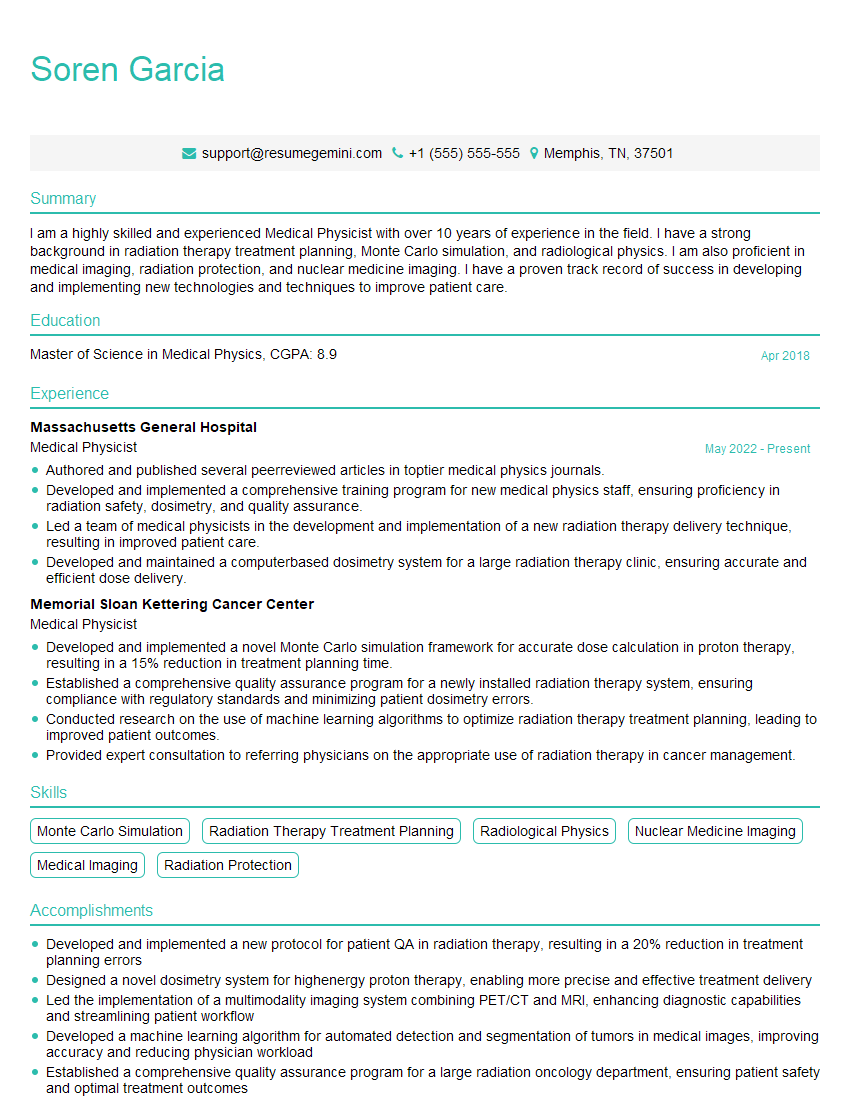
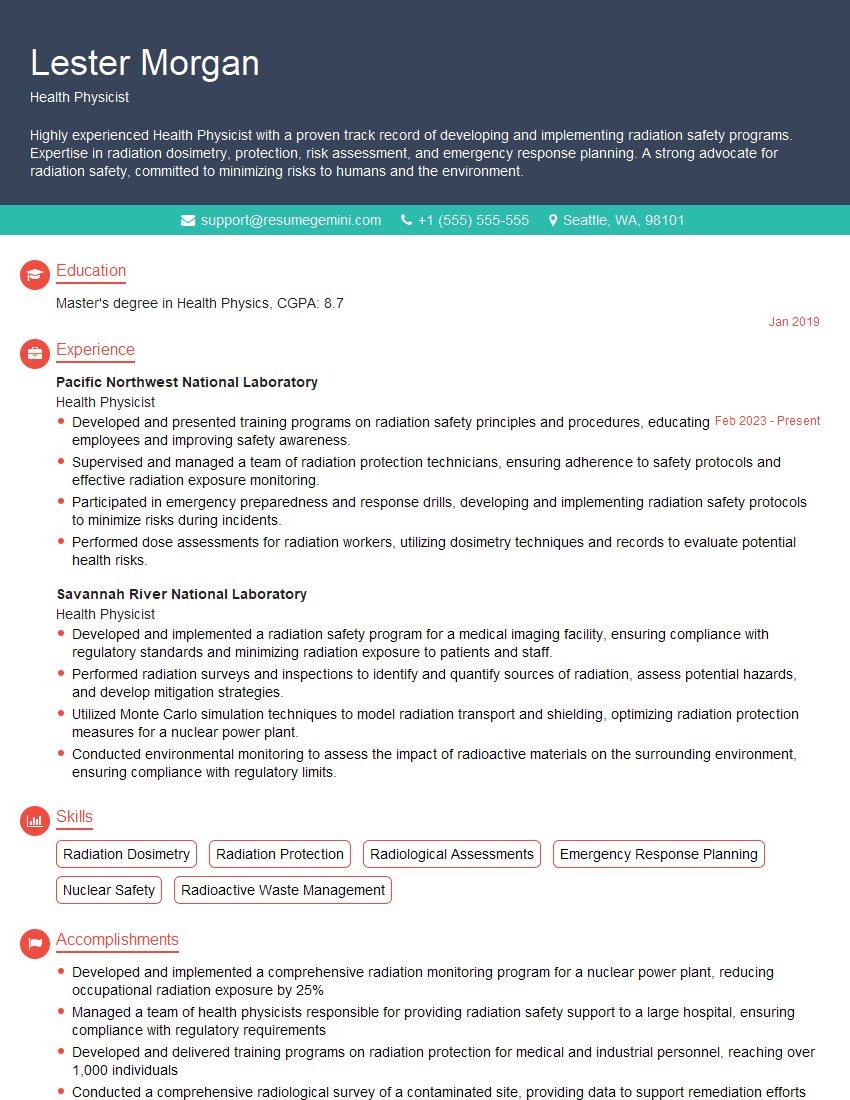
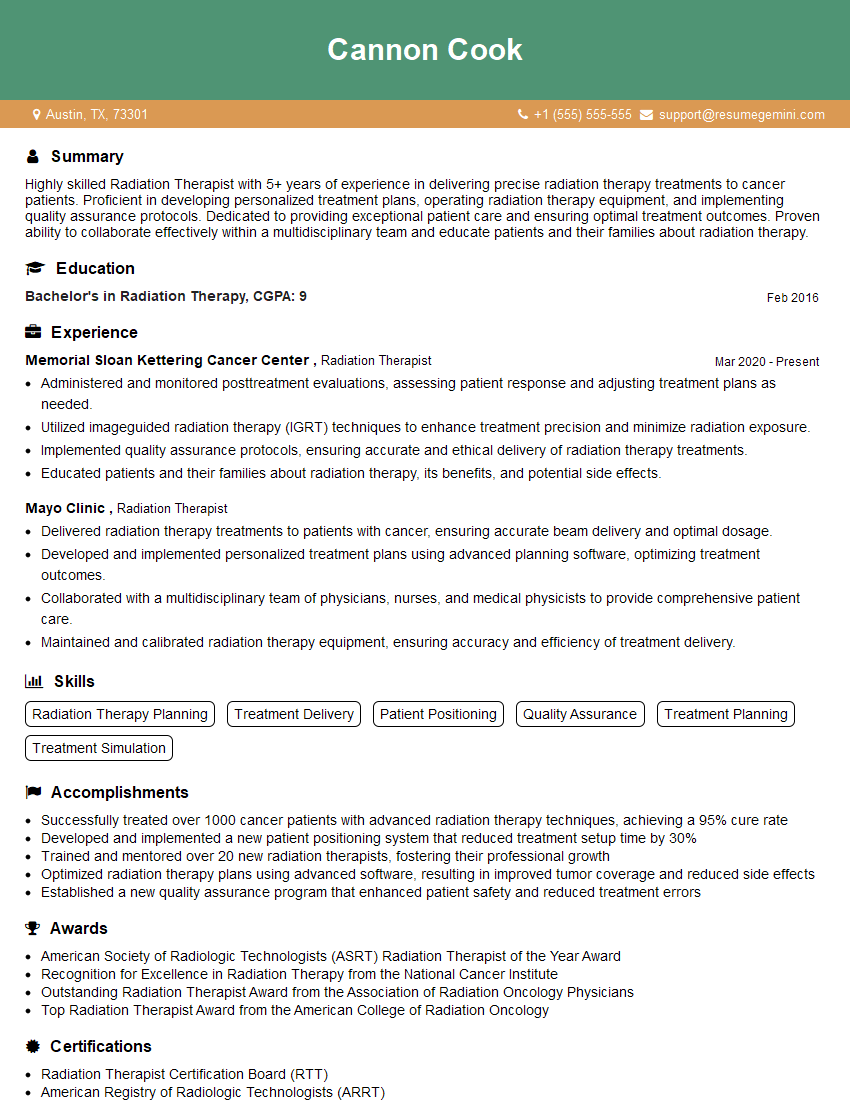
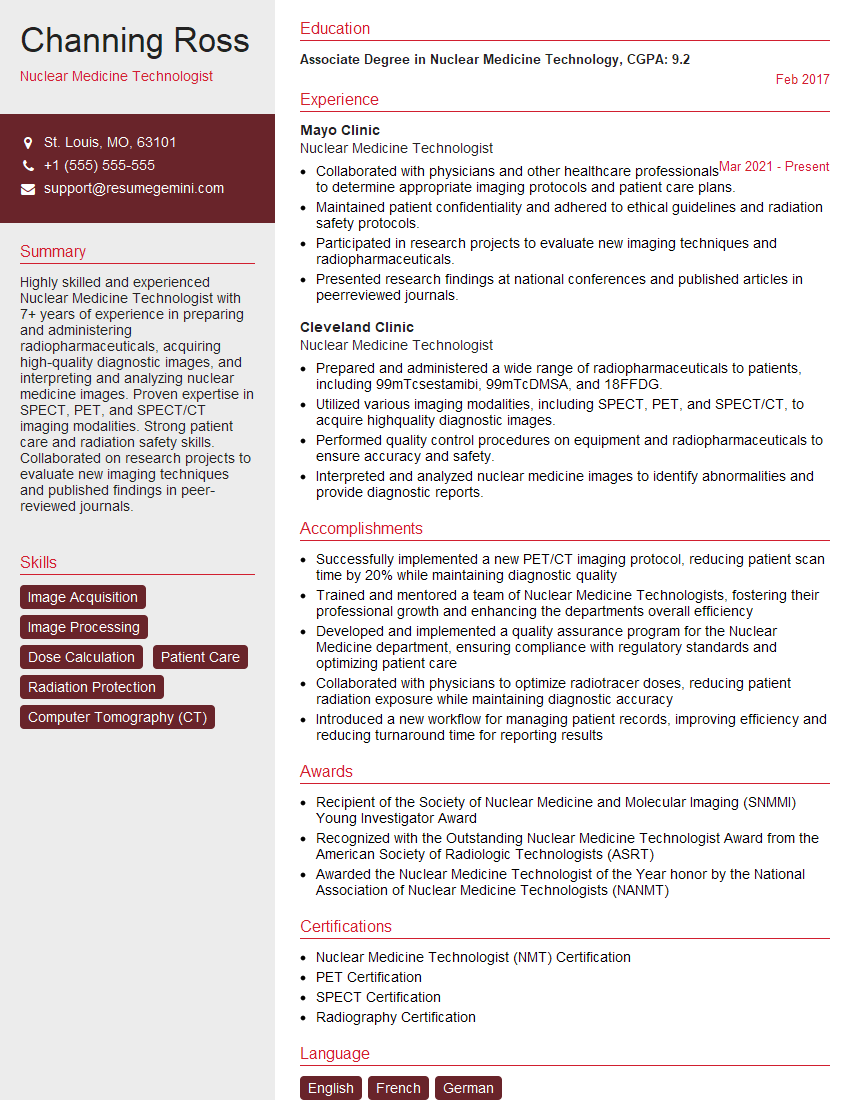
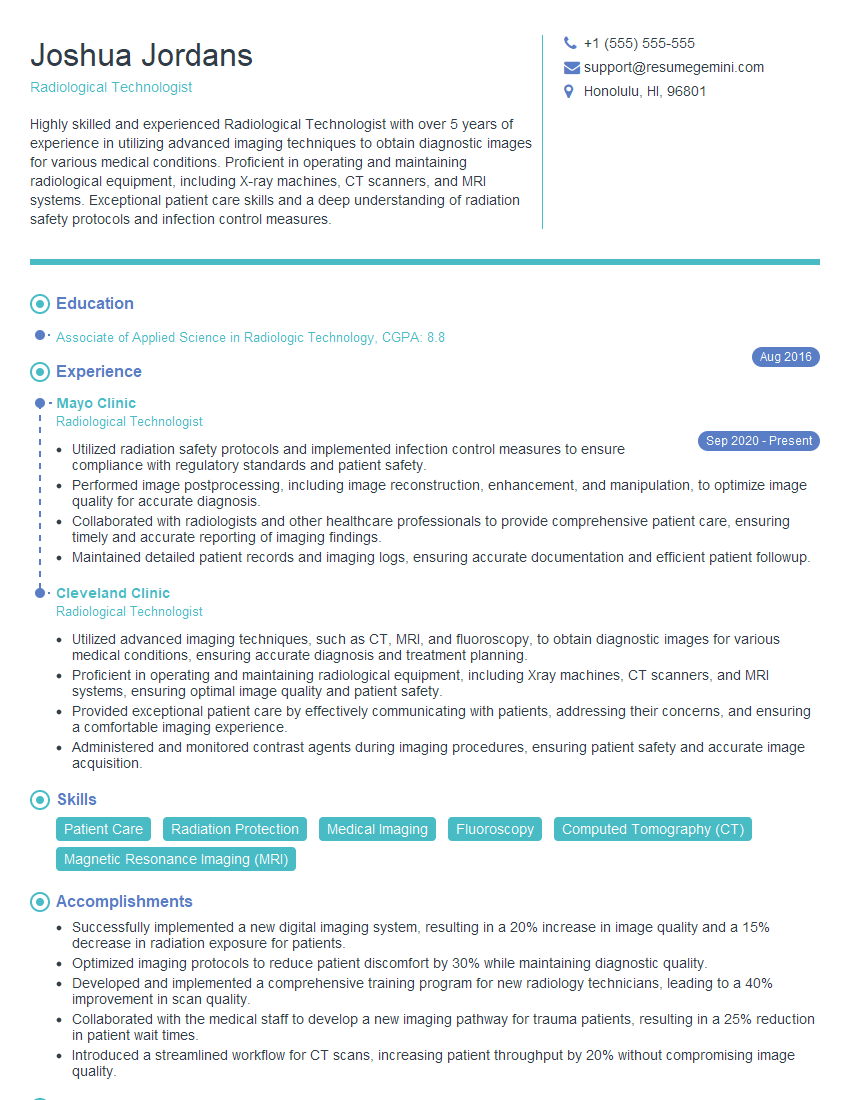
Mastering Medical Radiation Safety is crucial for career advancement in this vital field. A strong understanding of these principles will not only make you a safer practitioner but will also significantly enhance your job prospects. To stand out, create an ATS-friendly resume that highlights your skills and experience effectively. Use ResumeGemini to build a professional, impactful resume that grabs the attention of recruiters. ResumeGemini provides examples tailored to Medical Radiation Safety to guide you, ensuring your resume accurately showcases your expertise.

Explore more articles
Users Rating of Our Blogs
Share Your Experience
We value your feedback! Please rate our content and share your thoughts (optional).
What Readers Say About Our Blog
To the interviewgemini.com Webmaster.
Very helpful and content specific questions to help prepare me for my interview!
Thank you
To the interviewgemini.com Webmaster.
This was kind of a unique content I found around the specialized skills. Very helpful questions and good detailed answers.
Very Helpful blog, thank you Interviewgemini team.