Every successful interview starts with knowing what to expect. In this blog, we’ll take you through the top Cranial Nerve Blocks interview questions, breaking them down with expert tips to help you deliver impactful answers. Step into your next interview fully prepared and ready to succeed.
Questions Asked in Cranial Nerve Blocks Interview
Q 1. Describe the anatomical landmarks for performing a sphenopalatine ganglion block.
Performing a sphenopalatine ganglion (SPG) block requires precise anatomical knowledge. The SPG is located within the pterygopalatine fossa, a complex anatomical space deep within the face. We use a transnasal approach, which is less invasive than other options. Key landmarks include the inferior turbinate, the posterior border of the nasal septum, and the pterygomaxillary fissure which is not directly visualized but its position guides needle placement. Think of it like navigating a maze – we use these bony structures to guide the needle to the target.
The procedure typically involves inserting a needle through the inferior meatus of the nose, aiming posteriorly and slightly medially towards the pterygopalatine fossa. Palpating the posterior border of the nasal septum provides tactile feedback to avoid accidental injury. While visualization with endoscopes can improve accuracy, the anatomy is challenging and significant experience and a thorough understanding of the landmarks are crucial to avoid complications.
Accurate needle placement is confirmed by the patient’s report of immediate relief in the affected area, often including the eye, cheek, and upper jaw.
Q 2. What are the indications and contraindications for a trigeminal nerve block?
Trigeminal nerve blocks target branches of the trigeminal nerve (CN V), a major sensory nerve of the face.
- Indications: Trigeminal neuralgia (intense facial pain), cluster headaches, postherpetic neuralgia (pain after shingles), dental procedures, and certain types of facial pain.
- Contraindications: Bleeding disorders, local infection at the injection site, patient refusal or inability to cooperate, allergy to local anesthetic, and severe cardiac or pulmonary disease.
For instance, a patient with intractable trigeminal neuralgia, unresponsive to medication, might benefit significantly from a trigeminal nerve block providing temporary pain relief and helping to assess potential surgical candidacy. It’s important to meticulously assess the patient’s suitability prior to the procedure.
Q 3. Explain the different approaches for performing a greater occipital nerve block.
The greater occipital nerve (GON) block targets the GON, which supplies sensation to the back of the head and scalp. There are two main approaches:
- Suboccipital approach: The needle is inserted at the base of the skull, below the occipital protuberance, aiming towards the GON. This approach is guided by palpating bony landmarks and is frequently used as it provides direct access to the nerve.
- Transcutaneous approach: The needle is inserted directly through the skin and subcutaneous tissue into the muscle at the site of GON exit, a more superficial route allowing less invasive access.
The choice of approach depends on factors such as patient comfort, anatomical variations, and the physician’s experience. Ultrasound guidance enhances accuracy for both approaches. Imagine it like targeting a specific point on a map – the approaches provide different routes to reach the same goal, with ultrasound refining the precision.
Q 4. Discuss the potential complications associated with cranial nerve blocks.
Cranial nerve blocks, while generally safe, carry potential complications. These can range from minor to severe and require constant vigilance.
- Local complications: Bleeding, hematoma (blood clot), infection at the injection site, nerve injury (paresthesia, weakness), and pain at the injection site.
- Systemic complications: Allergic reactions (anaphylaxis), local anesthetic toxicity (due to unintended high dose or rapid absorption), and rarely, cardiac arrhythmias.
Understanding these risks is paramount and thorough patient history, informed consent, and appropriate monitoring during the procedure are crucial for minimizing complications.
Q 5. How do you manage a patient experiencing a complication during a cranial nerve block procedure?
Managing complications during a cranial nerve block requires immediate action and a systematic approach.
- Assess the situation: Determine the nature and severity of the complication.
- Immediate measures: Stop the procedure, monitor vital signs (heart rate, blood pressure, oxygen saturation), and provide appropriate supportive care (oxygen therapy, IV fluids).
- Specific interventions: For bleeding, apply direct pressure; for allergic reactions, administer epinephrine and antihistamines; for local anesthetic toxicity, provide supportive care and monitor for seizures or respiratory depression.
- Documentation: Meticulously document all events, interventions, and the patient’s response.
A team approach is often essential. For instance, should a patient experience an anaphylactic reaction, prompt collaboration with anesthesiology and other specialists is critical for ensuring optimal outcomes.
Q 6. Compare and contrast the use of fluoroscopy and ultrasound guidance in cranial nerve blocks.
Both fluoroscopy and ultrasound offer image guidance for cranial nerve blocks, each having unique advantages and disadvantages.
- Fluoroscopy: Uses X-rays to visualize anatomical structures in real time. It provides excellent bony landmark visualization, which is particularly useful for procedures near the skull base. However, it involves ionizing radiation, which limits its use, especially in repeated procedures.
- Ultrasound: Utilizes high-frequency sound waves to generate real-time images of soft tissues. It’s radiation-free, allows for dynamic assessment during needle advancement, and provides excellent visualization of nerves and blood vessels. But it offers less detailed visualization of bony structures compared to fluoroscopy.
The best choice depends on the specific procedure and the practitioner’s expertise. For instance, ultrasound guidance is often preferred for GON blocks due to its excellent soft tissue visualization, while fluoroscopy might be more advantageous for SPG blocks needing precise bony landmark identification.
Q 7. What are the common types of local anesthetics used in cranial nerve blocks?
The selection of local anesthetics for cranial nerve blocks considers factors such as the duration of anesthesia required, patient allergies, and the specific nerve targeted. Commonly used local anesthetics include:
- Lidocaine: A fast-acting, short-duration anesthetic, often used for shorter procedures or as a test dose.
- Bupivacaine: A longer-acting anesthetic, often preferred for procedures requiring prolonged analgesia.
- Ropivacaine: Similar to bupivacaine but often considered to have a lower cardiotoxicity profile.
Often, these are combined with epinephrine (a vasoconstrictor) to prolong the anesthetic effect and reduce bleeding at the injection site. The choice of anesthetic and concentration needs to be individualized, considering potential risks and benefits.
Q 8. Explain the role of corticosteroids in cranial nerve blocks.
Corticosteroids play a crucial adjunctive role in cranial nerve blocks, primarily by reducing inflammation and swelling around the nerve. This anti-inflammatory effect is key because nerve inflammation is a major contributor to pain. The corticosteroids, often methylprednisolone or dexamethasone, aren’t directly blocking nerve signals like an anesthetic would. Instead, they work to create a more favorable environment for nerve recovery, potentially enhancing the pain-relieving effects of the local anesthetic and prolonging their duration. Think of it like this: the local anesthetic numbs the nerve, while the corticosteroid tackles the underlying inflammation that’s causing the pain in the first place.
For example, in a trigeminal neuralgia case, a corticosteroid added to the block might help alleviate the intense, sharp facial pain more effectively and for a longer period than local anesthetic alone. The reduction in inflammation reduces pressure on the nerve, allowing for quicker pain relief and potentially preventing further nerve damage.
Q 9. Describe the mechanism of action of cranial nerve blocks in treating pain.
Cranial nerve blocks work by interrupting the transmission of pain signals along a specific cranial nerve. This is achieved by injecting a local anesthetic, often combined with a corticosteroid as discussed previously, directly around the nerve. The anesthetic temporarily blocks the nerve’s ability to conduct impulses, effectively preventing pain signals from reaching the brain. This is similar to how a regional nerve block might numb a limb during surgery – it’s a targeted interruption of the pain pathway.
For instance, in a glossopharyngeal neuralgia case, injecting a local anesthetic near the glossopharyngeal nerve interrupts the transmission of pain signals arising from the throat and tongue. The mechanism of action relies on the anesthetic’s ability to block voltage-gated sodium channels, which are crucial for nerve impulse conduction. This effectively silences the pain signals originating from that specific nerve.
Q 10. How do you select the appropriate needle size and type for different cranial nerve blocks?
Needle selection for cranial nerve blocks is crucial for patient safety and procedure success. The choice depends on several factors, including the target nerve’s location and depth, the patient’s anatomy, and the practitioner’s experience. Generally, smaller gauge needles are preferred to minimize trauma and bleeding. 25-gauge to 27-gauge needles are commonly used for superficial blocks, while 22-gauge needles might be necessary for deeper targets.
For example, a block of the superficial branches of the facial nerve might use a smaller gauge needle, perhaps a 27-gauge, while a block targeting the trigeminal ganglion, which is deeper, might necessitate a 25-gauge or even a 22-gauge needle. The needle type is also relevant; bevelled needles are common, but some practitioners prefer a non-cutting needle to minimize nerve damage. The optimal needle selection is always a balance of precision and minimization of potential complications.
Q 11. What are the advantages and disadvantages of using different needle insertion techniques?
Several needle insertion techniques exist, each with its own advantages and disadvantages. The landmark technique relies on anatomical landmarks to guide needle placement, which is relatively straightforward but can be less precise. Image guidance, such as fluoroscopy or ultrasound, offers greater accuracy but requires specialized equipment and expertise. A combination of both is often ideal.
- Landmark Technique: Advantages – simple, readily available. Disadvantages – less precise, higher risk of accidental puncture.
- Image-Guided Technique: Advantages – highly precise, reduced risk of complications. Disadvantages – requires specialized equipment and training, increased cost.
Choosing the right technique is a clinical judgment. In a situation where precise placement is paramount, image guidance is crucial. However, in a straightforward case with clear landmarks, a landmark technique may be perfectly suitable. The key is to carefully weigh the advantages and disadvantages in the context of the specific patient and the targeted nerve.
Q 12. Discuss the post-procedure care instructions for patients undergoing cranial nerve blocks.
Post-procedure care for patients undergoing cranial nerve blocks is essential for ensuring patient safety and optimal outcomes. Instructions typically include monitoring for signs of infection (e.g., redness, swelling, increased pain), advising against strenuous activity, and emphasizing the importance of hydration. Patients should also be informed about potential side effects, such as temporary weakness or numbness. The specific instructions are tailored to the individual patient and the specific cranial nerve blocked.
For example, after a sphenopalatine ganglion block, a patient might be advised to avoid blowing their nose forcefully for a few hours to prevent potential complications. Detailed, written instructions and verbal explanations should be provided to ensure patient understanding and compliance. Close follow-up appointments are crucial to assess the procedure’s success and address any issues.
Q 13. How do you assess the effectiveness of a cranial nerve block?
Assessing the effectiveness of a cranial nerve block involves a multi-faceted approach. The primary method is subjective assessment, where the patient reports their pain levels using a standardized pain scale (e.g., visual analog scale). Objective measures can include neurological examinations to check for changes in reflexes, muscle strength, or sensory function related to the affected nerve. Imaging techniques, although less frequently used for effectiveness assessment directly, might be employed to verify proper needle placement and rule out complications.
For instance, following a superior cervical ganglion block for cluster headaches, the patient’s pain intensity before and after the block would be compared, using a pain scale. Improvements in headache frequency and severity, as well as any changes in associated symptoms like lacrimation or nasal congestion, would be documented. This combines subjective patient reporting with objective clinical observations.
Q 14. How do you differentiate between successful and unsuccessful cranial nerve blocks?
Differentiating between successful and unsuccessful cranial nerve blocks relies primarily on the patient’s response to the procedure. A successful block usually results in significant and sustained pain relief. Objective findings on neurological examination might also support this, showing improvements in affected functions. An unsuccessful block will show minimal or no pain relief, and neurological examinations will likely remain unchanged. It’s crucial to remember that a block might temporarily relieve symptoms without a complete and long-term resolution.
For example, if a patient undergoing a trigeminal nerve block for neuralgia experiences a substantial decrease in facial pain lasting for several hours post-procedure, it’s considered a successful block. However, if they report minimal change in their pain levels, then it would be considered unsuccessful. The lack of response doesn’t always mean there’s an error; factors such as underlying pathology or anatomical variations can influence the block’s success. A thorough evaluation of the entire clinical picture is crucial to making this determination.
Q 15. What are the common side effects of cranial nerve blocks?
Cranial nerve blocks, while effective in managing pain and other neurological conditions, can have several side effects. These vary depending on the specific nerve targeted, the technique used, and individual patient factors. Common side effects are generally mild and transient, but it’s crucial to be aware of them.
- Local effects: These include pain at the injection site, bleeding or bruising (hematoma), infection, and temporary weakness or numbness near the injection site. For example, a sphenopalatine ganglion block, targeting the nerve involved in headaches, might cause temporary numbness in the upper jaw.
- Systemic effects: These are less common but can include headache, nausea, dizziness, and rarely, allergic reactions to the anesthetic or steroid used. A rare but serious systemic effect could be a reaction to the contrast dye, if used.
- Nerve-specific effects: The side effects can also depend on which nerve is blocked. For instance, a glossopharyngeal nerve block might temporarily affect swallowing or taste.
It is vital to thoroughly inform patients about potential side effects before the procedure and provide appropriate post-procedure care instructions.
Career Expert Tips:
- Ace those interviews! Prepare effectively by reviewing the Top 50 Most Common Interview Questions on ResumeGemini.
- Navigate your job search with confidence! Explore a wide range of Career Tips on ResumeGemini. Learn about common challenges and recommendations to overcome them.
- Craft the perfect resume! Master the Art of Resume Writing with ResumeGemini’s guide. Showcase your unique qualifications and achievements effectively.
- Don’t miss out on holiday savings! Build your dream resume with ResumeGemini’s ATS optimized templates.
Q 16. How do you address patient anxiety before and during a cranial nerve block procedure?
Addressing patient anxiety is paramount before and during a cranial nerve block. A calm and reassuring demeanor from the healthcare team is crucial. We achieve this through:
- Pre-procedure education: Thoroughly explaining the procedure, its purpose, benefits, risks, and potential side effects, using clear, simple language and visuals if needed. I often show patients diagrams of the cranial nerves and explain the planned injection site.
- Building rapport: Establishing a trusting relationship with the patient through active listening, empathy, and responding to their concerns. This includes answering questions patiently and honestly.
- Relaxation techniques: We encourage patients to employ relaxation techniques like deep breathing exercises before the procedure. In some cases, mild anxiolytics may be prescribed, but this is determined on a case-by-case basis after careful assessment.
- During the procedure: Maintaining open communication, reassuring the patient throughout the process, and allowing them to express any discomfort. The use of topical anesthetic prior to injection can significantly reduce anxiety and discomfort.
A calm and controlled environment is also important. Creating a relaxed atmosphere and providing distraction techniques like music can assist.
Q 17. Explain your understanding of informed consent in the context of cranial nerve blocks.
Informed consent is a cornerstone of ethical medical practice, especially in procedures like cranial nerve blocks. It signifies that a patient has been fully informed about the procedure, its risks and benefits, and alternative treatment options. They understand what to expect and have voluntarily agreed to the procedure.
For cranial nerve blocks, informed consent involves a detailed discussion covering:
- Procedure explanation: A clear description of the procedure, including the technique, the location of the injection, and the expected duration.
- Risks and benefits: A comprehensive discussion of potential side effects, including both common and rare ones, as well as the potential benefits and likelihood of success.
- Alternative treatments: Exploring other treatment options and comparing them to the cranial nerve block, considering factors such as efficacy, risk profiles, and the patient’s individual circumstances. This ensures the patient is making an informed choice.
- Questions and answers: Allowing ample time for the patient to ask questions and ensuring all their doubts and concerns are addressed. This is crucial for building trust and ensuring understanding.
- Documentation: A formal documentation process, ensuring that the patient’s understanding and consent are clearly recorded. This includes a signed consent form that reflects our discussion.
A well-informed patient is more likely to feel empowered and less anxious about their procedure.
Q 18. How do you manage a patient who experiences persistent pain after a cranial nerve block?
Persistent pain after a cranial nerve block is a significant concern. Management strategies depend on the cause and the patient’s specific circumstances. A thorough evaluation is vital.
My approach includes:
- Re-evaluation: A detailed reassessment to determine if the initial diagnosis is still accurate and whether there are other contributing factors to the pain. This may involve imaging studies (like MRI) or consultation with other specialists.
- Identifying underlying causes: Exploring potential reasons for persistent pain, such as incomplete block, spread of anesthetic to unintended areas, or other medical conditions contributing to the problem.
- Adjusting treatment strategy: This may involve repeat blocks, using different techniques or anesthetic agents, considering other pain management modalities such as medication (e.g., opioids, nerve medications), physical therapy, or psychological interventions.
- Referral: If necessary, referring the patient to a pain management specialist for a comprehensive evaluation and more specialized interventions, such as radiofrequency ablation or neurosurgical consultation.
- Open communication: Maintaining open communication with the patient throughout the process, addressing their concerns, providing realistic expectations, and ensuring they feel supported. This builds a strong therapeutic alliance.
It’s crucial to acknowledge the patient’s experience and work collaboratively to find a solution that alleviates their pain.
Q 19. Discuss your experience with different types of cranial nerve stimulators.
My experience encompasses several types of cranial nerve stimulators, each with its own applications and advantages. These are often used for chronic pain management rather than as a primary component of a nerve block itself.
- Occipital nerve stimulators: Used for chronic headaches and occipital neuralgia, these devices deliver electrical impulses to stimulate the occipital nerves, which may help reduce pain signals. The implantation procedure is minimally invasive.
- Trigeminal nerve stimulators: Indicated for trigeminal neuralgia, this type of stimulator targets the trigeminal nerve, which is responsible for sensation in the face. It uses similar electrical stimulation principles to interrupt pain pathways.
- Glossopharyngeal nerve stimulators: This is less common but used for specific conditions affecting this nerve. The placement requires precise targeting and careful consideration of anatomical variances.
The selection of a specific stimulator depends entirely on the patient’s diagnosis, the location and type of pain, and a comprehensive evaluation of their condition.
Q 20. Describe your experience with using nerve localization techniques during cranial nerve blocks.
Accurate nerve localization is fundamental to successful and safe cranial nerve blocks. Various techniques are employed to ensure the anesthetic is precisely delivered to the target nerve, minimizing the risk of complications.
My experience includes:
- Neuroimaging guidance: Using fluoroscopy or ultrasound imaging to visualize the nerve and guide needle placement. This is crucial for nerves that are deep or in complex anatomical regions. For example, targeting the sphenopalatine ganglion requires precise visualization.
- Anatomical landmarks: Utilizing anatomical landmarks as guides, combined with knowledge of the nerve’s trajectory and relationships with surrounding structures. This approach may be used in conjunction with image guidance or independently, depending on the procedure.
- Nerve stimulation: Using a small electrical current to stimulate the nerve during the procedure. This produces a sensory response which confirms the needle is close to the nerve, guiding accurate anesthetic delivery while simultaneously informing us of any motor involvement.
- Sensory testing: Assessing the patient’s sensory response throughout the procedure to verify the effectiveness of the block and to ensure there are no unintended effects.
Combining these methods significantly enhances the precision and safety of cranial nerve blocks.
Q 21. How do you ensure proper sterile technique during a cranial nerve block procedure?
Maintaining strict sterile technique is non-negotiable during cranial nerve blocks. Any compromise can lead to serious infections, which can have devastating consequences. My approach follows established guidelines and includes:
- Hand hygiene: Thorough handwashing with an antiseptic scrub before starting the procedure. This is the foundation of preventing infection.
- Sterile field preparation: Preparing a sterile field around the injection site, using sterile drapes and appropriate antiseptic solutions. The size of the field is determined by the chosen anatomical approach.
- Sterile gloves and equipment: Using sterile gloves, needles, syringes, and other equipment. All equipment is checked carefully before the procedure.
- Aseptic technique: Using aseptic technique during all phases of the procedure, minimizing the risk of contamination.
- Post-procedure care: Applying a sterile dressing to the injection site to help protect against infection. Patients receive detailed instructions on post-procedure care.
Strict adherence to sterile technique is not just a protocol; it’s a commitment to patient safety and the prevention of potentially serious complications.
Q 22. Explain the differences in treatment approaches for various types of headaches.
Treatment approaches for headaches vary drastically depending on the type of headache. A simple tension headache, for example, often responds well to over-the-counter pain relievers like ibuprofen or acetaminophen, coupled with stress management techniques. Migraines, however, often require a more multifaceted approach. This might include preventative medications like beta-blockers or antidepressants to reduce the frequency of attacks, along with acute medications like triptans to abort an attack when it begins. Cluster headaches are notoriously severe and may need treatment with high-flow oxygen, triptans, or even corticosteroids. For chronic headaches or those with underlying neurological issues, cranial nerve blocks may be considered as a therapeutic option, potentially alongside other modalities. For more intractable cases, neuromodulation techniques such as occipital nerve stimulation might be explored.
- Tension Headaches: Over-the-counter analgesics, stress reduction.
- Migraines: Preventative medication (beta-blockers, antidepressants), acute medication (triptans), lifestyle modifications.
- Cluster Headaches: High-flow oxygen, triptans, corticosteroids.
- Chronic Headaches/Neurological Issues: Cranial nerve blocks, other interventional procedures, neuromodulation.
Q 23. Describe your experience with managing patients with complex pain syndromes.
Managing patients with complex pain syndromes requires a highly individualized and multidisciplinary approach. My experience involves collaborating closely with neurologists, physiatrists, psychologists, and other specialists to develop comprehensive treatment plans. This often begins with a thorough history and neurological examination to identify the underlying cause of the pain, followed by advanced imaging (MRI, CT) to rule out structural issues. For example, I’ve worked with patients suffering from trigeminal neuralgia, occipital neuralgia, and post-herpetic neuralgia, all of which present unique challenges. In these cases, cranial nerve blocks are often part of a broader strategy involving medication management (analgesics, anticonvulsants, antidepressants), physical therapy, and psychological support. The key is to tailor the treatment to the individual patient’s needs and regularly assess the effectiveness of the interventions. For instance, one patient with chronic occipital neuralgia responded exceptionally well to a combination of occipital nerve blocks, regular physical therapy focusing on neck mobility, and cognitive behavioral therapy to manage stress.
Q 24. What are your strategies for managing potential drug interactions related to cranial nerve blocks?
Managing potential drug interactions related to cranial nerve blocks is paramount. Before administering any block, I carefully review the patient’s complete medication history, including over-the-counter drugs, herbal supplements, and other therapies. Particular attention is given to medications that could interact negatively with the anesthetic agents or corticosteroids used in the block, such as anticoagulants (increasing bleeding risk) or certain antidepressants (affecting anesthetic metabolism). I also actively engage the patient in open communication, ensuring they understand the potential risks and benefits of the procedure, and any necessary adjustments to their medication regimen. In cases of significant interaction potential, I consult with the patient’s primary care physician or a pharmacologist to optimize medication management. For instance, if a patient is on warfarin, we might temporarily adjust their dosage or consider alternative analgesia strategies before the block. Clear and thorough documentation of these discussions and any medication adjustments is crucial.
Q 25. How do you stay updated on the latest advancements in cranial nerve block techniques?
Staying updated in the field of cranial nerve blocks requires a multifaceted approach. I actively participate in professional societies like the American Society of Anesthesiologists and the American Academy of Pain Medicine, attending conferences and workshops to learn about new techniques and research findings. I regularly review peer-reviewed journals such as Anesthesiology and Pain Medicine, focusing on articles related to cranial nerve blocks and interventional pain management. Furthermore, I engage in continuing medical education (CME) activities specifically focused on advancements in interventional pain management and neuroanatomy. Participation in case conferences and collaborations with colleagues in pain management centers significantly broaden my knowledge and exposure to diverse clinical scenarios. This continuous learning allows me to adapt to evolving best practices and optimize patient care.
Q 26. Discuss your familiarity with relevant safety guidelines and regulations.
My practice strictly adheres to all relevant safety guidelines and regulations. This includes adherence to sterile technique during procedures, proper use of imaging guidance (fluoroscopy, ultrasound), and meticulous monitoring of the patient’s vital signs throughout the procedure and post-procedure period. I am well-versed in the Joint Commission standards related to pain management and interventional procedures. All procedures are conducted in accordance with institutional policies and protocols, with emphasis on patient consent and informed decision-making. Furthermore, I actively participate in the development and review of our institution’s protocols for infection control and the management of adverse events. Patient safety is my top priority, and I believe in transparent communication with patients regarding potential risks and benefits of the procedure.
Q 27. Describe your approach to documentation and record-keeping for cranial nerve block procedures.
Documentation and record-keeping for cranial nerve block procedures are meticulous and comprehensive. The patient’s medical history, including allergies and current medications, is meticulously recorded. Detailed notes on the procedure itself are maintained, including the type of block performed, the location of the injection, the volume and type of anesthetic and corticosteroid used, and any complications encountered. Pre-procedure and post-procedure imaging (when applicable) is incorporated into the medical record. Post-procedure pain scores, any adverse effects, and patient response to treatment are documented. This detailed record-keeping is essential for ongoing patient care, tracking treatment response, and meeting regulatory requirements. We utilize an electronic health record (EHR) system that ensures complete and secure documentation.
Q 28. What are your personal strengths and weaknesses as a practitioner performing cranial nerve blocks?
One of my greatest strengths is my ability to build rapport with patients and communicate complex medical information clearly and compassionately. I strive to create a safe and comfortable environment for my patients. I am also adept at performing complex procedures with precision and accuracy while meticulously adhering to safety guidelines. My clinical experience has given me the ability to troubleshoot and adapt to unexpected situations effectively. On the other hand, a potential area for development is further expanding my knowledge of emerging neuromodulation techniques. While I am proficient in current methods, keeping abreast of the rapidly evolving field of neuromodulation represents a continuous learning opportunity. I actively pursue CME in this area to address this and continuously refine my skills.
Key Topics to Learn for Cranial Nerve Blocks Interview
- Anatomy and Physiology: Thorough understanding of cranial nerve pathways, their functions, and relevant anatomical structures.
- Indications and Contraindications: Mastering the criteria for selecting appropriate patients and recognizing situations where the procedure is not suitable.
- Techniques and Approaches: Familiarize yourself with various approaches to cranial nerve blocks (e.g., ultrasound-guided, fluoroscopy-guided), including the advantages and limitations of each.
- Needle Placement and Landmarks: Develop a strong understanding of anatomical landmarks and safe needle insertion techniques to minimize complications.
- Anesthetic Agents and Concentrations: Know the properties and appropriate selection of local anesthetics and other medications used in cranial nerve blocks.
- Complications and Management: Be prepared to discuss potential complications (e.g., hematoma, nerve injury, infection) and strategies for their prevention and management.
- Post-Procedure Care and Patient Monitoring: Understand the necessary post-procedure care, including pain management and monitoring for adverse effects.
- Clinical Case Studies: Review various clinical scenarios involving cranial nerve blocks to enhance your problem-solving abilities.
- Image Interpretation: Practice interpreting ultrasound or fluoroscopy images to improve your understanding of needle placement and anatomical structures.
- Ethical Considerations: Be prepared to discuss ethical considerations related to patient consent, informed decision-making, and risk management.
Next Steps
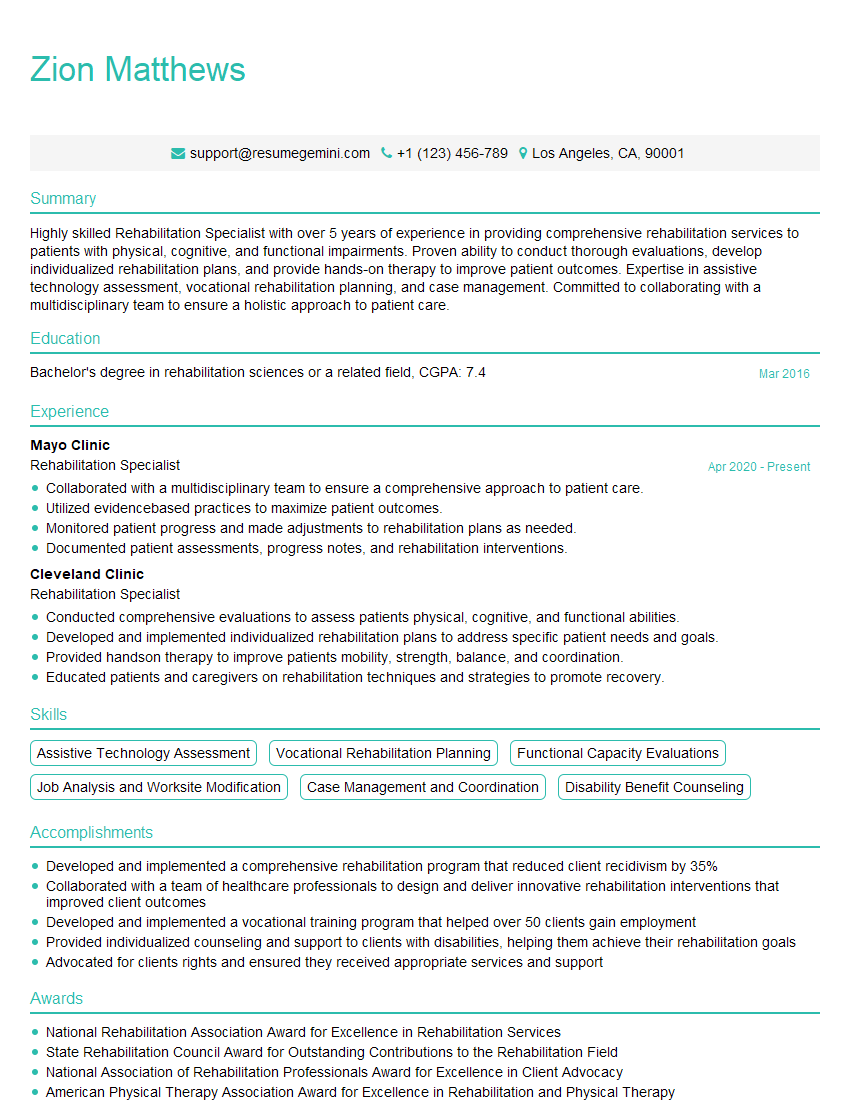
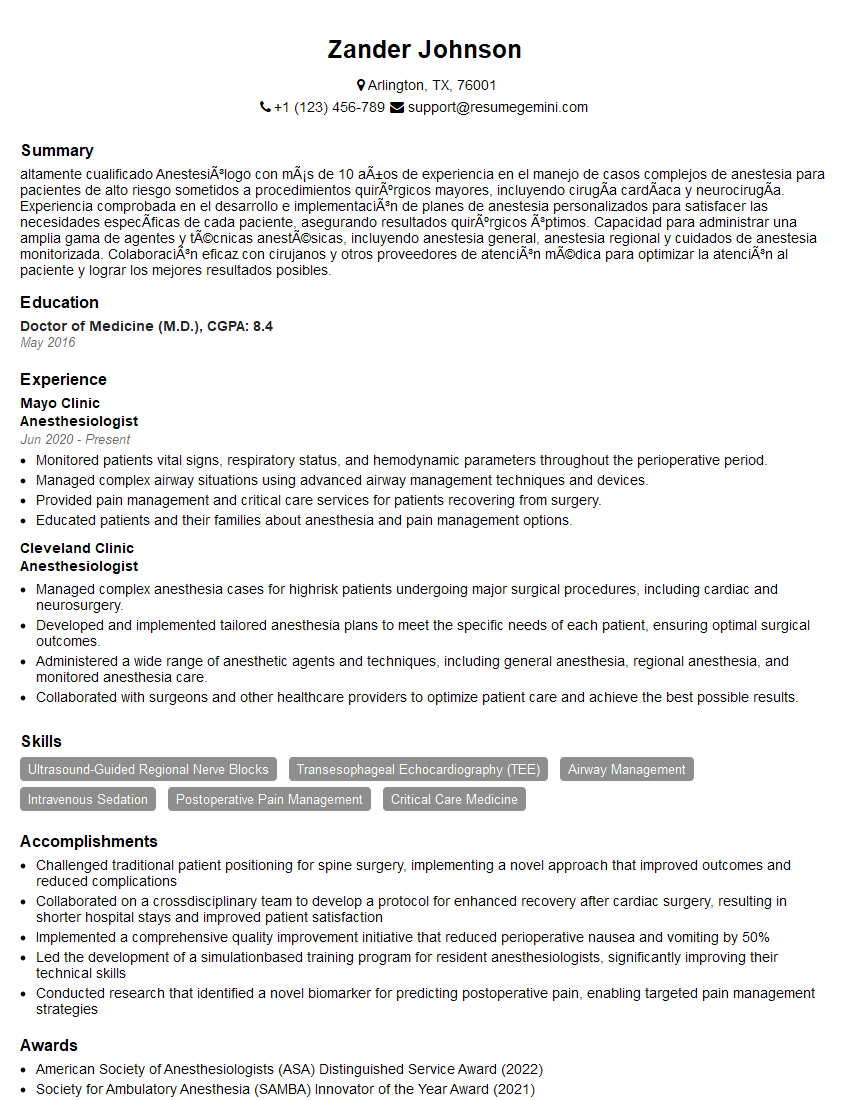
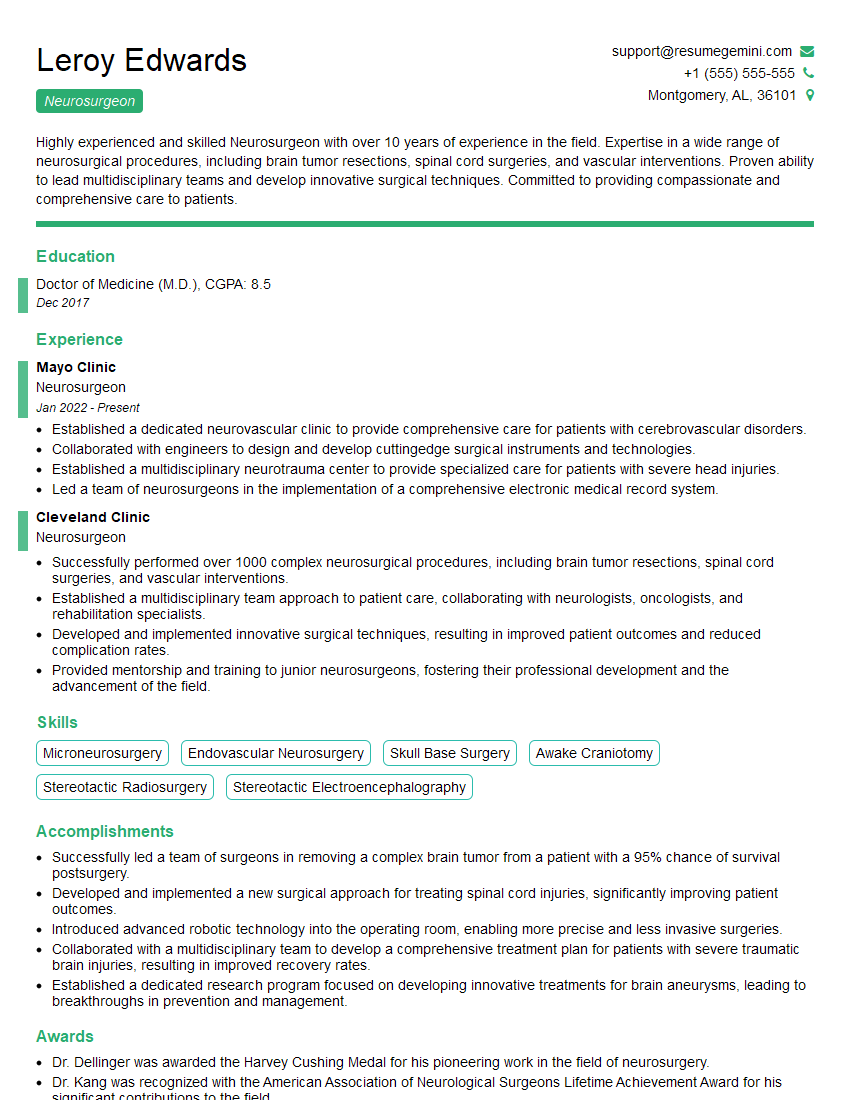
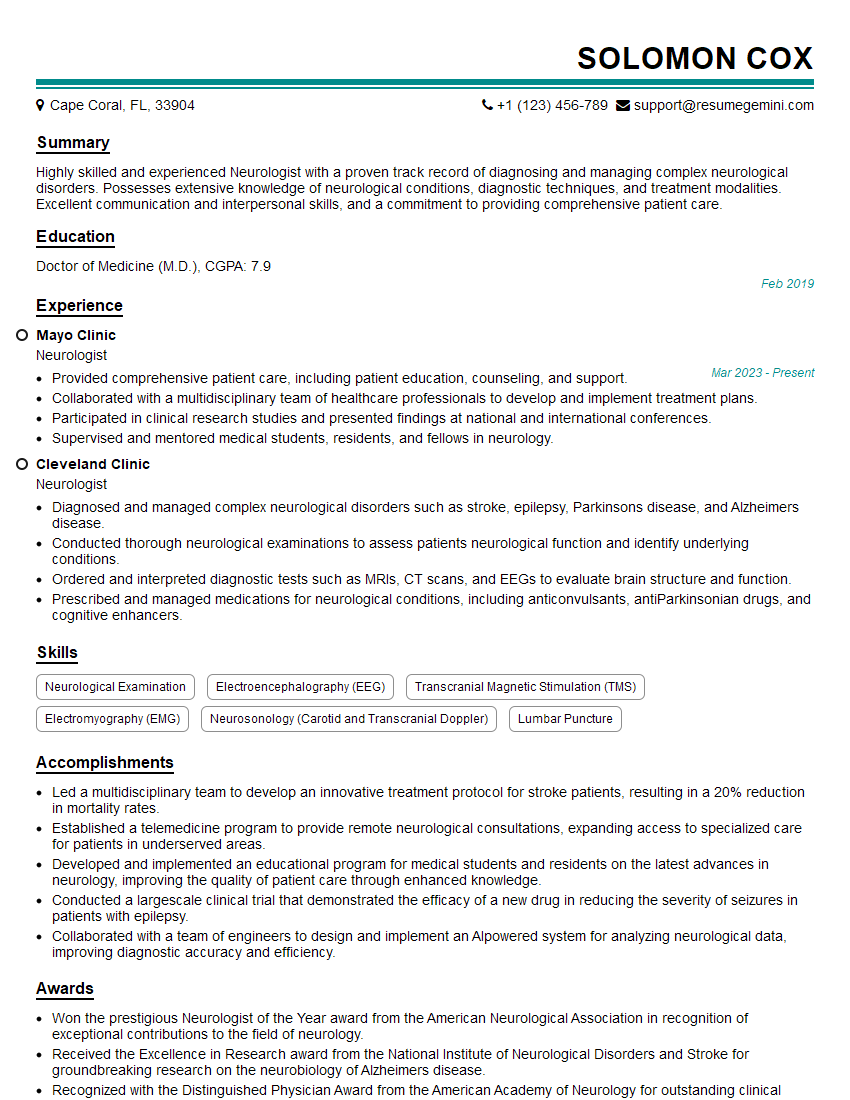
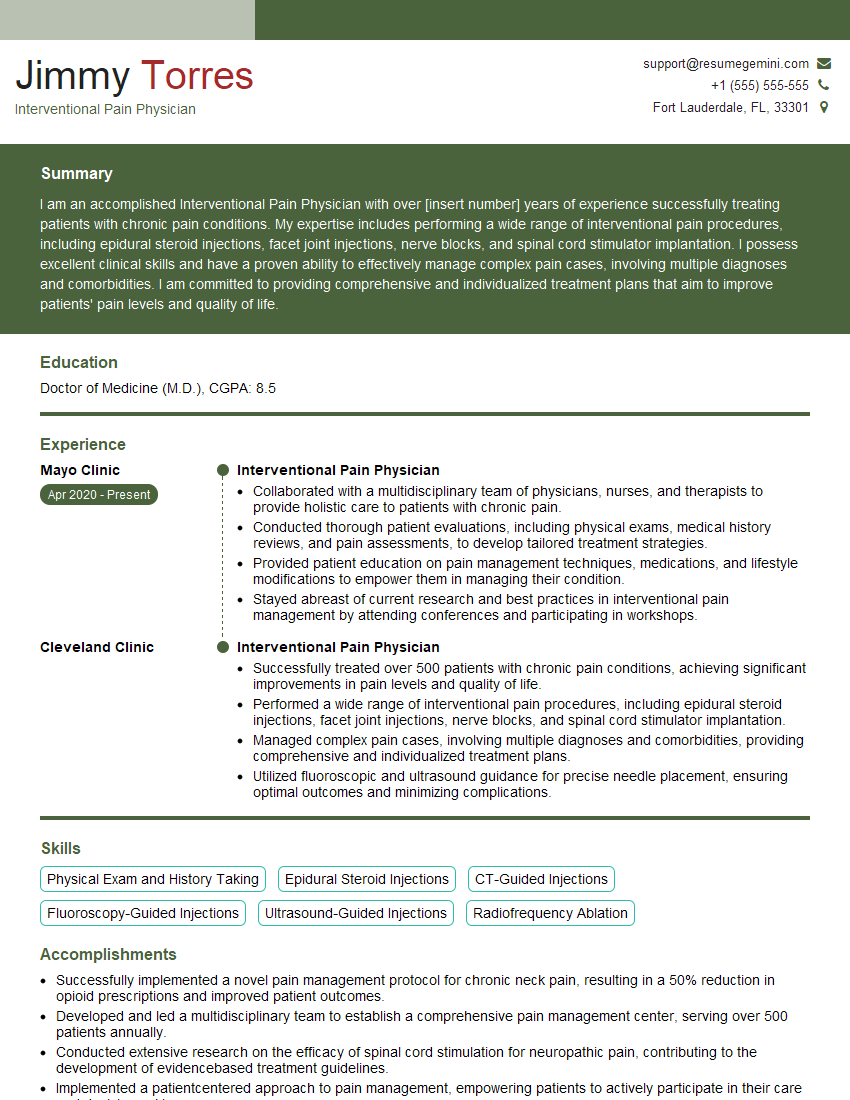
Mastering Cranial Nerve Blocks demonstrates advanced procedural skills and a deep understanding of neuroanatomy, significantly enhancing your career prospects in pain management, anesthesiology, or neurology. To stand out to potential employers, creating an ATS-friendly resume is crucial. ResumeGemini is a trusted resource to help you build a professional and effective resume that highlights your expertise. Examples of resumes tailored to Cranial Nerve Blocks expertise are available within ResumeGemini to help you craft a compelling application.
Explore more articles
Users Rating of Our Blogs
Share Your Experience
We value your feedback! Please rate our content and share your thoughts (optional).
What Readers Say About Our Blog
To the interviewgemini.com Webmaster.
Very helpful and content specific questions to help prepare me for my interview!
Thank you
To the interviewgemini.com Webmaster.
This was kind of a unique content I found around the specialized skills. Very helpful questions and good detailed answers.
Very Helpful blog, thank you Interviewgemini team.