Interviews are opportunities to demonstrate your expertise, and this guide is here to help you shine. Explore the essential Environmental stewardship and Leave No Trace principles interview questions that employers frequently ask, paired with strategies for crafting responses that set you apart from the competition.
Questions Asked in Environmental stewardship and Leave No Trace principles Interview
Q 1. Define ‘Leave No Trace’ principles and explain their importance.
Leave No Trace (LNT) is a set of seven principles designed to minimize the human impact on the natural environment. It’s not just about cleaning up after yourself; it’s about planning and acting responsibly to protect the wilderness for future generations. The principles emphasize responsible recreation and minimizing disturbance to fragile ecosystems.
- Plan Ahead and Prepare: Proper planning includes knowing the area, weather conditions, carrying out everything you carry in, and having the necessary equipment for safe and responsible travel. This prevents unexpected situations and reduces environmental impact.
- Travel and Camp on Durable Surfaces: Stick to established trails and campsites to avoid damaging vegetation. This prevents soil erosion and protects sensitive plant life. Think of it like walking on a sidewalk instead of trampling a flowerbed.
- Dispose of Waste Properly: Pack out everything you pack in—this includes trash, food scraps, and even toilet paper. Proper waste disposal prevents pollution and protects wildlife.
- Leave What You Find: Resist the urge to take rocks, plants, or other natural objects. Leave everything as you found it to preserve the natural beauty and integrity of the area. Let others enjoy the same pristine experience.
- Minimize Campfire Impacts: Use existing fire rings or camp stoves instead of starting new fires, and ensure fires are completely extinguished before leaving. Uncontrolled fires can devastate landscapes and endanger wildlife.
- Respect Wildlife: Observe animals from a distance, never feed them, and store food properly to avoid attracting them to your campsite. Approaching wildlife can stress them out and disrupt their natural behavior.
- Be Considerate of Other Visitors: Share the trail and respect others’ enjoyment of the outdoors. Keep noise levels down and be mindful of your impact on others’ experience.
The importance of LNT lies in its ability to protect our natural resources, preserve biodiversity, and ensure that future generations can enjoy the same pristine environments we have today. It’s about responsible stewardship of our planet.
Q 2. Describe your experience implementing Leave No Trace practices in a specific setting.
During a volunteer cleanup project at Yosemite National Park, I led a team of 20 volunteers in implementing Leave No Trace principles. We focused on trail maintenance and litter removal along a heavily trafficked section of the Mist Trail. Before commencing, we provided a comprehensive briefing on LNT principles, emphasizing the importance of staying on designated trails and packing out all trash. We utilized proper waste disposal techniques, separating recyclables from non-recyclables, and ensured all waste was transported to designated disposal areas. Throughout the project, we constantly monitored the team’s activities to ensure adherence to LNT guidelines, and addressed any deviations promptly. The success of this project was evident in the noticeable improvement in the trail’s condition and overall visitor experience, and demonstrated the collective impact of implementing Leave No Trace principles effectively. This experience highlighted the effectiveness of proactive education and consistent monitoring in successful LNT implementation.
Q 3. How would you address a group violating Leave No Trace principles?
Addressing a group violating LNT principles requires a delicate balance of education and enforcement. My approach would involve:
- Approaching with Respect and Understanding: Begin by calmly and politely engaging the group. Avoid accusatory language; instead, focus on educating them about the potential consequences of their actions.
- Explaining LNT Principles: Clearly and concisely explain the relevant LNT principle being violated, emphasizing the environmental and social impacts. Use simple language and real-world examples to make the concepts relatable.
- Offering Solutions: Provide practical suggestions on how to correct the situation. For example, if they’ve left trash, offer to help them pack it out. If they’ve started an unauthorized campfire, explain the proper procedures and offer assistance.
- Involving Park Rangers or Authorities if Necessary: If education and polite requests are ineffective, and the violations are significant or repeated, it’s crucial to involve park rangers or other relevant authorities to enforce regulations. This may involve issuing warnings or fines, depending on the severity of the violations.
- Documenting the Incident: If necessary, document the incident, including the date, time, location, individuals involved, and the nature of the violations. This documentation might be crucial for future reference.
The goal is to educate, not to antagonize. A positive and informative interaction is more likely to result in long-term behavioral change than confrontation.
Q 4. Explain the concept of ecological carrying capacity.
Ecological carrying capacity refers to the maximum population size of a species that an environment can sustainably support over time, given the available resources and environmental conditions. It’s not a fixed number but rather a dynamic concept influenced by factors like food availability, water resources, habitat quality, and waste assimilation. Exceeding carrying capacity leads to resource depletion, habitat degradation, and potential population crashes. Think of it like a crowded bus – if too many people try to fit on, it becomes uncomfortable, and the system breaks down.
For example, a forest might have a specific carrying capacity for deer. If the deer population exceeds that number, overgrazing can lead to habitat degradation and ultimately reduce the forest’s ability to support the deer population. Understanding ecological carrying capacity is crucial for sustainable resource management and conservation efforts.
Q 5. What are the key components of a successful environmental education program?
A successful environmental education program incorporates several key components:
- Clear Learning Objectives: Clearly defined goals that outline what participants will know, understand, and be able to do after the program.
- Engaging and Experiential Learning: Active participation through hands-on activities, field trips, and interactive exercises rather than just lectures. This improves knowledge retention and fosters a deeper connection with the environment.
- Age-Appropriate Content: Tailoring the content and delivery methods to the age and educational level of the participants.
- Relevance and Context: Connecting the environmental concepts to participants’ lives and communities to make the information relatable and meaningful.
- Assessment and Evaluation: Measuring the effectiveness of the program through pre- and post-assessments and feedback mechanisms.
- Community Engagement: Involving local communities and stakeholders in the design and implementation of the program to increase participation and ownership.
- Sustainability: Developing programs that can be implemented and sustained over time, with resources and materials readily available.
A well-designed program should inspire action and foster environmental stewardship among its participants.
Q 6. How do you assess the environmental impact of a proposed project?
Assessing the environmental impact of a proposed project requires a systematic approach that typically involves several steps:
- Scoping: Defining the project’s boundaries and identifying potential environmental impacts.
- Baseline Data Collection: Gathering information on the existing environmental conditions of the area that will be affected by the project.
- Impact Prediction: Using models and expert judgment to predict the potential positive and negative impacts on various environmental components such as air, water, soil, flora, and fauna.
- Impact Assessment: Evaluating the significance of the predicted impacts based on their magnitude, duration, and probability.
- Mitigation Planning: Developing strategies to reduce or avoid negative impacts and enhance positive impacts. This includes selecting the most environmentally friendly option from among different possible solutions.
- Monitoring and Evaluation: Tracking the actual environmental impacts during and after the project’s implementation to ensure that mitigation strategies are effective and to inform adaptive management.
This process often involves conducting Environmental Impact Assessments (EIAs) that provide a comprehensive evaluation of the project’s environmental consequences.
Q 7. What methods do you use to mitigate environmental risks?
Mitigating environmental risks involves proactive measures to reduce the likelihood or severity of negative impacts. Methods include:
- Prevention: Avoiding or minimizing potentially harmful activities. For example, using less polluting technologies or adopting sustainable land management practices.
- Engineering Controls: Implementing technical solutions such as wastewater treatment plants, air pollution control devices, or erosion control measures.
- Administrative Controls: Establishing regulations, permits, and best-management practices to guide project development and operation.
- Environmental Monitoring: Regularly assessing environmental conditions to detect potential problems early and take corrective action.
- Remediation: Cleaning up or restoring areas that have already been impacted. This might involve removing pollutants, restoring degraded habitats, or reclaiming mined lands.
- Compensation: Creating or restoring similar habitats elsewhere to offset unavoidable impacts in other locations. This is often a last resort option.
The choice of mitigation methods depends on the specific risk, the context, and available resources. A multi-faceted approach is often the most effective.
Q 8. Describe your experience with environmental monitoring and data analysis.
Environmental monitoring and data analysis are crucial for understanding the health of ecosystems and the impacts of human activities. My experience encompasses designing and implementing monitoring programs, collecting field data (e.g., water quality parameters, soil samples, species counts), and utilizing statistical software (like R or Python) to analyze trends and patterns. I’ve worked on projects ranging from assessing the impact of agricultural runoff on water quality in a watershed to monitoring the recovery of a forest after a wildfire. For example, in one project, we used GIS mapping to track the spread of an invasive species, allowing for targeted management interventions. Data analysis allowed us to identify statistically significant correlations between environmental factors and species abundance, which informed our recommendations for conservation strategies.
My analytical skills extend to interpreting complex datasets, visualizing results effectively using graphs and maps, and communicating findings clearly to both technical and non-technical audiences through reports and presentations. A strong understanding of statistical methods, including regression analysis and time series analysis, is essential for drawing meaningful conclusions from environmental data. This rigorous approach is crucial for providing evidence-based recommendations for environmental management and policy.
Q 9. Explain different waste management strategies and their effectiveness.
Effective waste management is vital for environmental protection. Strategies broadly fall into the ‘reduce, reuse, recycle’ hierarchy, with a focus on minimizing waste generation in the first place.
- Reduce: This involves minimizing consumption and preventing waste generation at the source. Examples include using reusable bags, reducing single-use plastics, and purchasing products with minimal packaging.
- Reuse: Giving items a second life before disposal extends their lifespan and reduces resource consumption. Repurposing containers, donating used clothing, and repairing broken items are examples.
- Recycle: Processing waste materials into new products conserves resources and reduces landfill burden. Effective recycling programs require proper sorting, collection, and processing infrastructure.
- Recovery/Composting: Organic waste can be composted, generating valuable soil amendment. This reduces landfill waste and enriches soil fertility. Incineration with energy recovery is another option, though air emissions need careful management.
- Disposal (Landfilling): This should be the last resort. Modern landfills employ liners and gas collection systems to minimize environmental impacts.
The effectiveness of each strategy varies depending on context. For example, recycling programs are most effective when supported by robust infrastructure and community engagement. Composting is highly effective for managing organic waste but requires appropriate facilities and community participation. The key is a holistic approach integrating multiple strategies tailored to local conditions and waste streams. A successful program will track diversion rates (the percentage of waste diverted from landfills) and regularly assess its efficiency and effectiveness.
Q 10. How do you promote sustainable tourism practices?
Promoting sustainable tourism involves minimizing the negative impacts of tourism on the environment and local communities while maximizing the positive benefits. This requires a multi-pronged approach:
- Educate Tourists: Promote awareness of Leave No Trace principles through brochures, online resources, and guided tours. Emphasize responsible behavior, such as staying on marked trails, respecting wildlife, and properly disposing of waste.
- Support Eco-Friendly Businesses: Encourage businesses to adopt sustainable practices (e.g., using renewable energy, reducing water consumption, employing local staff). Certifications such as Green Globe or LEED can help identify environmentally conscious businesses.
- Develop Infrastructure: Invest in sustainable infrastructure, such as eco-lodges, efficient transportation systems (e.g., electric buses), and waste management facilities, to minimize the environmental footprint of tourism.
- Protect Natural Resources: Implement policies and regulations to protect sensitive ecosystems and biodiversity from the impacts of tourism. This might involve establishing protected areas, limiting access to fragile sites, and promoting responsible wildlife viewing practices.
- Community Involvement: Involve local communities in tourism planning and management. This ensures that tourism benefits local residents and fosters a sense of ownership and responsibility for environmental protection.
For example, implementing a well-designed trail system can prevent environmental damage from uncontrolled visitor traffic. Similarly, promoting local crafts and businesses can enhance economic benefits for communities while supporting traditional practices.
Q 11. What are the challenges of balancing conservation with human use of natural resources?
Balancing conservation with human use of natural resources is a complex challenge requiring careful consideration of competing interests. The core issue lies in finding sustainable solutions that meet human needs without jeopardizing the long-term health of ecosystems.
Challenges include:
- Conflicting land uses: Balancing conservation with agriculture, forestry, mining, and urban development requires careful planning and zoning regulations.
- Resource depletion: Unsustainable harvesting of timber, fishing, or groundwater can deplete resources, harming both ecosystems and human communities.
- Pollution: Industrial activities, agriculture, and transportation can pollute air, water, and soil, harming biodiversity and human health.
- Climate change: Greenhouse gas emissions from human activities are driving climate change, impacting ecosystems and increasing the risk of extreme weather events.
Strategies for balancing these competing demands include:
- Sustainable resource management: Implementing practices that ensure the long-term availability of resources without compromising ecosystem health (e.g., sustainable forestry, responsible fishing).
- Pollution control: Implementing regulations and technologies to reduce pollution from various sources.
- Conservation easements and protected areas: Setting aside land for conservation purposes to protect biodiversity and ecosystem services.
- Ecosystem-based adaptation: Using natural ecosystems to mitigate the impacts of climate change (e.g., restoring wetlands to protect against flooding).
- Community engagement and participation: Involving local communities in decision-making processes to foster a sense of ownership and responsibility for environmental protection.
Ultimately, finding a balance requires a holistic, adaptive approach that considers the interconnectedness of ecosystems and human societies.
Q 12. Explain the importance of biodiversity conservation.
Biodiversity conservation is crucial for maintaining the health and resilience of ecosystems. Biodiversity refers to the variety of life on Earth at all its levels, from genes to ecosystems. Its importance stems from several key factors:
- Ecosystem services: Biodiversity provides essential services like clean air and water, pollination, climate regulation, and nutrient cycling, all vital for human well-being.
- Economic benefits: Biodiversity supports many economic activities, such as agriculture, fisheries, forestry, and tourism. Loss of biodiversity can have significant economic consequences.
- Resilience: Diverse ecosystems are more resilient to disturbances like disease outbreaks, climate change, and invasive species. A loss of biodiversity weakens ecosystems, making them more vulnerable to collapse.
- Ethical considerations: Many people believe that we have a moral obligation to protect biodiversity for its intrinsic value, regardless of its utilitarian benefits.
The loss of biodiversity poses a significant threat to both ecosystems and human societies. Conserving biodiversity requires a multifaceted approach, including habitat protection, species management, sustainable resource use, and combating climate change. Protecting biodiversity is not merely an environmental issue; it is a matter of economic and social stability as well.
Q 13. Describe your knowledge of endangered species and habitat protection.
My knowledge of endangered species and habitat protection is extensive. I understand the factors leading to species endangerment, including habitat loss, pollution, invasive species, and climate change. I’m familiar with various conservation strategies, such as habitat restoration, captive breeding programs, and anti-poaching efforts.
For example, I’ve been involved in projects focusing on the protection of the California Condor, a critically endangered bird. This involved working with land managers and other stakeholders to identify and protect critical nesting habitat, implementing monitoring programs to track population trends, and mitigating threats such as lead poisoning. Another example is my experience with habitat restoration for endangered amphibians, focusing on creating and enhancing breeding habitats and reducing threats from chytrid fungus, a devastating disease impacting amphibian populations worldwide.
Successful habitat protection relies on understanding the specific ecological requirements of endangered species and employing conservation strategies tailored to the unique threats they face. This often requires collaboration with various stakeholders, including government agencies, conservation organizations, local communities, and landowners.
Q 14. How do you communicate complex environmental issues to diverse audiences?
Communicating complex environmental issues effectively to diverse audiences requires tailoring the message to the audience’s background and level of understanding. I use several strategies to achieve this:
- Simplify complex information: Use clear, concise language, avoiding technical jargon whenever possible. If jargon is necessary, it’s always defined in easily understandable terms.
- Use visuals: Graphs, charts, maps, and photographs can make complex data more accessible and engaging.
- Tell stories: Narratives and real-world examples can help audiences connect emotionally with the issue, making it more relatable and memorable. Anecdotes involving affected communities can be particularly powerful.
- Use multiple communication channels: Adapt the message and channel to best reach the intended audience. This may involve utilizing social media, websites, presentations, reports, workshops, or even interactive exhibits.
- Engage in dialogue: Encourage audience participation and questions. Open dialogue is essential to building trust and fostering a shared understanding.
- Target specific audiences: Tailor your messaging to the unique concerns and interests of your target audience. For instance, you’d approach a group of policymakers differently than a group of schoolchildren.
For instance, when explaining climate change to a general audience, I might use analogies like a fever to describe global warming, illustrating the concept in a way that is easily understood. When presenting to policymakers, I’d use data and scientific findings to support policy recommendations. Adaptability and audience awareness are critical for effective communication.
Q 15. What is your experience with environmental regulations and compliance?
My experience with environmental regulations and compliance spans over a decade, encompassing various facets from permitting and monitoring to auditing and reporting. I’ve worked extensively with the Clean Water Act, the Clean Air Act, and the Endangered Species Act, among others. My work has involved ensuring projects adhere to all relevant federal, state, and local environmental regulations. This includes conducting environmental impact assessments (EIAs), developing environmental management plans (EMPs), and implementing pollution prevention and control strategies. For example, I was instrumental in securing the necessary permits for a large-scale renewable energy project, ensuring minimal disruption to local ecosystems while meeting strict emission standards. Another instance involved guiding a company through a complex remediation process after a chemical spill, demonstrating my ability to navigate regulatory challenges and achieve successful outcomes while mitigating environmental risks.
Career Expert Tips:
- Ace those interviews! Prepare effectively by reviewing the Top 50 Most Common Interview Questions on ResumeGemini.
- Navigate your job search with confidence! Explore a wide range of Career Tips on ResumeGemini. Learn about common challenges and recommendations to overcome them.
- Craft the perfect resume! Master the Art of Resume Writing with ResumeGemini’s guide. Showcase your unique qualifications and achievements effectively.
- Don’t miss out on holiday savings! Build your dream resume with ResumeGemini’s ATS optimized templates.
Q 16. Describe a situation where you had to resolve an environmental conflict.
During a community project to establish a new hiking trail, a conflict arose between preserving a fragile wetland ecosystem and providing accessible recreational opportunities. Some community members prioritized the trail’s construction, while others advocated for stricter environmental protection measures. To resolve this, I facilitated a series of stakeholder meetings. We engaged experts from various fields – ecologists, recreational planners, and legal representatives – to assess the wetland’s vulnerability and explore alternative trail alignments. This collaborative approach identified a revised trail route that minimized impact on the wetland while still providing a satisfying recreational experience. This demonstrated the effectiveness of inclusive dialogue, scientific data, and collaborative problem-solving to address environmental conflicts successfully. The experience reinforced the importance of incorporating environmental stewardship into community development.
Q 17. How do you prioritize competing environmental concerns?
Prioritizing competing environmental concerns often requires a multi-faceted approach that considers ecological, social, and economic factors. I utilize a structured framework involving risk assessment, stakeholder engagement, and a cost-benefit analysis. Firstly, I identify and assess the potential risks associated with each environmental concern, prioritizing those with the most severe and immediate impacts. Then, I engage all relevant stakeholders—including government agencies, local communities, and businesses—to gather diverse perspectives and identify shared goals. Finally, a detailed cost-benefit analysis weighs the environmental, social, and economic implications of potential solutions, enabling a data-driven decision-making process. For example, if faced with choosing between protecting an endangered species habitat and developing a critical infrastructure project, I would evaluate the potential impacts of each option on biodiversity, human well-being, and economic development, selecting the approach that optimizes overall well-being while minimizing negative consequences.
Q 18. Explain your understanding of climate change and its impacts.
Climate change, driven primarily by the increase in greenhouse gas emissions, is a significant global challenge. Its impacts are multifaceted and far-reaching, including rising global temperatures, more frequent and intense extreme weather events (hurricanes, droughts, floods), sea-level rise, ocean acidification, and disruptions to ecosystems. These changes have significant consequences for human societies, impacting food security, water resources, human health, and global economic stability. Understanding climate change requires grasping the complex interplay between natural processes and human activities. The scientific consensus, based on extensive research, unequivocally points to the human contribution to this phenomenon, demanding urgent action to mitigate its effects and adapt to the inevitable changes.
Q 19. What are your strategies for reducing your carbon footprint?
Reducing my carbon footprint is a continuous process guided by several strategies. I prioritize energy efficiency in my home and transportation, using public transport, cycling, and walking whenever feasible. My home is equipped with energy-efficient appliances, and I’ve invested in renewable energy sources where possible. I consciously reduce my consumption, opting for sustainable products, minimizing waste through recycling and composting, and supporting local, sustainable food systems. I also offset unavoidable emissions by supporting reputable carbon offsetting programs. This holistic approach reflects a commitment to minimizing my environmental impact across all aspects of my life. It’s not about perfection, but about consistent effort and continual improvement.
Q 20. Describe your experience with habitat restoration or remediation projects.
I’ve been involved in several habitat restoration projects, including riparian zone rehabilitation along a degraded riverbank and the remediation of a former industrial site contaminated with heavy metals. The riparian project involved planting native vegetation to stabilize the soil, improve water quality, and create habitat for wildlife. This required careful planning, including site assessment, species selection, and implementation of appropriate erosion control measures. The industrial site remediation involved a complex process of soil testing, excavation of contaminated soil, and the implementation of phytoremediation techniques using plants to extract and absorb heavy metals. These projects underscore the importance of combining ecological principles with engineering solutions to restore degraded environments and create resilient ecosystems.
Q 21. What are the ethical considerations in environmental management?
Ethical considerations in environmental management are paramount. They involve respecting the intrinsic value of nature, ensuring environmental justice, and promoting intergenerational equity. This means prioritizing ecological integrity over short-term economic gains, considering the disproportionate impact of environmental degradation on vulnerable communities, and making decisions that safeguard the environment for future generations. For example, an ethical approach to resource management avoids the exploitation of natural resources at unsustainable rates and ensures equitable access to resources for all. Transparency, accountability, and participatory decision-making are also critical ethical components, ensuring inclusivity and fairness in environmental governance. Ignoring these ethical dimensions leads to unsustainable practices and social injustices.
Q 22. How do you ensure the long-term sustainability of environmental projects?
Ensuring the long-term sustainability of environmental projects requires a holistic approach that considers ecological, social, and economic factors. It’s not just about completing a project; it’s about creating lasting positive impacts.
- Adaptive Management: We need to design projects with flexibility built in. Monitoring and evaluation are crucial; if something isn’t working as planned, we adjust the strategy. Imagine a reforestation project – if a particular tree species isn’t thriving, we might need to switch to a more suitable one based on data and ongoing observations.
- Community Engagement: Local communities are key stakeholders. Their knowledge, acceptance, and participation are vital for the project’s success and longevity. For example, involving indigenous communities in land management decisions ensures traditional practices are respected and integrated into modern conservation strategies.
- Economic Sustainability: Projects should ideally generate economic benefits for local communities. This could involve creating jobs, supporting local businesses, or promoting ecotourism. A sustainable tourism model, for example, can provide a long-term income source while preserving the environment.
- Robust Monitoring and Evaluation: Regular monitoring is essential to track progress, identify challenges, and make necessary adjustments. This process should be transparent and involve multiple stakeholders to ensure accountability and long-term commitment. Using clear, measurable indicators is essential for credible evaluation.
Q 23. What software or technologies are you proficient in for environmental management?
My proficiency in environmental management software and technologies is extensive. I’m experienced with GIS (Geographic Information Systems) software such as ArcGIS and QGIS for spatial data analysis, mapping, and modeling. I also utilize remote sensing data from satellites and drones for monitoring environmental changes. Furthermore, I’m proficient with statistical software like R and Python for data analysis and modeling of environmental processes. I’m also familiar with various environmental databases and modeling platforms.
For example, I’ve used ArcGIS to create detailed maps of endangered species habitats to inform conservation planning. In another project, I employed R to analyze water quality data and build predictive models for pollution levels. My familiarity with these tools allows for data-driven decision-making and effective resource management.
Q 24. Describe your experience working collaboratively with different stakeholders.
Collaboration is fundamental in environmental stewardship. I’ve worked extensively with diverse stakeholders including government agencies, NGOs, local communities, and private sector companies. My approach emphasizes active listening, clear communication, and mutual respect.
For instance, in a recent project involving wetland restoration, I worked with government regulators to secure necessary permits, with local landowners to address their concerns, and with community groups to ensure the project aligned with their values and needs. Facilitating open dialogue and finding common ground, even among parties with differing interests, is key to achieving shared goals. I’ve found that building trust through transparency and consistent communication is vital for effective collaboration.
Q 25. How do you stay up-to-date on current environmental issues and best practices?
Staying current in the field requires a multifaceted approach. I regularly read peer-reviewed scientific journals, attend conferences and workshops, and participate in professional networks. I also follow leading environmental organizations and subscribe to reputable newsletters and online resources. This continuous learning is essential to stay abreast of emerging issues, best practices, and technological advancements.
For example, I recently attended a conference on climate change adaptation strategies which introduced me to innovative techniques for managing water resources in drought-prone areas. Furthermore, actively participating in online forums and discussions with colleagues helps me share knowledge and stay aware of the latest developments in the field. Continuous professional development is a commitment for me.
Q 26. Explain your understanding of different environmental assessment methodologies.
My understanding of environmental assessment methodologies is comprehensive. I’m familiar with a range of approaches, including Strategic Environmental Assessments (SEAs), Environmental Impact Assessments (EIAs), and Life Cycle Assessments (LCAs).
- SEAs provide a broad overview of the potential environmental impacts of policies, plans, and programs.
- EIAs focus on the specific environmental impacts of individual projects.
- LCAs examine the environmental impacts of a product or service throughout its entire life cycle, from raw material extraction to disposal.
The choice of methodology depends on the scale and scope of the project or policy being assessed. I am adept at applying the appropriate methodology and interpreting the results to inform decision-making. Understanding the limitations of each methodology and ensuring rigor in the process are equally crucial.
Q 27. How do you handle data discrepancies in environmental monitoring?
Data discrepancies in environmental monitoring are common and require a systematic approach to resolution. The first step is to identify the source of the discrepancy. This often involves a thorough review of the data collection methods, equipment calibration, and data entry processes.
Possible causes include equipment malfunctions, human error, or natural variability. Once identified, I use a combination of techniques including statistical analysis, quality control checks, and potentially re-sampling or recalibration to address the discrepancy. Documentation of the entire process, including the identified problem, corrective actions, and validation of the corrected data, is critical for transparency and maintaining data integrity.
For example, if there’s a significant outlier in water quality data, I would first investigate the sampling procedure. Was the sample properly collected and stored? Were the instruments properly calibrated? After investigating and possibly re-sampling, I would carefully document the entire process and update the data accordingly.
Q 28. What are your salary expectations for this role?
My salary expectations for this role are commensurate with my experience and skills, and align with industry standards for similar positions. I’m open to discussing a specific salary range once I have a clearer understanding of the full responsibilities and benefits package associated with the position.
Key Topics to Learn for Environmental Stewardship and Leave No Trace Principles Interview
- Understanding Environmental Stewardship: Defining the concept, its ethical and practical implications, and its role in conservation efforts.
- Leave No Trace Principles: Deep dive into the seven principles (Plan Ahead and Prepare, Travel and Camp on Durable Surfaces, Dispose of Waste Properly, Leave What You Find, Minimize Campfire Impacts, Respect Wildlife, Be Considerate of Other Visitors) and their practical application in various settings (hiking, camping, wilderness recreation).
- Sustainable Practices: Explore various sustainable practices related to resource management, waste reduction, and pollution control within the context of environmental stewardship.
- Conservation Biology: Understanding key concepts of biodiversity, habitat restoration, and species protection, and how they relate to Leave No Trace and stewardship.
- Environmental Impact Assessment: Learn how to assess the environmental impacts of human activities and develop mitigation strategies aligning with Leave No Trace and responsible stewardship.
- Communication and Education: Discuss the importance of effectively communicating environmental stewardship and Leave No Trace principles to diverse audiences and fostering a culture of responsible environmental behavior.
- Problem-Solving in Environmental Stewardship: Develop your ability to analyze environmental challenges, propose solutions, and implement effective strategies that uphold both Leave No Trace and broader environmental stewardship goals. Consider case studies involving conflict resolution or unexpected situations in the field.
- Legislation and Policy: Familiarize yourself with relevant environmental regulations and policies impacting Leave No Trace practices and broader stewardship initiatives.
Next Steps
Mastering Environmental stewardship and Leave No Trace principles is crucial for career advancement in environmental fields. These principles demonstrate your commitment to responsible environmental practices, a highly valued attribute by employers. To significantly improve your job prospects, invest time in crafting an ATS-friendly resume that highlights your relevant skills and experience. ResumeGemini is a trusted resource that can help you build a professional and impactful resume tailored to your specific needs. Examples of resumes tailored to Environmental stewardship and Leave No Trace principles are available to guide you.
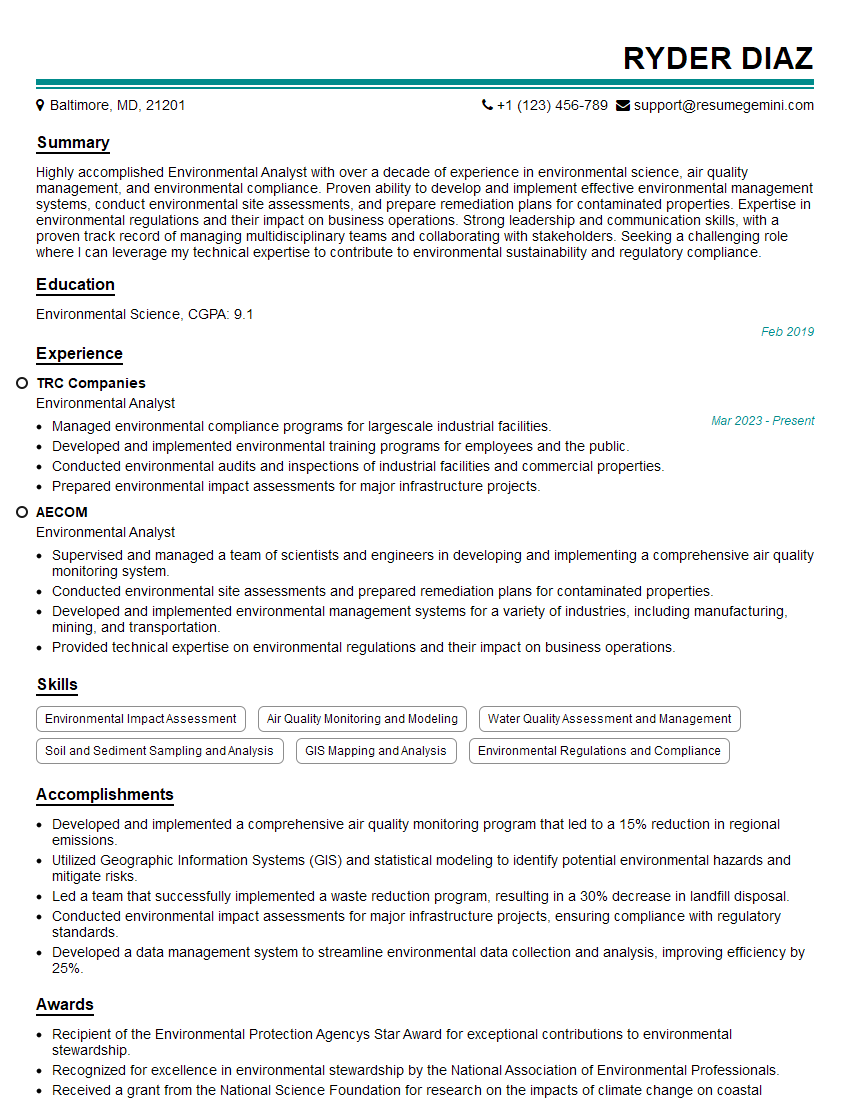
Environmental Analyst Resume Sample
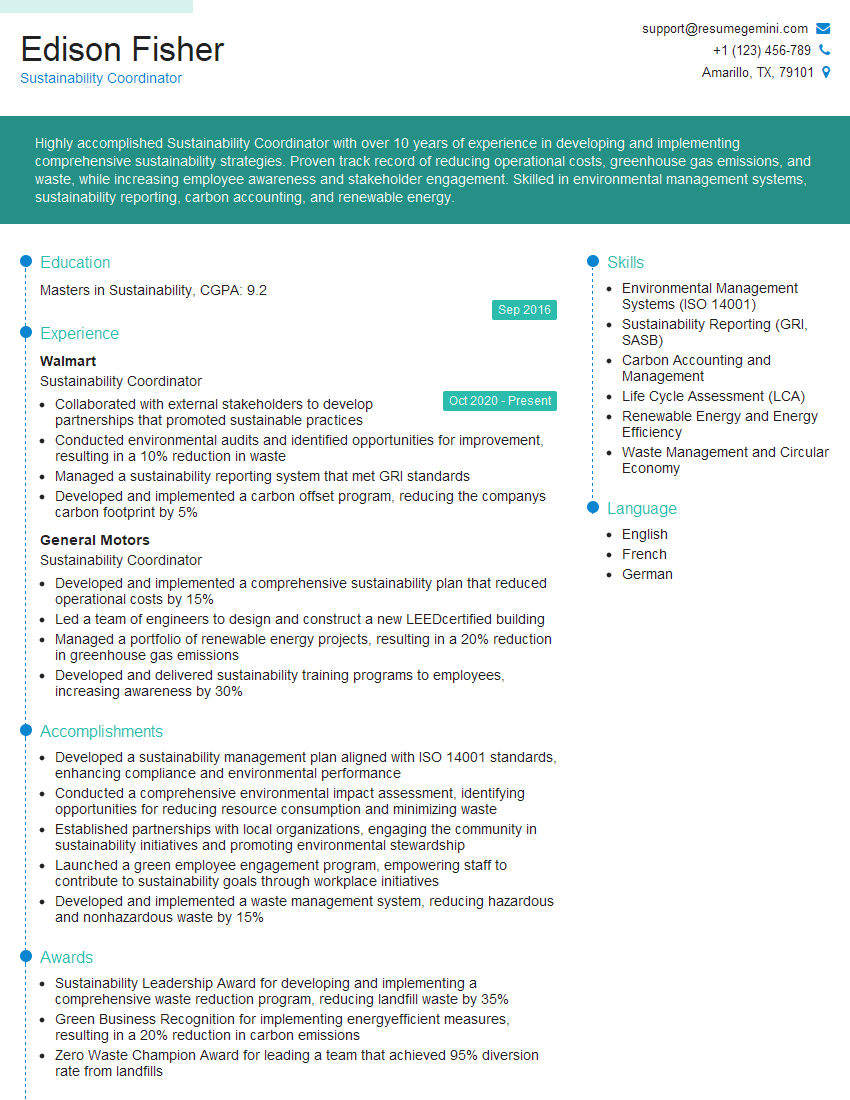
Sustainability Coordinator Resume Sample
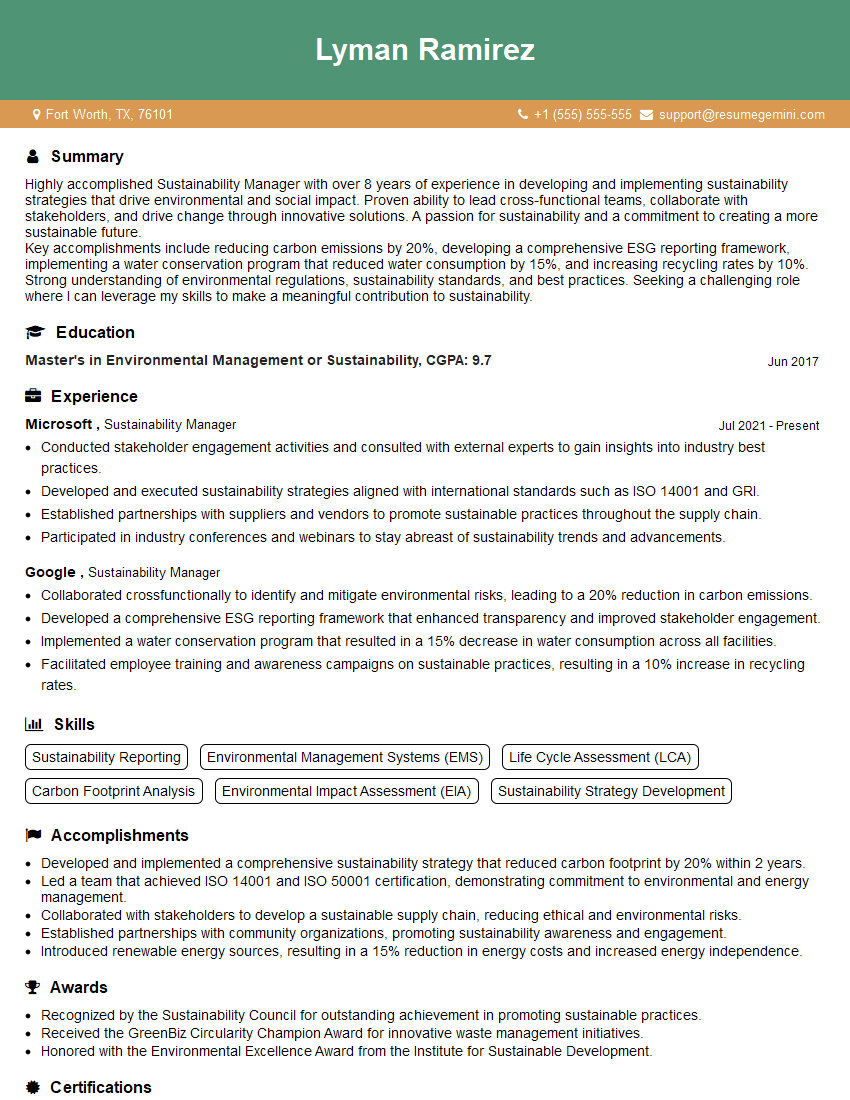
Sustainability Manager Resume Sample
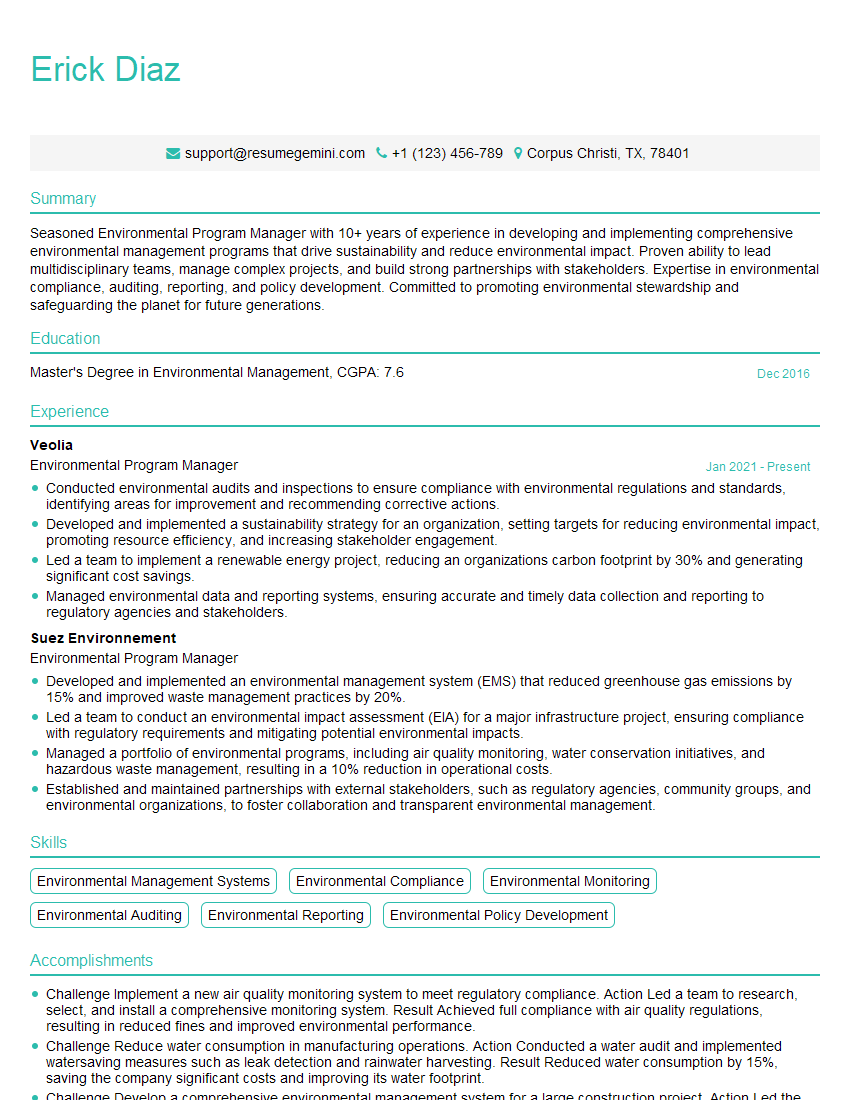
Environmental Program Manager Resume Sample
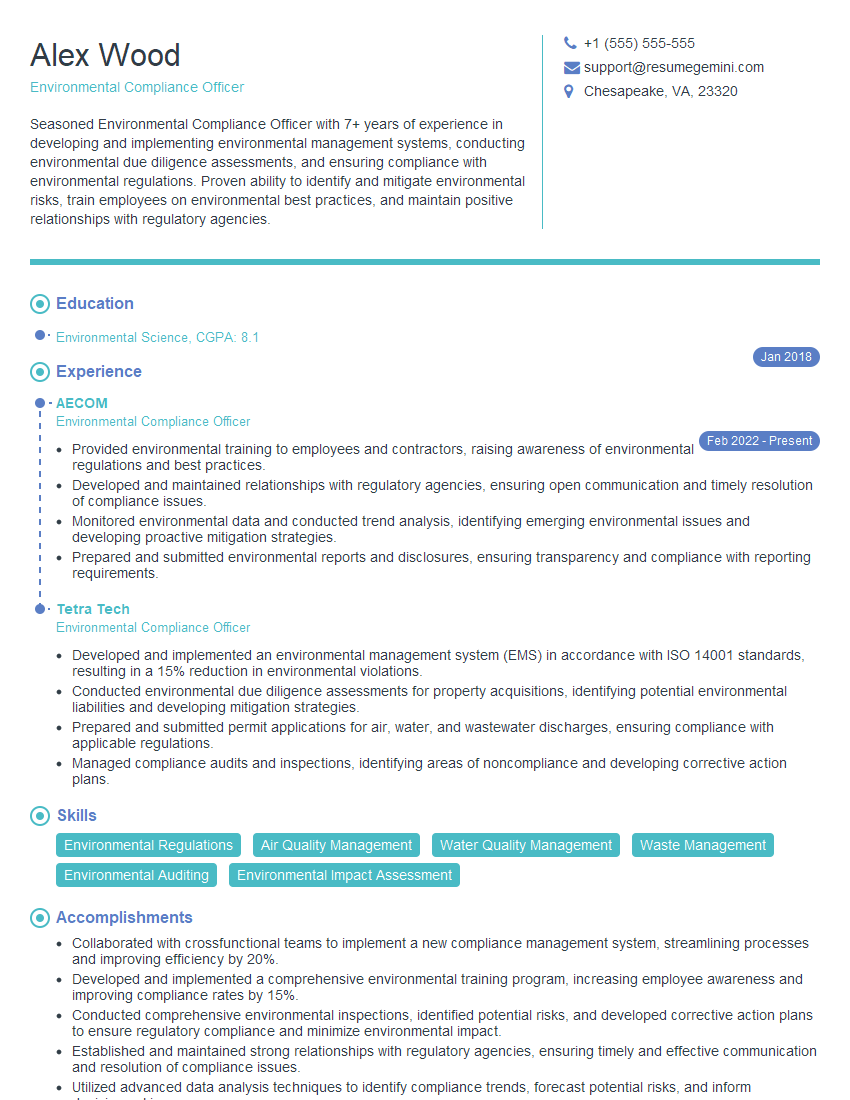
Environmental Compliance Officer Resume Sample
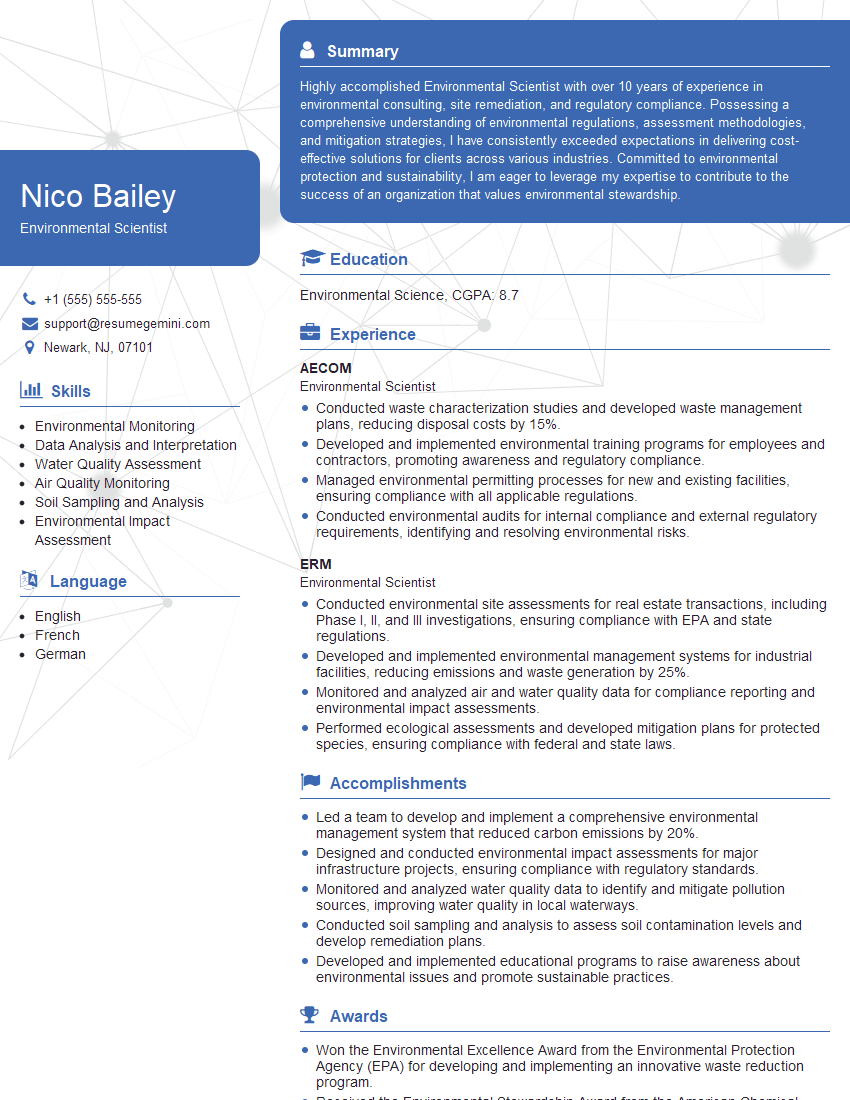
Environmental Scientist Resume Sample
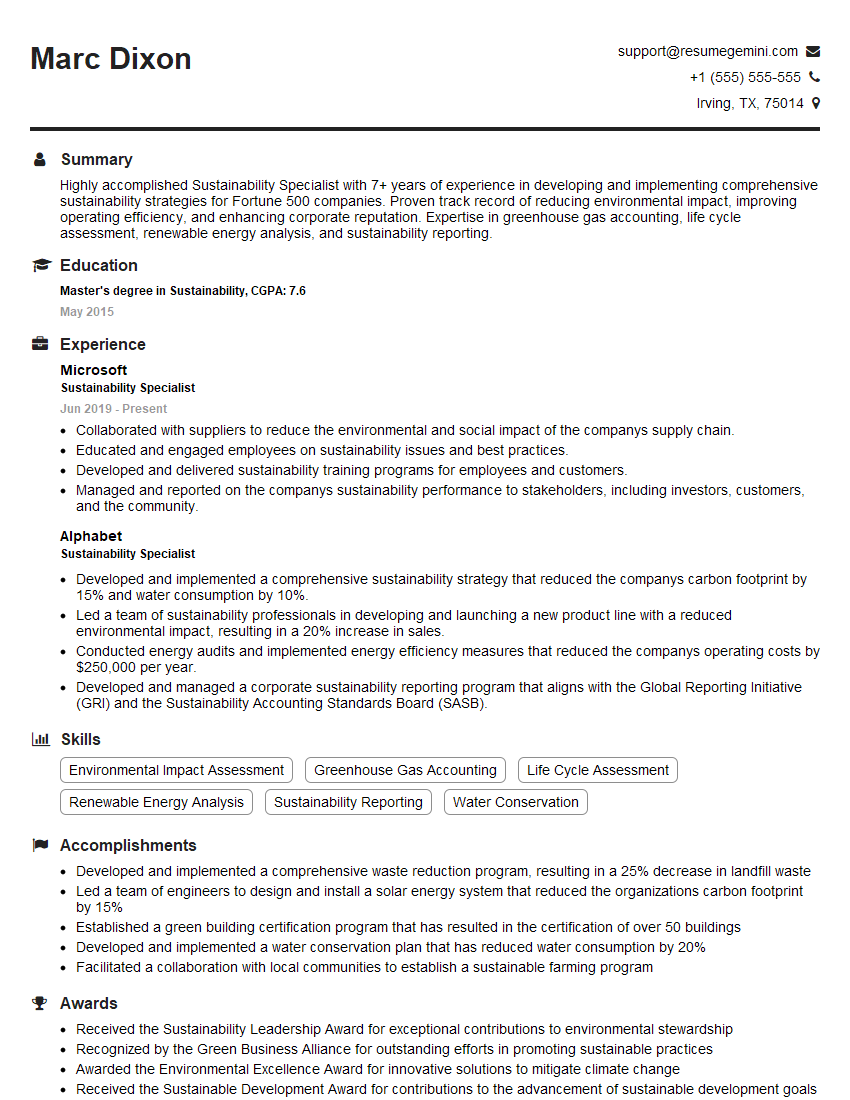
Sustainability Specialist Resume Sample
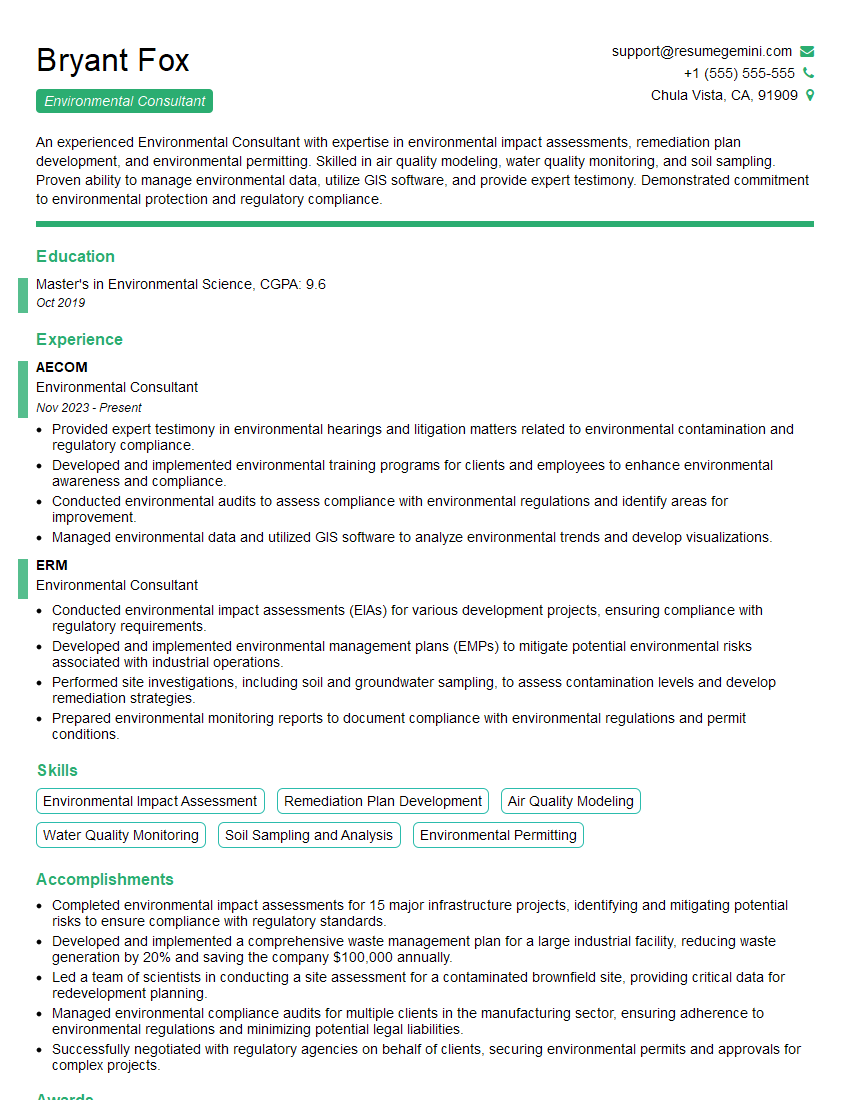
Environmental Consultant Resume Sample

Wildlife Biologist Resume Sample
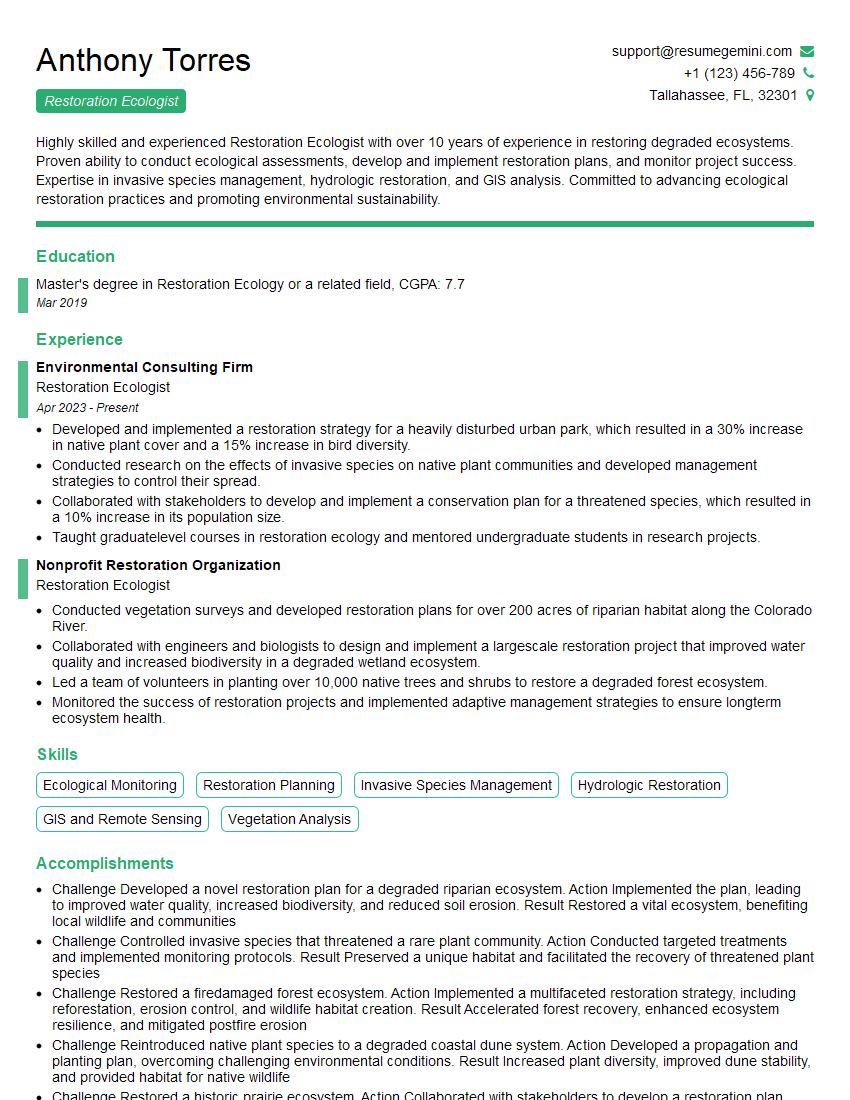
Restoration Ecologist Resume Sample
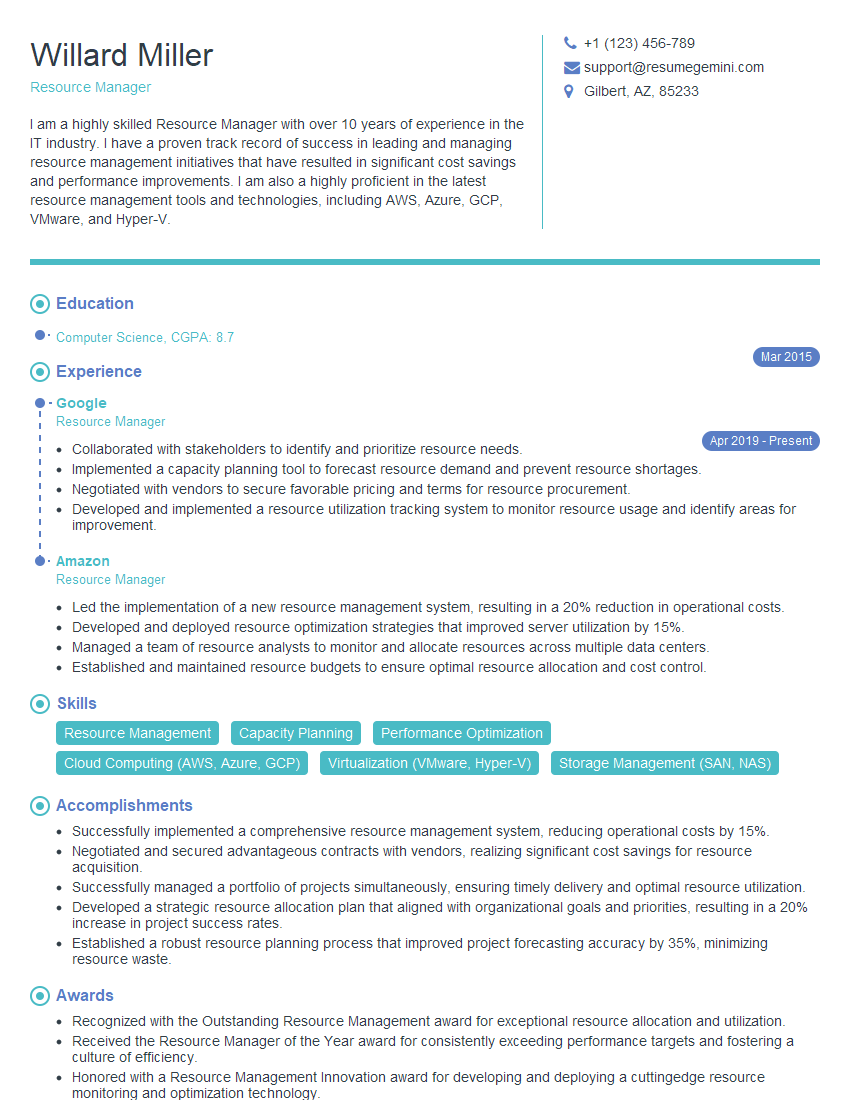
Resource Manager Resume Sample

Environmental Educator Resume Sample
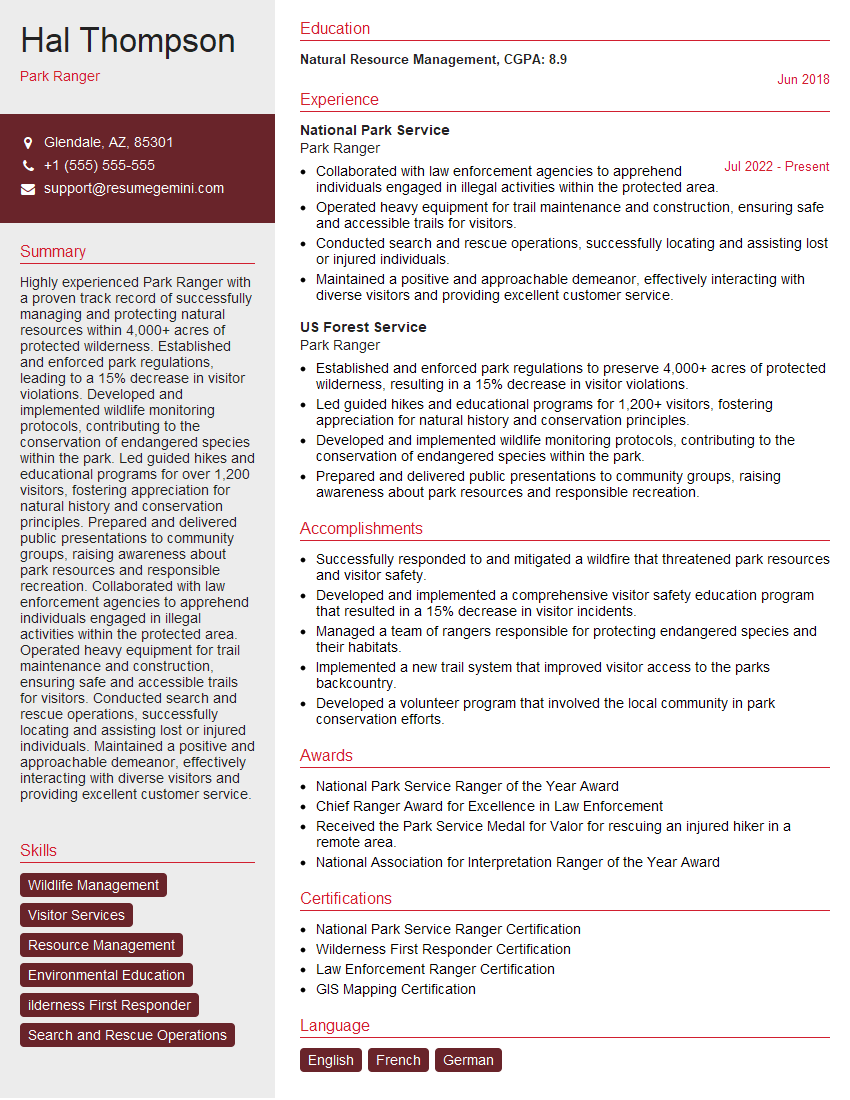
Park Ranger Resume Sample
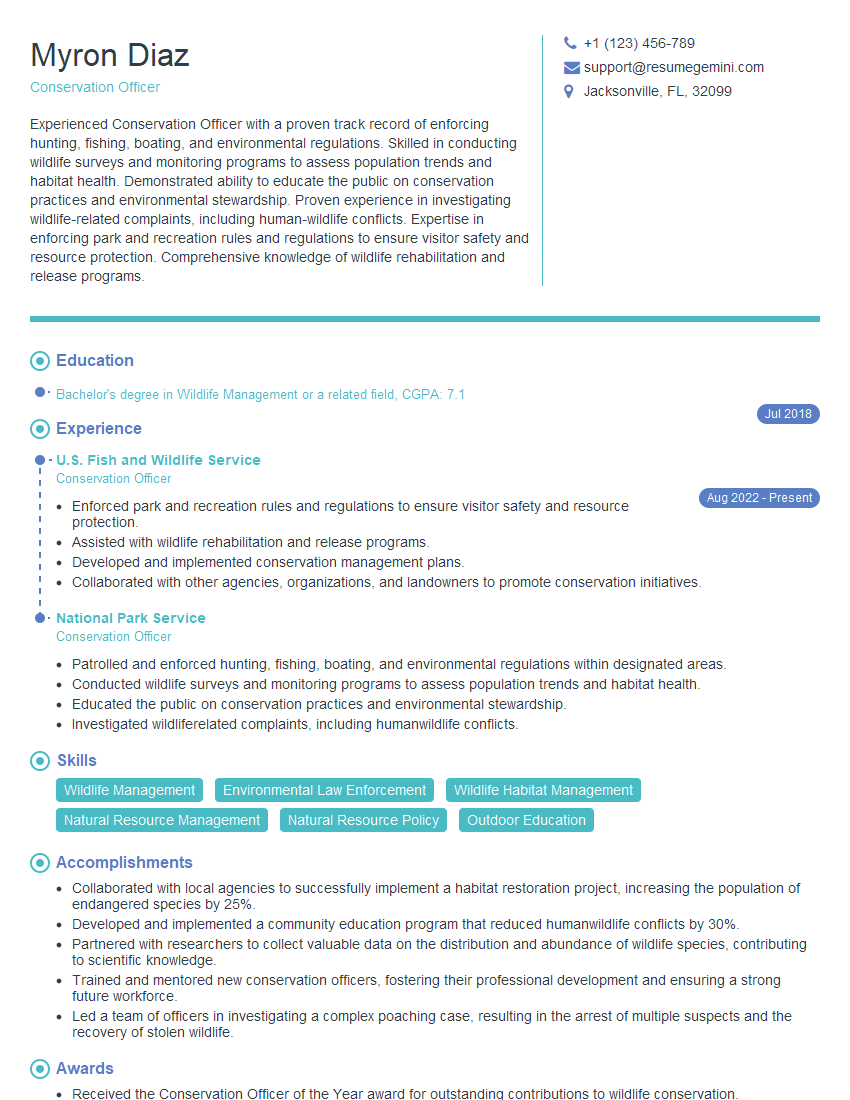
Conservation Officer Resume Sample
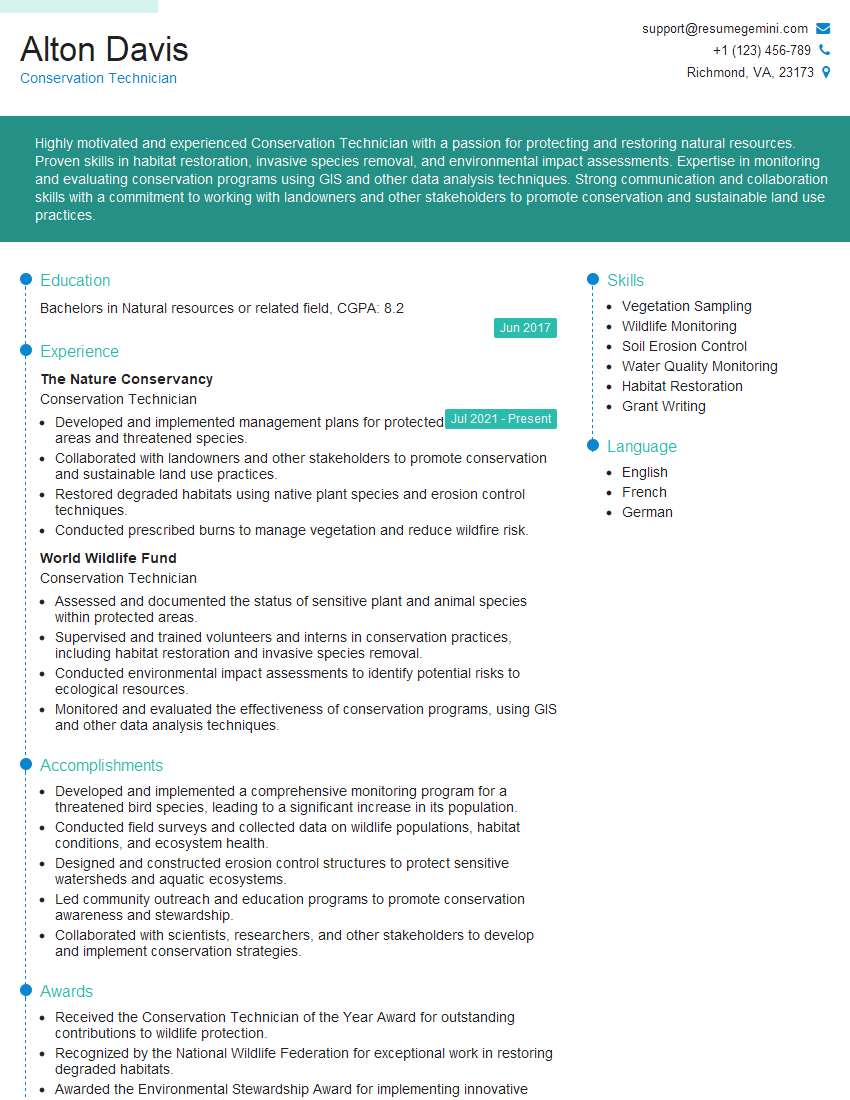
Conservation Technician Resume Sample
- Environmental Analyst
- Sustainability Coordinator
- Sustainability Manager
- Environmental Program Manager
- Environmental Compliance Officer
- Environmental Scientist
- Sustainability Specialist
- Environmental Consultant
- Wildlife Biologist
- Restoration Ecologist
- Resource Manager
- Environmental Educator
- Park Ranger
- Conservation Officer
- Conservation Technician
Explore more articles
Users Rating of Our Blogs
Share Your Experience
We value your feedback! Please rate our content and share your thoughts (optional).
What Readers Say About Our Blog
To the interviewgemini.com Webmaster.
Very helpful and content specific questions to help prepare me for my interview!
Thank you
To the interviewgemini.com Webmaster.
This was kind of a unique content I found around the specialized skills. Very helpful questions and good detailed answers.
Very Helpful blog, thank you Interviewgemini team.