The thought of an interview can be nerve-wracking, but the right preparation can make all the difference. Explore this comprehensive guide to Ethical Guidelines for Human Research interview questions and gain the confidence you need to showcase your abilities and secure the role.
Questions Asked in Ethical Guidelines for Human Research Interview
Q 1. What are the core principles of the Belmont Report?
The Belmont Report, published in 1979, is a cornerstone document in the ethics of human subjects research. It outlines three core ethical principles that should guide all research involving human participants. These are:
- Respect for Persons: This principle recognizes the inherent dignity and autonomy of individuals. It means treating people as autonomous agents capable of making their own decisions, and protecting those with diminished autonomy (like children or individuals with cognitive impairments).
- Beneficence: This principle emphasizes the researcher’s obligation to maximize benefits and minimize harms to participants. It involves carefully weighing the potential risks and benefits of a study before it begins.
- Justice: This principle requires that the benefits and burdens of research be fairly distributed across different groups of people. It aims to prevent exploitation and ensure that research doesn’t disproportionately affect vulnerable populations.
For example, a study investigating a new drug should not only ensure the drug’s potential benefits outweigh its risks (beneficence) but also that participants are fully informed of these risks and benefits and can freely choose to participate (respect for persons). Furthermore, the selection of participants should be fair and not unfairly target a specific population (justice).
Q 2. Explain the concept of informed consent in human research.
Informed consent is a crucial ethical requirement in human research. It means that participants must be given enough information about the study to make a voluntary and informed decision about whether or not to participate. This information includes:
- The purpose of the research
- The procedures involved
- The potential risks and benefits
- The right to withdraw at any time without penalty
- Confidentiality procedures
The process must be free from coercion or undue influence. Imagine a doctor suggesting a new treatment and implying that the patient will receive poorer care if they don’t participate – that’s coercion. Informed consent ensures individuals truly understand what they’re agreeing to and aren’t pressured into participating.
Informed consent forms are usually used to document this process, but the conversation and understanding are just as vital. The language used must be easily comprehensible to the participant, and researchers have a responsibility to answer any questions clearly and honestly.
Q 3. Describe the role of an Institutional Review Board (IRB).
An Institutional Review Board (IRB) is an independent committee that reviews research proposals involving human subjects to ensure they meet ethical standards. They act as gatekeepers, protecting the rights and welfare of participants. IRBs are crucial because they provide an objective and unbiased assessment of the ethical implications of a study.
Their role includes:
- Reviewing research protocols for ethical compliance
- Assessing the risk-benefit ratio of the research
- Ensuring informed consent procedures are adequate
- Monitoring ongoing research studies for safety and adherence to ethical guidelines
- Approving, modifying, or rejecting research proposals
Essentially, the IRB acts as a safeguard against unethical research practices. They ensure that researchers prioritize the well-being of their participants above all else.
Q 4. What are the differences between different IRB levels of review (exempt, expedited, full)?
IRBs typically categorize research proposals into three levels of review:
- Exempt Review: This is for research activities that pose minimal risk to participants. Examples include anonymous surveys, studies of existing data that don’t involve identifiable information, and educational research involving normal educational practices. These studies typically undergo a streamlined review process.
- Expedited Review: This is for research that involves minimal risk, but doesn’t meet the criteria for exempt review. Examples include collecting biological specimens by non-invasive means, or studies involving only mild discomfort or stress. These studies are reviewed by a single IRB member, rather than the full board.
- Full Board Review: This is the most rigorous review level. It’s required for research involving more than minimal risk, such as studies involving invasive procedures, vulnerable populations, or potentially harmful interventions. These proposals are reviewed by the entire IRB committee.
The level of review depends on the potential risks and benefits of the research, as well as the characteristics of the participants.
Q 5. How do you handle a conflict of interest in research?
Conflicts of interest occur when a researcher’s personal interests (financial, professional, or otherwise) could compromise their objectivity or the integrity of their research. These must be handled proactively and transparently.
Steps to manage conflicts of interest include:
- Disclosure: Researchers should fully disclose any potential conflicts of interest to the IRB and their institution. This includes financial interests, personal relationships with participants, or affiliations that could influence the research.
- Mitigation: If a conflict of interest is identified, steps should be taken to mitigate its impact. This might involve modifying the research design, using independent reviewers, or blinding participants to the treatments.
- Recusal: In some cases, it may be necessary for the researcher to recuse themselves from the project to avoid any bias.
For instance, a researcher receiving funding from a pharmaceutical company for a drug trial should explicitly disclose this funding to the IRB. This ensures transparency and allows the IRB to assess the potential for bias in the research findings.
Q 6. What is the difference between beneficence and non-maleficence?
Beneficence and non-maleficence are both ethical principles related to minimizing harm and maximizing good in research, but they represent slightly different aspects:
- Beneficence: This principle focuses on actively promoting the well-being of participants. It emphasizes the obligation to maximize potential benefits and positive outcomes of the research. This involves careful consideration of the potential benefits, how they’ll be measured, and ensuring these benefits are significant enough to justify the risks involved.
- Non-maleficence: This principle focuses on avoiding harm to participants. It emphasizes the duty to minimize potential risks and negative consequences. Researchers need to identify and address any potential harms, physical or psychological, and justify the study design’s choice regarding risk mitigation.
In essence, beneficence is about actively doing good, while non-maleficence is about avoiding harm. Both are essential components of ethical research and should be carefully considered in every study.
Q 7. Define vulnerability in the context of human subject research.
Vulnerability, in the context of human subjects research, refers to characteristics or situations that increase a person’s susceptibility to harm or exploitation. This makes them more vulnerable to coercion, undue influence, or negative consequences from participating in research. Some examples of vulnerable populations include:
- Children: They lack the capacity for full autonomy and need additional protections.
- Individuals with cognitive impairments: Their decision-making abilities may be compromised, requiring careful consideration of their capacity to provide informed consent.
- Prisoners: Their freedom is restricted, making them potentially susceptible to coercion.
- Pregnant women: Their health and the health of the fetus must be considered.
- Economically disadvantaged individuals: They might be more susceptible to coercion due to financial incentives offered in research participation.
Researchers must take extra precautions when working with vulnerable populations, ensuring that their rights and welfare are protected even more rigorously than usual. This may involve obtaining assent from participants, involving legal guardians in the consent process, or providing additional support and resources.
Q 8. What are some examples of research misconduct?
Research misconduct encompasses a range of actions that violate the ethical principles governing research. It undermines the integrity of the scientific process and can have serious consequences for participants, the scientific community, and society as a whole.
Fabrication: Making up data or results and recording or reporting them.
Example: Inventing patient outcomes in a clinical trial to support a desired conclusion.
Falsification: Manipulating research materials, equipment, or processes, or changing or omitting data or results such that the research is not accurately represented in the research record.
Example: Removing data points that don’t fit the expected trend in a statistical analysis.
Plagiarism: Appropriating another person’s ideas, processes, results, or words without giving appropriate credit.
Example: Copying sections of text from a published article without proper citation.
Data manipulation without justification: This includes selective reporting, where only favorable results are presented, or inappropriate statistical methods that inflate or distort findings.
Example: Choosing a statistical test that yields a significant result while ignoring another more appropriate test which does not.
These are just a few examples; the specifics can vary widely depending on the research field and the institutional guidelines.
Q 9. How do you ensure data privacy and confidentiality in research?
Ensuring data privacy and confidentiality is paramount in research. It’s crucial to protect participants’ identities and sensitive information throughout the entire research process, from data collection to storage and dissemination.
Anonymization: Removing any identifying information from the data, making it impossible to link the data back to a specific individual.
De-identification: Removing direct identifiers like names and addresses, but potentially leaving indirect identifiers like age and location that could allow re-identification, requiring careful consideration of risk.
Data encryption: Using cryptographic techniques to scramble the data, making it unreadable without a decryption key. This protects against unauthorized access.
Secure storage: Storing data on secure servers with access control measures, limiting access to only authorized personnel.
Informed consent: Obtaining explicit consent from participants, clearly outlining how their data will be used and protected.
Data access protocols: Establishing clear protocols for accessing and sharing data, including mechanisms for auditing access attempts.
In practice, this might involve using unique identifiers instead of names, securely storing data on password-protected computers, or adhering to strict data governance policies outlined by Institutional Review Boards (IRBs).
Q 10. Describe your experience with HIPAA regulations (if applicable).
My experience with HIPAA regulations centers around their application in health research involving Protected Health Information (PHI). HIPAA sets strict standards for the privacy and security of individually identifiable health information. In my work, this has meant ensuring all research protocols involving PHI are compliant with HIPAA’s requirements. This includes:
Obtaining appropriate authorizations: We always seek appropriate waivers or authorizations for the use and disclosure of PHI, ensuring that we comply with HIPAA’s regulations on informed consent and data minimization. This often involves careful review and approval by the IRB.
Implementing strong security measures: This involves things like encryption, access controls, and regular security audits. We implement both technical safeguards (e.g., encryption, firewalls) and administrative safeguards (e.g., training, policies) to protect the data.
Maintaining detailed documentation: Meticulous record-keeping is essential. We maintain comprehensive records of all PHI access and disclosures.
Non-compliance with HIPAA can lead to significant penalties, therefore adherence is a critical aspect of our research operations. It’s not just a matter of compliance, but a commitment to protecting the privacy and well-being of our research participants.
Q 11. Explain the concept of justice in research.
Justice in research refers to the equitable distribution of both the burdens and benefits of research across all populations. It ensures that no group is unfairly excluded from participating in research or disproportionately burdened by its risks, while conversely, that all groups can benefit from research findings.
It’s about fairness and avoiding exploitation. Historically, certain groups have been underserved or even harmed by research. For instance, the Tuskegee Syphilis Study is a stark example of how a lack of justice in research can lead to devastating consequences. To uphold the principle of justice, we must:
Ensure equitable recruitment: Research studies should not over-represent or under-represent any specific population group without a valid scientific justification.
Consider the vulnerabilities of certain groups: Special attention should be given to protect vulnerable populations (children, prisoners, the elderly, etc.).
Address health disparities: Research should actively aim to address health disparities by focusing on conditions that disproportionately affect certain populations.
Disseminate research findings broadly: The benefits of research should be available to all populations, not just those who participated in the study.
Justice in research demands a proactive approach to ensuring fairness and equity in all stages of the research process.
Q 12. What are the ethical considerations when using vulnerable populations in research?
Research involving vulnerable populations requires extra ethical scrutiny because these groups may be at increased risk of coercion, exploitation, or harm. Vulnerable populations include, but are not limited to, children, pregnant women, prisoners, individuals with cognitive impairments, the economically disadvantaged, and racial or ethnic minorities. Ethical considerations include:
Informed consent: This needs to be particularly rigorous, ensuring comprehension and voluntariness. It may require additional measures, such as using simpler language or involving legal guardians.
Minimizing risk: The risks associated with the research must be minimized, and potential benefits must outweigh the risks. This assessment should carefully consider the unique vulnerabilities of the population.
Protecting autonomy: Researchers must respect the autonomy and self-determination of vulnerable individuals, avoiding undue influence or coercion.
Community engagement: Consulting with community leaders and representatives is crucial to ensure that the research respects the cultural norms and values of the population being studied.
Equitable access to benefits: Vulnerable populations should benefit from the research findings, just as other populations would.
In practice, this might involve obtaining consent from both the participant and their guardian, conducting the study in a familiar and comfortable setting, or providing compensation for participation.
Q 13. How do you address potential risks and benefits in research?
Addressing potential risks and benefits in research is a core component of ethical research practice. It’s a careful balancing act – identifying potential harms and weighing them against the potential gains. This requires:
Comprehensive risk assessment: This involves identifying all potential risks, both physical and psychological, direct and indirect, short-term and long-term.
Benefit assessment: What are the potential benefits of the research? Are these benefits likely to outweigh the risks?
Risk mitigation strategies: What measures can be put in place to minimize or eliminate the risks? This might include modifications to the research design, training for researchers, or providing support to participants.
Transparency: Participants should be fully informed about the potential risks and benefits of the research, and this information should be presented in a clear and understandable manner.
Ongoing monitoring: Risks and benefits should be continuously monitored throughout the research process, and adjustments should be made as necessary.
A robust risk-benefit assessment and mitigation strategy is essential to protecting the well-being of research participants and upholding the ethical integrity of the study.
Q 14. Describe your understanding of the Common Rule.
The Common Rule is a set of federal regulations in the United States that govern the conduct of human subjects research. It’s primarily aimed at protecting the rights and welfare of individuals who participate in research. It applies to research conducted or supported by various federal agencies. Key aspects include:
IRB review: Most research covered by the Common Rule requires review and approval from an Institutional Review Board (IRB) before it can begin. The IRB ensures that the research is ethically sound and protects the rights of participants.
Informed consent: The Common Rule mandates obtaining informed consent from all participants. This means providing them with enough information about the research to make an informed decision about participation.
Privacy and confidentiality: It emphasizes the importance of protecting the privacy and confidentiality of research participants’ data.
Risk assessment and minimization: Researchers are obligated to assess the potential risks and benefits of the research and take steps to minimize risks.
Data monitoring: The Common Rule may require ongoing monitoring of the safety and well-being of participants throughout the study.
The Common Rule aims to strike a balance between protecting research participants and fostering scientific progress. It is a crucial framework for responsible and ethical conduct in human subjects research.
Q 15. How would you handle a situation where a participant wishes to withdraw from a study?
A participant’s right to withdraw from a study at any time, without penalty, is paramount. This is a cornerstone of ethical research. It’s not just a right; it’s a crucial safeguard against potential harm and coercion.
Handling a withdrawal requires sensitivity and professionalism. First, I’d express my gratitude for their participation up to that point. Then, I’d gently inquire about the reasons for their withdrawal – not to pressure them, but to learn and potentially improve future studies. Their feedback is valuable. Next, I’d ensure that all their data, if already collected, is anonymized or securely removed from the study dataset according to our data management plan. This prevents their personal information from being linked to any results. Finally, I would confirm with them that they understand the process and are comfortable with how their participation is being concluded. Documentation of the entire process is critical.
For example, imagine a participant in a long-term clinical trial begins experiencing unforeseen side effects. Their right to withdraw immediately to prioritize their well-being must be respected without question. Their data, prior to withdrawal, might still be valuable for analyzing trends, but their continued participation cannot be forced.
Career Expert Tips:
- Ace those interviews! Prepare effectively by reviewing the Top 50 Most Common Interview Questions on ResumeGemini.
- Navigate your job search with confidence! Explore a wide range of Career Tips on ResumeGemini. Learn about common challenges and recommendations to overcome them.
- Craft the perfect resume! Master the Art of Resume Writing with ResumeGemini’s guide. Showcase your unique qualifications and achievements effectively.
- Don’t miss out on holiday savings! Build your dream resume with ResumeGemini’s ATS optimized templates.
Q 16. What are the ethical considerations related to data sharing and publication?
Ethical data sharing and publication involve a careful balancing act between transparency, collaboration, and protecting participant privacy and confidentiality. Before sharing any data, informed consent should explicitly address data usage and potential sharing with collaborators or for publication. This includes specifying if data will be anonymized or aggregated, and whether participants consent to the use of their data beyond the initial study objectives.
Data should be anonymized or de-identified to the greatest extent possible to protect participant privacy. This often involves removing identifying information like names, addresses, and dates of birth. Methods like data encryption and secure storage are crucial to maintaining data integrity and confidentiality. Publications should follow established guidelines, such as those by CONSORT and other relevant organizations, ensuring appropriate data reporting and interpretation.
For instance, if a study collects sensitive health information, stringent anonymization techniques are necessary before sharing the data. Moreover, the publication should explicitly state the limitations related to data sharing and anonymization procedures and should never contain identifiable information.
Q 17. Explain your understanding of plagiarism and fabrication in research.
Plagiarism is the act of representing another person’s work or ideas as your own. Fabrication, on the other hand, involves creating false or misleading data or results. Both are serious breaches of research ethics and academic integrity. They undermine the trustworthiness of scientific findings and can lead to severe consequences, including retraction of publications, loss of funding, and damage to reputation.
Plagiarism can range from copying text without attribution to paraphrasing ideas without proper citation. Fabrication can involve inventing data points to support a hypothesis or manipulating existing data to produce desired results. Preventing these issues requires meticulous record-keeping, transparent data management practices, and rigorous adherence to citation guidelines. Software tools can help detect plagiarism, but careful, manual review is essential to ensure the authenticity of data and its interpretation.
Consider a researcher who uses another researcher’s methodology without proper acknowledgement. That’s plagiarism. Alternatively, a researcher who alters data to fit a specific conclusion is engaging in fabrication. Both actions are unacceptable, damaging the integrity of the research enterprise, and eroding public trust in scientific findings.
Q 18. How would you determine the appropriate level of IRB review for a study?
Determining the appropriate level of Institutional Review Board (IRB) review depends on the nature and potential risks associated with the study. IRBs use a tiered system for review, typically including exempt, expedited, and full board review. Exempt reviews are for studies with minimal risk, such as surveys with anonymous responses. Expedited reviews are for studies with minimal risk and typically involve less extensive paperwork than full board review. Full board reviews are necessary for studies involving significant risks to participants, such as those involving vulnerable populations or invasive procedures.
Factors considered include the study’s population (e.g., children, prisoners), the procedures involved (e.g., invasive procedures, data collection methods), and the potential risks and benefits. It’s crucial to accurately assess the potential risks and carefully justify the design of the study to the IRB to ensure it aligns with ethical guidelines and regulations. If in doubt, seeking guidance from IRB personnel is always recommended.
For example, a study involving anonymous surveys about attitudes toward a particular product would likely qualify for exempt review. In contrast, a study involving a new experimental drug in children would require full board review due to the higher potential risks.
Q 19. What are some strategies for mitigating risks in research?
Mitigating risks in research involves proactively identifying and addressing potential harms to participants. Strategies include:
- Informed Consent: Ensuring participants fully understand the study’s procedures, potential risks and benefits, and their rights, including the right to withdraw.
- Data Security: Implementing robust measures to protect participant data, such as encryption, secure storage, and anonymization.
- Risk Assessment: Identifying and analyzing potential physical, psychological, social, or economic risks associated with the study.
- Monitoring: Closely monitoring participants throughout the study to identify any adverse events or unexpected risks.
- Data Monitoring Committee: Involving an independent committee to review the study’s data regularly for safety and efficacy.
- Debriefing: Providing participants with information about the study’s findings and addressing any concerns they may have after their participation.
For example, if the study involves physical activity, it’s crucial to screen participants for any pre-existing health conditions and provide clear instructions about safety measures. The same principle applies to psychological research, where it may be necessary to provide access to counseling resources if participants report distress as a consequence of their study participation.
Q 20. How do you ensure the integrity of research data?
Ensuring research data integrity is vital for maintaining the credibility and reliability of research findings. This involves a multi-faceted approach that begins with meticulous planning and extends through data collection, analysis, and storage. Key strategies include:
- Data Management Plan: Developing a detailed plan that outlines data collection methods, storage procedures, and data security measures.
- Data Cleaning and Validation: Thoroughly checking data for errors, inconsistencies, and outliers. This might involve running checks for data plausibility and range tests.
- Version Control: Maintaining clear records of data versions and changes made to the dataset. Tools such as Git are often beneficial in this context.
- Data Auditing: Periodically auditing data to check its accuracy, completeness, and consistency.
- Secure Storage: Storing data securely using password-protected systems, encryption, and access controls.
Imagine a clinical trial where an incorrect dose of medication is recorded for a patient. Without careful data validation, this error could lead to misinterpretation of results. Robust data management, including regular audits and version control, would help catch and correct such an error before it impacts the final findings.
Q 21. What are the ethical considerations related to genetic research?
Ethical considerations in genetic research are particularly complex due to the sensitive nature of genetic information. Key issues include:
- Informed Consent: Participants must be fully informed about the potential implications of genetic testing, including the possibility of uncovering unexpected information about their health or ancestry. Consent should be obtained separately for various uses of genetic data, such as research and clinical care.
- Privacy and Confidentiality: Protecting the privacy and confidentiality of genetic information is crucial as it can reveal sensitive information about individuals and their families. This includes robust security measures to safeguard data and adherence to relevant data protection laws.
- Genetic Discrimination: Addressing the potential for discrimination based on genetic information, including insurance discrimination and employment discrimination. Legislative protections exist in many countries to address this concern.
- Incidental Findings: Managing the ethical implications of uncovering incidental findings, such as unexpected genetic predispositions to diseases. Guidelines are necessary for disclosing such findings, ensuring participants are prepared for such results.
- Equity and Access: Ensuring equitable access to genetic testing and its benefits, and avoiding exacerbating health disparities.
For example, a research study involving genetic sequencing should ensure that participants understand that the results might reveal information about their risk of developing certain diseases. They need to provide informed consent for such potential outcomes and consider the psychological implications before undertaking such a study. Proper anonymization and data security are critical for preventing genetic discrimination.
Q 22. What is your experience with obtaining informed consent from diverse populations?
Obtaining informed consent from diverse populations requires a nuanced understanding of cultural sensitivities, literacy levels, and communication styles. It’s not simply about providing a form; it’s about ensuring genuine understanding and voluntary participation.
My experience includes working with communities with limited health literacy, where I’ve employed strategies like using plain language, visual aids, and providing consent forms in multiple languages. For example, in a study on diabetes in a predominantly Spanish-speaking community, we ensured all materials were available in Spanish, and we conducted consent discussions in Spanish using trained bilingual personnel. We also used visual aids to explain complex medical concepts.
In another project involving Indigenous populations, we worked closely with community leaders and elders to ensure the research process respected their cultural norms and values. This involved obtaining community consent in addition to individual consent, allowing for a participatory approach that centered their concerns and priorities.
Successful informed consent with diverse populations hinges on trust-building, cultural humility, and flexibility in approach. It requires anticipating and proactively addressing potential communication barriers.
Q 23. How would you manage a situation where a research protocol is not followed?
A breach of research protocol is a serious ethical violation that requires immediate and decisive action. My approach would involve a stepwise process.
- Immediate Stoppage: First, halt the activity immediately that is deviating from the protocol.
- Documentation: Thoroughly document the deviation, including the time, date, nature of the breach, individuals involved, and potential impact on participants. This documentation serves as crucial evidence for the subsequent investigation.
- Internal Review: Initiate an internal review within the research team and with the Institutional Review Board (IRB) or equivalent ethical review body. The review should determine the extent of the breach, its causes, and its impact on participants’ safety, well-being, and rights.
- Corrective Actions: Implement corrective actions, which might include modifying the protocol, retraining personnel, or implementing additional safeguards. The goal is to prevent future breaches.
- Participant Notification: If the breach potentially impacts participants, notify them promptly and appropriately, providing them with information about the breach, its potential consequences, and available resources.
- Reporting: Depending on the severity of the breach, it might be necessary to report it to funding agencies, regulatory bodies, or other relevant stakeholders. Transparency is vital in these cases.
Essentially, managing such situations requires a proactive and transparent approach, prioritizing participant well-being and upholding the integrity of the research process.
Q 24. What are the ethical implications of using deception in research?
Deception in research, while sometimes deemed necessary in certain circumstances (e.g., to avoid bias), carries significant ethical implications. The primary concern is the violation of informed consent, undermining trust and potentially causing psychological distress to participants.
The ethical justification for using deception rests on the potential for valuable scientific discoveries that could not be achieved otherwise. However, even in these cases, strict guidelines must be followed. These include:
- Minimizing Deception: The deception should be minimal and only used when absolutely necessary.
- Debriefing: Participants must receive a thorough debriefing after the study, explaining the deception and the reasons for it. This process aims to mitigate any potential harm caused by the deception.
- IRB Approval: The research must receive prior approval from the IRB, who will scrutinize the proposed methodology and the justification for the use of deception. They will carefully weigh the potential benefits against the potential risks.
- Potential Psychological Harm: Research must carefully consider the potential for psychological harm, including embarrassment, mistrust, or anxiety. Robust safeguards must be in place to address these potential risks.
Think of the classic Milgram experiment on obedience – its results were groundbreaking but the ethical concerns arising from the deception involved are still debated.
Q 25. Describe your experience with auditing research studies for ethical compliance.
My experience in auditing research studies for ethical compliance encompasses reviewing research protocols, consent forms, data management procedures, and participant recruitment strategies against relevant guidelines and regulations. This typically involves checking for adherence to established ethical principles like respect for persons, beneficence, and justice.
For example, in an audit of a clinical trial, I reviewed the protocol to ensure that the risk-benefit assessment was adequately addressed, that the inclusion/exclusion criteria were justified and fair, and that safeguards were in place to protect participants’ privacy and confidentiality. I also assessed the consent process to ensure that it was comprehensive, understandable, and freely given. I checked that data were anonymized correctly, and procedures were in place to safeguard data integrity and security.
Auditing involves a detailed examination of documentation and procedures, identifying any potential ethical concerns and making recommendations for improvement. The goal is not simply to find fault, but to ensure that research is conducted ethically and rigorously, protecting participants and upholding the integrity of the scientific process.
Q 26. How familiar are you with international ethical guidelines for human research?
I am highly familiar with international ethical guidelines for human research, including the Declaration of Helsinki, the CIOMS International Ethical Guidelines for Health-Related Research Involving Humans, and the various national regulations and guidelines around the world.
My understanding goes beyond simply knowing the documents; I can analyze research protocols and procedures to assess their compliance with these international standards. For example, I understand the specific requirements for research involving vulnerable populations, such as children or individuals with cognitive impairments, which may differ slightly across various guidelines. I am adept at identifying potential conflicts between differing international guidelines and developing strategies for navigating those conflicts.
The global nature of research often necessitates understanding different ethical frameworks. I am confident in my ability to apply these diverse perspectives to ensure that research is conducted ethically across different cultural and geographical contexts.
Q 27. What are the key elements of a well-written research protocol?
A well-written research protocol is the cornerstone of ethical and scientifically sound human research. It’s more than just a plan; it’s a comprehensive document that clearly outlines every aspect of the study, ensuring transparency, accountability, and participant protection.
Key elements include:
- Research Question/Hypothesis: Clearly stated research question and objectives.
- Literature Review: A comprehensive review of existing literature justifying the need for the research.
- Methodology: Detailed description of the research design, including participant selection criteria, data collection methods, and analysis plan.
- Ethical Considerations: Comprehensive section addressing ethical implications, informed consent procedures, data security and confidentiality, potential risks and benefits to participants, and strategies for risk mitigation.
- Data Management Plan: Detailed description of how data will be collected, stored, and analyzed, ensuring compliance with data protection regulations.
- Statistical Analysis Plan: Clear explanation of statistical methods used for analyzing data.
- Timeline and Budget: Realistic timeline for completing all study phases, and a detailed budget.
- Dissemination Plan: Plan for sharing results and ensuring the responsible dissemination of findings.
A well-structured protocol ensures that the research is conducted ethically, scientifically sound, and ultimately, contributes valuable knowledge while protecting the rights and well-being of all participants.
Key Topics to Learn for Ethical Guidelines for Human Research Interview
- Informed Consent: Understanding the principles of informed consent, including capacity, voluntariness, comprehension, and disclosure. Practical application: Analyzing case studies to determine if informed consent was properly obtained.
- Beneficence and Non-Maleficence: Balancing the potential benefits of research against potential risks to participants. Practical application: Evaluating research proposals to identify and mitigate risks.
- Justice and Equity: Ensuring fair selection of participants and equitable distribution of benefits and burdens of research. Practical application: Critically assessing research designs for potential biases and inequities.
- Privacy and Confidentiality: Protecting the privacy and confidentiality of participants’ data. Practical application: Implementing appropriate data security measures and anonymization techniques.
- Vulnerable Populations: Understanding the special ethical considerations for research involving vulnerable populations (children, pregnant women, prisoners, etc.). Practical application: Developing research protocols that adequately protect the rights and well-being of vulnerable participants.
- Research Integrity: Maintaining honesty, accuracy, and transparency in all aspects of the research process. Practical application: Recognizing and addressing potential conflicts of interest.
- IRB Review Process: Understanding the role and function of Institutional Review Boards (IRBs) in protecting human research participants. Practical application: Preparing and submitting IRB applications and responding to IRB feedback.
- Data Management and Security: Safeguarding research data throughout its lifecycle. Practical application: Implementing robust data management plans that ensure compliance with ethical guidelines and relevant regulations.
Next Steps
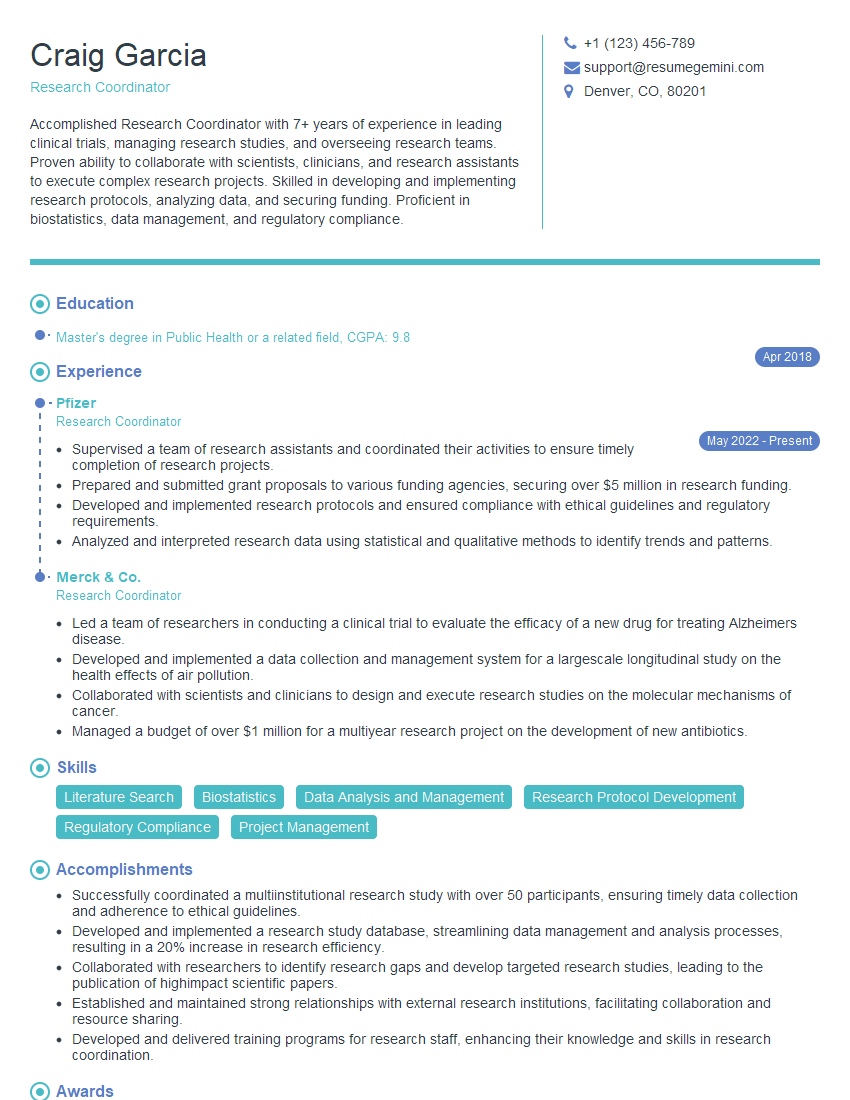
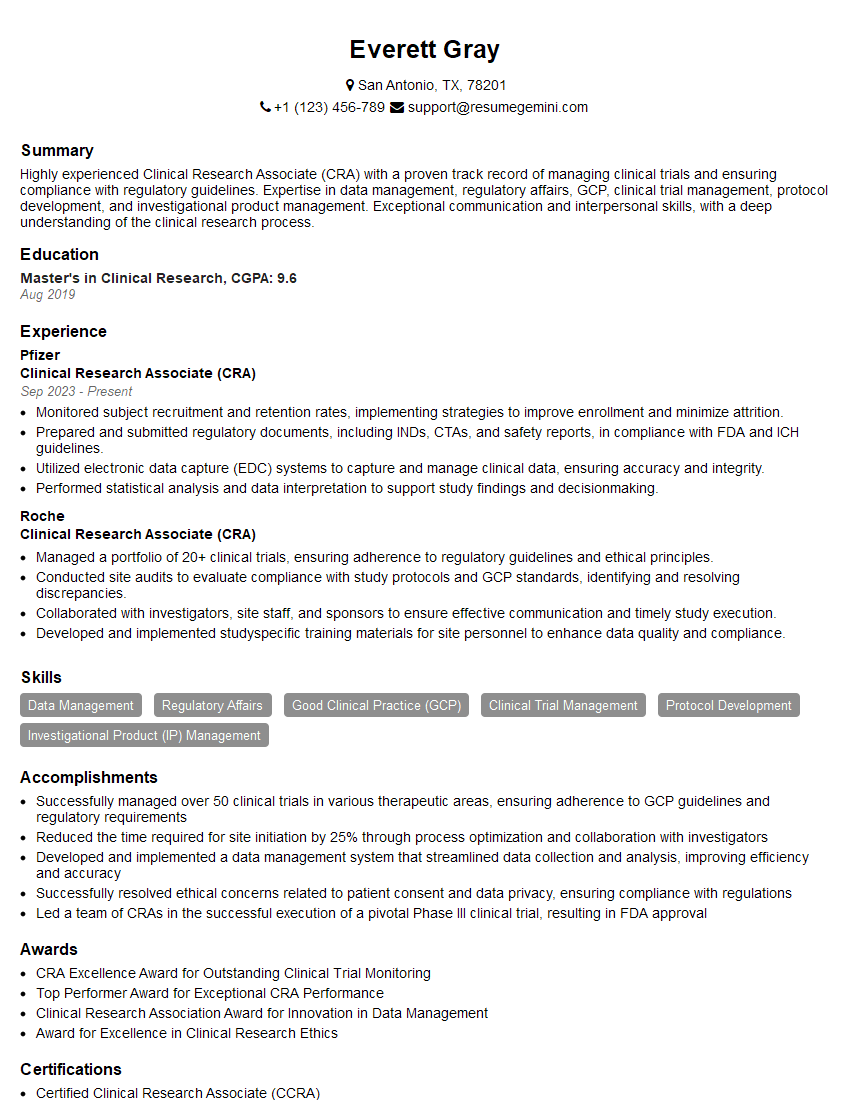
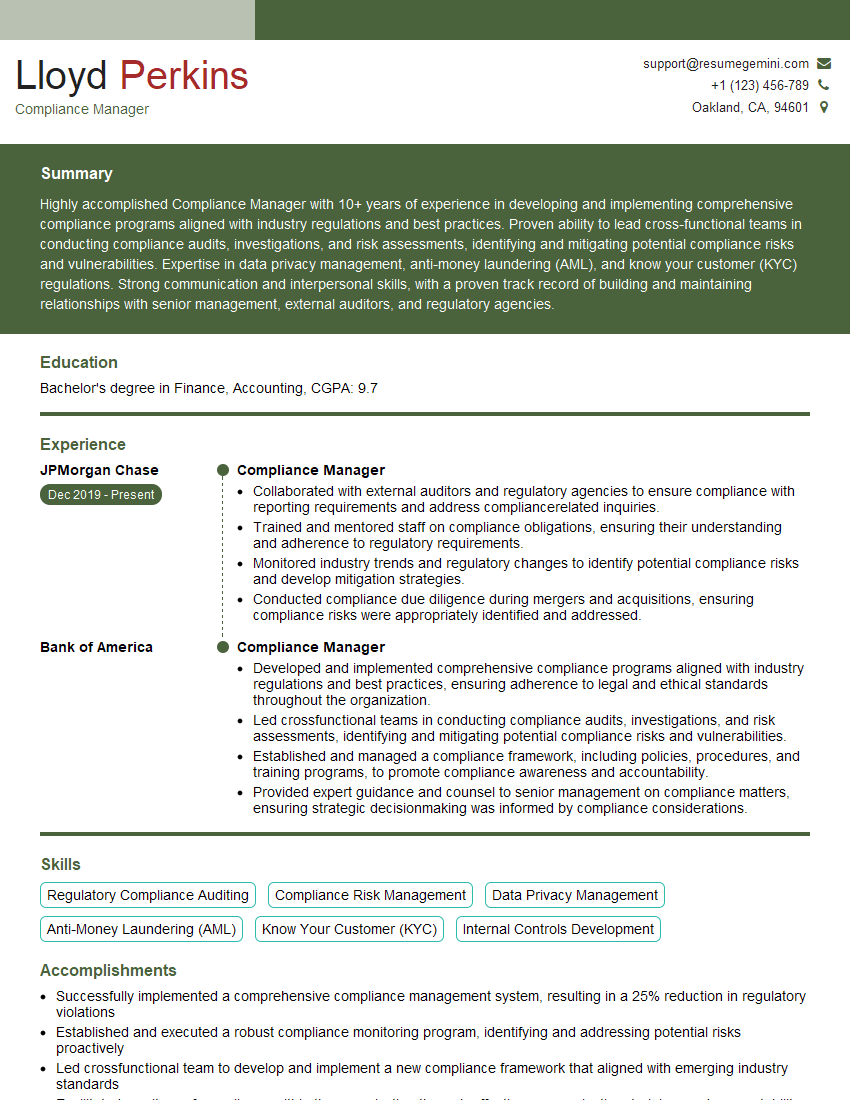
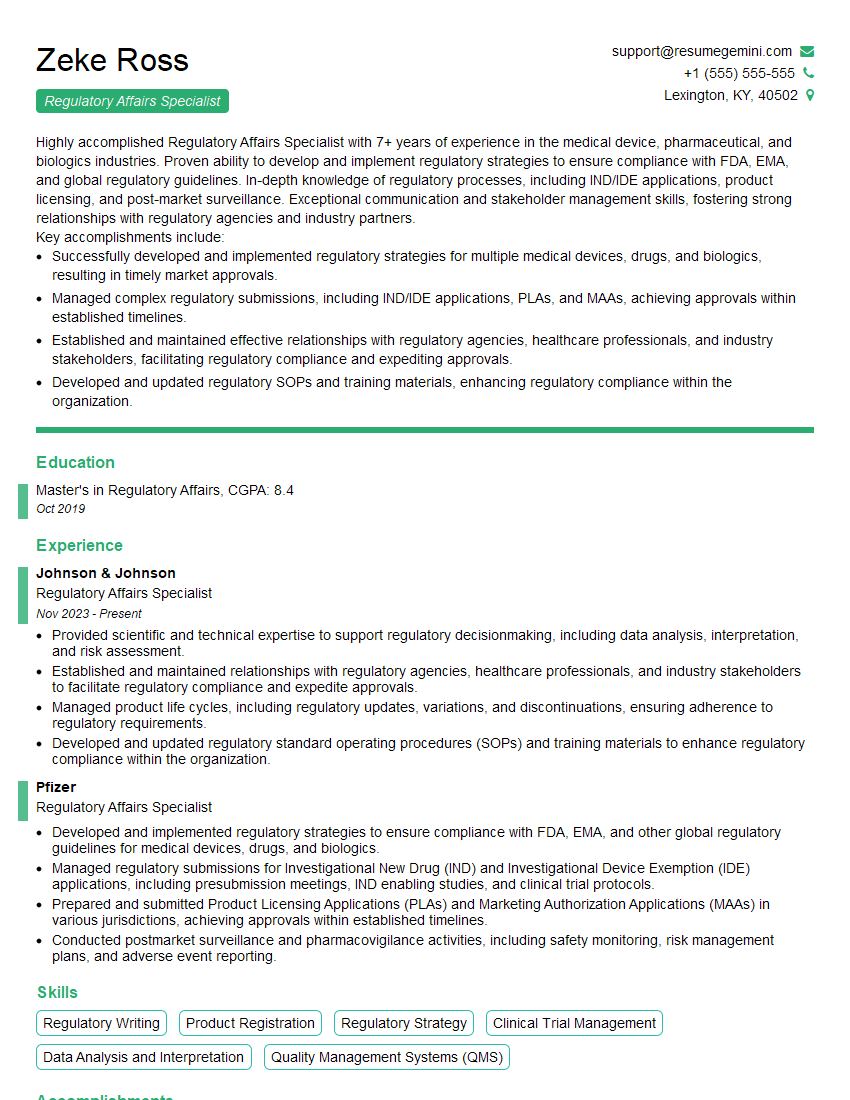
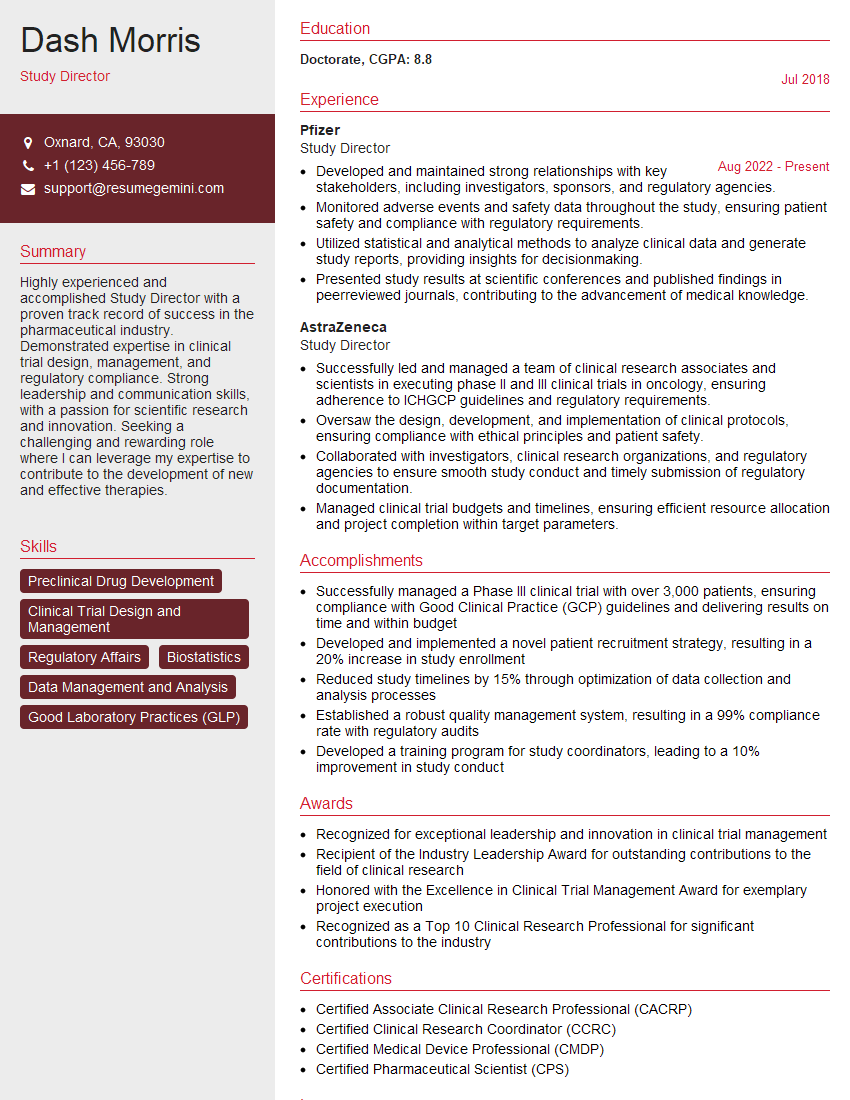
Mastering Ethical Guidelines for Human Research is crucial for career advancement in many fields, opening doors to exciting opportunities and demonstrating your commitment to responsible research practices. A well-crafted resume is your key to unlocking these opportunities. Creating an ATS-friendly resume is essential for maximizing your chances of getting your application noticed. ResumeGemini can help you build a professional and impactful resume tailored to highlight your expertise in Ethical Guidelines for Human Research. Examples of resumes specifically designed for this field are available through ResumeGemini, ensuring your application stands out from the competition.

Explore more articles
Users Rating of Our Blogs
Share Your Experience
We value your feedback! Please rate our content and share your thoughts (optional).
What Readers Say About Our Blog
To the interviewgemini.com Webmaster.
Very helpful and content specific questions to help prepare me for my interview!
Thank you
To the interviewgemini.com Webmaster.
This was kind of a unique content I found around the specialized skills. Very helpful questions and good detailed answers.
Very Helpful blog, thank you Interviewgemini team.