Are you ready to stand out in your next interview? Understanding and preparing for Train and supervise new employees interview questions is a game-changer. In this blog, we’ve compiled key questions and expert advice to help you showcase your skills with confidence and precision. Let’s get started on your journey to acing the interview.
Questions Asked in Train and supervise new employees Interview
Q 1. Describe your experience developing and delivering employee training programs.
Developing and delivering employee training programs requires a systematic approach. I begin by conducting a thorough needs analysis, identifying skill gaps and aligning training objectives with organizational goals. This involves reviewing job descriptions, conducting performance appraisals, and gathering feedback from managers and employees. For example, if sales performance is lagging, I’d investigate whether sales training is needed, focusing on areas like product knowledge or closing techniques. Once the needs are identified, I design the training program, selecting appropriate methodologies and learning materials. This often involves a mix of methods, such as instructor-led training, e-learning modules, and on-the-job coaching. Finally, I deliver the training, ensuring a positive learning environment and actively engaging participants. Post-training, I follow up to address any questions and ensure knowledge retention. For instance, in a recent project, I developed a comprehensive customer service training program that included role-playing scenarios, online modules, and a mentor program, leading to a significant improvement in customer satisfaction scores.
Q 2. How do you assess the effectiveness of your training programs?
Assessing training effectiveness is crucial to ensure ROI and program improvement. I use a multi-faceted approach. Immediately after training, I utilize Kirkpatrick’s four levels of evaluation. Level 1 (Reaction) measures participant satisfaction through surveys. Level 2 (Learning) assesses knowledge gained through tests or quizzes. Level 3 (Behavior) evaluates on-the-job application of learned skills, observed through performance monitoring or 360-degree feedback. Finally, Level 4 (Results) measures the impact on organizational goals, such as increased productivity or reduced error rates. For example, in a sales training program, Level 4 might be measured by tracking the increase in sales revenue post-training. Beyond Kirkpatrick’s model, I also analyze data such as completion rates, time-to-competency, and overall performance metrics to understand the program’s long-term impact. This comprehensive approach ensures that training programs are not only well-received but also demonstrably effective.
Q 3. What methods do you use to onboard new employees?
My onboarding process focuses on seamless integration and rapid acclimatization. It starts even before the employee’s first day, with a welcome package containing essential information and a detailed schedule. On the first day, I conduct a thorough orientation, covering company culture, values, and policies. This includes introductions to key personnel and a tour of the facilities. Then, I focus on job-specific training, combining instructor-led sessions with hands-on activities and mentorship. Regular check-ins and feedback sessions are crucial during the initial weeks to address any challenges and ensure the new employee feels supported and engaged. I also utilize buddy systems, pairing new employees with experienced colleagues who can provide guidance and answer questions. Finally, I track progress regularly through performance reviews and informal check-ins, making adjustments as needed. This structured approach ensures a smooth transition and quicker ramp-up time for new hires.
Q 4. How do you handle employee performance issues related to training gaps?
Addressing performance issues stemming from training gaps requires a careful and supportive approach. I start by identifying the specific skill deficit. This involves analyzing performance data, conducting one-on-one meetings with the employee, and potentially observing their work. Once the gap is identified, I create a tailored development plan, focusing on remedial training or coaching sessions to address the specific weakness. This could involve additional training modules, mentorship from a senior colleague, or participation in specific projects to hone the needed skills. Regular check-ins are crucial to monitor progress and provide ongoing support. It’s vital to create a non-punitive environment, framing the process as an opportunity for growth and development. The goal is not to blame but to help the employee succeed. For instance, if an employee consistently makes errors in data entry, I might provide them with additional training on data entry techniques and provide opportunities for practice.
Q 5. What are your strategies for motivating employees to participate in training?
Motivating employees to participate actively in training is crucial for success. I use several strategies to foster engagement. First, I emphasize the relevance of the training to their roles and career advancement. By highlighting the practical application of the skills learned and linking it to performance goals and promotions, I make training more appealing. Second, I create an interactive and engaging learning environment, utilizing diverse methods like gamification, group activities, and case studies. Third, I provide regular feedback and recognition for participation and progress, creating a sense of accomplishment and rewarding effort. Finally, I offer flexible training options, allowing employees to choose formats and schedules that suit their preferences. This could include online modules, in-person workshops, or on-the-job training, catering to different learning styles and time constraints. By making training relevant, engaging, and rewarding, I cultivate a positive attitude and ensure high participation levels.
Q 6. How do you adapt training materials to different learning styles?
Adapting training materials to diverse learning styles is key to maximizing impact. I utilize a variety of methods catering to visual, auditory, and kinesthetic learners. For visual learners, I incorporate charts, graphs, videos, and presentations. For auditory learners, I use lectures, discussions, and audio recordings. Kinesthetic learners benefit from hands-on activities, simulations, role-playing, and practical exercises. I also utilize different formats, such as online modules, interactive workshops, and on-the-job coaching to cater to individual preferences. For instance, I might offer a combination of an e-learning module covering the theory, followed by a hands-on workshop where participants can practice the skills. This multi-sensory approach ensures that everyone receives the information in a way that they can best process and retain it. Regular feedback from participants helps refine the approach and further personalize the learning experience.
Q 7. Explain your experience using various training methodologies (e.g., blended learning, e-learning).
My experience encompasses various training methodologies. I frequently use blended learning, combining online modules with in-person workshops or coaching sessions. This approach offers flexibility and caters to different learning preferences. E-learning is also a valuable tool, providing readily accessible and cost-effective training. I’ve designed numerous e-learning modules, incorporating interactive elements such as quizzes, simulations, and videos to maintain engagement. For instance, I developed an e-learning program on compliance procedures, which included interactive scenarios requiring employees to make decisions based on company policies. In addition to these, I have utilized other methodologies including instructor-led training, mentoring, and on-the-job training, selecting the most appropriate methods based on the training objectives and the learners’ needs. The key is to create a robust and well-rounded training experience that maximizes learning outcomes.
Q 8. Describe a time you had to create training materials from scratch.
Creating training materials from scratch requires a structured approach. I begin by thoroughly understanding the learning objectives – what specific skills or knowledge should trainees gain? Then, I analyze the target audience’s existing knowledge and learning styles to tailor the content effectively. For example, when onboarding new sales representatives, I assessed their prior experience and found that many lacked CRM software familiarity. My solution involved creating a modular training program: a concise manual with screenshots, interactive tutorials demonstrating key CRM functions, and short video demonstrations of successful sales calls incorporating CRM use. The modules built upon each other, allowing for personalized learning paths based on individual skill levels. I also incorporated quizzes and practical exercises to reinforce learning and track progress.
For another project, where we needed to train technicians on a new piece of equipment, I developed a blended learning approach. This included a comprehensive online course with interactive simulations, followed by hands-on workshops using the actual equipment, and finally, a competency assessment to ensure everyone reached the required proficiency. The materials included detailed diagrams, troubleshooting guides, and videos demonstrating proper maintenance procedures. This multi-faceted approach proved more effective than a single lecture or solely online module.
Q 9. How do you ensure training content remains up-to-date and relevant?
Keeping training content current is crucial for its effectiveness. I employ a multi-pronged strategy. First, I establish a regular review cycle, typically annually or whenever significant changes in processes, technology, or regulations occur. This review involves checking for outdated information, obsolete procedures, and any inconsistencies with company policies. Second, I actively solicit feedback from both trainers and trainees. Feedback forms, surveys, and informal discussions provide valuable insights into areas requiring updates or improvements. Third, I leverage technology to streamline the updating process. Using a Learning Management System (LMS) makes it relatively easy to replace or update modules, making the process of maintaining current information simpler and reducing downtime for trainees.
For instance, during a recent regulatory change affecting our compliance training, I used the LMS to swiftly update the affected modules. We also sent out targeted communication announcing the changes and their relevance, ensuring employees didn’t miss critical updates.
Q 10. How do you measure the return on investment (ROI) of training initiatives?
Measuring the ROI of training can be challenging but essential. I use a combination of quantitative and qualitative methods. Quantitative methods include tracking improvements in key performance indicators (KPIs) such as sales figures, error rates, customer satisfaction scores, and employee productivity after the training. For instance, if a training program aims to improve sales conversion rates, we’d compare the conversion rates before and after the training. A statistically significant improvement demonstrates a positive ROI. We can also track decreases in error rates, speeding up processes, and increasing output. Qualitative methods involve gathering feedback through surveys, interviews, and observations to assess the impact on employee morale, job satisfaction, and overall competency levels.
Combining these quantitative and qualitative data allows for a more complete picture of the training’s impact, going beyond mere numbers to understand the wider organizational benefits. We might find that while a training didn’t dramatically improve quantitative KPI’s, it fostered a more engaged and confident workforce that led to improvements elsewhere, such as better problem-solving and teamwork. This more holistic approach is critical in fully evaluating the true value of training initiatives.
Q 11. What techniques do you use to provide constructive feedback to trainees?
Providing constructive feedback is a critical skill for a training professional. I focus on using the SBI (Situation-Behavior-Impact) model. This involves clearly describing the situation (what happened), the specific behavior (what the trainee did), and the impact of that behavior (the consequences). For example, instead of saying “You’re not performing well,” I would say, “During the client presentation (Situation), you interrupted the client several times (Behavior), which may have led to them feeling disrespected and less likely to move forward with the purchase (Impact).”
I also prioritize framing feedback positively, focusing on what the trainee did well and suggesting areas for improvement. I encourage open communication, actively listening to the trainee’s perspective, and collaboratively developing a plan for improvement. Regular check-ins and follow-up conversations are crucial to reinforce the feedback and monitor progress. The goal is not to criticize but to help the trainee grow and succeed.
Q 12. How do you handle resistance to training from employees?
Resistance to training can stem from various factors, including fear of change, lack of time, or perceived irrelevance of the training. My approach is to understand the root cause of the resistance. I start by having an open and honest conversation with the employee, actively listening to their concerns. Then, I tailor my approach based on their specific concerns. If it’s time constraints, I might explore options for shorter, more focused training sessions or alternative learning methods. If it’s relevance, I explain how the training directly benefits them and their role in the company. For example, if an employee resists a new software training, I would clearly illustrate how this will streamline their work, saving them time and effort and increase their efficiency.
Sometimes, a peer-to-peer approach proves effective. I might pair the resistant employee with a successful trainee who can share their positive experience. Addressing the concerns directly, building trust, and demonstrating the practical value of the training are crucial to overcome resistance effectively. Ultimately, creating a safe and supportive environment, where employees feel heard and understood, is vital in minimizing training resistance.
Q 13. How do you identify training needs within a team or department?
Identifying training needs involves a systematic approach that combines various data collection methods. I start with a performance analysis, reviewing employee performance data, identifying skill gaps, and analyzing areas where improvement is needed. This might involve reviewing sales reports, customer feedback, or error logs. Next, I conduct interviews and focus groups with employees at different levels of the organization to gather qualitative data on their perceived training needs and areas where they feel they require further development. I also look at industry best practices and emerging trends, identifying new skills or knowledge that might benefit the team.
For example, a drop in customer satisfaction scores could signal a need for training in customer service skills. Similarly, increased error rates in a specific process might indicate the need for more thorough training on that process. By combining quantitative and qualitative data, I can develop a comprehensive picture of the training needs and prioritize the most critical areas for intervention.
Q 14. What are your strategies for tracking employee progress throughout training?
Tracking employee progress is essential for evaluating the effectiveness of training programs. I typically use a Learning Management System (LMS) to monitor completion rates of training modules, quiz scores, and overall progress. The LMS provides data on individual performance and allows for personalized feedback. Beyond the LMS, I incorporate practical assessments, such as on-the-job observations or simulations, to evaluate the application of learned skills in real-world scenarios. Regular check-ins with employees provide additional opportunities to track their progress, address any challenges, and provide support.
I may also use a combination of formal and informal methods, such as conducting short quizzes during training sessions, reviewing completed assignments, and observing employees in action. This multifaceted approach enables me to track progress comprehensively and accurately, ensuring that each employee is receiving the necessary support to master the required skills and knowledge.
Q 15. How do you use technology to enhance the training experience?
Technology significantly enhances the training experience, boosting engagement and knowledge retention. I leverage several tools:
- Learning Management Systems (LMS): Platforms like Moodle or Canvas allow for structured delivery of training materials, tracking progress, and automated assessments. For instance, I’ve used Moodle to create interactive modules on compliance training, incorporating quizzes and video tutorials to make learning more engaging.
- Video Conferencing: Tools like Zoom or Microsoft Teams facilitate remote training, allowing for interactive sessions with trainees regardless of location. This is particularly beneficial for large teams or those geographically dispersed. I’ve used Zoom to conduct onboarding sessions for new hires, incorporating live Q&A sessions for immediate clarification.
- Microlearning Platforms: These platforms offer bite-sized learning modules ideal for busy employees. They can be accessed on mobile devices, allowing for learning ‘on-the-go’. I’ve incorporated short video tutorials on specific software applications using platforms like YouTube Learning.
- Simulations and Gamification: Interactive simulations and gamified learning platforms make training more engaging and memorable. For example, I’ve utilized simulations to train employees on customer service scenarios, allowing them to practice handling difficult situations in a safe environment.
By strategically integrating these technologies, I create a dynamic and accessible learning environment that caters to diverse learning styles and preferences.
Career Expert Tips:
- Ace those interviews! Prepare effectively by reviewing the Top 50 Most Common Interview Questions on ResumeGemini.
- Navigate your job search with confidence! Explore a wide range of Career Tips on ResumeGemini. Learn about common challenges and recommendations to overcome them.
- Craft the perfect resume! Master the Art of Resume Writing with ResumeGemini’s guide. Showcase your unique qualifications and achievements effectively.
- Don’t miss out on holiday savings! Build your dream resume with ResumeGemini’s ATS optimized templates.
Q 16. What is your experience with performance management systems?
My experience with performance management systems is extensive. I’m proficient in using systems to track employee performance, set goals, conduct regular reviews, and provide constructive feedback. I’ve worked with both traditional systems and more modern platforms that incorporate features such as 360-degree feedback and skills assessments.
In my previous role, I implemented a new performance management system that transitioned from an annual review process to a more continuous performance management approach. This involved training managers on the new system, developing new performance metrics aligned with organizational goals, and providing support to employees throughout the process. The result was a significant improvement in employee engagement and performance.
My expertise extends to analyzing performance data to identify trends and areas for improvement in training programs. For example, identifying skill gaps revealed by performance reviews has informed the design of targeted training interventions.
Q 17. Describe a time you had to mentor or coach a new employee.
I mentored a new marketing associate who struggled with adapting to our fast-paced environment and utilizing our CRM software effectively. Initially, she felt overwhelmed and lacked confidence. My approach involved a combination of strategies:
- One-on-One Coaching: We held regular meetings to discuss her progress, challenges, and goals. I provided personalized feedback and guidance, focusing on building her confidence and skills.
- Practical Application: Instead of just explaining the CRM, I showed her how to use it by working on real projects alongside her. This hands-on approach allowed her to learn by doing and gain practical experience.
- Mentorship and Support: I acted as a mentor, offering advice on career development and helping her navigate workplace dynamics. I also created a safe space where she felt comfortable asking questions without judgment.
Through consistent support and tailored guidance, she gradually improved her performance and became a valuable member of the team. Her success highlighted the importance of personalized mentorship and practical application in employee development.
Q 18. How do you foster a positive learning environment?
Fostering a positive learning environment is crucial for successful training. My approach centers around creating a culture of:
- Respect and Inclusivity: I ensure all trainees feel valued and respected, regardless of their background or experience level. I actively promote diversity and encourage open communication.
- Collaboration and Peer Learning: I incorporate group activities, discussions, and peer learning opportunities to encourage collaboration and knowledge sharing. This promotes a sense of community and allows trainees to learn from each other.
- Open Communication and Feedback: I encourage open communication and provide regular feedback to trainees, both positive and constructive. This creates a safe space for asking questions and expressing concerns.
- Active Learning and Engagement: I avoid passive learning methods and instead utilize interactive techniques such as role-playing, simulations, and case studies to keep trainees engaged and actively involved in the learning process.
- Celebration of Success: Recognizing and celebrating successes, both big and small, helps build morale and motivation.
By cultivating a supportive and engaging environment, I foster a positive learning experience that enhances knowledge retention and boosts trainee confidence.
Q 19. How do you ensure training aligns with organizational goals?
Aligning training with organizational goals is paramount. I achieve this through a multi-step process:
- Needs Assessment: I begin with a thorough needs assessment to identify skill gaps and training needs that directly impact organizational objectives. This involves analyzing business strategies, reviewing performance data, and conducting interviews with stakeholders.
- Goal Setting: I work with management to define clear, measurable, achievable, relevant, and time-bound (SMART) training objectives that are directly linked to organizational goals. For example, if the company wants to improve customer satisfaction, training might focus on enhancing customer service skills.
- Curriculum Design: The training curriculum is designed to address the identified skill gaps and achieve the defined objectives. Content is tailored to the specific needs of the target audience and includes relevant examples and case studies.
- Evaluation and Measurement: I establish a robust evaluation plan to measure the effectiveness of the training in achieving its objectives and its impact on organizational performance. This might involve tracking key performance indicators (KPIs) before and after training.
By consistently linking training to organizational strategies and measuring its impact, I ensure that training investments yield tangible results.
Q 20. What is your experience with different assessment methods (e.g., tests, observations)?
I utilize a variety of assessment methods to evaluate trainee understanding and skill acquisition. My approach is tailored to the specific learning objective and context:
- Tests and Quizzes: These are effective for assessing knowledge acquisition and understanding of key concepts. I design tests that are objective, reliable, and valid, reflecting the content covered in the training.
- Observations: Direct observation of trainees in practical settings provides insights into their skills and ability to apply learned knowledge. This is particularly useful for evaluating skills that are difficult to assess through written tests.
- Simulations and Role-Playing: These methods allow trainees to practice skills in a safe environment and receive immediate feedback. They offer valuable insights into a trainee’s problem-solving abilities and decision-making skills.
- 360-Degree Feedback: This method incorporates feedback from peers, supervisors, and subordinates to provide a holistic view of trainee performance. It’s especially useful for assessing interpersonal skills and teamwork abilities.
- Portfolios: Trainees might create portfolios showcasing their work and progress throughout the training program. This provides a rich and comprehensive assessment of their learning journey.
The choice of assessment method depends on the specific training objective and the type of skills being assessed. A blended approach, utilizing multiple methods, generally provides the most comprehensive evaluation.
Q 21. How do you manage multiple training projects simultaneously?
Managing multiple training projects simultaneously requires effective planning, organization, and prioritization. I use the following strategies:
- Project Management Tools: I utilize project management software such as Asana or Trello to track project progress, deadlines, and resources. This ensures that all projects stay on schedule and within budget.
- Prioritization and Delegation: I prioritize projects based on their urgency and importance, delegating tasks where appropriate. This allows me to focus my time and energy on the most critical aspects of each project.
- Clear Communication: Maintaining clear communication with stakeholders and team members is crucial. Regular updates and meetings ensure everyone is aligned on project goals and progress.
- Time Management Techniques: I employ effective time management techniques, such as time blocking and the Pomodoro Technique, to maximize productivity and avoid burnout.
- Regular Review and Adjustment: I conduct regular reviews of project progress and make adjustments as needed. This ensures that projects remain on track and that any unforeseen challenges are addressed promptly.
By implementing these strategies, I ensure that all training projects are completed successfully, on time, and within budget, while maintaining a high level of quality.
Q 22. How do you build rapport and trust with trainees?
Building rapport and trust with trainees is crucial for effective learning. It’s about creating a safe and supportive environment where they feel comfortable asking questions, making mistakes, and participating actively. I achieve this through several key strategies:
Active Listening and Empathy: I genuinely listen to their concerns, perspectives, and challenges, showing empathy and understanding. This builds a foundation of mutual respect.
Open Communication: I encourage open dialogue, providing regular feedback and soliciting theirs. Transparency in expectations and progress is key.
Positive Reinforcement: I frequently acknowledge and celebrate their achievements, both big and small, fostering a sense of accomplishment and motivation.
Showing Vulnerability: Sharing relevant personal experiences, especially those demonstrating resilience and learning from mistakes, can help build connection and trust. It humanizes the training process.
Building Individual Connections: Taking the time to learn about their individual learning styles, strengths, and weaknesses allows for a more personalized and supportive approach.
For example, during a recent onboarding session, I took the time to learn about each trainee’s previous work experience. This not only helped me tailor the training to their individual needs but also allowed me to create a more inclusive and engaging learning environment. It also provided opportunities to connect personal experiences to the new concepts being taught.
Q 23. How do you deal with challenging or difficult trainees?
Dealing with challenging trainees requires patience, understanding, and a proactive approach. It’s important to identify the root cause of the challenge. Is it a lack of understanding, a personality conflict, or something else entirely? My approach involves:
Understanding the Root Cause: I conduct private meetings to understand the trainee’s perspective and any underlying issues contributing to the challenging behavior. Sometimes, personal problems outside of work can impact performance.
Clear Communication and Expectations: I clearly reiterate expectations, providing constructive feedback focusing on behaviors and performance, not on the person. I use the ‘sandwich method’ – positive feedback, constructive criticism, and more positive feedback.
Collaboration and Problem-Solving: I work collaboratively with the trainee to develop a plan to address the challenges, focusing on achievable goals and providing support.
Consistent Follow-Up: Regular check-ins and consistent monitoring of progress are vital to ensuring the plan is working and addressing any further issues promptly.
Seeking External Support: If the issues persist or are beyond my expertise, I consult with HR or other relevant departments for guidance and support.
For instance, I once had a trainee who was consistently late to training sessions. After a private conversation, I discovered they were struggling with childcare arrangements. By working together, we adjusted their training schedule to accommodate their needs, resulting in a significant improvement in attendance and performance.
Q 24. Describe your experience with different learning management systems (LMS).
I have extensive experience with various Learning Management Systems (LMS), including Moodle, Canvas, and Cornerstone OnDemand. Each platform has its strengths and weaknesses. My experience encompasses:
Content Creation and Management: I’m proficient in creating and uploading training materials, including videos, presentations, quizzes, and interactive exercises, ensuring compatibility with the chosen LMS.
User Management and Tracking: I can manage user accounts, track progress, and generate reports on trainee performance, identifying areas for improvement.
Customization and Integration: I understand how to customize LMS settings to meet specific training needs and integrate it with other HR systems for seamless data flow.
Troubleshooting and Technical Support: I’m capable of troubleshooting technical issues and providing support to trainees encountering problems with the LMS.
For example, when using Moodle, I created a blended learning program that incorporated online modules with in-person workshops. This combined the flexibility of online learning with the interactive nature of face-to-face training, resulting in higher engagement and improved learning outcomes.
Q 25. What is your approach to creating a training budget?
Creating a training budget requires a strategic and data-driven approach. My process involves:
Needs Assessment: Identifying the specific training needs of the organization and individual employees through surveys, interviews, and performance reviews. This forms the basis of the budget justification.
Cost Estimation: Determining the costs associated with each training initiative, including instructor fees, materials, software, travel, and venue costs. I explore various cost-effective options like online training and in-house resources.
Prioritization: Prioritizing training needs based on their impact on business goals, employee performance, and return on investment (ROI).
Resource Allocation: Allocating budget resources effectively to different training programs, ensuring optimal use of funds.
Monitoring and Evaluation: Regularly monitoring spending and evaluating the effectiveness of each training program to optimize budget allocation in future cycles.
I’ve successfully implemented a training budget that reduced costs by 15% by utilizing free online resources and internal subject matter experts, without compromising the quality of training. The key was careful planning and leveraging readily available assets.
Q 26. How do you stay current with the latest trends in employee training?
Staying current with the latest trends in employee training is critical. I use a multi-pronged approach:
Professional Development: Attending conferences, workshops, and webinars related to employee training and development.
Industry Publications and Journals: Subscribing to and regularly reading industry publications and journals to stay abreast of the latest research, best practices, and emerging technologies.
Online Courses and Certifications: Enrolling in relevant online courses and pursuing certifications to enhance my skills and knowledge.
Networking: Connecting with other training professionals through online communities, professional organizations, and industry events.
Research and Experimentation: Actively researching and experimenting with new training methodologies and technologies to identify those most effective for our organization.
For example, I recently implemented microlearning techniques – short, focused training modules – which have significantly improved employee engagement and knowledge retention compared to traditional long lectures.
Q 27. What are your strengths and weaknesses in training and supervising employees?
My strengths in training and supervising employees include:
Adaptability: I can quickly adapt my training approach to suit diverse learning styles and unexpected circumstances.
Patience and Empathy: I’m patient and empathetic, creating a supportive learning environment for all trainees.
Strong Communication Skills: I communicate effectively, providing clear instructions and constructive feedback.
Organizational Skills: I’m highly organized, ensuring training materials and schedules are well-managed.
An area for improvement is delegating tasks more effectively. While I enjoy hands-on involvement, I need to better trust and empower others to contribute to the training process. I am actively working on improving this by implementing more structured delegation methods and offering clear guidelines and support to my team.
Q 28. Describe a situation where you had to adapt your training approach due to unexpected circumstances.
During a sales training program, a key speaker unexpectedly canceled a day before the session. This required an immediate adaptation of the training plan. I reacted swiftly by:
Finding a Replacement: I contacted several subject matter experts within the organization, quickly identifying a suitable replacement who could deliver a similar presentation.
Restructuring the Schedule: I adjusted the training schedule to accommodate the new speaker’s availability, minimizing disruption to the overall program.
Communicating the Change: I promptly informed all trainees about the change, ensuring they understood the revised schedule and the new speaker’s background.
Utilizing Alternative Methods: To compensate for the lost content, I used online resources and interactive exercises to cover the missed material.
Despite the unexpected challenge, the training was successfully completed, demonstrating my ability to handle unexpected situations with professionalism and efficiency. The trainees appreciated the prompt response and flexibility in adapting the program. This experience reaffirmed the importance of having contingency plans and a flexible approach to training delivery.
Key Topics to Learn for Train and Supervise New Employees Interview
- Onboarding Process Design: Developing a structured onboarding program that integrates new hires effectively into the team and company culture. Consider practical aspects like timelines, checklists, and buddy systems.
- Training Methodologies: Exploring various training approaches (e.g., on-the-job training, mentorship, online modules) and selecting the most suitable methods based on the employee’s role and learning style. Think about how to assess training effectiveness.
- Performance Management & Feedback: Establishing clear expectations, providing regular constructive feedback, and conducting performance reviews. Consider methods for addressing underperformance and celebrating successes.
- Delegation & Empowerment: Effectively delegating tasks, providing the necessary support and resources, and fostering a sense of ownership and responsibility in new employees. Think about strategies for monitoring progress and providing guidance without micromanaging.
- Team Building & Collaboration: Facilitating team cohesion and collaboration by creating a positive work environment and fostering open communication. Consider methods for resolving conflicts and promoting teamwork.
- Compliance & Legal Aspects: Understanding relevant employment laws, safety regulations, and company policies related to training and supervision. This includes ensuring compliance with anti-discrimination and harassment policies.
- Measuring Training Effectiveness: Developing metrics to assess the success of training programs and identify areas for improvement. Consider using surveys, performance evaluations, and other data-driven approaches.
Next Steps
Mastering the art of training and supervising new employees is crucial for career advancement. It showcases leadership potential, improves team productivity, and demonstrates your ability to contribute to organizational growth. To significantly enhance your job prospects, create a compelling and ATS-friendly resume that highlights your relevant skills and experiences. ResumeGemini is a trusted resource that can help you build a professional resume that stands out. Examples of resumes tailored to “Train and Supervise New Employees” roles are available to guide you.
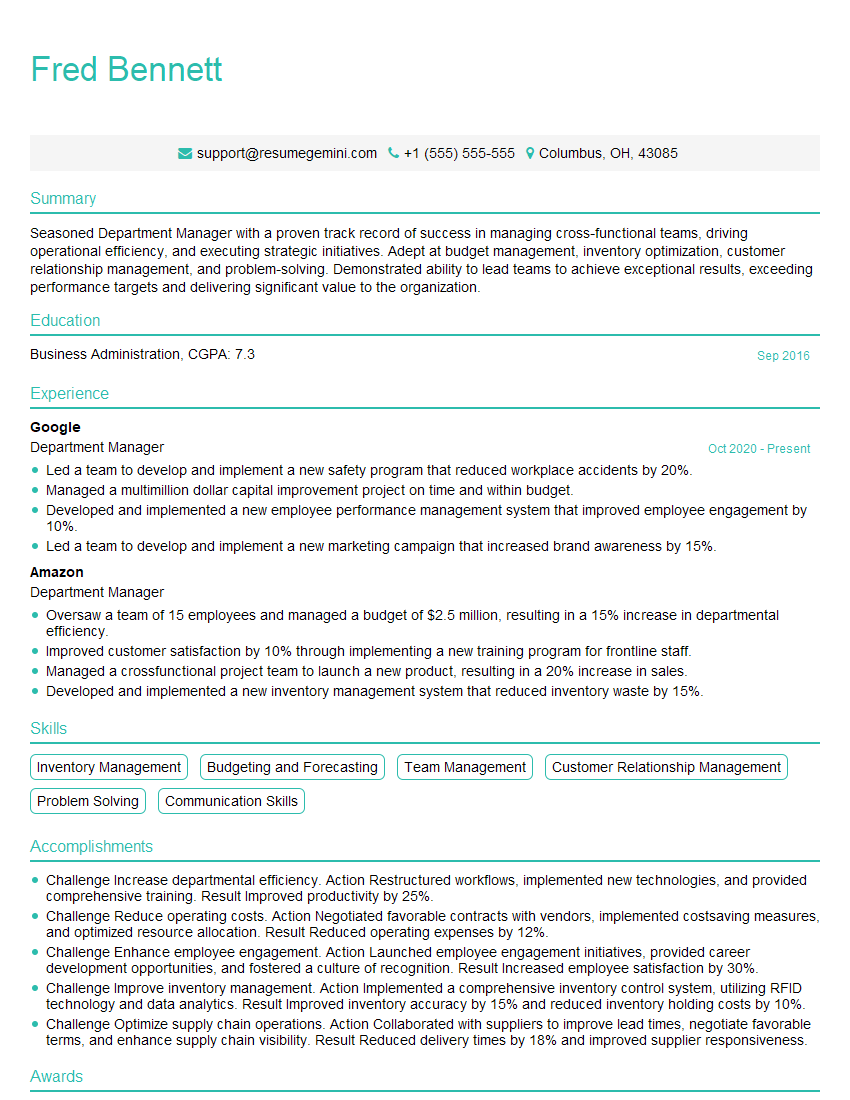
Department Manager Resume Sample
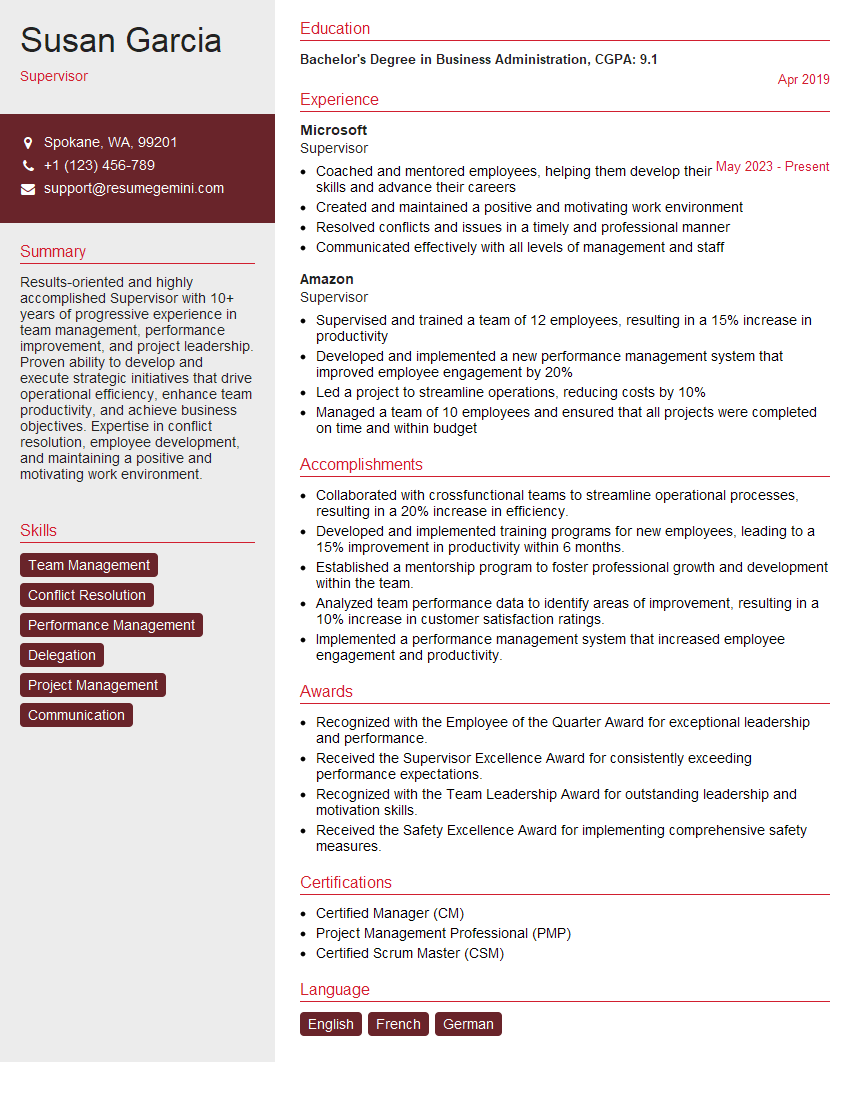
Supervisor Resume Sample
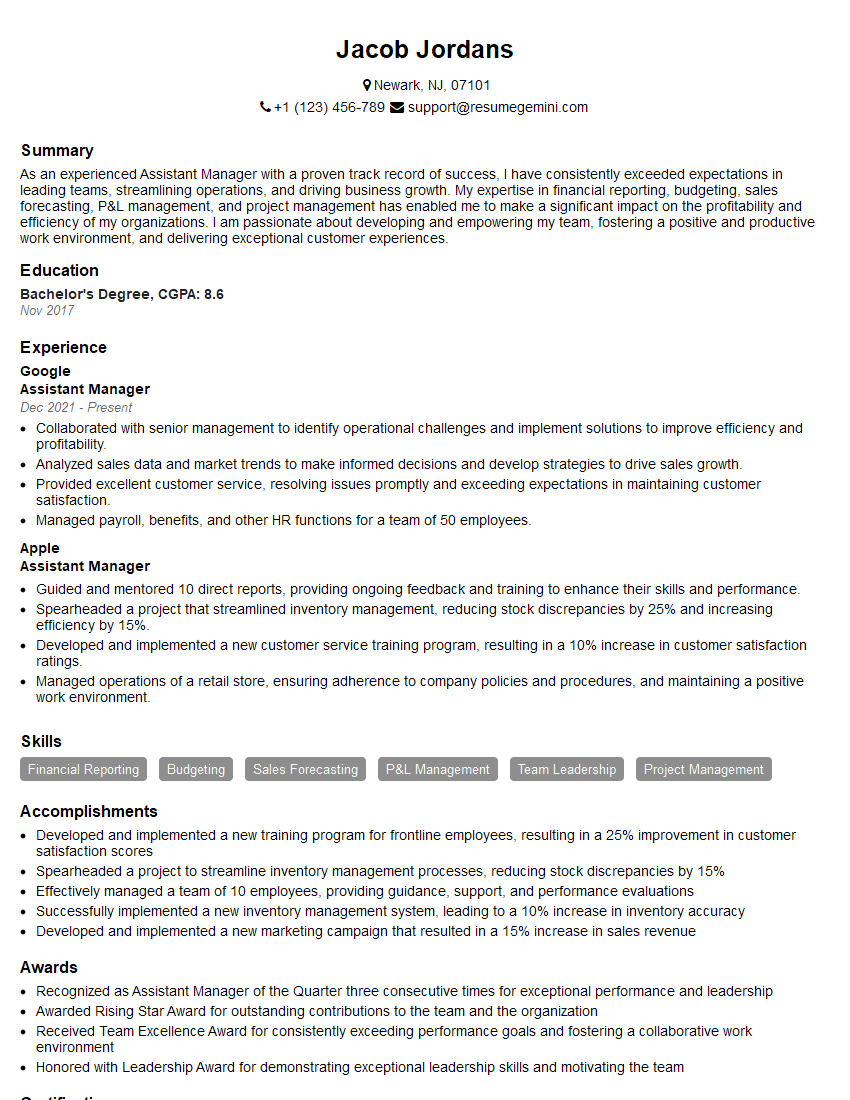
Assistant Manager Resume Sample

Operations Manager Resume Sample

Quality Assurance Manager Resume Sample
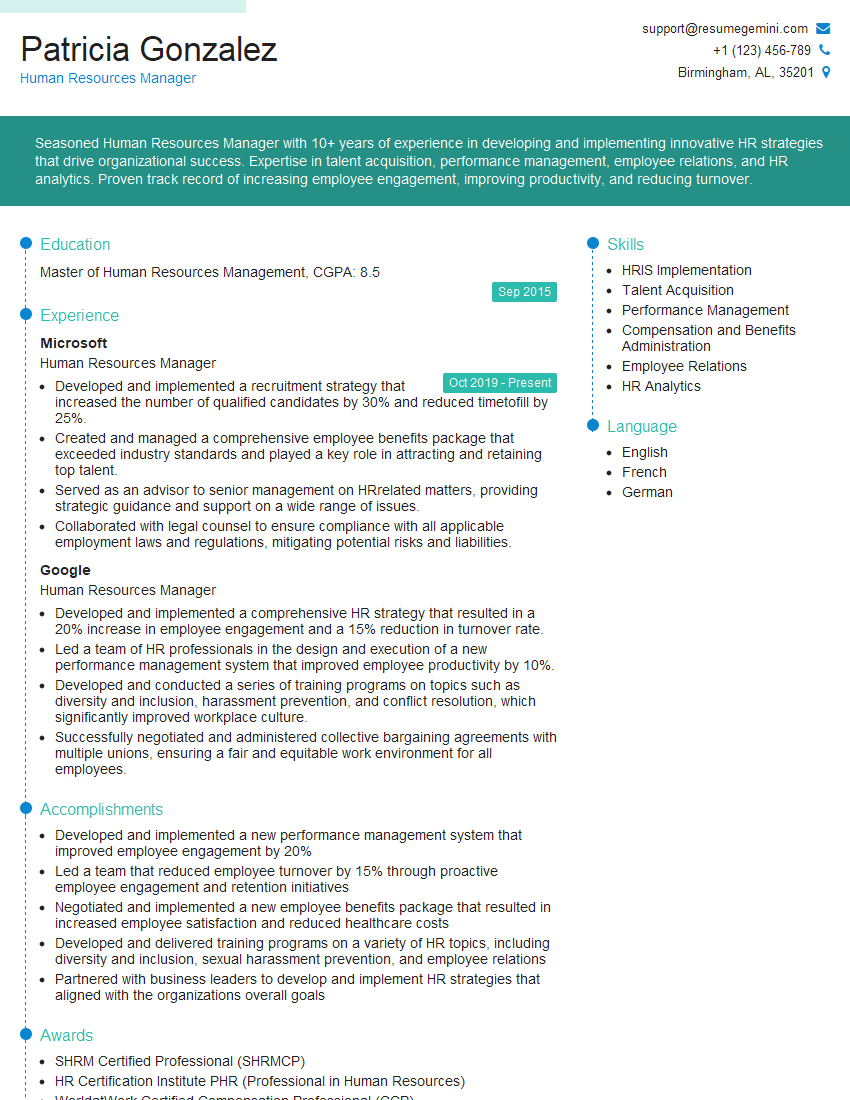
Human Resources Manager Resume Sample
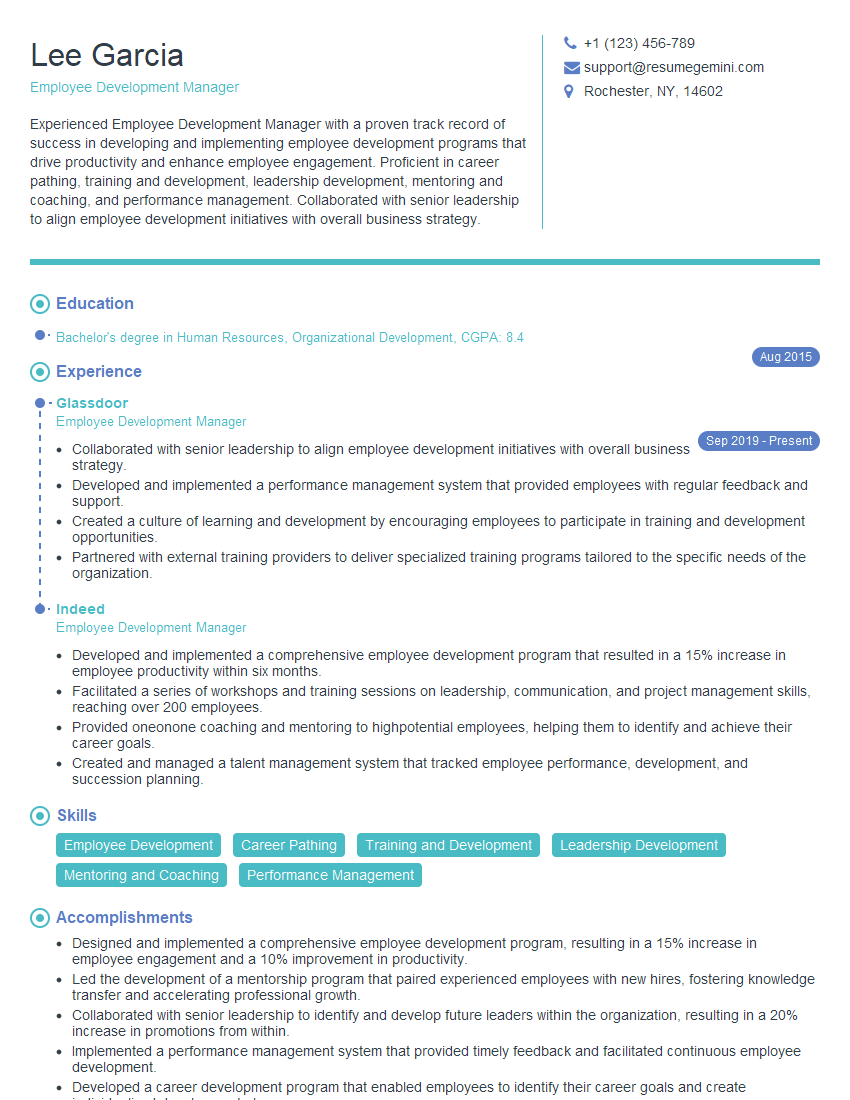
Employee Development Manager Resume Sample
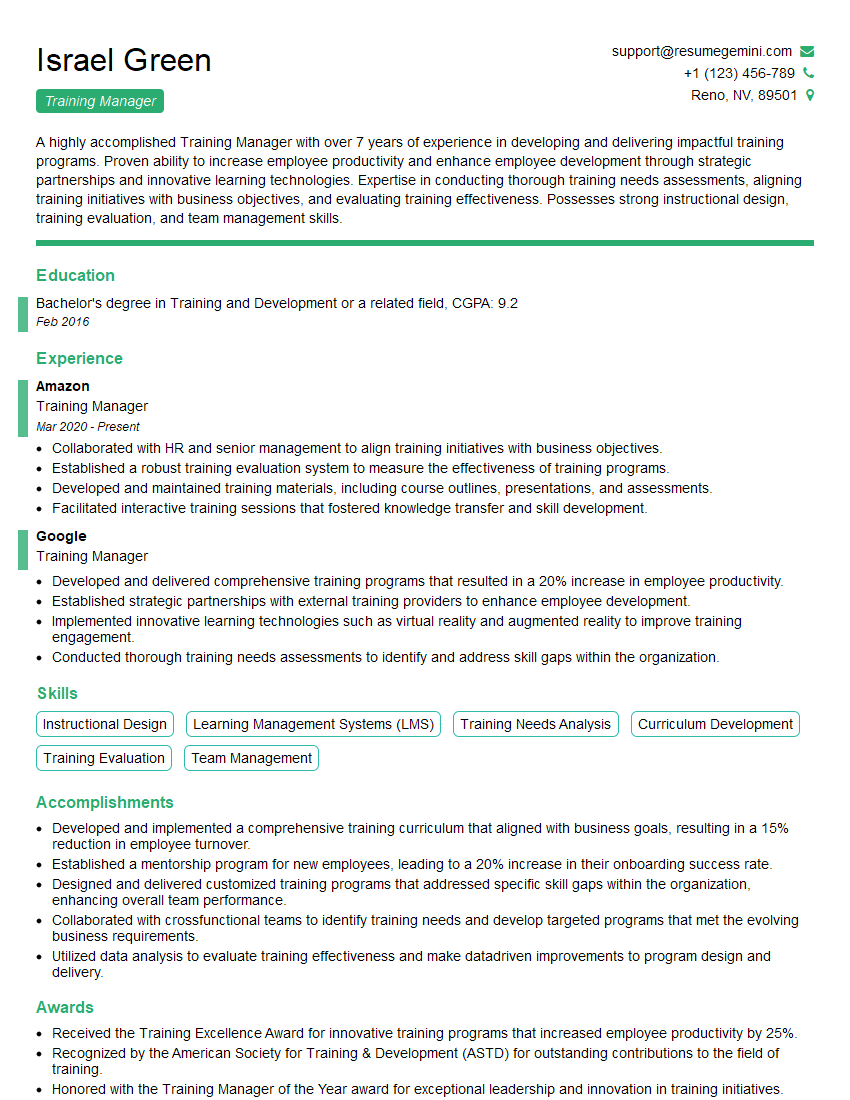
Training Manager Resume Sample
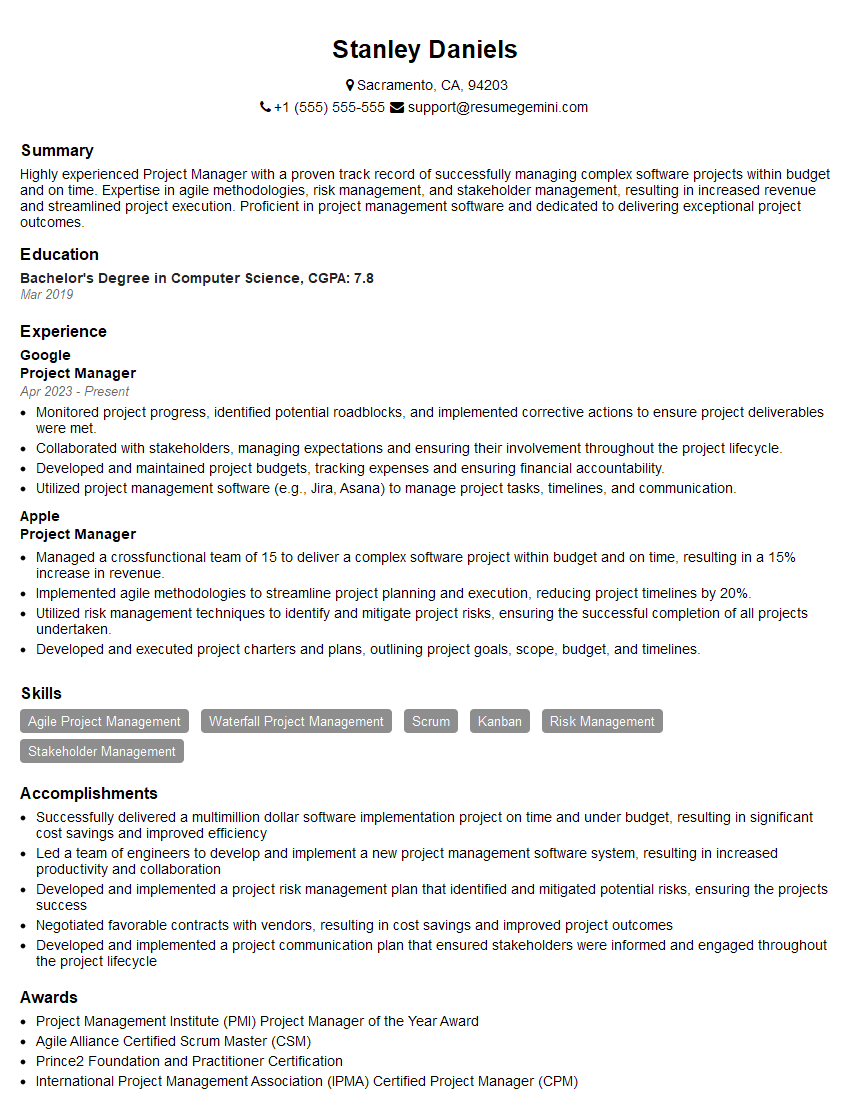
Project Manager Resume Sample
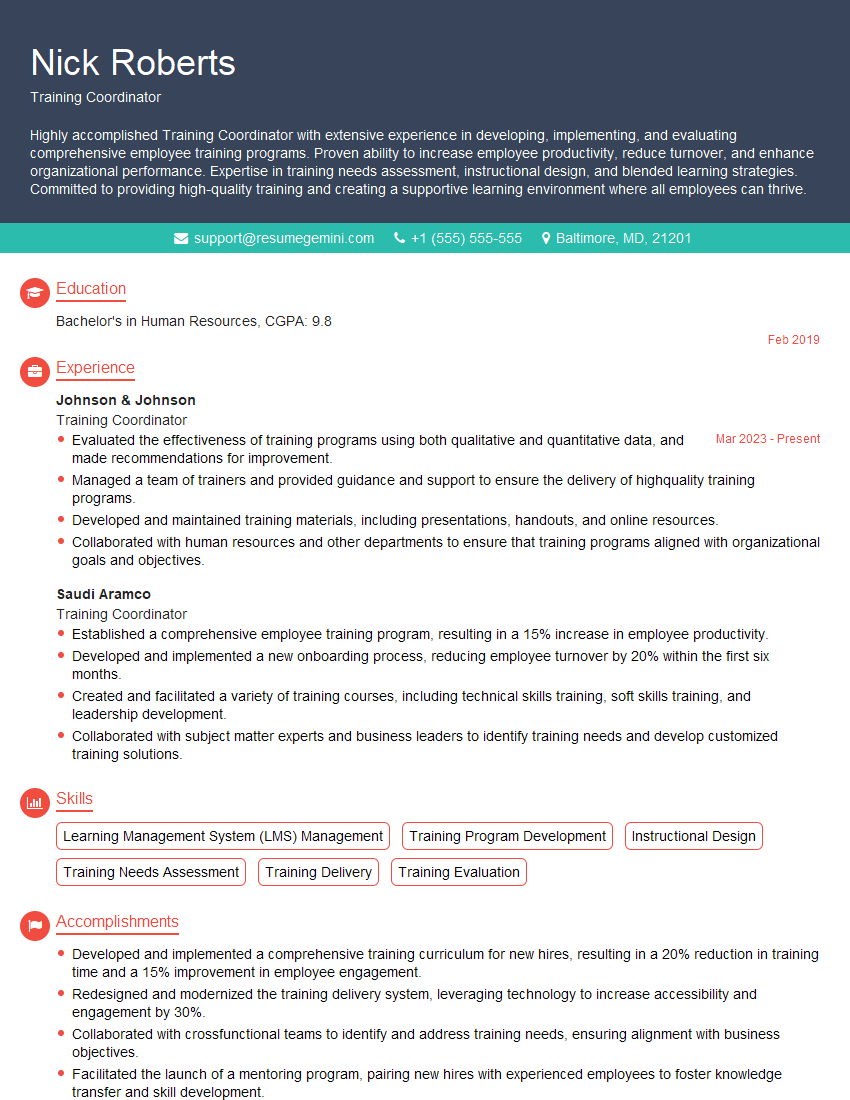
Training Coordinator Resume Sample
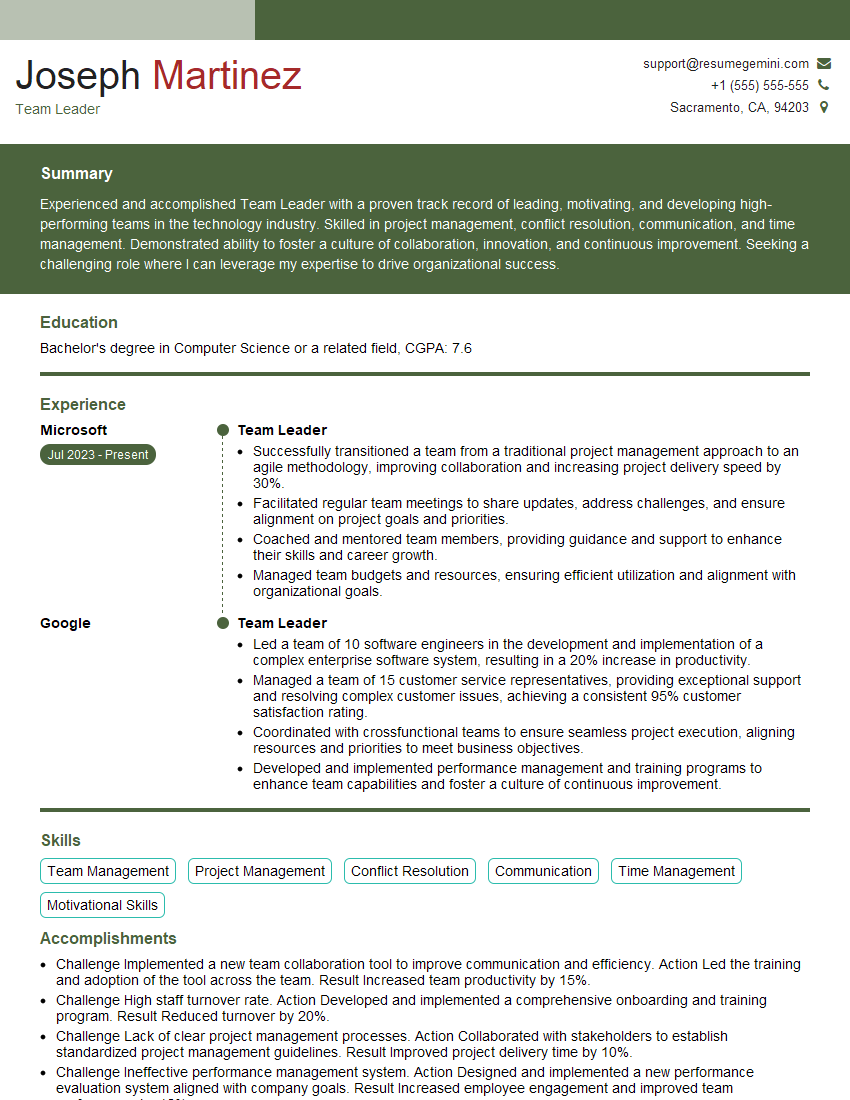
Team Leader Resume Sample
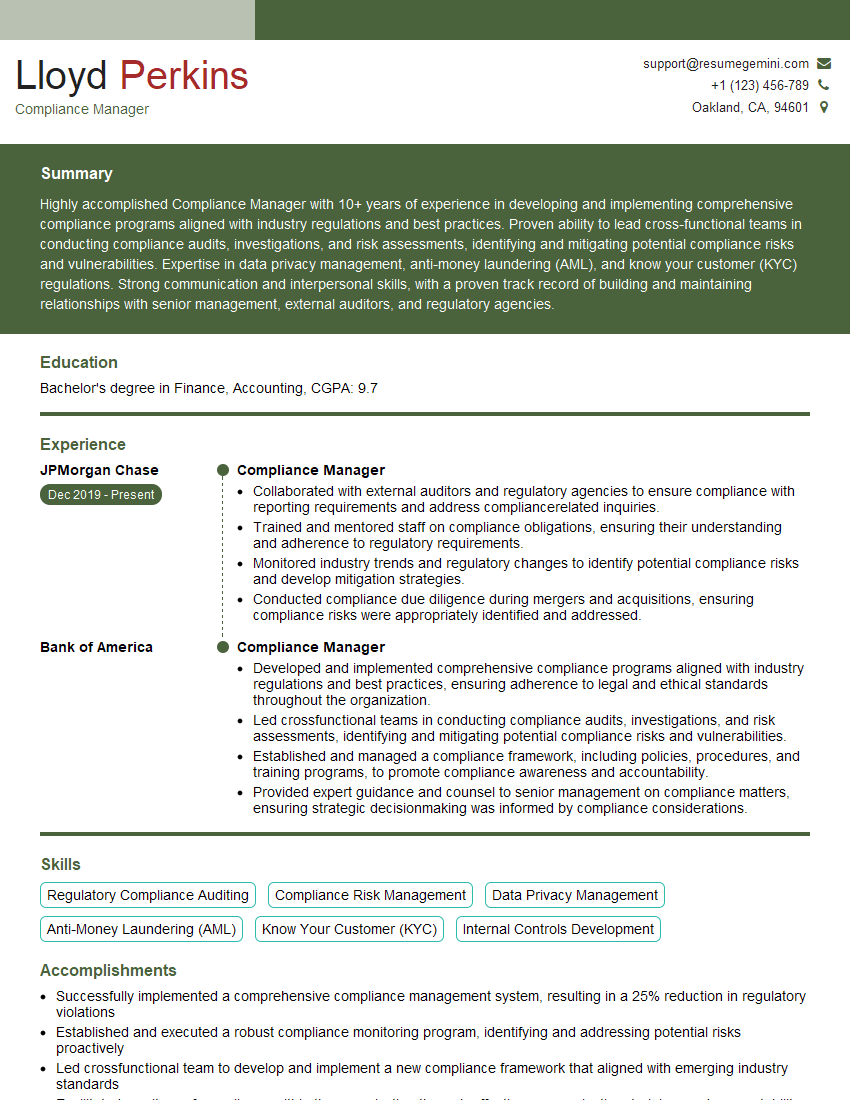
Compliance Manager Resume Sample

Curriculum Developer Resume Sample

Training Specialist Resume Sample
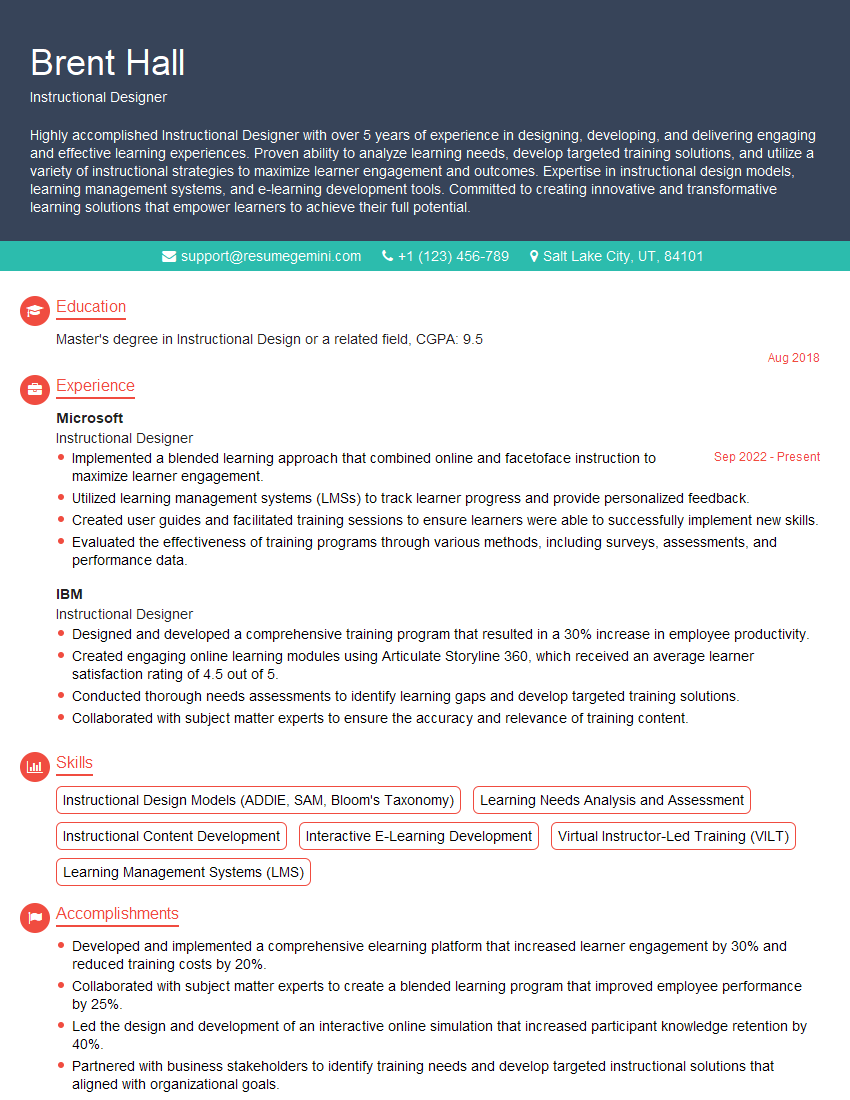
Instructional Designer Resume Sample
Explore more articles
Users Rating of Our Blogs
Share Your Experience
We value your feedback! Please rate our content and share your thoughts (optional).
What Readers Say About Our Blog
To the interviewgemini.com Webmaster.
Very helpful and content specific questions to help prepare me for my interview!
Thank you
To the interviewgemini.com Webmaster.
This was kind of a unique content I found around the specialized skills. Very helpful questions and good detailed answers.
Very Helpful blog, thank you Interviewgemini team.