Interviews are opportunities to demonstrate your expertise, and this guide is here to help you shine. Explore the essential Experience in managing complex pain syndromes interview questions that employers frequently ask, paired with strategies for crafting responses that set you apart from the competition.
Questions Asked in Experience in managing complex pain syndromes Interview
Q 1. Describe your experience managing patients with fibromyalgia.
Managing fibromyalgia requires a holistic approach, recognizing its multifaceted nature. It’s not simply about addressing pain; it’s about improving the patient’s overall quality of life. My experience involves a thorough assessment of the patient’s symptoms – not just pain levels, but also fatigue, sleep disturbances, cognitive difficulties (fibro fog), and mood disorders. This often involves utilizing standardized questionnaires like the Fibromyalgia Impact Questionnaire (FIQ) and the Symptom Checklist-90-Revised (SCL-90-R).
My treatment strategy typically involves a combination of approaches. Pharmacologically, I might prescribe low-dose antidepressants like duloxetine or milnacipran, which have shown efficacy in managing both pain and associated symptoms. Other options could include pregabalin or gabapentin for neuropathic pain components. Importantly, I emphasize the crucial role of non-pharmacological interventions, including regular aerobic exercise (even gentle walking), cognitive behavioral therapy (CBT) to manage psychological factors impacting pain perception, and education about pacing activities to prevent exacerbations. For example, I’ve helped patients develop personalized exercise plans, incorporating gradual increases in activity to avoid triggering pain flares. This collaborative approach, centered around patient empowerment and education, has proven highly effective in improving patient outcomes.
Q 2. Explain your approach to diagnosing complex regional pain syndrome (CRPS).
Diagnosing CRPS is challenging because its symptoms overlap with other conditions. My approach relies heavily on a detailed history, a thorough physical exam, and the use of diagnostic imaging. I begin by carefully documenting the patient’s injury, noting the onset of pain, and charting its progression. I pay particular attention to the presence of allodynia (pain from a normally non-painful stimulus) and hyperalgesia (increased sensitivity to painful stimuli). The physical exam may reveal changes in skin temperature, color, swelling, and hair or nail growth. I look for signs of trophic changes, like skin discoloration, indicating altered blood flow.
Imaging studies, such as bone scans and MRI scans, can sometimes reveal subtle changes indicative of CRPS but are not definitive. Crucially, I use diagnostic criteria established by organizations like the International Association for the Study of Pain (IASP) to guide my diagnosis. Since CRPS is often misdiagnosed, I actively involve other specialists, such as physiatrists or neurologists, when appropriate. I have found that early intervention is critical for optimal treatment outcomes; the longer the condition persists, the more difficult it becomes to manage.
Q 3. How do you differentiate between neuropathic and nociceptive pain?
Differentiating between neuropathic and nociceptive pain is essential for effective treatment. Nociceptive pain arises from damage to or stimulation of nociceptors (pain receptors) in response to noxious stimuli like tissue injury. Think of the sharp pain you feel from a paper cut, that’s nociceptive. It’s typically well-localized and responds well to standard analgesics like NSAIDs or opioids.
Neuropathic pain, in contrast, arises from damage or dysfunction of the nervous system itself. This often results in chronic, often burning, tingling, or shooting pains that can be difficult to localize. It’s less responsive to traditional analgesics. Key characteristics to differentiate them include the quality of pain (burning, shooting vs. sharp, aching), distribution (often widespread vs. localized), and response to typical pain medications. A detailed patient history and thorough neurological exam often provide critical clues. For example, if a patient describes constant, shooting pains in their leg months after a minor injury, unresponsive to simple analgesics, I would suspect a neuropathic component.
Q 4. What are the key components of a comprehensive pain management plan?
A comprehensive pain management plan is not a one-size-fits-all approach; it’s tailored to the individual. It needs to encompass several key components:
- Pain assessment and diagnosis: A thorough evaluation including patient history, physical exam, and possibly imaging.
- Pharmacological interventions: This might include analgesics, antidepressants, anticonvulsants, or other medications, selected based on the type and severity of pain.
- Non-pharmacological interventions: These can range from physical therapy and occupational therapy to CBT, stress management techniques, and alternative therapies like acupuncture or yoga.
- Multidisciplinary approach: Collaboration with other specialists, like psychologists, physiatrists, and neurologists, as needed.
- Patient education and empowerment: Patients need to understand their condition and actively participate in their treatment.
- Regular follow-up and reassessment: Ongoing monitoring to adjust the treatment plan as needed.
For instance, a patient with chronic back pain might benefit from a combination of physical therapy to improve strength and flexibility, medication for pain relief, and CBT to address anxiety related to their pain.
Q 5. Discuss your experience with different pain assessment tools.
I use various pain assessment tools to get a comprehensive understanding of my patients’ pain experiences. These tools go beyond simple numerical rating scales. For example, I utilize the McGill Pain Questionnaire (MPQ) to assess the sensory qualities of pain, capturing more than just intensity. I might also use the Brief Pain Inventory (BPI) which assesses the impact of pain on various aspects of daily life, like sleep and mood. For patients with fibromyalgia or other widespread pain conditions, I often use the FIQ, as mentioned earlier. Furthermore, I may incorporate patient-reported outcome measures (PROMs) which can provide valuable information about functional limitations and overall quality of life, such as the Oswestry Disability Index for back pain or the SF-36 for general health.
The selection of tools is always context-specific, depending on the patient’s condition and the information needed to tailor their management strategy. Combining multiple assessment tools helps paint a complete picture of the patient’s pain experience, and allows me to track the effectiveness of my interventions.
Q 6. What are your preferred pharmacological interventions for chronic neuropathic pain?
My choice of pharmacological interventions for chronic neuropathic pain depends heavily on individual factors and the specific type of neuropathy. First-line options often include anticonvulsants like gabapentin or pregabalin, which work by modulating the activity of voltage-gated calcium channels in nerve fibers, reducing pain signals. Tricyclic antidepressants, such as amitriptyline or nortriptyline, can also be effective due to their action on norepinephrine and serotonin pathways. These are often helpful for both neuropathic pain and associated sleep disturbances. SNRI’s such as duloxetine or venlafaxine may also play a role.
Opioids have a more limited role in neuropathic pain because of their potential for tolerance and side effects and only considered in certain circumstances and with careful monitoring. The key is a gradual titration of medication to find the optimal dose with minimal side effects. It is crucial to discuss the potential benefits and risks of each medication with the patient, enabling informed decision-making. I often monitor patients closely for side effects and adjust the dosage or medication accordingly.
Q 7. Describe your experience with non-pharmacological pain management techniques.
Non-pharmacological pain management is often the cornerstone of a successful strategy for chronic pain. My experience includes a wide range of techniques. Physical therapy plays a significant role in improving mobility, strength, and flexibility, which can directly reduce pain and improve function. This might involve targeted exercises, manual therapies, or modalities like ultrasound or electrical stimulation. Cognitive behavioral therapy (CBT) helps patients identify and modify negative thought patterns and behaviors that contribute to their pain experience and overall disability.
Other valuable techniques include relaxation techniques like meditation or mindfulness, stress reduction strategies, and educational programs to empower patients to self-manage their condition. I often refer patients to support groups where they can connect with others facing similar challenges and share coping strategies. Alternative therapies, such as acupuncture or yoga, might also be considered, though evidence supporting their efficacy is less robust. The key is to create a comprehensive approach that is personalized and addresses the individual needs of each patient, not only focusing on pain reduction but also on improvement of their quality of life and participation in valued activities.
Q 8. How do you address opioid-related risks and side effects?
Addressing opioid-related risks and side effects requires a multifaceted approach prioritizing patient safety and efficacy. We begin with a thorough assessment of the patient’s risk factors, including age, medical history (e.g., respiratory issues, substance abuse history), and baseline pain levels. This informs our prescribing decisions. We utilize the lowest effective dose possible and carefully monitor for side effects like constipation, nausea, drowsiness, and respiratory depression. Regular urine drug screenings may be employed to ensure adherence to the prescribed regimen and detect potential misuse. We also emphasize the use of non-opioid pain management strategies concurrently, such as physical therapy, nerve blocks, or psychological interventions. Furthermore, we educate patients thoroughly about the potential risks and side effects of opioids, empowering them to report any concerns promptly. We implement strategies to mitigate side effects, such as using stool softeners for constipation or employing medication to alleviate nausea. Finally, we engage in open communication, regularly reviewing the need for continued opioid therapy and exploring strategies for gradual dose reduction and eventual cessation when appropriate.
For example, I recently worked with a patient with chronic back pain who was on a high dose of oxycodone. By gradually reducing the dose while concurrently implementing a physical therapy program and introducing gabapentin for neuropathic pain, we were able to significantly reduce her opioid dependence while managing her pain effectively.
Q 9. Explain your approach to managing patients with medication-resistant pain.
Managing medication-resistant pain is a complex challenge requiring a comprehensive and individualized approach. It necessitates moving beyond a purely pharmacological focus and exploring a broader range of options. This often involves a multidisciplinary collaboration, incorporating specialists like physiatrists, psychologists, and interventional pain specialists. My approach centers on a thorough reevaluation of the patient’s diagnosis, pain characteristics, and existing treatment plan. This could involve further diagnostic testing, such as nerve conduction studies or MRI scans, to identify underlying causes that were previously overlooked. We then consider alternative pharmacological approaches, such as trying different classes of analgesics (e.g., tricyclic antidepressants, anticonvulsants) or exploring the use of adjunctive therapies, such as topical analgesics or cannabinoids. Furthermore, I heavily utilize non-pharmacological modalities, including interventional procedures (discussed below), physical therapy, occupational therapy, and psychological therapies. A crucial aspect is improving the patient’s overall health, addressing any comorbidities that could exacerbate pain. For example, in a patient with medication-resistant fibromyalgia, we might incorporate a rigorous exercise program, cognitive behavioral therapy, and a combination of low-dose antidepressants and muscle relaxants.
Q 10. Describe your experience with interventional pain procedures.
My experience with interventional pain procedures is extensive, encompassing a range of techniques aimed at targeting specific pain generators. I’ve performed numerous procedures, including facet joint injections, epidural steroid injections, nerve blocks (detailed further in the next response), and radiofrequency ablation (RFA). The decision to proceed with an interventional procedure is made carefully after a thorough evaluation of the patient’s condition, considering potential benefits and risks. We perform these procedures under strict sterile conditions with imaging guidance (usually fluoroscopy or ultrasound) to ensure accurate placement and minimize complications. The goal is to provide targeted pain relief, allowing for a reduction in medication use, improved mobility, and an enhancement in quality of life. Post-procedure care involves close monitoring for complications and providing patient education on managing potential side effects. For example, I recently performed a series of facet joint injections for a patient with chronic lumbar radiculopathy, resulting in significant pain reduction and improved functional capacity.
Q 11. What is your experience with different types of nerve blocks?
I have extensive experience with various nerve blocks, categorized by the type of nerve targeted and the clinical indication. These include:
- Diagnostic nerve blocks: Used to identify the source of pain. For example, a diagnostic medial branch block can help determine if facet joint pain is contributing to a patient’s back pain.
- Therapeutic nerve blocks: Provide pain relief by temporarily disrupting nerve function. Examples include sympathetic blocks for complex regional pain syndrome (CRPS) and celiac plexus blocks for pancreatic cancer pain.
- Spinal nerve blocks: Target nerves at various levels of the spine. Examples include selective nerve root blocks for radiculopathy and epidural steroid injections for spinal stenosis.
- Peripheral nerve blocks: Address pain in specific areas of the body. Examples include supraorbital nerve blocks for headaches and intercostal nerve blocks for chest wall pain.
The selection of a specific nerve block depends on the patient’s diagnosis, the location and nature of their pain, and their overall health status. Each procedure has its own set of potential benefits and risks, and I carefully discuss these with the patient before proceeding. The technique, volume, and type of medication used also vary depending on the specific needs of the patient.
Q 12. How do you manage patients with psychological factors contributing to chronic pain?
Psychological factors often play a significant role in chronic pain, exacerbating symptoms and impacting treatment outcomes. My approach involves recognizing and addressing these factors through a collaborative effort with psychologists or psychiatrists. This involves actively listening to the patient’s experience and validating their emotional distress. We use assessment tools to identify conditions such as depression, anxiety, or post-traumatic stress disorder that may be influencing their pain. Appropriate interventions, such as cognitive behavioral therapy (CBT), relaxation techniques, and mindfulness-based stress reduction (MBSR), are integrated into the overall treatment plan. Furthermore, medications may be used to address underlying psychological conditions, as needed. For example, a patient with chronic pain and co-occurring depression might benefit from CBT to manage their pain-related thoughts and emotions, along with antidepressant medication to improve their mood. The goal is to enhance coping mechanisms, improve emotional regulation, and ultimately reduce the impact of psychological factors on the patient’s pain experience.
Q 13. How do you integrate a multidisciplinary approach to pain management?
A multidisciplinary approach is essential for effective chronic pain management. It allows for a holistic assessment of the patient’s condition, considering the interplay of physical, psychological, and social factors. I actively collaborate with a team of specialists, including:
- Physiatrists: Provide rehabilitation services focusing on physical therapy and exercise.
- Psychologists: Address the psychological impact of chronic pain through therapy and coping strategies.
- Occupational Therapists: Help patients adapt to their limitations and improve their daily functioning.
- Pharmacists: Monitor medication efficacy and manage potential side effects.
- Social workers: Address the social and economic challenges associated with chronic pain.
Regular team meetings are held to discuss individual cases, review treatment plans, and coordinate care. This collaborative approach ensures that patients receive comprehensive and coordinated care, maximizing the chances of achieving positive outcomes. It also provides a support system for both the patient and their family.
Q 14. How do you assess a patient’s functional limitations due to pain?
Assessing functional limitations due to pain is crucial for determining the impact of the condition on a patient’s daily life and guiding treatment decisions. A comprehensive assessment involves various methods:
- Patient self-report questionnaires: Standardized questionnaires, such as the Oswestry Disability Index (for back pain) or the Fibromyalgia Impact Questionnaire (FIQ), quantify the impact of pain on various aspects of daily functioning.
- Performance-based assessments: Objective measures like timed up and go tests or 6-minute walk tests assess physical capabilities and endurance.
- Observation of activities of daily living (ADLs): Direct observation of the patient performing everyday tasks, such as dressing, bathing, or cooking, provides insight into their functional limitations.
- Functional capacity evaluations: More comprehensive assessments involving simulated work tasks to determine a patient’s ability to perform work-related activities.
The information gathered from these assessments helps in tailoring treatment plans, setting realistic goals, and tracking progress over time. For example, if a patient demonstrates significant limitations in performing ADLs, a treatment plan might incorporate occupational therapy, adaptive equipment, and home modifications to improve their independence.
Q 15. Describe your experience working with patients with cancer-related pain.
Managing cancer-related pain requires a multi-modal approach, recognizing that the pain experience is unique to each patient. My experience encompasses working with patients across various cancer stages and types, addressing pain stemming from the tumor itself, treatment side effects (like chemotherapy-induced neuropathy), or metastatic spread. I collaborate closely with oncologists to ensure pain management is integrated into the overall treatment plan. This involves a thorough assessment of the pain – its location, intensity, quality, and impact on daily life – using validated pain scales like the Numerical Rating Scale (NRS) or the Brief Pain Inventory (BPI).
For instance, I recently worked with a patient experiencing bone pain secondary to metastatic breast cancer. We implemented a combination of opioid analgesics (carefully titrated and monitored for side effects), bisphosphonates to improve bone density, and radiation therapy to target the affected areas. We also incorporated non-pharmacological interventions such as physiotherapy for mobility and psychological support to address the emotional distress associated with the disease and pain. Regular follow-ups are crucial to monitor pain levels, adjust medication, and identify any emerging issues. The goal is always to optimize pain control while minimizing side effects and improving the patient’s quality of life.
Career Expert Tips:
- Ace those interviews! Prepare effectively by reviewing the Top 50 Most Common Interview Questions on ResumeGemini.
- Navigate your job search with confidence! Explore a wide range of Career Tips on ResumeGemini. Learn about common challenges and recommendations to overcome them.
- Craft the perfect resume! Master the Art of Resume Writing with ResumeGemini’s guide. Showcase your unique qualifications and achievements effectively.
- Don’t miss out on holiday savings! Build your dream resume with ResumeGemini’s ATS optimized templates.
Q 16. Explain your understanding of the biopsychosocial model of pain.
The biopsychosocial model of pain acknowledges that pain is not solely a physiological phenomenon but a complex interplay of biological, psychological, and social factors. The biological component involves the nociceptive pathways, the nervous system’s response to potentially harmful stimuli. Psychological factors, such as anxiety, depression, catastrophizing, and coping mechanisms, significantly influence the perception and experience of pain. Social factors like family support, cultural beliefs, and socioeconomic status also play a crucial role.
For example, a patient with chronic back pain might experience heightened pain due to underlying degenerative disc disease (biological), concurrent anxiety and depression (psychological), and lack of social support limiting their ability to engage in physical therapy (social). Effective pain management under this model necessitates addressing all three dimensions. This means utilizing not only pharmacological interventions but also psychological therapies like cognitive behavioral therapy (CBT) and incorporating strategies to enhance social support and improve functional capacity. A holistic approach is key.
Q 17. How do you manage patients with chronic headaches (e.g., migraines)?
Managing chronic headaches like migraines requires a personalized strategy combining acute and preventative treatments. The first step involves a thorough history and physical examination to rule out other causes. For acute migraine attacks, I often recommend over-the-counter analgesics like ibuprofen or naproxen, or triptans, which are specific migraine medications. In cases of severe or frequent migraines, preventative medications, such as beta-blockers, anticonvulsants, or CGRP inhibitors, may be necessary.
Beyond medication, non-pharmacological approaches are crucial. This includes identifying and managing triggers (like stress, sleep deprivation, or certain foods), practicing stress reduction techniques (yoga, meditation, mindfulness), maintaining regular sleep patterns, and incorporating regular physical activity. For some patients, lifestyle changes alone may significantly reduce headache frequency and severity. If a patient isn’t responding to initial treatments, we may explore other options like Botox injections or referral to a neurologist for further evaluation.
Q 18. What are the ethical considerations in prescribing opioid analgesics?
Prescribing opioid analgesics for pain management carries significant ethical considerations. The primary concern is the risk of addiction, misuse, and overdose. Therefore, careful patient selection, thorough risk assessment, and ongoing monitoring are paramount. We must adhere to strict guidelines, including utilizing validated risk assessment tools, establishing clear treatment goals, and documenting all prescriptions meticulously. Regular urine drug testing may be necessary to ensure medication adherence and detect any potential diversion.
Furthermore, open communication with patients about the risks and benefits of opioid therapy is essential. Patients should be fully informed about potential side effects, the need for regular monitoring, and the importance of adhering to the prescribed dosage. Equally important is establishing a collaborative relationship, empowering patients to actively participate in their pain management and fostering shared decision-making. We also have an ethical obligation to refer patients to addiction specialists or support groups as needed.
Q 19. How do you address patient expectations regarding pain relief?
Addressing patient expectations regarding pain relief is crucial for building trust and managing expectations realistically. It’s important to have a candid conversation with patients, clearly explaining that complete pain elimination may not always be achievable, especially with chronic pain conditions. Instead, we aim for optimal pain management, focusing on improving function, quality of life, and reducing the impact of pain on daily activities.
I often use the analogy of turning down the volume on the pain, rather than silencing it entirely. This approach helps patients understand that even with ongoing pain, significant improvements are possible. Regular follow-up appointments allow us to track progress, adjust treatment strategies, and address any unmet needs or changing expectations. This ongoing dialogue promotes a sense of collaboration and shared responsibility in the pain management process.
Q 20. Describe your experience with the use of neuromodulation techniques.
My experience with neuromodulation techniques includes spinal cord stimulation (SCS) and peripheral nerve stimulation (PNS). These techniques involve implanting electrodes near the spinal cord or peripheral nerves to deliver electrical impulses that interrupt pain signals. These are often considered for patients with chronic pain conditions that haven’t responded to other treatments. Before recommending neuromodulation, patients undergo a trial period with temporary electrodes to assess the effectiveness and identify the optimal stimulation parameters.
For example, a patient with intractable lower back pain might benefit from SCS, where electrodes are placed near the spinal cord to modulate the transmission of pain signals to the brain. Similarly, a patient with peripheral neuropathy might benefit from PNS, where electrodes are placed near the affected nerves. The decision to proceed with permanent implantation is made collaboratively with the patient, considering the risks, benefits, and potential limitations of the procedure. Post-implantation follow-up is crucial to optimize stimulation settings and manage any potential complications.
Q 21. How do you evaluate the effectiveness of your pain management plan?
Evaluating the effectiveness of a pain management plan involves several measures. Firstly, we regularly assess pain intensity using validated pain scales (NRS, BPI). Secondly, we assess functional capacity using measures like the Oswestry Disability Index or the SF-36. These tools quantify the impact of pain on daily activities such as work, mobility, and social interactions. Thirdly, we consider the patient’s overall quality of life through questionnaires and direct conversation. Finally, we also monitor medication efficacy, side effects, and adherence.
For instance, if a patient reports a significant decrease in pain intensity, improved functional capacity, and enhanced quality of life, along with appropriate medication levels and absence of side effects, we consider the plan to be effective. However, if the pain persists or worsens despite intervention, or if significant side effects arise, we re-evaluate the plan and adjust the approach, potentially involving additional modalities or referral to specialists. Regular reassessments are crucial to ensure the plan continues to meet the patient’s evolving needs.
Q 22. How do you document pain assessments and interventions?
Pain assessment and intervention documentation is crucial for effective pain management. I utilize a comprehensive approach, meticulously documenting every step of the process. This includes a detailed initial assessment using standardized pain scales like the visual analog scale (VAS) or numerical rating scale (NRS) to quantify pain intensity. I also assess pain quality (sharp, dull, aching), location, duration, and aggravating/relieving factors. The patient’s functional limitations due to pain are documented using tools like the Oswestry Disability Index or the Pain Disability Index.
Furthermore, I record the patient’s medical history, including previous treatments and their effectiveness. Every intervention, whether it’s medication prescribed, physical therapy modalities employed (e.g., ultrasound, TENS), or psychological interventions (e.g., CBT), is documented with specific details, including dosage, frequency, and patient response. Progress notes regularly update the patient’s pain levels, functional status, and any adverse effects experienced. This structured approach ensures clear communication among healthcare providers and facilitates ongoing care planning. For example, if a patient reports increased pain after a specific exercise, this is carefully noted and the exercise program is adjusted accordingly.
Q 23. Explain your approach to educating patients about their pain condition.
Educating patients about their pain condition is paramount. I believe in a collaborative, patient-centered approach. I start by explaining the underlying mechanisms of their pain in simple, understandable terms, avoiding complex medical jargon. I use analogies and relatable examples to help them grasp the concepts. For instance, if a patient has nerve pain (neuropathic pain), I might explain it as a ‘misfiring’ of nerve signals, similar to a short circuit in an electrical system.
I actively involve patients in setting realistic goals for pain management. We discuss various treatment options, explaining the benefits and potential side effects of each. I empower patients to take an active role in their recovery by providing them with educational materials, recommending reliable online resources, and encouraging them to keep a pain diary to track their progress. Open communication and shared decision-making are central to this process. For instance, if a patient is hesitant about medication, we explore non-pharmacological options first, such as physical therapy or mindfulness techniques. Regular follow-up sessions help assess understanding, reinforce key concepts, and address any emerging concerns.
Q 24. What is your experience with rehabilitation programs for chronic pain?
My experience with rehabilitation programs for chronic pain is extensive. I’ve worked with a diverse patient population, designing and implementing individualized rehabilitation plans based on a thorough assessment of their physical and psychological needs. These programs typically incorporate a multidisciplinary approach, involving physical therapists, occupational therapists, psychologists, and other specialists as needed.
The core components often include education about pain management, graded exercise programs to improve strength, flexibility, and endurance, and strategies for improving functional mobility and activities of daily living. I emphasize the importance of pacing activities to avoid exacerbating pain and incorporate cognitive-behavioral therapy (CBT) techniques to address maladaptive pain coping mechanisms. A successful rehabilitation program carefully monitors progress, making adjustments as necessary to ensure the program remains effective and safe. For example, if a patient experiences increased pain during a specific exercise, we adjust the intensity or duration of the exercise or modify the program altogether. Regular outcome measures help evaluate the effectiveness of the rehabilitation program and guide ongoing adjustments.
Q 25. Describe your experience with different types of physical therapy modalities for pain management.
I have extensive experience using various physical therapy modalities for pain management. These include:
- Therapeutic exercise: This involves a range of exercises, from simple range of motion exercises to more advanced strengthening and endurance training, tailored to the patient’s specific condition and abilities.
- Manual therapy: Techniques like joint mobilization, soft tissue mobilization, and myofascial release can help improve joint mobility, reduce muscle tension, and alleviate pain.
- Electrotherapeutic modalities: Transcutaneous electrical nerve stimulation (TENS), interferential current (IFC), and ultrasound are frequently used to modulate pain signals, reduce inflammation, and promote tissue healing.
- Heat and cold therapy: Heat can help relax muscles and reduce stiffness, while cold therapy can reduce inflammation and numb pain.
The selection of modalities is individualized based on the patient’s diagnosis, pain characteristics, and overall health status. For example, a patient with acute back pain might benefit from cold therapy and gentle range of motion exercises, while a patient with chronic arthritis might benefit from heat therapy, strengthening exercises, and manual therapy. I carefully monitor patient responses to each modality and adjust the treatment plan accordingly.
Q 26. How do you handle disagreements with colleagues regarding pain management strategies?
Disagreements among colleagues regarding pain management strategies are not uncommon, given the complexity and subjectivity of pain. I believe in a respectful and collaborative approach to resolving these differences. I initiate open and honest communication, actively listening to my colleagues’ perspectives and explaining my reasoning.
I focus on evidence-based practices, referencing current research and guidelines to support my recommendations. When necessary, I propose a trial period to compare different approaches, carefully monitoring patient outcomes. If a consensus cannot be reached, I advocate for a multidisciplinary team meeting involving all relevant healthcare professionals to discuss the case in detail and explore various options. Ultimately, the patient’s best interest and well-being are the priority, and the decision should be based on what will provide the most effective and safe treatment. I value a collaborative approach and see differing opinions as opportunities for learning and improvement.
Q 27. Explain your experience with the use of alternative and complementary therapies for pain management.
I recognize the potential benefits of alternative and complementary therapies for pain management, particularly when used in conjunction with conventional treatments. My experience includes incorporating techniques like acupuncture, yoga, and mindfulness-based stress reduction (MBSR) into patient care plans.
However, I emphasize that these therapies should be used judiciously and in consultation with the patient. It’s essential to thoroughly assess the patient’s preferences, beliefs, and expectations before integrating these therapies. I also carefully monitor the patient’s response to these therapies and ensure that they do not interfere with or delay conventional medical treatments. For example, I might recommend yoga for a patient with chronic back pain to improve flexibility and reduce stress, but this would be in addition to other interventions like physical therapy and medication, not as a replacement. Clear communication and shared decision-making remain central to my approach.
Q 28. How do you stay up-to-date on the latest advancements in pain management?
Staying current with the latest advancements in pain management is crucial. I actively participate in continuing medical education (CME) activities, attending conferences and workshops, and reading peer-reviewed journals and professional publications.
I subscribe to relevant medical journals and utilize online resources such as medical databases (PubMed, etc.) to stay abreast of new research findings. I actively participate in professional organizations dedicated to pain management to access resources and network with other experts. Furthermore, I engage in regular discussions with colleagues to exchange knowledge and experiences, ensuring that I’m using the most up-to-date and evidence-based approaches in my practice. I believe continuous learning is essential to providing the highest quality care to my patients.
Key Topics to Learn for Experience in managing complex pain syndromes Interview
- Pain Assessment and Diagnosis: Understanding different pain assessment tools (e.g., visual analog scales, pain questionnaires), differential diagnosis of complex pain syndromes (e.g., fibromyalgia, neuropathic pain, chronic regional pain syndrome), and the importance of a thorough patient history.
- Multimodal Pain Management Strategies: Developing and implementing comprehensive treatment plans incorporating pharmacological (analgesics, antidepressants, anticonvulsants), non-pharmacological (physical therapy, cognitive behavioral therapy, mindfulness techniques), and interventional (e.g., nerve blocks, spinal cord stimulation) approaches. Be prepared to discuss the rationale behind your choices and potential limitations.
- Biopsychosocial Model of Pain: Demonstrate understanding of the interplay between biological, psychological, and social factors influencing pain experience and management. Discuss how this model guides your approach to patient care.
- Communication and Patient Education: Explain your strategies for effectively communicating complex medical information to patients and their families, fostering shared decision-making, and providing empathetic support. Discuss techniques for managing patient expectations and addressing challenges in adherence to treatment plans.
- Ethical Considerations: Be prepared to discuss ethical dilemmas related to pain management, such as opioid prescribing, balancing risks and benefits of treatment, and respecting patient autonomy.
- Case Management and Collaboration: Describe your experience coordinating care with other healthcare professionals (e.g., physiatrists, psychologists, neurologists) to provide holistic pain management. Discuss your strategies for navigating complex healthcare systems and advocating for your patients.
- Documentation and Record Keeping: Explain your approach to comprehensive and accurate documentation of patient encounters, treatment plans, and progress notes, complying with relevant regulations and guidelines.
Next Steps
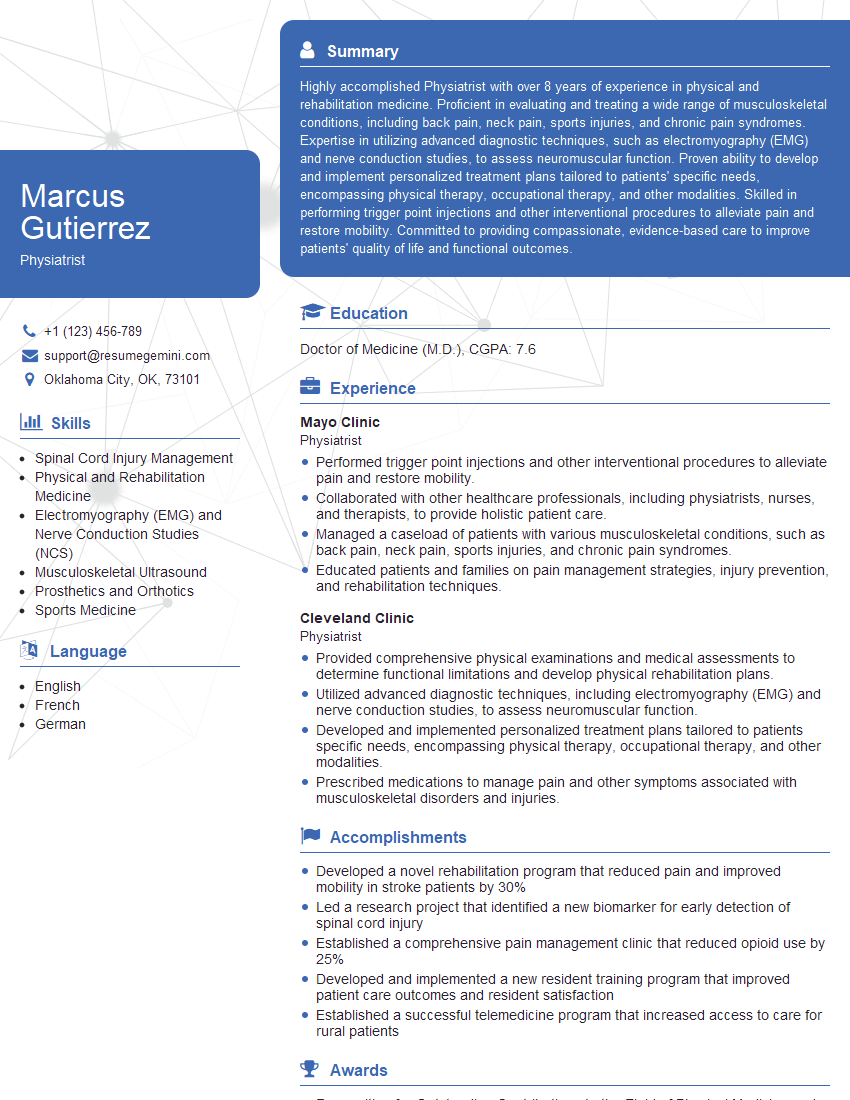
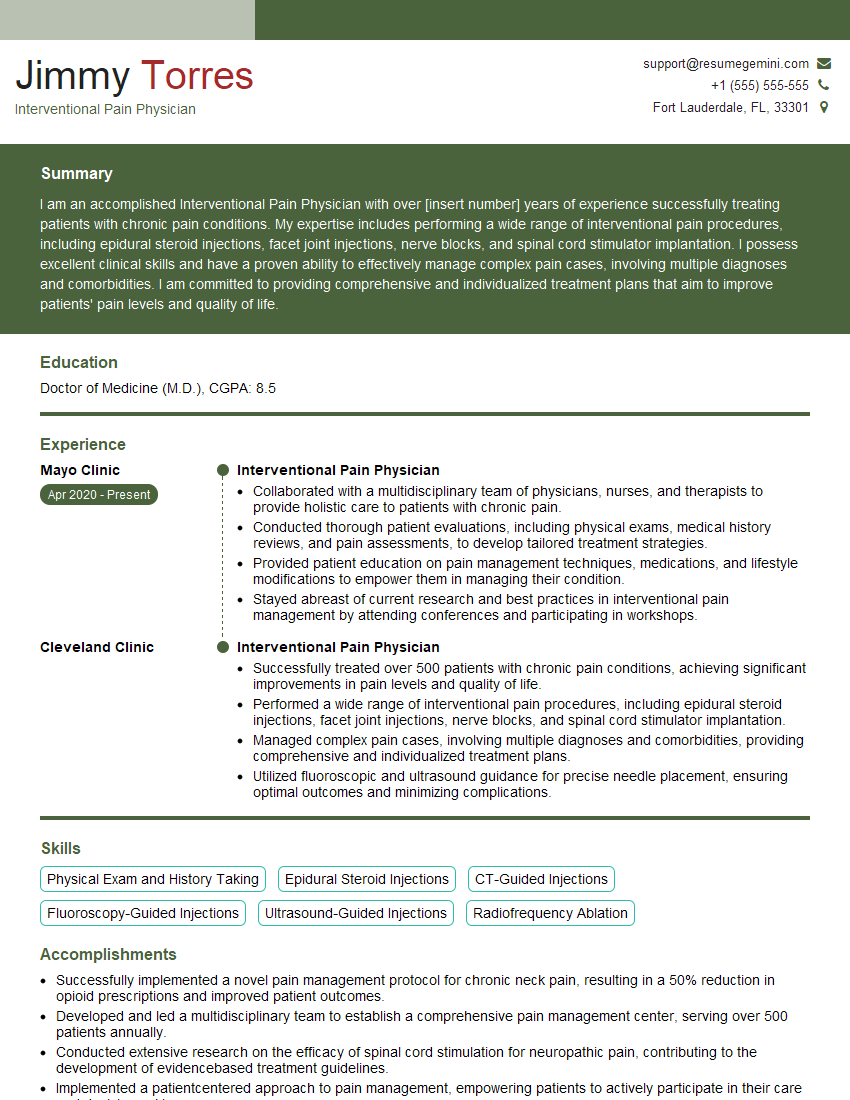
Mastering the complexities of managing complex pain syndromes significantly enhances your career prospects in healthcare, demonstrating a high level of clinical expertise and patient-centered care. A well-crafted, ATS-friendly resume is crucial for showcasing these skills effectively and maximizing your job search success. ResumeGemini is a trusted resource to help you build a professional and impactful resume that highlights your unique qualifications. Examples of resumes tailored to showcasing experience in managing complex pain syndromes are available to help you get started.
Explore more articles
Users Rating of Our Blogs
Share Your Experience
We value your feedback! Please rate our content and share your thoughts (optional).
What Readers Say About Our Blog
To the interviewgemini.com Webmaster.
Very helpful and content specific questions to help prepare me for my interview!
Thank you
To the interviewgemini.com Webmaster.
This was kind of a unique content I found around the specialized skills. Very helpful questions and good detailed answers.
Very Helpful blog, thank you Interviewgemini team.