Feeling uncertain about what to expect in your upcoming interview? We’ve got you covered! This blog highlights the most important Gas Monitoring and Sampling interview questions and provides actionable advice to help you stand out as the ideal candidate. Let’s pave the way for your success.
Questions Asked in Gas Monitoring and Sampling Interview
Q 1. Describe the different types of gas detectors and their applications.
Gas detectors come in various types, each suited for specific applications. The choice depends on the gas being monitored, the required sensitivity, and the environment.
- Photoionization Detectors (PIDs): These use ultraviolet (UV) light to ionize gases, measuring the resulting current. They’re excellent for detecting volatile organic compounds (VOCs) like benzene and toluene, commonly used in industrial hygiene and environmental monitoring. For example, a PID might be used to check for leaks in a chemical plant or to monitor air quality near a landfill.
- Electrochemical Sensors: These sensors employ an electrochemical reaction between the target gas and the sensor’s electrodes, producing a measurable current. They are highly specific and sensitive for certain gases, such as carbon monoxide (CO), hydrogen sulfide (H2S), and oxygen (O2). A common application is in mine safety, where electrochemical sensors are vital for detecting potentially lethal gases like methane and H2S.
- Infrared (IR) Sensors: These detectors measure the absorption of infrared light by specific gases. They are particularly useful for detecting flammable gases like methane and propane, often used in leak detection in natural gas pipelines or industrial settings. The sensitivity and specificity of IR sensors make them suitable for detecting a wide range of gases.
- Flame Ionization Detectors (FIDs): These are primarily used for detecting combustible gases and volatile organic compounds. They burn the sample in a hydrogen flame, and the resulting ions are measured to quantify the concentration of combustible compounds. FIDs find application in gas chromatography and environmental monitoring.
Choosing the right detector involves careful consideration of the specific needs of the application. Factors such as the type of gas, concentration range, response time, and environmental conditions all play a crucial role in selection.
Q 2. Explain the principles of gas chromatography.
Gas chromatography (GC) is a powerful analytical technique used to separate and analyze the components of a gaseous mixture. It relies on the principle of differential partitioning of the gas components between a stationary phase (a material packed in a column) and a mobile phase (a carrier gas, usually helium or nitrogen).
The process begins by injecting the gas sample into the GC. The carrier gas then pushes the sample through a long, narrow column. Different gas components interact differently with the stationary phase. Some components are more strongly retained (spend more time interacting with the stationary phase) while others move through the column more quickly. This results in the separation of the components, with each component eluting (exiting) the column at a different time. A detector at the end of the column measures the concentration of each component as it elutes, generating a chromatogram. The chromatogram shows peaks corresponding to each gas component, allowing for qualitative (identification) and quantitative (concentration) analysis.
Think of it like a race: different runners (gas components) have different speeds based on their interaction with the terrain (stationary phase). The faster runners arrive first, followed by the slower ones, making it possible to distinguish them.
Q 3. What are the safety precautions for gas sampling?
Gas sampling can be inherently hazardous, and stringent safety precautions are paramount. These precautions must be followed diligently to protect personnel and equipment.
- Proper Personal Protective Equipment (PPE): Always wear appropriate PPE, including safety glasses, gloves, respirators (depending on the gases being sampled), and protective clothing. The type of PPE will depend on the specific hazards involved.
- Confined Space Entry Procedures: If sampling occurs in confined spaces, adhere strictly to confined space entry procedures, which involve atmospheric monitoring, lockout/tagout procedures, and the presence of an attendant.
- Emergency Response Plan: Develop and practice an emergency response plan in case of leaks or exposure incidents. This should include procedures for evacuation, first aid, and communication with emergency services.
- Gas Detection Equipment: Use appropriate gas detection equipment to monitor the atmosphere before, during, and after sampling. This is essential to prevent accidental exposure to toxic or flammable gases.
- Ventilation: Ensure adequate ventilation in the sampling area to reduce the risk of accumulation of harmful gases.
- Training and Competency: Only trained and competent personnel should conduct gas sampling, they should have a thorough understanding of the hazards involved, as well as the use of sampling equipment.
Failing to follow these safety measures could lead to serious consequences, including injury, illness, or even fatalities.
Q 4. How do you calibrate gas detectors?
Calibrating gas detectors is crucial for ensuring accuracy and reliability. Calibration involves adjusting the detector’s response to known gas concentrations to compensate for drift and degradation over time.
Calibration typically involves using certified calibration gases of known concentrations. The detector is exposed to these calibration gases, and its response is compared to the known values. The process involves adjusting the detector’s output to match the known concentrations. Many detectors have built-in calibration features guided by on-screen instructions. The frequency of calibration depends on the type of detector, the gas being monitored, and the operating environment. Manufacturers typically provide guidelines on recommended calibration intervals, often ranging from monthly to annually.
For example, a CO detector might be calibrated using a certified CO gas cylinder of a known concentration (e.g., 100 ppm). The detector’s reading is compared against this known value, and adjustments are made if necessary.
Q 5. What are the common gas sampling techniques?
Several gas sampling techniques exist, each with its own advantages and disadvantages. The choice of technique depends on factors like the type of gas, concentration, sampling location, and required accuracy.
- Grab Sampling: A single sample is collected at a specific point in time and location. This is a simple and quick method, often used for initial assessments.
- Continuous Monitoring: A continuous stream of gas is analyzed, providing real-time data on gas concentrations. This is useful for tracking changes in concentration over time. It’s frequently employed in hazardous areas.
- Passive Sampling: A diffusion sampler is used to collect a sample over a longer period (often hours or days). It’s suitable for determining time-weighted average (TWA) concentrations.
- Active Sampling: A pump draws the sample into a collection device. This is frequently used for low concentration gases and allows for a higher sample volume, resulting in better sensitivity.
- Integrated Sampling: A sample is collected over a longer period using a device that traps the gas components. This gives an average concentration over the sampling duration. This technique is useful for regulatory compliance.
The choice of sampling technique should always align with the analytical requirements of the specific application.
Q 6. Explain the difference between active and passive gas sampling.
Active and passive sampling represent two distinct approaches to gas collection. The key difference lies in how the gas sample is transported to the collection device.
Active sampling uses a pump or other mechanism to actively draw a gas sample into a collection device (e.g., a bag, canister, or sorbent tube). This approach is suitable for collecting samples of low-concentration gases and provides good control over the sampling rate and volume. Active sampling offers greater precision and allows for larger sample volumes, resulting in enhanced analytical sensitivity.
Passive sampling relies on diffusion to move gas molecules into a collection medium (e.g., a diffusion sampler with a sorbent material). No pump is required; the sample collection relies on the natural diffusion of gases from the atmosphere into the sampler. This is a simpler, less expensive method, ideal for long-term monitoring or when access to power or a pump is limited. Passive sampling is well-suited for determining time-weighted average concentrations.
For example, active sampling might be employed to measure the concentration of a volatile organic compound in a workplace, while passive sampling might be used for long-term monitoring of radon levels in a home.
Q 7. How do you interpret gas monitoring data?
Interpreting gas monitoring data requires a careful and methodical approach. The interpretation process begins with understanding the context of the data, including the sampling location, time, and conditions. This context is crucial for drawing meaningful conclusions.
The data itself needs to be carefully examined. This includes looking at trends and patterns in the data, such as increases or decreases in concentration over time. Comparison with established thresholds and regulatory limits is essential. If the data shows exceedances of permissible exposure limits (PELs) or other regulatory limits, appropriate actions must be taken.
Data analysis might involve using statistical methods to determine the significance of any observed trends or deviations from baseline levels. Sophisticated software can aid in the analysis of large datasets. For instance, a sudden spike in methane concentration in a mine might indicate a leak requiring immediate action, while a gradual increase in CO levels in a workplace might point to a need for improved ventilation. Always maintain detailed records of gas monitoring activities, including sampling methods, equipment calibration, and data analysis.
Q 8. What are the regulatory requirements for gas monitoring in your industry?
Regulatory requirements for gas monitoring vary significantly depending on the industry, location, and specific gases involved. For example, in the oil and gas industry, OSHA (Occupational Safety and Health Administration) in the US, and equivalent agencies globally, dictate stringent regulations concerning permissible exposure limits (PELs) for various hazardous gases. These regulations often mandate continuous monitoring in hazardous areas, regular calibration of gas detectors, and detailed record-keeping. The specific gases monitored, the frequency of monitoring, and the response procedures are usually detailed in a site-specific safety plan, which is often audited by regulatory bodies. Industries like manufacturing or healthcare also have specific regulations depending on the types of gases used or produced. Failure to comply can result in hefty fines, operational shutdowns, and even legal action.
For instance, in a refinery, continuous monitoring of flammable gases like methane and hydrogen sulfide is mandatory, with alarm systems triggering evacuation procedures at predetermined concentration levels. This is backed by regular instrument calibration, documented testing, and employee training programs ensuring competency in recognizing and responding to gas leaks.
Q 9. Describe your experience with different types of gas analyzers.
My experience encompasses a wide range of gas analyzers, including electrochemical sensors, infrared (IR) sensors, photoionization detectors (PIDs), and flame ionization detectors (FIDs). Electrochemical sensors are excellent for detecting specific gases like carbon monoxide (CO) and hydrogen sulfide (H2S) at low concentrations. IR sensors are broadly applicable for many gases based on their unique infrared absorption spectra, and are especially useful for monitoring flammable gases like methane. PIDs are highly sensitive to volatile organic compounds (VOCs), making them valuable in environmental monitoring and industrial hygiene. Finally, FIDs are extremely sensitive to hydrocarbons and are commonly used in chromatography for precise analysis. Each type has strengths and weaknesses: electrochemical sensors tend to have limited lifespan and can be susceptible to poisoning, while IR sensors can be more expensive and require careful calibration.
In one project, we used a combination of electrochemical sensors for immediate detection of H2S and CO in a confined space entry, coupled with a portable PID to screen for other VOCs. The data from these analyzers was crucial in ensuring the workers’ safety.
Q 10. How do you troubleshoot malfunctioning gas detectors?
Troubleshooting malfunctioning gas detectors requires a systematic approach. The first step is to check the obvious: battery life, sensor contamination, and proper calibration. If the sensor is displaying an error code, consult the manufacturer’s manual for diagnosis. Many issues stem from simple problems like a blocked sensor or a dead battery. If the problem persists, it could be a fault in the electronics, a sensor failure, or a problem with the sampling system. Consider these steps:
- Visual Inspection: Check for physical damage, dust, or obstructions blocking the sensor.
- Calibration Verification: Confirm the detector is properly calibrated using calibration gases of known concentrations.
- Sensor Testing: If possible, test the sensor independently to determine if it’s faulty.
- Power Supply Check: Verify sufficient power is reaching the detector.
- Data Logging Review: Analyze data logs for patterns that may indicate a gradual failure.
In a recent incident, a gas detector showed consistently low readings. After checking the calibration, we found a small spider web blocking the sensor inlet. A simple cleaning restored its functionality, highlighting the importance of regular preventative maintenance.
Q 11. What are the limitations of gas monitoring technologies?
Gas monitoring technologies, while powerful, have limitations. Firstly, they are typically specific to certain gases; a single detector won’t usually identify all potential hazards. Secondly, accuracy can be affected by environmental factors such as temperature, humidity, and the presence of interfering substances. Sensor drift is a common issue, requiring frequent calibration. Furthermore, many sensors have a limited lifespan and require replacement. Finally, point sensors provide localized data only, and might not capture the full extent of gas dispersion in a large area. In some cases, real-time detection might be impossible; for example, the analysis of soil gas samples typically involves laboratory techniques.
For instance, a PID may be sensitive to a variety of VOCs but might not differentiate between them, providing only a total VOC reading. This lack of specificity can be a limitation if identifying specific compounds is crucial.
Q 12. How do you ensure the accuracy and reliability of gas sampling results?
Ensuring accurate and reliable gas sampling results involves meticulous attention to detail at every stage, from sample collection to analysis. This includes using properly calibrated equipment, employing appropriate sampling techniques for the specific gas and matrix, and implementing strict quality control measures. The sampling method must minimize sample contamination and loss. Proper documentation of the entire process, including timestamps, locations, and environmental conditions, is paramount. Sample chain of custody must be maintained throughout the process.
For accurate readings, it is often essential to use appropriate sample containers and preservation methods, depending on the target analyte. For example, some gases may require cryogenic storage to prevent degradation, while others might react with the container material. Regular calibration of analytical instruments and the use of certified reference materials are essential for ensuring quality results.
Q 13. Explain the importance of proper sample handling and preservation.
Proper sample handling and preservation are critical for maintaining the integrity of gas samples and obtaining reliable analytical results. Improper handling can lead to sample degradation, contamination, or loss of volatile components, leading to inaccurate or misleading results. The specific procedures depend heavily on the gas of interest. For example, reactive gases may require special containers or inert atmospheres to prevent reactions with the container walls or with other atmospheric constituents. Volatile organic compounds might require cryogenic storage to prevent evaporation. Any delay between sampling and analysis must be considered and potentially mitigated using preservatives.
Imagine sampling for benzene in ambient air. If the sample is stored in a non-sealed container, the benzene will evaporate, leading to a significant underestimation of the concentration. Appropriate containers and proper sealing are, therefore, absolutely crucial.
Q 14. What are the potential health hazards associated with gas exposure?
The health hazards associated with gas exposure vary widely depending on the specific gas, its concentration, and the duration of exposure. Some gases are acutely toxic, causing immediate and severe health effects, even at low concentrations. Others have chronic effects that may manifest years after exposure. Flammable gases pose a significant fire and explosion risk. Asphyxiation is a major concern for some gases, particularly those that displace oxygen. Many gases are carcinogenic or mutagenic, increasing the risk of cancer and genetic damage.
For example, exposure to high concentrations of hydrogen sulfide can cause immediate respiratory failure, while chronic exposure to low concentrations of benzene is linked to leukemia. Carbon monoxide exposure leads to reduced oxygen-carrying capacity of blood, with symptoms ranging from headaches to death. Comprehensive safety protocols, including appropriate personal protective equipment and engineering controls, are crucial to prevent such hazards.
Q 15. Describe your experience with gas monitoring software and data management systems.
My experience with gas monitoring software and data management systems spans over a decade, encompassing various platforms and applications. I’m proficient in using software for real-time gas detection, data logging, and alarm management, including systems from leading vendors like MSA, Draeger, and Industrial Scientific. These systems typically feature interfaces to visualize gas concentrations, location data, and sensor status, all crucial for effective monitoring and response. Data management involves configuring data logging parameters, exporting data for analysis, and generating reports for regulatory compliance and internal audits. I’ve worked with systems that integrate with SCADA (Supervisory Control and Data Acquisition) systems, allowing for centralized monitoring across large industrial sites. For example, in a recent project at a petrochemical refinery, I implemented a system that integrated multiple gas detector networks with the refinery’s central control room, allowing for immediate detection and response to leaks. This included automated alerts, detailed historical data analysis, and the ability to generate reports for safety audits and compliance.
Beyond real-time monitoring, I’m skilled in analyzing historical data to identify trends, predict potential issues, and optimize gas monitoring strategies. This includes utilizing statistical tools and techniques to identify anomalies and patterns. For example, I once used historical data to identify a recurring pattern of methane leaks in a specific area of a natural gas processing plant, leading to proactive maintenance and preventative measures.
Career Expert Tips:
- Ace those interviews! Prepare effectively by reviewing the Top 50 Most Common Interview Questions on ResumeGemini.
- Navigate your job search with confidence! Explore a wide range of Career Tips on ResumeGemini. Learn about common challenges and recommendations to overcome them.
- Craft the perfect resume! Master the Art of Resume Writing with ResumeGemini’s guide. Showcase your unique qualifications and achievements effectively.
- Don’t miss out on holiday savings! Build your dream resume with ResumeGemini’s ATS optimized templates.
Q 16. How do you develop a gas monitoring plan for a specific worksite?
Developing a gas monitoring plan involves a systematic approach. First, a thorough site-specific hazard assessment is needed, identifying potential sources of hazardous gases and the areas at risk. This includes reviewing site plans, process flow diagrams, and safety data sheets (SDS) for all chemicals used. Consider factors like the types of gases present, their concentrations, and potential exposure pathways. Next, we determine the monitoring strategy – whether fixed, portable, or a combination – depending on the work environment, the mobility of workers, and the nature of the gases involved. For instance, a fixed system might be appropriate for a confined space with continuous monitoring needs, while portable detectors would be essential for workers moving around a large construction site.
The plan should specify the types of gas detectors needed, their placement (for fixed systems), calibration schedules, and response procedures in case of an alarm. It also includes training protocols for personnel on the safe operation of gas detection equipment, interpretation of readings, and emergency response procedures. Furthermore, the plan should establish a system for regular maintenance and calibration of the equipment, ensuring accuracy and reliability of readings. Finally, a robust data management system is essential for recording readings, tracking maintenance, and analyzing trends. This comprehensive approach guarantees a safe and efficient work environment.
Q 17. What are the different types of gas sensors and their sensitivities?
Gas sensors utilize various detection principles. Common types include electrochemical sensors, catalytic bead sensors, infrared (IR) sensors, and photoionization detectors (PIDs).
- Electrochemical sensors measure the electrical current generated by a chemical reaction between the target gas and an electrode. These are highly specific and accurate but have limited lifespan and can be affected by humidity and temperature. They are commonly used to detect gases like oxygen, carbon monoxide, and hydrogen sulfide.
- Catalytic bead sensors measure the heat generated by the catalytic combustion of a flammable gas. These are reliable and relatively inexpensive, but they are not specific to a particular gas and can be poisoned by certain substances.
- Infrared (IR) sensors measure the absorption of infrared light by the target gas. These sensors are highly specific and can detect a wide range of gases, and are unaffected by humidity and temperature, but are typically more expensive. Examples include detection of carbon dioxide, methane and other hydrocarbons.
- Photoionization detectors (PIDs) use ultraviolet (UV) light to ionize gas molecules, generating a current proportional to the gas concentration. PIDs can detect a wide range of volatile organic compounds (VOCs) but are not as sensitive as other sensors for specific gases.
Sensitivity varies greatly depending on the sensor type and the target gas. It’s typically expressed as parts per million (ppm) or parts per billion (ppb). For example, an electrochemical sensor for carbon monoxide might have a sensitivity of 1 ppm, while a PID for benzene might have a sensitivity of 0.1 ppm.
Q 18. How do you assess the risks associated with gas leaks?
Assessing gas leak risks involves considering several factors. The first step is identifying the potential sources of leaks. This involves reviewing the piping and equipment layout, identifying potential failure points (e.g., valves, flanges, welds), and considering factors like age, corrosion, and past incidents. Next, we evaluate the properties of the gas involved, including its toxicity, flammability, and explosivity. The concentration of the gas and the potential for its accumulation in confined spaces must also be considered.
We use several methods to assess the risk, including quantitative risk assessments (QRAs), which utilize statistical models to estimate the probability and consequence of a leak. Qualitative assessments, using hazard and operability studies (HAZOPs), identify potential hazards and their severity. Finally, we consider the environmental context. A leak in an open space poses less risk than one in a confined space. For instance, a leak of hydrogen sulfide (H2S) in a confined space presents a significantly higher risk than the same leak in a well-ventilated area due to the potential for rapid buildup of toxic concentration and the risk of asphyxiation.
Q 19. Explain the process of selecting appropriate gas detectors for a specific application.
Selecting appropriate gas detectors requires careful consideration of several factors. The most important is the type of gas being monitored. Different sensors are needed for different gases. For example, an electrochemical sensor is ideal for detecting oxygen deficiency, while a PID is more suitable for detecting VOCs.
The required sensitivity is also crucial. The detection limit of the sensor must be low enough to detect the gas at its lowest expected concentration. The operating environment also matters. Consider factors such as temperature, humidity, pressure, and the presence of interfering substances. The sensor’s response time is critical in time-sensitive situations. Some applications require immediate alerts, while others can tolerate a slower response. Finally, the detector’s durability, ease of use, and maintenance requirements should also be taken into account. In some applications, intrinsic safety is a critical requirement, especially in hazardous areas.
For example, in a confined space entry situation, we’d select multi-gas detectors that can simultaneously measure oxygen levels, flammable gases, and toxic gases like H2S and carbon monoxide. In an industrial setting with volatile organic solvents, a PID would be appropriate. The choice also involves considering regulatory requirements, worker safety, and cost-effectiveness.
Q 20. Describe your experience with different types of gas sampling equipment.
My experience encompasses a variety of gas sampling equipment, ranging from simple passive samplers to sophisticated automated systems. Passive samplers, such as tubes and badges, are used for long-term monitoring of gas concentrations. They’re relatively inexpensive and easy to use but provide only time-weighted average concentrations. Active sampling systems, which utilize pumps to draw a sample into a collection device, provide more precise measurements and allow for real-time analysis. These include sorbent tubes, which capture gases on a solid sorbent material for later laboratory analysis. There are also direct-reading instruments that provide immediate results, such as portable gas chromatographs (GCs).
For example, I have used sorbent tubes for analyzing ambient air quality in industrial settings, evaluating worker exposure to VOCs. In other projects, I’ve utilized direct-reading instruments to quickly assess the presence and concentration of specific gases during leak investigations. The choice of sampling equipment depends on various factors including the type of gas being sampled, required accuracy, duration of sampling, and the availability of laboratory facilities.
Q 21. How do you ensure the safety of personnel during gas sampling procedures?
Ensuring personnel safety during gas sampling procedures is paramount. This involves a multi-faceted approach. First, a thorough risk assessment must be conducted before any sampling begins. This identifies potential hazards, including the toxicity, flammability, and explosivity of the gases. Appropriate personal protective equipment (PPE) must be selected based on the identified risks, including gas detectors, respirators, protective clothing, and eye protection.
Before commencing the sampling process, workers must undergo thorough training in safe sampling techniques, the use of equipment, and emergency procedures. Lockout/tagout procedures must be followed when working near energized equipment. Proper ventilation and confined space entry procedures must be adhered to when necessary. Workers should never sample alone; a buddy system should always be employed, with one person acting as a spotter and providing support. During sampling, regular monitoring of gas levels is crucial, and emergency response plans should be in place. After completion of the sampling process, equipment must be decontaminated and properly stored.
Q 22. What are the common sources of error in gas monitoring and sampling?
Errors in gas monitoring and sampling can stem from various sources, broadly categorized into instrument limitations, sampling technique flaws, and environmental factors. Instrument limitations include sensor drift (where readings gradually become inaccurate over time), calibration errors, and insufficient response time, leading to inaccurate readings, especially for fluctuating gas concentrations. For instance, a poorly calibrated carbon monoxide detector might consistently underestimate the actual CO levels, posing a serious safety risk.
Sampling technique errors include improper sample collection, insufficient purging of the sampling line (leaving residual gases affecting the results), and leaks in the sampling system causing dilution of the sample. Imagine trying to measure the concentration of a gas in a pipe; if there’s a leak in your sampling line, you’re measuring diluted gas, not the actual concentration in the pipe. Environmental factors such as temperature and pressure fluctuations can significantly impact readings. For example, high temperatures can cause sensor drift and affect the performance of some gas analyzers. Finally, human error, like incorrect sample handling or data entry, introduces another significant source of error.
- Instrument Calibration: Regular calibration using traceable gas standards is crucial.
- Sampling Technique: Proper training and adherence to established procedures are essential.
- Environmental Control: Monitoring and accounting for environmental variables are key.
Q 23. How do you document and report gas monitoring results?
Gas monitoring results are documented meticulously, following a standardized format to ensure clarity and traceability. This typically involves a detailed chain of custody, recording each step from sample collection to analysis. Reports include the date, time, location of sampling, instrument used, calibration data for the instrument, raw data, and calculated concentrations of each detected gas. It’s essential to include any observations made during the sampling process, such as unusual conditions or potential sources of error. For example, noting a strong wind during an outdoor sampling event could affect the accuracy of measurements. The report should clearly identify the person conducting the sampling and the analysis, maintaining clear accountability. Using a standardized reporting template ensures consistency and improves the overall reliability of the results. Depending on the application, these results might be presented in tables, charts, or other formats that are easily digestible and understood by the intended audience.
Data is frequently stored in electronic databases, with appropriate access controls ensuring data integrity and security. The final report usually includes a summary of the findings, conclusions, and recommendations for action based on the results. This could involve suggestions for corrective actions if gas concentrations exceed permissible limits.
Q 24. Explain your understanding of OSHA regulations regarding gas monitoring.
OSHA (Occupational Safety and Health Administration) regulations provide comprehensive guidelines for workplace safety, including stringent requirements for gas monitoring in hazardous environments. These regulations mandate the implementation of hazard communication programs, employee training on handling hazardous gases, and the use of appropriate personal protective equipment (PPE). Specific regulations vary depending on the type of gas and the work environment. OSHA sets permissible exposure limits (PELs) for various gases, defining the maximum concentrations employees can safely be exposed to over a specific period. Exceeding these PELs triggers the need for immediate corrective actions, including evacuation, implementation of engineering controls (ventilation), and the use of respiratory protection. For example, OSHA has specific regulations regarding confined space entry, requiring atmospheric monitoring before and during entry, with continuous monitoring in some cases. OSHA also mandates regular equipment calibration and maintenance, as well as detailed record-keeping of gas monitoring activities.
Failure to comply with OSHA regulations can result in significant penalties, impacting businesses and potentially leading to severe health consequences for workers. Understanding and adhering to these regulations are not just legal requirements but also crucial for ensuring workplace safety and mitigating risks.
Q 25. Describe your experience working with different types of gas standards.
My experience involves working with various gas standards, including those supplied by NIST-traceable vendors. These standards are crucial for calibrating gas detectors and analyzers, guaranteeing the accuracy of measurements. I’ve used different gas mixtures, such as single-component gases (e.g., pure methane or carbon dioxide) and multi-component gas mixtures (simulating real-world conditions with multiple gases). The accuracy and concentration of these gas standards are paramount; deviations can propagate errors throughout the monitoring process. For example, using an improperly certified standard for calibrating a hydrogen sulfide detector can lead to inaccurate readings, potentially resulting in inadequate safety measures.
Experience extends to handling different types of gas cylinders, including high-pressure cylinders, and using appropriate pressure regulators and flow controllers to accurately deliver the gas standards to the calibration equipment. It’s crucial to properly manage and store gas cylinders, following safety guidelines to prevent leaks and accidents. I also have experience in performing gas standard certifications and quality assurance checks, documenting all calibrations and verifications.
Q 26. How do you maintain gas monitoring equipment?
Maintaining gas monitoring equipment is critical for ensuring accurate and reliable measurements. This involves a comprehensive maintenance program that includes regular calibration, bump tests, and functional checks. Calibration, using traceable gas standards, ensures the instrument’s accuracy. Bump tests, using a known concentration of gas, provide a quick check of the sensor’s responsiveness and detect any significant drift. Functional checks verify that all components of the instrument are working correctly. The frequency of these checks depends on the type of instrument, the frequency of use, and the manufacturer’s recommendations. For example, some instruments might require daily bump tests, while others might only need weekly or monthly calibrations.
Beyond these checks, regular cleaning of sensors and maintaining the instrument’s casing and components are essential. Proper storage and handling, avoiding harsh environments and excessive temperature fluctuations, extend the lifespan of the equipment. Detailed maintenance logs documenting all procedures, dates, and any observed issues contribute to a robust and reliable monitoring system. Malfunctioning equipment can easily lead to inaccurate readings or failures during crucial situations.
Q 27. What are some best practices for gas monitoring in confined spaces?
Gas monitoring in confined spaces presents unique challenges due to the enclosed environment and potential for rapid accumulation of hazardous gases. Best practices begin with a thorough risk assessment identifying potential hazards and selecting the appropriate monitoring equipment. Before entry, atmospheric monitoring is mandatory to ensure a safe environment. This involves measuring oxygen levels (to check for sufficient oxygen for breathing), flammable gas levels (to detect potential explosion hazards), and toxic gas concentrations (to assess health risks). Continuous monitoring during confined space entry is essential, ideally with real-time data logging and alarms to provide early warning of any gas build-up. Multiple gas detectors are frequently employed to detect a wide range of gases.
Implementing proper ventilation, ensuring sufficient fresh air circulation within the confined space, is critical. Communication systems, enabling clear communication between workers inside the confined space and those outside, are vital for safety. Trained personnel, understanding confined space entry procedures and gas monitoring techniques, must perform all monitoring and entry tasks. Emergency response plans, detailing procedures for handling gas leaks or other emergencies, should be in place and readily accessible. Failure to adhere to these best practices increases the risk of serious accidents and fatalities.
Q 28. How would you handle a gas leak emergency?
Handling a gas leak emergency requires a swift and coordinated response to mitigate risks and ensure safety. The immediate priority is to evacuate the affected area, ensuring the safety of all personnel. Emergency services should be contacted promptly, providing detailed information about the location, type of gas, and any observed symptoms. If possible, isolate the gas source by turning off valves or taking other appropriate action, always considering the safety of those involved. Next, containment measures, such as using booms or absorbent materials, should be implemented to prevent the spread of the gas. The area needs to be properly ventilated to disperse the gas concentration. Once the immediate danger is mitigated, a thorough investigation will be conducted to identify the cause of the leak and to implement measures to prevent similar incidents from occurring in the future. After cleanup, post-incident monitoring and documentation will be needed.
The response will vary based on the type and quantity of leaked gas and the location of the leak, but the overarching principle is to prioritize safety and to ensure the appropriate procedures are followed, aligning with regulations and best practices.
Key Topics to Learn for Gas Monitoring and Sampling Interview
- Gas Detection Technologies: Understand the principles and applications of various gas detection technologies, including electrochemical sensors, infrared sensors, and photoionization detectors. Consider the strengths and weaknesses of each technology and their suitability for different applications.
- Sampling Methods and Techniques: Master different gas sampling methods, such as grab sampling, continuous monitoring, and passive sampling. Understand the importance of proper sampling procedures to ensure accurate and representative results. Explore the impact of sample collection, preservation, and transportation on analysis.
- Calibration and Maintenance: Learn about the importance of regular calibration and maintenance of gas detection equipment. Understand the procedures involved and the significance of maintaining accurate calibration records. Discuss troubleshooting common issues and instrument limitations.
- Data Analysis and Interpretation: Develop your skills in analyzing gas monitoring data, identifying trends, and interpreting results. Understand the implications of different data presentation formats and be prepared to discuss data quality and reliability.
- Safety Regulations and Standards: Familiarize yourself with relevant safety regulations and standards related to gas monitoring and sampling. This includes understanding OSHA regulations, industry best practices, and emergency response procedures.
- Applications in Various Industries: Explore the applications of gas monitoring and sampling in different industries, such as oil and gas, manufacturing, environmental monitoring, and healthcare. Be prepared to discuss specific challenges and solutions in these various contexts.
- Problem-Solving and Troubleshooting: Practice your problem-solving skills related to gas detection equipment malfunctions, inaccurate readings, and unexpected results. Develop a structured approach to troubleshooting and identifying potential sources of error.
Next Steps
Mastering Gas Monitoring and Sampling opens doors to exciting career opportunities and significant professional growth within diverse industries. A strong understanding of these concepts will significantly enhance your interview performance and overall job prospects. To maximize your chances, create an ATS-friendly resume that effectively highlights your skills and experience. ResumeGemini is a trusted resource that can help you build a professional and impactful resume. They provide examples of resumes tailored to Gas Monitoring and Sampling to guide you in showcasing your expertise effectively. Invest the time to craft a compelling resume – it’s a crucial step towards securing your dream job.

Environmental Health and Safety Manager Resume Sample
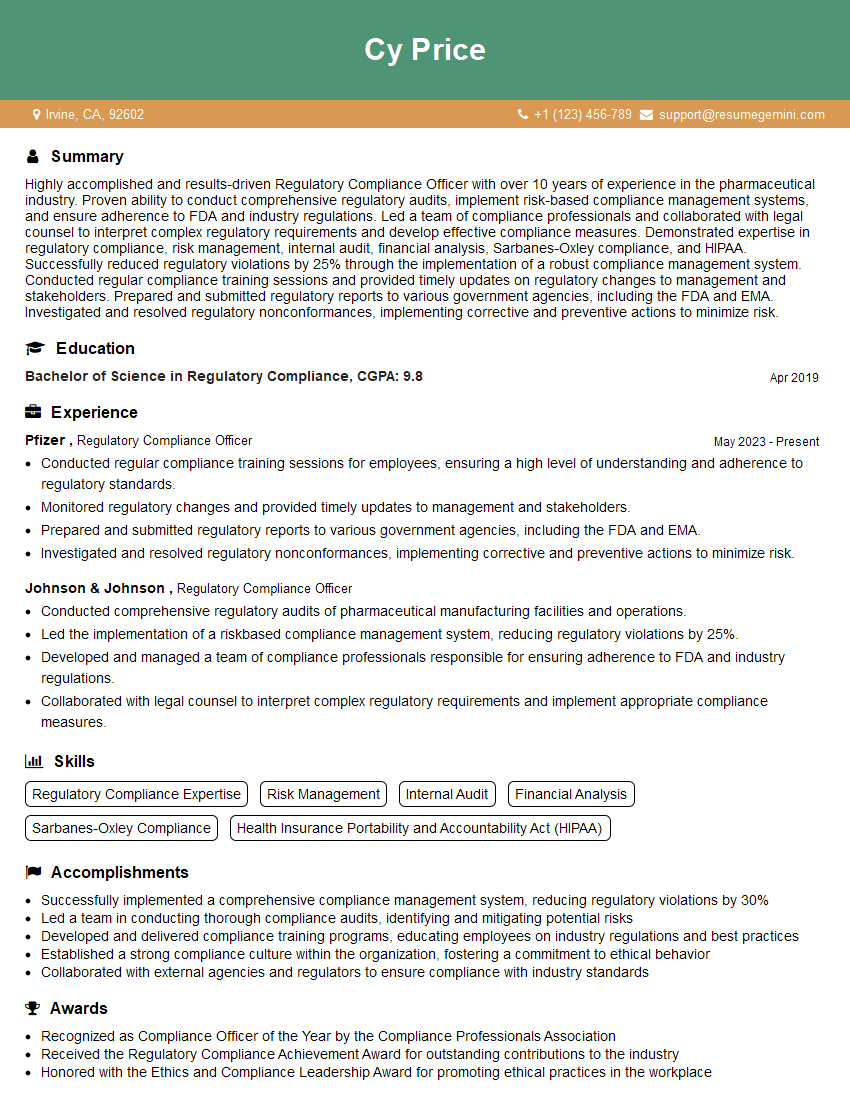
Regulatory Compliance Officer Resume Sample
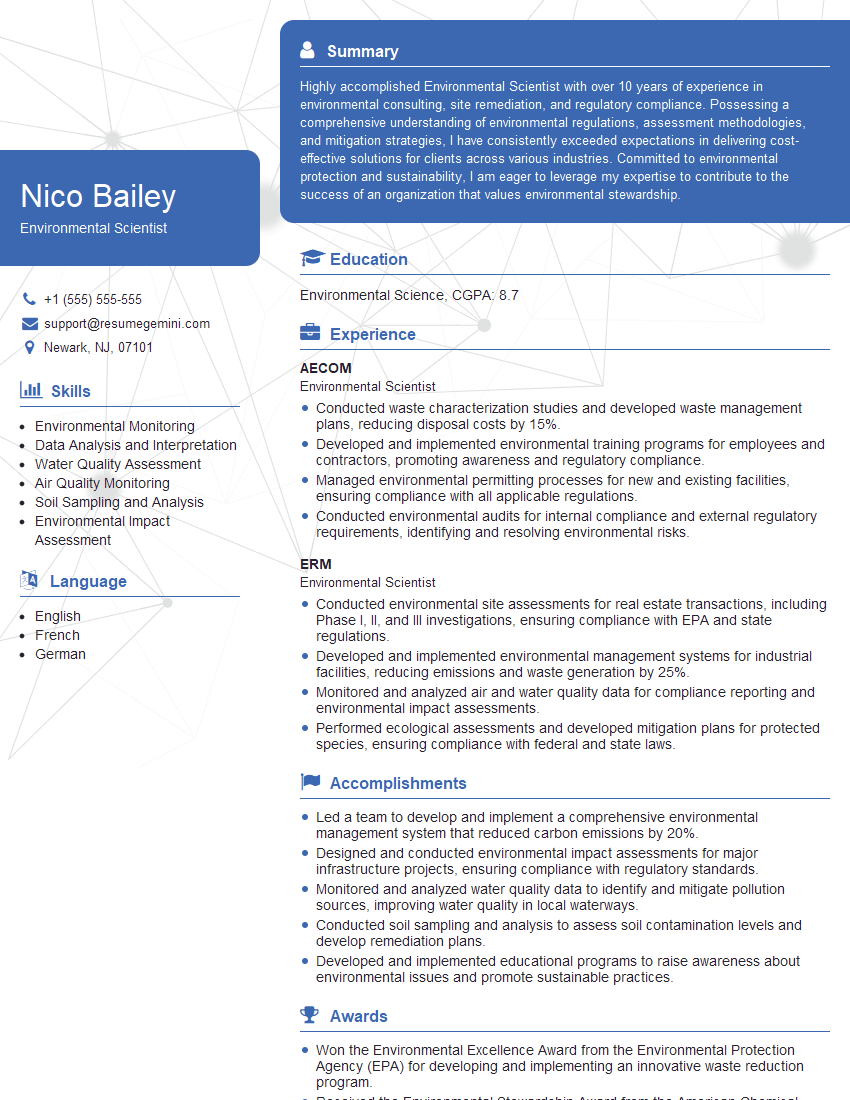
Environmental Scientist Resume Sample
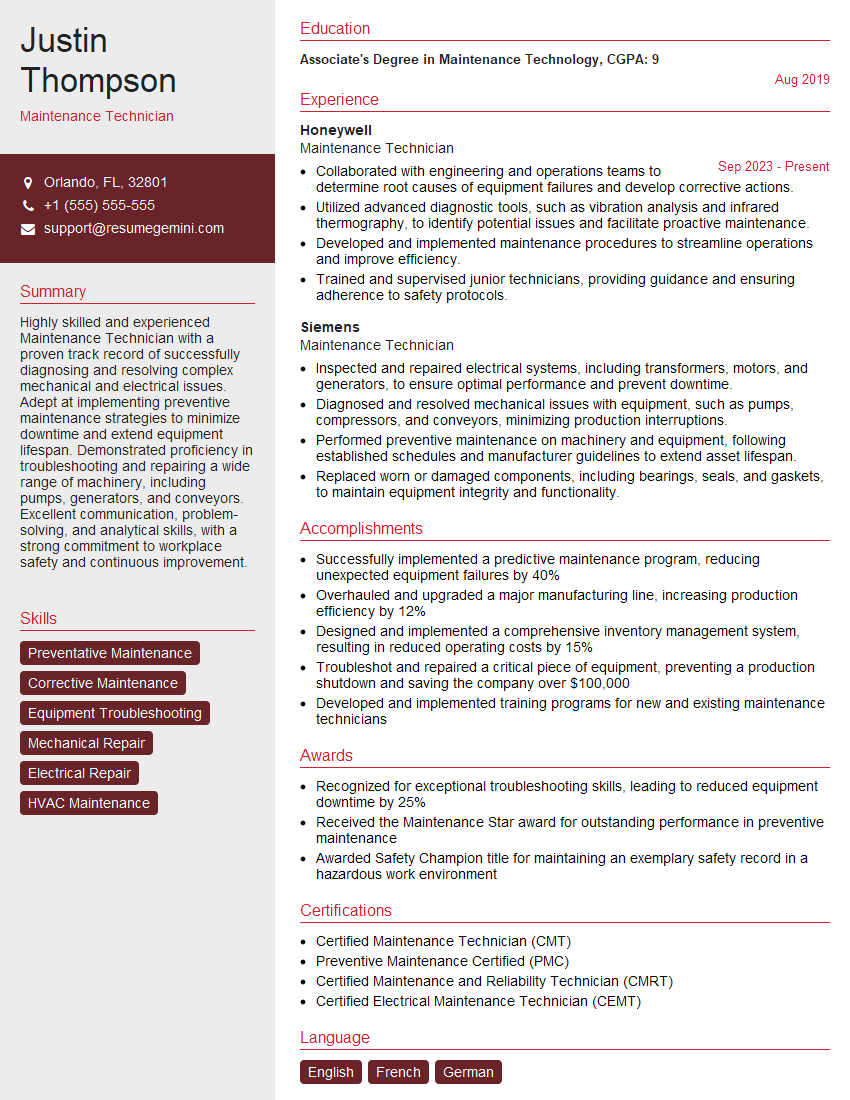
Maintenance Technician Resume Sample

Process Control Engineer Resume Sample
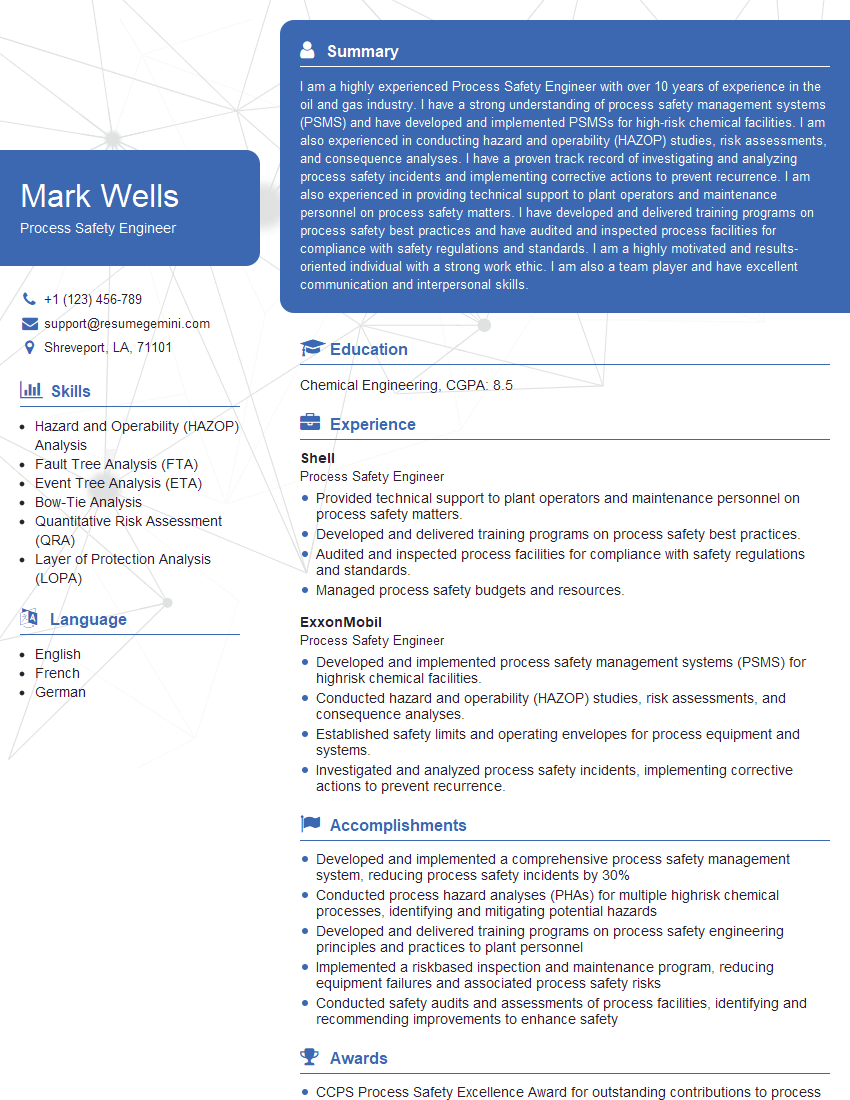
Process Safety Engineer Resume Sample

Safety Engineer Resume Sample

Quality Control Specialist Resume Sample
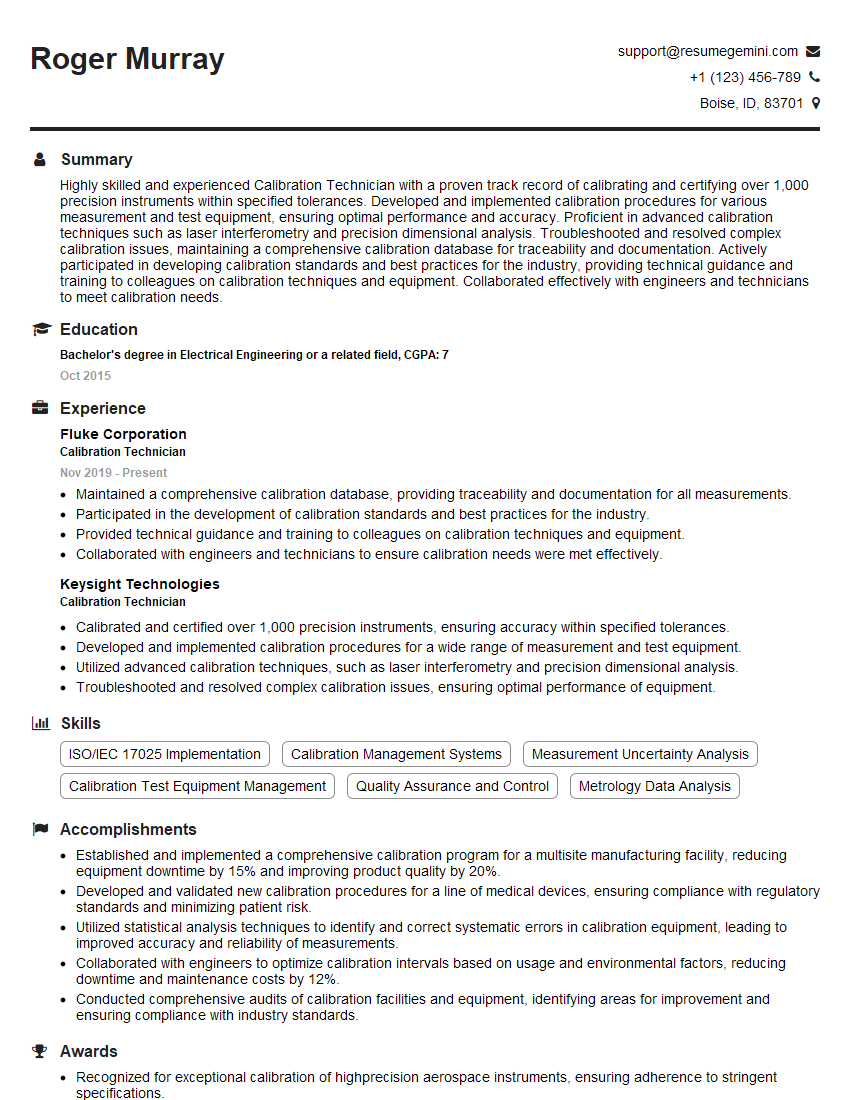
Calibration Technician Resume Sample
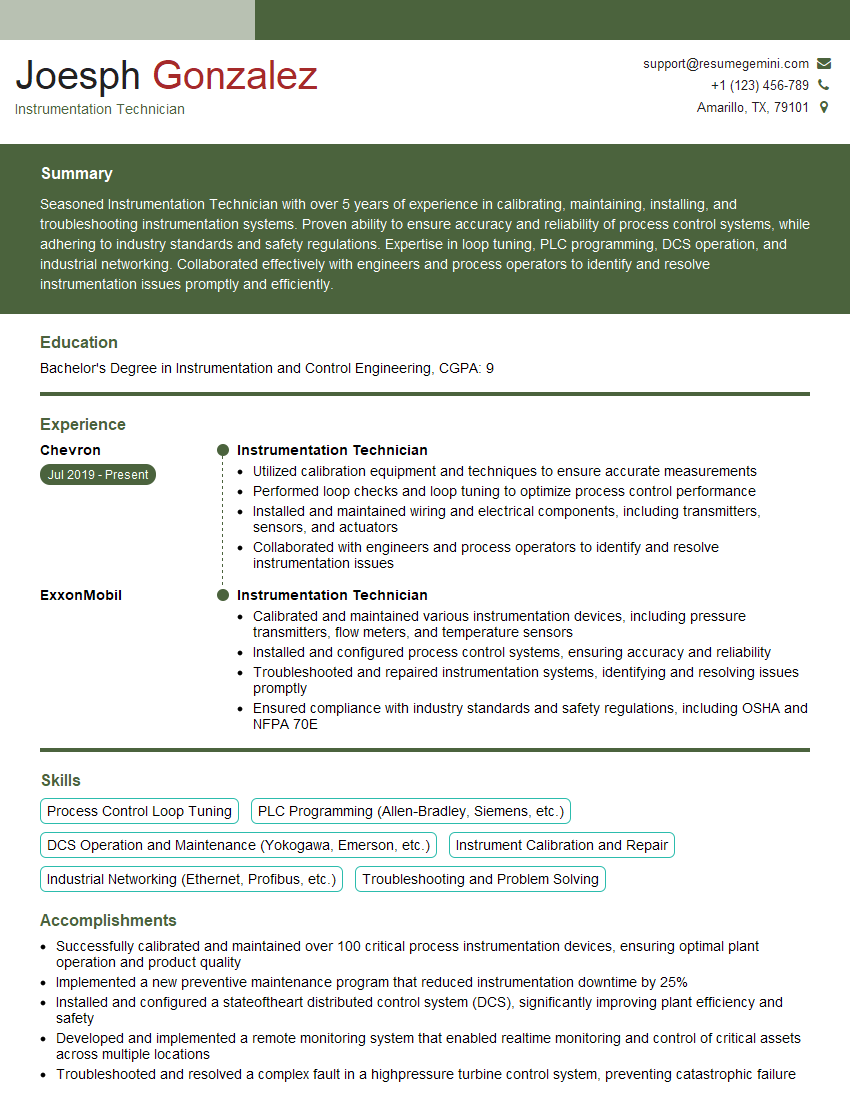
Instrumentation Technician Resume Sample
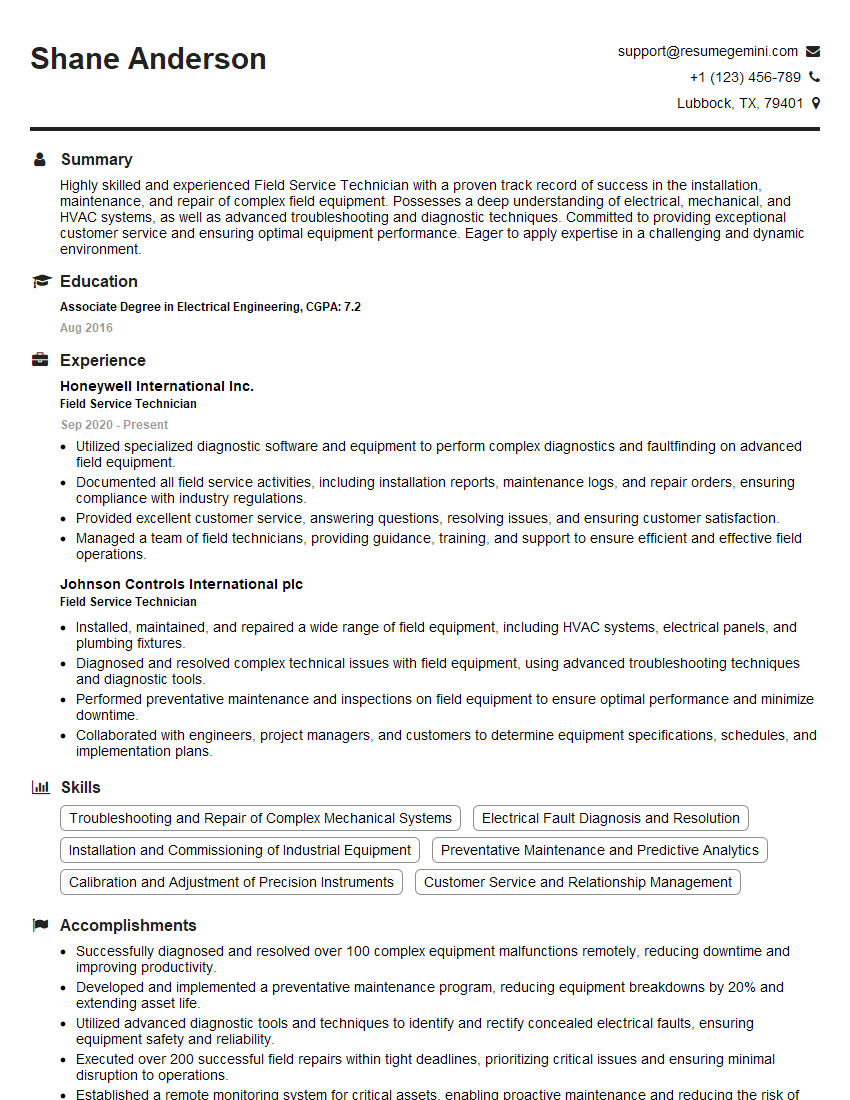
Field Service Technician Resume Sample

Analytical Chemist Resume Sample

Laboratory Analyst Resume Sample
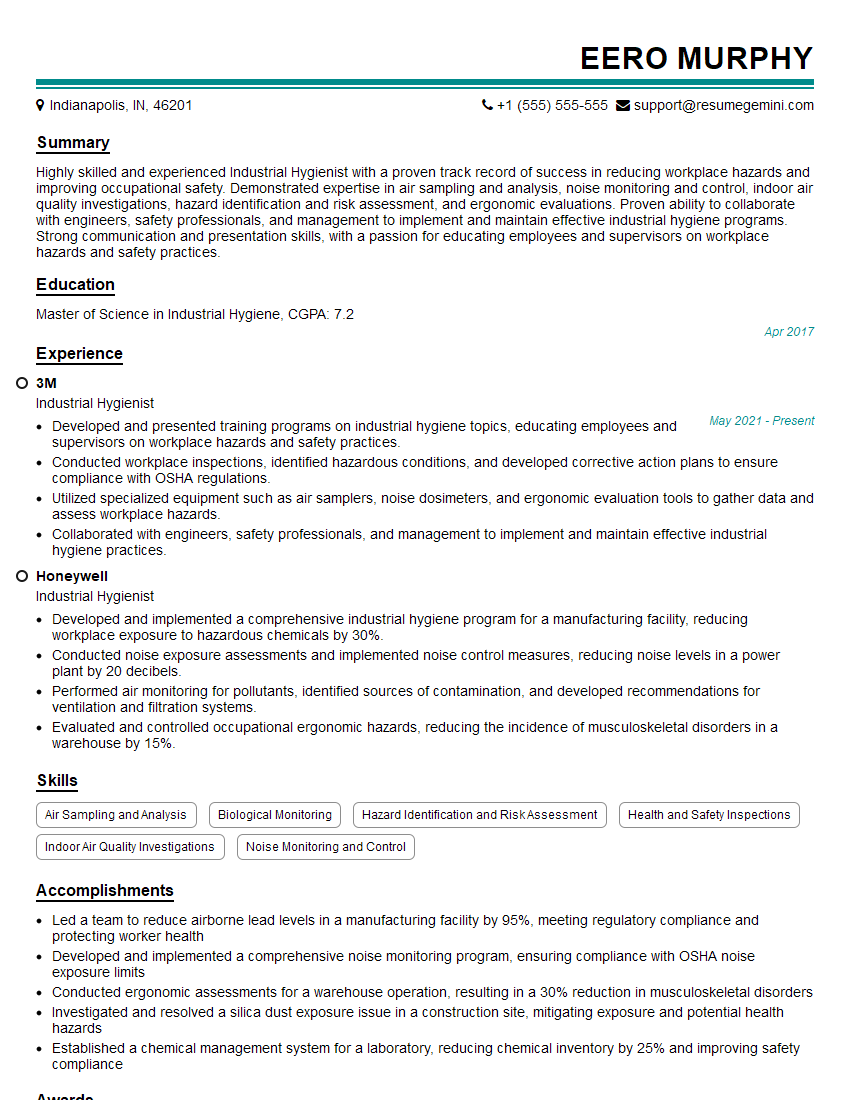
Industrial Hygienist Resume Sample

Safety Officer Resume Sample
- Environmental Health and Safety Manager
- Regulatory Compliance Officer
- Environmental Scientist
- Maintenance Technician
- Process Control Engineer
- Process Safety Engineer
- Safety Engineer
- Quality Control Specialist
- Calibration Technician
- Instrumentation Technician
- Field Service Technician
- Analytical Chemist
- Laboratory Analyst
- Industrial Hygienist
- Safety Officer
Explore more articles
Users Rating of Our Blogs
Share Your Experience
We value your feedback! Please rate our content and share your thoughts (optional).
What Readers Say About Our Blog
To the interviewgemini.com Webmaster.
Very helpful and content specific questions to help prepare me for my interview!
Thank you
To the interviewgemini.com Webmaster.
This was kind of a unique content I found around the specialized skills. Very helpful questions and good detailed answers.
Very Helpful blog, thank you Interviewgemini team.