Are you ready to stand out in your next interview? Understanding and preparing for GMPs (Good Manufacturing Practices) interview questions is a game-changer. In this blog, we’ve compiled key questions and expert advice to help you showcase your skills with confidence and precision. Let’s get started on your journey to acing the interview.
Questions Asked in GMPs (Good Manufacturing Practices) Interview
Q 1. Describe your understanding of GMP principles.
Good Manufacturing Practices (GMPs) are a set of guidelines that ensure the quality and safety of manufactured products. Think of them as a comprehensive recipe for producing safe and consistent products, covering everything from the raw materials to the finished goods. These principles aim to minimize risks of contamination, errors, and deviations throughout the entire manufacturing process.
- Quality Management System: GMPs require a robust system for planning, implementing, monitoring, and improving all aspects of manufacturing. Think of this as a roadmap that guides the entire process and ensures everything runs smoothly.
- Personnel Training: Properly trained staff are crucial to maintain quality and consistency. Each employee needs the specific skills and knowledge relevant to their role. Imagine a skilled chef meticulously following a recipe—their training directly contributes to the quality of the final dish.
- Facility and Equipment: The manufacturing environment and equipment must be clean, well-maintained, and appropriate for the product. This ensures product integrity and safety. Just as a surgeon needs a sterile operating room, manufacturers need a clean and controlled environment.
- Raw Materials and Ingredients: These must be of high quality and properly documented, ensuring their suitability for use. This is like a chef carefully selecting only the freshest ingredients for their recipe.
- Process Control: GMPs mandate strict adherence to documented procedures. These procedures act as a safety net to minimize deviations and mistakes, and to improve consistency. Imagine a well-defined recipe with specific instructions—this ensures that the dish comes out the same way each time.
- Product Testing and Release: Products must undergo rigorous testing to ensure they meet quality standards before release to the market. This is like a final quality check by a chef before serving a dish to customers.
Q 2. Explain the difference between GMP and GLP.
While both GMP and GLP (Good Laboratory Practices) are crucial for ensuring data integrity and product safety, they apply to different stages of the product lifecycle. GMPs govern the manufacturing process of products, focusing on the production, packaging, and storage aspects. GLP, on the other hand, focuses on the quality and integrity of non-clinical laboratory studies, such as testing conducted to evaluate the safety of a new drug or chemical.
Think of it like this: GMP ensures the final product is safe and consistent; GLP ensures the tests that prove the product is safe are conducted reliably and consistently.
For example, GMPs would cover the validation of manufacturing equipment, sanitation procedures, and personnel training within a pharmaceutical plant, while GLPs would cover the testing of the final product in a laboratory setting to ensure it meets the required specifications.
Q 3. How do you ensure compliance with current GMP regulations?
Ensuring GMP compliance is an ongoing process that involves several key strategies. First, thorough understanding of applicable regulations and guidelines is paramount. This involves regularly reviewing and updating oneself with changes in legislation and industry best practices. It’s not a one-time task but a continuous journey of learning.
- Implementation of a robust Quality Management System (QMS): This includes documented procedures, standard operating procedures (SOPs), and comprehensive training programs for all personnel.
- Regular Audits and Inspections: Internal audits are crucial to identify and rectify weaknesses, while external audits by regulatory bodies confirm compliance. Regular self-assessment helps prevent major issues later.
- Deviation Management: Effective investigation of deviations and implementation of corrective and preventive actions (CAPAs) are essential for continuous improvement. This is about learning from mistakes and preventing recurrence.
- Documentation: Maintaining meticulous records of all processes, testing results, and quality control measures is vital for demonstrating compliance. Thorough documentation acts as a historical record and evidence of adherence to regulations.
- Continuous Improvement: GMP compliance isn’t a static goal; it requires continuous monitoring, adaptation, and improvement in response to internal and external changes.
Q 4. What are the key elements of a GMP quality system?
A GMP quality system is the backbone of a compliant manufacturing operation. It’s a network of interconnected elements, not just a single checklist. Think of it as an orchestra, where each section (element) is vital for a harmonious (compliant) performance.
- Management Responsibility: Top management must demonstrate commitment to GMP compliance and allocate necessary resources.
- Quality Policy and Objectives: The organization must define its quality goals and ensure they’re clearly communicated and understood by everyone.
- Standard Operating Procedures (SOPs): These detailed instructions for each process are the foundation of consistency. They provide a step-by-step guide, reducing errors and improving efficiency.
- Training and Personnel: A well-trained workforce is essential. Training should be tailored to each role, covering GMP principles and specific procedures.
- Documentation and Records: Detailed and accurate records are crucial for traceability, auditability, and demonstrating compliance. Every step must be documented.
- Deviation Management and CAPA: Systems must be in place to investigate deviations, root causes, and implement effective corrective and preventive actions to prevent recurrence.
- Self-Inspection and Audits: Internal audits ensure compliance with SOPs and GMP regulations, highlighting areas for improvement before external audits occur.
- Change Control: A system for managing and approving all changes to processes, equipment, or materials is crucial to avoid unintended consequences.
Q 5. Describe your experience with deviation investigations.
Deviation investigations are a critical component of GMP compliance. My experience involves leading and participating in numerous investigations, following a structured approach to identify the root cause and prevent recurrence. I’ve worked in diverse settings from pharmaceutical manufacturing to medical device production, handling deviations ranging from minor equipment malfunctions to significant process failures.
Our typical approach involves:
- Immediate Containment: First, we take steps to prevent further impact of the deviation, ensuring product safety.
- Thorough Investigation: We gather all relevant data, including batch records, equipment logs, and personnel interviews, to understand what happened.
- Root Cause Analysis: Using techniques like the 5 Whys or Fishbone diagrams, we delve deep to identify the underlying cause of the deviation.
- Corrective and Preventive Actions (CAPA): Once the root cause is identified, we develop and implement actions to prevent the deviation from happening again. This might involve procedural changes, equipment upgrades, or additional training.
- Documentation: A complete and detailed report of the investigation, root cause analysis, and CAPA is meticulously documented and reviewed.
For example, in one instance, a deviation occurred due to a malfunctioning temperature sensor in a critical process step. The investigation identified the sensor’s age and inadequate calibration as the root causes. The corrective action involved replacing the sensor with a new, validated one, and introducing more frequent calibration checks to prevent similar events. Effective documentation proved critical during subsequent regulatory inspections.
Q 6. How do you handle out-of-specification (OOS) results?
Out-of-specification (OOS) results, where a test result falls outside the pre-defined acceptance criteria, are treated with utmost seriousness. They signal potential issues with product quality or the manufacturing process. My approach follows a stringent, documented protocol, ensuring a thorough investigation.
The steps typically include:
- Immediate Review and Verification: The initial OOS result is independently verified through retesting of the sample and reviewing all associated data.
- Investigation: A detailed investigation is conducted to determine the root cause. This could involve reviewing manufacturing records, equipment logs, and interviewing personnel. Sampling and testing methodology is also scrutinized.
- Data Integrity Assessment: The integrity of the data is thoroughly evaluated to rule out any errors or manipulations.
- Corrective Actions: Corrective actions are implemented to address the root cause, such as equipment calibration, improved training, or process adjustments.
- Disposition of the Affected Batches: Based on the investigation’s findings and regulatory requirements, a decision is made on whether to quarantine, reject, reprocess, or release the affected batches.
- Reporting: A detailed report summarizing the OOS event, investigation, and corrective actions taken is prepared and submitted to regulatory agencies if required.
For example, if an OOS result is identified for potency in a pharmaceutical product, the investigation may uncover a problem with the weighing of raw materials. Corrective actions would involve implementing stricter weighing procedures and operator retraining, along with a thorough evaluation of the affected batches to determine their disposition.
Q 7. Explain your understanding of change control processes.
Change control is a formal system designed to manage any alterations to processes, equipment, materials, or facilities. It’s a critical aspect of GMP to prevent unintended consequences and maintain product quality. Think of it as a safety net before implementing any changes to prevent unforeseen problems.
A typical change control process involves:
- Change Request: A formal request detailing the proposed change and its justification.
- Impact Assessment: An evaluation of the potential impact of the change on product quality, safety, and regulatory compliance.
- Risk Assessment: Identifying and assessing potential risks associated with the change.
- Review and Approval: The change request is reviewed and approved by relevant personnel, often including management and quality control.
- Implementation: The change is implemented following approved procedures.
- Verification and Validation: After implementation, the change is verified to ensure it works as intended and validated to ensure it meets quality and regulatory standards.
- Documentation: All aspects of the change control process, from request to validation, are meticulously documented.
For example, if a new supplier of raw materials is proposed, the change control process would involve evaluating the new supplier’s quality system, ensuring that their materials meet the same specifications as the existing supplier, and conducting thorough testing before implementation. This meticulous approach prevents inferior materials from negatively impacting the quality of the finished product.
Q 8. Describe your experience with CAPA (Corrective and Preventive Action).
CAPA, or Corrective and Preventive Action, is a systematic process used in GMP environments to identify, investigate, correct, and prevent the recurrence of deviations from established quality standards. Think of it as a continuous improvement loop. My experience with CAPA spans several years, encompassing all stages of the process, from initial deviation identification through to effective preventive action implementation and verification.
In my previous role, we implemented a robust CAPA system using a digital platform. This allowed for efficient tracking of deviations, investigation reports, corrective actions, and preventive actions. For example, if we experienced a batch failure due to a temperature excursion during a critical process step, the CAPA system guided us through each phase: investigation to pinpoint the root cause (faulty temperature sensor), corrective action (sensor replacement and re-calibration), and preventive action (implementation of an automated temperature monitoring system with alarms and regular preventative maintenance schedules). We then validated the effectiveness of these actions through monitoring and trending of relevant process parameters. This ensured the issue wouldn’t repeat.
Furthermore, I’ve been involved in the development and improvement of CAPA procedures, ensuring alignment with regulatory expectations and continuous improvement. This includes regular review and updates of the CAPA process itself to maintain its effectiveness and efficiency.
Q 9. How do you ensure accurate documentation in a GMP environment?
Accurate documentation is the cornerstone of GMP compliance. It’s the auditable record of everything that happens in the manufacturing process. Imagine it as the detailed recipe and log book of a complex dish – if something goes wrong, it’s the documentation that helps us understand why and how to fix it. My approach focuses on several key principles:
- Complete and Accurate Records: Every entry must be accurate, legible, dated, timed, and signed by the responsible person. No blank spaces, erasures, or alterations are permitted. Any change must be clearly documented with the reason and initialed by the person making the alteration.
- SOP Compliance: All documentation activities should strictly adhere to Standard Operating Procedures (SOPs). These SOPs detail the correct format, content, and procedures for each type of record.
- Data Integrity: Maintaining data integrity is crucial. This means ensuring the data is attributable, legible, contemporaneous, original, accurate (ALCOA) and complete. We use electronic systems with audit trails to track any changes, ensuring accountability and preventing manipulation.
- Training and Competency: All personnel involved in documentation must receive adequate training on GMP principles and proper documentation practices. Regular competency assessments help maintain a high standard.
- Data Management Systems: We utilise robust data management systems that incorporate electronic signatures, version control, and automated data checks to prevent errors and inconsistencies.
In practice, this means meticulously recording every step in a process, from raw material receipt and testing, through manufacturing and packaging, to final product release. This comprehensive documentation ensures traceability and allows for immediate identification of any deviations or issues.
Q 10. What is your experience with audits and inspections?
I have extensive experience with GMP audits and inspections, having participated in numerous internal and external audits, including FDA inspections. I understand the rigor required and the importance of preparing for such events thoroughly.
My approach focuses on proactive preparation: ensuring all documentation is complete, accurate and readily accessible, and that all personnel are well-versed in GMP principles and can confidently explain their roles and responsibilities. We conduct regular internal audits and mock inspections to identify potential gaps and areas for improvement before external audits.
During audits, I effectively communicate with auditors, providing clear and concise answers to their questions, and readily demonstrating compliance. If a deficiency is identified, I collaborate with the audit team to develop appropriate corrective actions. I view audits not just as compliance exercises, but as opportunities for continuous improvement. For example, during a recent audit, a minor procedural deviation was identified in our cleaning validation process. Through collaborative discussion with the auditor, a refined cleaning validation procedure was created, resulting in improved process consistency and a more robust quality system.
Q 11. Explain your understanding of validation procedures.
Validation is the documented process of demonstrating that any process, equipment, system, or method consistently performs as intended. It provides assurance that the product meets its quality attributes. Imagine building a bridge—validation is like proving its structural integrity and ensuring it can safely carry the expected load. Validation procedures differ depending on the area being validated, but generally include the following stages:
- User Requirement Specification (URS): Defining what the system or process needs to accomplish.
- Design Qualification (DQ): Verifying that the design meets the requirements.
- Installation Qualification (IQ): Ensuring the system is properly installed and configured.
- Operational Qualification (OQ): Demonstrating the system operates within its specified parameters.
- Performance Qualification (PQ): Verifying consistent performance under real-world operating conditions.
Different types of validations exist within a GMP environment, including cleaning validation, process validation, computer system validation, and analytical method validation. Each requires a tailored approach, but the underlying principle of demonstrating consistent performance remains constant. For instance, cleaning validation ensures that equipment is adequately cleaned between batches to prevent cross-contamination.
Q 12. Describe your experience with process validation.
Process validation is a critical aspect of GMP, focusing on demonstrating that a manufacturing process consistently produces a product meeting predetermined quality attributes. My experience encompasses various aspects, from developing validation protocols to executing studies and reviewing the results. I’ve worked on both process performance qualification and continuous process verification.
For instance, in a previous role, we validated a new tablet compression process. This involved defining critical process parameters (CPP), such as compression force, dwell time, and tooling specifications. We conducted a comprehensive series of trials designed to demonstrate consistent product quality across different CPP ranges. Data analysis and statistical methods, such as ANOVA, were used to evaluate process capability. The results were documented in a comprehensive validation report, including the approved process parameters and evidence of consistent product quality. Following initial validation, we established a continuous process verification plan including periodic process checks to ensure consistent product quality.
Q 13. How do you handle non-conformances?
Handling non-conformances is a crucial aspect of maintaining GMP compliance. A non-conformance is any deviation from established standards, specifications, or procedures. My approach to handling non-conformances is based on a systematic investigation and resolution process, aligned with the CAPA system already described.
The process typically involves:
- Immediate Isolation: The non-conforming material or product is immediately isolated to prevent further use or distribution.
- Investigation: A thorough investigation is conducted to determine the root cause of the non-conformance. This might involve reviewing batch records, conducting interviews with personnel, and analyzing samples.
- Evaluation: An assessment is made of the impact of the non-conformance on the quality of the affected product or batches.
- Corrective Action: Appropriate corrective actions are implemented to address the immediate issue.
- Preventive Action: Actions are implemented to prevent recurrence.
- Documentation: The entire process, from identification to resolution, is thoroughly documented.
For example, if a batch of tablets failed dissolution testing, an immediate investigation would be initiated. After identifying the root cause, such as a change in granulation procedure, corrective actions would be implemented, including revision of the SOP and re-training personnel. Preventive actions would aim to prevent similar deviations in the future, possibly through enhanced process controls or additional in-process testing.
Q 14. What is your experience with data integrity in a GMP environment?
Data integrity is paramount in a GMP environment, referring to the completeness, consistency, and accuracy of data throughout its lifecycle. It’s essential for ensuring the reliability and validity of data used for decision-making, regulatory compliance, and product quality. My experience in this area includes implementing and maintaining robust data management systems and developing SOPs to ensure data integrity.
Key strategies I utilize include:
- ALCOA+ Principles: Adhering to the ALCOA+ principles (Attributable, Legible, Contemporaneous, Original, Accurate, Complete, Consistent, Enduring, Available). This ensures the data is traceable, reliable, and tamper-proof.
- Electronic Systems: Leveraging electronic data management systems with audit trails and robust access controls to track all data changes and ensure accountability.
- Data Backup and Archiving: Implementing secure data backup and archiving procedures to ensure data availability and prevent data loss.
- Regular Data Review: Conducting regular data reviews to identify and correct any inconsistencies or errors.
- Validation of Systems: Ensuring that electronic data systems are fully validated to confirm that they are reliable and fit for their intended use.
For example, we utilize electronic batch record systems with electronic signatures and audit trails, allowing us to track any changes made to the records and preventing data manipulation. This system is regularly validated and auditable, helping ensure compliance with data integrity regulations.
Q 15. Explain your understanding of cleaning validation.
Cleaning validation in GMP is a critical process to ensure that cleaning procedures effectively remove residues from equipment and facilities, preventing cross-contamination and ensuring product quality and safety. It’s not just about visually inspecting for cleanliness; it’s about scientifically proving that cleaning is effective and consistently removes potential contaminants to below pre-defined acceptable limits.
The process typically involves defining acceptance criteria (e.g., limits for residue levels), developing and implementing cleaning procedures, sampling and analyzing residues after cleaning, and then statistically evaluating the data to demonstrate that the cleaning process consistently meets the defined criteria. This validation process is often documented in a cleaning validation protocol and report.
For example, imagine a pharmaceutical company manufacturing tablets. Cleaning validation would ensure that residues from one batch of tablets (e.g., active pharmaceutical ingredient, API) are adequately removed before producing a different product in the same equipment to prevent cross-contamination and avoid the risk of adverse reactions in patients.
- Defining Acceptance Criteria: Based on toxicity, potential interaction with subsequent products, and analytical sensitivity.
- Sampling Methodology: Determining appropriate locations and methods for collecting samples (e.g., swabs, rinse samples).
- Analytical Methods: Selecting validated analytical methods with sufficient sensitivity and specificity for residue detection.
- Statistical Analysis: Evaluating data to demonstrate consistent and reliable removal of residues.
Career Expert Tips:
- Ace those interviews! Prepare effectively by reviewing the Top 50 Most Common Interview Questions on ResumeGemini.
- Navigate your job search with confidence! Explore a wide range of Career Tips on ResumeGemini. Learn about common challenges and recommendations to overcome them.
- Craft the perfect resume! Master the Art of Resume Writing with ResumeGemini’s guide. Showcase your unique qualifications and achievements effectively.
- Don’t miss out on holiday savings! Build your dream resume with ResumeGemini’s ATS optimized templates.
Q 16. Describe your experience with equipment calibration and maintenance.
Equipment calibration and maintenance are fundamental to GMP compliance, ensuring accurate and reliable performance of equipment used in manufacturing and testing. Regular calibration ensures that equipment readings are accurate and traceable, while preventive maintenance minimizes equipment downtime and prevents unexpected failures. This is crucial for data integrity and product quality.
In my previous role, I was responsible for overseeing the calibration and maintenance program for a range of equipment, including HPLC systems, balances, autoclaves, and temperature-controlled chambers. This involved establishing a comprehensive schedule, coordinating with external calibration service providers, and maintaining detailed records. We used a computerized maintenance management system (CMMS) to track calibration due dates, maintenance activities, and any repairs. Each piece of equipment had a designated calibration sticker with unique ID and date to indicate its status.
For instance, if an HPLC system used for testing drug purity is not calibrated correctly, it could produce inaccurate results, potentially leading to the release of substandard products. Preventive maintenance, such as regular cleaning and replacement of parts, ensures the system operates reliably and prevents unexpected breakdowns which can lead to significant delays and costs.
Q 17. How do you ensure the accuracy of laboratory testing?
Ensuring the accuracy of laboratory testing is paramount in GMP. Accuracy depends on several factors, including the use of validated analytical methods, proper calibration and maintenance of equipment, and competent personnel. It involves a multi-faceted approach.
- Method Validation: Analytical methods used must be validated to demonstrate accuracy, precision, specificity, linearity, and range. This involves rigorous testing to prove that the method reliably produces accurate results.
- Standard Operating Procedures (SOPs): Clear and detailed SOPs should be in place for each test to ensure consistency and reproducibility of results. These SOPs guide each step of the process and leave little room for interpretation.
- Quality Control (QC): Implementing a QC program that includes regular checks, such as using control samples and reference standards, allows for monitoring the accuracy and precision of the testing process and immediate detection of any deviations.
- Personnel Training: Regular training and competency assessment of laboratory personnel is crucial. Trained staff are less likely to commit errors.
- Equipment Calibration: As mentioned before, regular calibration and maintenance are critical. Out-of-calibration equipment compromises the accuracy of the results.
- Data Integrity: Maintaining complete, accurate, and reliable data through electronic data management systems and proper record keeping is essential.
Imagine a scenario where a laboratory is testing the potency of a drug. If the analytical method is not validated or the equipment is not calibrated, the results will be unreliable, potentially leading to the release of a product that does not meet the required potency specifications.
Q 18. What is your experience with raw material and finished product testing?
Experience with raw material and finished product testing is a core component of GMP compliance. It ensures that materials and products meet predefined quality standards before release. It is a critical step in guaranteeing product safety and efficacy.
In my experience, testing involves a comprehensive range of analyses. For raw materials, this could include identity testing, assay (to determine the content of active ingredients), purity testing (to detect impurities), and microbial testing. For finished products, testing often extends to include stability studies (to assess shelf life), dissolution testing (to determine the rate at which the drug dissolves), and additional analyses specific to the product’s characteristics.
For example, in a pharmaceutical setting, testing the raw material ‘active pharmaceutical ingredient’ (API) ensures it matches the specifications and meets the required purity before being incorporated into the final product. Similarly, testing the final dosage form ensures it matches the labeled strength, doesn’t contain unacceptable impurities, and meets other quality standards before it’s released to the market.
The results of these tests are meticulously documented and reviewed, with any out-of-specification results leading to a thorough investigation and corrective action. The data is used to support the release of materials and products.
Q 19. Describe your understanding of Good Documentation Practices (GDP).
Good Documentation Practices (GDP) are critical for GMP compliance. They ensure that all data and records generated throughout the manufacturing and testing processes are complete, accurate, legible, durable, and readily retrievable. This is essential for traceability, audit trails, and regulatory compliance.
GDP encompasses various aspects, including record keeping (batch records, calibration logs, etc.), document control (version control, approval processes), and data integrity. Adherence to GDP principles helps prevent errors, ensures accountability, and allows for efficient investigations in case of deviations. The key is to ensure records are always reliable and trustworthy.
For example, maintaining a detailed batch record that documents every step in the manufacturing process, from raw material receipt to finished product release, is vital for traceability and troubleshooting. In case of a quality issue, investigators can retrace every step using the detailed records.
In addition, effective document control helps to ensure that the most current versions of documents are in use, reducing the risk of using obsolete procedures or instructions.
Q 20. Explain your experience with environmental monitoring in GMP environments.
Environmental monitoring in GMP environments is crucial for preventing microbial contamination and ensuring product sterility. It involves systematically monitoring the environmental conditions (air, surfaces, water) to identify potential sources of contamination. This monitoring provides vital information about the cleanliness and control of the manufacturing environment.
My experience includes developing and implementing environmental monitoring programs, including selecting appropriate sampling methods and locations, performing routine sampling and analysis, interpreting results, and implementing corrective actions when needed. This often involves sampling for viable and non-viable particles, microbial organisms (bacteria, fungi, etc.), and other environmental parameters.
For instance, in a cleanroom environment for sterile pharmaceutical production, we regularly monitor air quality for particulate matter and microbial contamination. Any exceedances would trigger an investigation, leading to identification of the root cause and implementation of corrective actions, potentially including a thorough cleaning and sanitization of the area.
Regular environmental monitoring programs, when properly implemented, help to proactively prevent contamination, ensuring consistent product quality and safety.
Q 21. How do you ensure the training of personnel related to GMP?
Ensuring personnel training related to GMP is paramount. It’s not a one-time event; it’s an ongoing process to maintain competence and ensure everyone understands their responsibilities regarding quality and compliance.
In my experience, training programs should be comprehensive and tailored to the individual’s role and responsibilities. They should cover topics such as GMP principles, specific SOPs, safety procedures, and documentation practices. Effective training uses a multi-faceted approach including classroom training, on-the-job training, and regular refresher courses.
For example, a manufacturing operator should receive training on specific equipment operation, cleaning procedures, and batch record completion. A quality control analyst will need training on analytical methods, data interpretation, and documentation. It is crucial to document the training received by each person, along with their competency assessment to confirm they understand and can perform their tasks correctly.
Regular competency assessments are used to ensure continued understanding and skill level, allowing for adjustments in the training program as needed to address any gaps.
Q 22. What is your experience with quality metrics and reporting?
Quality metrics and reporting are crucial for demonstrating GMP compliance and identifying areas for improvement. My experience encompasses developing and implementing key performance indicators (KPIs) across various GMP processes, including manufacturing, packaging, and quality control. These KPIs typically cover parameters like defect rates, yield, contamination levels, and adherence to established procedures. I’m proficient in using statistical process control (SPC) charts to monitor trends and identify potential deviations from acceptable limits. For instance, in a previous role, we implemented a system tracking particle counts in sterile manufacturing, using control charts to detect any significant increases indicating a potential contamination issue. Reporting is done through dashboards and regular reports to management, highlighting key metrics and any deviations, triggering corrective and preventive actions (CAPA).
Furthermore, I have extensive experience in generating reports for regulatory audits, ensuring that all data is accurate, complete, and traceable. This involves the use of validated systems and adherence to ALCOA+ principles (Attributable, Legible, Contemporaneous, Original, Accurate + Complete, Enduring and Available).
Q 23. Describe your experience with supplier audits and qualification.
Supplier audits and qualification are vital for ensuring the quality and reliability of raw materials and other procured items. My approach involves a multi-step process, starting with a thorough supplier pre-qualification assessment which includes reviewing their GMP documentation, manufacturing processes, and quality management system. This review often includes evaluating their understanding and application of risk assessment in their own operations. I then conduct on-site audits to verify the information provided during pre-qualification. During these audits, I focus on key aspects such as facility cleanliness, equipment calibration and maintenance, personnel training, and change control procedures.
For example, during an audit of a supplier providing active pharmaceutical ingredients (APIs), I discovered a deficiency in their change control process. This was addressed through a Corrective and Preventive Action (CAPA) plan, which the supplier implemented to ensure future changes were properly documented and validated. Post-audit, I create a comprehensive report detailing audit findings, and this is used to determine ongoing supplier approval and to inform future procurement decisions. The process ensures that only qualified suppliers are used, minimizing risks to product quality.
Q 24. Explain your understanding of risk assessment in GMP.
Risk assessment in GMP is a systematic process used to identify, analyze, and evaluate potential hazards that could affect product quality, safety, and compliance. It’s a proactive approach that helps prevent problems before they occur. I utilize a variety of risk assessment methodologies, including Failure Mode and Effects Analysis (FMEA) and Hazard Analysis and Critical Control Points (HACCP), tailoring the method to the specific process or product.
For instance, when implementing a new manufacturing process, we use FMEA to identify potential failure modes and their impact on the final product. This involves assigning severity, occurrence, and detection ratings to each failure mode, resulting in a risk priority number (RPN). High RPN scores highlight areas requiring immediate attention and mitigation strategies, such as implementing additional controls or process improvements. The outcome is a well-defined risk mitigation plan, documented and implemented to ensure the process is under control and compliant with GMP guidelines.
Q 25. How do you handle complaints related to GMP?
Handling GMP-related complaints is crucial for ensuring product safety and maintaining customer confidence. My approach follows a structured process. First, I ensure the complaint is thoroughly documented, including details like the product batch number, date of purchase, and specific nature of the complaint. Then, a thorough investigation is launched to determine the root cause of the complaint. This often involves reviewing manufacturing records, testing samples (if necessary), and interviewing relevant personnel. The investigation results are documented, and a detailed root cause analysis is performed.
Based on the findings, a CAPA is developed and implemented to prevent similar issues from occurring in the future. This might involve changes to manufacturing procedures, equipment upgrades, or improved training for personnel. Finally, a response is provided to the customer, outlining the investigation findings and the actions taken to resolve the issue. Throughout the entire process, regulatory requirements and internal procedures are strictly followed, ensuring full transparency and accountability.
Q 26. Describe your experience with internal audits.
I have extensive experience conducting and participating in internal audits, both as an auditor and an auditee. My role as an auditor involves developing audit plans, conducting on-site audits against GMP guidelines and internal procedures, documenting findings, and communicating audit results to management. This includes both planned and unplanned audits, depending on the area or situation.
In my role as an auditee, I proactively prepare for the audit, ensuring all relevant documentation is readily available and up-to-date. I actively participate in the audit, answering questions transparently and objectively. I then work with management to develop and implement CAPAs to address any identified gaps or non-conformances. The internal audit process is vital for identifying weaknesses and for continuous improvement, helping maintain GMP compliance and identifying areas needing improvement before regulatory inspections.
Q 27. What are your strategies for continuous improvement in GMP compliance?
Continuous improvement in GMP compliance is an ongoing process requiring commitment and proactive strategies. My approach involves several key elements: regular monitoring of key performance indicators (KPIs), proactive risk assessments, and a culture of continuous learning and improvement within the team. Data-driven decision-making is central to this process; analyzing trends in KPIs and audit results allows us to identify areas needing improvement.
Furthermore, I actively participate in continuous improvement initiatives, such as Kaizen events, to streamline processes and eliminate waste. Regular training and development programs ensure employees remain updated on GMP regulations and best practices. Adopting new technologies and best practices from other industries also contribute towards improvement. For example, implementing automated systems for data logging and analysis can significantly improve efficiency and accuracy, reducing the chance of human error. Regular review of GMP procedures ensures alignment with the latest regulations and standards is maintained.
Q 28. Explain your experience with the implementation of new GMP technologies.
I have experience with implementing several new GMP technologies, including automated systems for data logging, advanced process analytical technology (PAT), and real-time release testing. Implementing such technologies requires a multi-faceted approach. This begins with a thorough assessment of the current processes and identification of areas where technology can improve efficiency, reduce errors, or enhance data integrity. A crucial step involves validation of the new technology to ensure it meets GMP requirements for accuracy, reliability, and robustness.
For example, when implementing a new automated system for data logging, we conducted thorough testing and validation to ensure the system captured accurate data, and that the data was secure and auditable. Training personnel on the use of the new system and developing standard operating procedures (SOPs) are also crucial. The process involved a careful change management strategy, ensuring that the transition to the new technology occurred smoothly and with minimal disruption to production. Post-implementation, we continued to monitor the performance of the new technology and made adjustments as needed to optimize its effectiveness.
Key Topics to Learn for GMPs (Good Manufacturing Practices) Interview
- Documentation and Record Keeping: Understanding the importance of accurate, complete, and readily accessible documentation throughout the manufacturing process. This includes batch records, deviations, and change controls.
- Practical Application: Being able to explain how you would handle a deviation from established procedures, including proper documentation and investigation. Knowing how to identify and correct discrepancies in records.
- Quality Control and Assurance: Understanding the role of QC and QA in ensuring product quality and compliance with GMP guidelines. This includes sampling plans, testing procedures, and release criteria.
- Practical Application: Describing your experience with implementing quality control measures and investigating out-of-specification results. Demonstrating understanding of root cause analysis and corrective actions.
- Cleaning and Sanitation: Understanding cleaning validation procedures, sanitation protocols, and the prevention of cross-contamination. This is crucial for ensuring product safety and sterility (where applicable).
- Practical Application: Explaining your experience with cleaning validation studies or implementing cleaning procedures in a GMP environment. Being able to troubleshoot cleaning issues and propose solutions.
- Personnel Training and Hygiene: Understanding the importance of proper training for all personnel involved in GMP manufacturing, including hygiene practices and gowning procedures.
- Practical Application: Describing your experience with training programs or conducting hygiene audits. Demonstrating an understanding of the importance of maintaining a clean and controlled environment.
- Facility and Equipment Maintenance: Understanding the importance of maintaining clean and well-maintained facilities and equipment. This includes preventative maintenance and calibration procedures.
- Practical Application: Describing your experience with preventive maintenance schedules or troubleshooting equipment malfunctions within a GMP environment. Knowing how to document maintenance activities.
- Investigations and CAPA (Corrective and Preventive Action): Understanding the process of investigating deviations, implementing corrective actions, and preventing similar occurrences in the future.
- Practical Application: Describing your experience with conducting investigations and implementing CAPA plans. Demonstrating your ability to analyze problems systematically and develop effective solutions.
Next Steps
Mastering GMPs is paramount for career advancement in the pharmaceutical, biotechnology, and food industries. It demonstrates your commitment to quality and compliance, opening doors to higher-level roles and increased earning potential. To maximize your job prospects, create a strong, ATS-friendly resume that showcases your GMP expertise. ResumeGemini is a trusted resource to help you build a professional resume that highlights your skills and experience effectively. Examples of resumes tailored to GMP positions are available to help guide you.
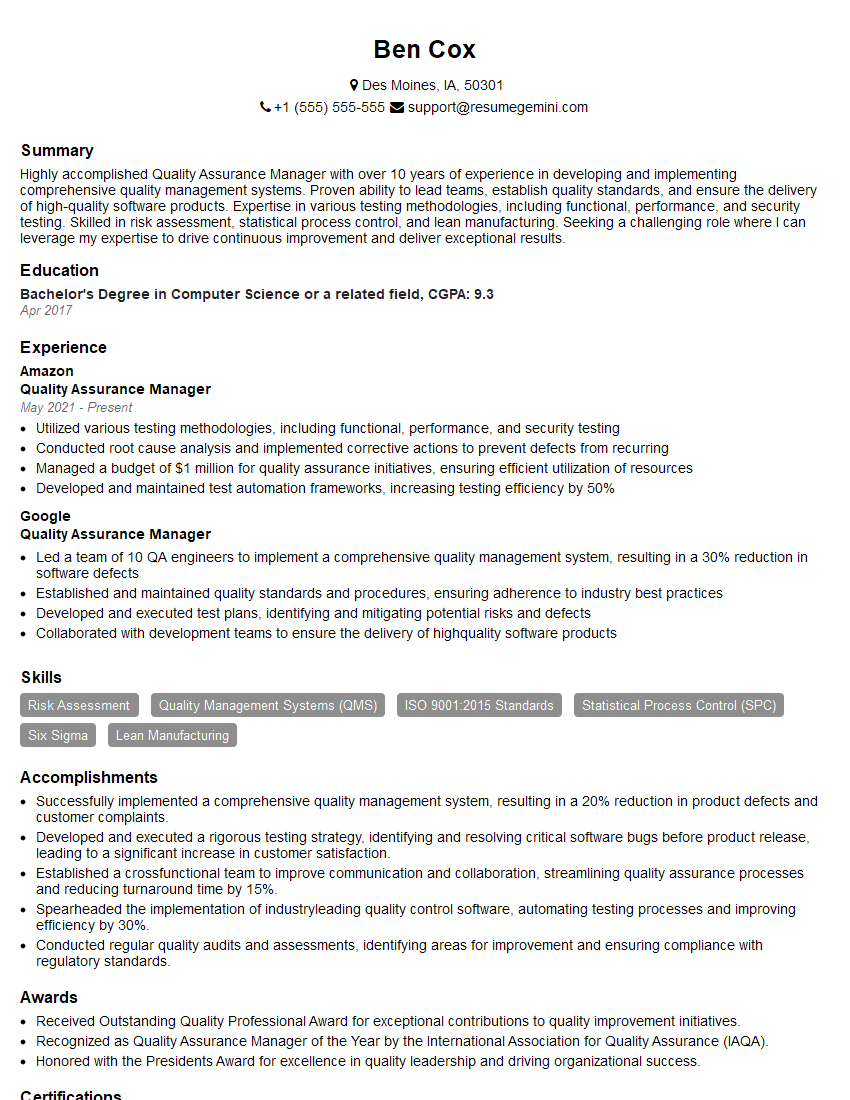
Quality Assurance Manager Resume Sample
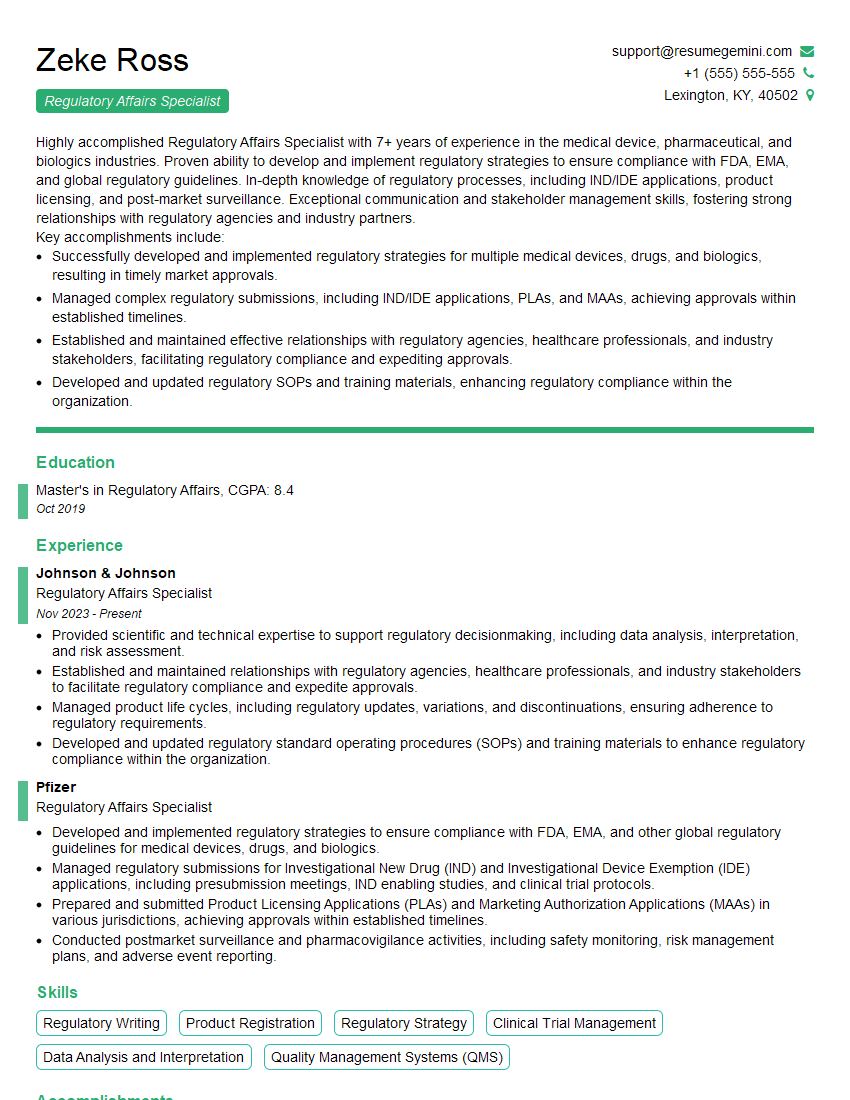
Regulatory Affairs Specialist Resume Sample
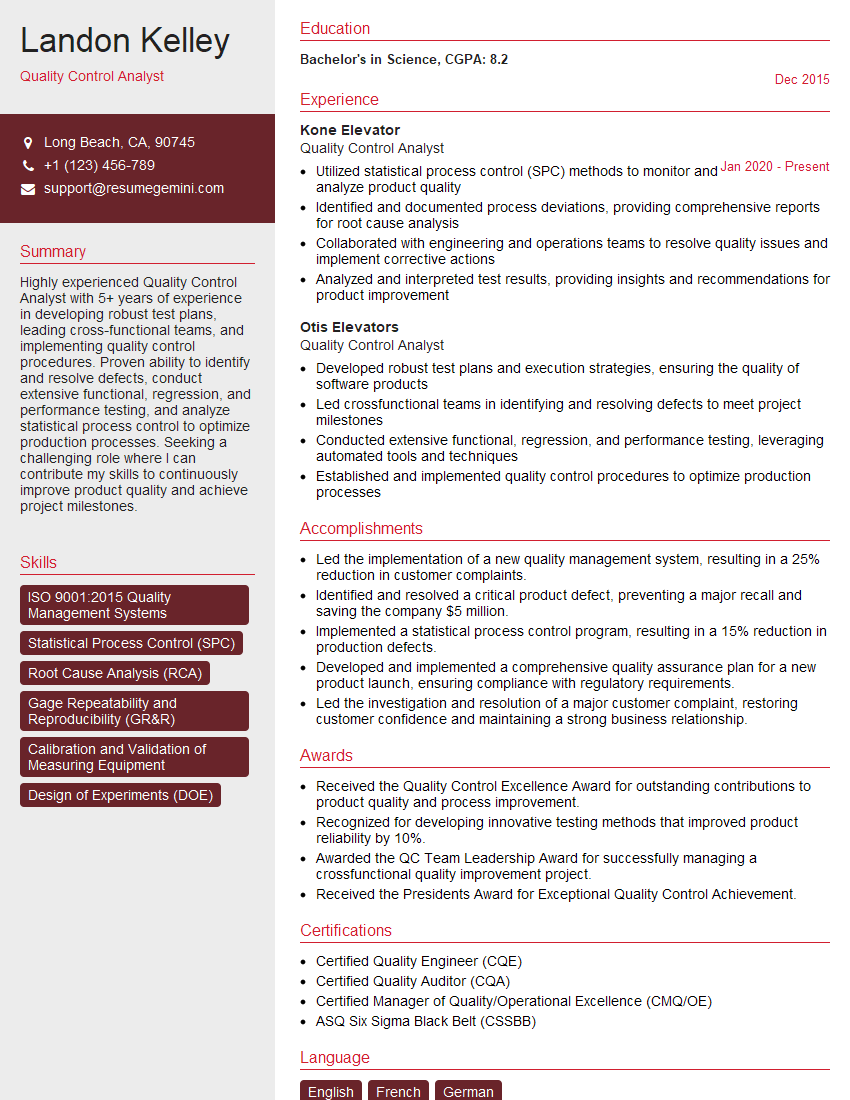
Quality Control Analyst Resume Sample
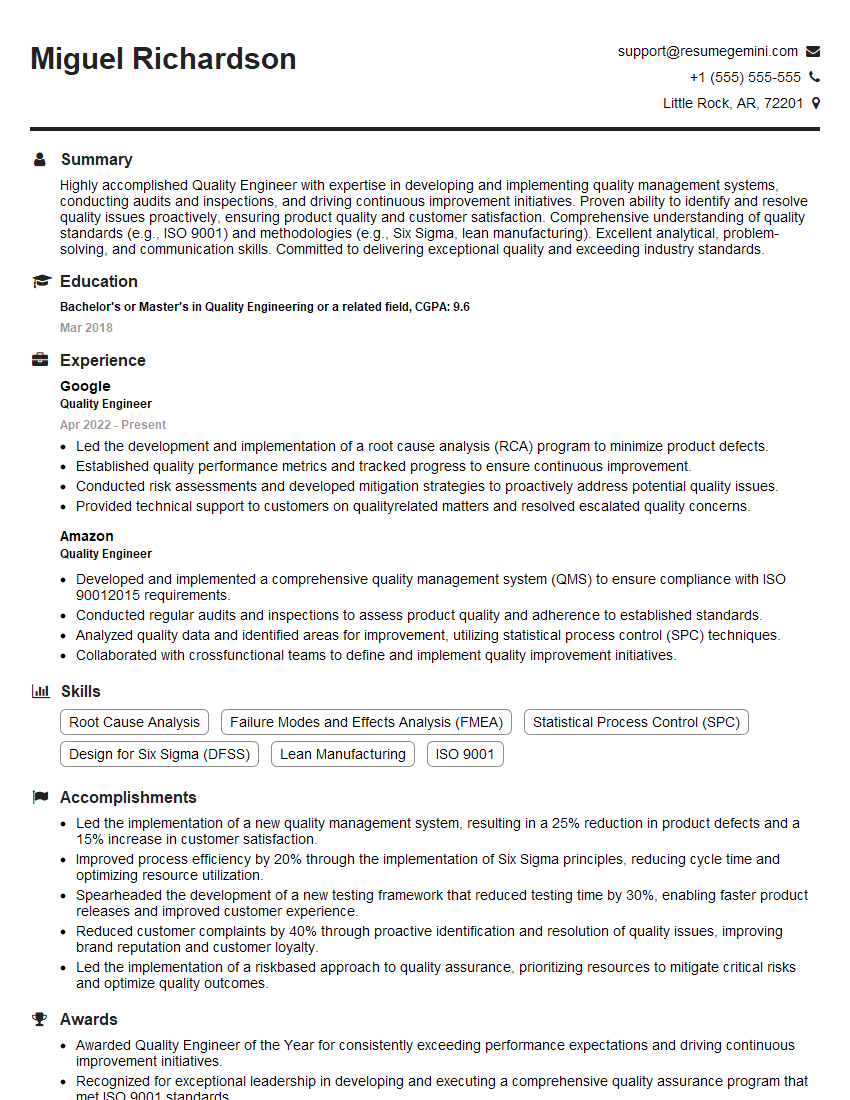
Quality Engineer Resume Sample
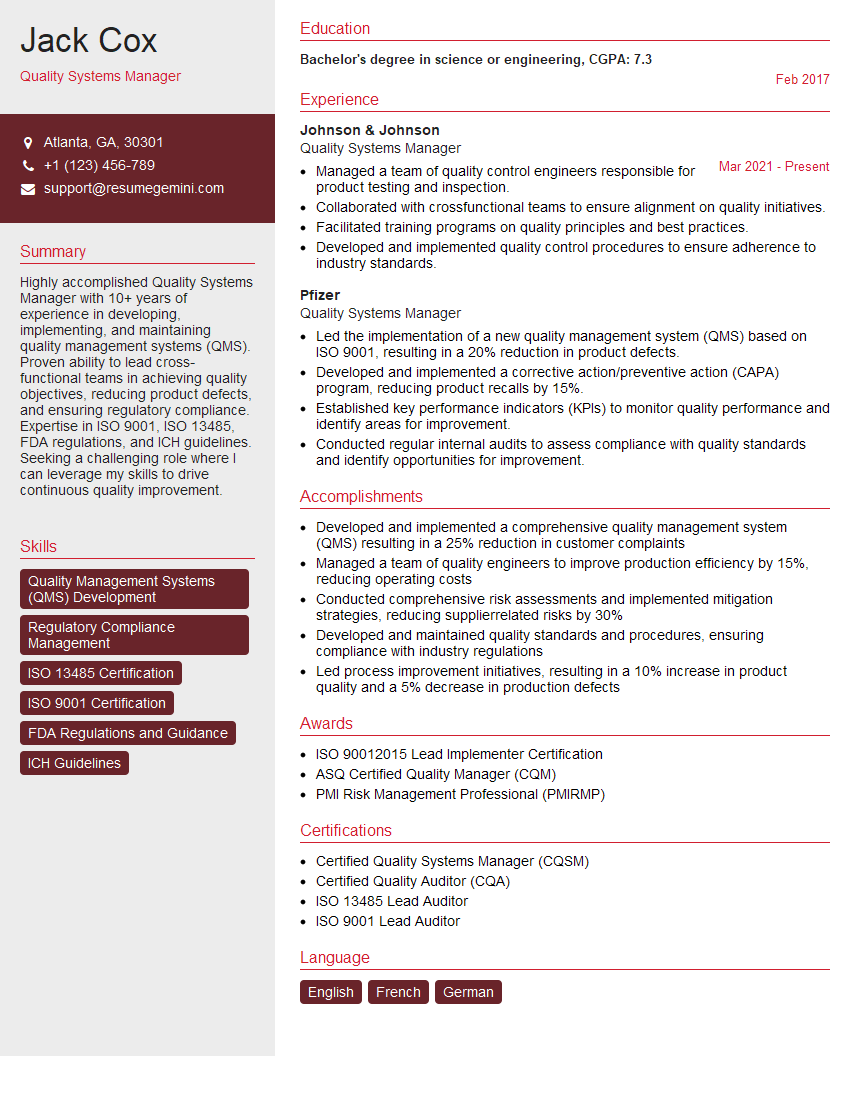
Quality Systems Manager Resume Sample
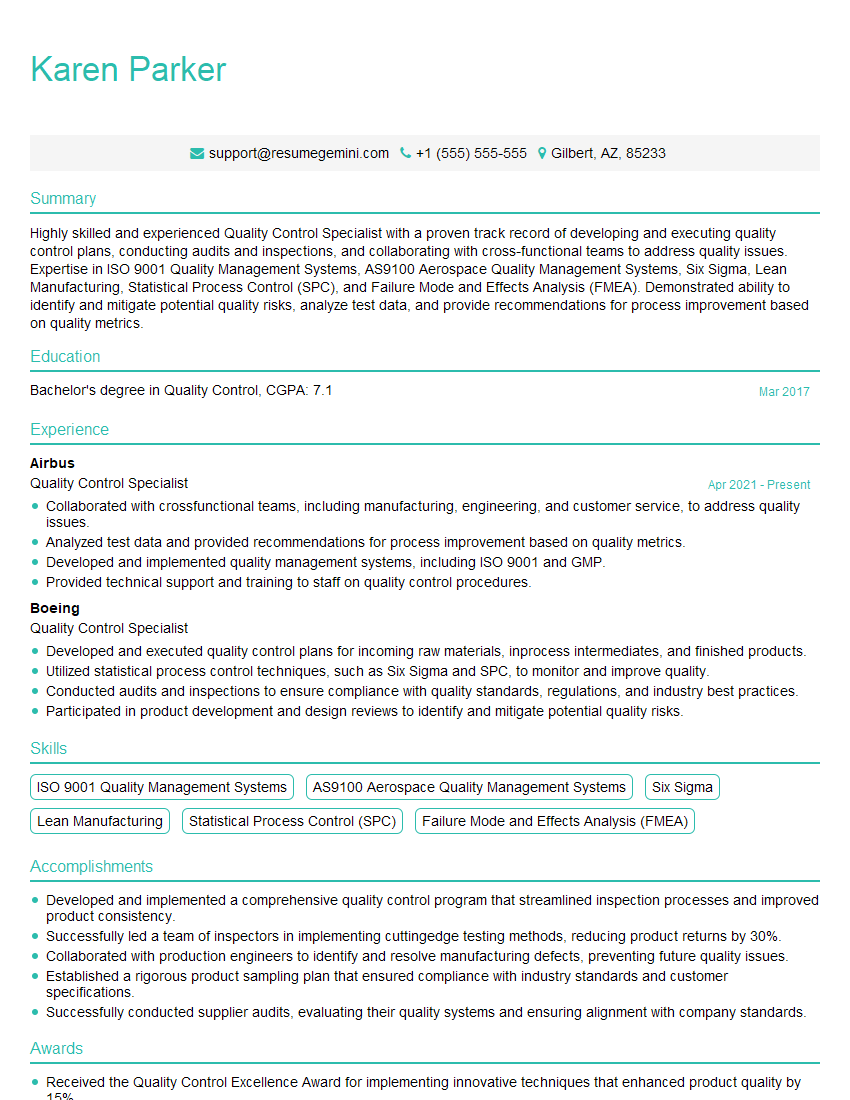
Quality Control Specialist Resume Sample
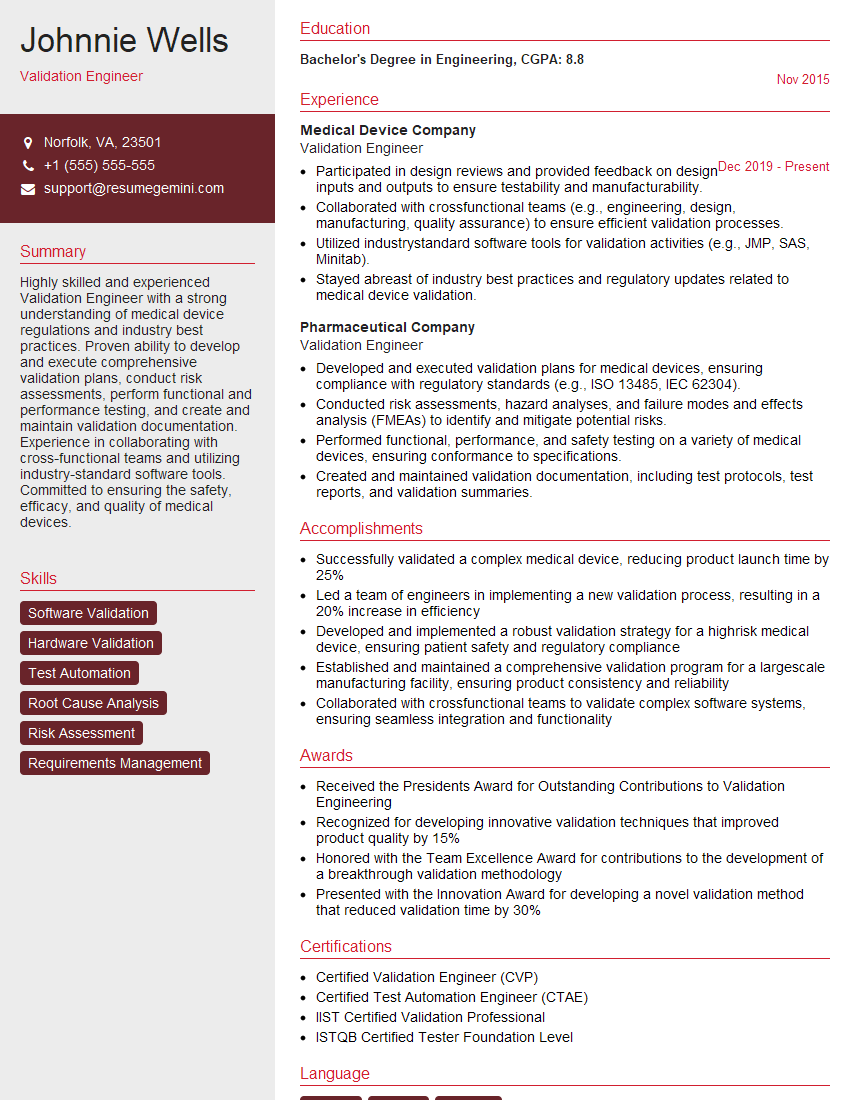
Validation Engineer Resume Sample
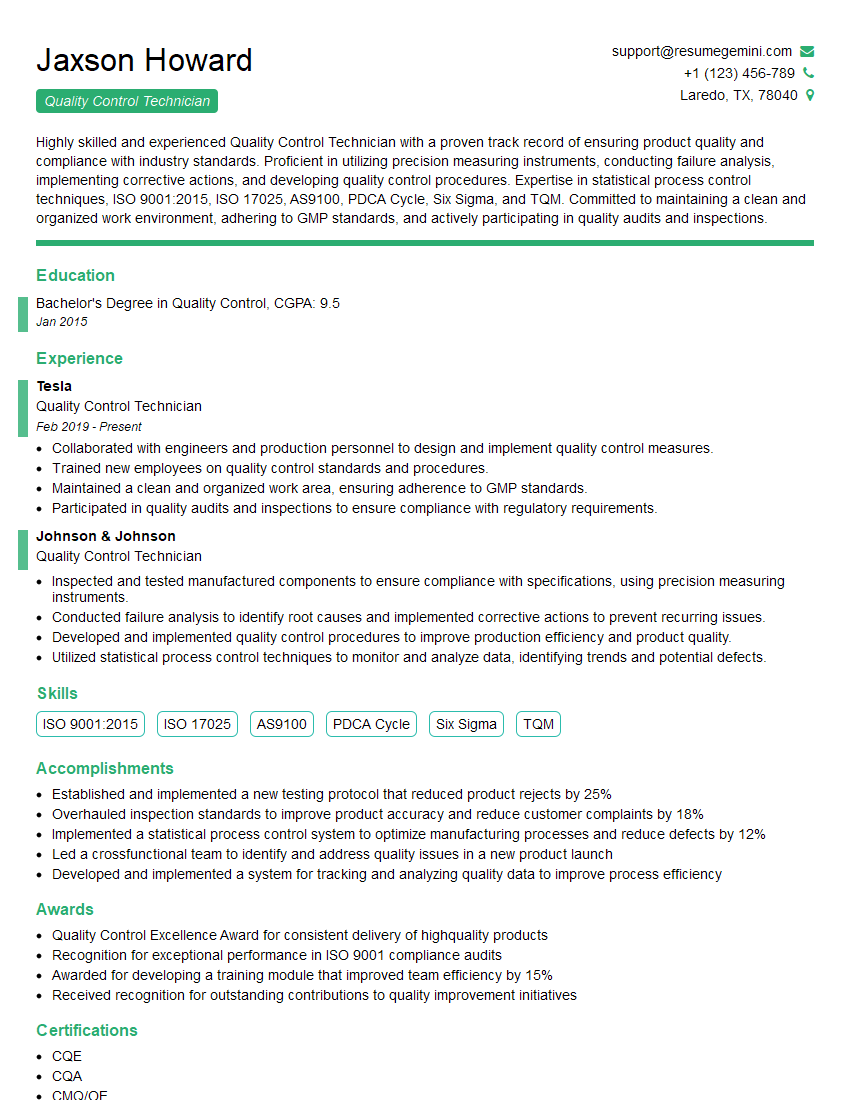
Quality Control Technician Resume Sample
Explore more articles
Users Rating of Our Blogs
Share Your Experience
We value your feedback! Please rate our content and share your thoughts (optional).
What Readers Say About Our Blog
To the interviewgemini.com Webmaster.
Very helpful and content specific questions to help prepare me for my interview!
Thank you
To the interviewgemini.com Webmaster.
This was kind of a unique content I found around the specialized skills. Very helpful questions and good detailed answers.
Very Helpful blog, thank you Interviewgemini team.