Unlock your full potential by mastering the most common Health and Fitness Assessments interview questions. This blog offers a deep dive into the critical topics, ensuring you’re not only prepared to answer but to excel. With these insights, you’ll approach your interview with clarity and confidence.
Questions Asked in Health and Fitness Assessments Interview
Q 1. Describe the different types of fitness assessments you are proficient in.
As a health and fitness professional, I’m proficient in a wide range of assessments, categorized for clarity. These include:
- Cardiorespiratory Fitness Assessments: These evaluate the efficiency of the heart and lungs. Examples include the maximal oxygen uptake (VO2 max) test, often estimated through submaximal tests like the Bruce protocol treadmill test or the Rockport Walk Test. These tests assess endurance capacity.
- Muscular Strength and Endurance Assessments: These gauge the strength and endurance of different muscle groups. Methods include one-repetition maximum (1RM) testing for strength and repetitions-to-failure tests for endurance, using exercises like bench press, squats, and push-ups.
- Flexibility Assessments: These assess the range of motion in various joints. Common assessments include the sit-and-reach test for hamstring flexibility and shoulder flexibility tests like the Apley scratch test.
- Body Composition Assessments: These determine the proportions of fat mass and fat-free mass in the body. Methods vary widely in accuracy and practicality, from skinfold caliper measurements to more advanced techniques like DEXA scans (dual-energy X-ray absorptiometry).
- Balance and Agility Assessments: These evaluate postural stability and the ability to change direction quickly. Examples include the single-leg stance test and the timed up-and-go test.
The choice of assessment depends heavily on the individual’s goals, fitness level, and any pre-existing conditions.
Q 2. Explain the importance of pre-assessment screening.
Pre-assessment screening is paramount for ensuring client safety and tailoring the assessment appropriately. It’s like checking the foundation before building a house. Without it, you risk overlooking critical information that could impact the assessment or even cause harm. The screening process typically involves a health history questionnaire, reviewing any existing medical conditions, medications, and recent illnesses or injuries. This helps identify individuals who may need modifications to the assessment protocol or should seek medical clearance before participating. For example, a client with a history of heart problems might require a physician’s approval before undergoing a maximal exercise test. The information gathered allows for risk stratification, allowing for informed decisions about exercise prescription and the safety of the individual.
Q 3. How do you assess body composition, and what methods are most accurate?
Body composition assessment is crucial for understanding an individual’s overall health and fitness. Several methods exist, each with varying degrees of accuracy and cost. I use a combination of methods to get the most accurate picture.
- Skinfold Calipers: This method uses calipers to measure subcutaneous fat at multiple sites. It’s relatively inexpensive and easy to perform but is operator-dependent and can be less accurate than other methods.
- Bioelectrical Impedance Analysis (BIA): This technique uses a small electrical current to estimate body fat percentage. It’s easy to use but can be affected by hydration levels.
- DEXA (Dual-energy X-ray Absorptiometry): This is the gold standard for body composition analysis, providing very accurate measurements of fat mass, lean mass, and bone density. It uses X-rays and is typically found in specialized clinics, hospitals and more expensive.
- Underwater Weighing (Hydrostatic Weighing): This method measures body density by submerging the individual in water. It’s very accurate but requires specialized equipment and is not very practical for many settings.
The most accurate methods are DEXA and underwater weighing, but their practicality varies. I choose the method based on the client’s needs, budget, and access to equipment. For example, in a large gym setting, BIA is more common, but skinfold calipers are suitable if a full body assessment isn’t necessary.
Q 4. What are the key components of a comprehensive fitness assessment?
A comprehensive fitness assessment should encompass several key components to provide a holistic view of an individual’s fitness level. Think of it as creating a detailed fitness profile.
- Resting Measurements: Heart rate, blood pressure, and body composition measurements are baseline data that are essential
- Cardiorespiratory Fitness: Assessing endurance with tests such as the Bruce protocol or Rockport walk test provides a crucial metric.
- Muscular Strength and Endurance: Evaluating strength and endurance with 1RM tests, repetitions to failure tests, and other muscle strength assessments is an essential aspect.
- Flexibility: Assessing range of motion in key joints informs the choice of exercises and the tailoring of individual workouts.
- Body Composition: Determining the ratio of fat mass to lean mass helps in setting realistic goals and devising a suitable fitness program.
- Balance and Agility: These assessments are particularly important for older adults or individuals at high risk of falls.
- Postural Assessment: Observing posture provides a starting point to address postural problems that could interfere with the client’s goals.
By combining these components, I get a complete picture and identify strengths and weaknesses to build a targeted program.
Q 5. How do you interpret resting heart rate and blood pressure results?
Resting heart rate and blood pressure are fundamental indicators of cardiovascular health.
Resting Heart Rate (RHR): This is the number of times your heart beats per minute while at rest. A normal RHR typically ranges from 60 to 100 beats per minute (bpm), but trained athletes often have lower RHRs. A high RHR could indicate stress, dehydration, or underlying health conditions. A low RHR (bradycardia) can also be a sign of underlying medical conditions.
Blood Pressure: This is measured as systolic (the pressure when the heart contracts) over diastolic (the pressure when the heart relaxes), e.g., 120/80 mmHg. High blood pressure (hypertension) is a significant risk factor for cardiovascular disease, while low blood pressure (hypotension) can lead to dizziness and fainting. Interpreting these results requires considering the individual’s age, health history, and medication use. Abnormal values necessitate medical evaluation.
For example, a resting heart rate of 110 bpm combined with elevated blood pressure readings might suggest the need for a medical consultation before initiating any intense exercise program.
Q 6. Explain the process of designing a fitness program based on assessment results.
Designing a fitness program based on assessment results is a crucial step, requiring careful consideration of an individual’s strengths and weaknesses. The process involves:
- Goal Setting: Collaboratively set realistic, measurable, achievable, relevant, and time-bound (SMART) goals with the client.
- Program Design: Based on assessment results, design a program addressing identified weaknesses and building upon strengths. This includes selecting appropriate exercises, sets, reps, intensity levels, and rest periods for cardiorespiratory fitness, muscular strength, muscular endurance, and flexibility.
- Progression: Gradually increase the intensity, duration, or frequency of exercise over time to avoid overtraining and plateauing.
- Monitoring and Evaluation: Track the client’s progress regularly. Make necessary adjustments to the program to maintain its effectiveness. Regular reassessments are crucial to ensure the program continues to meet the client’s needs and goals.
- Communication and Education: Explain the rationale behind the program design, emphasizing the importance of adherence and consistency. Provide feedback and encouragement throughout the process.
For instance, a client with low cardiorespiratory fitness and poor muscular strength would benefit from a program that incorporates both cardiovascular exercise and strength training, starting with lower intensity levels and gradually progressing. The program would be tailored based on the specific results of the assessments and would be adjusted according to the individual’s progress and feedback.
Q 7. How do you handle clients with pre-existing medical conditions during assessments?
Clients with pre-existing medical conditions require careful consideration during assessments. Safety is paramount.
Before conducting any assessment, I ensure that all clients complete a detailed health history questionnaire and provide any relevant medical documentation. Based on this information, I make necessary modifications to the assessment protocol. If a client has a condition that could be exacerbated by exercise, I may recommend medical clearance before proceeding or suggest alternative, safer assessments. For example, individuals with hypertension might require careful monitoring of their blood pressure during exercise tests. Those with joint problems might require modifications to exercises that stress those joints. I may collaborate with the client’s physician to ensure the safety and appropriateness of the assessment process and any subsequent exercise program. It’s crucial to prioritize safety and tailor assessments to individual needs.
Q 8. What are the limitations of different fitness assessment methods?
Fitness assessment methods, while valuable, have inherent limitations. Accuracy and applicability depend on various factors. For instance,
- Body Mass Index (BMI): Doesn’t differentiate between muscle mass and fat mass, leading to misclassifications, especially for athletes. A bodybuilder might be classified as obese despite having very low body fat percentage.
- Skinfold Calipers: Accuracy depends heavily on the technician’s skill and experience. Inconsistent technique can lead to significant measurement errors. Further, it’s less accurate on individuals with extreme body compositions.
- Waist Circumference: A useful indicator of abdominal fat, but it doesn’t provide a complete picture of overall body composition. It’s also susceptible to measurement errors if not performed consistently.
- Field Tests (e.g., beep test, 1-mile run): Affected by environmental factors (temperature, terrain), motivation levels, and prior training experience. They offer a general fitness level, not a detailed breakdown.
- Laboratory Methods (DEXA, BIA): While highly accurate, they can be expensive, time-consuming, and require specialized equipment. BIA, in particular, can be affected by hydration levels.
Understanding these limitations is crucial for interpreting results and tailoring exercise programs effectively. It’s best to use a combination of methods to obtain a more comprehensive assessment.
Q 9. How do you ensure accurate and reliable data collection during assessments?
Accurate and reliable data collection hinges on meticulous attention to detail and standardized procedures. Here’s how I ensure this:
- Calibration and Maintenance: All equipment (scales, calipers, etc.) is regularly calibrated and maintained to ensure accuracy. This includes checking for wear and tear and following manufacturer’s guidelines for maintenance.
- Standardized Protocols: I strictly adhere to standardized assessment protocols for each test. This ensures consistency and minimizes variations introduced by the assessor.
- Proper Technique: Correct techniques for measurements (e.g., skinfold caliper placement, anthropometric measurements) are paramount. I regularly review and practice these techniques to ensure mastery.
- Client Preparation: Clear instructions are provided to clients regarding preparation (e.g., fasting for certain tests, hydration levels). This helps minimize errors caused by client-related factors.
- Multiple Measurements: For most assessments, I take multiple measurements and calculate an average to minimize the effect of random errors. For example, I take three skinfold measurements at each site.
- Data Recording and Management: Data is meticulously recorded using standardized forms and entered into a secure database. This ensures easy access, review, and comparison of results over time.
By following these steps, I strive for the highest level of accuracy and reliability in data collection, which forms the bedrock of effective fitness programming.
Q 10. Describe your experience using different fitness assessment technologies (e.g., DEXA, BIA).
I have extensive experience with various fitness assessment technologies.
- DEXA (Dual-Energy X-ray Absorptiometry): I’ve utilized DEXA scans to obtain highly precise measurements of body composition, including bone mineral density, lean body mass, and fat mass. DEXA offers superior accuracy compared to other methods, but it’s important to be aware of the radiation exposure, albeit minimal, involved.
- BIA (Bioelectrical Impedance Analysis): I regularly incorporate BIA into my assessments. It’s a convenient and relatively inexpensive method to estimate body composition. However, I always advise clients on the need for proper hydration and explain that BIA results should be considered an estimation, not a definitive measure. Factors like recent exercise or food consumption can influence BIA readings.
The choice of technology depends on the client’s needs, budget, and the specific information required. Sometimes a combination of methods offers the most comprehensive picture.
Q 11. Explain the concept of progressive overload and its role in fitness assessment and programming.
Progressive overload is a fundamental principle in exercise training. It involves gradually increasing the demands placed on the body over time to stimulate continued adaptation and improvement. This applies directly to both fitness assessment and program design.
In assessment, observing a client’s response to progressive overload informs the design of subsequent training programs. For example, if a client easily manages a certain weight or intensity during a strength test, it indicates a need for greater challenge in their subsequent training.
In programming, progressive overload is implemented by systematically increasing any of the following variables: load (weight, resistance), repetitions, sets, exercise difficulty, rest periods, or training volume. Example: A beginner might start with 2 sets of 10 reps of bicep curls with 10lbs dumbbells and gradually progress to 3 sets of 12 reps with 15lbs dumbbells over several weeks.
Monitoring a client’s progress through regular assessments allows me to adjust the progressive overload strategy and ensure that the training remains challenging and effective, but also safe and sustainable.
Q 12. How do you communicate assessment results to clients effectively?
Communicating assessment results requires clear, concise, and relatable language, avoiding technical jargon. I use a multi-faceted approach:
- Visual Aids: Charts, graphs, and diagrams are used to visually represent the client’s data, making it easier to understand. This is especially helpful for showing progress over time.
- Plain Language Explanation: I avoid overly technical terms and explain the results in a way that is easy to understand. I relate the findings to their goals and expectations.
- Personalized Recommendations: The results are used to tailor specific recommendations for exercise, nutrition, and lifestyle changes, relevant to their individual needs and capabilities.
- Interactive Discussion: I encourage clients to ask questions and discuss their concerns. A collaborative approach fosters trust and encourages client engagement in the process.
- Written Summary: A written summary of the key findings and recommendations is provided, ensuring the client has a tangible record to refer to.
For example, instead of saying “Your VO2 max is 45 ml/kg/min,” I might explain “Your aerobic fitness is above average, indicating a good capacity for endurance activities.”
Q 13. How do you motivate clients to adhere to their fitness programs after assessment?
Motivating clients for long-term adherence requires building a strong rapport and creating a supportive environment. My approach includes:
- Goal Setting: Collaborative goal setting ensures clients are invested in the process and feel ownership over their fitness journey. These should be SMART (Specific, Measurable, Achievable, Relevant, and Time-bound).
- Regular Feedback and Support: Providing regular feedback on progress (both positive and constructive) is essential for maintaining motivation. This is done through regular check-ins and monitoring.
- Progress Tracking: Visualizing progress using graphs and charts helps demonstrate the positive impact of their efforts and reinforces their motivation.
- Accountability: Establishing accountability mechanisms (e.g., scheduled training sessions, progress reports) can enhance adherence.
- Finding Enjoyment: I help clients find activities they enjoy, thereby promoting intrinsic motivation and reducing reliance on extrinsic rewards.
- Addressing Challenges Proactively: Addressing setbacks and challenges proactively is crucial. I help clients strategize and problem-solve to overcome barriers.
Celebrating milestones and acknowledging their efforts reinforces their self-efficacy and sustains long-term engagement.
Q 14. What are some common errors to avoid during fitness assessments?
Common errors to avoid during fitness assessments include:
- Inconsistent Measurement Techniques: Lack of standardization in measurement procedures can lead to inaccurate results. Consistent technique is key.
- Ignoring Client Factors: Failing to account for factors like pre-existing conditions, medications, or recent injuries can compromise accuracy and safety.
- Insufficient Client Instruction: Inadequate instruction can lead to incorrect test performance, leading to inaccurate results.
- Misinterpretation of Results: Incorrect interpretation of results can lead to flawed exercise prescription and potentially harmful training programs.
- Ignoring Environmental Factors: Neglecting environmental factors such as temperature and humidity during field tests can significantly affect results.
- Rushing the Assessment Process: Lack of attention to detail and rushing through the assessment can result in errors and incomplete data collection.
By diligently addressing these points, we can ensure both the safety and accuracy of the assessment and the effectiveness of subsequent training programs.
Q 15. How do you modify fitness assessments for diverse populations (e.g., age, fitness level)?
Modifying fitness assessments for diverse populations is crucial for ensuring accurate and safe evaluations. It involves adapting tests based on age, fitness level, and any pre-existing conditions. For example, a 70-year-old with limited mobility would not perform the same assessments as a 25-year-old athlete.
- Age: Older adults may require modifications focusing on functional fitness, using tests like the timed up-and-go or chair stands, instead of strenuous activities. Younger individuals may be assessed using more vigorous tests.
- Fitness Level: Beginners might start with simple assessments like a walk test to gauge their baseline, while experienced athletes might undergo more advanced assessments, such as lactate threshold testing or VO2 max testing. We need to carefully choose starting points to avoid injury and ensure appropriate intensity levels.
- Pre-existing Conditions: Individuals with conditions like arthritis, heart disease, or asthma require tailored assessments that avoid exacerbating their health issues. For example, we might replace high-impact exercises with low-impact alternatives.
Essentially, we tailor the assessment to the individual’s capabilities to gather meaningful data and ensure their safety.
Career Expert Tips:
- Ace those interviews! Prepare effectively by reviewing the Top 50 Most Common Interview Questions on ResumeGemini.
- Navigate your job search with confidence! Explore a wide range of Career Tips on ResumeGemini. Learn about common challenges and recommendations to overcome them.
- Craft the perfect resume! Master the Art of Resume Writing with ResumeGemini’s guide. Showcase your unique qualifications and achievements effectively.
- Don’t miss out on holiday savings! Build your dream resume with ResumeGemini’s ATS optimized templates.
Q 16. Explain the importance of client confidentiality in fitness assessments.
Client confidentiality is paramount in fitness assessments. All information gathered, including personal health history, assessment results, and program details, must be treated with the utmost discretion. This is crucial for building trust and ensuring the client feels comfortable sharing sensitive information.
- HIPAA Compliance (in applicable regions): In many places, strict adherence to HIPAA or similar regulations is essential. This includes securing client data, using protected health information (PHI) appropriately and only disclosing information with the client’s informed consent.
- Data Security: Secure storage of assessment data, whether electronic or paper-based, is critical. This could involve password-protected databases, encrypted files, or locked filing cabinets.
- Professional Ethics: Maintaining confidentiality is a fundamental aspect of professional ethics. Discussing client information with unauthorized individuals is unacceptable.
Imagine how hesitant a client would be if they thought their personal health information could be compromised. Maintaining confidentiality fosters trust and helps create a productive client-professional relationship.
Q 17. How do you stay up-to-date with the latest advancements in fitness assessment?
Staying current in the ever-evolving field of fitness assessment requires continuous learning and professional development. I utilize several strategies to stay abreast of the latest advancements.
- Professional Organizations: Active membership in organizations like the American College of Sports Medicine (ACSM) or the National Strength and Conditioning Association (NSCA) provides access to journals, conferences, and continuing education opportunities.
- Peer-Reviewed Journals: Regularly reading peer-reviewed journals like the Medicine & Science in Sports & Exercise keeps me informed on the latest research findings and best practices in fitness assessment.
- Conferences and Workshops: Attending conferences and workshops allows for networking with other professionals and learning about new technologies and assessment techniques.
- Online Resources and Continuing Education: Many reputable online platforms provide high-quality continuing education courses on new developments in fitness assessment.
This commitment to ongoing professional development ensures I utilize the most accurate, efficient, and safe assessment methods available.
Q 18. Describe your experience working with clients with different fitness goals.
I’ve worked with a wide range of clients with diverse fitness goals, from weight loss to athletic performance enhancement. Each client requires a personalized approach.
- Weight Loss: For clients aiming for weight loss, assessments focus on body composition, resting metabolic rate, and dietary habits. We design programs incorporating both exercise and nutrition strategies.
- Strength Gain: Clients seeking strength improvements undergo assessments of their muscular strength and endurance, using tests like 1-rep max lifts or various strength tests.
- Endurance Improvement: For endurance athletes, assessments often involve VO2 max testing, lactate threshold determination, and running economy analyses to tailor training effectively.
- Rehabilitation: With clients recovering from injury, initial assessments focus on range of motion, functional capacity, and pain levels. The goal is to safely and gradually increase their activity level.
For example, I recently worked with a client preparing for a marathon. Through a series of assessments, we identified her strengths and weaknesses, allowing for a targeted training program. This collaborative approach ensures that their goals align with the designed program.
Q 19. How do you use assessment data to track client progress and make program adjustments?
Assessment data is critical for tracking progress and making necessary program adjustments. By regularly reassessing, I can monitor client improvements and identify areas that require modification.
- Baseline Measurements: Initial assessments establish baseline measurements against which future progress is compared. This could involve body composition analysis, strength testing, or cardiovascular assessments.
- Regular Re-assessments: Periodic re-assessments (e.g., every 4-8 weeks) allow for monitoring progress toward goals. Changes in measurements indicate whether the current program is effective.
- Program Adjustments: If progress is slow or plateaus, the data guides me in making necessary adjustments to the training program. This could involve changing exercise selection, increasing intensity, or modifying the training schedule.
For instance, if a client’s strength gains are not meeting expectations, I might increase the weight or resistance used in their exercises. The data provides objective feedback to inform these strategic decisions.
Q 20. What software or technology are you familiar with for fitness assessment data management?
I’m familiar with several software and technology options for fitness assessment data management. The choice depends on the scale of the operation and client needs.
- Spreadsheet Software (Excel, Google Sheets): For smaller operations, spreadsheets provide a simple way to record and track client data. However, they may lack advanced features.
- Dedicated Fitness Management Software: Several software solutions, such as Trainerize or TrueCoach, offer features for managing client data, scheduling appointments, creating training programs, and tracking progress. These usually allow for client portals for better communication.
- Electronic Health Records (EHR) Systems: In larger settings or clinics, EHR systems might integrate fitness assessment data with other medical records. This ensures comprehensive client health management.
- Wearable Technology: Integrating data from wearable devices (smartwatches, fitness trackers) provides a continuous stream of data such as heart rate, sleep patterns, and activity levels, allowing for a more holistic view of client health and fitness.
Data security and privacy are of paramount importance when choosing a system, ensuring compliance with relevant regulations.
Q 21. How do you ensure the safety of clients during fitness assessments?
Client safety is my top priority during fitness assessments. Several strategies are implemented to ensure a safe and controlled environment.
- Pre-assessment Screening: A thorough health history questionnaire and physical activity readiness questionnaire (PAR-Q) are used to identify any potential health risks or contraindications before the assessment.
- Proper Warm-up: Clients are always given a proper warm-up before any assessment to prepare their bodies for physical activity and reduce the risk of injury.
- Appropriate Technique: I ensure clients use proper technique during all assessments, correcting any errors to prevent injuries. Modifications are made as needed to ensure safety.
- Emergency Procedures: I’m trained in emergency procedures and have readily available emergency equipment (e.g., first-aid kit, AED) in case of an emergency.
- Supervision: Close supervision is maintained throughout the assessment, particularly for high-risk clients or those performing more strenuous activities.
By prioritizing these safety measures, we can create a safe and effective environment for fitness assessments, protecting clients from potential injury while achieving their fitness goals.
Q 22. Describe your experience with functional movement screenings.
Functional movement screenings are crucial for assessing a client’s ability to perform everyday movements efficiently and safely. They go beyond just measuring strength and endurance to evaluate how well different muscle groups coordinate to produce movement. My experience includes utilizing various established screening tools like the Functional Movement Screen (FMS) and the Overhead Squat assessment. The FMS, for instance, uses seven fundamental movement patterns to identify asymmetries and limitations that could predispose someone to injury. I analyze each movement for quality and range of motion, noting compensations or restrictions. This allows me to tailor exercise programs and address potential weaknesses before they cause problems. For example, if a client demonstrates significant limitations in a hurdle step, it suggests potential hip or ankle mobility restrictions, which would then inform the subsequent training plan. I have experience working with diverse populations, from athletes to sedentary individuals, adapting the screening process to their specific needs and limitations.
Q 23. What are some ethical considerations related to fitness assessments?
Ethical considerations in fitness assessments are paramount. Confidentiality is key – all client information must be kept private and secure. Informed consent is essential; clients need to fully understand the purpose, procedures, and potential risks involved before participation. Competence is another critical aspect; assessments must be conducted only by qualified professionals with appropriate training and certifications. Objectivity is crucial; personal biases should never influence assessment results or recommendations. Finally, appropriateness of assessments needs to be considered. Choosing assessments that are suitable for the client’s age, physical condition, and goals is essential. For instance, I would avoid highly strenuous tests for someone with a known cardiovascular condition. Maintaining professional boundaries is also vital to ensure a safe and trusting assessment environment.
Q 24. Explain the differences between muscular strength, endurance, and power assessments.
Muscular strength, endurance, and power are distinct but related aspects of muscular fitness. Muscular strength refers to the maximum force a muscle or muscle group can produce in a single effort. Assessments often involve one-repetition maximum (1RM) testing, for example, determining the heaviest weight a client can lift once. Muscular endurance is the ability of a muscle or muscle group to repeatedly exert force over time. Tests might include repetitions to failure with a given weight (e.g., how many push-ups can be performed) or timed exercises. Muscular power is the ability to exert maximal force rapidly. Assessments often involve tests like vertical jump height or medicine ball throws, which measure the rate of force development.
The difference is best understood by analogy: Imagine lifting a heavy box (strength), repeatedly lifting lighter boxes (endurance), and quickly throwing a heavy ball (power). Each requires different muscular qualities and is assessed accordingly.
Q 25. How do you assess cardiorespiratory fitness, and what tests are appropriate for different populations?
Cardiorespiratory fitness assessment measures the efficiency of the heart, lungs, and circulatory system. Common tests include the graded exercise test (GXT), which involves gradually increasing exercise intensity while monitoring heart rate, blood pressure, and oxygen consumption (VO2 max). This provides a comprehensive picture of cardiorespiratory fitness. However, GXTs are not always feasible for all populations. For less strenuous evaluations, submaximal tests are used, like the step test or the 1.5-mile run/walk test. These tests estimate VO2 max based on heart rate responses at submaximal intensities. For sedentary individuals or those with health concerns, a less intense test like the 6-minute walk test is more appropriate. For athletes, more advanced tests like lactate threshold testing might be necessary. It’s crucial to tailor the assessment to the individual’s characteristics and capabilities to ensure safety and accuracy. For example, I would never recommend a GXT for a client with uncontrolled hypertension.
Q 26. Describe your experience in conducting flexibility assessments.
Flexibility assessments measure the range of motion (ROM) around a joint. I utilize a variety of methods depending on the client and the specific joint being assessed. Common assessments include the sit-and-reach test for hamstring flexibility, goniometry (using a protractor-like device to measure joint angles) for more precise ROM measurements in specific joints, and observation of movement quality during functional movement screens. A thorough assessment also involves considering the client’s posture and any limitations or pain they may experience during the range-of-motion testing. For example, I’ve found that assessing spinal flexibility needs careful consideration of the lumbar spine and thoracic spine separately, as limited mobility in one region can often compensate in another, leading to potential injury.
Q 27. How would you adapt a fitness assessment for someone with a lower back injury?
Adapting a fitness assessment for someone with a lower back injury requires a cautious and individualized approach. The primary goal is to avoid aggravating the injury. This would involve removing any movements that could exacerbate the condition, such as spinal flexion or excessive twisting. I would substitute alternative exercises that focus on strengthening and stabilizing the core muscles while minimizing stress on the lower back. For example, instead of performing sit-ups, I might choose plank exercises or bird-dog exercises that focus on core stability without spinal flexion. Any assessment of flexibility would be modified to prevent spinal extension. It’s also essential to conduct a thorough discussion with the client regarding their injury and current pain levels. It might be necessary to adapt tests further and obtain medical clearance from their physician before beginning any assessments.
Q 28. What are your strategies for addressing client concerns or resistance during the assessment process?
Addressing client concerns or resistance during an assessment requires empathy and effective communication. Openly discussing any apprehension or discomfort is crucial. I begin by explaining the purpose of each test and highlighting its benefit. I always emphasize that the assessment is not about judgment but about identifying strengths and weaknesses to create a safe and effective exercise program tailored to their individual needs. I also ensure that they understand that they have complete control and can stop any test at any time if they experience discomfort. Building rapport and trust is key to overcoming resistance. For instance, if a client is reluctant to perform a particular exercise, I might demonstrate the movement correctly and slowly, explaining proper technique and emphasizing the safety precautions. If necessary, I might suggest a modified version of the test. Addressing concerns proactively and transparently fosters a positive and productive assessment experience.
Key Topics to Learn for Health and Fitness Assessments Interview
- Anthropometric Measurements: Understanding techniques for accurate body composition assessment (height, weight, BMI, waist circumference), their limitations, and interpretation in diverse populations.
- Cardiovascular Fitness Assessment: Practical application of various tests (e.g., VO2 max, submaximal tests), understanding data interpretation, and tailoring recommendations based on individual results and health status.
- Muscular Strength and Endurance Assessment: Familiarization with different testing methods (e.g., 1RM, repetitions to failure), understanding the principles of progressive overload, and the ability to design safe and effective strength training programs.
- Flexibility and Balance Assessment: Knowledge of various assessment tools (e.g., sit-and-reach, Romberg test), understanding age-related changes in flexibility and balance, and designing appropriate interventions.
- Functional Movement Screening: Understanding the purpose and application of functional movement screens (e.g., FMS, Y Balance Test), identifying movement limitations, and developing corrective exercises.
- Health Risk Assessment: Ability to interpret and apply health risk assessment tools (e.g., questionnaires, family history), understanding risk factors for various chronic diseases, and making appropriate referrals when necessary.
- Test Selection and Interpretation: Understanding the principles of test validity and reliability, selecting appropriate assessments based on client goals and limitations, and accurately interpreting test results within a clinical context.
- Ethical Considerations and Professionalism: Maintaining client confidentiality, adhering to professional standards of practice, and understanding the importance of informed consent and client autonomy.
Next Steps
Mastering Health and Fitness Assessments is crucial for career advancement in the fitness and wellness industry. A strong understanding of these assessments allows you to provide evidence-based recommendations, improve client outcomes, and enhance your professional credibility. To significantly boost your job prospects, focus on creating an ATS-friendly resume that highlights your skills and experience effectively. ResumeGemini is a trusted resource that can help you build a professional resume that stands out. They offer examples of resumes tailored specifically to Health and Fitness Assessments to guide you in crafting a winning application. Take the next step towards your dream career today!
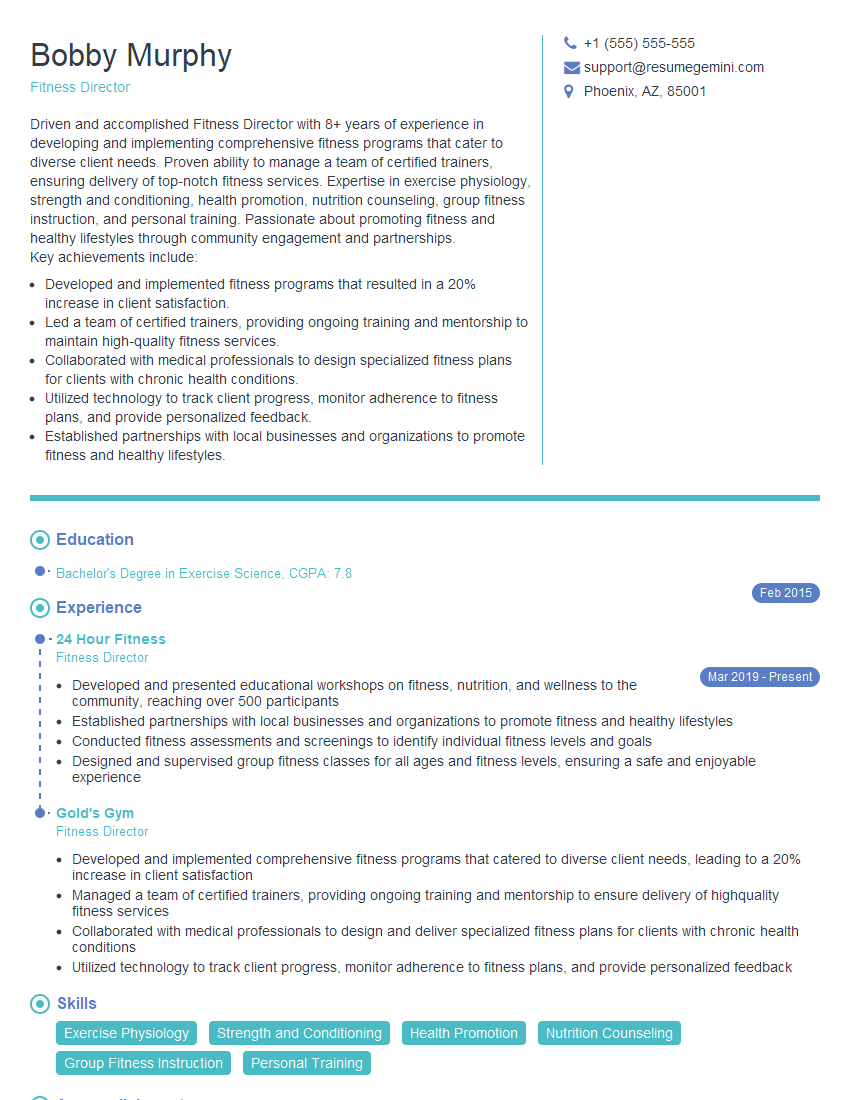
Fitness Director Resume Sample
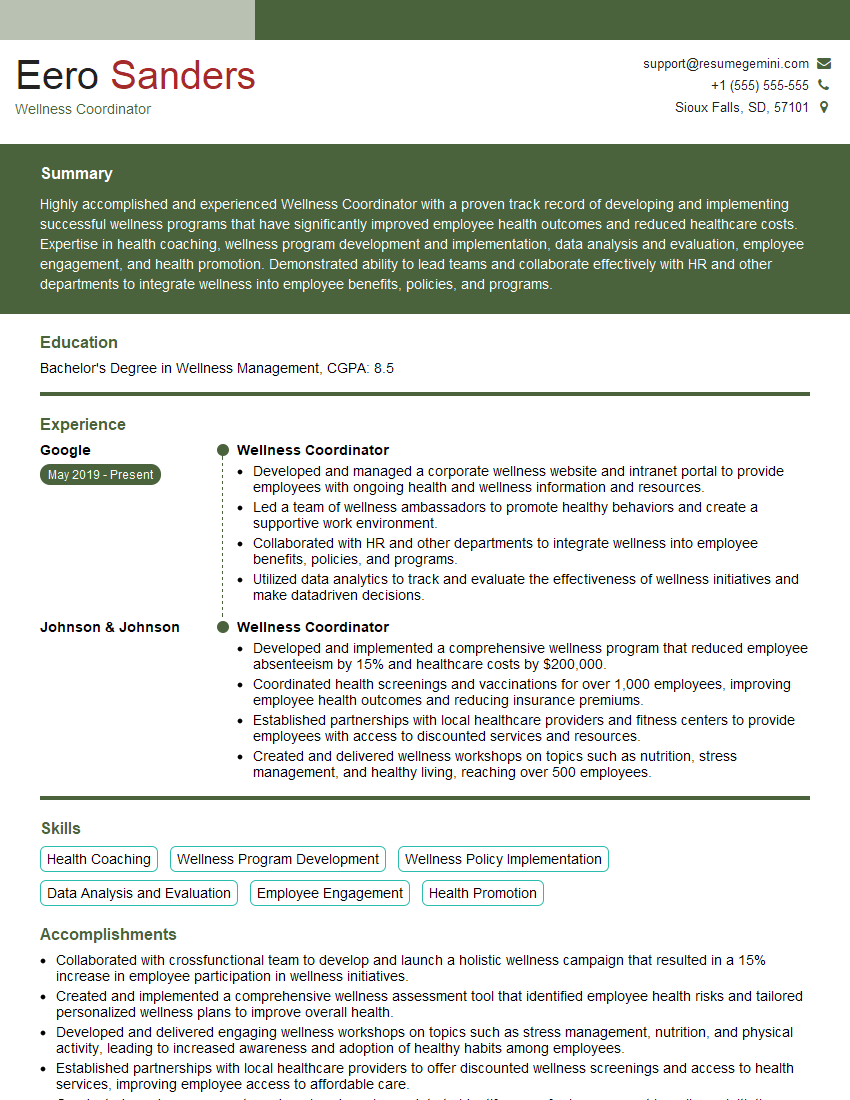
Wellness Coordinator Resume Sample
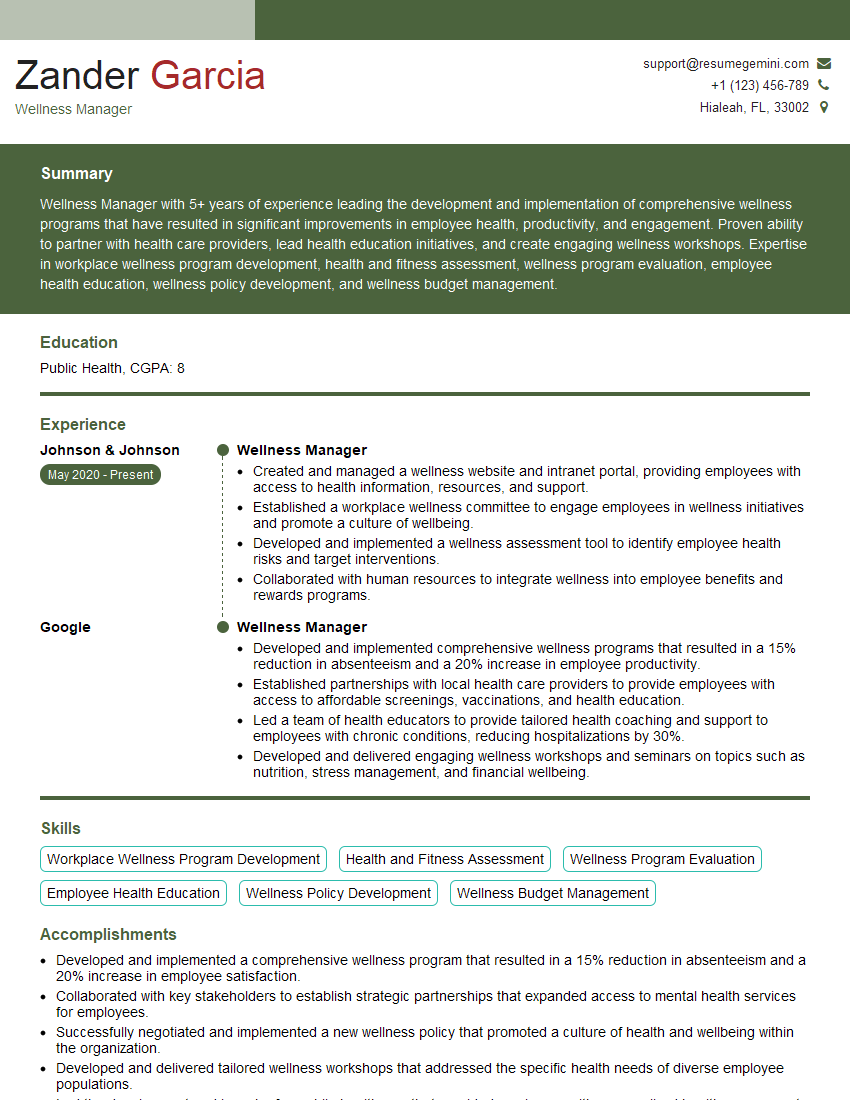
Wellness Manager Resume Sample
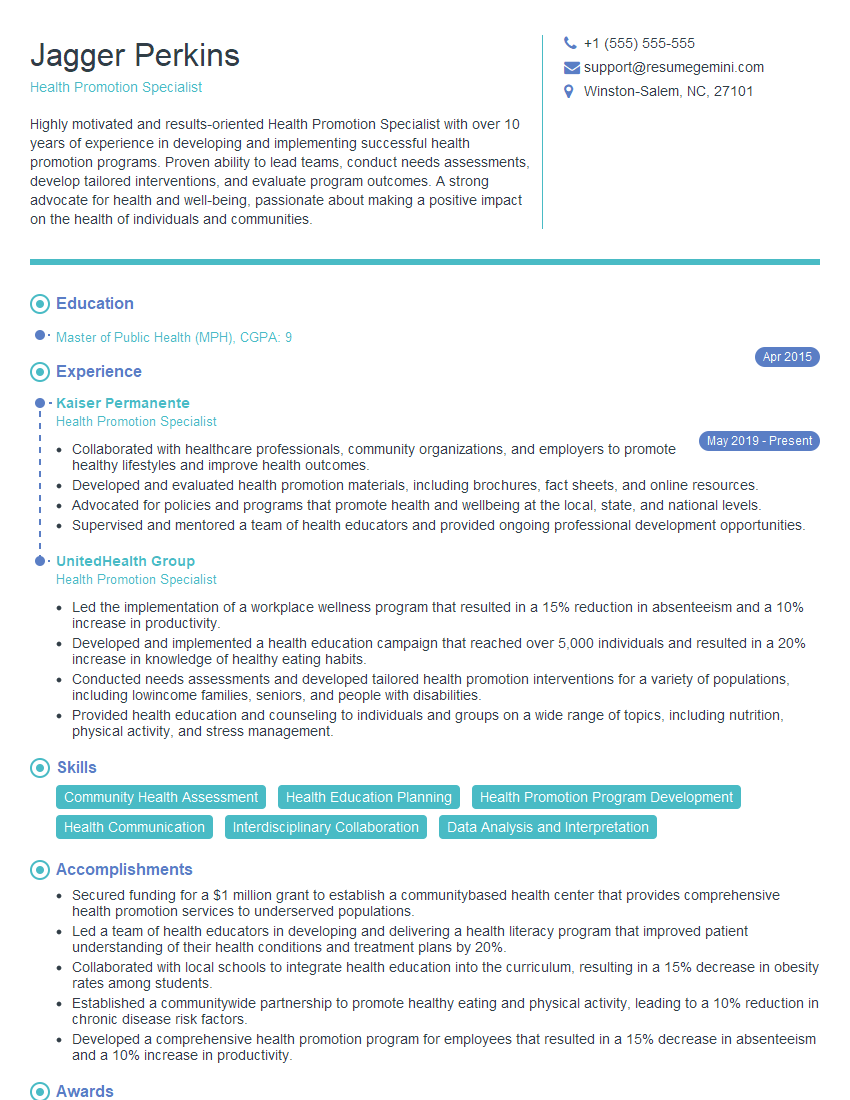
Health Promotion Specialist Resume Sample
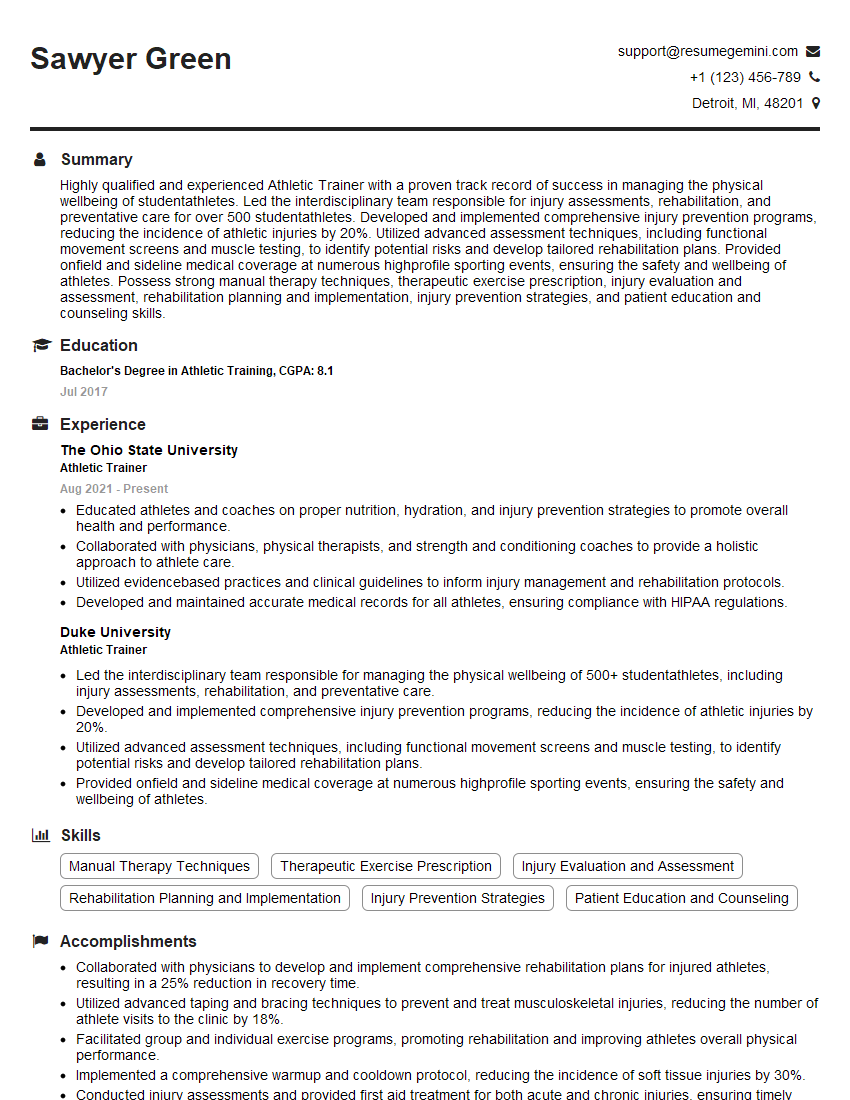
Athletic Trainer Resume Sample
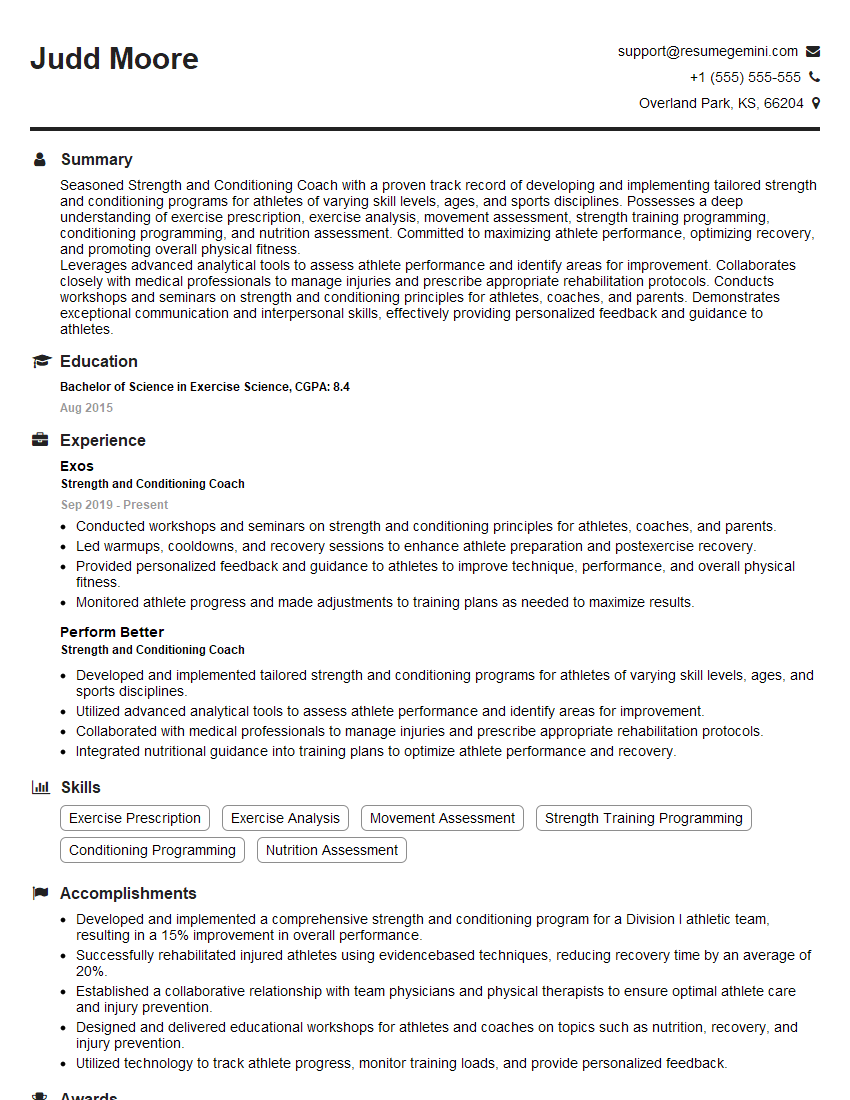
Strength and Conditioning Coach Resume Sample
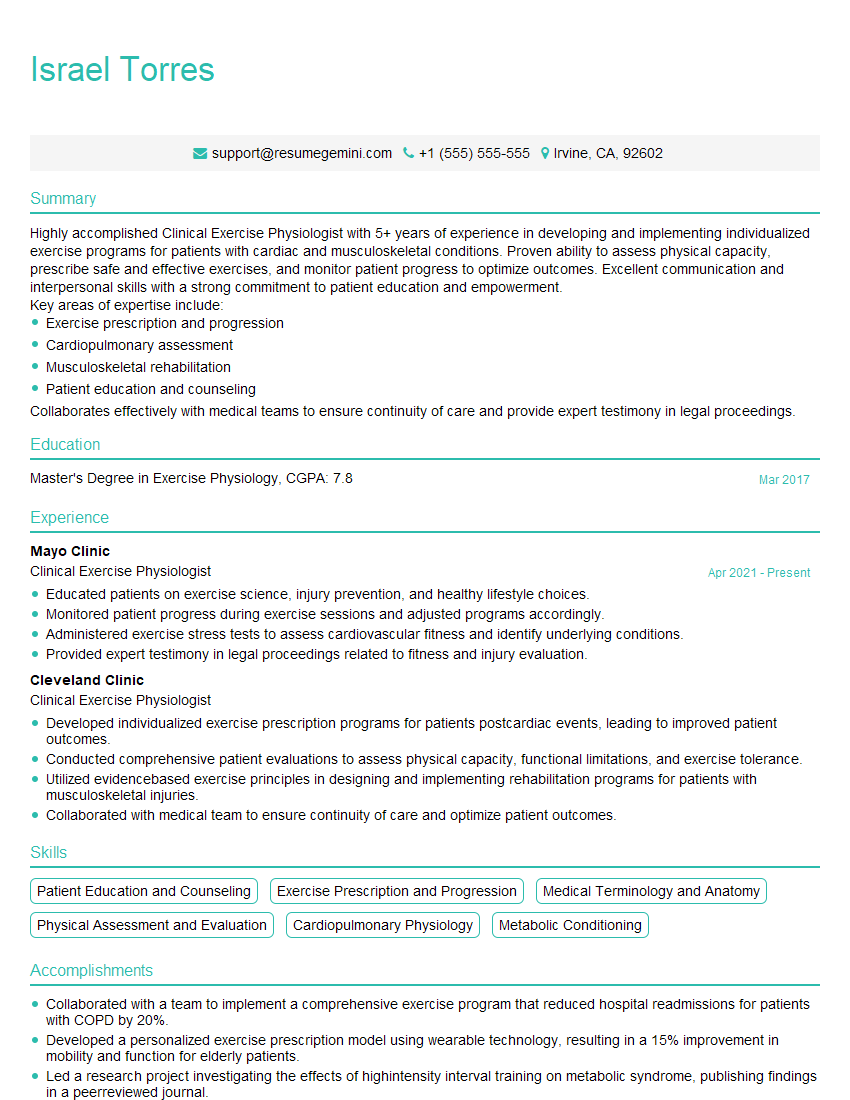
Clinical Exercise Physiologist Resume Sample
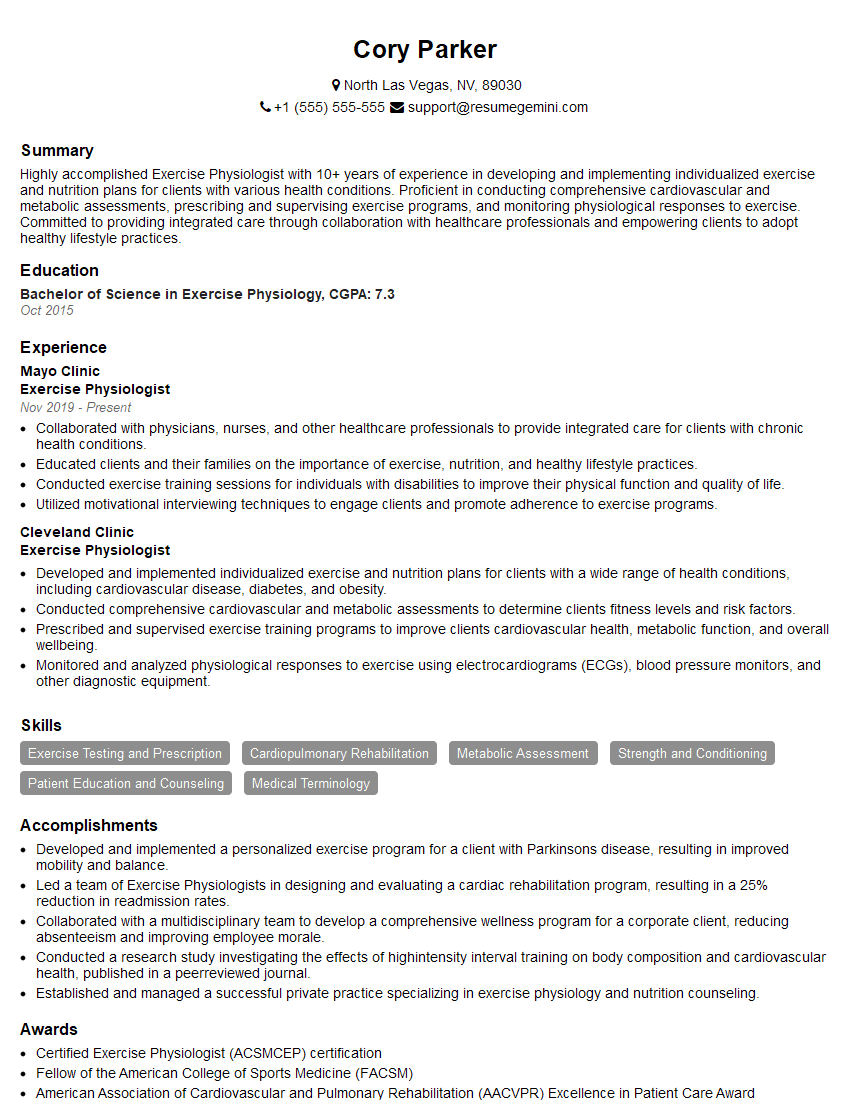
Exercise Physiologist Resume Sample
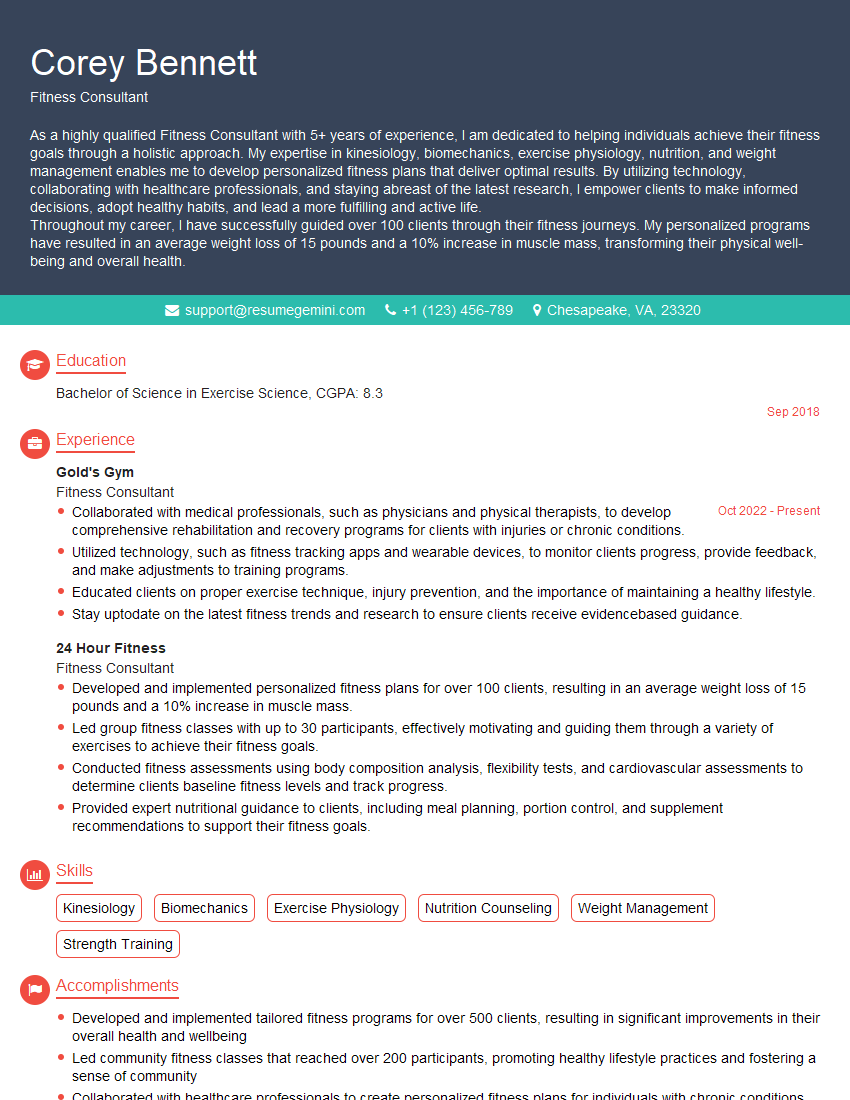
Fitness Consultant Resume Sample
Explore more articles
Users Rating of Our Blogs
Share Your Experience
We value your feedback! Please rate our content and share your thoughts (optional).
What Readers Say About Our Blog
To the interviewgemini.com Webmaster.
Very helpful and content specific questions to help prepare me for my interview!
Thank you
To the interviewgemini.com Webmaster.
This was kind of a unique content I found around the specialized skills. Very helpful questions and good detailed answers.
Very Helpful blog, thank you Interviewgemini team.