Unlock your full potential by mastering the most common Health Behavior Change Interventions interview questions. This blog offers a deep dive into the critical topics, ensuring you’re not only prepared to answer but to excel. With these insights, you’ll approach your interview with clarity and confidence.
Questions Asked in Health Behavior Change Interventions Interview
Q 1. Explain the Transtheoretical Model of Behavior Change (Stages of Change).
The Transtheoretical Model (TTM), also known as the Stages of Change model, is a framework that describes the process of behavior change as a series of stages. It’s not a linear process; individuals can move back and forth between stages.
- Precontemplation: The individual isn’t even thinking about changing their behavior. They may be unaware of the problem or unwilling to address it. Example: A smoker who hasn’t considered quitting.
- Contemplation: The individual is aware of the problem and is starting to think about changing, but hasn’t yet committed to action. They weigh the pros and cons. Example: A smoker who thinks about quitting but isn’t ready to take action.
- Preparation: The individual is planning to take action within the next month. They may start making small changes in preparation. Example: A smoker who buys nicotine patches or starts reducing the number of cigarettes smoked.
- Action: The individual is actively modifying their behavior. This stage requires significant effort and commitment. Example: A smoker who has completely stopped smoking.
- Maintenance: The individual has maintained the behavior change for at least six months and is working to prevent relapse. Example: A smoker who has been smoke-free for over a year and is actively avoiding situations that trigger smoking.
- Termination: The individual has no temptation to return to the old behavior and is confident they won’t relapse. This is a rare stage.
Understanding these stages allows interventions to be tailored to the individual’s readiness to change, improving the effectiveness of the intervention.
Q 2. Describe the Social Cognitive Theory and its application in health interventions.
Social Cognitive Theory (SCT) emphasizes the interaction between personal factors, environmental factors, and behavior. It proposes that behavior is learned through observation, imitation, and modeling, and is influenced by self-efficacy (belief in one’s ability to succeed) and outcome expectations (beliefs about the consequences of a behavior).
In health interventions, SCT is applied by:
- Modeling: Showing individuals successful examples of the desired behavior.
- Self-efficacy enhancement: Providing opportunities for mastery experiences, vicarious learning, social persuasion, and physiological feedback to boost confidence.
- Environmental restructuring: Modifying the environment to make the desired behavior easier to perform and the undesired behavior more difficult.
- Reinforcement: Providing rewards and positive feedback for desired behaviors.
For example, a smoking cessation program using SCT might involve showing videos of ex-smokers sharing their success stories (modeling), providing participants with coping strategies to handle cravings (self-efficacy enhancement), and offering support groups to foster social support (environmental restructuring and reinforcement).
Q 3. What are the key principles of motivational interviewing?
Motivational Interviewing (MI) is a collaborative, person-centered counseling approach that aims to elicit and strengthen motivation for change. It’s not about imposing change but guiding the individual to explore and resolve their ambivalence about change.
Key principles include:
- Express empathy: Understanding and reflecting the client’s perspective.
- Develop discrepancy: Helping the client see the difference between their current behavior and their values and goals.
- Roll with resistance: Avoiding arguments and instead redirecting resistance towards self-exploration.
- Support self-efficacy: Emphasizing the client’s ability to make changes.
Think of it like a guided conversation, not a lecture. The interviewer acts as a facilitator, helping the client discover their own reasons for change.
Q 4. How would you design a health behavior change intervention targeting smoking cessation?
A smoking cessation intervention would incorporate several key elements, tailored to the individual’s stage of change (TTM) and utilizing principles from SCT and MI:
- Assessment: Understanding smoking patterns, motivation, previous quit attempts, social support, and barriers.
- Goal setting: Collaboratively establishing realistic and achievable goals (MI).
- Behavior modification techniques: Identifying triggers, developing coping strategies (e.g., stress management techniques), and using techniques like stimulus control (avoiding places where smoking is common).
- Pharmacological interventions: Offering nicotine replacement therapy (NRT), bupropion, or varenicline based on individual needs.
- Social support: Connecting individuals with support groups, family, or friends (SCT).
- Relapse prevention planning: Developing strategies to anticipate and manage potential setbacks.
- Follow-up and monitoring: Regular check-ins to provide support, address challenges, and adjust the intervention as needed.
The intervention might involve individual counseling sessions, group therapy, and access to online resources. The approach should be personalized and adaptable to the individual’s specific circumstances.
Q 5. What are some common barriers to successful health behavior change?
Barriers to successful health behavior change are numerous and multifaceted. They can be categorized into:
- Individual factors: Low self-efficacy, lack of motivation, poor knowledge, denial, addiction, mental health issues, and lack of planning skills.
- Social factors: Lack of social support, social norms that support the unhealthy behavior, peer pressure, and family history of the unhealthy behavior.
- Environmental factors: Easy access to unhealthy options, lack of access to healthy options, stressful environments, and lack of safe places for physical activity.
- Economic factors: Cost of healthy options, financial strain limiting access to resources.
For example, an individual trying to lose weight might face barriers such as lack of time for exercise (environmental and individual), limited access to affordable healthy foods (environmental and economic), and family members who constantly eat unhealthy food (social).
Q 6. Explain the concept of self-efficacy and its role in behavior change.
Self-efficacy is the belief in one’s ability to successfully execute specific behaviors needed to produce certain outcomes. It’s a crucial factor in behavior change because individuals with high self-efficacy are more likely to attempt challenging tasks, persist in the face of obstacles, and recover quickly from setbacks.
In behavior change, interventions often aim to boost self-efficacy through:
- Mastery experiences: Successfully completing small, achievable goals builds confidence.
- Vicarious experiences: Observing others successfully performing the behavior.
- Social persuasion: Receiving encouragement and support from others.
- Physiological states: Managing anxiety and stress related to the behavior change.
For example, a person trying to quit smoking might build self-efficacy by successfully resisting a craving (mastery experience), seeing a friend successfully quit (vicarious experience), and receiving support from a therapist (social persuasion).
Q 7. How do you measure the effectiveness of a health behavior change program?
Measuring the effectiveness of a health behavior change program requires a multi-faceted approach, combining quantitative and qualitative data. Key measures include:
- Behavioral outcomes: Changes in the target behavior itself (e.g., smoking cessation rates, weight loss, increased physical activity). These are usually measured using self-report, objective measures (e.g., blood tests), and wearable devices.
- Process evaluation: Assessing the implementation of the program, including reach, fidelity (adherence to the protocol), and dose (the amount of intervention received). This helps understand how well the program was delivered.
- Participant satisfaction: Gathering feedback from participants about their experience with the program, including the quality of the intervention and its helpfulness.
- Cost-effectiveness analysis: Comparing the costs of the program to its effectiveness in achieving the desired outcomes.
- Long-term follow-up: Assessing the sustainability of the behavior change over time to assess whether the changes are lasting.
Statistical analysis techniques, such as t-tests, ANOVA, and regression analysis, can be used to analyze the quantitative data, and qualitative data may be analyzed using thematic analysis to identify patterns and insights.
Q 8. Describe different strategies for promoting adherence to health behavior change plans.
Promoting adherence to health behavior change plans requires a multifaceted approach, recognizing that individuals are unique and require tailored strategies. Think of it like building a strong foundation for a house – you need multiple strong supports.
- Goal Setting and Self-Monitoring: Helping individuals set realistic, achievable goals and track their progress is crucial. For example, instead of aiming for a drastic diet change, a gradual reduction in sugary drinks coupled with a daily log can be more sustainable. Apps and wearable technology can facilitate this process.
- Behavioral Strategies: These include techniques like stimulus control (e.g., removing tempting snacks from the house), response substitution (e.g., replacing smoking with exercise), and reinforcement (e.g., rewarding yourself for achieving milestones). Imagine a smoker replacing the act of lighting a cigarette with a mindful breathing exercise.
- Social Support: Building a support network through family, friends, or support groups can provide encouragement and accountability. Think of a weight-loss buddy system, where participants motivate each other.
- Cognitive Restructuring: This involves identifying and challenging negative thoughts and beliefs that hinder behavior change. For instance, someone might believe they can’t resist junk food; cognitive restructuring helps them reframe this belief.
- Motivational Interviewing: A collaborative, person-centered counseling style that helps individuals explore and resolve ambivalence about change. It’s like guiding someone to find their own motivation, rather than imposing it on them.
- Environmental Modifications: Changing the physical environment to support healthy behaviors. For example, making healthier food options more accessible at work or home.
A successful strategy often combines several of these techniques, tailored to the individual’s needs and preferences.
Q 9. What are the ethical considerations in conducting health behavior change interventions?
Ethical considerations in health behavior change interventions are paramount. We must always prioritize the well-being and autonomy of participants.
- Informed Consent: Participants must fully understand the intervention’s purpose, procedures, risks, and benefits before agreeing to participate. This includes transparency about data collection and use.
- Confidentiality and Privacy: Protecting participant data is crucial. All information should be handled securely and anonymously whenever possible. Using anonymization techniques is key.
- Beneficence and Non-Maleficence: Interventions should maximize benefits and minimize harm. We must avoid interventions that could inadvertently cause psychological distress or other negative consequences.
- Justice and Equity: Interventions should be accessible and equitable to all populations, regardless of race, ethnicity, socioeconomic status, or other factors. We must address potential health disparities.
- Respect for Persons: Participants should be treated with dignity and respect, recognizing their autonomy and right to withdraw from the intervention at any time.
Ethical review boards (IRBs) play a vital role in ensuring the ethical conduct of research involving human participants.
Q 10. How do you tailor interventions to meet the needs of diverse populations?
Tailoring interventions to diverse populations requires a deep understanding of cultural contexts, health beliefs, and access to resources. A one-size-fits-all approach is ineffective and can even be harmful.
- Cultural Sensitivity: Interventions should be respectful of cultural norms and values. For example, communication styles, approaches to healthcare, and family structures will vary greatly.
- Language Accessibility: Materials and communication should be available in the participants’ preferred language. Translation is not enough; cultural adaptation might also be necessary.
- Health Literacy: Interventions should be understandable and accessible to individuals with varying levels of health literacy. We must avoid jargon and use clear, concise language.
- Community Engagement: Involving community members in the design and implementation of interventions ensures culturally appropriate and relevant programs. This helps build trust and increases participation.
- Addressing Socioeconomic Barriers: Interventions should address barriers like cost, transportation, access to technology, and childcare that may limit participation.
For example, a smoking cessation program designed for an urban population may need significant modifications to be successful in a rural setting with limited transportation options.
Q 11. What is the difference between a health belief model and a theory of planned behavior?
Both the Health Belief Model (HBM) and the Theory of Planned Behavior (TPB) are prominent social cognitive theories used to understand and predict health behaviors, but they differ in their focus.
Health Belief Model (HBM): Focuses on individual perceptions of health threats and benefits. It posits that individuals are more likely to adopt a health behavior if they perceive a personal threat (susceptibility and severity of the illness) and believe the recommended action will be effective (benefits outweigh costs) and is feasible (self-efficacy). It considers cues to action (reminders or prompts) and demographics.
Theory of Planned Behavior (TPB): Emphasizes the role of intentions in predicting behavior. It suggests that intentions are determined by attitudes toward the behavior, subjective norms (perceived social pressure), and perceived behavioral control (belief in one’s ability to perform the behavior).
Key Difference: The HBM emphasizes perceived threats and benefits, whereas the TPB emphasizes intentions driven by attitudes, norms, and control beliefs. While the HBM focuses more on individual perceptions of risk and benefits, TPB acknowledges the social influences and perceived ability.
Example: Imagine someone considering getting a flu shot. The HBM would focus on whether they perceive themselves at risk (susceptibility), believe the flu is severe, believe the shot is effective, and can overcome any barriers (e.g., cost, time). The TPB would additionally consider their attitude towards getting the shot, whether their friends and family support it, and their belief that they can easily get the shot.
Q 12. Explain the importance of formative research in designing effective interventions.
Formative research is crucial for designing effective interventions. It’s like creating a blueprint before building a house – you need to understand the terrain and the needs of the future occupants.
Formative research involves gathering information from the target population to inform the design and implementation of an intervention. This might include:
- Needs Assessment: Identifying the specific health behaviors, barriers, and facilitators within the target population.
- Qualitative Data Collection: Using methods like focus groups, interviews, and observations to understand the perspectives, beliefs, and experiences of the target population. This provides rich insights.
- Pilot Testing: Testing the intervention on a small scale to identify potential problems and make necessary adjustments before full-scale implementation. This is crucial for refining the design.
- Feedback Mechanisms: Collecting feedback throughout the process from participants and stakeholders to ensure the intervention remains relevant and acceptable.
Without formative research, an intervention may be poorly designed, irrelevant to the needs of the target population, and ultimately ineffective. For example, an intervention for weight management delivered exclusively online might fail if a significant portion of the target audience lacks internet access.
Q 13. Describe your experience with community-based participatory research.
Community-Based Participatory Research (CBPR) is a collaborative approach that actively involves community members in all stages of the research process. It’s about empowering communities to address their own health concerns.
My experience with CBPR has involved working alongside community leaders, healthcare providers, and residents to develop and implement interventions addressing obesity prevention among youth. We used focus groups to understand community perspectives on healthy eating and physical activity, and this directly influenced the content and delivery methods of our intervention. For instance, we learned that culturally relevant foods and activities resonated more effectively than generic programs.
The key aspects of this approach are: 1) building trust and rapport with community members, 2) sharing power and decision-making, 3) recognizing community expertise, 4) ensuring that interventions are culturally relevant and sustainable, and 5) building capacity within the community to continue the work after the project ends. CBPR results in more impactful and equitable health outcomes compared to more traditional, top-down approaches.
Q 14. How do you address relapse in health behavior change programs?
Relapse is a common occurrence in health behavior change, but it doesn’t signal failure. It’s an opportunity for learning and adjustment. Think of it as a bump in the road, not the end of the journey.
- Relapse Prevention Planning: Identifying high-risk situations and developing strategies to cope with them is crucial. For instance, someone trying to quit smoking might plan how to handle social situations where smoking is prevalent.
- Self-Monitoring and Trigger Identification: Tracking behaviors and identifying triggers that lead to relapse helps individuals anticipate and manage these challenges. This could involve journaling or using a mobile app.
- Skill Building and Coping Strategies: Equipping individuals with effective coping strategies, such as stress management techniques or problem-solving skills, can help them navigate difficult situations without resorting to unhealthy behaviors.
- Social Support and Accountability: Maintaining strong social support networks and accountability mechanisms can help individuals stay on track during challenging times. This could involve regular check-ins with a therapist or support group.
- Cognitive Restructuring: Addressing negative thoughts and beliefs that contribute to relapse, such as self-blame or feelings of hopelessness. Reframing setbacks as learning opportunities is key.
It’s essential to emphasize that relapse is a normal part of the process. The focus should be on learning from setbacks, adapting strategies, and continuing the journey towards sustainable behavior change. Providing support and understanding is crucial during these times.
Q 15. How do you utilize technology in health behavior change interventions?
Technology plays a crucial role in enhancing the reach and effectiveness of health behavior change interventions. I utilize technology in several ways, from designing and delivering interventions to tracking progress and providing personalized support. For instance, I’ve developed and implemented mobile health (mHealth) applications that deliver tailored messages, track behavior, and provide interactive tools for goal setting and progress monitoring. These apps leverage features like gamification to increase engagement and adherence. I’ve also used telehealth platforms to provide remote coaching and counseling, making interventions accessible to individuals with limited mobility or geographic constraints. Furthermore, I utilize data analytics tools to monitor app usage, identify patterns in behavior change, and refine intervention strategies for optimal impact.
For example, in a recent project focused on increasing physical activity, we created an app that used GPS tracking to record exercise time and intensity, providing immediate feedback and rewards. We also integrated social features, allowing users to connect with peers and support each other’s progress. The data collected allowed us to understand which features were most effective and to make adjustments to improve user engagement and behavior change.
Career Expert Tips:
- Ace those interviews! Prepare effectively by reviewing the Top 50 Most Common Interview Questions on ResumeGemini.
- Navigate your job search with confidence! Explore a wide range of Career Tips on ResumeGemini. Learn about common challenges and recommendations to overcome them.
- Craft the perfect resume! Master the Art of Resume Writing with ResumeGemini’s guide. Showcase your unique qualifications and achievements effectively.
- Don’t miss out on holiday savings! Build your dream resume with ResumeGemini’s ATS optimized templates.
Q 16. What are some examples of evidence-based health behavior change strategies?
Evidence-based health behavior change strategies are grounded in research and have demonstrated effectiveness in improving health outcomes. These strategies often draw upon established theoretical models like the Transtheoretical Model (Stages of Change), the Health Belief Model, and Social Cognitive Theory. Examples include:
- Goal Setting: Collaboratively establishing specific, measurable, achievable, relevant, and time-bound (SMART) goals, which empower individuals and increase their sense of control.
- Self-Monitoring: Tracking behaviors (e.g., using a food diary, fitness tracker) to increase awareness and identify patterns.
- Behavioral Activation: Encouraging engagement in healthy activities to displace unhealthy behaviors and build positive routines.
- Cognitive Restructuring: Identifying and challenging negative thought patterns that hinder behavior change.
- Social Support: Building a supportive network of family, friends, or peers to encourage and motivate change.
- Incentives and Rewards: Using rewards to reinforce positive behaviors and motivate continued adherence.
- Relapse Prevention Planning: Anticipating challenges and developing strategies to manage setbacks.
For example, in a weight-loss intervention, we might combine goal setting (e.g., losing 1-2 pounds per week) with self-monitoring (using a food scale and journal) and social support (group meetings or online forums) to create a comprehensive approach.
Q 17. Describe your experience with data analysis related to health interventions.
My experience with data analysis in health interventions is extensive. I am proficient in using statistical software (e.g., SPSS, R) to analyze quantitative data, such as survey responses and behavioral tracking data, to evaluate the effectiveness of interventions. This includes descriptive statistics, inferential statistics (t-tests, ANOVA, regression analysis), and evaluating changes in behavior over time. I also have experience with qualitative data analysis, using techniques such as thematic analysis to understand the experiences and perspectives of participants. I utilize these analyses to identify factors that predict success or failure in achieving behavior change goals. This allows for continuous improvement and better targeting of future interventions.
For example, in a recent study, we analyzed data from a smoking cessation program to identify predictors of success. Our analysis revealed that participants who had strong social support and high levels of self-efficacy were significantly more likely to quit smoking successfully. This information was then used to improve the program’s design, focusing on strengthening social support networks and enhancing self-efficacy.
Q 18. What are your strengths and weaknesses in conducting health behavior change interventions?
My strengths lie in my ability to build rapport with clients, tailor interventions to their individual needs and preferences, and effectively utilize technology to enhance engagement and support. I’m also skilled in data analysis and program evaluation. I’m adept at adapting my approach based on client feedback and utilizing evidence-based strategies to maximize positive outcomes. I am a strong communicator and collaborator, working effectively with interdisciplinary teams.
One area for improvement is my experience with specific population groups, such as those with severe mental health conditions. While I’m comfortable adapting interventions to various contexts, further training in this specialized area would strengthen my expertise.
Q 19. How do you adapt intervention strategies based on client feedback?
Client feedback is essential for adapting and refining intervention strategies. I actively solicit feedback throughout the intervention process through various methods, including regular check-ins, surveys, and focus groups. This feedback is used to identify areas where the intervention is working well and areas needing improvement. For instance, if clients report difficulty with a specific aspect of the intervention, I might modify the approach or offer additional support. It might involve simplifying instructions, providing alternative strategies, or adjusting the pace and intensity of the intervention. Regular feedback loops ensure that the intervention remains relevant and engaging for each individual.
For instance, in a weight loss program, if participants consistently report difficulty adhering to meal plans due to busy schedules, I might adjust the program to include more flexible meal options and strategies for preparing food in advance.
Q 20. What is your experience with program evaluation and outcome measurement?
I have extensive experience with program evaluation and outcome measurement. My approach involves using a mixed-methods approach, combining quantitative and qualitative data to provide a comprehensive understanding of program effectiveness. Quantitative data might involve pre- and post-intervention assessments of targeted behaviors, while qualitative data might involve interviews or focus groups to explore participants’ experiences and perspectives. I use various statistical techniques to analyze quantitative data and identify significant changes in outcomes. Qualitative data helps to interpret these findings and understand the contextual factors influencing the results. This ensures that the evaluation is both rigorous and meaningful.
For example, in a recent community-based health promotion program, we used surveys to measure changes in physical activity levels and conducted interviews to explore participants’ satisfaction and perceived barriers to participation. The quantitative data showed a significant increase in physical activity levels, while the qualitative data highlighted the importance of social support and program accessibility.
Q 21. Describe your experience working with interdisciplinary teams.
I thrive in interdisciplinary team settings. My experience working with physicians, nurses, social workers, dieticians, and other healthcare professionals has significantly enhanced my ability to develop holistic and effective health behavior change interventions. Collaboration allows for the integration of various perspectives and expertise, resulting in more comprehensive and successful outcomes. I actively contribute to team discussions, share my expertise, and learn from others’ insights, ensuring that the intervention addresses the client’s needs from multiple angles.
For example, in a diabetes management program, I collaborated with a physician to ensure that the intervention aligned with medical guidelines and with a dietitian to develop nutritionally sound meal plans. This collaborative approach ensured that the program was effective and safe for participants.
Q 22. How do you maintain confidentiality and client privacy?
Maintaining client confidentiality and privacy is paramount in my practice. This involves adhering strictly to ethical guidelines and legal regulations like HIPAA (Health Insurance Portability and Accountability Act) in the US, or equivalent regulations in other countries. I ensure all client information, whether it’s their medical history, personal details, or session notes, is stored securely, using password-protected electronic systems and locked filing cabinets for physical documents. Access is restricted to only me and authorized personnel. Furthermore, I obtain informed consent from every client before starting any intervention, clearly outlining how their data will be used and stored. I am transparent about any potential limitations to confidentiality, such as mandated reporting of child abuse or imminent harm to self or others. I routinely review and update my understanding of privacy regulations to ensure compliance. For example, I recently completed a refresher course on HIPAA updates to ensure I’m fully compliant with the latest regulations concerning telehealth.
Q 23. What is your approach to addressing client resistance to change?
Client resistance to change is a common and expected part of the process. My approach is built on empathy and collaboration, not confrontation. I begin by actively listening to the client’s concerns and validating their feelings. Resistance often stems from fear, uncertainty, or past negative experiences. Understanding the root cause is crucial. For instance, if a client is resistant to adopting a healthier diet, I’ll explore their reasons – perhaps cost is a barrier, they lack cooking skills, or they have a history of unsuccessful attempts at dieting. Once I understand their perspective, I work collaboratively to develop a tailored plan that addresses their specific concerns and builds on their strengths. This might involve setting small, achievable goals, providing practical strategies, and celebrating successes along the way. The therapeutic alliance – the trust and rapport built between the client and me – is vital in overcoming resistance. I actively foster this connection through open communication and a supportive, non-judgmental approach. For example, I might use motivational interviewing techniques to help clients explore their own ambivalence towards change and discover their intrinsic motivation.
Q 24. How would you handle a situation where a client is not making progress?
When a client isn’t making progress, it necessitates a thorough reassessment of the intervention strategy. This isn’t necessarily a failure, but an opportunity for recalibration. I’d start by revisiting the initial assessment, checking if the goals are still relevant and realistic. Are the goals too ambitious? Is the client’s readiness for change fluctuating? I would then explore potential barriers – is there a lack of social support, unexpected life stressors, or unmet needs? Perhaps the chosen intervention isn’t the best fit for this client. I may need to adjust the intervention, explore alternative strategies, or even refer the client to another professional with expertise in a specific area. For instance, if a client struggling with weight loss is also experiencing significant stress, referring them for stress management counseling might be necessary before focusing solely on dietary changes. Open and honest communication with the client is key throughout this process, explaining the need for adjustments and collaboratively developing a revised plan.
Q 25. How do you stay current with the latest research in health behavior change?
Staying current with the latest research in health behavior change is an ongoing commitment. I regularly review peer-reviewed journals such as the Journal of Consulting and Clinical Psychology, Health Psychology, and American Journal of Public Health. I attend professional conferences and workshops, actively participating in discussions and networking with colleagues. I also engage with professional organizations, such as the Society of Behavioral Medicine, to receive updates on research and best practices. Online resources like PubMed and Google Scholar are invaluable tools for finding relevant research articles. Critically evaluating the research methodology and its applicability to my practice is essential. I focus on evidence-based interventions and incorporate new findings into my practice as appropriate. For example, I recently incorporated findings on the effectiveness of mindfulness-based interventions for stress management into my practice after reviewing multiple studies showcasing their efficacy.
Q 26. Describe your experience developing and implementing health education materials.
I have extensive experience developing and implementing health education materials, tailoring them to specific audiences and health concerns. My approach involves a thorough needs assessment to understand the target population’s health literacy, preferences, and cultural background. Then, I use clear, concise language, avoiding jargon and employing visuals such as infographics or videos to make the information accessible and engaging. I typically use a phased approach. First, I create drafts, then I get feedback from peers and the target audience for edits and improvements. Finally, I test the effectiveness of the materials through pre- and post-tests, assessing whether the information was retained and whether behaviors changed, ensuring the materials are impactful and effective. For example, I recently developed a series of short videos on diabetes prevention for a community center, utilizing simple language and culturally relevant examples. The post-test showed significant improvement in knowledge and self-reported behavioral changes.
Q 27. How do you assess a client’s readiness for change?
Assessing a client’s readiness for change is crucial for tailoring interventions and maximizing their effectiveness. I use several tools and strategies, including motivational interviewing techniques and validated scales such as the Stages of Change (Transtheoretical Model) assessment. This model categorizes individuals into different stages: precontemplation, contemplation, preparation, action, and maintenance. By understanding the client’s current stage, I can tailor my approach. For a client in the precontemplation stage (not considering change), I focus on raising awareness and exploring their ambivalence. For those in the action stage, I focus on providing support and strategies to maintain progress. In addition to using standardized tools, I also actively listen to the client’s expressed concerns and motivations, considering their individual circumstances and perspectives. The process involves a collaborative dialogue, where I help the client clarify their goals and identify potential barriers to change. For instance, I might ask a client about their confidence in making a change, their perceived self-efficacy, and the level of support they have from their social network.
Q 28. What is your experience with grant writing related to health interventions?
I have significant experience in grant writing related to health interventions, having successfully secured funding for several projects focused on promoting healthy lifestyles and preventing chronic diseases. My approach involves a deep understanding of the funding agency’s priorities and aligning the proposed intervention with their goals. I develop strong and compelling narratives, clearly articulating the problem, proposed solution, and expected outcomes. A well-structured budget is essential, clearly outlining the allocation of funds and justifying each expense. I also have experience in presenting proposals to funding bodies, addressing questions from reviewers, and responding to feedback effectively. For example, I recently secured funding for a community-based program promoting physical activity among older adults by demonstrating a strong need within the population, aligning the program with national health initiatives and presenting a detailed, cost-effective budget. I am proficient in various grant writing software and databases and am constantly updating my skills to stay informed about current funding opportunities.
Key Topics to Learn for Health Behavior Change Interventions Interview
- Theoretical Frameworks: Understand the core principles of prominent models like the Health Belief Model, Transtheoretical Model (Stages of Change), Social Cognitive Theory, and the Theory of Planned Behavior. Be prepared to discuss their strengths, weaknesses, and applicability in diverse contexts.
- Intervention Strategies: Explore various intervention techniques, including motivational interviewing, cognitive behavioral therapy (CBT) applications, educational programs, community-based interventions, and policy-level changes. Consider the ethical implications of each.
- Behavioral Assessment & Measurement: Master methods for assessing health behaviors, including self-report measures, observational techniques, and physiological indicators. Understand the importance of reliability and validity in your chosen methods.
- Program Planning & Evaluation: Familiarize yourself with the steps involved in designing, implementing, and evaluating health behavior change interventions. Be ready to discuss logic models, program evaluation frameworks, and data analysis approaches.
- Cultural Considerations & Health Disparities: Demonstrate awareness of the influence of culture, socioeconomic status, and other factors on health behaviors. Be prepared to discuss culturally sensitive interventions and strategies to address health disparities.
- Technological Applications: Explore the use of technology (e.g., mobile apps, telehealth) in delivering and evaluating health behavior change interventions. Understand the benefits and challenges associated with technology-based interventions.
- Sustainability and Dissemination: Discuss strategies for ensuring the long-term sustainability of interventions and disseminating effective programs to broader populations.
Next Steps
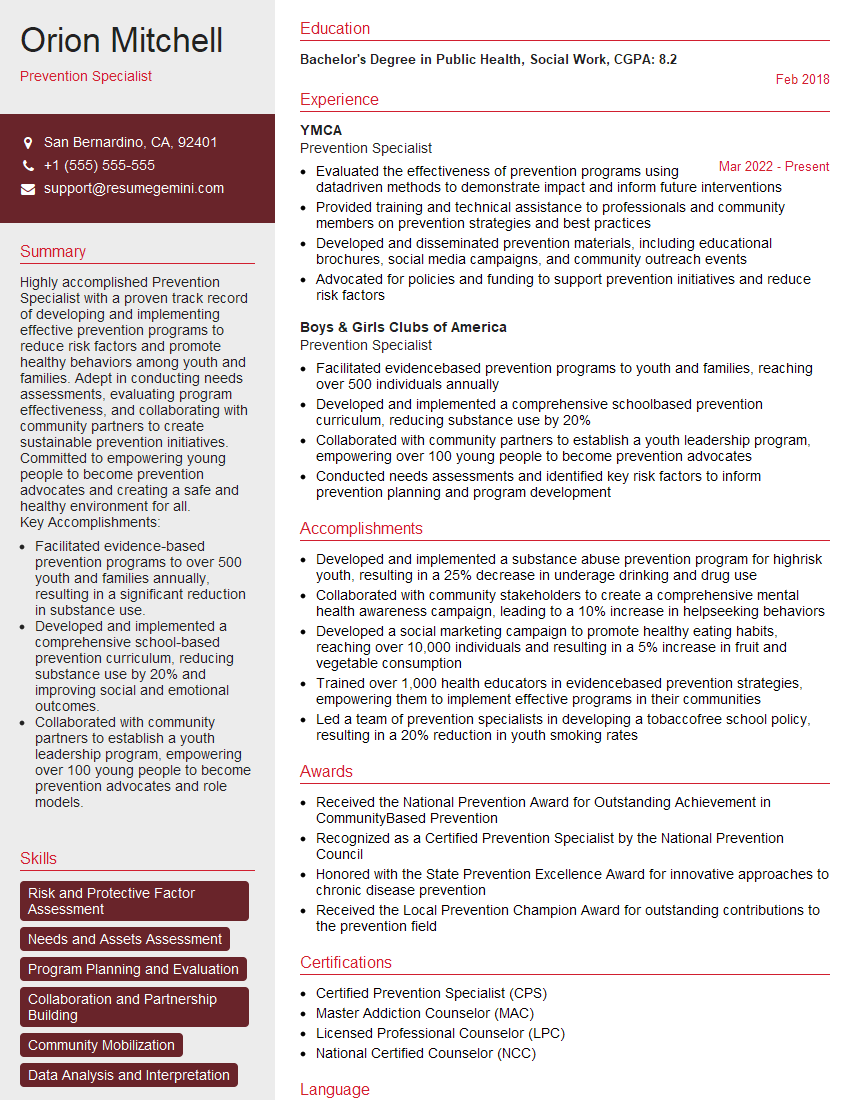
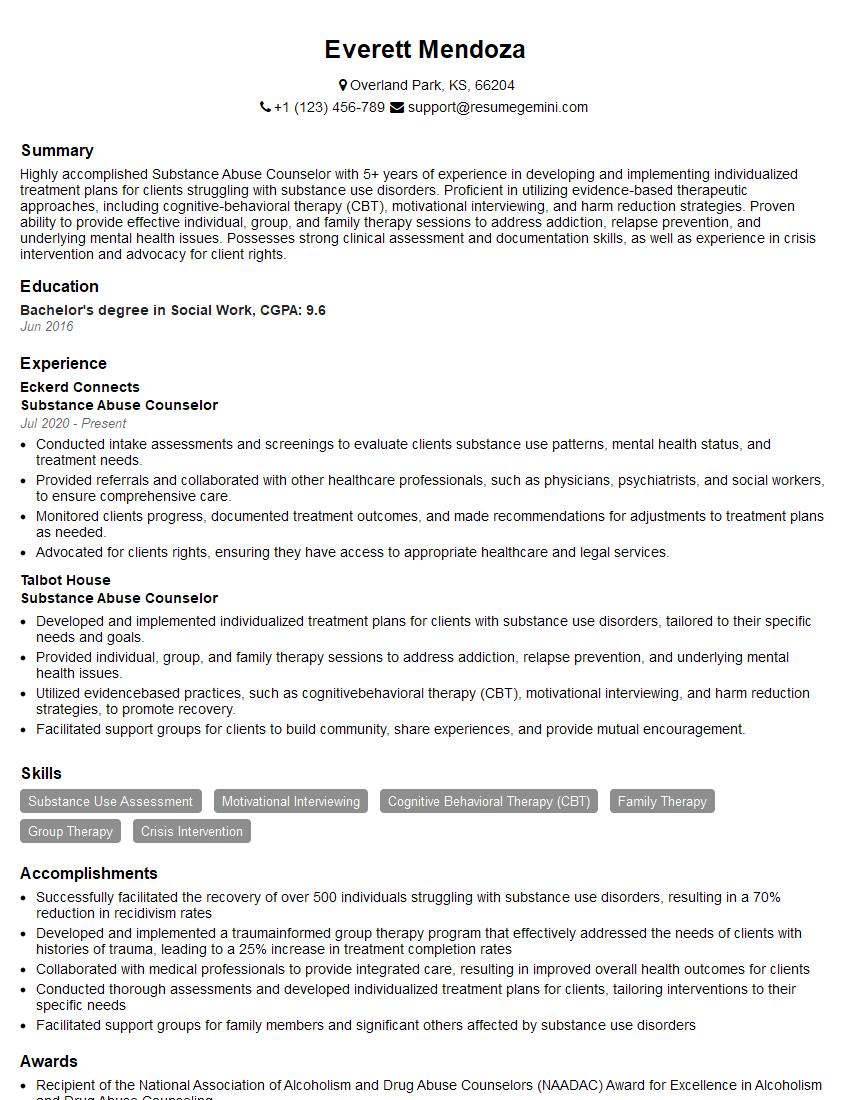
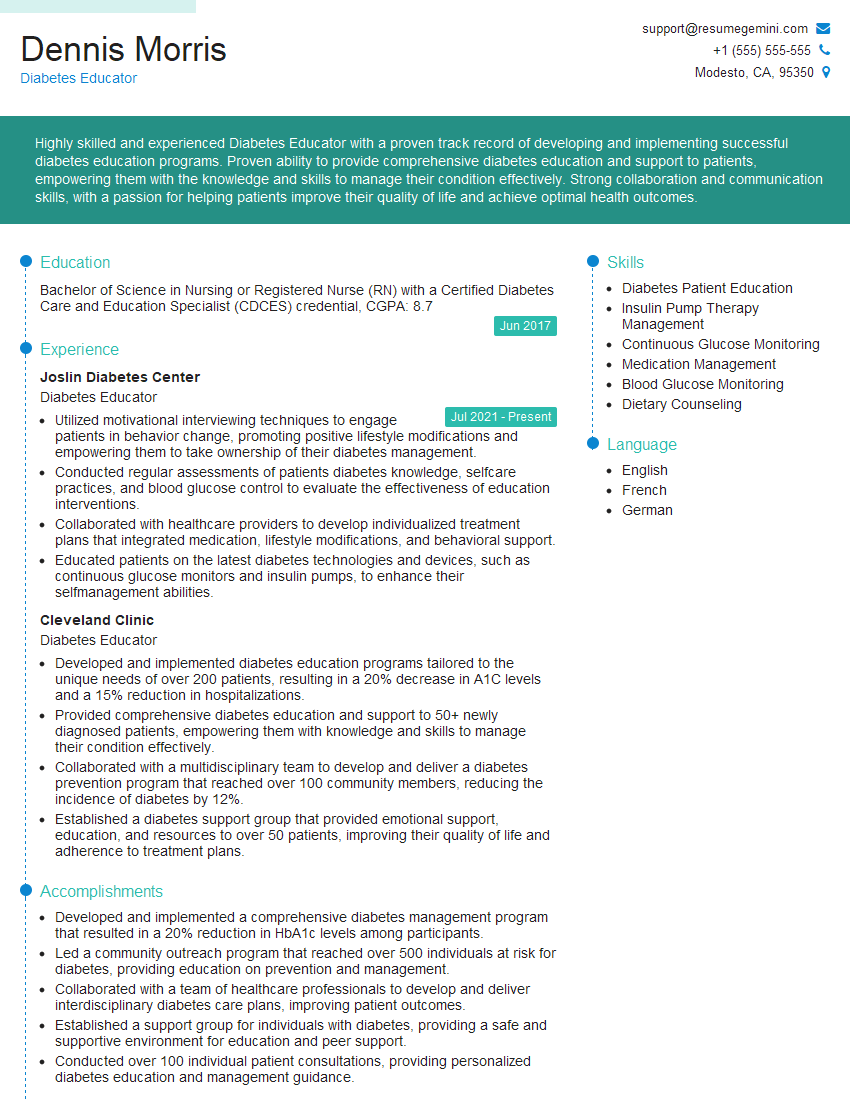
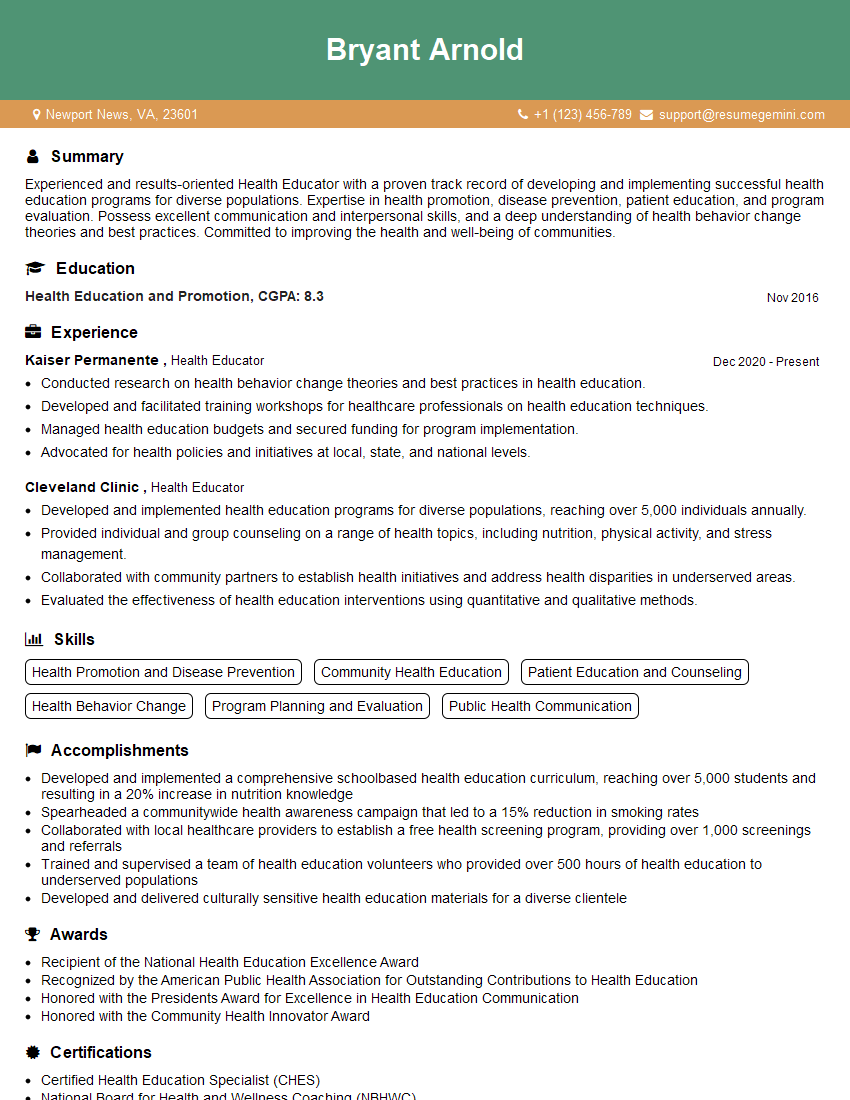
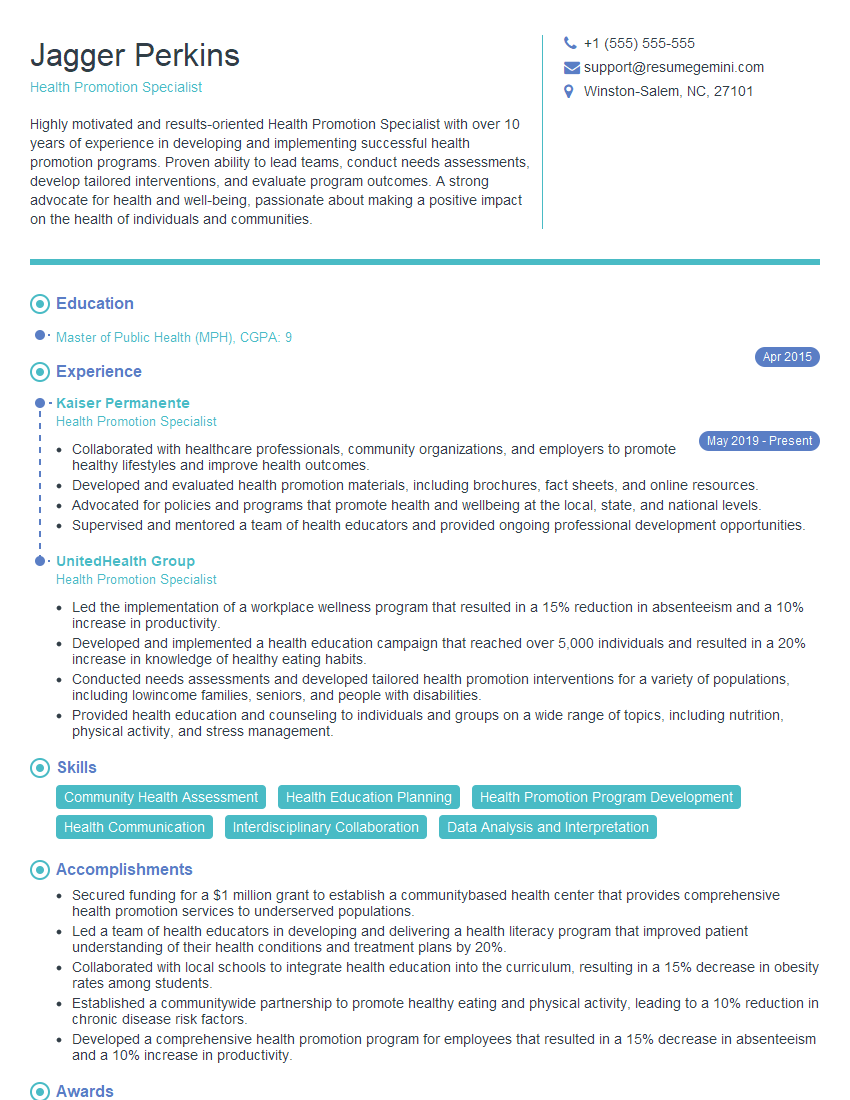
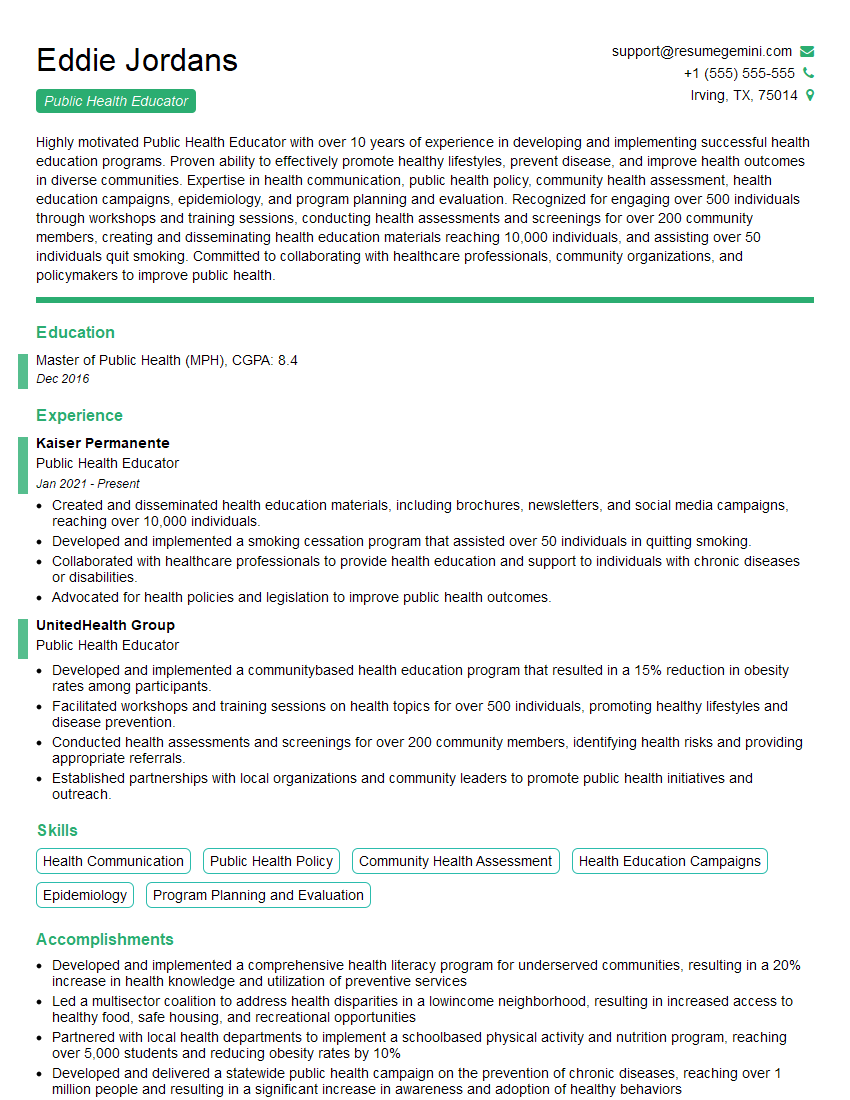
Mastering Health Behavior Change Interventions is crucial for a successful and impactful career in public health, healthcare, and related fields. A strong understanding of these principles will open doors to diverse and rewarding opportunities. To maximize your job prospects, invest time in crafting a compelling and ATS-friendly resume that highlights your skills and experience. ResumeGemini is a trusted resource to help you build a professional resume that showcases your qualifications effectively. Examples of resumes tailored to Health Behavior Change Interventions are available to guide you through the process.

Explore more articles
Users Rating of Our Blogs
Share Your Experience
We value your feedback! Please rate our content and share your thoughts (optional).
What Readers Say About Our Blog
To the interviewgemini.com Webmaster.
Very helpful and content specific questions to help prepare me for my interview!
Thank you
To the interviewgemini.com Webmaster.
This was kind of a unique content I found around the specialized skills. Very helpful questions and good detailed answers.
Very Helpful blog, thank you Interviewgemini team.