Interviews are opportunities to demonstrate your expertise, and this guide is here to help you shine. Explore the essential Interpreting Material Safety Data Sheets (MSDS) interview questions that employers frequently ask, paired with strategies for crafting responses that set you apart from the competition.
Questions Asked in Interpreting Material Safety Data Sheets (MSDS) Interview
Q 1. Explain the purpose of a Material Safety Data Sheet (MSDS).
A Material Safety Data Sheet (MSDS), now often called a Safety Data Sheet (SDS), is a document that provides comprehensive information on the hazards and safe handling practices associated with a particular chemical product. Think of it as the chemical’s ‘instruction manual’ for safety. It’s crucial for anyone who handles, stores, transports, or works with the substance, from laboratory technicians to factory workers and even delivery drivers. The purpose is to ensure worker safety and prevent accidents, injuries, and environmental damage. It’s a vital tool for compliance with occupational safety and health regulations.
Q 2. What are the key sections of an MSDS, and what information is contained within each?
While the exact sections and their order might vary slightly depending on the country and specific regulations, a typical SDS includes the following key sections:
- Identification: Product name, manufacturer’s information, emergency contact details.
- Hazard Identification: Summarizes the hazards of the chemical, including health, physical, and environmental hazards. This section often includes signal words (Danger or Warning), hazard statements, and precautionary statements.
- Composition/Information on Ingredients: Lists the chemical components, their concentrations, and CAS (Chemical Abstracts Service) numbers.
- First-aid measures: Describes immediate actions to take in case of exposure (eye, skin, ingestion, inhalation).
- Fire-fighting measures: Details appropriate extinguishing agents and special firefighting procedures.
- Accidental release measures: Outlines steps to take in case of a spill or leak, including containment and cleanup procedures.
- Handling and storage: Provides guidance on safe handling, storage conditions (temperature, ventilation, etc.), and incompatible materials.
- Exposure controls/personal protection: Specifies engineering controls (ventilation), personal protective equipment (PPE) such as gloves, respirators, and eye protection, and recommended exposure limits.
- Physical and chemical properties: Lists physical characteristics like appearance, odor, boiling point, melting point, flash point, etc.
- Stability and reactivity: Describes the chemical’s stability, potential hazards during storage, and conditions to avoid.
- Toxicological information: Details the health effects of exposure, including acute and chronic effects.
- Ecological information: Describes the environmental impacts of the chemical.
- Disposal considerations: Provides guidance on safe disposal methods.
- Transport information: Includes transportation regulations and requirements.
- Regulatory information: Lists relevant regulations and labeling requirements.
- Other information: Includes additional information, such as revision dates and references.
Q 3. How would you identify the hazards associated with a chemical based on its MSDS?
Identifying hazards from an MSDS involves a careful review of several sections. The Hazard Identification section is paramount. It summarizes the key hazards, often using standardized phrases called ‘hazard statements’. For example, a statement like ‘Causes serious eye irritation’ clearly indicates an eye hazard. Look also at the Composition/Information on Ingredients section: Knowing the specific chemicals present helps you cross-reference them with known hazard databases and determine their potential risks. The presence of pictograms (discussed in the next question) immediately alerts you to major hazards. Finally, sections like Toxicological Information and Physical and Chemical Properties offer detailed information on the severity and nature of the potential dangers.
For example, if an MSDS lists ‘flammable’ under Hazard Identification and has a corresponding flammable pictogram, and lists a flashpoint of 25°C in the Physical and Chemical Properties section, you know this chemical poses a significant fire hazard.
Q 4. Describe the different hazard classes and their associated pictograms.
The Globally Harmonized System of Classification and Labelling of Chemicals (GHS) uses pictograms to quickly communicate the main hazards of a chemical. These are standardized symbols, making it easy to recognize hazards across different countries and languages. Some examples include:
- Flame: Flammable
- Exploding bomb: Explosives
- Exclamation mark: Irritant, Skin sensitizer, etc.
- Health hazard: Toxic, Carcinogenic, etc.
- Corrosion: Corrosive
- Environment: Hazardous to the aquatic environment
- Gas cylinder: Gases under pressure
- Skull and crossbones: Acute toxicity
Each pictogram is paired with specific hazard statements and precautionary statements to provide more detailed information on the nature and degree of the hazard.
Q 5. How do you interpret the Globally Harmonized System of Classification and Labelling of Chemicals (GHS) information on an MSDS?
The GHS is the international system used for classifying and labeling chemicals. An MSDS incorporating GHS information will use standardized hazard classifications and phrases. Key aspects to interpret include:
- Hazard Statements (H-statements): Standardized phrases that describe the nature and severity of the hazard (e.g., H314 – Causes severe skin burns and eye damage).
- Precautionary Statements (P-statements): Instructions on how to safely handle, use, and store the chemical to minimize risks (e.g., P280 – Wear protective gloves/protective clothing/eye protection/face protection).
- Signal Words: ‘Danger’ indicates severe hazards, ‘Warning’ indicates less severe hazards.
- Pictograms: Standardized symbols representing hazard classes (as described above).
Understanding these elements allows you to quickly grasp the risks associated with the chemical and the necessary precautions to take.
Q 6. What are the different types of exposure limits (e.g., PEL, TLV, REL) and how are they interpreted?
Exposure limits define the maximum allowable concentration of a chemical in the workplace air. Different organizations and countries use different terminology and methods:
- Permissible Exposure Limit (PEL): Legally mandated limits set by the Occupational Safety and Health Administration (OSHA) in the United States.
- Threshold Limit Value (TLV): Recommended exposure limits developed by the American Conference of Governmental Industrial Hygienists (ACGIH). These are guidelines, not legally enforceable limits. There are different TLVs: TLV-TWA (time-weighted average over an 8-hour workday), TLV-STEL (short-term exposure limit for a 15-minute period), and TLV-C (ceiling limit, which should never be exceeded).
- Recommended Exposure Limit (REL): Similar to TLVs, but established by other organizations or governmental agencies.
These limits are usually expressed in parts per million (ppm) or milligrams per cubic meter (mg/m³). Interpreting them requires comparing the measured or predicted workplace concentration to the limit. If the concentration exceeds the limit, actions such as improved ventilation or using respiratory protection are necessary.
Q 7. Explain the difference between acute and chronic health effects.
The difference lies in the timeframe of the effect:
- Acute health effects: Occur immediately or shortly after a single or short-term exposure to a chemical. Examples include skin irritation, nausea, dizziness, or even death. These are often described in the First-aid measures and Toxicological information sections.
- Chronic health effects: Develop over a longer period due to repeated or prolonged exposure to lower concentrations of a chemical. Examples include cancer, liver damage, respiratory problems, or reproductive toxicity. These are usually discussed in the Toxicological information section. It’s important to note that chronic effects may not be immediately apparent and can manifest years after exposure.
Think of acute effects as an immediate reaction like a burn, while chronic effects are like a slow build-up of damage, similar to the gradual wear-and-tear on a machine.
Q 8. How do you determine the appropriate personal protective equipment (PPE) based on the information provided in an MSDS?
Determining the appropriate Personal Protective Equipment (PPE) from an MSDS involves carefully reviewing several sections. First, look at the health hazards section; this will detail potential health effects like skin irritation, respiratory problems, or eye damage. Then, examine the physical and chemical properties section, which might indicate flammability, reactivity, or corrosiveness. Finally, the handling and storage section often suggests specific PPE. For example, if the MSDS indicates a substance is highly corrosive, you’ll need chemical-resistant gloves, eye protection, and possibly a lab coat. If it’s a respiratory irritant, a respirator might be necessary. Think of it like this: the MSDS is a recipe, and the PPE is your protective cooking gear – you need the right gear for the ingredients you’re handling.
Example: An MSDS for concentrated sulfuric acid will likely recommend gloves made of neoprene or nitrile, safety glasses with side shields, and a lab coat, due to its corrosive and irritant nature. Conversely, a less hazardous substance might only require safety glasses and gloves.
Q 9. What are the emergency procedures outlined in an MSDS, and how would you respond to a chemical spill?
Emergency procedures detailed in an MSDS typically include steps for handling spills, fires, and exposure incidents. For a chemical spill, the first step is always safety; evacuate the area and alert emergency services. The MSDS will specify the appropriate cleanup procedures. This often involves using specific absorbents, neutralizing agents, or specialized containment methods depending on the chemical’s properties. Never attempt cleanup without proper training and the correct PPE.
Example: If a bottle of hydrochloric acid breaks, you would first evacuate the area, then consult the MSDS for cleanup instructions. It might suggest using a specific neutralizing agent, like sodium bicarbonate, and then carefully collecting the neutralized material with absorbent pads, while wearing appropriate PPE.
The MSDS also typically provides information about first aid measures in case of exposure. This section is crucial for guiding immediate responses before professional medical help arrives.
Q 10. How do you handle incompatible chemicals according to MSDS guidelines?
Handling incompatible chemicals requires a meticulous approach based on the information provided in the MSDS. Incompatible chemicals can react violently, producing toxic gases, heat, or explosions. The MSDS will list known incompatibilities for the substance. Never store or mix chemicals without checking for incompatibilities.
Example: Mixing strong acids (like sulfuric acid) with strong bases (like sodium hydroxide) is highly dangerous and can generate a significant amount of heat, potentially causing burns or even explosions. The MSDS for each substance would explicitly list this incompatibility. Proper storage involves segregating incompatible chemicals to prevent accidental mixing. Separate storage areas with appropriate signage are essential.
Q 11. Explain the importance of proper storage and handling of chemicals as indicated in the MSDS.
Proper storage and handling of chemicals, as outlined in the MSDS, are critical for safety and regulatory compliance. The MSDS specifies suitable storage containers (e.g., specific materials resistant to corrosion or chemical degradation), temperature requirements (some chemicals are unstable at high or low temperatures), and the need for ventilation (to prevent the build-up of hazardous vapors). It also describes safe handling practices, like avoiding direct contact with skin or eyes, using appropriate ventilation, and preventing ingestion.
Example: Flammable materials require storage in a designated flammable storage cabinet away from ignition sources. Chemicals sensitive to light should be stored in opaque containers. Following these guidelines prevents accidents and ensures the long-term stability of the chemicals.
Q 12. How do you ensure that all employees are properly trained on the safe handling and use of chemicals based on MSDS information?
Ensuring employee training based on MSDS information is a legal and ethical obligation. Training programs should include detailed review of the relevant MSDS sections, focusing on hazards, safe handling procedures, emergency response, and PPE requirements. Training should be regularly updated whenever new chemicals are introduced or MSDS information changes. Documentation of training is crucial for demonstrating compliance.
Example: A comprehensive training program on handling concentrated acids would involve reviewing the relevant MSDS sections with employees, demonstrating proper PPE use, practicing spill cleanup procedures, and discussing first-aid measures for acid exposure. The training should be interactive, include practical demonstrations, and be followed by written or practical exams to confirm understanding.
Q 13. How would you interpret the physical and chemical properties of a substance from its MSDS?
Interpreting the physical and chemical properties of a substance from its MSDS is crucial for assessing its hazards. The MSDS typically provides data on: Physical state (solid, liquid, gas); Appearance (color, odor); Melting/Boiling point; Flammability (flash point, autoignition temperature); Solubility (in water, other solvents); pH; Vapor pressure; Density; and Reactivity (with water, air, other chemicals). These properties help determine the potential hazards and guide safe handling and storage practices.
Example: If the MSDS indicates a high vapor pressure, it means the substance readily evaporates, creating a potential inhalation hazard. Knowing the substance’s solubility in water helps determine appropriate cleanup procedures for spills. Understanding its reactivity with air or water can guide safe storage and handling.
Q 14. What are the regulatory requirements for MSDS access and distribution?
Regulatory requirements for MSDS access and distribution vary by jurisdiction (e.g., OSHA in the US, WHMIS in Canada). Generally, MSDSs must be readily accessible to all employees who handle or may be exposed to hazardous chemicals. They should be available in a central location, often digitally accessible via a company intranet, and also at the point of use. Employers are usually legally obligated to provide training on how to interpret and utilize the MSDS. The MSDS must be kept up-to-date with the most current information, reflecting any changes in the chemical’s composition or handling procedures.
Example: In the US, OSHA’s Hazard Communication Standard mandates that employers provide employees with access to safety data sheets (SDSs), the updated name for MSDSs. Non-compliance can result in significant penalties.
Q 15. How do you ensure compliance with OSHA regulations regarding MSDS?
Ensuring compliance with OSHA regulations regarding MSDS (now SDS) involves a multi-faceted approach. First, we must understand that OSHA’s Hazard Communication Standard (HCS) mandates that employers provide employees with access to Safety Data Sheets for all hazardous chemicals present in the workplace. This means having readily available, up-to-date SDSs for every chemical used, stored, or handled.
Secondly, we need to ensure proper training. Employees must be trained on how to locate and understand the information contained within the SDS. This training should cover hazard identification, personal protective equipment (PPE) requirements, emergency procedures, and safe handling practices. Regular refresher training is essential, especially when new chemicals are introduced or SDS updates are issued.
Thirdly, we must implement a robust system for managing SDSs. This typically involves a designated location for SDS storage, preferably both physical and digital (accessible via computer). Regular audits are conducted to ensure all SDSs are current and accessible to all relevant personnel. Failure to comply with these regulations can result in significant penalties, including fines and potential legal action.
Finally, maintaining accurate records is crucial. We need to document the training provided, the SDSs received and updated and any incidents related to the chemicals. This meticulous record keeping allows for traceability and helps to demonstrate compliance during inspections.
Career Expert Tips:
- Ace those interviews! Prepare effectively by reviewing the Top 50 Most Common Interview Questions on ResumeGemini.
- Navigate your job search with confidence! Explore a wide range of Career Tips on ResumeGemini. Learn about common challenges and recommendations to overcome them.
- Craft the perfect resume! Master the Art of Resume Writing with ResumeGemini’s guide. Showcase your unique qualifications and achievements effectively.
- Don’t miss out on holiday savings! Build your dream resume with ResumeGemini’s ATS optimized templates.
Q 16. Explain the differences between an MSDS and a Safety Data Sheet (SDS).
The terms MSDS (Material Safety Data Sheet) and SDS (Safety Data Sheet) are often used interchangeably, but there’s a key distinction. MSDS was the older term used before the Globally Harmonized System of Classification and Labelling of Chemicals (GHS) was implemented. The GHS is an internationally standardized system for classifying and communicating hazard information for chemicals. The SDS is the updated version, aligning with GHS requirements.
The main difference lies in the format and content. While both provide information on the hazards of a chemical, the SDS follows a standardized 16-section format (as defined by OSHA’s HCS), ensuring consistency and ease of understanding across different manufacturers and chemicals. MSDSs, on the other hand, had varied formats, making it challenging to quickly access crucial safety information.
Think of it like this: MSDS is the older, less organized filing cabinet, while SDS is the modern, well-organized digital database, where information is easily retrievable and consistent.
Q 17. What is the role of the SDS in workplace safety?
The SDS plays a vital role in workplace safety by acting as a central hub of information on hazardous chemicals. It serves as a critical reference for employees, supervisors, emergency responders, and others who may come into contact with those chemicals. The SDS details the physical and chemical properties of a substance, its potential health hazards (acute and chronic), safe handling practices, storage requirements, first aid measures, and emergency procedures. This information is essential for preventing accidents and protecting worker health.
For instance, an SDS might indicate that a certain chemical is flammable and requires specific storage conditions away from ignition sources, or that protective gloves and eye protection are necessary during handling. This information enables employers to implement appropriate control measures such as ventilation systems, personal protective equipment, and emergency response plans, directly impacting workplace safety and reducing the risk of injuries and illnesses.
Q 18. How do you manage changes to SDS information?
Managing changes to SDS information requires a proactive and systematic approach. Chemical manufacturers are required to update SDSs whenever new information becomes available. This could be due to new research findings, revised safety procedures, or changes in the chemical’s composition. As a safety professional, it is my responsibility to monitor these updates.
My process typically involves setting up automated alerts from the chemical suppliers. This provides immediate notification when a new SDS version is available. Once I receive an update, I immediately compare it to the existing version to identify any changes and ensure the new information is incorporated. This includes updating physical copies and the digital database of SDSs, making sure the updated version is readily accessible to employees. Training on the changes might also be needed, depending on the significance of the update.
To ensure no SDS goes unnoticed, I usually perform regular audits of our chemical inventory, cross-referencing it with the SDS database and confirming current versions are available. We maintain a system of version control for each SDS to ensure traceability of all changes, maintaining a historical record.
Q 19. How would you determine the appropriate disposal method for a chemical waste based on the MSDS?
Determining the appropriate disposal method for a chemical waste is crucial for environmental protection and worker safety. The SDS provides the essential information for this. The section dedicated to disposal considerations (typically section 13) will detail the recommended methods, as well as any regulations that might apply.
For example, the SDS may specify that the chemical must be neutralized before disposal, or that it needs to be disposed of at a hazardous waste facility that is permitted to handle that specific type of waste. The SDS might also provide information on incompatible materials, to prevent dangerous reactions during the disposal process. It is important to always adhere to all local, state, and federal regulations when handling chemical waste. Ignoring these recommendations could lead to environmental contamination, fines, and even legal consequences.
In short, the SDS acts as your guide, informing you on whether the waste can be disposed of through regular trash, recycling, or requires specialized handling by a licensed hazardous waste disposal company.
Q 20. What are the health effects associated with prolonged exposure to a specific chemical (example: toluene)?
Toluene, a common solvent, poses several health risks with prolonged exposure. The severity of these effects depends on the concentration and duration of exposure. Acute effects (short-term) can include irritation of the eyes, skin, and respiratory tract, headaches, dizziness, and nausea. More severe cases can lead to loss of consciousness.
Chronic exposure (long-term) to toluene carries more serious consequences. It can significantly affect the central nervous system, leading to neurological damage. Symptoms can include impaired cognitive function, memory loss, hearing loss, and even permanent neurological disorders. Furthermore, there is evidence linking prolonged toluene exposure to kidney and liver damage. In women, there’s a concern regarding reproductive toxicity.
It is crucial to remember that the information provided is for educational purposes and should not be considered as a complete substitute for consulting an SDS or seeking medical advice. If you suspect exposure to toluene or any other hazardous chemical, seek immediate medical attention.
Q 21. How do you identify the manufacturer or supplier of a chemical from its MSDS?
Identifying the manufacturer or supplier of a chemical from its SDS is straightforward. This information is typically found in section 1 of the SDS, titled ‘Identification’. This section usually includes the name and contact information (address, phone number, and potentially email) of the manufacturer, importer, or distributor.
This information is crucial for several reasons. It allows you to contact the manufacturer for clarification on any aspect of the SDS or to report any incidents or issues related to the chemical. It also aids in tracking the source of the chemical, which is vital for tracing issues if needed. For example, if a batch of a chemical is found to be contaminated, this information can be critical in initiating a recall or investigation. In short, knowing the source is fundamental for effective safety management.
Q 22. Describe a situation where you had to interpret complex MSDS information to solve a workplace safety issue.
In my previous role at a chemical manufacturing plant, we experienced a series of minor skin irritations among workers handling a new cleaning solution. The MSDS for the solution was available, but the specific causative agent and its concentration weren’t clearly stated. To address this, I meticulously reviewed the sections on composition/information on ingredients, hazards identification (specifically skin irritation data), and first-aid measures. I cross-referenced the listed ingredients with publicly available databases like PubChem to gain a deeper understanding of their individual properties. This revealed that a specific surfactant, present at a higher concentration than initially understood, was likely the culprit. By identifying this, we were able to implement more stringent personal protective equipment (PPE) protocols—including the mandatory use of nitrile gloves—which eliminated the skin irritation incidents.
This case highlighted the importance of not only understanding the basic information in an MSDS but also being able to delve deeper into chemical properties using external resources. It’s not always enough to simply read the summary; often, a detailed analysis of the components is critical for precise safety assessments.
Q 23. How familiar are you with online MSDS databases and search tools?
I’m very familiar with online MSDS databases and search tools. My experience includes using both vendor-specific databases (e.g., provided by chemical suppliers) and publicly accessible ones such as those maintained by government agencies (like OSHA in the US). I understand the strengths and limitations of each. Vendor databases are generally accurate and comprehensive for the products they list, but they lack breadth. Public databases offer broader access but might contain less detailed information or slight variations in data depending on the source. I am proficient in using search functions based on chemical names, CAS numbers (Chemical Abstracts Service Registry Numbers, a unique identifier for each chemical), and other identifiers to quickly locate the required MSDS.
I regularly utilise keyword search functions to efficiently locate the relevant MSDS even when I only have partial information about the product or its components. The skill lies not only in finding the document but also in critically evaluating its source and reliability.
Q 24. How would you communicate MSDS information effectively to non-technical personnel?
Communicating MSDS information effectively to non-technical personnel requires simplification and visual aids. I avoid jargon and technical terms whenever possible. For instance, instead of saying ‘acute toxicity,’ I might say ‘can be poisonous if swallowed or inhaled’.
I typically use a combination of methods:
- Visual aids: Flowcharts, pictograms, and infographics are far more engaging and easier to understand than pages of text. For example, a simple chart outlining PPE requirements for different tasks based on MSDS information is far more impactful.
- Plain language summaries: I create concise summaries that highlight the key hazards and precautions, focusing on the most relevant information for that specific task or situation.
- Interactive training: Hands-on training sessions, including demonstrations and quizzes, can effectively reinforce the information and ensure understanding.
- Simplified labeling: Working with the team, we can create simplified labels for containers that reflect the key safety information from the MSDS in a clear and concise manner.
The goal is to ensure everyone understands the potential risks and how to mitigate them. A clear and simple message is far more effective than a complex technical explanation.
Q 25. What are some common mistakes made when interpreting MSDS information?
Several common mistakes occur when interpreting MSDS information. These include:
- Ignoring the date of issue/revision: Using an outdated MSDS can lead to incorrect safety practices. Always check the revision date.
- Misinterpreting hazard statements: Hazard statements are crucial but need to be considered within the context of the entire MSDS. One should not isolate single statements and draw conclusions based on them alone.
- Overlooking specific sections: Sections like ‘Handling and Storage,’ ‘Exposure Controls/Personal Protection,’ and ‘Disposal Considerations’ are frequently overlooked but are essential for safe handling.
- Not considering the concentration: The hazards associated with a chemical are directly related to its concentration. An MSDS describes the hazards at 100% concentration; at lower concentrations, hazards can be significantly reduced or absent. It’s critical to consider the actual concentration used in the workplace.
- Assuming familiarity: Not thoroughly reviewing the entire document and relying on previous knowledge can lead to critical oversights.
To mitigate these mistakes, careful, thorough, and repeated review of the entire document, including the sections mentioned, is crucial. Regular training to reinforce understanding of proper interpretation is equally important.
Q 26. How do you stay current with changes and updates to MSDS regulations and standards?
Staying current with MSDS regulations and standards requires proactive engagement. I follow several strategies:
- Subscription to professional journals and newsletters: Staying abreast of industry changes and regulatory updates through professional publications is essential.
- Participating in relevant professional development courses and workshops: Continuous learning ensures my knowledge is current and aligned with best practices.
- Monitoring governmental agency websites: Regularly reviewing websites of regulatory bodies like OSHA (US), WHMIS (Canada), and similar organizations in other countries provides up-to-date information on changes in regulations and standards.
- Networking with colleagues: Sharing information and best practices with colleagues from other organizations can broaden my perspective and highlight emerging issues.
By combining these methods, I maintain a comprehensive understanding of current regulations and best practices in handling and interpreting MSDS.
Q 27. Describe your experience in using SDS software or databases.
My experience with SDS software and databases is extensive. I have used various systems, ranging from simple spreadsheet-based tracking systems to sophisticated enterprise-level software solutions. My proficiency includes data entry, searching, reporting generation, and ensuring regulatory compliance. I am comfortable navigating different software interfaces and extracting relevant information efficiently. I’ve used software that integrates MSDS data with other workplace safety management systems, allowing for the creation of custom reports and alerts. This integrated approach allows for a more holistic view of workplace safety and facilitates more efficient risk management.
For instance, I have experience using software that links MSDS information directly to the inventory management system, automatically flagging materials requiring specific handling procedures or PPE based on their SDS data. This automated approach significantly improves efficiency and accuracy.
Q 28. Explain how you would handle a situation where the MSDS is incomplete or missing crucial information.
If an MSDS is incomplete or missing crucial information, I would follow a systematic approach:
- Identify the source of the chemical: Determine the supplier or manufacturer of the chemical to obtain a complete MSDS directly from them. Contacting the supplier is the first and most important step.
- Utilize alternative resources: If contacting the supplier proves unsuccessful, I would leverage publicly accessible databases like PubChem or similar chemical databases to gain supplementary information on the chemical composition and potential hazards. This should be done cautiously and should not replace a proper MSDS.
- Conduct a hazard assessment based on available information: In the absence of complete information, I would use the available data to conduct a preliminary hazard assessment. This would involve making reasonable assumptions based on the known chemical properties, and this would be clearly documented as a preliminary assessment.
- Implement precautionary measures: Until a complete MSDS is available, I would err on the side of caution, implementing the strictest possible safety protocols based on the information I can gather. This would involve considering the worst-case scenario in terms of the potential hazards.
- Document the process: All steps taken, including the challenges encountered and the measures taken to mitigate risks, should be thoroughly documented. This is crucial for accountability and to inform future safety decisions.
It’s crucial to remember that using incomplete or partially estimated information is not ideal. The goal is to secure a complete and accurate MSDS as quickly as possible. This proactive approach ensures workplace safety despite data limitations.
Key Topics to Learn for Interpreting Material Safety Data Sheets (MSDS) Interview
- Understanding the Structure of an MSDS: Familiarize yourself with the standard sections (identification, hazards, composition, first aid, etc.) and their typical content. Practice navigating different MSDS formats.
- Identifying Hazards: Learn to recognize and interpret hazard statements, pictograms, and signal words. Practice identifying potential risks associated with various chemicals and materials.
- Interpreting Safety Precautions: Understand how to translate MSDS information into practical safety measures, including personal protective equipment (PPE) requirements, handling procedures, and emergency response protocols.
- Chemical Composition and Properties: Learn to interpret information on chemical composition, physical properties (e.g., flammability, reactivity), and toxicological data. Understand the implications of these properties for safe handling and storage.
- Emergency Response Procedures: Master the interpretation of first aid measures, spill response procedures, and fire-fighting techniques outlined in the MSDS. Be ready to explain the appropriate actions in different scenarios.
- Regulatory Compliance: Understand the legal and regulatory frameworks surrounding MSDS and how they impact workplace safety and compliance.
- Practical Application: Be prepared to discuss scenarios where accurate interpretation of an MSDS prevented accidents or ensured safe work practices. Develop case studies to illustrate your understanding.
- Problem-Solving: Practice interpreting complex or ambiguous MSDS information. Be ready to explain your reasoning and justify your conclusions.
Next Steps
Mastering the interpretation of Material Safety Data Sheets (MSDS) is crucial for a successful career in many safety-conscious industries. A strong understanding of MSDS demonstrates your commitment to workplace safety and regulatory compliance, making you a highly valuable asset to any employer. To enhance your job prospects, it’s vital to create an ATS-friendly resume that highlights your MSDS interpretation skills and related experience. We highly recommend using ResumeGemini to craft a professional and effective resume. ResumeGemini provides tools and resources to build a strong resume, and offers examples of resumes tailored to Interpreting Material Safety Data Sheets (MSDS) to help you get started.
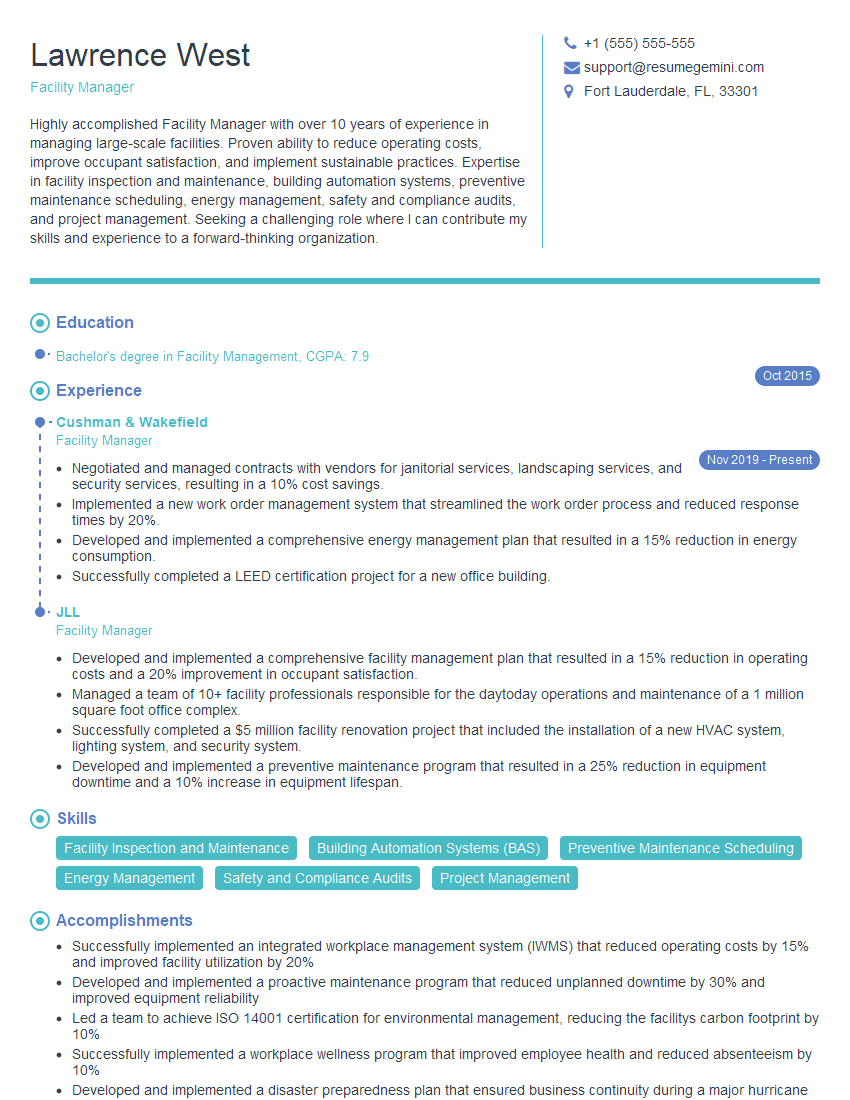
Facility Manager Resume Sample

Operations Manager Resume Sample
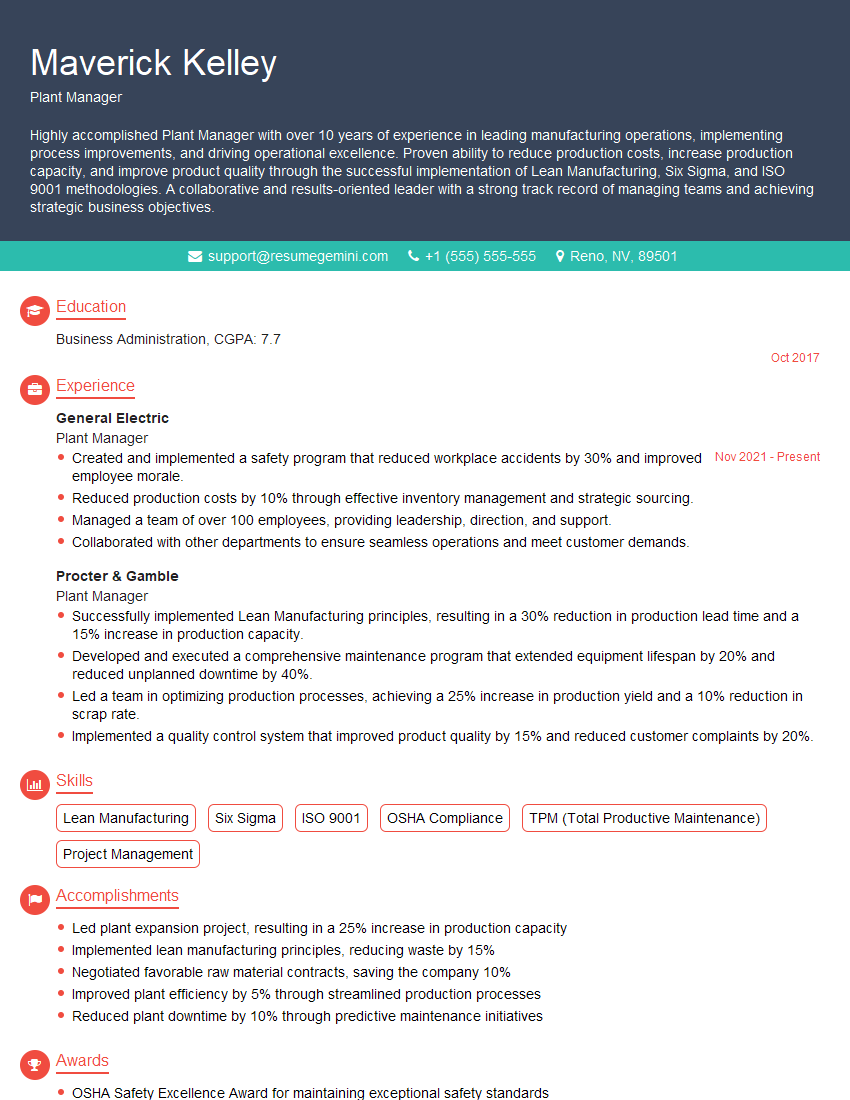
Plant Manager Resume Sample

Manufacturing Manager Resume Sample
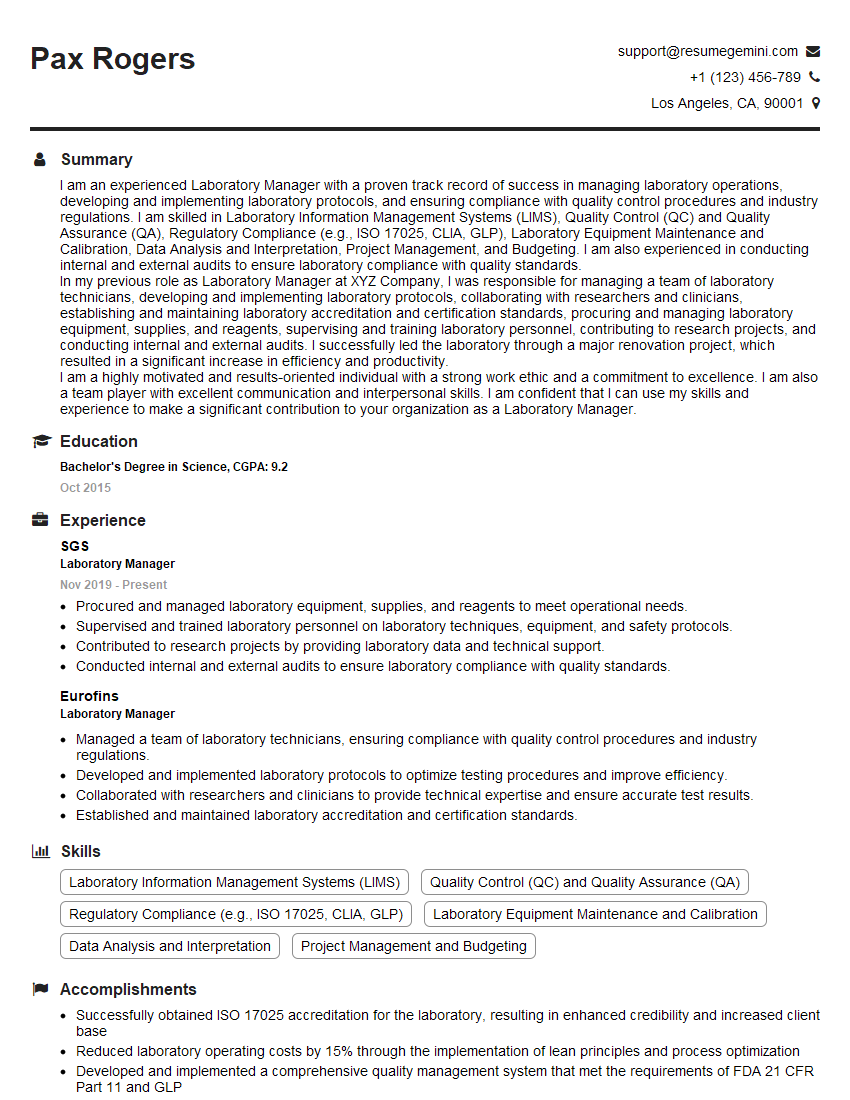
Laboratory Manager Resume Sample
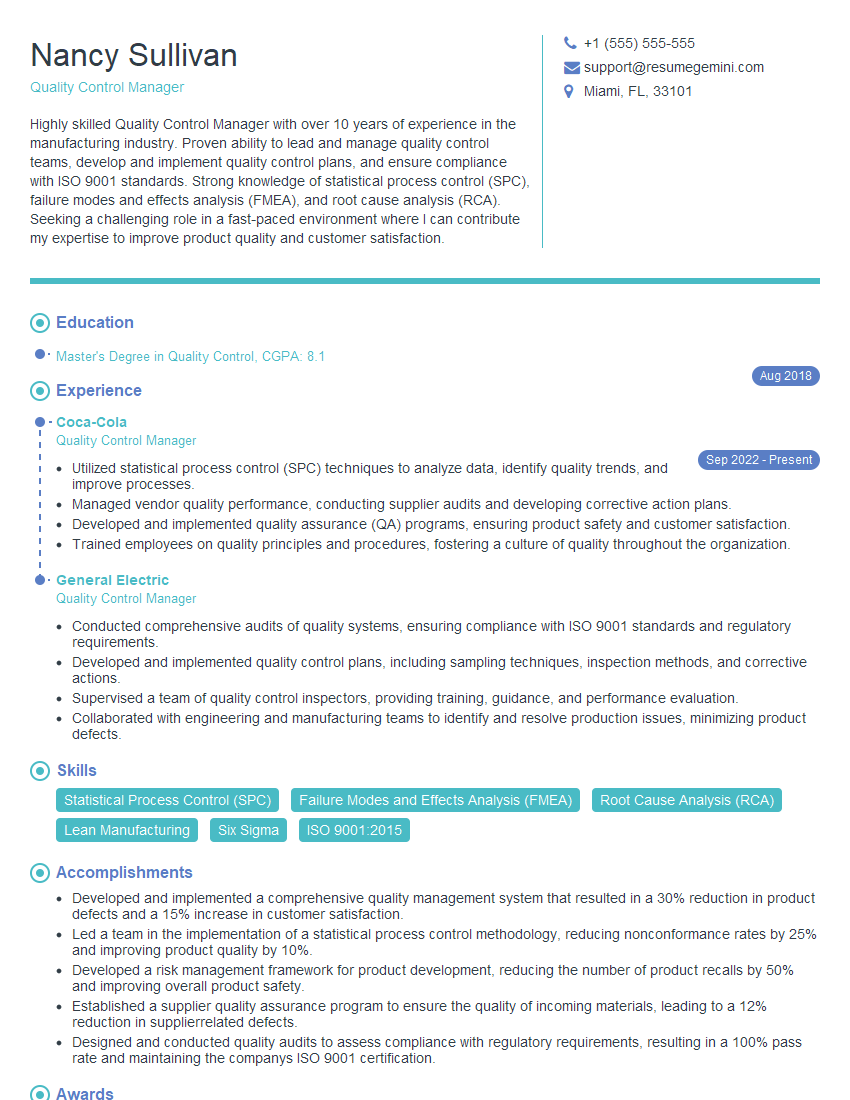
Quality Control Manager Resume Sample

Production Supervisor Resume Sample

Supply Chain Manager Resume Sample

Logistics Manager Resume Sample

Warehouse Manager Resume Sample

Environmental Health and Safety Manager Resume Sample

Compliance Specialist Resume Sample
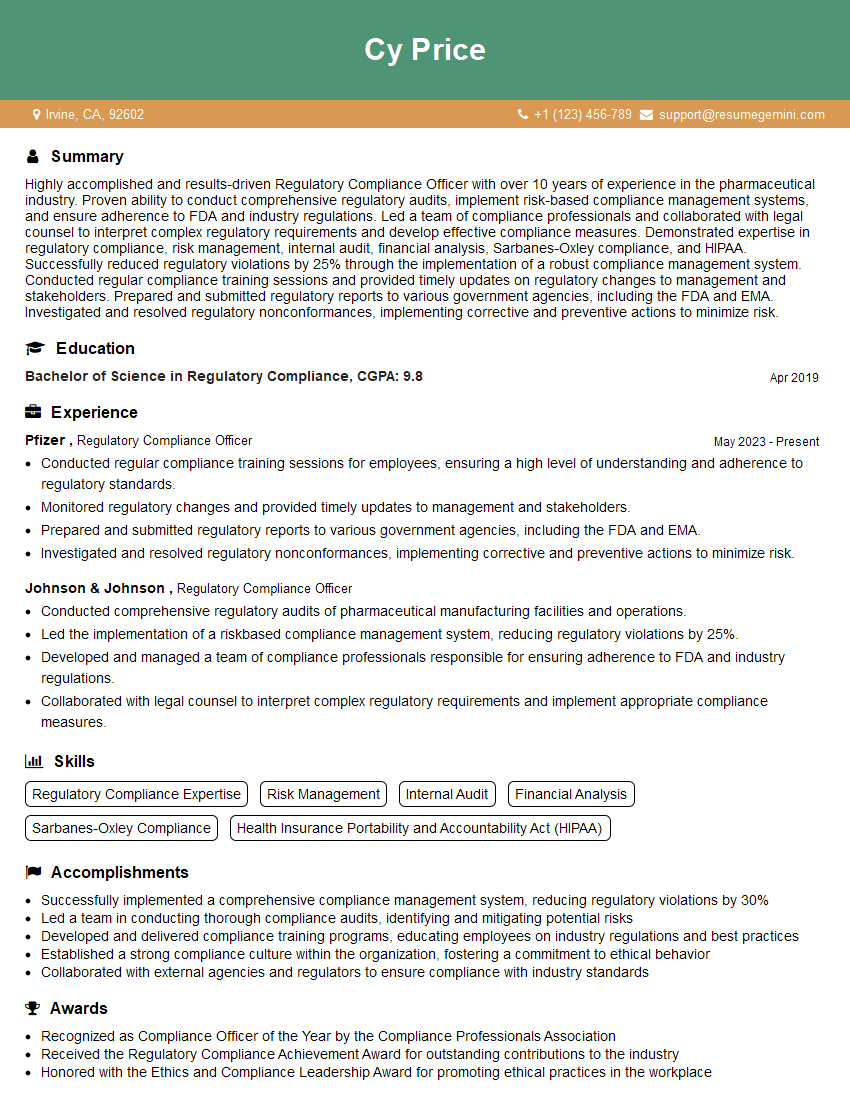
Regulatory Compliance Officer Resume Sample
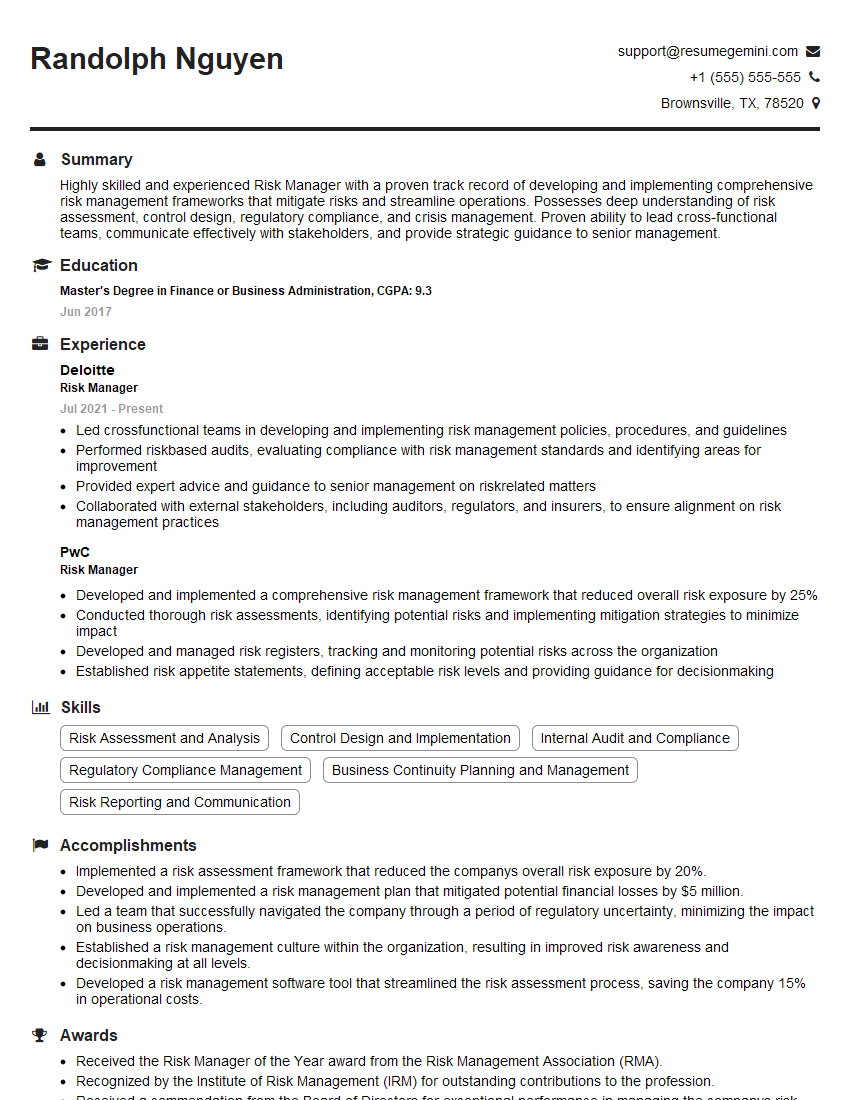
Risk Manager Resume Sample
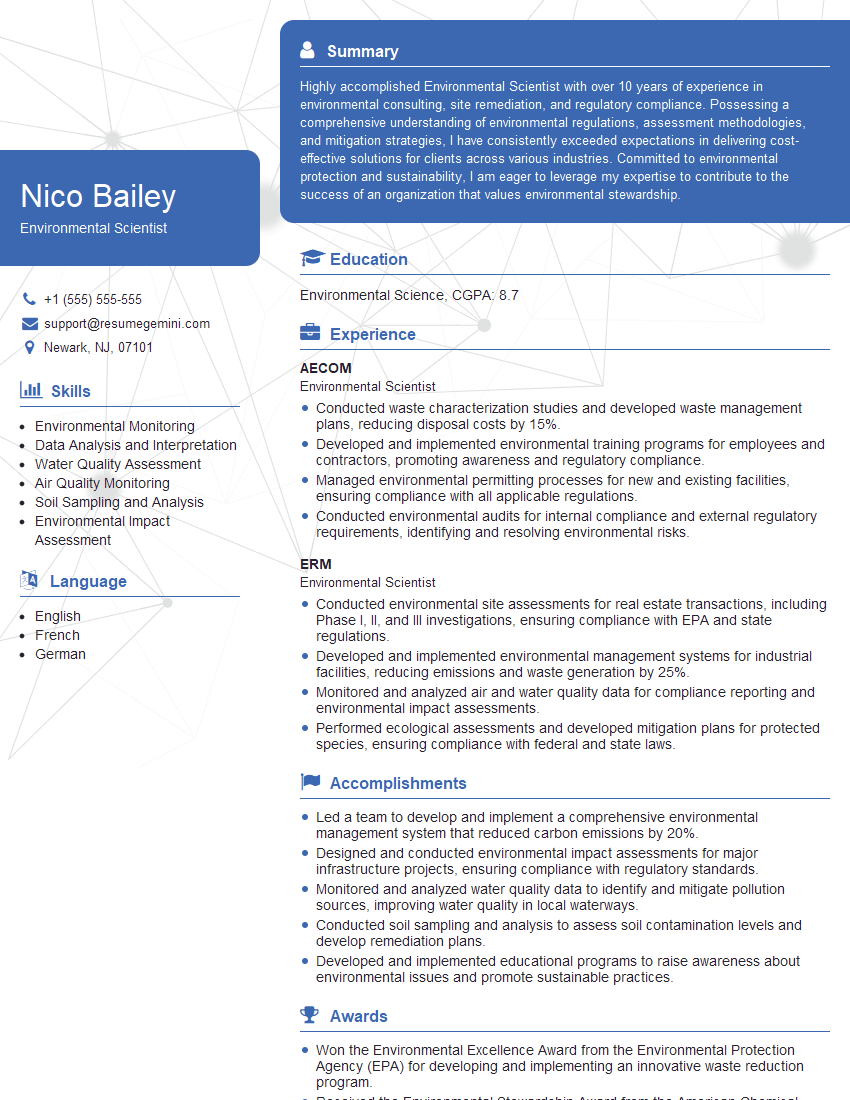
Environmental Scientist Resume Sample
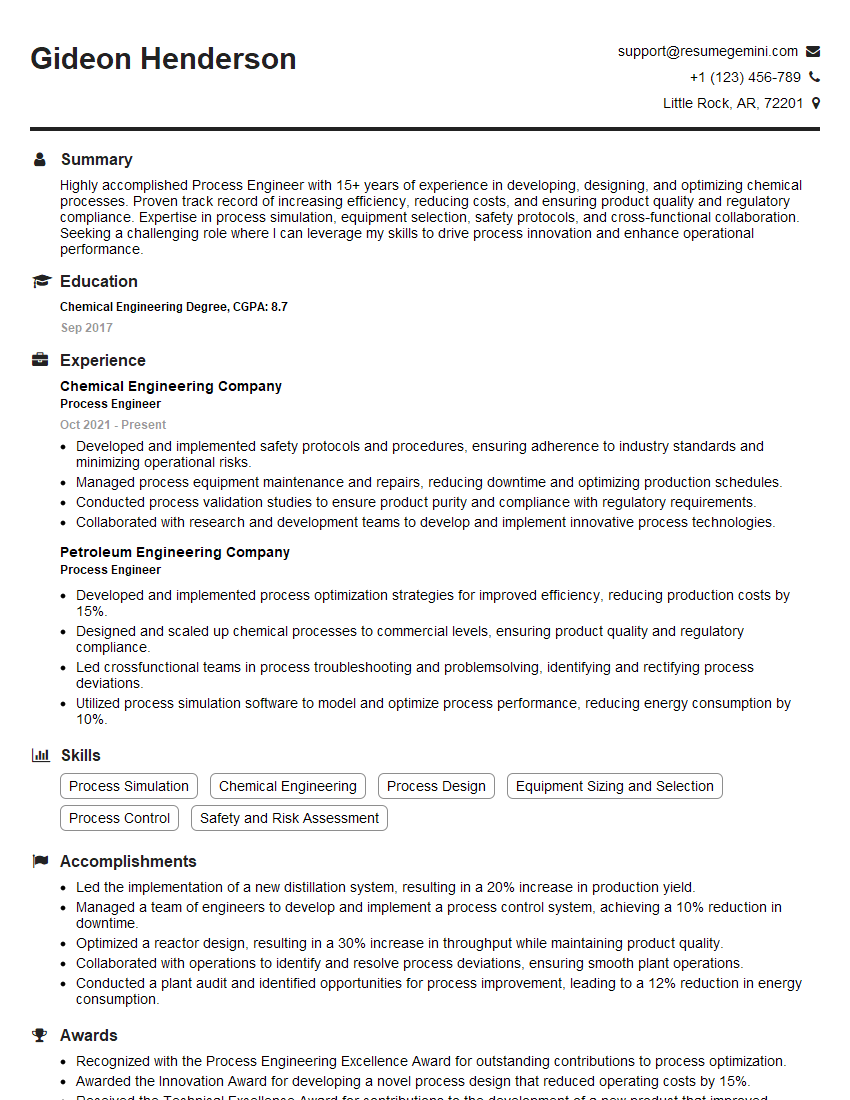
Process Engineer Resume Sample

Safety Engineer Resume Sample
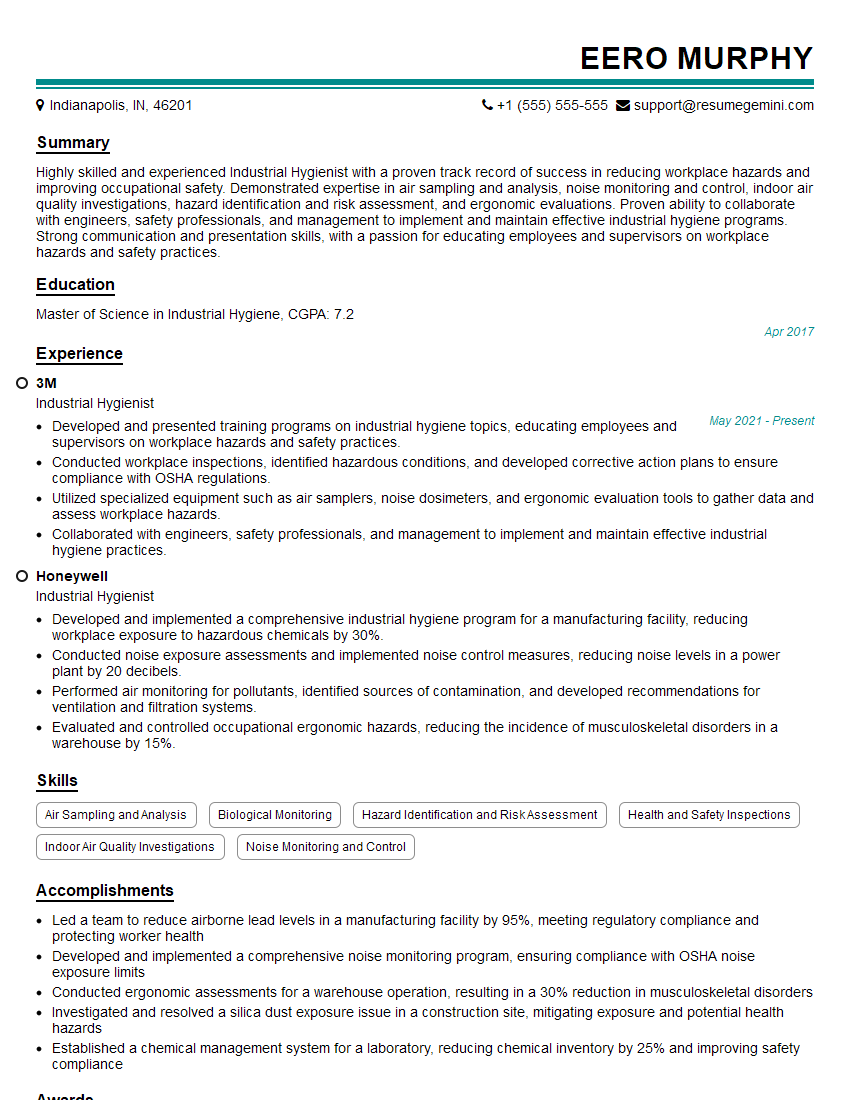
Industrial Hygienist Resume Sample
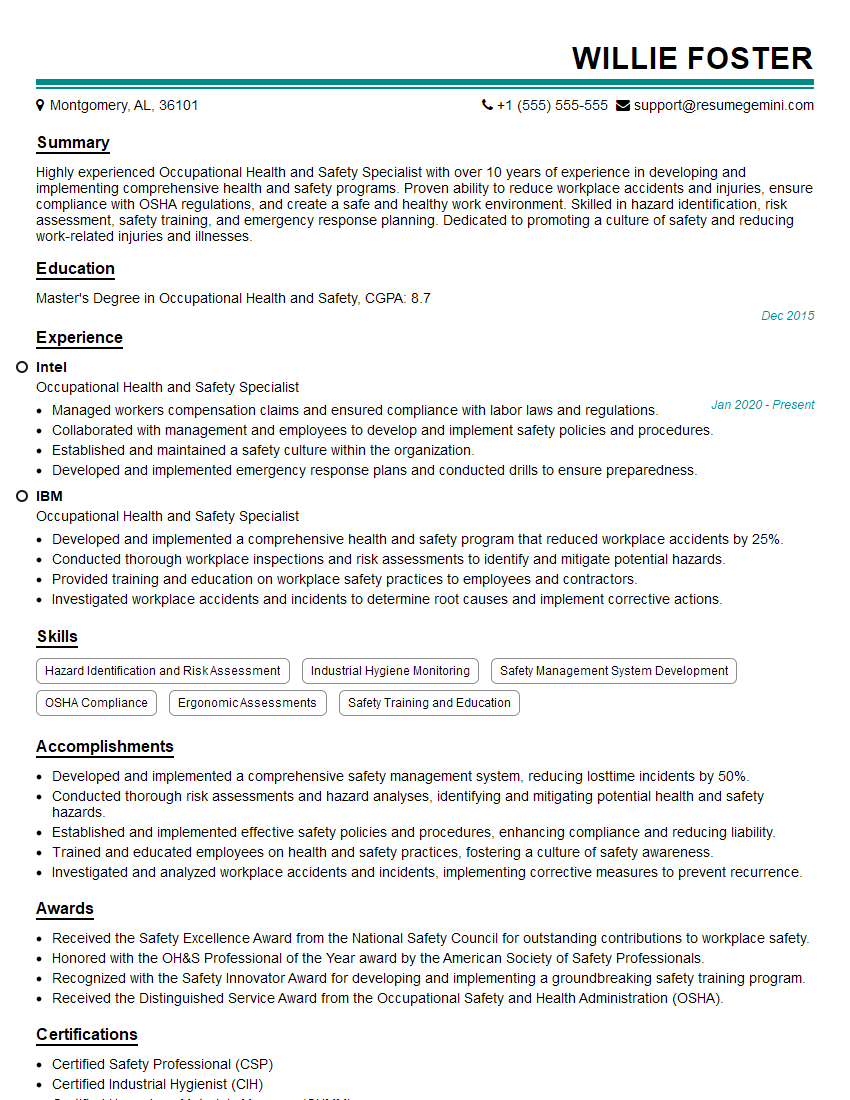
Occupational Health and Safety Specialist Resume Sample
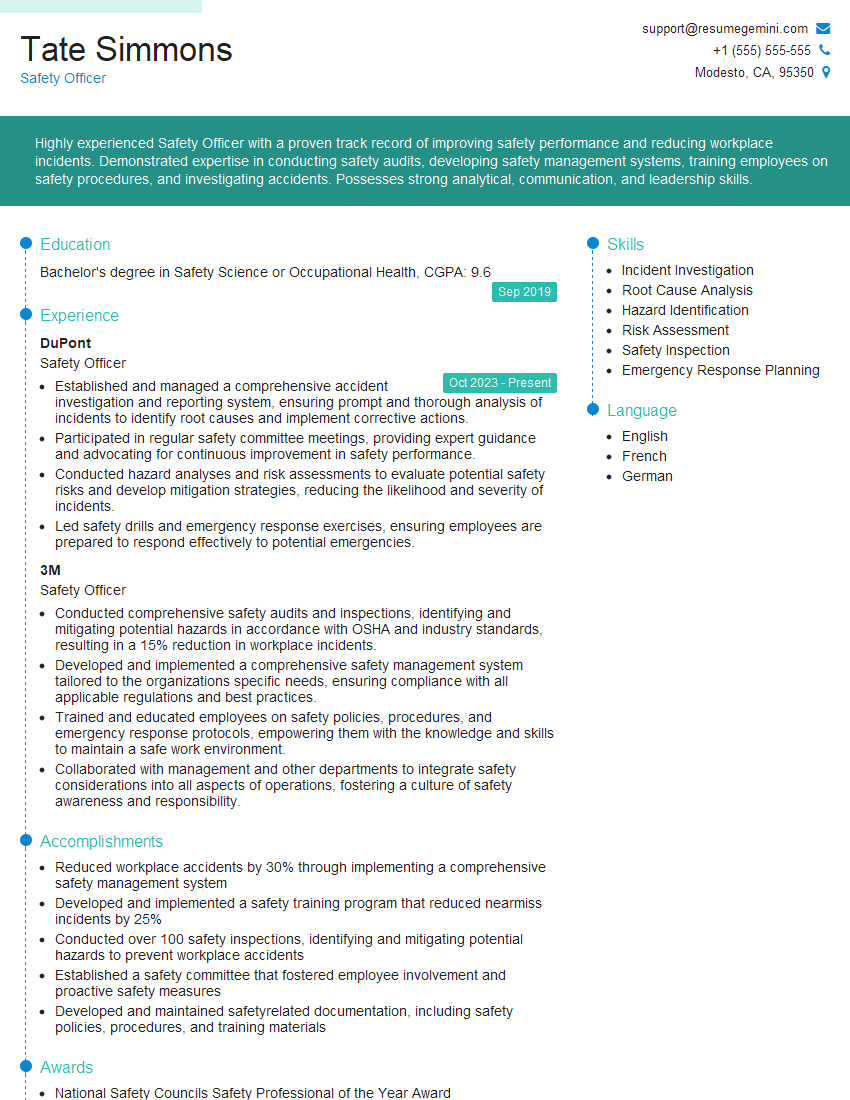
Safety Officer Resume Sample
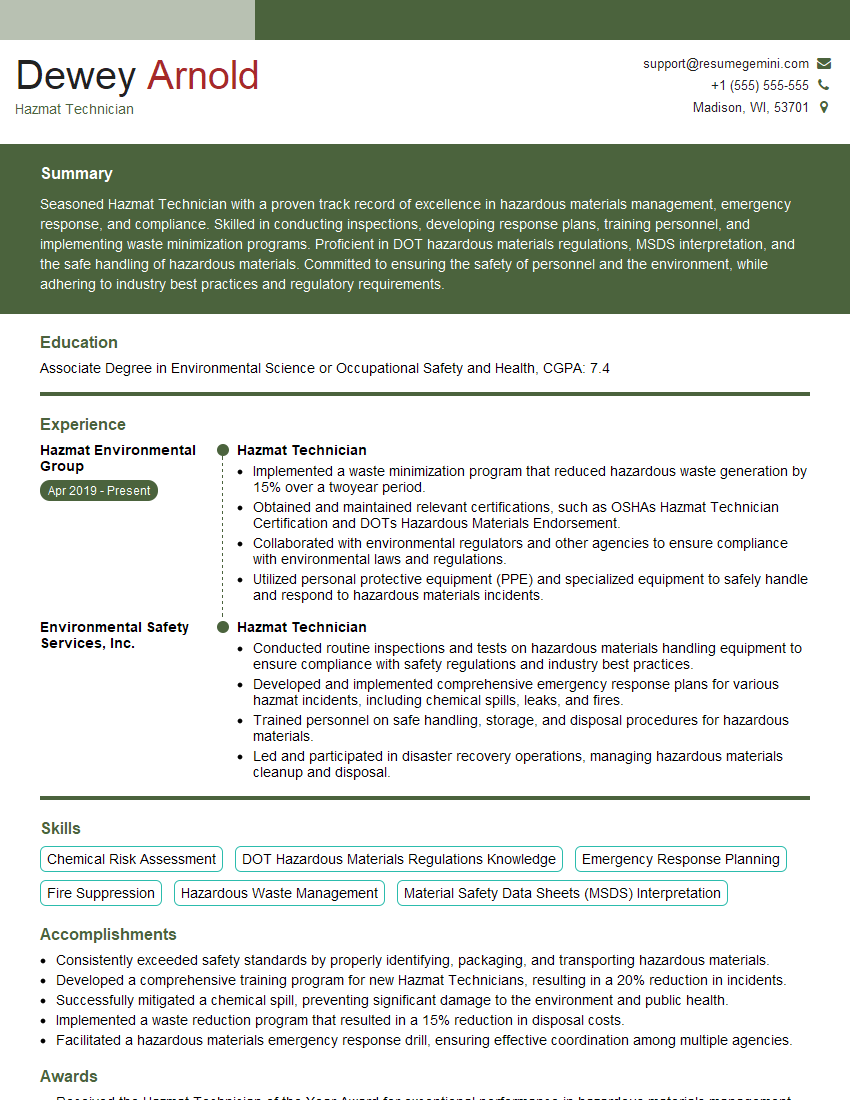
Hazmat Technician Resume Sample
- Facility Manager
- Operations Manager
- Plant Manager
- Manufacturing Manager
- Laboratory Manager
- Quality Control Manager
- Production Supervisor
- Supply Chain Manager
- Logistics Manager
- Warehouse Manager
- Environmental Health and Safety Manager
- Compliance Specialist
- Regulatory Compliance Officer
- Risk Manager
- Environmental Scientist
- Process Engineer
- Safety Engineer
- Industrial Hygienist
- Occupational Health and Safety Specialist
- Safety Officer
- Hazmat Technician
Explore more articles
Users Rating of Our Blogs
Share Your Experience
We value your feedback! Please rate our content and share your thoughts (optional).
What Readers Say About Our Blog
To the interviewgemini.com Webmaster.
Very helpful and content specific questions to help prepare me for my interview!
Thank you
To the interviewgemini.com Webmaster.
This was kind of a unique content I found around the specialized skills. Very helpful questions and good detailed answers.
Very Helpful blog, thank you Interviewgemini team.