Interviews are more than just a Q&A session—they’re a chance to prove your worth. This blog dives into essential Multi-Sensory Approach interview questions and expert tips to help you align your answers with what hiring managers are looking for. Start preparing to shine!
Questions Asked in Multi-Sensory Approach Interview
Q 1. Explain the principles of the multi-sensory approach to learning.
The multi-sensory approach to learning leverages the power of multiple senses – sight, hearing, touch, smell, and taste – to enhance learning and memory. It’s based on the principle that engaging multiple senses simultaneously creates richer, more memorable learning experiences than relying on a single sense, like just sight (reading a textbook). This is because information is processed through different pathways in the brain, strengthening neural connections and leading to better understanding and retention. The core idea is to cater to diverse learning styles and preferences, making learning accessible and engaging for everyone.
Q 2. Describe different multi-sensory teaching strategies and their applications.
Multi-sensory teaching strategies are diverse and adaptable. Here are a few examples:
- Visual aids: Using colorful charts, diagrams, realia (real objects), and videos to represent concepts. For example, teaching the parts of a plant using a real plant and labeled diagram.
- Auditory learning: Incorporating songs, rhymes, discussions, audiobooks, and lectures. Learning vocabulary through a catchy song is a good example.
- Kinesthetic learning: Hands-on activities like building models, role-playing, using manipulatives (e.g., blocks, counters), and movement-based activities. Constructing a 3D model of a cell to understand its structure is an example.
- Tactile learning: Using textured materials, playdough, sand, or other tactile elements. Feeling the texture of different fabrics while learning about their properties is an example.
- Olfactory and gustatory learning (smell and taste): While less frequently used, these senses can be powerful for specific subjects. For example, smelling different spices while learning about cuisines or tasting different fruits during a science lesson on botany.
The application varies depending on the subject and student needs. For instance, teaching history could involve creating a timeline (visual), narrating historical events (auditory), acting out historical scenes (kinesthetic), and even using scents associated with a particular era (olfactory – if relevant and appropriate).
Q 3. How do you assess a student’s sensory needs and preferences?
Assessing sensory needs and preferences requires a multifaceted approach. Observation is key. I watch students in class, noting their responses to different activities. Do they fidget when sitting for long periods (kinesthetic preference)? Do they struggle to follow instructions without visual cues (visual preference)? I also use questionnaires and informal discussions with students and their parents. For instance, I might ask, ‘What’s your favorite way to learn new things?’ or ‘What helps you focus best?’ Formal assessments, such as occupational therapy evaluations, can provide more in-depth information if needed. The goal is to understand how students process information most effectively and to identify any sensory sensitivities or challenges that might impact their learning.
Q 4. What are the benefits of incorporating multi-sensory activities in the classroom?
Multi-sensory activities offer numerous benefits:
- Increased engagement and motivation: Learning becomes more enjoyable and less passive.
- Improved memory and retention: Multiple sensory pathways strengthen memory traces.
- Enhanced understanding and comprehension: Information is processed in various ways, leading to deeper understanding.
- Greater accessibility for diverse learners: Caters to different learning styles and preferences.
- Development of multiple skills: Activities often involve problem-solving, collaboration, and creativity.
For example, a student struggling with reading comprehension might benefit immensely from listening to an audiobook (auditory) while following along with the text (visual) and manipulating objects related to the story (kinesthetic).
Q 5. How do you adapt teaching methods to address diverse sensory sensitivities?
Adapting teaching methods involves creating a flexible and supportive learning environment. For students with sensory sensitivities (e.g., auditory overload, tactile defensiveness), I might:
- Minimize distractions: Use noise-canceling headphones, create quiet areas, or schedule quiet work periods.
- Provide sensory breaks: Allow students to take short breaks for sensory activities like squeezing a stress ball or listening to calming music.
- Offer alternative materials: Provide textured materials for tactile learners or digital resources for visual learners.
- Adjust lighting and seating: Ensure appropriate lighting levels and seating arrangements to minimize sensory overload.
- Collaborate with specialists: Work with occupational therapists or other professionals to develop individualized strategies.
It’s crucial to remember that adapting involves understanding individual needs and creating personalized learning plans, not just implementing generic strategies.
Q 6. How would you differentiate instruction using a multi-sensory approach for students with varying learning styles?
Differentiation using a multi-sensory approach starts with identifying students’ learning preferences and needs. A visual learner might benefit from graphic organizers and diagrams, while a kinesthetic learner might need hands-on activities. I would:
- Offer varied learning materials: Provide texts, audio recordings, videos, and manipulatives.
- Use differentiated activities: Design activities catering to diverse learning styles, allowing students to choose approaches that best suit them.
- Provide flexible grouping options: Allow students to work individually, in pairs, or in small groups.
- Assess understanding through various methods: Use tests, projects, presentations, and discussions to gauge comprehension.
For example, while teaching about fractions, I’d offer visual representations (pies cut into fractions), hands-on activities using fraction bars, and written problems for students to solve. This caters to visual, kinesthetic, and logical learners respectively.
Q 7. Describe how you would create a multi-sensory learning environment.
Creating a multi-sensory learning environment involves thoughtful planning. I would:
- Organize the space: Create clearly defined areas for different activities, ensuring sufficient space for movement and exploration.
- Incorporate varied textures and materials: Use a mix of soft, hard, rough, and smooth surfaces.
- Provide visual aids and displays: Use charts, posters, and other visual materials to enhance learning.
- Utilize auditory elements: Play calming background music (if appropriate), or use sound effects for specific activities.
- Include opportunities for movement and interaction: Incorporate movement breaks and collaborative activities.
- Use natural light and appropriate lighting: Sufficient light helps visual learners, while dimming lights may create a more calming environment for sensitive students.
The key is to create a stimulating yet organized space that accommodates diverse sensory needs and preferences, making it an inclusive and engaging learning space for everyone.
Q 8. How do you incorporate technology to enhance multi-sensory learning?
Technology offers powerful tools to enhance multi-sensory learning. It allows us to create highly engaging and personalized learning experiences that cater to diverse learning styles and sensory needs. For example, interactive whiteboards can incorporate visual, auditory, and even tactile elements into lessons. Imagine a history lesson where students not only *read* about ancient Rome but also *hear* soundscapes of the Roman Forum through high-quality audio and *see* 3D models of famous structures using augmented reality apps. Similarly, educational software and apps can provide customized activities targeting specific sensory preferences. For a child with auditory processing difficulties, a program could offer visual cues alongside auditory information, such as a color-coded timeline matching a historical narrative. Adaptive learning platforms further enhance this by adjusting the difficulty and modality of presentation based on a student’s real-time performance and sensory feedback.
Another powerful application is assistive technology. For instance, students with visual impairments can benefit greatly from text-to-speech software and braille displays, while students with auditory processing challenges might use visual timers and graphic organizers. By strategically integrating these technologies, we can create a more inclusive and effective learning environment for all students.
Q 9. Explain your experience with Sensory Integration therapy.
My experience with Sensory Integration therapy spans over 10 years, working with children and adolescents exhibiting sensory processing difficulties. I’ve utilized various approaches, including the Ayres Sensory Integration® framework, to create customized therapeutic interventions. These interventions often involve carefully designed activities using swings, weighted blankets, textured materials, and other sensory tools. For example, I’ve worked with a child who struggled with tactile defensiveness (over-sensitivity to touch). We started with gentle brushing activities, gradually introducing varied textures and pressures. We progressed to incorporating these textures into play activities, ultimately helping the child develop a more comfortable and regulated response to touch. Another successful intervention involved using a weighted vest to improve postural control and reduce sensory overload in a student with autism who experienced significant difficulty with self-regulation in the classroom.
Through careful observation and assessment, I tailor the therapy to meet each individual’s specific needs, focusing on building adaptive responses and improving sensory regulation. The ultimate goal is not to ‘cure’ sensory sensitivities, but to help individuals develop strategies to manage and engage with their environment more effectively.
Q 10. Describe your understanding of Sensory Processing Disorder (SPD).
Sensory Processing Disorder (SPD) is a neurological condition affecting the way the brain processes sensory information from the body and the environment. Individuals with SPD may have difficulty filtering, organizing, and responding appropriately to sensory input (sight, sound, touch, taste, smell, movement). This can lead to a wide range of challenges in daily life, including difficulty with motor skills, attention, social interaction, and emotional regulation. It’s crucial to understand that SPD is not a diagnosis in itself in the DSM-5, but rather a descriptive term encompassing various challenges related to sensory processing. Instead, diagnoses might include diagnoses such as Autism Spectrum Disorder, ADHD, or other conditions that often co-occur with sensory processing difficulties.
For example, a child with SPD might be highly sensitive to loud noises (auditory hypersensitivity), causing anxiety or meltdowns in crowded environments. Another child might have difficulty with proprioception (body awareness), leading to clumsiness and difficulty with coordination. Understanding the specific sensory challenges each individual faces is crucial for developing effective interventions.
Q 11. How do you manage challenging behaviors related to sensory sensitivities?
Managing challenging behaviors related to sensory sensitivities requires a multi-faceted approach focusing on understanding the underlying sensory triggers and developing proactive strategies. The first step is careful observation to identify the sensory triggers that precede challenging behaviors. For example, a student might become agitated and disruptive before transitions in the classroom (auditory or visual overload) or when asked to participate in activities involving fine motor skills (tactile defensiveness). Once triggers are identified, we can implement strategies to reduce sensory input or provide sensory support. This might include providing noise-canceling headphones, using a weighted blanket, creating a quiet corner or a designated sensory space for breaks, or employing visual schedules to reduce anxiety during transitions. We also need to teach self-regulation strategies, such as deep breathing exercises or mindfulness techniques, to help students manage their responses to sensory overload.
Positive reinforcement strategies are also essential to encourage desired behaviors. If a student successfully navigates a challenging sensory situation, praising and rewarding their effort is essential. It’s crucial to remember that patience and a collaborative approach are key. Working with the student, parents, and other professionals helps tailor solutions that effectively address the challenges.
Q 12. What are the potential challenges of implementing a multi-sensory approach, and how do you overcome them?
Implementing a multi-sensory approach presents several challenges. One significant challenge is the need for individualized planning. Each student’s sensory profile is unique, requiring customized adaptations and modifications to the learning environment and activities. This demands considerable planning and resource allocation. Another challenge is the potential for sensory overload. If not carefully planned, the introduction of multiple sensory inputs can overwhelm a student rather than support them. Furthermore, securing appropriate resources and materials for a multi-sensory approach can be difficult, especially in under-resourced settings.
Overcoming these challenges requires proactive planning, close collaboration with parents and other professionals, and a willingness to adapt and adjust based on student feedback. Careful assessment and ongoing monitoring are crucial to ensure the approach remains effective and avoids overwhelming the student. Seeking consultation from occupational therapists or other sensory experts can provide invaluable support in designing and implementing effective strategies.
Q 13. How do you collaborate with parents and other professionals to support a student’s sensory needs?
Collaboration is paramount to supporting a student’s sensory needs effectively. I maintain open communication with parents, keeping them informed about their child’s progress and challenges. Regular meetings and progress reports allow for shared decision-making regarding intervention strategies. I actively seek parental input on their observations of their child’s sensory behaviors at home, helping to create a consistent approach across environments. Collaboration with other professionals, such as occupational therapists, speech-language pathologists, and special education teachers, is also crucial. A collaborative team approach ensures a comprehensive and coordinated support system. Regular team meetings are essential to share information, discuss progress, and adjust strategies as needed. This multidisciplinary approach enables a more holistic understanding of the student’s needs and ensures a cohesive and supportive learning experience.
Q 14. What are some common sensory sensitivities you have encountered, and how did you address them?
I’ve encountered a variety of sensory sensitivities, including auditory sensitivities (over-sensitivity to loud noises or specific sounds), tactile defensiveness (negative reactions to touch), visual sensitivities (over-sensitivity to bright lights or flickering screens), and proprioceptive difficulties (poor body awareness and coordination). Addressing these sensitivities involved a range of strategies. For example, for a student with auditory sensitivities, we implemented noise-reducing strategies such as providing headphones or moving their desk to a quieter area of the classroom. For a student with tactile defensiveness, we used gradual desensitization techniques, starting with light touch and progressively introducing different textures. We also incorporated activities that promoted proprioceptive input, such as heavy work activities (e.g., carrying heavy objects, playing with playdough) to improve body awareness and coordination for students with proprioceptive difficulties. Each strategy was individualized and adjusted based on the student’s responses and progress. The key is careful observation, personalized interventions, and a collaborative approach with parents and other professionals.
Q 15. How do you measure the effectiveness of your multi-sensory interventions?
Measuring the effectiveness of multi-sensory interventions requires a multifaceted approach, going beyond simple observation. We need to track both qualitative and quantitative data to get a complete picture.
- Quantitative Data: This involves using standardized assessments to measure improvements in specific skills. For example, we might use pre- and post-tests to assess reading comprehension, or timed tasks to evaluate fine motor skills. We also track things like participation rates and task completion. Data is collected consistently throughout the intervention.
- Qualitative Data: This focuses on the student’s experience and progress. We observe changes in engagement, attention span, and overall behavior. We gather feedback from the student, parents, and other educators. Anecdotal records, including detailed observations and informal assessments are crucial here.
- Examples: For a student struggling with letter recognition, we might use pre- and post-tests using manipulatives (kinetic sand letters, magnetic letters) alongside observations during play-based activities. The improvement in recognition and engagement, both quantifiable and observational, demonstrates effectiveness.
By combining quantitative and qualitative data, we gain a holistic understanding of the intervention’s impact. This allows for evidence-based adjustments and ensures that the chosen methods truly benefit the student.
Career Expert Tips:
- Ace those interviews! Prepare effectively by reviewing the Top 50 Most Common Interview Questions on ResumeGemini.
- Navigate your job search with confidence! Explore a wide range of Career Tips on ResumeGemini. Learn about common challenges and recommendations to overcome them.
- Craft the perfect resume! Master the Art of Resume Writing with ResumeGemini’s guide. Showcase your unique qualifications and achievements effectively.
- Don’t miss out on holiday savings! Build your dream resume with ResumeGemini’s ATS optimized templates.
Q 16. Describe a time you had to modify a lesson plan due to a student’s sensory needs.
I once had a student, let’s call him Alex, who was highly sensitive to auditory stimuli. Our lesson plan involved a group reading activity with background music, a common practice to create a calming atmosphere. However, Alex became visibly distressed during the activity, exhibiting signs of sensory overload—he covered his ears and became withdrawn.
Immediately, I adapted the lesson. I moved Alex to a quieter area of the classroom, where the background noise was significantly reduced. I replaced the group reading with a one-on-one reading session, using visual aids like flashcards and manipulatives to maintain his engagement. We used a different approach: he listened to an audio book in headphones at a comfortable volume, which allowed him to control his auditory input, and followed along with a printed version. This focused approach enabled Alex to participate fully without feeling overwhelmed, highlighting the importance of flexibility.
Q 17. Explain how you would adapt a curriculum to be more multi-sensory.
Adapting a curriculum for multi-sensory learning involves strategically incorporating activities that engage multiple senses. It’s not about adding sensory elements randomly, but thoughtfully integrating them to enhance understanding and retention.
- Visual: Use colorful charts, diagrams, images, and videos relevant to the topic. Consider using different font sizes and styles to emphasize key information. Visual organizers and mind maps can be invaluable tools.
- Auditory: Incorporate discussions, lectures, audio books, songs, and environmental sounds relevant to the subject matter. Utilize different tones and speech patterns to keep students engaged.
- Kinesthetic: Include hands-on activities, role-playing, movement exercises, building projects (e.g., constructing 3D models of cells for a biology lesson), and other physical activities related to the learning objectives.
- Tactile: Utilize textures and manipulatives. This could involve using playdough to form letters, building with blocks to represent mathematical concepts, or using textured surfaces for writing practice.
- Olfactory and Gustatory (with caution): These senses can be integrated when appropriate, but careful consideration must be given to potential sensitivities and allergies. For example, in a science lesson on plants, smelling different herbs could be engaging.
For example, teaching fractions, we could use fraction circles (visual and tactile), sing fraction songs (auditory), build fraction towers with blocks (kinesthetic), and draw representations (visual).
Q 18. What are the ethical considerations when working with students with sensory sensitivities?
Ethical considerations when working with students with sensory sensitivities are paramount. The core principle is to prioritize the student’s well-being and respect their individual needs.
- Informed Consent: Obtain informed consent from parents or guardians regarding any sensory interventions. Explain clearly what the intervention entails, its potential benefits and risks, and alternative approaches.
- Respect for Boundaries: Respect the student’s comfort level and preferences. Never force a student to participate in an activity that causes discomfort or distress.
- Confidentiality: Maintain confidentiality regarding the student’s sensory sensitivities and any related accommodations.
- Avoiding Labeling: Avoid labeling students based on their sensory needs. Focus on their strengths and abilities.
- Collaboration: Collaborate with parents, therapists, and other professionals to ensure a coordinated and supportive approach.
It’s vital to create an inclusive learning environment that celebrates diversity and empowers every student to reach their full potential.
Q 19. How would you support a student who becomes overwhelmed by sensory input?
When a student becomes overwhelmed by sensory input, a calm and supportive response is crucial. The goal is to help the student regain control and regulate their sensory system.
- Provide a Safe Space: Move the student to a quieter, less stimulating environment. This might be a designated calm-down area or a quiet corner of the classroom.
- Reduce Sensory Input: Dim the lights, turn off distracting noises, and minimize visual clutter.
- Offer Sensory Regulation Strategies: Provide opportunities for self-regulation using sensory tools like weighted blankets, stress balls, or fidget toys. Deep breathing exercises can also be effective.
- Communicate Calmingly: Use a calm and reassuring tone of voice. Avoid making demands or judgments.
- Check-In: Once the student has calmed down, check in with them to understand what triggered the overwhelm and plan strategies for future prevention. This might involve creating a social story or visual schedule to prepare the student for potentially overwhelming situations.
The key is to approach the situation with empathy and understanding, providing a safe and supportive space for the student to recover and regain their composure.
Q 20. Describe your experience using specific multi-sensory materials or techniques.
I have extensive experience using various multi-sensory materials and techniques. For instance, I’ve used:
- Weighted Blankets and Lap Pads: These provide deep pressure input which can be calming for students with sensory sensitivities, promoting focus and reducing anxiety.
- Tactile Manipulatives: Playdough, building blocks, textured materials—these engage the sense of touch, enhancing learning and engagement particularly for kinesthetic learners. Using playdough to form letters enhances fine motor skills and letter recognition.
- Visual Timers: Visual timers help students with organizational skills, time management, and transition awareness, minimizing anxiety and improving predictability.
- Music Therapy: Incorporating calming music into lessons can reduce anxiety and promote focus. For instance, classical music during independent work can foster concentration.
- Interactive Whiteboards: These allow for dynamic and engaging lessons, catering to visual and auditory learners. Interactive elements keep students actively involved.
The choice of materials and techniques always depends on the student’s individual needs and the learning objectives. The effectiveness is often monitored by recording the student’s response and adapting as needed.
Q 21. How do you ensure that multi-sensory activities are engaging and motivating for students?
Engaging and motivating multi-sensory activities require careful planning and consideration of the students’ interests and learning styles.
- Relevance and Connection: Activities should connect to the students’ interests and prior knowledge. Making the learning relevant and meaningful increases engagement.
- Choice and Control: Offer students choices within the activities. Giving them a sense of control increases ownership and motivation. For example, offering a choice of manipulatives, or letting them choose the background music.
- Variety and Novelty: Incorporate diverse activities that stimulate different senses and keep students from becoming bored. Introducing new and unexpected elements can add excitement and improve focus.
- Positive Reinforcement and Feedback: Provide frequent positive feedback and celebrate successes to build confidence and encourage participation.
- Collaboration and Peer Interaction: Encourage collaborative activities where students can learn from and support each other. This fosters a sense of community and shared learning.
By combining these strategies, we can create multi-sensory activities that are not only effective but also enjoyable and motivating for students.
Q 22. What are some common misconceptions about multi-sensory learning?
A common misconception about multi-sensory learning is that it’s simply about using lots of different materials and activities simultaneously. While incorporating multiple senses is key, effective multi-sensory learning is about carefully selecting and sequencing activities to target specific learning needs and build upon existing skills. Another misconception is that it’s only for students with learning disabilities. Multi-sensory techniques can benefit all learners by enhancing engagement and memory retention. Finally, some believe it’s a ‘one-size-fits-all’ approach. In reality, a successful multi-sensory approach requires individualized planning based on a student’s strengths, weaknesses, and sensory profiles.
- Misconception: Multi-sensory learning is chaotic and overwhelming.
- Reality: It’s structured and purposeful, designed to meet individual learning styles.
- Misconception: It’s just for students with learning disabilities.
- Reality: It enhances learning for all students.
Q 23. How do you differentiate between sensory sensitivities and other learning difficulties?
Differentiating between sensory sensitivities and other learning difficulties requires a thorough assessment. Sensory sensitivities, a core feature of Sensory Processing Disorder (SPD), involve atypical responses to sensory input (e.g., over- or under-reactivity to touch, sound, light, movement). These sensitivities can impact learning but are distinct from other difficulties like dyslexia (reading), dyscalculia (math), or ADHD (attention). For instance, a child with auditory processing disorder might struggle to filter background noise, impacting their ability to focus in class – this is an auditory sensory processing challenge. A child with dyslexia, however, may have difficulty decoding written words, even in a quiet environment. A comprehensive evaluation involving occupational therapy, educational psychologists, and speech-language pathologists is crucial for accurate diagnosis and intervention planning.
Think of it like this: sensory sensitivities are the ‘hardware’ – how the brain processes sensory information. Other learning difficulties are often more about the ‘software’ – the cognitive processes involved in learning and academic skills. Often, they coexist, meaning a child could have both SPD and dyslexia, requiring a multimodal approach.
Q 24. How do you ensure safety and appropriate use of materials in multi-sensory activities?
Safety and appropriate material use are paramount in multi-sensory activities. A risk assessment should be conducted before each activity, considering the age and abilities of the students, as well as the materials involved. For example, when using tactile materials like playdough, ensure they’re non-toxic and age-appropriate. When incorporating movement, ensure the learning environment is spacious and free from hazards. Allergens should be considered, and clear instructions on material usage should be provided. Regular cleaning and maintenance of materials are essential to prevent the spread of germs.
- Before the activity: Conduct a thorough risk assessment.
- During the activity: Provide clear instructions and supervision.
- After the activity: Clean and store materials properly.
Furthermore, it’s crucial to introduce materials gradually, starting with those that are least stimulating, and allowing students to explore them at their own pace. Observe student reactions carefully and adjust the activity as needed. For example, if a student is overwhelmed by a particular texture, offer an alternative.
Q 25. What professional development have you undertaken in multi-sensory approaches?
My professional development in multi-sensory approaches has been extensive. I’ve completed the [Insert Name of Relevant Certification/Training, e.g., Sensory Integration Certification], focusing on assessment and intervention strategies for students with sensory processing difficulties. I’ve also participated in numerous workshops and conferences on topics such as evidence-based practices in multi-sensory education, adapting curriculum for diverse learners, and utilizing assistive technology to support multi-sensory learning. I regularly engage in professional reading and stay updated on current research in the field of special education and sensory integration.
Furthermore, I actively participate in professional learning communities, collaborating with other educators to share best practices and refine my approach to multi-sensory teaching. My ongoing professional development ensures that I can provide the most effective and up-to-date support to my students.
Q 26. What are some examples of evidence-based practices in multi-sensory learning?
Evidence-based practices in multi-sensory learning include:
- Structured teaching: Using clear routines, visual schedules, and predictable transitions to reduce anxiety and enhance focus.
- Active learning: Incorporating movement, hands-on activities, and kinesthetic experiences to enhance engagement and memory.
- Differentiated instruction: Tailoring activities to meet the individual needs and learning styles of students.
- Environmental modifications: Adjusting lighting, sound levels, and classroom organization to create a sensory-friendly learning environment.
- Use of assistive technology: Utilizing tools like text-to-speech software, visual timers, or noise-canceling headphones to support students with specific learning needs.
For example, using manipulatives to teach math concepts (visual and kinesthetic), or incorporating music and movement to enhance vocabulary learning (auditory and kinesthetic) are evidence-based strategies that tap into multiple sensory pathways for better understanding and retention.
Q 27. Describe your experience working with students with specific sensory processing challenges (e.g., auditory processing disorder, tactile defensiveness).
I have extensive experience working with students who have specific sensory processing challenges. For instance, I worked with a student diagnosed with auditory processing disorder. To support him, I adjusted my teaching methods by minimizing background noise, using visual aids alongside auditory instructions, and breaking down tasks into smaller, more manageable steps. We also utilized noise-canceling headphones during independent work. Another student struggled with tactile defensiveness, exhibiting strong negative reactions to certain textures. With this student, I began by introducing tactile materials gradually, allowing them to explore at their own pace and self-regulate. I employed a desensitization approach using various textures, starting with preferred ones and progressively introducing less preferred ones.
In both cases, I collaborated closely with the students’ occupational therapists and parents to develop comprehensive intervention plans that addressed their individual needs and incorporated multi-sensory strategies across various subject areas. Consistent monitoring of student progress and adjustments to interventions were crucial to their success.
Q 28. How do you build rapport and trust with students who have sensory sensitivities?
Building rapport and trust with students who have sensory sensitivities requires patience, understanding, and a collaborative approach. It begins with careful observation, identifying their sensory preferences and aversions. Respecting their individual needs is paramount. For example, if a student dislikes being touched, I avoid unnecessary physical contact. Instead, I might use verbal cues or visual prompts. I actively involve students in choosing activities and materials, giving them a sense of control over their learning environment. I use positive reinforcement, celebrating their successes, and acknowledging their efforts, even when they struggle.
Creating a calm and predictable learning environment is also crucial. This might include establishing clear routines, using visual schedules, and providing opportunities for breaks and sensory regulation when needed. Building a strong teacher-student relationship built on mutual respect and trust is essential for the success of any intervention program, especially for students with sensory sensitivities.
Key Topics to Learn for Multi-Sensory Approach Interview
- Defining Multi-Sensory Approach: Understand the core principles and philosophies behind this learning methodology. Consider its theoretical underpinnings and how it differs from traditional teaching methods.
- Practical Applications: Explore real-world examples of how the Multi-Sensory Approach is implemented in diverse settings, such as education, therapy, or corporate training. Think about specific case studies and successful implementations.
- Adapting the Approach: Discuss the flexibility and adaptability of the Multi-Sensory Approach. How can it be tailored to different learning styles, age groups, and subject matters? Consider challenges and solutions in diverse contexts.
- Assessment and Evaluation: Understand how the effectiveness of a Multi-Sensory Approach is measured. What metrics are used to track progress and identify areas for improvement? Discuss appropriate assessment strategies.
- Technological Integration: Explore how technology can enhance and support the implementation of a Multi-Sensory Approach. Consider examples of relevant software, hardware, or digital resources.
- Addressing Challenges: Discuss potential challenges in implementing a Multi-Sensory Approach and how these might be overcome. Think critically about resource limitations, logistical hurdles, and individual learning differences.
- Ethical Considerations: Explore the ethical implications of using a Multi-Sensory Approach, especially concerning inclusivity, accessibility, and responsible application of technology.
Next Steps
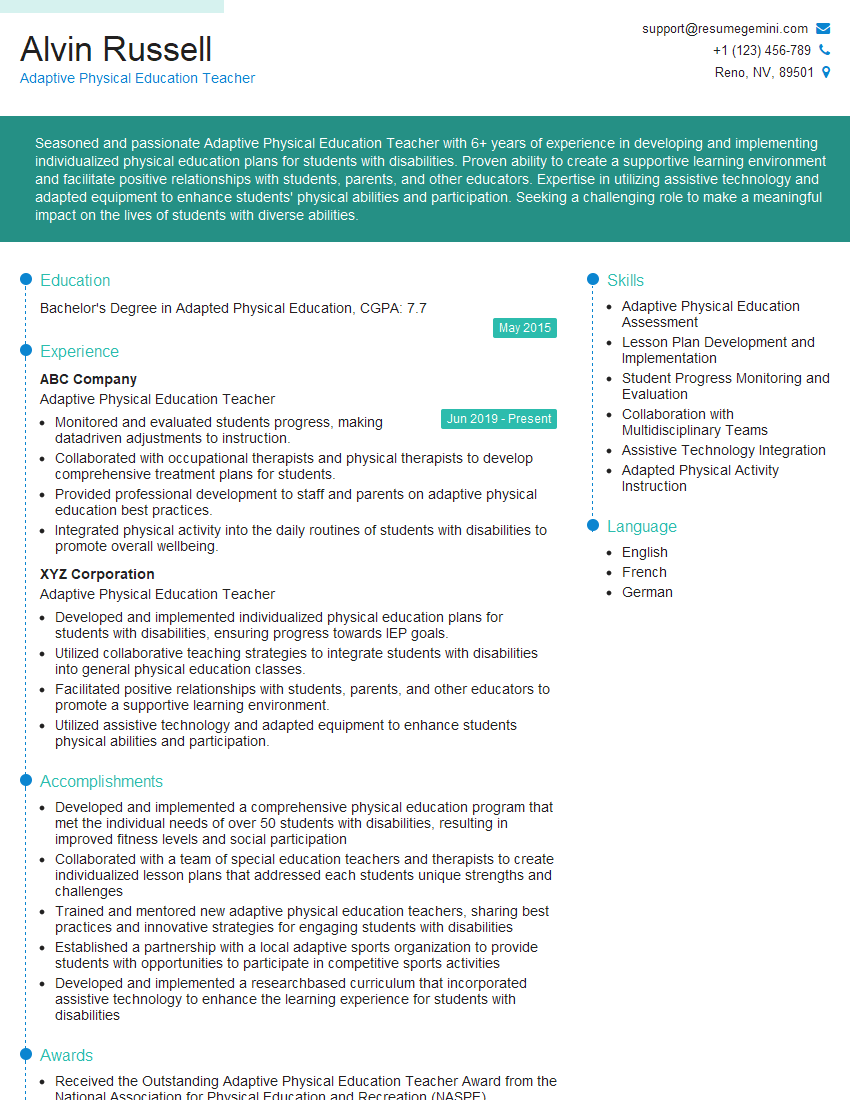
Mastering the Multi-Sensory Approach can significantly enhance your career prospects, opening doors to diverse and rewarding opportunities in education, therapy, and other fields requiring innovative teaching and learning strategies. To maximize your chances of landing your dream job, it’s crucial to present yourself effectively. Creating an ATS-friendly resume is key to getting your application noticed. We strongly encourage you to utilize ResumeGemini, a trusted resource, to build a professional and impactful resume that highlights your expertise in the Multi-Sensory Approach. Examples of resumes tailored to this field are available to help guide your creation process.
Explore more articles
Users Rating of Our Blogs
Share Your Experience
We value your feedback! Please rate our content and share your thoughts (optional).
What Readers Say About Our Blog
To the interviewgemini.com Webmaster.
Very helpful and content specific questions to help prepare me for my interview!
Thank you
To the interviewgemini.com Webmaster.
This was kind of a unique content I found around the specialized skills. Very helpful questions and good detailed answers.
Very Helpful blog, thank you Interviewgemini team.