Feeling uncertain about what to expect in your upcoming interview? We’ve got you covered! This blog highlights the most important Urban Planning Principles interview questions and provides actionable advice to help you stand out as the ideal candidate. Let’s pave the way for your success.
Questions Asked in Urban Planning Principles Interview
Q 1. Explain the difference between comprehensive and incremental planning.
Comprehensive planning and incremental planning represent two distinct approaches to urban development. Comprehensive planning involves a long-term, holistic vision for an area, encompassing all aspects from land use and transportation to infrastructure and environmental considerations. It’s like creating a detailed blueprint for a city’s future, often involving extensive public participation and detailed analysis. Think of designing a new city from scratch – that’s comprehensive planning.
Incremental planning, on the other hand, is a more reactive and iterative process. It focuses on addressing immediate needs and challenges as they arise, making smaller, more manageable changes over time. It’s like renovating a house room by room, rather than demolishing and rebuilding it entirely. A good example might be addressing traffic congestion at a specific intersection through signal timing adjustments, without necessarily altering the broader transportation network. Often, incremental planning can be more politically feasible, as it doesn’t require such a massive shift in existing infrastructure or policy, but it may lack the strategic coherence of comprehensive planning and potentially lead to piecemeal, less-than-optimal outcomes in the long run. In practice, successful urban planning often involves a combination of both approaches, adapting strategies as new information emerges and circumstances change.
Q 2. Describe the principles of smart growth.
Smart growth is an urban planning and transportation strategy that aims to create livable, sustainable, and economically vibrant communities. Its core principles revolve around:
- Mixed-use development: Combining residential, commercial, and recreational spaces within a single area to reduce reliance on cars and promote walkability.
- Compact development: Creating denser, more compact communities to conserve land, reduce sprawl, and improve access to amenities.
- Transit-oriented development (TOD): Building communities around public transportation hubs to reduce reliance on cars.
- Walkability and bikeability: Designing neighborhoods that are safe and convenient for pedestrians and cyclists.
- Preservation of open space: Protecting green spaces and natural resources to improve environmental quality and community well-being.
- Community collaboration: Engaging residents and stakeholders in the planning process to ensure that developments meet community needs.
- Development predictability: Streamlining the development process to reduce delays and costs.
For example, a smart growth approach might involve redeveloping a suburban area with a mix of housing types, shops, and a light rail station, creating a vibrant community that minimizes car dependency and protects surrounding green spaces. This contrasts sharply with sprawling developments characterized by low density, car dependency, and limited access to amenities.
Q 3. How do you assess the impact of a proposed development on traffic flow?
Assessing the impact of a proposed development on traffic flow involves a multi-step process. First, we must understand the existing traffic conditions. This might involve traffic counts, speed studies, and analysis of existing congestion points. We’d use tools like traffic simulation software (like VISSIM or Transmodeler) to model existing traffic conditions and then incorporate the proposed development’s impact.
This involves estimating the number of additional vehicle trips generated by the development (residential, commercial, etc.). This data, along with details about trip patterns and peak hours, is inputted into traffic simulation models. The model then projects changes in traffic volume, speed, and congestion levels on surrounding roads and intersections. We might also employ techniques like queueing theory to analyze potential delays at intersections and bottlenecks.
Finally, we analyze the results. If the simulation shows unacceptable levels of congestion, mitigation strategies might be necessary. These could include improving existing road infrastructure, implementing traffic calming measures, promoting alternative transportation modes (cycling, public transport), or even adjusting the scale or design of the development itself. A comprehensive traffic impact study is therefore crucial in ensuring a development doesn’t negatively impact the surrounding transportation network.
Q 4. What are the key elements of a successful Transit-Oriented Development (TOD)?
Successful Transit-Oriented Developments (TODs) hinge on several key elements:
- Accessibility: Proximity to high-quality public transportation, including frequent and reliable bus, rail, or light rail services.
- Mixed-use zoning: Allowing a diverse range of uses within walking distance of the transit station, such as residential, commercial, and recreational areas.
- Density: Sufficient density to support transit ridership and create a vibrant, walkable environment.
- Pedestrian and bicycle infrastructure: Safe and convenient walking and cycling paths connecting the transit station to surrounding areas.
- Parking management: Strategically managing parking to discourage car use and prioritize transit and active transportation modes.
- Aesthetic appeal: Creating a pleasant and attractive environment that encourages people to walk and spend time in the area.
- Community engagement: Involving the local community in the planning and design process to ensure that the TOD meets their needs and expectations.
A successful TOD isn’t just about proximity to transit; it’s about creating a complete, self-sufficient community that encourages a shift away from car dependency. Think of a vibrant town center built around a train station – that’s a successful TOD example.
Q 5. Explain the role of zoning regulations in urban planning.
Zoning regulations are the cornerstone of urban planning, essentially acting as a legal framework that dictates how land can be used within a city or municipality. These regulations control building heights, density, setbacks (distances from property lines), permitted uses (residential, commercial, industrial), parking requirements, and many other aspects of development.
Their main roles include:
- Guiding land use: Ensuring that land is used in a way that is consistent with the overall plan for the community, promoting orderly growth and preventing incompatible land uses from being placed next to each other (e.g., a factory next to a residential area).
- Protecting property values: By maintaining certain standards, zoning helps preserve the value of existing properties.
- Promoting public health and safety: Zoning regulations often incorporate provisions for adequate setbacks, building codes, and infrastructure requirements that protect public health and safety.
- Managing growth and sprawl: Through regulating density and land use, zoning can help to manage urban growth and prevent uncontrolled sprawl.
For instance, a zoning ordinance might restrict building height in a historic district to preserve its character, or it might require a certain amount of green space in new developments to minimize environmental impact. Zoning is a powerful tool, but poorly designed zoning can lead to unintended consequences, such as limiting housing affordability or hindering economic development. Effective zoning requires careful consideration of community needs and long-term goals.
Q 6. How do you incorporate environmental sustainability into urban planning projects?
Incorporating environmental sustainability into urban planning requires a holistic approach across all aspects of the development process. It’s not just about adding green spaces; it’s about designing for efficiency and minimizing environmental impact.
Key strategies include:
- Minimizing carbon footprint: Promoting energy-efficient buildings, utilizing renewable energy sources, and reducing reliance on private vehicles.
- Protecting and restoring natural ecosystems: Preserving green spaces, wetlands, and other natural habitats; incorporating green infrastructure such as green roofs and permeable pavements.
- Water management: Implementing strategies for water conservation, rainwater harvesting, and reducing stormwater runoff.
- Waste reduction and recycling: Promoting waste reduction, recycling programs, and composting initiatives.
- Sustainable transportation: Encouraging the use of public transport, cycling, and walking through strategic planning and infrastructure development.
- Sustainable materials: Utilizing sustainable and locally sourced building materials.
- Green building standards: Adhering to green building certifications like LEED (Leadership in Energy and Environmental Design).
For example, a sustainable urban development project might incorporate green roofs to reduce urban heat island effect, utilize rainwater harvesting for irrigation, and provide ample bike lanes and public transportation options. This proactive approach reduces the environmental impact and contributes towards creating resilient, environmentally friendly cities.
Q 7. Describe your experience with GIS software and its applications in urban planning.
Geographic Information Systems (GIS) software is an indispensable tool in my urban planning practice. I have extensive experience using ArcGIS and QGIS, leveraging their capabilities for a wide range of applications.
My work with GIS includes:
- Spatial analysis: Analyzing the spatial relationships between different features, such as analyzing proximity to transit, identifying areas prone to flooding, or assessing the distribution of population density.
- Data visualization: Creating maps and other visualizations to communicate complex spatial information to stakeholders, making it easier to understand and support decision-making.
- Land use planning: Developing and updating land use plans, visualizing zoning regulations, and modeling potential development scenarios.
- Transportation planning: Analyzing traffic patterns, designing transportation networks, and modeling the impact of new developments on traffic flow.
- Environmental planning: Mapping environmental features, assessing environmental impacts, and developing strategies for environmental protection.
- Community engagement: Using interactive maps and online tools to engage the public in the planning process.
For example, I recently used GIS to analyze the accessibility of public transportation in a low-income neighborhood, which helped identify areas needing improved transit services and informed decisions regarding new bus routes and infrastructure. The use of GIS drastically improved the efficiency and accuracy of the analysis, making the process transparent and readily understandable to all stakeholders.
Q 8. What are some common challenges in urban revitalization projects?
Urban revitalization, while aiming to improve blighted areas, faces numerous challenges. These often intertwine and require multifaceted solutions.
Funding limitations: Securing sufficient and sustained funding from public and private sources can be incredibly difficult. Projects often require phased approaches due to budget constraints.
Community resistance: Existing residents may resist changes, fearing displacement, increased property taxes, or alterations to their familiar environment. Effective community engagement is crucial to address these concerns.
Environmental remediation: Brownfield sites (previously developed land with environmental contamination) require extensive and costly cleanup before redevelopment. This adds significant time and expense to the project.
Infrastructure limitations: Outdated or insufficient infrastructure (water, sewer, roads, etc.) can hinder revitalization efforts. Upgrading these systems can be a significant undertaking.
Political hurdles: Navigating bureaucratic processes, securing permits, and overcoming conflicting interests among stakeholders (developers, residents, government agencies) can create significant delays.
Market forces: The success of a revitalization project depends on market demand. If the revitalized area doesn’t attract businesses or residents, the project may fail to achieve its goals.
For example, a revitalization project in a historically significant but economically depressed neighborhood might struggle to balance preservation with modern amenities, while navigating community concerns about gentrification and potential displacement of long-term residents.
Q 9. How do you engage the community in the urban planning process?
Community engagement is paramount in urban planning. It’s not just about informing the public; it’s about actively involving them in shaping their environment.
Public forums and meetings: Holding regular, accessible meetings allows direct interaction, gathering feedback and addressing concerns.
Surveys and questionnaires: These provide quantitative data reflecting community preferences and priorities. Online surveys can increase accessibility.
Charrettes and workshops: Interactive workshops allow for collaborative brainstorming and design sessions, enabling direct community participation in the design process.
Community advisory boards: Establishing dedicated boards with diverse representation ensures ongoing communication and feedback throughout the planning process.
Social media and online platforms: These tools facilitate broader engagement, particularly among younger demographics, allowing for real-time feedback and discussions.
A successful example involves using a participatory budgeting process where community members directly decide how a portion of the city budget is allocated for local improvements. This fosters a sense of ownership and ensures projects directly address the community’s needs.
Q 10. Explain your understanding of urban density and its impact.
Urban density refers to the number of people or dwellings per unit of land area. It’s a key factor influencing a city’s character and function.
Positive Impacts: Higher density can lead to reduced per capita land consumption, decreased urban sprawl, improved public transit efficiency, and a more vibrant and diverse social environment. It often allows for more efficient use of infrastructure and services.
Negative Impacts: Excessive density can strain infrastructure, lead to increased traffic congestion, create overcrowded living conditions, and negatively impact air and noise quality. It can also exacerbate issues of affordability and access to essential services if not properly managed.
Consider the difference between a sprawling suburb with low density and a dense, walkable city center. The city center might offer greater access to amenities and employment, but potentially at the cost of higher housing costs and greater noise levels. Balancing density with quality of life is a critical challenge in urban planning.
Q 11. Discuss the importance of walkability and bikeability in urban design.
Walkability and bikeability are crucial for creating healthy, sustainable, and vibrant urban environments. They promote physical activity, reduce reliance on cars, and enhance social interaction.
Designing for pedestrians: This includes creating wide, well-lit sidewalks, safe pedestrian crossings, ample street trees for shade, and minimizing traffic speeds in pedestrian areas. Accessible curb cuts and ramps are also essential for inclusivity.
Developing bike infrastructure: Dedicated bike lanes, protected intersections, and ample bike parking are essential for encouraging cycling. Connecting bike paths to create a comprehensive network promotes usage.
Mixed-use development: Combining residential, commercial, and recreational uses within walking distance reduces the need for long commutes, encouraging walking and cycling.
Transit-oriented development: Locating residential and commercial spaces near public transit hubs reduces car dependence and encourages alternative modes of transportation.
Examples include cities like Copenhagen, known for its extensive bike network, and Portland, Oregon, with its focus on pedestrian-friendly streets and transit-oriented developments. These cities demonstrate how prioritizing walkability and bikeability can significantly improve the quality of urban life.
Q 12. What are some strategies for mitigating the urban heat island effect?
The urban heat island effect, where urban areas are significantly warmer than surrounding rural areas, poses significant health and environmental challenges. Mitigating it requires a multifaceted approach.
Green infrastructure: Planting trees, creating green roofs, and incorporating green walls provides shade, reduces surface temperatures, and improves air quality. This includes strategically placed parks and green spaces.
Cool pavements and roofs: Using lighter-colored, highly reflective materials for pavements and roofs reduces heat absorption and minimizes the urban heat island effect. Permeable pavements can help manage stormwater runoff.
Improved building design: Incorporating features like green building standards, natural ventilation, and shading devices helps reduce energy consumption for cooling and minimizes heat generation.
Water features: Incorporating fountains, ponds, and other water features can help cool the surrounding air through evaporation.
Urban planning strategies: Optimizing building density, orientation, and spacing can minimize heat trapping within the urban canyon effect.
For instance, replacing dark asphalt with lighter-colored pavement can significantly reduce surface temperatures, while green roofs can help regulate building temperatures and reduce energy consumption.
Q 13. How do you evaluate the economic feasibility of a proposed urban development?
Evaluating the economic feasibility of urban development requires a comprehensive assessment of costs and benefits, considering both short-term and long-term impacts.
Cost-benefit analysis (CBA): This involves quantifying the costs (land acquisition, construction, infrastructure upgrades, etc.) and benefits (increased property values, job creation, tax revenue, etc.) of the project. Discounting future benefits to present value is crucial.
Financial modeling: Developing detailed financial models helps forecast project cash flows, assess risk, and determine the project’s internal rate of return (IRR) and net present value (NPV).
Market analysis: Assessing market demand for residential, commercial, and other types of development is critical to ensure the project’s viability. This includes examining local market trends and demographics.
Sensitivity analysis: Conducting sensitivity analysis helps determine the project’s vulnerability to changes in key assumptions (e.g., interest rates, construction costs, occupancy rates).
Risk assessment: Identifying and evaluating potential risks (e.g., environmental risks, regulatory hurdles, market fluctuations) is essential for effective planning and mitigation.
For example, a proposed mixed-use development would require assessing the projected rental income from apartments, the potential revenue from retail spaces, and the cost of construction, infrastructure improvements, and potential environmental remediation before determining its overall financial viability.
Q 14. Describe your experience with impact assessments (environmental and social).
Impact assessments, both environmental and social, are crucial for responsible urban development. They help anticipate and mitigate potential negative consequences and ensure projects align with sustainability goals and social equity.
Environmental Impact Assessment (EIA): This process systematically evaluates the potential environmental effects of a proposed project, considering factors like air and water quality, biodiversity, and greenhouse gas emissions. It often involves baseline studies, impact prediction, and mitigation strategies.
Social Impact Assessment (SIA): This examines the project’s potential social impacts on the community, including displacement, changes in social fabric, access to services, and potential conflicts among stakeholders. It often involves community consultation and participation.
In my experience, conducting EIAs has involved extensive fieldwork, data analysis, and collaboration with environmental specialists. SIAs have required extensive community engagement, using various methods to collect qualitative and quantitative data to understand the community’s perspectives and concerns. For example, an EIA for a new highway would assess its impact on air quality, noise pollution, and habitat fragmentation, while an SIA would assess its impact on nearby communities, potential displacement, and changes in accessibility.
Q 15. How do you balance competing interests in urban planning decisions?
Balancing competing interests in urban planning is a core challenge. It’s like conducting an orchestra – each instrument (stakeholder group) has its own melody (goals), and the conductor (planner) needs to create a harmonious symphony (sustainable development). This requires a structured approach involving:
- Stakeholder Engagement: Identifying all affected parties (residents, businesses, environmental groups, government agencies) and actively soliciting their input through public forums, surveys, and workshops.
- Prioritization Matrix: Developing a matrix that weighs the importance of different interests against their feasibility and potential impacts. This allows for a transparent and justifiable ranking of priorities.
- Negotiation and Compromise: Facilitating dialogue between stakeholders with conflicting interests. This involves finding common ground, making trade-offs, and ensuring all voices are heard.
- Data-Driven Decision Making: Using data analysis (e.g., traffic studies, environmental impact assessments) to objectively evaluate the potential consequences of different options, supporting decisions with evidence.
- Transparency and Accountability: Documenting the decision-making process, clearly outlining the rationale for choices, and making this information accessible to the public. This fosters trust and reduces conflict.
For example, in a project involving a new park, balancing the needs of residents wanting green space with the concerns of businesses worried about potential parking limitations would require careful consideration of all perspectives and potentially involve creative solutions like underground parking or improved public transit.
Career Expert Tips:
- Ace those interviews! Prepare effectively by reviewing the Top 50 Most Common Interview Questions on ResumeGemini.
- Navigate your job search with confidence! Explore a wide range of Career Tips on ResumeGemini. Learn about common challenges and recommendations to overcome them.
- Craft the perfect resume! Master the Art of Resume Writing with ResumeGemini’s guide. Showcase your unique qualifications and achievements effectively.
- Don’t miss out on holiday savings! Build your dream resume with ResumeGemini’s ATS optimized templates.
Q 16. Explain your knowledge of different urban planning models (e.g., New Urbanism).
Urban planning models provide frameworks for structuring cities. New Urbanism, for example, promotes walkable neighborhoods with a mix of housing types, businesses, and public spaces. It aims to create vibrant, community-oriented environments. Other models include:
- Garden City Movement: Emphasizes self-contained communities blending urban and rural features, promoting sustainability and social equity.
- Radiant City (Le Corbusier): A modernist approach advocating for high-density, high-rise buildings separated by green spaces and efficient transportation systems. Though influential, it’s critiqued for potential social isolation.
- Transit-Oriented Development (TOD): Focuses on creating dense, mixed-use developments around public transportation hubs, reducing car dependency and promoting sustainability.
Each model has strengths and weaknesses, and their applicability depends on the specific context. For instance, New Urbanism might be well-suited for infill development in existing urban areas, while TOD might be ideal for areas with good public transportation infrastructure. Choosing the right model requires careful analysis of the site’s characteristics, community needs, and available resources.
Q 17. Describe your experience with urban design principles (e.g., form, function, context).
Urban design principles guide the physical form and function of cities. Form, function, and context are interconnected:
- Form: Deals with the physical appearance and layout of the built environment – building design, streetscapes, open spaces, etc. It considers aesthetics, visual appeal, and the creation of distinctive character.
- Function: Focuses on how spaces are used – residential, commercial, recreational. Efficient circulation, accessibility, and suitability for intended use are key.
- Context: Recognizes the importance of integrating new developments seamlessly within their surroundings, respecting existing historical and cultural elements, and harmonizing with the natural environment.
For example, designing a new plaza requires considering its form (shape, materials, landscaping), function (gathering space, market, performance area), and context (relationship with adjacent buildings, streets, and historical features). Ignoring context might result in a visually jarring or functionally inappropriate development.
Q 18. What are the key factors to consider when planning for affordable housing?
Planning for affordable housing requires a multifaceted approach addressing financial, regulatory, and social factors:
- Land Use Policies: Zoning regulations that allow for higher density development and mixed-use zoning can increase housing supply and affordability.
- Financial Incentives: Government subsidies, tax breaks, and low-interest loans can make housing development more economically viable for developers.
- Inclusionary Zoning: Requiring a percentage of units in new developments to be affordable ensures a mix of income levels within communities.
- Community Land Trusts: Non-profit organizations that acquire and manage land, ensuring long-term affordability for residents.
- Streamlining Permitting Processes: Reducing bureaucratic hurdles can expedite development and lower costs.
One successful example is the use of inclusionary zoning in many cities, where developers are incentivized to include affordable units in their projects. This ensures that affordable housing is integrated into the broader community, rather than being segregated in isolated areas.
Q 19. How do you incorporate accessibility considerations into urban planning projects?
Incorporating accessibility is crucial for creating inclusive urban environments. This involves designing for people of all abilities, ages, and physical conditions. Key considerations include:
- Universal Design Principles: Designing spaces and facilities that are usable by everyone to the greatest extent possible, without the need for adaptation or specialized design.
- Accessible Transportation: Providing readily available and accessible public transit, pedestrian walkways, and bicycle lanes.
- Accessible Buildings: Ensuring compliance with accessibility standards (e.g., ADA in the US) in terms of ramps, elevators, appropriate signage, and restroom facilities.
- Inclusive Open Spaces: Creating parks and recreational areas that are usable by people with disabilities, including appropriate paths, seating, and play areas.
- Information and Wayfinding: Clear, accessible information about transportation routes, points of interest, and building layouts, including tactile paving and audio cues.
For example, designing curb cuts at intersections ensures wheelchair accessibility and improves pedestrian safety for all. This simple design element contributes significantly to a more inclusive urban environment.
Q 20. Explain your understanding of the role of data analysis in urban planning.
Data analysis is fundamental to effective urban planning. It provides evidence-based insights for decision-making. Data sources include:
- Census Data: Provides demographic information about population size, age, income, and other characteristics.
- Geographic Information Systems (GIS): Powerful tools for visualizing and analyzing spatial data, allowing for mapping and spatial analysis.
- Transportation Data: Traffic counts, transit ridership, and travel time data inform transportation planning decisions.
- Environmental Data: Air and water quality, green space coverage, and climate data are crucial for environmental planning.
- Social Media Data: Sentiment analysis of social media posts can provide insights into public opinion and community needs.
By analyzing this data, planners can identify trends, predict future needs, and evaluate the effectiveness of different interventions. For example, analyzing traffic data can inform decisions about road improvements or public transit investments, ultimately leading to more efficient and sustainable transportation systems.
Q 21. How do you prioritize projects in a limited budget environment?
Prioritizing projects in a limited budget environment requires a strategic approach:
- Cost-Benefit Analysis: Evaluating the costs and benefits of each project, considering both tangible (e.g., economic impact) and intangible (e.g., community benefits) factors.
- Multi-Criteria Decision Analysis (MCDA): Employing a structured framework to weigh different criteria (e.g., cost, social impact, environmental impact) and rank projects based on their overall value.
- Phased Implementation: Breaking down large projects into smaller, manageable phases, allowing for gradual implementation and flexibility in budget allocation.
- Public-Private Partnerships: Collaborating with private sector partners to leverage their resources and expertise in financing and implementing projects.
- Community Engagement: Involving community members in the prioritization process to ensure that projects align with community needs and priorities.
A practical example would involve using MCDA to compare the relative merits of building a new park versus improving existing infrastructure, weighing factors like cost, environmental benefits, and community need. This systematic approach allows for transparent and justified allocation of limited resources.
Q 22. Describe your experience with land-use regulations and permitting processes.
Navigating land-use regulations and permitting processes is fundamental to successful urban planning. My experience encompasses a thorough understanding of zoning ordinances, building codes, environmental regulations (like the Clean Water Act and Endangered Species Act), and the intricate steps involved in securing necessary approvals. This includes preparing comprehensive applications, conducting thorough environmental impact assessments, and engaging in effective communication with regulatory bodies.
For example, in a recent project involving a mixed-use development, I successfully guided the client through the complex permitting process, addressing concerns regarding traffic impact, stormwater management, and historic preservation. This involved detailed analysis of zoning maps, negotiation with various agencies, and ultimately securing all necessary permits in a timely manner. Another project involved navigating the complexities of obtaining variances for a project that fell slightly outside existing zoning parameters, requiring a robust justification and extensive community engagement.
Understanding the nuances of these regulations is crucial. For instance, knowing the difference between a conditional use permit and a variance can significantly impact project feasibility and timelines. My expertise allows me to anticipate potential hurdles and proactively address them, saving time and resources for clients.
Q 23. What are some strategies for managing stormwater in urban areas?
Managing stormwater in urban areas is paramount to preventing flooding, erosion, and water pollution. Effective strategies focus on minimizing runoff and maximizing infiltration. These strategies often involve a combination of green infrastructure and gray infrastructure solutions.
- Green Infrastructure: This approach utilizes natural systems to manage stormwater. Examples include green roofs, bioswales (vegetated channels that filter runoff), rain gardens (depressed areas that absorb runoff), permeable pavements (allowing water to seep into the ground), and urban forestry (trees intercept and absorb rainfall).
- Gray Infrastructure: This involves traditional engineered systems such as underground stormwater pipes, detention basins (temporary storage areas for runoff), and retention ponds (permanent water bodies that store runoff). These are often crucial for managing larger volumes of water, especially in densely populated areas.
A successful strategy often involves integrating both green and gray infrastructure. For instance, a development might utilize green roofs to reduce runoff from buildings, while also incorporating a detention basin to manage larger storm events. The choice of approach depends on factors like site conditions, budget constraints, and environmental goals. Consider a project in a low-lying area prone to flooding; a combination of permeable pavements, bioswales, and a larger retention pond might be a highly effective and sustainable solution.
Q 24. How do you evaluate the success of an urban planning project?
Evaluating the success of an urban planning project requires a multifaceted approach, going beyond simply meeting initial project goals. Success should be measured against a range of social, economic, and environmental indicators.
- Social Indicators: Increased community engagement, improved quality of life, better access to amenities (parks, public transportation), reduced crime rates, and improved community health.
- Economic Indicators: Job creation, increased property values, enhanced economic activity, improved tax revenues, and sustainable economic growth.
- Environmental Indicators: Reduced carbon emissions, improved air and water quality, increased green space, biodiversity protection, and reduced stormwater runoff.
Data collection through surveys, censuses, and environmental monitoring is crucial. For example, a successful park development might be measured by increased park usage, improved air quality in the surrounding area, and positive feedback from community surveys. Similarly, a transit-oriented development might be evaluated by ridership numbers, reduced traffic congestion, and the creation of new jobs within walking distance of the transit station. Qualitative data, such as community feedback and case studies, also provides valuable insight into a project’s long-term impact.
Q 25. Explain your understanding of urban resilience and disaster preparedness.
Urban resilience refers to a city’s ability to withstand and recover from shocks and stresses, whether natural disasters like earthquakes and floods or societal challenges such as economic downturns or pandemics. Disaster preparedness involves the planning and implementation of measures to mitigate the impact of these events.
My understanding encompasses developing comprehensive risk assessments, identifying vulnerabilities within urban systems (infrastructure, social networks, economic sectors), and formulating strategies to enhance resilience. This involves creating robust emergency response plans, investing in resilient infrastructure (e.g., flood-resistant buildings, redundant power grids), promoting community preparedness and education, and fostering collaboration between different agencies and stakeholders.
For instance, a coastal city might develop a resilience plan that includes seawalls, early warning systems for storms, evacuation routes, and community-based disaster response teams. A city experiencing frequent heat waves could invest in green spaces, improve public cooling centers, and create public awareness campaigns about heat-related illnesses.
Q 26. Discuss the ethical considerations in urban planning decision-making.
Ethical considerations are paramount in urban planning. Decisions made impact people’s lives, livelihoods, and the environment. Key ethical considerations include:
- Equity and Social Justice: Ensuring fair and equitable access to resources and opportunities for all members of society, regardless of income, race, ethnicity, or other factors. This involves avoiding discriminatory zoning practices and promoting inclusive development that serves the needs of diverse populations.
- Environmental Sustainability: Minimizing the environmental impact of urban development and promoting sustainable practices. This includes protecting natural resources, reducing carbon emissions, and adapting to climate change.
- Transparency and Accountability: Ensuring open and transparent decision-making processes and being accountable to the community. This involves engaging the public in planning processes, providing access to information, and responding to community concerns.
- Conflict of Interest: Avoiding conflicts of interest and maintaining objectivity in decision-making. This requires disclosing potential conflicts of interest and making decisions based on the best interests of the community, not personal gain.
For example, ensuring affordable housing options within a new development is a critical ethical consideration. Prioritizing public transportation over private vehicles reduces carbon emissions and promotes social equity. Engaging communities in the planning process is crucial for building trust and obtaining genuine buy-in.
Q 27. How do you stay updated on current trends and best practices in urban planning?
Staying current in urban planning requires a continuous learning process. My approach involves a multi-pronged strategy:
- Professional Organizations: Active membership in organizations like the American Planning Association (APA) provides access to publications, conferences, and networking opportunities.
- Academic Journals and Publications: Regularly reviewing leading journals in the field, such as the Journal of the American Planning Association and Urban Studies, keeps me abreast of the latest research and best practices.
- Conferences and Workshops: Attending conferences and workshops allows for interaction with other professionals and learning about innovative approaches from around the globe.
- Online Resources and Databases: Utilizing online databases and resources from organizations like the Urban Land Institute (ULI) provides access to a vast amount of information and case studies.
- Continuing Education: Participating in professional development courses and workshops ensures that I maintain my expertise and acquire new skills.
Furthermore, I actively seek out opportunities to learn from other professionals and participate in collaborative projects. This fosters continuous learning and the exchange of best practices.
Key Topics to Learn for Your Urban Planning Principles Interview
- Sustainable Urban Development: Understanding principles of sustainable design, green building practices, and environmental impact assessments. Consider practical applications like LEED certification or green infrastructure projects.
- Urban Design & Form: Explore concepts like urban morphology, street design, public space planning, and the impact of building form on the urban environment. Think about case studies showcasing successful urban design interventions.
- Transportation Planning: Grasp the principles of multimodal transportation planning, traffic management, and accessibility. Consider the practical implications of different transportation modes and their impact on urban form.
- Land Use Planning & Zoning: Familiarize yourself with zoning regulations, land use classifications, and their impact on community development. Consider real-world examples of successful and unsuccessful zoning policies.
- Community Engagement & Participation: Understand the importance of community involvement in the planning process, including public consultations and stakeholder engagement strategies. Consider best practices for inclusive planning.
- Urban Economics & Finance: Develop an understanding of the economic principles driving urban development, including real estate markets, investment strategies, and the financial feasibility of urban projects.
- Planning Law & Policy: Become familiar with relevant planning legislation, regulations, and policies at the local, regional, and national levels.
- Data Analysis & GIS: Demonstrate familiarity with using geographic information systems (GIS) and data analysis techniques to support planning decisions and inform urban design strategies.
- Housing & Affordable Housing: Understand the challenges of providing adequate and affordable housing within urban areas, including housing policies and strategies to address housing shortages.
- Disaster Resilience & Emergency Planning: Discuss the importance of incorporating disaster resilience into urban planning and developing strategies for emergency preparedness and response.
Next Steps
Mastering Urban Planning Principles is crucial for a successful and rewarding career. It demonstrates a deep understanding of complex urban challenges and your ability to develop effective and sustainable solutions. To significantly enhance your job prospects, create an ATS-friendly resume that highlights your relevant skills and experience. ResumeGemini is a trusted resource to help you build a professional and impactful resume. We provide examples of resumes tailored specifically to Urban Planning Principles to give you a head start. Take the next step and craft a resume that showcases your expertise and secures your dream job.
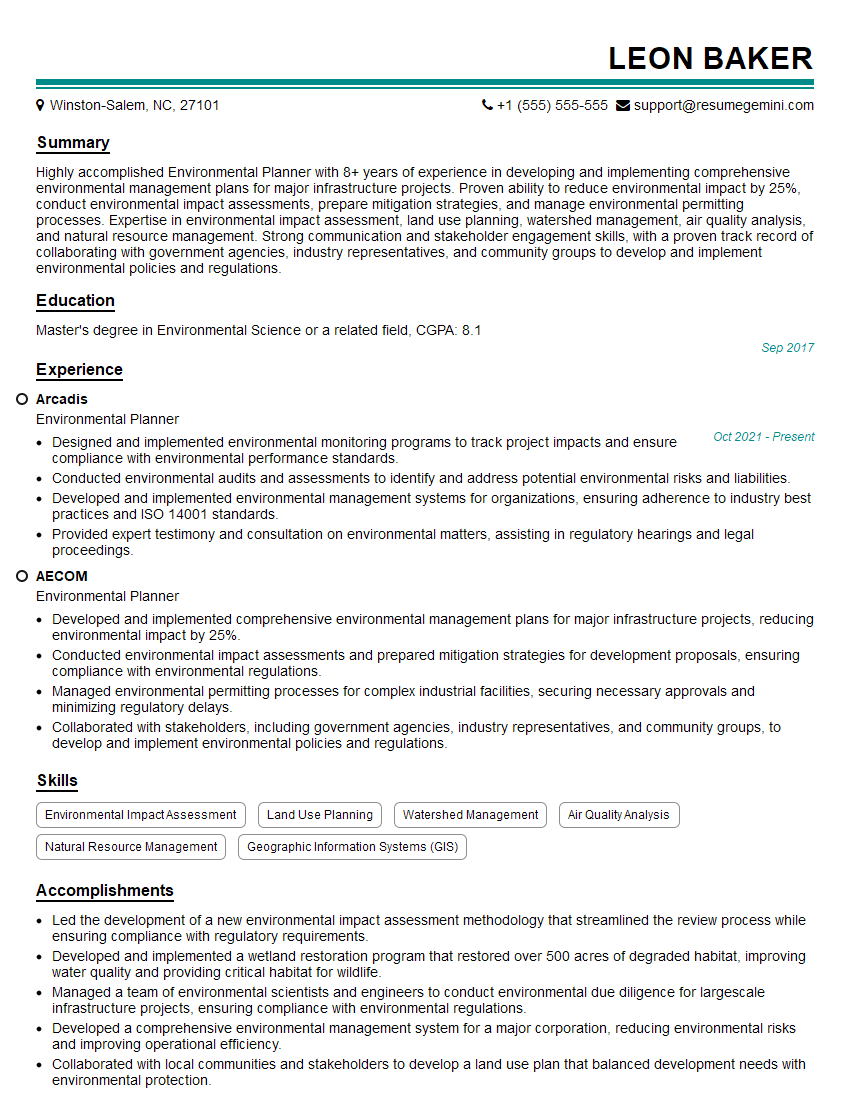
Environmental Planner Resume Sample
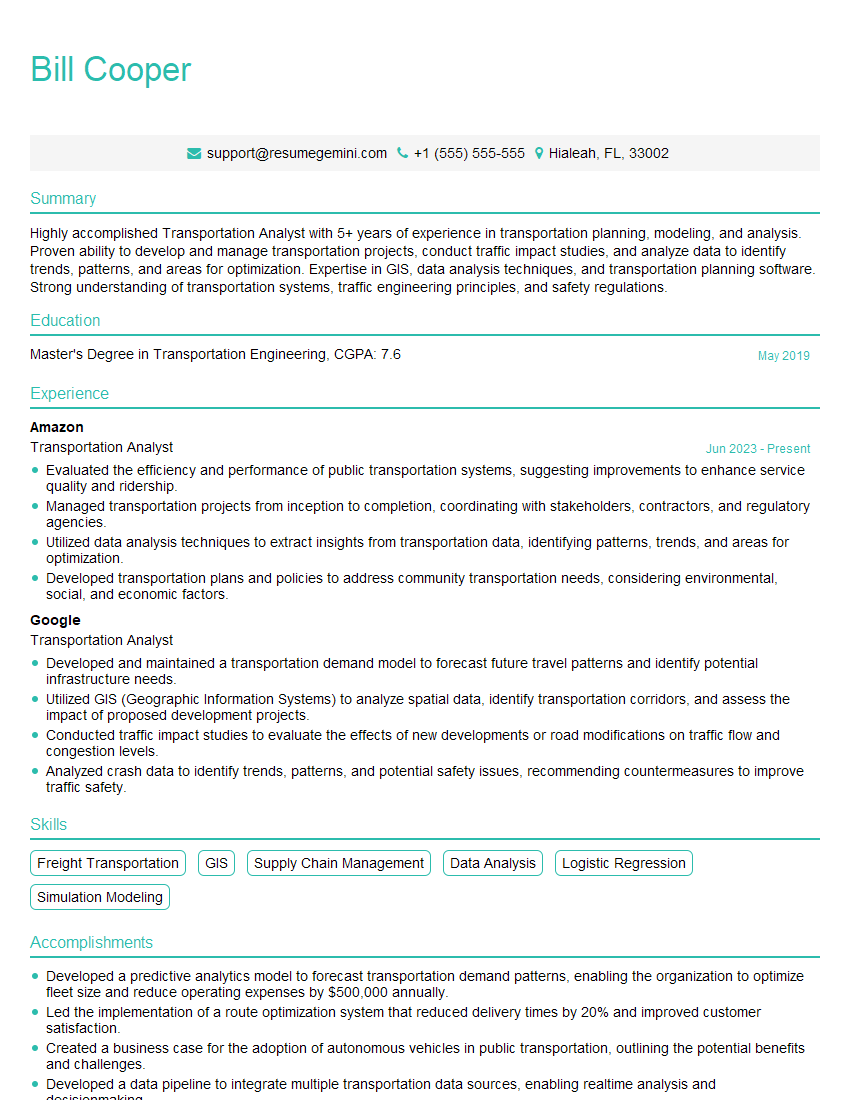
Transportation Analyst Resume Sample
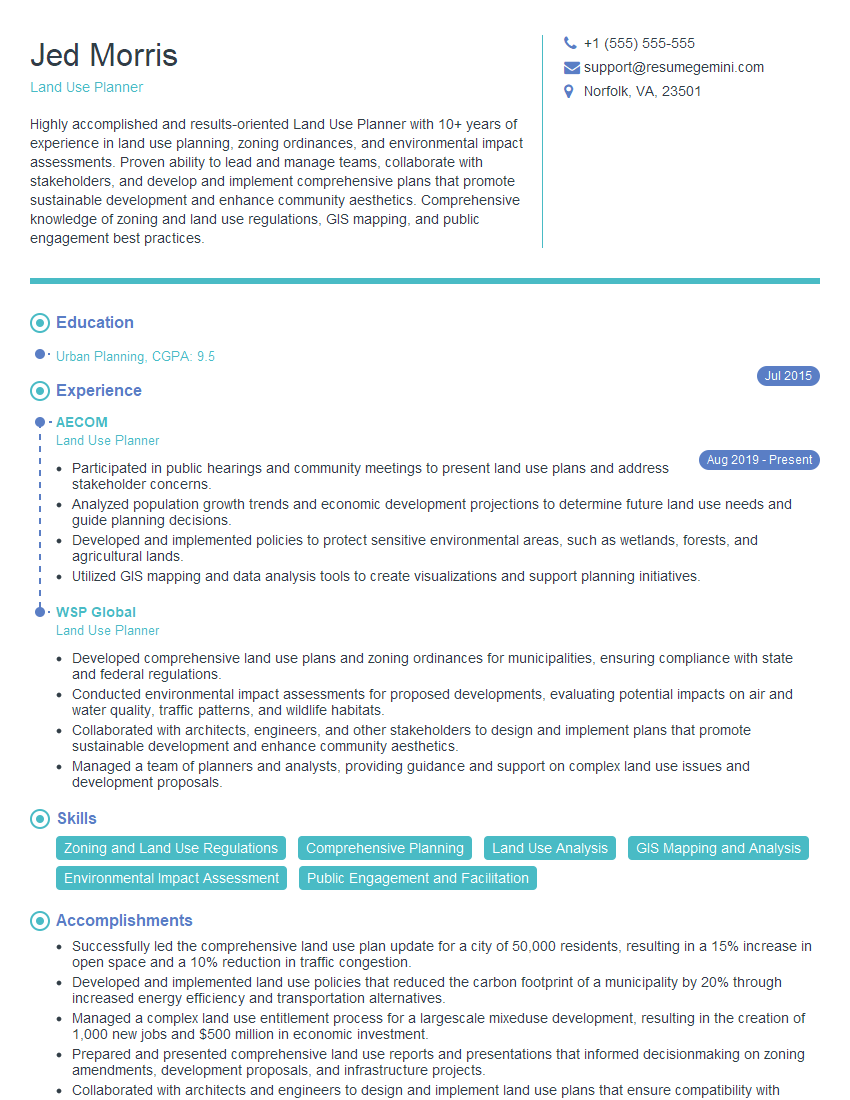
Land Use Planner Resume Sample
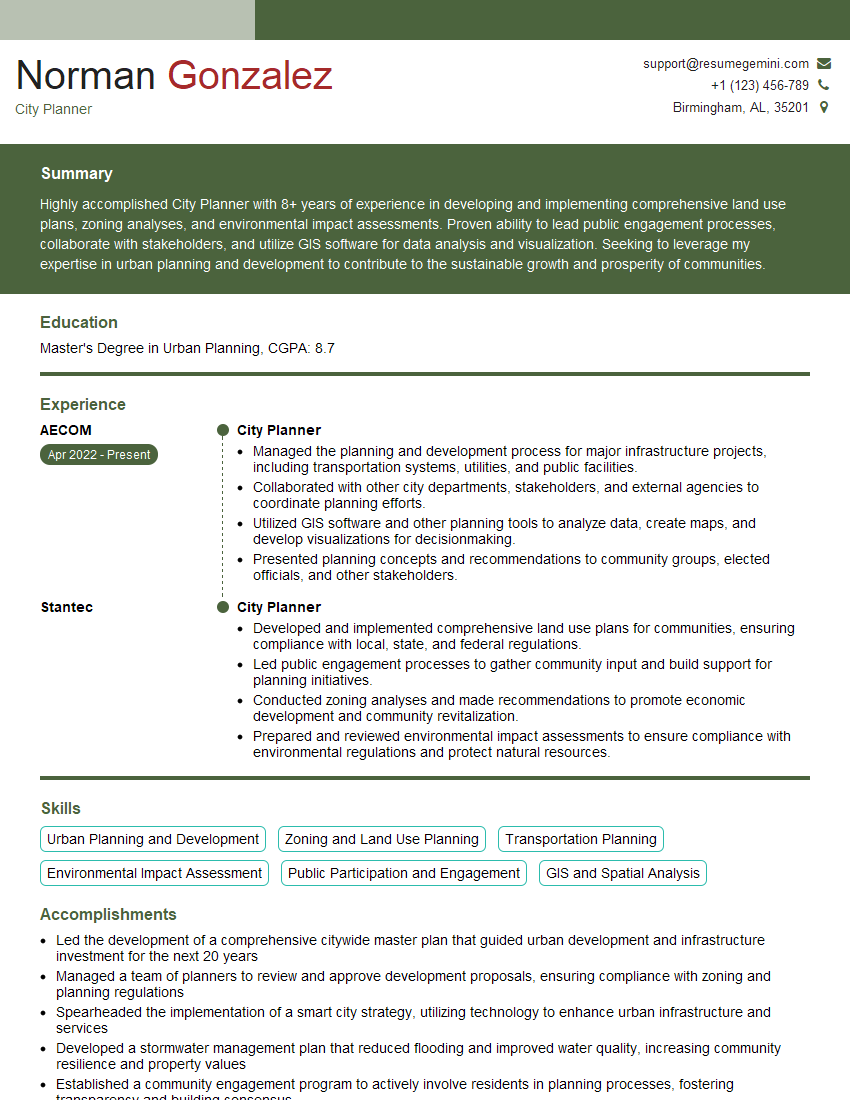
City Planner Resume Sample
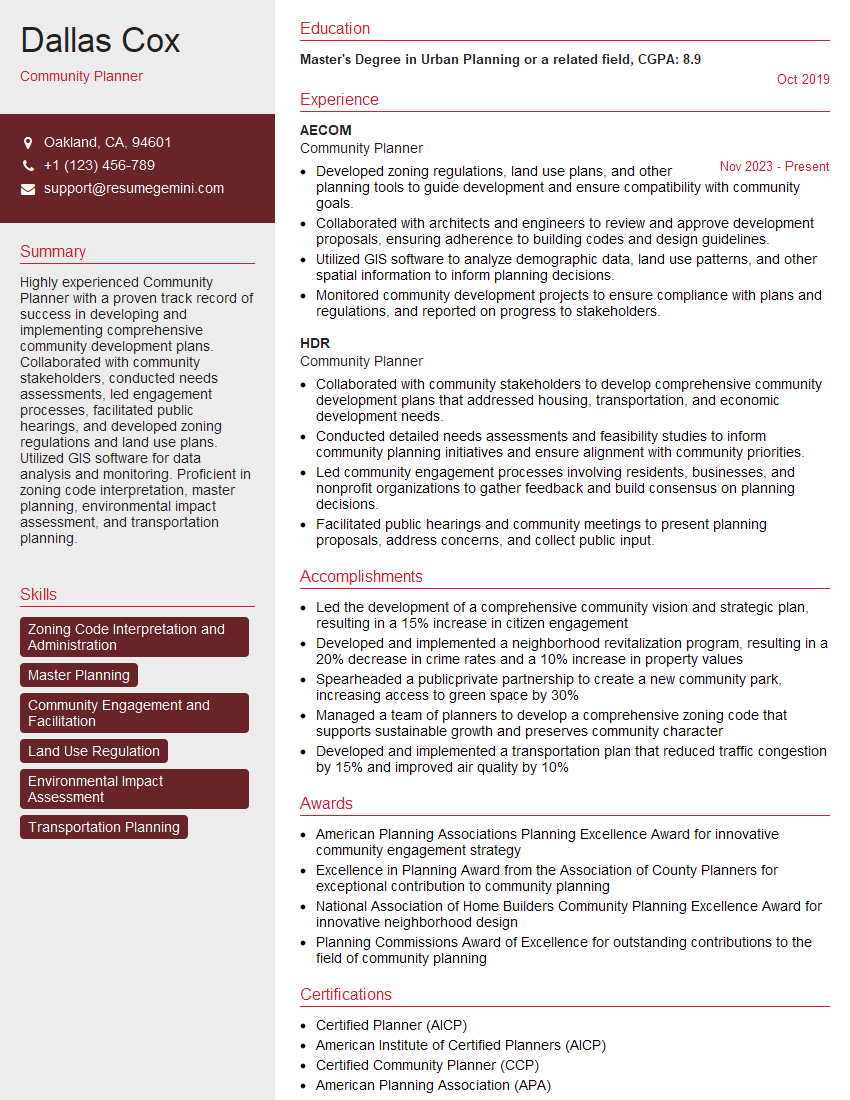
Community Planner Resume Sample
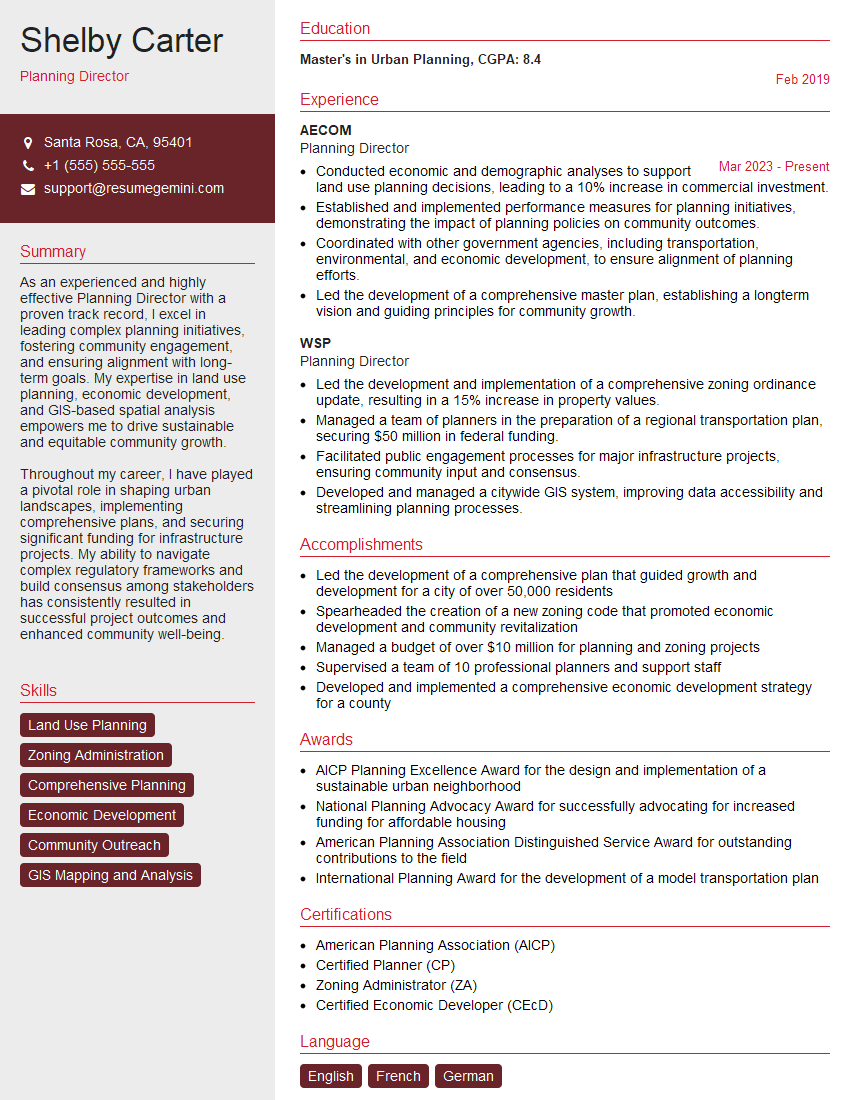
Planning Director Resume Sample
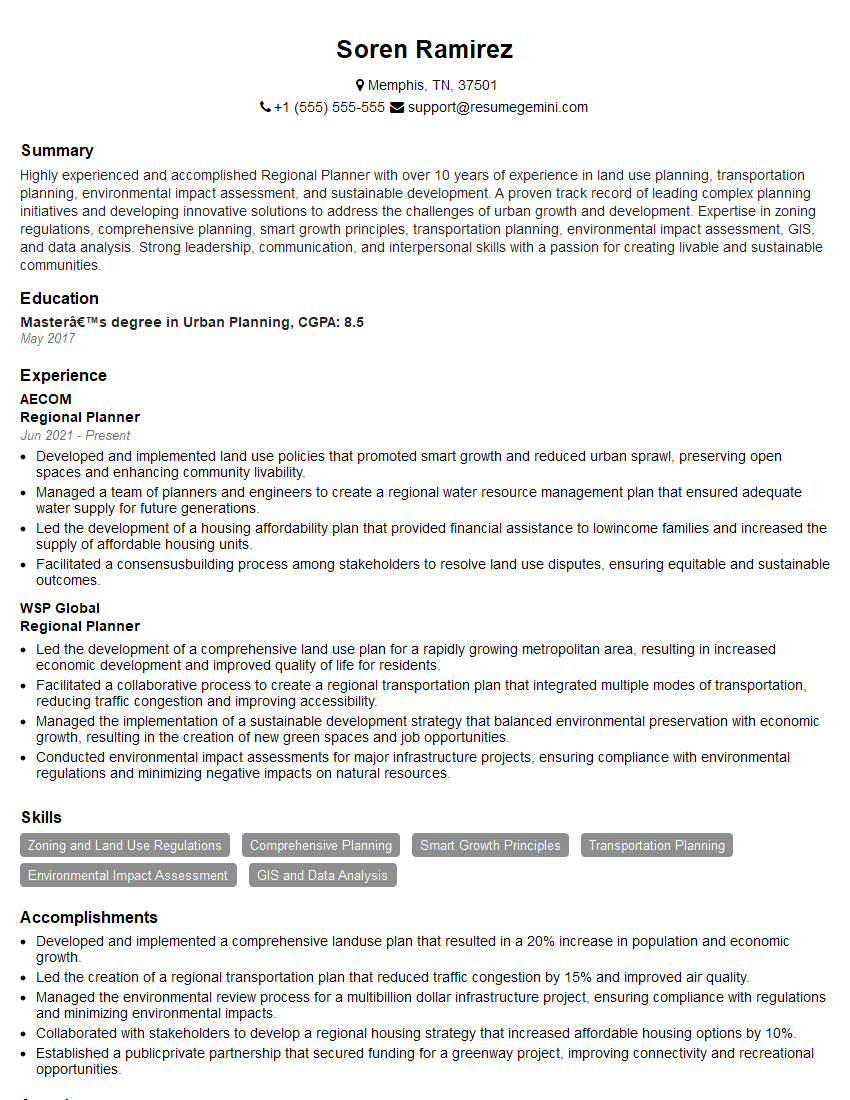
Regional Planner Resume Sample
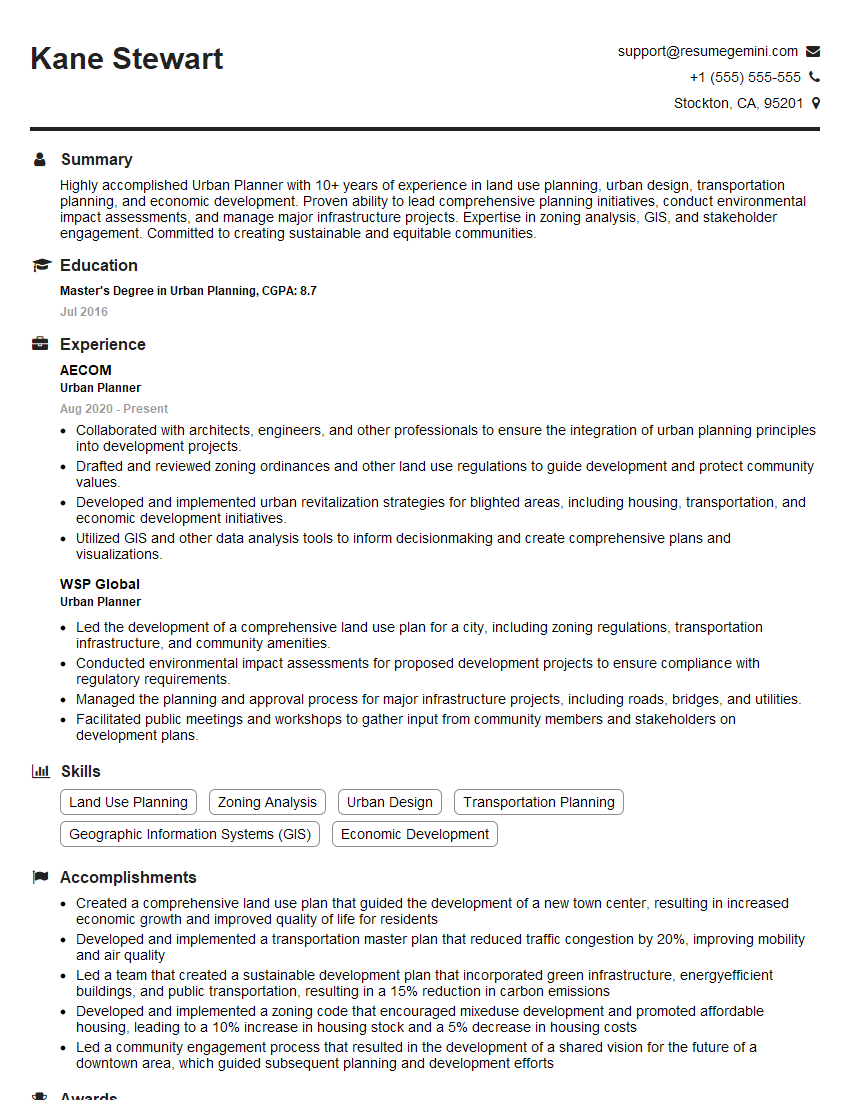
Urban Planner Resume Sample
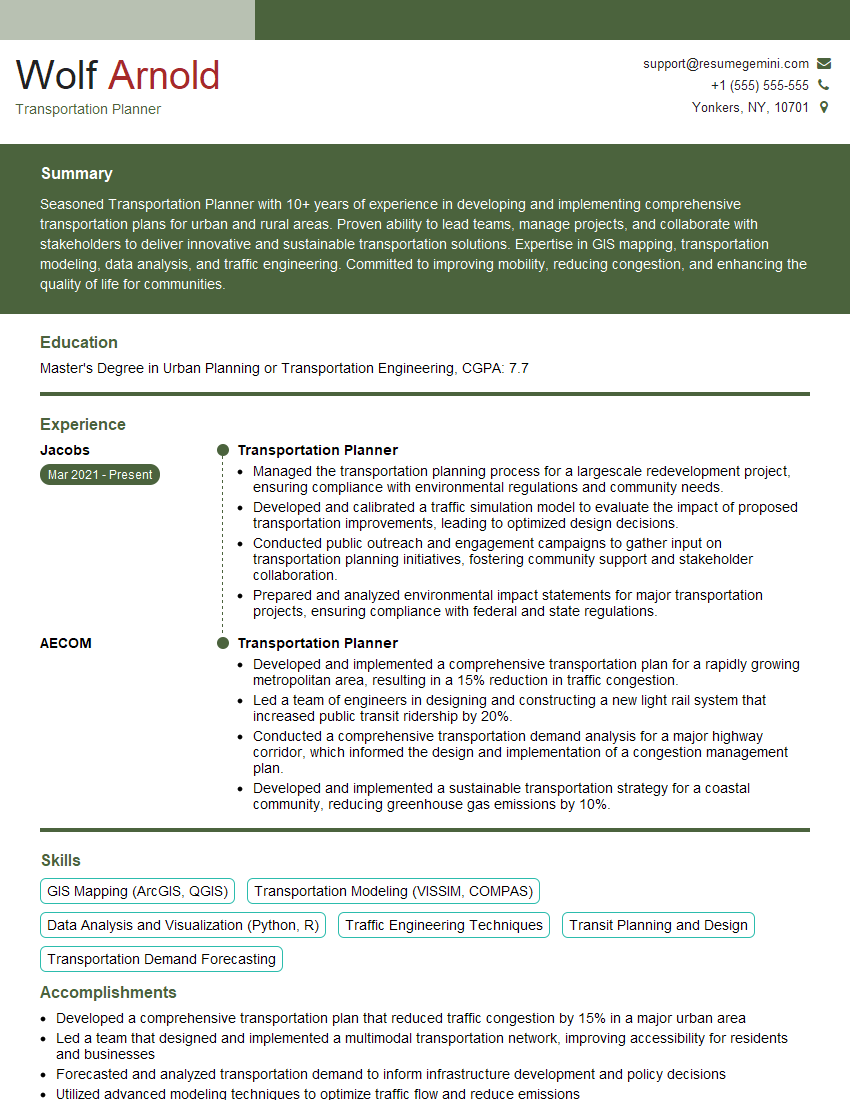
Transportation Planner Resume Sample
Explore more articles
Users Rating of Our Blogs
Share Your Experience
We value your feedback! Please rate our content and share your thoughts (optional).
What Readers Say About Our Blog
To the interviewgemini.com Webmaster.
Very helpful and content specific questions to help prepare me for my interview!
Thank you
To the interviewgemini.com Webmaster.
This was kind of a unique content I found around the specialized skills. Very helpful questions and good detailed answers.
Very Helpful blog, thank you Interviewgemini team.