Unlock your full potential by mastering the most common NEC and OSHA Compliance interview questions. This blog offers a deep dive into the critical topics, ensuring you’re not only prepared to answer but to excel. With these insights, you’ll approach your interview with clarity and confidence.
Questions Asked in NEC and OSHA Compliance Interview
Q 1. Explain the difference between NEC and OSHA regulations.
The National Electrical Code (NEC) and Occupational Safety and Health Administration (OSHA) regulations, while both crucial for workplace safety, address different aspects. The NEC focuses specifically on the safe installation and use of electrical systems, aiming to prevent electrical hazards like fires, shocks, and electrocution. Think of it as the rulebook for electricity. OSHA, on the other hand, is a much broader regulatory body covering a wide range of workplace hazards, including electrical safety (where it often references the NEC), but also encompassing things like chemical handling, fall protection, machine guarding, and more. It’s the overarching safety regulator for all aspects of the work environment.
In short: NEC is about electrical safety, while OSHA encompasses all workplace safety, including electrical safety (which references NEC standards).
Example: An employer must adhere to the NEC when installing electrical wiring in a new building (e.g., proper grounding, correct wire sizing). OSHA would then inspect the overall workplace, ensuring the electrical work complies with the NEC and that additional safety measures are in place to prevent employees from coming into contact with energized circuits or other potential hazards.
Q 2. Describe your experience with OSHA Form 300.
OSHA Form 300 is the log of work-related injuries and illnesses. In my previous role at a construction company, I was responsible for maintaining this log, ensuring accurate and timely recording of all work-related incidents, no matter how minor. This involved collecting data from supervisors and first responders, verifying the information, and classifying the incidents according to OSHA guidelines. I then summarized this data annually on Form 300A and made it available to employees, as mandated by the law. This process is vital for tracking injury trends, identifying areas needing improvement in safety protocols, and demonstrating compliance with OSHA regulations. Maintaining accurate records on Form 300 is not just about compliance; it also directly contributes to a safer and healthier work environment by highlighting areas needing attention.
Beyond record-keeping, I actively participated in analyzing the data from Form 300 to identify patterns and causes of workplace incidents. This analysis allowed us to implement targeted safety training programs and modify our safety procedures to address specific hazards and prevent future incidents. For instance, a noticeable spike in hand injuries led us to implement a more comprehensive hand protection program, including improved training and provision of appropriate gloves.
Q 3. How do you conduct a job hazard analysis?
A job hazard analysis (JHA) is a systematic process of identifying and controlling hazards associated with a specific task. I approach this by following a structured method:
- Task Breakdown: First, I meticulously break down the task into its individual steps. This allows for a detailed examination of each step’s potential hazards.
- Hazard Identification: Next, I identify all potential hazards associated with each step. This involves considering various factors like physical hazards (e.g., falls, slips, trips), chemical hazards, electrical hazards, and ergonomic hazards.
- Risk Assessment: I then assess the severity and likelihood of each identified hazard, determining the overall risk level. This involves considering factors such as the potential for injury and the probability of the hazard occurring. A simple risk matrix (severity vs. likelihood) is often used.
- Control Measures: Based on the risk assessment, I develop and implement control measures to eliminate or mitigate the identified hazards. This could include engineering controls (e.g., machine guarding), administrative controls (e.g., work permits, training), and personal protective equipment (PPE).
- Documentation: Finally, I document the entire JHA process, including the task breakdown, identified hazards, risk assessment, control measures, and any additional observations. This documentation serves as a record of the analysis and ensures that safety protocols are properly implemented and reviewed.
Example: In a JHA for changing a lightbulb, I’d break it down into steps (turning off power, accessing the fixture, removing the old bulb, installing the new bulb). I’d identify hazards like electrical shock, falls, and cuts from broken glass. Control measures would include using lockout/tagout procedures, using a non-conductive ladder, and wearing safety glasses.
Q 4. What are the key elements of an effective safety program?
An effective safety program is built upon several key elements:
- Management Commitment: Leadership buy-in and active participation are critical. Safety must be prioritized from the top down.
- Employee Involvement: Workers must be involved in identifying hazards and developing solutions. A culture of safety requires their active participation.
- Hazard Identification and Control: Proactive identification of hazards through methods like JHAs, inspections, and near-miss reporting is crucial, followed by the implementation of effective controls.
- Training and Education: Regular, job-specific safety training ensures that employees are aware of hazards and know how to protect themselves.
- Emergency Response Planning: Having a well-defined emergency response plan, including evacuation procedures and first aid, is critical for minimizing the impact of accidents.
- Record-Keeping and Reporting: Accurate record-keeping (like OSHA Form 300) allows for the tracking of incidents, identification of trends, and evaluation of the effectiveness of safety programs. This also ensures legal compliance.
- Regular Inspections and Audits: Routine inspections and audits ensure that safety protocols are being followed and identify any areas that require improvement.
- Continuous Improvement: Safety is an ongoing process. Regularly reviewing and updating the safety program to address new hazards and improve effectiveness is essential.
A strong safety culture, built on open communication, mutual respect, and a shared commitment to safety, underpins all these elements. It’s not just about policies; it’s about a mindset.
Q 5. Explain your understanding of lockout/tagout procedures.
Lockout/Tagout (LOTO) procedures are crucial for preventing the unexpected energization or startup of machinery during maintenance or repair. They involve the following steps:
- Preparation: Identify the energy sources (electrical, mechanical, hydraulic, pneumatic, etc.) to be controlled.
- Lockout: Use a lockout device (lock) to physically prevent the energy source from being activated.
- Tagout: Attach a tag to the lockout device, clearly indicating who has locked out the equipment and why.
- Verification: Before starting work, verify that the equipment is truly de-energized and safe to work on.
- Energy Isolation: Ensure that all energy sources are completely isolated and cannot be re-energized during the maintenance process.
- Release: Once the work is complete, the lockout/tagout devices are removed only by the person who installed them, ensuring a safe return to operation.
Example: Before working on an electrical panel, you would follow LOTO procedures. You’d turn off the circuit breaker, lock it in the off position with your lock, attach a tag with your name and the reason for the lockout, verify that the circuit is dead using a voltage tester, and then proceed with the maintenance. Only you can remove the lock and tag when the work is finished and the panel is ready for re-energization.
Effective LOTO procedures are crucial for preventing serious injuries and fatalities. A comprehensive training program is essential for all employees involved in LOTO processes.
Q 6. How do you identify and mitigate workplace hazards?
Identifying and mitigating workplace hazards is a continuous cycle. I typically follow a structured approach:
- Walkthroughs and Inspections: Regularly walking through the workplace, inspecting equipment, and observing work practices can reveal many hazards. This often includes using checklists to ensure thoroughness.
- Incident Reporting and Investigation: Thoroughly investigating incidents (near misses included) helps understand the root causes and prevents future occurrences. Analyzing data from these incidents and reports helps identify trends and common hazards.
- Job Hazard Analysis (JHA): Conducting JHAs for specific tasks helps pinpoint potential hazards beforehand, allowing for proactive control measures. (See previous answer).
- Employee Feedback: Encouraging employees to report hazards, concerns, and near misses is essential. A safe working environment depends on open communication.
- Monitoring and Evaluation: Regular monitoring and evaluation of control measures ensure their effectiveness. It’s critical to track if the implemented controls are actually reducing risks.
Mitigation strategies vary depending on the hazard: engineering controls (e.g., machine guarding), administrative controls (e.g., work permits, training), and personal protective equipment (PPE) all play a role. The hierarchy of controls should always prioritize elimination or substitution of hazards before relying on PPE.
Example: If I notice slippery floors in a workshop, I’d implement mitigation measures such as increased cleaning frequency, placement of warning signs, and provision of slip-resistant footwear.
Q 7. What is your experience with incident investigation and reporting?
Incident investigation and reporting are critical for preventing future occurrences. My experience involves a multi-step process:
- Immediate Response: Secure the scene, provide first aid if necessary, and notify emergency services.
- Fact-Finding: Gather information from eyewitnesses, review documents (e.g., permits, training records), and take photos and measurements.
- Root Cause Analysis: Go beyond simply describing the event; use techniques like the “5 Whys” to dig deeper and find the underlying causes.
- Corrective Actions: Develop and implement corrective actions to prevent similar incidents from happening again. This could include engineering controls, revised procedures, or additional training.
- Reporting and Documentation: Document the entire investigation process, including findings and corrective actions, in a formal report. This ensures accountability and informs future safety initiatives.
- Follow-up: Follow up on the implemented corrective actions to ensure their effectiveness and to identify any further improvements needed.
Example: If an employee suffers a fall from a ladder, the investigation would involve checking ladder condition, assessing the work area for obstructions, reviewing employee training on ladder safety, and examining whether proper fall protection was used. Corrective actions could range from providing new ladders to implementing a comprehensive fall protection program.
Effective incident investigation isn’t just about blame; it’s about learning from mistakes and improving safety practices. It’s a proactive approach to preventing future incidents.
Q 8. Describe your familiarity with OSHA’s General Duty Clause.
OSHA’s General Duty Clause, found in Section 5(a)(1) of the Occupational Safety and Health Act, is the cornerstone of workplace safety. It essentially states that every employer has a duty to furnish each of its employees with a place of employment that is free from recognized hazards that cause or are likely to cause death or serious physical harm. This is a catch-all provision, meaning it covers hazards not specifically addressed by other OSHA standards. Think of it as a safety net. If a hazard isn’t explicitly covered by a specific OSHA regulation, the General Duty Clause still holds the employer accountable for eliminating or controlling it. For instance, if a new chemical is introduced to the workplace and its hazards aren’t fully understood, the employer is still responsible for ensuring employee safety through appropriate controls, even in the absence of a specific standard. This often involves conducting hazard assessments, implementing control measures, and providing adequate training.
Q 9. How do you ensure compliance with NEC standards on electrical safety?
Ensuring compliance with the National Electrical Code (NEC) requires a multi-faceted approach. First, all electrical installations and modifications must be performed by qualified electricians who are familiar with the current NEC edition. Regular inspections are crucial, focusing on areas prone to hazards such as overloaded circuits, damaged wiring, exposed conductors, and improper grounding. We use a documented checklist to ensure consistent and thorough inspections. This checklist covers everything from proper grounding techniques to the use of appropriate personal protective equipment (PPE) like insulated gloves and tools. We also conduct thermal imaging scans to identify potential overheating issues in electrical equipment before they escalate into fires or other hazards. Furthermore, a comprehensive electrical safety program includes regular training for all employees on safe electrical practices, including lockout/tagout procedures (to de-energize equipment before maintenance), and the proper use of electrical equipment. Documentation is key; every inspection, repair, and training session must be meticulously documented to demonstrate compliance. Any deviations from NEC standards are addressed immediately with corrective actions, properly documented and reviewed.
Q 10. Explain your experience with developing and delivering safety training.
I have extensive experience in developing and delivering safety training programs. My approach is to blend theoretical knowledge with practical, hands-on exercises. For example, when training on lockout/tagout procedures, we don’t just cover the steps; we actually practice the procedure on real equipment in a controlled environment. I tailor training to specific job roles and hazards. A construction worker’s training will differ significantly from that of an office worker. I utilize various methods – classroom lectures, interactive simulations, videos, and case studies – to maintain engagement and ensure comprehension. Post-training assessments and regular refreshers reinforce learning and address any knowledge gaps. I’ve developed training modules on topics ranging from hazard communication and fall protection to electrical safety and emergency response. I always emphasize the importance of reporting near misses and unsafe conditions to foster a proactive safety culture.
Q 11. What is your experience with conducting safety audits?
My experience with safety audits involves a systematic approach to identify potential hazards and compliance gaps. I typically begin with a thorough review of existing safety programs, policies, and documentation. This is followed by a site inspection, focusing on areas identified as high-risk based on historical data or industry best practices. The inspection includes visual observations, equipment checks, and interviews with employees to gauge their understanding of safety procedures. I utilize checklists and standardized forms to document my findings consistently, ensuring all aspects of the audit are covered completely. After the audit, a comprehensive report is prepared, outlining the findings, identifying non-compliances, and recommending corrective actions. The report prioritizes the findings based on severity and potential impact. Following the audit, I work with management to implement corrective actions and follow up to ensure effectiveness. I’ve conducted audits for various industries, and my experience allows me to adapt my approach based on the specific regulatory requirements and workplace environment.
Q 12. How do you handle employee safety concerns and complaints?
Addressing employee safety concerns and complaints is paramount. I establish a confidential reporting system, which might include a suggestion box, online reporting portal, or direct communication channels. All reports are investigated promptly and objectively, ensuring the employee feels heard and respected. Investigations involve interviewing witnesses, reviewing documentation, and identifying the root cause of the issue. Corrective actions are implemented to prevent recurrence, and employees are kept informed of the investigation’s progress and outcomes. In cases involving serious injuries or safety violations, a thorough incident investigation is carried out according to OSHA guidelines. The goal is not just to address the immediate concern but to improve the overall safety system. I ensure a culture of open communication where employees feel safe and empowered to report concerns without fear of reprisal.
Q 13. What are your strategies for improving safety culture in a workplace?
Improving safety culture requires a multi-pronged strategy that focuses on leadership commitment, employee engagement, and continuous improvement. Leadership must actively promote safety as a core value, visible in their actions and decisions. Regular safety meetings, safety committees, and employee involvement in hazard identification initiatives fosters a sense of ownership and shared responsibility. Incentivizing safe behaviors, recognizing and rewarding safe practices, and openly acknowledging and addressing near misses encourages employees to prioritize safety. Regular training and communication reinforce safety procedures and keep safety top of mind. Implementing a robust safety management system, including regular inspections, audits, and incident investigations, ensures continuous improvement and prevents complacency. Open communication channels, where employees feel comfortable reporting concerns, are vital to creating a culture where safety is valued and prioritized by everyone.
Q 14. How do you ensure compliance with PPE regulations?
Compliance with PPE regulations requires a systematic approach. It starts with a thorough hazard assessment to determine the necessary PPE for each job task. This assessment considers potential hazards such as chemical exposure, electrical hazards, and physical injuries. Appropriate PPE is then selected based on the identified hazards, following OSHA and industry best practices. Employees receive training on the proper selection, use, and maintenance of the PPE, with a focus on its limitations and how to properly inspect it before each use. Regular inspections are conducted to ensure employees are using the correct PPE and that the equipment is in good condition. We provide the necessary PPE free of charge and enforce consistent use. Documentation is key: records of training, inspections, and PPE issuance are maintained to demonstrate compliance. I always make sure that the PPE fits properly, offering different sizes and types where necessary. Regular feedback from employees on the comfort and effectiveness of their PPE ensures a high level of comfort and acceptance.
Q 15. Describe your experience with emergency response planning and execution.
Emergency response planning and execution is crucial for minimizing the impact of unforeseen events. My experience encompasses developing comprehensive plans, conducting drills, and leading responses in real-world scenarios. This includes identifying potential hazards, establishing communication protocols, assigning roles and responsibilities, and defining evacuation procedures.
For instance, in my previous role at a construction site, I developed an emergency action plan (EAP) that addressed fire, medical emergencies, and hazardous material spills. This plan included detailed maps, assembly points, and contact information for emergency services. We conducted regular drills to ensure everyone was familiar with the procedures. During a simulated hazardous material spill, the plan proved highly effective, allowing for a swift and safe response.
Beyond planning, I have a proven track record of leading emergency responses. In one instance, a worker suffered a serious injury on a high-rise construction project. My immediate actions—activating emergency services, securing the site, and coordinating with first responders—helped minimize the severity of the situation and ensured the injured worker received timely medical attention. Effective post-incident analysis and reporting were also critical in identifying contributing factors and implementing corrective actions to prevent future incidents.
Career Expert Tips:
- Ace those interviews! Prepare effectively by reviewing the Top 50 Most Common Interview Questions on ResumeGemini.
- Navigate your job search with confidence! Explore a wide range of Career Tips on ResumeGemini. Learn about common challenges and recommendations to overcome them.
- Craft the perfect resume! Master the Art of Resume Writing with ResumeGemini’s guide. Showcase your unique qualifications and achievements effectively.
- Don’t miss out on holiday savings! Build your dream resume with ResumeGemini’s ATS optimized templates.
Q 16. What is your understanding of hazard communication standards?
Hazard communication standards, primarily governed by OSHA’s Hazard Communication Standard (HCS), ensure that employees are informed of chemical hazards in the workplace. This includes proper labeling, safety data sheets (SDS), and employee training. Understanding this standard is vital for preventing workplace accidents and illnesses.
The HCS requires employers to provide employees with SDSs for all hazardous chemicals used or stored in the workplace. These documents contain detailed information about the chemical’s hazards, safe handling procedures, and emergency response measures. Furthermore, employers must ensure that all containers of hazardous chemicals are clearly labeled with appropriate hazard warnings. Employee training is crucial, covering hazard identification, proper handling procedures, and emergency response protocols. I’ve consistently ensured that all employees under my supervision receive comprehensive training and are provided with readily accessible SDSs.
For example, in a previous role involving the handling of solvents, I developed and implemented a training program that included hands-on demonstrations, quizzes, and regular refresher courses. This ensured employees were fully aware of the risks associated with solvent use and knew how to handle them safely. I also established a system for tracking employee training records to maintain compliance and ensure ongoing competence.
Q 17. How do you manage safety documentation and record-keeping?
Effective safety documentation and record-keeping is critical for demonstrating compliance with NEC and OSHA regulations and for continuous improvement. My approach involves a structured system for managing all safety-related documents and records using a combination of physical and digital methods.
This includes maintaining comprehensive records of safety training, inspections, incident reports, and corrective actions. I utilize digital databases and software to streamline record-keeping, ensuring easy access to information when needed. The system incorporates version control to track changes and maintain data integrity. Regular audits are performed to ensure accuracy and compliance.
For example, I implemented a safety management system that utilizes a dedicated database for storing and tracking all safety documents and records. The system includes features for automated reminders for training renewals and inspections, ensuring proactive compliance. This system has simplified the process significantly, allowing for efficient reporting and analysis of safety data to identify trends and implement preventative measures.
Q 18. Explain your experience with conducting safety inspections.
Conducting thorough safety inspections is fundamental to proactively identifying and mitigating potential hazards. My approach involves a systematic inspection process, adhering to checklists tailored to specific work areas and potential hazards. This includes visual inspections, equipment checks, and interviews with employees to identify any safety concerns.
The process begins with defining the scope of the inspection, followed by a systematic walk-through of the area, referencing relevant NEC and OSHA standards. I meticulously document all findings, including any deficiencies, and take immediate corrective actions when necessary. A follow-up inspection is conducted to verify that corrective actions have been implemented effectively.
For instance, during a recent inspection of an electrical substation, I identified a loose grounding wire posing a significant electrical shock hazard. Immediate action was taken to rectify the issue, and the finding was documented in a detailed inspection report, including photographs. This proactive approach prevented a potentially serious accident.
Q 19. Describe your experience with developing and implementing safety policies.
Developing and implementing safety policies requires a thorough understanding of relevant regulations and a collaborative approach involving all stakeholders. My experience includes creating comprehensive safety policies aligned with NEC and OSHA standards, incorporating best practices and industry guidelines.
The process starts with identifying potential hazards and risks specific to the work environment. This is followed by developing clear and concise safety policies and procedures addressing those risks. These policies are then communicated effectively to all employees through training sessions, written materials, and regular updates. Finally, regular monitoring and enforcement are crucial to ensure adherence to the established policies.
For example, I developed a comprehensive lockout/tagout (LOTO) program for a manufacturing facility. The program included detailed procedures, training materials, and a system for tracking LOTO devices. The program significantly improved employee safety by reducing the risk of accidental equipment start-up during maintenance activities. Regular audits and employee feedback were incorporated to continuously improve the program’s effectiveness.
Q 20. How do you stay current with changes in NEC and OSHA regulations?
Staying abreast of changes in NEC and OSHA regulations requires ongoing diligence and a proactive approach. I utilize several methods to ensure my knowledge remains current.
This includes subscribing to industry publications, attending professional development courses and seminars, participating in relevant professional organizations, and actively monitoring updates from OSHA and the National Fire Protection Association (NFPA) websites. I also maintain a network of contacts within the safety industry to share information and best practices. Regular review of applicable codes and standards is incorporated into my workflow.
For example, when OSHA updated the HCS in 2012, I immediately updated our company’s hazard communication program to reflect the new requirements. This ensured compliance with the revised standard and protected the safety and health of our employees.
Q 21. Explain your experience with using safety software or databases.
I have extensive experience utilizing various safety software and databases to manage safety information and enhance compliance. These tools streamline the processes of record-keeping, incident reporting, and training management, contributing to better overall safety performance.
I’m proficient in using software for incident reporting and investigation, tracking safety training, conducting inspections, and managing safety documentation. My experience also includes using specialized databases for storing SDSs and other crucial safety-related data. These tools aid in generating reports, analyzing trends, and identifying areas for improvement.
For example, I’ve used software to track near-miss incidents, allowing for proactive identification and mitigation of potential hazards before they escalate into accidents. The data analysis features of these programs have proven invaluable in helping to pinpoint recurring issues and implement effective solutions.
Q 22. How do you measure the effectiveness of your safety program?
Measuring the effectiveness of a safety program isn’t a one-size-fits-all approach. It requires a multi-faceted strategy focusing on lagging and leading indicators. Lagging indicators, like the number of accidents or lost-time injuries, show the *results* of your program. Leading indicators, however, are more proactive. They measure the *processes* that contribute to safety, allowing for preventative measures.
- Lagging Indicators: We analyze incident rates (frequency and severity), lost-time injury frequency rate (LTIFR), days away from work (DAFW), and medical treatment injury rates. These metrics provide a historical view of safety performance, revealing trends over time. For example, a consistent increase in near-miss reports might suggest a larger underlying issue even if the number of accidents hasn’t risen.
- Leading Indicators: These are crucial for predicting future performance. We monitor safety training completion rates, the number of safety audits conducted, compliance with safety protocols (measured through observations and audits), employee safety suggestions submitted, and participation in safety meetings. A high rate of safety training completion, coupled with consistent positive feedback from safety audits, suggests a robust safety culture and improved future safety outcomes.
- Data Analysis and Improvement: Regularly analyzing both lagging and leading indicators allows us to identify areas needing improvement. For example, if we see a rise in hand injuries alongside a low rate of personal protective equipment (PPE) use during a particular task, we know we need to reinforce PPE training and enforcement. We use this data to adjust our program, implement new procedures, and enhance training. This continuous improvement cycle is key.
Q 23. Describe your experience with working with different regulatory agencies.
I have extensive experience working with OSHA (Occupational Safety and Health Administration) and NEC (National Electrical Code) regulatory bodies. My work has involved collaborating with inspectors during audits, proactively submitting required reports, and actively participating in safety standards updates. With OSHA, I’ve ensured compliance with general industry standards, such as lockout/tagout procedures, hazard communication, and personal protective equipment (PPE) use. In working with NEC, I’ve focused on electrical safety compliance across various projects, making sure all electrical installations meet the appropriate code requirements. I understand the importance of maintaining thorough documentation and actively responding to any identified deficiencies. For example, I once collaborated with an OSHA inspector to address minor deficiencies during a routine inspection, proactively correcting them and even implementing additional safety measures to prevent future issues. This proactive approach prevented more significant penalties and improved our overall safety record.
Q 24. What is your experience with root cause analysis of safety incidents?
Root cause analysis (RCA) is vital for preventing future incidents. I’m experienced in using several RCA methodologies, including the ‘5 Whys,’ fault tree analysis, and fishbone diagrams (Ishikawa diagrams). My approach is systematic and involves gathering evidence from various sources: accident reports, witness statements, photos, and physical evidence. I’ve always found the ‘5 Whys’ technique very effective as a starting point. Let’s say we had a fall from height incident.
- Why did the worker fall? Because the guardrail was broken.
- Why was the guardrail broken? Because it wasn’t inspected regularly.
- Why wasn’t it inspected regularly? Because there was no scheduled inspection program.
- Why wasn’t there a scheduled inspection program? Because safety procedures weren’t well defined.
- Why weren’t safety procedures well defined? Because there was a lack of management commitment to safety training and implementation.
This simple process identifies the root cause, which in this case is a management failure to create and maintain a robust safety program. This understanding informs the corrective and preventative actions, ensuring we address the underlying problem and prevent similar incidents.
Q 25. How do you ensure that subcontractors comply with safety regulations?
Ensuring subcontractor compliance is crucial. We accomplish this through a multi-pronged approach. Before any work commences, subcontractors are required to provide proof of their safety program, including their safety policies, training records, and insurance documentation. We carefully review this documentation to verify their adherence to OSHA and NEC standards. Additionally, we conduct pre-job safety meetings to review specific site hazards and our safety rules. During the project, we perform regular inspections to monitor compliance and address any safety concerns immediately. Subcontractors are required to report any incidents or near-misses promptly. Finally, we include specific safety requirements in our contracts with subcontractors, making compliance a contractual obligation. Non-compliance can lead to contract termination. This rigorous approach ensures that everyone working on our projects upholds the highest safety standards.
Q 26. Describe a time you had to deal with a difficult safety situation.
During a large-scale electrical renovation, a subcontractor disregarded our safety protocols, resulting in a near-miss involving a worker and energized equipment. The immediate response was to halt all work in the affected area. I immediately convened a meeting with the subcontractor’s supervisor, reviewed the incident in detail, highlighting the breach of our safety procedures, and the potential for severe injury or fatality. We discussed the specific violations of our lockout/tagout procedures and emphasized the importance of compliance. We implemented additional training for the subcontractor’s crew, reinforcing lockout/tagout procedures through hands-on demonstrations. Post-incident, we revised our subcontractor oversight procedures, introducing more frequent inspections and random safety audits. It was a challenging situation, but the proactive steps taken prevented future occurrences and strengthened our overall safety culture. Open communication and a firm stance on safety were critical in resolving this situation effectively.
Q 27. How do you prioritize safety concerns in a fast-paced work environment?
Prioritizing safety in a fast-paced environment requires a structured approach. We utilize a risk assessment matrix that categorizes hazards based on their likelihood and severity. High-risk hazards, even in a busy environment, always receive immediate attention. For example, if a piece of equipment malfunctions and presents a significant risk, work is immediately stopped until the hazard is mitigated. We use daily toolbox talks to communicate safety concerns, reinforce good practices, and address any immediate issues. Additionally, we leverage technology, such as real-time monitoring systems where applicable, to identify and respond promptly to safety risks. A strong safety culture, where employees feel empowered to raise concerns without fear of reprisal, is crucial. By effectively managing risks, communicating clearly, and engaging employees, we ensure safety remains a top priority, regardless of the project’s pace.
Q 28. What are your salary expectations for this role?
My salary expectations for this role are in the range of $ [Insert Salary Range] annually. This is based on my extensive experience, expertise in NEC and OSHA compliance, and proven success in managing and improving safety programs in demanding environments. I am confident that my skills and experience will be a valuable asset to your organization, and I am eager to discuss this further.
Key Topics to Learn for NEC and OSHA Compliance Interview
- NEC Code Basics: Understanding the National Electrical Code’s structure, organization, and purpose. This includes interpreting code articles and applying them to real-world scenarios.
- OSHA Regulations (Electrical Safety): Familiarize yourself with OSHA standards related to electrical safety, including lockout/tagout procedures, arc flash hazard analysis, and personal protective equipment (PPE) requirements.
- Practical Application: Develop your ability to identify potential hazards in electrical systems and apply NEC and OSHA standards to mitigate those risks. Consider case studies involving common electrical violations and their corrections.
- Hazard Identification and Risk Assessment: Learn how to conduct thorough risk assessments for electrical work, including identifying potential hazards, evaluating their severity, and implementing control measures.
- Electrical Safety Training and Documentation: Understand the importance of proper training programs for electrical workers and the documentation required to demonstrate compliance.
- Inspections and Audits: Prepare for questions on conducting NEC and OSHA compliant inspections, identifying deficiencies, and developing corrective action plans.
- Permitting and Documentation: Understand the process of obtaining necessary permits for electrical work and maintaining accurate and comprehensive documentation.
- Emergency Response Procedures: Be prepared to discuss emergency procedures related to electrical accidents and injuries, including first aid and reporting requirements.
- Emerging Technologies and Compliance: Stay updated on how new technologies impact NEC and OSHA compliance, such as the increased use of renewable energy sources.
- Problem-Solving: Practice applying your knowledge to solve hypothetical scenarios involving NEC and OSHA violations. Develop a structured approach to identifying and resolving these issues.
Next Steps
Mastering NEC and OSHA compliance is crucial for advancing your career in any field involving electrical work or safety management. It demonstrates your commitment to safety and your ability to work within established regulations. To maximize your job prospects, create a compelling and ATS-friendly resume that highlights your relevant skills and experience. ResumeGemini is a trusted resource that can help you build a professional and effective resume, ensuring your qualifications stand out. Examples of resumes tailored to NEC and OSHA Compliance are available to guide you.
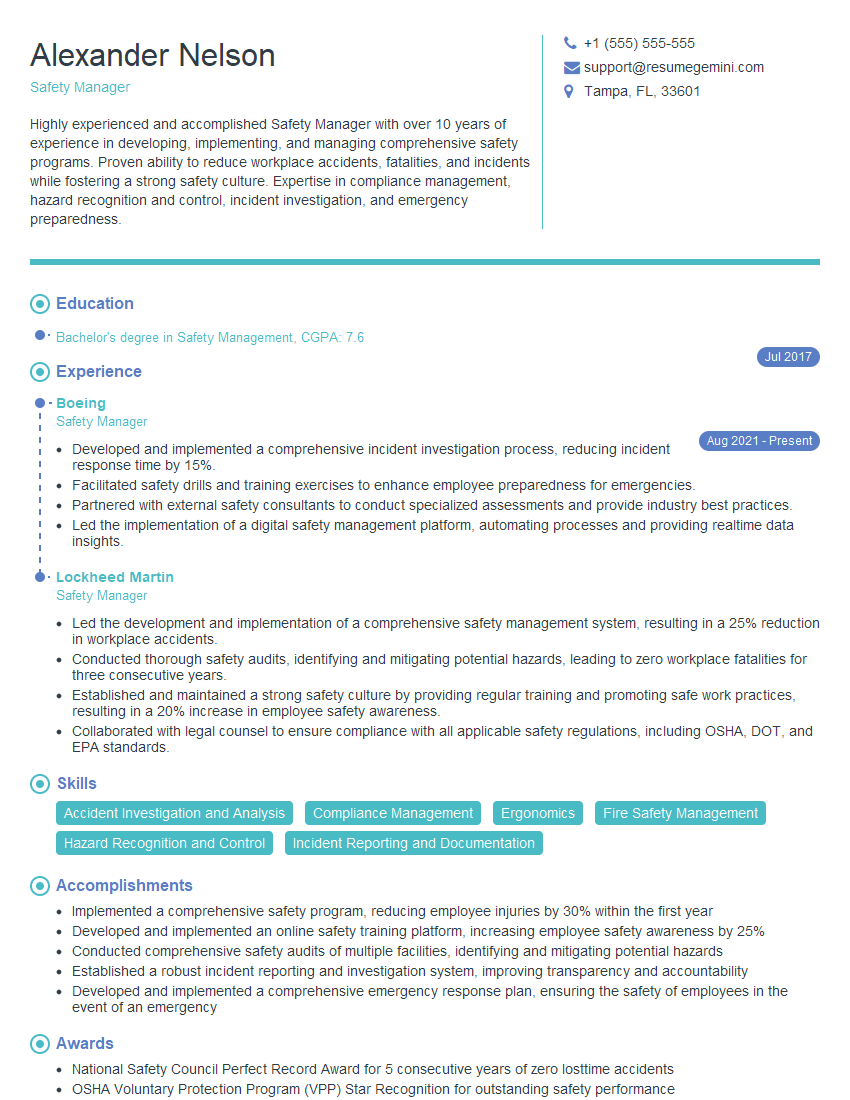
Safety Manager Resume Sample
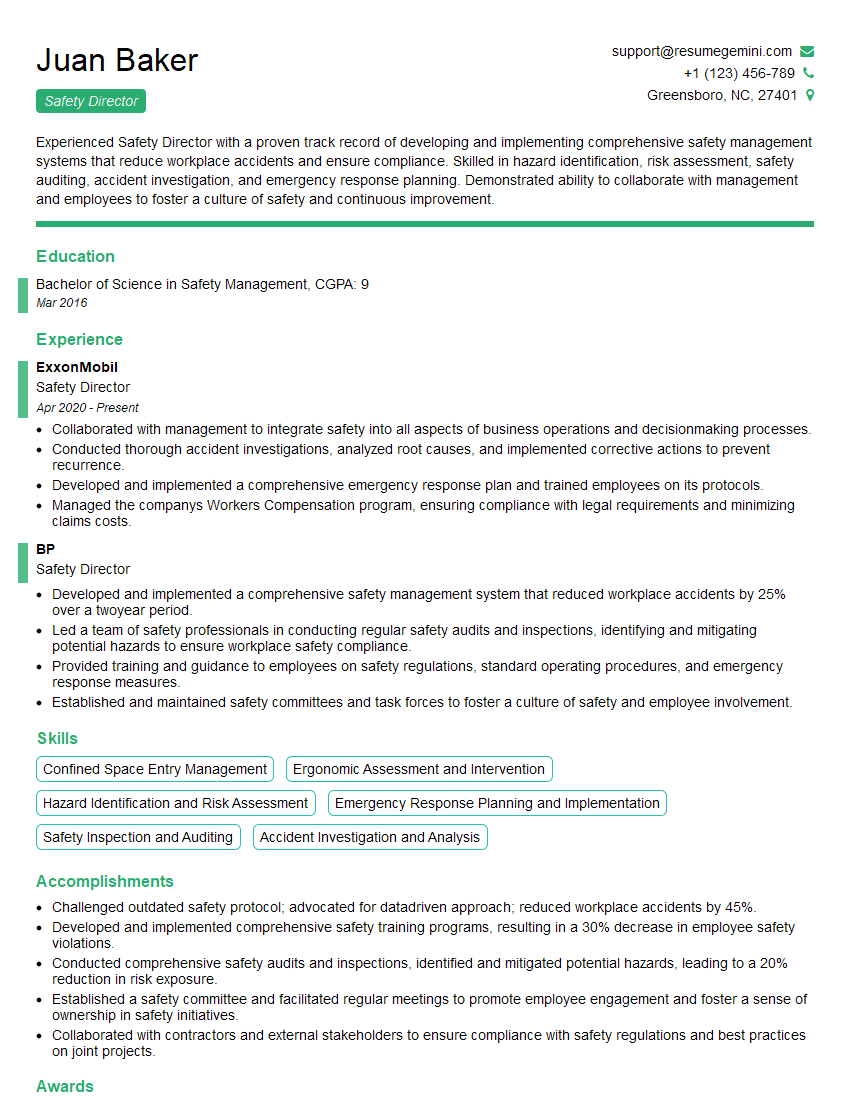
Safety Director Resume Sample
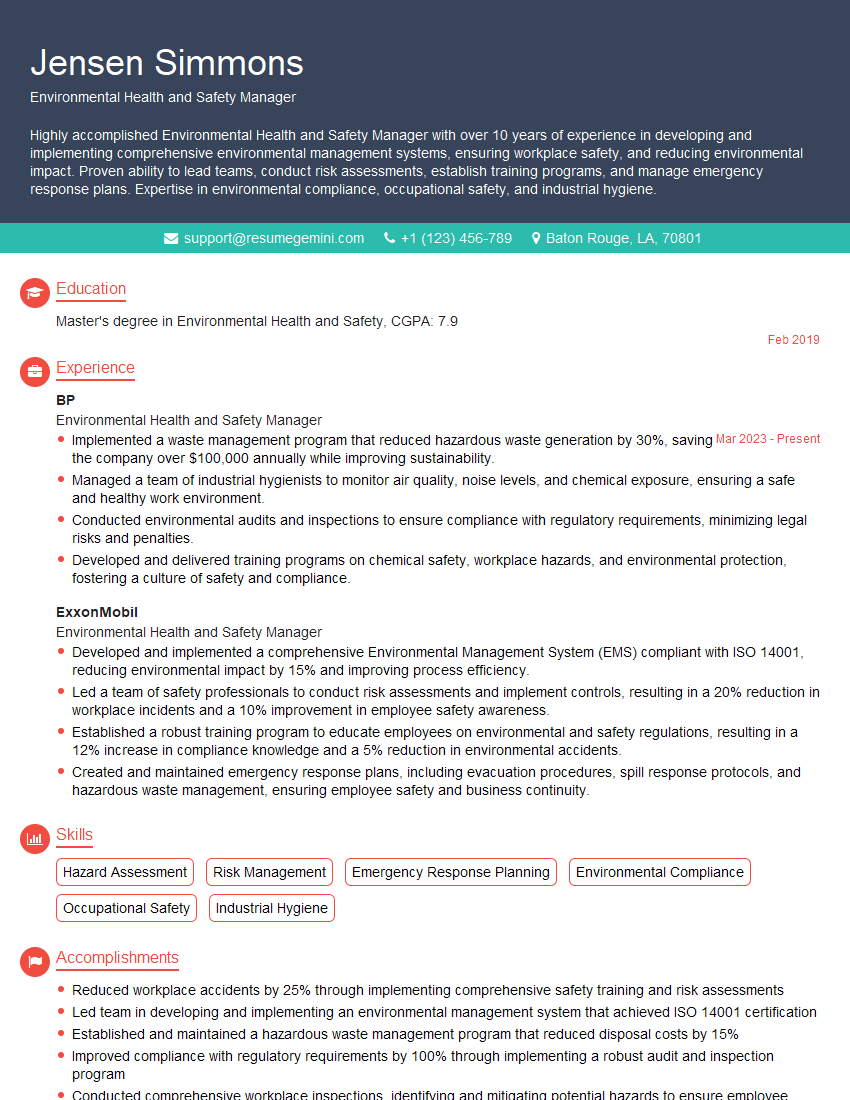
Environmental Health and Safety Manager Resume Sample
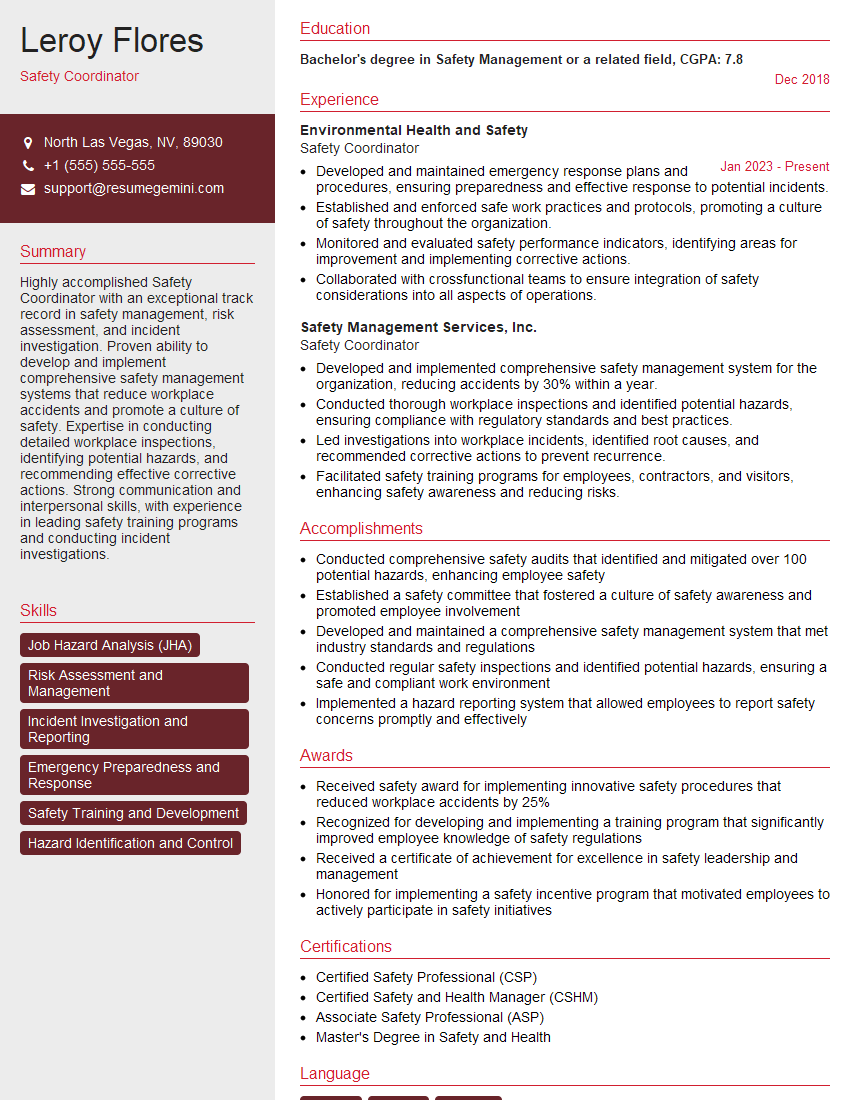
Safety Coordinator Resume Sample
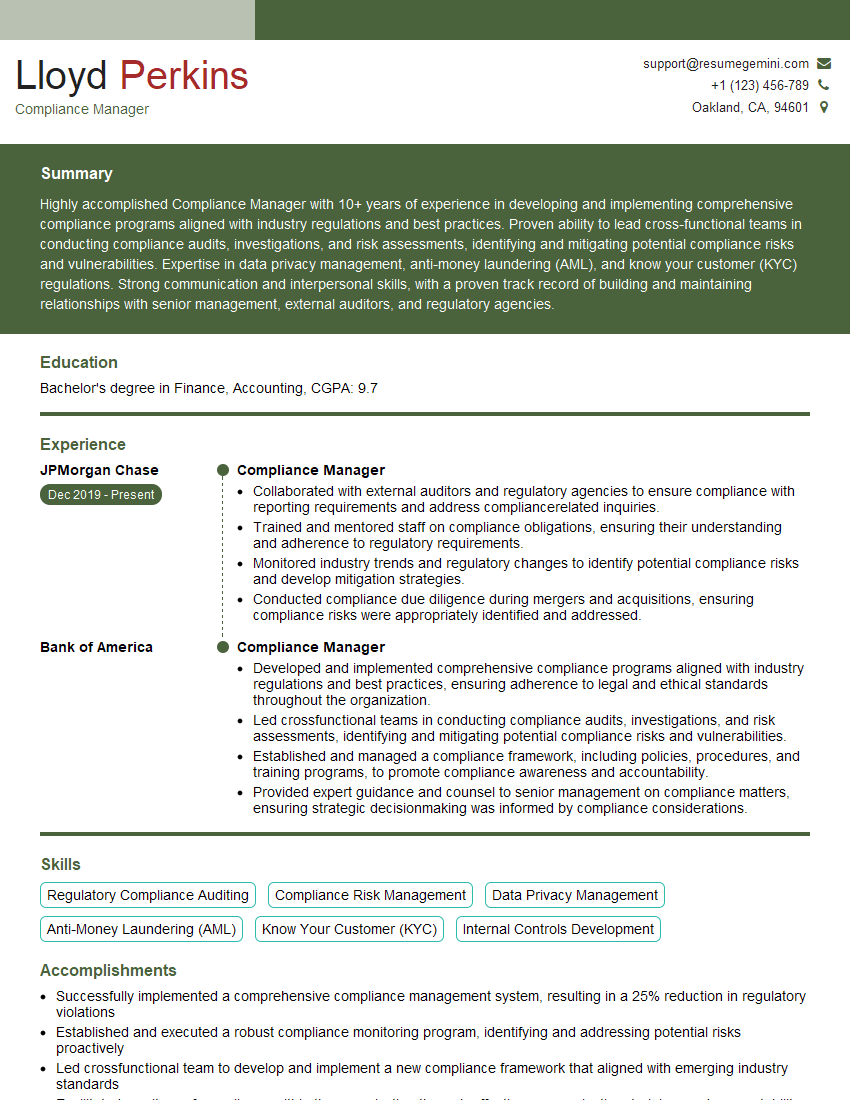
Compliance Manager Resume Sample
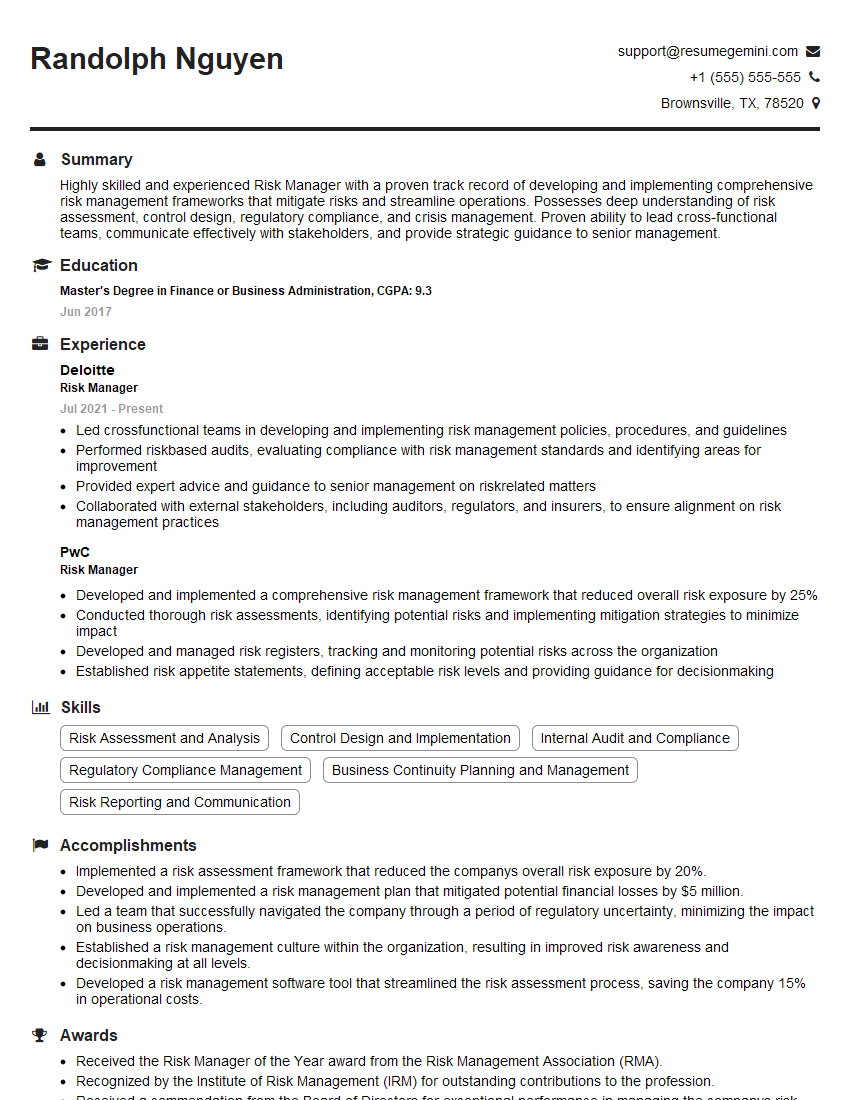
Risk Manager Resume Sample
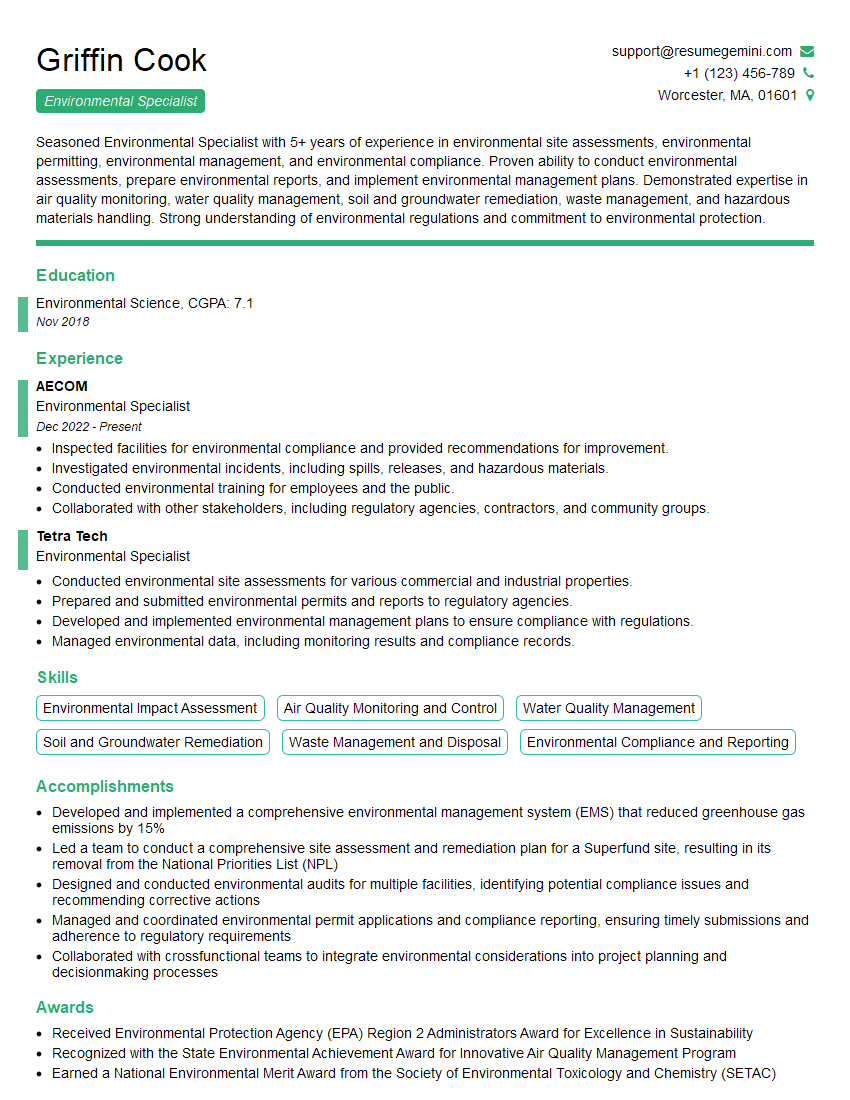
Environmental Specialist Resume Sample
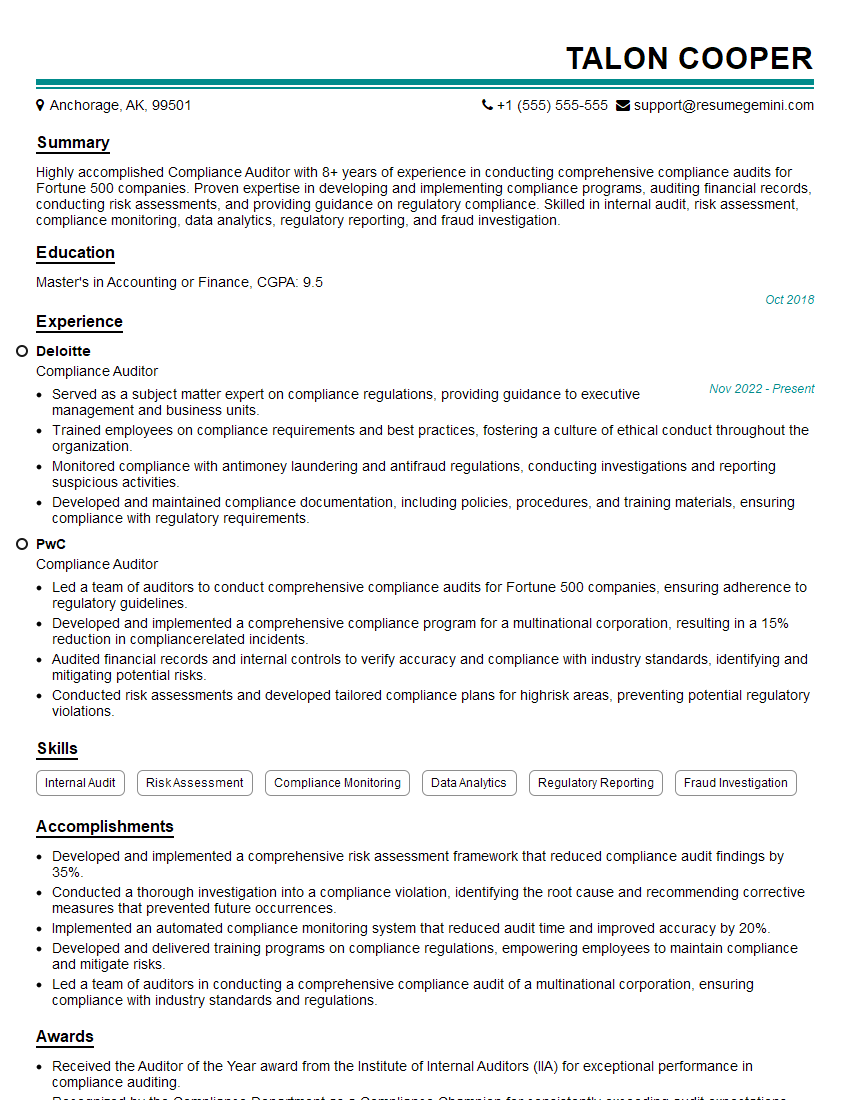
Compliance Auditor Resume Sample
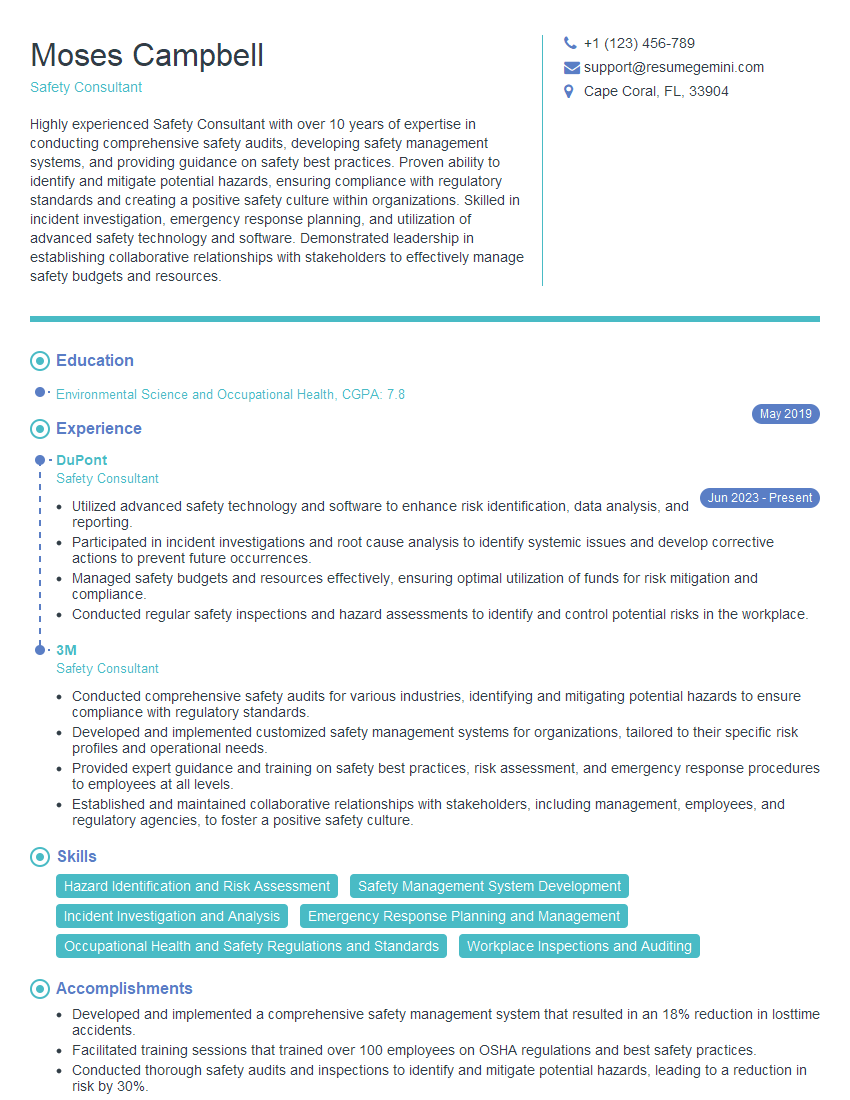
Safety Consultant Resume Sample
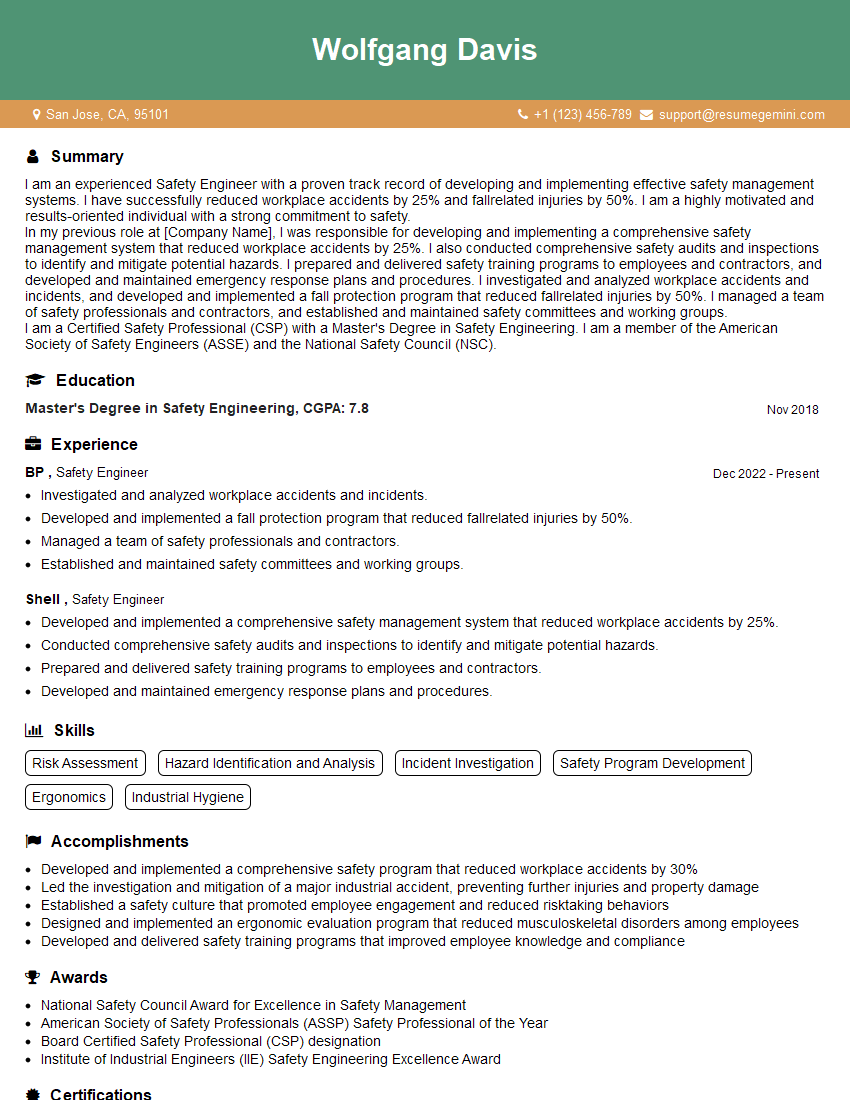
Safety Engineer Resume Sample
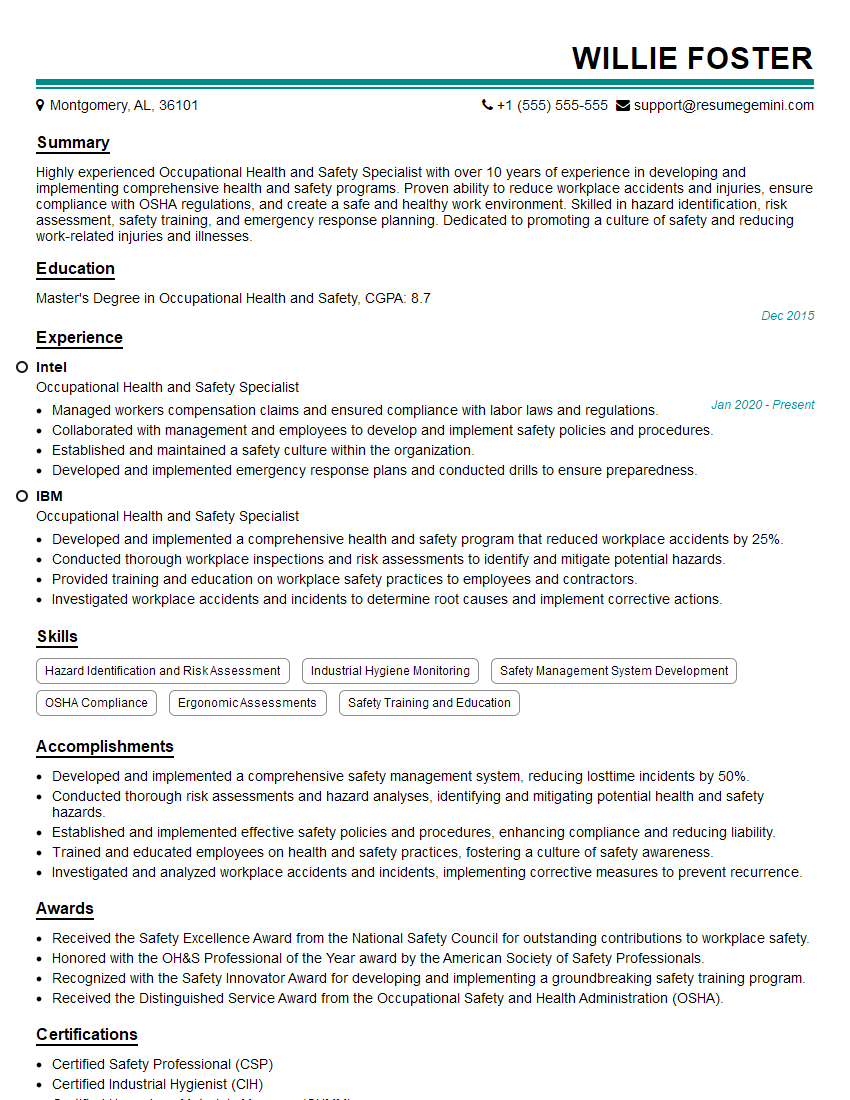
Occupational Health and Safety Specialist Resume Sample
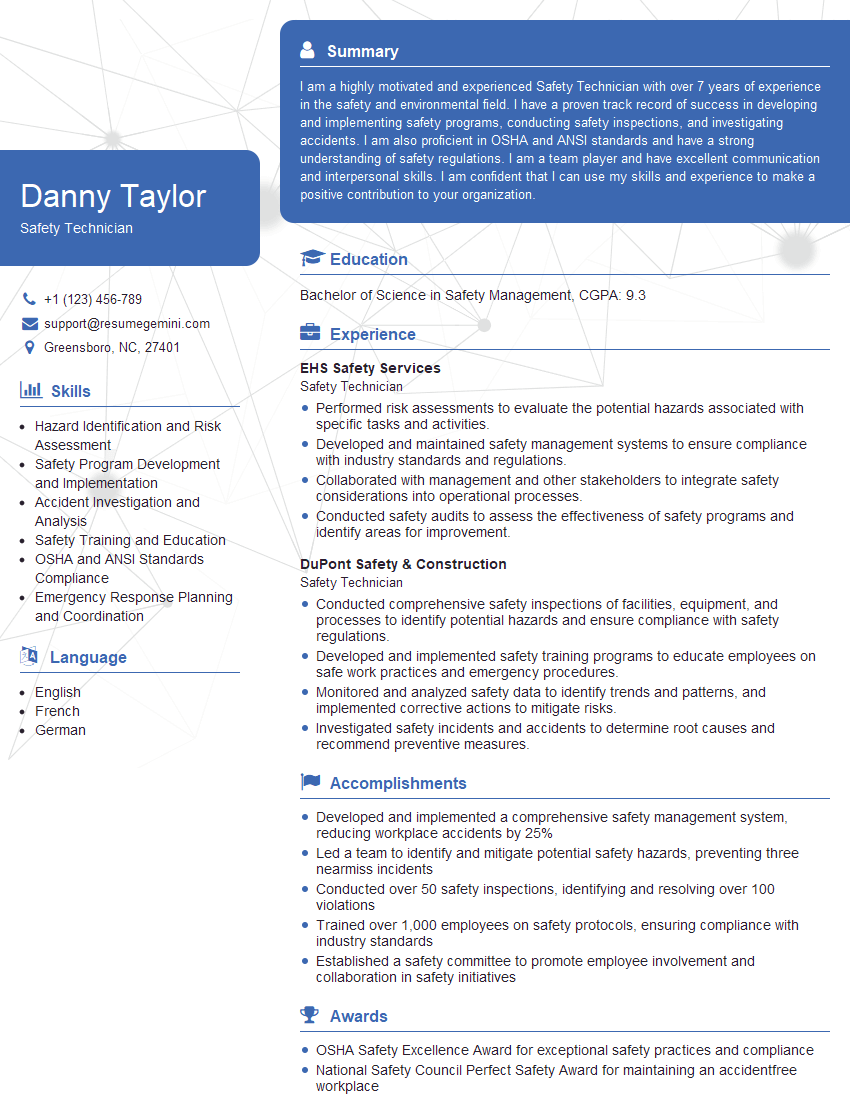
Safety Technician Resume Sample
Explore more articles
Users Rating of Our Blogs
Share Your Experience
We value your feedback! Please rate our content and share your thoughts (optional).
What Readers Say About Our Blog
To the interviewgemini.com Webmaster.
Very helpful and content specific questions to help prepare me for my interview!
Thank you
To the interviewgemini.com Webmaster.
This was kind of a unique content I found around the specialized skills. Very helpful questions and good detailed answers.
Very Helpful blog, thank you Interviewgemini team.